Article

Inequalities in the European Union—A Partial Order Analysis of the Main Indicators

1
Awareness Center, Linkøpingvej 35, Trekroner, DK-4000 Roskilde, Denmark
2
Department of Ecohydrology, Leibniz-Institute of Freshwater Ecology and Inland Fisheries, Oskar—Kösters-Str. 11, D-92421 Schwandorf, Germany
*
Author to whom correspondence should be addressed.
Sustainability 2021, 13(11), 6278; https://doi.org/10.3390/su13116278
Submission received: 9 April 2021 / Revised: 28 May 2021 / Accepted: 29 May 2021 / Published: 2 June 2021

Abstract

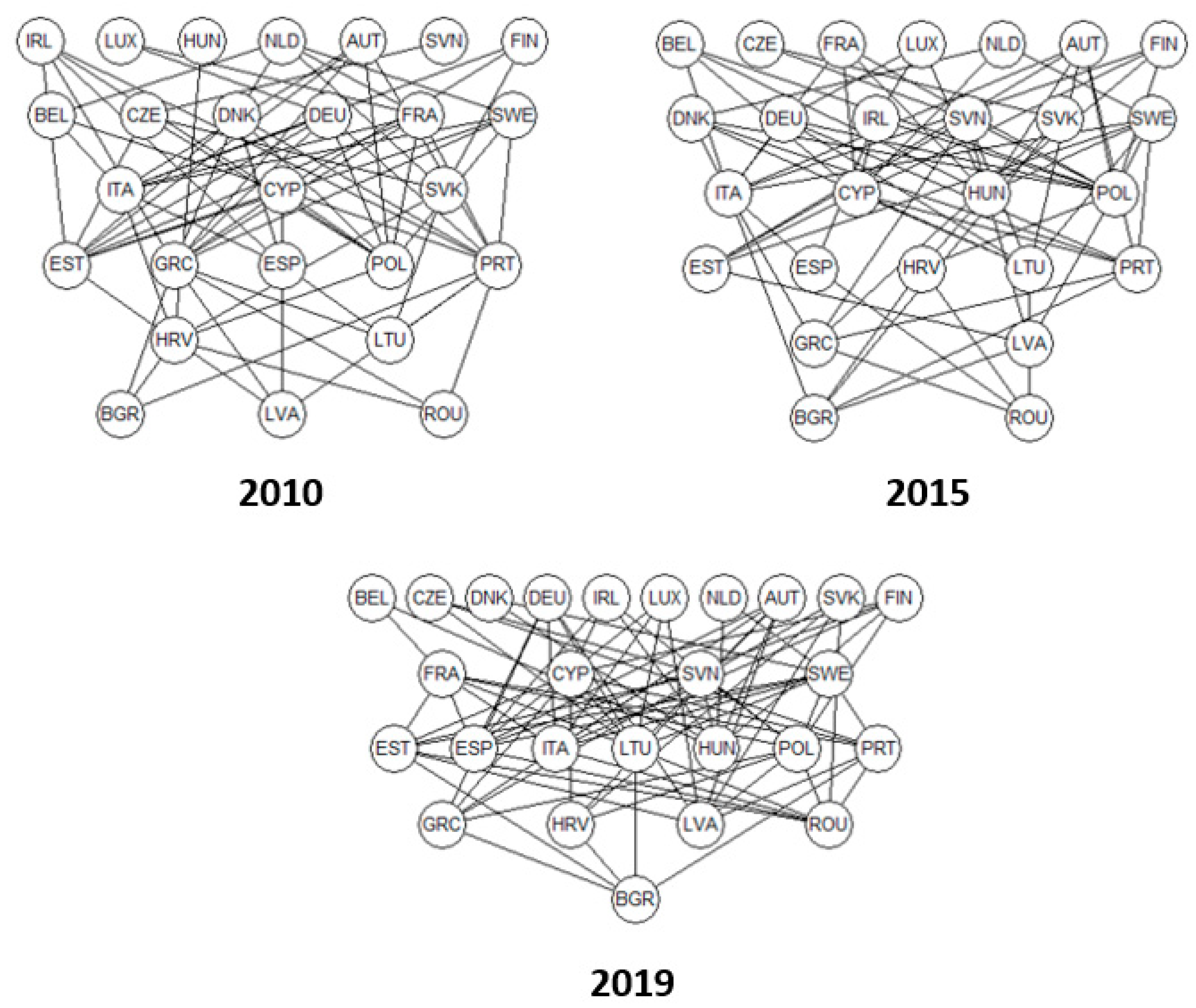
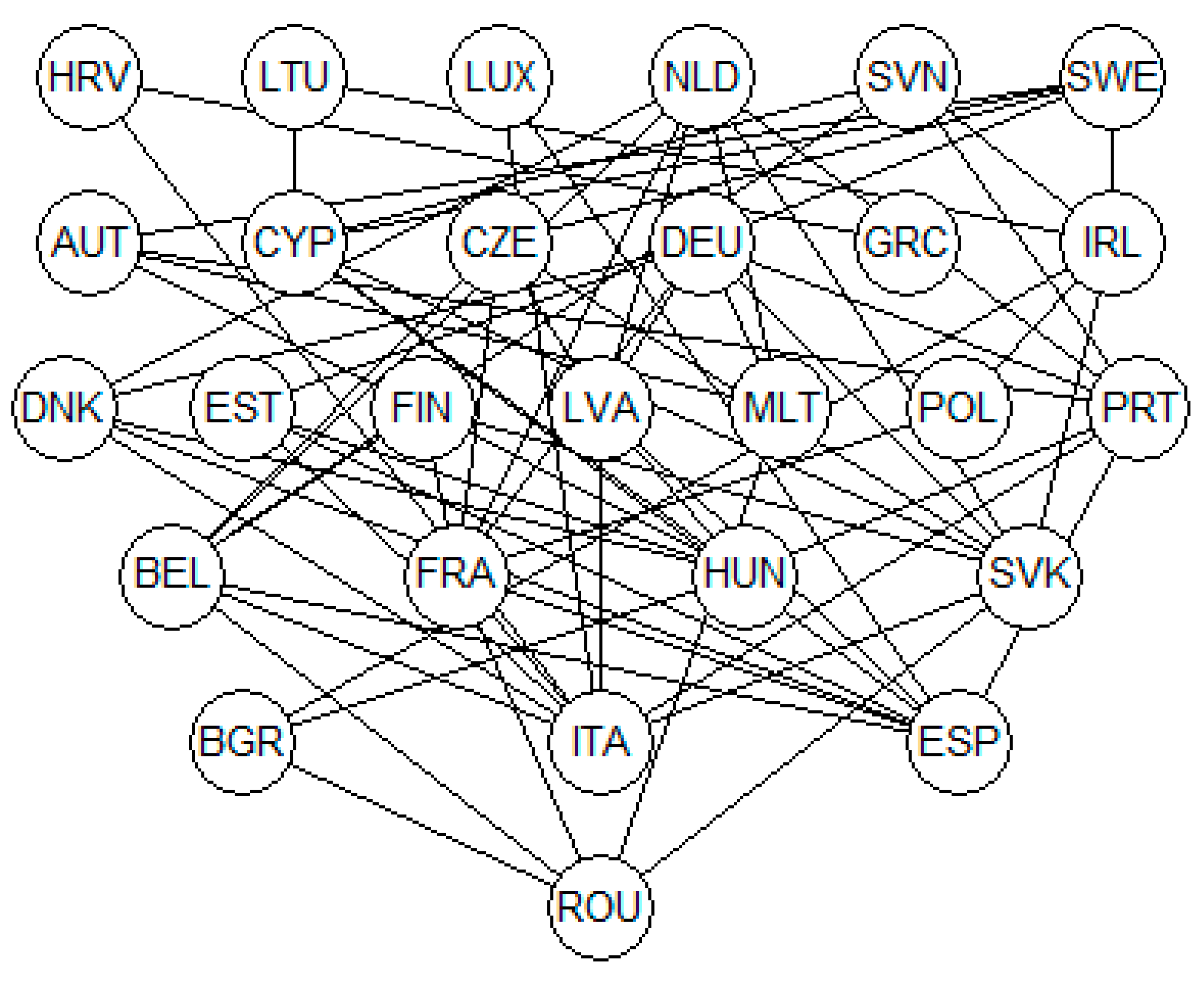
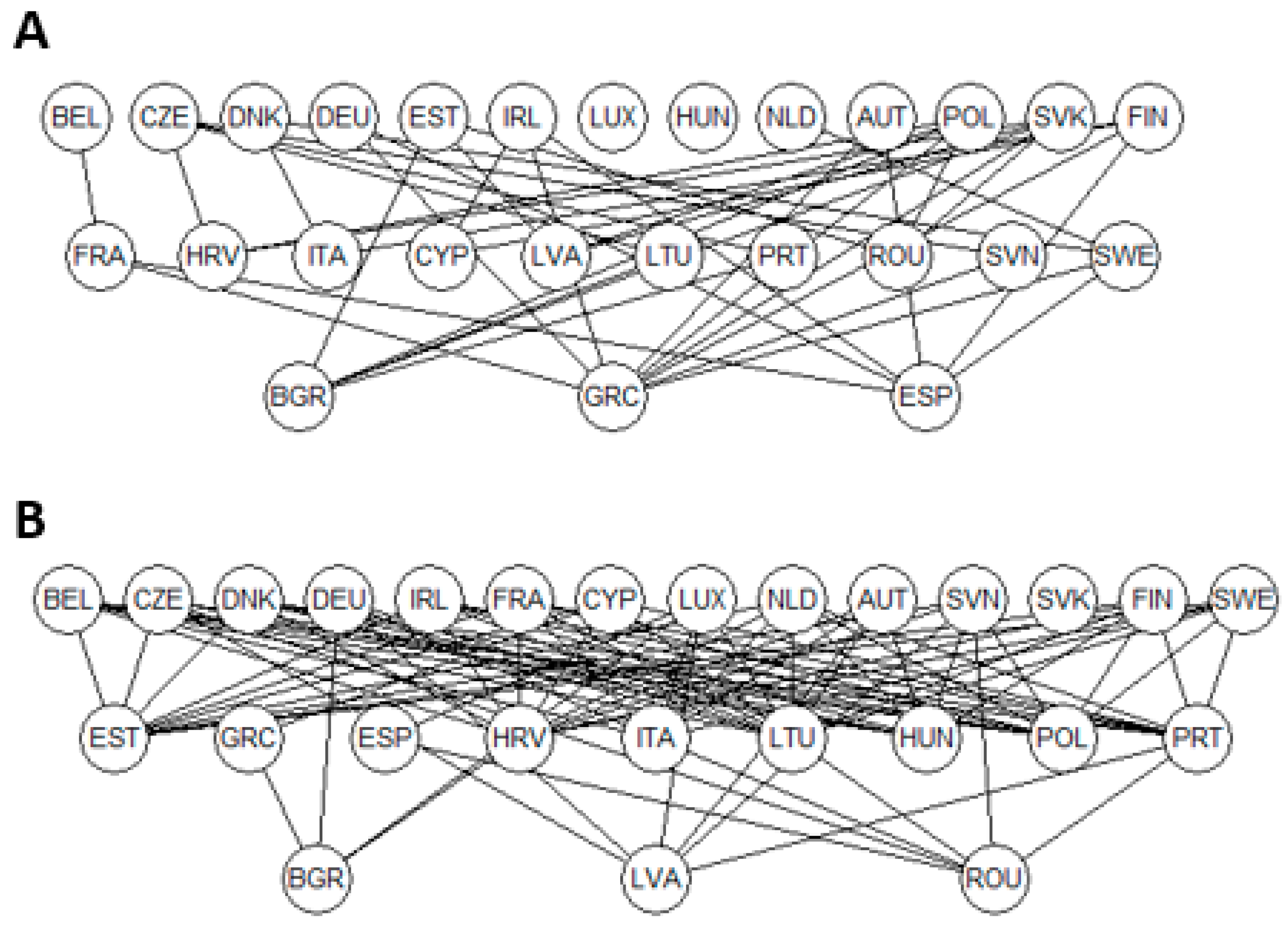
The inequality within the 27 European member states has been studied. Six indicators proclaimed by Eurostat to be the main indicators charactere the countries: (i) the relative median at-risk-of-poverty gap, (ii) the income distribution, (iii) the income share of the bottom 40% of the population, (iv) the purchasing power adjusted GDP per capita, (v) the adjusted gross disposable income of households per capita and (vi) the asylum applications by state of procedure. The resulting multi-indicator system was analyzed applying partial ordering methodology, i.e., including all indicators simultaneously without any pretreatment. The degree of inequality was studied for the years 2010, 2015 and 2019. The EU member states were partially ordered and ranked. For all three years Luxembourg, The Netherlands, Austria, and Finland are found to be highly ranked, i.e., having rather low inequality. Bulgaria and Romania are, on the other hand, for all three years ranked low, with the highest degree of inequality. Excluding the asylum indicator, the risk-poverty-gap and the adjusted gross disposable income were found as the most important indicators. If, however, the asylum application is included, this indicator turns out as the most important for the mutual ranking of the countries. A set of additional indicators was studied disclosing the educational aspect as of major importance to achieve equality. Special partial ordering tools were applied to study the role of the single indicators, e.g., in relation to elucidate the incomparability of some countries to all other countries within the union.
Keywords: Sustainable Development Goals; SDG 10; partial ordering; Hasse diagram; ranking; indicator analyses Sustainable Development Goals; SDG 10; partial ordering; Hasse diagram; ranking; indicator analyses