Article

Optimization of Insulation Thickness of External Walls of Residential Buildings in Hot Summer and Cold Winter Zone of China


1
Department of Management, Xi’an University of Architecture and Technology, Xi’an 710055, China
2
School of the Built Environment, University of Reading, Reading RG6 6DF, UK
*
Author to whom correspondence should be addressed.
Sustainability 2020, 12(4), 1574; https://doi.org/10.3390/su12041574
Submission received: 17 December 2019 / Revised: 2 February 2020 / Accepted: 11 February 2020 / Published: 20 February 2020

Abstract

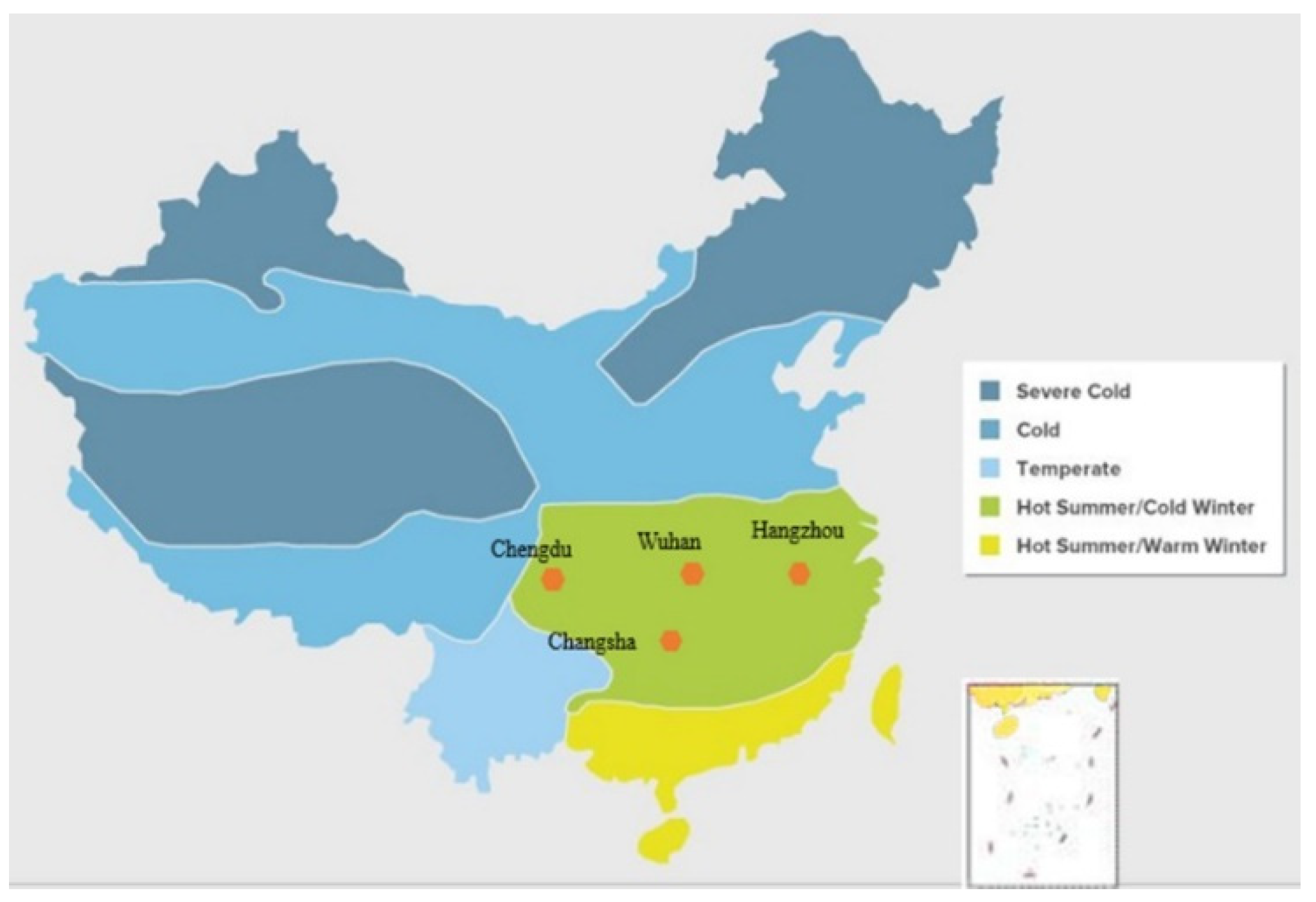
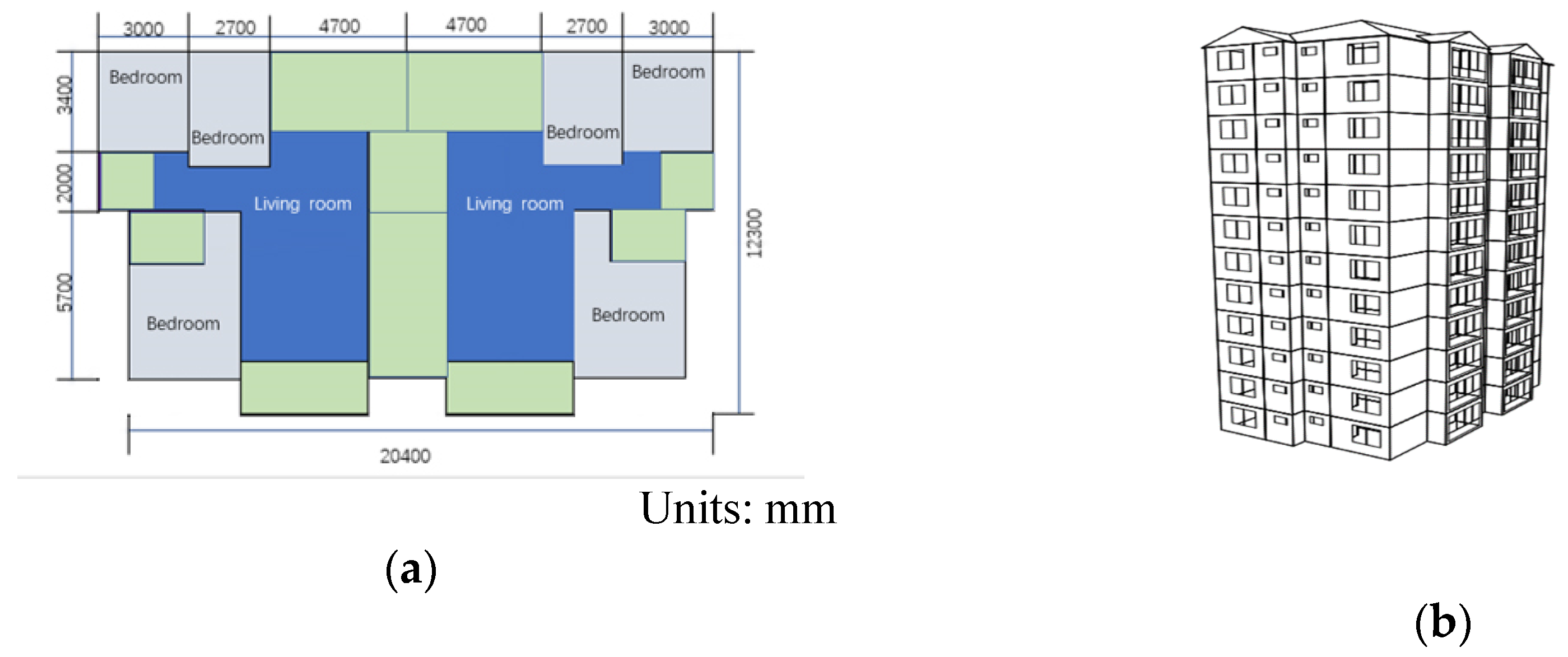
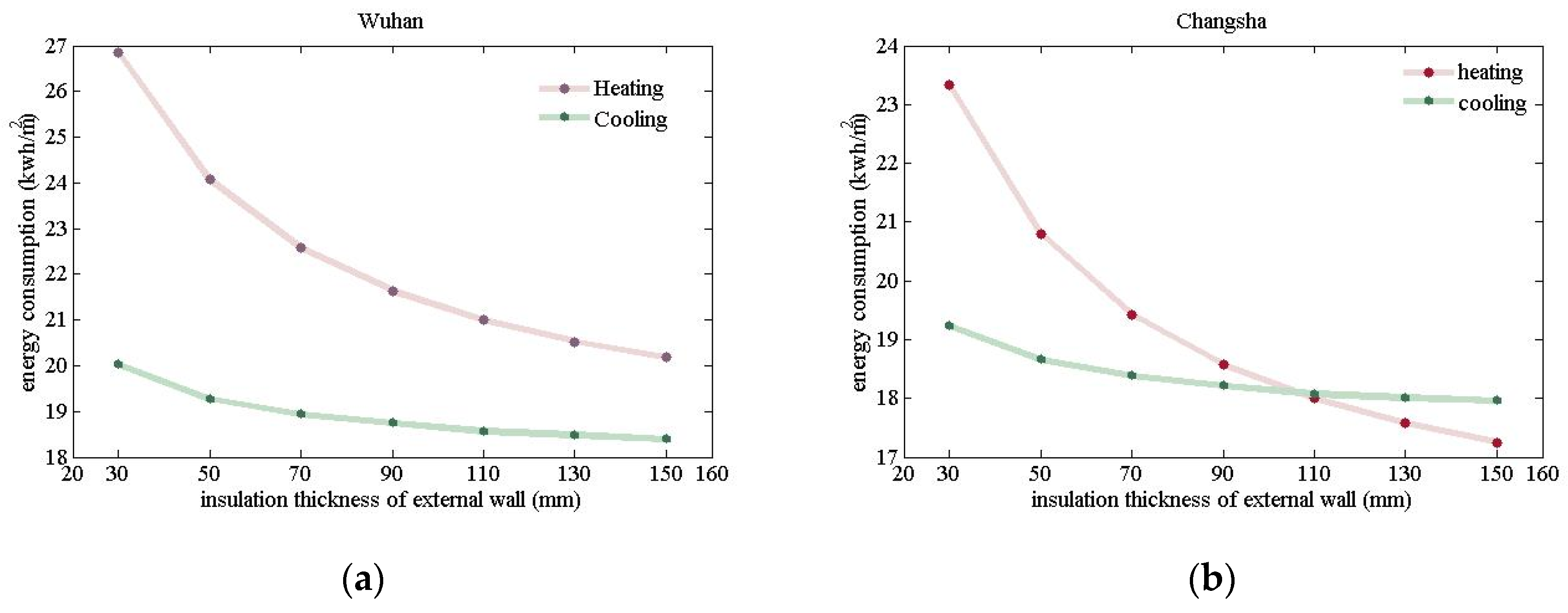
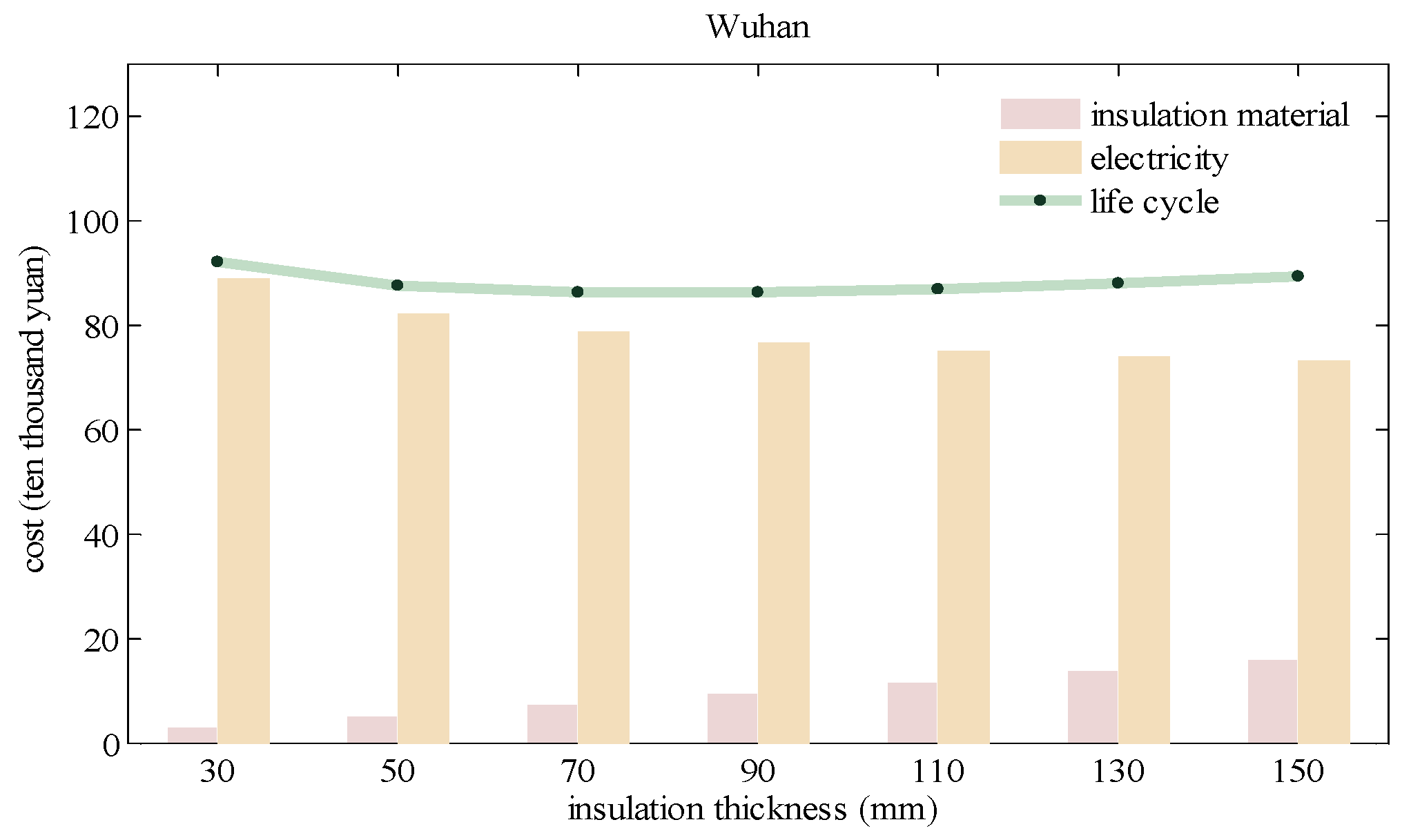
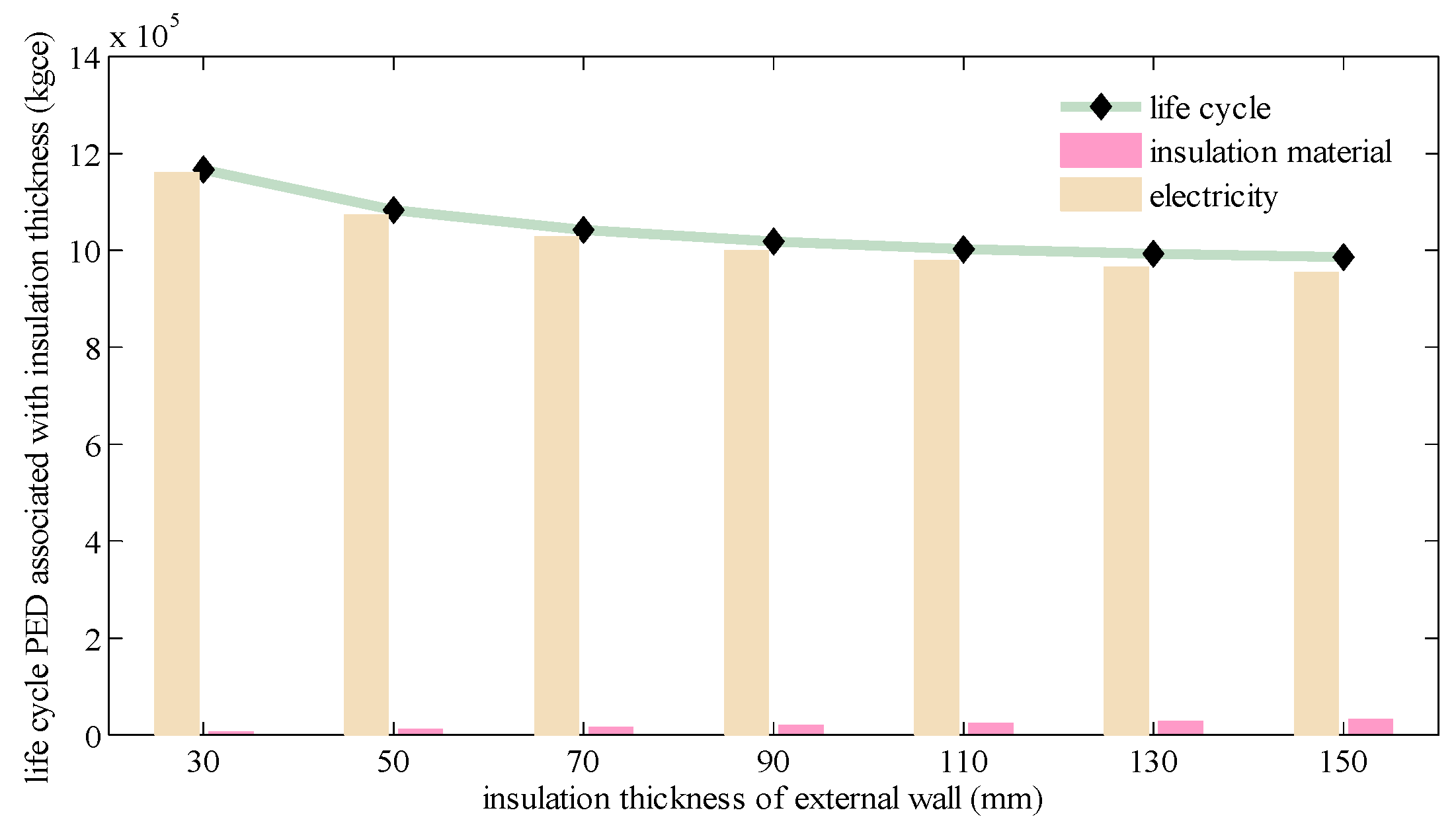
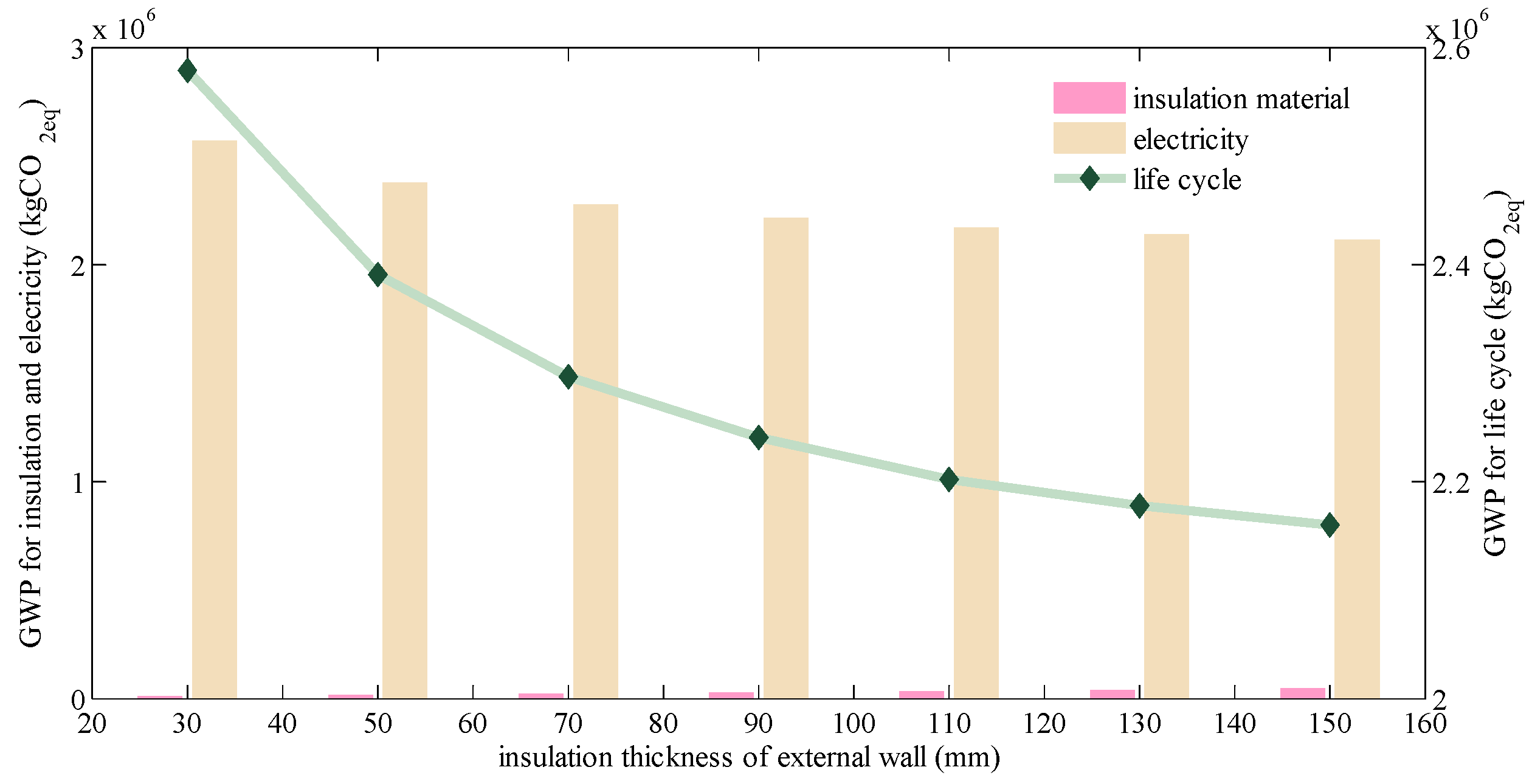
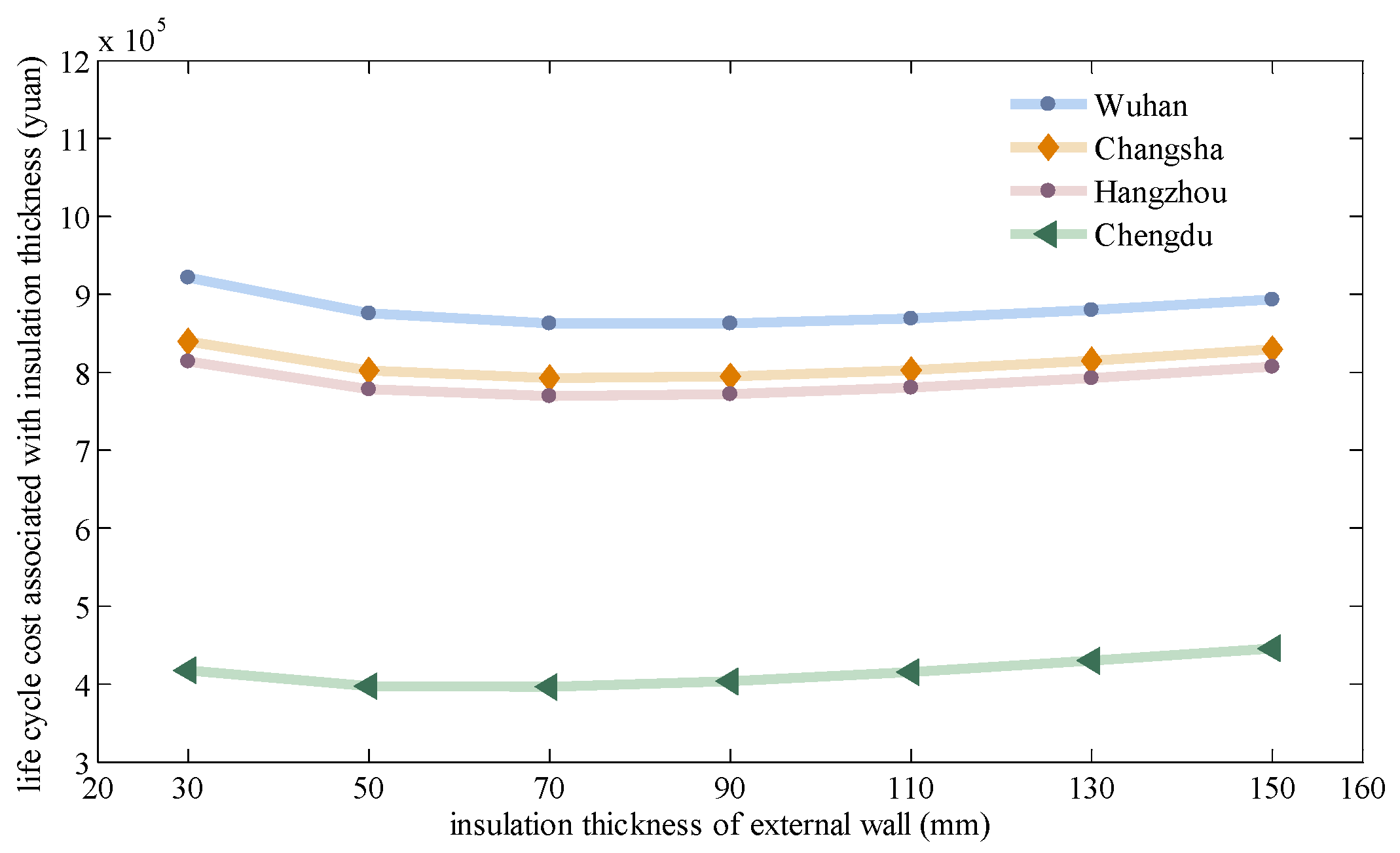
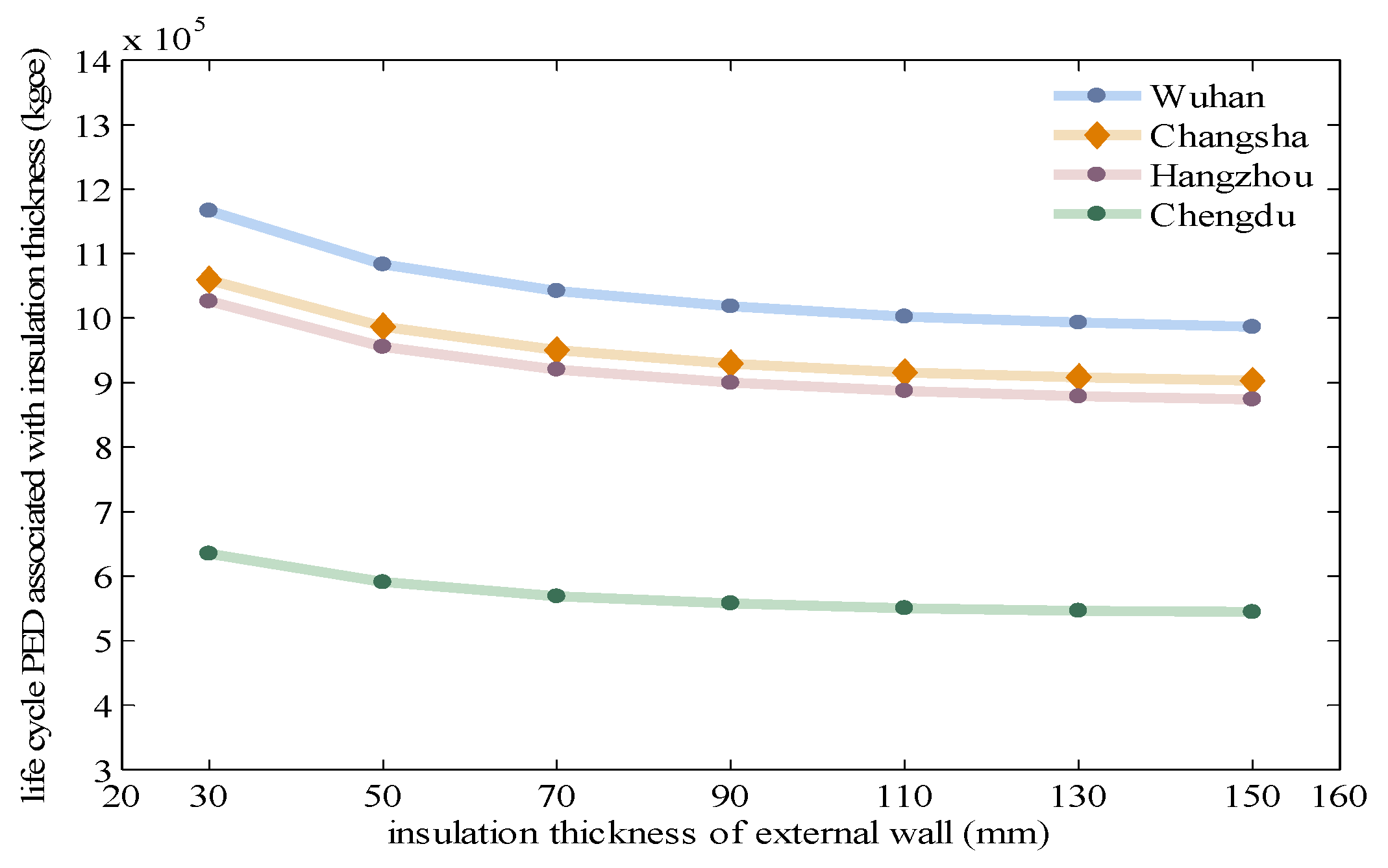
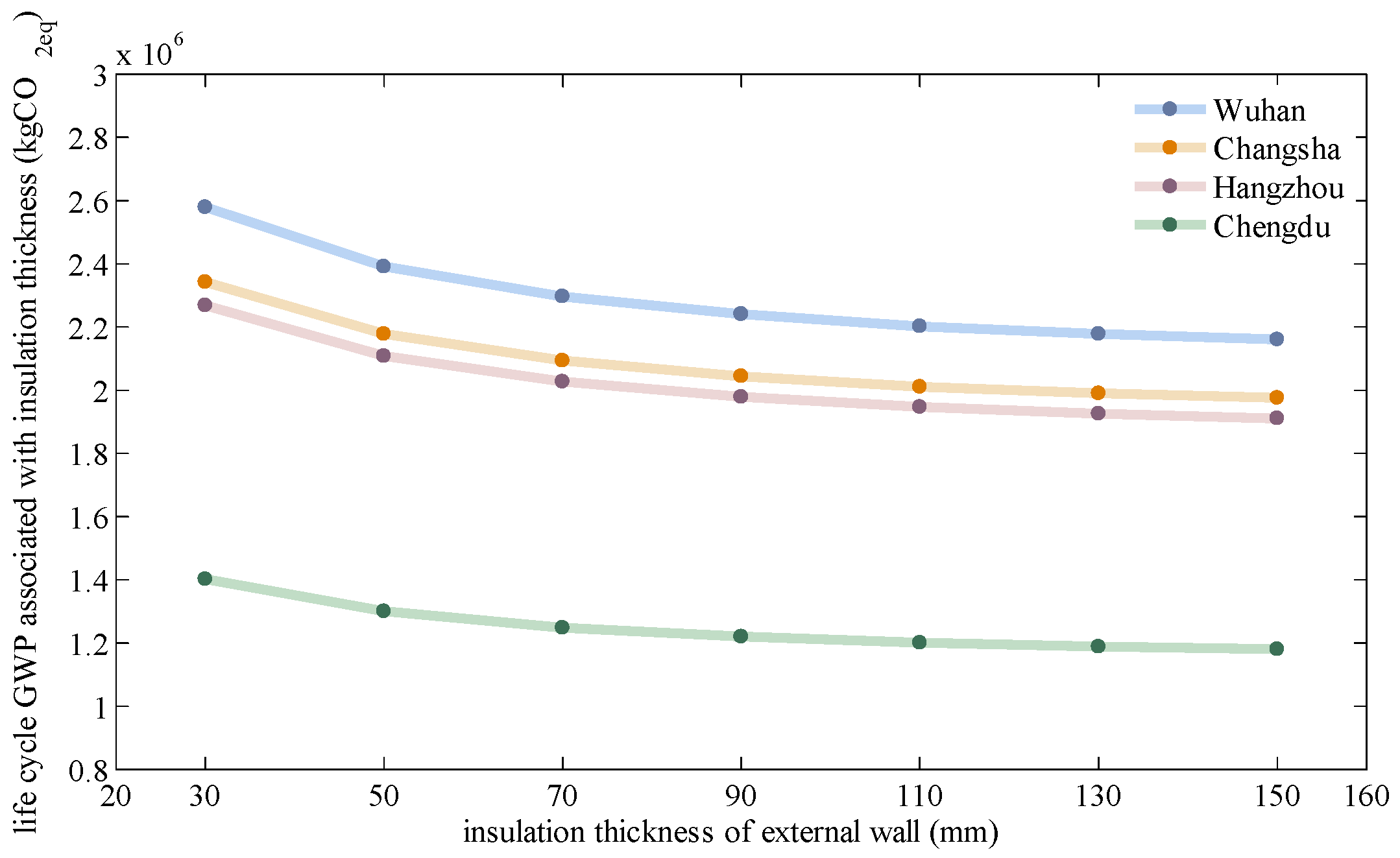
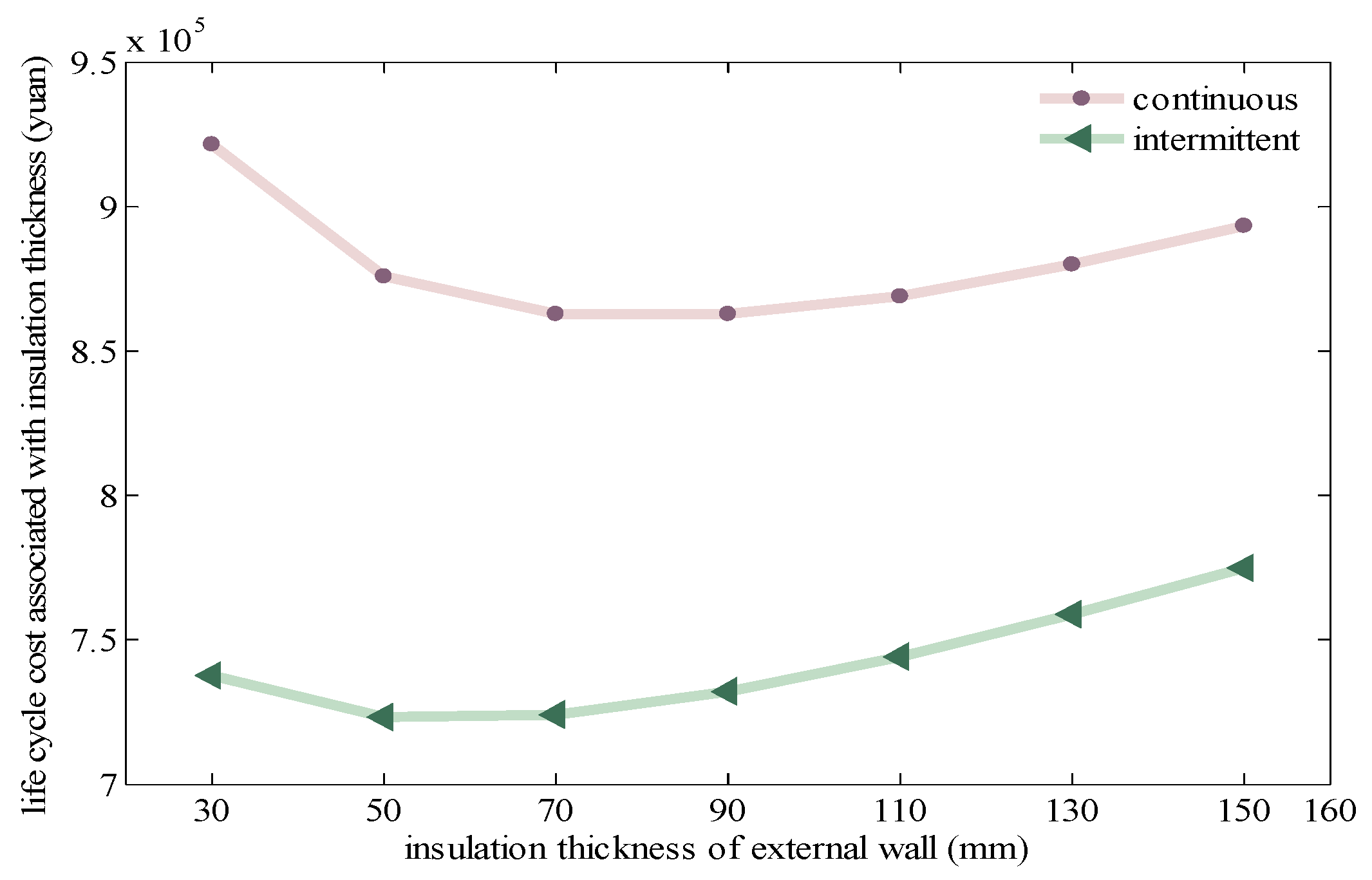
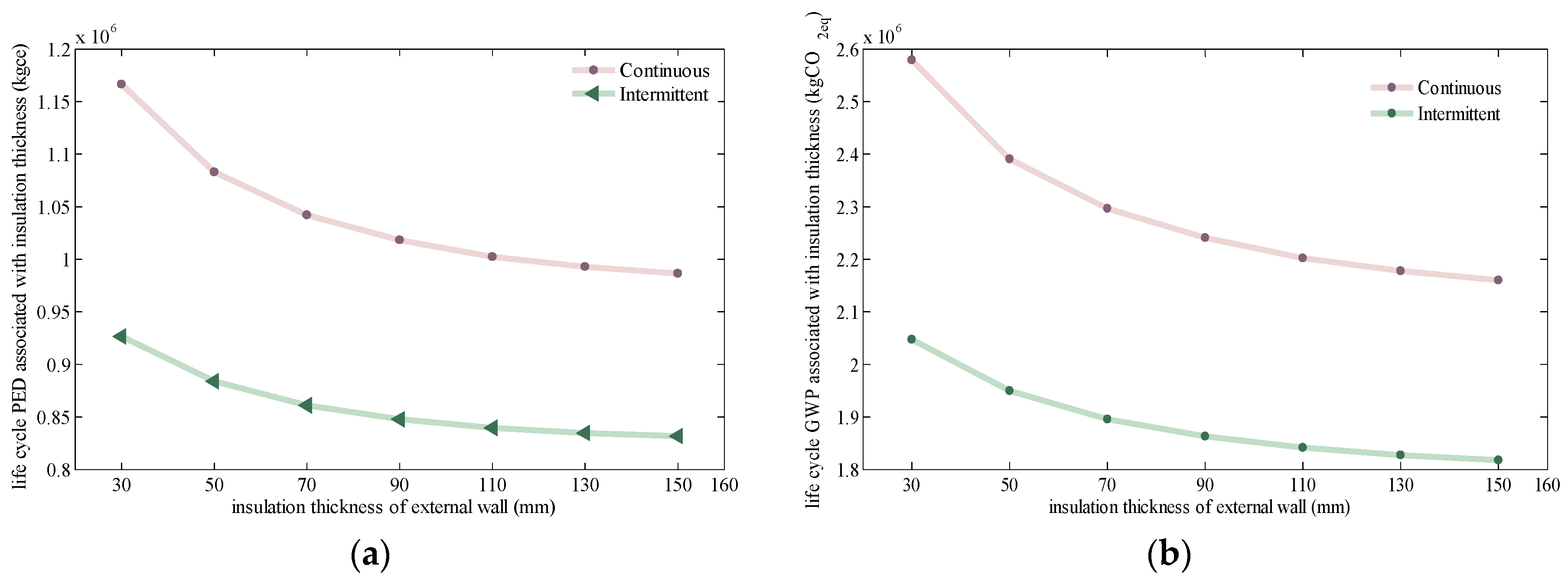
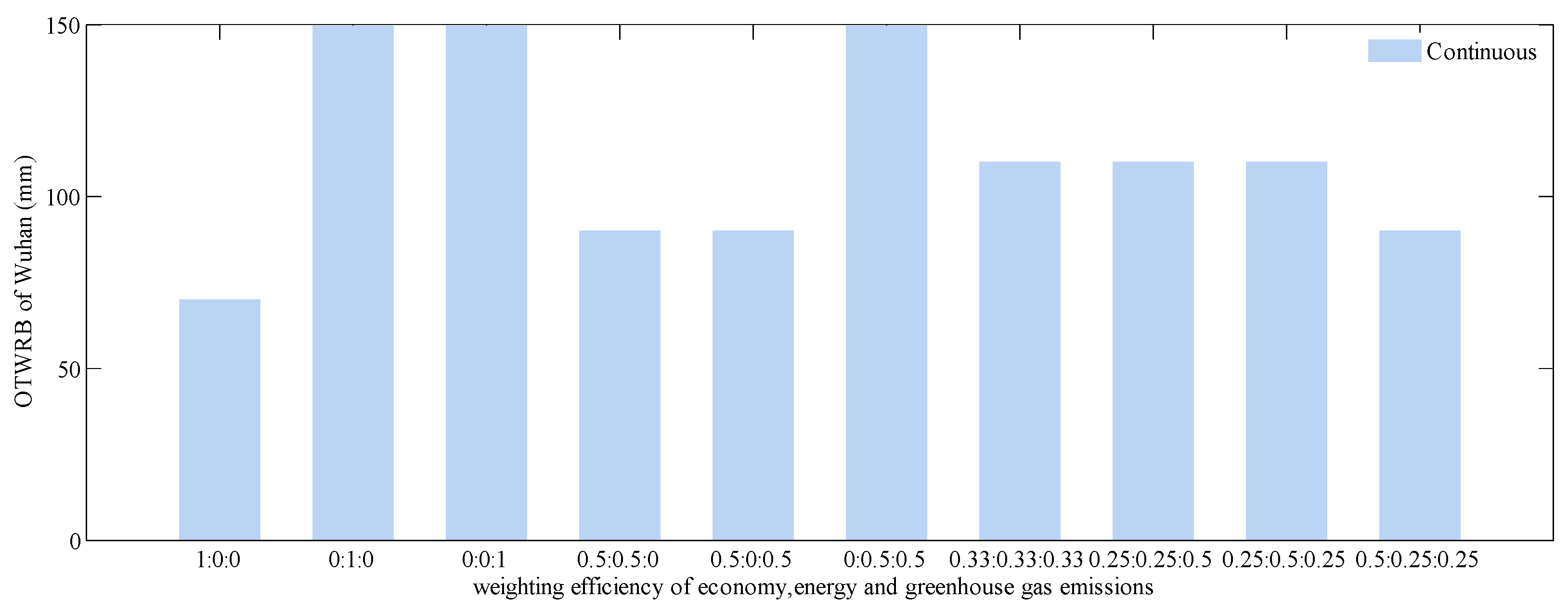
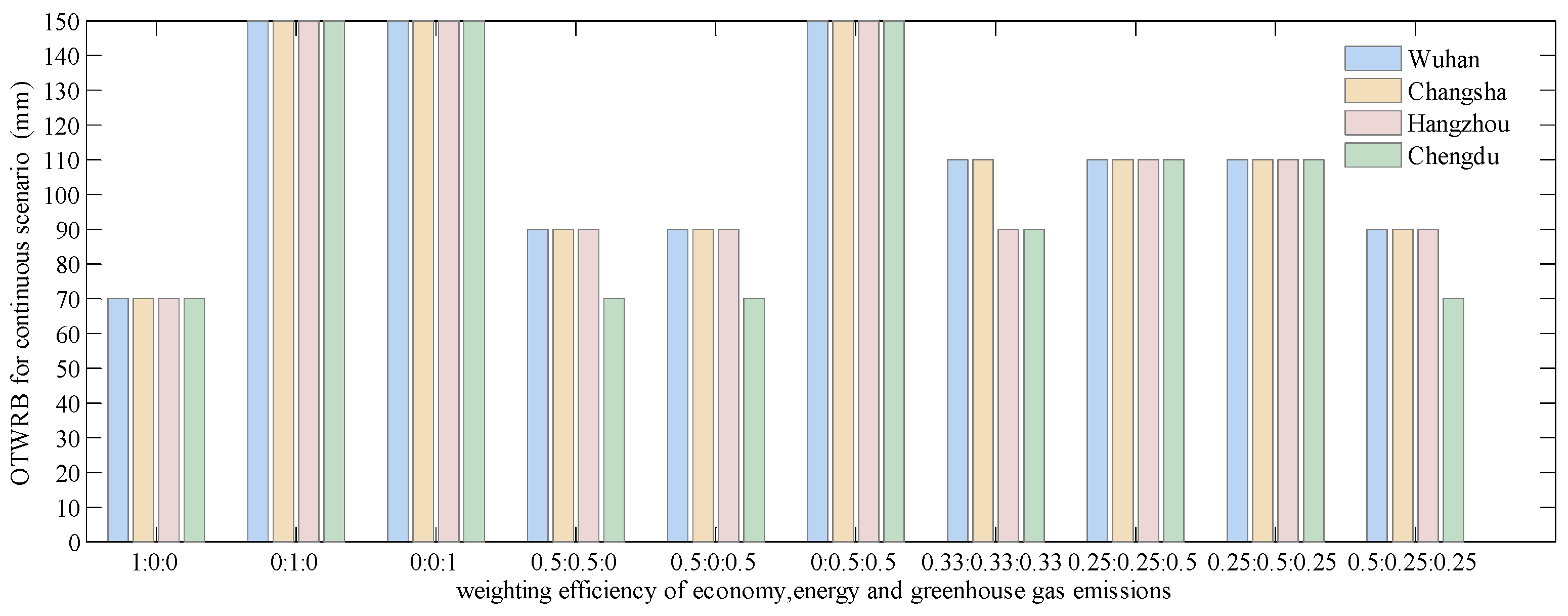
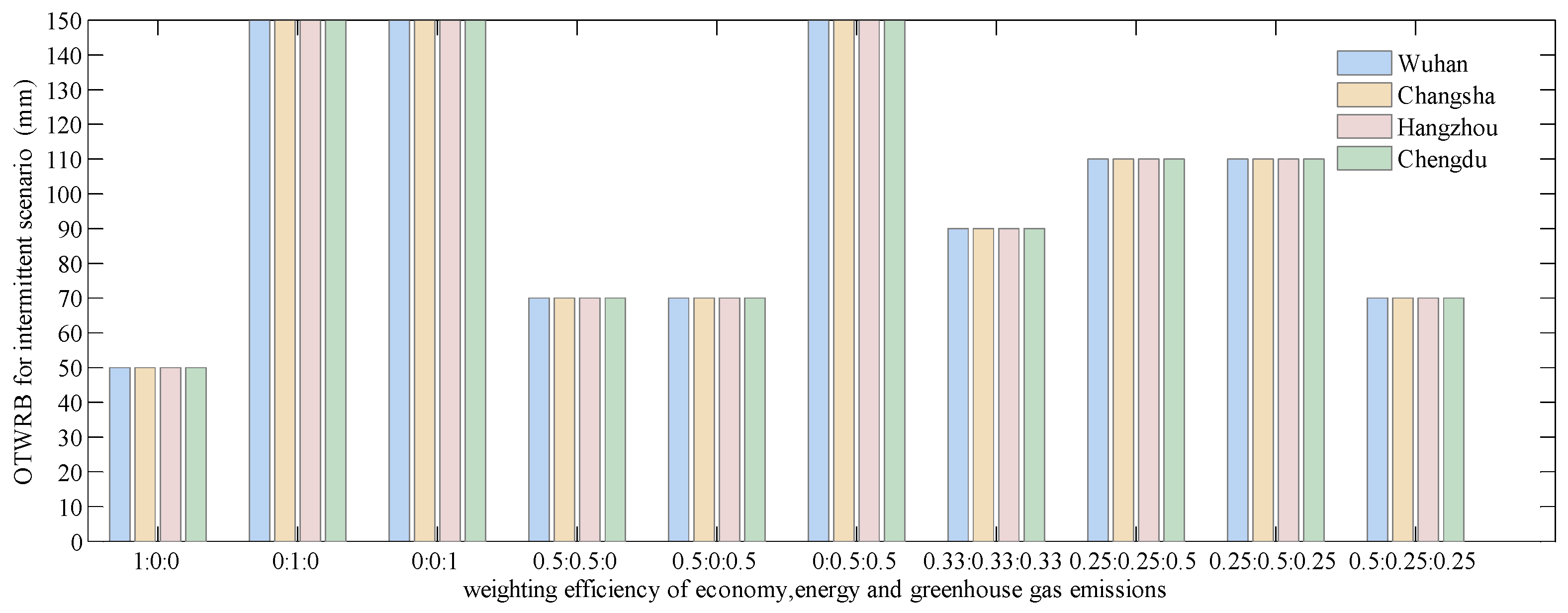
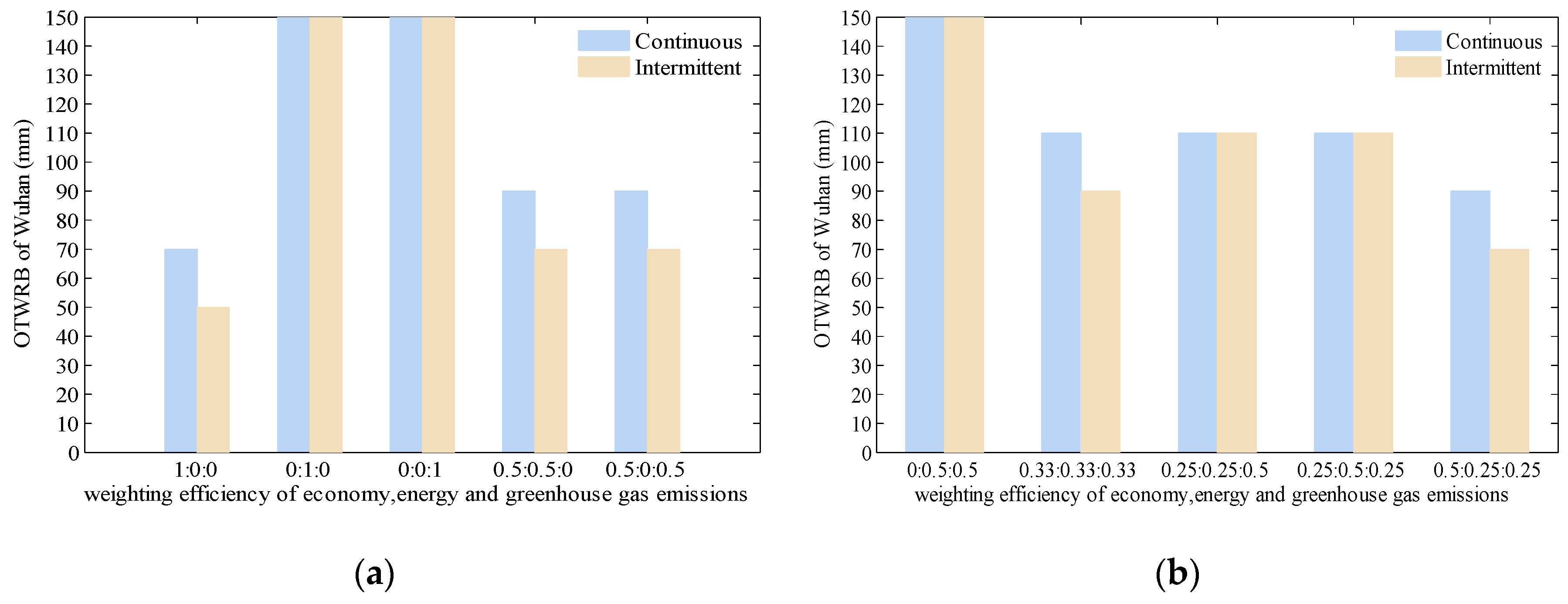
It is important to reduce primary energy consumption and greenhouse gas emissions associated with residential buildings in the hot summer and cold winter (HSCW) zone of China. Changing the insulation thickness of the external walls of residential buildings (ITEWB) is regarded as an effective way to manage such problems within a budget. This paper aims at developing an innovative way to select the optimal insulation thickness of external walls for residential buildings (OTWRB) in the HSCW zone of China, considering economic, energy and greenhouse gas emissions issues associated with the ITEWB. Four different cities and two different operation modes of the air conditioners (continuous and intermittent) are considered in this study. To explain the selection process, typical hypothetical buildings are simulated in Wuhan, Changsha, Hangzhou and Chengdu. Expanded polystyrene is chosen as the material of the insulation layer while split air conditioners are selected as the equipment for space heating and cooling. Integrated Environmental Solutions-Virtual Environment is used for the dynamic operational energy consumption of buildings. Life cycle cost method is adopted to calculate the economic impact of ITEWB on building performance. The Chinese life cycle database is used to quantize the impacts of ITEWB on building performance in the aspect of energy and greenhouse gas emissions based on the life cycle theory. The most appreciated insulation thickness is chosen from the thickness range of 30 mm to 150 mm. We find that for continuous operation mode of air conditioners in Wuhan, the optimal economic insulation thickness is 70 mm, whereas when considering only energy and environmental aspects, the OTWRB is 150 mm. These are all larger than the current insulation thickness which is 30 mm. When the weighting efficiencies of the economy, energy, and greenhouse gas emissions are different, the OTWRB varies from 70 mm to 150 mm for continuous operation mode. The different cities have little influence on the OTWRB while the different operation modes of air conditioners have some influence on the OTWRB.
Keywords: insulation thickness; hot summer and cold winter zone; integrated criteria insulation thickness; hot summer and cold winter zone; integrated criteria