Article

Solar PV Grid Power Flow Analysis

1
Department of Electrical Power and Mechatronics, Tafila Technical University, At-Tafilah 66110, Jordan
2
Sabbatical leave at Energy Engineering Departments, College of Engineering, Al Hussein Technical University, Amman 25175, Jordan
3
Communications Engineering Department, King Abdullah II School of Engineering, Princess Sumaya University for Technology PSUT, Amman 11941, Jordan
4
Department of Electrical Engineering, University of Engineering & Technology, Peshawar 814, Pakistan
5
School of Electrical Engineering, University of Ulsan, Ulsan 44610, Korea
*
Author to whom correspondence should be addressed.
Sustainability 2019, 11(6), 1744; https://doi.org/10.3390/su11061744
Submission received: 10 February 2019 / Revised: 12 March 2019 / Accepted: 14 March 2019 / Published: 22 March 2019

Abstract

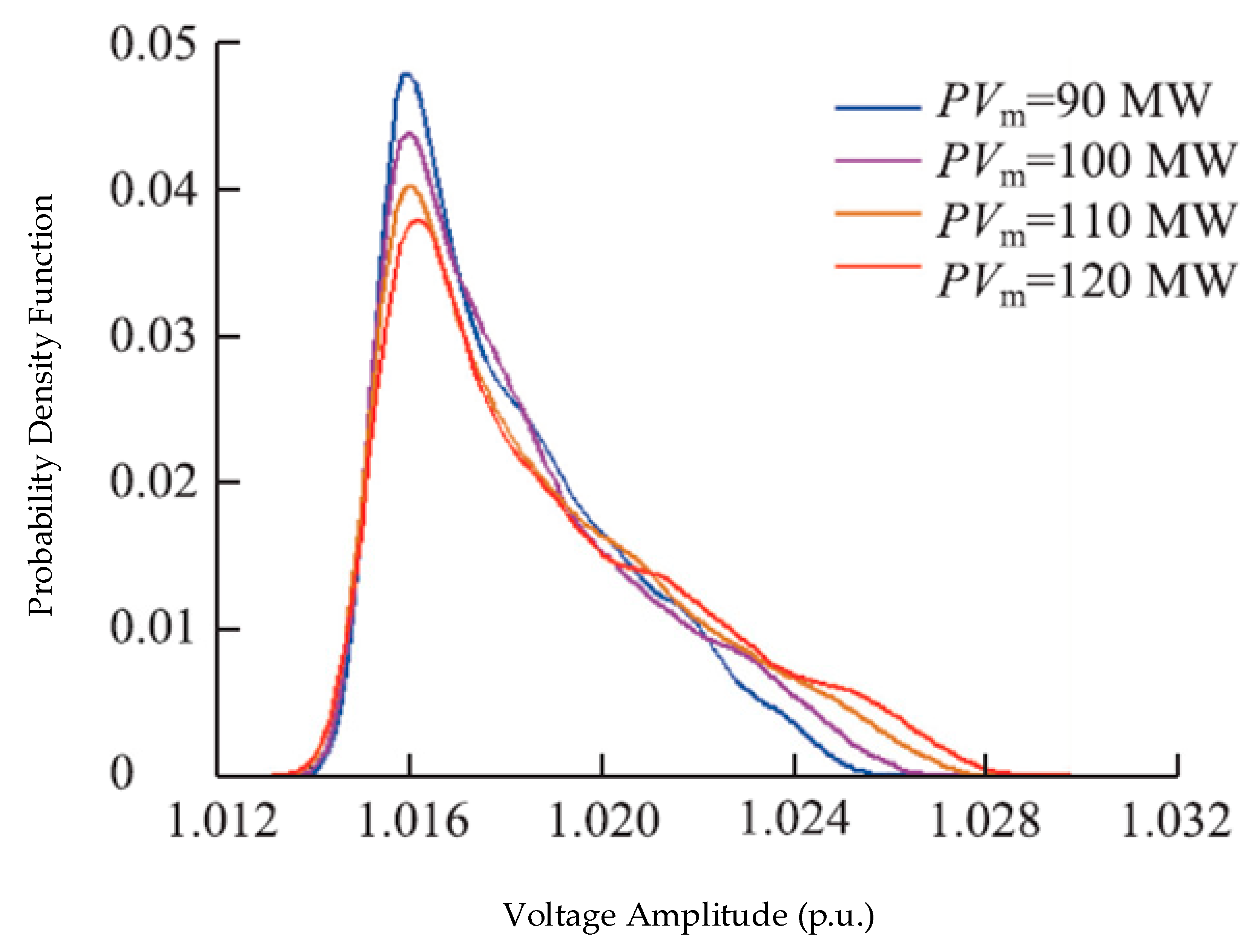
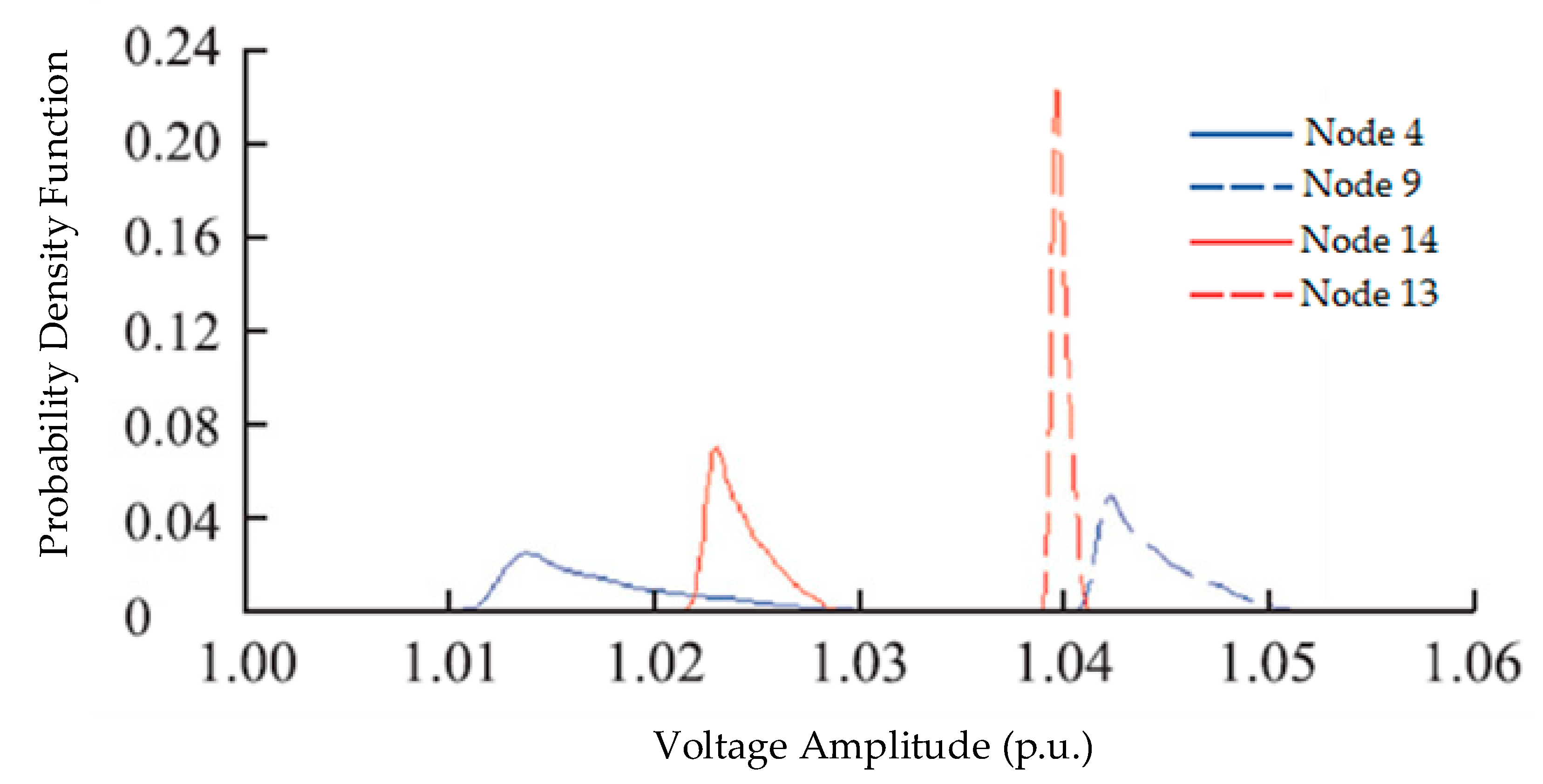
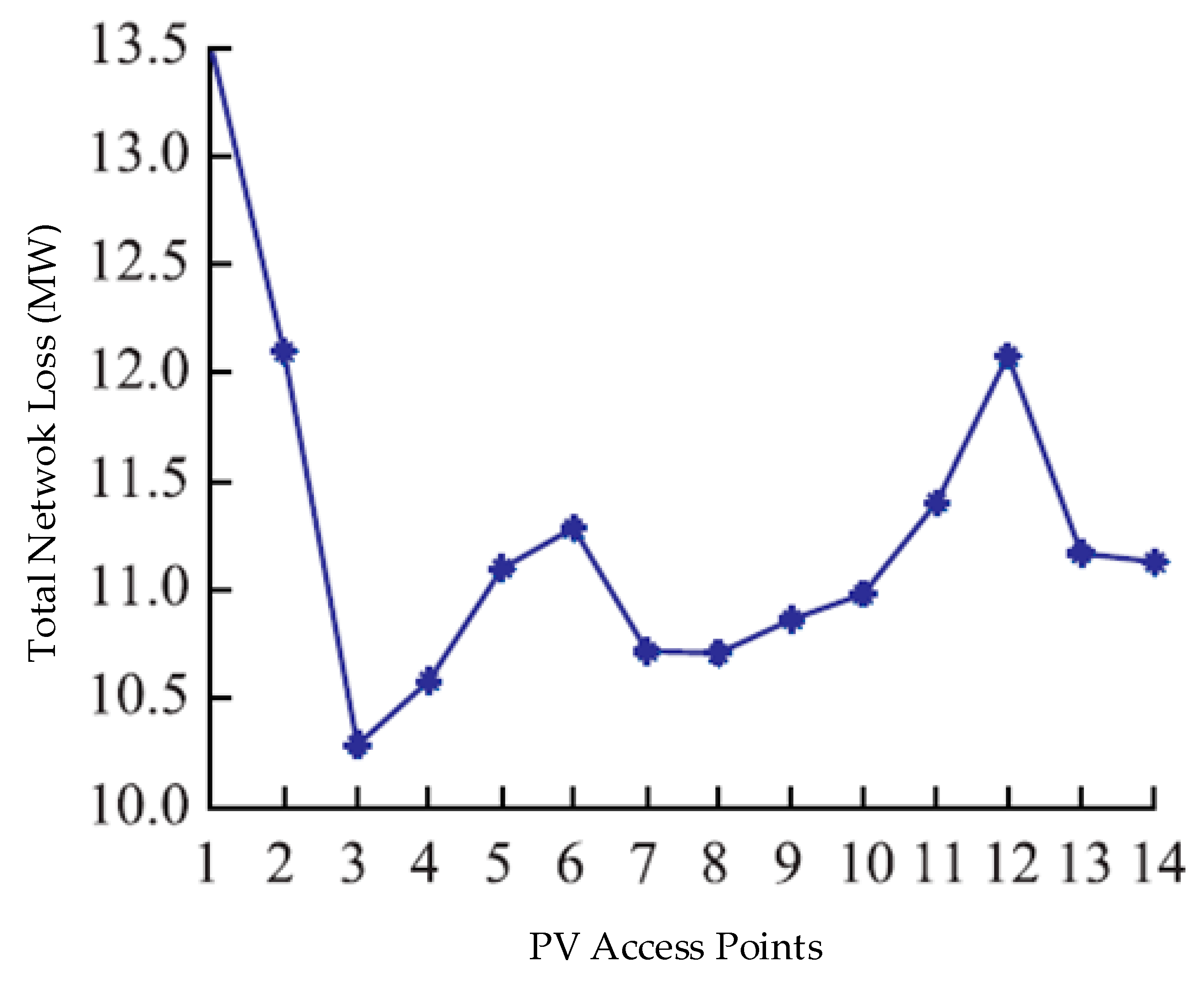
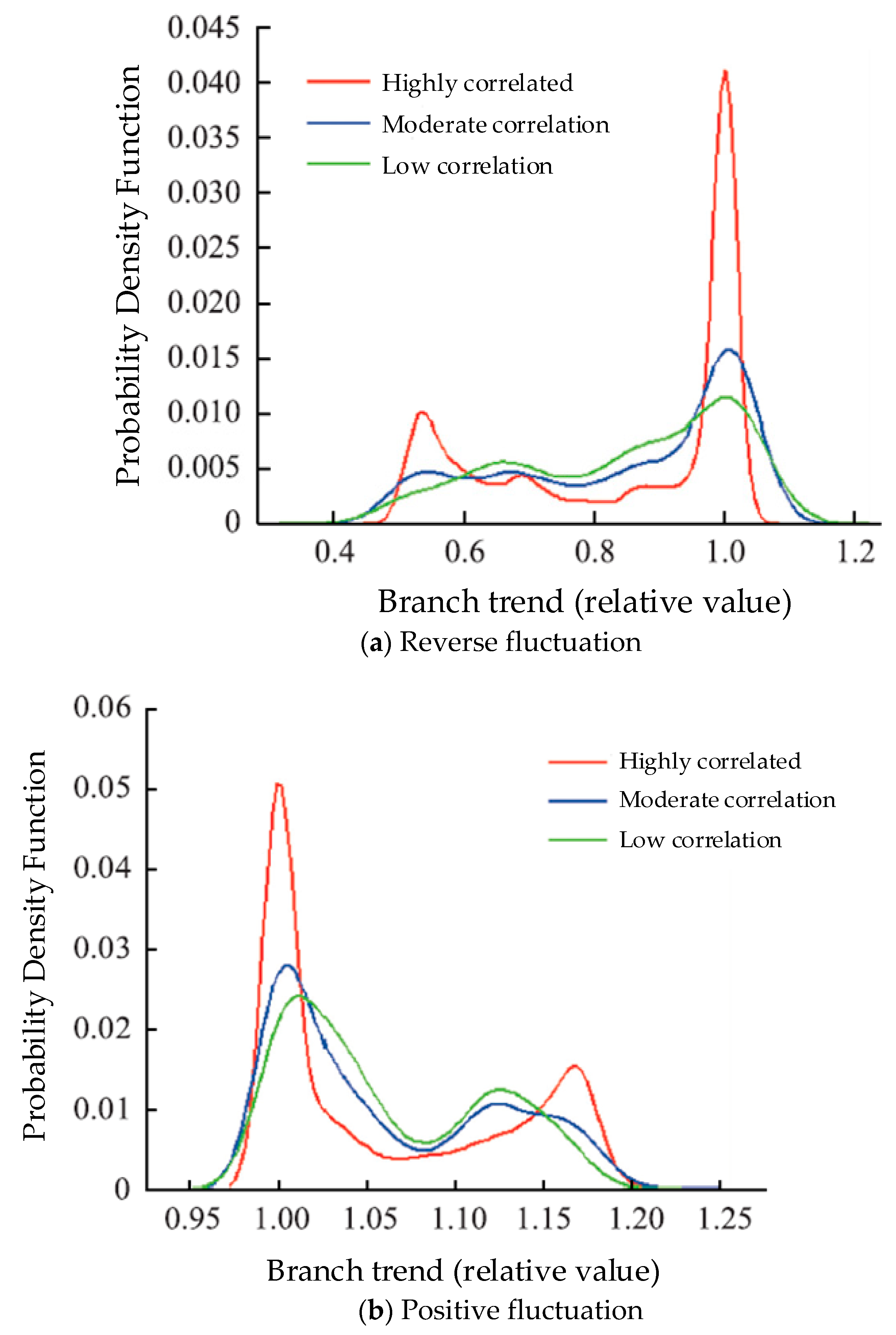
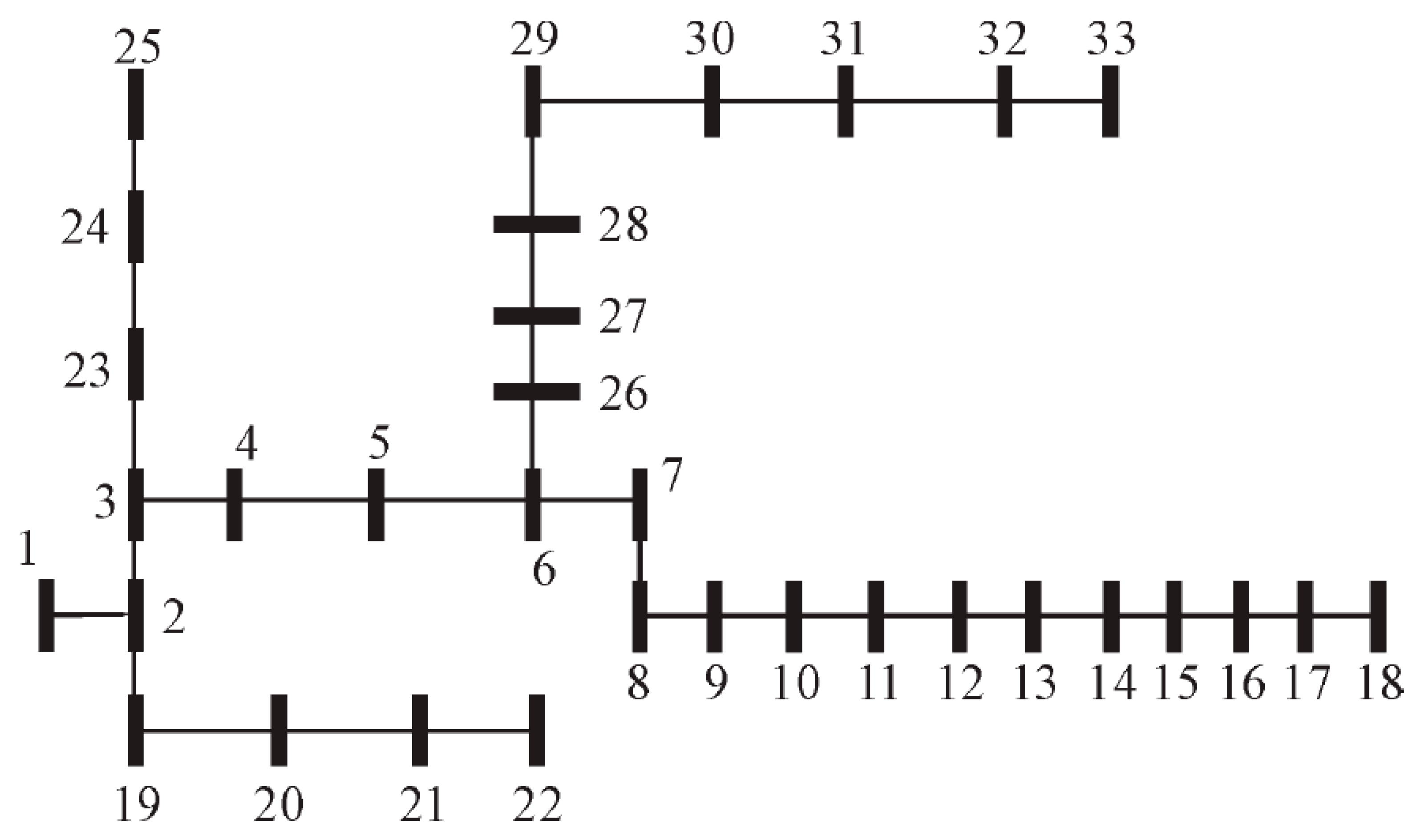
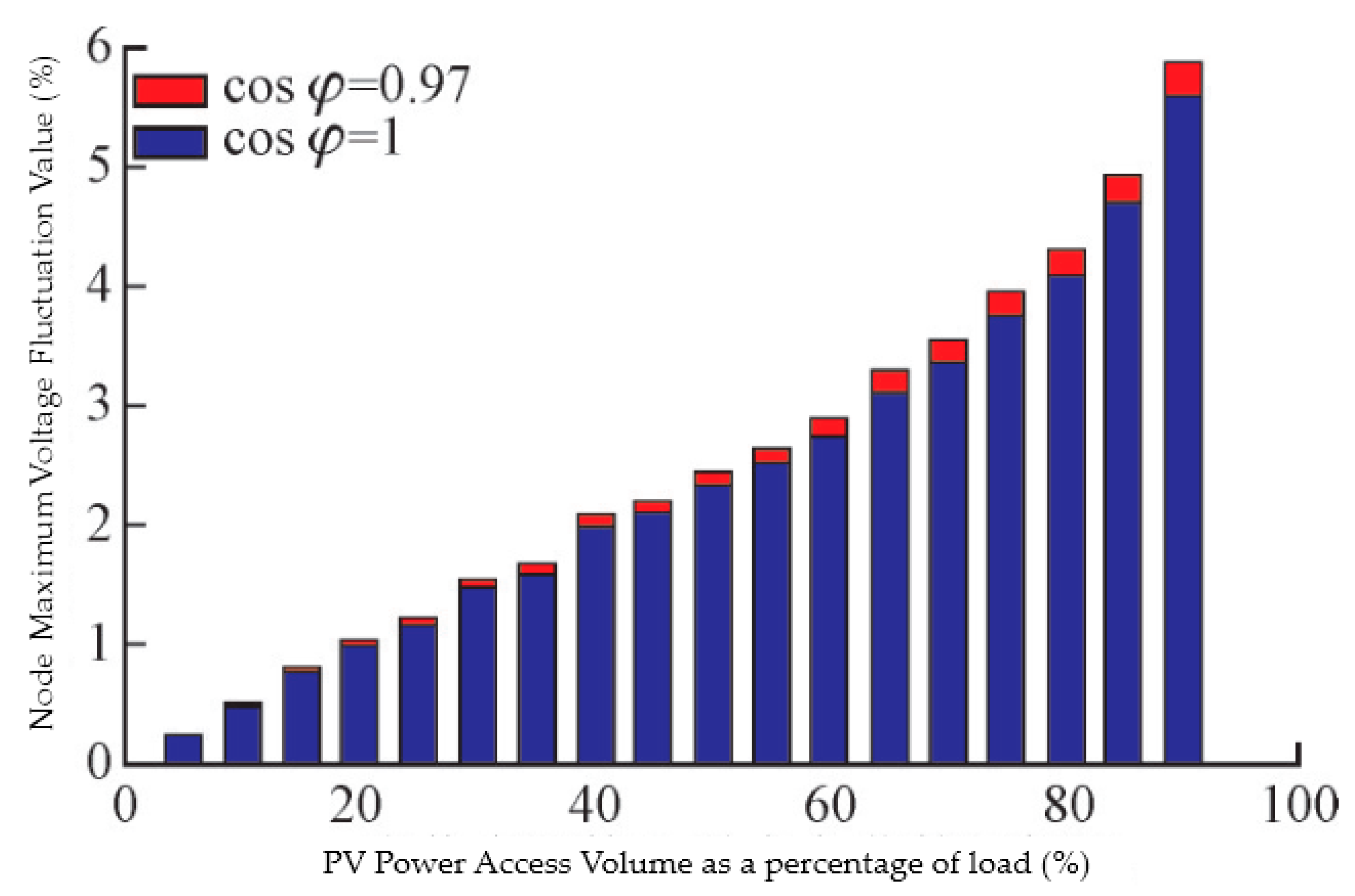
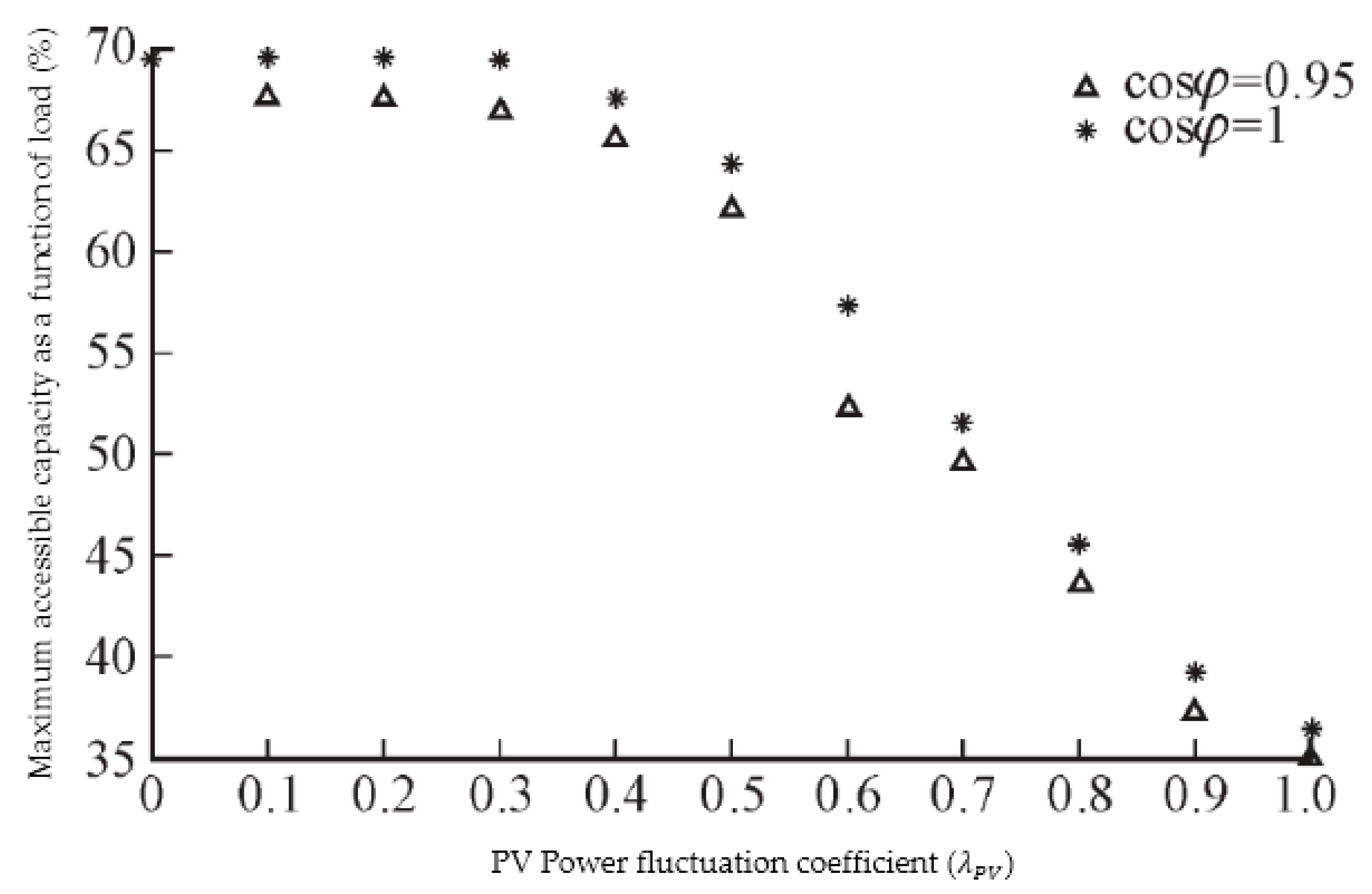
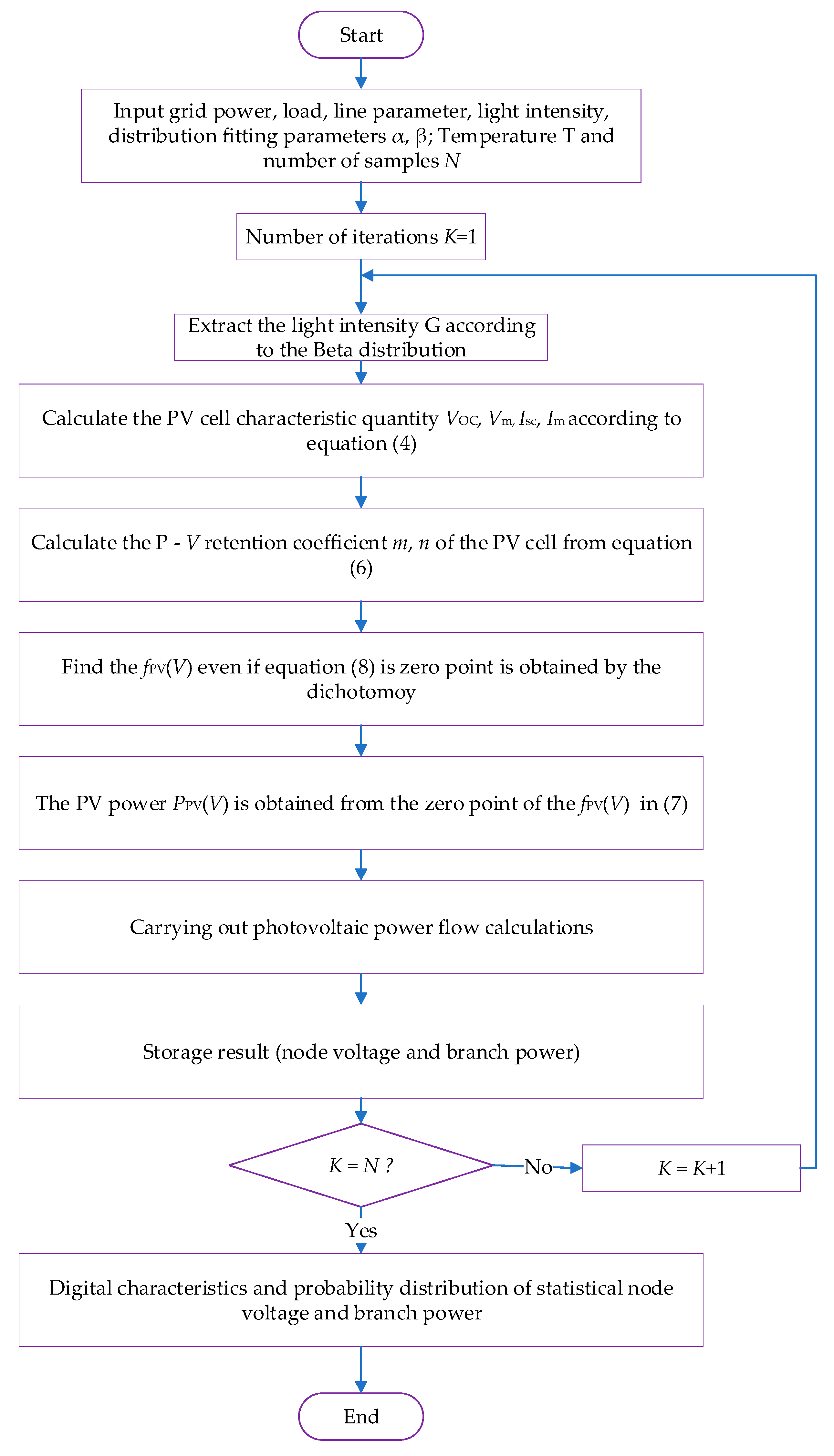
As the unconstrained integration of distributed photovoltaic (PV) power into a power grid will cause changes in the power flow of the distribution network, voltage deviation, voltage fluctuation, and so on, system operators focus on how to determine and improve the integration capacity of PV power rationally. By giving full consideration to the static security index constraints and voltage fluctuation, this paper proposes a maximum integration capacity optimization model of the PV power, according to different power factors for the PV power. Moreover, the proposed research analyzes the large-scale PV grid access capacity, PV access point, and multi-PV power plant output, by probability density distribution, sensitivity analysis, standard deviation analysis, and over-limit probability analysis. Furthermore, this paper establishes accessible capacity maximization problems from the Institute of Electrical and Electronics Engineers (IEEE) standard node system and power system analysis theory for PV power sources with constraints of voltage fluctuations. A MATLAB R2017B simulator is used for the performance analysis and evaluation of the proposed work. Through the simulation of the IEEE 33-node system, the integration capacity range of the PV power is analyzed, and the maximum integration capacity of the PV power at each node is calculated, providing a rational decision-making scheme for the planning of integrating the distributed PV power into a small-scale power grid. The results indicate that the fluctuations and limit violation probabilities of the power system voltage and load flow increase with the addition of the PV capacity. Moreover, the power loss and PV penetration level are influenced by grid-connected spots, and the impact of PV on the load flow is directional.
Keywords: load analysis; renewable energy sources; solar grid station; statistical modeling; solar energy load analysis; renewable energy sources; solar grid station; statistical modeling; solar energy