Article

Wind Erosion Changes in a Semi-Arid Sandy Area, Inner Mongolia, China

1
College of Land Science and Technology, China Agricultural University, Key Laboratory of Agricultural Land Qualify, Monitoring and Control, Ministry of Natural Resources, Beijing 100193, China
2
Sino-Japan Friendship Center for Environmental Protection, Beijing 100029, China
*
Author to whom correspondence should be addressed.
Sustainability 2019, 11(1), 188; https://doi.org/10.3390/su11010188
Submission received: 8 November 2018 / Revised: 23 December 2018 / Accepted: 26 December 2018 / Published: 1 January 2019
(This article belongs to the Section Environmental Sustainability and Applications)

Abstract

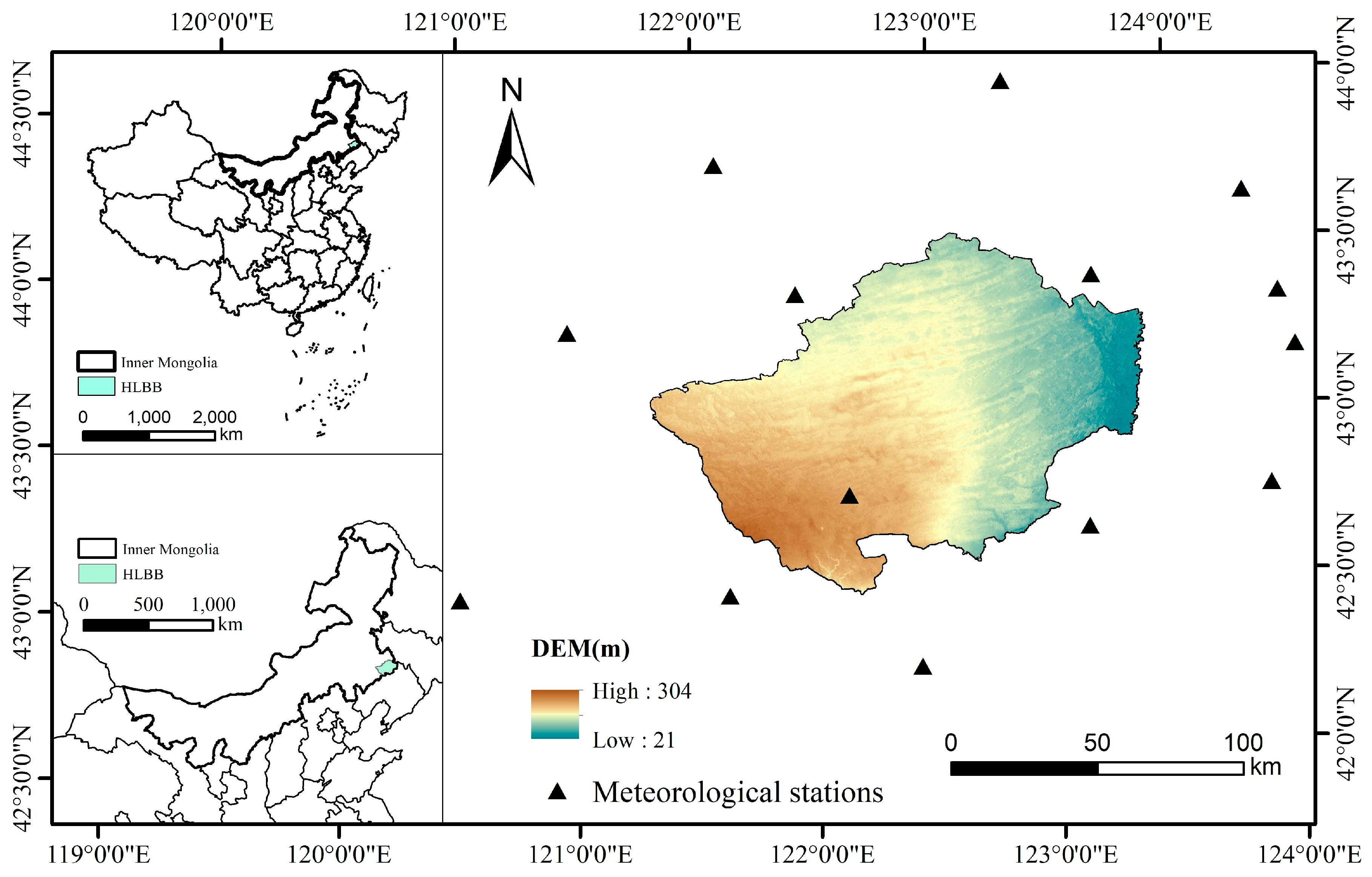
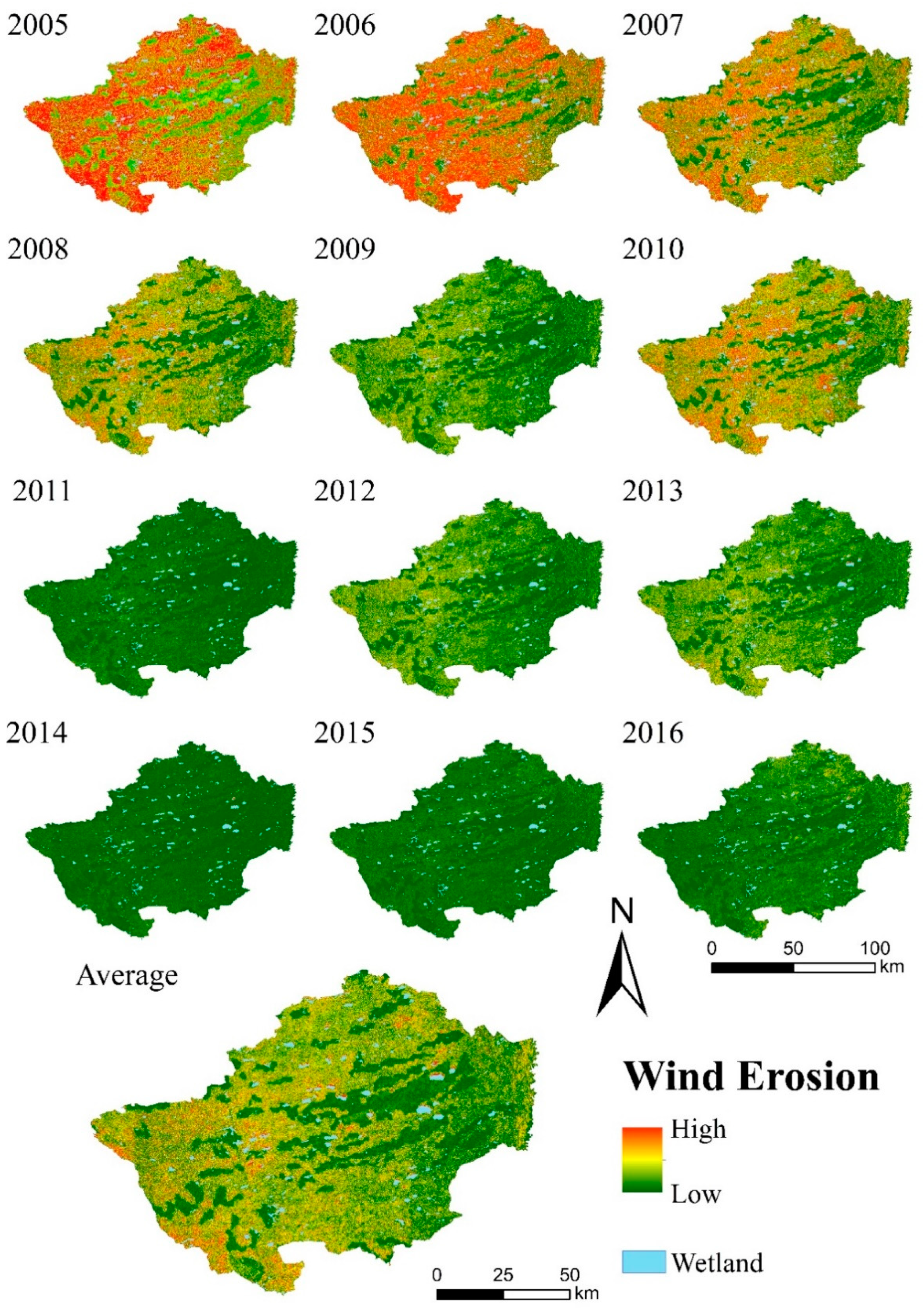
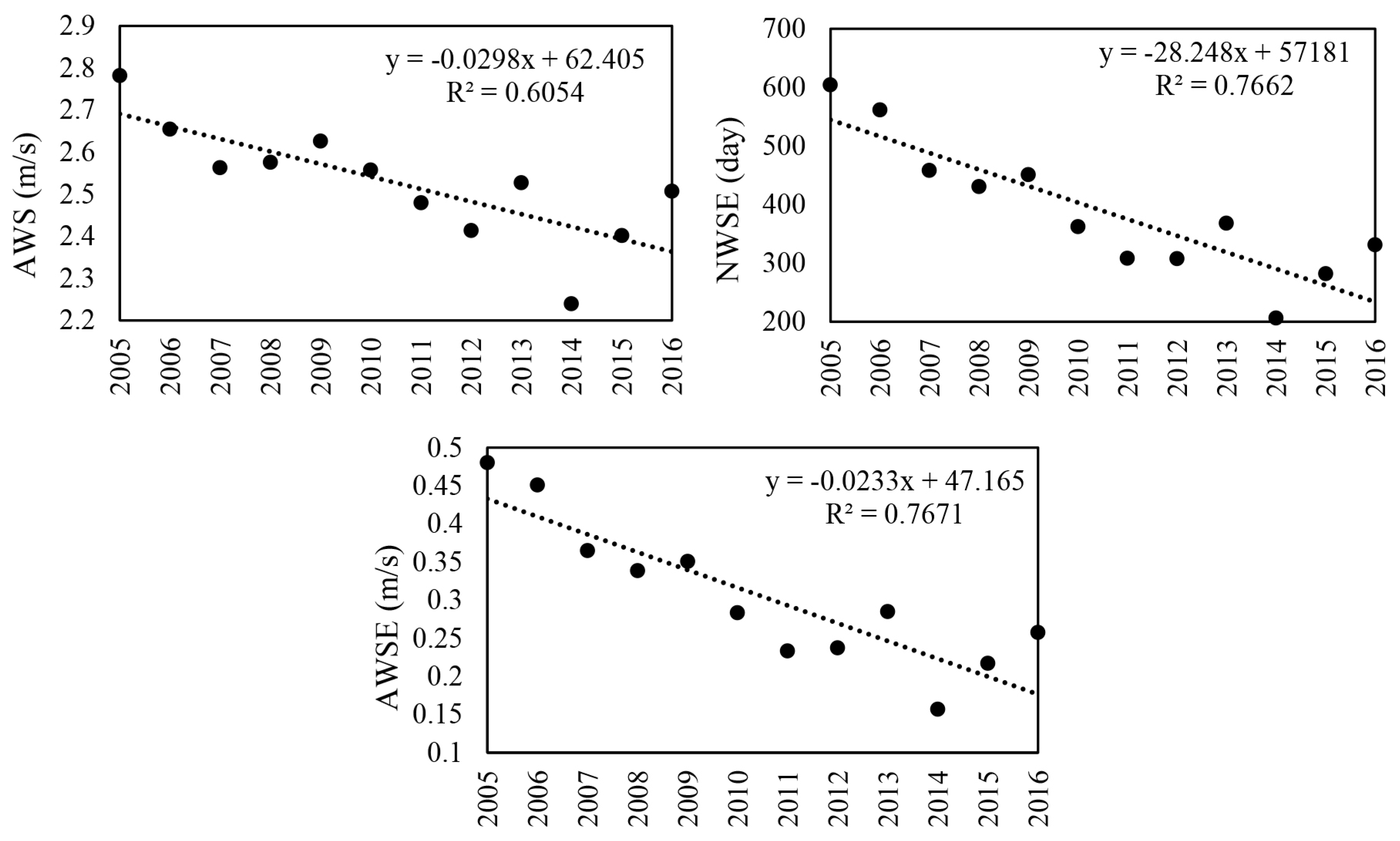
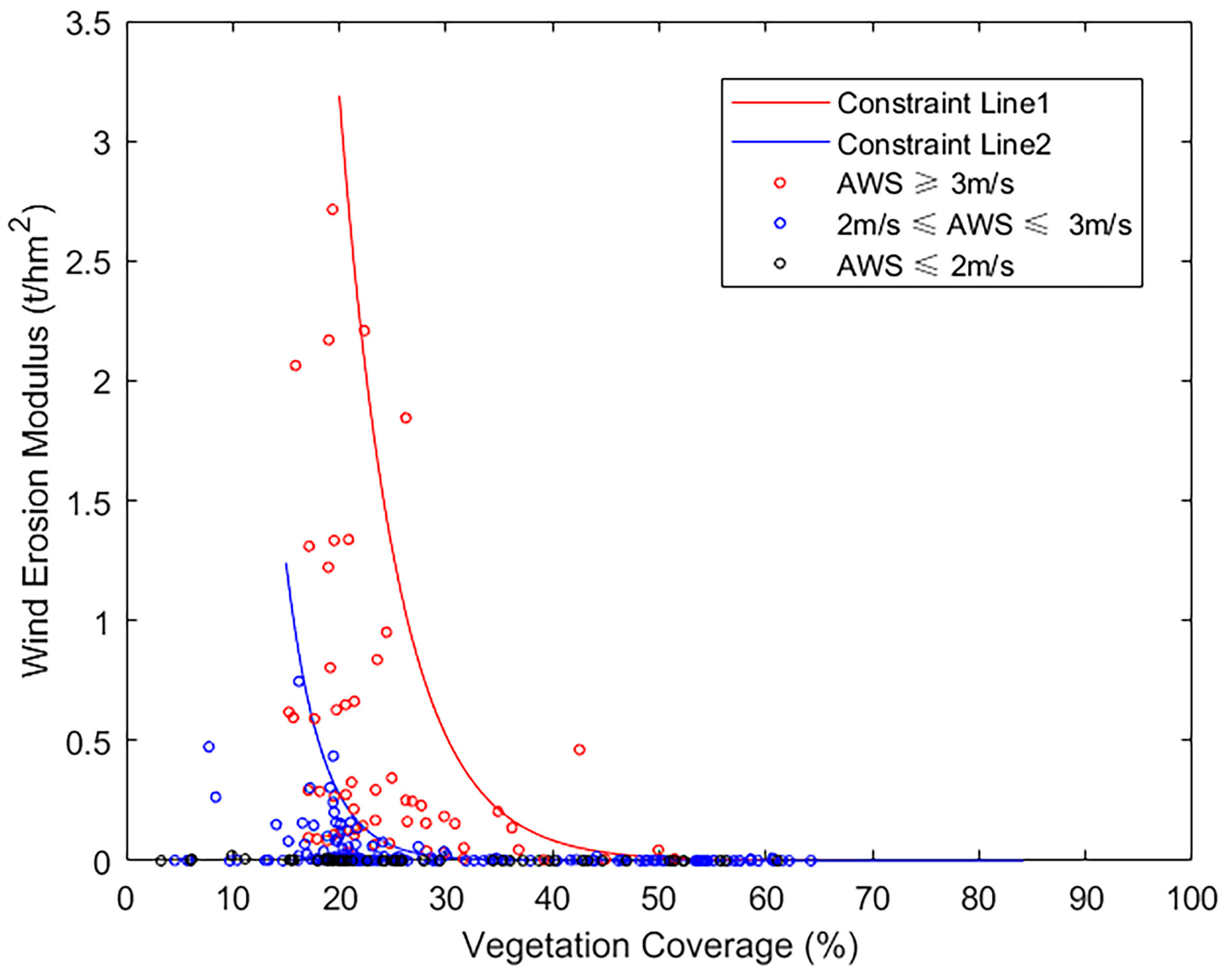
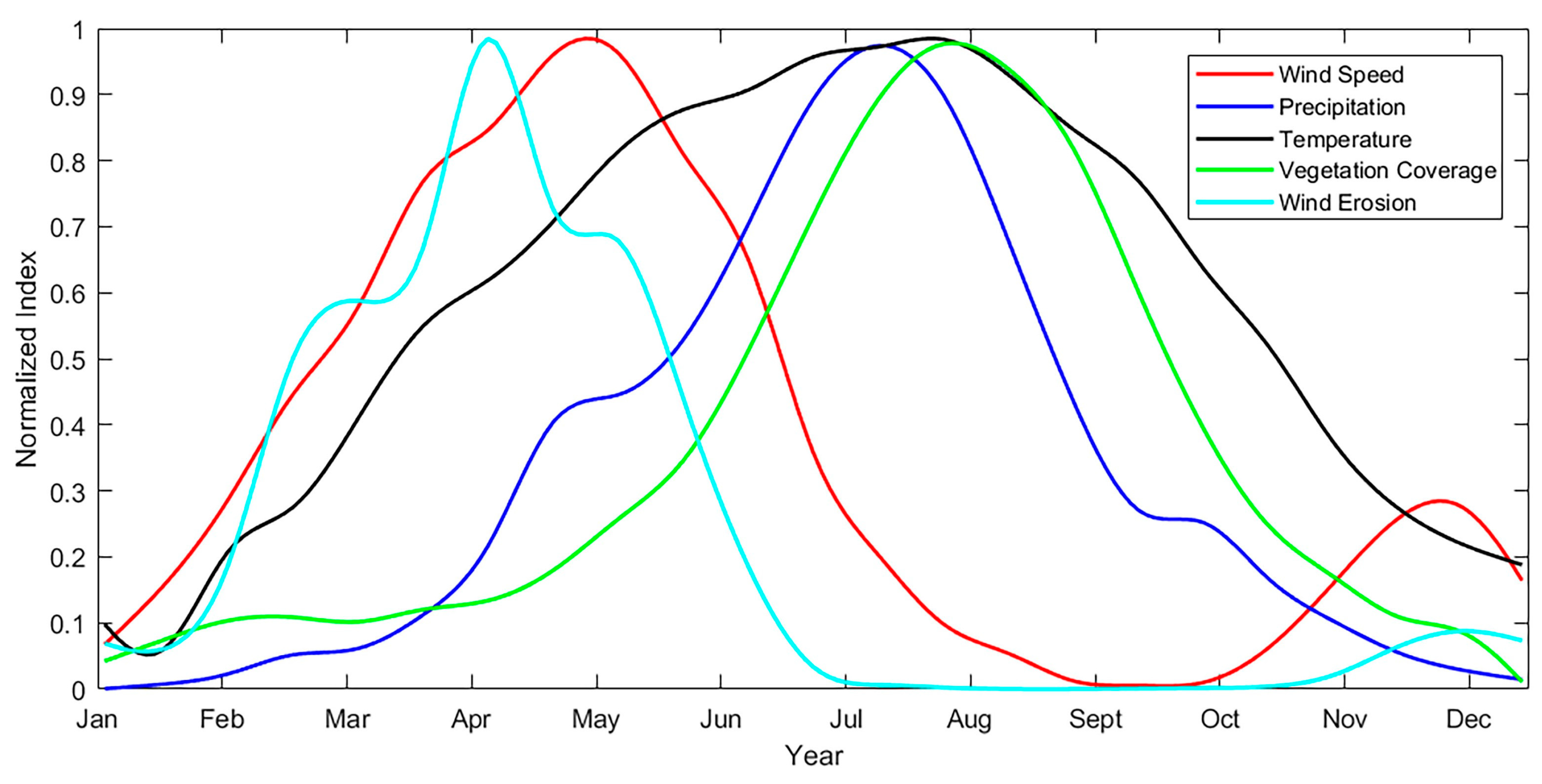
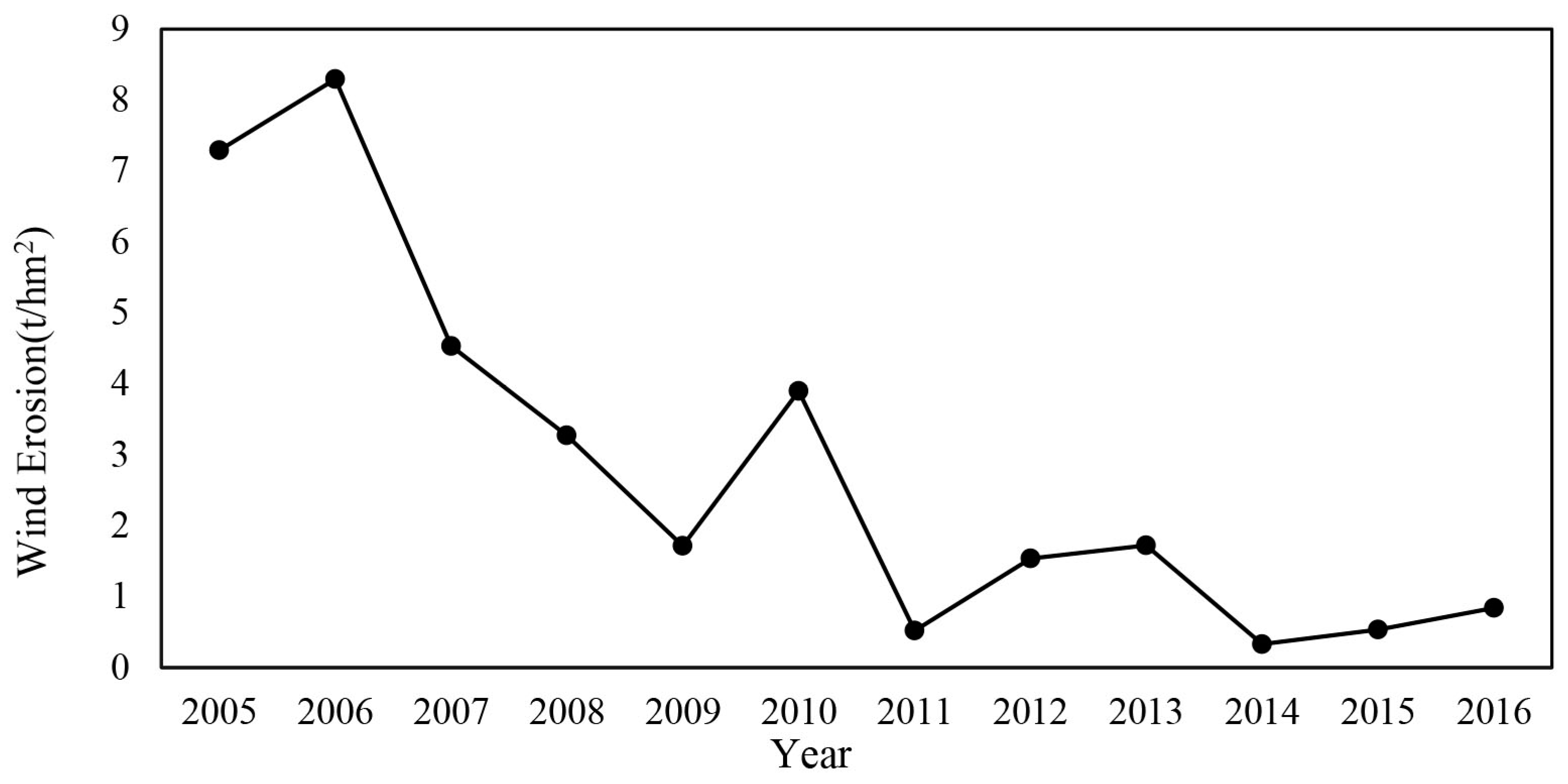
Wind erosion is one of the major environmental problems in drylands. Identifying the dominant natural factors of wind erosion and using targeted treatment measures are the key steps in wind erosion control. Using Horqin Left Back Banner in China as a case study, we applied the revised wind erosion equation to simulate the spatial distribution of wind erosion in the semi-arid sandy area. Contribution assessment and constraint line analysis were used to investigate the contributions of driving forces to wind erosion changes. The results showed that the wind erosion in the whole area was reduced by 0.35 t/hm2·a from 2005 to 2016. The wind factor and vegetation coverage factor had dominant contributions to the wind erosion modulus and accounted for the erosion in 49.87% and 50.13% of the total area, respectively. In addition, the average wind speed exceeding the threshold and the number of occurrences exhibited significant correlations with the wind erosion severity. Meanwhile, the mitigation effects of vegetation coverage on wind erosion decreased with the increase in wind speed. The temporal mismatch between the wind speed and vegetation coverage was the main reason for the frequent severe wind erosion in spring. Reducing the spring wind speed through adding windbreaks would be an effective method for decreasing wind erosion in semi-arid areas.
Keywords: wind erosion; RWEQ; driving factors; contribution assessment; Horqin Left Back Banner wind erosion; RWEQ; driving factors; contribution assessment; Horqin Left Back Banner