

Article

Epidemiological and Clinical Profile of Hemoglobinopathies and Thalassemia in Duhok, Kurdistan Region of Iraq: A Retrospective Study


by
Burhan Abdullah Zaman
1,*,
Zuhair Rushdi Mustafa
2,
Delshad Abdulah Mohamed
3,
Hasan Abdullah Aswad
4 and
Deldar Morad Abdulah
5
1
Basic Sciences Department, College of Pharmacy, University of Duhok, Duhok 42001, Kurdistan Region, Iraq
2
Adult and Fundamental Nursing Unit, College of Nursing, University of Duhok, Duhok 42001, Kurdistan Region, Iraq
3
Maternity Health Nursing and Pediatric Nursing Unit, College of Nursing, University of Duhok, Duhok 42001, Kurdistan Region, Iraq
4
Pediatric Hematology Oncology Center, Duhok General Directorate of Health, Duhok 42001, Kurdistan Region, Iraq
5
Community Health Nursing and Psychiatric Nursing Unit, College of Nursing, University of Duhok, Duhok 42001, Kurdistan Region, Iraq
*
Author to whom correspondence should be addressed.
Thalass. Rep. 2025, 15(4), 12; https://doi.org/10.3390/thalassrep15040012
Submission received: 4 July 2025 / Revised: 15 October 2025 / Accepted: 21 November 2025 / Published: 28 November 2025
(This article belongs to the Section Quality of Life)

Abstract

Background/Objectives: Thalassemia is among the most common hereditary disorders globally, characterized by impaired hemoglobin synthesis and ineffective erythropoiesis. This study analyzed data on hemoglobinopathies, with a particular focus on thalassemia, to support the development of a comprehensive national database and to improve understanding of the disease burden in the Kurdistan Region of Iraq. Methods: In this retrospective cross-sectional study, a total of 910 patients admitted to the region’s sole blood disorder center since its establishment were included. Results: The study analyzed 46.7% male and 53.3% female thalassemia patients in Duhok, with 58.46% reporting parental consanguinity. Hepatitis C virus (HCV) prevalence was 11.87%, while 8.90% underwent bone marrow transplantation (BMT) and 30.11% had splenectomies. Blood group distribution was O+ (36.26%), A+ (30.99%), and B+ (18.46%). Common medications included Deferasirox (34.62%), Hydroxyurea (26.70%), and Deferoxamine (5.82%), with 8.24% and 4.40% discontinuing Deferasirox and Hydroxyurea, respectively. Geographically, 29% of the patients originated from Duhok City, which exhibited a consanguinity rate of 18.65% (p = 0.020). The most prevalent conditions were β-thalassemia major (32.53%) and sickle cell anemia (24.73%). HCV-positive patients were predominantly diagnosed with β-thalassemia major (43.40%) and sickle cell anemia (33.96%). BMT recipients were mostly β-thalassemia major patients (80.25%), while splenectomy was common in β-thalassemia major (43.40%) and sickle cell β-thalassemia (22.64%). Vaccination rates included Pneumococcal (50.78%), Influenza (47.76%), and Hepatitis (39.08%, first dose). Six patients (0.66%) died, with 30.18% diagnosed before age 1 and 43.89% between 1 and 2 years. In conclusion, this study underscores the high prevalence of β-thalassemia major and sickle cell anemia in Duhok, with strong associations to parental consanguinity and low socioeconomic status. Gaps in early diagnosis and vaccination coverage remain significant challenges.

1. Introduction

Anemia remains a major global health burden, with thalassemia being the most prevalent hereditary form of the condition [1]. Thalassemia, one of the most prevalent hereditary diseases worldwide, is a heterogeneous hemoglobinopathy caused by mutations in the α, β, and δ globin genes, leading to impaired hemoglobin synthesis and ineffective erythropoiesis. The severity of the condition depends on the specific globin chain affected. Thalassemias are classified into α-, β-, δβ-thalassemia and less common forms like γδβ-thalassemia, with α- and β-thalassemia being the most prevalent types [2,3]. Clinical manifestations vary from asymptomatic carriers to severe transfusion-dependent thalassemia (TDT), the most common form requiring regular blood transfusions. TDT patients need lifelong blood transfusions and iron chelation therapy to manage iron overload, which, if untreated, can lead to serious complications and damage multiple organs. These complications significantly diminish quality of life and elevate health risks, with severe untreated β-thalassemia often proving fatal by the age of three [4,5,6]. Recognizing its significant impact, the World Health Organization (WHO) has identified thalassemia as a major global health concern, incorporating it into global disease burden assessments.
The costs of prevention vary, but successful programs show a significant reduction in thalassemia prevalence. Countries with the most effective outcomes have implemented comprehensive and aggressive prevention and control measures, including laboratory screening, counseling, and pregnancy termination as part of an integrated approach [7]. Despite this, the situation creates an economic burden on the countries [8]. In 2021, the global age-standardized prevalence rates for thalassemia were 18.28 per 100,000 persons, incidence at 1.93 per 100,000 people, mortality at 0.15 per 100,000 people, and disability-adjusted life years at 11.65 per 100,000 people. There were minimal gender differences in disease burden, with the highest prevalence observed in children under five years old, decreasing with age [1]. A systematic review shows that alpha- and β-thalassemia are more prevalent in the Middle East, Asia, and the Mediterranean than in Europe or North America [9]. Although β-thalassemia has traditionally been more common in the Mediterranean, Middle East, and Southeast Asia, its prevalence is now increasing in regions previously thought to have low rates, such as Northern Europe and North America, largely due to migration [10]. In Middle East countries, especially Iraq, large family sizes, advanced parental age, and high levels of inbreeding contribute to a higher prevalence of genetic disorders. This can result in a significant proportion of physical and mental disabilities [11]. The high prevalence of β-thalassemia in the Middle East, particularly in Iraq’s Duhok province, is largely attributed to the high rate of consanguineous marriages, especially between first cousins. The neighboring countries Iran, Turkey, and Syria share this pattern, with the carrier rate averaging 1 in 30 individuals, alongside Lebanon, Egypt, and Morocco. [12,13]. Accordingly, this study aimed to collect and analyze data on hemoglobinopathies—primarily thalassemia—to establish an official national statistical foundation and to enhance awareness of disease burden, thereby informing preventive strategies within the Kurdistan Region of Iraq.

2. Patients and Methods

2.1. Research Design, Population, Setting, and Sampling

The study included retrospective cross-sectional examinations of patients who received treatment at the Zheen Center for Hematological Disease and Oncology of Children, namely those in the Thalassemia Unit since its establishment. The center stands uniquely as the one-stop medical facility in the Duhok Governorate focused on diagnosing and treating pediatric blood diseases and cancers. Through its multiple services, it offers complete management, which consists of transfusion services and treatment solutions for every thalassemia patient in the governorate. This centralized facility allows researchers to select participants who correctly reflect the full thalassemia patient demographic throughout the region. The investigators collected data through medical record reviews to prepare information needed for analysis. Patients from the Zheen Center in Duhok City within the Kurdistan Region of Iraq were selected as the sample of this study. Every patient who visited the center for treatment since its establishment (May 2005) up to the specified sampling date (August 2024) was part of the research study. This approach ensured the comprehensive inclusion of the target population.

2.2. Study Measures

The study retrieved data from the medical records of thalassemia patients, encompassing multiple variables to analyze, such as patient age, gender, education level, place of residence, marital status, duration of hospitalization, clinical characteristics of thalassemia, treatment outcomes, and vaccination history.

2.3. Vaccination Procedures

Regarding vaccinations, the hepatitis B vaccine is included in Iraq’s national immunization schedule. Adults who have received the hepatitis B vaccine are typically given the full primary series (first, second, and third doses), which may serve as booster doses depending on prior vaccination status. Children receive these vaccines through their primary health care centers. The Zheen Center does not document vaccines administered elsewhere.
Meningococcal and pneumococcal vaccines are initiated in individuals prior to splenectomy and in patients after bone marrow transplantation (BMT). Additional doses (second, third, and fourth) are specifically provided to those who have undergone BMT. The influenza vaccine is offered to all patients, but it is not mandatory. It is likely that many patients receive it outside the center and therefore do not get it again at Zheen. The MMR (measles, mumps, rubella) and OPV (oral polio vaccine) vaccines are administered to patients who have undergone bone marrow transplantation at the center as part of their post-transplant re-immunization protocol.

2.4. Costs of the Services at Zheen Center

Medical services—including screening, diagnostic, and therapeutic care—are provided free of charge to all patients at the center. BMT is also performed free of charge for all eligible patients in Sulaimani City.

2.5. Hemoglobinopathies Diagnosis

The diagnosis of thalassemia and its types is based only on clinical and hematological data (blood test and hemoglobin electrophoresis) [14].

2.6. Statistical Analyses

The general and medical characteristics of thalassemia patients were summarized as mean ± standard deviation for continuous variables and number (percentage) for categorical variables. The prevalence of different thalassemia types and treatment outcomes was reported as numbers and percentages. Associations between disease types and patients’ general or clinical characteristics were analyzed using the Pearson chi-squared test. Similarly, the prevalence of various vaccine types was presented as numbers and percentages. Statistical significance was determined at p < 0.05. All statistical analyses were conducted using JMP® Version 18.0 (SAS Institute Inc., Cary, NC, USA, 1989–2023).

2.7. Ethical Considerations

Ethical and administrative approvals were obtained from the local health ethics committee of the Duhok General Directorate of Health and the Director of the Zheen Center for Hematological Disease and Oncology of Children in Duhok City. The study protocol was registered on 27 March 2024, under reference number 27032024-2-22. Patient confidentiality was maintained by anonymizing all data prior to analysis.

3. Results

3.1. General, Clinical, and Geographic Characteristics of Thalassemia Patients in Duhok

The study sample comprised 46.7% male and 53.3% female patients. In terms of patient age, the majority fell into the following categories: infants (38.79%), preschoolers (27.80%), and school-aged children (16.48%), followed by adults (9.62%), adolescents (6.92%), and neonates (0.44%). More than half of the patients (58.46%) had a history of parental consanguinity. Hepatitis C virus (HCV) testing revealed a positive result in 11.87% of the patients. In terms of treatment history, 8.90% had undergone BMT, while 30.11% underwent splenectomy. Blood group distribution showed that the majority of patients had O+ (36.26%), A+ (30.99%), and B+ (18.46%) blood types. Regarding medication usage, Deferasirox (Exjade®, Novartis, Switzerland) was the most commonly prescribed drug (34.62%), followed by Hydroxyurea (26.70%) and Deferoxamine mesylate (Desferal®, Novartis, Switzerland) (5.82%). A small percentage of patients discontinued treatment, with 8.24% stopping Exjade and 4.40% ceasing Hydroxyurea. The majority of patients were single (77.36%), with a smaller proportion married (10.66%). Educational and occupational backgrounds varied among patients. The majority of patients (96.37%) belonged to families with 1–2 individuals affected by thalassemia, while 16.81% were part of families with more than two members diagnosed with the condition. Drug allergies were infrequent, affecting only 3.63% of patients. The majority of families (73.85%) were classified as having a low socio-economic status. The sample encompassed diverse religious and ethnic backgrounds, with 87.91% of participants belonging to Muslim families and 98.57% identifying as Kurds (Table 1). Geographically, the highest proportion of patients (29%) was from Duhok City, followed by districts and subdistricts of Kalakchi (9%), Zakho (7%), Shekhan (7%), Domiz (4%), and Qasrok (4%). As expected, the fewest patients were from Erbil City (Figure 1).
The study revealed that six patients (0.66%) succumbed to complications related to thalassemia. Most patients were diagnosed at an early age, with 30.18% identified before one year of age and 43.89% between 1–2 years, followed by 11.98% diagnosed between 3–5 years. The most prevalent types of the disease were β-thalassemia major (32.53%) and sickle cell anemia (24.73%), followed by sickle cell β-thalassemia (16.70%) and β-thalassemia intermedia (14.95%). In contrast, α-thalassemia accounted for only 5.17% of cases with no significant difference between male and female patients (Table 2).

3.2. Associations Between Thalassemia Diagnoses, Parental Consanguinity, and Residency in Duhok Governorate

The study found that overall hemoglobinopathies affected females more than males, with the ratio of 0.87:1.00 (in other words, 87 males for every 100 females); however, it was not statistically significant. The male-to-female ratio for each specific disease is as follows: α-thalassemia (0.88:1.00), aplastic anemia (1.29:1.00), β-thalassemia major (0.85:1.00), β-thalassemia intermedia (0.72:1.00), Fanconi anemia (1.00:1.00), sickle cell anemia (1.01:1.00), and sickle cell β-thalassemia (0.83:1.00). β-thalassemia major, sickle cell anemia, sickle cell β-thalassemia, and β-thalassemia intermedia were prevalent in both genders. Patients with positive HCV results were predominantly diagnosed with β-thalassemia major (43.40%) and sickle cell anemia (33.96%). Among those who underwent BMT, the majority had β-thalassemia major (21.96%) and Fanconi anemia (22.22%) and fewer of other types. No patients with alpha-thalassemia in our cohort underwent BMT, as shown in the table. Similarly, splenectomy was most commonly performed in patients with β-thalassemia major (43.40%), followed by those with sickle cell β-thalassemia (22.64%) and sickle cell anemia (15.09%). The distribution of disease types also varied by religious affiliation. β-thalassemia major was the most common condition among Muslims (34.19%) and Yazidis (26.42%), while sickle cell anemia was frequently observed among Yazidis (33.02%) and Muslims (24.33%). Sickle cell β-thalassemia was prevalent in Muslims (17.80%), whereas β-thalassemia intermedium was more common in Yazidis (26.42%). Among the three Christian patients, one had β-thalassemia major and two had β-thalassemia intermedia. β-thalassemia major and β-thalassemia intermedia were prevalent across all age categories. In contrast, sickle cell anemia and sickle cell β-thalassemia were less frequent in the oldest age category (>21 years) (p < 0.001). The results show that β-thalassemia major was the most common diagnosis across almost all occupational groups, particularly among children (42.2%), students (34.61%), and unemployed individuals (28.18%). Sickle cell anemia and sickle cell β-thalassemia were also prevalent, especially among students and unemployed individuals, accounting for 23.52% and 15.68% of student cases, respectively. In contrast, rare diagnoses such as alpha-thalassemia and aplastic anemia were found at very low frequencies across all groups (p < 0.001). This suggests that occupational status, which is often linked to age and socioeconomic conditions, may influence the distribution pattern of different types of thalassemia and related disorders within the study population (Table 3).
Parental consanguinity rates were highest among patients from Duhok City (18.65%), followed by Kalakchi (6.62%) and Zakho (6.22%), with a statistically significant difference of p = 0.020, as presented in Table 4.

3.3. Predictors of Thalassemia in Kurdistan Region

The study showed that having HCV infection was the only significant predictor of β thalassemia major compared to other types of thalassemia (p = 0.027, OR = 1.60, 95% CI: 1.05–2.42). In contrast, parental consanguinity (p < 0.001, OR = 2.71, 95% CI: 1.94–3.83) and being Yazidi (p = 0.032, OR = 1.65, 95% CI: 1.05–2.58) were predictors of sickle cell anemia compared with other types. Conversely, the absence of parental consanguinity was a predictor of sickle cell β thalassemia compared with other types (p < 0.001, OR = 3.23, 95% CI: 2.25–4.70). Finally, being Yazidi was the only significant predictor of β thalassemia intermedia compared with other types (p = 0.001, OR = 2.34, 95% CI: 1.42–3.75; Table 5).

3.4. Vaccination History Among Thalassemia Patients in Duhok Governorate

In terms of vaccinations, the most commonly administered vaccines were the first dose of the Pneumococcal Vaccine (50.78%), the Influenza Vaccine (47.76%), the first dose of the Meningococcal Vaccine (45.93%), the first dose of the Hepatitis Vaccine (39.08%), and subsequent doses of the Hepatitis Vaccine (25.74% for the second dose and 29.81% for the third dose; Table 6).

4. Discussion

This retrospective cross-sectional study provides an in-depth overview of the socio-demographic and clinical characteristics of patients with hemoglobinopathies, particularly thalassemia, in Duhok City, Kurdistan Region of Iraq. The findings reveal a high burden of thalassemia and sickle cell anemia, closely linked to socio-economic disparities and consanguineous marriages. Thalassemia shows substantial geographic variation, with over 90% of β-thalassemia cases concentrated in a “thalassemia belt” spanning Africa, the Mediterranean, the Middle East, and Southeast Asia [4]. High prevalence is reported in Saudi Arabia, Northern Iraq, Iran’s coastal areas, and parts of Southeast Asia, while migration has extended the disease into low-prevalence regions such as the UK [10,15,16,17,18].
Currently, Iraq lacks a national registry for hemoglobinopathies; however, the findings of this study highlight the urgent need for its establishment. The absence of such a system has constrained efforts to accurately assess disease prevalence, monitor clinical outcomes, and allocate healthcare resources effectively. By providing comprehensive epidemiological data from the Kurdistan Region, this study contributes valuable groundwork toward developing a national registry. The detailed presentation of data underscores both the feasibility and the importance of implementing a centralized system to inform health policy, improve patient care, and enable evidence-based prevention and management strategies across the country.

4.1. Epidemiological Insights and Socioeconomic Implications of Thalassemia in Duhok

The frequency of β-thalassemia in the Middle East and West Asia typically ranges from 2% to 5% [10,19,20]. Country-specific estimates include Oman (4–5%), Iraq (3–4%), Iran (4–5%), and notably high rates in Saudi Arabia [19]. In Southeast and South Asia, both β-thalassemia and hemoglobin E are highly prevalent [4,16,20]. For instance, regions in China such as Guangxi report rates around 5% [20], while Taiwan (1–3%), Indonesia (3–10%), Malaysia (1–4.5%), Thailand (3–9%), and India (1–10%) also show considerable prevalence [10]. α-thalassemia is especially common in Southeast Asia, with an overall estimated prevalence of 22.6% [21]. Countries with the highest α-thalassemia rates include Vietnam (51.5%), Cambodia (39.5%), Laos (26.8%), Thailand (20.1%), and Malaysia (17.3%) [9]. In our study, β-thalassemia major (32.53%) and sickle cell anemia (24.73%) emerged as the most prevalent hemoglobinopathies in the region, followed by sickle cell β-thalassemia (16.70%), β-thalassemia intermedia (14.95%), and α-thalassemia (5.17%). Our research identified a single case of hemochromatosis out of 910 patients (0.11%). The assessment results match research data primarily in areas characterized by high consanguinity, such as the Middle East and Mediterranean, which enhance disease susceptibility through autosomal recessive inheritance [10,13]. The consanguinity rate in Duhok Governorate exceeds 58.46%, according to research [12]. This conforms to observations of surrounding nations [11,13]. The implementation of screening and prevention programs reduced disease cases in several European nations, including Cyprus, Greece, and Italy [22]. In contrast, the regions without access to sufficient public health resources, along with cultural beliefs and religious convictions, continue to observe rising instances of disease burdens [23]. Although premarital clinical counseling is mandated by law in the Kurdistan Region and specifically in Duhok, these findings underscore the critical importance of expanding premarital genetic counseling, prenatal diagnostic services, and newborn screening to effectively restrict thalassemia prevalence.
Chronic diseases place a significant financial burden on healthcare systems and societies due to the need for lifelong care and the associated loss of productivity [24]. However, early detection and preventive interventions can substantially reduce these burdens. In Iraq, the prevalence of thalassemia is on the rise; the estimated annual healthcare cost per patient—including diagnosis, treatment, blood transfusions, and other medical services—is approximately $6815. Indirect healthcare costs add an additional $3995, bringing the total to around $10,810 per patient per year [25]. In our study, 73.85% of families were classified as low-income, highlighting the significant socio-economic strain on thalassemia patients. Although medical services and treatments are provided free of charge in governmental hospitals in both the Kurdistan Region and Iraq, the lifelong management of thalassemia—including regular transfusions, iron chelation therapy, and BMT—poses a substantial financial challenge to both families and the healthcare system [8,26]. Tackling these socio-economic challenges is vital to improving public awareness, reducing disease prevalence, enhancing treatment adherence, and ultimately improving patient outcomes.
The high proportion of students (55.47%) likely reflects the young age profile of the cohort and differences in access to screening; the lower proportion among employed adults may reflect reduced screening participation or limited healthcare access. These are hypotheses that require prospective investigation. Similarly, the higher percentage of single patients likely reflects the young age composition of the study cohort, as most were students or unmarried individuals of reproductive age. Because this study was retrospective, marital status data were based on the records available at registration, without follow-up updates.

4.2. Geodemographic Patterns and Sociocultural Determinants of Thalassemia in Duhok

Globally, over 40,000 infants are born with β-thalassemia each year, with the highest incidence observed in Southeast Asia and the Eastern Mediterranean region [1]. In Iraq, data from 2010 to 2015 show a decline in incidence but a slight increase in prevalence, likely due to improved patient survival [17]. In our study, Duhok City accounted for the largest share of thalassemia cases (29%), followed by the Bardarash district—including Kalakchi, Qasrok, Bardarash, Chira, and Roviya—which collectively comprised 19%, and Zakho and Shekhan, each contributing 7%. This distribution reflects the centralization of specialized care at the Zheen Center for Hematological Diseases and Pediatric Oncology in Duhok City, the region’s primary referral facility, supported by a secondary center in Akre. These findings show how healthcare availability is essential to both the detection and management of thalassemia and epidemiological studies. Notably, Duhok City, despite being classified as an urban area, demonstrated the highest consanguinity rate at 18.65%. Hence, the study shows an immediate necessity for genetic counseling combined with public health education programs. A geographic disparity is evident within the Kurdistan Region, with Erbil reporting a higher prevalence of thalassemia compared to Duhok [27]. The national prevalence rate of thalassemia throughout Iraq reaches 37.1 per 100,000 population [17], though such figures might not capture vital differences across different areas.
In contrast with findings from Iraq and China [17,20], our findings revealed a low proportion of elderly individuals with thalassemia, with only 2.65% of patients aged over 60 years, while the majority—over 85%—were under the age of five. The demographic imbalance, characterized by a predominance of younger patients, raises serious concerns about survival outcomes and underscores the need to revise treatment guidelines in the Kurdistan Region of Iraq. Although thalassemia exists as an autosomal recessive genetic trait that impacts both sexes of the population at the same rate [1,4,10], the analysis demonstrates substantial variations across regions along with changes based on age. In our cohort, females appeared slightly more affected than males (male-to-female ratio: 0.87:1.00); however, the difference was not statistically significant. In contrast, Iraqi registry data from 2015 reported a mild male predominance, especially in β-thalassemia major and HbS-thalassemia [25].
While earlier studies of hemoglobinopathies in the Kurdish region (northern Iraq) report very low carrier rates for HbS—often in the range of 0.06–1.2%—recent data from elsewhere in Iraq (especially the south) show much higher HbS frequencies (≈6.5%) in the population [28]. For example, a recent study in Basra governorate found that 6.48% of the population are carriers of the sickle hemoglobin (HbS) gene [29]. In contrast, in multiple reports from Kurdish areas (e.g., Zakho, Erbil, and Duhok), HbS trait prevalence remains very low (around 0.4% to ≈1.2%), and in one study, even as low as 0.06% [30]. The carrier rate of HbS—including individuals with sickle cell anemia and sickle-β thalassemia—is over 1% among Kurdish patients, likely due to higher survival rates.
Aligned with our findings, a Korean national study (2006–2018) consistently showed higher prevalence among females (ratios between 1.7 and 2.0), likely influenced by diagnostic practices [16]. Similarly, a study in Indonesia attributed the higher detection rate in females to greater participation in screening programs, rather than genetic factors [31]. Globally, males show a higher prevalence of thalassemia up to age 35, after which females tend to predominate until age 69. Moreover, gender disparities in mortality and Disability-Adjusted Life Years (DALYs) were observed across age groups [1]. These differences likely reflect socio-cultural norms, economic inequality, and disparities in healthcare access, which may delay diagnosis and worsen outcomes for women in high-prevalence regions.
In the Kurdistan Region of Iraq, pilot studies confirmed the feasibility of implementing premarital screening programs for hemoglobinopathies. Following consultations with local religious scholars, the government subsequently enacted legislation to mandate such screening initiatives [32]. One of the primary contributors to Iraq’s high thalassemia burden is the widespread practice of consanguineous marriage, with reported rates of 63% in central and southern regions and 45% in the Kurdistan region [33]. A 2015 study found that over 75% of thalassemia patients were born to related parents [17]. While the literature does not explicitly associate consanguinity rates with specific religious affiliations [1,10], our study revealed a statistically significant relationship between religion and the prevalence of hemoglobinopathies. Muslim participants exhibited the highest prevalence, followed by Yazidis, while Christians had the lowest rates across all blood disorders. This suggests that, in addition to genetic predisposition, cultural norms—particularly consanguineous marriage practices—play a critical role in disease distribution. These findings are consistent with earlier research in which Lebanon displayed similar results through studies documenting different rates of β-thalassemia carriers among religious groups, where Sunni Muslims carried the highest frequency, followed by Shia Muslims and Maronite Christians [34]. Beyond genetic factors, beliefs powerfully affect how prevention methods perform alongside their acceptance of prenatal screening and public health measures in traditional communities [10,23]. Thus, enhancing disease awareness alongside prevention efforts and effective public health interventions requires culturally sensitive methods.

4.3. Clinical and Treatment Outcomes of Thalassemia in Duhok

The HCV constitutes the leading blood-borne disease transferred by transfusions affecting TDT patients, although different regions present different rates of infection [35,36]. In Iraq, data shows HCV affects 13.5% of thalassemia patients, while hepatitis B virus (HBV) only infects 0.4% of patients; at the same time, both numbers remain lower than neighboring nations [17]. In our study, HCV infection was identified in 108 patients (11.87%), underscoring a persistent public health concern. Despite ongoing efforts to improve blood safety and transfusion protocols, this finding highlights the critical need for rigorous donor screening and enhanced infection control measures. Historically, while HCV prevalence was about 25% in Germany and the United Kingdom (UK) [37], it reached alarming levels—over 75% in Egypt and parts of Italy and 70% in Oman among patients transfused before 1991—largely due to the absence of routine blood screening prior to the 1990s [38,39]. Since the global implementation of systematic HCV screening, more recent studies have reported significantly lower infection rates, typically ranging from 5.9% to 28.3%, reflecting improvements in transfusion safety [35]. According to Centers for Disease Control and Prevention (CDC) surveillance data, HCV remains the most common transfusion-transmitted infection, surpassing HBV, human immunodeficiency virus (HIV), and parvovirus in prevalence [5]. While effective vaccines are available for HBV and hepatitis A virus (HAV), no vaccine currently exists for HCV [4], reinforcing the urgent need for preventive screening and early detection in at-risk populations.
Effective management of iron overload is a vital component of thalassemia care, particularly for transfusion-dependent patients [5,10]. Since chronic blood transfusions result in iron accumulation beyond safe levels, iron chelation therapy becomes crucial for preventing complications that damage organs and reduce life expectancy [1]. Every patient requires a unique selection of their iron-chelating medication based on their specific iron levels, previous transfusions, heart condition, local medical guidelines, and professional medical judgment [4]. Our study showed that Deferasirox (Exjade®) served as the most common iron chelation therapy, used by 34.62% of patients, while Deferoxamine (Desferal®) was administered to 5.82% of the study population, aligning with international guidelines recommending approaches to control iron overload in thalassemia patients [40]. Additionally, medical practitioners need to stay aware of the negative consequences that arise from chelators [41]. Proper implementation of chelation therapy at the correct time remains essential for minimizing specific organ damage from iron toxicity combined with improving patient life expectancy and quality.
Conspicuously, BMT remains the only widely recognized curative treatment for β-thalassemia [42]. However, limited access to advanced therapies in low-resource settings severely restricts its application. In our study, only 8.90% of patients had undergone BMT, underscoring the urgent need to expand transplant services and explore emerging gene-editing therapies. National data from Iraq up to 31 December 2015, reported that just 73 out of 11,165 registered thalassemia patients (0.6%) had received BMT [17]. Similarly, in Iran, 340 patients underwent allogeneic BMT, with success influenced by donor matching and preexisting clinical risk factors [43]. Although outcomes have improved over time, studies in lower-middle-income countries have evaluated BMT’s benefits over supportive care in terms of quality of life [44]. Nonetheless, major obstacles persist, particularly high upfront costs and limited donor availability. While the initial expenses are substantial—exceeding $80,000 in some U.S. cases—BMT may be cost-effective long-term compared to lifelong transfusion and chelation therapy [45].
Splenectomy is occasionally utilized in the clinical management of thalassemia, primarily to reduce transfusion requirements and alleviate related complications. Traditionally, it has been recommended for patients requiring more than 200 g of packed red blood cells per kilogram of body weight annually [37]. It may also be indicated in cases of symptomatic hepatosplenomegaly [4]. In our study, splenectomy was most commonly performed in patients with β-thalassemia major (43.40%), followed by those with β-thalassemia intermedia (18.11%), sickle cell β-thalassemia (22.64%), and sickle cell anemia (15.09%). A systematic review reported splenectomy rates between 40% and 70% across various thalassemia patient populations [5]. Furthermore, data from the CDC’s Thalassemia Blood Tolerability Network revealed a strong correlation between transfusion frequency and splenectomy prevalence: 7% in never-transfused patients, 29% in intermittently transfused individuals, and 52% among chronically transfused patients [5]. These findings emphasize the role of transfusion burden in influencing the decision for splenectomy.

4.4. Vaccination Coverage and Preventive Care in Duhok

In our study, immunization coverage among thalassemia patients was suboptimal. Only 50.78% had received the first dose of the pneumococcal vaccine, followed by 47.76% for the influenza vaccine and 45.93% for the meningococcal vaccine. Conspicuously, patients requiring regular blood transfusions face a significantly elevated risk of acquiring transfusion-transmitted infections, including HBV, HCV, and HIV [46]. Alarmingly, in our study, only 39.08% of patients had received the first dose of the hepatitis vaccine, while the second and third dose coverage dropped further to 35.74% and 29.81%, respectively. Healthcare challenges in resource-constrained settings—particularly in Arab countries where hemoglobinopathies are highly prevalent—impede effective vaccination programs due to limited access, insufficient funding, and a lack of comprehensive epidemiological data [19,43]. In Duhok, vaccine availability remains a major barrier, as essential vaccines are not consistently provided by the government, are difficult to find in local markets, and are often unaffordable for many families.
Our vaccination rate falls substantially short of the WHO’s recommendation of at least 90% national coverage for routine vaccines in national immunization programs, with similarly ambitious regional/district-level targets [47]. Moreover, when compared with data from the general population of Iraq, immunization for standard childhood vaccines such as diphtheria, tetanus, and pertussis—third dose (DTP-3) and measles in recent years has reached about 90% coverage among children under five (for DTP3) and first doses of measles and DTP in some campaigns [48]. There is an urgent need for increased outreach, policy emphasis, and follow-up among high-risk groups, such as thalassemia patients, given the disparity between our cohort’s vaccination rates and those of larger population targets.
Given the increased susceptibility of thalassemia patients to serious infections—especially those who are splenectomized or candidates for BMT—enhancing immunization adherence is imperative. This requires integrated, patient-centered healthcare strategies. Furthermore, our findings highlight a concerningly high prevalence of HCV among transfusion-dependent patients, which may stem from gaps in transfusion safety protocols, fragmented blood supply systems, and insufficient infrastructure. To address this, we strongly recommend the implementation of standardized, quality-assured blood donation, screening practices, and vaccination programs through cohesive regional and national policies to reduce the risk of future transfusion-transmitted infections.

4.5. Strengths and Limitations

Despite the comprehensive coverage of thalassemia and other hemoglobinopathies, several limitations should be acknowledged in this study. The retrospective cross-sectional design limited the ability to infer causal relationships between observed associations. Additionally, data collection from a single center restricts the generalizability of the findings to other regions or countries with varying healthcare systems and resources. Future prospective longitudinal studies are recommended to assess long-term outcomes and evaluate the effectiveness of preventive strategies. Another limitation of this study is the potential survivorship bias, as only patients registered at the Zheen Thalassemia Center since its establishment in 2005 were included. Consequently, cases diagnosed or deceased before that time were not captured in the dataset.

4.6. Implications for Policy and Practice and Future Research Directions

This study highlights an urgent need to implement comprehensive prevention and control strategies for thalassemia in the Kurdistan Region of Iraq. Key policy implications include (1) expanding national screening efforts—particularly premarital screening and genetic counseling—to mitigate the burden of consanguinity-related hemoglobinopathies; (2) increasing public education and awareness about thalassemia inheritance and the importance of carrier detection; (3) improving access to essential treatments such as iron chelation therapy and BMT; (4) reinforcing blood safety protocols to reduce transfusion-transmitted infections; and (5) prioritizing sustained vaccination programs to prevent infection-related complications in high-risk thalassemia patients.
The fact that the population of affected patients is very young, despite premarital screening being legally mandated in the Kurdistan Region, suggests significant shortcomings in the effectiveness of current prevention policies. In practice, the premarital screening program has several flaws, such as being perceived as a formality rather than an actual preventive measure. Couples would still proceed with marriage even when both partners are reported as carriers for the disease because of social, cultural, and family pressure, especially since the rates of consanguinity are so high. Additionally, there may be a lack of genetic counseling and follow-up after the screening, which means couples do not understand what it means to be a carrier and the reproductive options available to them. This explains why we continue to have affected children despite mandated premarital screening. Therefore, it is important to strengthen enforcement, offer full genetic counseling, and educate the public on screening policies to enhance efficacy in reducing thalassemia.
From a research standpoint, future investigations should address several key areas: (1) evaluating the long-term clinical outcomes of individuals with thalassemia and other blood disorders in Iraq through longitudinal studies; (2) assessing the cost-effectiveness and broader pharmacoeconomic impact of advanced therapies, including gene-editing technologies; and (3) exploring the socio-economic and psychosocial consequences of thalassemia on affected individuals and families.
Moreover, the significant geographic disparities in thalassemia prevalence underscore core epidemiological principles—namely, the interplay between genetic predisposition, historic environmental pressures (e.g., malaria), population migration, healthcare access, and cultural practices [4,10]. The analysis of these patterns enables the creation of location-tailored public health interventions and efficient allocation of funding. Literature supports the requirement to establish standardized reporting practices together with strong data infrastructure systems, which should adapt to regional needs [1,23]. In this context, micro-mapping and longitudinal follow-up studies are essential to advance our epidemiological understanding and support evidence-based policymaking in the Kurdistan Region and beyond.

5. Conclusions

This study revealed that Duhok exhibited high rates of β-thalassemia major and sickle cell anemia among patients with hemoglobinopathies, where parental relations by blood played a pivotal role, especially in urban areas. The majority of the diagnosed patients belonged to families with low incomes and consanguinity, which identified them early for treatment. The medical therapy choice most commonly employed included Exjade® together with Hydroxyurea treatment. The vaccine coverage rates were not consistent and proved insufficient across the board. The findings provide detailed epidemiological data along with clinical aspects of thalassemia in Duhok, while showing the impact of consanguinity and socioeconomic conditions and complications related to transfusions. These findings highlight an immediate necessity for healthcare system improvements, which need to include additional genetic counseling services along with better access to vital medicines and stronger infection control policies. The implementation of evidence-based healthcare policies by authorities will reduce the thalassemia burden and enhance the life quality of thalassemia patients in this region.

Author Contributions

B.A.Z.: Conceptualization, Methodology, Validation, Writing—Original Draft, Writing—Review & Editing, and Project administration; D.M.A.: Conceptualization, Methodology, Formal Analysis, Validation, Writing—Original Draft, Writing—Review & Editing, Visualization, and Supervision; Z.R.M.: Conceptualization, Writing—Original Draft, Writing—Review & Editing; D.A.M.: Investigation, Writing—Original Draft, Writing—Review & Editing; H.A.A.: Methodology, Validation, Writing—Original Draft, Writing—Review & Editing. All authors have read and agreed to the published version of the manuscript.

Funding

The study was funded by the authors only.

Data Availability Statement

The data supporting this study’s findings are available upon reasonable request from the corresponding author.

Acknowledgments

The authors extend their heartfelt gratitude to the Duhok Directorate General of Health and Zheen Center for Hematological Disease and Oncology of Children—Thalassemia Unit, for their unwavering support, as well as to the staff of the registery unit at Zheen Center for their invaluable assistance throughout this study.

Conflicts of Interest

The authors declare no conflict of interest.

References

  1. Tuo, Y.; Li, Y.; Li, Y.; Ma, J.; Yang, X.; Wu, S.; Jin, J.; He, Z. Global, regional, and national burden of thalassemia, 1990–2021: A systematic analysis for the global burden of disease study 2021. Eclinicalmedicine 2024, 72, 102619. [Google Scholar] [CrossRef]
  2. Kattamis, A.; Kwiatkowski, J.L.; Aydinok, Y. Thalassaemia. Lancet 2022, 399, 2310–2324. [Google Scholar] [CrossRef]
  3. Weatherall, D.; Stamatoyannopoulos, G.; Neinhuis, A.; Majerus, P.; Varmus, H. The Thalassemias in the Molecular Basis of Blood Diseases; Saunders: Philadelphia, PA, USA, 2001. [Google Scholar]
  4. Taher, A.T.; Musallam, K.M.; Cappellini, M.D. β-Thalassemias. N. Engl. J. Med. 2021, 384, 727–743. [Google Scholar] [CrossRef]
  5. Betts, M.; Flight, P.A.; Paramore, L.C.; Tian, L.; Milenković, D.; Sheth, S. Systematic literature review of the burden of disease and treatment for transfusion-dependent β-thalassemia. Clin. Ther. 2020, 42, 322–337.e2. [Google Scholar] [CrossRef]
  6. Pinto, V.M.; Poggi, M.; Russo, R.; Giusti, A.; Forni, G.L. Management of the aging beta-thalassemia transfusion-dependent population–The Italian experience. Blood Rev. 2019, 38, 100594. [Google Scholar] [CrossRef] [PubMed]
  7. AB, A.S.; Nour El Huda, A.; Safurah, J. A systematic review on thalassaemia screening and birth reduction initiatives: Cost to success. Med. J. Malays. 2024, 79, 348–359. [Google Scholar]
  8. Shafie, A.A.; Wong, J.H.Y.; Ibrahim, H.M.; Mohammed, N.S.; Chhabra, I.K. Economic burden in the management of transfusion-dependent thalassaemia patients in Malaysia from a societal perspective. Orphanet J. Rare Dis. 2021, 16, 157. [Google Scholar] [CrossRef] [PubMed]
  9. Musallam, K.M.; Lombard, L.; Kistler, K.D.; Arregui, M.; Gilroy, K.S.; Chamberlain, C.; Zagadailov, E.; Ruiz, K.; Taher, A.T. Epidemiology of clinically significant forms of alpha-and beta-thalassemia: A global map of evidence and gaps. Am. J. Hematol. 2023, 98, 1436–1451. [Google Scholar] [CrossRef]
  10. Kattamis, A.; Forni, G.L.; Aydinok, Y.; Viprakasit, V. Changing patterns in the epidemiology of β-thalassemia. Eur. J. Haematol. 2020, 105, 692–703. [Google Scholar] [CrossRef]
  11. Al-Gazali, L.; Hamamy, H.; Al-Arrayad, S. Genetic disorders in the Arab world. BMJ 2006, 333, 831–834. [Google Scholar] [CrossRef]
  12. Lahiry, P.; Al-Attar, S.; Hegele, R. Understanding beta-thalassemia with focus on the Indian subcontinent and the Middle East. Open Hematol. J. 2008, 2, 5–13. [Google Scholar] [CrossRef]
  13. Abdalla, B.; Zaher, A. Consanguineous marriages in the middle east: Nature versus nurture. Open Complement. Med. J. 2013, 5, 1–10. [Google Scholar] [CrossRef]
  14. Old, J. Prevention and Diagnosis of Haemoglobinpathies; Thalassemia International Federation TIF Publication: Nicosia, Cyprus, 2016. [Google Scholar]
  15. Colah, R.; Gorakshakar, A.; Nadkarni, A. Global burden, distribution and prevention of β-thalassemias and hemoglobin E disorders. Expert Rev. Hematol. 2010, 3, 103–117. [Google Scholar] [CrossRef]
  16. Lee, J.S.; Rhee, T.M.; Jeon, K.; Cho, Y.; Lee, S.W.; Han, K.D.; Seong, M.W.; Park, S.S.; Lee, Y.K. Epidemiologic Trends of Thalassemia, 2006-2018: A Nationwide Population-Based Study. J. Clin. Med. 2022, 11, 2289. [Google Scholar] [CrossRef]
  17. Kadhim, K.A.; Baldawi, K.H.; Lami, F.H. Prevalence, incidence, trend, and complications of thalassemia in Iraq. Hemoglobin 2017, 41, 164–168. [Google Scholar] [CrossRef] [PubMed]
  18. Karimi, M.; Jamalian, N.; Yarmohammadi, H.; Askarnejad, A.; Afrasiabi, A.; Hashemi, A. Premarital screening for β-thalassaemia in Southern Iran: Options for improving the programme. J. Med. Screen. 2007, 14, 62–66. [Google Scholar] [CrossRef]
  19. Hamamy, H.A.; Al-Allawi, N.A. Epidemiological profile of common haemoglobinopathies in Arab countries. J. Community Genet. 2013, 4, 147–167. [Google Scholar] [CrossRef] [PubMed]
  20. Lai, K.; Huang, G.; Su, L.; He, Y. The prevalence of thalassemia in mainland China: Evidence from epidemiological surveys. Sci. Rep. 2017, 7, 920. [Google Scholar] [CrossRef] [PubMed]
  21. Goh, L.P.W.; Chong, E.T.J.; Lee, P.C. Prevalence of Alpha(α)-Thalassemia in Southeast Asia (2010–2020): A Meta-Analysis Involving 83,674 Subjects. Int. J. Environ. Res. Public Health 2020, 17, 7354. [Google Scholar] [CrossRef]
  22. Aguilar Martinez, P.; Angastiniotis, M.; Eleftheriou, A.; Gulbis, B.; Mañú Pereira Mdel, M.; Petrova-Benedict, R.; Corrons, J.L. Haemoglobinopathies in Europe: Health & migration policy perspectives. Orphanet. J. Rare Dis. 2014, 9, 97. [Google Scholar]
  23. Li, C.K. New trend in the epidemiology of thalassaemia. Best Pract. Res. Clin. Obs. Gynaecol. 2017, 39, 16–26. [Google Scholar] [CrossRef]
  24. Mohd Dom, T.N.; Ayob, R.; Abd Muttalib, K.; Aljunid, S.M. National economic burden associated with management of periodontitis in Malaysia. Int. J. Dent. 2016, 2016, 1891074. [Google Scholar] [CrossRef]
  25. Lafta, R.; Sadiq, R.; Muhammed, Z. Burden of thalassemia in Iraq. Public Health Open Access (PHOA) 2023, 7, 000242. [Google Scholar] [CrossRef]
  26. Shah, R.; Badawy, S.M. Health-related quality of life with standard and curative therapies in thalassemia: A narrative literature review. Ann. N. Y. Acad. Sci. 2024, 1532, 50–62. [Google Scholar] [CrossRef]
  27. Azeez, S.; Hamad, B.; Hamad, H.; Qader, M.; Ali, E.; Muhammed, R.; Shekha, M. Estimation of the prevalence of Hemoglobinopathies in Erbil governorate, Kurdistan region of Iraq. Iraqi J. Hematol. 2022, 11, 19. [Google Scholar] [CrossRef]
  28. Al-Allawi, N.; Al Allawi, S.; Jalal, S.D. Genetic epidemiology of hemoglobinopathies among Iraqi Kurds. J. Community Genet. 2021, 12, 5–14. [Google Scholar] [CrossRef] [PubMed]
  29. Jaber, R.Z.; Hassan, M.K.; Al-Salait, S.K. Microcytosis in children and adolescents with the sickle cell trait in Basra, Iraq. Blood Res. 2019, 54, 38–44. [Google Scholar] [CrossRef]
  30. Zebari, S.A. Prevalence of Hemoglobinopathies Among the Kurdish Population in Zakho City, Kurdistan Region, Iraq. Cureus 2025, 17, e78862. [Google Scholar] [CrossRef] [PubMed]
  31. Husna, N.; Arif, A.; Putri, C.; Leonard, E.; Satuti, N. Prevalence and Distribution of Thalassemia Trait Screening. J. Med. Sci. 2017, 49, 106–113. [Google Scholar] [CrossRef]
  32. Al-Allawi, N.; Jalal, S.; Ahmed, N.; Faraj, A.; Shalli, A.; Hamamy, H. The first five years of a preventive programme for haemoglobinopathies in Northeastern Iraq. J. Med. Screen. 2013, 20, 171–176. [Google Scholar] [CrossRef]
  33. World Health Organization, Regional Office for Eastern Mediterranean. Republic of Iraq: Iraq Family Health Survey 2006/7. 3 May 2007. Available online: https://reliefweb.int/report/iraq/iraq-family-health-survey-20067 (accessed on 10 November 2025).
  34. Inati, A.; Zeineh, N.; Isma’eel, H.; Koussa, S.; Gharzuddine, W.; Taher, A. Beta-thalassemia: The Lebanese experience. Clin. Lab. Haematol. 2006, 28, 217–227. [Google Scholar] [CrossRef]
  35. Maffei, L.; Sorrentino, F.; Caprari, P.; Taliani, G.; Massimi, S.; Risoluti, R.; Materazzi, S. HCV Infection in Thalassemia Syndromes and Hemoglobinopathies: New Perspectives. Front. Mol. Biosci. 2020, 7, 7. [Google Scholar] [CrossRef]
  36. Petruzziello, A.; Loquercio, G.; Sabatino, R.; Balaban, D.V.; Ullah Khan, N.; Piccirillo, M.; Rodrigo, L.; di Capua, L.; Guzzo, A.; Labonia, F.; et al. Prevalence of Hepatitis C virus genotypes in nine selected European countries: A systematic review. J. Clin. Lab. Anal. 2019, 33, e22876. [Google Scholar] [CrossRef] [PubMed]
  37. Cario, H.; Stahnke, K.; Sander, S.; Kohne, E. Epidemiological situation and treatment of patients with thalassemia major in Germany: Results of the German multicenter beta-thalassemia study. Ann. Hematol. 2000, 79, 7–12. [Google Scholar] [CrossRef] [PubMed]
  38. Rajab, A.G.; Patton, M.A.; Modell, B. Study of hemoglobinopathies in Oman through a national register. Saudi Med. J. 2000, 21, 1168–1172. [Google Scholar]
  39. Angelucci, E. Antibodies to hepatitis C virus in thalassemia. Haematologica 1994, 79, 353–355. [Google Scholar]
  40. Shah, F.T.; Porter, J.B.; Sadasivam, N.; Kaya, B.; Moon, J.C.; Velangi, M.; Ako, E.; Pancham, S. Guidelines for the monitoring and management of iron overload in patients with haemoglobinopathies and rare anaemias. Br. J. Haematol. 2022, 196, 336–350. [Google Scholar] [CrossRef]
  41. Sayani, F.A.; Kwiatkowski, J.L. Increasing prevalence of thalassemia in America: Implications for primary care. Ann. Med. 2015, 47, 592–604. [Google Scholar] [CrossRef] [PubMed]
  42. Algeri, M.; Lodi, M.; Locatelli, F. Hematopoietic stem cell transplantation in thalassemia. Hematol. Oncol. Clin. 2023, 37, 413–432. [Google Scholar] [CrossRef]
  43. Abolghasemi, H.; Amid, A.; Zeinali, S.; Radfar, M.H.; Eshghi, P.; Rahiminejad, M.S.; Ehsani, M.A.; Najmabadi, H.; Akbari, M.T.; Afrasiabi, A.; et al. Thalassemia in Iran: Epidemiology, Prevention, and Management. J. Pediatr. Hematol. Oncol. 2007, 29, 233–238. [Google Scholar] [CrossRef]
  44. Rashid, M.; Abbasi, S.-U.-R.; Manzoor, M. Socio-religious Prognosticators of Psychosocial Burden of Beta Thalassemia Major. J. Relig. Health 2020, 59, 2866–2881. [Google Scholar] [CrossRef] [PubMed]
  45. Nietert, P.; Silverstein, M.; Abboud, M. Sickle Cell Anaemia: Epidemiology and Cost of Illness. PharmacoEconomics 2002, 20, 357–366. [Google Scholar] [CrossRef] [PubMed]
  46. Riaz, M.; Abbas, M.; Rasool, G.; Baig, I.S.; Mahmood, Z.; Munir, N.; Mahmood Tahir, I.; Ali Shah, S.M.; Akram, M. Prevalence of transfusion-transmitted infections in multiple blood transfusion-dependent thalassemic patients in Asia: A systemic review. Int. J. Immunopathol. Pharmacol. 2022, 36, 9. [Google Scholar] [CrossRef] [PubMed]
  47. World Health Organization. Global Vaccine Action Plan: Monitoring, Evaluation and Accountability; Secretariat Annual Report 2020; World Health Organization: Geneva, Switzerland, 2020. [Google Scholar]
  48. UNICEF. Child Vaccines Towards Sustainable Development Goals in Iraq. 2023. Available online: https://www.unicef.org/iraq/stories/child-vaccines-towards-sustainable-development-goals-iraq?utm_source=chatgpt.com (accessed on 10 April 2025).
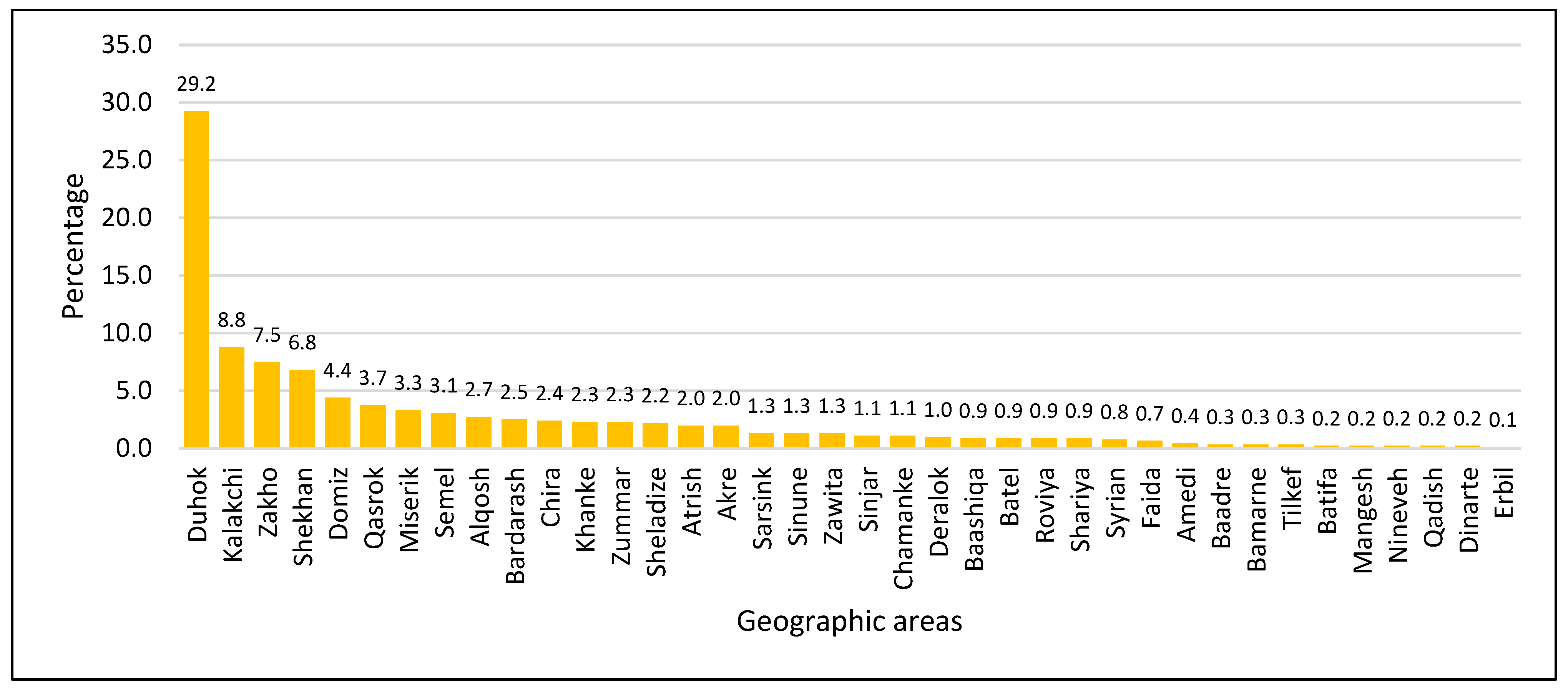
Figure 1. Geographic Distribution of Thalassemia Cases Visiting the Zheen Center at Duhok City (no., Percentage).
Thalassrep 15 00012 g001
Table 1. General and Clinical Characteristics of Patients with Thalassemia in Duhok Governorate at Kurdistan region of Iraq.
General and Clinical Characteristics (n = 910)Statistics
NumberPercentage
Age (0–57 years)Neonates (0–28 days)40.44
Infant (29 days-1 year)35338.79
Preschool (2–5 years)25327.80
School Children (6–11 years)15016.48
Adolescent (12–17 years)636.92
Adult (≥18 years)879.56
GenderMale42546.70
Female48553.30
Parent ConsanguinityNo37841.54
Yes53258.46
HCVNegative80288.13
Positive10811.87
Bone marrow transplantationNo82991.10
Yes818.90
SplenectomyNo63669.89
Yes27430.11
Blood groupO+33036.26
A+28230.99
B+16818.46
AB+677.36
A242.64
O212.31
B141.54
AB40.44
Deferasirox (Exjade®) *No52057.14
Stopped758.24
Yes31534.62
Deferoxamine mesylate (Desferal ®) **No85794.18
Yes535.82
HydroxyureaNo62768.90
Stopped404.40
Yes24326.70
Marital statusChild10911.98
Single70477.36
Married9710.66
EducationChild10911.98
Illiterate545.93
Read and write616.70
Primary34337.69
Secondary17118.79
High school9710.66
Institute343.74
College374.07
Master of Science40.44
OccupationStudent52357.47
Housewife13114.40
Unemployed11012.09
Child10911.98
Employee333.63
Peshmerga40.44
No of patients in familyRange: 1–6Mean: 1.79SD: 0.90
No of patients in family1–2 patients75783.19
>2 patients15316.81
Drug allergyNo87796.37
Yes333.63
SESLow67273.85
Middle23325.60
High50.55
ReligionMuslim80087.91
Yazidi10711.76
Christian30.33
EthnicityKurd89798.57
Chaldean20.22
Arab101.10
Turkman10.11
SES: Socio-Economic Status. Clarification: There were missing data in some variables. * Previously, deferiprone was not available at our center. However, all three iron chelators are now available in 2025. ** Because this is a retrospective study, some timing details (e.g., treatment start dates) are unavailable. Patient ages are summarized in this table (see age categories); the largest proportions were infants and children under five years. Only 34.62% of the patients had received Deferasirox (Exjade®). However, the timing of when they started this medication is unknown due to the inherent limitations of a retrospective study. Because treatment start dates were not consistently recorded in the retrospective records, we could not determine the interval between diagnosis and treatment initiation for all patients.
Table 2. Clinical Outcomes of Thalassemia Patients in Duhok Governorate, Kurdistan Region of Iraq.
Outcomes (n = 910)No. (%) Gender
All PatientsMaleFemale p-Value
MortalityNo904 (99.34)423 (99.53)481 (99.18)0.690
Yes6 (0.66)2 (0.47)4 (0.82)
Disease duration<1 year262 (30.18)129 (31.31)133 (29.17)0.235
1–2 years381 (43.89)164 (39.81)217 (47.59)
3–5 years104 (11.98)57 (13.83)47 (10.31)
6–11 years55 (6.34)28 (6.80)27 (5.92)
12–18 years38 (4.38)19 (4.61)19 (4.17)
19–21 years5 (0.58)4 (0.97)1 (0.22)
>21 years23 (2.65)11 (2.67)12 (2.63)
Disease typeΒ thalassemia major296 (32.53)136 (32.00)160 (32.99)0.907
sickle cell anemia225 (24.73)113 (26.59)112 (23.09)
sickle cell β thalassemia152 (16.70)69 (16.24)83 (17.11)
Β-thalassemia intermedia136 (14.95)57 (13.41)79 (16.29)
Alpha-thalassemia47 (5.17)22 (5.18)25 (5.15)
Fanconi anemia18 (1.98)9 (2.12)9 (1.86)
Aplastic anemia16 (1.76)9 (2.12)7 (1.44)
chronic non-spherocytic H.A7 (0.77)3 (0.71)4 (0.82)
Hereditary spherocytosis6 (0.66)3 (0.71)3 (0.62)
sickle cell alpha thalassemia4 (0.44)3 (0.71)1 (0.21)
pure red cell aplasia2 (0.22)1 (0.24)1 (0.21)
Hemochromatosis1 (0.11)0 (0.00)1 (0.21)
Table 3. Association of Thalassemia Diagnosis with Clinical and General Characteristics.
General and Clinical Characteristics (n = 910) Diagnosis No (%)
Percentage by Row
Alpha-Thalassemia (n = 47)Aplastic Anaemia (n = 16)Β Thalassemia Major (n = 296)Β-Thalassemia Intermedia (n = 136)Fanconi Anemia (n = 18)Sickle Cell Anemia (n = 225)Sickle Cell β-Thalassemia (n = 152)p-Value
Gender 0.782
Male22 (5.30)9 (2.17)136 (32.77)57 (13.73)9 (2.17)113 (27.23)69 (16.63)
Female25 (5.26)7 (1.47)160 (33.68)79 (16.63)9 (1.89)112 (23.58)83 (17.47)
HCV 0.005
Negative45 (5.74)15 (1.91)250 (31.89)127 (16.20)18 (2.30)189 (24.11)140 (17.86)
Positive2 (1.89)1 (0.94)46 (43.40)9 (8.49)0 (0.00)36 (33.96)12 (11.32)
BMT <0.001
No47 (100)15 (93.75)231 (78.04)134 (98.53)14 (77.78)220 (97.78)148 (97.37)
Yes0 (0.00)1 (6.25)65 (21.96)2 (1.47)4 (22.22)5 (2.22)4 (2.63)
Splenectomy <0.001
No45 (7.20)16 (2.56)181 (28.96)88 (14.08)18 (2.88)185 (29.60)92 (14.72)
Yes2 (0.75)0 (0.00)115 (43.40)48 (18.11)0 (0.00)40 (15.09)60 (22.64)
Religion 0.002
Muslim47 (6.02)16 (2.05)267 (34.19)106 (13.57)16 (2.05)190 (24.33)139 (17.80)
Yazidi0 (0.00)0 (0.00)28 (26.42)28 (26.42)2 (1.89)35 (33.02)13 (12.26)
Christian0 (0.00)0 (0.00)1 (33.33)2 (66.67)0 (0.00)0 (0.00)0 (0.00)
Disease age <0.001
<1 year6 (2.29)2 (0.76)135 (51.53)25 (9.54)0 (0.00)64 (24.43)26 (9.92)
1–2 years17 (4.46)4 (1.05)99 (25.98)59 (15.49)8 (2.10)102 (26.77)81 (21.26)
3–5 years10 (9.62)3 (2.88)18 (17.31)23 (22.12)4 (3.85)27 (25.96)19 (18.27)
6–11 years3 (5.45)2 (3.64)16 (29.09)7 (12.73)4 (7.27)11 (20.00)11 (20.00)
12–18 years7 (18.42)3 (7.89)6 (15.79)5 (13.16)1 (2.63)8 (21.05)8 (21.05)
19–21 years0 (0.00)0 (0.00)1 (20.00)2 (40.00)0 (0.00)1 (20.00)1 (20.00)
>21 years2 (8.70)2 (8.70)8 (34.78)6 (26.09)0 (0.00)2 (8.70)2 (8.70)
Occupation <0.001
Child2 (1.83)1 (0.92)46 (42.20)16 (14.68)4 (3.67)22 (20.18)16 (14.68)
Employee4 (12.12)0 (0.00)11 (33.33)5 (15.15)0 (0.00)10 (30.30)3 (9.09)
Housewife12 (9.16)0 (0.00)27 (20.61)20 (15.27)0 (0.00)42 (32.06)28 (21.37)
peshmerga2 (50.00)0 (0.00)0 (0.00)0 (0.00)0 (0.00)2 (50.00)0 (0.00)
Student224.21)15 (2.87)181 (34.61)73 (13.96)11 (2.10)123 (23.52)82 (15.68)
Unemployed5 (4.55)0 (0.00)31 (28.18)22 (20.00)3 (2.73)26 (23.64)23 (20.91)
HCV: Hepatitis C; BMT: Bone Marrow Transplantation.
Table 4. Prevalence of consanguinity among parents of child patients, statistical sample in Duhok province.
Residency (n = 740)Parent Consanguinity No (%)
The Percentages Are by Total
p-Value
No (318, 42.97%)Yes (422, 57.03%)
Alqosh12 (1.62)13 (1.76)0.020
Bardarash12 (1.62)11 (1.49)
Chira10 (1.35)12 (1.62)
Domiz12 (1.62)28 (3.78)
Duhok128 (17.30)138 (18.65)
Kalakchi31 (4.19)49 (6.62)
Khanke6 (0.81)15 (2.03)
Miserik13 (1.76)17 (2.30)
Qasrok7 (0.95)27 (3.65)
Semel17 (2.30)11 (1.49)
Shekhan30 (4.05)32 (4.32)
Sheladize11 (1.49)9 (1.22)
Zakho22 (2.97)46 (6.22)
Zummar7 (0.95)14 (1.89)
Only geographic areas with ≥20 patients are presented in this table.
Table 5. Controlling factors of thalassemia disease types in Kurdistan Region.
Factors (n = 907) *Outcome: Β Thalassemia Major vs. Other Types
OR (95% CI)p-Value
HCV; Positive/Negative1.60 (1.05–2.42)0.027
Religion; Muslim/Yazidi1.43 (0.92–2.30)0.117
SES 0.146
Low/Good0.32 (0.04–1.97)
Low/Middle1.28 (0.92–1.78)
Parent Consanguinity; Yes/No1.20 (0.90–1.60)0.207
Gender; Male/Female0.92 (0.70–1.22)0.575
Factors (n = 907) *Outcome: sickle cell anemia vs. other typesp-value
Parent Consanguinity; Yes/No2.71 (1.94–3.83)<0.001
Religion; Yazidi/Muslim1.65 (1.05–2.58)0.032
HCV; Positive/Negative1.57 (1.00–2.44)0.052
SES
Low/Good1.69 (0.24–33.67)0.277
Low/Middle1.34 (0.93–1.96)
Gender; Male/Female1.17 (0.86–1.60)0.322
Factors (n = 907) *Outcome: sickle cell β thalassemia vs. other typesp-value
Parent Consanguinity; No/Yes3.23 (2.25–4.70)<0.001
HCV; Positive/Negative0.57 (0.29–1.05)0.072
Religion; Muslim/Yazidi1.68 (0.93–3.26)0.088
SES
Low/Good677,622.6 (0.35-.)0.321
Low/Middle1.20 (0.80–1.84)
Gender; Male/Female1.01 (0.71–1.46)0.936
Factors (n = 907) *Outcome: Β-thalassemia intermedia vs, other typesp-value
Religion; Yazidi/Muslim2.34 (1.42–3.75)0.001
HCV; Positive/Negative0.53 (0.24–1.03)0.060
Parent Consanguinity; Yes/No0.76 (0.53–1.11)0.160
Gender; Male/Female0.83 (0.57–1.20)0.323
SES:
Low/Good0.70 (0.10–14.00)0.422
Low/Middle0.76 (0.51–1.16)
* The Christians (n = 3) were not included in this analysis due to small number of patients.
Table 6. Vaccination History of Thalassemia Patients at the Zheen Center.
Vaccines (n = 1855)Vaccination History
NoYes
Hepatitis B (1st Dose)1130 (60.92)725 (39.08)
Hepatitis B (2nd Dose)1192 (64.26)663 (35.74)
Hepatitis B (3rd Dose)1302 (70.19)553 (29.81)
Meningococcal vaccine (1st Dose)1003 (54.07)852 (45.93)
Meningococcal vaccine (2nd Dose)1794 (96.71)61 (3.29)
Meningococcal vaccine (3rd Dose)1846 (99.51)9 (0.49)
Meningococcal vaccine (B1)1855 (100)0 (0.0)
Meningococcal vaccine (B2)1849 (99.68)6 (0.32)
Pneumococcal vaccines. (1st Dose)913 (49.22)942 (50.78)
Pneumococcal vaccines. (2nd Dose)1717 (92.56)138 (7.44)
Pneumococcal vaccines. (3rd Dose)1850 (99.73)5 (0.27)
Pneumococcal vaccines. (4th Dose)1854 (99.95)1 (0.05)
Influenza vaccine969 (52.24)886 (47.76)
MMR (1st Dose)1844 (99.41)11 (0.59)
MMR (2nd Dose)1847 (99.57)8 (0.43)
OPV (1st Dose)1423 (76.71)432 (23.29)
OPV (2nd Dose)1815 (97.84)40 (2.16)
Clarification: This table represents the total number of patients who received vaccination; however, it is important to note that vaccination data were obtained from the center’s dedicated vaccination registry (not the patients’ medical records).
Disclaimer/Publisher’s Note: The statements, opinions and data contained in all publications are solely those of the individual author(s) and contributor(s) and not of MDPI and/or the editor(s). MDPI and/or the editor(s) disclaim responsibility for any injury to people or property resulting from any ideas, methods, instructions or products referred to in the content.



