Article

Physics-Informed Feature Analysis and Exploratory Clustering of Electric Vehicle On-Board Charger Behaviour

by
Buasa Andy Mayingi
1,
Bonginkosi A. Thango
1,*,
Daniel Okojie
2,† and
Sreedhar Madichetty
3
1
Department of Electrical and Electronic Engineering Technology, University of Johannesburg, Johannesburg 2092, South Africa
2
Department of Electrical and Electronic Engineering, Pan-Atlantic University, Lagos 105101, Nigeria
3
Department of Electrical and Computer Engineering, Ecole Centrale School of Engineering, Mahindra University, Hyderabad 500043, India
*
Author to whom correspondence should be addressed.
Deceased author.
World Electr. Veh. J. 2026, 17(9), 490; https://doi.org/10.3390/wevj17090490 (registering DOI)
Submission received: 13 August 2026 / Revised: 8 September 2026 / Accepted: 10 September 2026 / Published: 18 September 2026
(This article belongs to the Section Automated and Connected Vehicles)

Abstract

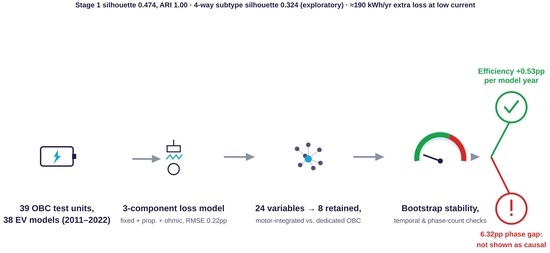
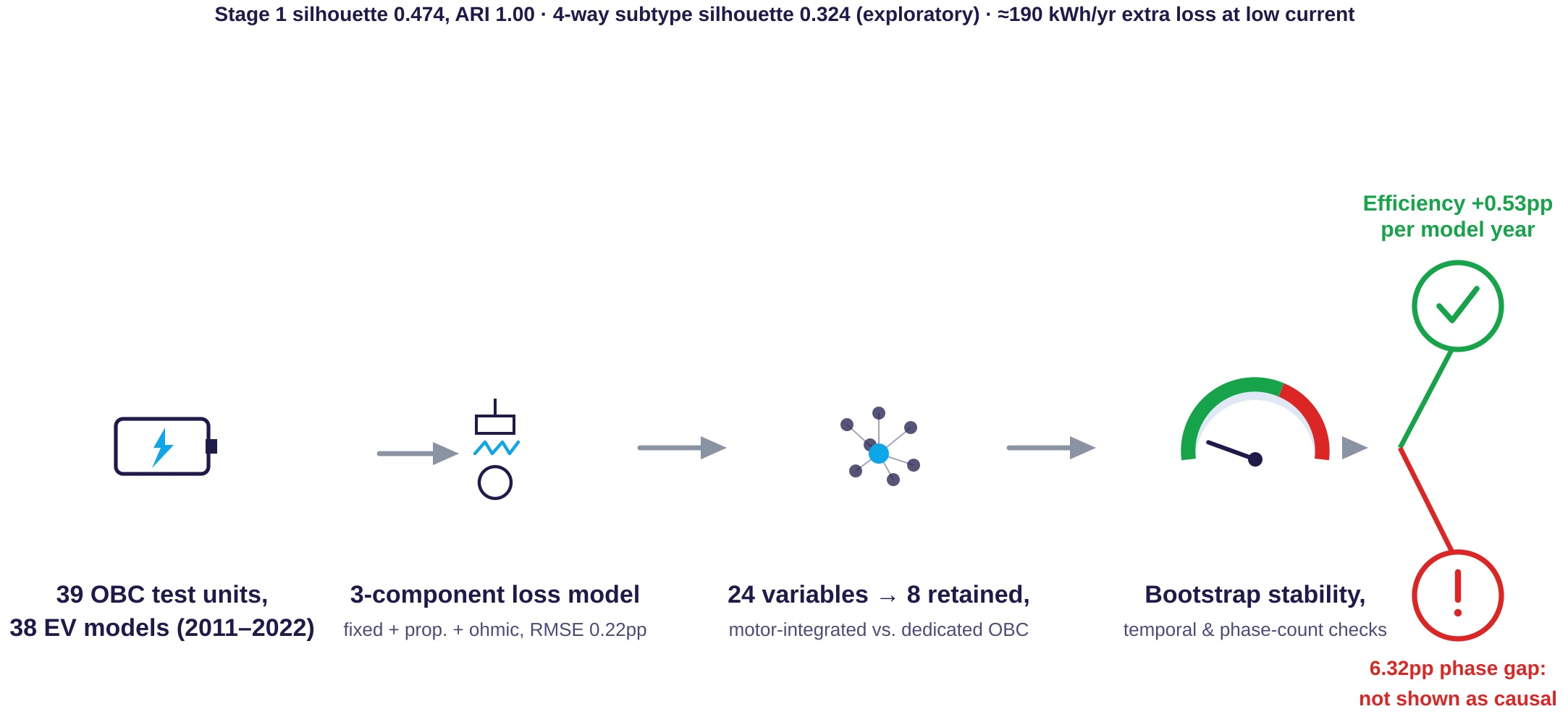
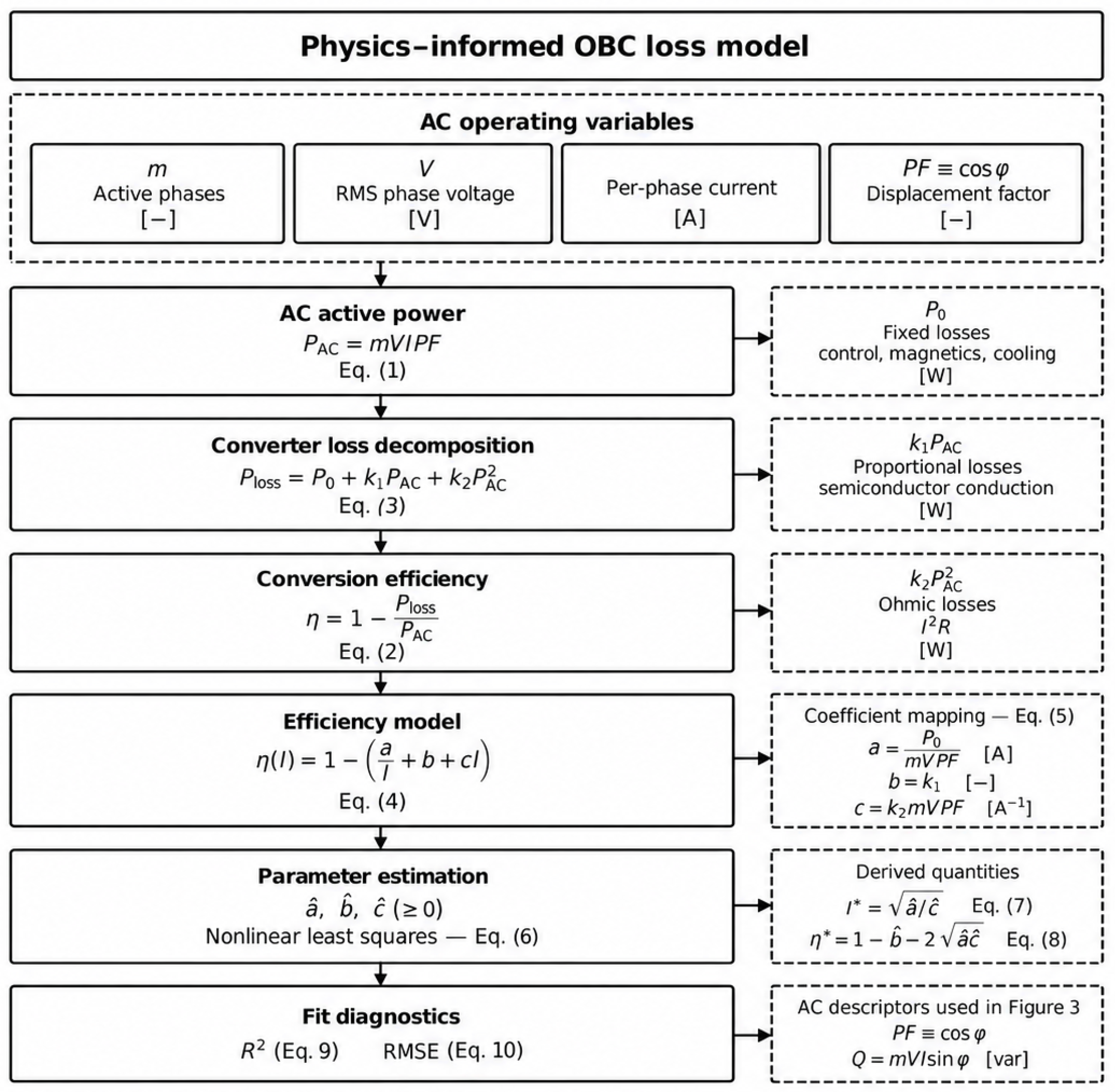
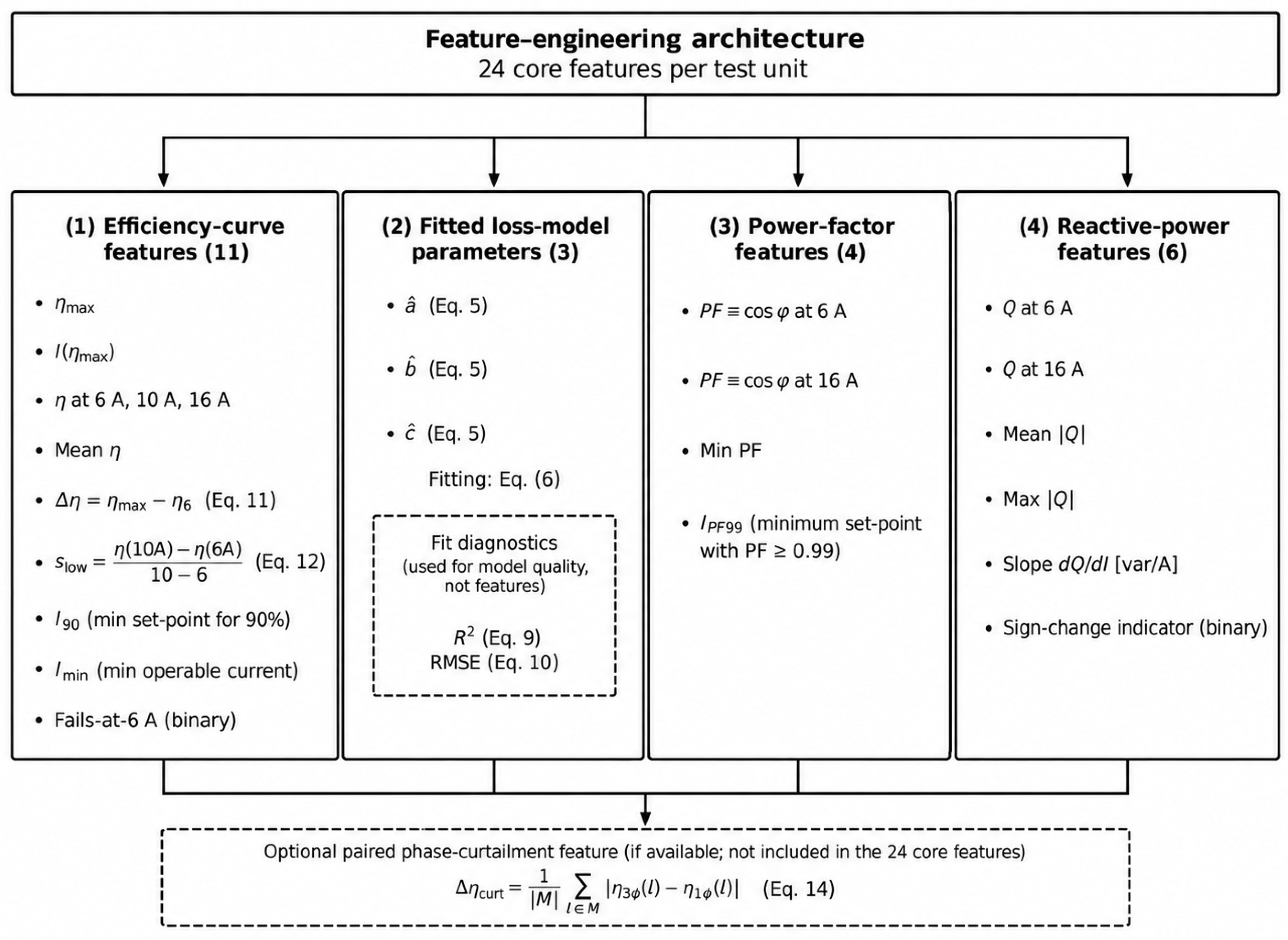
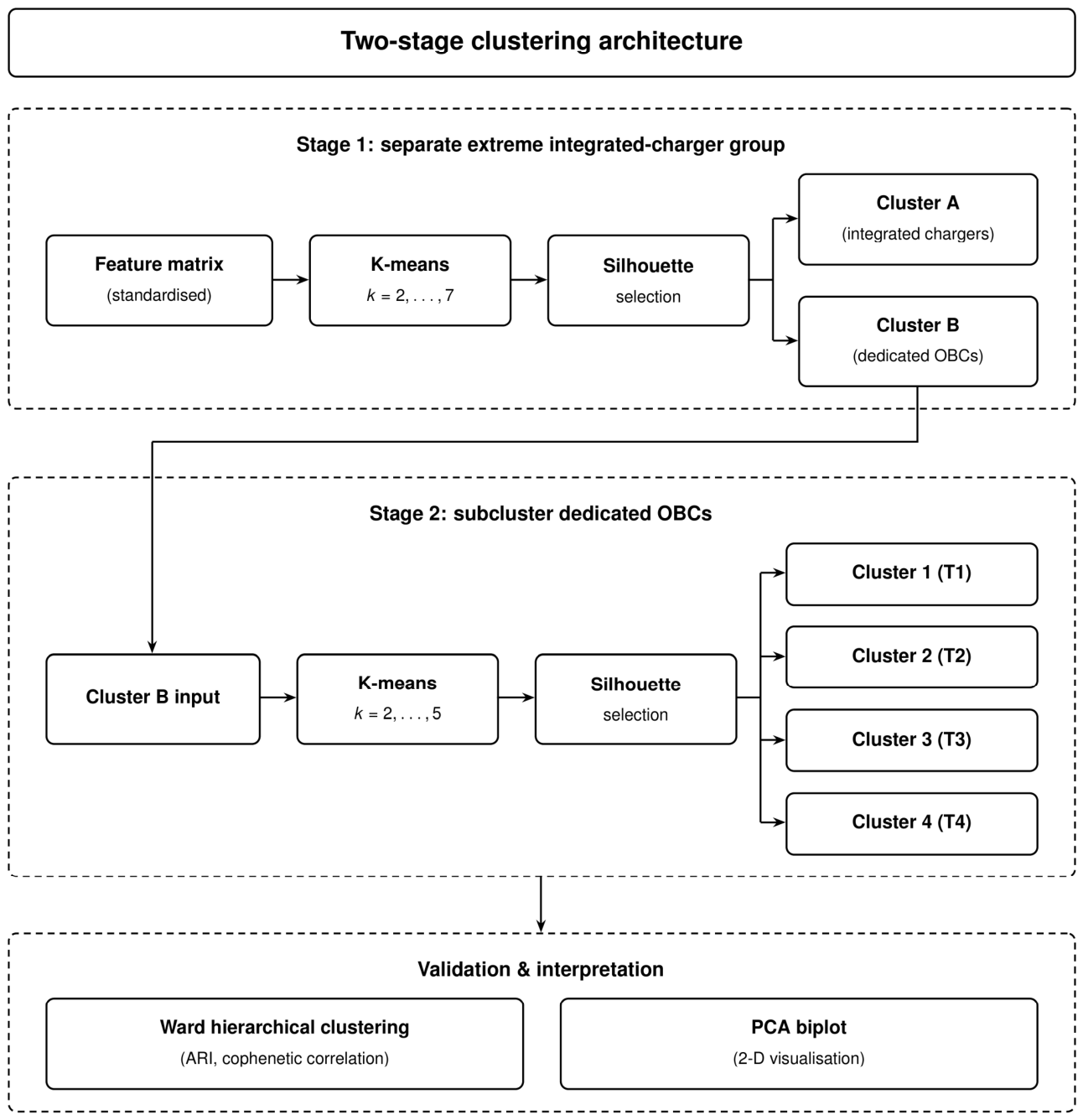
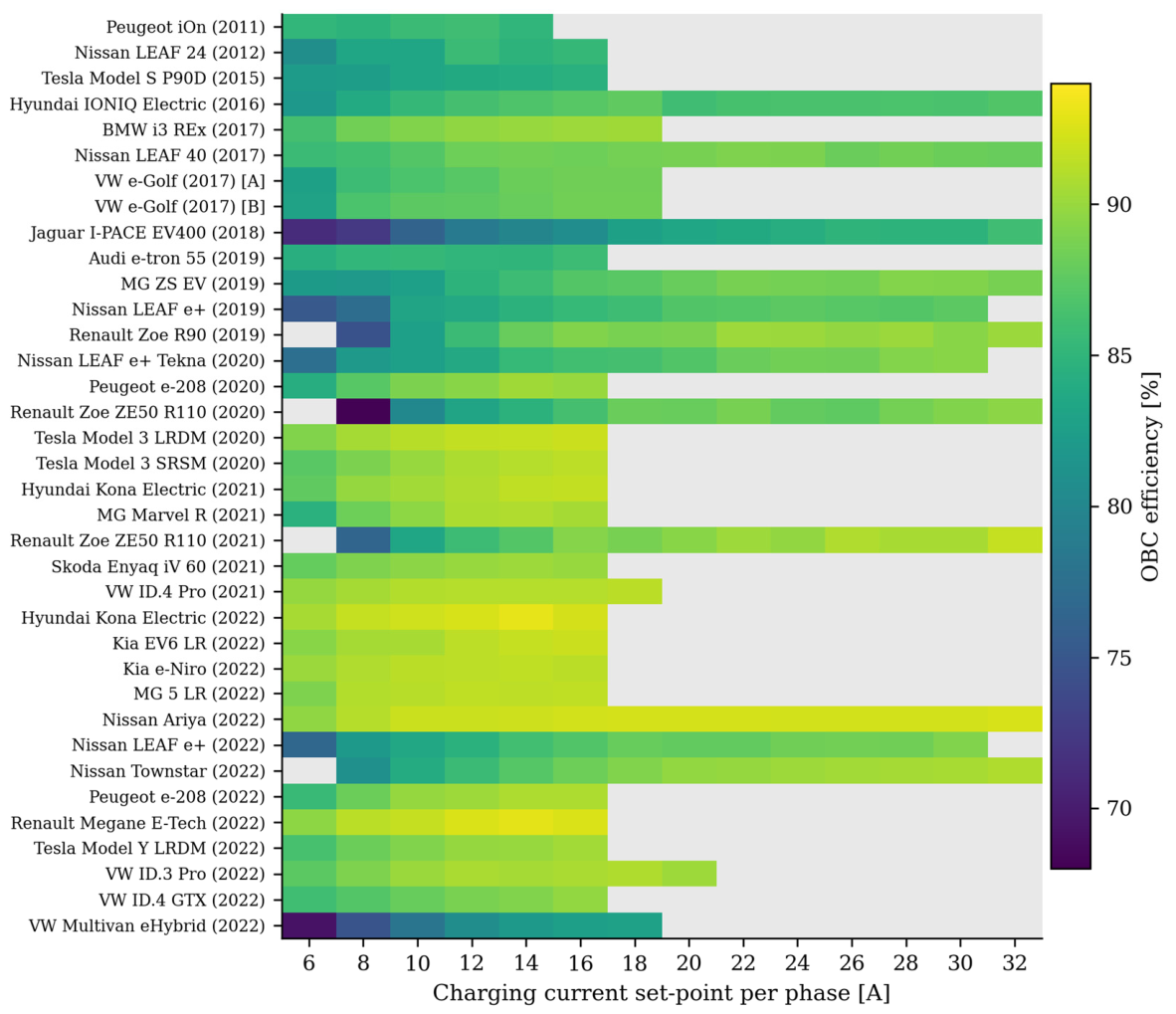
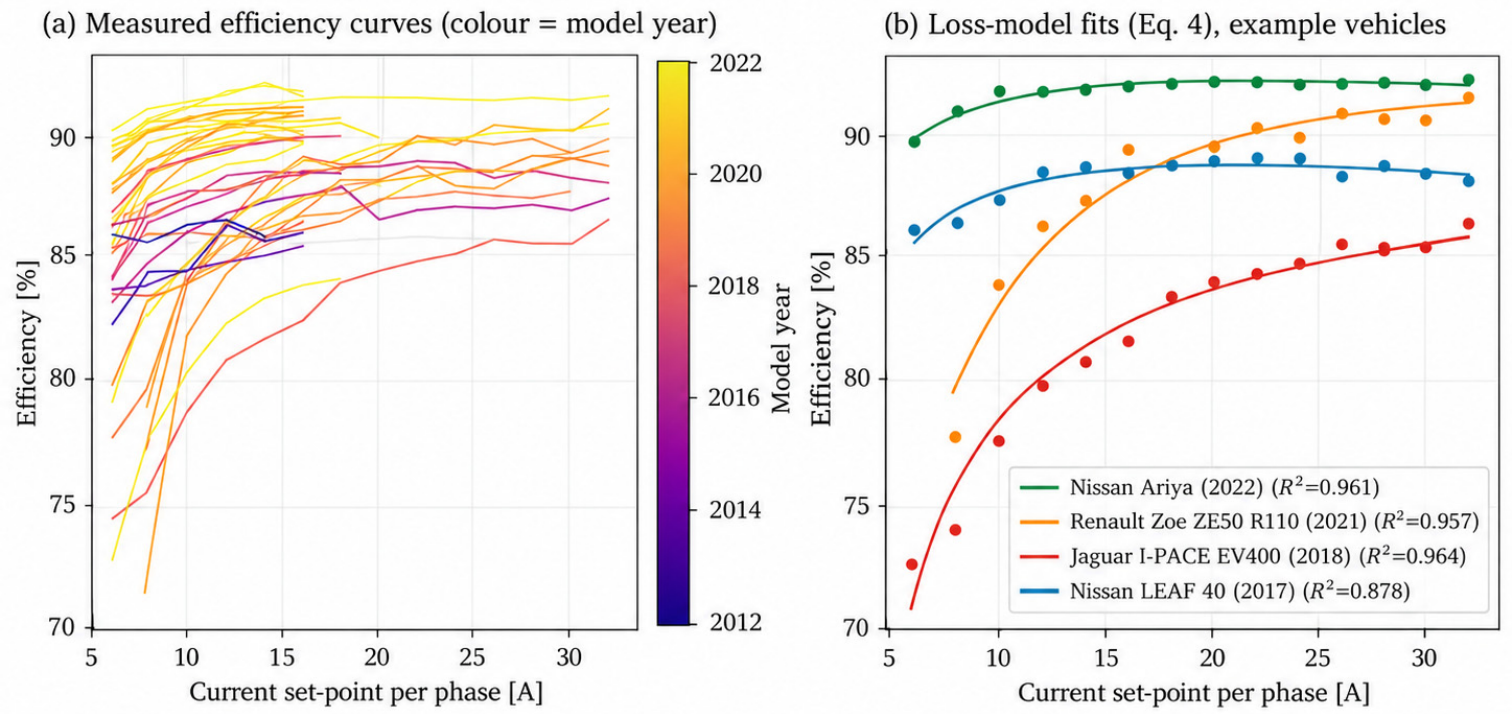
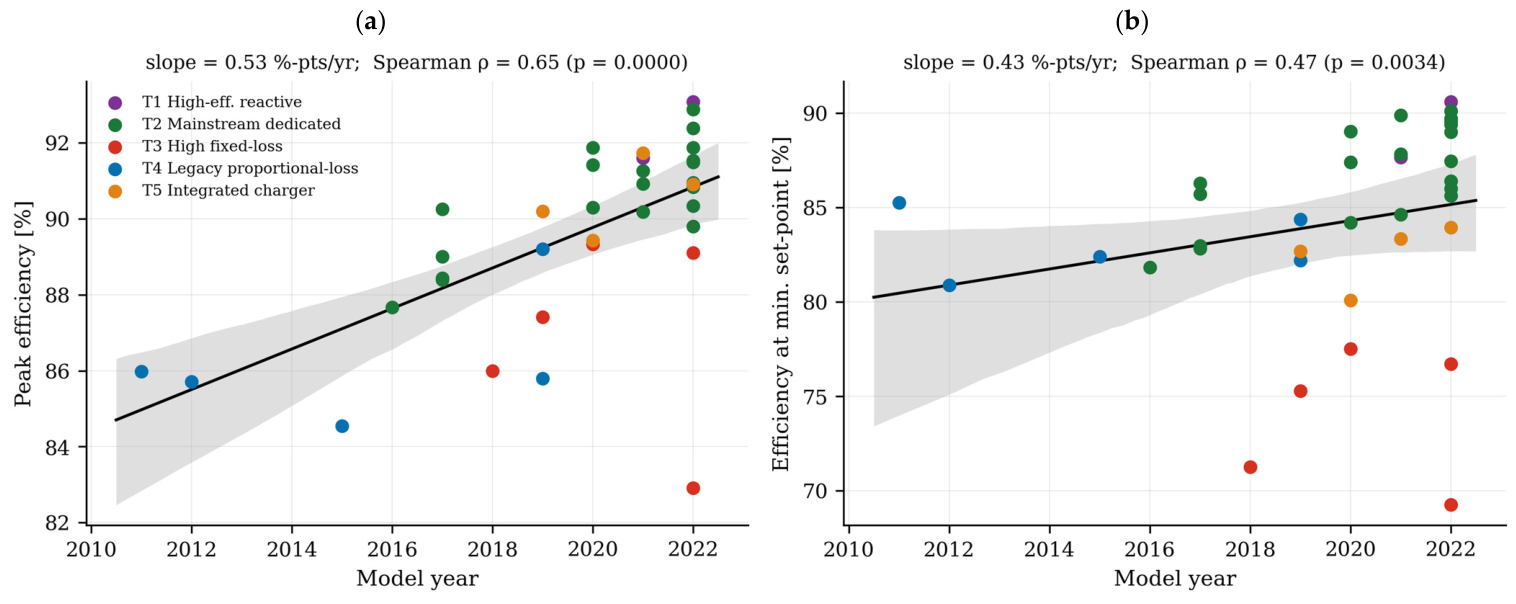
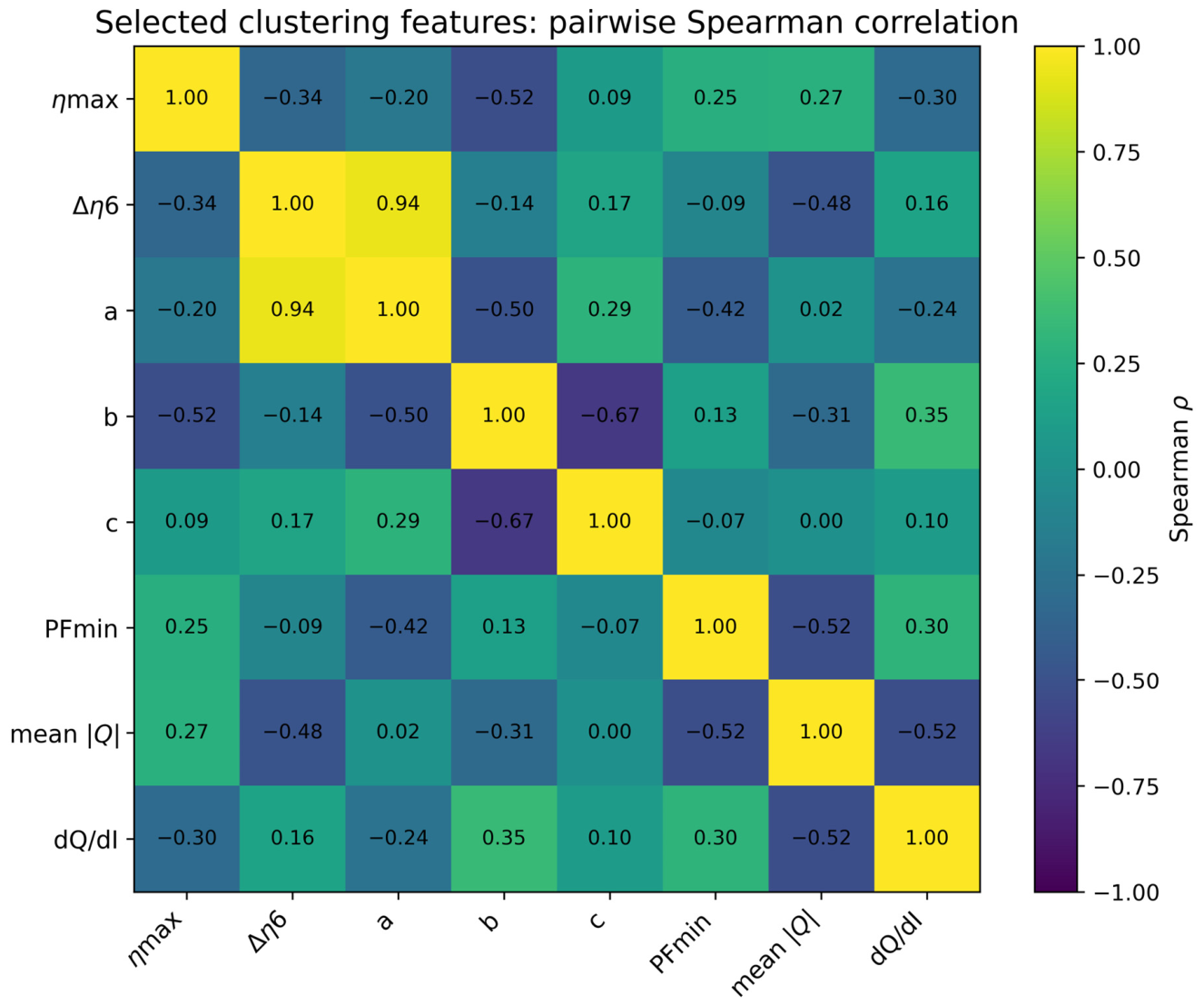
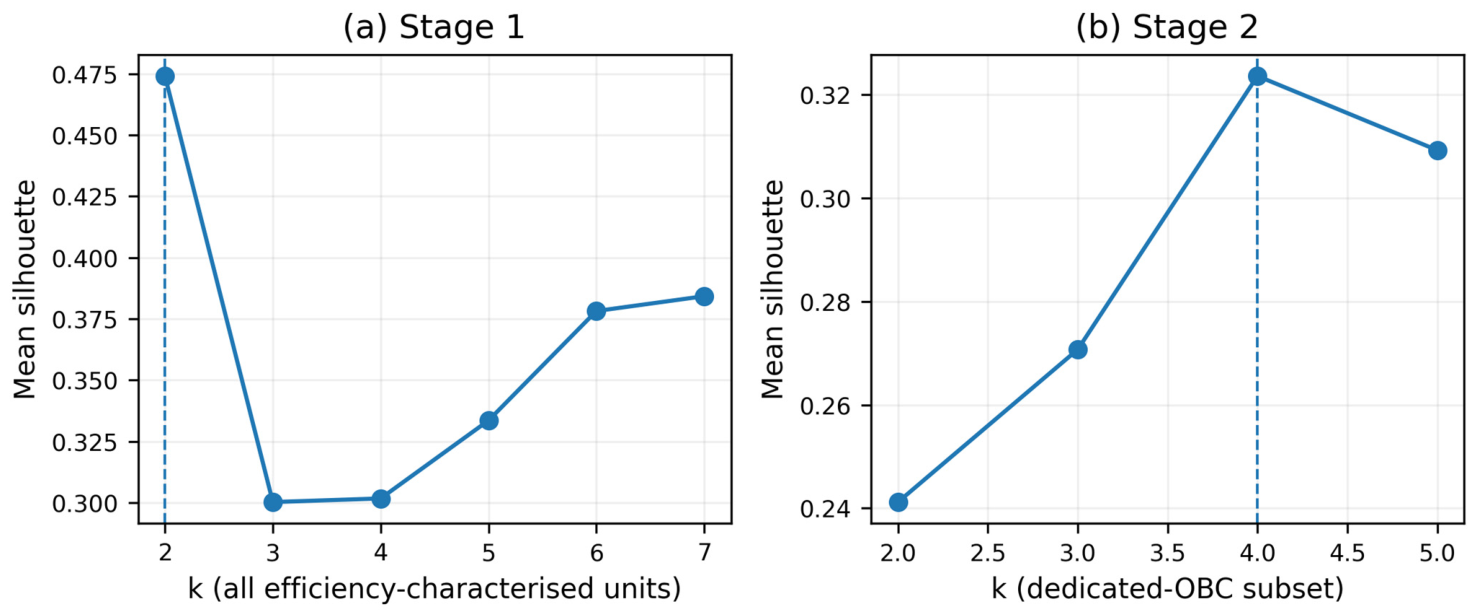
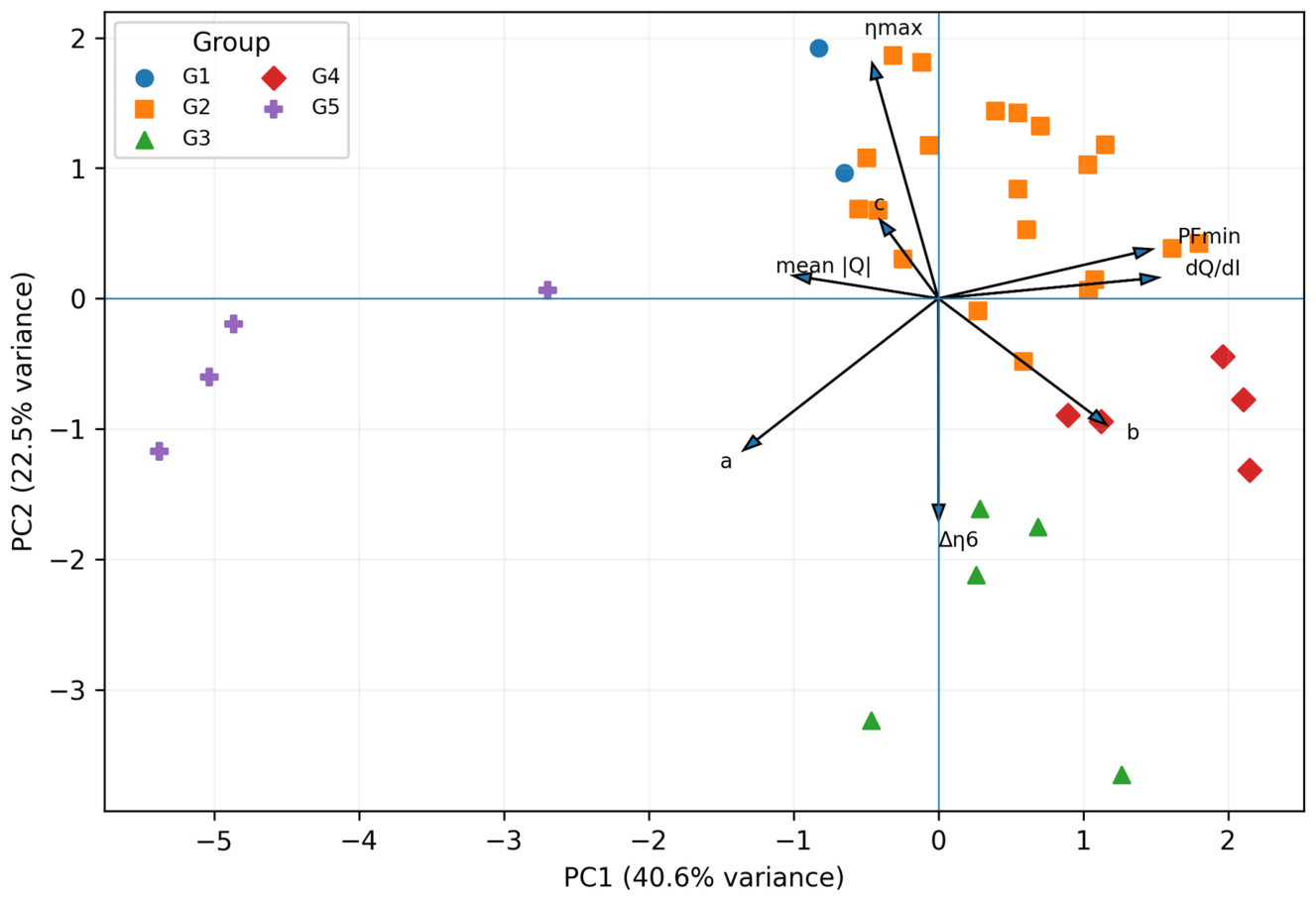
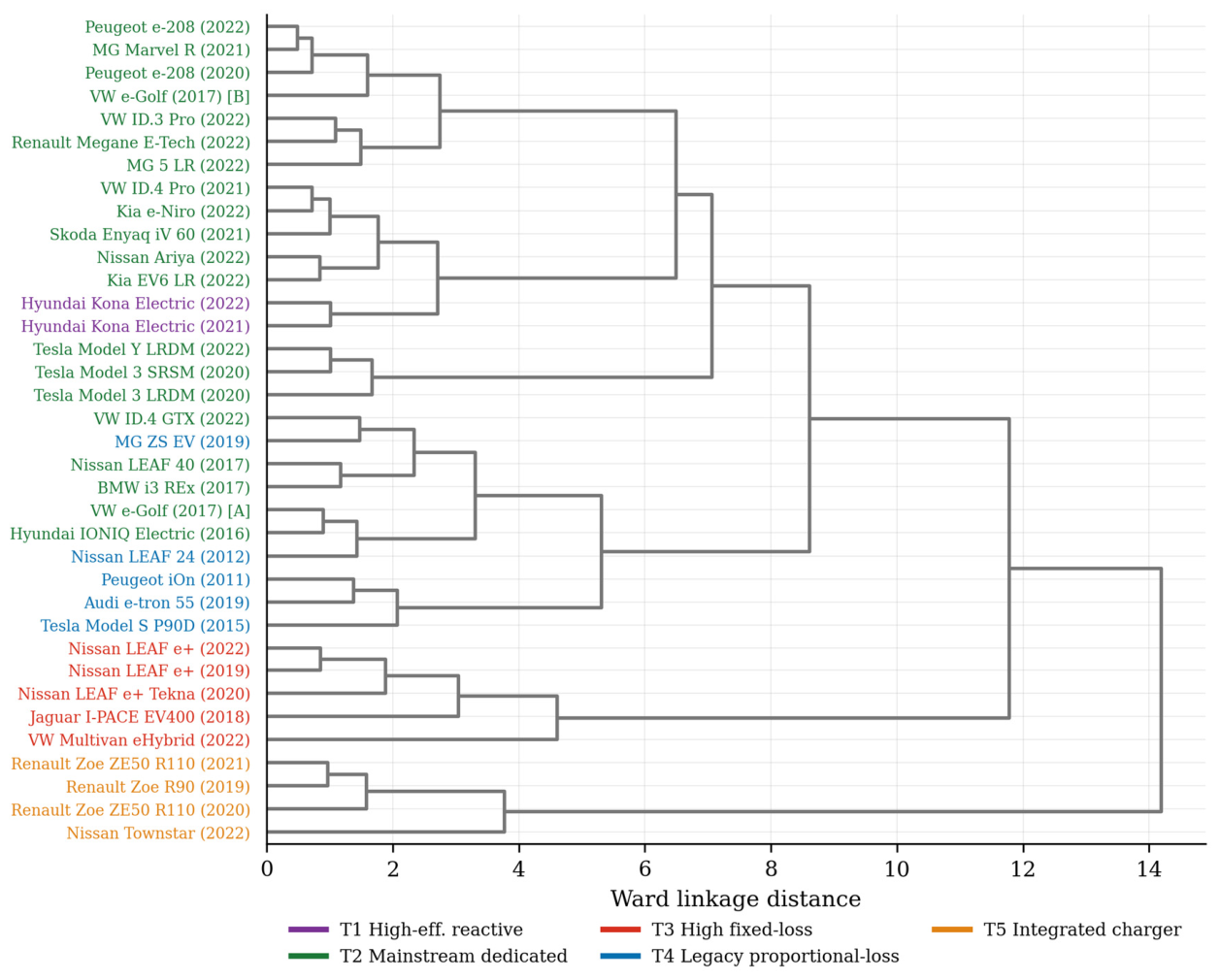
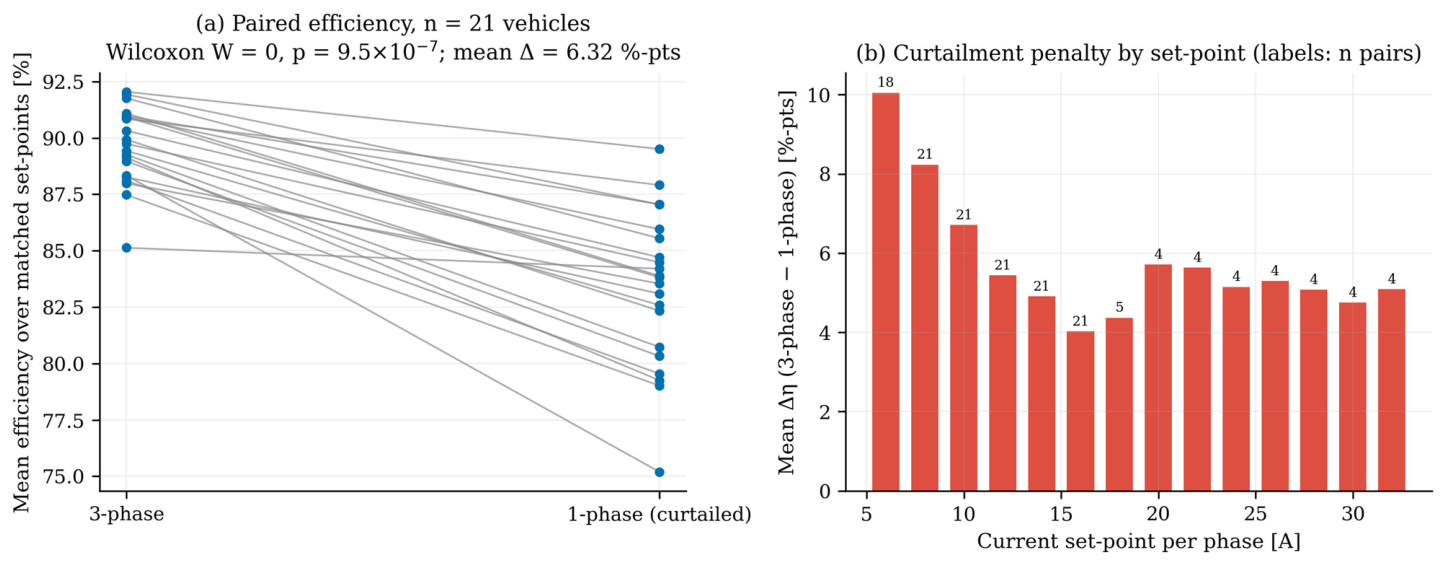
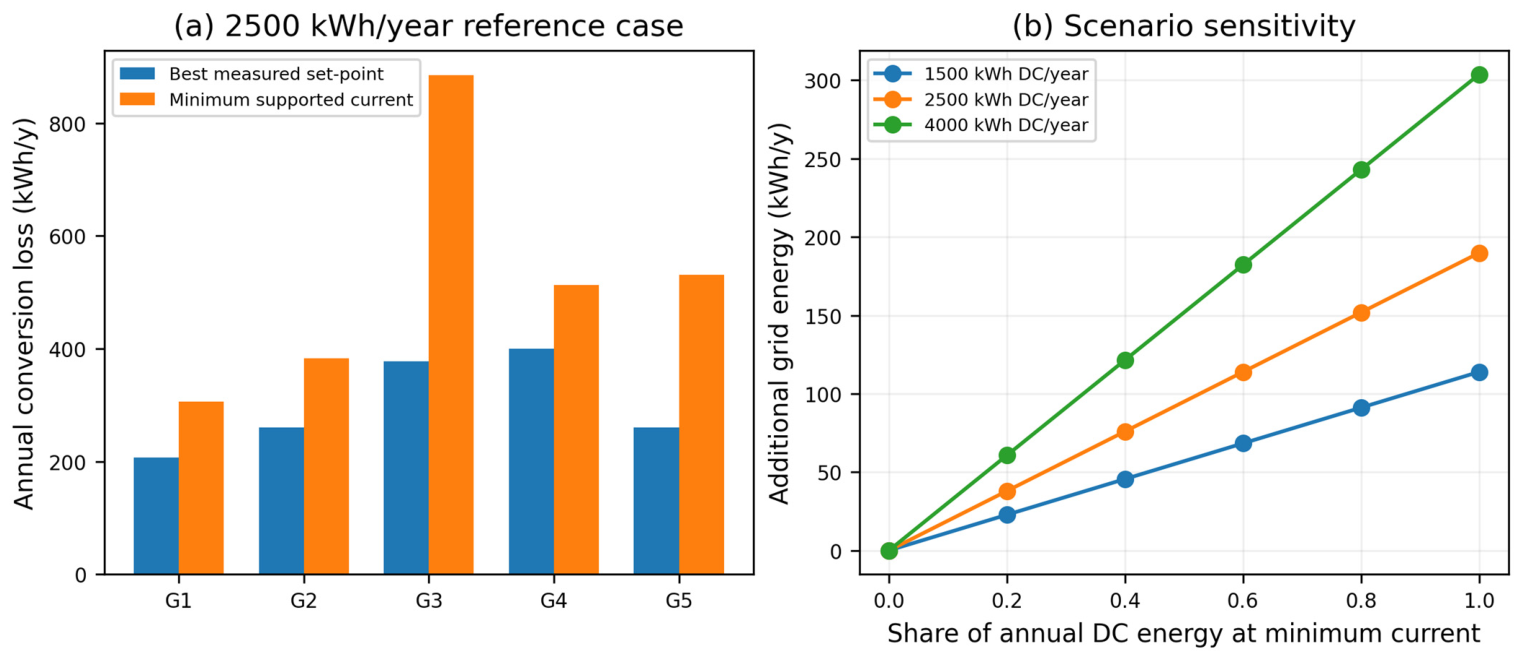
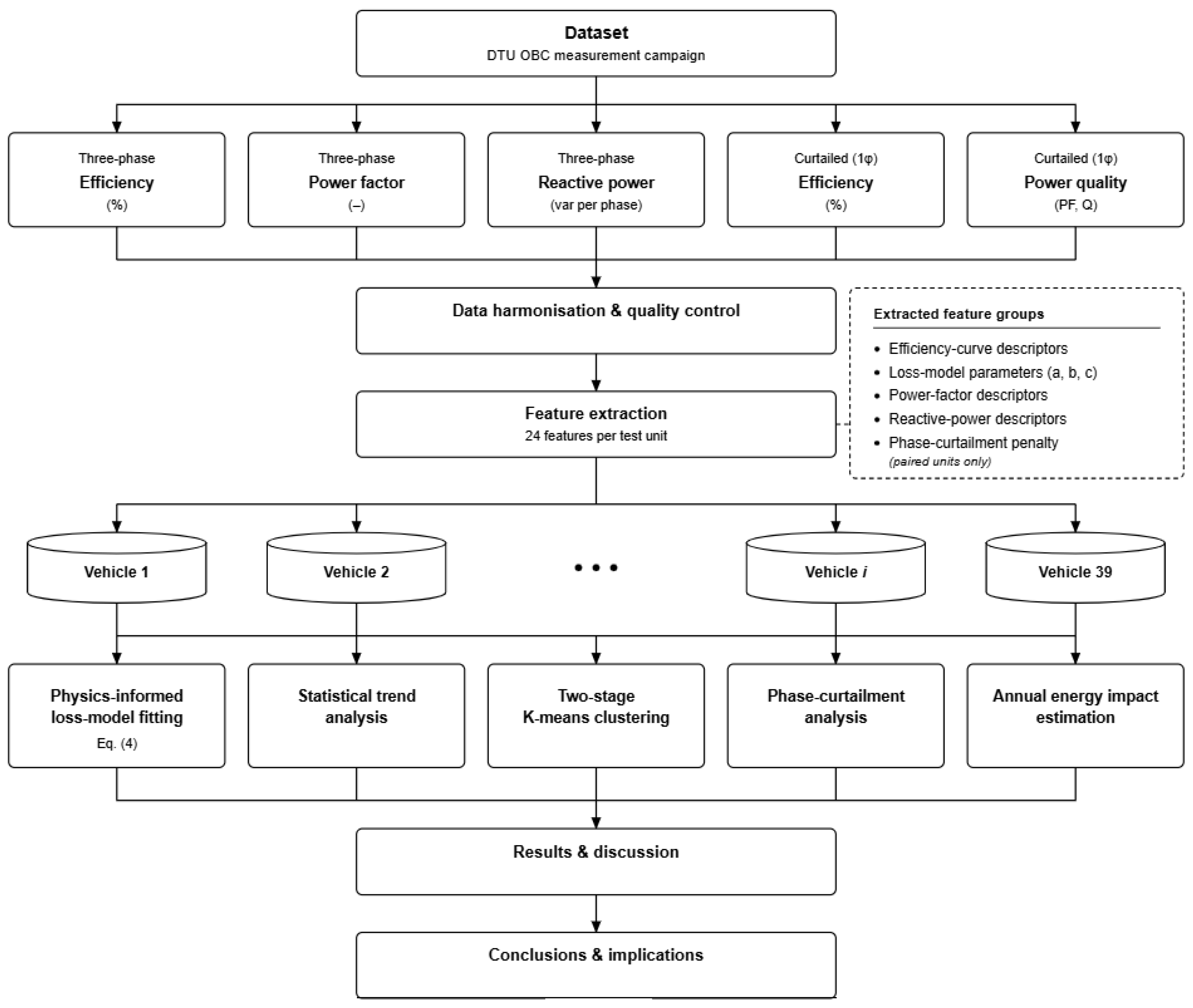
Electric vehicle (EV) smart charging changes the operating point of the vehicle on-board charger (OBC), so conversion efficiency and grid-side power quality can vary materially with the charging current. This study reanalyses an experimental dataset of 38 EV models represented by 39 test units manufactured between 2011 and 2022. The source study established the measured current-dependent efficiency and reactive-power behaviour; the present work extends those measurements through vehicle-level physics-informed loss decomposition, a 24-variable descriptive feature set, formal statistical comparisons, exploratory clustering with stability analysis, and annual energy scenario sensitivity. A three-component loss model separating fixed, current-proportional, and ohmic effects reproduced the measured efficiency curves with a median root mean square error of 0.22 percentage points. For clustering, an exact redundant efficiency descriptor was removed, and eight variables were retained. Stage 1 separated four motor-winding-integrated chargers from 32 dedicated OBCs (silhouette coefficient 0.474; Ward adjusted Rand index 1.00). The finer four-way partition of the dedicated OBC subset had a lower silhouette coefficient of 0.324 and showed substantial bootstrap sensitivity; it is therefore reported as exploratory rather than as a universal OBC typology. Peak efficiency increased by 0.53 percentage points per model year, whereas the fitted fixed-loss coefficient showed no significant temporal trend. Across 21 paired vehicles, the mean same-current difference between the three-phase and curtailed single-phase operation was 6.32 percentage points; because total transferred power also changes with phase count, this value is not interpreted as an isolated causal phase effect. For a 2500 kWh/year battery-delivered reference demand, the minimum operation supported a current produced at an extreme-case fleet-average, with an additional conversion loss of approximately 190 kWh/year relative to operation at the most efficient measured set-point. Sensitivity analysis shows that the additional energy scales strongly with annual demand and with the fraction of energy charged at low current. The resulting vehicle-specific loss parameters provide a reproducible basis for OBC-aware smart-charging studies, while the dataset-derived behavioural groups require validation on independent vehicles and operating conditions.
Keywords: electric vehicle charging; on-board charger; physics-informed loss model; conversion efficiency; power factor; reactive power; smart charging; exploratory clustering electric vehicle charging; on-board charger; physics-informed loss model; conversion efficiency; power factor; reactive power; smart charging; exploratory clustering
Graphical Abstract