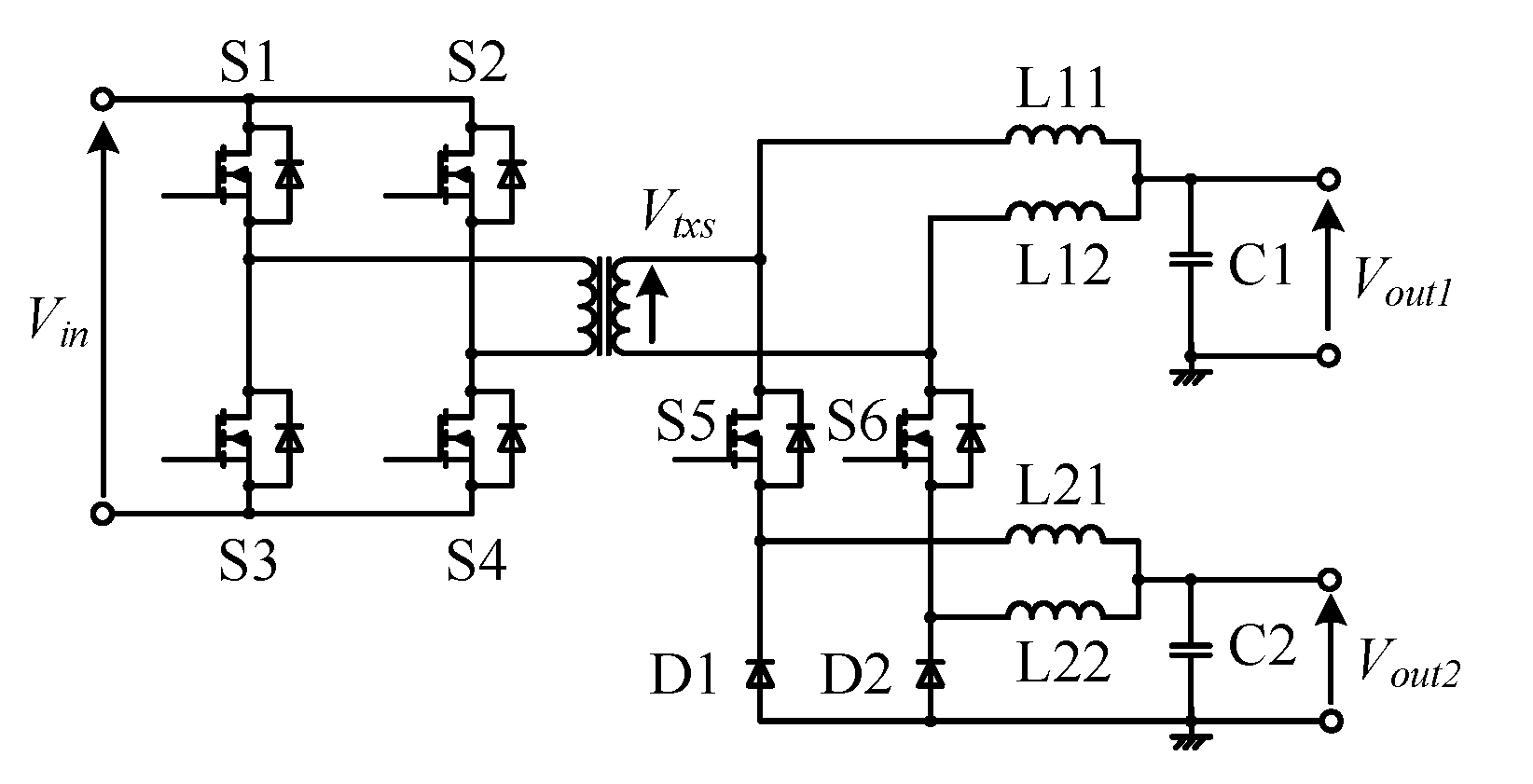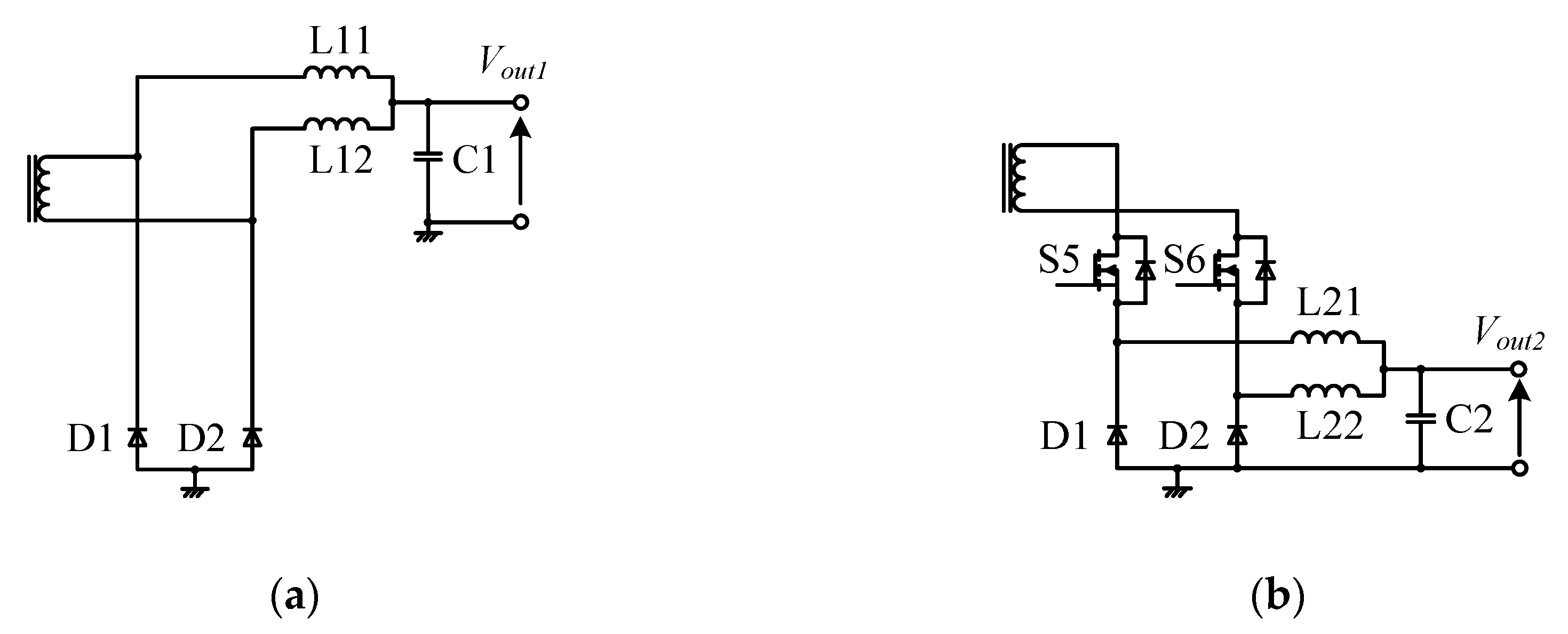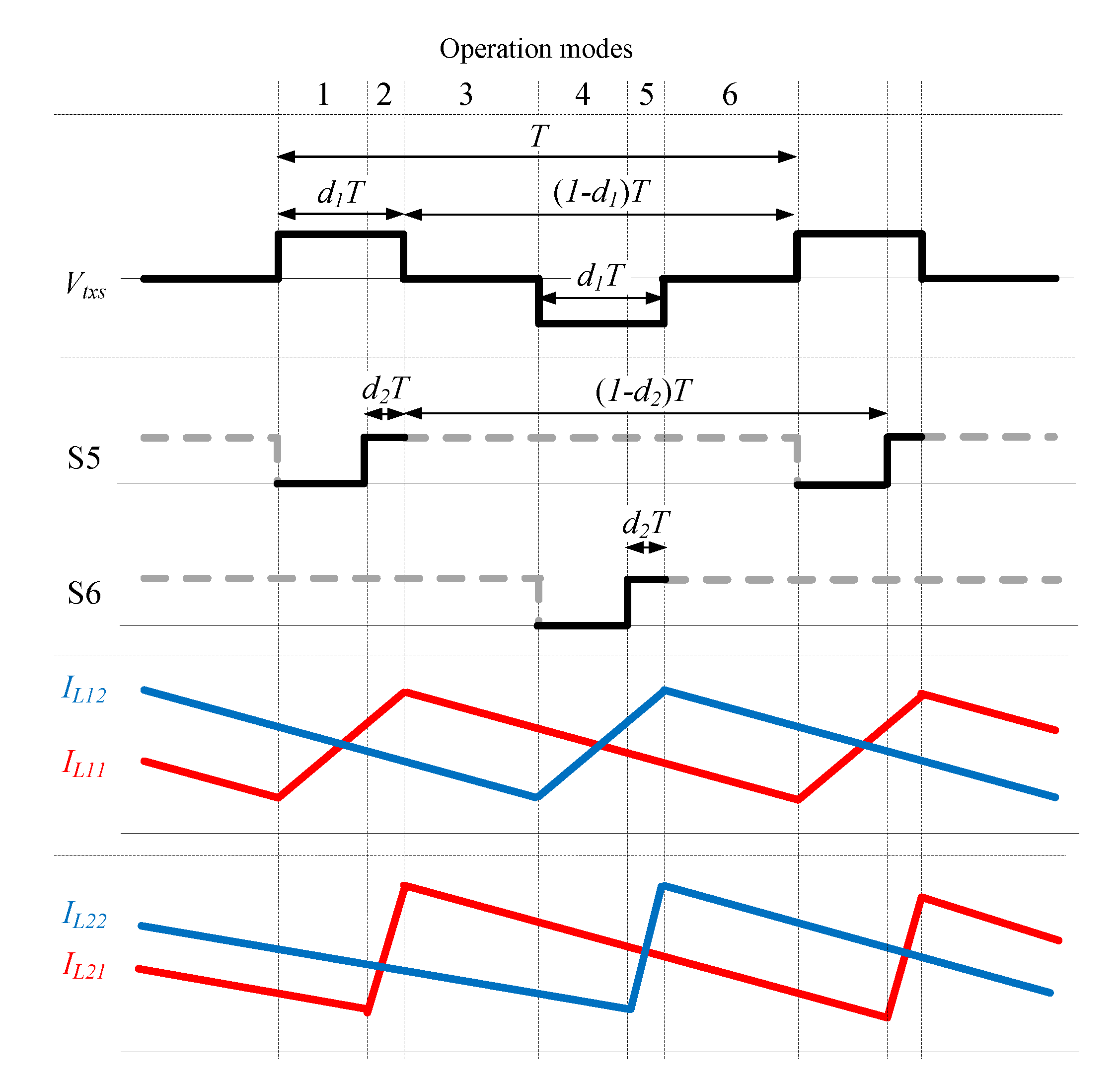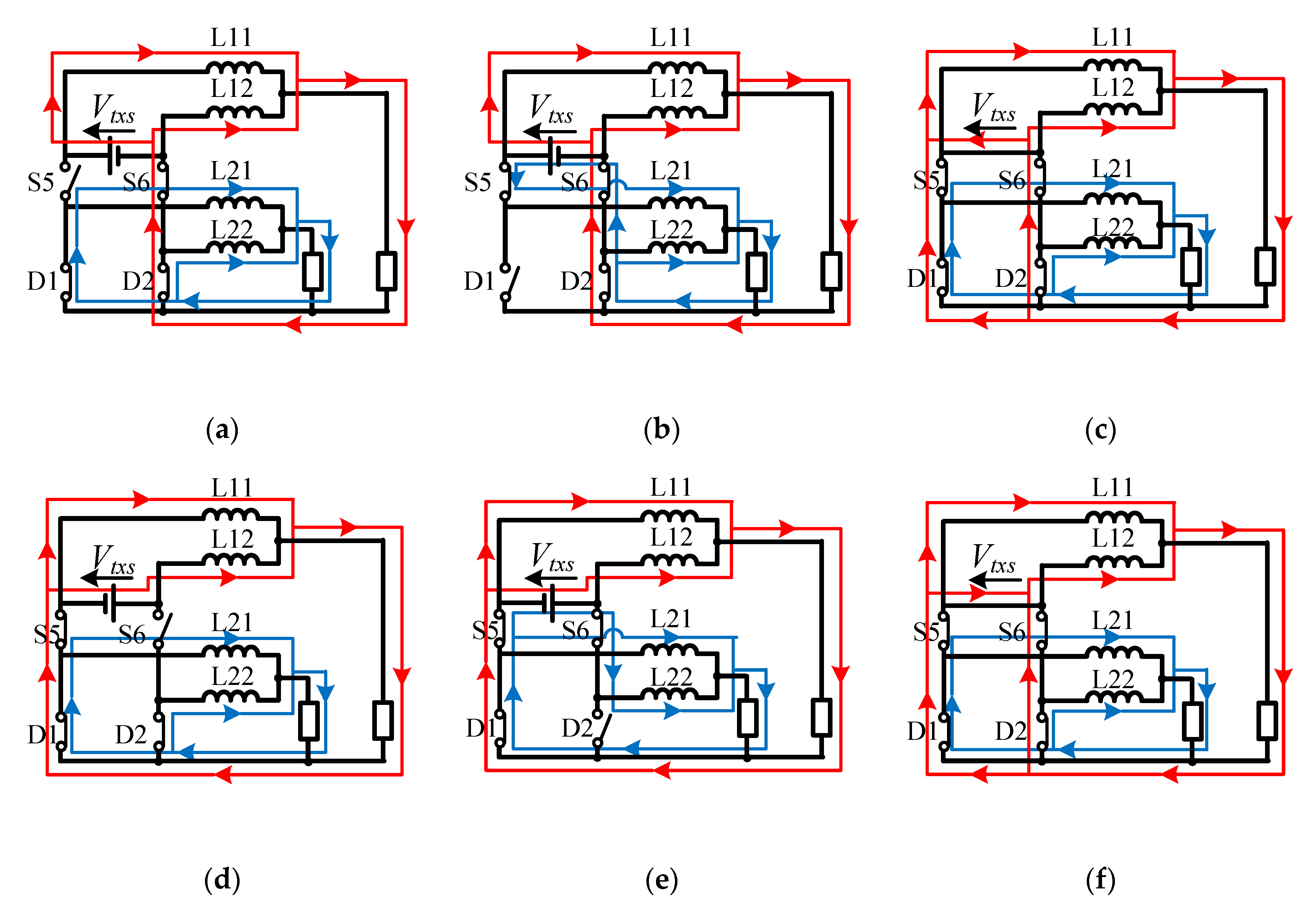
2 kW Dual-Output Isolated DC/DC Converter Based on Current Doubler and Step-Down Chopper


Abstract
Share and Cite
Matsushita, Y.; Noguchi, T.; Taguchi, N.; Ishii, M. 2 kW Dual-Output Isolated DC/DC Converter Based on Current Doubler and Step-Down Chopper. World Electr. Veh. J. 2020, 11, 78. https://doi.org/10.3390/wevj11040078
Matsushita Y, Noguchi T, Taguchi N, Ishii M. 2 kW Dual-Output Isolated DC/DC Converter Based on Current Doubler and Step-Down Chopper. World Electric Vehicle Journal. 2020; 11(4):78. https://doi.org/10.3390/wevj11040078
Chicago/Turabian StyleMatsushita, Yoshinori, Toshihiko Noguchi, Noritaka Taguchi, and Makoto Ishii. 2020. "2 kW Dual-Output Isolated DC/DC Converter Based on Current Doubler and Step-Down Chopper" World Electric Vehicle Journal 11, no. 4: 78. https://doi.org/10.3390/wevj11040078
APA StyleMatsushita, Y., Noguchi, T., Taguchi, N., & Ishii, M. (2020). 2 kW Dual-Output Isolated DC/DC Converter Based on Current Doubler and Step-Down Chopper. World Electric Vehicle Journal, 11(4), 78. https://doi.org/10.3390/wevj11040078