1. Introduction
1.1. Overview
5G, the fifth generation of cellular networks, was commercially introduced in 2019 [
1] with the promise of delivering new communication capabilities, including enhanced mobile broadband, ultra-reliable low-latency communication and massive IoT deployments [
2]. This rapid adoption has driven the global expansion of 5G technologies, which, according to the European 5G Observatory, have reached 84.4% population coverage across Europe and 99.9% in Greece [
3]. However, despite its clear benefits and widespread deployment, the successful implementation of 5G in real networks is influenced by numerous factors, such as geography, locality, mobility, deployment strategy, network load, backhaul quality, and operational conditions [
4]. Furthermore, deployment modes such as 5G Standalone (SA) and Non-Standalone (NSA) exhibit significant architectural and operational differences, which introduce constraints that directly affect network performance and user Quality of Experience (QoE).
Consequently, empirical measurement studies are essential not only for assessing how 5G performs in real-world environments and how well it meets user and application requirements but also for enabling experiments and tests that evaluate and validate the performance of these communication systems [
5]. Systematic measurement is expected to bridge the gap between theoretical performance goals and the performance that users actually experience across different environments and use cases.
Many researchers rely on simulations to assess quality of service (QoS) and other critical performance indicators. Other studies conduct real-world measurements, presenting empirical findings related to 5G coverage, radio access performance, transmission efficiency, energy consumption, and user QoE [
6]. The contributions of experimental studies are twofold: (a) they identify how deployment modes and configuration choices influence network performance, helping reveal opportunities for optimization and system enhancement, and (b) they shed light on methodological and procedural challenges in conducting reliable measurements [
5].
Although they provide valuable information, most efforts remain geographically limited or focus on specific scenarios, leaving significant gaps in understanding how 5G performs in broader regions, under mobility conditions, or in less studied deployment contexts. This empirical study and analysis of ultra-low-latency network performance focuses on 5G technology to understand its capabilities and the challenges associated with its implementation in diverse environments. Low latency is critical for numerous applications, as it directly impacts the user experience and the efficiency of services that rely on it. For example, in environments where security, precision, application-layer latency, and transport-layer delays are fundamental, ensuring secure connectivity through TCP and IPSec protocols [
7] is crucial. Additionally, routing protocols and tables [
8] play a key role in achieving high accuracy. Including static and mobility-driven scenarios provides a holistic view of 5G NSA performance and behavior in terms of coverage, handover dynamics, and stability. The analysis incorporates key performance indicators, such as data throughput, latency, and signal quality, providing insights into both network-level and application-level behavior.
The collection of data from field tests—under the circumstances prevailing at the time of this research—and simulations provides valuable insight into the actual performance of 5G networks while highlighting both the capabilities and limitations of the technology. Furthermore, the study explores strategies and techniques for optimizing 5G performance, focusing on innovative approaches such as edge computing and network slicing.
While this study holds undeniable academic significance, the primary emphasis is on its practical relevance. The findings can inform 5G network deployment strategies and contribute to policymaking in addressing emerging technological challenges. Through this analysis, the study aims to deepen the understanding of 5G’s role in shaping the future of communications and technology, providing a framework for future developments and investments in the field, particularly in regions where empirical 5G data remains limited or nonexistent.
1.2. Contribution of the Study
The primary contributions of this research to the field of 5G networking and empirical performance analysis are summarized as follows:
Real-World Empirical Validation:Unlike the majority of existing studies that rely on simulations or controlled laboratory environments, this work provides empirical evidence derived from field measurements. It captures the impact of unpredictable real-world factors on network performance, offering a realistic assessment of 5G capabilities in live environments.
Multi-Parametric QoS Analysis: The study extends beyond simple throughput measurements. It conducts a comprehensive analysis of critical QoS metrics essential for ultra-low-latency applications, including latency, jitter, packet error rate, and signal-to-noise ratio (SNR).
Geographical Novelty: This research addresses a gap in the literature by focusing on the broader region of northwestern Greece. It provides localized performance data for a geographical area not previously covered by extensive empirical studies, thereby contributing to the broader mapping of European 5G deployment.
Practical Implications for Critical Applications: By evaluating network behavior under diverse and challenging conditions (such as high-speed mobility at 95 km/h), the findings offer actionable insights for sectors where safety and precision are paramount, such as the automotive industry and e-health.
Framework for Optimization: The study provides a foundational framework for optimizing 5G performance, highlighting the potential of innovative approaches like edge computing and network slicing to overcome current technological limitations.
1.3. Structure of the Paper
The remainder of this paper is organized as follows.
Section 2 presents the background and related work, providing an overview of existing research on the performance of 5G NSA networks.
Section 3 describes the network configuration and measurement methodology used in this study, including key performance indicators (KPIs) and the simulation setup.
Section 4 presents the evaluation results obtained from the three experimental scenarios, focusing on latency, jitter, throughput, and signal quality metrics, while
Section 5 discusses the results and the implications of the findings, analyzing performance trends and identifying key limitations of 5G NSA deployments. Finally,
Section 6 concludes the paper and outlines potential directions for future work.
2. Background Theory and Related Works
2.1. The 5G Network
5G utilizes technologies such as mmWave, Massive MIMO, Beamforming, and network slicing. The architecture follows 3GPP standards [
9], dividing the network into Logical (Control/User Plane separation, SDN/NFV) and Physical models.
2.1.1. The 5G Logical Model
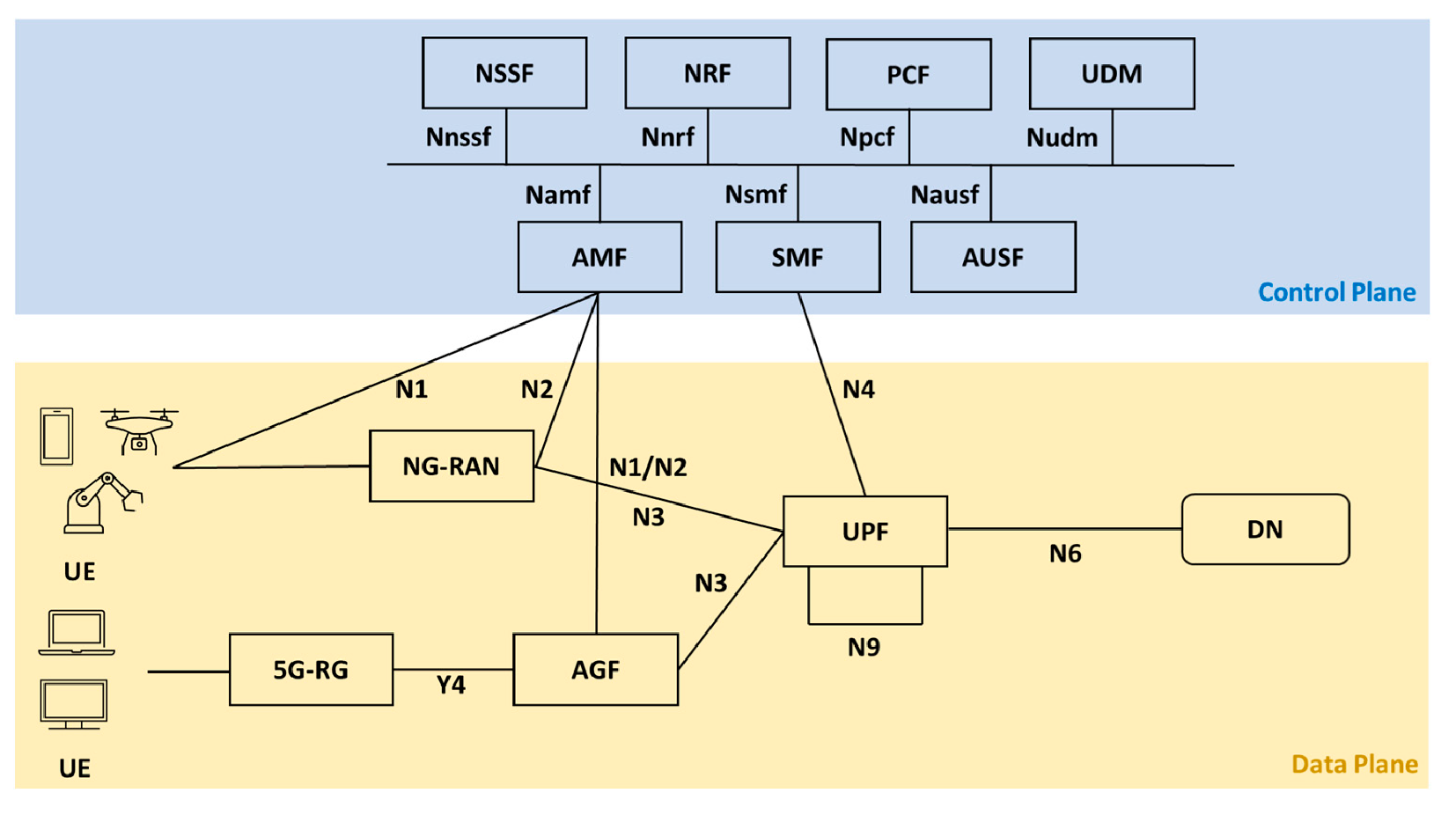
The key elements of the Network Logical Model of the 5G Core Network and their interactions are described in
Figure 1 [
10].
Plane Separation Architecture: The core network is structured around two primary distinct components: the Control Plane and the User Plane. The User Plane handles the transmission of user data traffic. Conversely, the Control Plane manages signaling and network control functions, such as authentication and mobility management. In 5G, the Control Plane is entirely decoupled from the User Plane, distinguishing it from previous architectural generations.
SDN (Software-Defined Networking) and NFV (Network Function Virtualization): 5G relies on software-driven network functions that enable flexible network management without necessitating extensive modifications to the physical infrastructure. This approach ensures high flexibility, seamless upgradability, and ease of configuration.
Service-Based Operation Model: The 5G Core facilitates the deployment of specialized network slices tailored to specific requirements. These operation models include eMBB (Enhanced Mobile Broadband), which supports high-speed connectivity and high data throughput (e.g., HD streaming); mMTC (Massive Machine-Type Communication), which supports the large-scale connection of IoT devices; and uRLLC (Ultra-Reliable Low-Latency Communication): ideal for applications requiring near-instantaneous response times and mission-critical reliability (e.g., autonomous vehicles).
2.1.2. The 5G Physical Model
The Physical model of the 5G network [
12] is characterized by a multi-tiered frequency spectrum and an advanced Radio Access Network (RAN) infrastructure. Specifically, the 5G spectrum is divided into three primary categories: low-band frequencies (sub-1 GHz, e.g., 700 MHz) for wide-area coverage and superior indoor penetration, mid-band frequencies (1–6 GHz, e.g., 3.5 GHz), providing a balance between capacity and range, and high-band millimeter-wave frequencies (mmWave, 24–100 GHz) for ultra-high-speed data transmission within limited-coverage areas. At the infrastructure level, the 5G New Radio (NR) standard introduces the gNodeB (gNB) as the successor to the 4G eNodeB, while the architecture is further enhanced by the deployment of small or micro-cells to boost capacity in high-density environments. Central to this physical implementation is Massive MIMO (Multiple Input, Multiple Output) technology, which utilizes large-scale antenna arrays to significantly optimize spectral efficiency and overall network throughput [
12].
2.2. SA and NSA Implementation
The 5G architecture can be implemented in two deployment modes:
2.2.1. The 5G SA Implementation
5G SA architecture represents a fully autonomous network deployment that operates independently of legacy 4G (LTE) infrastructure by utilizing a dedicated 5G Core Network (5GC). According to the architectural variations defined in [
13], SA deployments are classified into several options: SA
Option 1 refers to a legacy architecture based strictly on the 4G Evolved Packet Core (EPC), while SA
Option 2 constitutes the definitive scenario where the 5G base station (gNB) connects directly to the 5G Core without 4G dependencies. Furthermore, SA
Option 5 involves upgrading legacy eNodeBs to next-generation eNodeBs to facilitate connection with the 5G Core—a transition model that often faces performance challenges due to 4G hardware limitations—whereas SA
Option 6 is a non-standardized configuration involving the connection of 5G base stations to a 4G core, which is generally considered inefficient by 3GPP.
2.2.2. The 5G NSA Implementation
Beyond the 5G SA deployment model, the 5G ecosystem extensively utilizes the NSA framework, which leverages existing 4G LTE infrastructure to accelerate 5G integration. According to standardized architectural pathways, NSA is categorized into three primary families [
13]:
Option 3,
Option 4, and
Option 7. Option 3 utilizes the legacy Evolved Packet Core (EPC), with variations (3, 3a, 3x) based on the specific data split point between nodes. Option 4 introduces the 5G Core (5GC) with the 5G gNB serving as the Master Node, while Option 7 acts as an evolution of Option 3, migrating the core to the 5GC while maintaining the LTE eNB as the control anchor.
A predominant focus in contemporary global deployments is given to Option 3X, a variant of E-UTRA-NR Dual Connectivity (EN-DC). This architecture is favored for its efficiency in handling high-throughput traffic without overburdening legacy 4G hardware. In this configuration, the LTE eNodeB acts as the Master Node (MN), retaining authority over the Control Plane (CP) for connection management, mobility, and signaling. Conversely, the 5G gNodeB serves as the Secondary Node (SN), primarily managing the User Plane (UP) to deliver superior data rates and ultra-low latency. The defining characteristic of Option 3X is that the data split occurs at the gNodeB, allowing it to route traffic directly to the EPC or via the MN. Seamless coordination between these heterogeneous nodes is facilitated by the X2 interface, which ensures robust synchronization and efficient handover mechanisms between the 4G and 5G radio layers.
2.2.3. Dynamic Spectrum Sharing (DSS) and the Role of LTE in 5G NSA
The integration of 5G technologies into existing infrastructure is heavily reliant on DSS, a pivotal software-based upgrade that allows Long Term Evolution (LTE) networks to support 5G New Radio (NR) within a shared frequency spectrum. Rather than statically re-farming bandwidth, DSS enables the dynamic allocation of resource blocks between 4G and 5G users within the same frequency bands (e.g., 700 MHz, 1800 MHz) based on real-time traffic demand [
14,
15].
Node Cooperation and Extended Coverage: In this transitional architecture, legacy LTE base stations (eNodeBs) operate in tight coordination with newly deployed 5G NR antennas (gNodeBs). A profound benefit of DSS is its ability to extend 5G service coverage into geographical areas that currently lack dedicated 5G NR physical infrastructure. By broadcasting 5G services over upgraded LTE macro-cells, operators can achieve wide-area 5G footprints rapidly.
Strategic Advantages of Option 3X via LTE Infrastructure: The deployment of NSA Option 3X utilizing existing LTE antennas presents several compelling benefits:
Implementation Simplicity: It circumvents the immediate need for a comprehensive hardware overhaul, allowing network operators to activate 5G capabilities primarily through software updates.
Accelerated Time-to-Market: Leveraging the pre-existing, ubiquitous LTE footprint allows for rapid, wide-scale 5G deployment, bypassing the prolonged processes of new antenna installation.
Cost-Efficiency (CAPEX/OPEX): By maximizing the utility of legacy hardware and employing DSS, operators significantly reduce initial deployment costs.
Technical Limitations and Trade-offs Despite its rapid deployment benefits, the reliance on LTE infrastructure inherently introduces structural constraints:
LTE Anchor Dependency: As an NSA architecture, 5G NR remains dependent on the 4G core for Control Plane operations and signaling. Consequently, advanced 5G native capabilities, such as network slicing, cannot be fully realized.
Throughput Constraints: In coverage areas operating exclusively via DSS-upgraded LTE antennas, 5G data rates are lower than those achievable in a fully dedicated 5G NR environment.
Spectrum Contention: LTE and 5G NR must constantly compete for the same spectral resources. Furthermore, the DSS mechanism introduces signaling overhead, which can limit the theoretical maximum efficiency for both networks.
2.3. Related Work
Since the advent of 5G in 2019 [
1] as a commercial network service, researchers have made considerable efforts to understand its behavior and explore the technological possibilities of its real-world applications. A central question driving this research concerns the coverage and performance of 5G networks in relation to user requirements, examined alongside factors such as (a) user mobility, (b) network conditions, and (c) the ability of applications to adapt to network fluctuations [
16]. The methodological approach of each study varies depending on the researcher’s perspective and typically considers the geographical characteristics of the study area (urban, suburban, rural), the network deployment mode (SA or NSA), the key performance indicators (KPIs) under evaluation, the data collection methodology (drive tests, walk tests), the targeted application domain (eMBB, URLLC, V2X), and the overarching research objective (e.g., benchmarking, characterization, optimization).
Early efforts were mainly conducted on a local scale, either within a limited geographical area or in controlled environments [
17,
18,
19]. To address issues related to energy consumption, coverage, application QoE and network performance in terms of end-to-end delay and throughput, Xu et al. [
17] performed diagnostic measurements on a 5G deployment within a campus setting. Their research revealed issues associated with network resource allocation, protocol limitations in adapting to new technologies, and outdated internet infrastructure.
During the same period, Curry and Abbas [
18] examined the coexistence of 5G with the existing LTE infrastructure for the initial network deployment. Rischke et al. [
19] conducted detailed measurements on a controlled private campus network, aiming to characterize end-to-end performance under realistic conditions. Their study, carried out in a static and controlled environment with a limited set of metrics, focused on packet-level delay rather than application-level latency. 5G performance also depends on the network load, which typically varies throughout the day. When measurements are restricted to a static local or industrial environment, the resulting conclusions cannot be generalized to broader real-world scenarios.
Several studies have investigated the performance of 5G networks for broader geographic areas and different use cases, which is also the focus of this work. For example, ElSaleh et al. [
20] conducted an analysis of the performance of mobile broadband (MBB) services in an urban area (Cyberjaya, Malaysia) by collecting data through field tests on 3G and 4G/5G networks from various providers (Maxis, Celcom, Digi, U Mobile, Unifi). Their evaluation is based on metrics such as signal quality, downlink/uplink transmission rates, ping, and handover performance in both indoor and outdoor environments. The study provides recommendations for network improvements and discusses its limitations for future research, although its scope remains confined to city boundaries.
Other studies involved small-scale drive tests (e.g., within city limits) to evaluate network coverage, latency, and application performance. In contrast, Ghoshal et al. [
21] examined the behavior of three different 5G service providers in a large suburban area, covering long distances (500 km). Their main findings include coverage gaps, frequent handovers, and a high dependence on the selected provider. Kousias et al. [
22] focused on the development of the network in urban areas and conducted a comparative evaluation of the performance of 4G and 5G. Their results showed improvements in downlink performance, modest but steady reductions in latency, and enhanced network behavior in dense city zones. Tsoulos et al. [
23] compared the performance of 5G NSA and 4G LTE in highway scenarios. Although 5G demonstrated improved downlink performance, the study revealed variations in coverage and stability depending on the mobile operator and the local characteristics of the areas along the route.
While prior studies depend on costly, proprietary 5G infrastructures provided by traditional vendors, the work provided by [
24] offers a unified and accessible overview of 5G deployments built entirely with open-source software and commercial off-the-shelf hardware, aligned with the principles of Open RAN.
Although the body of work provides valuable insight into the performance and deployment characteristics of 5G networks, two main limitations remain. First, most studies focus on urban or semi-urban environments. Second, there is a lack of research specific to the region of northwestern Greece, particularly with regard to 5G NSA deployments, switching behavior, coverage, and Control Plane performance. In contrast, this study focuses on key performance metrics under real-world 5G NSA conditions, aiming to validate existing findings while introducing a unique combination of test scenarios. A key distinction of this work is its examination of data upload performance and the final user experience in rural environments, using existing infrastructure without deploying new 5G-specific antennas (gNBs).
3. Methods and Tools
This section outlines the methodology used in the measurement study, detailing the network environment, key performance metrics, and the equipment and software tools used. It also establishes the experimental context and provides the foundation for interpreting the results presented in subsequent sections.
3.1. Network Setup
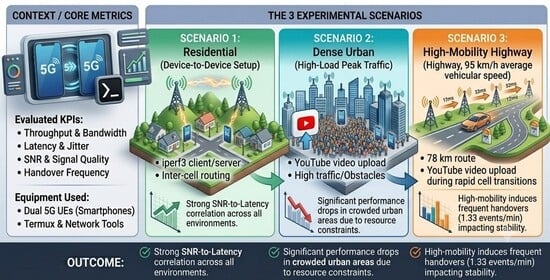
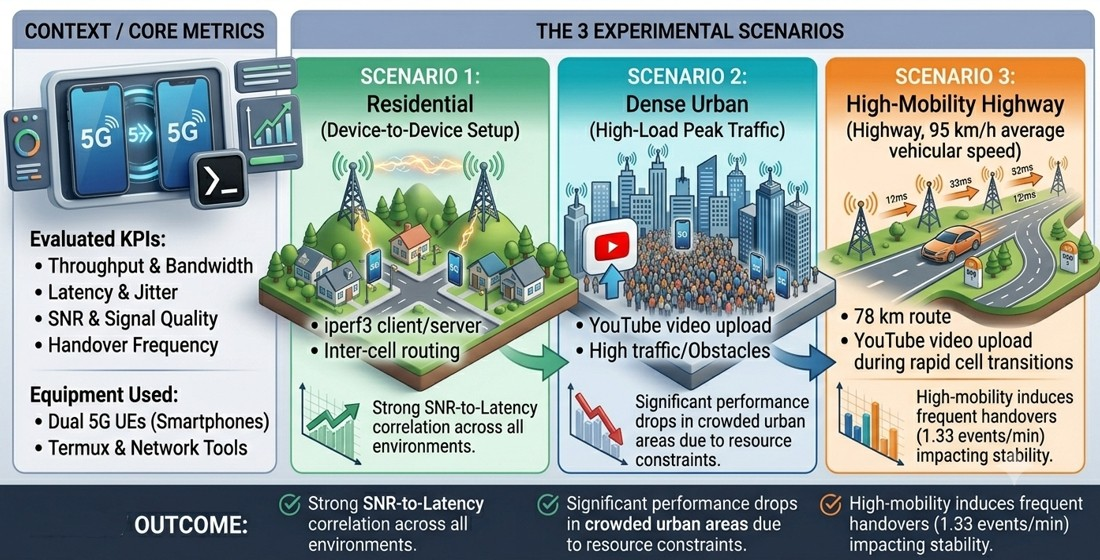
Our study investigates the behavior of the 5G NSA network under real-world operating conditions, focusing on three different video-transfer scenarios: (a) data exchange between two devices served by different cells within a residential area (Scenario 1), (b) operation in a densely populated urban location (Scenario 2), and (c) operation during vehicular mobility along a national highway over a route of 78 kilometers, with an average driving speed of approximately 95 km/h (Scenario 3).
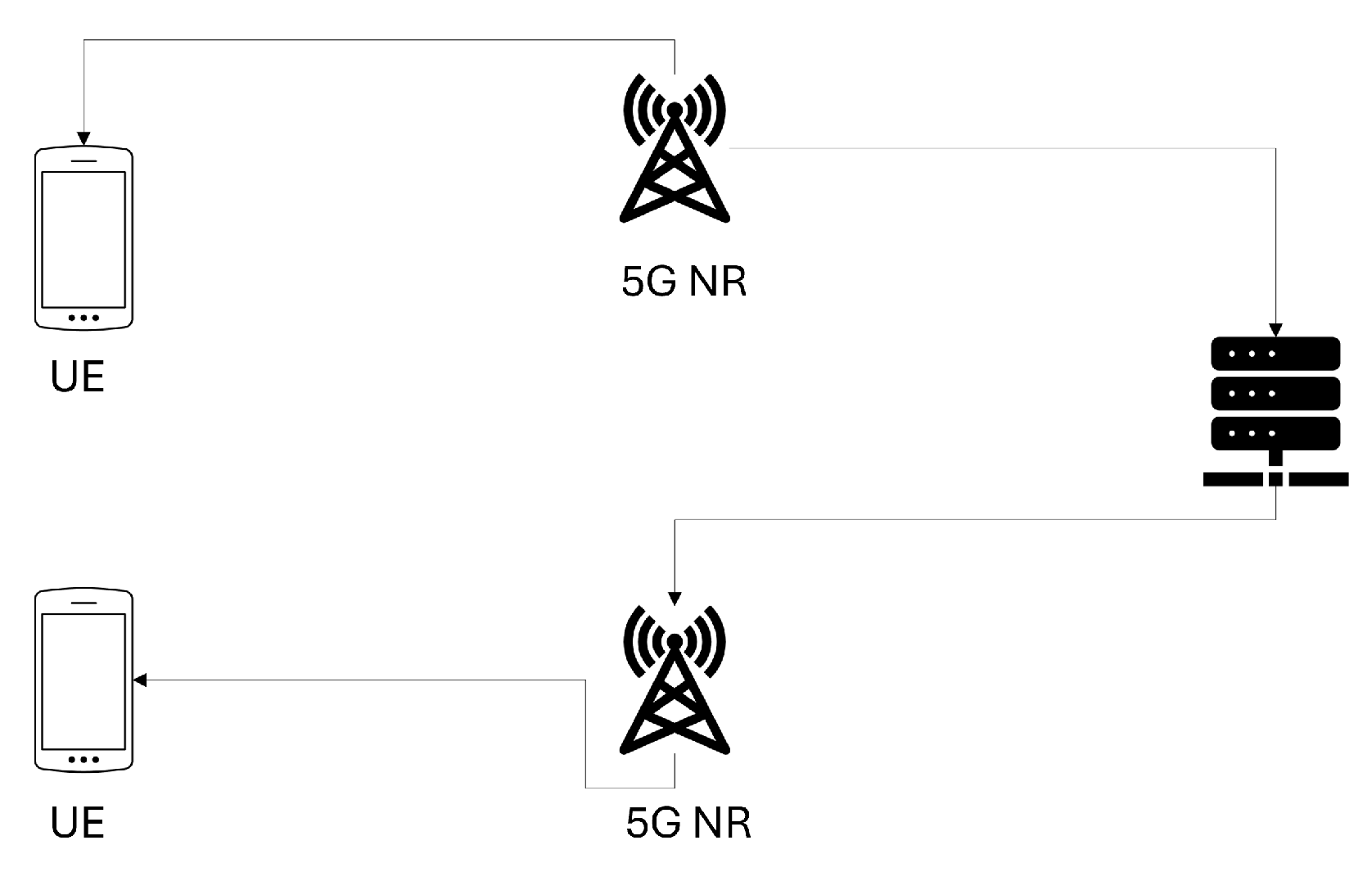
These three scenarios were selected to capture the diversity of real-world operating conditions in which 5G NSA networks are currently in operation. As illustrated in
Figure 2, a 5G NSA network connects two user devices through two different cells. This scenario represents a typical residential deployment, where devices may be served by separate cells and where handovers or inter-cell coordination can affect overall performance.
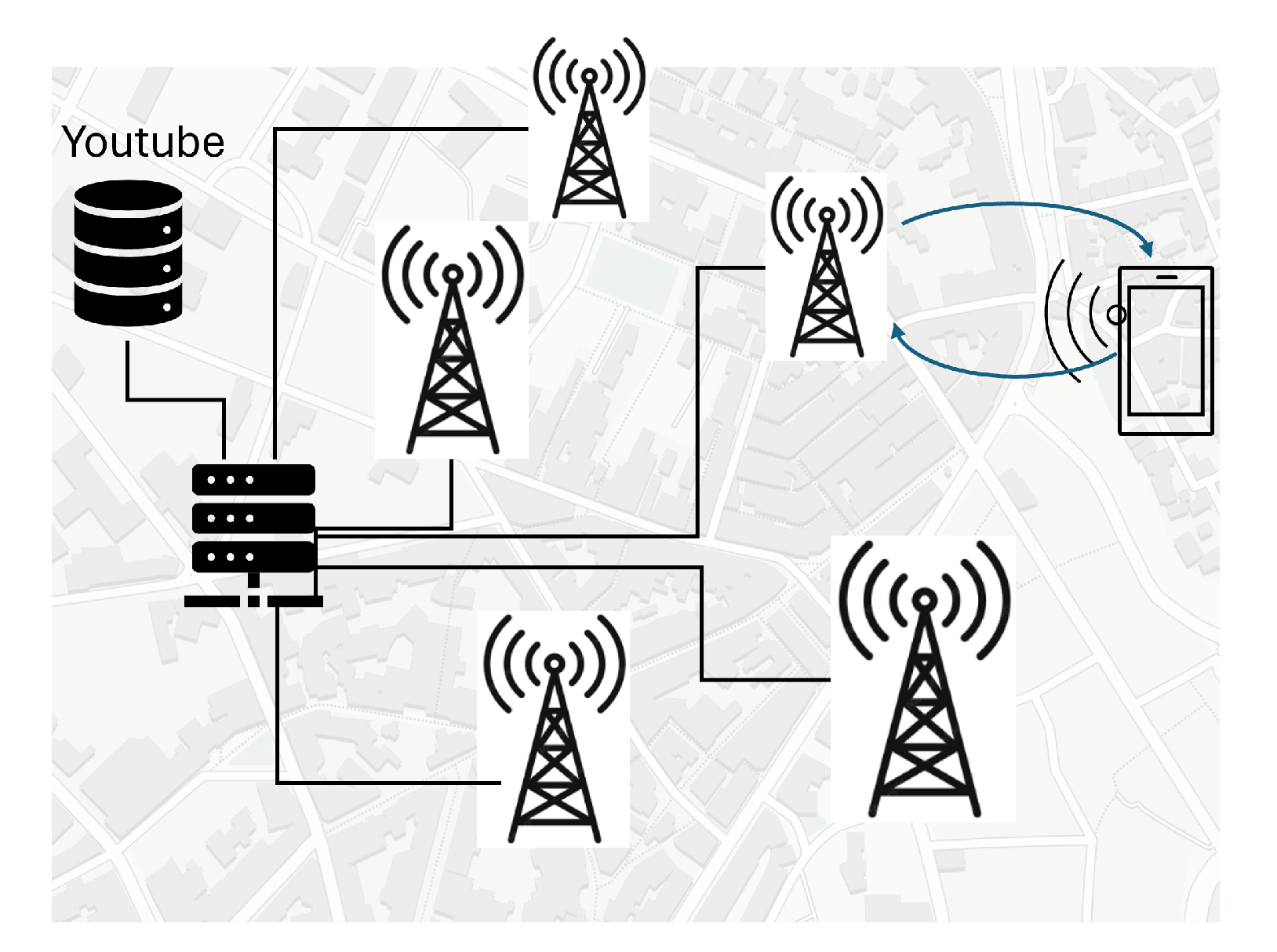
Figure 3 depicts the design of the second scenario, which involves uploading a video file to the YouTube platform in a busy urban location during peak hours. In this environment, the serving cells experience substantial traffic load, while numerous obstacles, such as surrounding buildings, introduce additional signal attenuation and multipath effects. This scenario reflects the characteristics of dense urban environments, including high user concentration, increased interference, and variable load conditions.
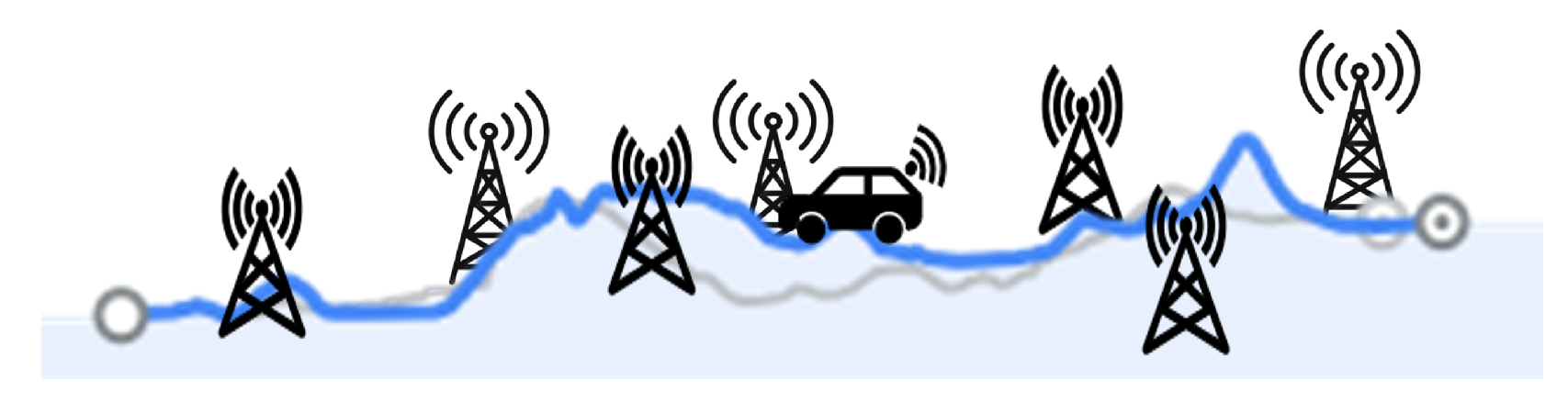
In the last scenario, shown in
Figure 4, a video file is also uploaded to YouTube, but the measurement takes place while the user is in motion. This scenario examines network behavior under high-mobility conditions, where factors such as rapid cell transitions, Doppler effects, and continuity of coverage become critical to maintaining service quality. Together, these scenarios provide a comprehensive assessment of 5G NSA performance in heterogeneous environments and mobility profiles.
3.2. Measurement Tools
The experimental evaluation of 5G performance was carried out using a set of specialized hardware and software tools designed both for generating data traffic and for collecting and analyzing key network metrics. Together, these tools enabled a comprehensive assessment of the network’s behavior. A detailed description of the tools is provided below.
3.2.1. Hardware
Two 5G-compatible devices from different manufacturers were used as user equipment (UE) to ensure an optimal and objective representation of the results. In
Table 1, the devices and some of their key specifications are presented.
3.2.2. Software
The experimental procedures were supported by a suite of software applications, including both free and commercially licensed, used to design and execute the test scenarios. Complementary software tools were used for data capture, structured logging, signal processing, and advanced statistical analysis to ensure a rigorous evaluation of the collected data. These tools are detailed below:
Fing (version 12.12.0) is a free network analysis and monitoring tool available as a mobile application (Android and iOS) and as a desktop program. It is used for network scanning and identifying devices connected to the same network, providing details such as IP addresses, MAC addresses, and device types.
Termux (version googleplay.2026.02.11) is an Android application that provides a Linux terminal-like environment. Essentially, it is a terminal emulator that allows users to execute commands and utilize Linux tools directly from their Android smartphone or tablet. Termux creates a complete Linux environment on Android and is available for free.
CellMapper (version 5.6.5) is an application and service used for mapping cell towers and analyzing mobile network coverage (2G, 3G, 4G, 5G) in real time. It is particularly useful for users looking to understand their network performance or find information about cell towers in their area. The service is available as a web application and an Android app. While the application is free, a subscription option is available for faster results and an ad-free experience. For this study, a monthly subscription was purchased.
Send Anywhere (version 23.3.0) is a file transfer service that allows users to send and receive files easily and quickly without requiring registration or account creation. It is available in both free and subscription-based versions. For this study, the free version was used. The service is accessible as a mobile and desktop application, as well as through a web browser, and supports file transfers regardless of size or type. Send Anywhere utilizes various network protocols to ensure fast and secure file transfers, depending on network conditions and device configurations.
Iperf3 (version 3.18) is a popular open-source tool used for measuring network performance. Specifically, it helps test and analyze network speed, bandwidth, latency, and stability. It is particularly useful for network administrators, engineers, and developers. For this study, Iperf3 was used in combination with the Termux system mentioned earlier.
ZeroTier (version 116.0-1) is a virtual networking tool that provides a private, secure, and decentralized VPN solution. It is ideal for connecting remote devices or networks, such as computers, mobile devices, and servers, over the internet without requiring complex router or firewall configurations. ZeroTier functions as a peer-to-peer (P2P) network, linking devices and creating a virtual LAN connection. In this study, it was used in Scenario 1 of Implementation 2 to establish a direct, fast, and reliable P2P VPN network between the two UE terminals.
G-NetTrack Pro (version 32.4) is an advanced Android application used for monitoring and analyzing mobile networks. It is particularly useful for network engineers, technicians, and users who want to assess the performance of their mobile network, including 2G, 3G, 4G (LTE), 5G, and Wi-Fi. While a free version, G-NetTrack Lite, is available, the Pro version—offered as a paid application through the Google Play Store—was used for this study.
3.3. Measurement Metrics
In 5G networks, key performance metrics such as jitter, round-trip time (RTT), bandwidth, latency, and error rates are critical for ensuring quality of service. In the following section, a definition, the corresponding mathematical formulas, and a concise explanation of these quantities and their interactions are presented:
3.3.1. Latency
Latency refers to the time it takes for the data to travel from the source to the destination and back. In 5G networks, latency is influenced by factors such as processing delays, transmission times, and propagation times. According to [
25], latency is defined as the time required for data transmission between the gNB base station and the UE mobile device. Latency can be expressed by the following equation:
where
represents the initial data transmission time and includes:
- –
The time required by the sender (e.g., base station or device) to process and prepare data for transmission.
- –
Frame alignment to initiate transmission.
- –
The time taken for data to traverse the network and reach the receiver.
is the time required to send a Hybrid Automatic Repeat Request (HARQ). HARQ is a mechanism used in telecommunications to enhance data transmission reliability.
is the retransmission time.
p is the probability of retransmission.
This equation provides a mathematical representation of how latency is affected by initial transmission time, error correction mechanisms, and the probability of data retransmission.
3.3.2. Jitter
Jitter represents the variability in packet arrival times. High jitter can lead to packet loss and negatively impact real-time applications. It is calculated as the variation in or standard deviation of packet arrival times, according to [
26]:
where
is the delay of packet i.
is the delay of the previous packet.
A high jitter value indicates significant variation in packet arrival times, which can degrade the quality of real-time communications such as voice and video streaming.
3.3.3. Bandwidth
Bandwidth refers to the maximum rate at which data can be transmitted over a network. It is typically measured in bits per second (bps). The mathematical formula that describes “Bandwidth” within the IMT-2020 guidelines of the ITU (International Telecommunication Union), implemented by the 5G network [
25], is defined as follows:
where
is the maximum total bandwidth of the system.
is the bandwidth of each individual frequency component carrier (component carrier—CC).
N is the number of aggregated carriers (CCs).
This equation represents the total available bandwidth in a 5G network by summing up the bandwidths of the individual frequency carriers. The aggregation of multiple carriers allows for achieving higher data rates in 5G systems.
3.3.4. Error Rate
The error rate indicates the frequency of errors in transmitted data. The Bit Error Rate (BER) is a common metric and is defined as [
27]
In 5G systems, the error rate is influenced by factors such as the signal-to-noise ratio (SNR), modulation schemes, and channel conditions. A lower BER indicates more reliable data transmission, whereas a higher BER suggests a higher likelihood of transmission errors, which can degrade overall network performance.
3.3.5. Signal-to-Noise Ratio (SNR)
The signal-to-noise ratio (SNR) is a metric used in signal processing and telecommunications to describe the relationship between the power of the signal we wish to receive (or transmit) and the power of the noise that accompanies it. The SNR is mathematically expressed as
where
is the signal power (typically in Watts or dBm).
is the power of noise (typically in the same unit of measurement).
The SNR can also be expressed in decibels (dB) using the equation
High SNR: When the SNR is high, the signal is much stronger than the noise. This results in good communication quality or data processing.
Low SNR: When the SNR is low, the noise is comparable to or stronger than the signal, which can lead to losses, interference, or degraded performance. Several important factors influence SNR values. The following are the most critical ones:
- –
Transmission Power: A stronger signal increases the SNR.
- –
Distance: Longer distances reduce the SNR, as the signal weakens due to propagation.
- –
Environmental Noise: Noise from interference or thermal noise can reduce the SNR.
- –
Equipment: The quality of receivers and antennas can affect the SNR.
3.4. Methodology for Data Collection
The general testing methodology followed includes the following steps [
28,
29]:
- 1.
Determination of the test location and time;
- 2.
Activation of data-logging systems;
- 3.
Execution of test scenarios;
- 4.
Intermediate measurement of latency and jitter;
- 5.
Repetition of steps 2 to 4 at different times and under varying conditions, according to each scenario;
- 6.
Data processing and filtering (removal of data when the network switches to 4G).
4. Measurements and Results
This section presents a comprehensive analysis of the field measurements conducted across the three evaluated scenarios. Each scenario is examined independently to highlight the influence of the underlying network configuration, traffic type, and operational conditions on system performance.
Table 2 provides a concise overview of the tested scenarios, summarizing their key characteristics and measurement environments.
4.1. Scenario 1
Data exchange between two UEs’ terminals, served by different and the same network cells, revealed very interesting characteristics.
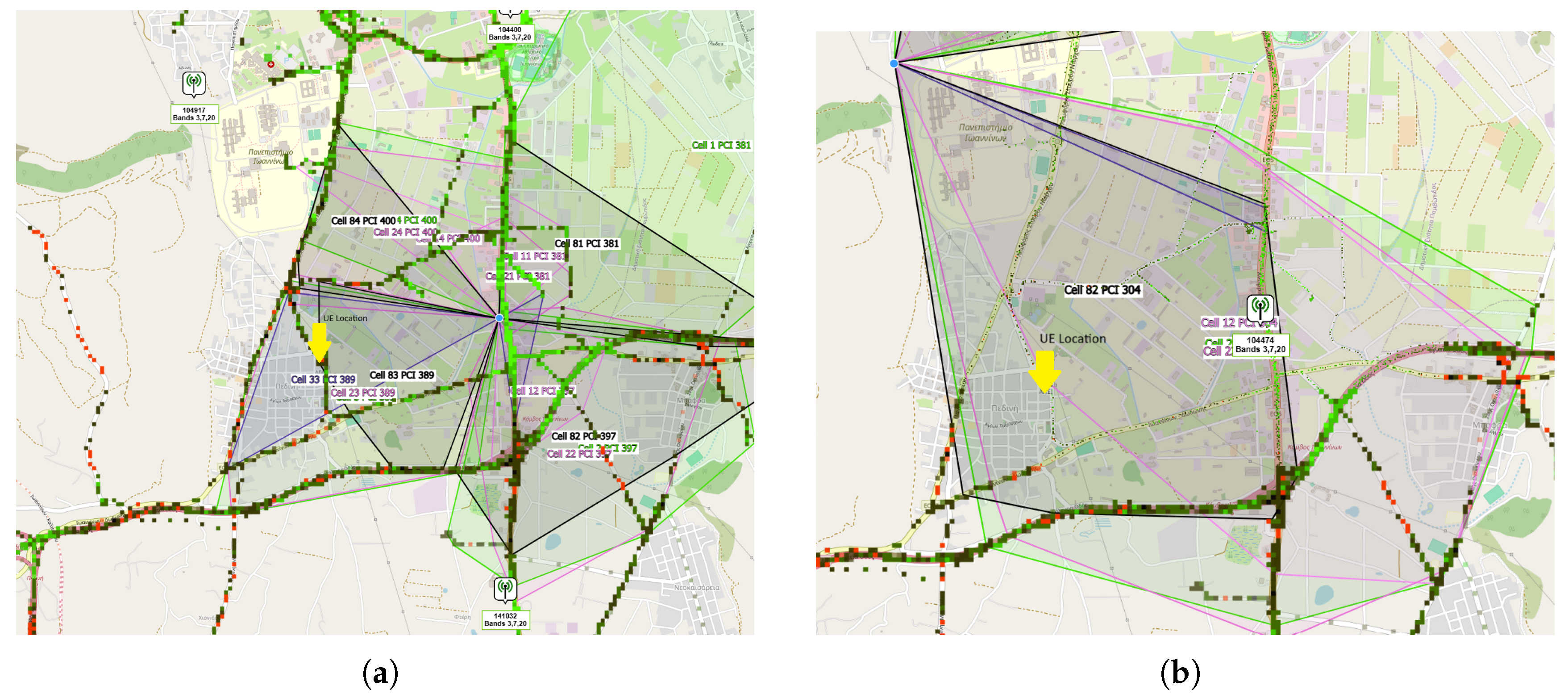
Figure 5 shows the location of the two endpoints during the execution of the scenario.
As shown in
Figure 5, the two endpoints are served by two different cells. The first device is served by an eNB cell with ID 104474, while the second is served by an eNB cell with ID 104917. Therefore, these are two completely different cells, not just different sectors of the same cell. Additionally, several metrics were obtained from the sending endpoint. As seen, the upload speed was around 18 Mbps, which remained stable throughout the experiment. It is worth noting that the download speed at the other endpoint was approximately the same, fluctuating around 18 Mbps, which confirms the connection speed. The integrity of the transmitted packets is also verified by measuring the amount of data sent from one device and simultaneously measuring the amount of data received by the other.
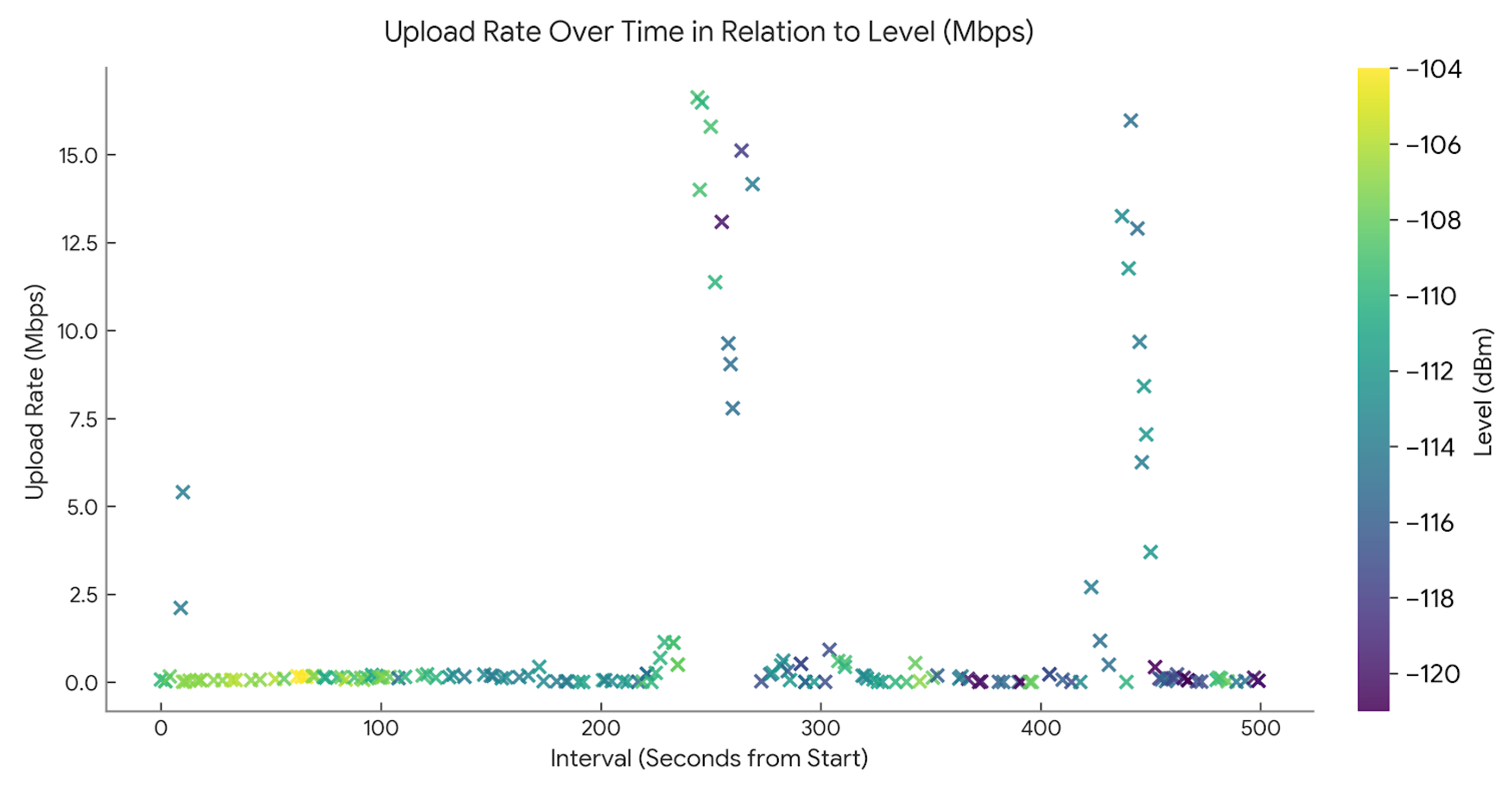
Figure 6 shows the upload rate (Mbps) over time and signal strength (Level) in dBm. Point color indicates signal strength, ranging from yellow (
dBm, stronger signal) to purple (
dBm, weaker signal).
At the same time,
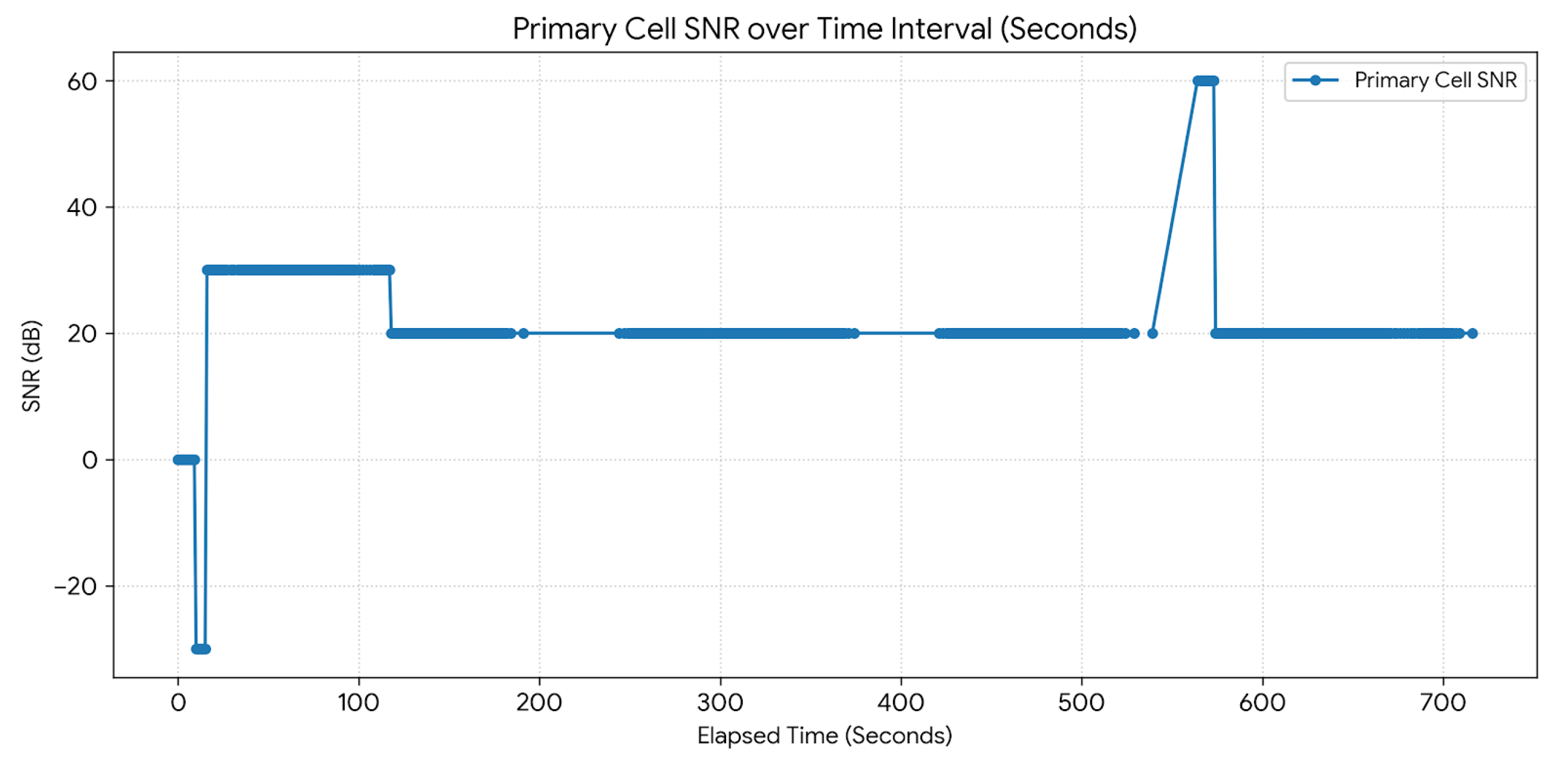
Figure 7 shows a related graph displaying the SNR of the UE acting as the sender.
Two important latency-related metrics are presented here latency and jitter.
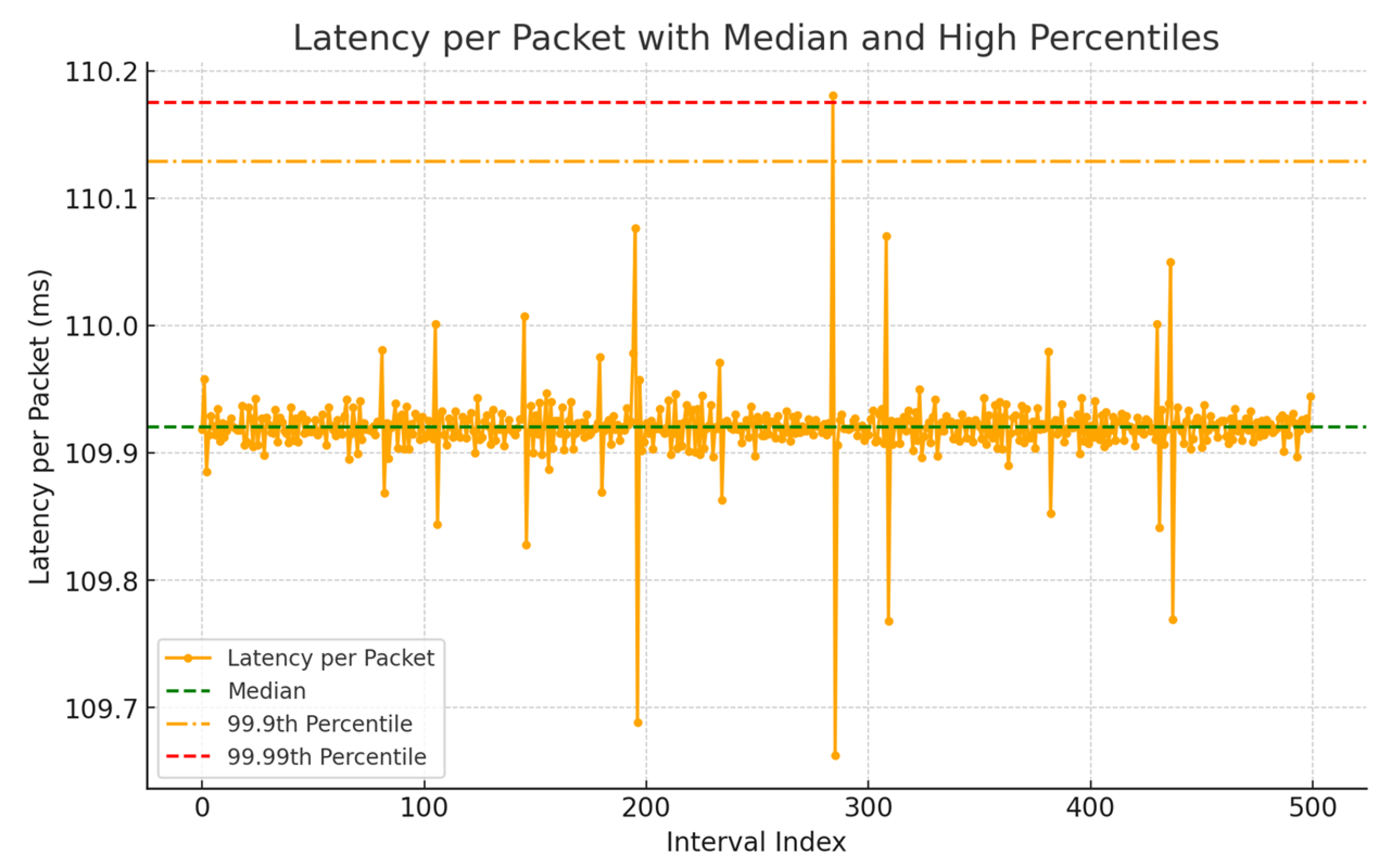
Figure 8 shows the latency per packet in milliseconds (ms) over time. The orange line shows the latency of each packet. The green dashed line shows the median latency, which is around 109.9 ms—50% of the packets have a latency lower than this value. The yellow dashed line (99.9th percentile) shows the higher latencies experienced by 99.9% of the packets, highlighting areas of high latency. The red dashed line (99.99th percentile) shows the maximum latencies at 99.99%, representing extreme packet latencies that occur rarely.
Furthermore,
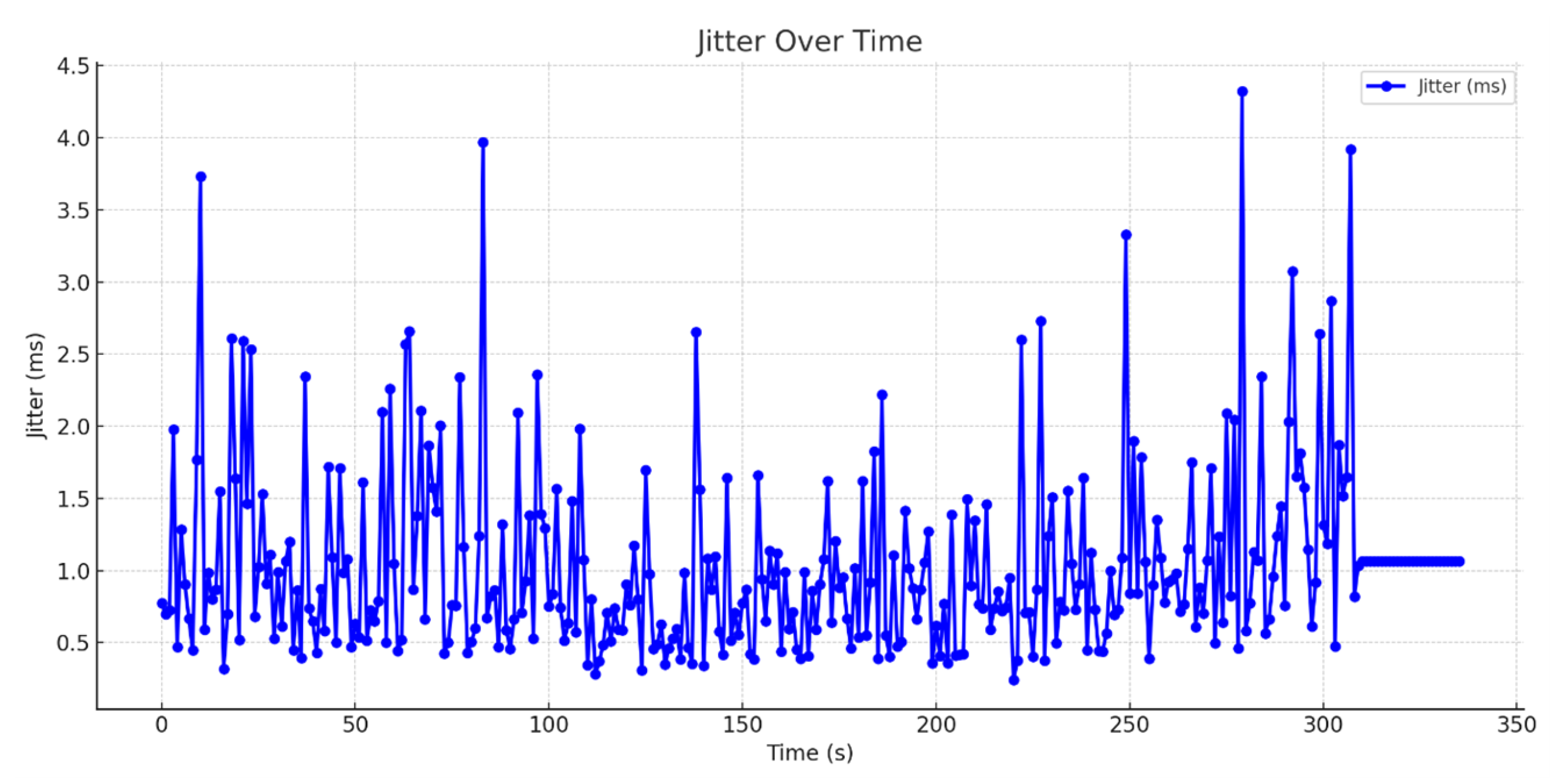
Figure 9 shows the jitter (latency variation) in milliseconds (ms) over time. The following observations are made:
The jitter here appears to have fluctuations with peaks reaching up to 4 ms.
Despite the fluctuations, they are small and indicate a generally stable connection.
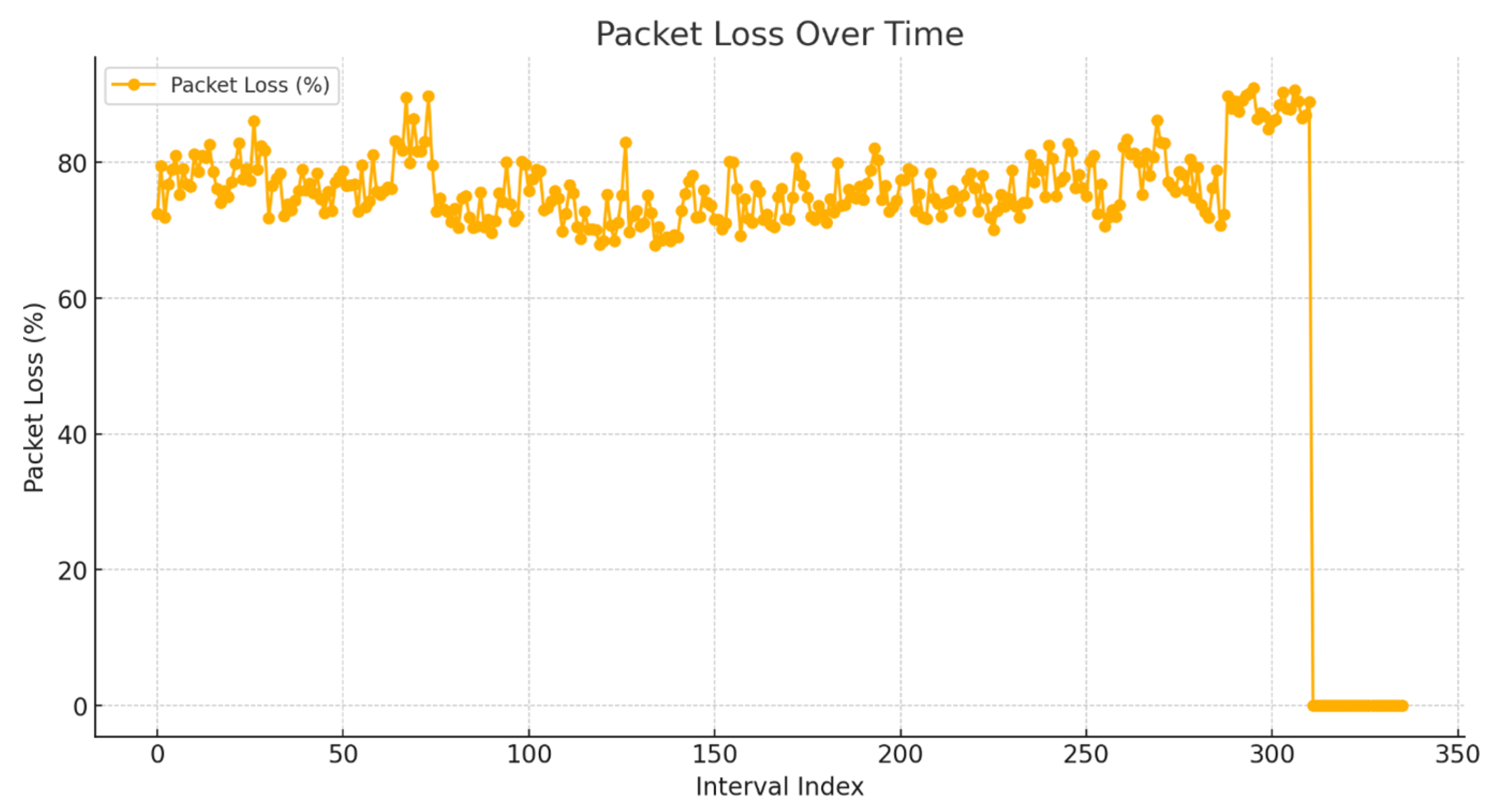
Regarding packet loss/error (
Figure 10), it was observed from the operation of the two UEs that the data sent during the experiment was almost entirely received, with a negligible deviation of about 1%. This indicates that packet loss was minimal. During a stress test with an upload speed of 200 Mbps using iperf3, where one terminal acted as the server and the other as the client, packet loss was very high, around 75%.
This is mainly due to the pressure applied. For this, the following command was given in iperf3:
The client attempted to send data with an upload bandwidth of 200 Mbps. As expected, this is very high and led to significant data loss. When a more reasonable approach was used, the packet loss was almost negligible.
Table 3 presents the correlation between the SNR and latency (minimum, maximum, and mean) for Scenario 1. The SNR values are distributed into four categories, defined as poor, fair, good, and excellent. The results show that as the SNR improves from the poor to the excellent category, the average latency steadily decreases from 72.08 to 41.83 ms. The minimum latency also improves consistently with higher SNR values, indicating more efficient transmission under better signal conditions. Notably, the maximum latency is substantially higher in the fair category (212 ms), suggesting occasional instability despite moderate signal quality. Overall, the good and excellent SNR ranges exhibit both lower and more stable latency, confirming the strong dependence of latency performance on signal quality.
In summary, when devices were served by the same cell, the latency remained stable at around 20 ms, as expected for 5G NSA networks. In cases where the devices were served by different cells, an increase in latency of around 15 ms was observed. Unfortunately, it was not feasible to conduct a scenario in which the two endpoints were far apart, such as in different cities. Additionally, it was not possible to determine whether the two neighboring cells serving the two communication endpoints belonged to the same subnet of the telecommunications provider or whether they were served by the same part of the LTE Core, i.e., the same MME. Finally, the scenario involving data transfer between endpoints served by two different telecommunication providers was not implemented.
4.2. Scenario 2
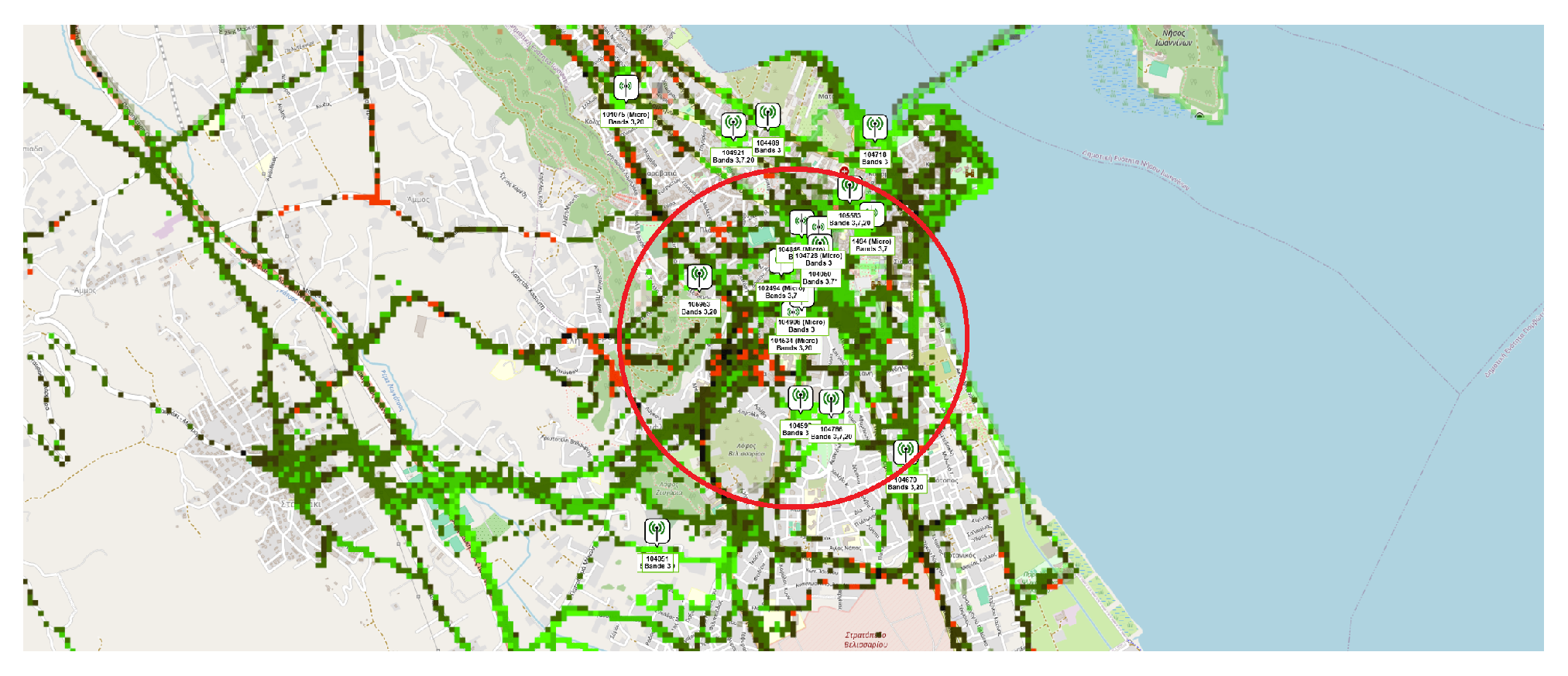
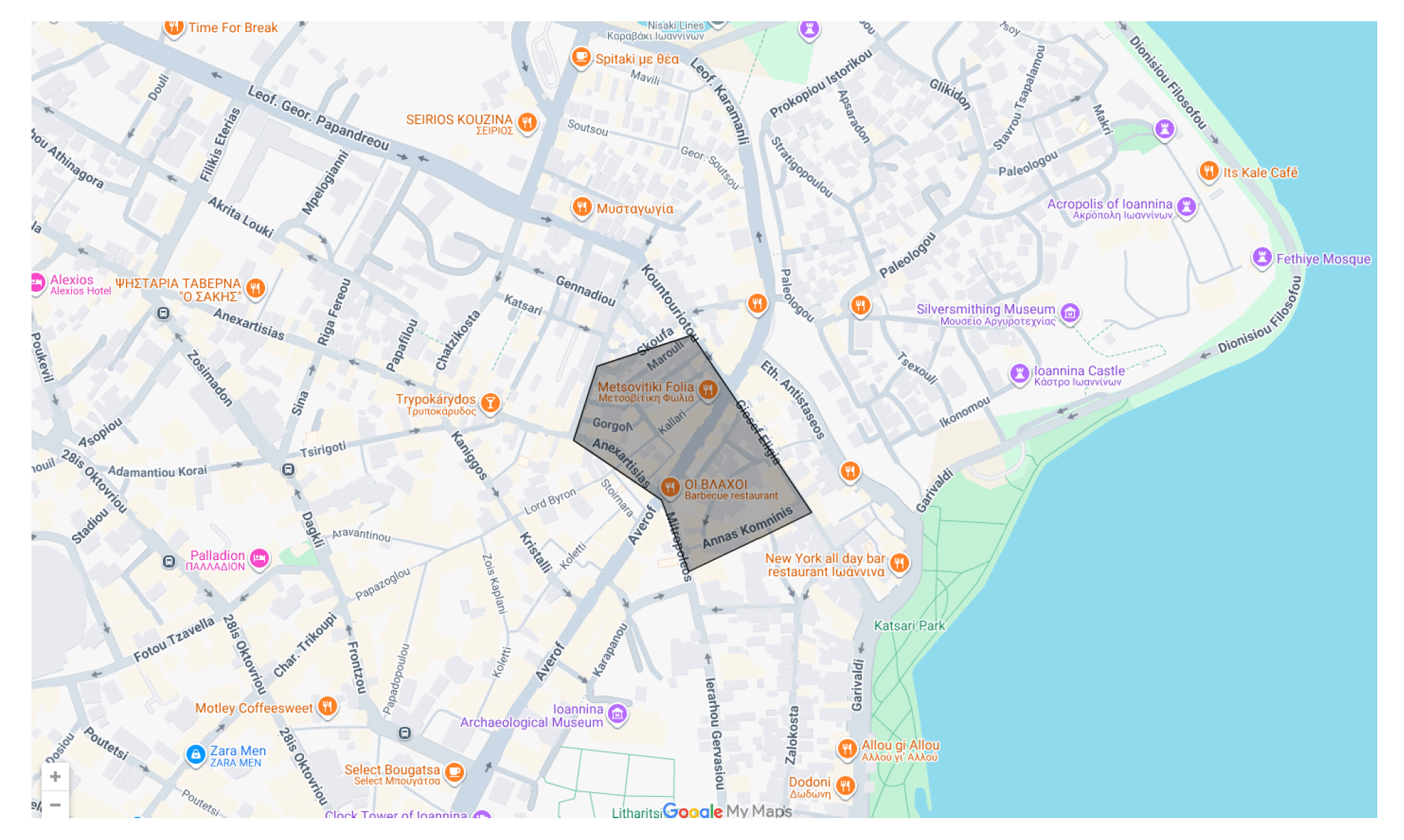
The main test area is depicted in
Figure 11. The path followed by the user and, consequently, the routes of the two UEs are depicted on the area map presented in
Figure 12.
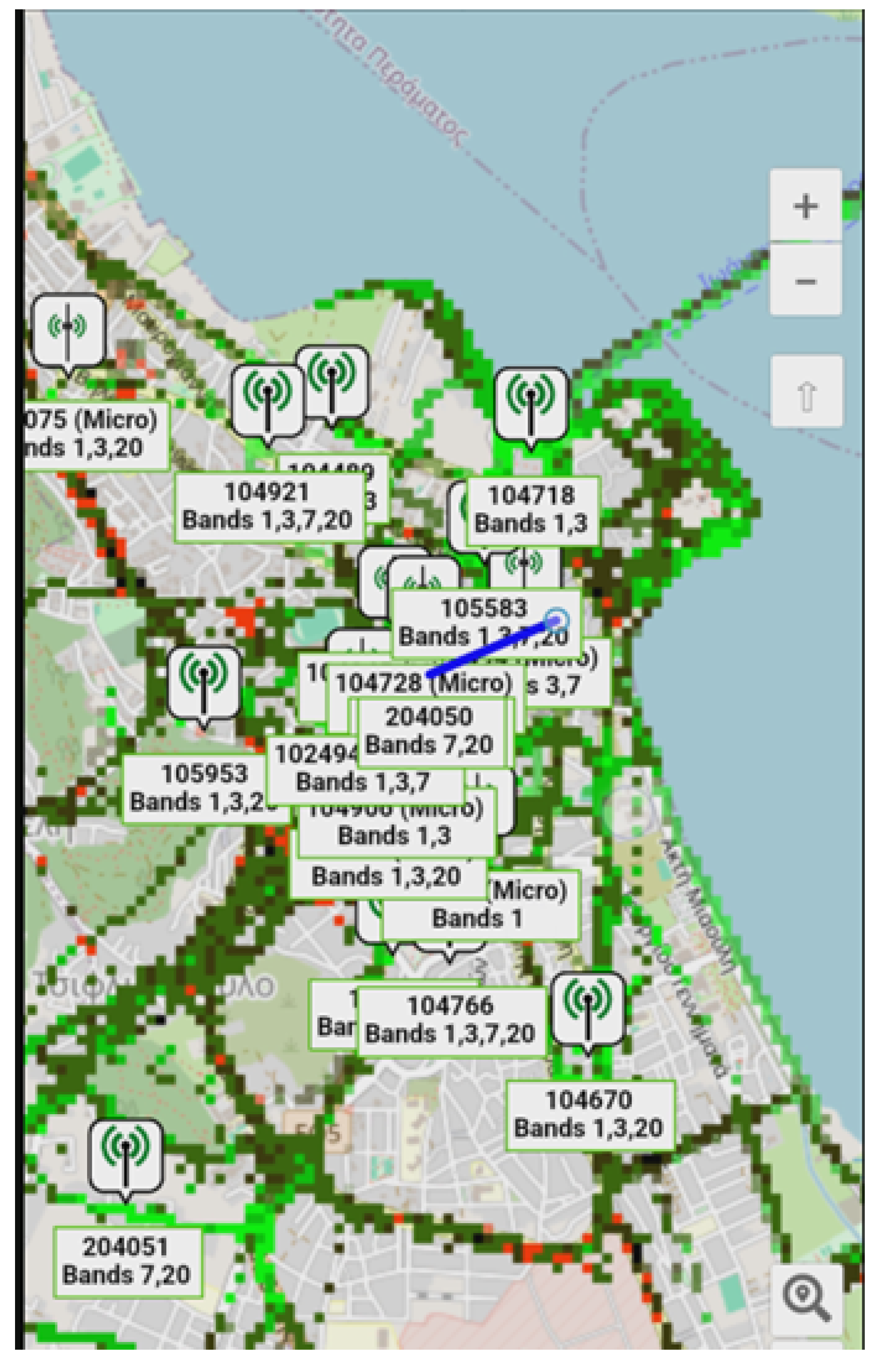
As shown in
Figure 13, there are many cells from the same provider serving the test area. This indicates that the telecommunications provider’s study has shown the necessity of service quality, hence the installation of numerous cells.
Based on these data, it was possible to take measurements and analyze four of the five monitored metrics.
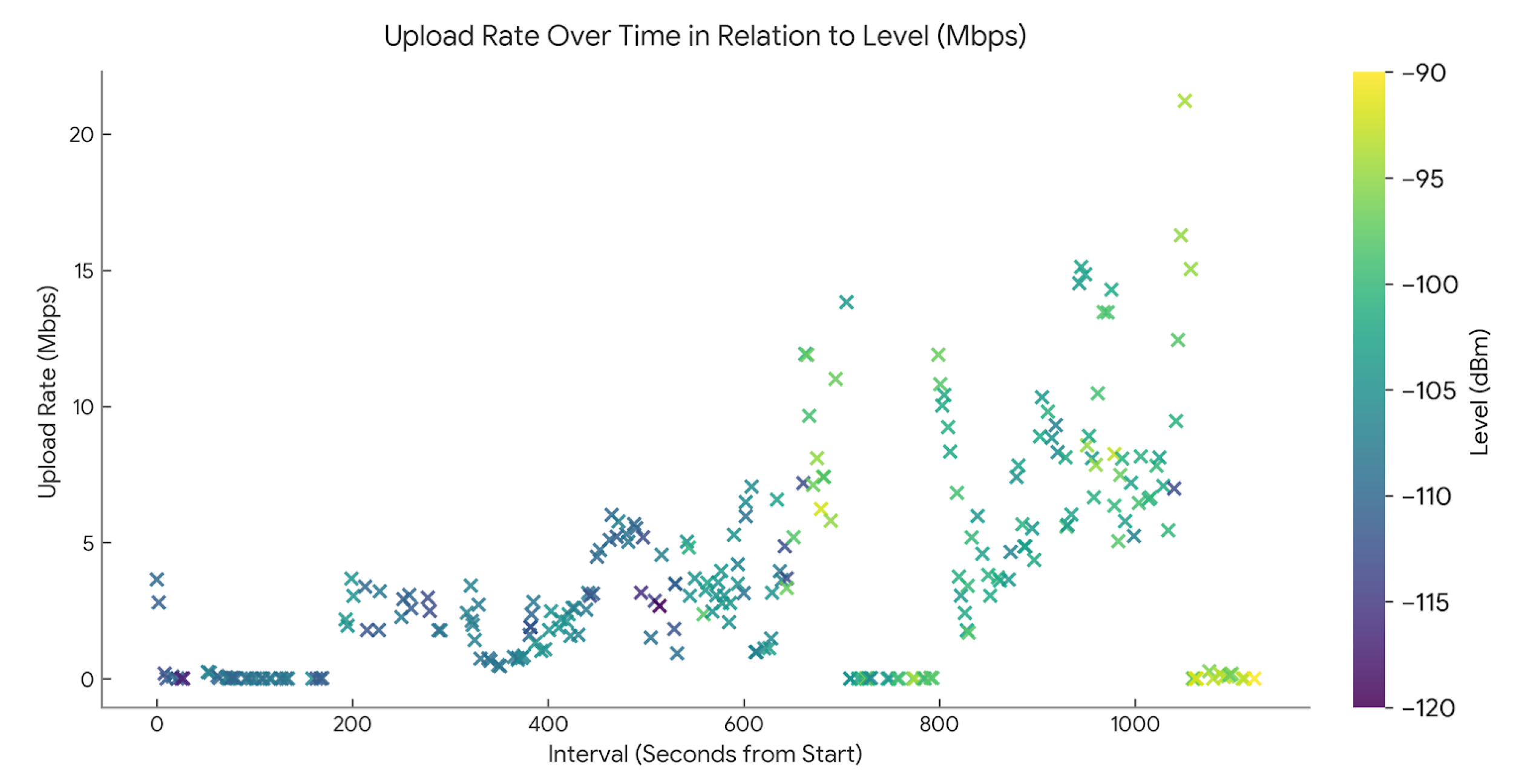
Figure 14 shows the upload rate in Mbps over time and the signal strength (Level) in dBm. The color of the points indicates the signal strength, where yellow corresponds to better strength (−95 dBm) and purple to low strength (−120 dBm). It is observed that in areas with better signal strength (yellow points), the upload rates are higher (15–20 Mbps). In areas with poor signal strength (purple/blue points), the upload rate remains low (<5 Mbps). This shows that signal quality significantly affects upload performance.
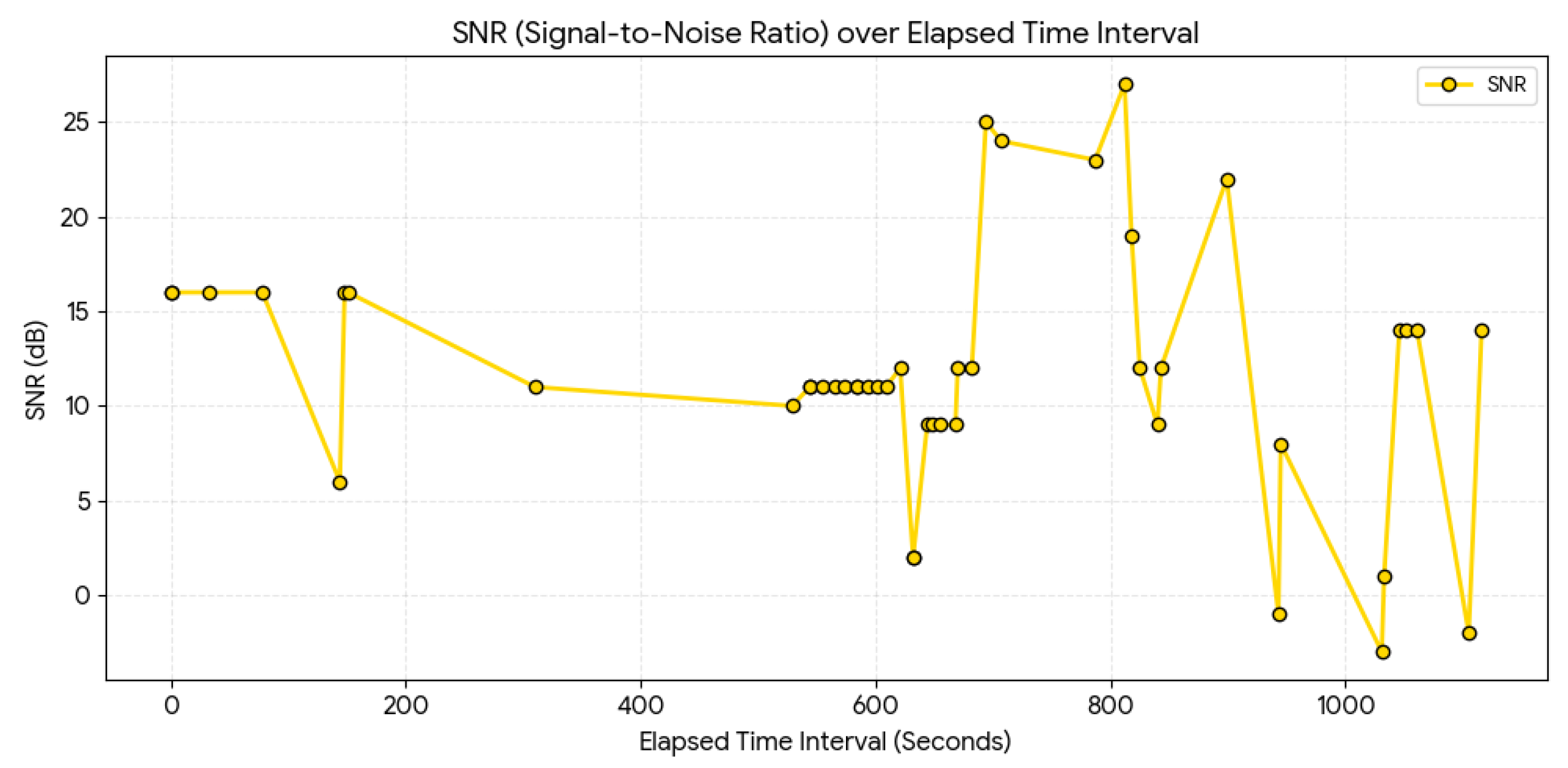
Figure 15 shows the signal-to-noise ratio (SNR) over time. It appears that there are significant fluctuations in SNR values, with frequent drops below 5 dB and peaks above 15 dB. Towards the end of the period, the SNR stabilizes somewhat around 20 dB, indicating a possible improvement in signal quality but not complete stability. Fluctuation in the SNR indicates network instability, congestion, obstacles, or environmental influences (e.g., noise).
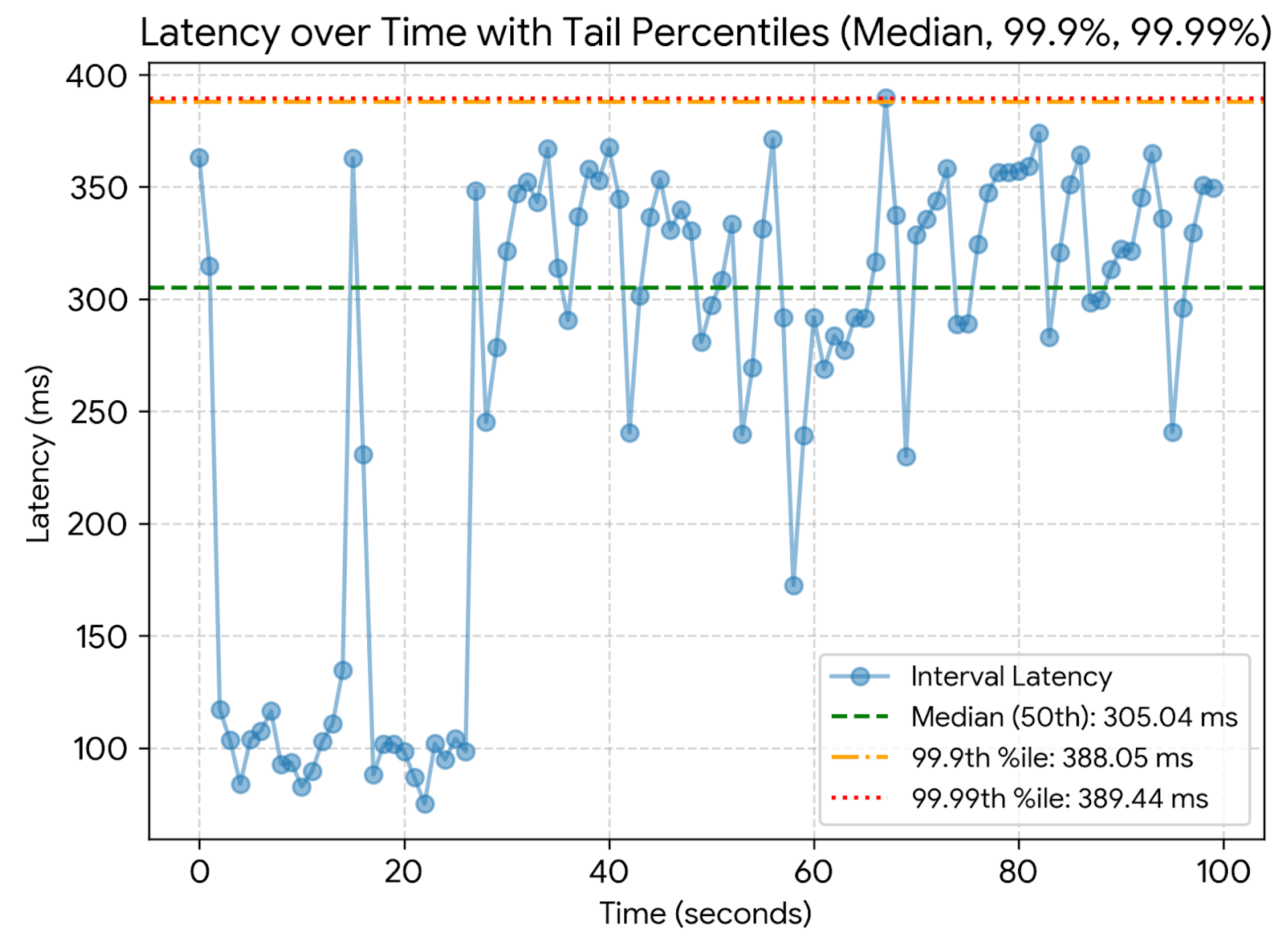
Figure 16 shows the latency over the test duration. This diagram illustrates the latency of the TCP connection. Fluctuations in response time indicate possible changes in network conditions, such as increased congestion, multiple obstacles, noise from other users, or other factors. Higher latency values indicate longer waiting periods before data transmission is completed.
The diagram clearly shows the difference between the median value and the higher peaks, highlighting the instability that can occur at specific points in the connection. The latency distribution shows a median (50th percentile) of 305.04 ms, indicating the typical request-processing time under normal network conditions. At the 99.9th percentile, latency rises to 388.05 ms, and at the 99.99th percentile it reaches 389.44 ms. These upper-end values reveal that only a very small fraction of requests experience significantly higher delays, highlighting rare but noticeable spikes in network performance. The narrow gap between the 99.9th and 99.99th percentiles suggests that extreme outliers are limited but still present.
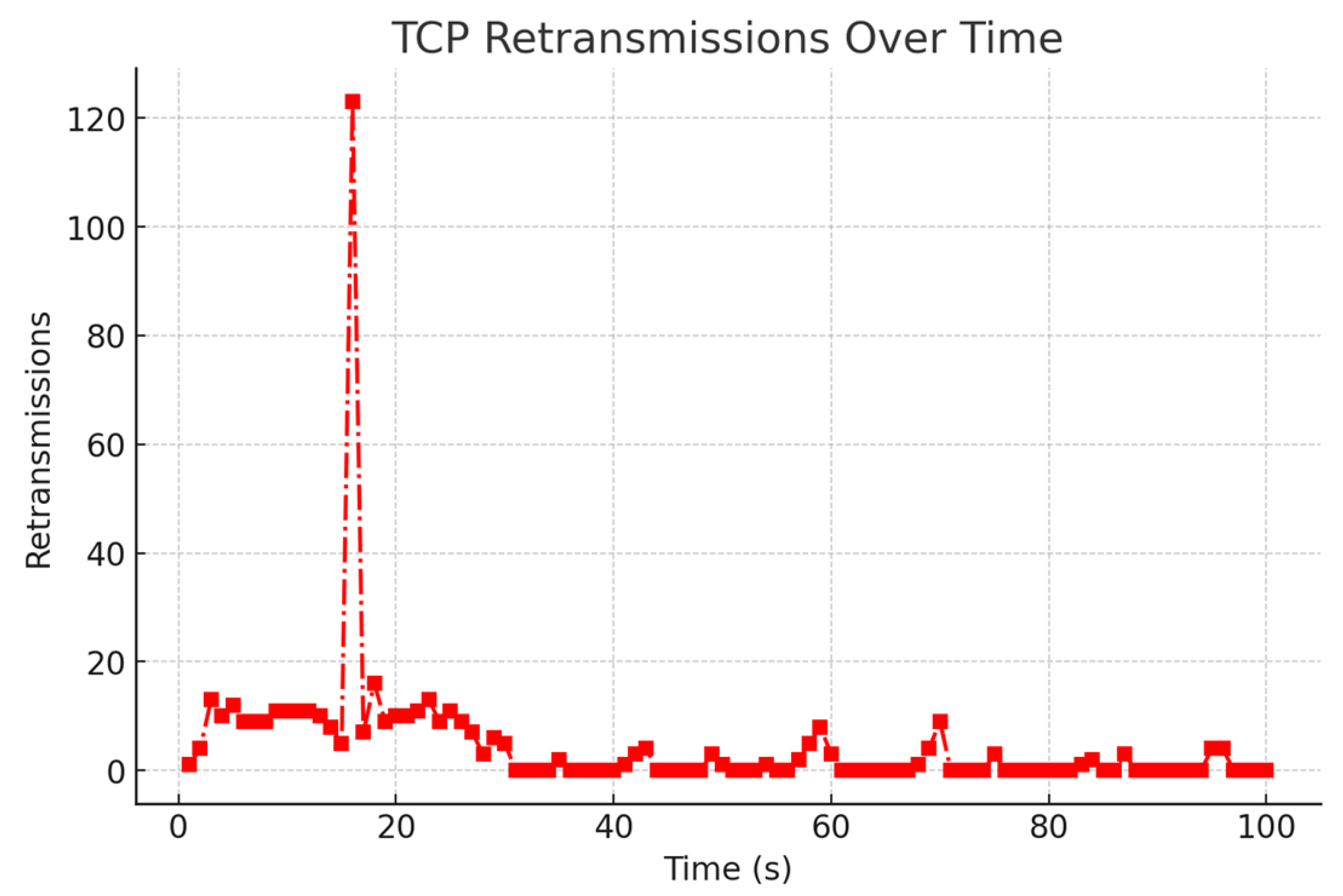
Figure 17 records the aggregated count of retransmissions of TCP packets captured at 1 s intervals. As observed at approximately t = 15 s, a peak of more than 120 retransmissions occurred. This indicates a transient period of network congestion or signal interference where multiple packets within the same window failed to reach the destination and required resending to maintain the reliable TCP stream. Retransmissions occur when data packets fail to be delivered successfully and need to be resent. Therefore, this diagram can partially serve as a metric for packet loss. The increased frequency of retransmissions may indicate network problems when there is significant congestion.
Finally,
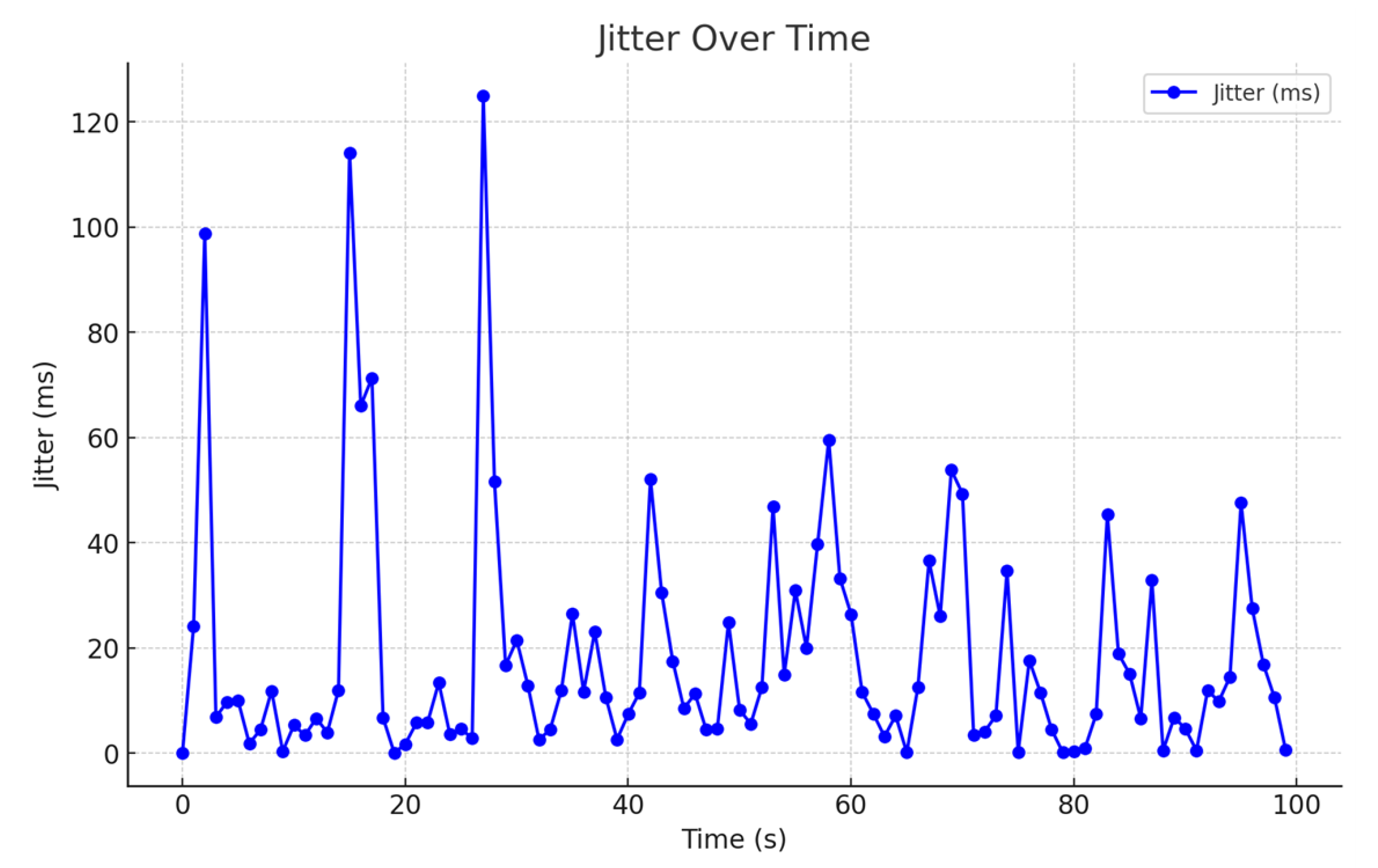
Figure 18 shows the jitter. Uploading a large video file during peak hours showed a significant increase in jitter and latency and several increases in delay when the cell was under heavy data pressure.
Table 4 reports the observed correlation between the SNR and latency under Scenario 2.
A decisive factor was the area of movement. When the endpoint was in areas with many obstacles, buildings, and likely radio spectrum noise from many users, the performance in all metrics was significantly affected. The bandwidth decreased by 30–40% compared to that during low-traffic hours, revealing the limits of the NSA architecture.
For a more accurate recording, the following were observed:
Bandwidth: Range from 2332 Kbps to 13,664 Kbps.
Jitter: Average range from 5 ms to 20 ms.
Latency: Average range from 20 ms to 180 ms.
4.3. Scenario 3
Uploading a large file from a moving vehicle highlighted the challenges and, ultimately, the effectiveness of maintaining the connection at high speeds. Sample data were collected during the testing procedure while the device was moving at a randomly selected point along the route.
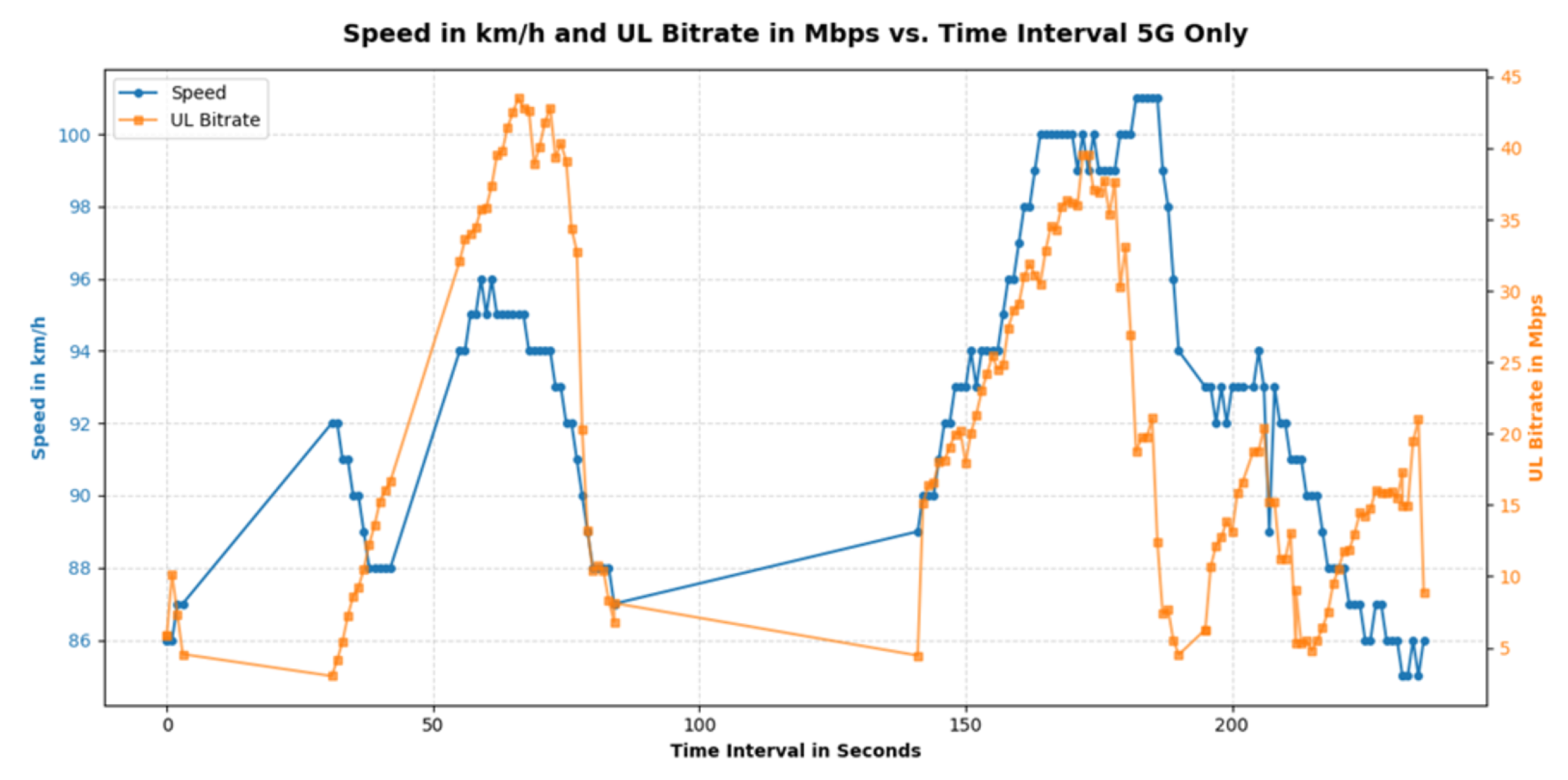
Figure 19 shows the vehicle speed compared to the upload bandwidth over time. The diagram clearly shows the values of upload bandwidth and vehicle speed throughout the scenario. In the graph, speeds below 3 Mbps have been removed, as the network was not in use in these cases. Also, all values recorded when the network switched from 5G to 4G were removed, as they are outside the scope of this study.
Although noticeable fluctuations are observed, they are expected, given the rapid changes in conditions such as tunnel entry, cell handovers, vehicle speed, and similar factors. Overall, network performance appears to be satisfactory.
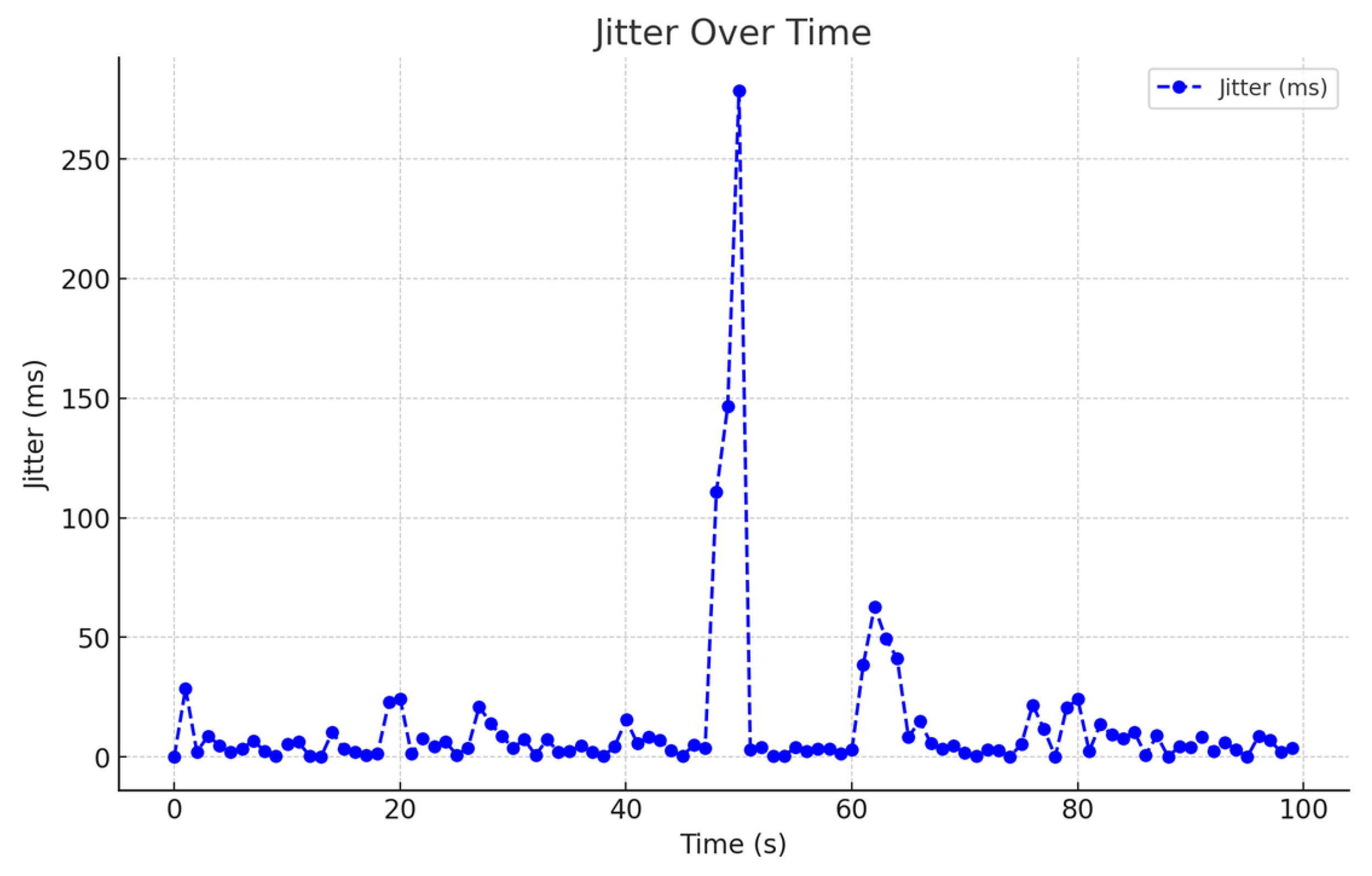
The jitter shown in
Figure 20 appears to be relatively low and stable (e.g., below 5–10 ms), indicating that the network is stable and suitable for demanding applications despite the rapid environmental and other changes due to vehicle movement. Small fluctuations in data transmission speed were observed during cell handovers, with increases in latency (2–3 ms). In areas with reduced 5G coverage, performance degraded, indicating dependence on LTE, but along the route followed, these points were minimal.
As shown in
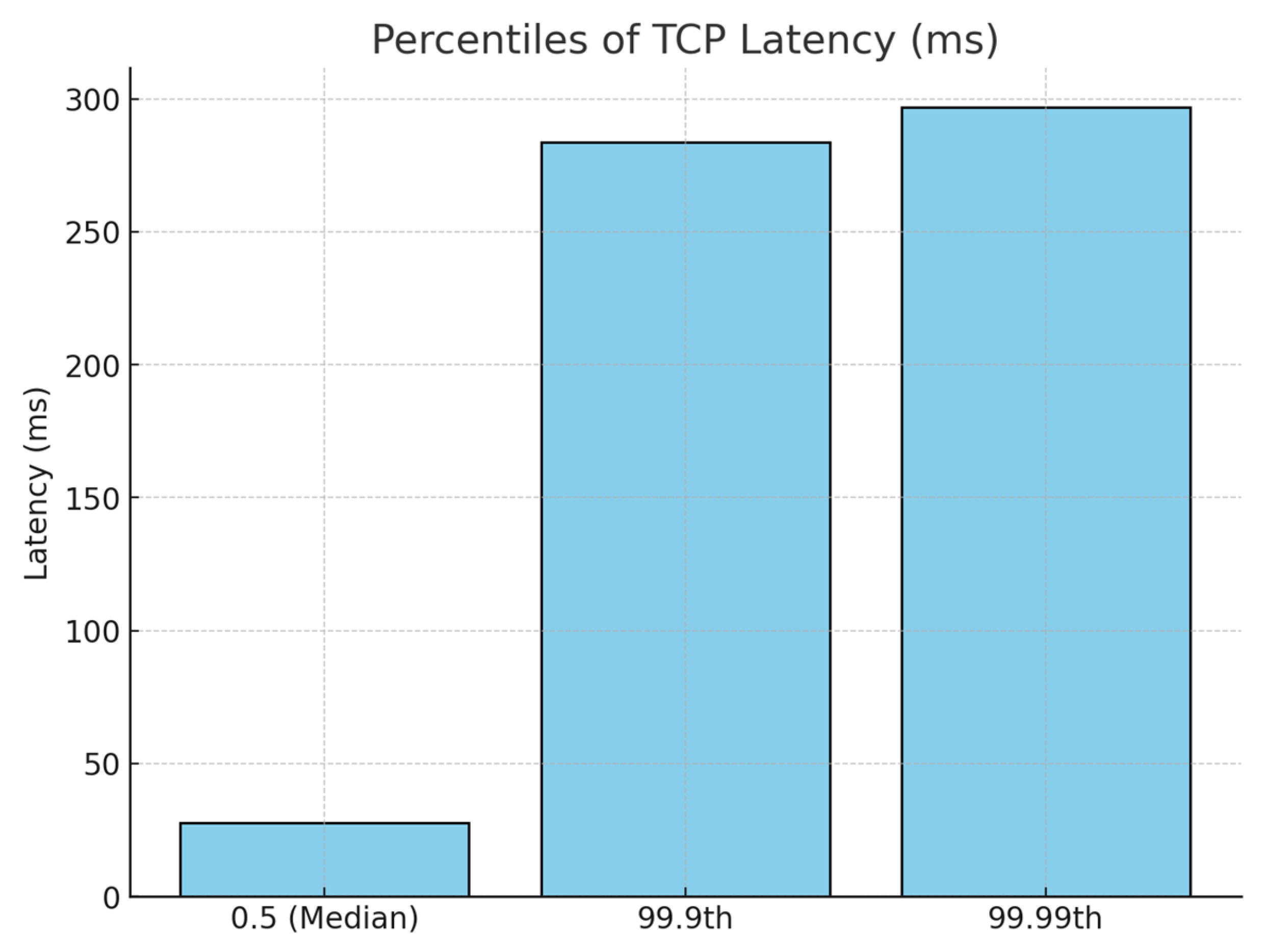
Figure 21, the network generally performs well with a median latency around 30 ms, but there are rare and significant latency spikes reaching nearly 300 ms. This matches the time-series graph, which shows a few sharp peaks around the middle of the experiment. These spikes heavily affect the higher percentiles while having little impact on the median.
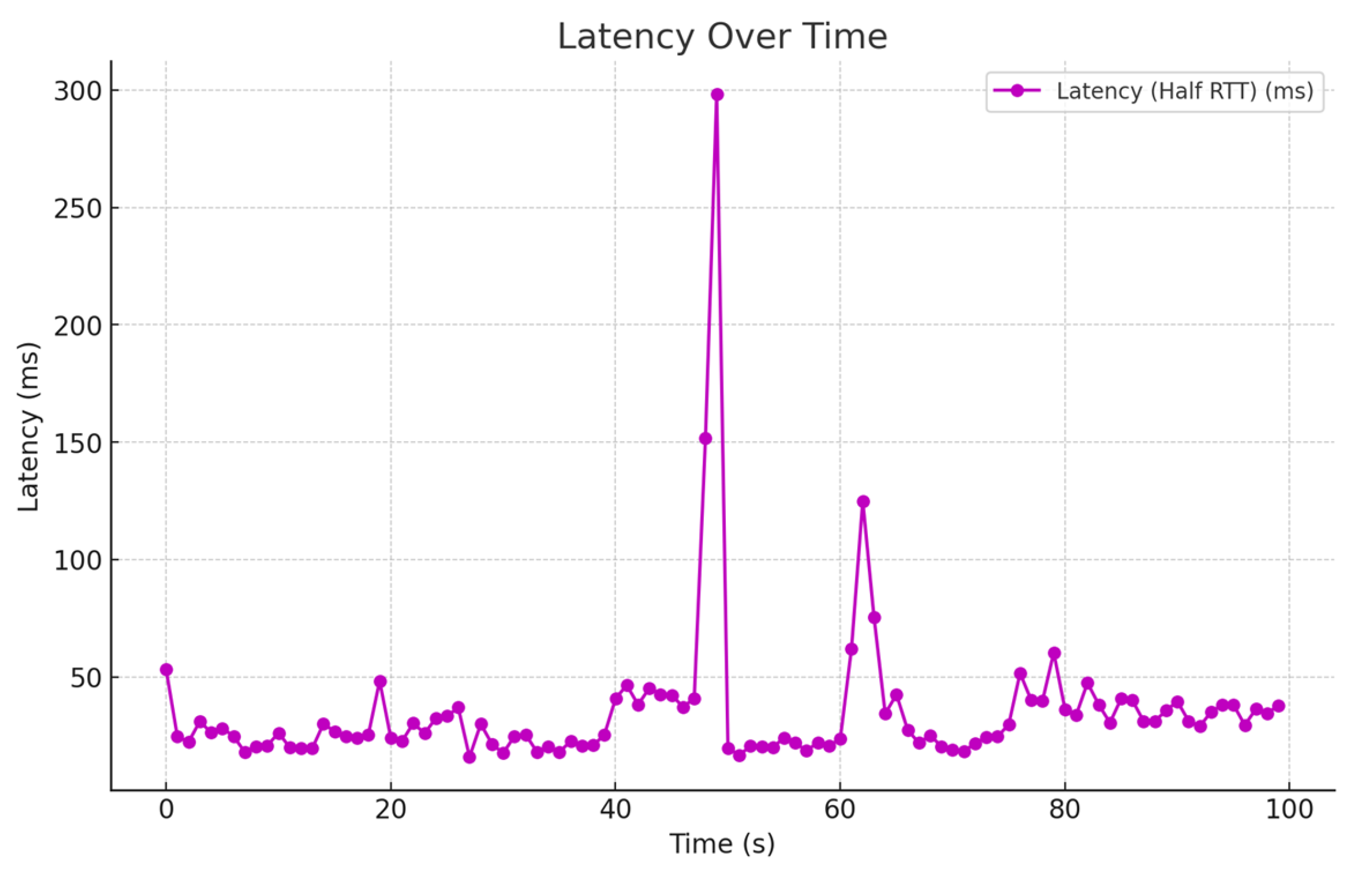
Figure 22 shows the latency over time, as well as a diagram of mean, 99.9%, and 99.99% values. It is observed that in most values, the latency remains around 50 ms, indicating network stability. Two large peaks (300 ms and 150 ms) are noted, indicating periods of data transmission problems due to rapid environmental changes.
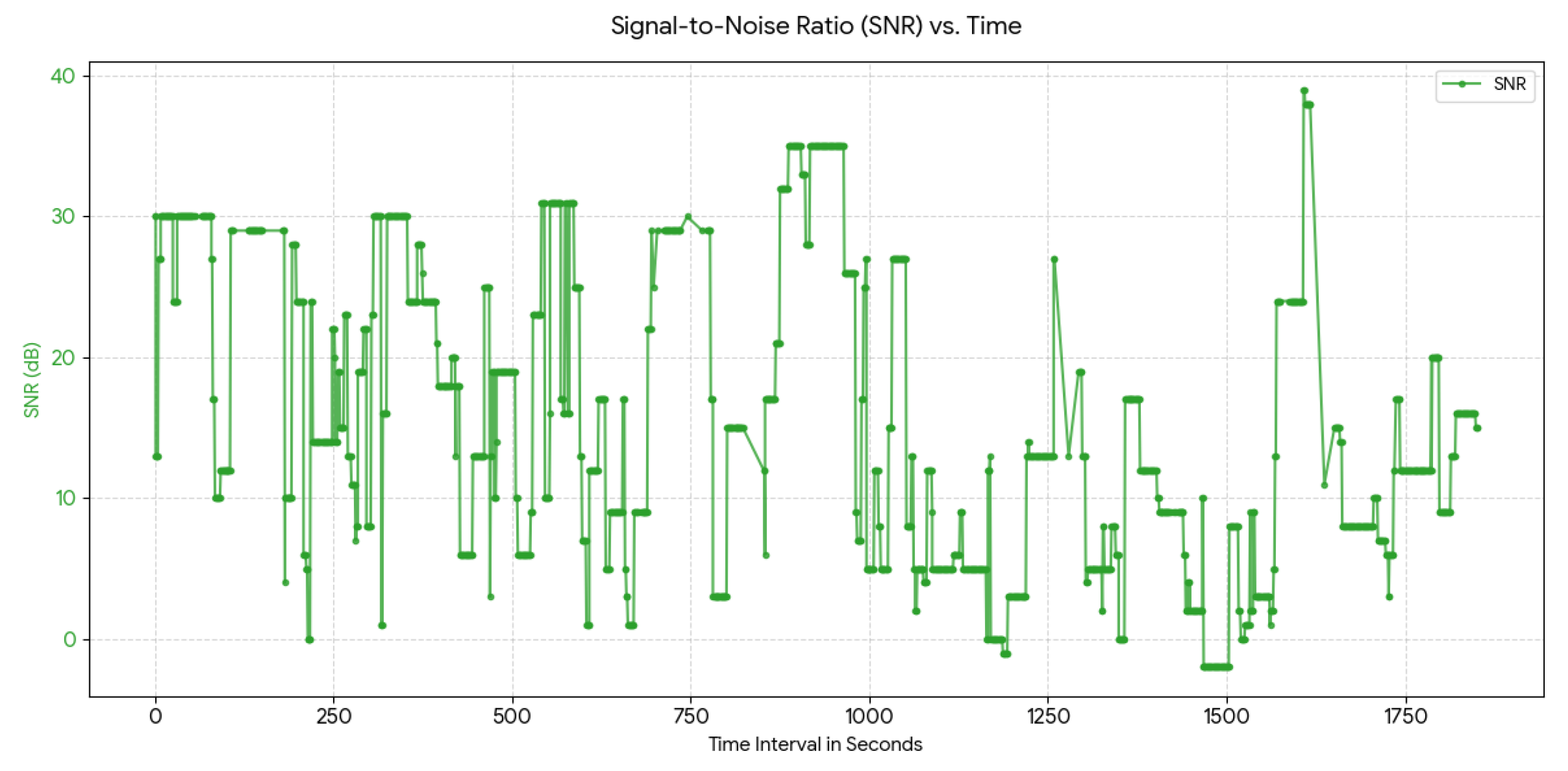
Figure 23 shows the SNR throughout the route.
The SNR fluctuates at various values throughout the recording period. There are points where the SNR is high (i.e., better signal quality) and points where it drops (possibly due to interference, network changes, or environmental factors). The very low SNR points are likely related to areas with low coverage or interference.
Focusing specifically on 5G connectivity, Scenario 3 (Highway, 95 km/h) experienced 41 5G-related handover events over a 30.8-min window, resulting in a 5G-specific handover frequency of 1.33 events per minute. The analysis identifies that 73% of these events were Inter-RAT (4G -> 5G) transitions. These high-frequency switches between 4G and 5G layers at high velocity are the primary quantitative cause of the observed latency spikes, as each transition necessitates RRC signaling and User Plane interruption.
Table 5 reports how the SNR correlates with latency under Scenario 3. The results show a strong inverse relationship between the SNR and latency: as signal quality improves, latency consistently decreases. This pattern is visible across all four SNR categories, with the most pronounced improvement occurring in the excellent category (category > 20 dB), where the maximum latency shows a significant reduction.
5. Discussion
The results presented in this study provide valuable insights into the real-world performance of 5G NSA networks under diverse operating conditions. Overall, the findings highlight both the strengths and the inherent limitations of the NSA architecture. One of the most notable observations is that 5G NSA can deliver very low latency and high data rates, making it suitable for real-time applications and enhanced mobile broadband services. This confirms the potential of 5G technologies to support latency-sensitive use cases. However, this performance is not consistently guaranteed across all scenarios.
A key limitation identified throughout the experiments is the strong dependency of the NSA architecture on the underlying LTE infrastructure. This dependency acts as a bottleneck, particularly in areas where LTE coverage or capacity is insufficient. The impact of this limitation became especially evident in Scenario 2, where increased traffic load in crowded areas led to noticeable degradation in throughput, increased latency, and higher jitter.
The stress testing scenarios further demonstrated that while 5G NSA networks exhibit a certain degree of resilience, their performance can be significantly affected under high-load conditions. In Scenario 2, resource sharing and spectrum constraints negatively impacted network performance during peak usage periods. Similarly, in Scenario 1, where a high volume of data was transmitted under bandwidth pressure, approximately 75% of packets were lost, highlighting the limitations of current resource management mechanisms in NSA deployments.
In addition, the comparison between intra-cell and inter-cell communication revealed increased latency when devices were connected to different cells. This behavior can be attributed to additional coordination and signaling overhead between base stations, further emphasizing the importance of efficient network topology management.
Another important finding is the strong correlation between signal quality (SNR) and overall network performance. Lower SNR values were consistently associated with reduced throughput and increased variability in latency, underlining the role of environmental and radio conditions in shaping the user experience.
Table 6 summarizes the findings of the quantitative comparison between the 3GPP 5G NR specifications and the empirical field measurements [
30]. It is evident that the measured system performance deviates substantially from the 3GPP 5G NR specifications, with notable compliance gaps across all metrics evaluated.
The findings of this study provide important insights for improving 5G network performance and guiding future deployment strategies. In particular, they highlight the need for enhanced resource allocation, improved interference management, and reduced reliance on LTE infrastructure.
Ultimately, these results reinforce the importance of transitioning toward 5G SA architectures. By eliminating LTE dependency and enabling advanced features such as network slicing and improved quality-of-service management, SA networks are expected to overcome many of the limitations observed in NSA deployments.
Future work could expand on this study by incorporating multi-operator environments, broader geographic testing, and application-level performance analysis to further evaluate the QoE in real-world 5G scenarios.
6. Conclusions
This study aimed to evaluate the capabilities and limitations of 5G technology implemented through the NSA architecture. The findings demonstrate that 5G NSA delivers significant performance improvements compared to legacy networks, particularly in terms of latency, throughput, and support for real-time applications.
One of the most important outcomes is the achievement of very low latency values, ranging between 10 and 15 ms under optimal conditions. Such performance levels make 5G NSA suitable for latency-sensitive applications, including real-time gaming, industrial automation, and emerging use cases such as autonomous systems. However, under high-traffic conditions, latency increased to 20–50 ms, indicating that performance is still affected by network congestion and resource availability.
In terms of data transmission, the network achieved an average throughput of approximately 18 Mbps, with peak values reaching up to 136 Mbps in areas with strong signal conditions. These results represent a substantial improvement over 4G networks, confirming the enhanced capacity of 5G for high-demand services such as high-definition video streaming and IoT connectivity.
Furthermore, the experiments demonstrated that 5G NSA networks are capable of supporting a wide range of real-time applications, provided that network conditions remain stable. The combination of low latency and higher data rates enables improved Quality of Experience (QoE) for end users.
Despite these advantages, the study also highlights key limitations of the NSA architecture. The dependency on LTE infrastructure remains a critical constraint, particularly in scenarios involving high user density or limited LTE capacity. Spectrum sharing and resource contention can significantly degrade performance, especially during peak hours.
Additionally, in areas with limited 5G coverage, the network falls back more heavily on LTE, resulting in increased latency and reduced throughput. This behavior underscores the transitional nature of NSA deployments and the importance of moving toward fully Standalone (SA) architectures.
Overall, the results confirm that while 5G NSA represents a major step forward in mobile communications, further optimization and the adoption of SA deployments are necessary to fully unlock the potential of 5G.
Limitations of the Study
Despite the valuable insights obtained, this study has several limitations that should be considered when interpreting the results.
First, the experiments were conducted within a limited geographical area, primarily in Ioannina. As a result, the findings may not fully generalize to other environments, such as densely populated urban centers or rural regions, where network conditions and infrastructure differ significantly. Second, the study focused exclusively on NSA deployments due to the limited availability of SA infrastructure. Since NSA relies on LTE for Control Plane operations, the observed performance is directly influenced by LTE network conditions. To be more exact, in Greece all operators were implementing 5G NSA with eNodeB using DSS. Third, the experimental setup did not include comparisons across multiple mobile network operators, nor did it evaluate long-distance scenarios, such as inter-city communication. Including such scenarios could provide a more comprehensive understanding of 5G performance.
Finally, the absence of large-scale simulation data limits the ability to analyze network behavior under ideal or extreme conditions that are difficult to replicate in real-world environments.
These limitations highlight the need for more extensive and diverse experimental studies in future work, including broader geographic coverage, multi-operator evaluation, and the incorporation of simulation-based analysis.




 ,
,