Article

Securing the Internet of Things, Lightweight Mutual Authentication Based on Quantum Key Distribution


1
Department of Smart Security, Gachon University, Seongnam-si 13120, Republic of Korea
2
Department of Computer Engineering, Gachon University, Seongnam-si 13120, Republic of Korea
*
Authors to whom correspondence should be addressed.
Future Internet 2026, 18(5), 230; https://doi.org/10.3390/fi18050230
Submission received: 4 March 2026 / Revised: 31 March 2026 / Accepted: 22 April 2026 / Published: 24 April 2026
(This article belongs to the Special Issue Cybersecurity in the Age of AI, IoT, and Edge Computing)

Abstract

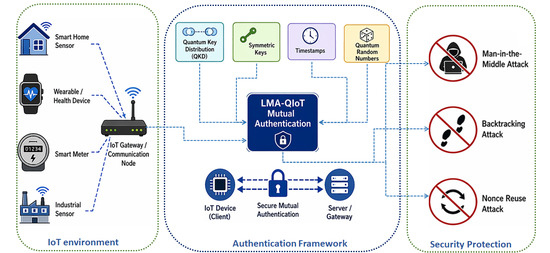
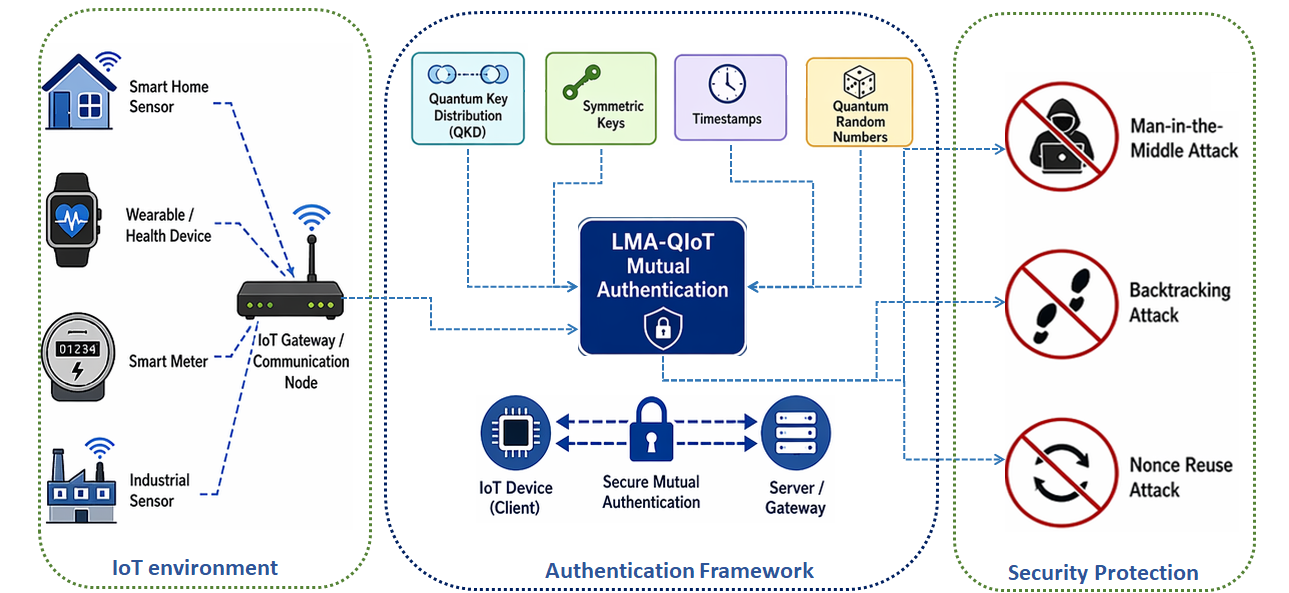
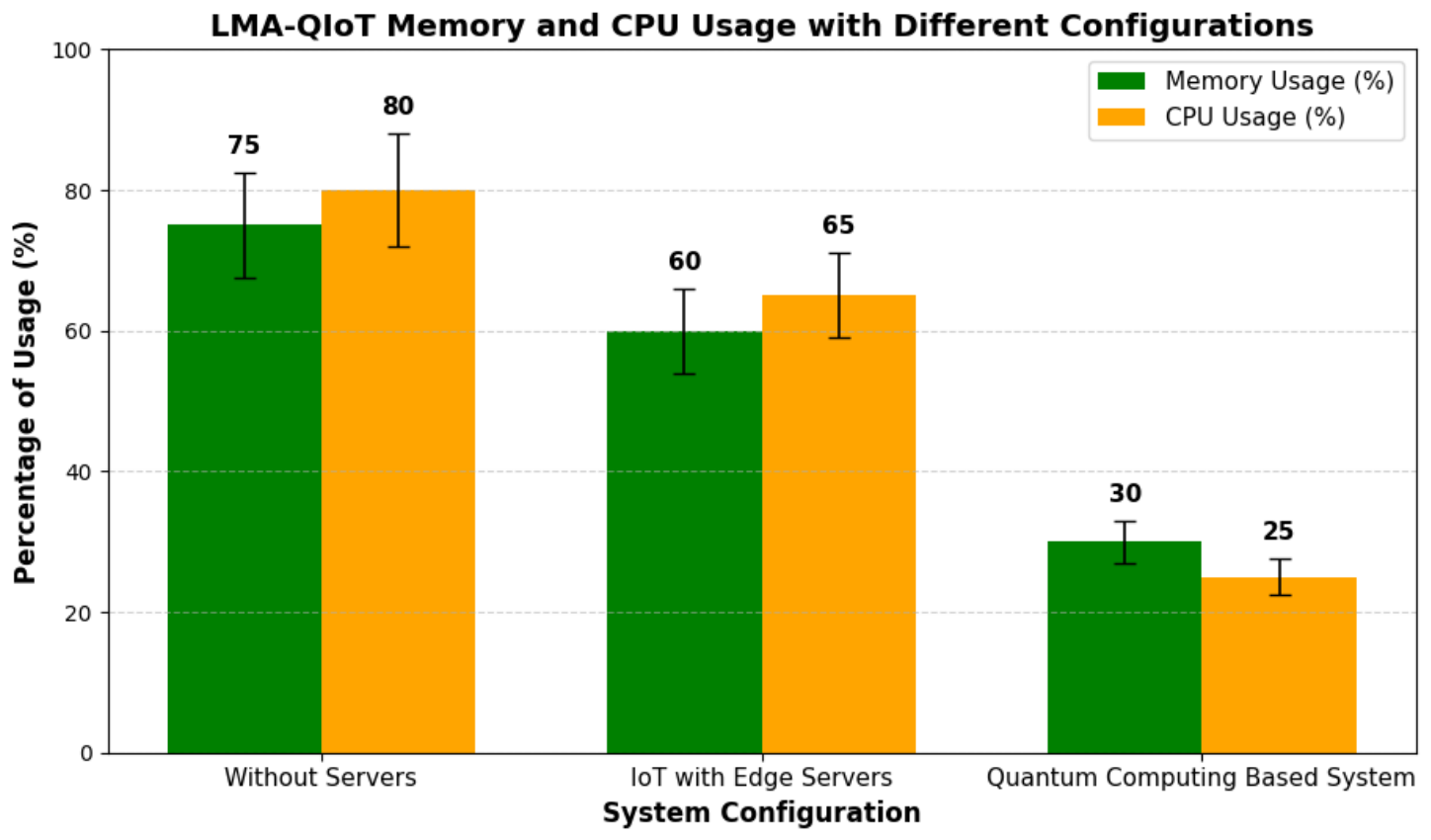
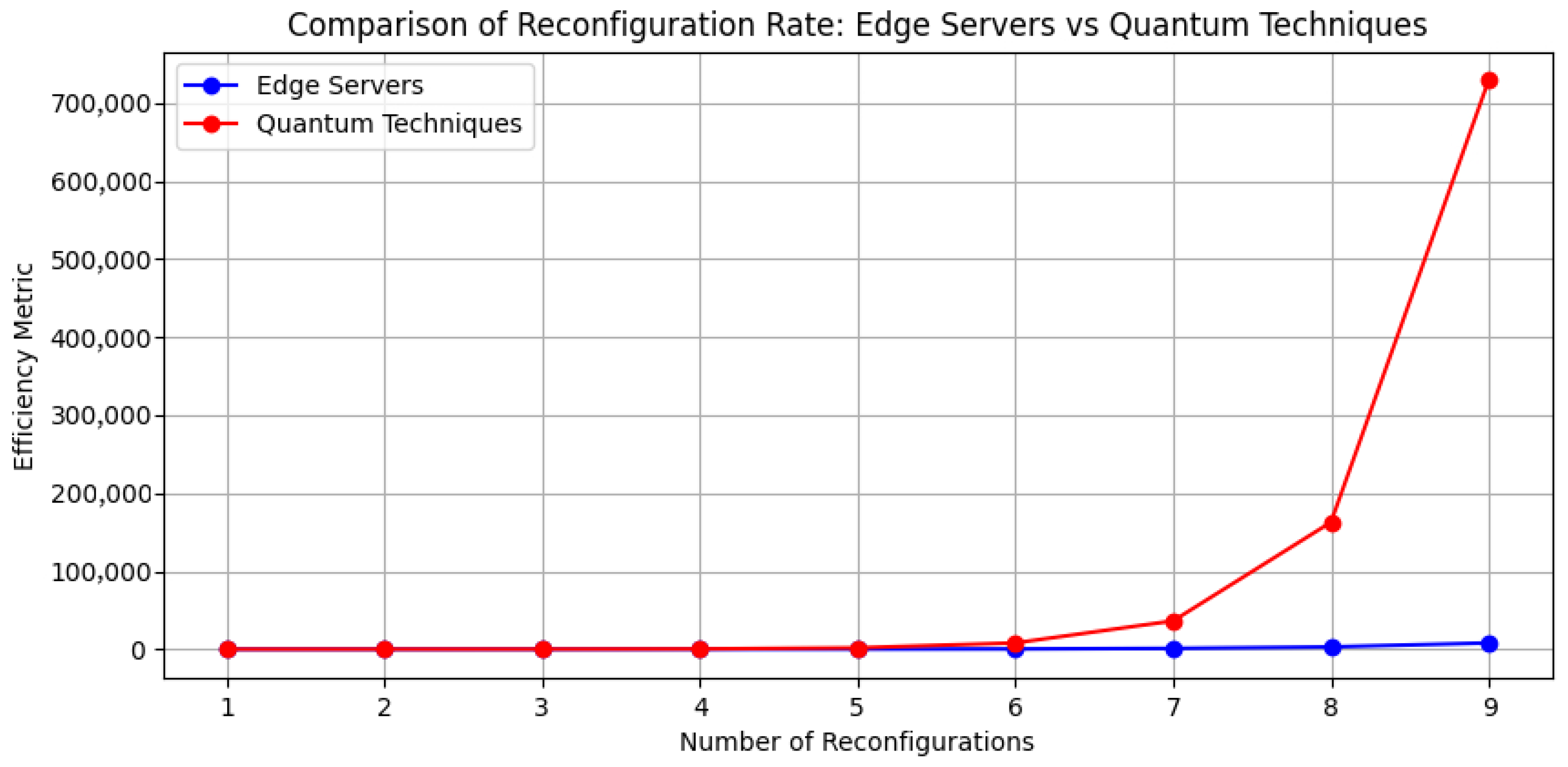
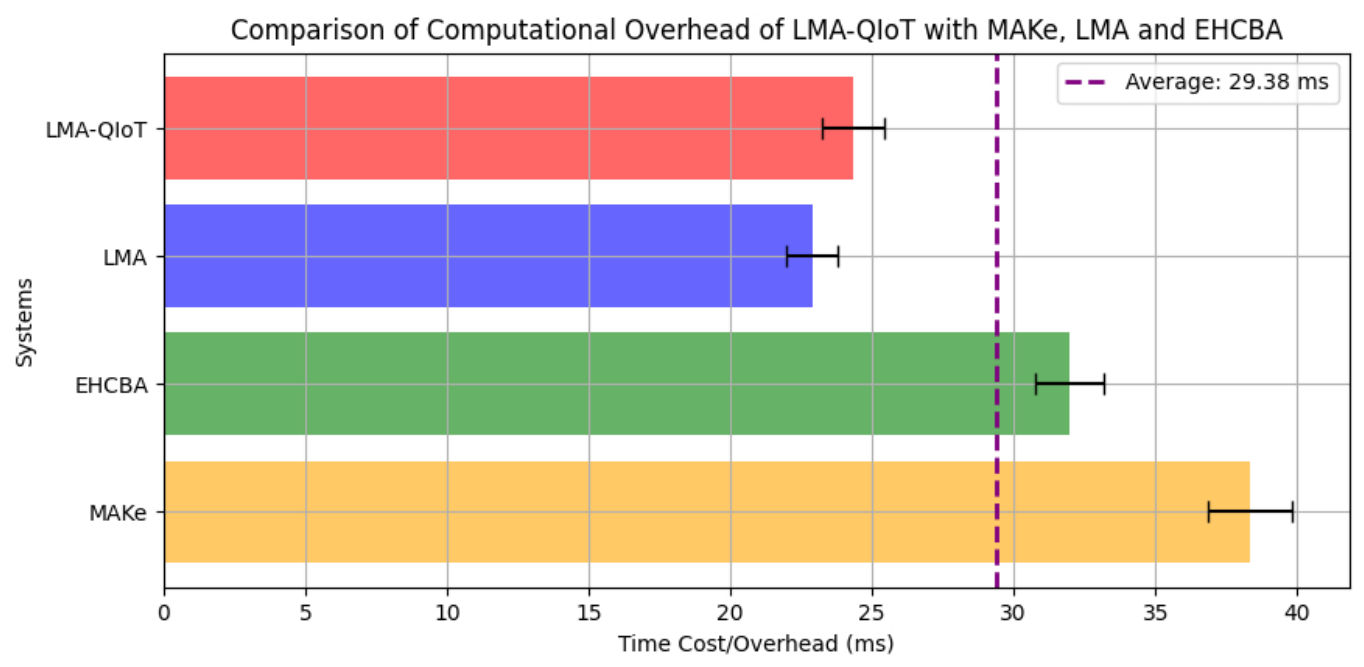
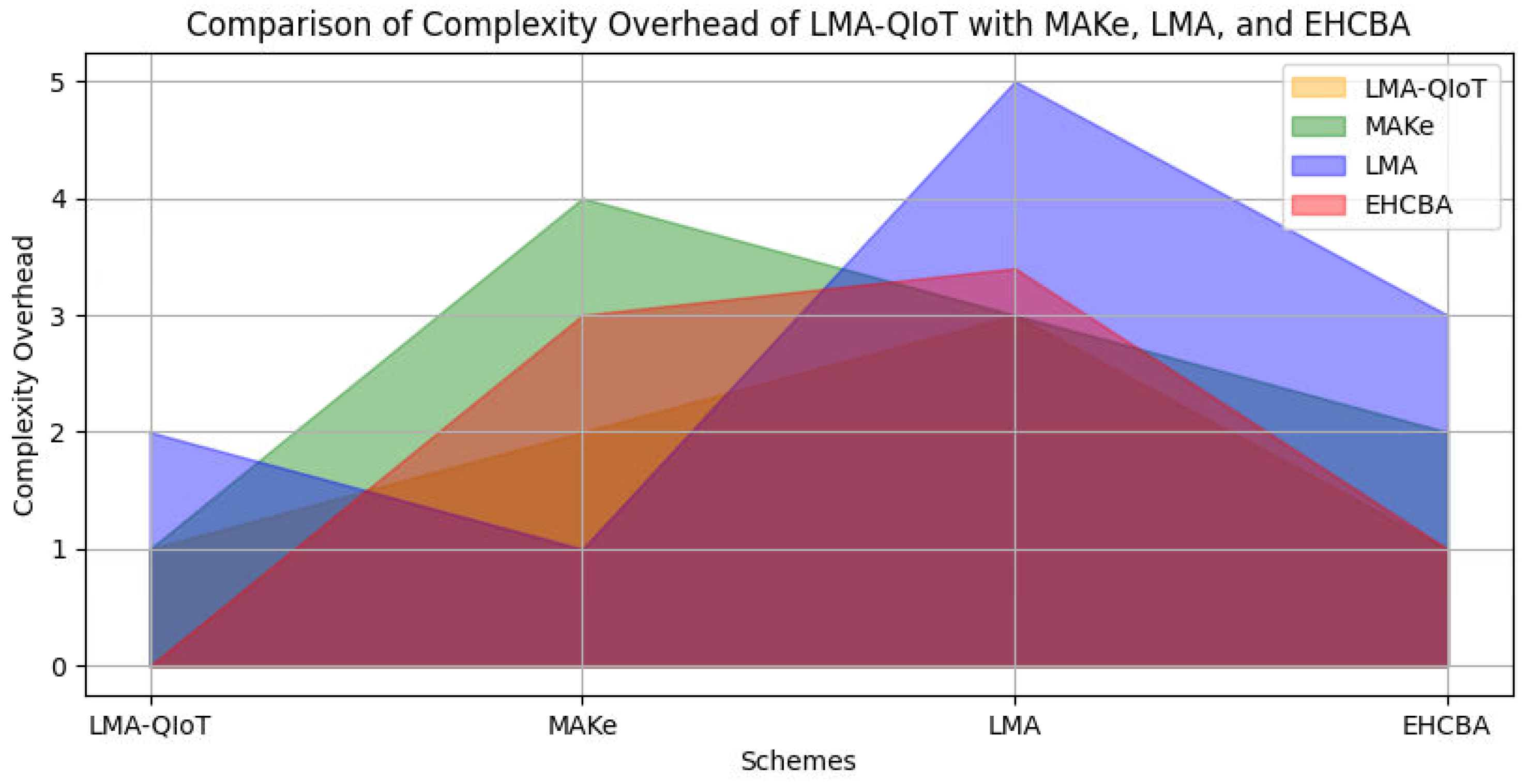
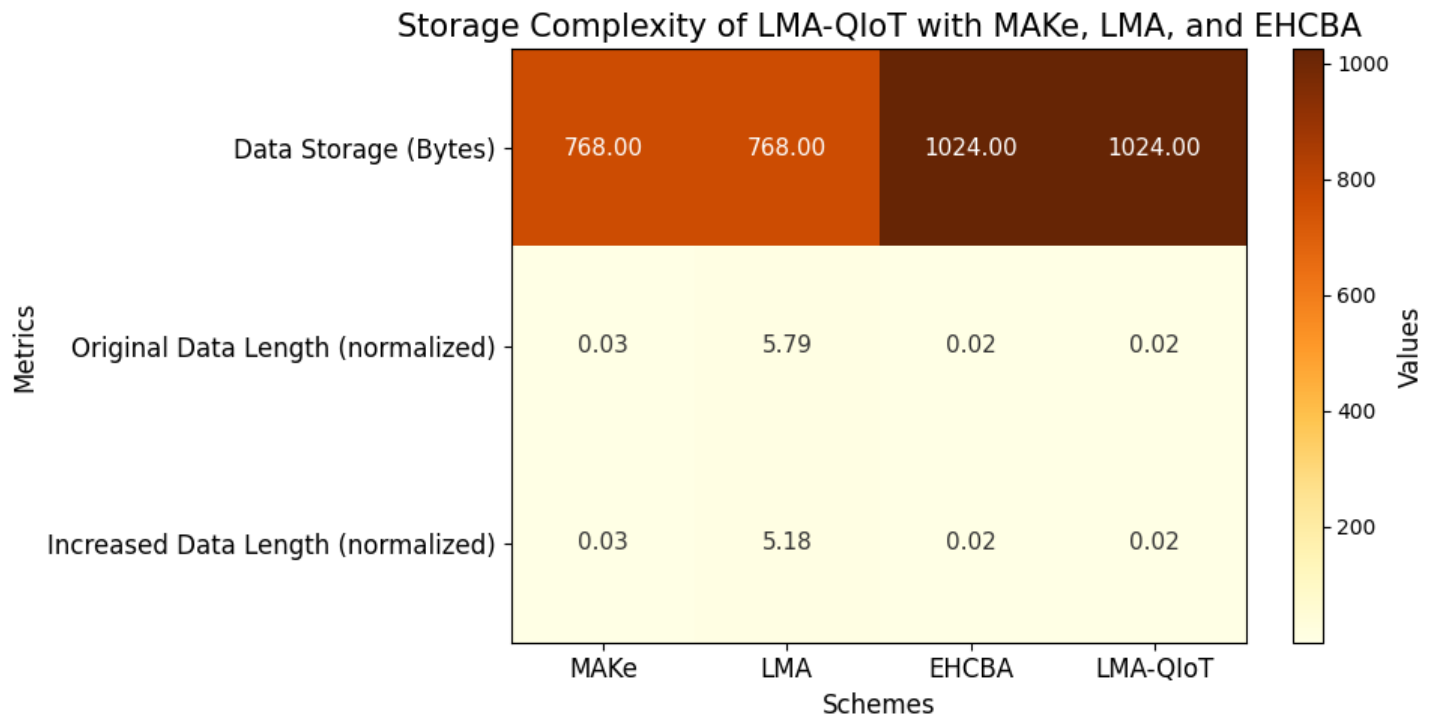
The Internet of Things (IoT) and quantum computing revolutionized the era of conventional and classical computing into a new paradigm of Quantum-IoT where qubits and entanglement make IoT more interactive, powerful, and secure. They facilitate numerous tasks by increasing productivity and efficiency, paving the path for a smarter and more connected future. In this article, we propose a novel authentication scheme, “Securing the Internet of Things, Lightweight Mutual Authentication Based on Quantum Key Distribution (LMA-QIoT)”. LMA-QIoT enables mutual authentication using various parameters including quantum key distribution, symmetric keys and timestamps, as well as additional quantum random numbers. All these parameters play a crucial role in thwarting man-in-the-middle, backtracking and nonce reuse attacks. The evaluation of LMA-QIoT demonstrates that quantum key distribution and quantum numbers enhance system performance by reducing CPU usage by 25% and memory requirements 30% compared to an IoT edge-based system and without a server, respectively. In the reconfiguration ratio, the efficiency metric grows exponentially and remains constant on the initial line in edge-server-based systems. In comparison, LMA-QIoT confirms a much reduced overall computational complexity by 16.64%, with the lowest computational cost of O(n2). At 1024 Bytes, the original data length and increased data length (normalized) sizes stay constant with 2logn(klogn). Comparing the total overhead, LMA-QIoT demonstrates a reduction of 33 ms, which corresponds to approximately 16.63% less than the baseline mechanisms.
Keywords: mutual authentication; quantum computing; authentication error; computational cost; computational complexity; quantum random numbers mutual authentication; quantum computing; authentication error; computational cost; computational complexity; quantum random numbers
Graphical Abstract