Article

EGFR-Targeted Nanoparticle Delivery of Osimertinib for Triple-Negative and Metastatic Breast Cancer Therapy


1
Department of Pharmaceutics, College of Pharmacy, King Saud University, Riyadh 12372, Saudi Arabia
2
Department of Pharmaceutical Sciences, College of Pharmacy, Alfaisal University, Riyadh 11533, Saudi Arabia
*
Authors to whom correspondence should be addressed.
These authors contributed equally to this work.
Pharmaceutics 2026, 18(9), 1179; https://doi.org/10.3390/pharmaceutics18091179 (registering DOI)

Submission received: 24 August 2026 / Revised: 7 September 2026 / Accepted: 8 September 2026 / Published: 18 September 2026

Abstract

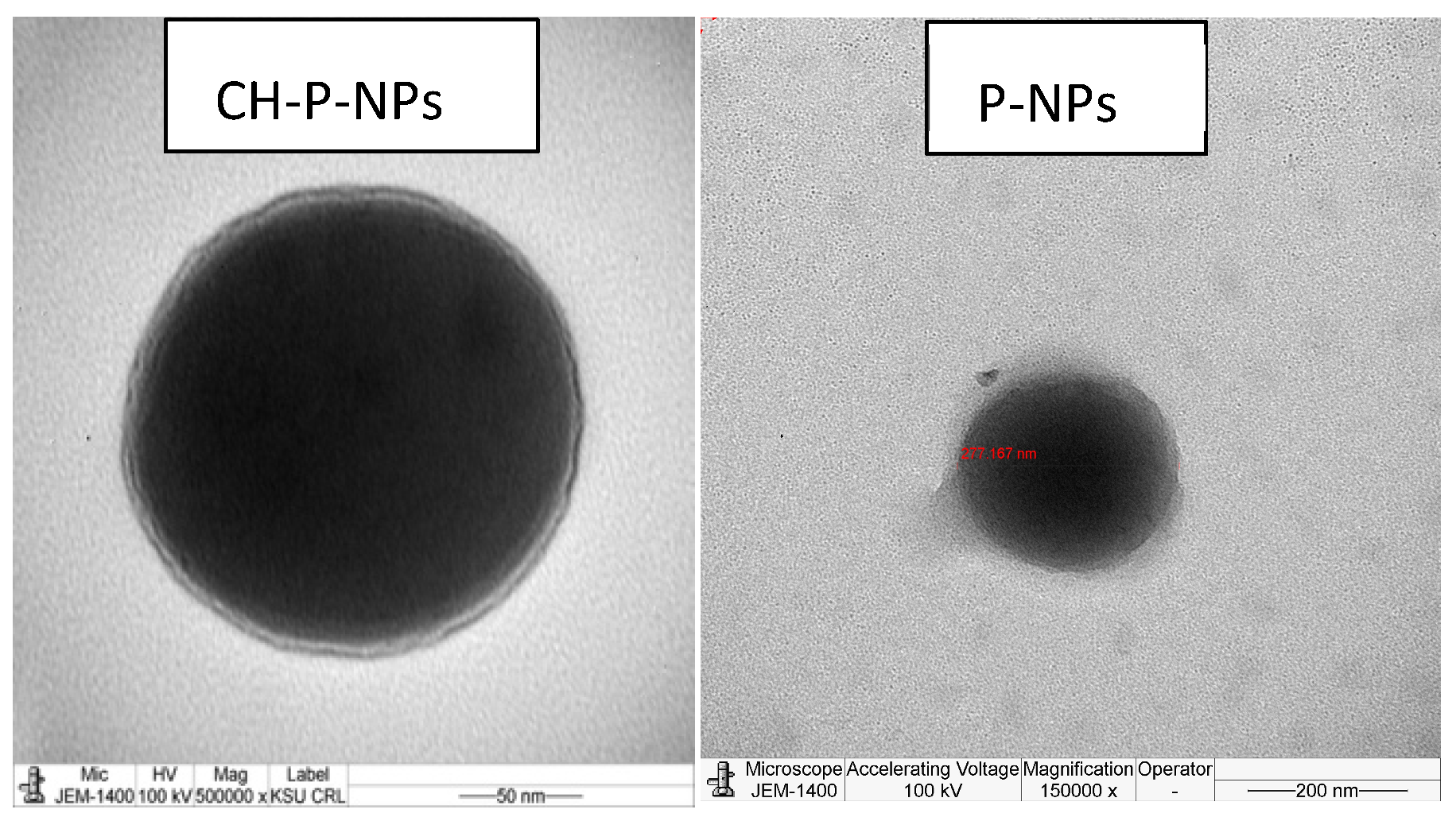
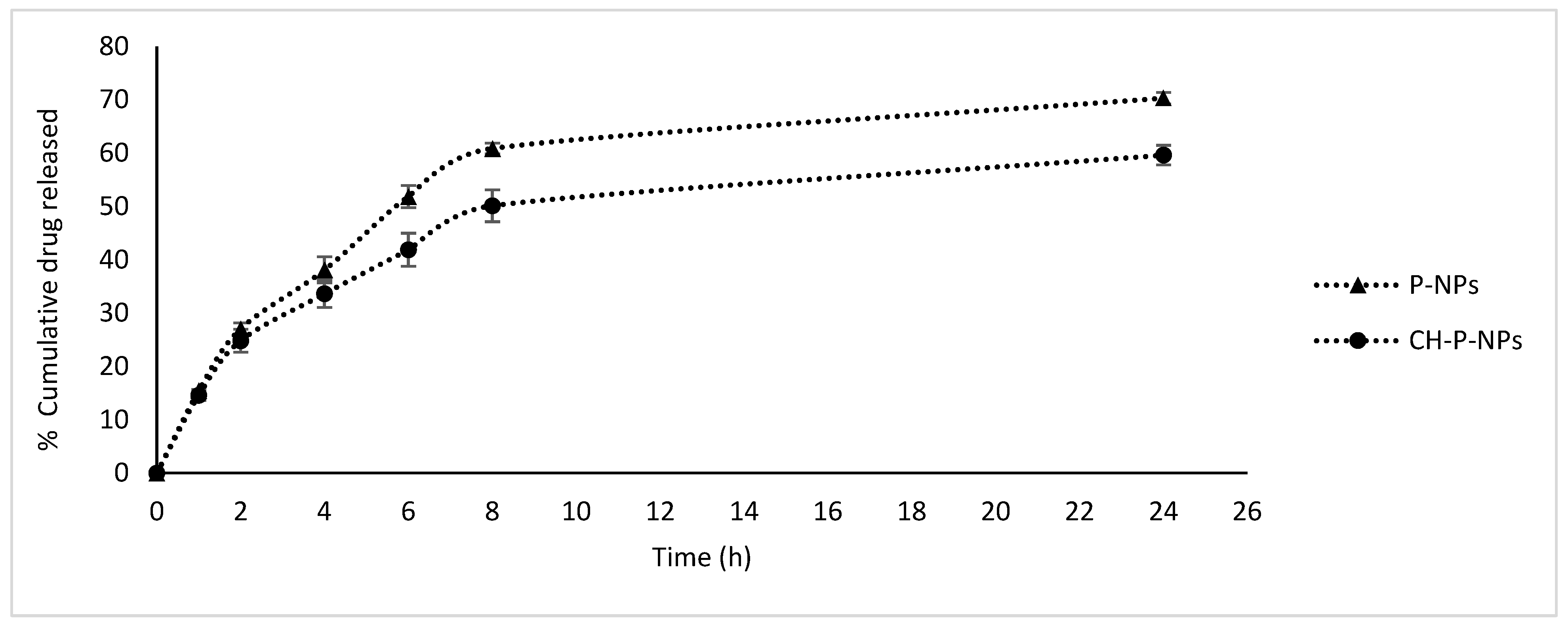
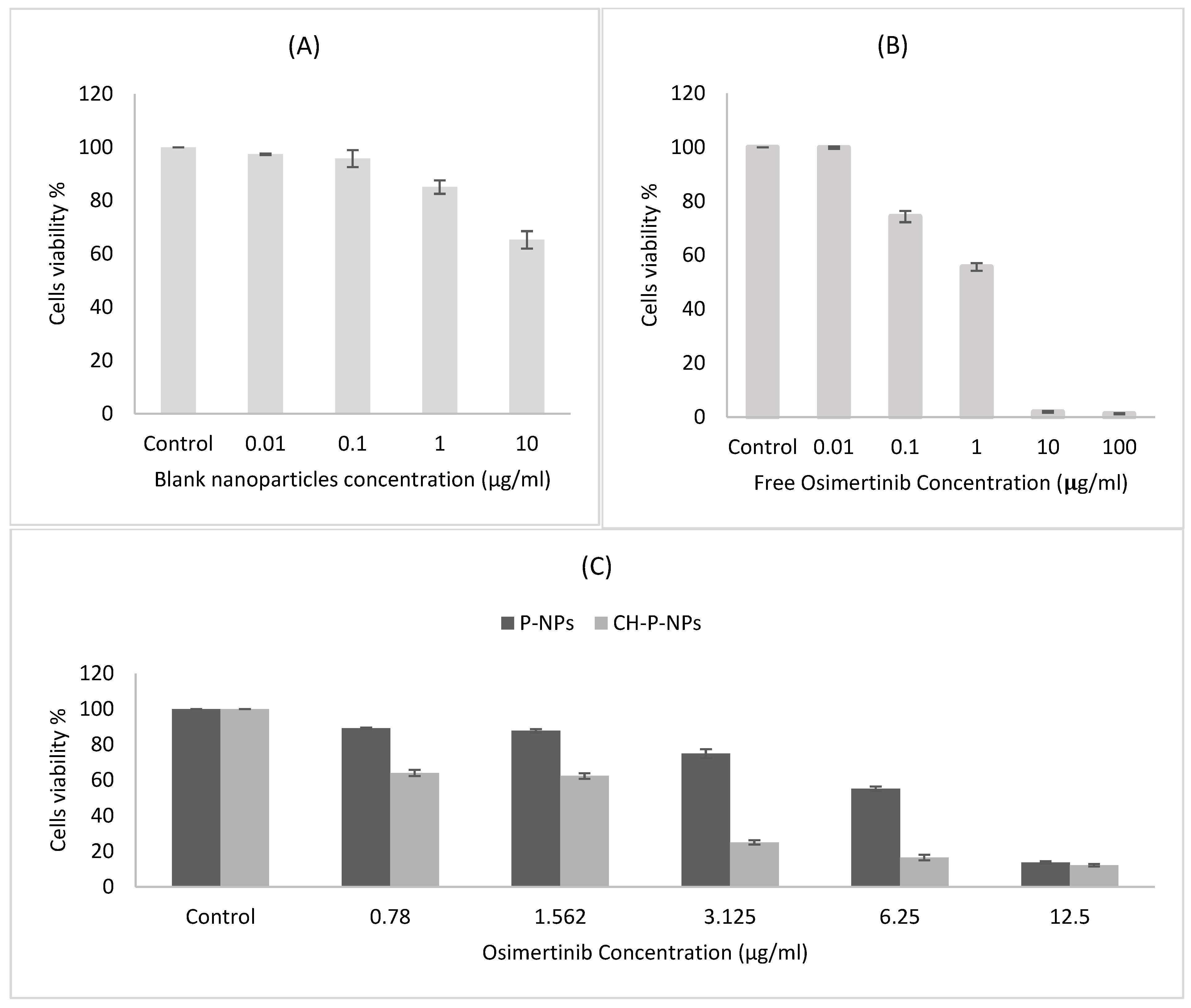
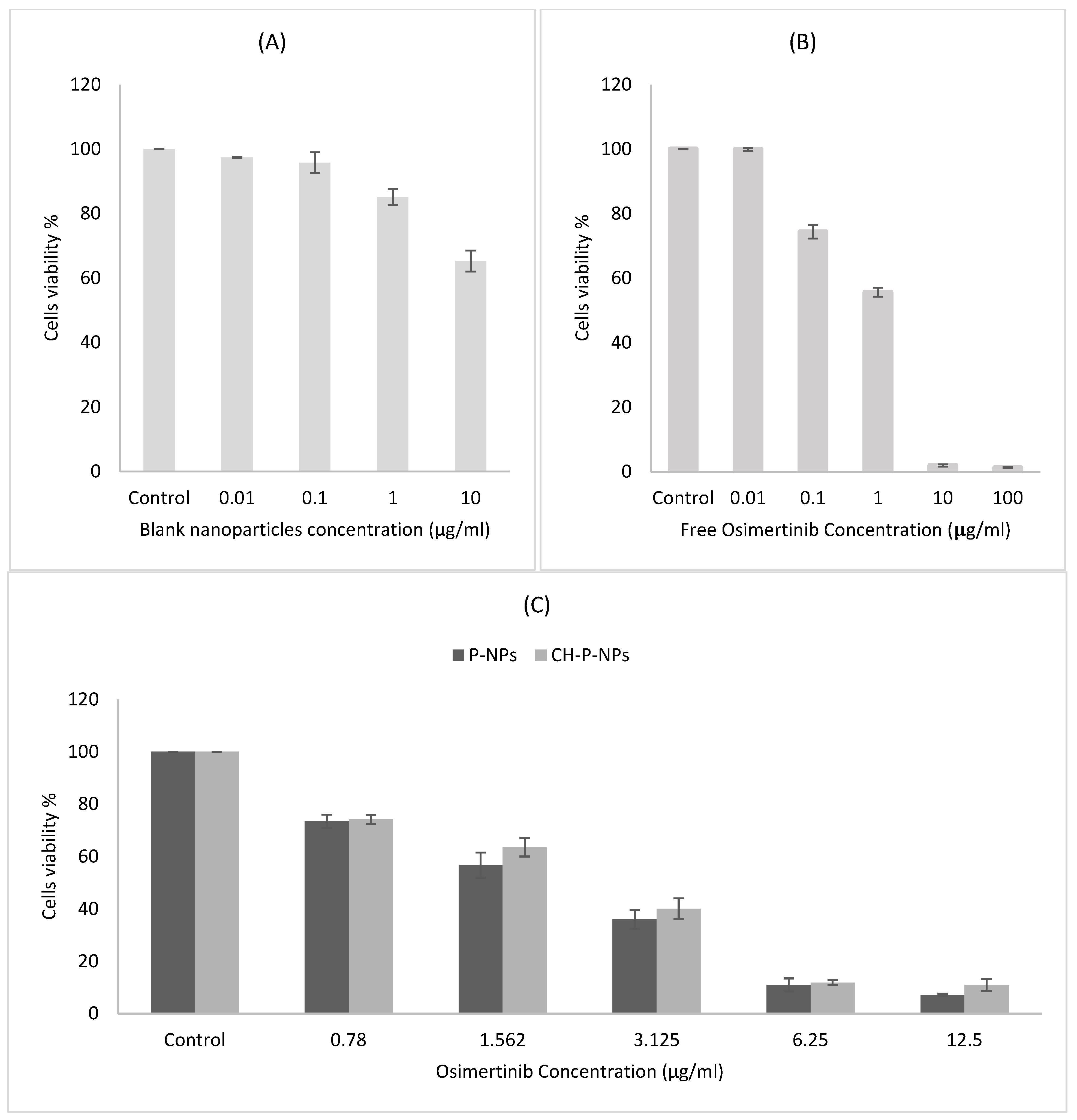
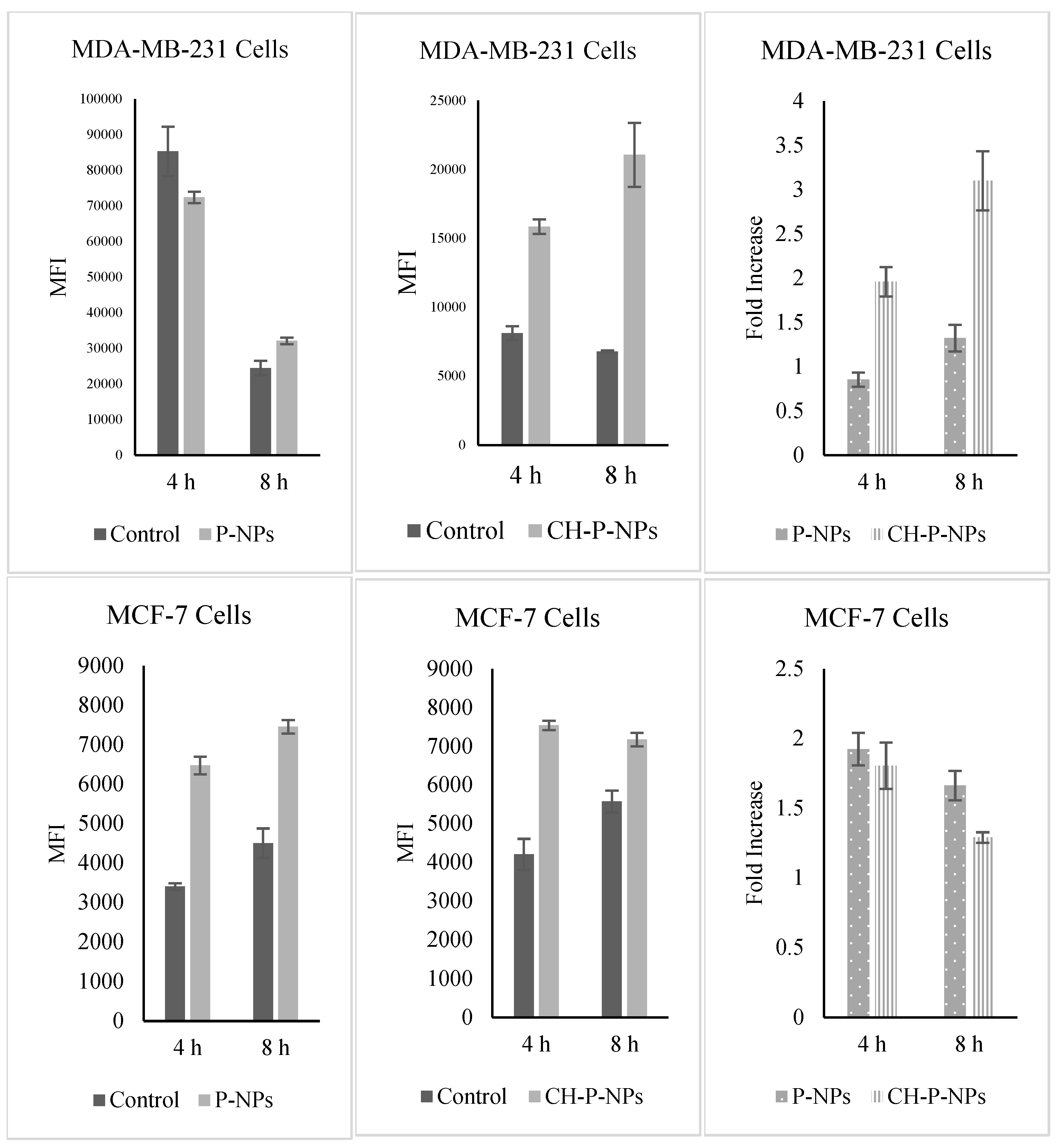
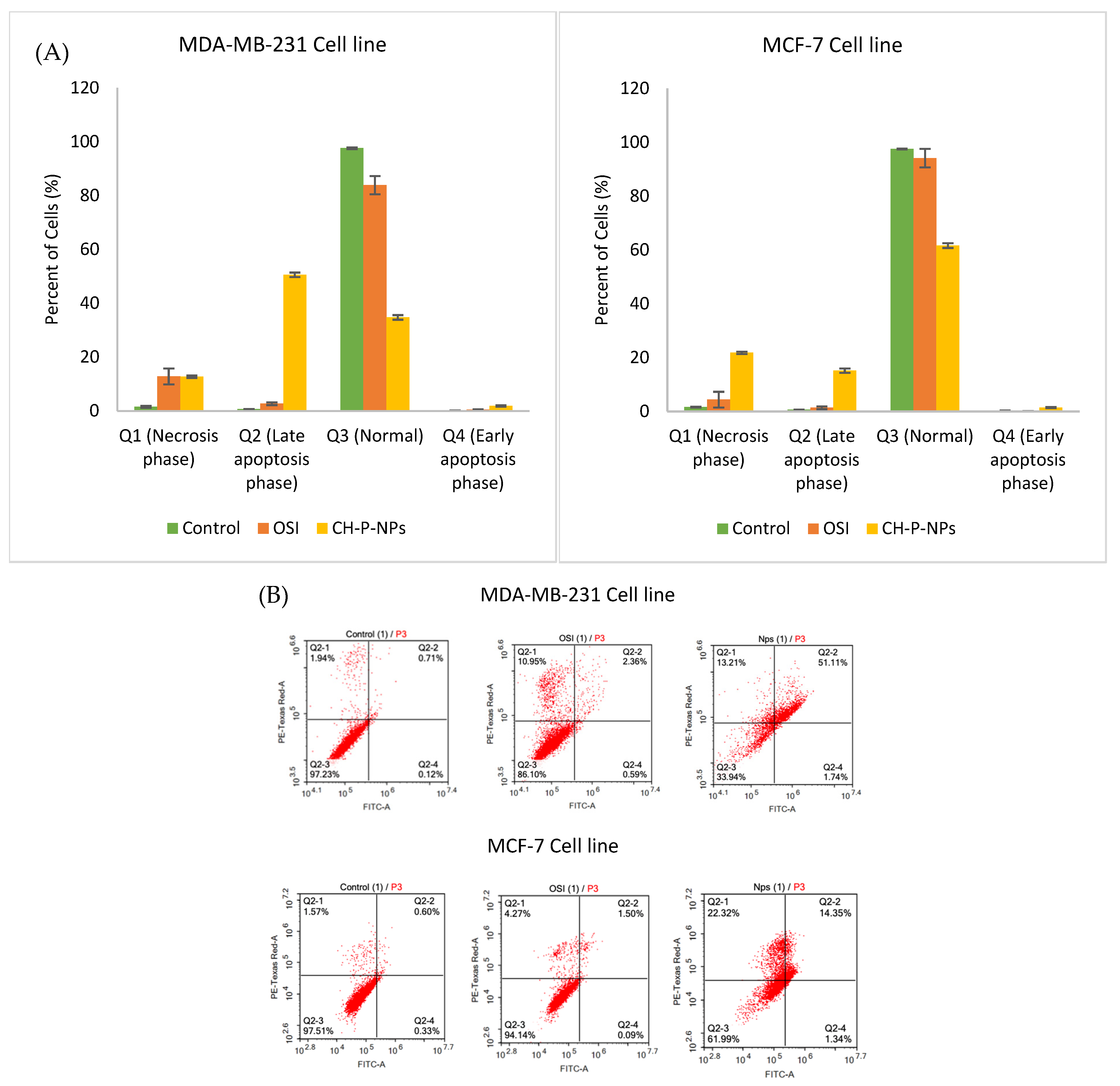
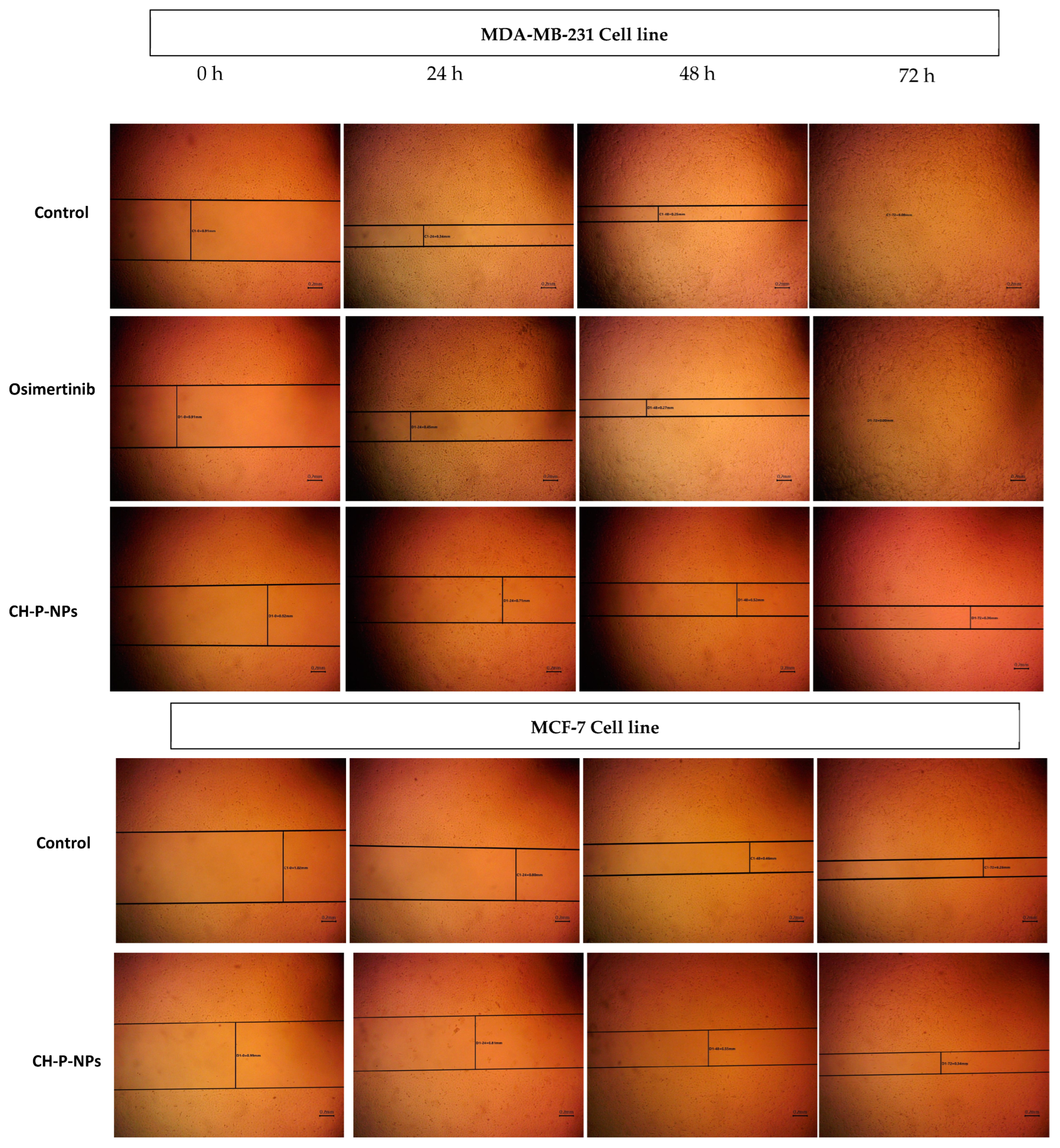
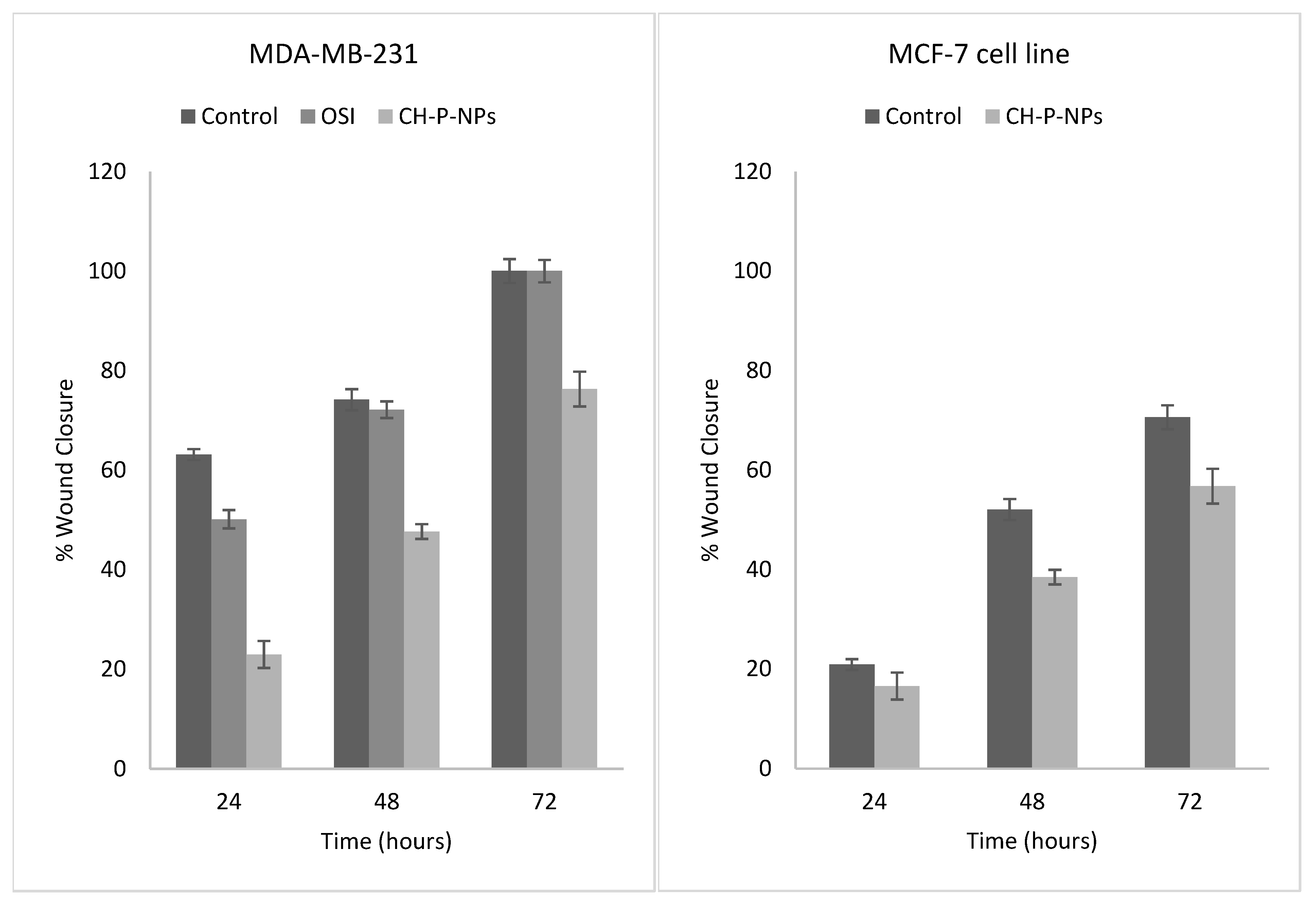
Background/objective: Osimertinib, an EGFR-targeted agent approved for metastatic NSCLC, shows promise for triple-negative breast cancer due to EGFR overexpression in aggressive tumors. However, oral administration limits tumor delivery and causes systemic side effects. This study aimed to develop chitosan-coated PLGA nanoparticles loaded with osimertinib (CH-P-NPs) to enhance its anticancer efficacy in breast cancer cell lines (MDA-MB-231, MCF-7) by promoting apoptosis and reducing migration in vitro. Methods: CH-P-NPs were synthesized via single-emulsion solvent evaporation and characterized for particle size, zeta potential, encapsulation efficiency, and in vitro release. Anticancer activity was evaluated in MDA-MB-231 and MCF-7 cell lines through in vitro cellular uptake, cytotoxicity, apoptosis induction, and migration inhibition assays. Results: CH-P-NPs exhibited a particle size less than 200 nm, high encapsulation efficiency and a positive zeta potential. Moreover, sustained drug release was achieved with 59.62 ± 1.9% at 24 h. In vitro anticancer studies demonstrated that osimertinib and its nanoparticle formulations showed concentration-dependent cytotoxicity in MDA-MB-231 and MCF-7 cells. CH-P-NPs enhanced cytotoxicity compared with uncoated PLGA nanoparticles (IC50: 1.56 vs. 6 µg/mL). CH-P-NPs enhanced cellular uptake in MDA-MB-231 cells, whereas its effect on MCF-7 cellular uptake was cell line-dependent. Annexin V/PI assay showed that CH-P-NPs significantly enhanced apoptosis compared to free osimertinib in both cell lines. In MDA-MB-231 cells, CH-P-NPs induced ~52.5% total apoptosis versus 3.3% with free drug. In MCF-7 cells, CH-P-NPs induced ~16.6% apoptosis versus 1.5% with free drug. Late apoptosis predominated, indicating irreversible cell death. Wound healing assay showed that CH-P-NPs significantly inhibited migration in both cell lines compared to free osimertinib and control. In MDA-MB-231 cells, CH-P-NPs exhibited greater inhibition at 48 and 72 h, while free osimertinib showed minimal effect. In MCF-7 cells, CH-P-NPs reduced migration at all time points. Conclusions: CH-P-NPs markedly enhanced osimertinib’s anticancer activity by improving cellular uptake, cytotoxicity, inducing apoptosis, and inhibiting migration. This nanoformulation offers a promising strategy to boost efficacy and reduce systemic toxicity in breast cancer treatment.
Keywords: MCF-7; MDA-MB-231; Osimertinib; chitosan-coated PLGA nanoparticles; breast cancer; triple negative breast cancer MCF-7; MDA-MB-231; Osimertinib; chitosan-coated PLGA nanoparticles; breast cancer; triple negative breast cancer