Fabrication and Characterization of Nerolidol-Based Invasomes: Loading, Stability and Antimicrobial Applications

 ,
,  , , , , , , ,
Abstract
1. Introduction
2. Materials and Methods
2.1. Materials
2.2. Setup and Fluid-Dynamic Conditions for Invasomes Fabrication
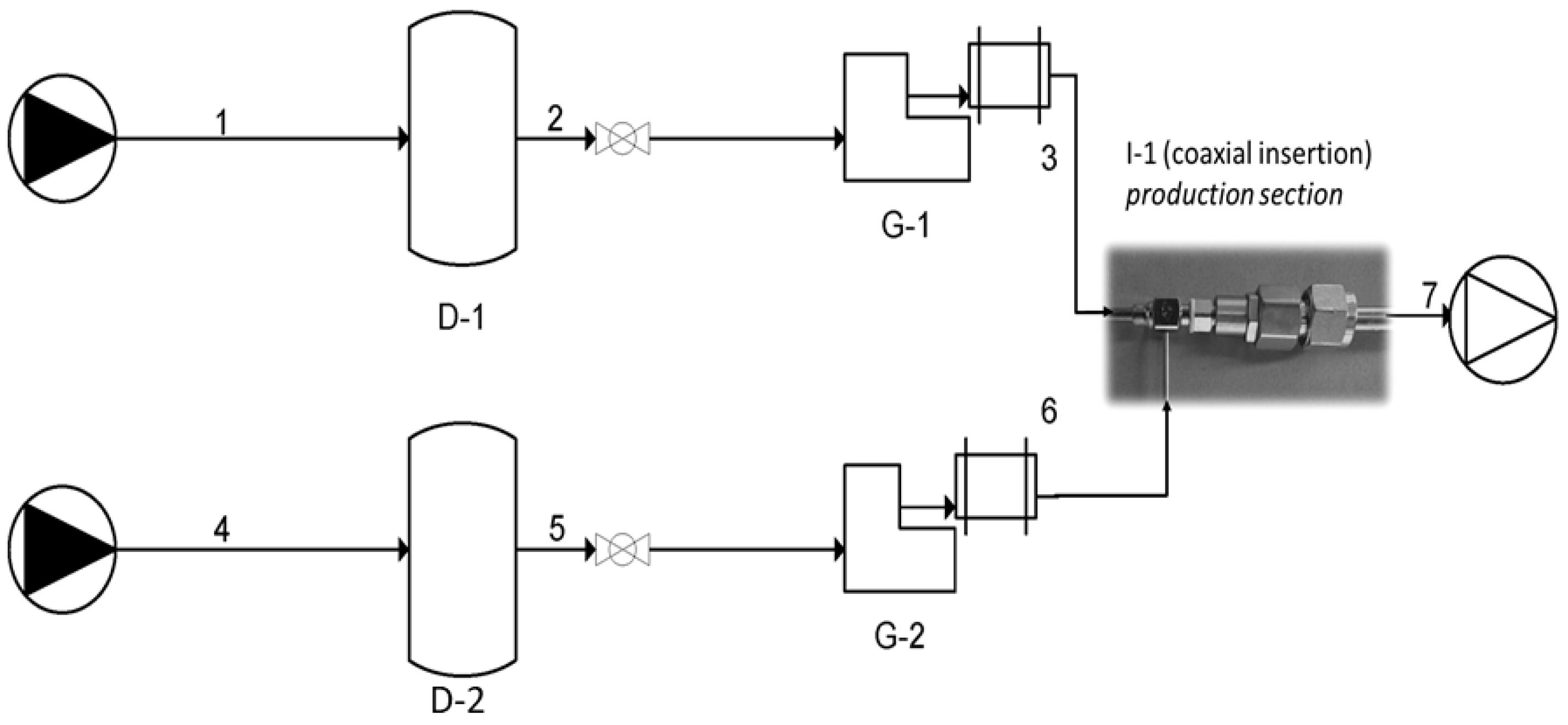
2.2.1. Setup and Fluid Dynamic Insights
2.2.2. Invasomes Fabrication
2.3. Characterization Methods
2.3.1. Separation Steps
2.3.2. Vesicles Size, Superficial Charge and Morphology Inspections
2.3.3. Encapsulation Efficiency and Effective Load
2.3.4. Short- and Long-Term Stability
2.3.5. Sterile Productions Control and Antimicrobial Assays
2.4. Statistical Analysis
3. Results and Discussion
3.1. Fabrication of Unloaded Nanoliposomes: Effect of Constituents
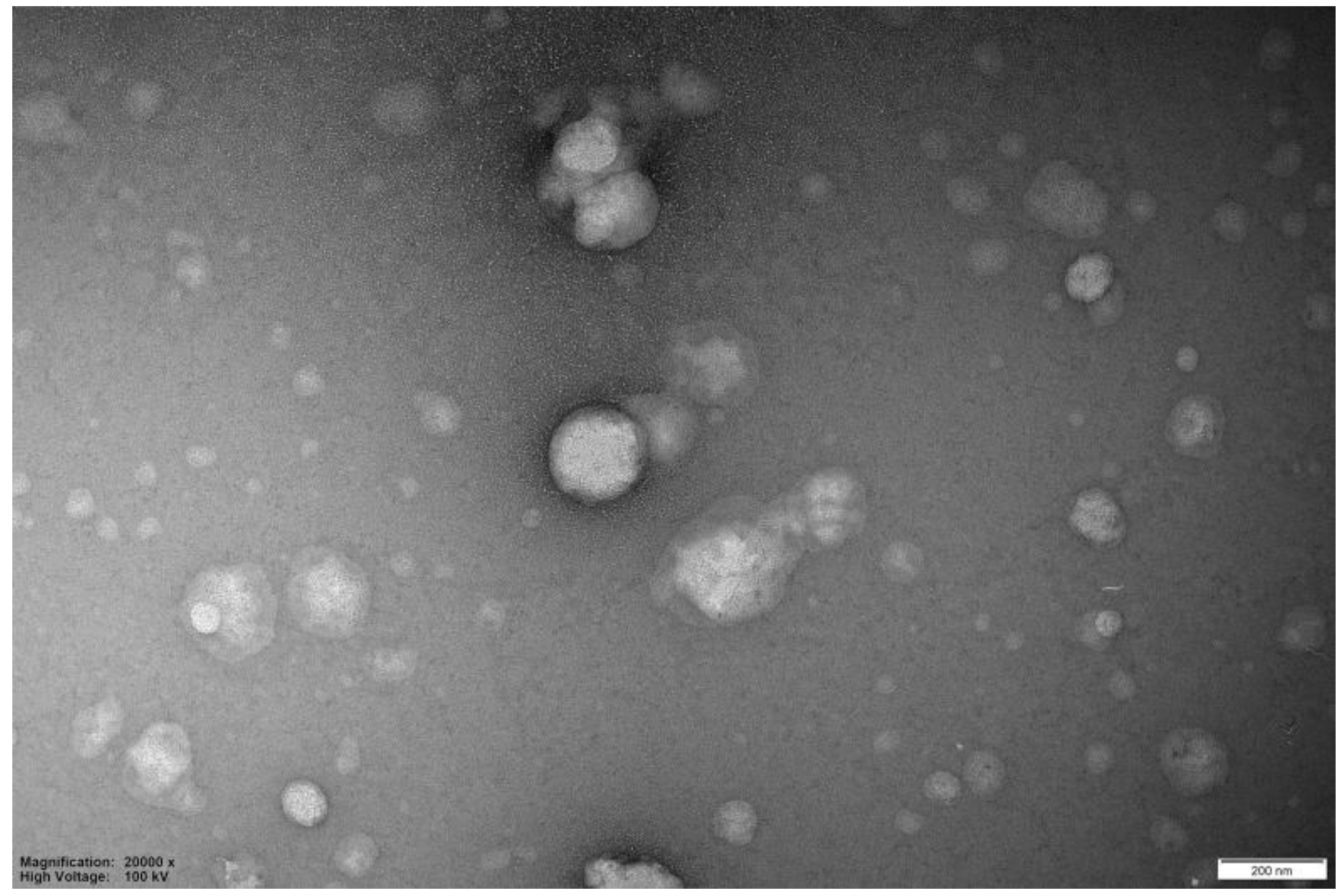
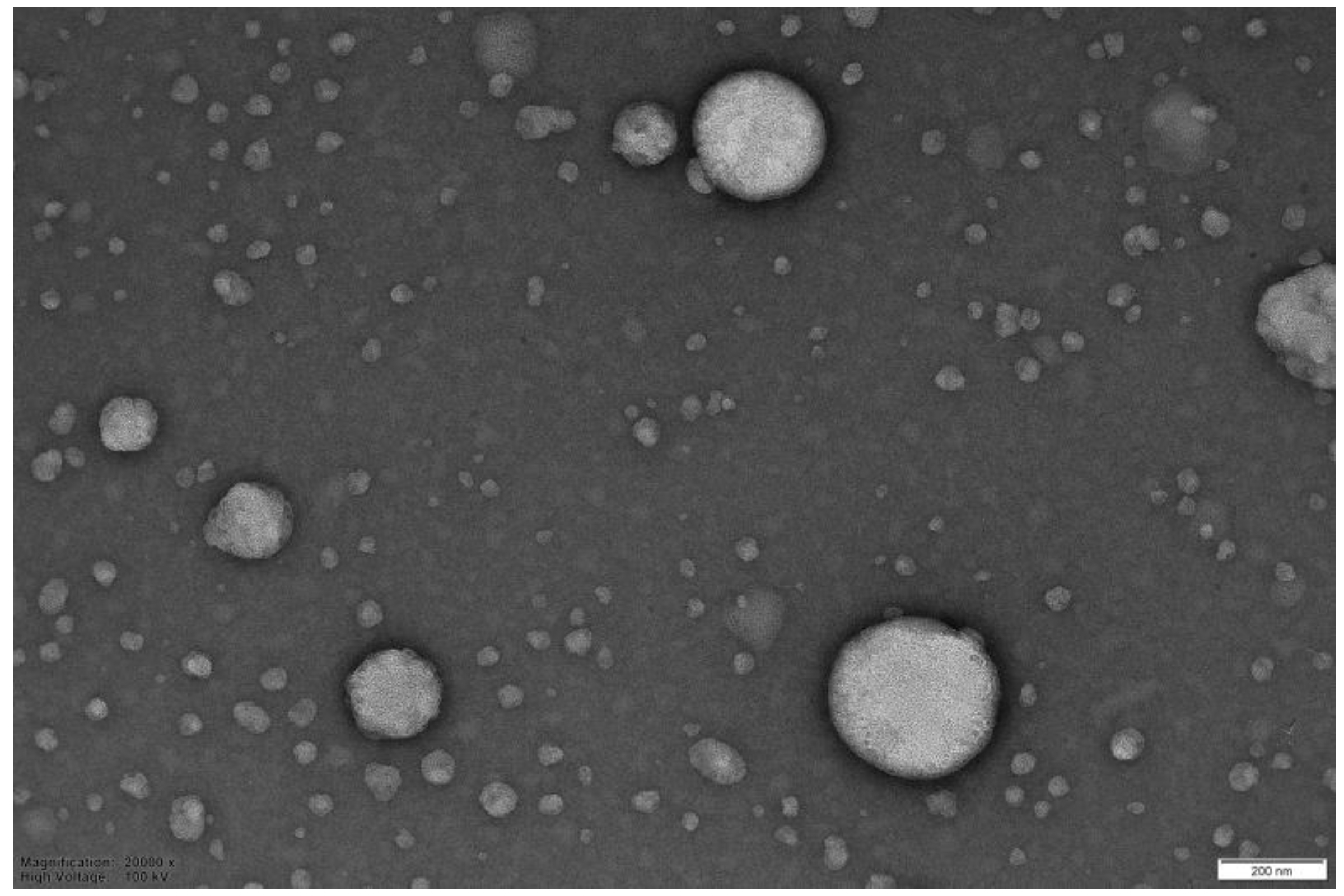
3.2. Invasomes Production
3.2.1. Effects of Theoretical High Load
3.2.2. Invasomes with Suitable Load
3.2.3. Fabrication Sterility Control
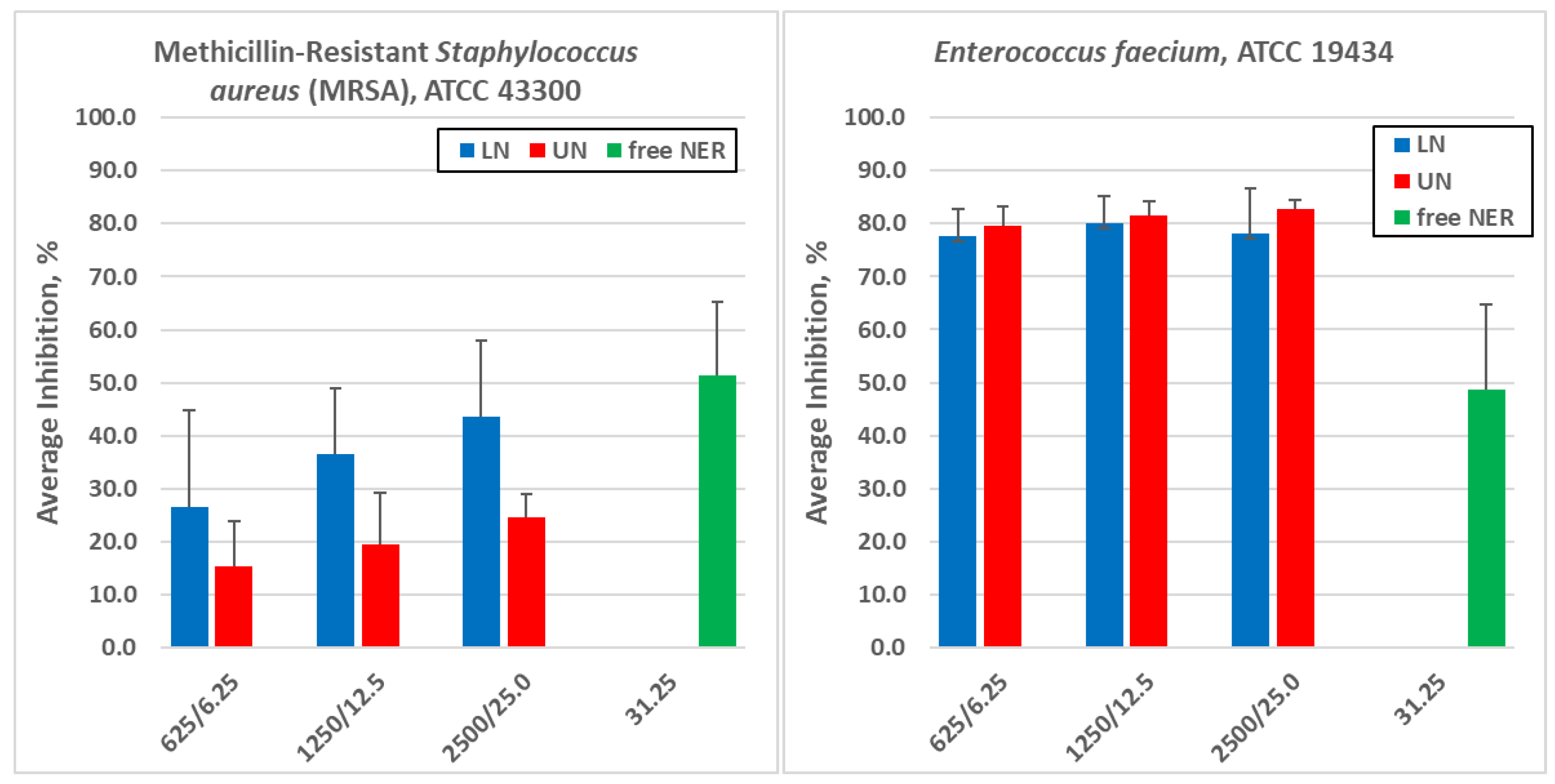
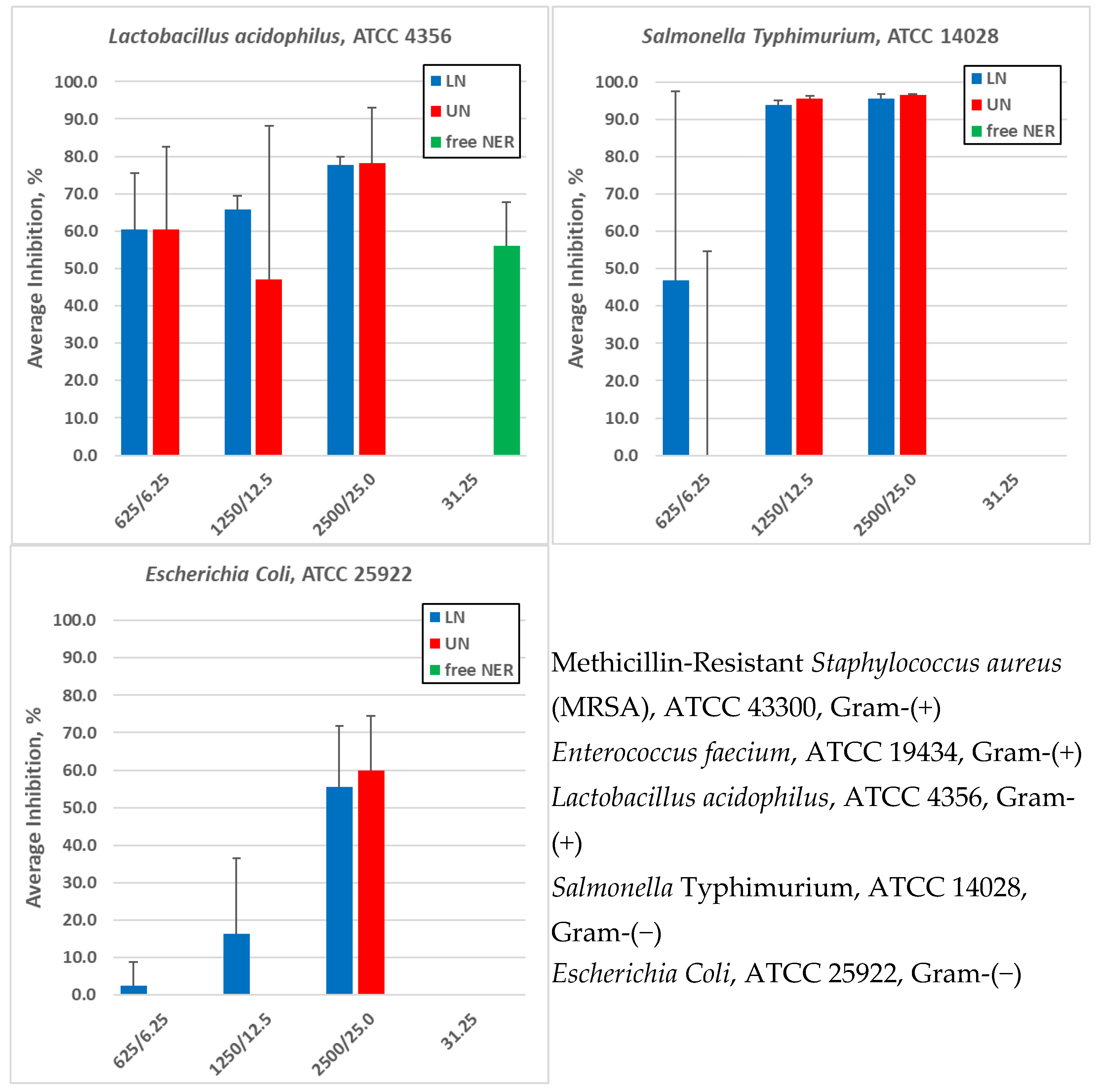
3.2.4. Antimicrobial Assays
- (i)
- antimicrobial responses are threshold-driven rather than linearly dose-dependent;
- (ii)
- meaningful interpretation requires separating the contribution of the lipid matrix from that of Nerolidol; and
- (iii)
- Nerolidol-loaded invasomes should be regarded as delivery platforms whose microbiological behavior depends on both components, rather than as inherently more potent antimicrobial agents. This perspective is essential for rationally designing future applications, particularly in contexts such as animal nutrition, where selectivity toward target microorganisms is critical.
4. Conclusions
Author Contributions
Funding
Data Availability Statement
Conflicts of Interest
References
- Rabiee, N.; Ahmadi, S.; Iravani, S.; Varma, R.S. Natural resources for sustainable synthesis of nanomaterials with anticancer applications: A move toward green nanomedicine. Environ. Res. 2023, 216, 114803. [Google Scholar] [CrossRef] [PubMed]
- Wang, X.; Izzo, A.A.; Papapetropoulos, A.; Alexander, S.P.H.; Cortese-Krott, M.; Kendall, D.A.; Martemyanov, K.A.; Mauro, C.; Panettieri, R.A.; Patel, H.H.; et al. Natural product pharmacology: The British Journal of Pharmacology perspective. Br. J. Pharmacol. 2024, 181, 3547–3555. [Google Scholar] [CrossRef] [PubMed]
- Theodoridis, S.; Drakou, E.G.; Hickler, T.; Thines, M.; Nogues-Bravo, D. Evaluating natural medicinal resources and their exposure to global change. Lancet Planet. Health 2023, 7, e155–e163. [Google Scholar] [CrossRef] [PubMed]
- United Nations. THE 17 GOALS. 2016. Available online: https://sdgs.un.org/goals (accessed on 3 January 2026).
- Tian, Y.; Demirel, S.E.; Hasan, M.M.F.; Pistikopoulos, E.N. An overview of process systems engineering approaches for process intensification: State of the art. Chem. Eng. Process.—Process Intensif. 2018, 133, 160–210. [Google Scholar] [CrossRef]
- Jain, S.; Tripathi, S.; Tripathi, P.K. Invasomes: Potential vesicular systems for transdermal delivery of drug molecules. J. Drug Deliv. Sci. Technol. 2021, 61, 102166. [Google Scholar] [CrossRef]
- Tripathy, S.; Verma, D.K.; Gupta, A.K.; Srivastav, P.P.; Patel, A.R.; González, M.L.C.; Utama, G.L.; Aguilar, C.N. Nanoencapsulation of biofunctional components as a burgeoning nanotechnology-based approach for functional food development: A review. Biocatal. Agric. Biotechnol. 2023, 53, 102890. [Google Scholar] [CrossRef]
- Dalmoro, A.; Bochicchio, S.; Lamberti, G.; Bertoncin, P.; Janssens, B.; Barba, A.A. Micronutrients encapsulation in enhanced nanoliposomal carriers by a novel preparative technology. RSC Adv. 2019, 9, 19800–19812. [Google Scholar] [CrossRef]
- Bochicchio, S.; Dalmoro, A.; Bertoncin, P.; Lamberti, G.; Moustafine, R.I.; Barba, A.A. Design and production of hybrid nanoparticles with polymeric-lipid shell–core structures: Conventional and next-generation approaches. RSC Adv. 2018, 8, 34614–34624. [Google Scholar] [CrossRef]
- Caccavo, D.; Lamberti, G.; Barba, A.A. Coaxial Injection Mixer for the Continuous Production of Nanoparticles. Chem. Eng. Trans. 2023, 100, 301–306. [Google Scholar] [CrossRef]
- De Piano, R.; Caccavo, D.; Lamberti, G.; Remaut, K.; Seynaeve, H.; Barba, A.A. A New Productive Approach and Formulative Optimization for Curcumin Nanoliposomal Delivery Systems. Pharmaceutics 2023, 15, 959. [Google Scholar] [CrossRef]
- Bochicchio, S.; Dalmoro, A.; Recupido, F.; Lamberti, G.; Barba, A.A. Nanoliposomes Production by a Protocol Based on a Simil-Microfluidic Approach. In Proceedings of the Advances in Bionanomaterials: Selected Papers from the 2nd Workshop in Bionanomaterials, BIONAM 2016, Salerno, Italy, 4–7 October 2016; Piotto, S., Rossi, F., Concilio, S., Reverchon, E., Cattaneo, G., Eds.; Springer International Publishing: Cham, Germany, 2018; pp. 3–10. [Google Scholar]
- Chan, W.-K.; Tan, L.T.; Chan, K.-G.; Lee, L.-H.; Goh, B.-H. Nerolidol: A Sesquiterpene Alcohol with Multi-Faceted Pharmacological and Biological Activities. Molecules 2016, 21, 529. [Google Scholar] [CrossRef] [PubMed]
- Guillot, A.J.; Martínez-Navarrete, M.; Garrigues, T.M.; Melero, A. Skin drug delivery using lipid vesicles: A starting guideline for their development. J. Control. Release 2023, 355, 624–654. [Google Scholar] [CrossRef] [PubMed]
- Babaie, S.; Bakhshayesh, A.R.D.; Ha, J.W.; Hamishehkar, H.; Kim, K.H. Invasome: A Novel Nanocarrier for Transdermal Drug Delivery. Nanomaterials 2020, 10, 341. [Google Scholar] [CrossRef] [PubMed]
- Gonçalves, O.; Pereira, R.; Gonçalves, F.; Mendo, S.; Coimbra, M.A.; Rocha, S.M. Evaluation of the mutagenicity of sesquiterpenic compounds and their influence on the susceptibility towards antibiotics of two clinically relevant bacterial strains. Mutat. Res./Genet. Toxicol. Environ. Mutagen. 2011, 723, 18–25. [Google Scholar] [CrossRef]
- Vieira Nunes Cunha, I.; Campos, A.M.; Gerola, A.P.; Caon, T. Effect of invasome composition on membrane fluidity, vesicle stability and skin interactions. Int. J. Pharm. 2023, 646, 123472. [Google Scholar] [CrossRef]
- Kumar, B.; Pandey, M.; Aggarwal, R.; Sahoo, P.K. A comprehensive review on invasomal carriers incorporating natural terpenes for augmented transdermal delivery. Future J. Pharm. Sci. 2022, 8, 50. [Google Scholar] [CrossRef]
- Kaltschmidt, B.P.; Ennen, I.; Greiner, J.F.W.; Dietsch, R.; Patel, A.; Kaltschmidt, B.; Kaltschmidt, C.; Hütten, A. Preparation of Terpenoid-Invasomes with Selective Activity against S. aureus and Characterization by Cryo Transmission Electron Microscopy. Biomedicines 2020, 8, 105. [Google Scholar] [CrossRef]
- Amnuaikit, T.; Limsuwan, T.; Khongkow, P.; Boonme, P. Vesicular carriers containing phenylethyl resorcinol for topical delivery system; liposomes, transfersomes and invasomes. Asian J. Pharm. Sci. 2018, 13, 472–484. [Google Scholar] [CrossRef]
- Su, M.; Tang, T.; Tang, W.; Long, Y.; Wang, L.; Liu, M. Astragalus improves intestinal barrier function and immunity by acting on intestinal microbiota to treat T2DM: A research review. Front. Immunol. 2023, 14, 1243834. [Google Scholar] [CrossRef]
- Quan, Y.; Ren, H.; Liu, S.; Zhao, X.; Hao, J. Identification and molecular mechanism of novel antioxidant peptides from tiger nut (Cyperus esculentus L.). Food Biosci. 2025, 63, 105738. [Google Scholar] [CrossRef]
- Parvez, S.; Karole, A.; Mudavath, S.L. Fabrication, physicochemical characterization and In vitro anticancer activity of nerolidol encapsulated solid lipid nanoparticles in human colorectal cell line. Colloids Surf. B Biointerfaces 2022, 215, 112520. [Google Scholar] [CrossRef] [PubMed]
- de Moura, D.F.; Rocha, T.A.; de Melo Barros, D.; da Silva, M.M.; Santana, M.D.S.; Neta, B.M.; Cavalcanti, I.M.F.; Martins, R.D.; da Silva, M.V. Evaluation of the antioxidant, antibacterial, and antibiofilm activity of the sesquiterpene nerolidol. Arch. Microbiol. 2021, 203, 4303–4311. [Google Scholar] [CrossRef] [PubMed]
- European Commission (Ed.) Commission Implementing Regulation (EU) 2017/58 of 14 December 2016 Concerning the Authorisation of Alpha-Terpineol, Nerolidol, 2-(4-Methylphenyl) Propan-2-ol, Terpineol and Linalyl Acetate as Feed Additives for All Animal Species; European Commission: Brussels, Belgium, 2017. [Google Scholar]
- Ephrem, E.; Najjar, A.; Charcosset, C.; Greige-Gerges, H. Use of free and encapsulated nerolidol to inhibit the survival of Lactobacillus fermentum in fresh orange juice. Food Chem. Toxicol. 2019, 133, 110795. [Google Scholar] [CrossRef] [PubMed]
- Yousefi, S.; Weisany, W.; Hosseini, S.E.; Ghasemlou, M. Mechanisms of nanoencapsulation to boost the antimicrobial efficacy of essential oils: A review. Food Hydrocoll. 2024, 150, 109655. [Google Scholar] [CrossRef]
- Babaie, S.; Taghvimi, A.; Charkhpour, M.; Zarebkohan, A.; Keyhanvar, P.; Hamishehkar, H. Optimization of Influential Variables in the Development of Buprenorphine and Bupivacaine Loaded Invasome for Dermal Delivery. Adv. Pharm. Bull. 2021, 11, 522–529. [Google Scholar] [CrossRef]
- Liu, P.; Chen, G.; Zhang, J. A Review of Liposomes as a Drug Delivery System: Current Status of Approved Products, Regulatory Environments, and Future Perspectives. Molecules 2022, 27, 1372. [Google Scholar] [CrossRef]
- Chen, J.; Jiang, Q.-D.; Chai, Y.-P.; Zhang, H.; Peng, P.; Yang, X.-X. Natural Terpenes as Penetration Enhancers for Transdermal Drug Delivery. Molecules 2016, 21, 1709. [Google Scholar] [CrossRef]
- El-Kattan, A.F.; Asbill, C.S.; Kim, N.; Michniak, B.B. The effects of terpene enhancers on the percutaneous permeation of drugs with different lipophilicities. Int. J. Pharm. 2001, 215, 229–240. [Google Scholar] [CrossRef]
- Zhou, X.; Hao, Y.; Yuan, L.; Pradhan, S.; Shrestha, K.; Pradhan, O.; Liu, H.; Li, W. Nano-formulations for transdermal drug delivery: A review. Chin. Chem. Lett. 2018, 29, 1713–1724. [Google Scholar] [CrossRef]
- Mezzasalma, N.; Spadini, C.; Righi, F.; Simoni, M.; Lamberti, G.; Barba, A.A.; Greco, D.; Merelli, A.; Bosio, L.; Cupola, A.; et al. Evaluation of the antimicrobial and cytotoxic activity of nerolidol encapsulated in a nanoliposome system. Front. Vet. Sci. 2025, 12, 1641746. [Google Scholar] [CrossRef]
- Bochicchio, S.; Dalmoro, A.; De Simone, V.; Bertoncin, P.; Lamberti, G.; Barba, A.A. Simil-Microfluidic Nanotechnology in Manufacturing of Liposomes as Hydrophobic Antioxidants Skin Release Systems. Cosmetics 2020, 7, 22. [Google Scholar] [CrossRef]
- Lasic, D.D. Novel applications of liposomes. Trends Biotechnol. 1998, 16, 307–321. [Google Scholar] [CrossRef]
- Iannone, M.; Caccavo, D.; Barba, A.A.; Lamberti, G. A low-cost push–pull syringe pump for continuous flow applications. HardwareX 2022, 11, e00295. [Google Scholar] [CrossRef]
- Lu, J.; Frank, E.L. Rapid HPLC Measurement of Thiamine and Its Phosphate Esters in Whole Blood. Clin. Chem. 2008, 54, 901–906. [Google Scholar] [CrossRef] [PubMed]
- Pavan, B.; Dalpiaz, A.; Marani, L.; Beggiato, S.; Ferraro, L.; Canistro, D.; Paolini, M.; Vivarelli, F.; Valerii, M.C.; Comparone, A. Geraniol Pharmacokinetics, Bioavailability and Its Multiple Effects on the Liver Antioxidant and Xenobiotic-Metabolizing Enzymes. Front. Pharmacol. 2018, 9, 18. [Google Scholar] [CrossRef] [PubMed]
- Mazhar, A.; El-Hansi, N.S.; Shafaa, M.W.; Shalaby, M.S. Radiation sterilization of liposomes: A literature review. Radiat. Phys. Chem. 2024, 218, 111592. [Google Scholar] [CrossRef]
- Delma, K.L.; Lechanteur, A.; Evrard, B.; Semdé, R.; Piel, G. Sterilization methods of liposomes: Drawbacks of conventional methods and perspectives. Int. J. Pharm. 2021, 597, 120271. [Google Scholar] [CrossRef]
- Mineart, K.P.; Kelley, E.G. Chapter 19—Size reduction, purification, sterilization and storage/packaging of liposomes. In Liposomes in Drug Delivery; Antimisiaris, S.G., Ed.; Academic Press: London, UK, 2024; pp. 489–515. [Google Scholar]
- Diaz-Campos, D.V.; Lubbers, B.V.; Schwarz, S.; Bowden, R.; Burbick, C.R.; Govendir, M.; Scott, B.; Killian, S.B.; Lawhon, S.D.; Li, X.Z.; et al. Performance Standards for Antimicrobial Disk and Dilution Susceptibility Tests for Bacteria Isolated from Animals; CLSI VET01S: Wayne, PA, USA, 2024. [Google Scholar]
- Kaddah, S.; Khreich, N.; Kaddah, F.; Charcosset, C.; Greige-Gerges, H. Cholesterol modulates the liposome membrane fluidity and permeability for a hydrophilic molecule. Food Chem. Toxicol. 2018, 113, 40–48. [Google Scholar] [CrossRef]
- Lakshmi, P.; Kalpana, B.; Prasanthi, D. Invasomes-novel Vesicular Carriers for Enhanced Skin Permeation. Syst. Rev. Pharm. 2013, 4, 26–30. [Google Scholar] [CrossRef]
- Emanet, M.; Ciofani, G. Ethosomes as Promising Transdermal Delivery Systems of Natural-Derived Active Compounds. Adv. NanoBiomed Res. 2023, 3, 2300020. [Google Scholar] [CrossRef]
- Verma, P.; Pathak, K. Therapeutic and cosmeceutical potential of ethosomes: An overview. J. Adv. Pharm. Technol. Res. 2010, 1, 274–282. [Google Scholar] [CrossRef]
- Bernal-Chávez, S.A.; Del Prado-Audelo, M.L.; Caballero-Florán, I.H.; Giraldo-Gomez, D.M.; Figueroa-Gonzalez, G.; Reyes-Hernandez, O.D.; Carmen, M.G.-D.; González-Torres, M.; Cortés, H.; Leyva-Gómez, G. Insights into Terminal Sterilization Processes of Nanoparticles for Biomedical Applications. Molecules 2021, 26, 2068. [Google Scholar] [CrossRef]



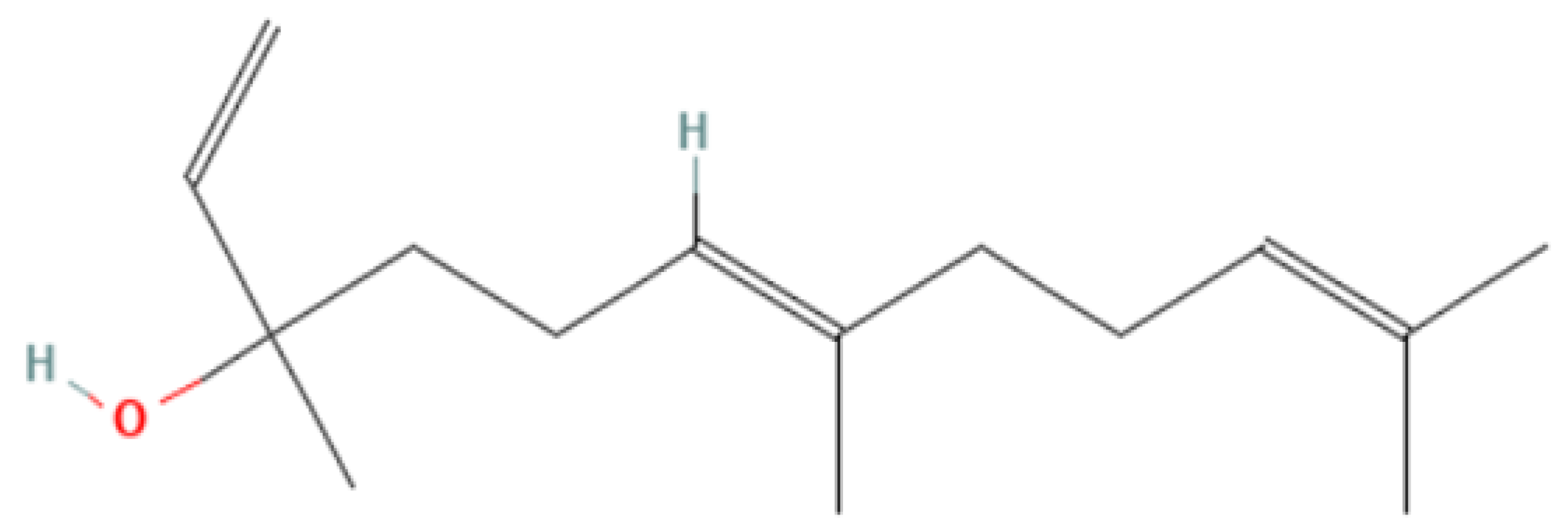
| Property | Value |
|---|---|
| Molecular Formula | C15H26O |
| State | Liquid |
| Molecular weight (g/mol) | 222.37 |
| CAS number | 7212-44-4 |
| Water solubility (mg/L) (20 °C) | 14.1 * [BASF Safety Data Sheet] |
| Glass transition temperature (°C) (1 bar) | −90 [BASF Safety Data Sheet] |
| Boiling Point (°C) (1 bar) | 276 [BASF Safety Data Sheet] |
| Log P | 4.68 [BASF Safety Data Sheet] |
| Solubility | high in ethanol–low in water |
| Topological surface area (Å) | 20.23 |
| Van der Waals Molecular volume (Å3/molecule) | 268.93 |
| Used Delivery System | NER Enhancer to Active Ingredient | References |
|---|---|---|
| Hydrogel | Curcumin | [6] |
| Hydrogel | Hydrocortisone Hydrochloride Carbamazepine Tamoxifen | [18,31] |
| Hydrogel | Selegiline hydrochloride | [18] |
| Hydrogel | Terbinafine | [30] |
| Chitosan gel | Ondansetron hydrochloride | [30] |
| Invasome | Buprenorphine hydrochloride Bupivacaine | [28] |
| Hydrogel | Hydrocortisone | [30] |
| Hydrogel | Propanolol hydrochloride | [30,32] |
| PG gel | Lomerizine dihydrochloride | [30] |
| Batch | NER, (g) | Theoretical Load, % |
|---|---|---|
| Prod. 1 (UN) | 0 | 0 |
| INV. NER, 1% | 0.0285 | 1 |
| INV. NER, 5% | 0.1480 | 5 |
| INV. NER, 10% | 0.3133 | 10 |
| INV. NER, 15% | 0.4980 | 15 |
| Batch | NER, (g) | Theoretical Load, % |
|---|---|---|
| INV. NER, 1% | 0.0285 | 1 |
| INV. NER, 2% | 0.0576 | 2 |
| Produced Batch | Z-Average [nm] | PDI | Turbidity [NTU] |
|---|---|---|---|
| Prod. 1 (UN) | 305.08 ± 24.2 | 0.33 ± 0.03 | 318 |
| INV. NER, 1% | 309.99 ± 9.0 | 0.34 ± 0.00 | 238 |
| INV. NER, 5% | 604.00 ± 55.2 | 0.6 ± 0.07 | 589 |
| INV. NER, 10% | 697.00 ± 32.4 | 0.62 ± 0.04 | 912 |
| INV. NER, 15% | 981.00 ± 196.6 | 0.59 ± 0.04 | 1238 |
| Produced Batch | Effective Load [%] | Efficiency [%] |
|---|---|---|
| INV. NER, 1% | 1.00 ± 0.01 | 99.70 ± 0.42 |
| INV. NER, 5% | 4.93 ± 0.02 | 99.09 ± 1.00 |
| INV. NER, 10% | 9.92 ± 0.08 | 99.27 ± 0.90 |
| INV. NER, 15% | 14.98 ± 0.007 | 99.76 ± 0.27 |
| Produced Batch | Z-Average [nm] | PDI | Z-Average [nm] * | PDI * |
|---|---|---|---|---|
| INV. NER, 1% | 309.99 ± 9.03 | 0.34 ± 0.00 | 329.6 ± 8.99 | 0.69 ± 0.13 |
| INV. NER, 5% | 604.10 ± 55.0 | 0.60 ± 0.07 | 467.7 ± 6.58 | 0.59 ± 0.07 |
| INV. NER, 10% | 697.05 ± 32.5 | 0.62 ± 0.04 | 372.0 ± 20.55 | 0.87 ± 0.03 |
| INV. NER, 15% | 981.00 ± 196.6 | 0.59 ± 0.04 | 477.9 ± 75.56 | 0.84 ± 0.05 |
| Produced Batch * | Z-Average, [nm] | PDI | Z-Potential, [mV] | Effective Load, [%] | Efficiency [%] |
|---|---|---|---|---|---|
| INV. NER, 1% | 298.8 ± 9.84 | 0.489 ± 0.097 | −42.36 ± 5.4 | 1.190 | 100 |
| INV. NER, 2% | 301.8 ± 19.99 | 0.605 ± 0.106 | −52.18 ± 6.4 | 2.02 | 99.34 |
| INV. NER, 1% Aged | 341.7 ± 9.98 | 0.64 ± 0.04 | −49.81 ± 0.8 | 1.08 ± 0.05 | 90.7 |
| INV. NER, 2% Aged | 342.8 ± 8.22 | 0.60 ± 0.11 | −51.41 ± 0.89 | 1.44 ± 0.11 | 71.1 |
| Strain | ATCC | Gram | Killing Effects | ||
|---|---|---|---|---|---|
| LN | UN | Free NER | |||
| Staphylococcus aureus (MRSA) | 43,300 | (+) | Yes, dose dependent | Yes, dose dependent | Yes |
| Enterococcus faecium | 19,434 | (+) | Yes, slightly dose dependent | Yes, slightly dose dependent | Yes |
| Lactobacillus acidophilus | 4356 | (+) | Yes, dose independent | Yes, dose independent | Yes |
| Salmonella typhimurium | 14,028 | (−) | Yes, slightly dose dependent | Not for all concentrations | No |
| Escherichia coli | 25,922 | (−) | Yes, dose dependent | Not for all concentrations | No |
Disclaimer/Publisher’s Note: The statements, opinions and data contained in all publications are solely those of the individual author(s) and contributor(s) and not of MDPI and/or the editor(s). MDPI and/or the editor(s) disclaim responsibility for any injury to people or property resulting from any ideas, methods, instructions or products referred to in the content. |
© 2026 by the authors. Licensee MDPI, Basel, Switzerland. This article is an open access article distributed under the terms and conditions of the Creative Commons Attribution (CC BY) license.
Share and Cite
Lamberti, G.; De Piano, R.; Caccavo, D.; Guarino, S.; Bosio, L.; Greco, D.; Cabassi, C.S.; Mezzasalma, N.; Spadini, C.; Righi, F.; et al. Fabrication and Characterization of Nerolidol-Based Invasomes: Loading, Stability and Antimicrobial Applications. Pharmaceutics 2026, 18, 410. https://doi.org/10.3390/pharmaceutics18040410
Lamberti G, De Piano R, Caccavo D, Guarino S, Bosio L, Greco D, Cabassi CS, Mezzasalma N, Spadini C, Righi F, et al. Fabrication and Characterization of Nerolidol-Based Invasomes: Loading, Stability and Antimicrobial Applications. Pharmaceutics. 2026; 18(4):410. https://doi.org/10.3390/pharmaceutics18040410
Chicago/Turabian StyleLamberti, Gaetano, Raffaella De Piano, Diego Caccavo, Sara Guarino, Lorenzo Bosio, Dante Greco, Clotilde Silvia Cabassi, Nicolò Mezzasalma, Costanza Spadini, Federico Righi, and et al. 2026. "Fabrication and Characterization of Nerolidol-Based Invasomes: Loading, Stability and Antimicrobial Applications" Pharmaceutics 18, no. 4: 410. https://doi.org/10.3390/pharmaceutics18040410
APA StyleLamberti, G., De Piano, R., Caccavo, D., Guarino, S., Bosio, L., Greco, D., Cabassi, C. S., Mezzasalma, N., Spadini, C., Righi, F., Simoni, M., Bosi, S., & Barba, A. A. (2026). Fabrication and Characterization of Nerolidol-Based Invasomes: Loading, Stability and Antimicrobial Applications. Pharmaceutics, 18(4), 410. https://doi.org/10.3390/pharmaceutics18040410