Formulation of Topical Drug Delivery Systems Containing a Fixed-Dose Isoniazid–Rifampicin Combination Using the Self-Emulsification Mechanism †




Abstract
1. Introduction
2. Materials and Methods
2.1. Materials
2.2. Preformulation Experiments
2.2.1. Preliminary Preparation of Placebo Dermal Formulations Using the Self-Emulsification Mechanism
2.2.2. Solubility Determination
2.2.3. Simultaneous Thermal Analysis (STA)
2.2.4. Isothermal Microcalorimetry
2.2.5. Construction of Pseudoternary Phase Diagrams
2.3. Topical Formulation Preparation
2.4. Formulation Characterization Experiments
2.4.1. Zeta Potential, Droplet Size, and Size Distribution
2.4.2. Investigating Robustness to Dilution
2.4.3. Establishing Self-Emulsification Efficacy and Time
2.4.4. Viscosity Measurement
2.4.5. Cloud Point Establishment
2.4.6. Thermodynamic Stability Experiments
2.4.7. pH Determination
2.4.8. Encapsulation Efficiency (%EE)
2.4.9. Assay
2.5. Topical Delivery
2.5.1. Drug Release Studies
2.5.2. Preparation of Skin Samples
2.5.3. Skin Diffusion Studies
2.5.4. Tape Stripping
2.6. Determination of INH and RIF Stability
3. Results and Discussion
3.1. Preformulation Studies
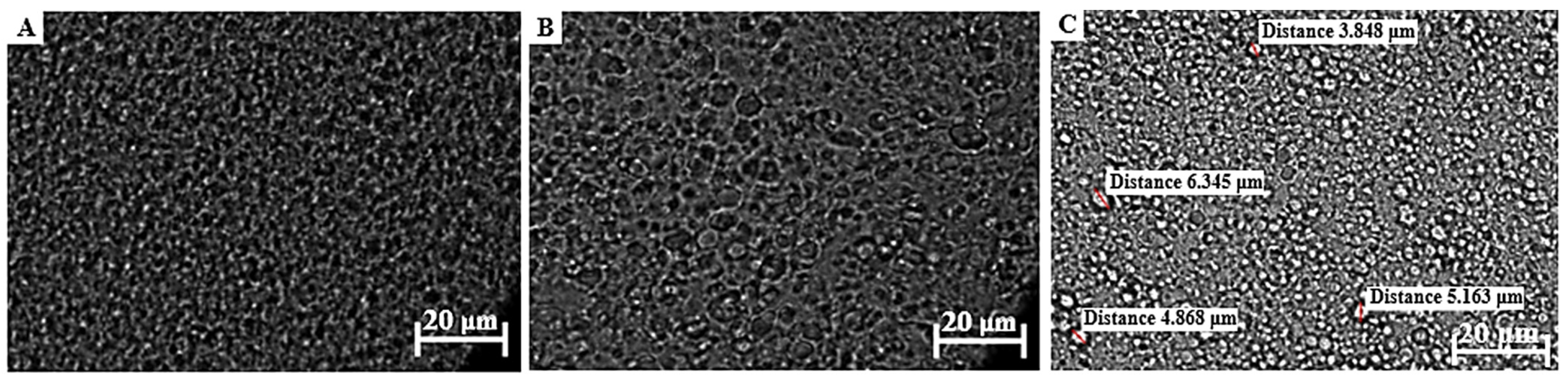
3.1.1. Placebo Dermal Formulations Prepared Using the Self-Emulsification Mechanism
3.1.2. Solubility
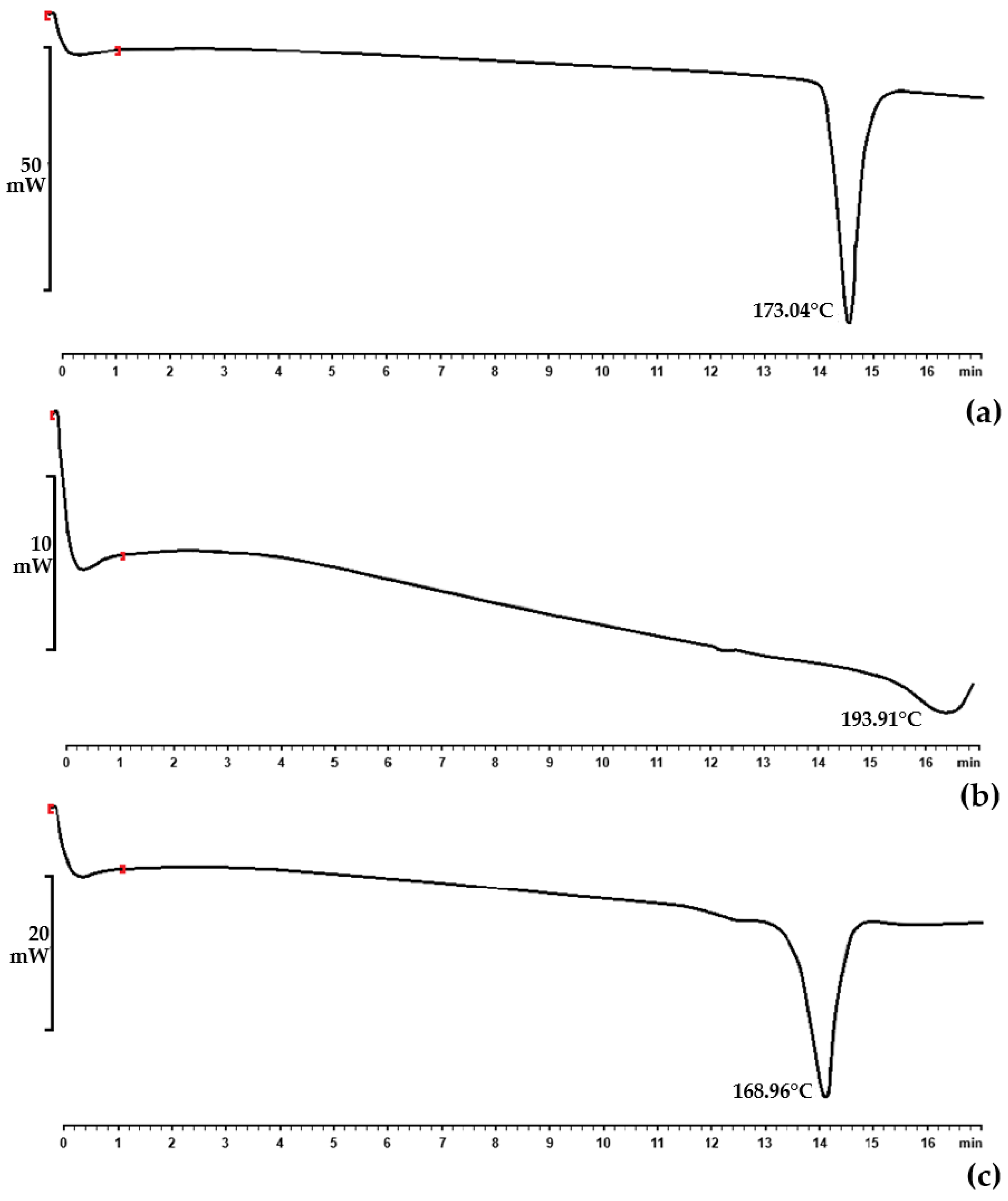
3.1.3. Isothermal Drug-Excipient Compatibility and Stability Studies
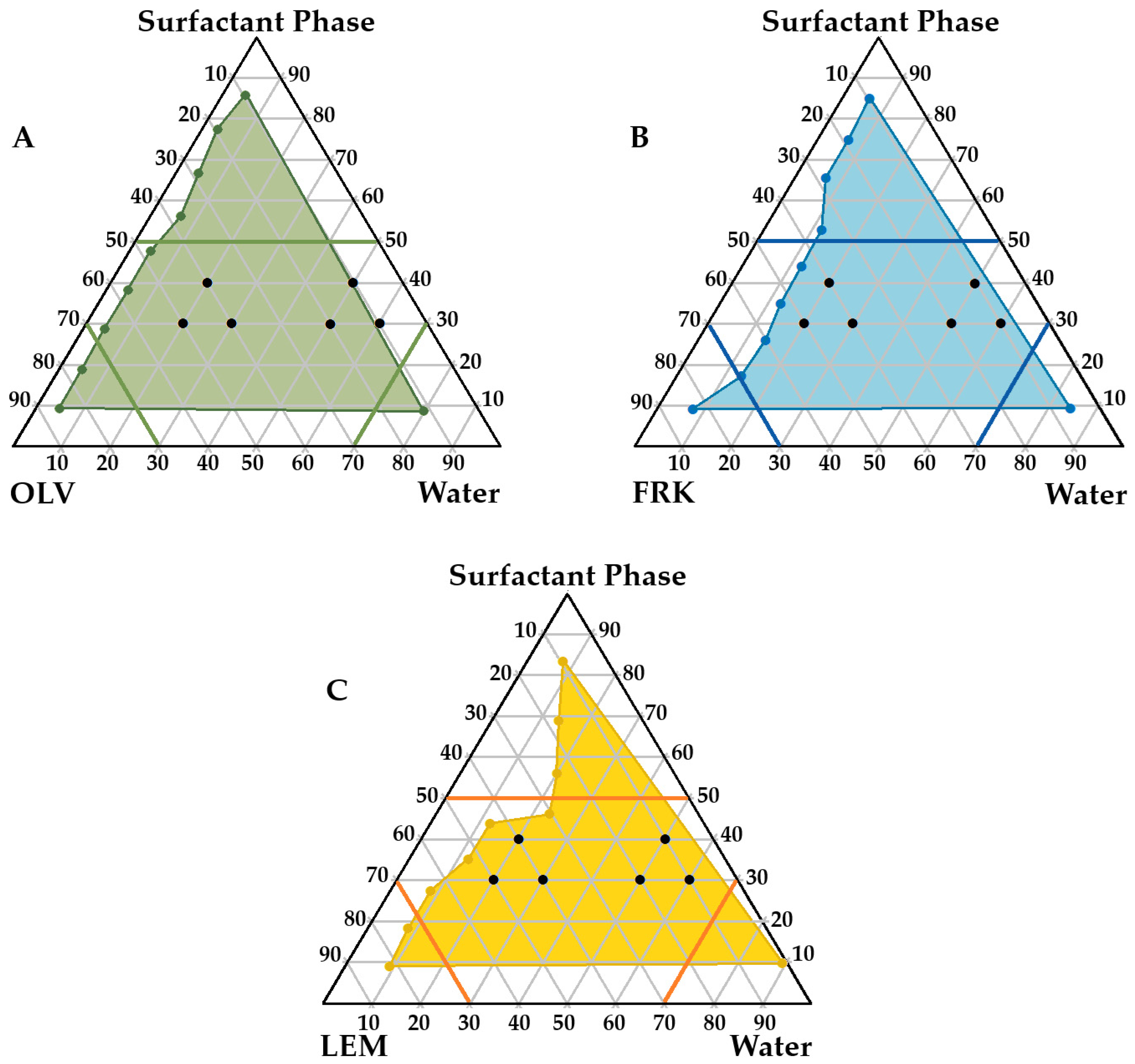
3.1.4. Pseudoternary Phase Diagrams and Topical Formulation Preparation
3.2. Characterization of the Formulations Prepared for Topical Drug Delivery
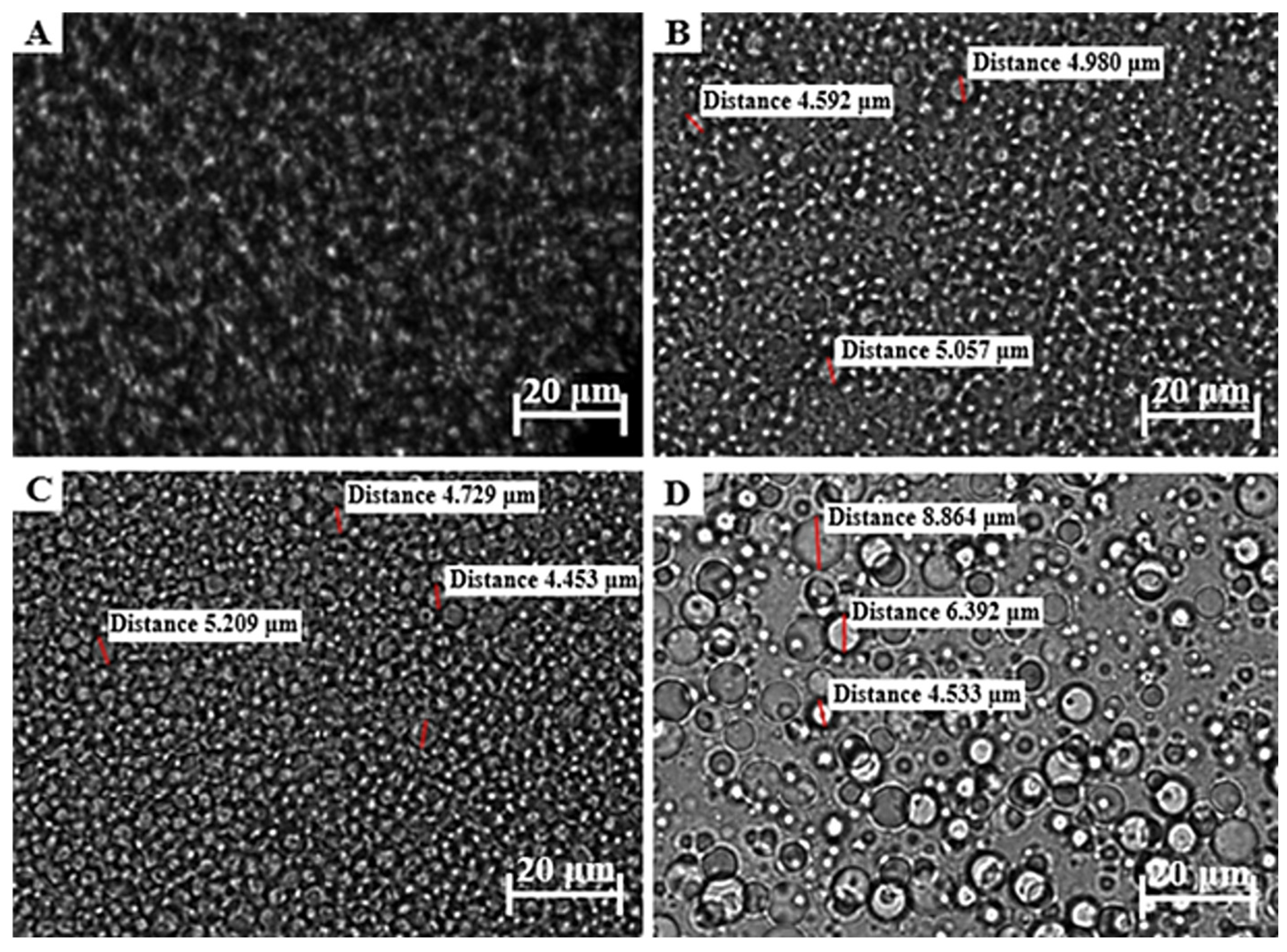
3.2.1. Zeta Potential, Droplet Size, and Size Distribution
3.2.2. Robustness to Dilution
3.2.3. Self-Emulsification Efficacy and Time
3.2.4. Viscosity of the Formulations
3.2.5. Cloud Points Determined
3.2.6. Thermodynamic Stability of the Emulsions
3.2.7. pH Determination of Topical Formulations Prepared Through the Self-Emulsification Mechanism
3.2.8. Encapsulation Efficiency and Assay
3.3. Topical Delivery of a Fixed-Dose INH-RIF Combination
3.4. Stability Determination of INH and RIF
4. Conclusions
Author Contributions
Funding
Institutional Review Board Statement
Informed Consent Statement
Data Availability Statement
Acknowledgments
Conflicts of Interest
Abbreviations
| %EE | Encapsulation efficiency |
| 3-FR | 3-Formyl rifamycin |
| CTB | Cutaneous tuberculosis |
| EPTB | Extrapulmonary tuberculosis |
| FDCs | Fixed-dose combinations |
| FRK | Frankincense oil |
| HYD | Isonicotinyl hydrazone |
| INH | Isoniazid |
| LEM | Lemon oil |
| o/w | Oil-in-water |
| OLV | Olive oil |
| PBS | Phosphate buffer solutions |
| PDI | Polydispersity index |
| PTB | Pulmonary tuberculosis |
| RBF | Rose blend fragrance |
| RIF | Rifampicin |
| SC | Stratum corneum |
| SEDDSs | Self-emulsifying drug delivery systems |
| STA | Simultaneous thermal analysis |
| TAM | Thermal activity monitor |
| TB | Tuberculosis |
| TTO | Tea tree oil |
| w/o | Water-in-oil |
References
- Alemu, A.; Bitew, Z.W.; Diriba, G.; Gumi, B. Risk factors associated with drug-resistant tuberculosis in Ethiopia: A systematic review and meta-analysis. Transbound. Emerg. Dis. 2022, 69, 2559–2572. [Google Scholar] [CrossRef] [Scilit] [PubMed]
- Varshney, K.; Patel, H.; Kamal, S. Trends in tuberculosis mortality across India: Improvements despite the COVID-19 pandemic. Cureus 2023, 15, e38313. [Google Scholar] [CrossRef] [Scilit]
- Thakur, A. Advancements in tuberculosis treatment: From epidemiology to innovative therapies. Int. J. Sci. Res. 2024, 13, 206–216. [Google Scholar] [CrossRef] [Scilit]
- Sadaphal, P.; Chakraborty, K.; Jassim-AlMossawi, H.; Pillay, Y.; Roscigno, G.; Kaul, A.; Kak, N.; Matji, R.; Mvusi, L.; DeStefano, A. Rifampicin bioavailability in fixed-dose combinations for tuberculosis treatment: Evidence and policy actions. J. Lung Health Dis. 2019, 3, 1–15. [Google Scholar] [CrossRef] [Scilit]
- Mwila, C.; Walker, R.B. Improved stability of rifampicin in the presence of gastric-resistant isoniazid microspheres in acidic media. Pharmaceutics 2020, 12, 234. [Google Scholar] [CrossRef] [Scilit]
- Angiolini, L.; Agnes, M.; Cohen, B.; Yannakopoulou, K.; Douhal, A. Formation, characterization and pH dependence of rifampicin: Heptakis(2,6-di-O-methyl)-β-cyclodextrin complexes. Int. J. Pharm. 2017, 531, 668–675. [Google Scholar] [CrossRef] [Scilit]
- Akhtar, T.; Naeem, M.I.; Younus, M.; Nisa, Q.; Farooq, W.; Aslam, H.M.; Wazir, N.; Asghar, M. Use of nanotechnology to mitigate tuberculosis. In International Journal of Agriculture and Biosciences; Altaf, S., Khan, A., Abbas, R.Z., Eds.; Unique Scientific Publishers: Faisalabad, Pakistan, 2023; pp. 679–690. [Google Scholar]
- Lima, G.C.; Silva, E.V.; Magalhães, P.O.; Naves, J.S. Efficacy and safety of a four-drug fixed-dose combination regimen versus separate drugs for treatment of pulmonary tuberculosis: A systematic review and meta-analysis. Braz. J. Microbiol. 2017, 48, 198–207. [Google Scholar] [CrossRef] [Scilit]
- Bhutani, H.; Singh, S.; Jindal, K.C.; Chakraborti, A.K. Mechanistic explanation to the catalysis by pyrazinamide and ethambutol of reaction between rifampicin and isoniazid in anti-TB FDCs. J. Pharm. Biomed. Anal. 2005, 39, 892–899. [Google Scholar] [CrossRef] [Scilit]
- Mariappan, T.T.; Singh, S. Regional gastrointestinal permeability of rifampicin and isoniazid (alone and their combination) in the rat. Int. J. Tuberc. Lung Dis. 2003, 7, 797–803. [Google Scholar] [PubMed]
- Iftikhar, S.; Sarwar, M.R. Potential disadvantages associated with treatment of active tuberculosis using fixed-dose combination: A review of literature. J. Basic Clin. Pharm. 2017, 8, S0131–S0136. [Google Scholar]
- Kumar, M.; Virmani, T.; Kumar, G.; Deshmukh, R.; Sharma, A.; Duarte, S.; Brandão, P.; Fonte, P. Nanocarriers in tuberculosis treatment: Challenges and delivery strategies. Pharmaceuticals 2023, 16, 1360. [Google Scholar] [CrossRef] [Scilit] [PubMed]
- Buya, A.B.; Witika, B.A.; Bapolisi, A.M.; Mwila, C.; Mukubwa, G.K.; Memvanga, P.B.; Makoni, P.A.; Nkanga, C.I. Application of lipid-based nanocarriers for antitubercular drug delivery: A review. Pharmaceutics 2021, 13, 2041. [Google Scholar] [CrossRef] [Scilit] [PubMed]
- Khan, M.S.; Mohapatra, S.; Gupta, V.; Ali, A.; Naseef, P.P.; Kurunian, M.S.; Alshadidi, A.A.F.; Alam, M.S.; Mirza, M.A.; Iqbal, Z. Potential of lipid-based nanocarriers against two major barriers to drug delivery—Skin and blood-brain barrier. Membranes 2023, 12, 343. [Google Scholar] [CrossRef] [Scilit] [PubMed]
- Hädrich, G.; Vaz, G.R.; Boschero, R.; Appel, A.S.; Ramos, C.; Halicki, P.C.B.; Bidone, J.; Teixeira, H.F.; Muccillo-Baisch, A.L.; Dal-Bó, A.; et al. Development of lipid nanocarriers for tuberculosis treatment: Evaluation of suitable excipients and nanocarriers. Curr. Drug Deliv. 2021, 18, 770–778. [Google Scholar] [CrossRef] [Scilit]
- Kumar, P.V.; Asthana, A.; Dutta, T.; Jain, N.K. Intracellular macrophage uptake of rifampicin loaded mannosylated dendrimers. J. Drug Target. 2006, 14, 546–556. [Google Scholar] [CrossRef] [Scilit]
- Ezike, T.C.; Okpala, U.S.; Onoja, U.L.; Nwike, C.P.; Ezeako, E.C.; Okpara, O.J.; Okoroafor, C.C.; Eze, S.C.; Kalu, O.L.; Odoh, E.C.; et al. Advances in drug delivery systems, challenges and future directions. Heliyon 2023, 9, e17488. [Google Scholar] [CrossRef] [Scilit]
- Kozińska, M.; Augustynowicz-Kopeć, E.; Gamian, A.; Chudzik, A.; Paściak, M.; Zdziarski, P. Cutaneous and pulmonary tuberculosis—Diagnostic and therapeutic difficulties in a patient with autoimmunity. Pathogens 2023, 12, 331. [Google Scholar] [CrossRef] [Scilit]
- Nguyen, K.H.; Alcantara, C.A.; Glassman, I.; May, N.; Mundra, A.; Mukundan, A.; Urness, B.; Yoon, S.; Sakaki, R.; Dayal, S.; et al. Cutaneous manifestations of mycobacterium tuberculosis: A literature review. Pathogens 2023, 12, 920. [Google Scholar] [CrossRef] [Scilit]
- Brito, A.C.; Oliveira, C.M.M.; Unger, D.A.; Bittencourt, M.J.S. Cutaneous tuberculosis: Epidemiological, clinical, diagnostic and therapeutic update. An. Bras. Dermatol. 2022, 97, 129–144. [Google Scholar] [CrossRef] [Scilit]
- Gopalaswamy, R.; Dusthackeer, V.N.A.; Kannayan, S.; Subbian, S. Extrapulmonary tuberculosis—An update on the diagnosis, treatment and drug resistance. J. Resp. 2021, 1, 141–164. [Google Scholar] [CrossRef] [Scilit]
- Van Staden, D.; Du Plessis, J.; Viljoen, J. Development of a self-emulsifying drug delivery system for optimized topical delivery of clofazimine. Pharmaceutics 2020, 12, 523. [Google Scholar] [CrossRef] [Scilit] [PubMed]
- De Almeida, I.; Honório, T.D.S.; Do Carmo, F.A.; De Freitas, Z.M.F.; Simon, A.; Rangel Rodrigues, C.; Pereira de Sousa, V.; Cabral, L.M.; De Abreu, L.C.L. Development of SEDDS formulation containing caffeine for dermal delivery. Int. J. Cosmet. Sci. 2023, 45, 117–265. [Google Scholar] [CrossRef] [Scilit] [PubMed]
- Gonçalves, A.; Nikmaram, N.; Roohinejad, S.; Estevinho, B.N.; Rocha, F.; Greiner, R.; McClements, D.J. Production, properties, and applications of solid self-emulsifying delivery systems (S-SEDS) in the food and pharmaceutical industries. Colloids Surf. A Physicochem. Eng. Asp. 2018, 538, 108–126. [Google Scholar] [CrossRef] [Scilit]
- Rohrer, J.; Zupančič, O.; Hetényi, G.; Kurpiers, M.; Bernkop-Schnürch, A. Design and evaluation of SEDDS exhibiting high emulsifying properties. J. Drug Deliv. Sci. Technol. 2018, 44, 366–372. [Google Scholar] [CrossRef] [Scilit]
- Agubata, C. Self-emulsifying formulations: A pharmaceutical review. J. Drug Deliv. Therap. 2020, 10, 231–240. [Google Scholar] [CrossRef] [Scilit]
- Asghar, A.A.; Akhlaq, M.; Jalil, A.; Azad, A.K.; Asghar, J.; Adeel, M.; Albadrani, G.M.; Al-Doaiss, A.A.; Kamel, M.; Altyar, A.E.; et al. Formulation of ciprofloxacin-loaded oral self-emulsifying drug delivery system to improve the pharmacokinetics and antibacterial activity. Front. Pharmacol. 2022, 13, 967106. [Google Scholar] [CrossRef] [Scilit] [PubMed]
- Kim, B.; Cho, H.E.; Moon, S.H.; Ahn, H.J.; Bae, S.; Cho, H.D.; An, S. Transdermal delivery systems in cosmetics. Biomed. Dermatol. 2020, 4, 10. [Google Scholar] [CrossRef] [Scilit]
- Kováčik, A.; Kopečná, M.; Vávrová, K. Permeation enhancers in transdermal drug delivery: Benefits and limitations. Expert Opin. Drug Deliv. 2020, 17, 145–155. [Google Scholar] [CrossRef] [Scilit]
- Yu, Y.Q.; Yang, X.; Wu, X.F.; Fan, Y.B. Enhancing permeation of drug molecules across the skin via delivery in nanocarriers: Novel strategies for effective transdermal applications. Front. Bioeng. Biotechnol. 2021, 9, 646554. [Google Scholar] [CrossRef] [Scilit]
- Alhasso, B.; Ghori, M.U.; Conway, B.R. Systematic review on the effectiveness of essential and carrier oils as skin penetration enhancers in pharmaceutical formulations. Sci. Pharm. 2022, 90, 14. [Google Scholar] [CrossRef] [Scilit]
- Galea, C.; Cocos, D.I.; Feier, R.; Moales, D. The use of essential oils in the development of dermato-cosmetic products. Med. Mater. 2023, 3, 31–36. [Google Scholar] [CrossRef] [Scilit]
- Sarkic, A.; Stappen, I. Essential Oils and Their Single Compounds in Cosmetics—A Critical Review. Cosmetics 2018, 5, 11. [Google Scholar] [CrossRef] [Scilit]
- Schafer, N.; Balwierz, R.; Biernat, P.; Ochędzan-Siodłak, W.; Lipok, J. Natural ingredients of transdermal drug delivery systems as permeation enhancers of active substances through the stratum corneum. Mol. Pharm. 2023, 20, 3278–3297. [Google Scholar] [CrossRef] [Scilit] [PubMed]
- Aljaafari, M.N.; AlAli, A.O.; Baqais, L.; Alqubaisy, M.; AlAli, M.; Molouki, A.; Ong-Abdullah, J.; Abushelaibi, A.; Lai, K.S.; Lim, S.H.E. An Overview of the Potential Therapeutic Applications of Essential Oils. Molecules 2021, 26, 628. [Google Scholar] [CrossRef] [Scilit]
- Barradas, T.N.; de Holanda e Silva, K.G. Nanoemulsions of essential oils to improve solubility, stability and permeability: A review. Environ. Chem. Lett. 2021, 19, 1153–1171. [Google Scholar] [CrossRef] [Scilit]
- Boncan, D.A.T.; Tsang, S.S.K.; Li, C.; Lee, I.H.T.; Lam, H.M.; Chan, T.F.; Hui, J.H.L. Terpenes and Terpenoids in Plants: Interactions with Environment and Insects. Int. J. Mol. Sci. 2020, 21, 7382. [Google Scholar] [CrossRef] [Scilit]
- Masyita, A.; Mustika Sari, R.; Dwi Astuti, A.; Yasir, B.; Rahma Rumata, N.; Emran, T.B.; Nainu, F.; Simal-Gandara, J. Terpenes and terpenoids as main bioactive compounds of essential oils, their roles in human health and potential application as natural food preservatives. Food Chem. X 2022, 13, 100217. [Google Scholar] [CrossRef] [Scilit]
- Fox, L.T.; Gerber, M.; Plessis, J.D.; Hamman, J.H. Transdermal Drug Delivery Enhancement by Compounds of Natural Origin. Molecules 2011, 16, 10507–10540. [Google Scholar] [CrossRef] [Scilit]
- Dajic Stevanovic, Z.; Sieniawska, E.; Glowniak, K.; Obradovic, N.; Pajic-Lijakovic, I. Natural Macromolecules as Carriers for Essential Oils: From Extraction to Biomedical Application. Front. Bioeng. Biotechnol. 2020, 8, 563. [Google Scholar] [CrossRef] [Scilit]
- Yammine, J.; Chihib, N.E.; Gharsallaoui, A.; Ismail, A.; Karam, L. Advances in essential oils encapsulation: Development, characterization and release mechanisms. Polym. Bull. 2024, 81, 3837–3882. [Google Scholar] [CrossRef] [Scilit]
- Garcia, C.R.; Malik, M.H.; Biswas, S.; Tam, V.H.; Rumbaugh, K.P.; Li, W.; Liu, X. Nanoemulsion delivery systems for enhanced efficacy of antimicrobials and essential oils. Biomat. Sci. 2022, 10, 633–653. [Google Scholar] [CrossRef] [Scilit] [PubMed]
- Guzmán, E.; Lucia, A. Essential Oils and Their Individual Components in Cosmetic Products. Cosmetics 2021, 8, 114. [Google Scholar] [CrossRef] [Scilit]
- Aguirre-Ramírez, M.; Silva-Jiménez, H.; Banat, I.M.; Díaz De Rienzo, M.A. Surfactants: Physicochemical interactions with biological macromolecules. Biotechnol. Lett. 2021, 43, 523–535. [Google Scholar] [CrossRef] [Scilit]
- Shaban, S.M.; Kang, J.; Kim, D.H. Surfactants: Recent advances and their applications. Compos. Commun. 2020, 22, 100537. [Google Scholar] [CrossRef] [Scilit]
- Bnyan, R.; Khan, I.; Ehtezazi, T.; Saleem, I.; Gordon, S.; O’Neill, F.; Roberts, M. Surfactant effects on lipid-based vesicles properties. J. Pharm. Sci. 2018, 107, 1237–1246. [Google Scholar] [CrossRef] [Scilit]
- Cortés, H.; Hernández-Parra, H.; Bernal-Chávez, S.A.; Del Prado-Audelo, M.L.; Caballero-Florán, I.H.; Borbolla-Jiménez, F.V.; González-Torres, M.; Magaña, J.J.; Leyva-Gómez, G. Non-ionic surfactants for stabilization of polymeric nanoparticles for biomedical uses. Materials 2021, 14, 3197. [Google Scholar] [CrossRef] [Scilit]
- Razzaghi-Koolaee, F.; Zargar, G.; Soltani Soulgani, B.; Mehrabianfar, P. Application of a non-ionic bio-surfactant instead of chemical additives for prevention of the permeability impairment of a swelling sandstone oil reservoir. J. Petrol. Explor. Prod. Technol. 2022, 12, 1523–1539. [Google Scholar] [CrossRef] [Scilit]
- Rokhati, N.; Kusworo, T.D.; Prasetyaningrum, A.; Hamada, N.A.; Utomo, D.P.; Riyanto, T. Effect of Surfactant HLB Value on Enzymatic Hydrolysis of Chitosan. ChemEngineering 2022, 6, 17. [Google Scholar] [CrossRef] [Scilit]
- Aziz, A.; Zaman, M.; Khan, M.A.; Jamshaid, T.; Butt, M.H.; Hameed, H.; Rahman, M.S.U.; Shoaib, Q.U.A. Preparation and evaluation of a self-emulsifying drug delivery system for improving the solubility and permeability of ticagrelor. ACS Omega 2024, 9, 10522–10538. [Google Scholar] [CrossRef] [Scilit]
- Alsaadi, M.A.; Majdi, H.S.; Alsalhy, Q.F.; Yehye, W.A.; Marwan, Q.; Betar, B.O.; Omar, K.M. Effect of pH, water percentage and surfactant percentage on stability of water in diesel emulsion. IOP Conf. Ser. Mater. Sci. Eng. 2018, 454, 012097. [Google Scholar] [CrossRef] [Scilit]
- Jiao, J.; Burgess, D.J. Rheology and stability of water-in-oil-in-water multiple emulsions containing Span 83 and Tween 80. AAPS PharmSci 2003, 5, E7. [Google Scholar] [CrossRef] [Scilit] [PubMed]
- Raknam, P.; Pinsuwan, S.; Amnuaikit, T. Rubber seed cleansing oil formulation and its efficacy of makeup remover. Int. J. Pharm. Sci. Res. 2020, 11, 146. [Google Scholar] [CrossRef] [Scilit]
- Altamimi, M.A.; Hussain, A.; Imam, S.S.; Alshehri, S.; Singh, S.K.; Webster, T.J. Transdermal delivery of isoniazid loaded elastic liposomes to control cutaneous and systemic tuberculosis. J. Drug Deliv. Sci. Technol. 2020, 59, 101848. [Google Scholar] [CrossRef] [Scilit]
- De Oliveira, M.C.; Bruschi, M.L. Self-emulsifying systems for delivery of bioactive compounds from natural origin. AAPS PharmSciTech 2022, 23, 134. [Google Scholar] [CrossRef] [Scilit] [PubMed]
- Salawi, A. Self-emulsifying drug delivery systems: A novel approach to deliver drugs. Drug Deliv. 2022, 29, 1811–1823. [Google Scholar] [CrossRef] [Scilit]
- Chudasama, A.; Patel, V.; Nivsarkar, M.; Vasu, K.; Shishoo, C.J. Role of lipid-based excipients and their composition on the bioavailability of antiretroviral self-emulsifying formulations. Drug Deliv. 2015, 22, 531–540. [Google Scholar] [CrossRef] [Scilit]
- Pouton, C.W. Lipid formulations for oral administration of drugs: Non-emulsifying, self-emulsifying and ‘self-microemulsifying’ drug delivery systems. Eur. J. Pharm. Sci. 2000, 11, S93–S98. [Google Scholar] [CrossRef] [Scilit]
- Syed, H.K.; Peh, K.K. Identification of phases of various oil, surfactant/ co-surfactants and water system by ternary phase diagram. Acta Pol. Pharm. Drug Res. 2014, 71, 301–309. [Google Scholar] [PubMed]
- Mohamed, J.M.M.; Nasreen, A.; Al Mohaini, M.A.; El-Sherbiny, M.; Eldesoqui, M.B.; Dawood, A.F.; AlMadani, M.; Ibrahim, A.M.; El-Mansi, A.A. Optimization of capsaicin microemulgel: A comprehensive in vitro evaluation and pseudo ternary diagram. Chem. Pap. 2024, 78, 2155–2164. [Google Scholar] [CrossRef] [Scilit]
- Kang, B.K.; Lee, J.S.; Chon, S.K.; Jeong, S.Y.; Yuk, S.H.; Khang, G.; Lee, H.B.; Cho, S.H. Development of self-microemulsifying drug delivery systems (SMEDDS) for oral bioavailability enhancement of simvastatin in beagle dogs. Int. J. Pharm. 2004, 274, 65–73. [Google Scholar] [CrossRef] [Scilit]
- Viljoen, J.M.; Cilliers, L.; Du Plessis, L.H. Developing self-nanoemulsifying drug delivery systems comprising an artemether–lumefantrine fixed-dose combination to treat malaria. Front. Biosci. 2024, 16, 25. [Google Scholar] [CrossRef] [Scilit] [PubMed]
- Dhaval, M.; Vaghela, P.; Patel, K.; Sojitra, K.; Patel, M.; Patel, S.; Dudhat, K.; Shah, S.; Manek, R.; Parmar, R. Lipid-based emulsion drug delivery systems—A comprehensive review. Drug Deliv. Transl. Res. 2022, 12, 1616–1639. [Google Scholar] [CrossRef] [Scilit] [PubMed]
- Debraj, D.; Carpenter, J.; Vatti, A.K. Understanding the effect of the oil-to-surfactant ratio on eugenol oil-in-water nanoemulsions using experimental and molecular dynamics investigations. Ind. Eng. Chem. Res. 2023, 62, 16766–16776. [Google Scholar] [CrossRef] [Scilit]
- Abdellatif, A.A.H.; Abou-Taleb, H.A. Optimization of nano-emulsion formulations for certain emollient effect. World J. Pharm. Pharm. Sci. 2015, 4, 1314–1328. [Google Scholar]
- Pal, N.; Alzahid, Y.; AlSofi, A.M.; Ali, M.; Yekeen, N.; Hoteit, H. An experimental workflow to assess the applicability of microemulsions for conformance improvement in oil-bearing reservoir. Heliyon 2023, 9, e17667. [Google Scholar] [CrossRef] [Scilit]
- Fadhel, A.Y.; Rajab, N.A. Tizanidine Nano emulsion: Formulation and in-vitro characterization. J. Pharm. Negat. Results 2022, 13, 572–581. [Google Scholar] [CrossRef] [Scilit]
- United States Pharmacopeial Convention (USP). Rifampin and Isoniazid Capsules Monograph, United States Pharmacopeia and National Formulary (USP–NF), 3rd ed.; United States Pharmacopeial Convention: Rockville, MD, USA, 2024; Available online: https://online.uspnf.com/uspnf/document/1_GUID-A710DEC0-2A70-4BEC-B0EC-9EA9808E103D_2_en-US?source=Search%20Results&highlight=Rifampin%20Isoniazid%2C (accessed on 18 April 2024).
- International Council for Harmonization of Technical Requirements for Pharmaceuticals for Human Use (ICH). 2023. Q2(R2) Validation of Analytical Procedures: Text and Methodology. ICH Harmonized Tripartite Guideline. Available online: https://www.ich.org/page/quality-guidelines (accessed on 16 April 2024).
- Suurkuusk, J.; Suurkuusk, M.; Vikegard, P.A. Multichannel microcalorimetric system: The third-generation thermal activity monitor (TAM III). J. Therm. Anal. Calorim. 2018, 131, 1949–1966. [Google Scholar] [CrossRef] [Scilit]
- Elbasuney, S.; Elghafour, A.M.A.; Radwan, M.; Fahd, A.; Mostafa, H.; Sadek, R.; Motaz, A. Novel aspects for thermal stability studies and shelf life assessment of modified double-base propellants. Def. Technol. 2019, 15, 300–305. [Google Scholar] [CrossRef] [Scilit]
- O’Neill, M.A.A.; Gaisford, S. Application and use of isothermal calorimetry in pharmaceutical development. Int. J. Pharm. 2011, 417, 83–93. [Google Scholar] [CrossRef] [Scilit]
- Sheshala, R.; Anuar, N.K.; Abu Samah, N.H.; Wong, T.W. In vitro drug dissolution/permeation testing of nanocarriers for skin application: A comprehensive review. AAPS PharmSciTech 2019, 20, 164. [Google Scholar] [CrossRef] [Scilit]
- Adhikari, S.; Kumar, S.K.; Acharya, A.; Ahmed, M.G.; Aswini, G.; Sapkota, A. An approach to enhance the solubility and bioavailability of poorly water soluble drug aceclofenac by self-emulsifying technique using natural oil. Am. J. Pharm. Res. 2016, 6, 229–241. [Google Scholar]
- Sri, M.U. A novel approach—Self emulsifying drug delivery systems. World J. Pharm. Res. 2023, 12, 623–660. [Google Scholar]
- Thomas, N.; Holm, R.; Müllertz, A.; Rades, T. In vitro and in vivo performance of novel supersaturated self-nanoemulsifying drug delivery systems (super-SNEDDS). J. Contr. Rel. 2012, 160, 25–32. [Google Scholar] [CrossRef] [Scilit]
- Van Zyl, L.; Viljoen, J.M.; Haynes, R.K.; Aucamp, M.; Ngwane, A.H.; Du Plessis, J. Topical delivery of artemisone, clofazimine and decoquinate encapsulated in vesicles and their in vitro efficacy against mycobacterium tuberculosis. AAPS PharmSciTech 2019, 20, 33. [Google Scholar] [CrossRef] [Scilit] [PubMed]
- Viljoen, J.M.; Cowley, A.; Du Preez, J.; Gerber, M.; Du Plessis, J. Penetration enhancing effects of selected natural oils utilized in topical dosage forms. Drug Dev. Ind. Pharm. 2015, 41, 2045–2054. [Google Scholar] [CrossRef] [Scilit]
- Esposito, E.; Carducci, F.; Mariani, P.; Huang, N.; Simelière, F.; Cortesi, R.; Romeo, G.; Puglia, C. Monoolein liquid crystalline phases for topical delivery of crocetin. Colloids Surf. B Biointerfaces 2018, 171, 67–74. [Google Scholar] [CrossRef] [Scilit]
- Salomon, G.; Giordano-Labadie, F. Surfactant irritations and allergies. Eur. J. Dermatol. 2022, 32, 677–681. [Google Scholar] [CrossRef] [Scilit]
- Lechuga, M.; Avila-Sierra, A.; Lobato-Guarnido, I.; García-López, A.I.; Ríos, F.; Fernández-Serrano, M. Mitigating the skin irritation potential of mixtures of anionic and non-ionic surfactants by incorporating low-toxicity silica nanoparticles. J. Mol. Liq. 2023, 383, 122021. [Google Scholar] [CrossRef] [Scilit]
- Klimaszewska, E.; Seweryn, A.; Ogorzałek, M.; Nizioł-Łukaszewska, Z.; Wasilewski, T. Reduction of irritation potential caused by anionic surfactants in the use of various forms of collagen derived from marine sources in cosmetics for children. Tenside Surfact. Det. 2019, 56, 180–187. [Google Scholar] [CrossRef] [Scilit]
- Fujii, M.; Shibasaki, K.; Hashizaki, K.; Taguchi, H. Influence of surfactant on the skin permeation of methylisothiazolinone and methylchloroisothiazolinone. Biol. Pharm. Bull. 2024, 47, 997–999. [Google Scholar] [CrossRef] [Scilit]
- Pavoni, L.; Perinelli, D.R.; Ciacciarelli, A.; Quassinti, L.; Bramucci, M.; Miano, A.; Casettari, L.; Cespi, M.; Bonacucina, G.; Palmieri, G.F. Properties and stability of nanoemulsions: How relevant is the type of surfactant? J. Drug Deliv. Sci. Technol. 2020, 58, 101772. [Google Scholar] [CrossRef] [Scilit]
- Jusoh, N.; Othman, N. Stability of water-in-oil emulsion in liquid membrane prospect. J. Fundam. Appl. Sci. 2016, 12, 114–116. [Google Scholar] [CrossRef] [Scilit]
- Çalışkan, U.K.; Karakuş, M.M. Essential oils as skin permeation boosters and their predicted effect mechanisms. J. Derm. Skin Sci. 2020, 2, 24–30. [Google Scholar]
- British Pharmacopoeia (BP), Isoniazid 2024. Available online: https://www-pharmacopoeia-com.nwulib.idm.oclc.org/bp-2024/monographs/isoniazid.html?date=2024-07-01&text=isoniazid (accessed on 17 September 2024).
- Pouton, C.W. Formulation of poorly water-soluble drugs for oral administration: Physicochemical and physiological issues and the lipid formulation classification system. Eur. J. Pharm. Sci. 2006, 29, 278–287. [Google Scholar] [CrossRef] [Scilit] [PubMed]
- Moretton, M.A.; Hocht, C.; Taira, C.; Sosnik, A. Rifampicin-loaded ‘flower-like’ polymeric micelles for enhanced oral bioavailability in an extemporaneous liquid fixed-dose combination with isoniazid. Nanomedicine 2014, 9, 1635–1650. [Google Scholar] [CrossRef] [Scilit] [PubMed]
- Keating, A.V.; Soto, J.; Tuleu, C.; Forbes, C.; Zhao, M.; Craig, D.Q.M. Solid state characterisation and taste masking efficiency evaluation of polymer based extrudates of isoniazid for paediatric administration. Int. J. Pharm. 2018, 536, 536–546. [Google Scholar] [CrossRef] [Scilit]
- Santos, F.; Branco, L.C.; Duarte, A.R.C. Organic salts based on isoniazid drug: Synthesis, bioavailability and cytotoxicity studies. Pharmaceutics 2020, 12, 952. [Google Scholar] [CrossRef] [Scilit]
- Becker, C.; Dressman, J.B.; Amidon, G.L.; Junginger, H.E.; Kopp, S.; Midha, K.K.; Shah, V.P.; Stavchansky, S.; Barends, D.M. Biowaiver monographs for immediate release solid oral dosage forms: Isoniazid. J. Pharm. Sci. 2007, 96, 522–531. [Google Scholar] [CrossRef] [Scilit]
- Merck. The Merck Index: An Encyclopaedia of Chemicals, Drugs, and Biologicals, 13th ed.; O’Neil, M.J., Smith, A., Eds.; Merck & Co.: Rahway, NJ, USA, 2001; pp. 1–2564. [Google Scholar]
- Alves, R.; Da Silva Reis, T.V.; Cides, L.C.; Storpirtis, S.; Mercuri, L.P.; Matos, J. Thermal behavior and decomposition kinetics of rifampicin polymorphs under isothermal and non-isothermal conditions. Braz. J. Pharm. Sci. 2010, 46, 343–351. [Google Scholar] [CrossRef] [Scilit]
- Crizel, R.L.; Hoffmann, J.F.; Zandoná, G.P.; Lobo, P.M.S.; Jorge, R.O.; Chaves, F.C. Characterization of extra virgin olive oil from southern Brazil. Eur. J. Lipid Sci. Technol. 2020, 122, 1900347. [Google Scholar] [CrossRef] [Scilit]
- Jimenez-Lopez, C.; Carpena, M.; Lourenço-Lopes, C.; Gallardo-Gomez, M.; Lorenzo, J.; Barba, F.J.; Prieto, M.A.; Simal-Gandara, J. Bioactive compounds and quality of extra virgin olive oil. Foods 2020, 9, 1014. [Google Scholar] [CrossRef] [Scilit] [PubMed]
- Ashokkumar, C.; Murugan, B.; Baskaran, D.; Veerapandian, V. Physicochemical properties of olive oil and its stability at different storage temperatures. Int. J. Chem. Stud. 2018, 6, 1012–1017. [Google Scholar]
- Khayyat, S.A.; Roselin, L.S. Recent progress in photochemical reaction on main components of some essential oils. J. Saudi Chem. Soc. 2018, 22, 855–875. [Google Scholar] [CrossRef] [Scilit]
- Turek, C.; Stintzing, F.C. Stability of essential oils: A review. Compr. Rev. Food Sci. Food Saf. 2013, 12, 40–53. [Google Scholar] [CrossRef] [Scilit]
- Vaishnavi, B.C.; Ananya, S.J.; Jitendra, N.Y.; Rajendra, B.S. Strategies to improve stability of essential oils. J. Pharm. Sci. Res. 2021, 13, 416–425. [Google Scholar]
- Narang, A.S.; Rao, V.M.; Raghavan, K.S. Excipient compatibility. In Developing Solid Oral Dosage Forms; Qiu, Y., Chen, Y., Zhang, G.G.Z., Liu, L., Porter, W.R., Eds.; Academic Press: San Diego, CA, USA, 2009; pp. 125–145. [Google Scholar]
- Chadha, R.; Bhandari, S. Drug-excipient compatibility screening-role of thermoanalytical and spectroscopic techniques. J. Pharm. Biomed. Anal. 2014, 87, 82–97. [Google Scholar] [CrossRef] [Scilit]
- Patel, P.; Ahir, K.; Patel, V.; Manani, L.; Patel, C. Drug-excipient compatibility studies: First step for dosage form development. Pharm. Innov. 2015, 4, 14–20. [Google Scholar]
- Singh, S.; Mohan, B. A pilot stability study on four-drug fixed-dose combination anti-tuberculosis products. Int. J. Tuberc. Lung Dis. 2003, 7, 298–303. [Google Scholar] [PubMed]
- Henwood, S.Q.; Liebenberg, W.; Tiedt, L.R.; Lötter, A.P.; De Villiers, M.M. Characterization of the solubility and dissolution properties of several new rifampicin polymorphs, solvates, and hydrates. Drug Dev. Ind. Pharm. 2001, 27, 1017–1030. [Google Scholar] [CrossRef] [Scilit]
- Agrawal, S.; Ashokraj, Y.; Bharatam, P.V.; Pillai, O.; Panchagnula, R. Solid-state characterization of rifampicin samples and its biopharmaceutic relevance. Eur. J. Pharm. Sci. 2004, 22, 127–144. [Google Scholar] [CrossRef]
- Dekker, T.G.; Lötter, A.P. Anti-tuberculosis 4FDC tablets—Mystery to chemistry. Int. J. Tuberc. Lung Dis. 2003, 7, 205–206. [Google Scholar] [PubMed]
- Bhise, S.B.; More, A.B.; Malayandi, R. Formulation and in vitro evaluation of rifampicin loaded porous microspheres. Sci. Pharm. 2010, 78, 291–302. [Google Scholar] [CrossRef] [Scilit] [PubMed]
- Gumbo, T. Chemotherapy of tuberculosis, mycobacterium avium complex disease, and leprosy. In Goodman & Gilman’s the Pharmacological Basis of Therapeutics; Brunton, L.L., Holal-Dandan, R., Knollmann, B.C., Eds.; McGraw Hill: New York, NY, USA, 2011; pp. 1067–1087. [Google Scholar]
- Karanwad, T.; Jorvekar, S.B.; Mandal, S.; Borkar, R.M.; Banerjee, S. Profiling of 3-formyl rifamycin (3-FR) from sintered fixed dose combinations (SDC) of rifampicin and isoniazid by using RP-HPLC, LC-ESI-QTOF and UPLC/MS/MS. Microchem. J. 2024, 197, 109869. [Google Scholar] [CrossRef] [Scilit]
- Petruševska, V.; Lasić, K.; Mornar, A. Compatibility investigation for a new antituberculotic fixed dose combination with an adequate drug delivery. Drug Dev. Ind. Pharm. 2020, 46, 1298–1307. [Google Scholar] [CrossRef] [Scilit]
- Redelinghuys, A.M. Quality Specifications for Antituberculosis Fixed-Dose Combination Products. Ph.D. Thesis, North-West University, Potchefstroom, South Africa, 2006. [Google Scholar]
- Singh, S.; Mariappan, T.; Sharda, N.; Kumar, S.; Chakraborti, A.K. The reason for an increase in decomposition of rifampicin in the presence of isoniazid under acid conditions. Pharm. Pharmacol. Comm. 2000, 6, 491–494. [Google Scholar] [CrossRef] [Scilit]
- Zivvari-Moshfegh, F.; Javanmardi, F.; Nematollahi, D. A comprehensive electrochemical study on anti-tuberculosis drug rifampicin. Investigating reactions of rifampicin-quinone with other anti-tuberculosis drugs, isoniazid, pyrazinamide and ethambutol. Electrochim. Acta 2023, 457, 142487. [Google Scholar] [CrossRef] [Scilit]
- Panchagnula, R.; Agrawal, S. Biopharmaceutic and pharmacokinetic aspects of variable bioavailability of rifampicin. Int. J. Pharm. 2004, 271, 1–4. [Google Scholar] [CrossRef] [Scilit]
- Prajapati, B.G.; Paliwal, H.; Shah, P.A. In vitro characterization of self-emulsifying drug delivery system-based lipsticks loaded with ketoconazole. Futur. J. Pharm. Sci. 2023, 9, 35. [Google Scholar] [CrossRef] [Scilit]
- Shinde, J.V.; Orpe, A.A.; Munde, V.P.; Nimbalkar, Y.H. Self-micro-emulsifying drug delivery system (SMEDDS)—a novel approach. Am. J. PharmTech Res. 2020, 10, 250–265. [Google Scholar] [CrossRef] [Scilit]
- Czajkowska-Kośnik, A.; Szekalska, M.; Amelian, A.; Szymańska, E.; Winnicka, K. Development and evaluation of liquid and solid self-emulsifying drug delivery systems for atorvastatin. Molecules 2015, 20, 21010–21022. [Google Scholar] [CrossRef] [Scilit]
- Kaur, R.; Ajitha, M. Transdermal delivery of fluvastatin loaded nanoemulsion gel: Preparation, characterization and in vivo anti-osteoporosis activity. Eur. J. Pharm. Sci. 2019, 136, 104956. [Google Scholar] [CrossRef] [Scilit] [PubMed]
- Gul, S.; Sridhar, S.B.; Jalil, A.; Akhlaq, M.; Arshad, M.S.; Sarwar, H.S.; Usman, F.; Shareef, J.; Thomas, S. Solid self-nanoemulsifying drug delivery systems of furosemide: In vivo proof of concept for enhanced predictable therapeutic response. Pharmaceuticals 2024, 17, 500. [Google Scholar] [CrossRef] [Scilit] [PubMed]
- Mahajan, N.; Mujtaba, M.A.; Fule, R.; Thakre, S.; Akhtar, M.S.; Alavudeen, S.S.; Anwer, M.K.; Aldawsari, M.F.; Mahmood, D.; Alam, M.S. Self-emulsifying drug delivery system for enhanced oral delivery of tenofovir: Formulation, physicochemical characterization, and bioavailability assessment. ACS Omega 2024, 9, 8139–8150. [Google Scholar] [CrossRef] [Scilit]
- Danaei, M.; Dehghankhold, M.; Ataei, S.; Davarani, F.H.; Javanmard, R.; Dokhani, A.; Khorasani, S.; Mozafari, M.R. Impact of particle size and polydispersity index on the clinical applications of lipidic nanocarrier systems. Pharmaceutics 2018, 10, 57. [Google Scholar] [CrossRef] [Scilit]
- Salvo, P.; Pingitore, A.; Barbini, A.; Di Francesco, F. A Wearable sweat rate sensor to monitor the athletes’ performance during training. Sci, Sports 2018, 33, e51–e58. [Google Scholar] [CrossRef] [Scilit]
- Wu, Y.; Sun, S.; Li, X.; Li, X.; Huang, Y.; An, F.; Huang, Q.; Song, H. Effect of gel composition interaction on rheological, physicochemical and textural properties of methyl cellulose oleogels and lard replacement in ham sausage. Int. J. Biol. Macromol. 2024, 280, 1–17. [Google Scholar] [CrossRef] [Scilit]
- Agrawal, A.G.; Kumar, A.; Gide, P.S. Self emulsifying drug delivery system for enhanced solubility and dissolution of glipizide. Colloids Surf. B Biointerfaces 2015, 126, 553–560. [Google Scholar] [CrossRef] [Scilit]
- Hwang, J.H.; Lee, S.; Lee, H.G.; Choi, D.; Lim, K.M. Evaluation of skin irritation of acids commonly used in cleaners in 3D-reconstructed human epidermis model. KeraSkinTM. Toxics 2022, 10, 558. [Google Scholar] [CrossRef] [Scilit] [PubMed]
- Rastogi, V.; Yadav, P. Transdermal drug delivery system: An overview. Asian J. Pharm. 2012, 6, 161–170. [Google Scholar] [CrossRef] [Scilit]
- Kaur, H.; Pancham, P.; Kaur, R.; Agarwal, S.; Singh, M. Synthesis and characterization of citrus Limonium essential oil based nanoemulsion and its enhanced antioxidant activity with stability for transdermal application. J. Biomater. Nanobiotechnol. 2020, 11, 215–236. [Google Scholar] [CrossRef]
- Park, H.; Ha, E.S.; Kim, M.S. Current Status of supersaturable self-emulsifying drug delivery systems. Pharmaceutics 2020, 12, 365. [Google Scholar] [CrossRef] [Scilit] [PubMed]
- Ganti, S.S.; Nguyen, H.X.; Murnane, K.S.; Blough, B.E.; Banga, A.K. Transdermal formulation of 4-benzylpiperidine for cocaine-use disorder. J. Drug Deliv. Sci. Technol. 2018, 47, 299–308. [Google Scholar] [CrossRef] [Scilit]
- Arca, H.Ç.; Mosquera-Giraldo, L.I.; Pereira, J.M.; Sriranganathan, N.; Taylor, L.S.; Edgar, K.J. Rifampin stability and solution concentration enhancement through amorphous solid dispersion in cellulose ω-carboxyalkanoate matrices. J. Pharm. Sci. 2018, 107, 127–138. [Google Scholar] [CrossRef] [Scilit]
- Freire, F.D.; Câmara, M.B.; Dantas, M.G.; Aragão, C.F.S.; De Lima, T.F.A.; Moura, E.; Raffin, F.N. Gastric-resistant isoniazid pellets reduced degradation of rifampicin in acidic medium. Braz. J. Pharm. Sci. 2014, 50, 749–755. [Google Scholar] [CrossRef] [Scilit]
- Shishoo, C.J.; Shah, S.A.; Rathod, I.S.; Savale, S.S.; Kotecha, J.S.; Shah, P.B. Stability of rifampicin in dissolution medium in presence of isoniazid. Int. J. Pharm. 1999, 190, 109–123. [Google Scholar] [CrossRef] [Scilit]
- Karaźniewicz-Łada, M.; Kosicka-Noworzyń, K.; Rao, P.; Modi, N.; Xie, Y.L.; Heysell, S.K.; Kagan, L. New approach to rifampicin stability and first-line anti-tubercular drug pharmacokinetics by UPLC-MS/MS. J. Pharm. Biomed. Anal. 2023, 235, 115650. [Google Scholar] [CrossRef] [Scilit]
- Abouzid, M.; Kosicka-Noworzyń, K.; Karaźniewicz-Łada, M.; Rao, P.; Modi, N.; Xie, Y.L.; Heysell, S.K.; Główka, A.; Kagan, L. Development and validation of a UPLC-MS/MS method for therapeutic drug monitoring, pharmacokinetic and stability studies of first-line antituberculosis drugs in urine. Molecules 2024, 29, 337. [Google Scholar] [CrossRef] [Scilit]
- Wanakai, I.S.; Kareru, G.P.; Sujee, M.D.; Madivoli, S.E.; Gachui, M.E.; Kairigo, K.P. Kinetics of rifampicin antibiotic degradation using green synthesized iron oxide nanoparticles. Chem. Afr. 2023, 6, 967–981. [Google Scholar] [CrossRef] [Scilit]
- York, P. Design of dosage forms. In Aulton’s Pharmaceutics. The Design and Manufacture of Medicines, 5th ed.; Taylor, K.M.G., Aulton, M.E., Eds.; Elsevier Ltd.: Edinburgh, Scotland, 2022; pp. 1–12. [Google Scholar]
- Sorokoumova, G.M.; Vostrikov, V.V.; Selishcheva, A.A.; Rogozhkina, E.A.; Kalashnikova, T.Y.; Shvets, V.I.; Golyshevskaya, V.I.; Martynova, L.P.; Erokhin, V.V. Bacteriostatic activity and decomposition products of rifampicin in aqueous solution and liposomal composition. Pharm. Chem. J. 2008, 42, 475–478. [Google Scholar] [CrossRef] [Scilit]
- Santoveña-Estévez, A.; Suárez-González, J.; Cáceres-Pérez, A.R.; Ruiz-Noda, Z.; Machado-Rodríguez, S.; Echezarreta, M.; Soriano, M.; Fariña, J.B. Stability study of isoniazid and rifampicin oral solutions using hydroxypropyl-β-cyclodextrin to treat tuberculosis in paediatrics. Pharmaceutics 2020, 12, 195. [Google Scholar] [CrossRef] [Scilit]
- Nair, A.; Greeny, A.; Nandan, A.; Sah, R.K.; Jose, A.; Dyawanapelly, S.; Junnuthula, V.; Athira, K.V.; Sadanandan, P. Advanced drug delivery and therapeutic strategies for tuberculosis treatment. J. Nanobiotechnol. 2023, 21, 414. [Google Scholar] [CrossRef] [Scilit] [PubMed]
- Rao, M.; Kadam, M.; Rao, S. Formulation and evaluation of topical formulation for cutaneous tuberculosis. J. Drug Deliv. Ther. 2018, 8, 102–116. [Google Scholar] [CrossRef] [Scilit]
- Hussain, A.; Altamimi, M.A.; Alshehri, S.; Imam, S.S.; Shakeel, F.; Singh, S.K. Novel approach for transdermal delivery of rifampicin to induce synergistic antimycobacterial effects against cutaneous and systemic tuberculosis using a cationic nanoemulsion gel. Int. J. Nanomed. 2020, 15, 1073–1094. [Google Scholar] [CrossRef] [Scilit]
- Köllner, S.; Nardin, I.; Markt, R.; Griesser, J.; Prüfert, F.; Bernkop-Schnürch, A. Self-emulsifying drug delivery systems: Design of a novel vaginal delivery system for curcumin. Eur. J. Pharm. Biopharm. 2017, 115, 268–275. [Google Scholar] [CrossRef] [Scilit]
- Pandit, S.; Roy, S.; Pillai, J.; Banerjee, S. Formulation and intracellular trafficking of lipid-drug conjugate nanoparticles containing a hydrophilic antitubercular drug for improved intracellular delivery to human macrophages. ACS Omega 2020, 5, 4433–4448. [Google Scholar] [CrossRef] [Scilit]
- El Maghraby, G.M. Occlusive and non-occlusive application of microemulsion for transdermal delivery of progesterone: Mechanistic studies. Sci. Pharm. 2012, 80, 765–778. [Google Scholar] [CrossRef] [Scilit] [PubMed]
- Mishra, V.; Nayak, P.; Yadav, N.; Singh, M.; Tambuwala, M.M.; Aljabali, A.A.A. Orally administered self-emulsifying drug delivery system in disease management: Advancement and patents. Expert Opin. Drug Deliv. 2021, 18, 315–332. [Google Scholar] [CrossRef] [Scilit]
- Frankel, E.W. Lipid Oxidation, 2nd ed.; Woodhead Publishing: Cambridge, UK, 2005; Volume 18, pp. 1–488. [Google Scholar]
- Rama, A.; Govindan, I.; Kailas, A.A.; Annadurai, T.; Lewis, S.A.; Pai, S.R.; Naha, A. Drug delivery to the lymphatic system: The road less traveled. J. Appl. Pharm. Sci. 2024, 14, 001–010. [Google Scholar] [CrossRef] [Scilit]
- Harisa, G.I.; Sherif, A.Y.; Alanazi, F.K. Hybrid lymphatic drug delivery vehicles as a new avenue for targeted therapy: Lymphatic trafficking, applications, challenges, and future horizons. J. Membr. Biol. 2023, 256, 199–222. [Google Scholar] [CrossRef] [Scilit]
- Kong, M.; Hou, L.; Wang, J.; Feng, C.; Liu, Y.; Cheng, X.; Chen, X. Enhanced transdermal lymphatic drug delivery of hyaluronic acid modified transfersomes for tumor metastasis therapy. Chem. Comm. 2015, 51, 1453–1456. [Google Scholar] [CrossRef] [Scilit]
- Van Deventer, M.; Haynes, R.; Brits, M.; Viljoen, J. Formulation of a self-emulsifying drug delivery system containing a fixed-dose rifampicin-isoniazid combination. In Proceedings of the FIP World Conference, Cape Town, South Africa, 1–4 September 2024. [Google Scholar]

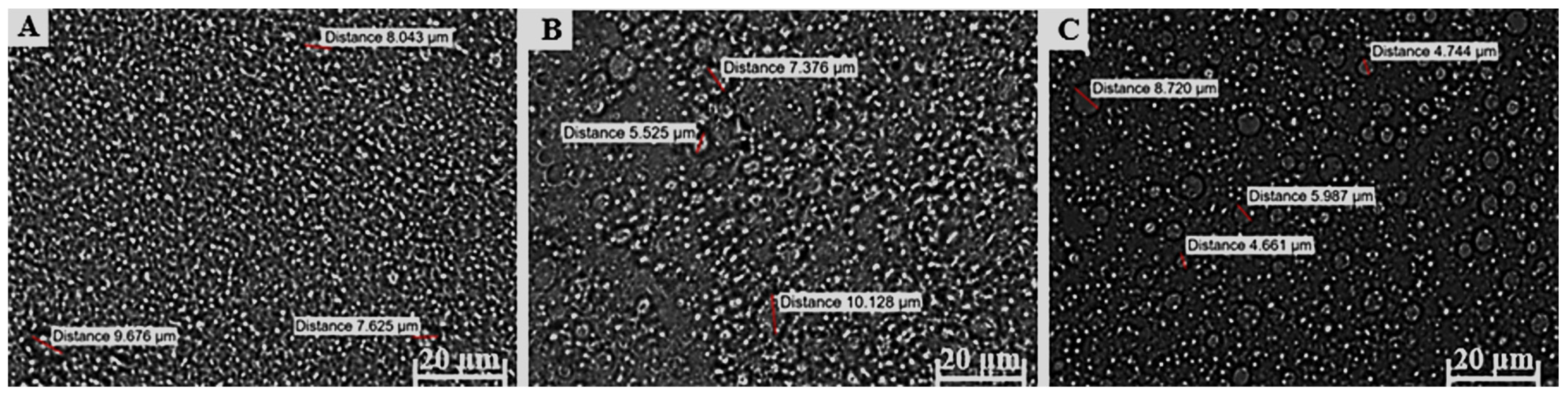
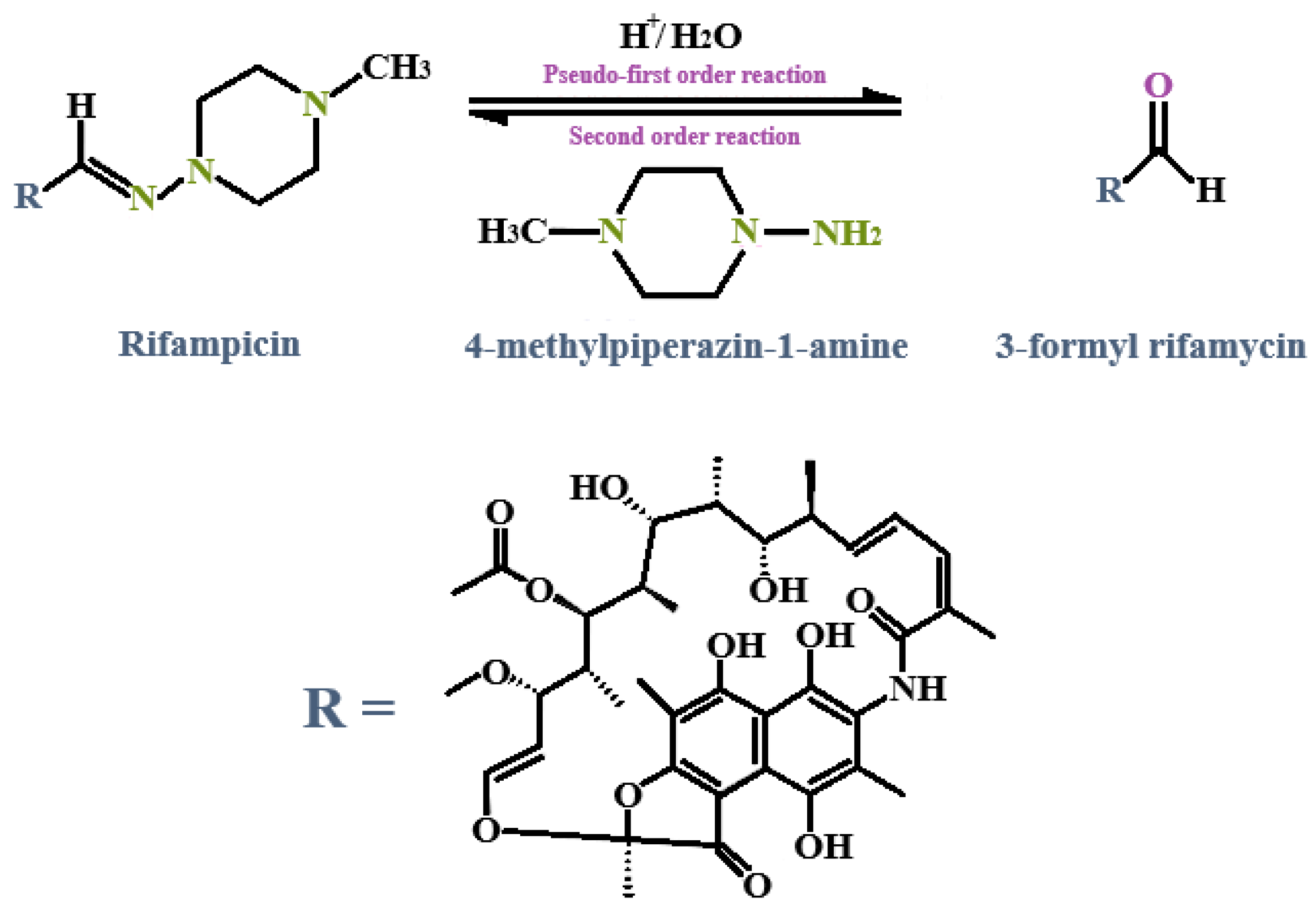
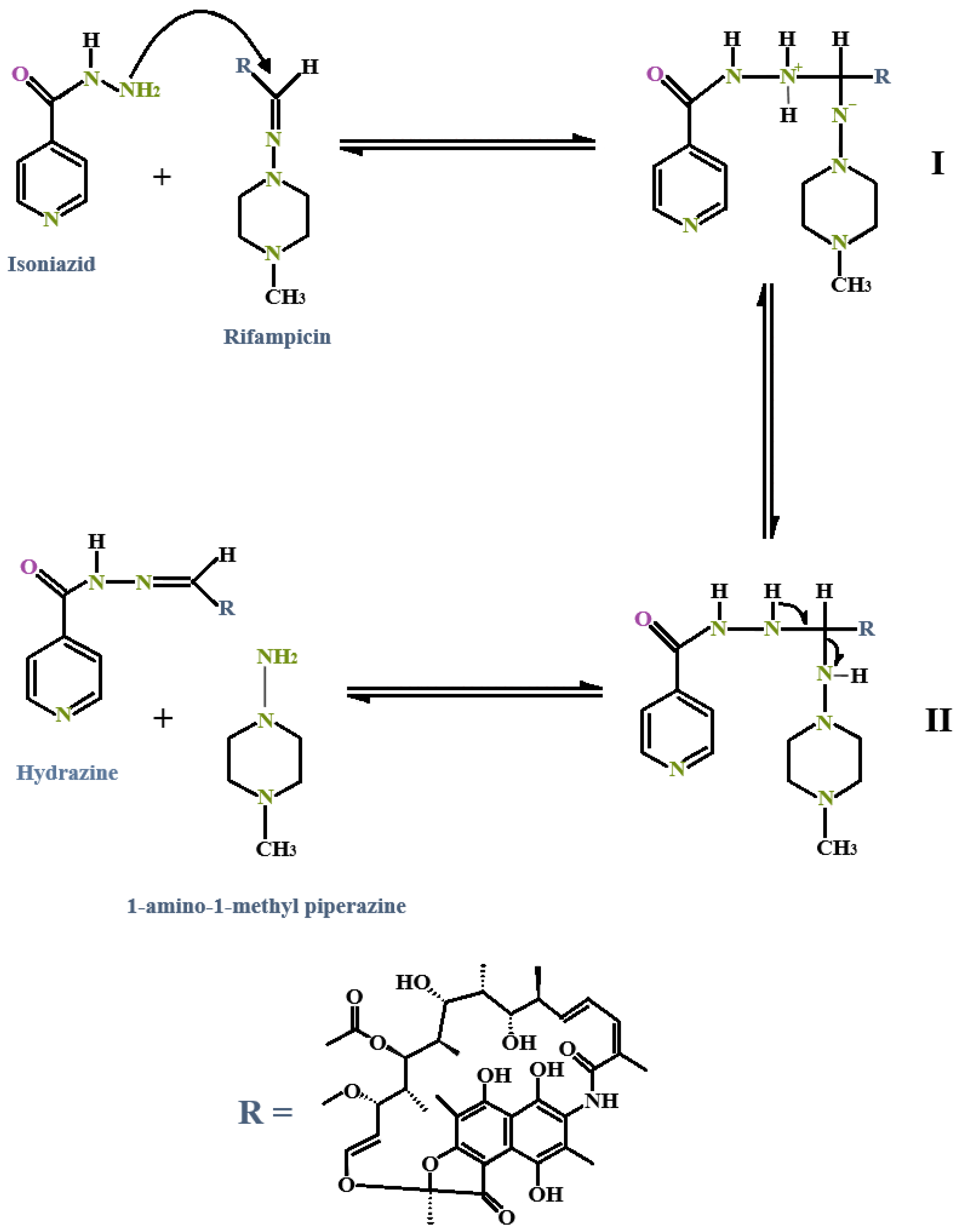

| Time (min) | Mobile Phase A | Mobile Phase B | Elution |
|---|---|---|---|
| 0 | 100% | 0% | Equilibration |
| 0–5 | 100% | 0% | Isocratic |
| 5–6 | 100→0% | 0→100% | Gradient |
| 6–15 | 0% | 100% | Isocratic |
| 15–20 | 0→100% | 100-0% | Gradient |
| 20–25 | 100% | 0% | Isocratic |
| Parameter | Isoniazid | Rifampicin |
|---|---|---|
| Specificity | No interference by oils, surfactants, or solvents was detected | No interference by oils, surfactants, or solvents was detected |
| Range of the analytical method | 16–100 µg/mL | 32–200 µg/mL |
| Linearity | r2 = 0.9953 | r2 = 0.9973 |
| Accuracy: % Recovery at the specified concentrations | ~16 µg/mL: 99.4% (%RSD(n=3): 0.3%) ~40 µg/mL: 100.4% (%RSD(n=3): 0.2%) ~100 µg/mL: 100.0% (%RSD(n=3): 0.0%) | ~32 µg/mL: 102.7% (%RSD(n=3): 0.4%) ~80 µg/mL: 98.5% (%RSD(n=3): 0.3%) ~200 µg/mL: 100.2% (%RSD(n=3): 0.6%) |
| Precision: Repeatability at ~40 µg/mL for INH and ~80 µg/mL for RIF (n = 6) | 0.2% | 0.4% |
| Intermediate precision at the specified concentrations | ~16 µg/mL: %RSD(n=3): 0.3% ~40 µg/mL: %RSD(n=3): 0.2% ~100 µg/mL: %RSD(n=3): 0.0% | ~32 µg/mL: %RSD(n=3): 0.4% ~80 µg/mL: %RSD(n=3): 0.3% ~200 µg/mL: %RSD(n=3): 0.6% |
| Oil Phase | Formulation Abbreviation | Excipient Ratios Surfactant Phase:Oil Phase:Aqueous Phase |
|---|---|---|
| Olive oil Frankincense oil Lemon oil | OLV442 FRK442 LEM442 | 4:4:2 |
| Olive oil Frankincense oil Lemon oil | OLV352 FRK352 LEM352 | 3:5:2 |
| Olive oil Frankincense oil Lemon oil | OLV343 FRK343 LEM343 | 3:4:3 |
| Olive oil Frankincense oil Lemon oil | OLV415 FRK415 LEM415 | 4:1:5 |
| Olive oil Frankincense oil Lemon oil | OLV325 FRK325 LEM325 | 3:2:5 |
| Olive oil Frankincense oil Lemon oil | OLV316 FRK316 LEM316 | 3:1:6 |
| Emulsification Grading | Time to Self-Emulsify | Description |
|---|---|---|
| A | Under 1 min | Emulsion displays quick emulsification with a bluish/clear appearance |
| B | Under 1 min | Emulsion forms rapidly with a bluish appearance |
| C | Within 2 min | Emulsion displays a milky appearance with very fine droplets |
| D | Over 2 min | Emulsion undergoes slow emulsification, with a dull, greyish appearance in addition to the formation of oily droplets |
| E | Over 2 min | Emulsion presents with large oil droplets on the surface, with poor emulsification ability |
| Formulations | Zeta Potential (mV) | Droplet Size (μm) | PDI | pH | Self-Emulsification Time (min) | Self-Emulsification Grading | Viscosity (mPa.s) | Cloud Point (°C) |
|---|---|---|---|---|---|---|---|---|
| OLV343 | –24.00 | * | 0.36 | 7.00 | 18.33 | D | 47 820.67 | 27.6 |
| OLV415 | –31.47 | 4.876 | 0.74 | 6.95 | 29.14 | D | 45 132.30 | 27.7 |
| OLV325 | –31.73 | 4.839 | 1.00 | 6.97 | 6.58 | D | 17 863.43 | 26.3 |
| OLV316 | –27.57 | 6.596 | 0.97 | 7.05 | 11.56 | D | 17 418.28 | 28.0 |
| FRK415 | –41.00 | * | 0.43 | 6.99 | 60.33 | E | 56 763.67 | 39.4 |
| FRK325 | –25.83 | * | 0.47 | 7.10 | 60.33 | E | 65 674.00 | 51.5 |
| FRK316 | –30.77 | 5.056 | 0.56 | 7.10 | 59.21 | E | 45 167.33 | 31.1 |
| LEM415 | –29.00 | * | 0.58 | 6.80 | 63.40 | E | 52 547.00 | 45.5 |
| LEM325 | –37.07 | 7.676 | 0.46 | 6.88 | 63.40 | E | 7 331.60 | 43.0 |
| LEM316 | –37.07 | 6.028 | 0.53 | 6.96 | 63.40 | E | 18 816.70 | 42.9 |
| %INH | Formulations | %RIF |
|---|---|---|
| 68.2 ± 0.5 91.6 ± 0.7 85.1 ± 0.2 90.4 ± 0.9 | OLV343 OLV325 OLV415 OLV316 | 111.5 ± 2.1 109.5 ± 1.0 109.1 ± 1.3 107.6 ± 0.5 |
| 57.4 ± 0.4 | FRK325 | 83.3 ± 3.9 |
| – | LEM325 | 87.6 ± 0.1 |
| INH | RIF | |||||
|---|---|---|---|---|---|---|
| % INH Released | Release Rate (μg.cm2/h) | Cumulative Amount (μg/cm2) | % RIF Released | Release Rate (μg.cm2/h) | Cumulative Amount (μg/cm2) | |
| 7.68 (±2.22) | 9.49 | 59.93 ± 0.99 | OLV415 | – | – | – |
| 15.00 (±0.89) | 16.48 | 117.07 ± 0.99 | OLV325 | 3.32 (±0.46) | 3.78 | 31.21 (±3.66) |
| 24.07 (±1.51) | 26.60 | 176.39 ± 0.99 | OLV316 | – | – | – |
| Temperature (°C) | INH Concentration (μg/mL) | %INH | RIF Concentration (μg/mL) | %RIF |
|---|---|---|---|---|
| 5 | 81.69 | 99.9 | 156.80 | 96.8 |
| 25 | 76.56 | 97.3 | 142.06 | 87.7 |
| 40 | 71.79 | 87.8 | 76.56 | 66.6 |
Disclaimer/Publisher’s Note: The statements, opinions and data contained in all publications are solely those of the individual author(s) and contributor(s) and not of MDPI and/or the editor(s). MDPI and/or the editor(s) disclaim responsibility for any injury to people or property resulting from any ideas, methods, instructions or products referred to in the content. |
© 2025 by the authors. Licensee MDPI, Basel, Switzerland. This article is an open access article distributed under the terms and conditions of the Creative Commons Attribution (CC BY) license (https://creativecommons.org/licenses/by/4.0/).
Share and Cite
van Deventer, M.; Haynes, R.K.; Brits, M.; Viljoen, J.M. Formulation of Topical Drug Delivery Systems Containing a Fixed-Dose Isoniazid–Rifampicin Combination Using the Self-Emulsification Mechanism. Pharmaceutics 2025, 17, 680. https://doi.org/10.3390/pharmaceutics17060680
van Deventer M, Haynes RK, Brits M, Viljoen JM. Formulation of Topical Drug Delivery Systems Containing a Fixed-Dose Isoniazid–Rifampicin Combination Using the Self-Emulsification Mechanism. Pharmaceutics. 2025; 17(6):680. https://doi.org/10.3390/pharmaceutics17060680
Chicago/Turabian Stylevan Deventer, Melissa, Richard K. Haynes, Marius Brits, and Joe M. Viljoen. 2025. "Formulation of Topical Drug Delivery Systems Containing a Fixed-Dose Isoniazid–Rifampicin Combination Using the Self-Emulsification Mechanism" Pharmaceutics 17, no. 6: 680. https://doi.org/10.3390/pharmaceutics17060680
APA Stylevan Deventer, M., Haynes, R. K., Brits, M., & Viljoen, J. M. (2025). Formulation of Topical Drug Delivery Systems Containing a Fixed-Dose Isoniazid–Rifampicin Combination Using the Self-Emulsification Mechanism. Pharmaceutics, 17(6), 680. https://doi.org/10.3390/pharmaceutics17060680