Article

Evaluating Manganese-Doped Magnetic Nanoflowers for Biocompatibility and In Vitro Magnetic Hyperthermia Efficacy

by
Andreea-Elena Petru
1,†,
Cristian Iacovita
2,†,
Ionel Fizeșan
1,
Roxana Dudric
3,
Ionut-Valentin Crestin
1,
Constantin Mihai Lucaciu
2,*,
Felicia Loghin
1 and
Bela Kiss
1
1
Department of Toxicology, Faculty of Pharmacy, “Iuliu Hațieganu” University of Medicine and Pharmacy, Pasteur 6A, 400349 Cluj-Napoca, Romania
2
Department of Pharmaceutical Physics-Biophysics, Faculty of Pharmacy, “Iuliu Hatieganu” University of Medicine and Pharmacy, Pasteur 6, 400349 Cluj-Napoca, Romania
3
Faculty of Physics, “Babes Bolyai” University, Kogalniceanu 1, 400084 Cluj-Napoca, Romania
*
Author to whom correspondence should be addressed.
These authors contributed equally to the work.
Pharmaceutics 2025, 17(3), 384; https://doi.org/10.3390/pharmaceutics17030384

Submission received: 11 February 2025 / Revised: 10 March 2025 / Accepted: 17 March 2025 / Published: 18 March 2025
(This article belongs to the Section Nanomedicine and Nanotechnology)

Abstract

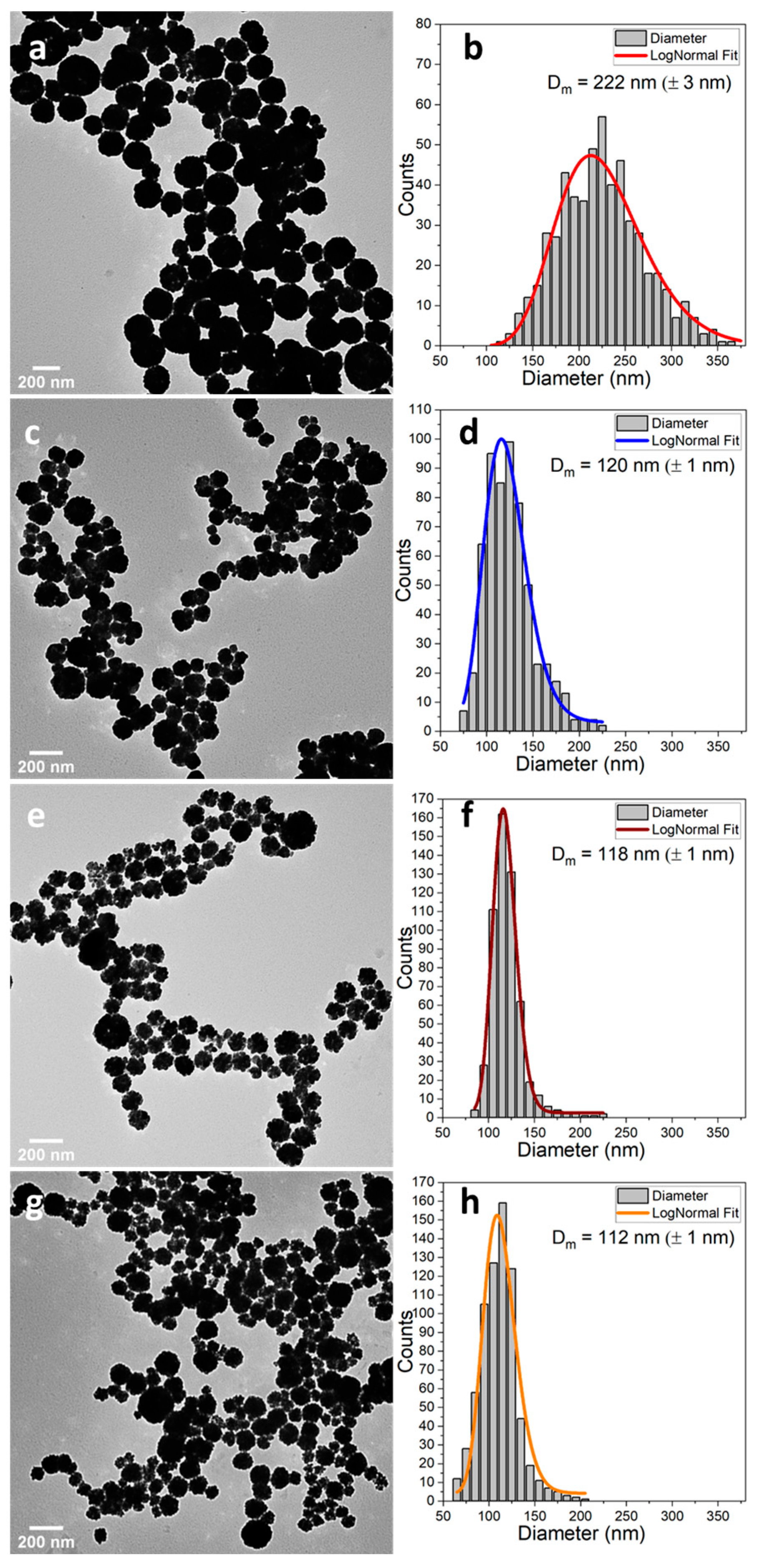
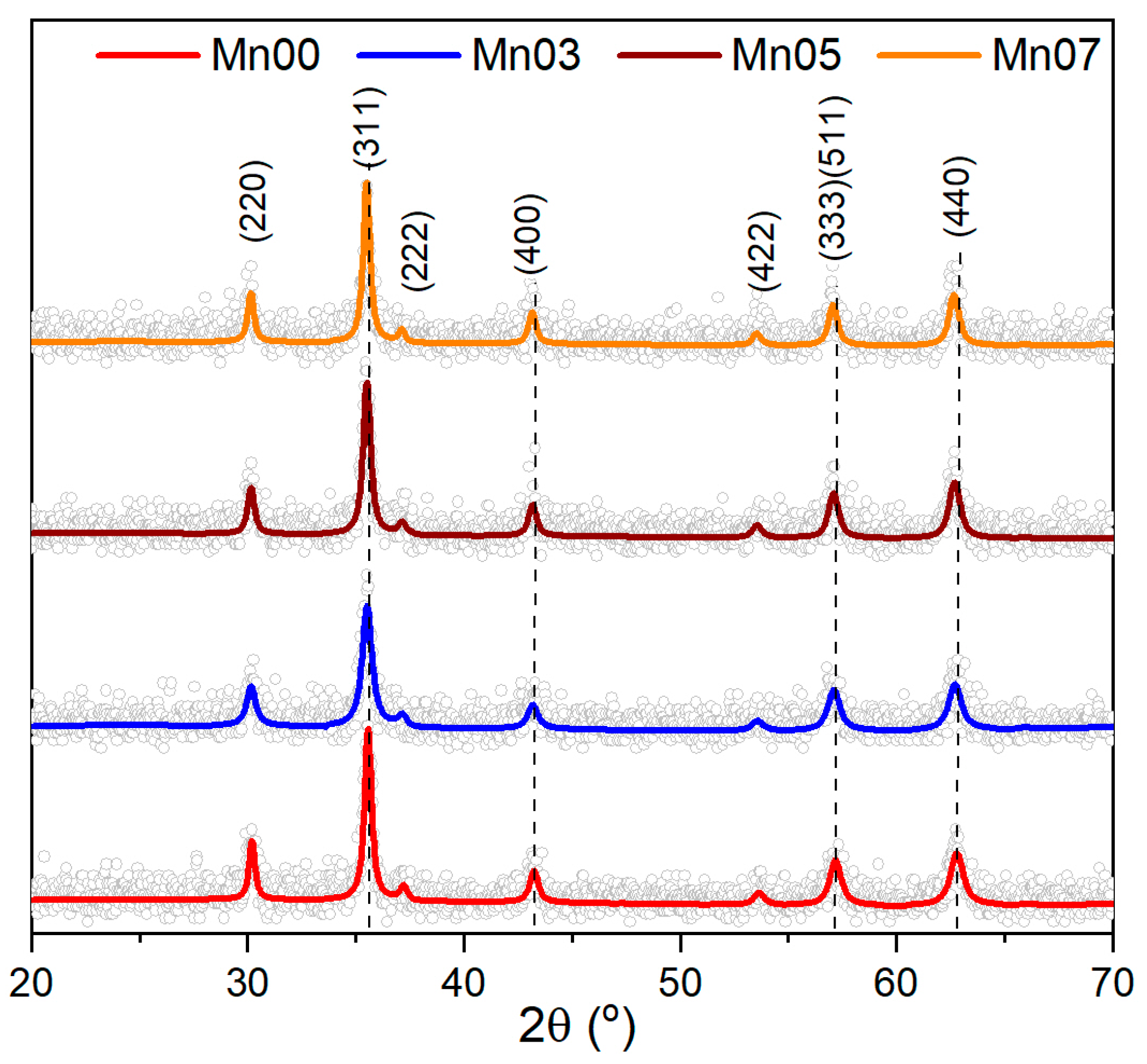
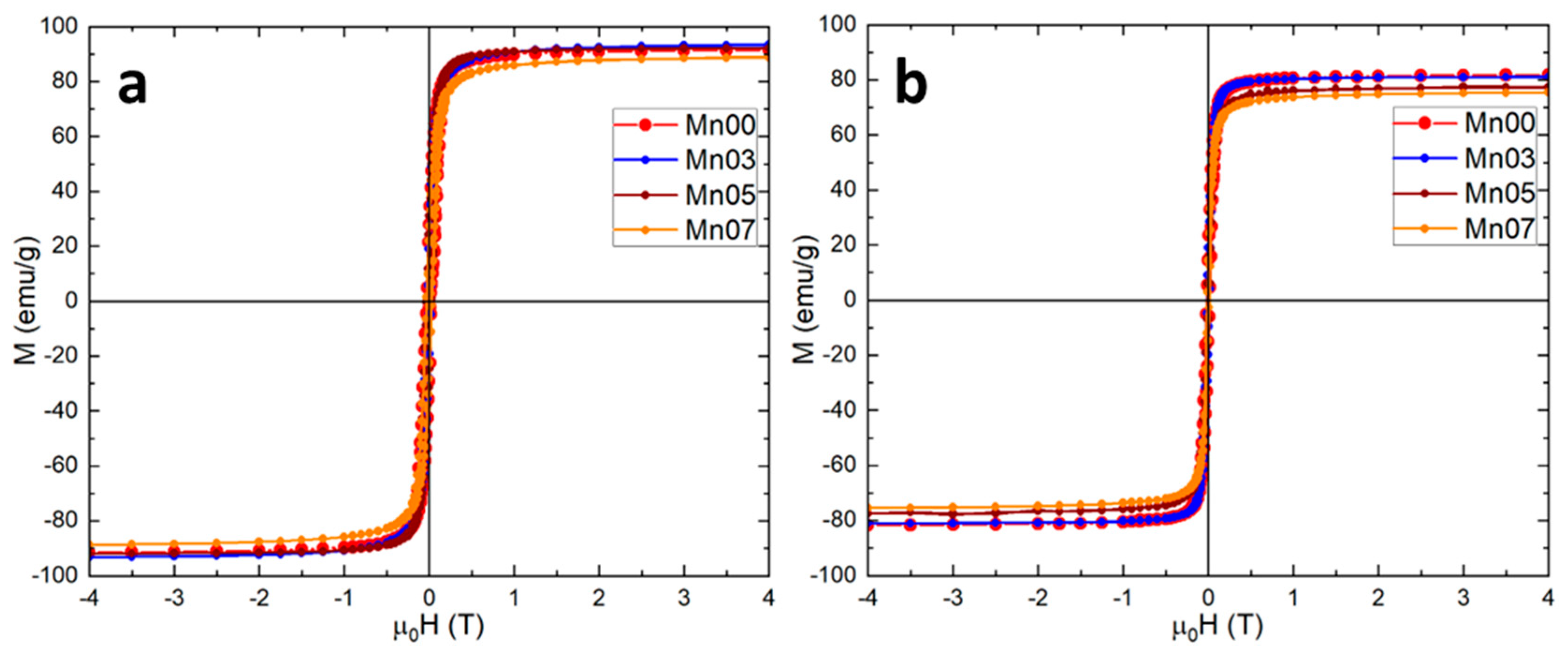
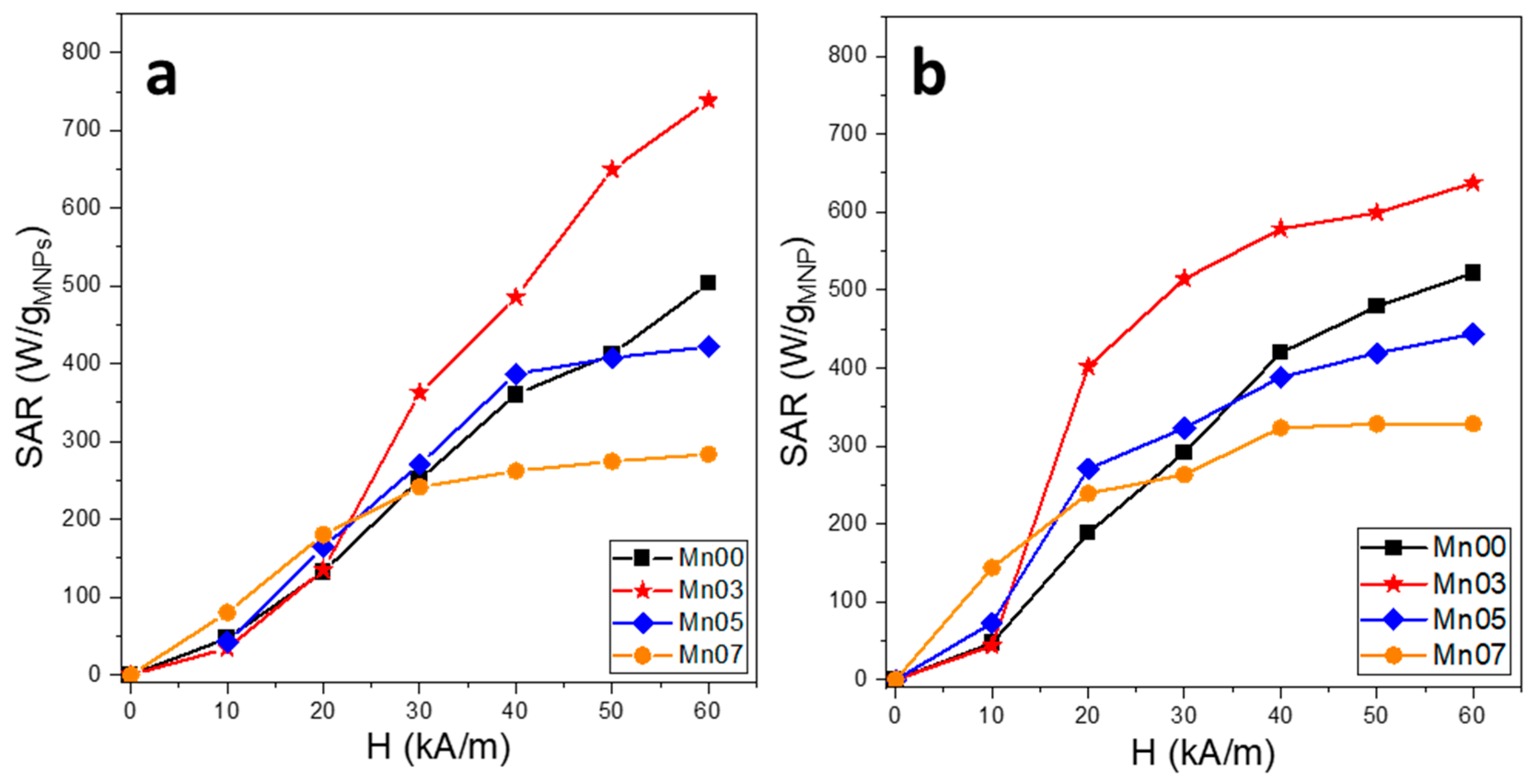
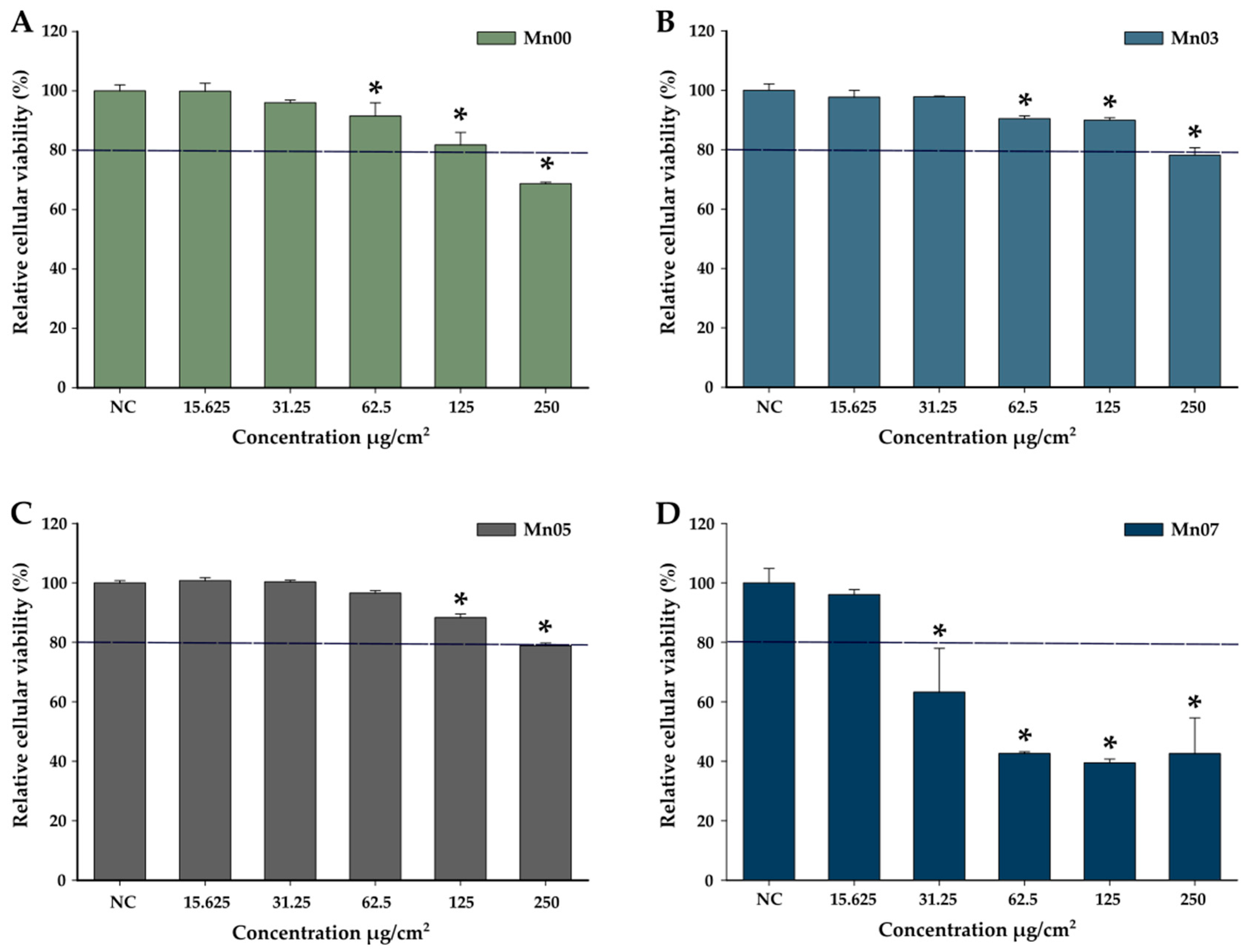
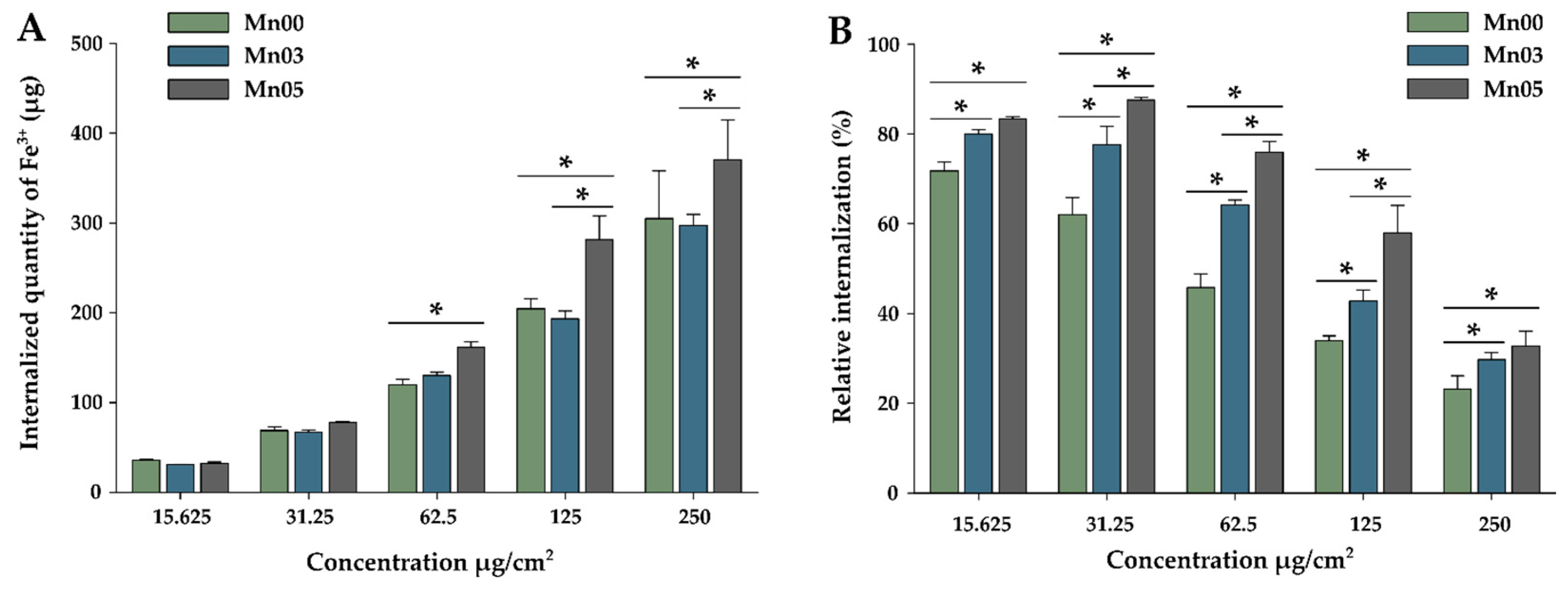
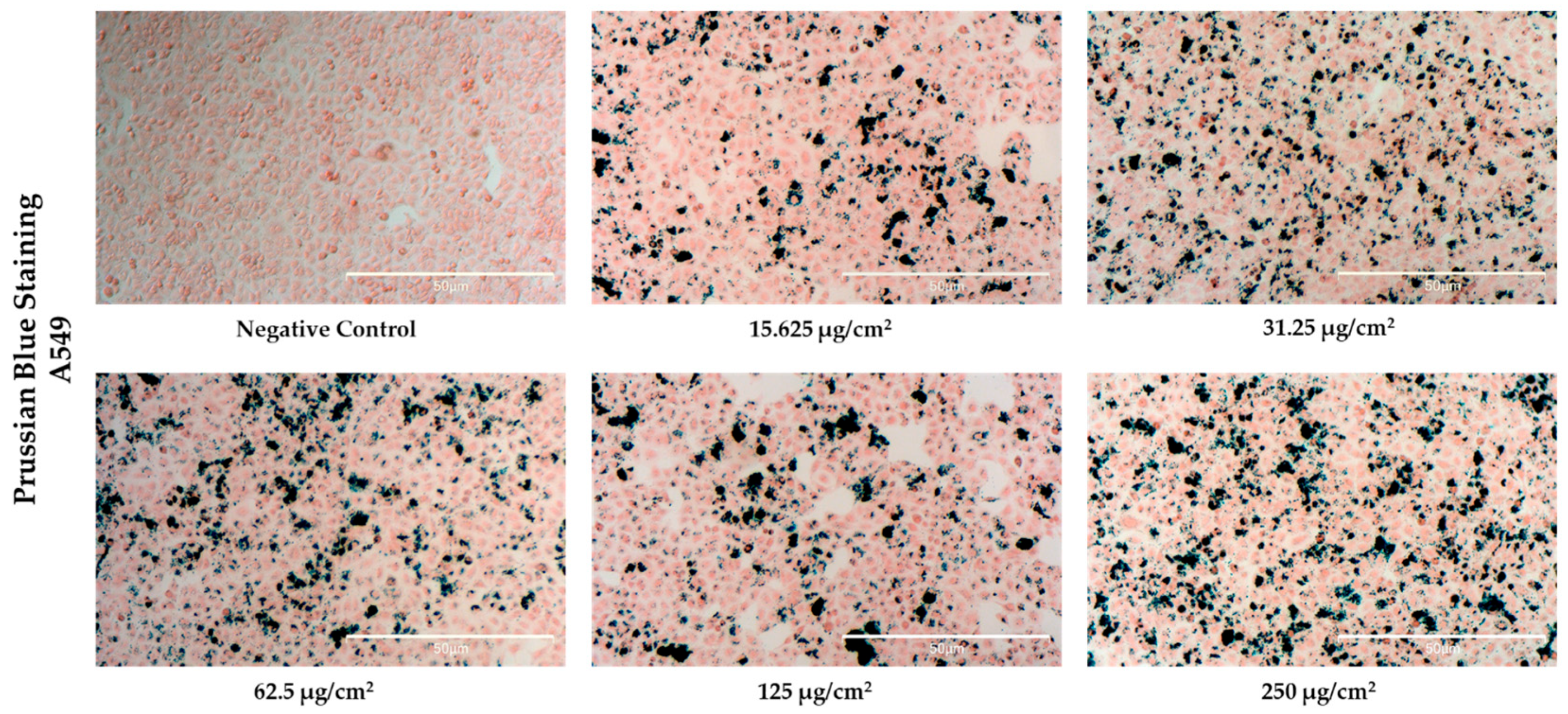
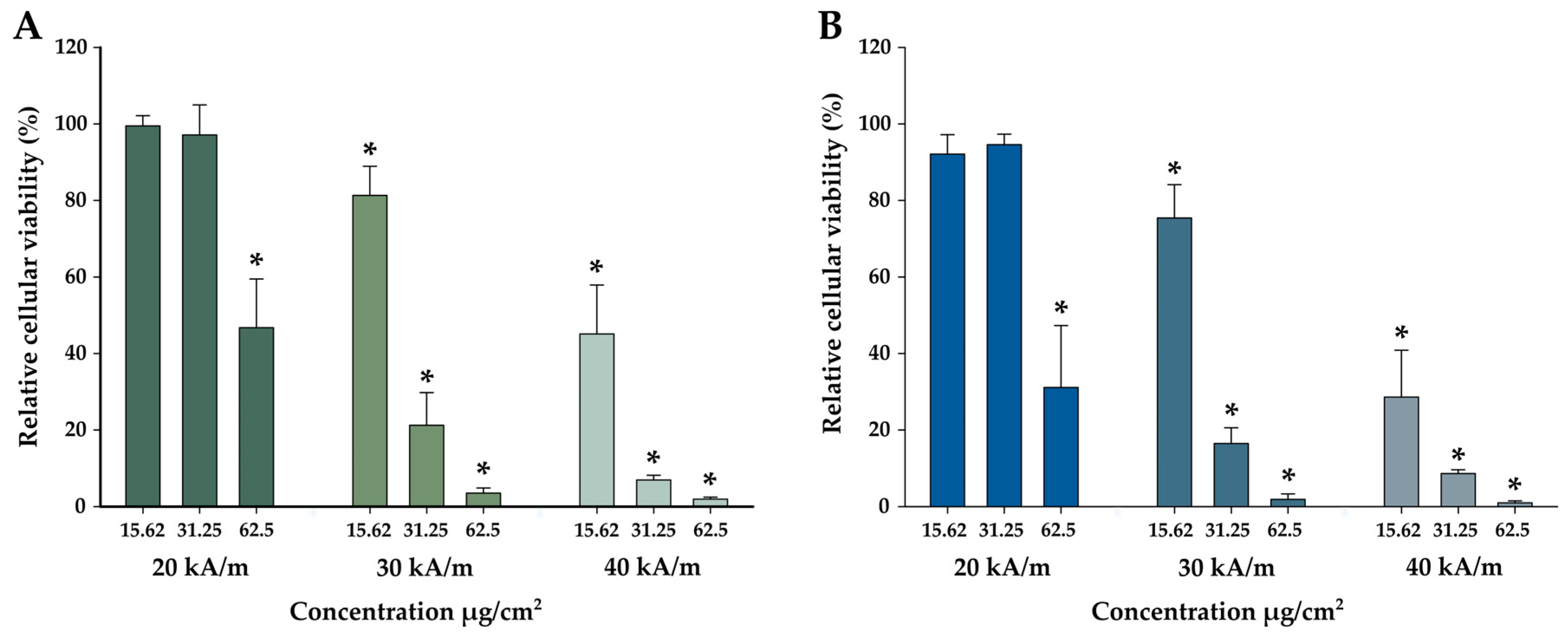
Background/Objectives: Magnetic hyperthermia (MH) has emerged as a promising alternative to conventional cancer treatments, offering targeted tumor destruction with minimal damage to healthy tissues. In this study, we synthesized manganese-doped magnetic nanoflowers (Mn-NFs) using a polyol-mediated approach to enhance heating efficiency and biocompatibility for MH applications. Our objective was to evaluate their structural, magnetic, and in vitro hyperthermic properties to determine their potential for lung cancer therapy. Methods: Mn-NFs, with the general formula MnxFe3-xO4 (x = 0, 0.3, 0.5, 0.7), were synthesized via a one-step polyol method and characterized using transmission electron microscopy (TEM), X-ray diffraction (XRD), and vibrating sample magnetometry (VSM). Their heating efficiency was assessed through specific absorption rate (SAR) measurements in aqueous and solid environments under an alternating magnetic field (AMF). Cytocompatibility was evaluated using the Alamar Blue assay on A549 lung carcinoma cells. Cellular uptake was quantified via a colorimetric iron determination method, while in vitro MH efficacy was tested by subjecting Mn-NF-loaded A549 cells to AMF exposure at different field strengths and nanoparticle concentrations. Results: Mn-NFs exhibited a flower-like morphology with enhanced magnetic properties, achieving high SAR values, particularly in immobilized conditions. Cytotoxicity assays confirmed high biocompatibility at relevant doses, with Mn-NFs of x = 0.3 showing optimal cellular uptake. MH studies demonstrated significant cancer cell death at AMF intensities of around 30 kA/m, with increased effectiveness following static magnetic field pre-alignment. Conclusions: The results highlight Mn-NFs, particularly those with a Mn content of x = 0.3, as promising candidates for MH-based lung cancer therapy, combining high heating efficiency, biocompatibility, and effective intracellular uptake. Further studies are needed to validate their therapeutic potential in vivo.
Keywords: nanoflowers; manganese-doped iron oxide nanoparticles; magnetic hyperthermia; cancer therapy; A549 cancer cell line; in vitro MH nanoflowers; manganese-doped iron oxide nanoparticles; magnetic hyperthermia; cancer therapy; A549 cancer cell line; in vitro MH