Article

Hyaluronic Acid-Based Nanoparticles Loaded with Rutin as Vasculo-Protective Tools against Anthracycline-Induced Endothelial Damages


by
Carla Serri
1,
Vincenzo Quagliariello
2,
Iriczalli Cruz-Maya
3,
Vincenzo Guarino
3,
Nicola Maurea
2,
Paolo Giunchedi
1,
Giovanna Rassu
1,* and
Elisabetta Gavini
1
1
Department of Medicine, Surgery and Pharmacy, University of Sassari, Via Muroni 23/A, 07100 Sassari, Italy
2
Division of Cardiology, Istituto Nazionale Tumori-IRCCS-Fondazione G. Pascale, 80131 Naples, Italy
3
Institute of Polymers, Composites and Biomaterials, National Research Council of Italy, Mostra d’Oltremare Pad. 20, V.le J.F. Kennedy 54, 80125 Naples, Italy
*
Author to whom correspondence should be addressed.
Pharmaceutics 2024, 16(8), 985; https://doi.org/10.3390/pharmaceutics16080985

Submission received: 20 May 2024 / Revised: 10 July 2024 / Accepted: 23 July 2024 / Published: 25 July 2024
(This article belongs to the Special Issue Advances in Nanotechnology-Based Drug Delivery Systems)

Abstract

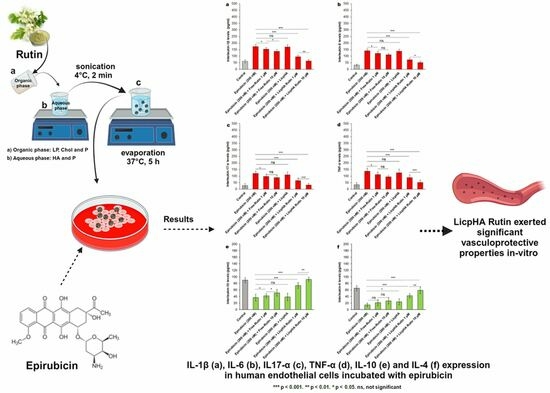
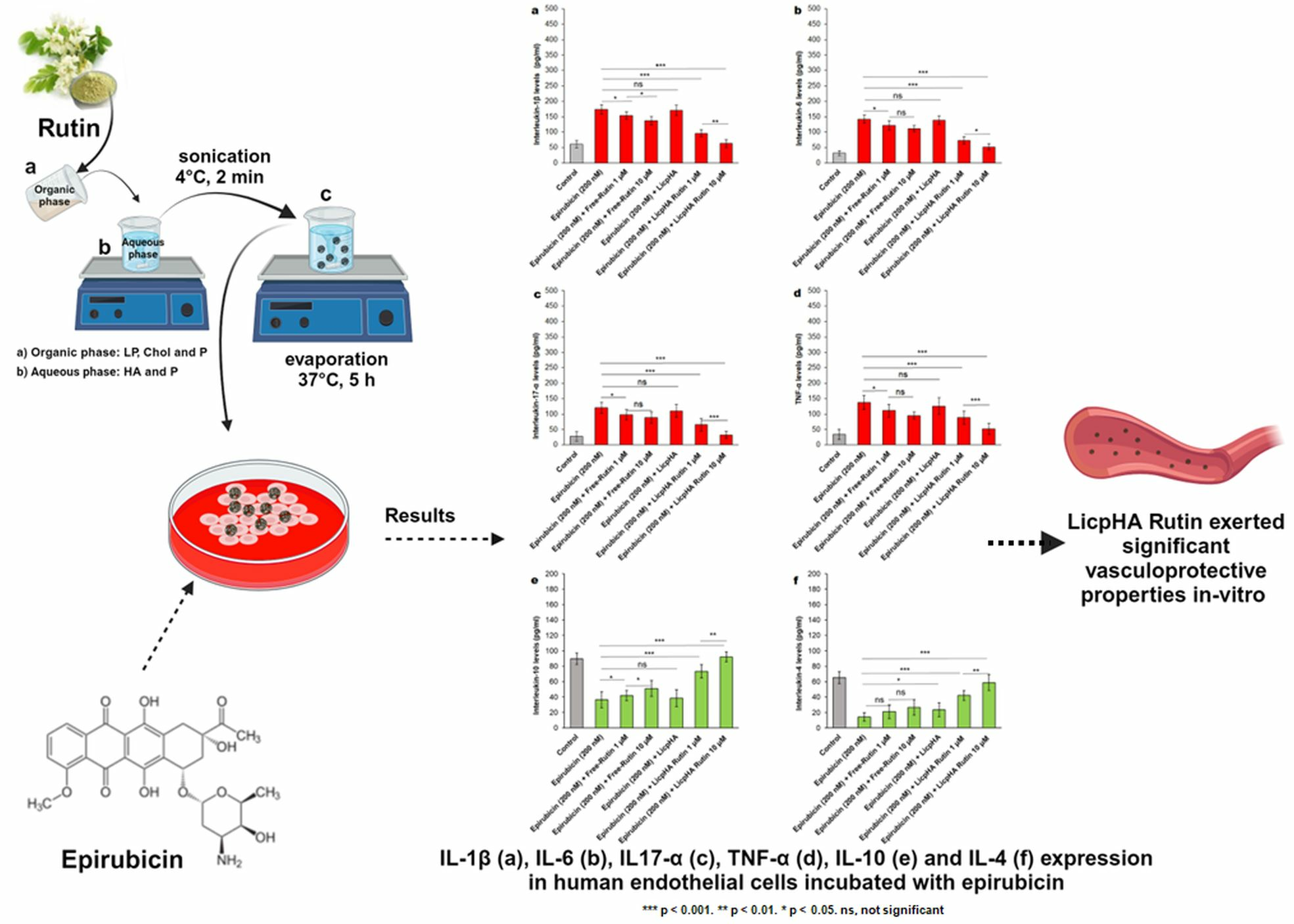
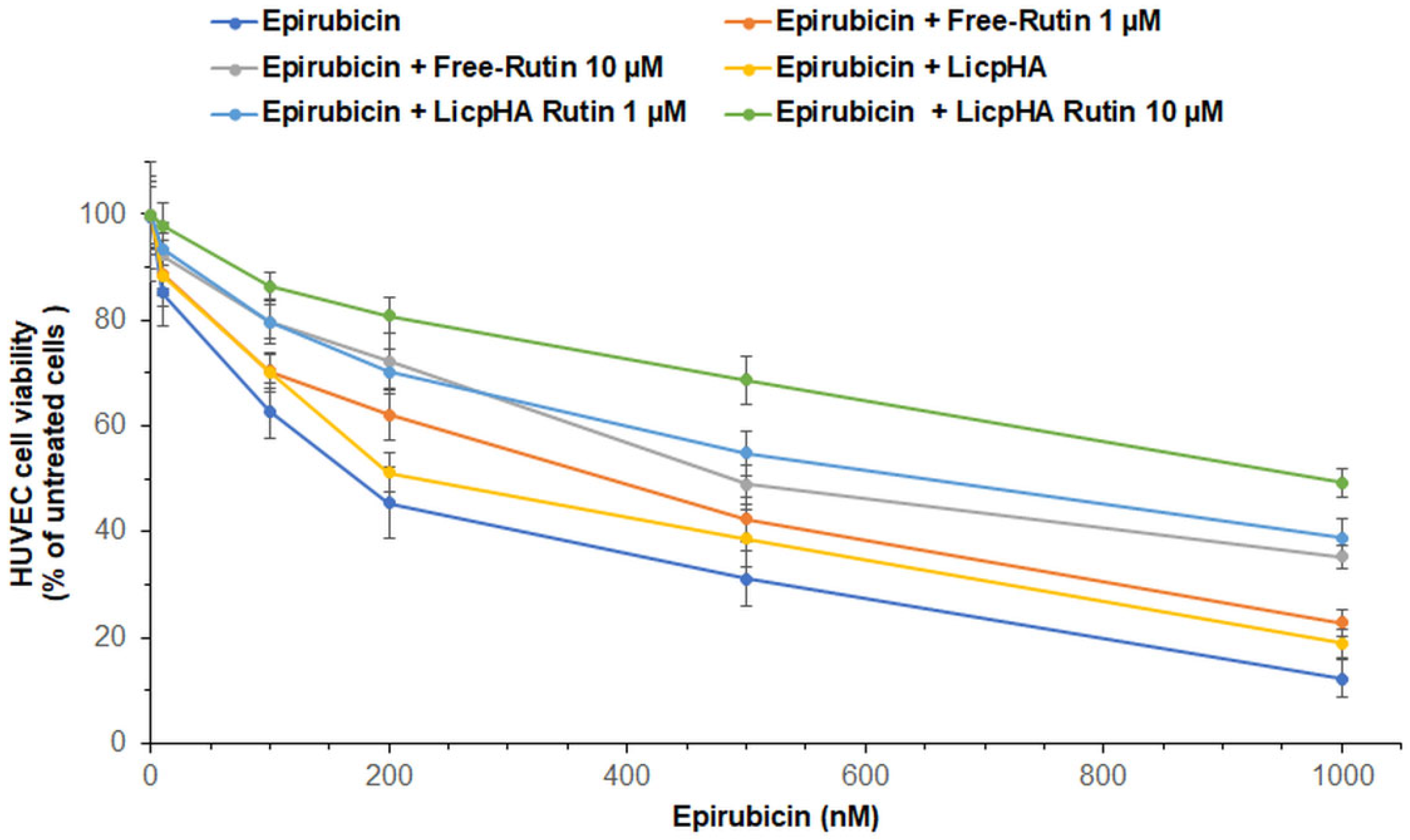
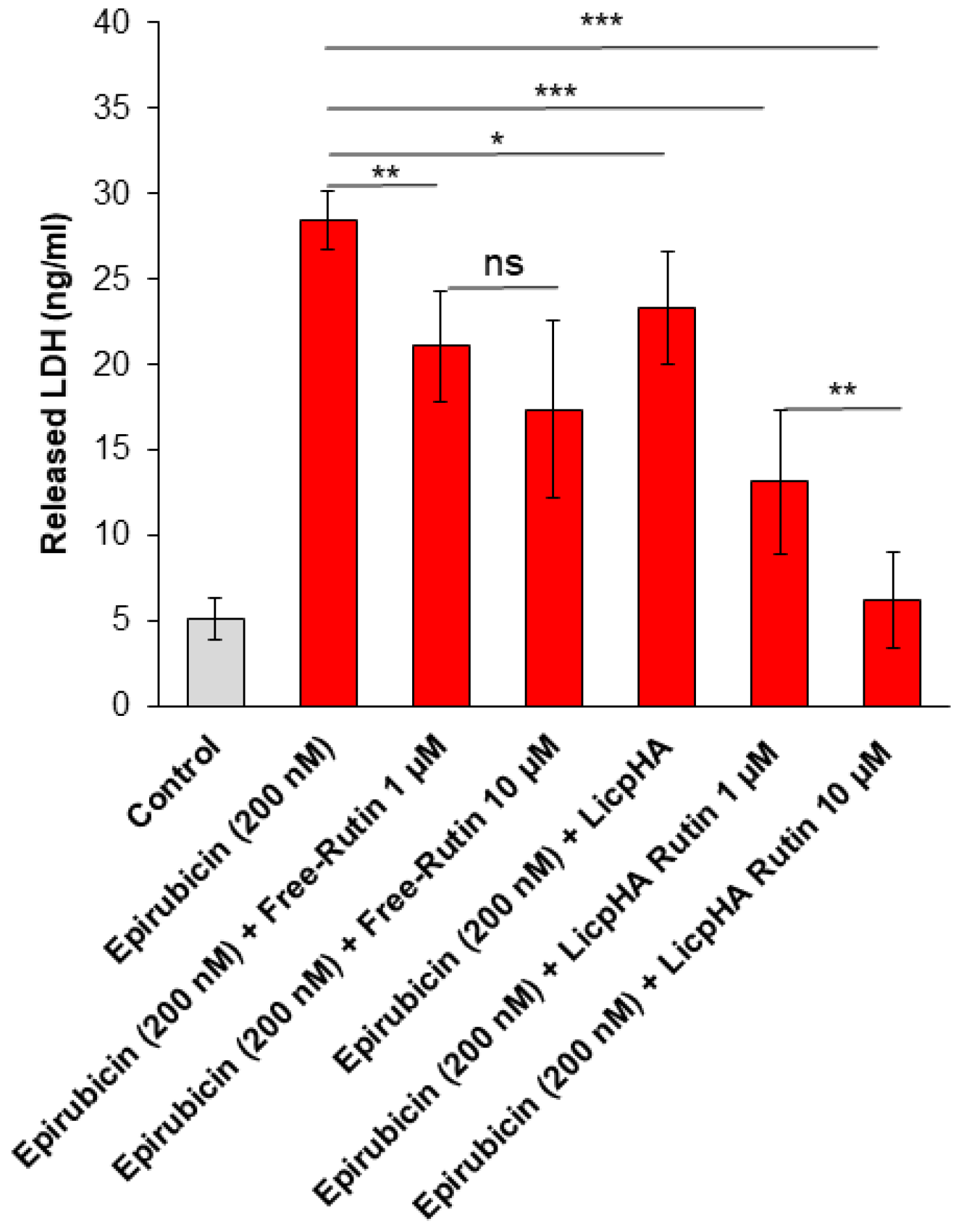
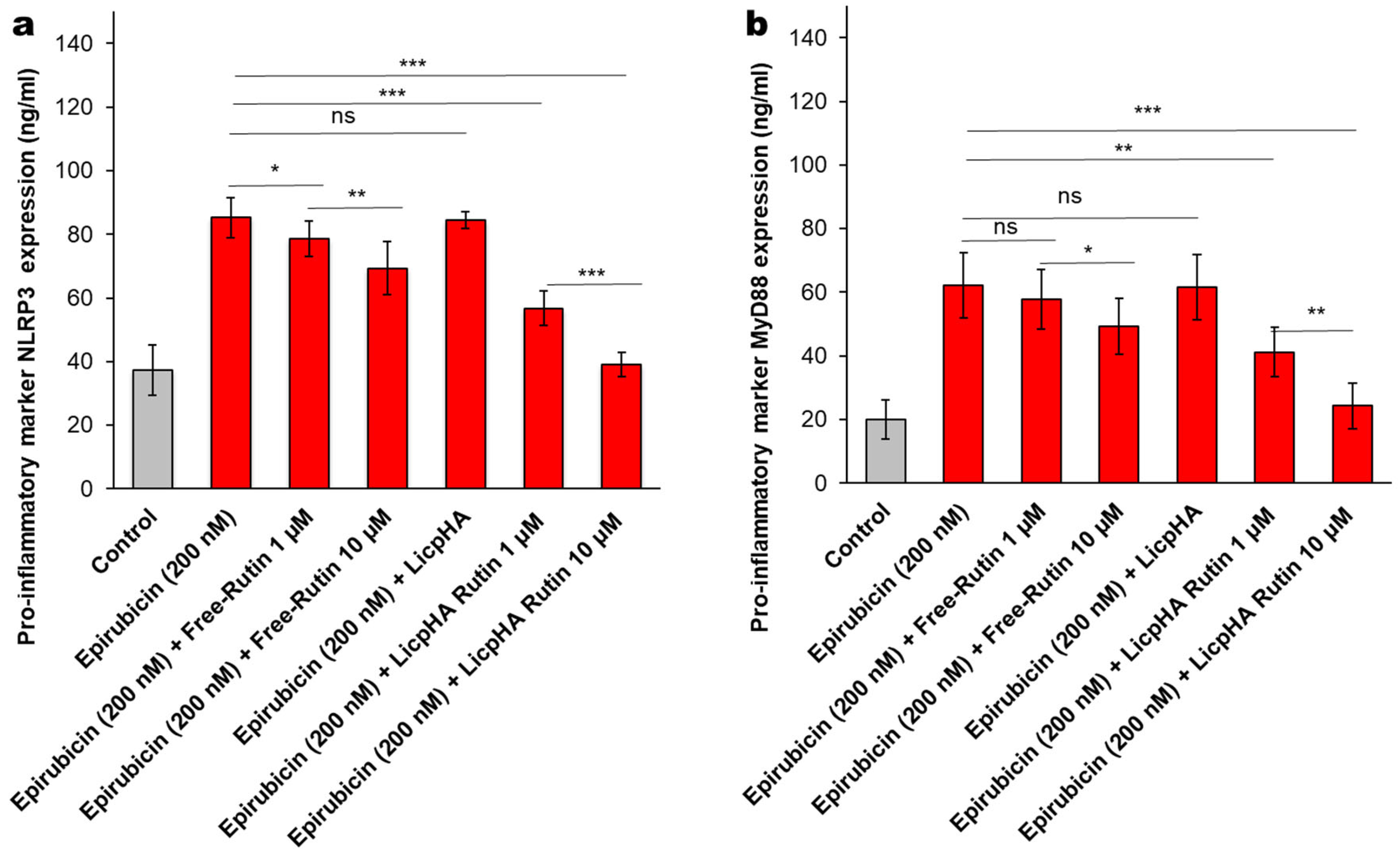
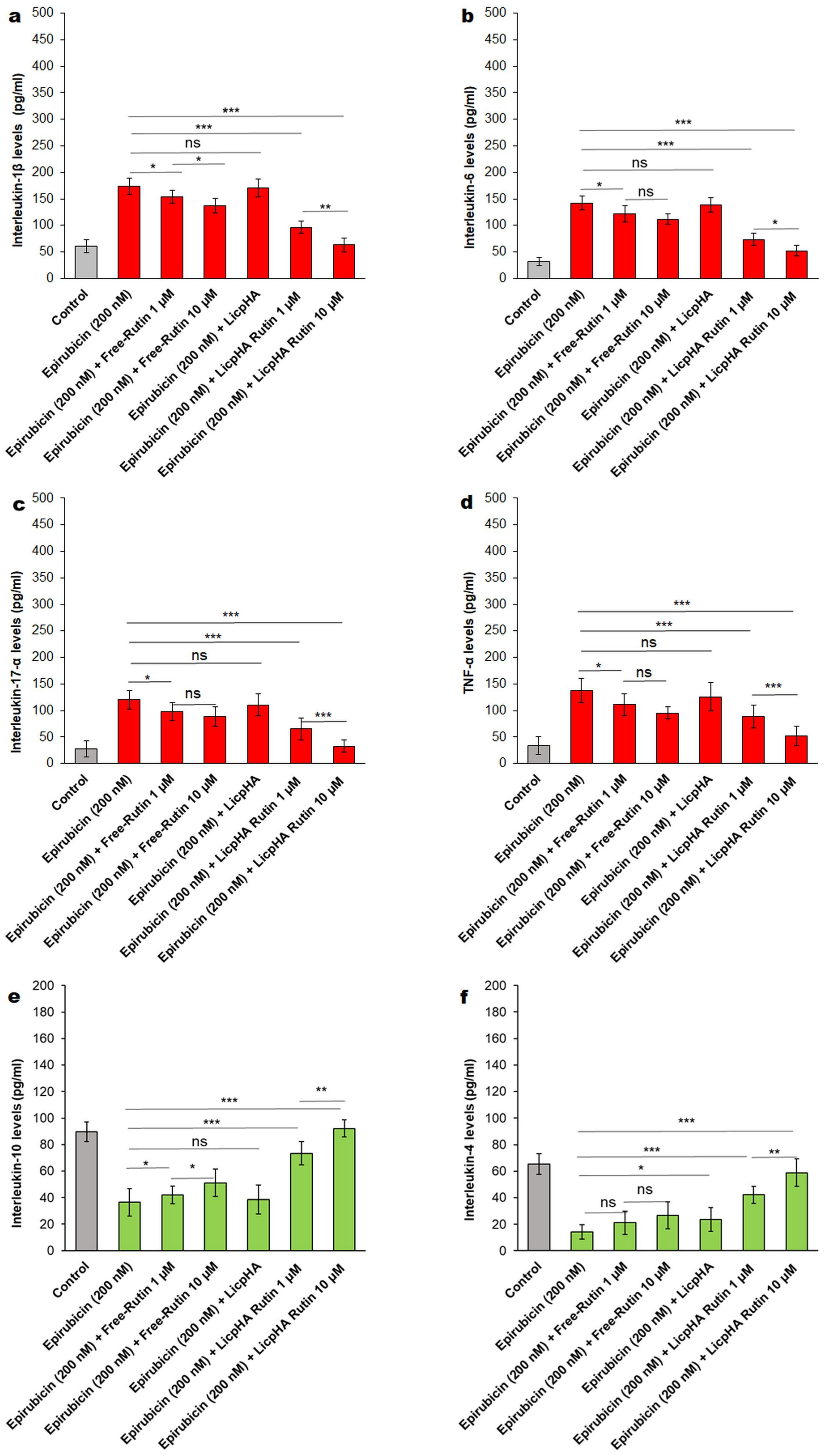
Anthracycline-based therapies exert endothelial damages through peroxidation and the production of proinflammatory cytokines, resulting in a high risk of cardiovascular complications in cancer patients. Hyaluronic acid-based hybrid nanoparticles (LicpHA) are effective pharmacological tools that can target endothelial cells and deliver drugs or nutraceuticals. This study aimed to prepared and characterized a novel LicpHA loaded with Rutin (LicpHA Rutin), a flavonoid with high antioxidant and anti-inflammatory properties, to protect endothelial cells against epirubicin-mediated endothelial damages. LicpHA Rutin was prepared using phosphatidylcholine, cholesterol, poloxamers, and hyaluronic acid by a modified nanoprecipitation technique. The chemical-physical characterization of the nanoparticles was carried out (size, zeta potential, morphology, stability, thermal analysis, and encapsulation efficiency). Cytotoxicity studies were performed in human endothelial cells exposed to epirubicin alone or in combination with Free-Rutin or LicpHA Rutin. Anti-inflammatory studies were performed through the intracellular quantification of NLRP-3, MyD-88, IL-1β, IL-6, IL17-α, TNF-α, IL-10, and IL-4 using selective ELISA methods. Morphological studies via TEM and image analysis highlighted a heterogeneous population of LicpHA particles with non-spherical shapes (circularity equal to 0.78 ± 0.14), and the particle size was slightly affected by Rutin entrapment (the mean diameter varied from 179 ± 4 nm to 209 ± 4 nm). Thermal analysis and zeta potential analyses confirmed the influence of Rutin on the chemical-physical properties of LicpHA Rutin, mainly indicated by the decrease in the surface negative charge (from −35 ± 1 mV to −30 ± 0.5 mV). Cellular studies demonstrated that LicpHA Rutin significantly reduced cell death and inflammation when compared to epirubicin alone. The levels of intracellular NLRP3, Myd-88, and proinflammatory cytokines were significantly lower in epirubicin + LicpHA Rutin-exposed cells when compared to epirubicin groups (p < 0.001). Hyaluronic acid-based nanoparticles loaded with Rutin exerts significant vasculo-protective properties during exposure to anthracyclines. The overall picture of this study pushes towards preclinical and clinical studies in models of anthracycline-induced vascular damages.
Keywords: Rutin; hybrid nanoparticles; hyaluronic acid; anthracyclines; cancer Rutin; hybrid nanoparticles; hyaluronic acid; anthracyclines; cancer
Graphical Abstract