Abstract
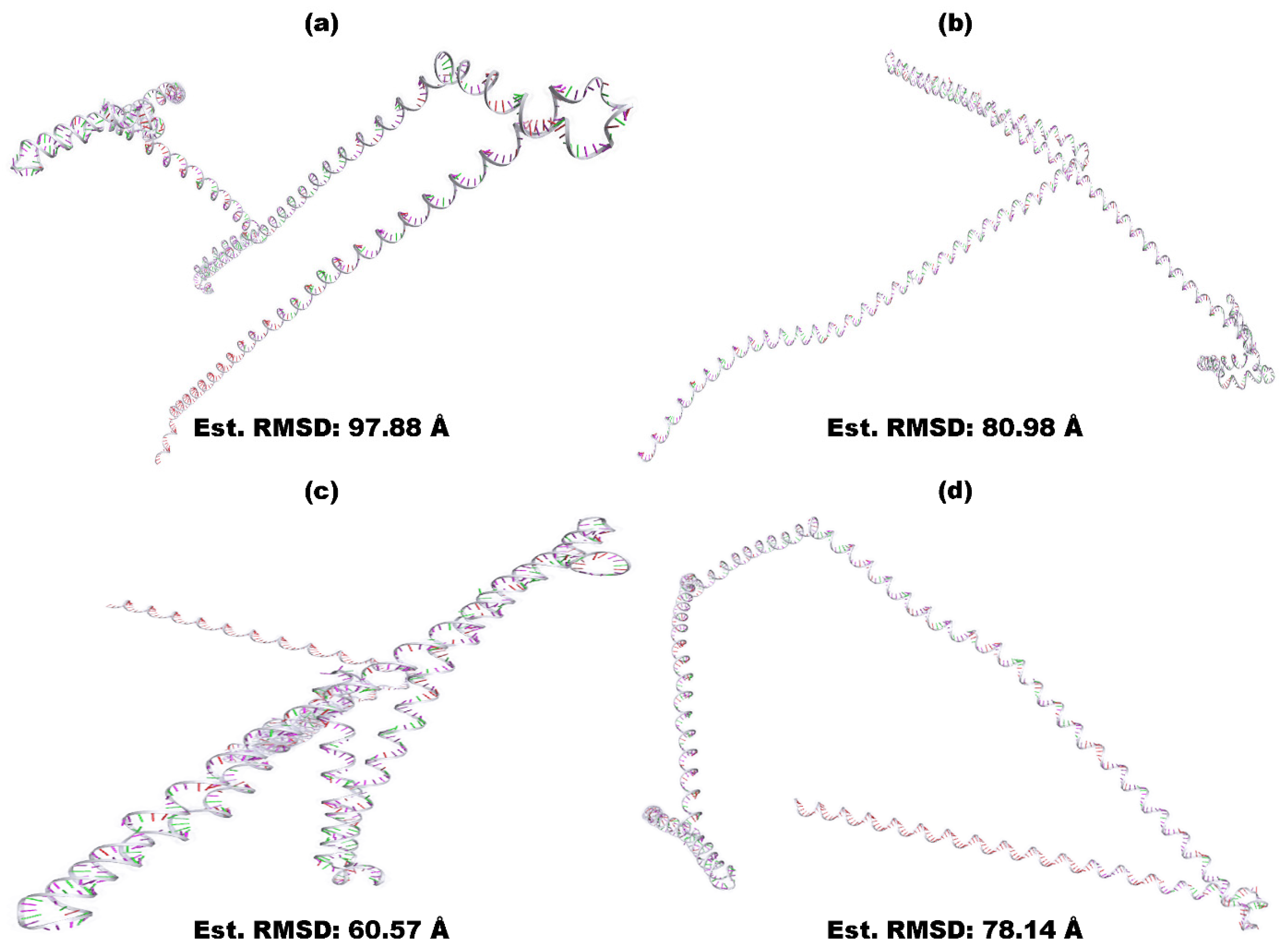
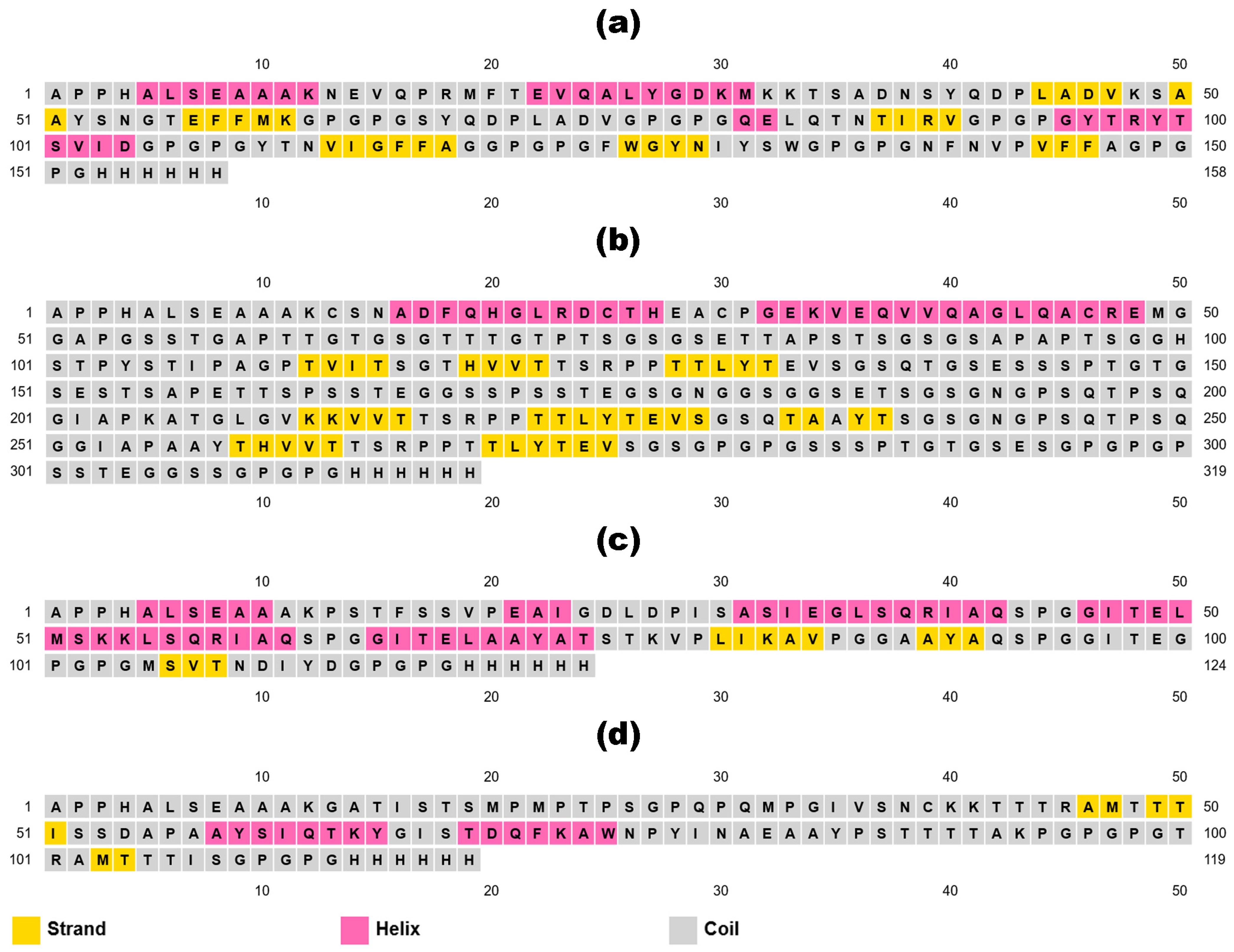
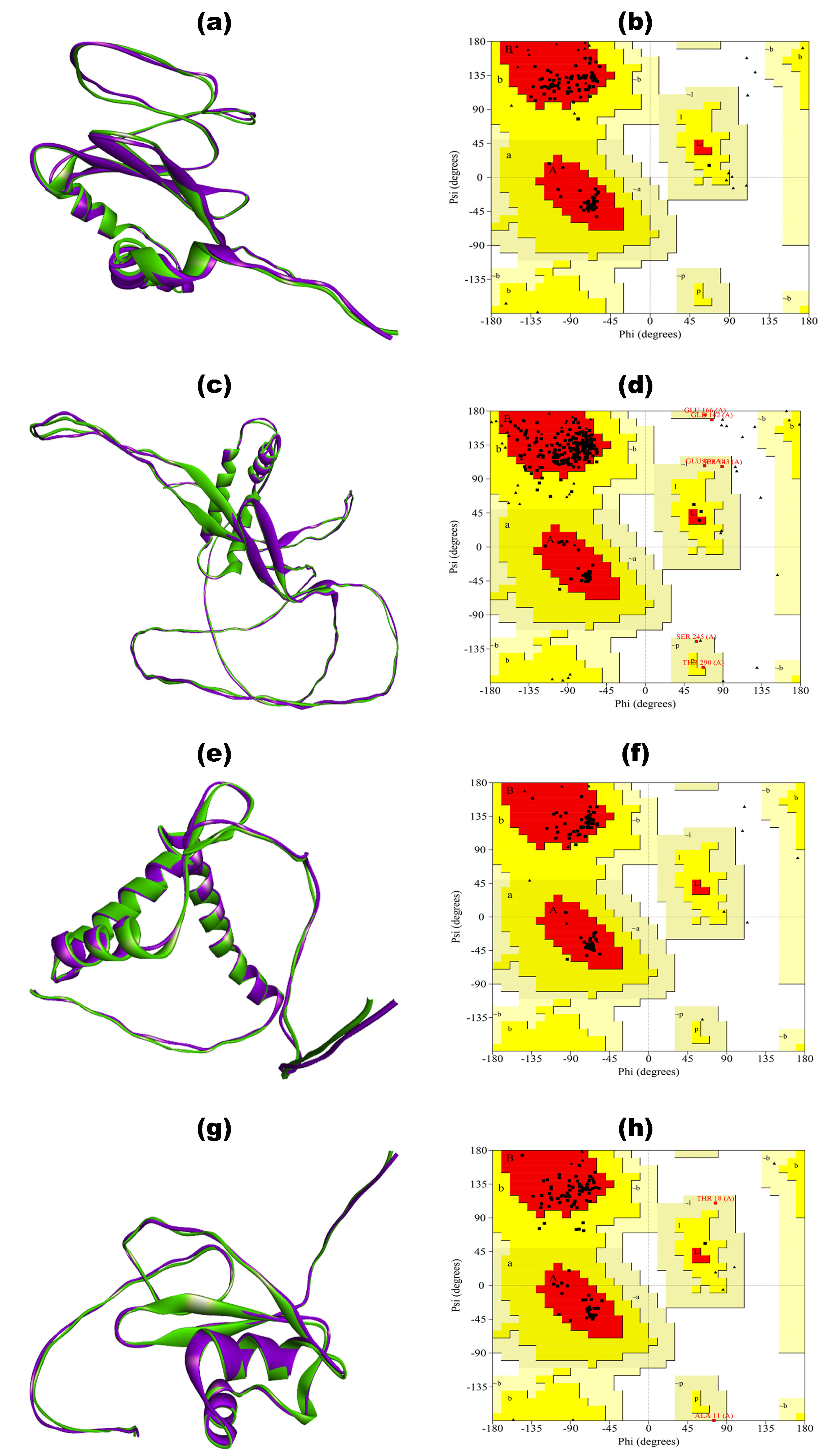
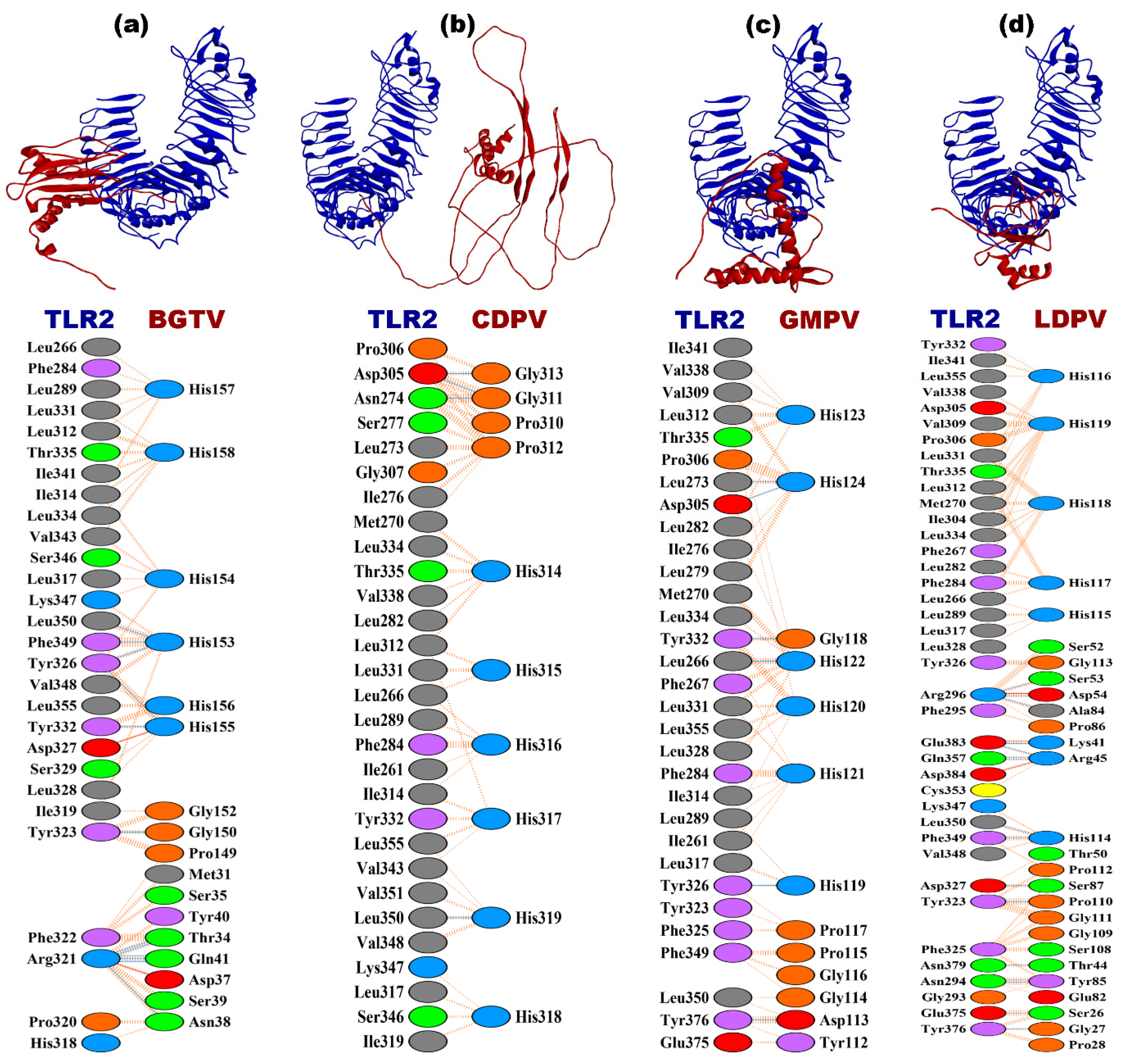
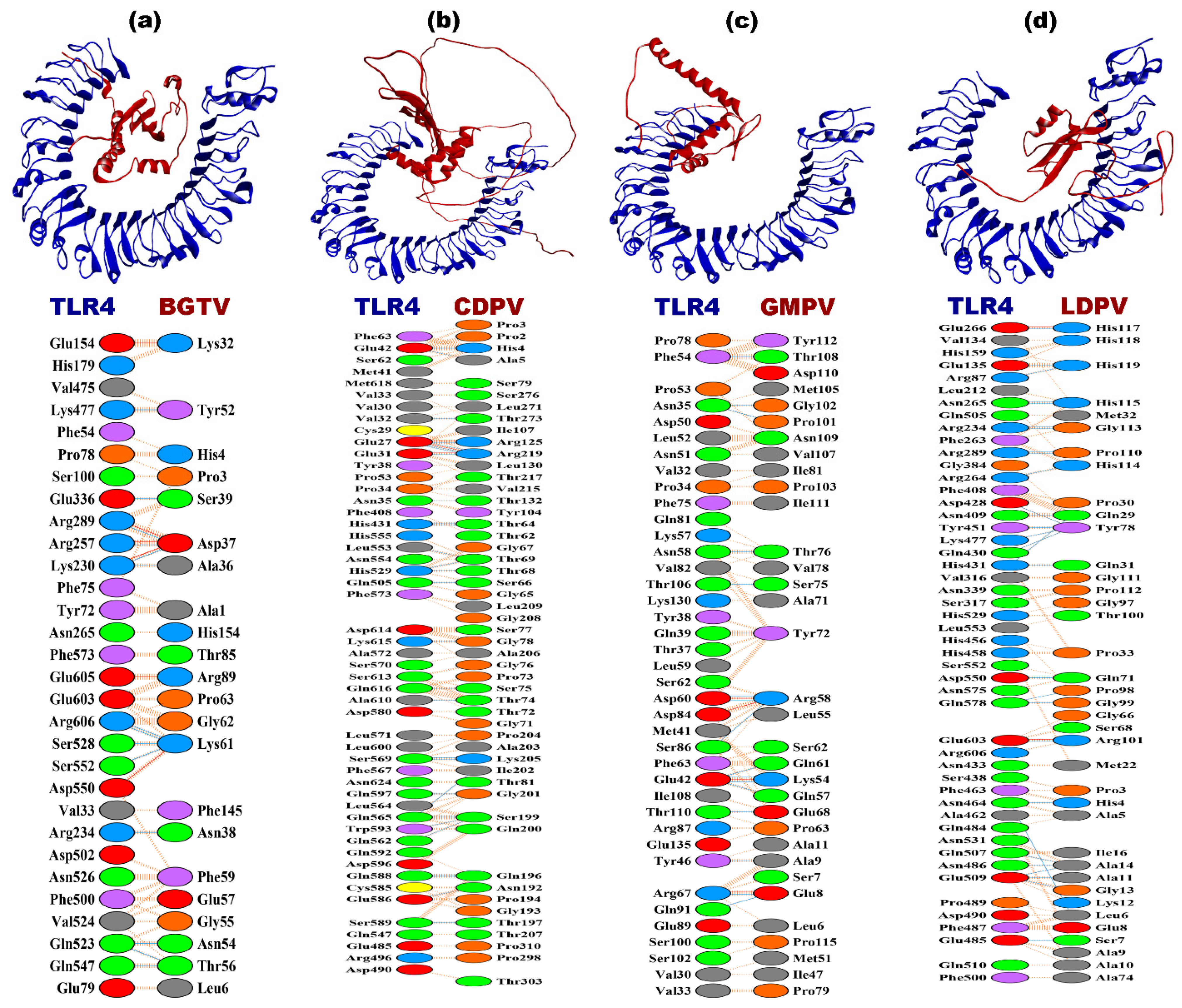
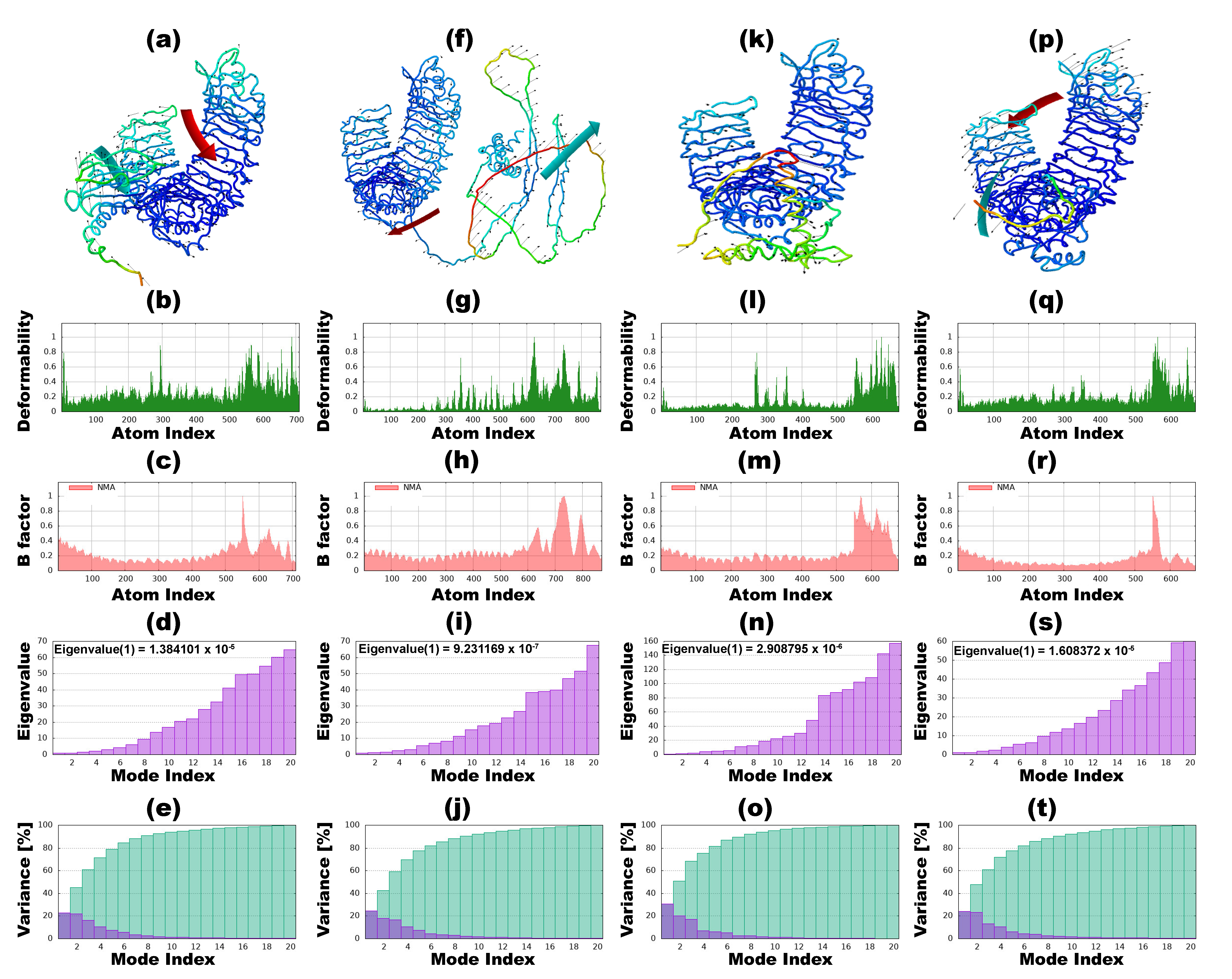
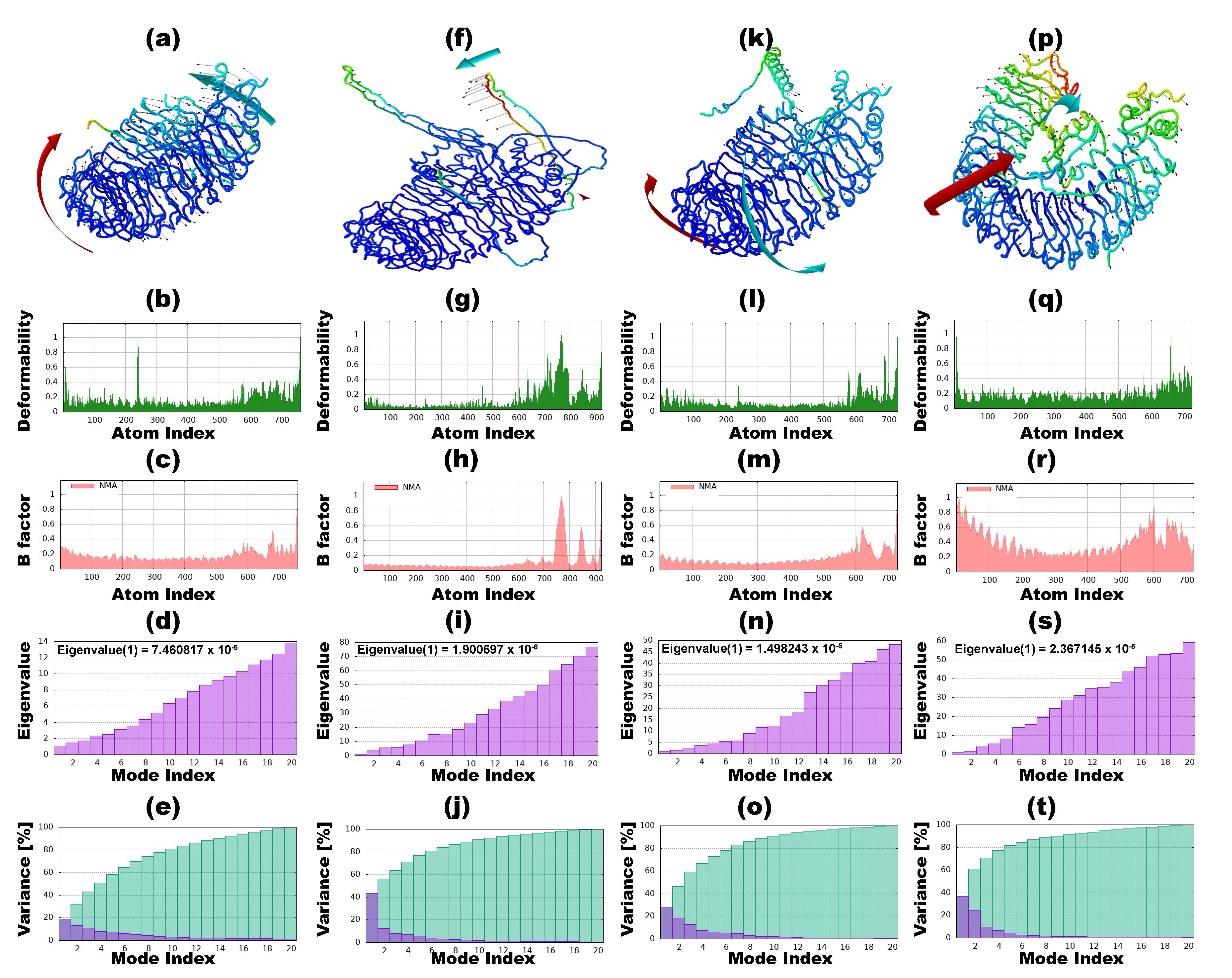
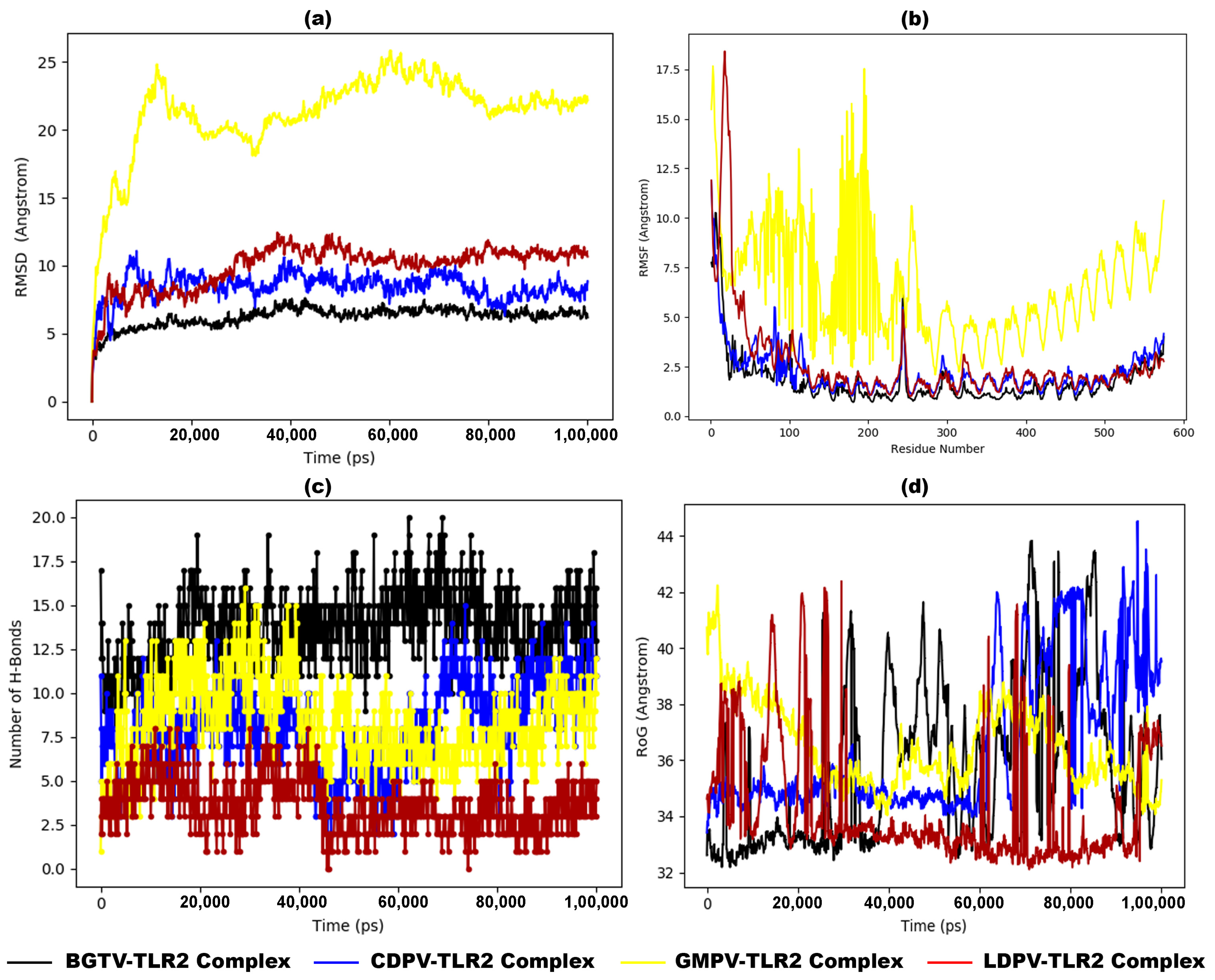
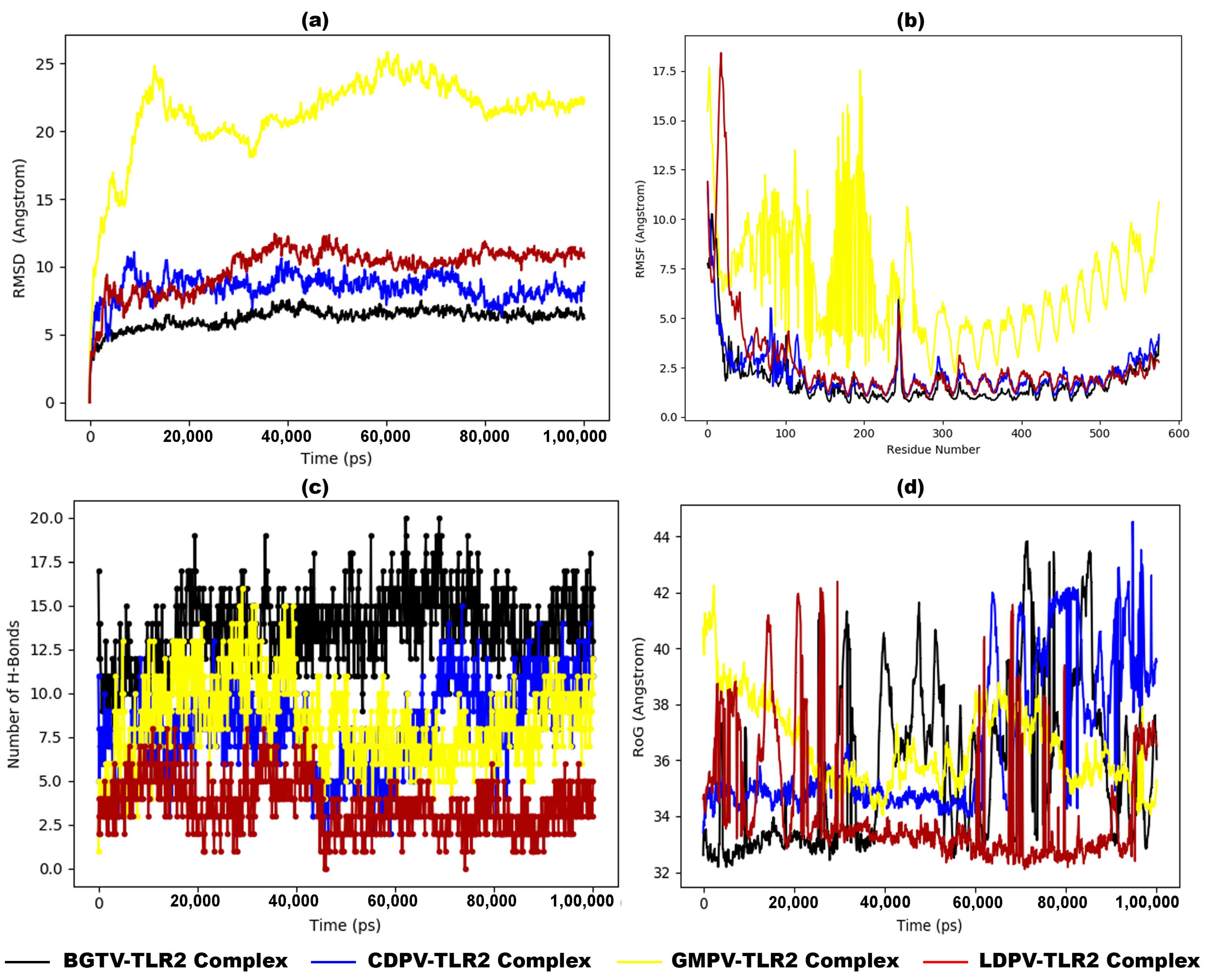
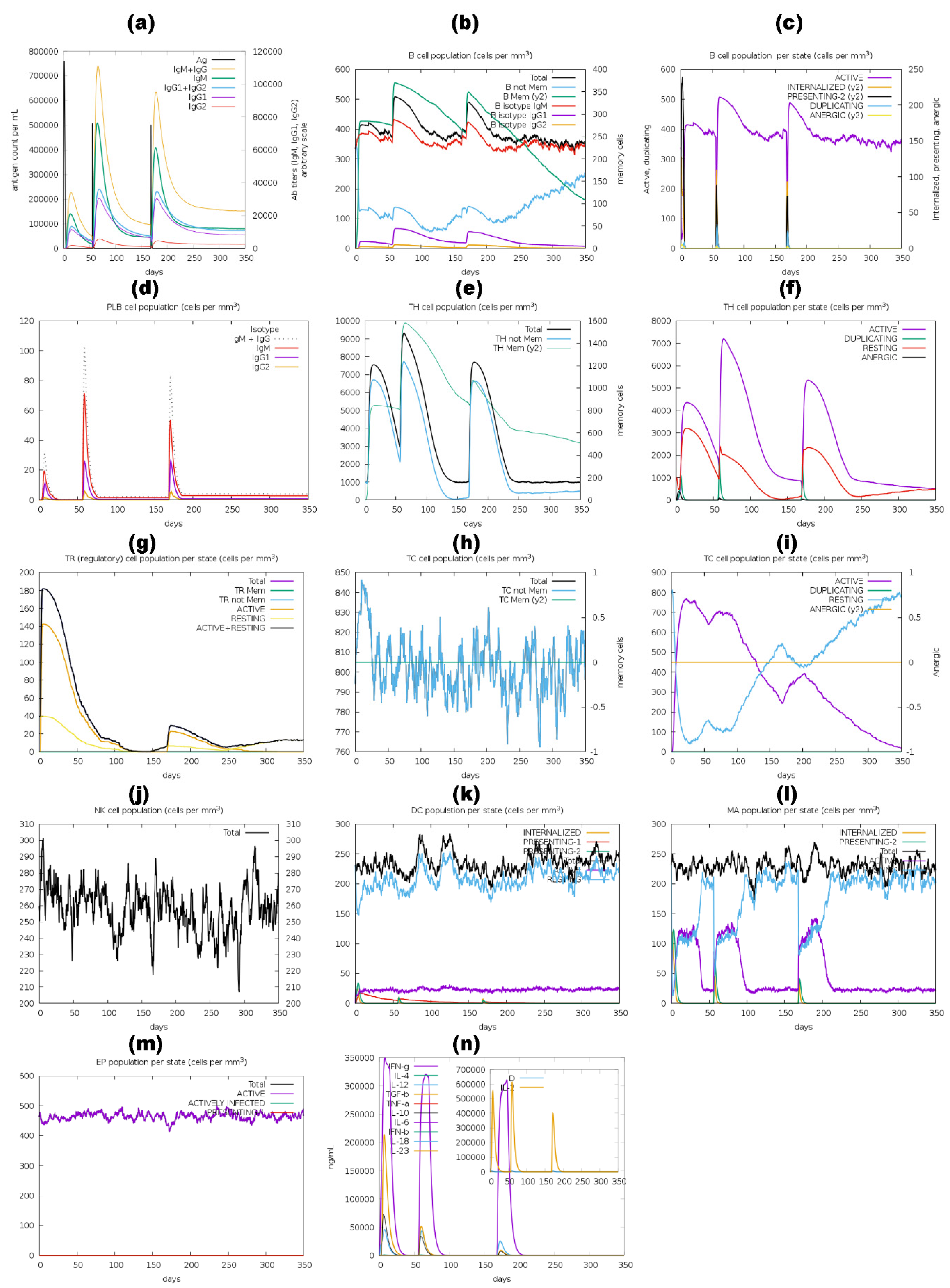
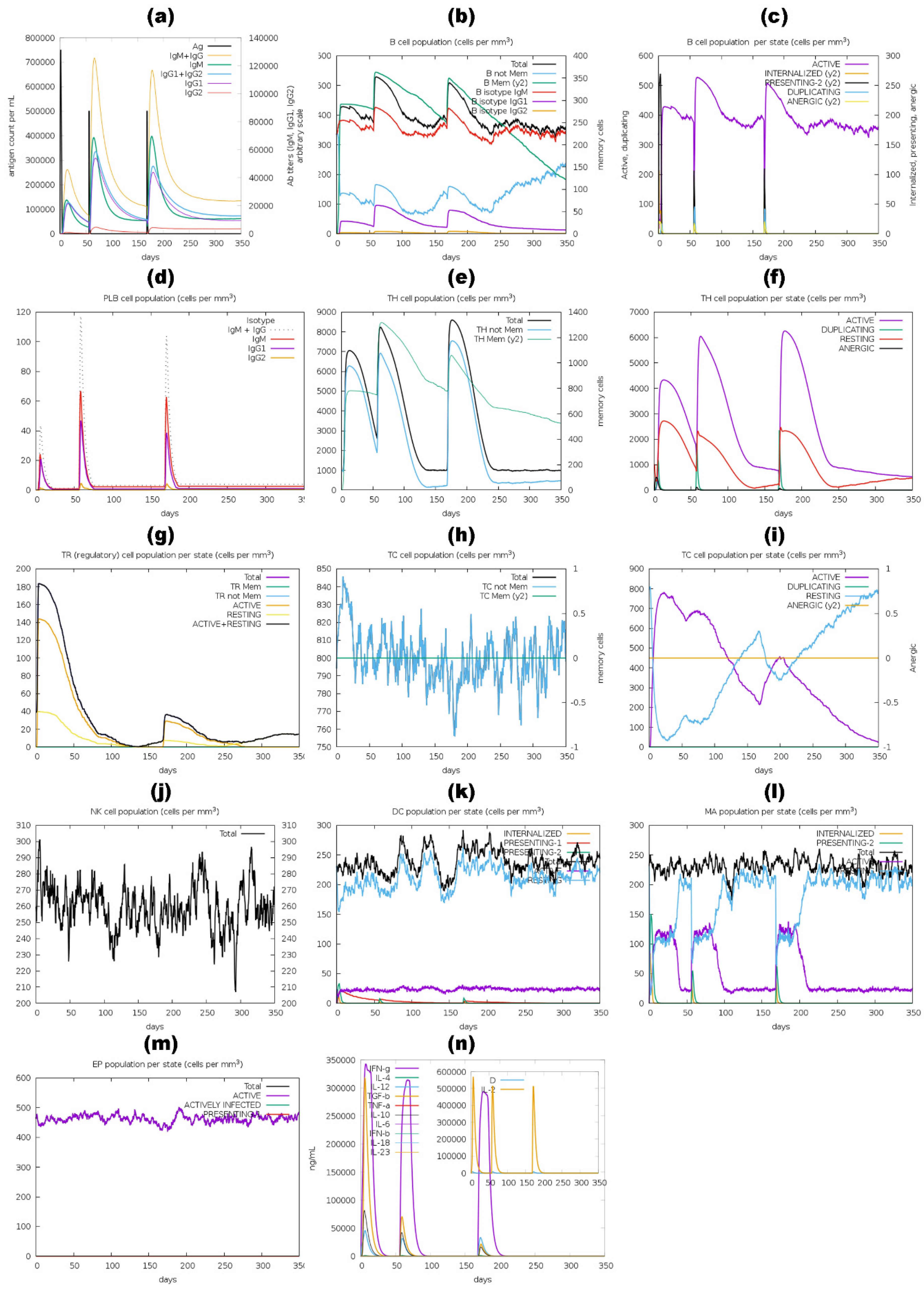
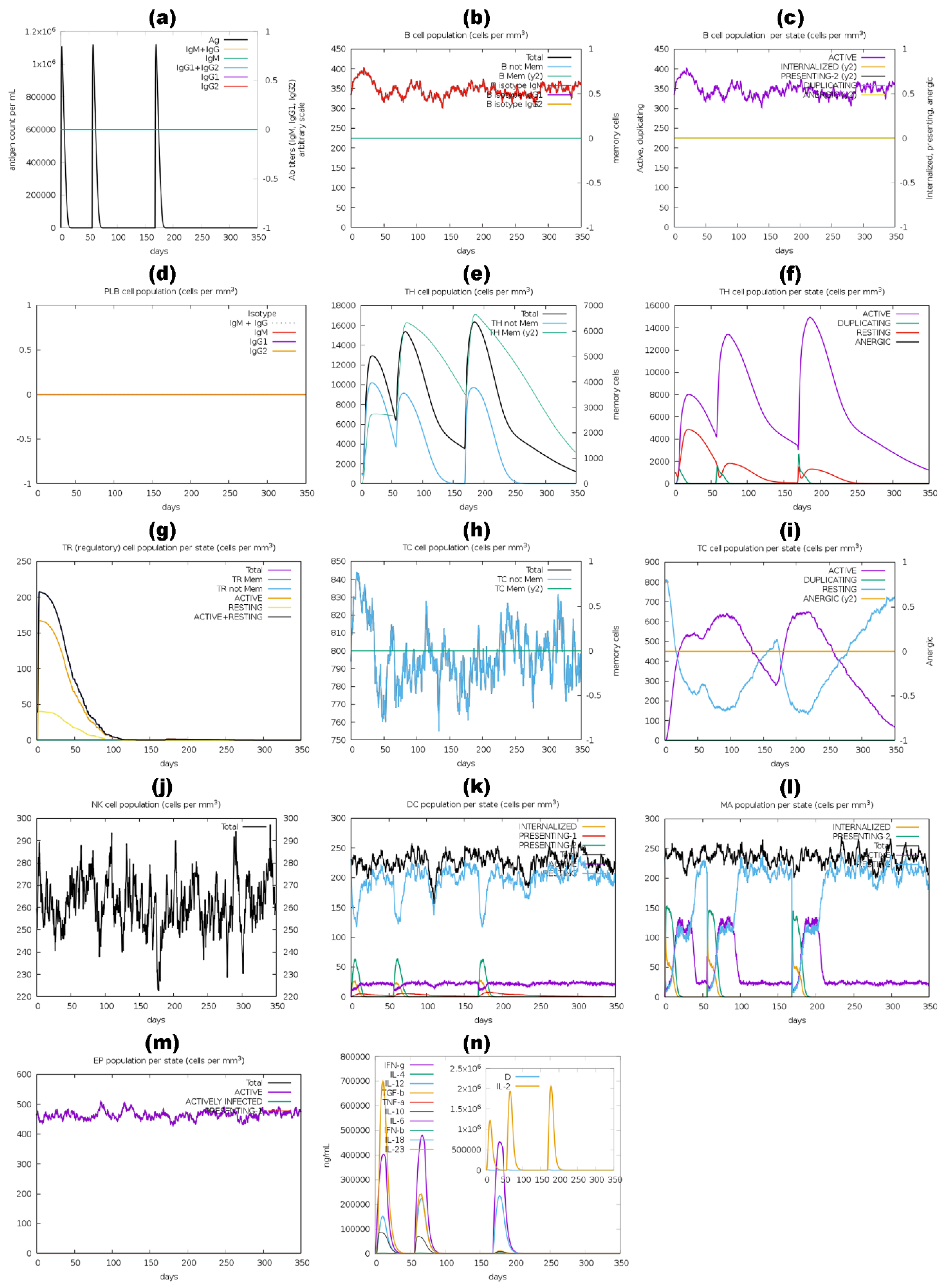
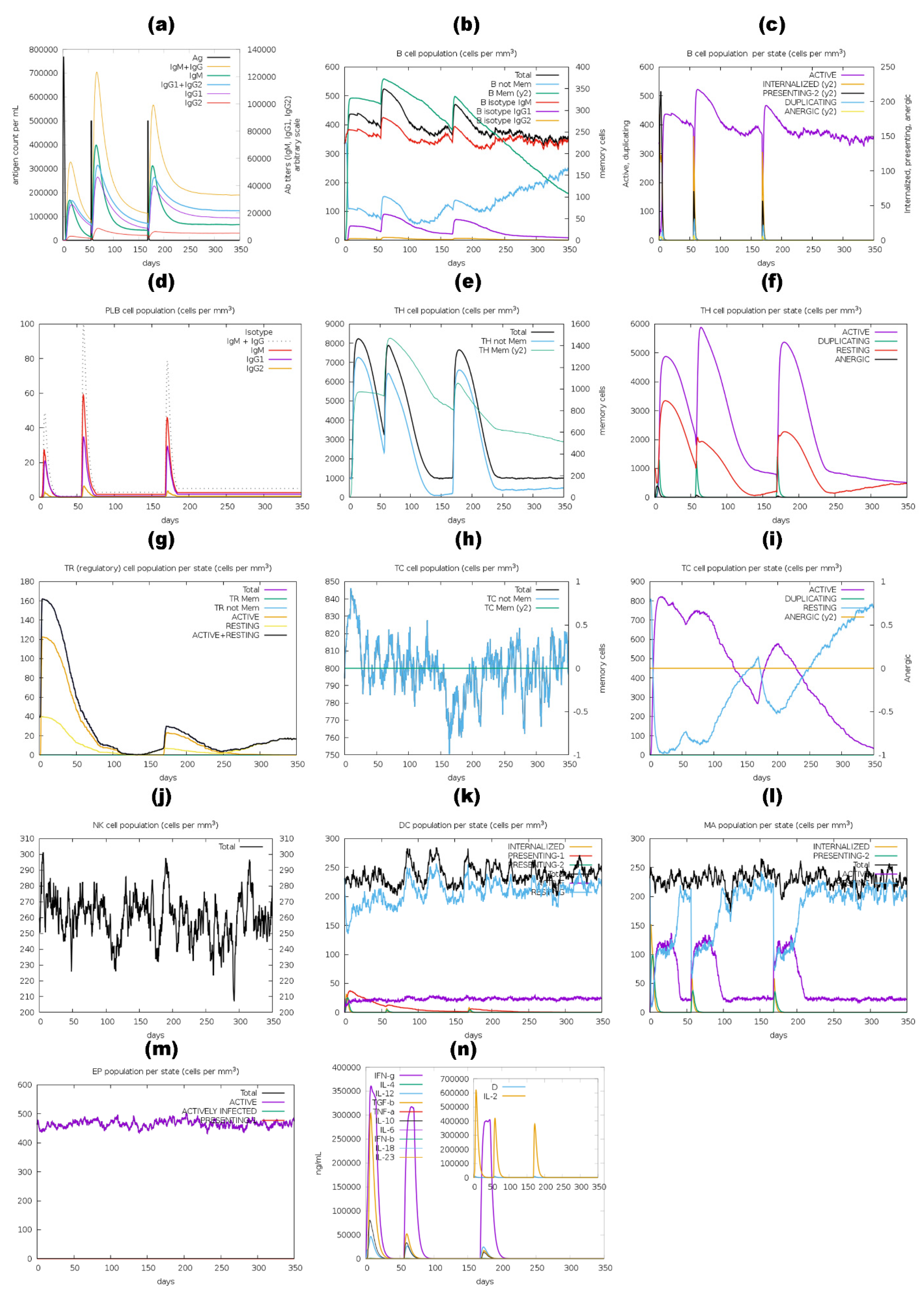
Tinea cruris, a dermatophyte fungal infection predominantly caused by Trichophyton rubrum and Epidermophyton floccosum, primarily affects the groin, pubic region, and adjacent thigh. Its recurrence is frequent, attributable to repeated fungal infections in susceptible individuals, especially those with onychomycosis or tinea pedis, which act as reservoirs for dermatophytes. Given the persistent nature of tinea cruris, vaccination emerges as a promising strategy for fungal infection management, offering targeted, durable protection against various fungal species. Vaccines stimulate both humoral and cell-mediated immunity and are administered prophylactically to prevent infections while minimizing the risk of antifungal resistance development. Developing fungal vaccines is challenging due to the thick fungal cell wall, similarities between fungal and human cells, antigenic variation, and evolutionary resemblance to animals, complicating non-toxic target identification and T-cell response variability. No prior research has shown an mRNA vaccine for T. rubrum. Hence, this study proposes a novel mRNA-based vaccine for tinea cruris, potentially offering long-term immunity and reducing reliance on antifungal medications. This study explores the complete proteome of T. rubrum, identifying potential protein candidates for vaccine development through reverse vaccinology. Immunogenic epitopes from these candidates were mapped and integrated into multitope vaccines and reverse translated to construct mRNA vaccines. Then, the mRNA was translated and computationally assessed for physicochemical, chemical, and immunological attributes. Notably, 1,3-beta-glucanosyltransferase, CFEM domain-containing protein, cell wall galactomannoprotein, and LysM domain-containing protein emerged as promising vaccine targets. Antigenic, immunogenic, non-toxic, and non-allergenic cytotoxic T lymphocyte, helper T lymphocyte, and B lymphocyte epitopes were selected and linked with appropriate linkers and Toll-like receptor (TLR) agonist adjuvants to formulate vaccine candidates targeting T. rubrum. The protein-based vaccines underwent reverse translation to construct the mRNA vaccines, which, after inoculation, were translated again by host ribosomes to work as potential components for triggering the immune response. After that, molecular docking, normal mode analysis, and molecular dynamic simulation confirmed strong binding affinities and stable complexes between vaccines and TLR receptors. Furthermore, immune simulations of vaccines with and without adjuvant demonstrated activation of immune responses, evidenced by elevated levels of IgG1, IgG2, IgM antibodies, cytokines, and interleukins. There was no significant change in antibody production between vaccines with and without adjuvants, but adjuvants are crucial for activating the innate immune response via TLRs. Although mRNA vaccines hold promise against fungal infections, further research is essential to assess their safety and efficacy. Experimental validation is crucial for evaluating their immunogenicity, effectiveness, and safety.