Review

Mesenchymal Stem Cell (MSC)-Based Drug Delivery into the Brain across the Blood–Brain Barrier

by
Toshihiko Tashima
Tashima Laboratories of Arts and Sciences, 1239-5 Toriyama-cho, Kohoku-ku, Yokohama 222-0035, Japan
Pharmaceutics 2024, 16(2), 289; https://doi.org/10.3390/pharmaceutics16020289

Submission received: 17 January 2024 / Revised: 15 February 2024 / Accepted: 16 February 2024 / Published: 18 February 2024

Abstract

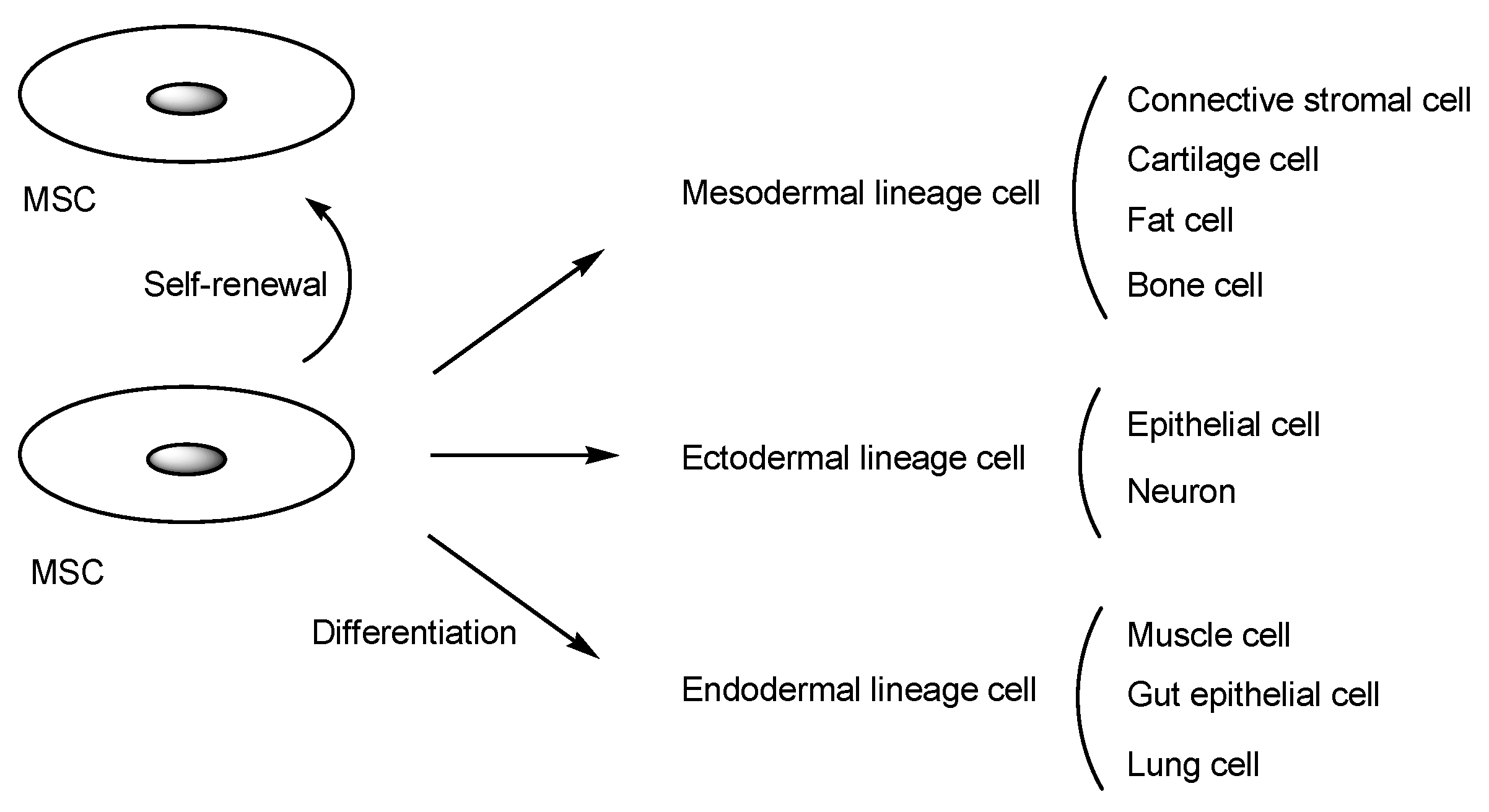
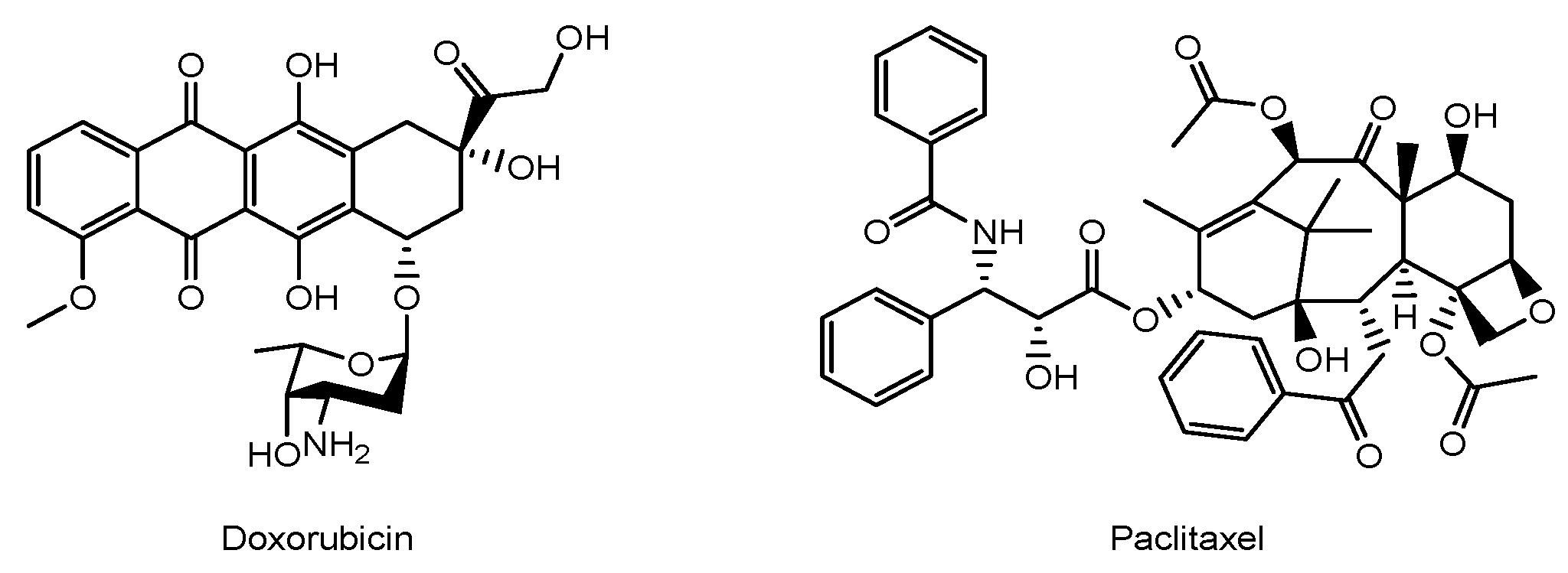
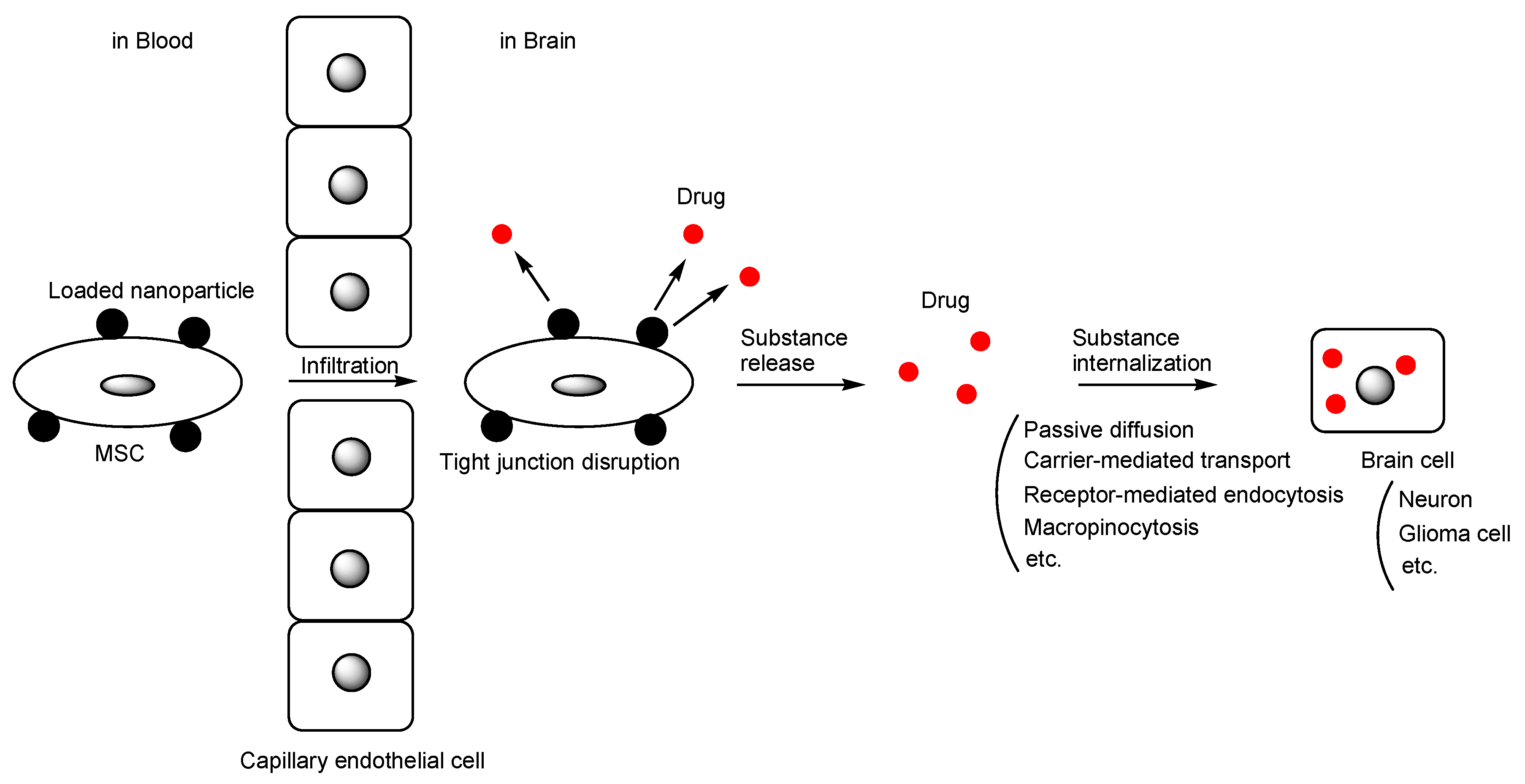
At present, stem cell-based therapies using induced pluripotent stem cells (iPSCs) or mesenchymal stem cells (MSCs) are being used to explore the potential for regenerative medicine in the treatment of various diseases, owing to their ability for multilineage differentiation. Interestingly, MSCs are employed not only in regenerative medicine, but also as carriers for drug delivery, homing to target sites in injured or damaged tissues including the brain by crossing the blood–brain barrier (BBB). In drug research and development, membrane impermeability is a serious problem. The development of central nervous system drugs for the treatment of neurodegenerative diseases, such as Alzheimer’s disease and Parkinson’s disease, remains difficult due to impermeability in capillary endothelial cells at the BBB, in addition to their complicated pathogenesis and pathology. Thus, intravenously or intraarterially administered MSC-mediated drug delivery in a non-invasive way is a solution to this transendothelial problem at the BBB. Substances delivered by MSCs are divided into artificially included materials in advance, such as low molecular weight compounds including doxorubicin, and expected protein expression products of genetic modification, such as interleukins. After internalizing into the brain through the fenestration between the capillary endothelial cells, MSCs release their cargos to the injured brain cells. In this review, I introduce the potential and advantages of drug delivery into the brain across the BBB using MSCs as a carrier that moves into the brain as if they acted of their own will.
Keywords: the blood–brain barrier; mesenchymal stem cell-based drug delivery; transmembrane drug delivery the blood–brain barrier; mesenchymal stem cell-based drug delivery; transmembrane drug delivery