Article

Silica Hydrogels as Platform for Delivery of Hyaluronic Acid

by
Elena Parfenyuk
and
Ekaterina Dolinina
*
G.A. Krestov Institute of Solution Chemistry, Russian Academy of Sciences, 153045 Ivanovo, Russia
*
Author to whom correspondence should be addressed.
Pharmaceutics 2023, 15(1), 77; https://doi.org/10.3390/pharmaceutics15010077

Submission received: 29 November 2022 / Revised: 21 December 2022 / Accepted: 23 December 2022 / Published: 26 December 2022
(This article belongs to the Section Nanomedicine and Nanotechnology)

Abstract

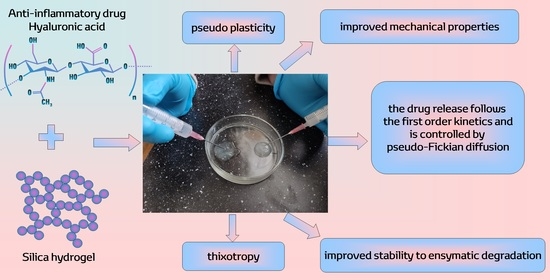
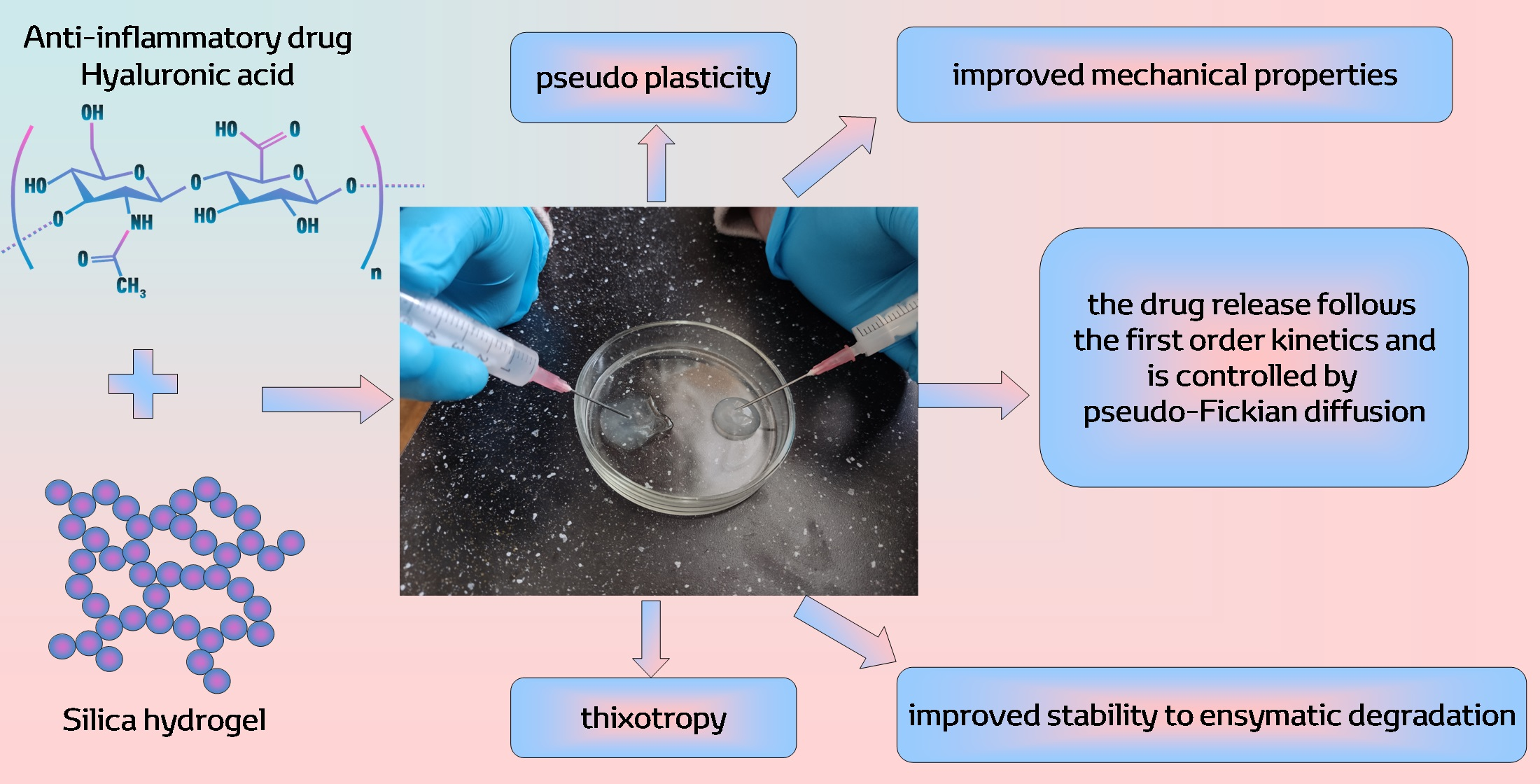
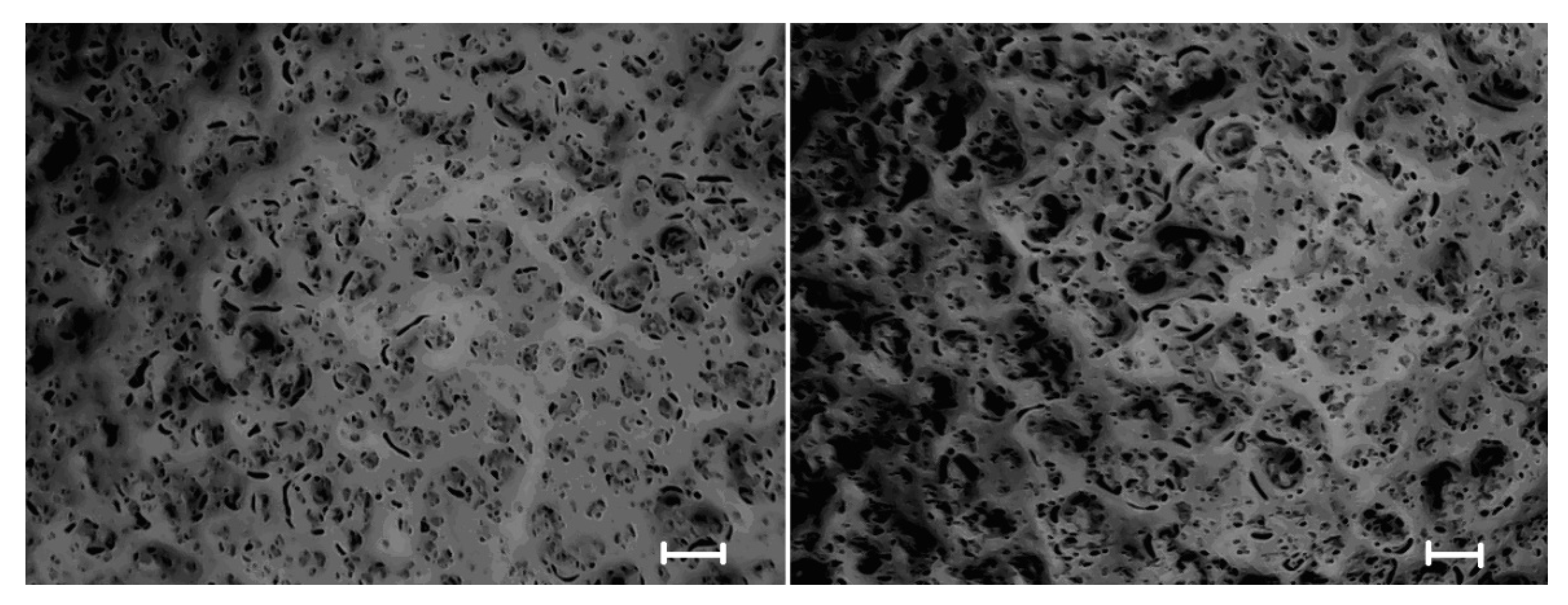
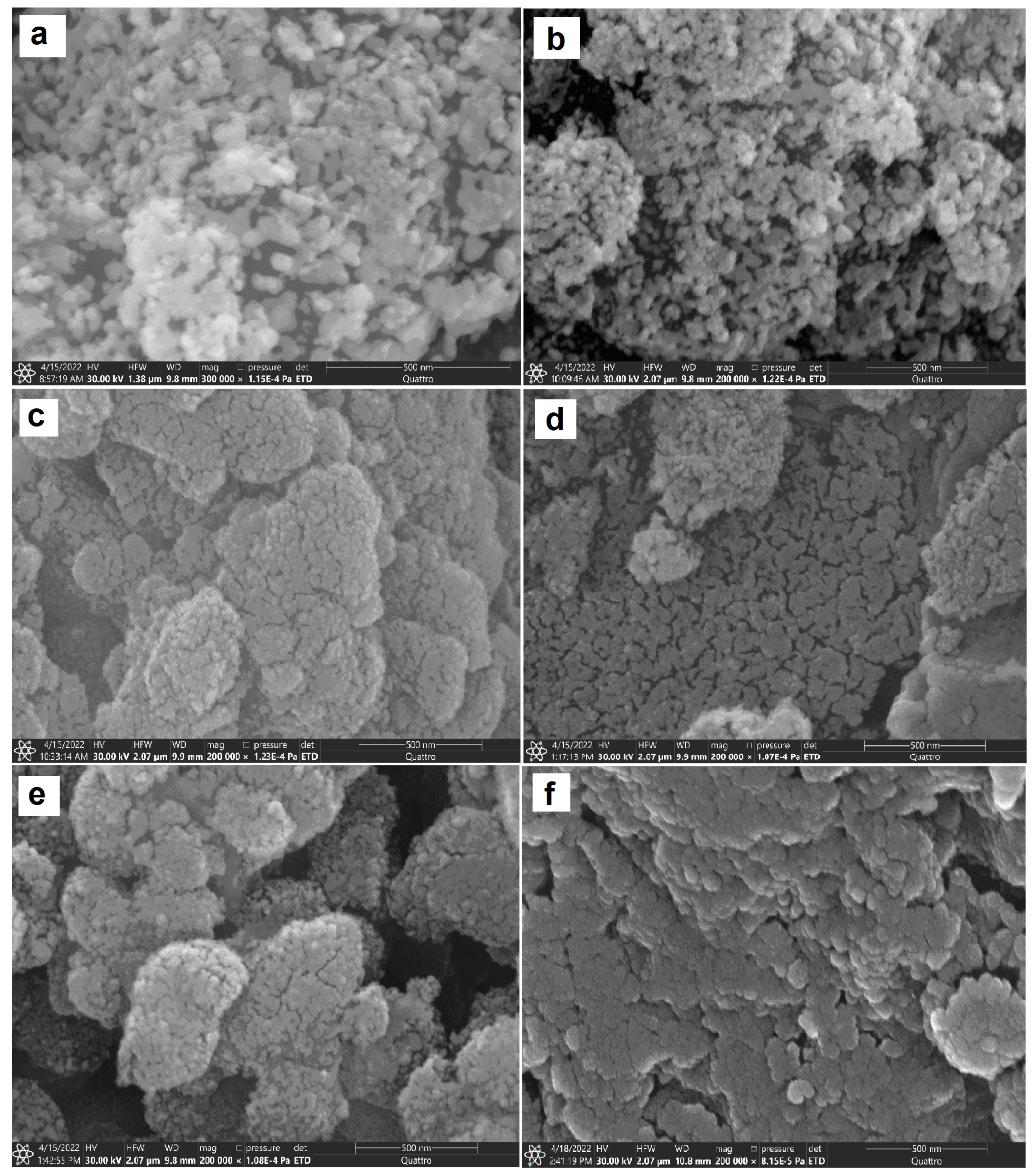
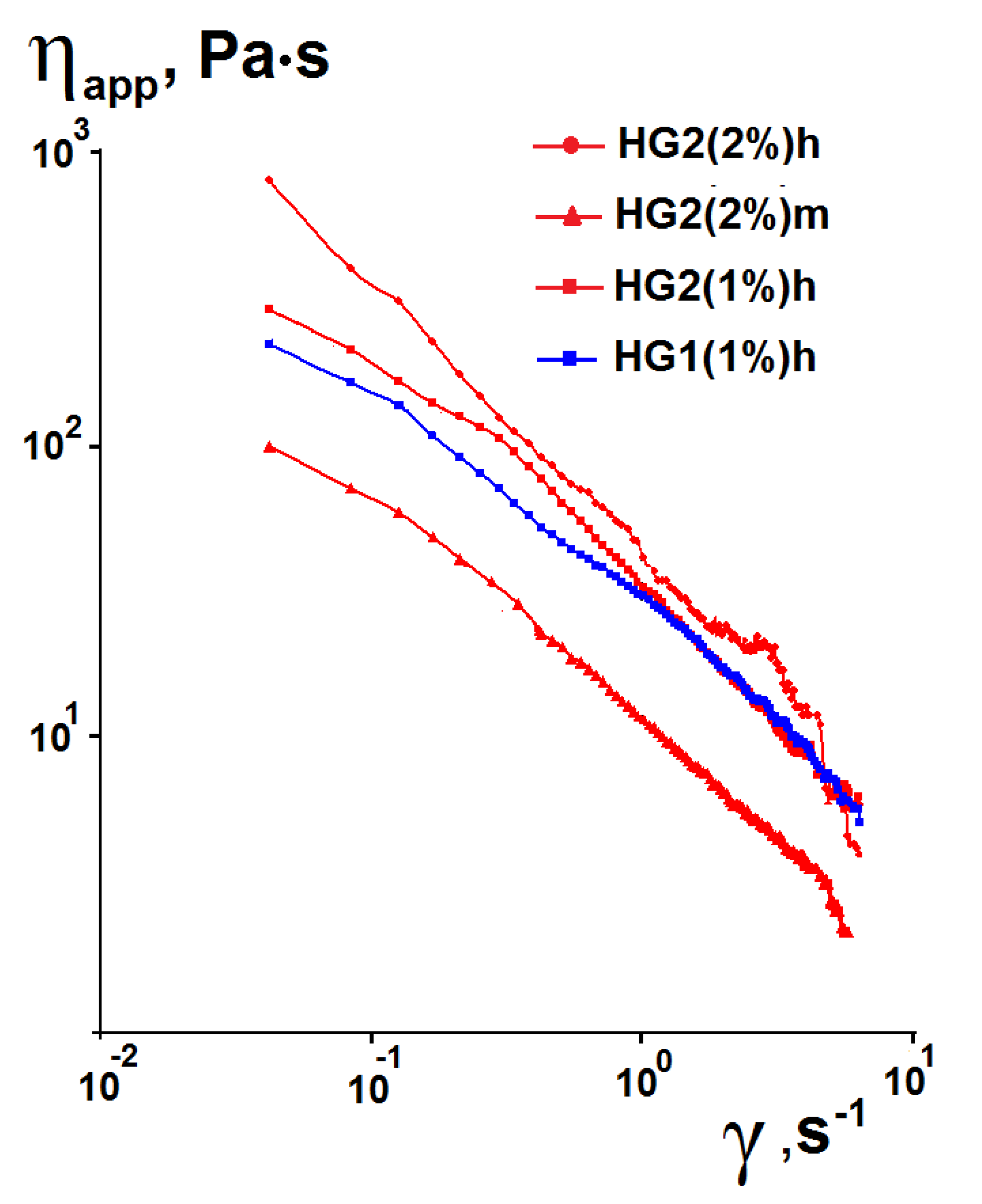
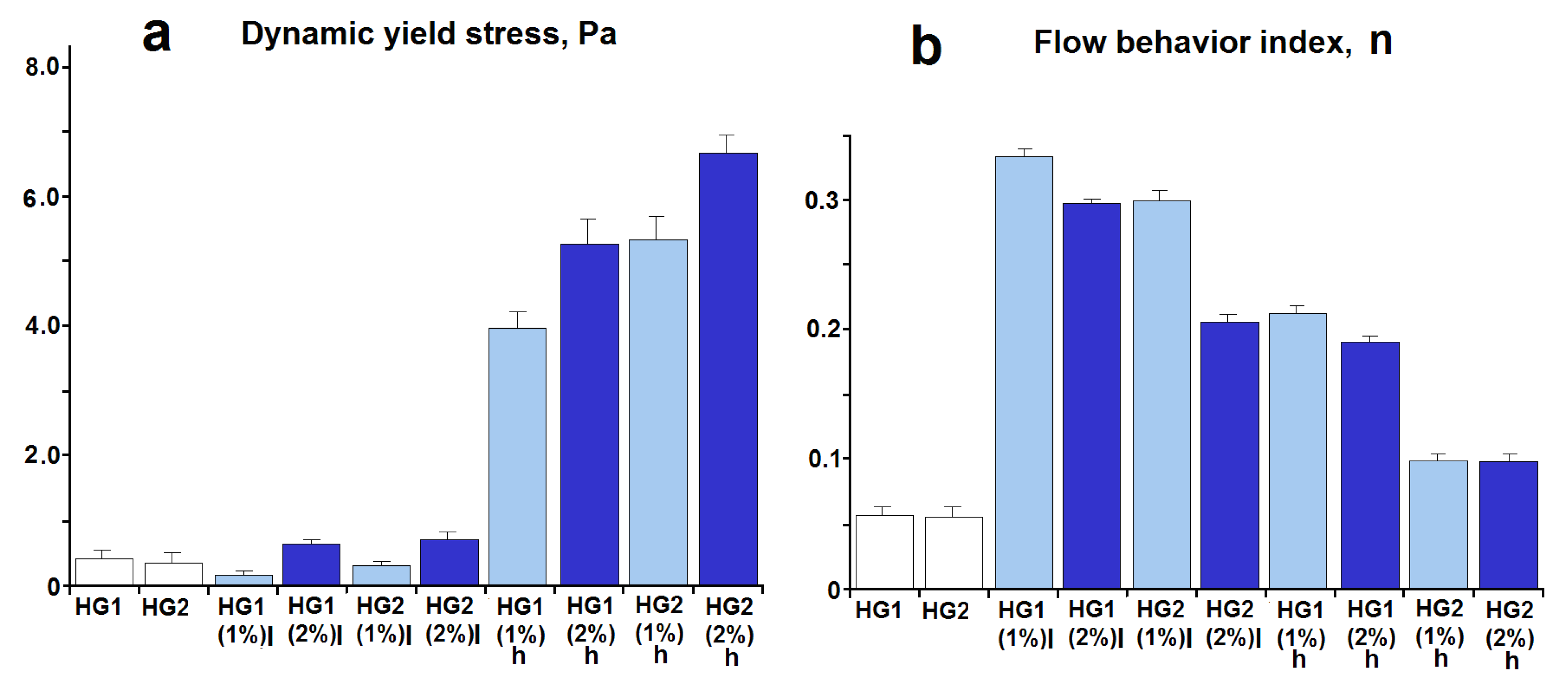
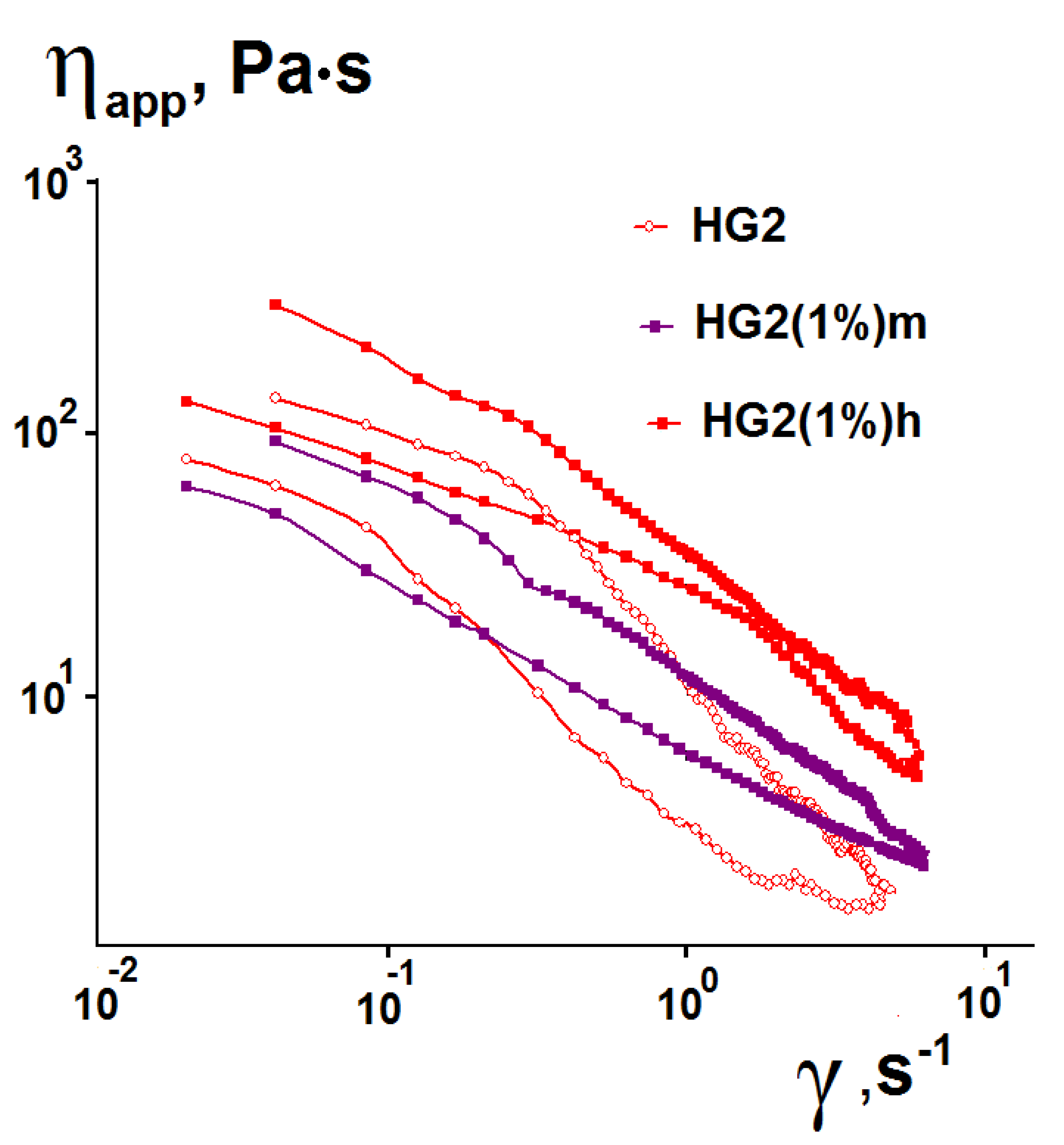
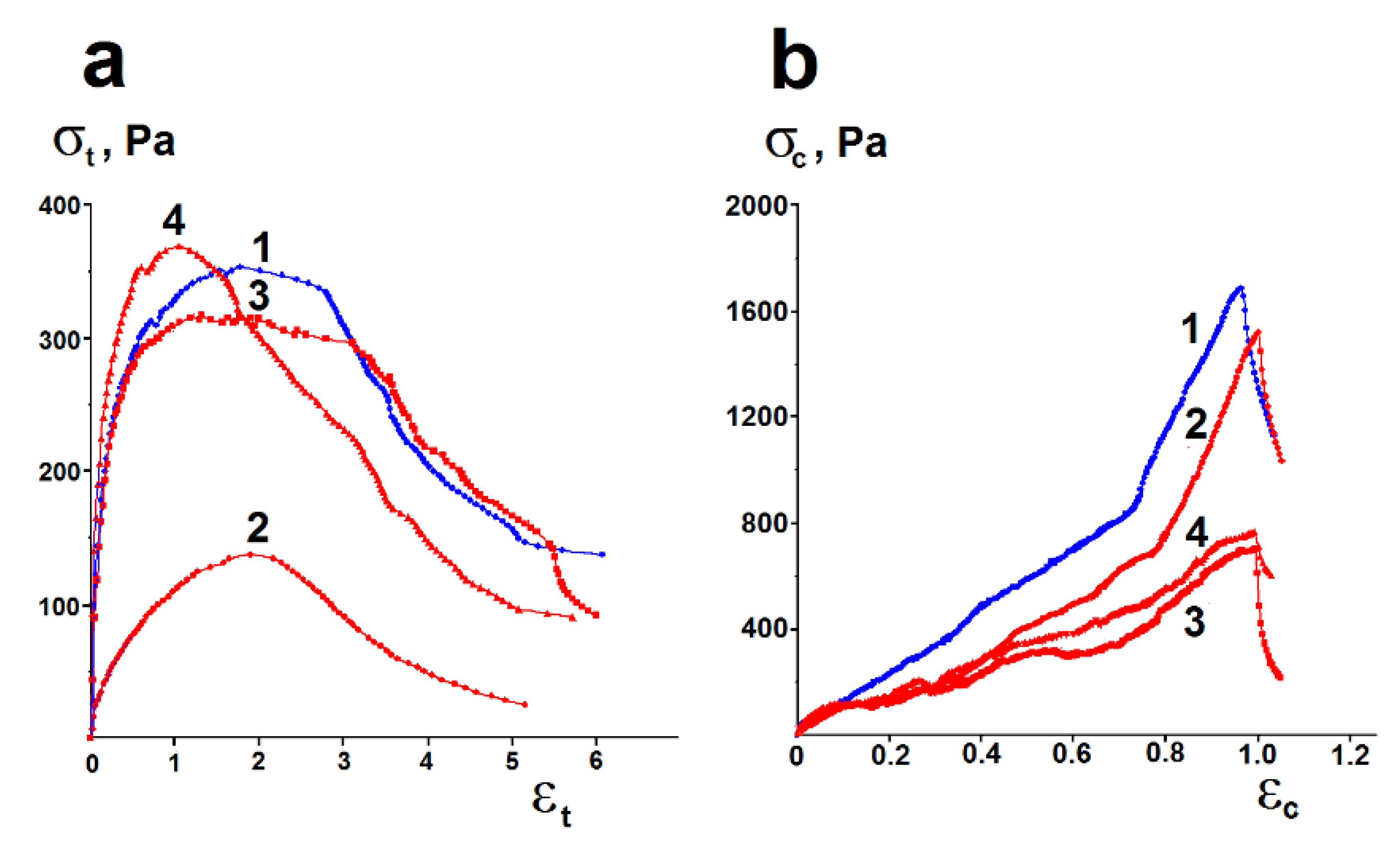
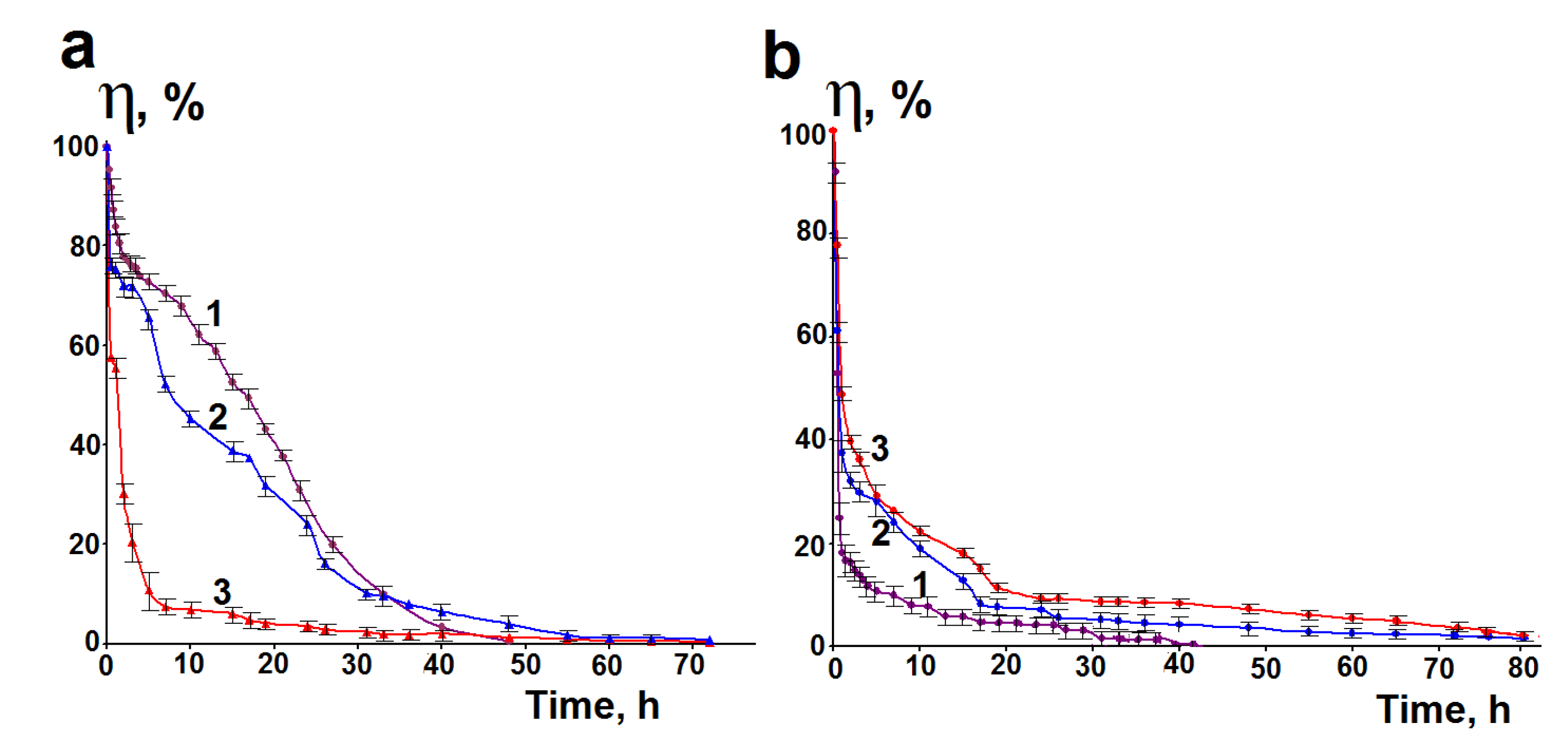
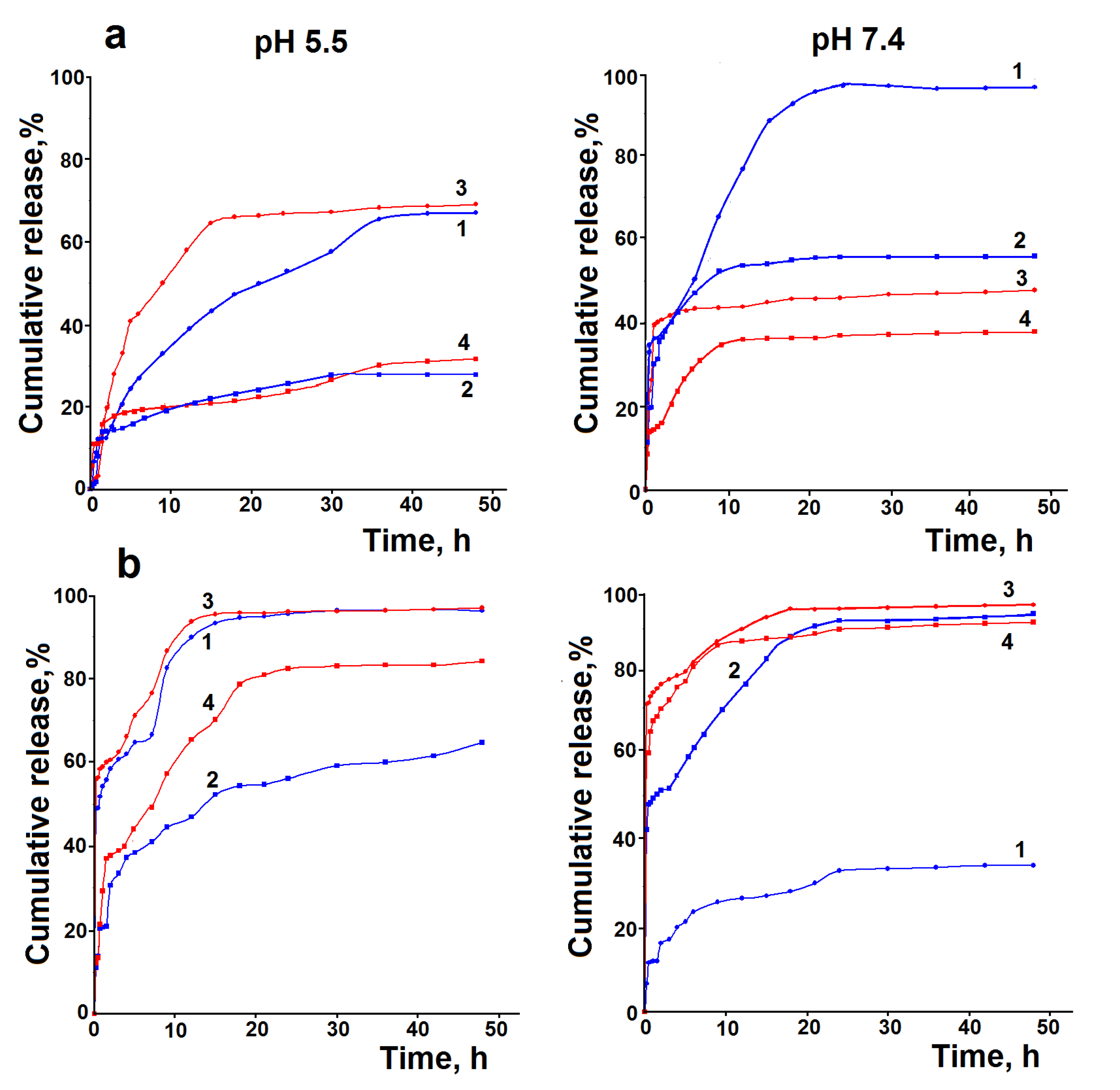
Hyaluronic acid (HA) is chondroprotective and anti-inflammatory drug used clinically for treatment of inflammatory disorders (arthritis, skin diseases, bowel diseases, etc.). In addition, HA is a crucial ingredient in the cosmetic products used to eliminate the unpleasant consequences of inflammatory skin diseases. The main disadvantages that limit its use are its low mechanical properties and its rapid biodegradation. In this paper, silica hydrogels are considered as a promising matrix for HA to improve its properties. The hybrid HA-silica hydrogels were synthesized by the sol–gel method. Morphology of the hydrogels was investigated by optical microscopy and scanning electron microscopy methods. Taking into account their potential applications for topical and injectable delivery, much attention was paid to investigation of deformation properties of the hydrogels under shear, compression, and tension. Their resistance to enzymatic degradation in vitro was estimated. Kinetics and mechanisms of HA release from the hybrid hydrogels in vitro were also studied. It was found that the indicated properties can be controlled by synthesis conditions, HA molecular weight, and its loading in the hydrogels. Silica hydrogels are a prospective platform for the development of new soft formulations and cosmetic compositions of HA with improved pharmacological and consumer properties.
Keywords: anti-inflammatory drug; biodegradation; colloid silica; drug delivery; hydrogel; mechanical properties anti-inflammatory drug; biodegradation; colloid silica; drug delivery; hydrogel; mechanical properties
Graphical Abstract