Semisolid Wet Sol–Gel Silica/Hydroxypropyl Methyl Cellulose Formulation for Slow Release of Serpin B3 Promotes Wound Healing In Vivo

 , , , ,


Abstract
1. Introduction
2. Materials and Methods
2.1. Materials and Instrumentation
2.2. Preparation of Wet Sol–Gel Silica Gel Slurries
2.3. Structural Conformation of SB3
2.4. SB3 Thermal Stability
2.5. SB3 Stability to Proteolysis
2.6. Protein Release from Wet Silica Gel
2.7. In Vivo Testing
2.8. Statistical Analysis
3. Results
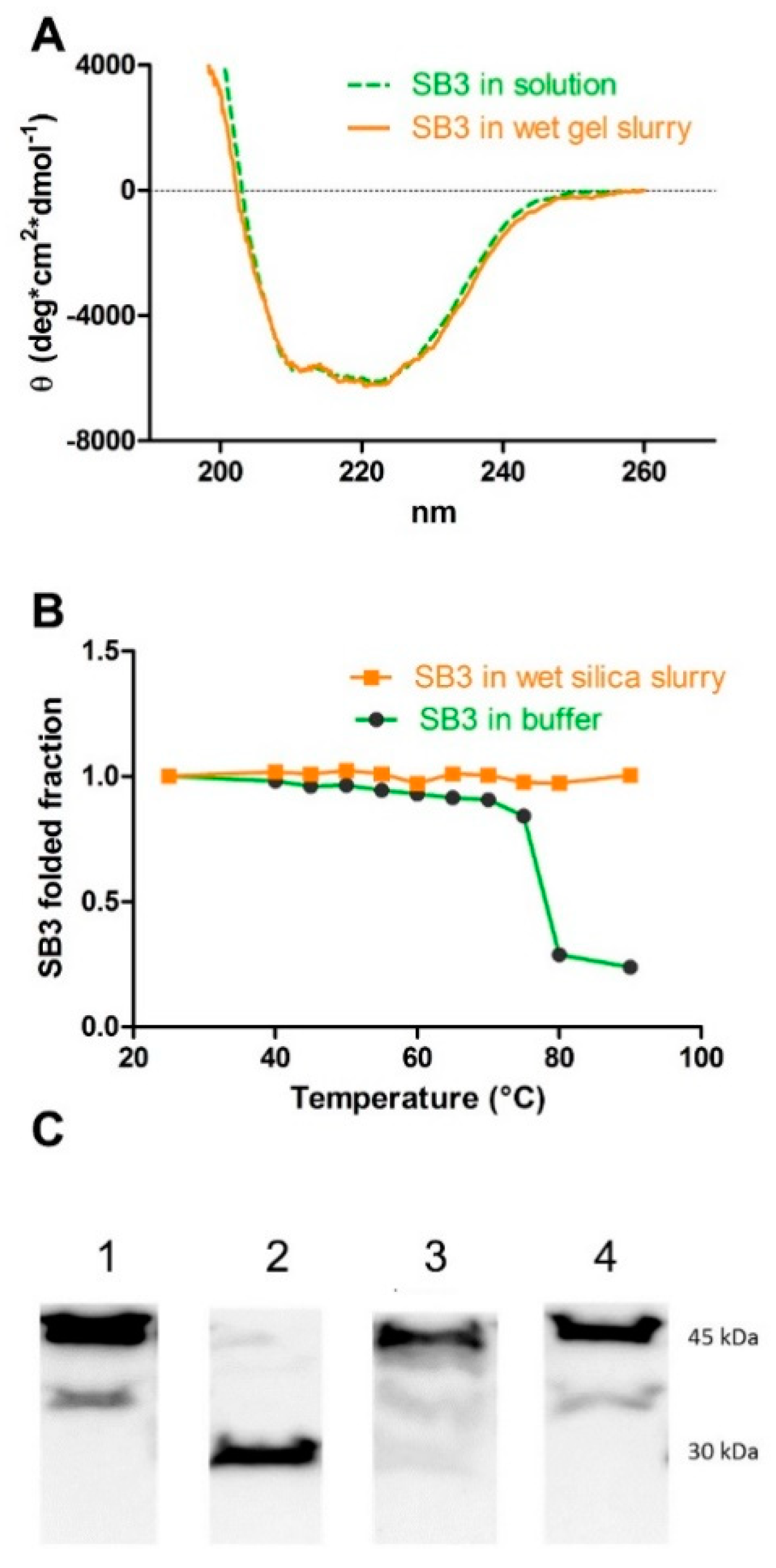
3.1. Wet Sol–Gel Silica Entrapment Maintains SB3 Conformation and Improves Its Stability
3.1.1. SB3 Conformation and Stability
3.1.2. SB3 Resistance to Proteolytic Attack
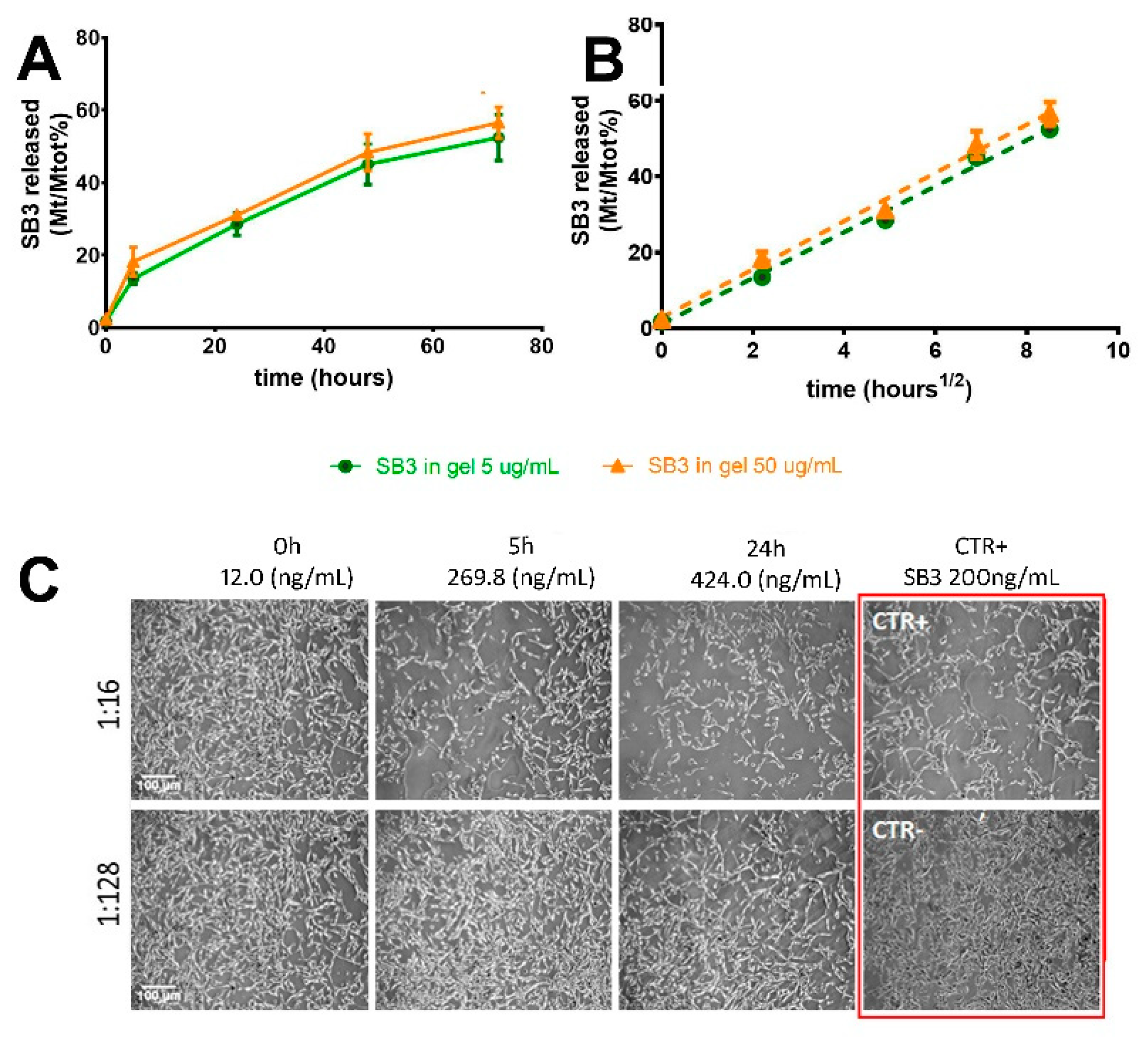
3.2. Embedment into Wet Sol–Gel Silica Permits Sustained Release of SB3 in a Functional Active Conformation
3.3. Formulating Protein-Loaded Wet Sol–Gel Silica into a Vehicle Suitable for Topical Administration
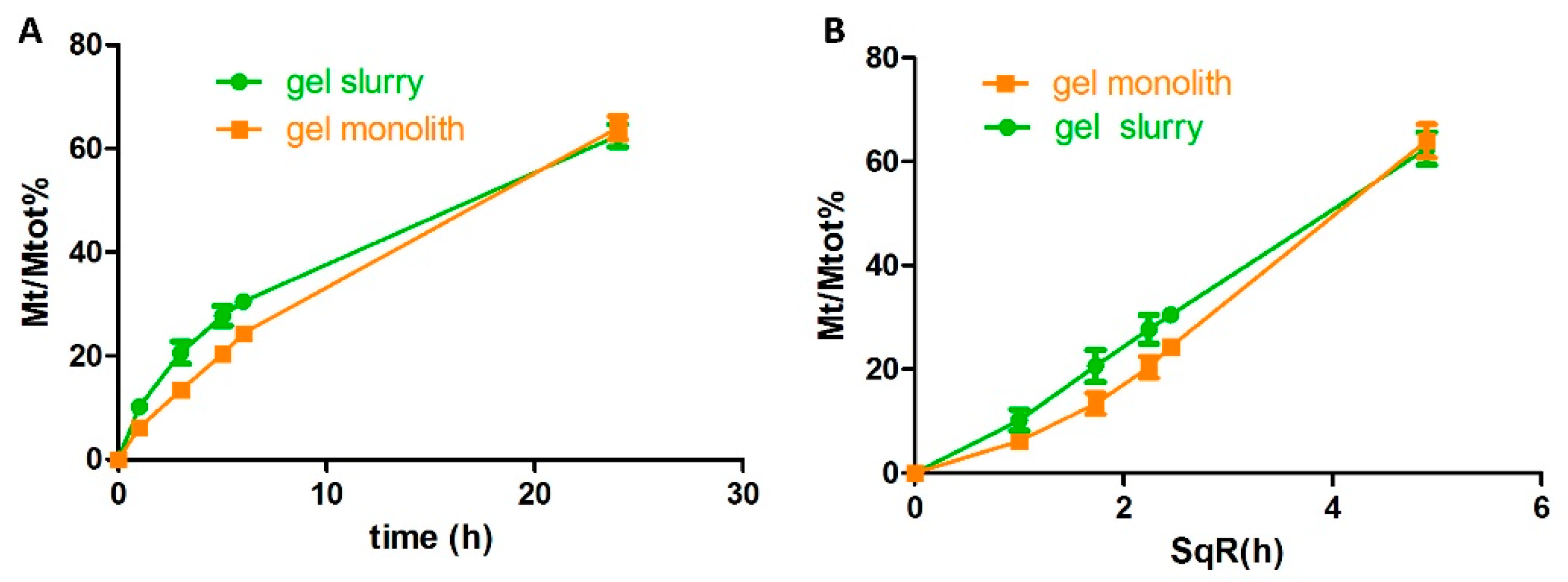
3.3.1. Effect of Manual Gel Crushing on Protein Release
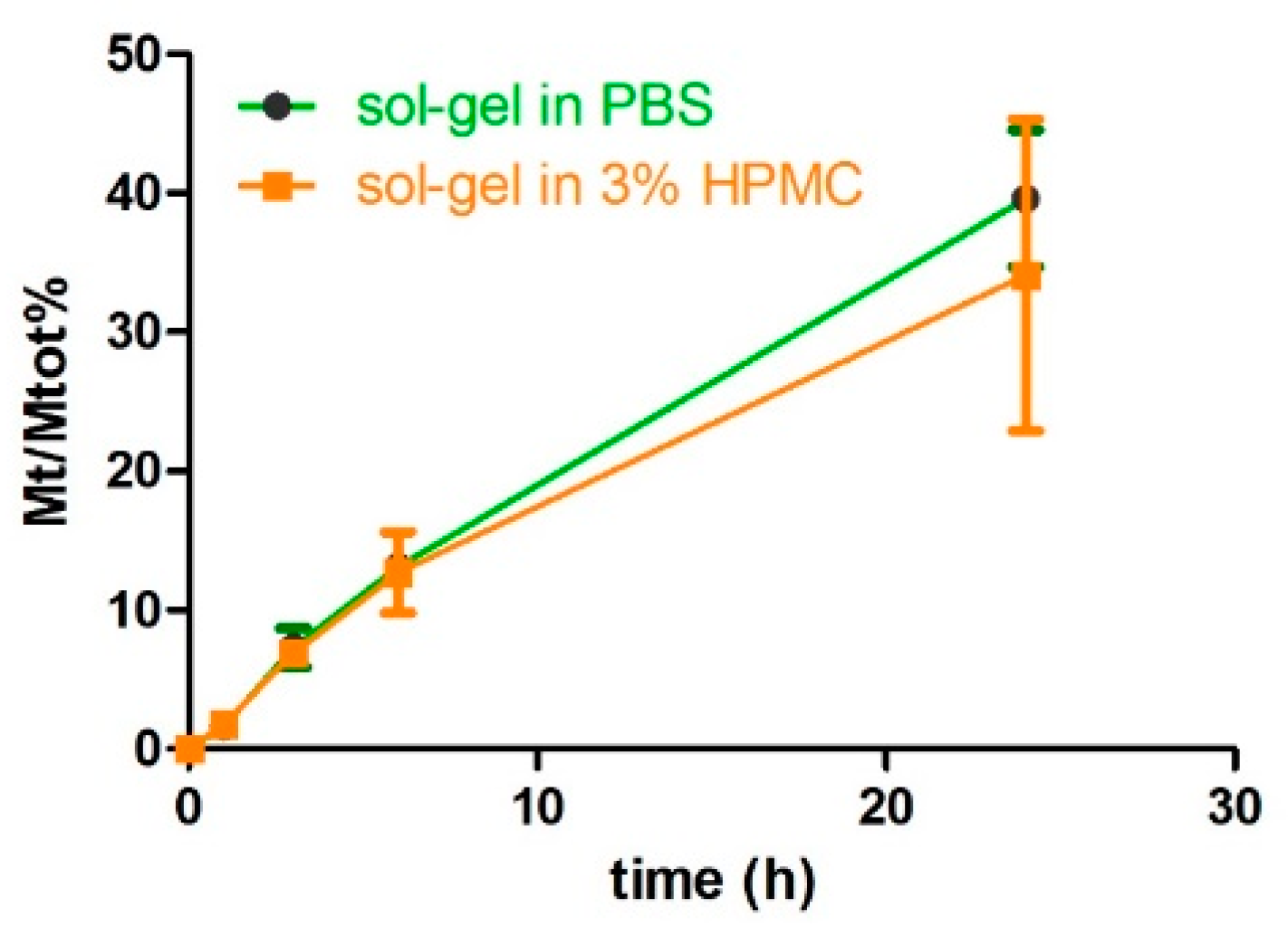
3.3.2. Effect of HPMC Hydrogel on Protein Release from Wet Sol–Gel Silica
3.4. Serpin B3 in Wet Silica–Metolose-G Is Effective at Restoring the Ulcer-Healing Process in Mouse Models
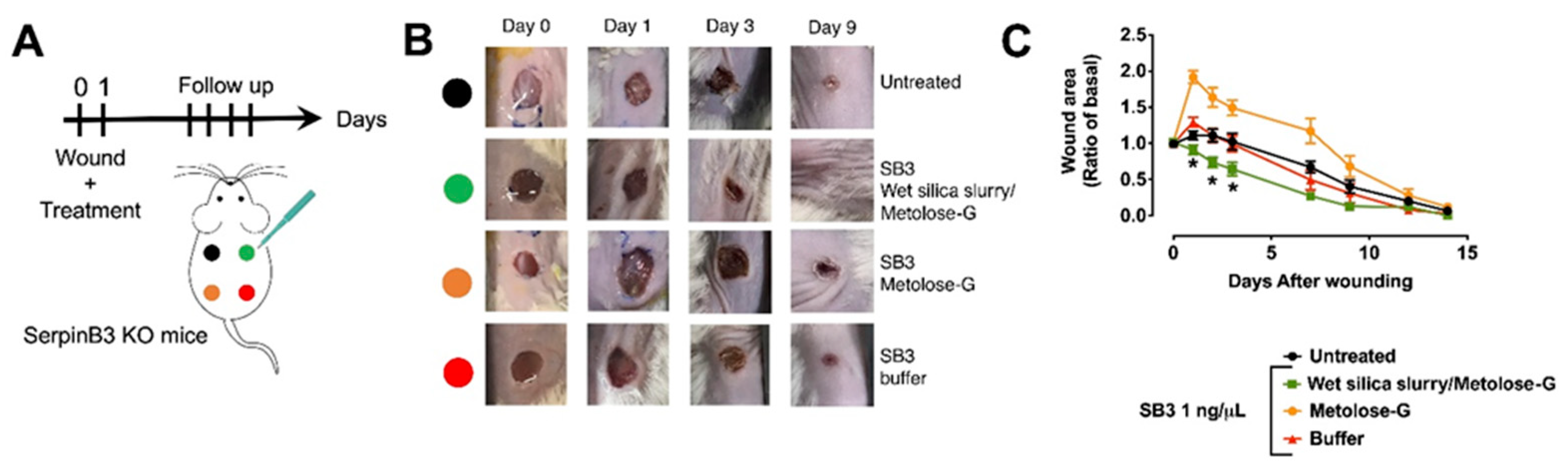
3.4.1. SB3 Knockout Mouse Model
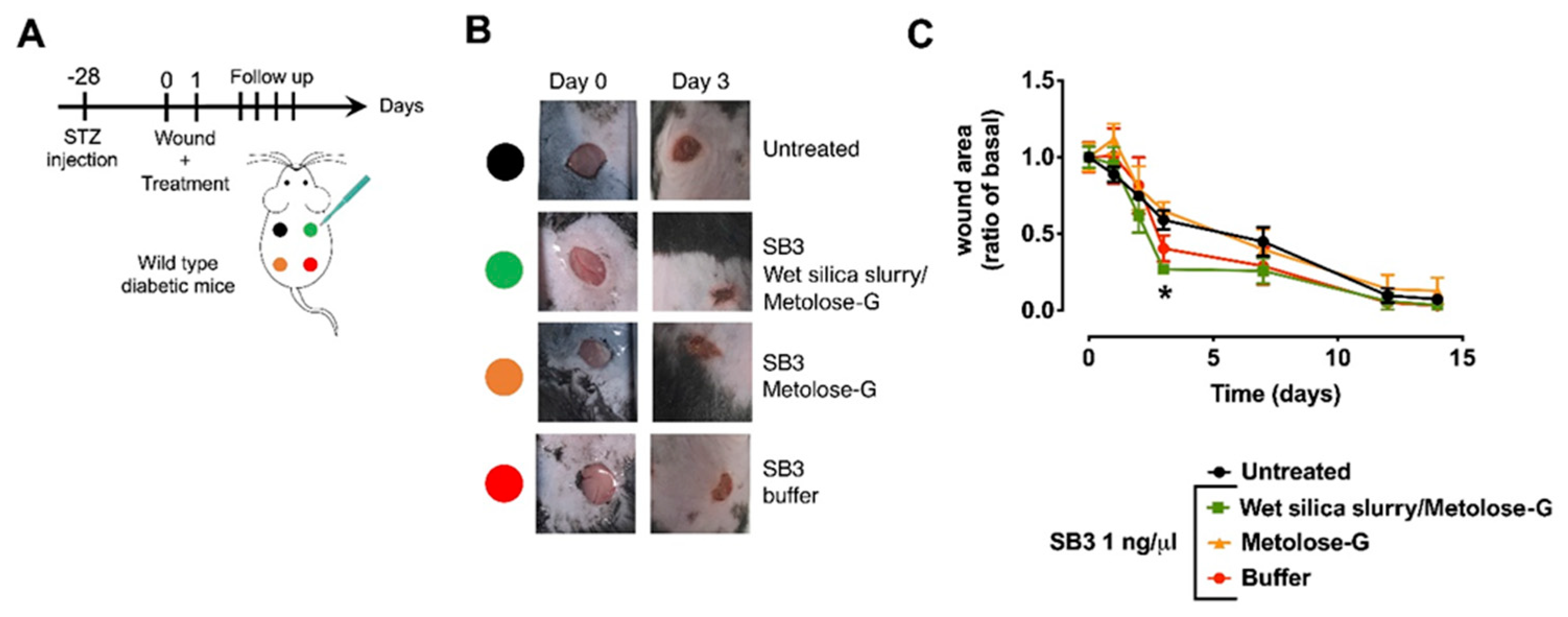
3.4.2. Diabetic Mouse Model
4. Discussion
5. Conclusions
6. Patents
Author Contributions
Funding
Institutional Review Board Statement
Informed Consent Statement
Data Availability Statement
Acknowledgments
Conflicts of Interest
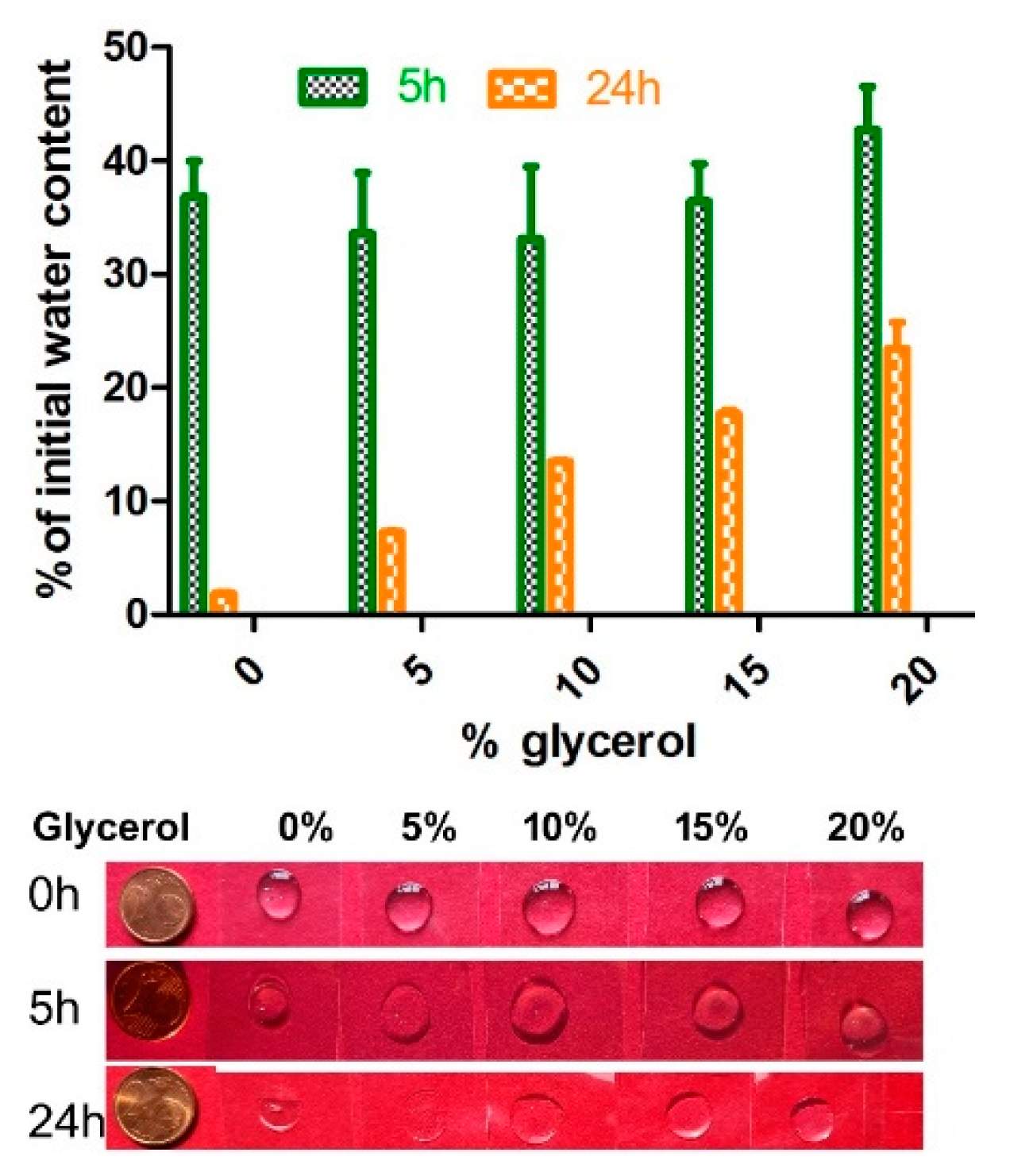
Appendix A. Glycerol on Water Evaporation from HPMC Hydrogel
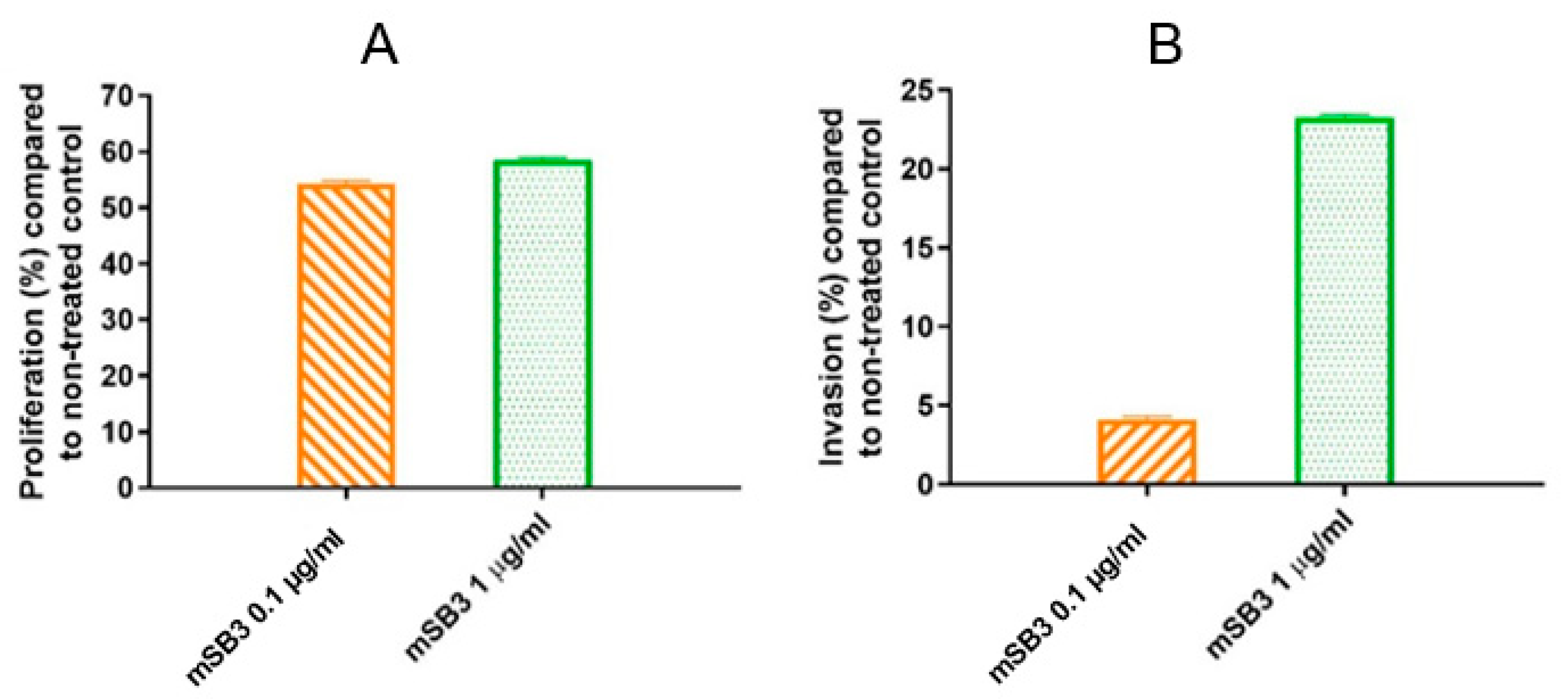
Appendix B. Effect of SB3 on Fibroblast Proliferation
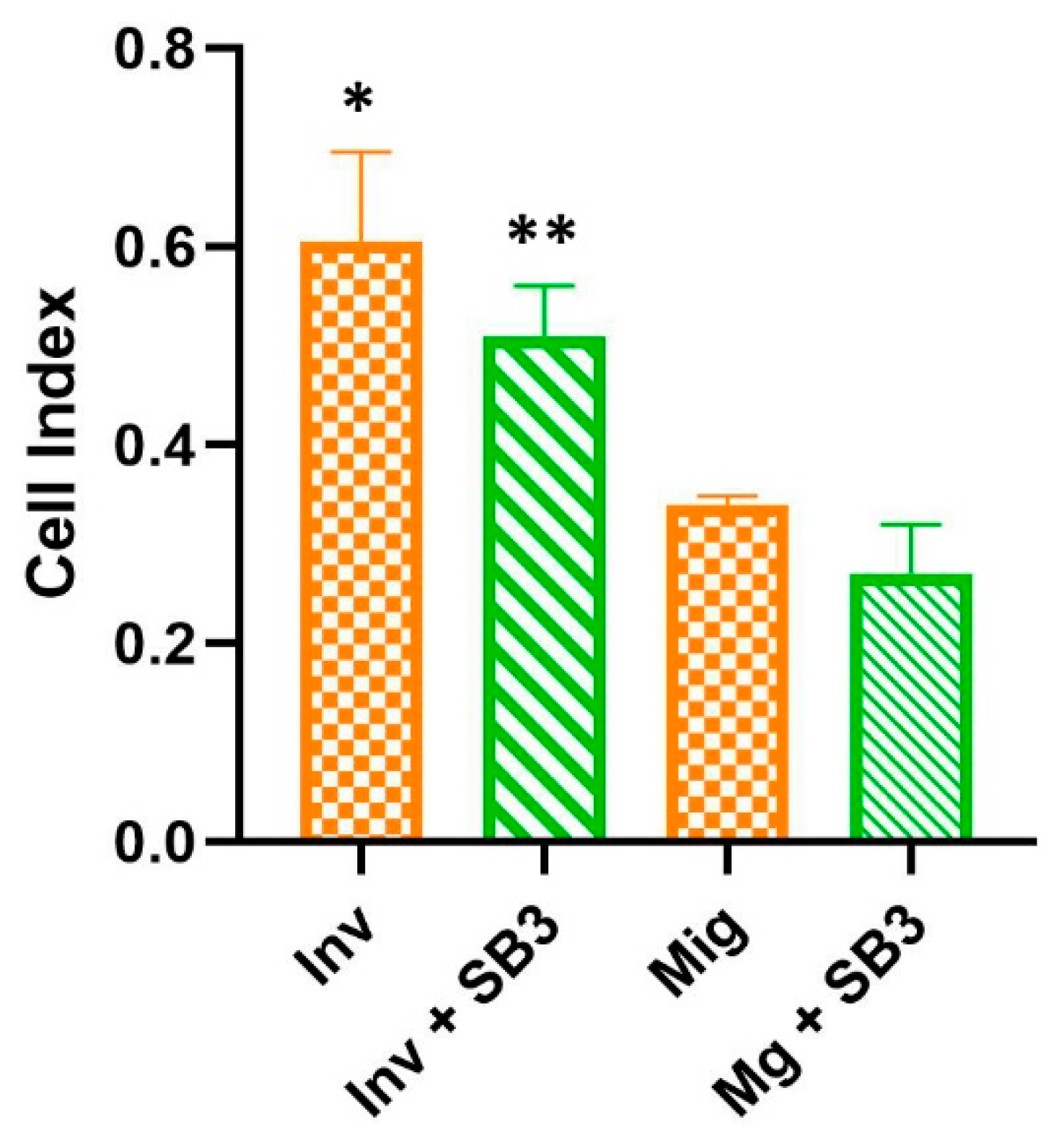
Appendix C. Impaired Wound Healing in Serpin B3 KO Mice
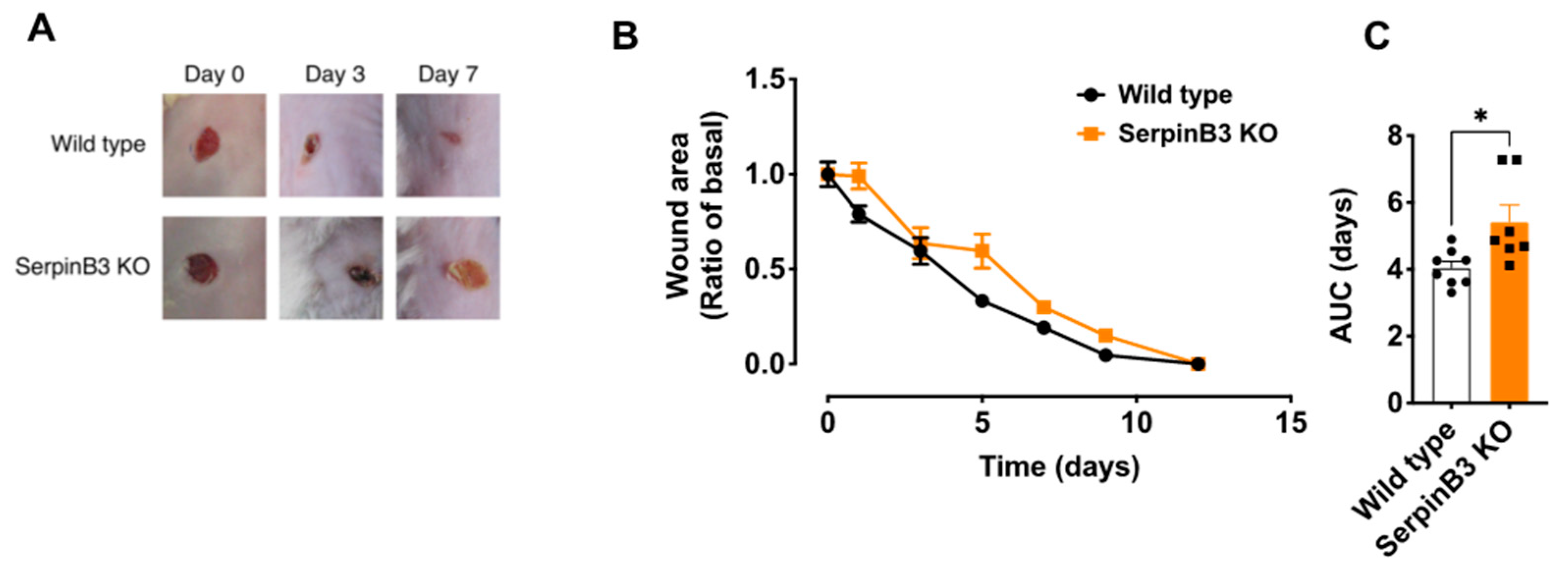
Appendix D. Impaired Wound Healing in Diabetic Mice is not Affected by SB3-Free Metolose-G or Silica–Metolose-G
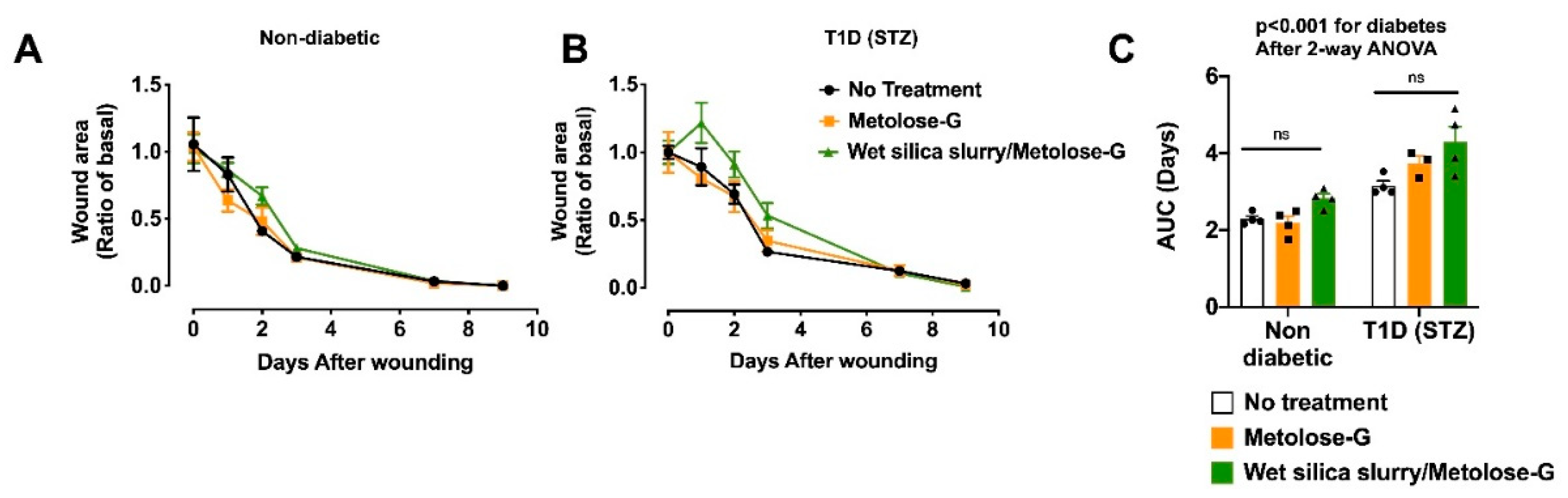
References
- Morbach, S.; Furchert, H.; Gröblinghoff, U.; Hoffmeier, H.; Kersten, K.; Klauke, G.-T.; Klemp, U.; Roden, T.; Icks, A.; Haastert, B.; et al. Long-term prognosis of diabetic foot patients and their limbs: Amputation and Death over the Course of a Decade. Diabetes Care 2012, 35, 2021–2027. [Google Scholar] [CrossRef] [Scilit] [PubMed]
- Broughton, G.; Janis, J.E.; Attinger, C.E. The Basic Science of Wound Healing. Plast. Reconstr. Surg. 2006, 117, 12S–34S. [Google Scholar] [CrossRef] [Scilit] [PubMed]
- Gary Sibbald, R.; Woo, K.Y. The biology of chronic foot ulcers in persons with diabetes. Diabetes Metab. Res. Rev. 2008, 24, S25–S30. [Google Scholar] [CrossRef] [Scilit] [PubMed]
- Cannito, S.; Foglia, B.; Villano, G.; Turato, C.; Delgado, T.C.; Morello, E.; Pin, F.; Novo, E.; Napione, L.; Quarta, S.; et al. SerpinB3 Differently Up-Regulates Hypoxia Inducible Factors-1α and -2α in Hepatocellular Carcinoma: Mechanisms Revealing Novel Potential Therapeutic Targets. Cancers 2019, 11, 1933. [Google Scholar] [CrossRef] [Scilit] [PubMed]
- Novo, E.; Villano, G.; Turato, C.; Cannito, S.; Paternostro, C.; Busletta, C.; Biasiolo, A.; Quarta, S.; Morello, E.; Bocca, C.; et al. SerpinB3 Promotes Pro-Fibrogenic Responses in Activated Hepatic Stellate Cells. Sci. Rep. 2017, 7, 3420. [Google Scholar] [CrossRef] [Scilit]
- Fadini, G.P.; Albiero, M.; Millioni, R.; Poncina, N.; Rigato, M.; Scotton, R.; Boscari, F.; Brocco, E.; Arrigoni, G.; Villano, G.; et al. The molecular signature of impaired diabetic wound healing identifies SerpinB3 as a healing biomarker. Diabetologia 2014, 57, 1947–1956. [Google Scholar] [CrossRef] [Scilit]
- Wang, Y.; Shao, T.; Wang, J.; Huang, X.; Deng, X.; Cao, Y.; Zhou, M.; Zhao, C. An Update on Potential Biomarkers for Diagnosing Diabetic Foot Ulcer at Early Stage. Biomed. Pharmacother. 2021, 133, 110991. [Google Scholar] [CrossRef] [Scilit]
- Aufenvenne, K.; Larcher, F.; Hausser, I.; Duarte, B.; Oji, V.; Nikolenko, H.; Del Rio, M.; Dathe, M.; Traupe, H. Topical Enzyme-Replacement Therapy Restores Transglutaminase 1 Activity and Corrects Architecture of Transglutaminase-1-Deficient Skin Grafts. Am. J. Hum. Genet. 2013, 93, 620–630. [Google Scholar] [CrossRef] [Scilit]
- Witting, M.; Obst, K.; Friess, W.; Hedtrich, S. Recent Advances in Topical Delivery of Proteins and Peptides Mediated by Soft Matter Nanocarriers. Biotechnol. Adv. 2015, 33, 1355–1369. [Google Scholar] [CrossRef] [Scilit]
- Fumakia, M.; Ho, E.A. Nanoparticles Encapsulated with LL37 and Serpin A1 promotes wound healing and synergistically enhances antibacterial activity. Mol. Pharm. 2016, 13, 2318–2331. [Google Scholar] [CrossRef] [Scilit]
- Foldvari, M.; Badea, I.; Wettig, S.; Baboolal, D.; Kumar, P.; Creagh, A.L.; Haynes, C.A. Topical Delivery of Interferon Alpha by biphasic vesicles: Evidence for a novel nanopathway across the stratum corneum. Mol. Pharm. 2010, 7, 751–762. [Google Scholar] [CrossRef] [Scilit] [PubMed]
- Simões, S. Modular hydrogels for drug delivery. J. Biomater. Nanobiotechnol. 2012, 3, 185–199. [Google Scholar] [CrossRef]
- Hoffman, A.S. Hydrogels for Biomedical Applications. Adv. Drug Deliv. Rev. 2012, 64, 18–23. [Google Scholar] [CrossRef] [Scilit]
- Raza, F.; Zafar, H.; Zhu, Y.; Ren, Y.; Ullah, A.; Khan, A.; He, X.; Han, H.; Aquib, M.; Boakye-Yiadom, K.; et al. A Review on Recent Advances in Stabilizing Peptides/Proteins upon Fabrication in Hydrogels from Biodegradable Polymers. Pharmaceutics 2018, 10, 16. [Google Scholar] [CrossRef] [Scilit]
- Brinker, C.J.; Scherer, G.W. Sol-Gel Science: The Physics and Chemistry of Sol-Gel Processing; Academic Press: Cambridge, MA, USA, 2013. [Google Scholar]
- Avnir, D.; Braun, S.; Lev, O.; Ottolenghi, M. Enzymes and Other Proteins Entrapped in Sol-Gel Materials. Chem. Mater. 1994, 6, 1605–1614. [Google Scholar] [CrossRef] [Scilit]
- Williams, A.K.; Hupp, J.T. Sol−Gel-Encapsulated Alcohol Dehydrogenase as a Versatile, Environmentally Stabilized Sensor for Alcohols and Aldehydes. J. Am. Chem. Soc. 1998, 120, 4366–4371. [Google Scholar] [CrossRef] [Scilit]
- Teoli, D.; Parisi, L.; Realdon, N.; Guglielmi, M.; Rosato, A.; Morpurgo, M. Wet Sol-Gel Derived Silica for Controlled Release of Proteins. J. Control. Release 2006, 116, 295–303. [Google Scholar] [CrossRef] [Scilit]
- Conconi, M.T.; Bellini, S.; Teoli, D.; de Coppi, P.; Ribatti, D.; Nico, B.; Simonato, E.; Gamba, P.G.; Nussdorfer, G.G.; Morpurgo, M.; et al. In Vitro and in vivo evaluation of acellular diaphragmatic matrices seeded with muscle precursors cells and coated with VEGF silica gels to repair muscle defect of the diaphragm. J. Biomed. Mater. Res. A 2009, 89, 304–316. [Google Scholar] [CrossRef] [Scilit]
- Morpurgo, M.; Mozzo, A.; Ferracini, C.; Pignatto, M.; Realdon, N. Wet sol-gel silica microspheres for the sustained release of human growth factor. In The Sol-Fel Process: Uniformity, Polymers and Applications; Morris, R., Ed.; Nova Science: Hauppauge, NY, USA, 2010; pp. 703–720. [Google Scholar]
- Montoya, N.A.; Roth, R.E.; Funk, E.K.; Gao, P.; Corbin, D.R.; Shiflett, M.B. Review on Porous Materials for the Thermal Stabilization of Proteins. Microporous Mesoporous Mater. 2022, 333, 111750. [Google Scholar] [CrossRef] [Scilit]
- Turato, C.; Pontisso, P. SERPINB3 (Serpin Peptidase Inhibitor, Clade B (Ovalbumin), Member 3). Atlas Genet. Cytogenet. Oncol. Haematol. 2015, 19, 202–209. [Google Scholar] [CrossRef] [Scilit]
- Quarta, S.; Vidalino, L.; Turato, C.; Ruvoletto, M.; Calabrese, F.; Valente, M.; Cannito, S.; Fassina, G.; Parola, M.; Gatta, A.; et al. SERPINB3 Induces Epithelial-Mesenchymal Transition. J. Pathol. 2010, 221, 343–356. [Google Scholar] [CrossRef] [Scilit] [PubMed]
- Benarafa, C. The SerpinB1 Knockout Mouse. In Methods in Enzymology; Academic Press: Cambridge, MA, USA, 2011; Volume 499, pp. 135–148. [Google Scholar]
- Sweeney, P.J.; Walker, J.M. Pronase (EC 3.4.24.4). In Enzymes of Molecular Biology; Humana Press: Totowa, NJ, USA, 1993; pp. 271–276. [Google Scholar]
- Wong, V.W.; Sorkin, M.; Glotzbach, J.P.; Longaker, M.T.; Gurtner, G.C. Surgical Approaches to Create Murine Models of Human Wound Healing. J. Biomed. Biotechnol. 2011, 2011, 969618. [Google Scholar] [CrossRef] [Scilit] [PubMed]
- Nishimura, Y.; Ii, M.; Qin, G.; Hamada, H.; Asai, J.; Takenaka, H.; Sekiguchi, H.; Renault, M.-A.; Jujo, K.; Katoh, N.; et al. CXCR4 Antagonist AMD3100 Accelerates Impaired Wound Healing in Diabetic Mice. J. Investig. Dermatol. 2012, 132, 711–720. [Google Scholar] [CrossRef] [Scilit] [PubMed]
- Park, S.A.; Teixeira, L.B.C.; Raghunathan, V.K.; Covert, J.; Dubielzig, R.R.; Isseroff, R.R.; Schurr, M.; Abbott, N.L.; McAnulty, J.; Murphy, C.J. Full-Thickness Splinted Skin Wound Healing Models in Db/Db and Heterozygous Mice: Implications for Wound Healing Impairment. Wound Repair Regen. 2014, 22, 368–380. [Google Scholar] [CrossRef] [Scilit]
- Fadini, G.P.; Albiero, M.; Menegazzo, L.; Boscaro, E.; Pagnin, E.; Iori, E.; Cosma, C.; Lapolla, A.; Pengo, V.; Stendardo, M.; et al. The Redox Enzyme P66Shc Contributes to Diabetes and Ischemia-Induced Delay in Cutaneous Wound Healing. Diabetes 2010, 59, 2306–2314. [Google Scholar] [CrossRef] [Scilit]
- Albiero, M.; Menegazzo, L.; Boscaro, E.; Agostini, C.; Avogaro, A.; Fadini, G.P. Defective Recruitment, Survival and Proliferation of Bone Marrow-Derived Progenitor Cells at Sites of Delayed Diabetic Wound Healing in Mice. Diabetologia 2011, 54, 945–953. [Google Scholar] [CrossRef] [Scilit]
- Rognoni, E.; Pisco, A.O.; Hiratsuka, T.; Sipilä, K.H.; Belmonte, J.M.; Mobasseri, S.A.; Philippeos, C.; Dilão, R.; Watt, F.M. Fibroblast State Switching Orchestrates Dermal Maturation and Wound Healing. Mol. Syst. Biol. 2018, 14, e8174. [Google Scholar] [CrossRef] [Scilit]
- Handbook of Pharmaceutical Excipients—7th Edition. Pharm. Dev. Technol. 2013, 18, 544. [CrossRef] [Scilit]
- Savage, T.J.; Dunphy, D.R.; Harbaugh, S.; Kelley-Loughnane, N.; Harper, J.C.; Brinker, C.J. Influence of Silica Matrix Composition and Functional Component Additives on the Bioactivity and Viability of Encapsulated Living Cells. ACS Biomater. Sci. Eng. 2015, 1, 1231–1238. [Google Scholar] [CrossRef] [Scilit]
Publisher’s Note: MDPI stays neutral with regard to jurisdictional claims in published maps and institutional affiliations. |
© 2022 by the authors. Licensee MDPI, Basel, Switzerland. This article is an open access article distributed under the terms and conditions of the Creative Commons Attribution (CC BY) license (https://creativecommons.org/licenses/by/4.0/).
Share and Cite
Albiero, M.; Fullin, A.; Villano, G.; Biasiolo, A.; Quarta, S.; Bernardotto, S.; Turato, C.; Ruvoletto, M.; Fadini, G.P.; Pontisso, P.; et al. Semisolid Wet Sol–Gel Silica/Hydroxypropyl Methyl Cellulose Formulation for Slow Release of Serpin B3 Promotes Wound Healing In Vivo. Pharmaceutics 2022, 14, 1944. https://doi.org/10.3390/pharmaceutics14091944
Albiero M, Fullin A, Villano G, Biasiolo A, Quarta S, Bernardotto S, Turato C, Ruvoletto M, Fadini GP, Pontisso P, et al. Semisolid Wet Sol–Gel Silica/Hydroxypropyl Methyl Cellulose Formulation for Slow Release of Serpin B3 Promotes Wound Healing In Vivo. Pharmaceutics. 2022; 14(9):1944. https://doi.org/10.3390/pharmaceutics14091944
Chicago/Turabian StyleAlbiero, Mattia, Alice Fullin, Gianmarco Villano, Alessandra Biasiolo, Santina Quarta, Simone Bernardotto, Cristian Turato, Mariagrazia Ruvoletto, Gian Paolo Fadini, Patrizia Pontisso, and et al. 2022. "Semisolid Wet Sol–Gel Silica/Hydroxypropyl Methyl Cellulose Formulation for Slow Release of Serpin B3 Promotes Wound Healing In Vivo" Pharmaceutics 14, no. 9: 1944. https://doi.org/10.3390/pharmaceutics14091944
APA StyleAlbiero, M., Fullin, A., Villano, G., Biasiolo, A., Quarta, S., Bernardotto, S., Turato, C., Ruvoletto, M., Fadini, G. P., Pontisso, P., & Morpurgo, M. (2022). Semisolid Wet Sol–Gel Silica/Hydroxypropyl Methyl Cellulose Formulation for Slow Release of Serpin B3 Promotes Wound Healing In Vivo. Pharmaceutics, 14(9), 1944. https://doi.org/10.3390/pharmaceutics14091944