Article

Sparsomycin Exhibits Potent Antiplasmodial Activity In Vitro and In Vivo
by
Nanang Rudianto Ariefta
1,
Baldorj Pagmadulam
1,2,
Coh-ichi Nihei
3 and
Yoshifumi Nishikawa
1,*
1
National Research Center for Protozoan Diseases, Obihiro University of Agriculture and Veterinary Medicine, Inada-cho, Obihiro 080-8555, Japan
2
Laboratory of Microbial Synthesis, Institute of General and Experimental Biology, Mongolian Academy of Sciences, Ulaanbaatar Peace Avenue-54b, Ulaanbaatar 13330, Mongolia
3
Institute of Microbial Chemistry (BIKAKEN), 3-14-23 Kamiosaki, Shinagawa-ku, Tokyo 141-0021, Japan
*
Author to whom correspondence should be addressed.
Pharmaceutics 2022, 14(3), 544; https://doi.org/10.3390/pharmaceutics14030544

Submission received: 1 February 2022 / Revised: 20 February 2022 / Accepted: 26 February 2022 / Published: 28 February 2022

Abstract

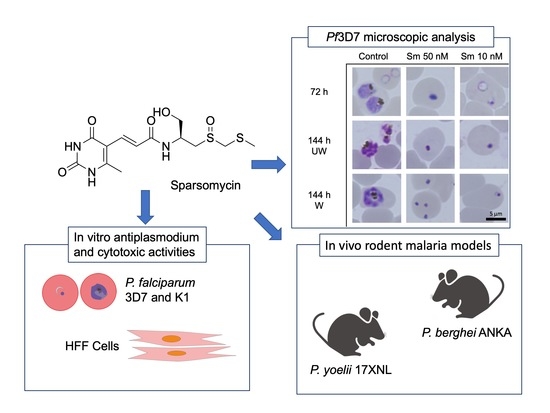
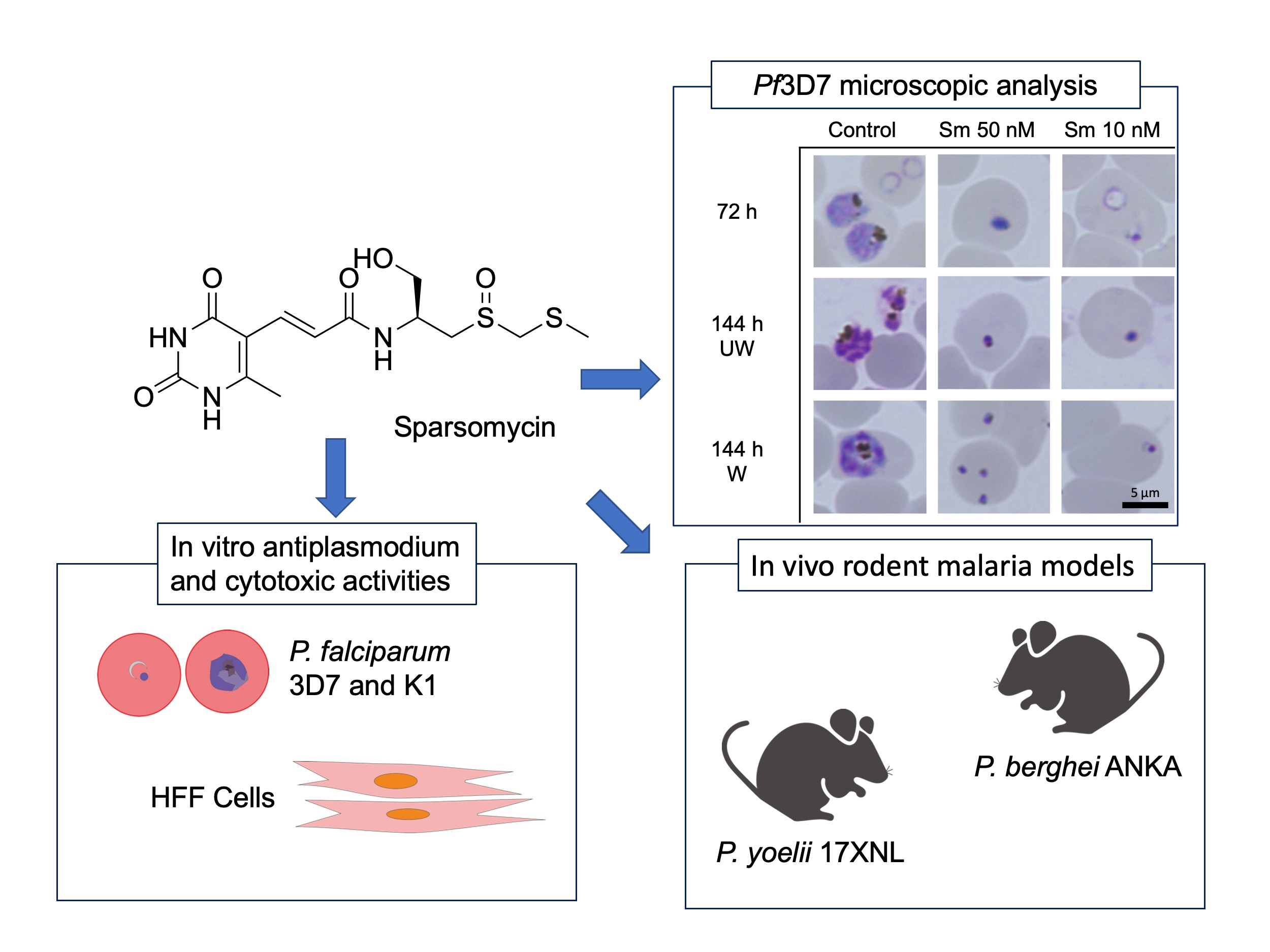
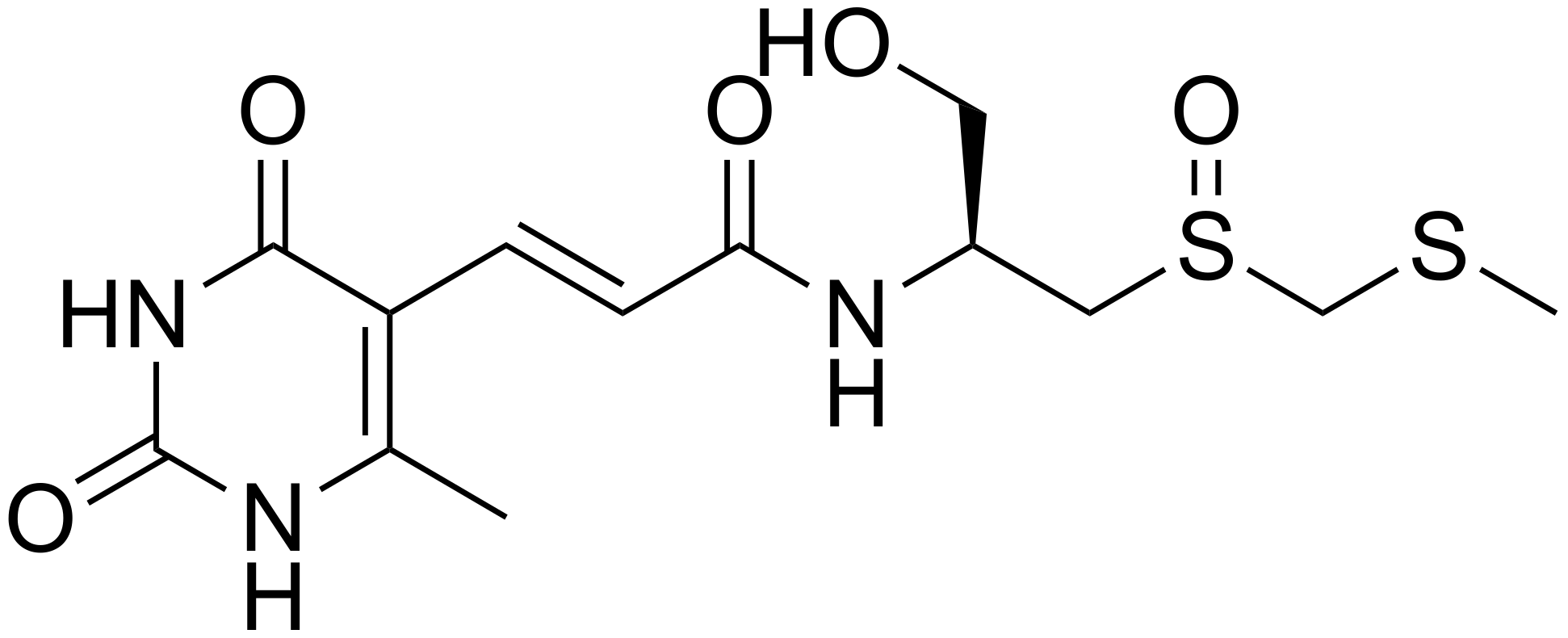
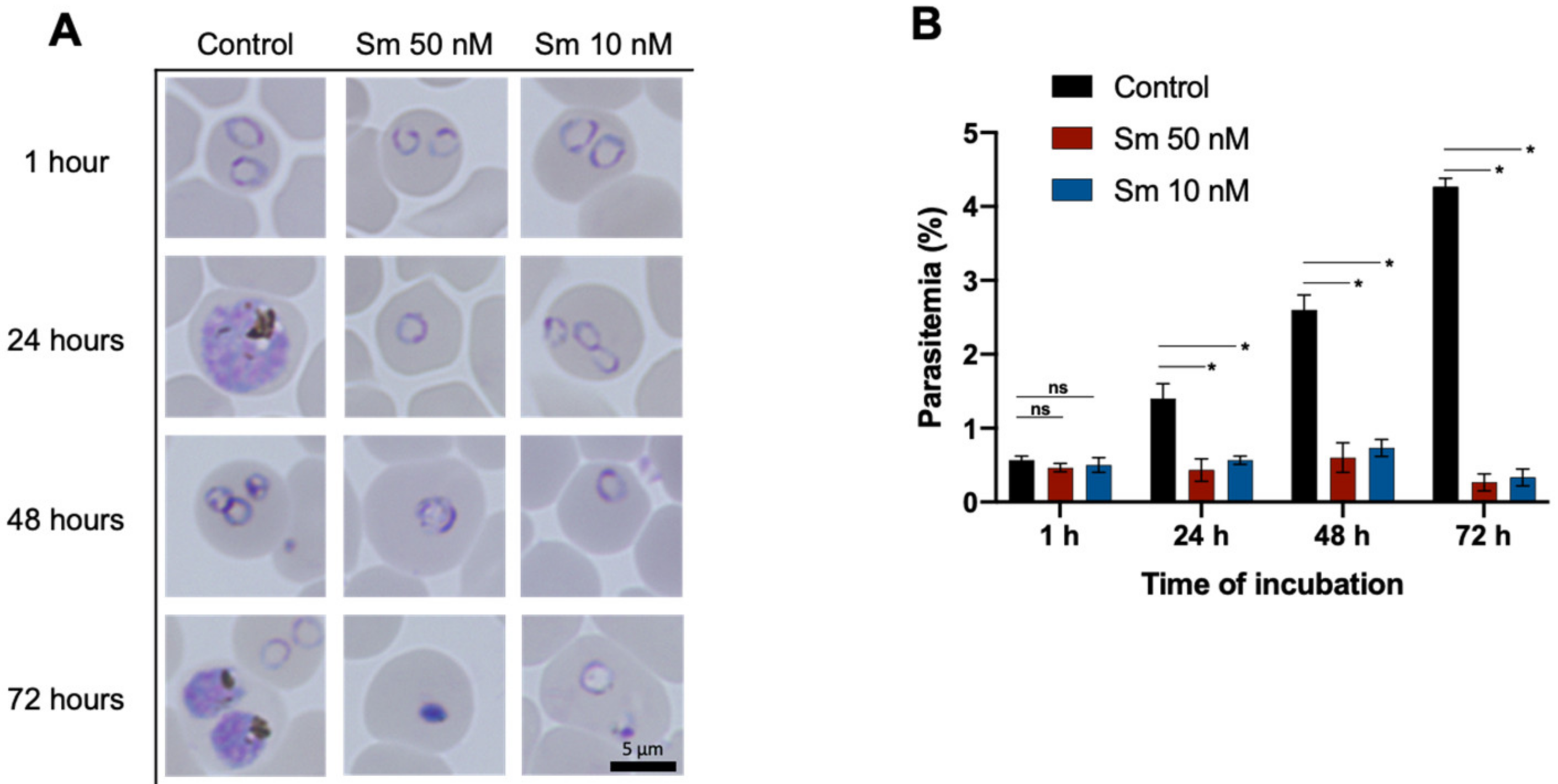
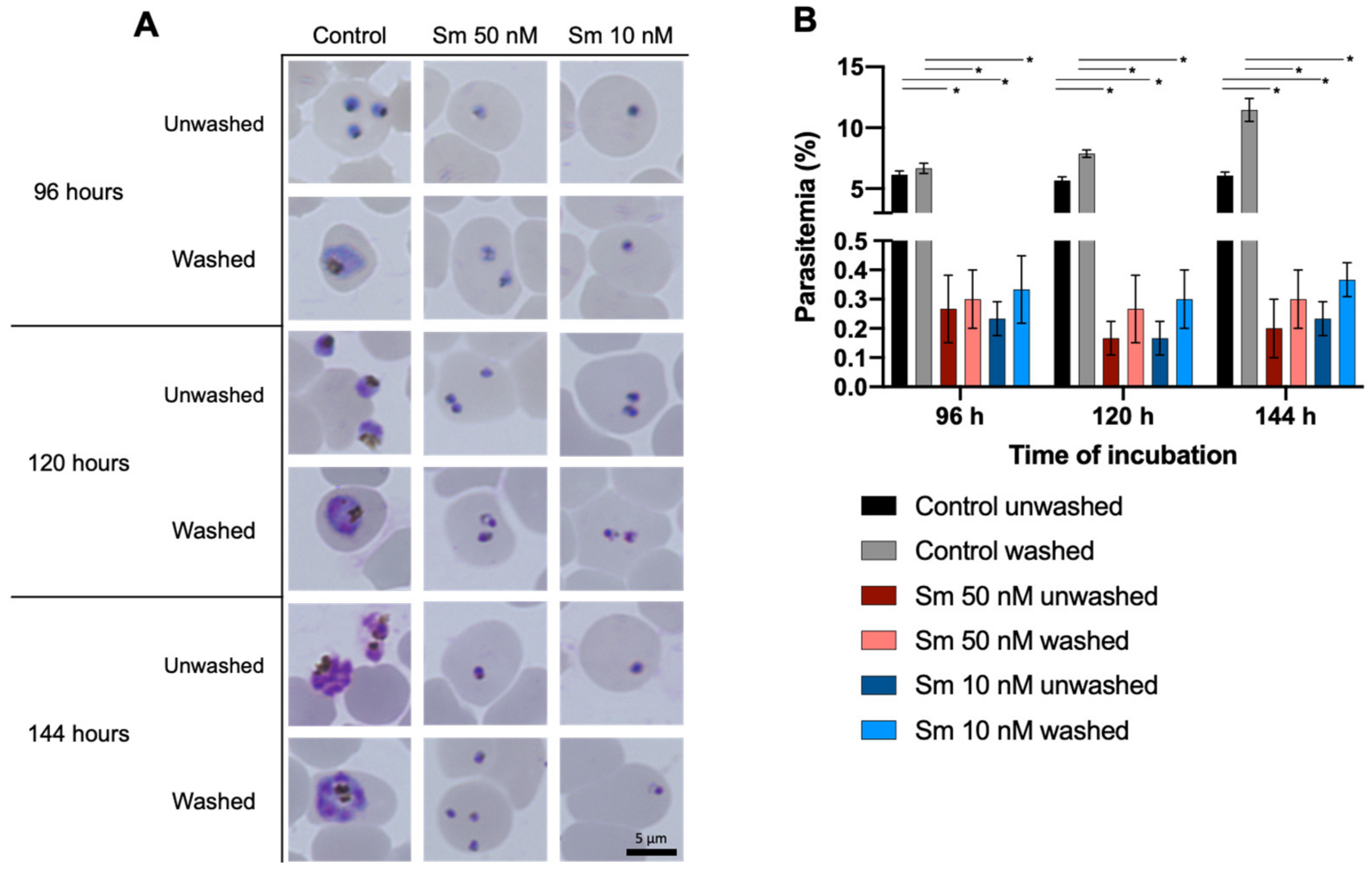
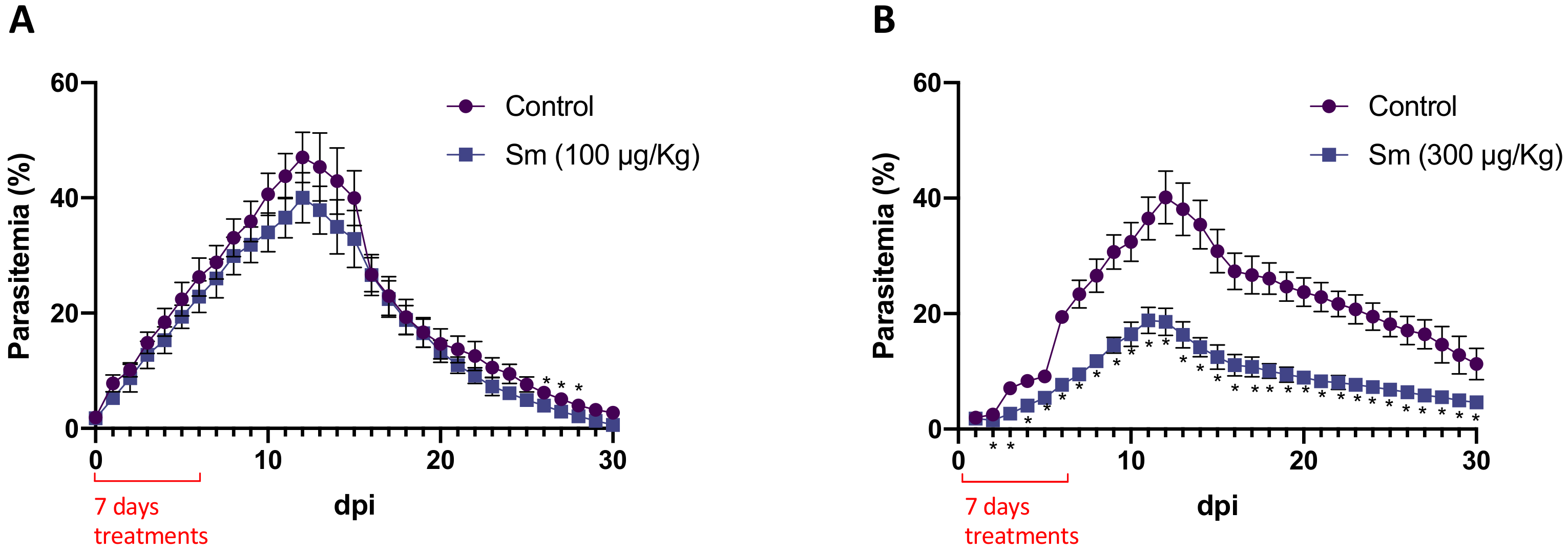
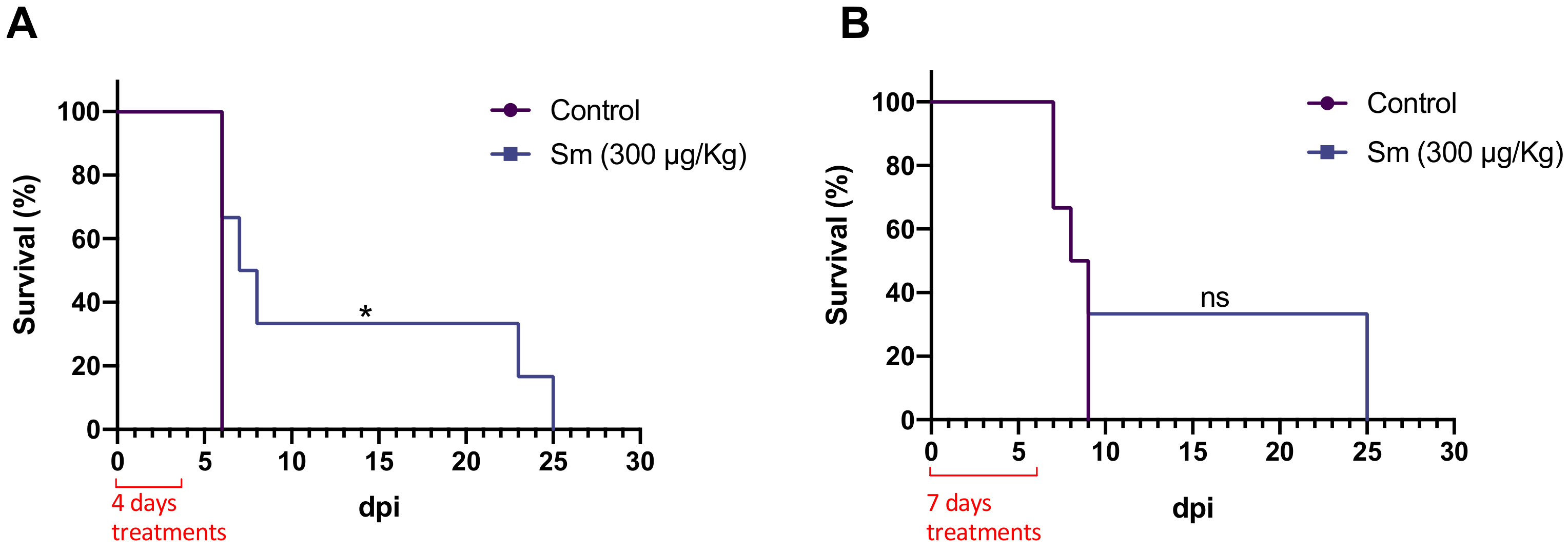
The emerging spread of drug-resistant malaria parasites highlights the need for new antimalarial agents. This study evaluated the growth-inhibitory effects of sparsomycin (Sm), a peptidyl transferase inhibitor, against Plasmodium falciparum 3D7 (chloroquine-sensitive strain), P. falciparum K1 (resistant to multiple drugs, including chloroquine), P. yoelii 17XNL (cause of uncomplicated rodent malaria) and P. berghei ANKA (cause of complicated rodent malaria). Using a fluorescence-based assay, we found that Sm exhibited half-maximal inhibitory concentrations (IC50) of 12.07 and 25.43 nM against P. falciparum 3D7 and K1, respectively. In vitro treatment of P. falciparum 3D7 with Sm at 10 or 50 nM induced morphological alteration, blocked parasites in the ring state and prevented erythrocyte reinvasion, even after removal of the compound. In mice infected with P. yoelii 17XNL, the administration of 100 μg/kg Sm for 7 days did not affect parasitemia. Meanwhile, treatment with 300 μg/kg Sm resulted in a significantly lower parasitemia peak (18.85%) than that observed in the control group (40.13%). In mice infected with P. berghei ANKA, both four and seven doses of Sm (300 μg/kg) prolonged survival by 33.33%. Our results indicate that Sm has potential antiplasmodial activities in vitro and in vivo, warranting its further development as an alternative treatment for malaria.
Keywords: sparsomycin; antiplasmodial; Plasmodium falciparum; Plasmodium yoelii; Plasmodium berghei sparsomycin; antiplasmodial; Plasmodium falciparum; Plasmodium yoelii; Plasmodium berghei
Graphical Abstract