Next Article in Journal
Nanostructured Lipid Carriers Loaded with Lippia sidoides Essential Oil as a Strategy to Combat the Multidrug-Resistant Candida auris
Previous Article in Journal
State-of-the-Art Review of Artificial Neural Networks to Predict, Characterize and Optimize Pharmaceutical Formulation
 
 
Correction published on 4 July 2022, see Pharmaceutics 2022, 14(7), 1402.
Article

Simulating the Hydrodynamic Conditions of the Human Ascending Colon: A Digital Twin of the Dynamic Colon Model

by
Michael Schütt
1,*,†,
Connor O’Farrell
1,*,†,
Konstantinos Stamatopoulos
1,2,
Caroline L. Hoad
3,4,
Luca Marciani
3,
Sarah Sulaiman
3,
Mark J. H. Simmons
1,
Hannah K. Batchelor
5 and
Alessio Alexiadis
1,*
1
School of Chemical Engineering, University of Birmingham, Edgbaston, Birmingham B15 2TT, UK
2
Biopharmaceutics, Pharmaceutical Development, PDS, MST, RD Platform Technology & Science, GSK, David Jack Centre, Park Road, Ware, Hertfordshire SG12 0DP, UK
3
Nottingham Digestive Diseases Centre and National Institute for Health Research (NIHR) Nottingham Biomedical Research Centre, Nottingham University Hospitals NHS Trust and University of Nottingham, Nottingham NG7 2UK, UK
4
Sir Peter Mansfield Imaging Centre, School of Physics and Astronomy, University of Nottingham, Nottingham NG7 2RD, UK
5
Strathclyde Institute of Pharmacy and Biomedical Sciences, University of Strathclyde, 161 Cathedral Street, Glasgow G4 0RE, UK
*
Authors to whom correspondence should be addressed.
These authors contributed equally to this work.
Pharmaceutics 2022, 14(1), 184; https://doi.org/10.3390/pharmaceutics14010184

Submission received: 9 December 2021 / Revised: 26 December 2021 / Accepted: 11 January 2022 / Published: 13 January 2022 / Corrected: 4 July 2022
(This article belongs to the Section Drug Delivery and Controlled Release)

Abstract

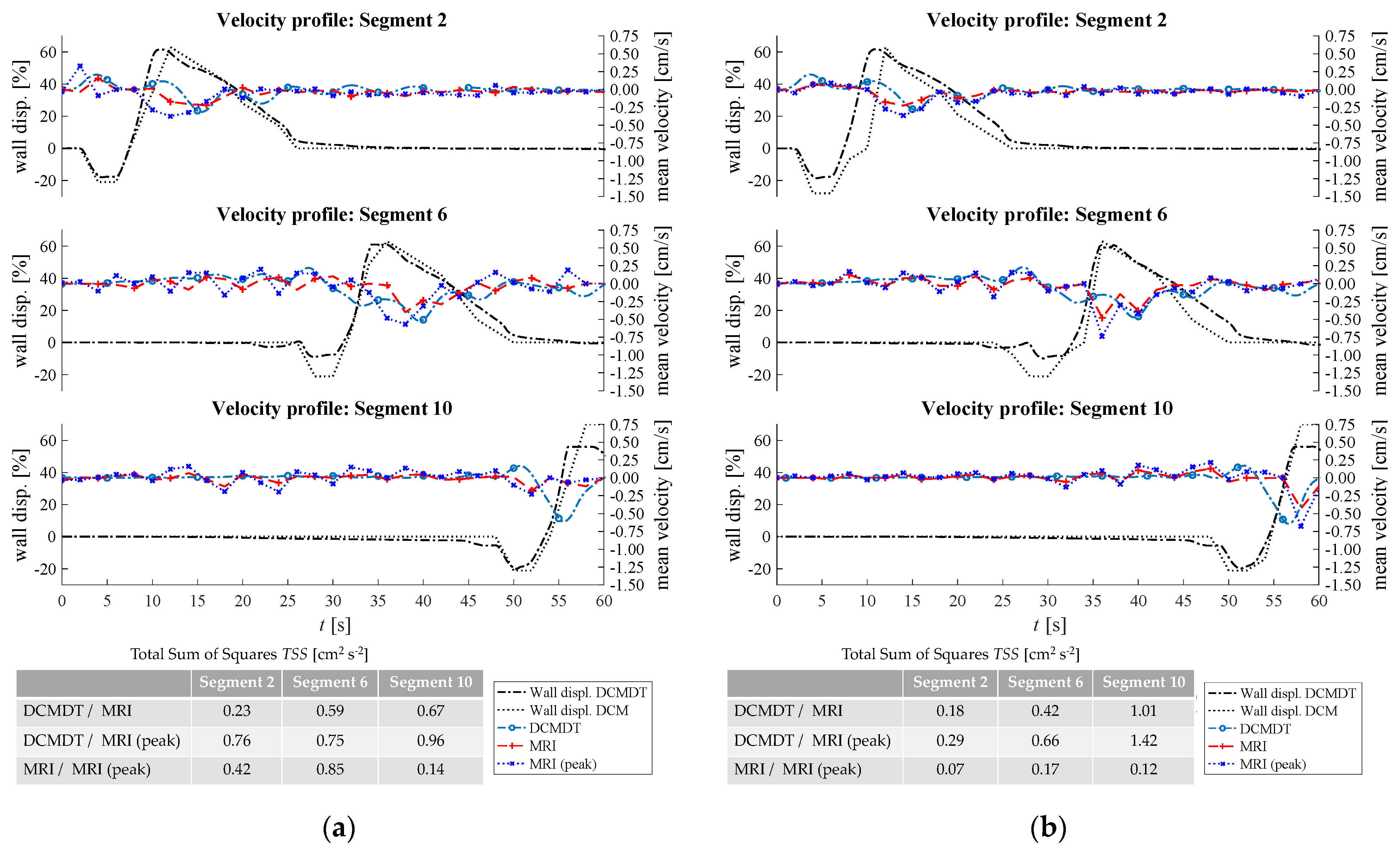
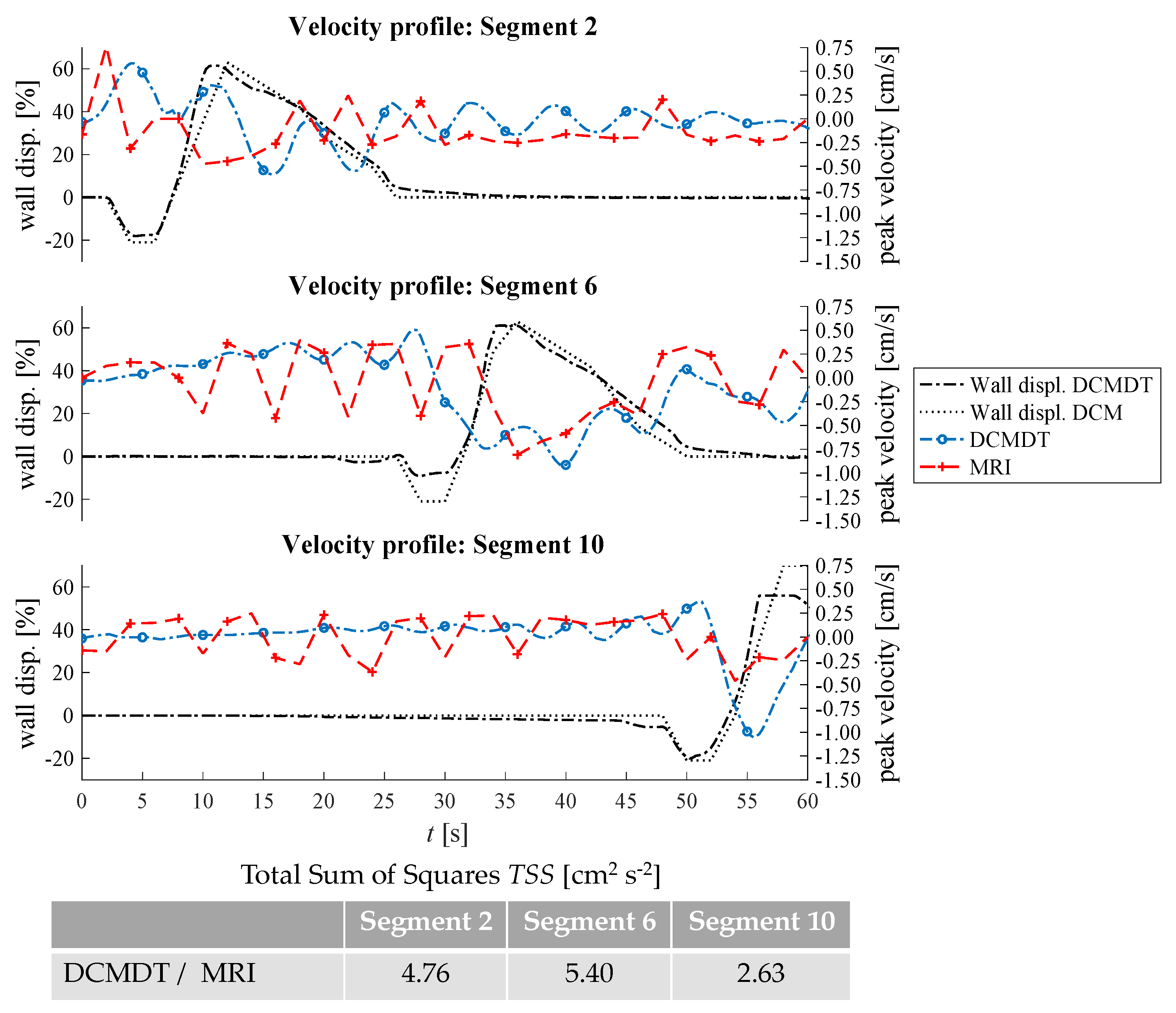
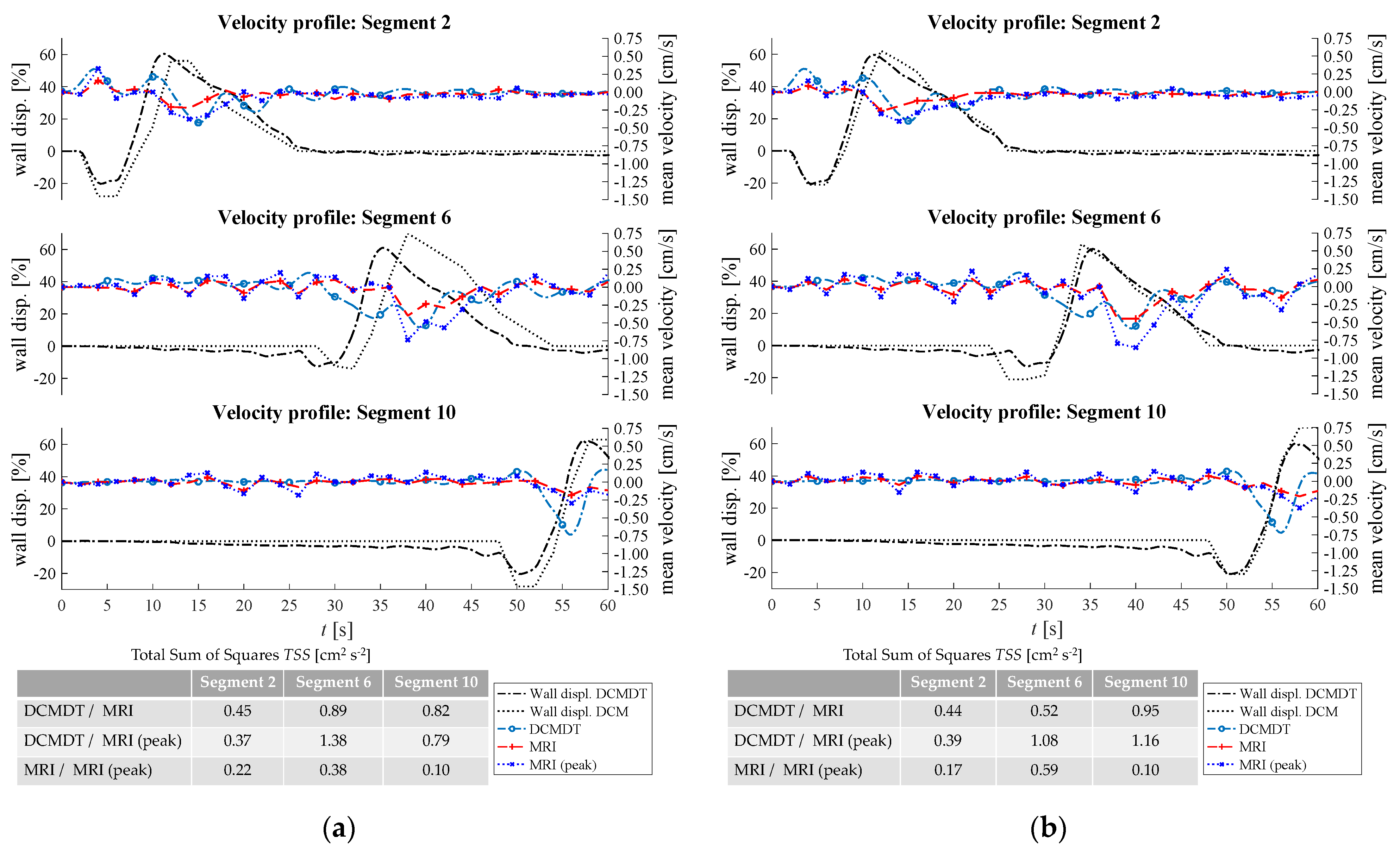
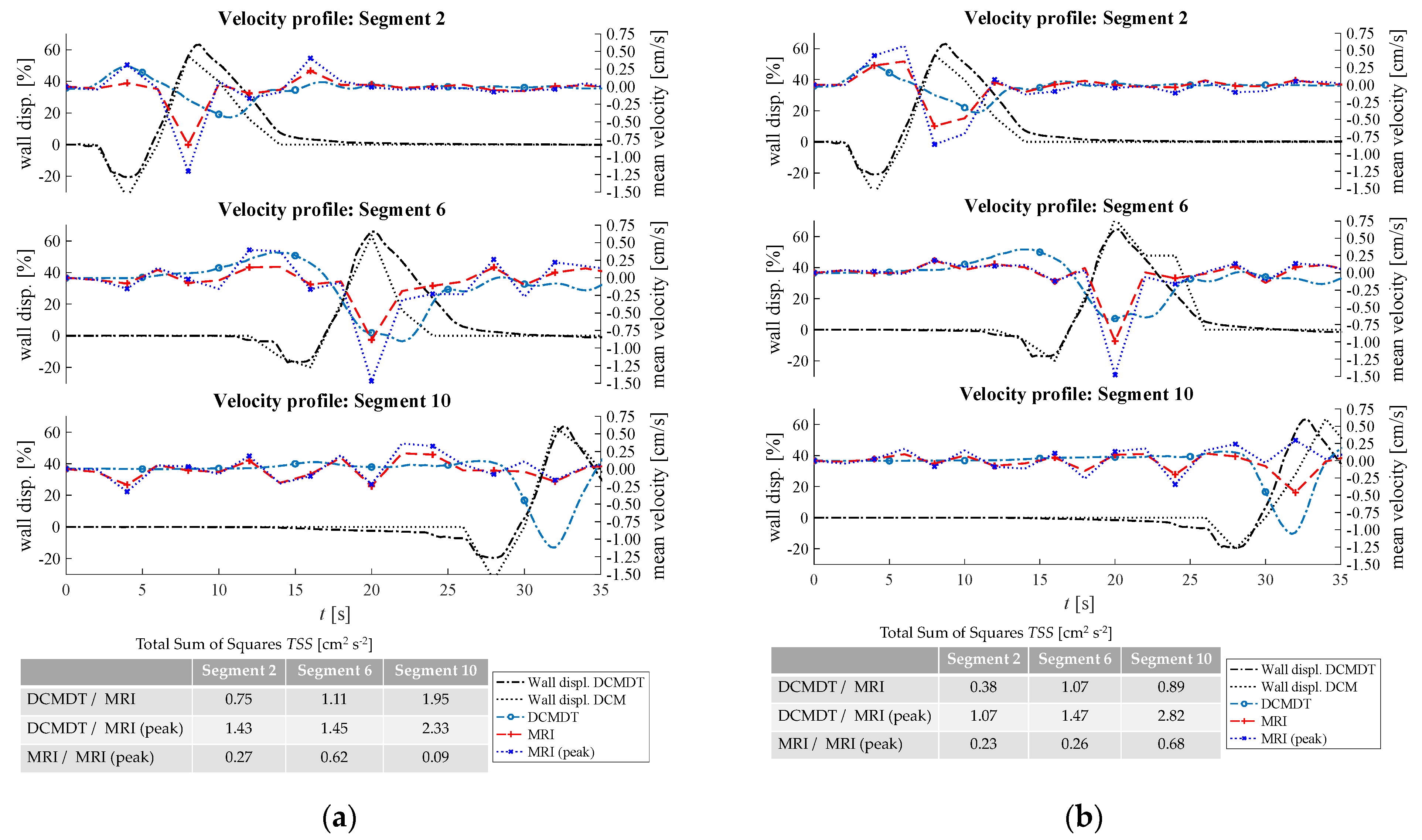
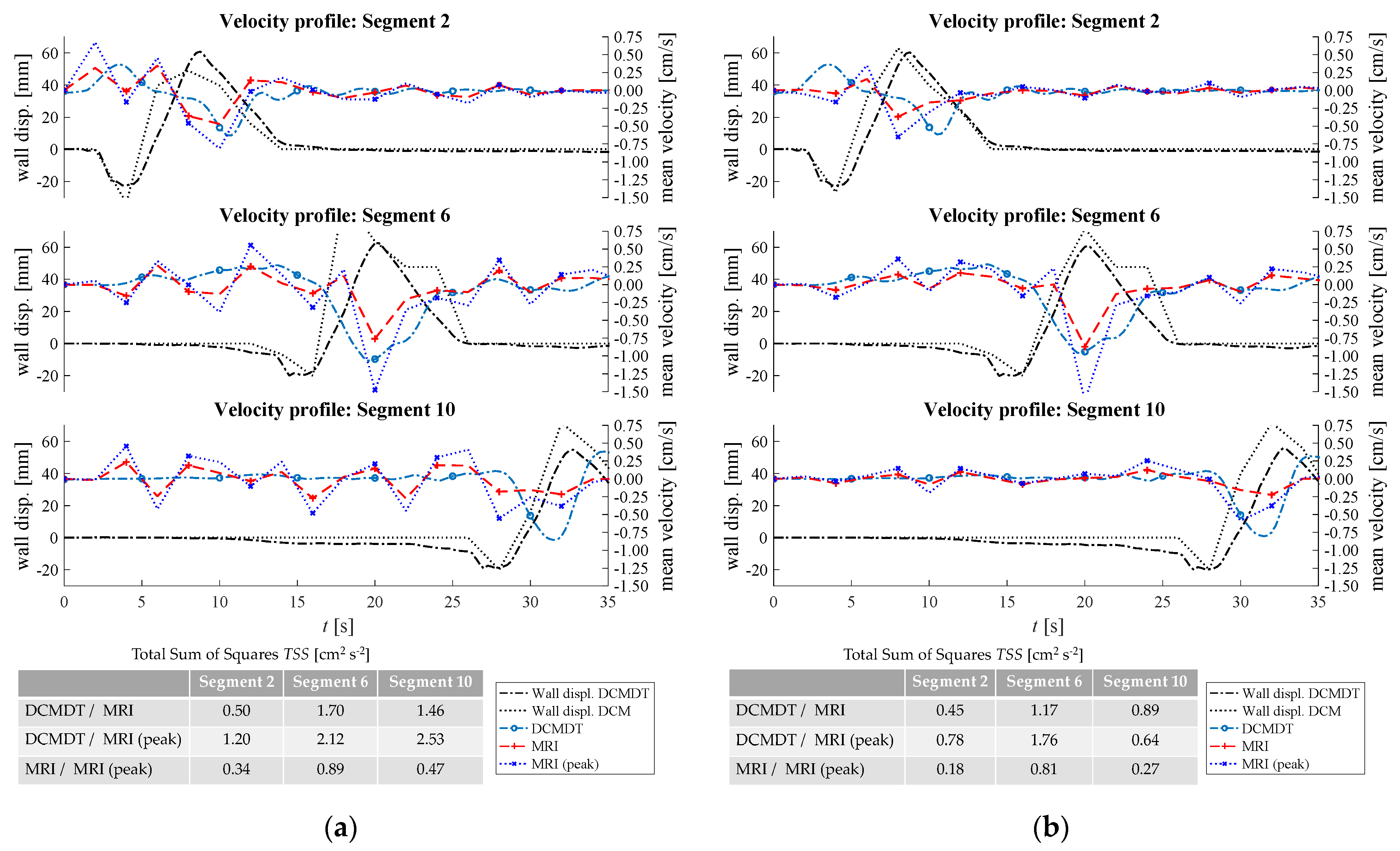
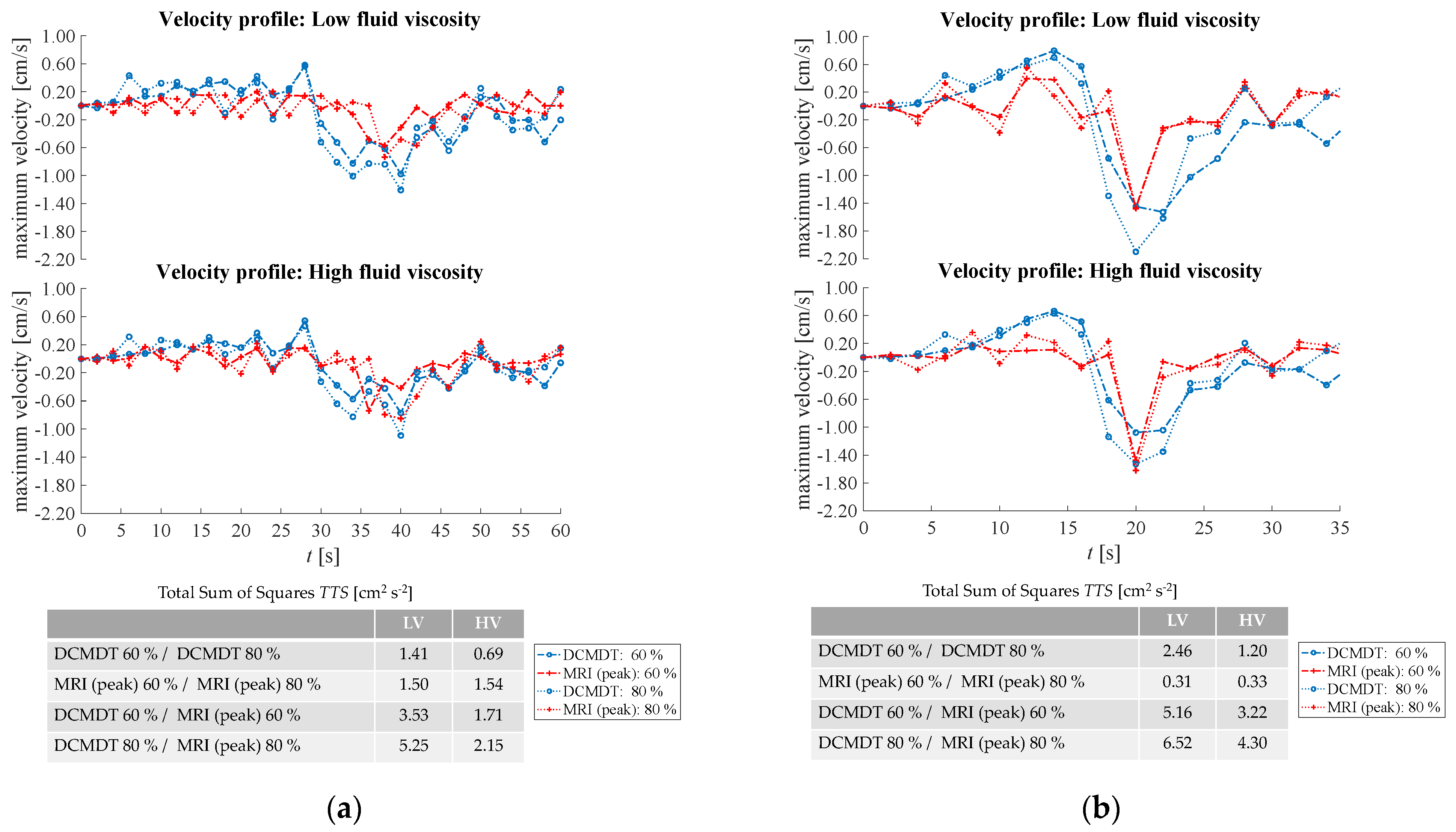
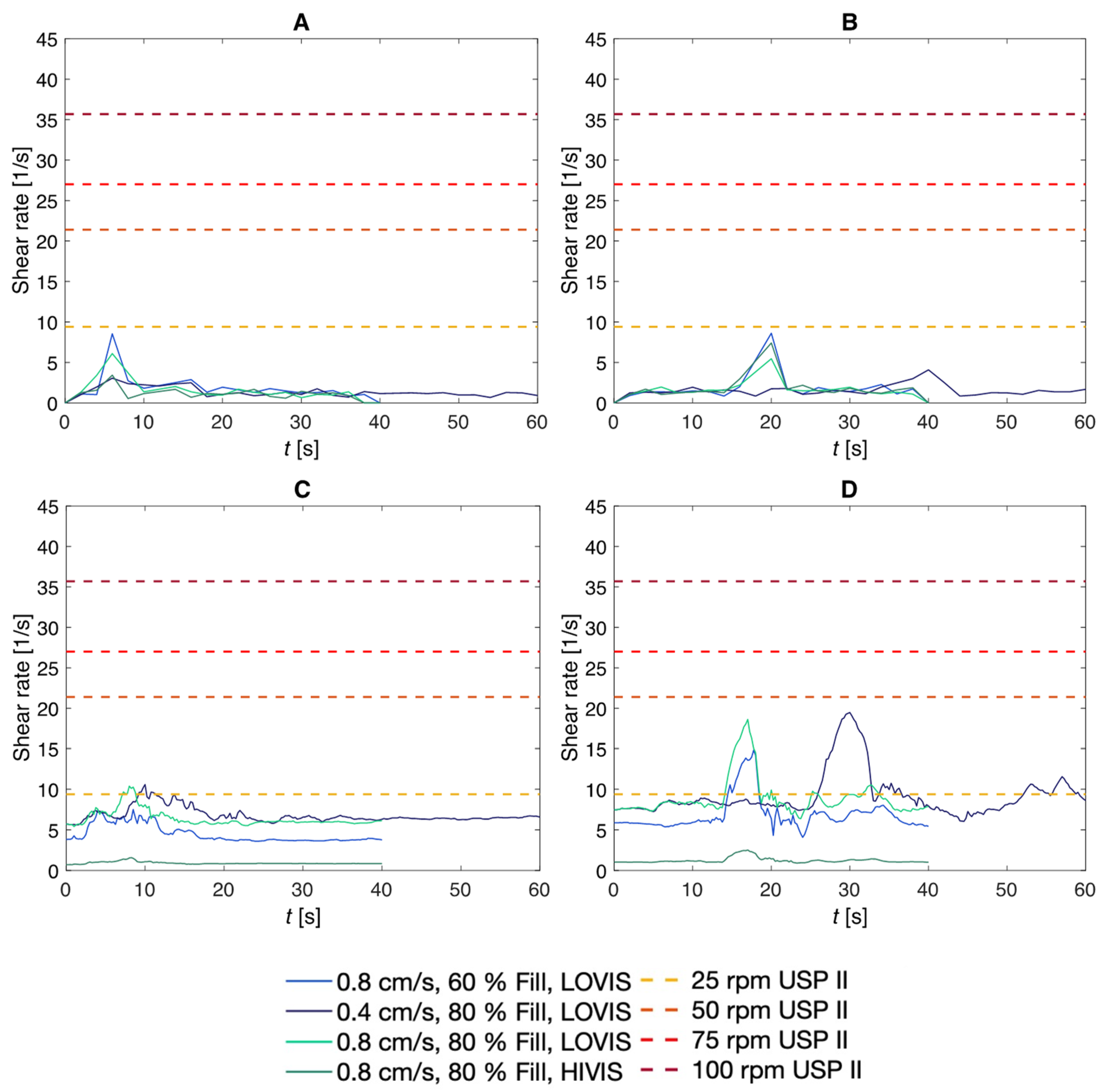
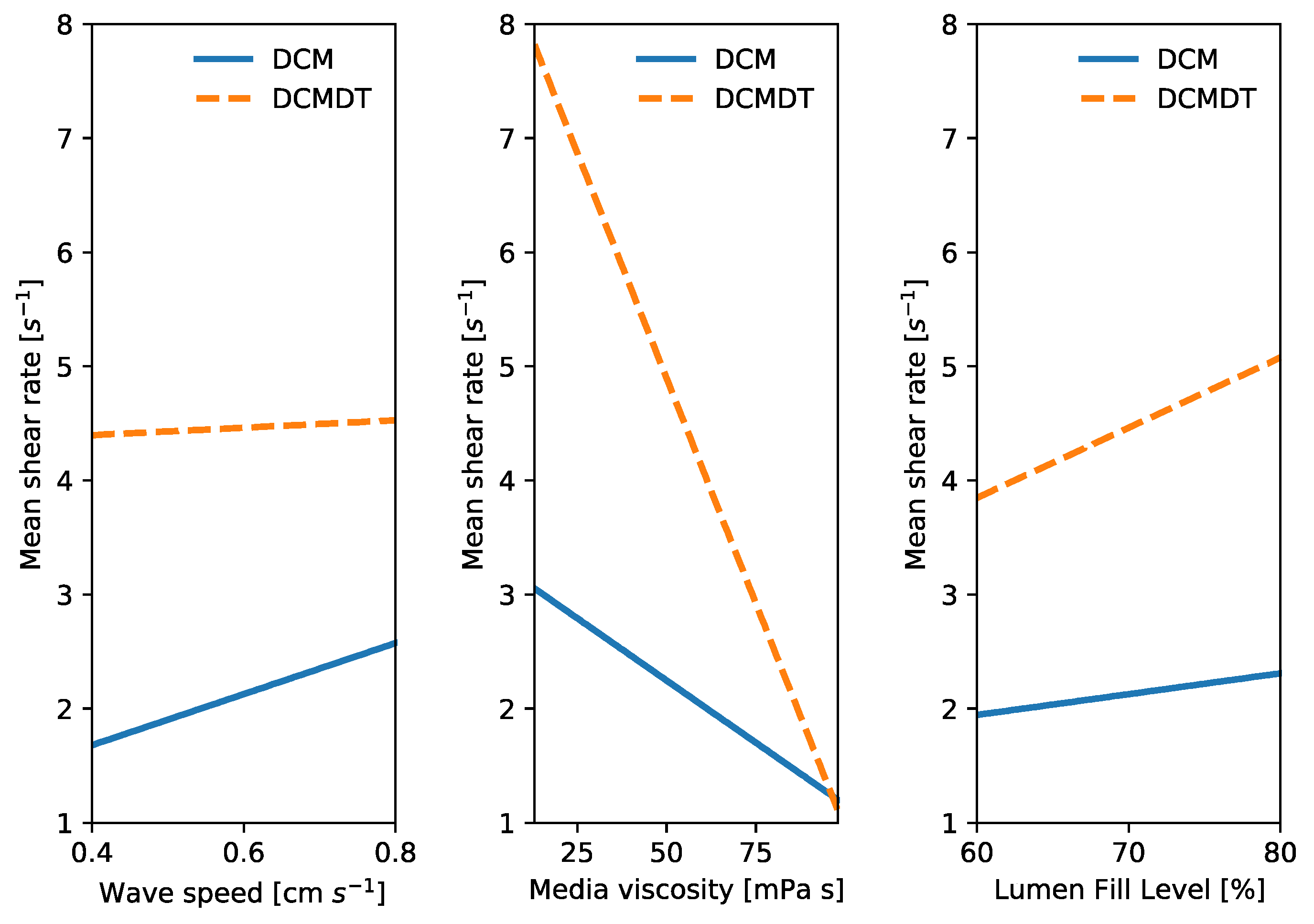
The performance of solid oral dosage forms targeting the colon is typically evaluated using standardised pharmacopeial dissolution apparatuses. However, these fail to replicate colonic hydrodynamics. This study develops a digital twin of the Dynamic Colon Model; a physiologically representative in vitro model of the human proximal colon. Magnetic resonance imaging of the Dynamic Colon Model verified that the digital twin robustly replicated flow patterns under different physiological conditions (media viscosity, volume, and peristaltic wave speed). During local contractile activity, antegrade flows of 0.06–0.78 cm s−1 and backflows of −2.16–−0.21 cm s−1 were measured. Mean wall shear rates were strongly time and viscosity dependent although peaks were measured between 3.05–10.12 s−1 and 5.11–20.34 s−1 in the Dynamic Colon Model and its digital twin respectively, comparable to previous estimates of the USPII with paddle speeds of 25 and 50 rpm. It is recommended that viscosity and shear rates are considered when designing future dissolution test methodologies for colon-targeted formulations. In the USPII, paddle speeds >50 rpm may not recreate physiologically relevant shear rates. These findings demonstrate how the combination of biorelevant in vitro and in silico models can provide new insights for dissolution testing beyond established pharmacopeial methods.
Keywords: Dynamic Colon Model (DCM); digital twin; discrete multiphysics; Smoothed Particle Hydrodynamics (SPH); large intestine; colon; shear rate; dissolution apparatus; Magnetic Resonance Imaging (MRI); colon targeted drug delivery Dynamic Colon Model (DCM); digital twin; discrete multiphysics; Smoothed Particle Hydrodynamics (SPH); large intestine; colon; shear rate; dissolution apparatus; Magnetic Resonance Imaging (MRI); colon targeted drug delivery