Article

Egr1 Gene Expression as a Potential Biomarker for In Vitro Prediction of Ocular Toxicity
1
Department of Biotechnology, The Catholic University of Korea, Bucheon 14662, Korea
2
Laboratory Animal Medicine, College of Veterinary Medicine, Chonnam National University, Gwangju 61186, Korea
3
College of Pharmacy, Chung-Ang University, Seoul 06974, Korea
4
College of Pharmacy, Ewha Womans University, Seoul 03760, Korea
5
Department of Medical and Biological Sciences, The Catholic University of Korea, Bucheon 14662, Korea
*
Authors to whom correspondence should be addressed.
Pharmaceutics 2021, 13(10), 1584; https://doi.org/10.3390/pharmaceutics13101584

Submission received: 29 July 2021 / Revised: 9 September 2021 / Accepted: 28 September 2021 / Published: 29 September 2021

Abstract

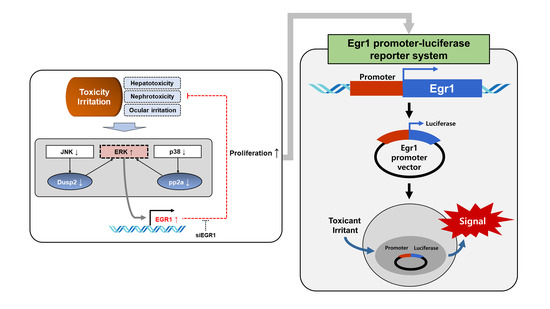
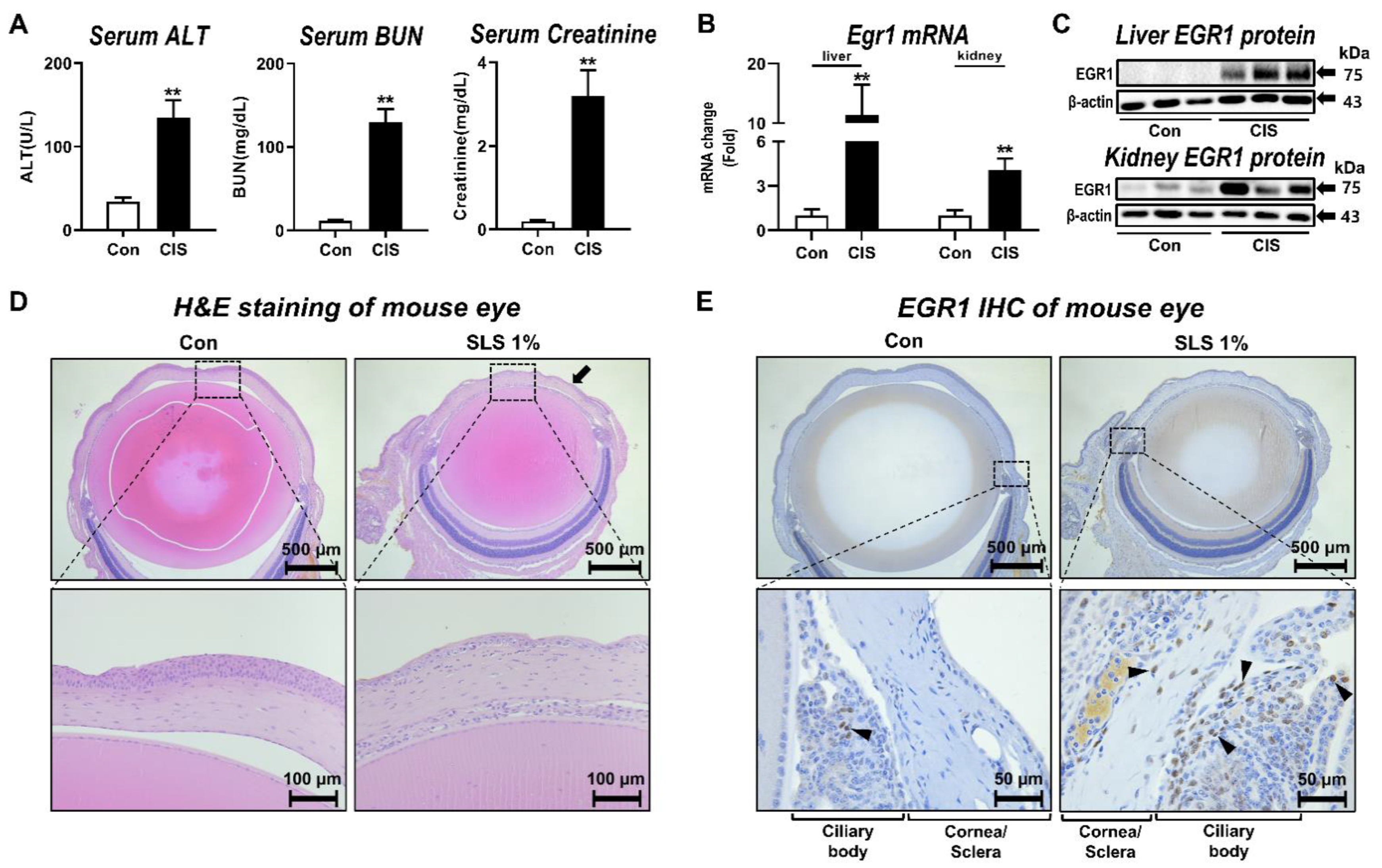
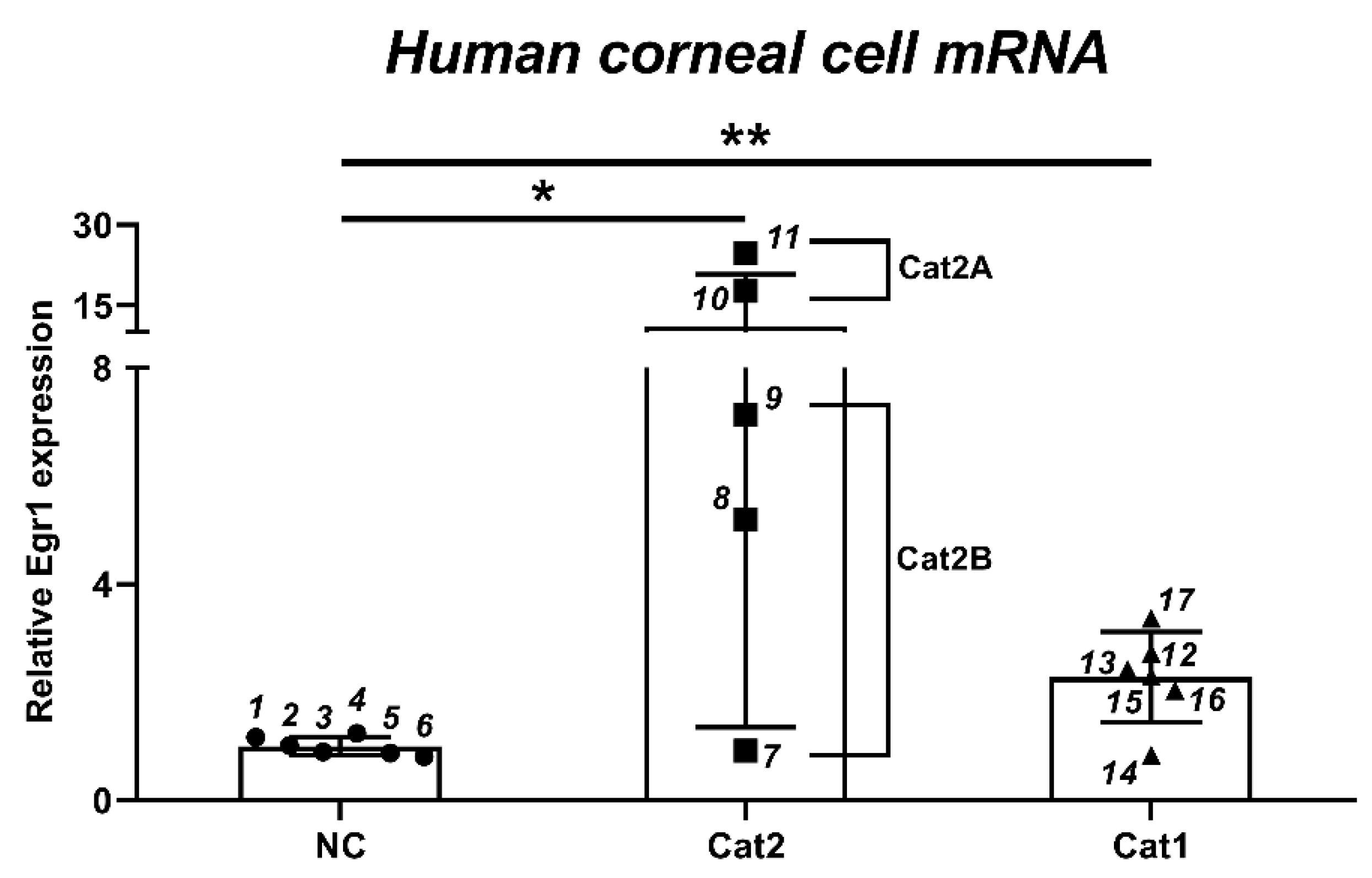
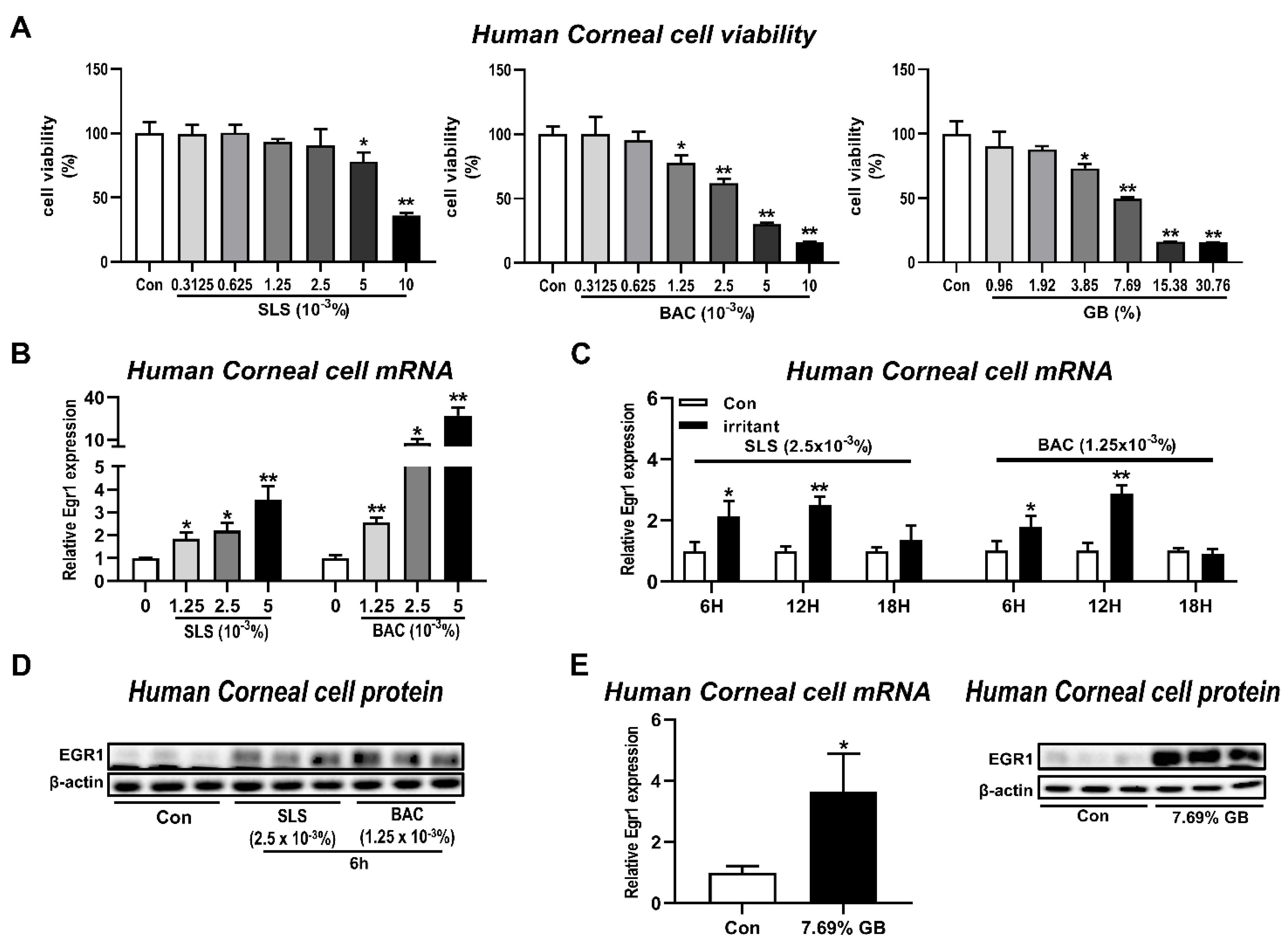
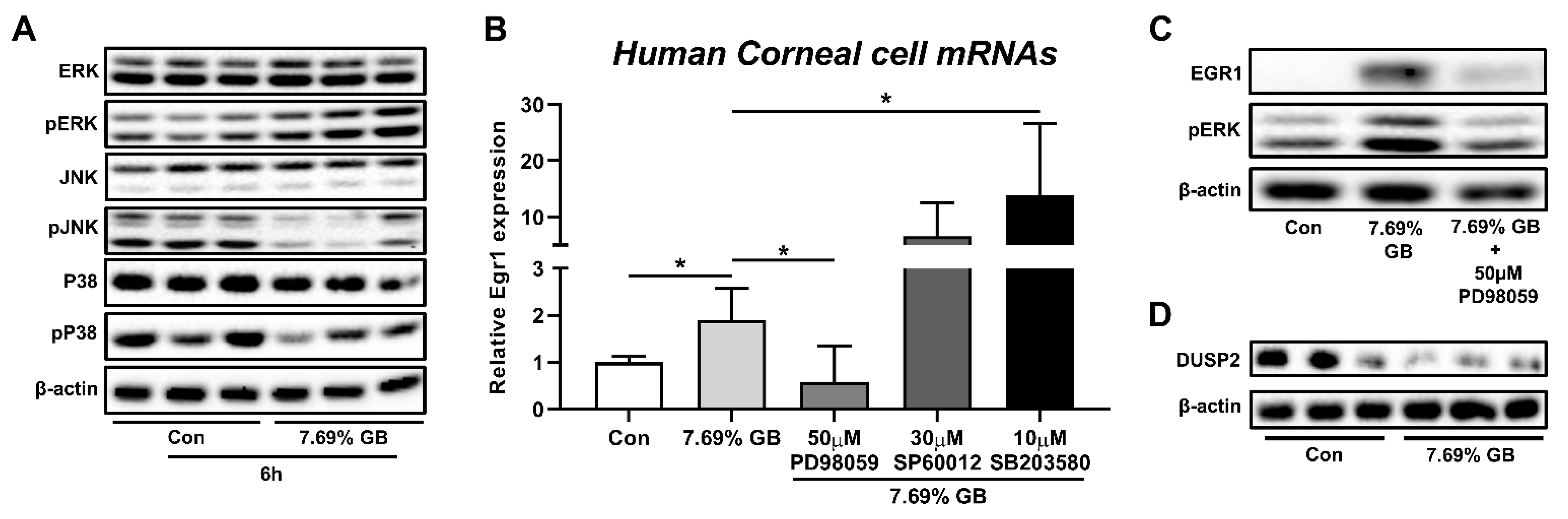
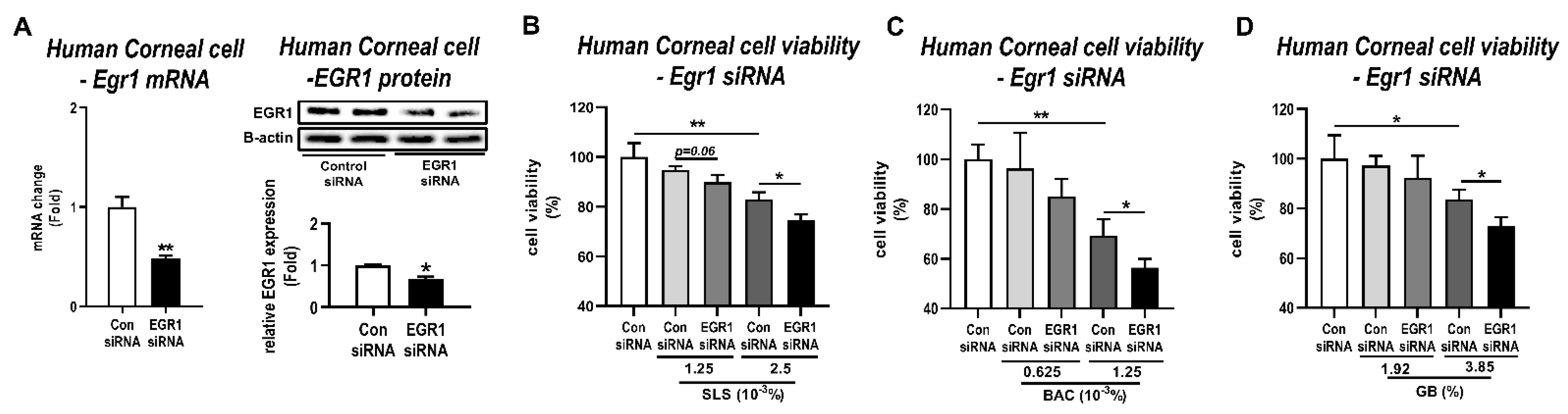
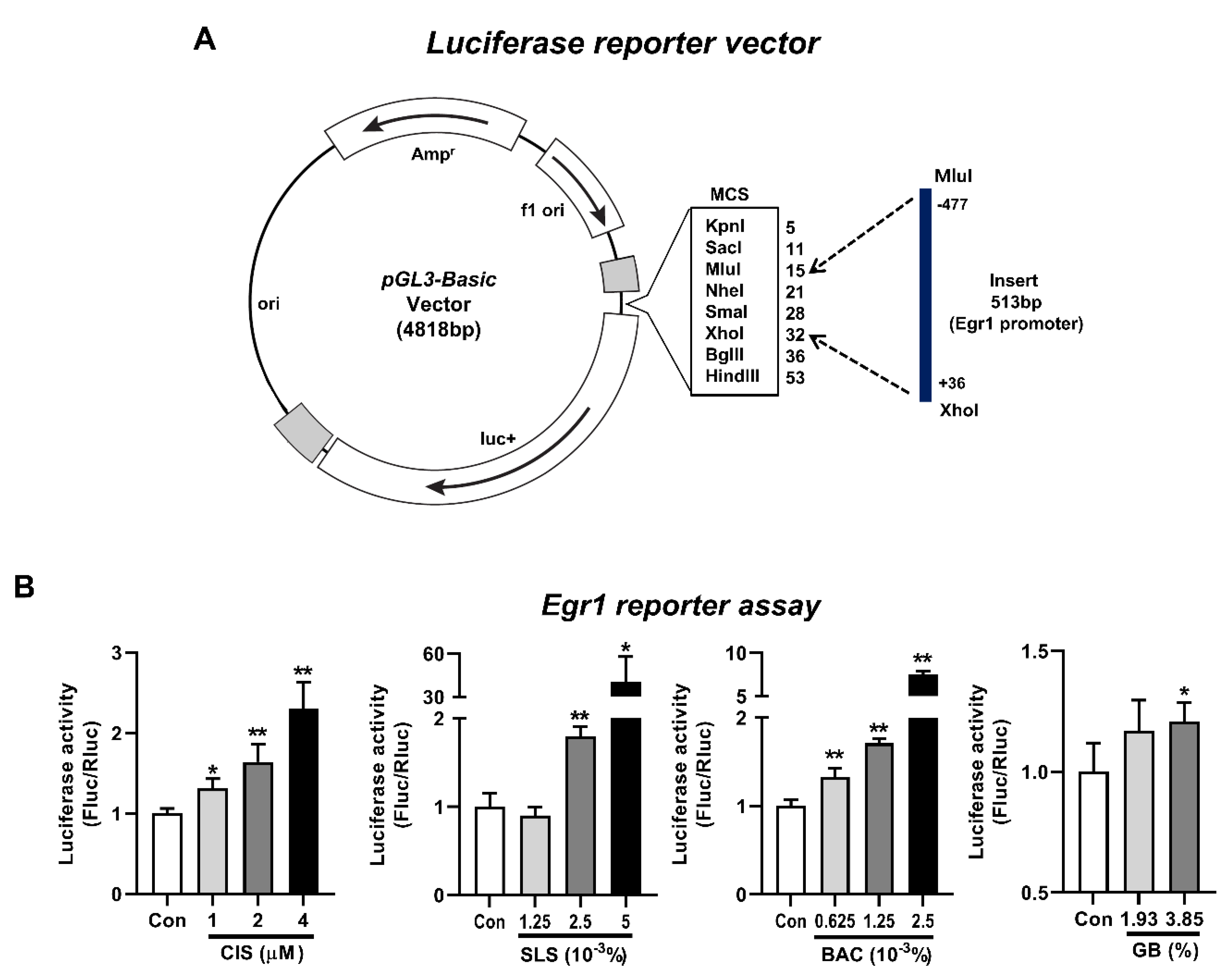
Animal models are used for preclinical toxicity studies, and the need for in vitro alternative methods has been strongly raised. Our study aims to elucidate the potential mechanism of change in EGR1 expression under situations of toxic injury and to develop an Egr1 promoter–luciferase gene reporter assay for an in vitro alternative method for toxicity prediction in drug discovery. We first found an increase in early growth response-1 (EGR1) mRNA/protein expressions in the liver and kidney of cisplatin-treated injured rats. Additionally, the EGR1 protein level was also elevated under situations of ocular injury after sodium lauryl sulfate (SLS) eye drops. These in vivo observations on injury-related EGR1 induction were confirmed by in vitro studies, where human corneal epithelial cells were treated with representative irritants (SLS and benzalkonium chloride) and 17 chemicals having different UN GHS irritant categories. Additionally, our results suggest the involvement of ERK, JNK, p38 MAPK pathways in EGR1 elevation in response to gamma-butyrolactone-induced injury. As EGR1 is considered to be a pivotal factor in proliferation and regeneration, siRNA-mediated knockdown of Egr1 promoted cytotoxic potential through a delay of injury-related recovery. More importantly, the elevation of promoter activities was observed by various irritants in cells transfected with Egr1 promoter-reporter vector. In conclusion, Egr1 can be a potential biomarker in a promoter-reporter system to improve the accuracy of in vitro predictions for ocular irritation.
Keywords: early growth response-1; eye irritation; biomarker; reporter vector system; immortalized corneal cell early growth response-1; eye irritation; biomarker; reporter vector system; immortalized corneal cell
Graphical Abstract