Article

HSV-1 US3 Hijacks Conserved Actin Regulatory Complexes to Drive F-Actin Remodeling

by
Md Imran Hossain
1,2,
Md Arifuzzaman
3,
Md Mehedi Hasan
1,2,
Seung-Jong Park
3,
Leila Rahimian
1,2,
Ojasvi Dutta
1,2,
Vladimir Chouljenko
1,2,
Harikrishnan Mohan
1,2,
Reza Ghavimi
1,2 and
Konstantin G. Kousoulas
1,2,*
1
Department of Pathobiological Sciences, Louisiana State University School of Veterinary Medicine, Baton Rouge, LA 70803, USA
2
Division of Biotechnology and Molecular Medicine, School of Veterinary Medicine, Baton Rouge, LA 70803, USA
3
Department of Computer Science, Missouri University of Science and Technology, Rolla, MO 65409, USA
*
Author to whom correspondence should be addressed.
Viruses 2026, 18(7), 793; https://doi.org/10.3390/v18070793
Submission received: 16 June 2026 / Revised: 17 July 2026 / Accepted: 18 July 2026 / Published: 19 July 2026

Abstract

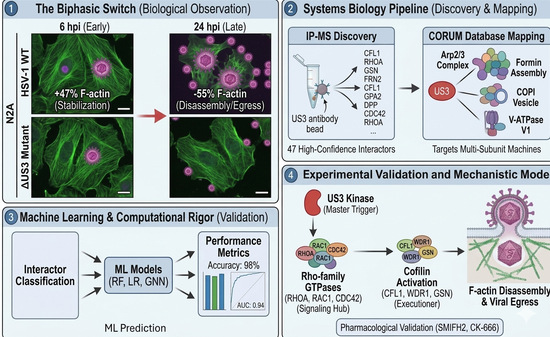
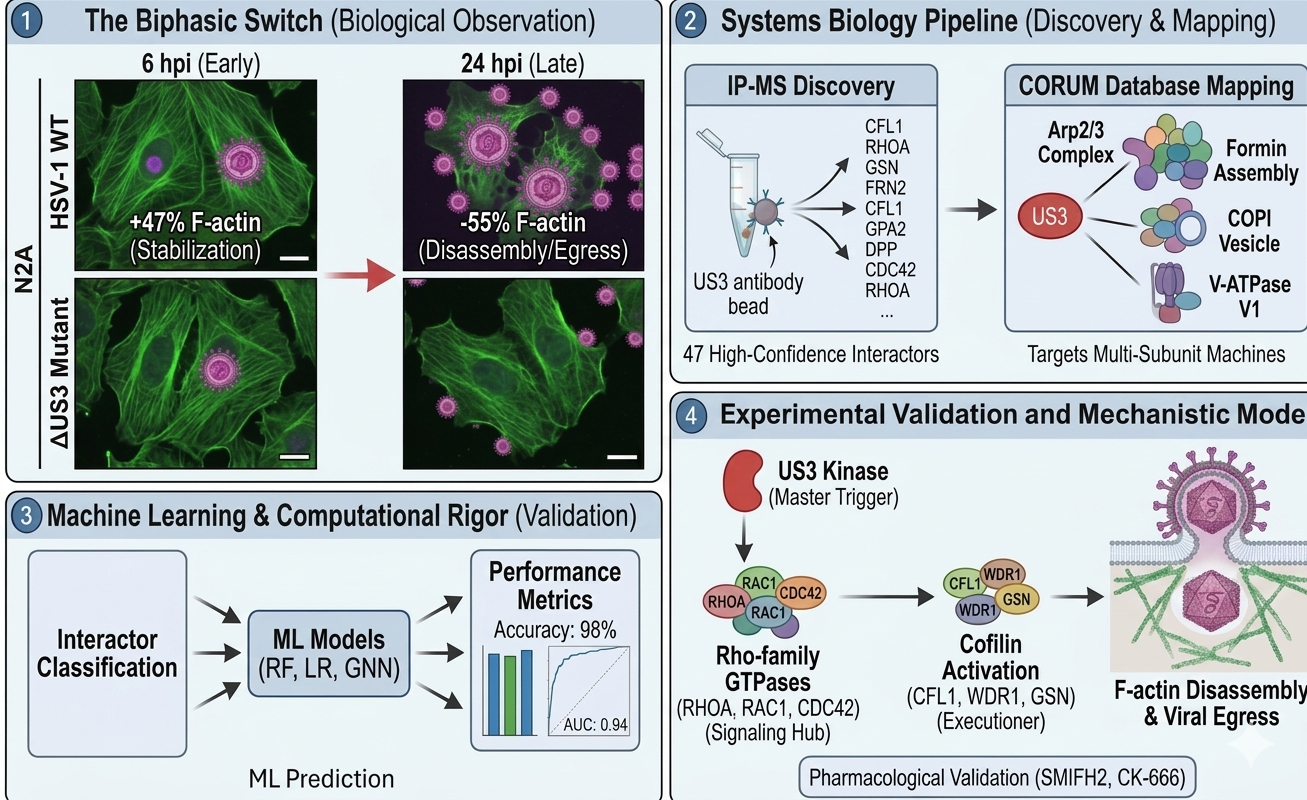
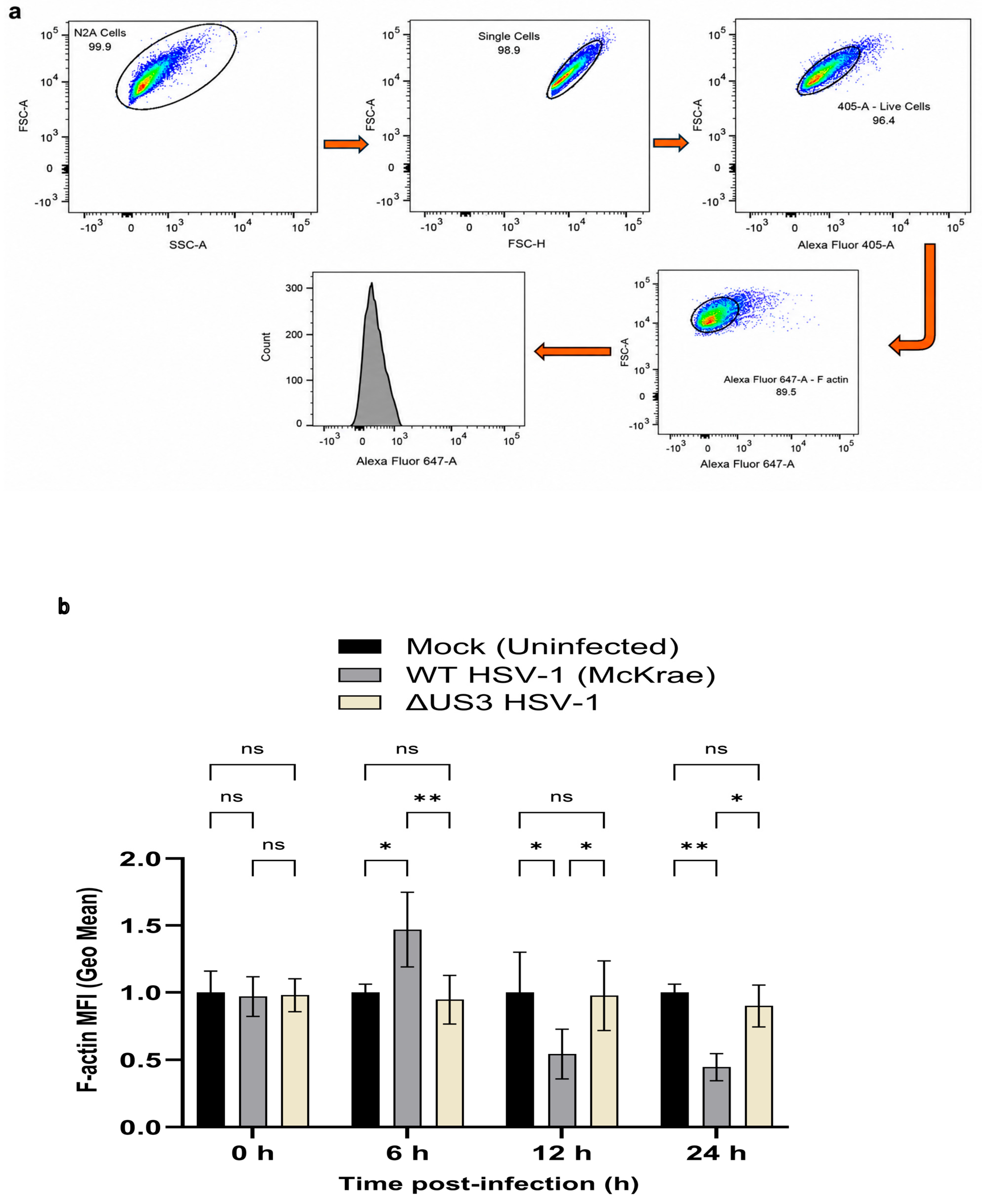
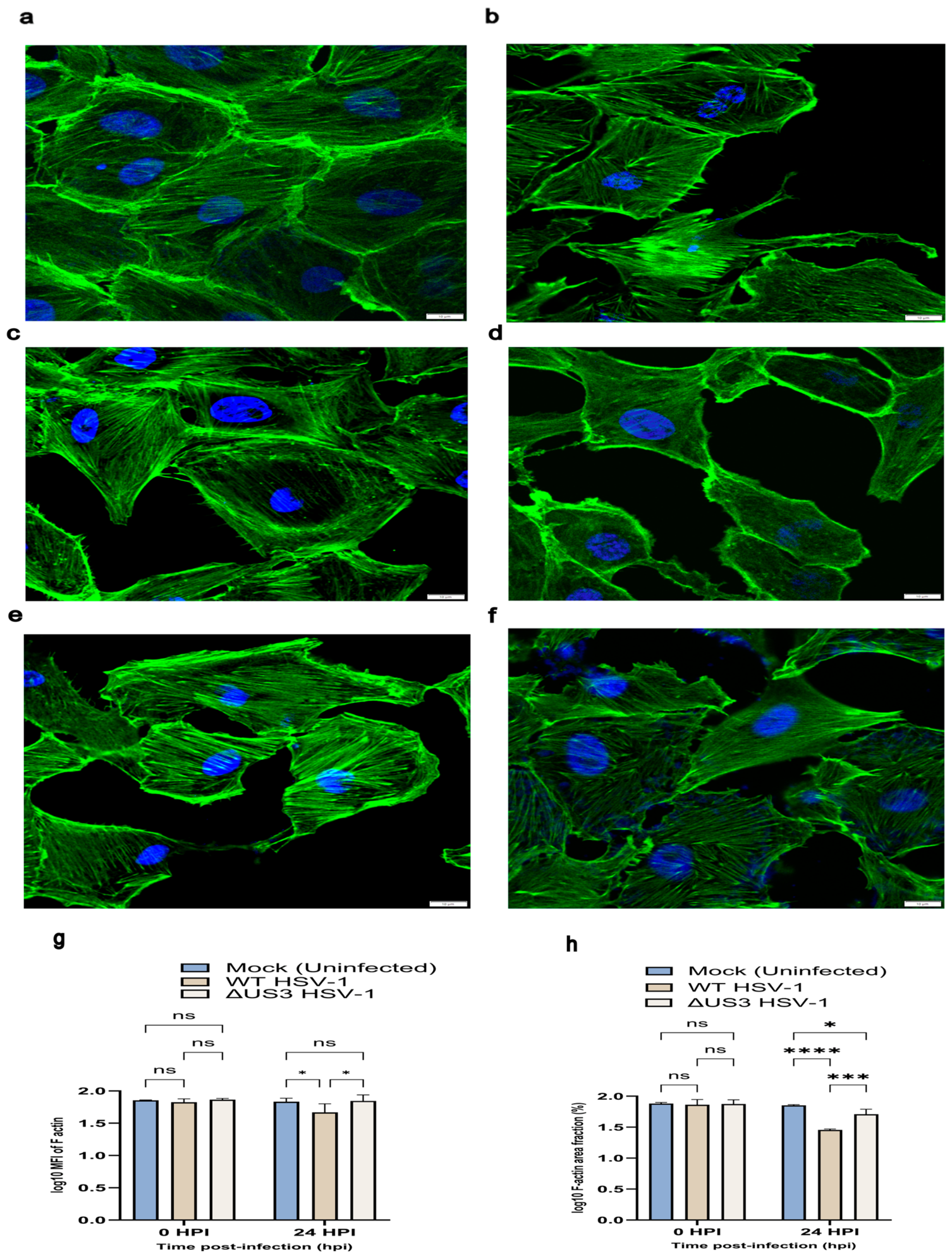
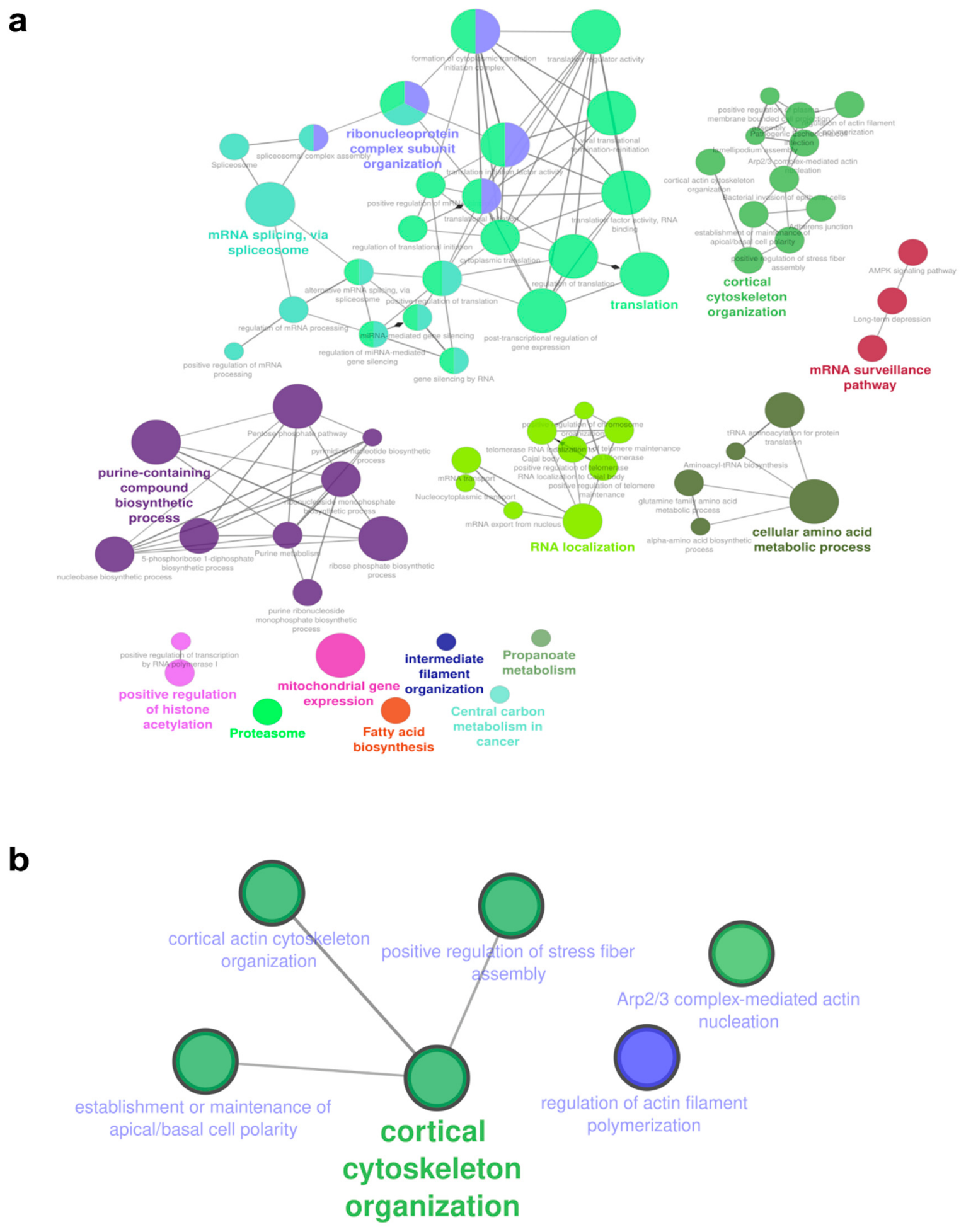
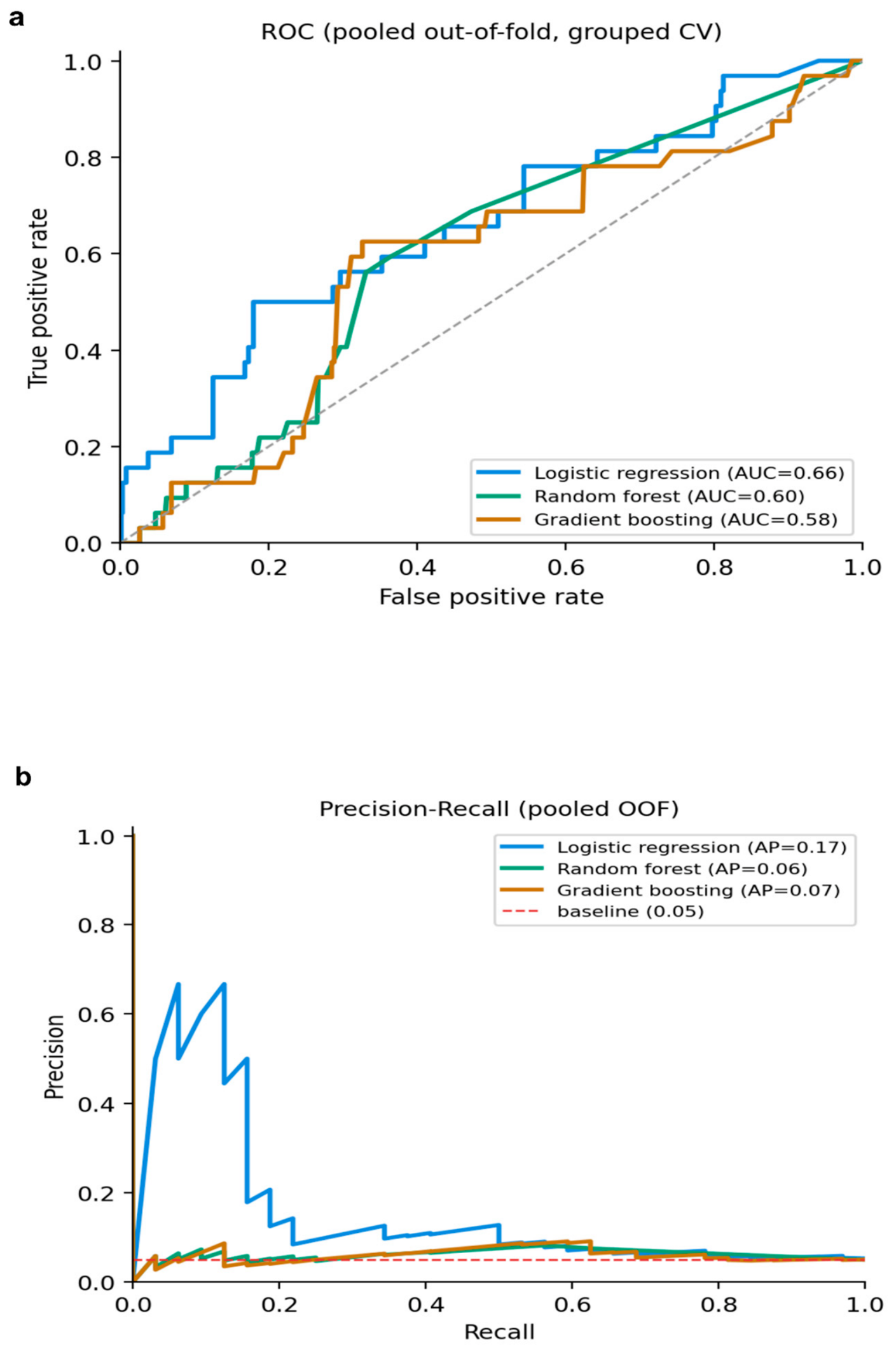
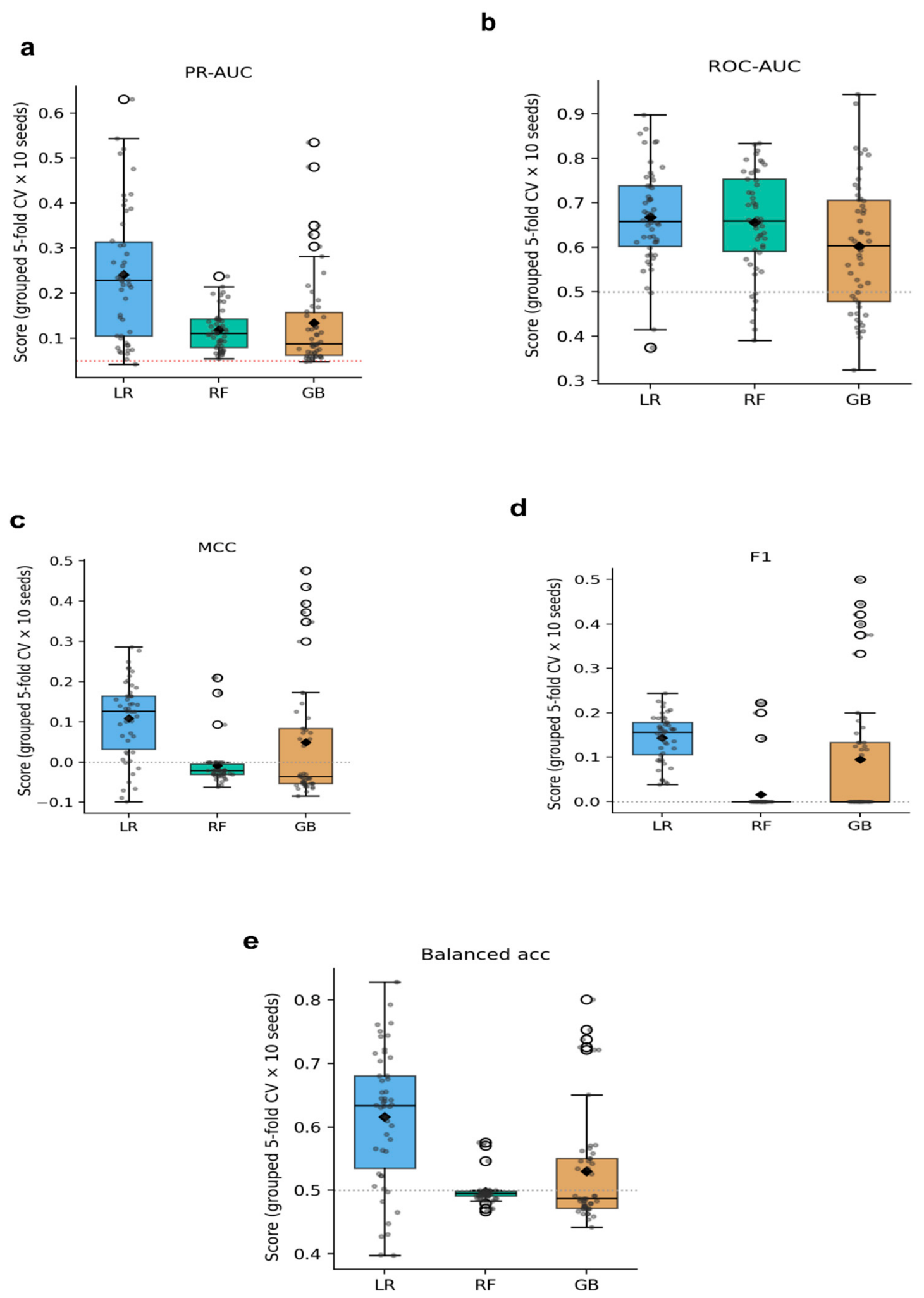
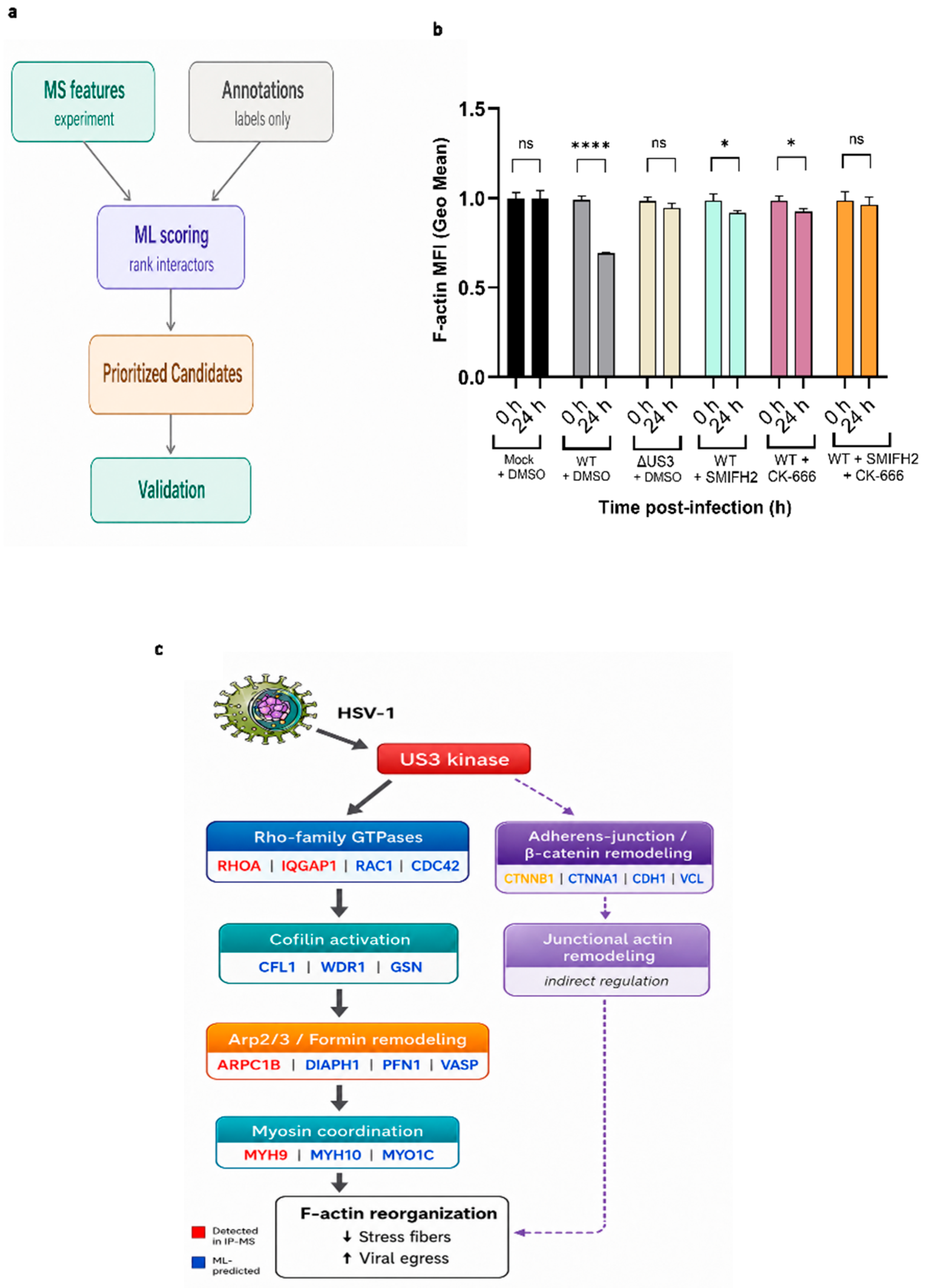
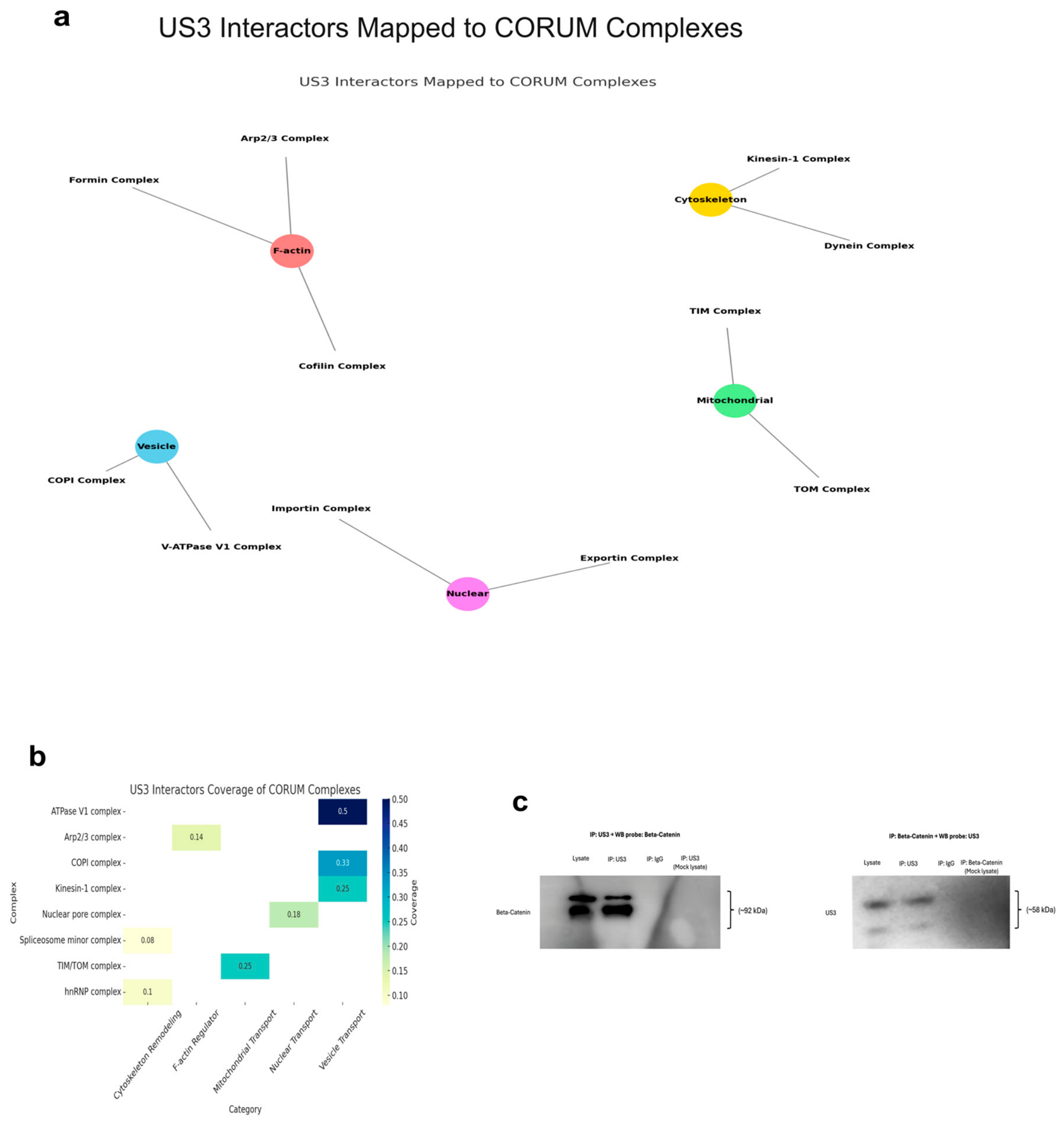
The herpes simplex virus 1 (HSV-1) US3 is a multifunctional serine/threonine kinase that promotes HSV-1 replication and spread. But its role and the mechanisms by which US3 regulates actin cytoskeletal remodeling remain poorly defined. We combined flow cytometry, confocal microscopy, immunoprecipitation-mass spectrometry (IP-MS), protein complex mapping, and machine learning to characterize US3-mediated F-actin dynamics. Flow cytometry and confocal microscopy showed that wild-type HSV-1 induces significant F-actin remodeling, while the ΔUS3 mutant displays F-actin levels comparable to uninfected cells, identifying US3 as a key regulator. IP-MS identified 47 high-confidence US3 interactors enriched in conserved actin regulatory complexes, including Arp2/3 nucleation machinery, formin-associated assemblies, cofilin severing complexes, and Rho-family GTPase modules. Mapping interactors to the CORUM database revealed clustering within actin nucleation, polymerization, and severing complexes, indicating that US3 operates through organized cellular machines. Machine-learning classifiers trained on label-independent mass-spectrometry features were used to prioritize interactors resembling known actin regulators; under protein-group-aware cross-validation, logistic regression performed best (average precision 0.24; ROC-AUC 0.66), and the analysis was interpreted as prioritization rather than de novo discovery. Pharmacological inhibition of Arp2/3 and formin pathways significantly attenuated US3-dependent F-actin remodeling, supporting the functional involvement of these pathways. Together, these findings are consistent with an inferred hierarchical axis in which US3 modulates Rho GTPase signaling and cofilin activation to promote F-actin disassembly, coordinating cytoskeletal remodeling required for efficient viral egress and spread.
Keywords: herpes simplex virus; US3 kinase; F-actin remodeling; protein complexes; machine learning; CORUM; cytoskeleton regulation herpes simplex virus; US3 kinase; F-actin remodeling; protein complexes; machine learning; CORUM; cytoskeleton regulation
Graphical Abstract