Article

Longitudinal Wastewater-Based Epidemiology Reveals the Spatiotemporal Dynamics and Genotype Diversity of Diarrheal Viruses in Urban Guangdong, China

1
School of Public Health, Guangdong Pharmaceutical University, Guangzhou 510006, China
2
Guangdong Provincial Institution of Public Health, Guangdong Provincial Center for Disease Control and Prevention, Guangzhou 511430, China
3
Guangdong Provincial Key Laboratory of Pathogen Detection for Emerging Infectious Disease Response, Guangdong Workstation for Emerging Infectious Disease Control and Prevention, Guangdong Provincial Center for Disease Control and Prevention, Guangzhou 511430, China
4
School of Public Health, Sun Yat-sen University, Guangzhou 510080, China
5
School of Basic Medicine and Public Health, Jinan University, Guangzhou 510632, China
6
School of Public Health, Southern Medical University, Guangzhou 510515, China
7
College of Science, Shantou University, Shantou 515063, China
8
School of Mathematics and Computational Science, Guilin University of Electronic Technology, Guilin 541004, China
9
National Key Laboratory of Intelligent Tracking and Forecasting for Infectious Diseases, National Institute of Environmental Health, Chinese Center for Disease Control and Prevention, Beijing 100021, China
10
China CDC Key Laboratory of Environment and Population Health, National Institute of Environmental Health, Chinese Center for Disease Control and Prevention, Beijing 100021, China
*
Authors to whom correspondence should be addressed.
These authors contributed equally to this work.
Viruses 2026, 18(1), 83; https://doi.org/10.3390/v18010083
Submission received: 1 December 2025 / Revised: 31 December 2025 / Accepted: 6 January 2026 / Published: 8 January 2026

Abstract

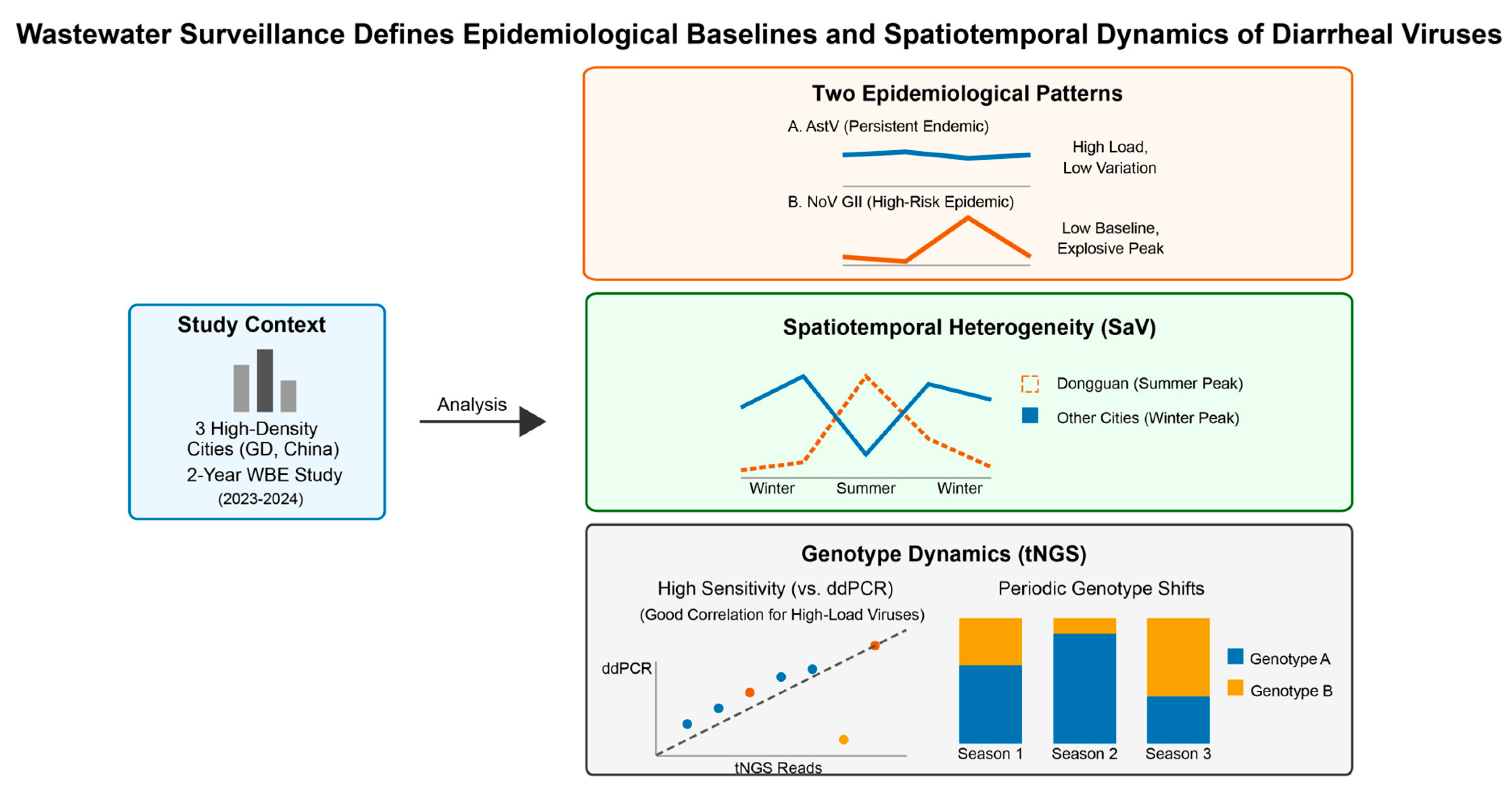
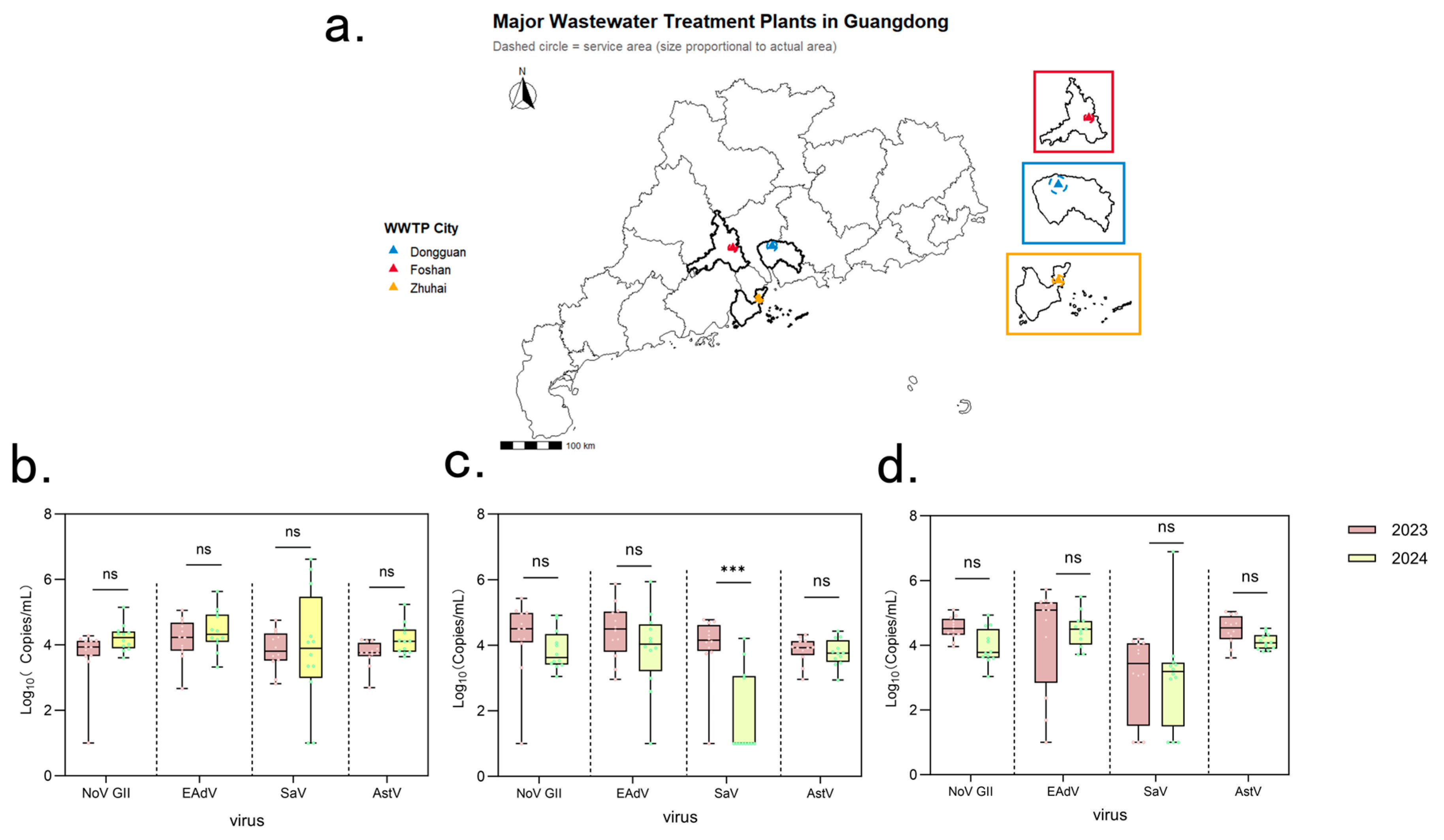
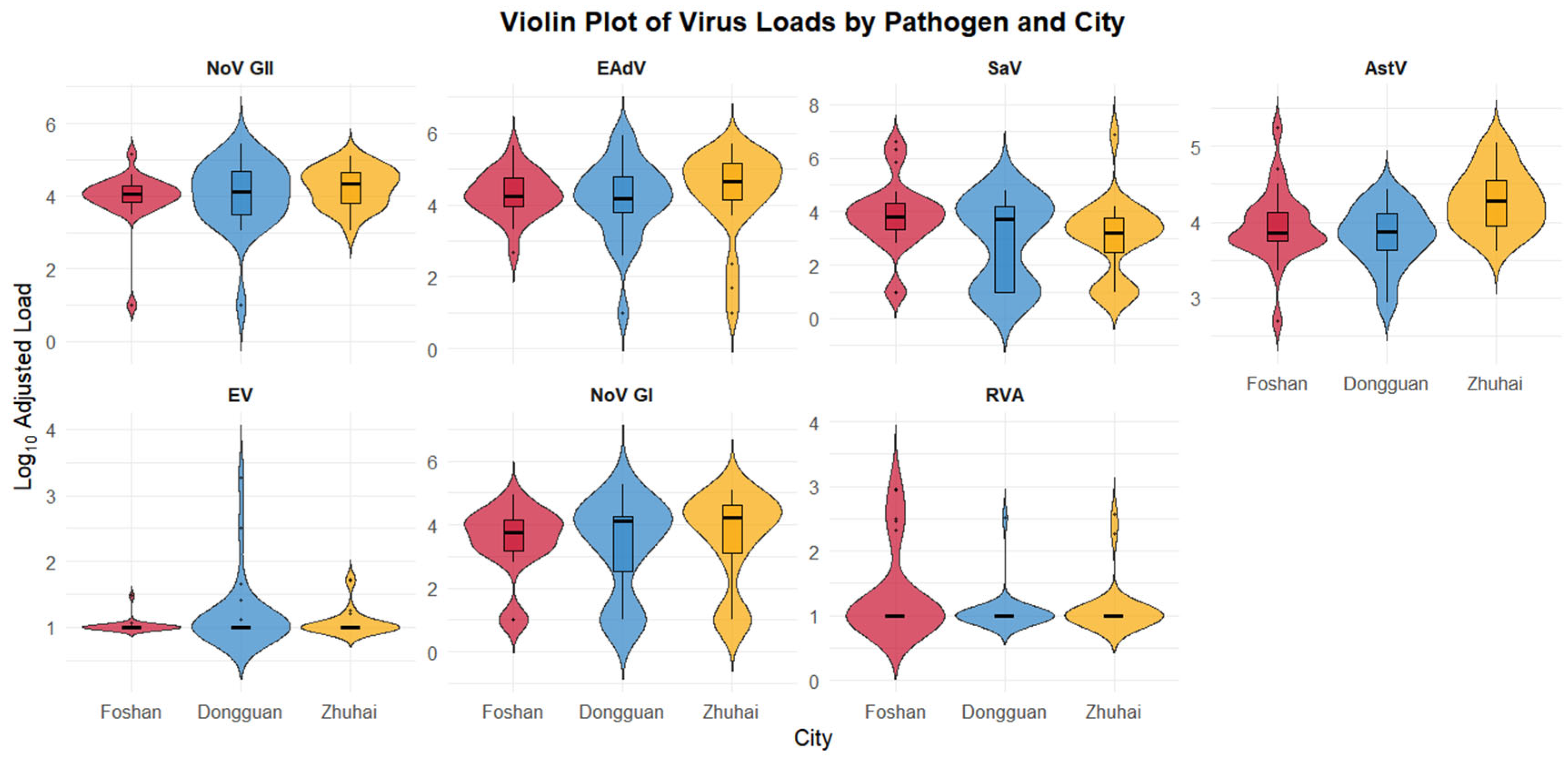
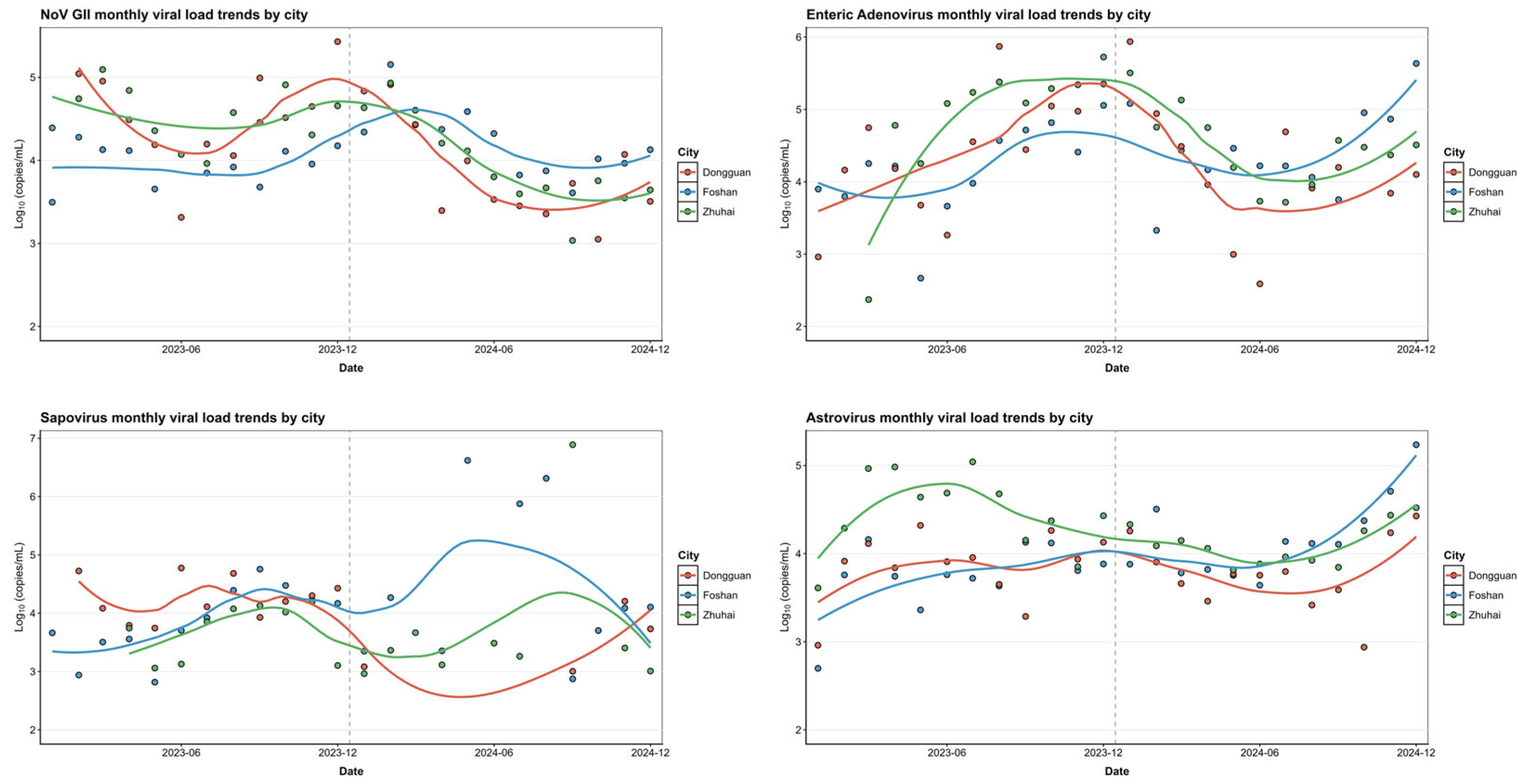
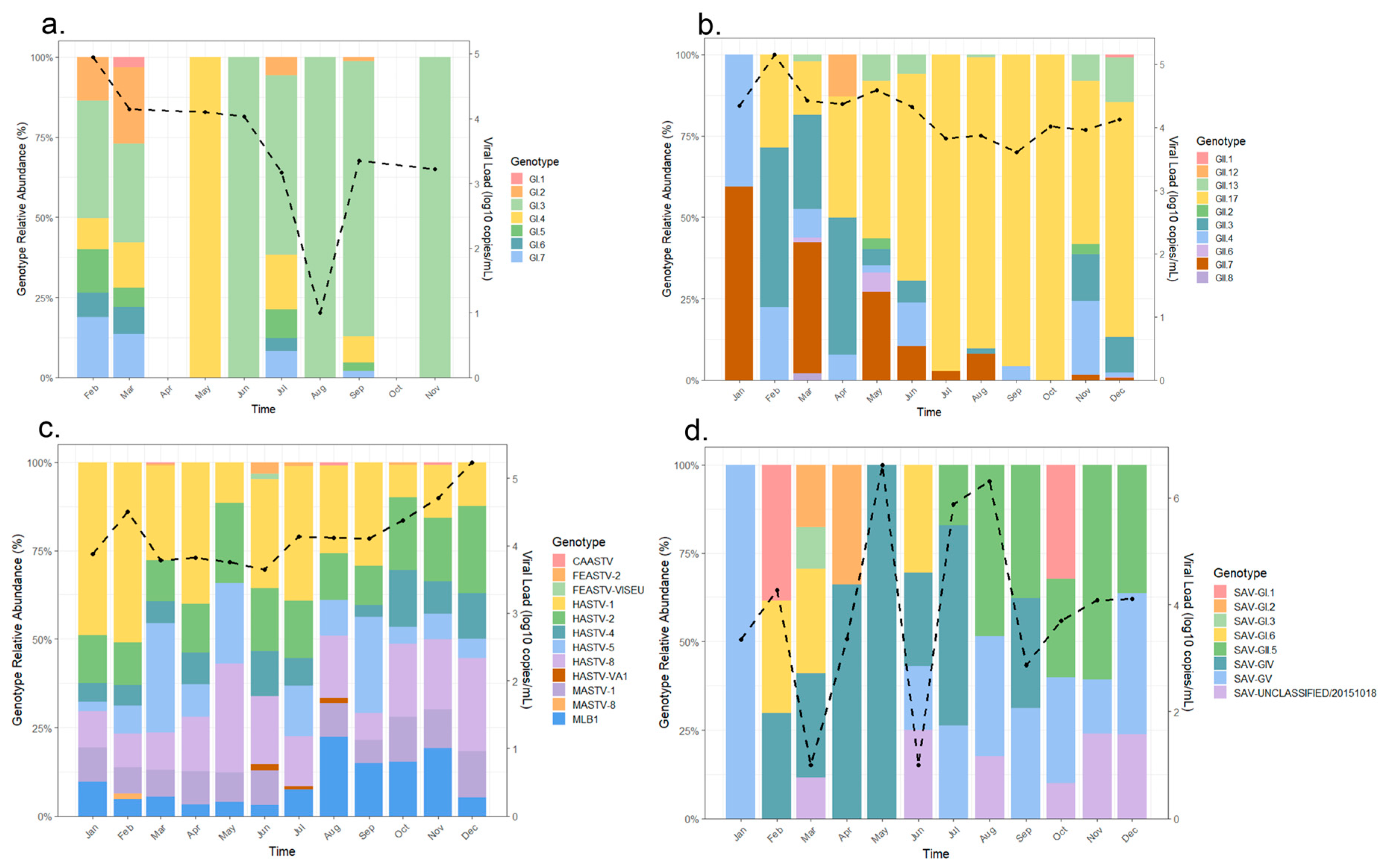
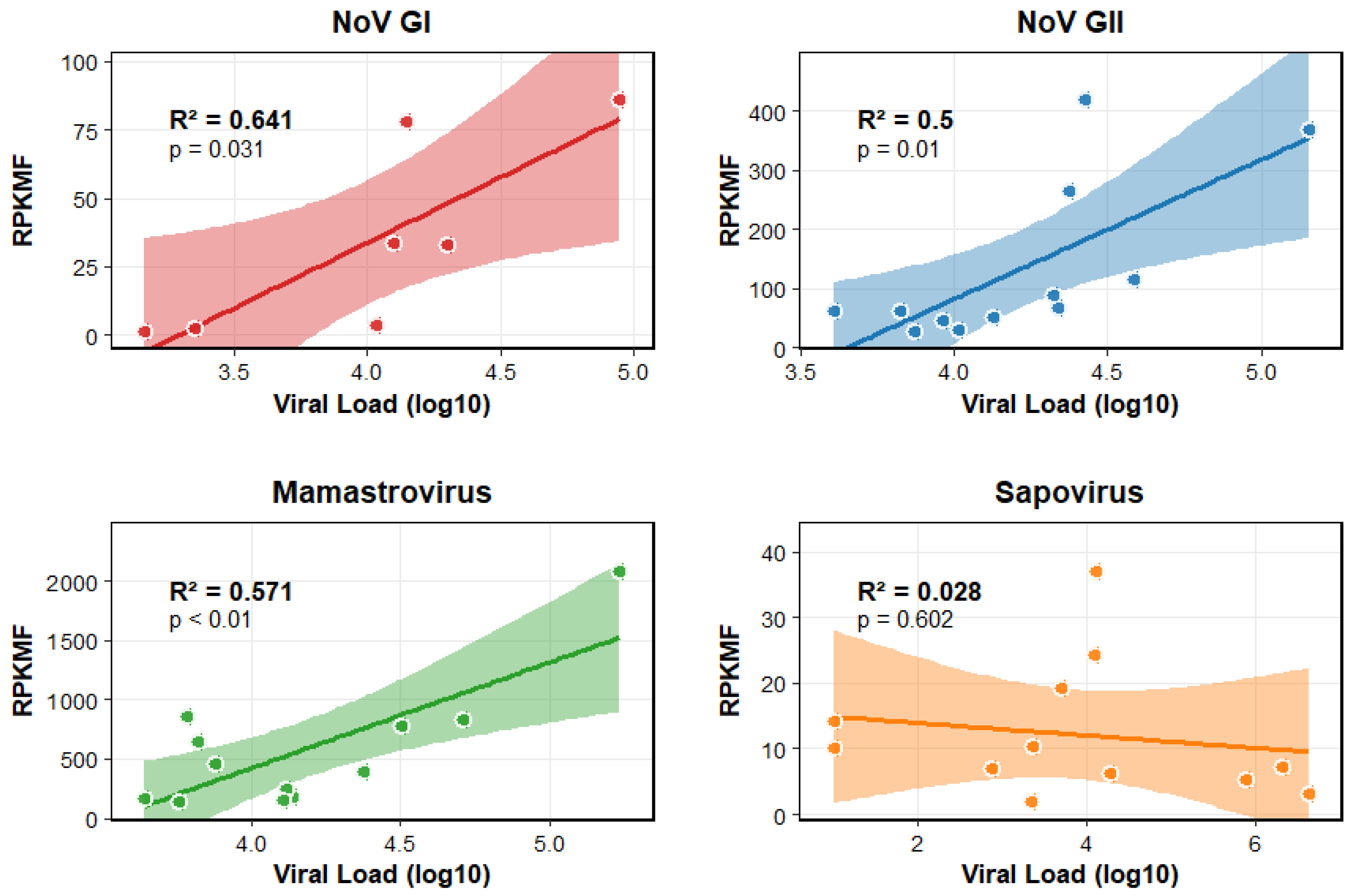
Following the normalization of the COVID-19 pandemic, the focus of wastewater-based epidemiology (WBE) must be broadened from SARS-CoV-2 to encompass surveillance of other major infectious diseases, particularly for pathogens where conventional clinical monitoring systems exhibit inherent surveillance gaps. In this study, we conducted a continuous two-year WBE study (January 2023 to December 2024) across three high-population-density cities in Guangdong, China to establish epidemiological baselines for enteric diarrheal viruses. We analyzed monthly raw wastewater samples from major treatment plants using advanced molecular methods, including digital PCR (ddPCR) for viral load quantification and targeted high-throughput sequencing (tNGS) for genotypic analysis. Our findings revealed diverse circulation patterns among the monitored enteric viruses. Astrovirus (AstV) had the highest detection rate (100%), reflecting its broad endemic distribution, while Norovirus genogroup II (NoV GII) exhibited relatively high viral loads (median 4 × 10⁴ copies/mL) and presented explosive seasonal peaks (significant upward trend in spring.), highlighting its epidemic potential. Furthermore, distinct spatiotemporal patterns were observed, with Sapovirus showing a significant summer peak in Foshan city, contrasting with the winter/spring peaks in the other cities. The tNGS results demonstrated similar sensitivity to RT-PCR in virus detection, and sequencing analyses uncovered the co-circulation and periodic shifts in dominant viral genotypes, such as the emergence of multiple NoV and AstV lineages. This longitudinal WBE surveillance successfully established critical baseline data and demonstrated significant regional heterogeneity in viral circulation, providing essential, complementary data to inform public health strategies for preventing diarrheal outbreaks in urban settings.
Keywords: wastewater-based epidemiology; pathogen surveillance; diarrheic viruses; Norovirus; Astrovirus wastewater-based epidemiology; pathogen surveillance; diarrheic viruses; Norovirus; Astrovirus
Graphical Abstract