Article

Human SCARB2 Acts as a Cellular Associator for Helping Coxsackieviruses A10 Infection

1
Institute of Infectious Disease and Vaccinology, National Health Research Institutes, Zhunan Town, Miaoli County 350, Taiwan
2
Graduate School of Life Sciences, National Defense Medical Center, Taipei 114, Taiwan
3
Graduate Program of Biotechnology in Medicine, Institute of Molecular Medicine, National Tsing Hua University, Hsinchu 300, Taiwan
4
Institute of Molecular and Cellular Biology, National Tsing Hua University, Hsinchu 300, Taiwan
5
Graduate Institute of Biomedical Sciences, China Medical University, Taichung 404, Taiwan
*
Author to whom correspondence should be addressed.
Viruses 2023, 15(4), 932; https://doi.org/10.3390/v15040932
Submission received: 16 March 2023 / Revised: 2 April 2023 / Accepted: 6 April 2023 / Published: 8 April 2023
(This article belongs to the Special Issue Enteroviruses 2023)

Abstract

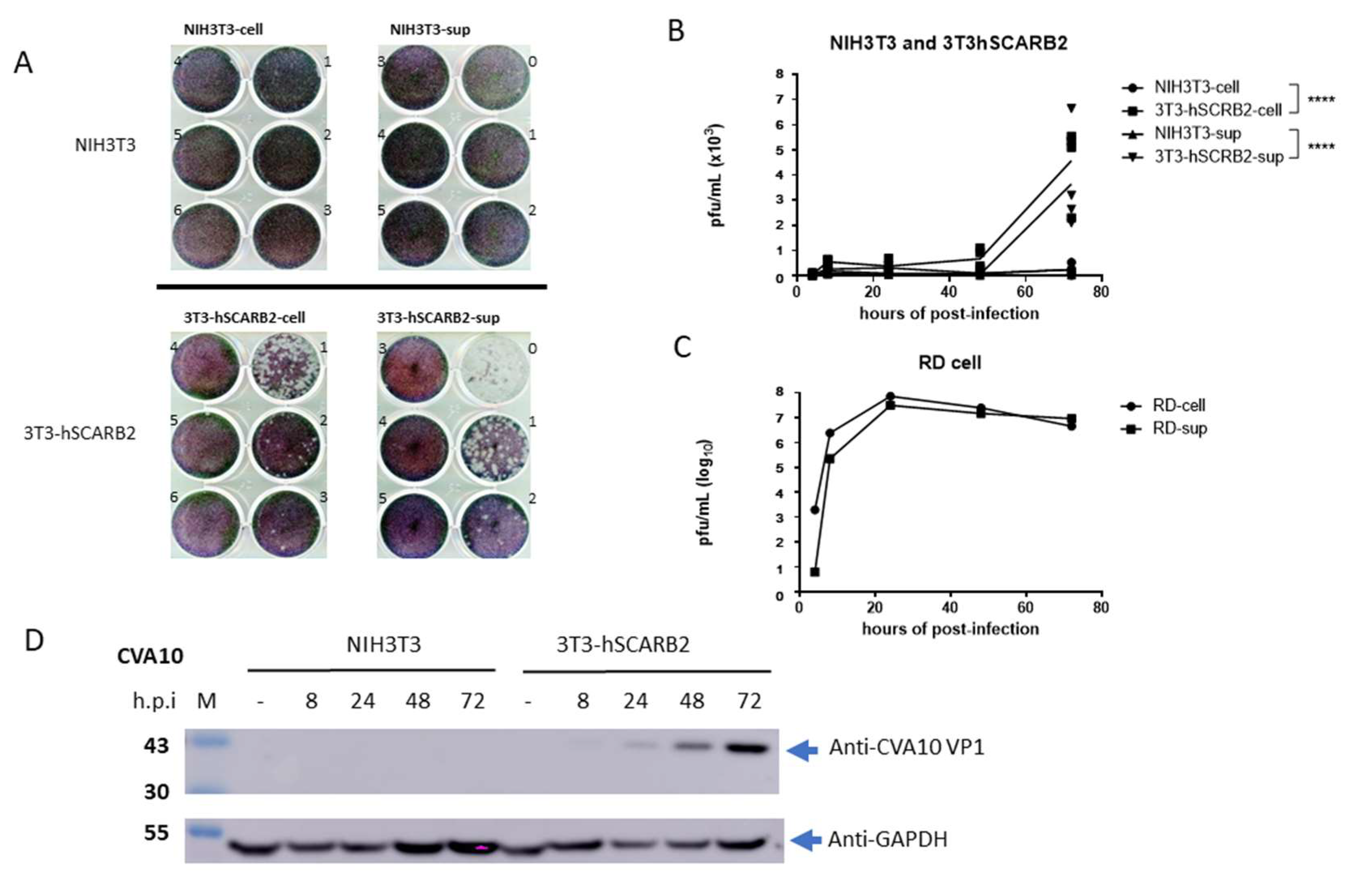
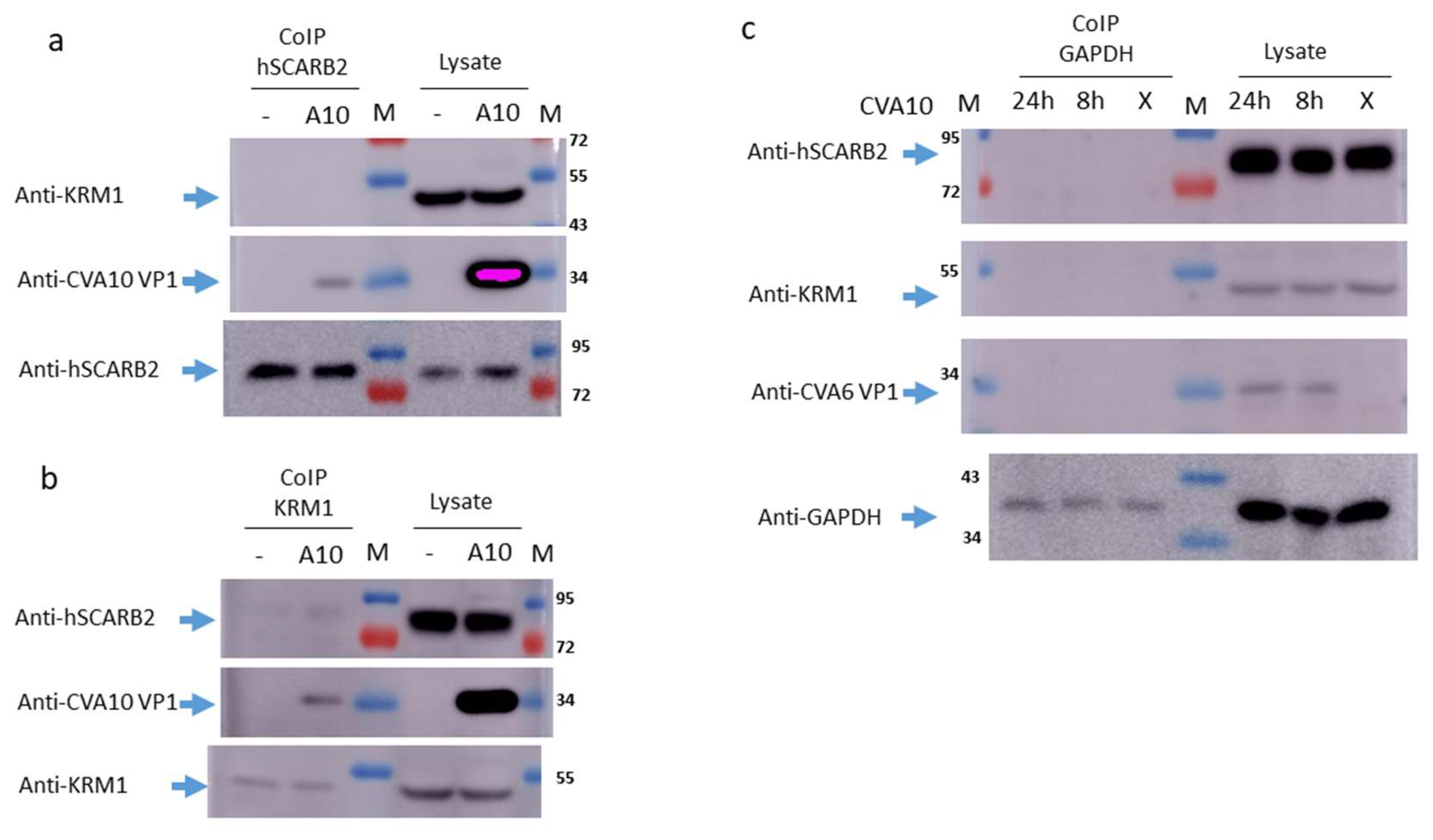
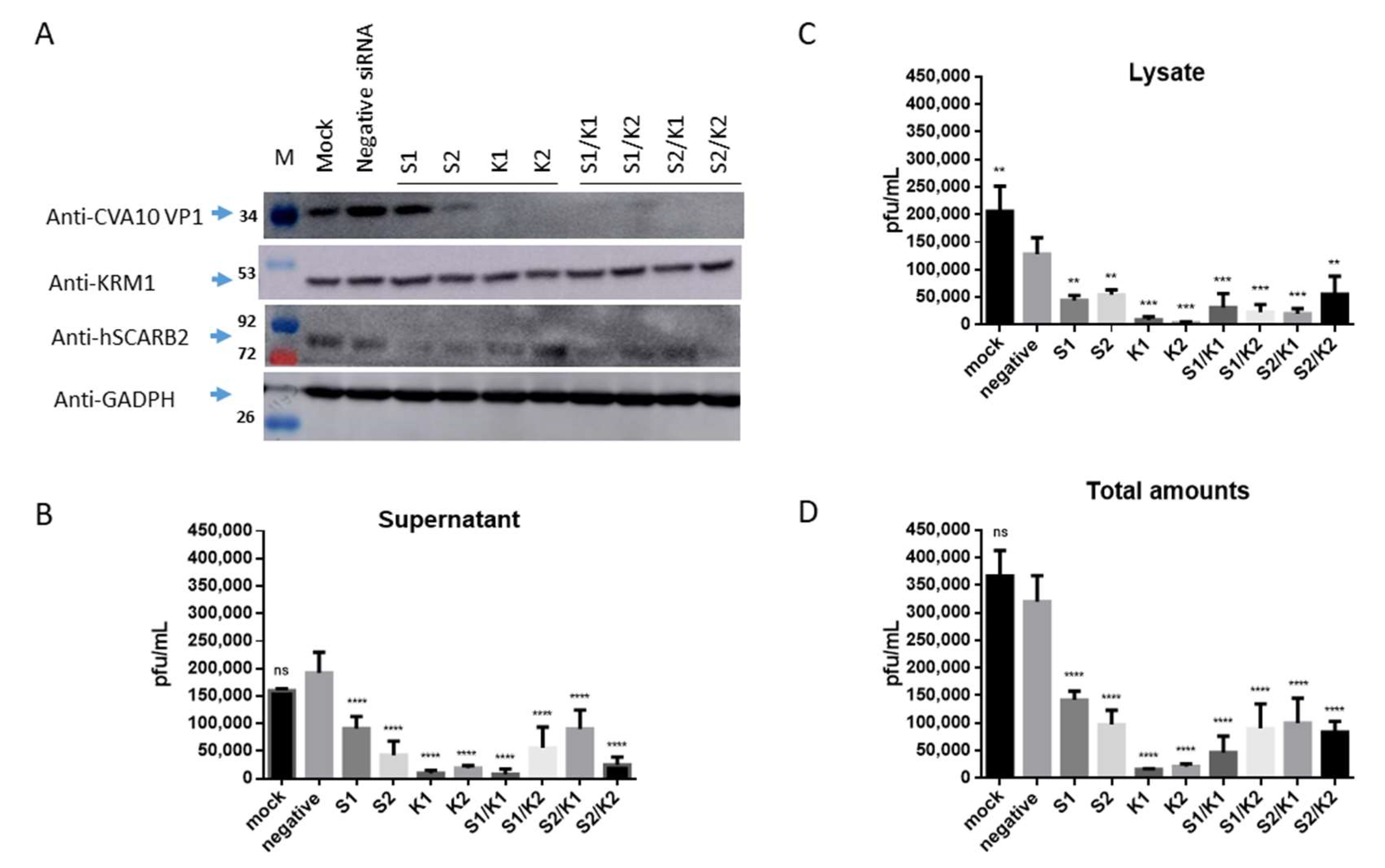
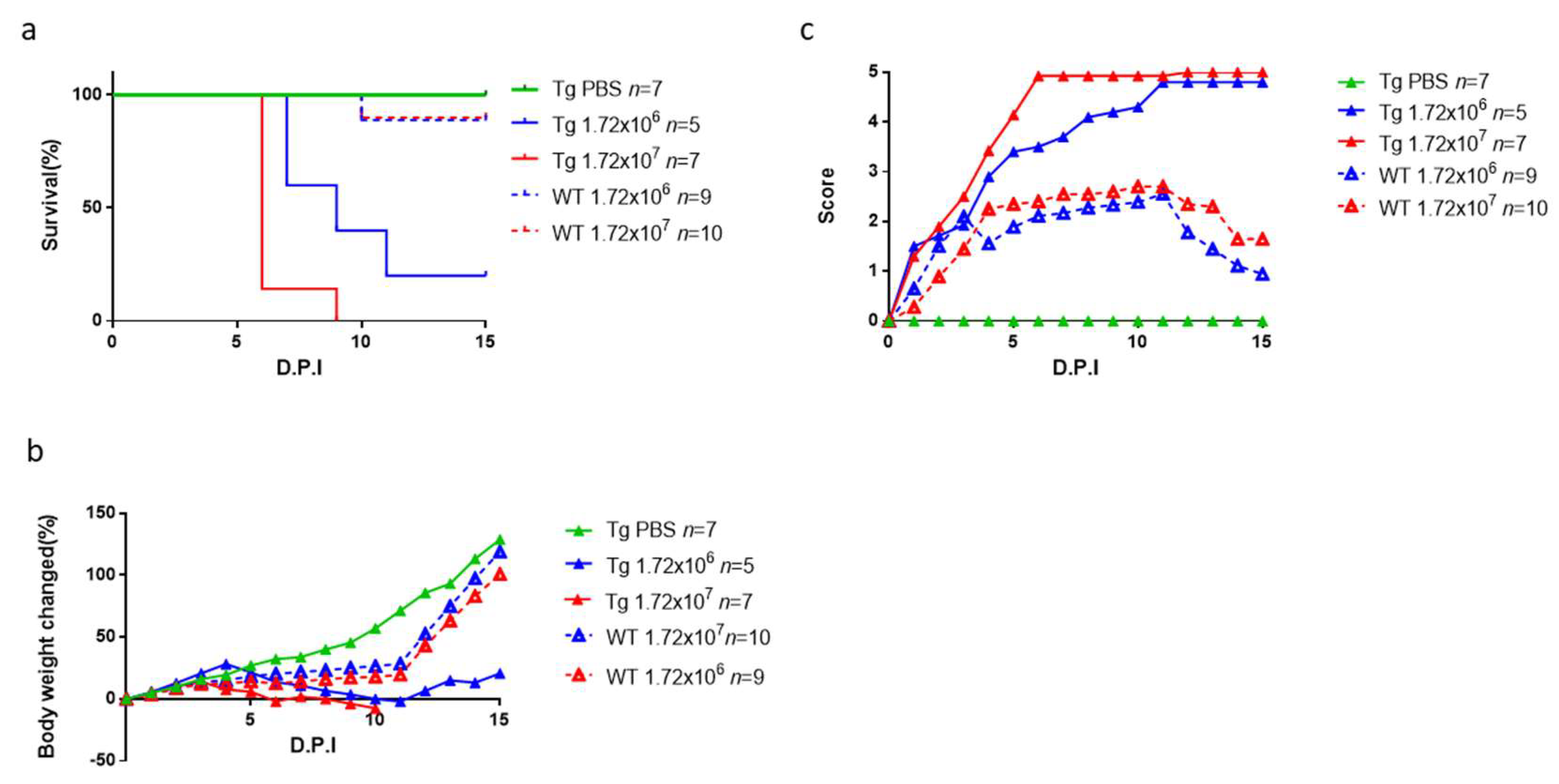
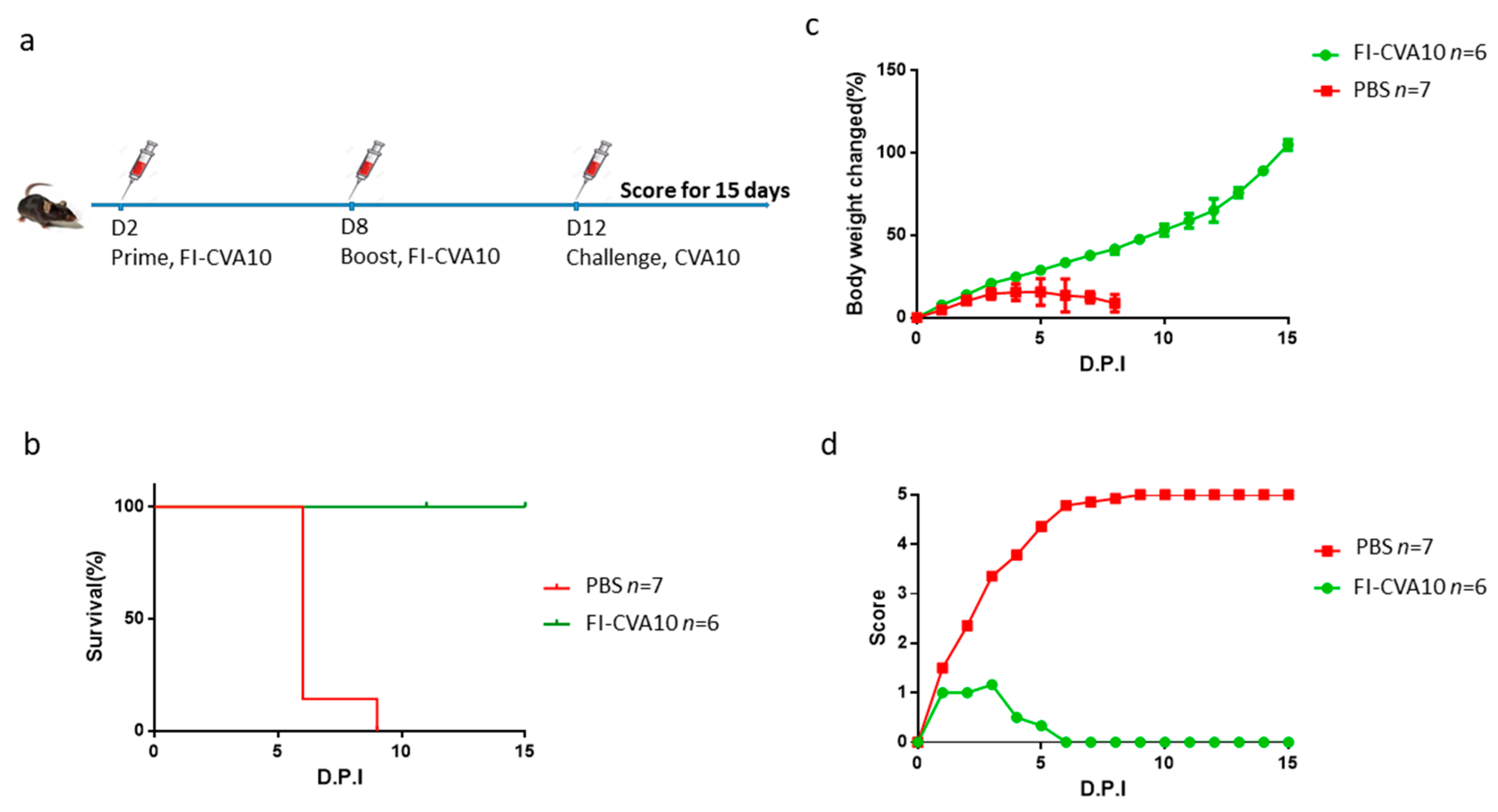
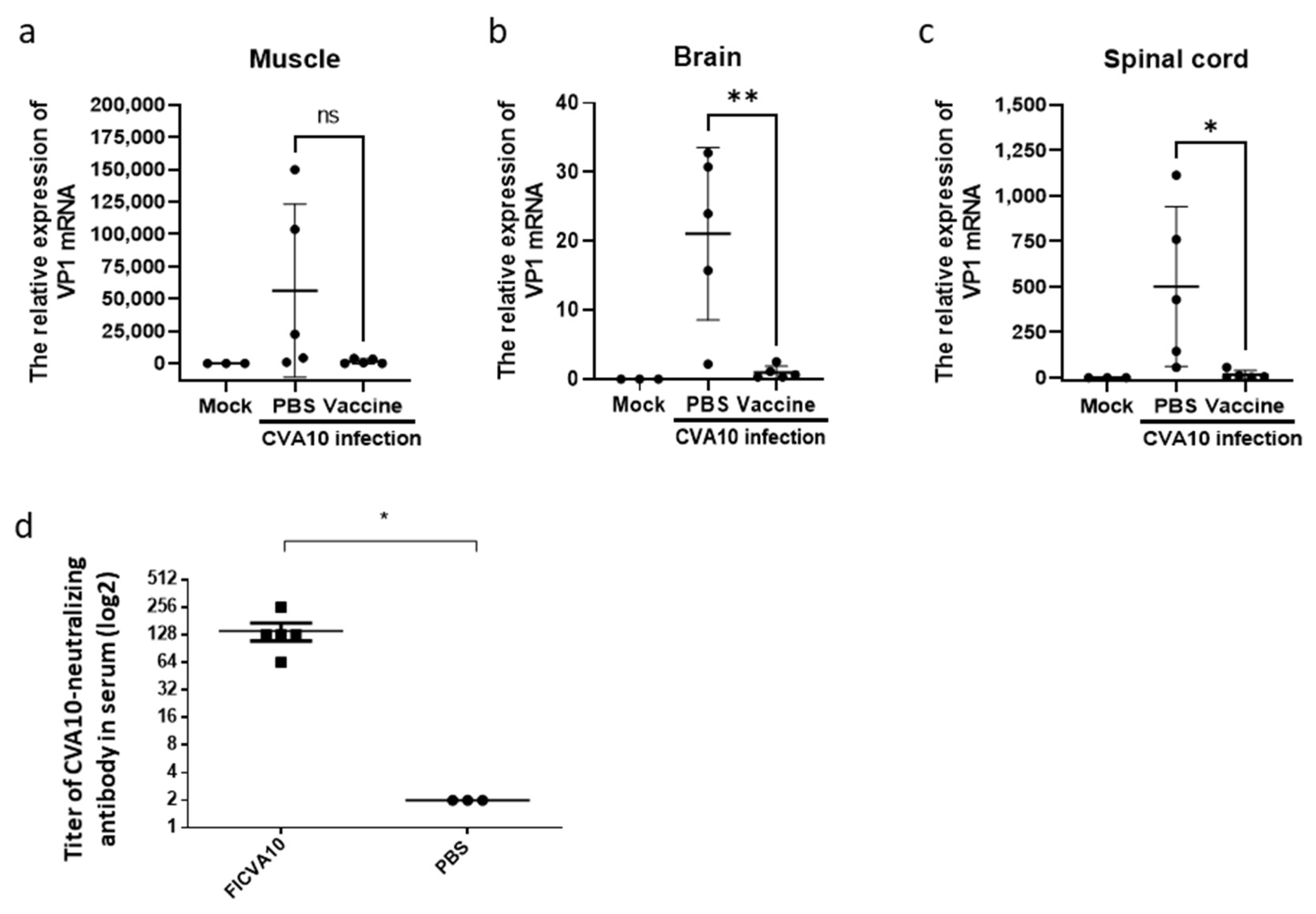
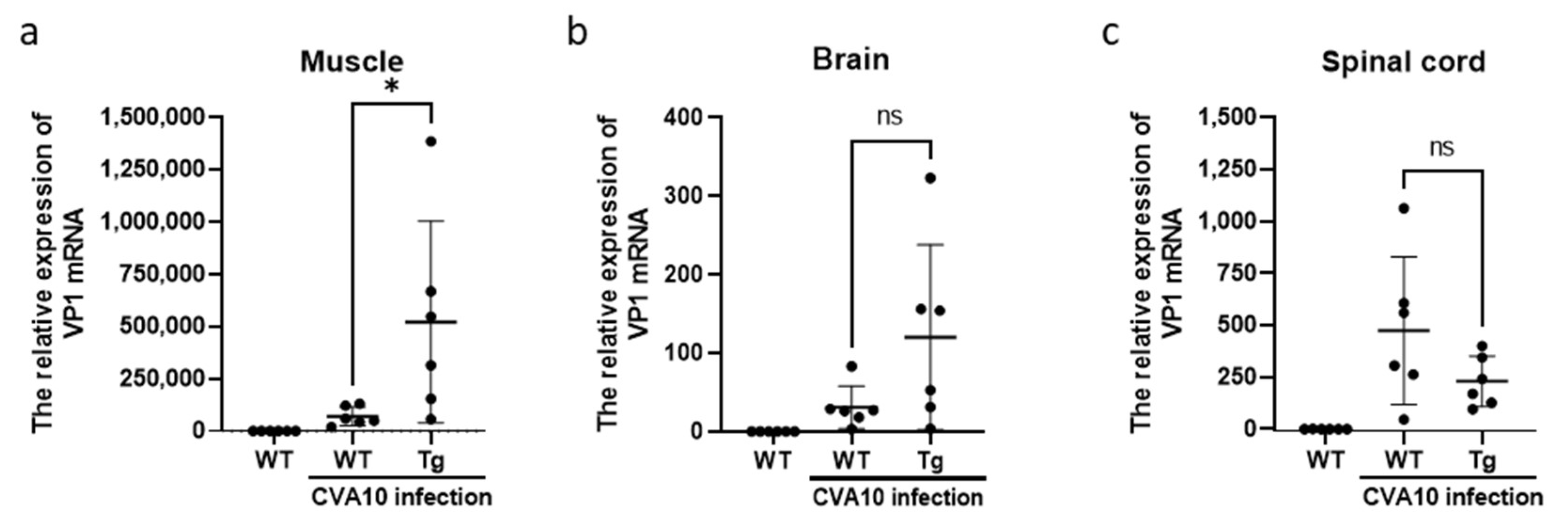
Coxsackievirus A10 (CVA10) causes hand, foot, and mouth disease (HFMD) and herpangina, which can result in severe neurological symptoms in children. CVA10 does not use the common enterovirus 71 (EV71) receptor, human SCARB2 (hSCARB2, scavenger receptor class B, member 2), for infection but instead uses another receptor, such as KREMEN1. Our research has shown that CVA10 can infect and replicate in mouse cells expressing human SCARB2 (3T3-SCARB2) but not in the parental NIH3T3 cells, which do not express hSCARB2 for CVA10 entry. Knocking down endogenous hSCARB2 and KREMEN1 with specific siRNAs inhibited CVA10 infection in human cells. Co-immunoprecipitation confirmed that VP1, a main capsid protein where virus receptors for attaching to the host cells, could physically interact with hSCARB2 and KREMEN1 during CVA10 infection. It is the efficient virus replication following virus attachment to its cellular receptor. It resulted in severe limb paralysis and a high mortality rate in 12-day-old transgenic mice challenged with CVA10 but not in wild-type mice of the same age. Massive amounts of CVA10 accumulated in the muscles, spinal cords, and brains of the transgenic mice. Formalin inactivated CVA10 vaccine-induced protective immunity against lethal CVA10 challenge and reduced the severity of disease and tissue viral loads. This is the first report to show that hSCARB2 serves as an associate to aid CVA10 infection. hSCARB2-transgenic mice could be useful in evaluating anti-CVA10 medications and studying the pathogenesis induced by CVA10.
Keywords: coxsackieviruses A10; human SCARB2; transgenic mice; HFMD coxsackieviruses A10; human SCARB2; transgenic mice; HFMD