Article

The Molecular Basis for Erns Dimerization in Classical Swine Fever Virus
Institut für Immunologie, Friedrich-Loeffler-Institut, Südufer 10, Insel Riems, 17493 Greifswald, Germany
*
Author to whom correspondence should be addressed.
Viruses 2021, 13(11), 2204; https://doi.org/10.3390/v13112204
Submission received: 20 October 2021 / Revised: 26 October 2021 / Accepted: 28 October 2021 / Published: 2 November 2021
(This article belongs to the Section Animal Viruses)

Abstract

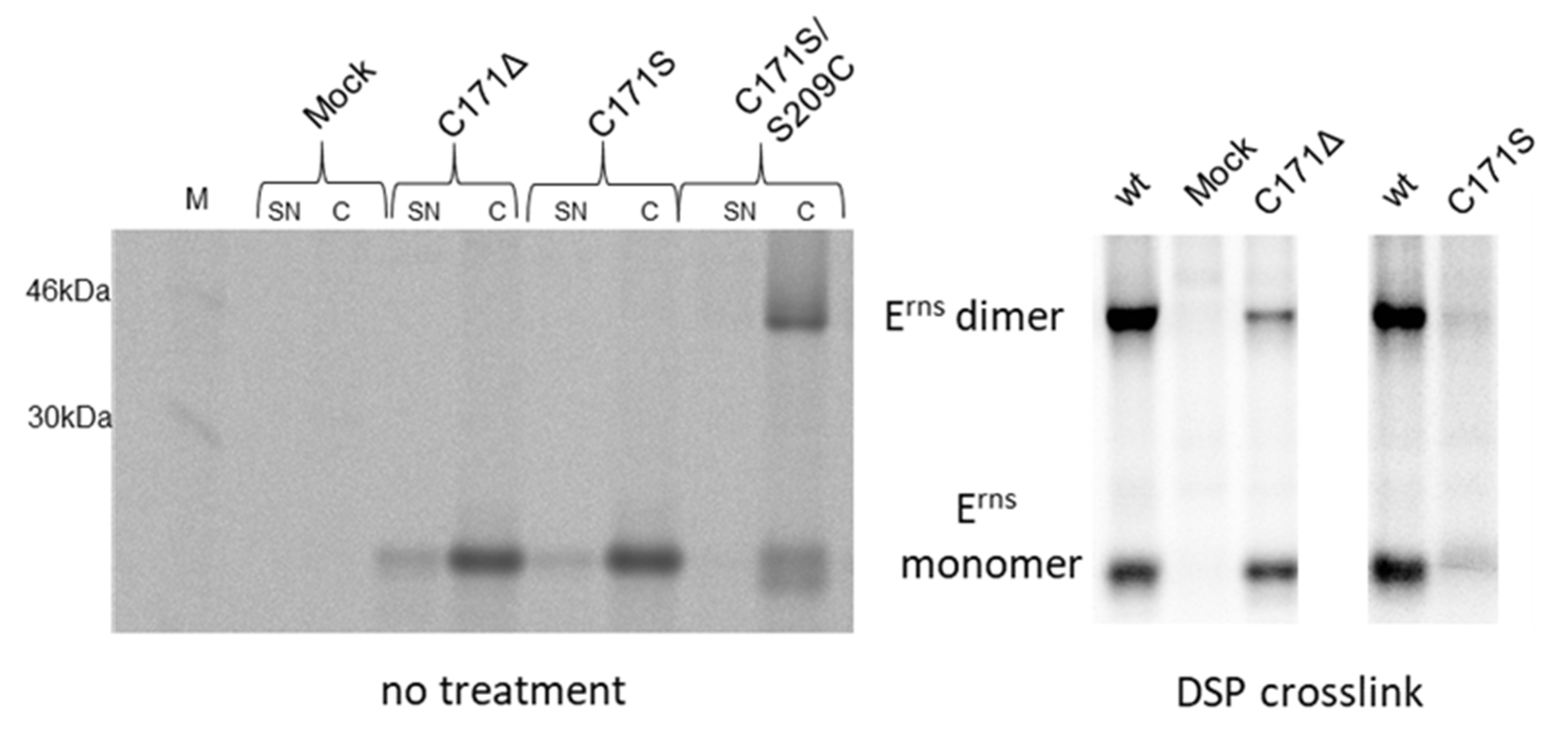
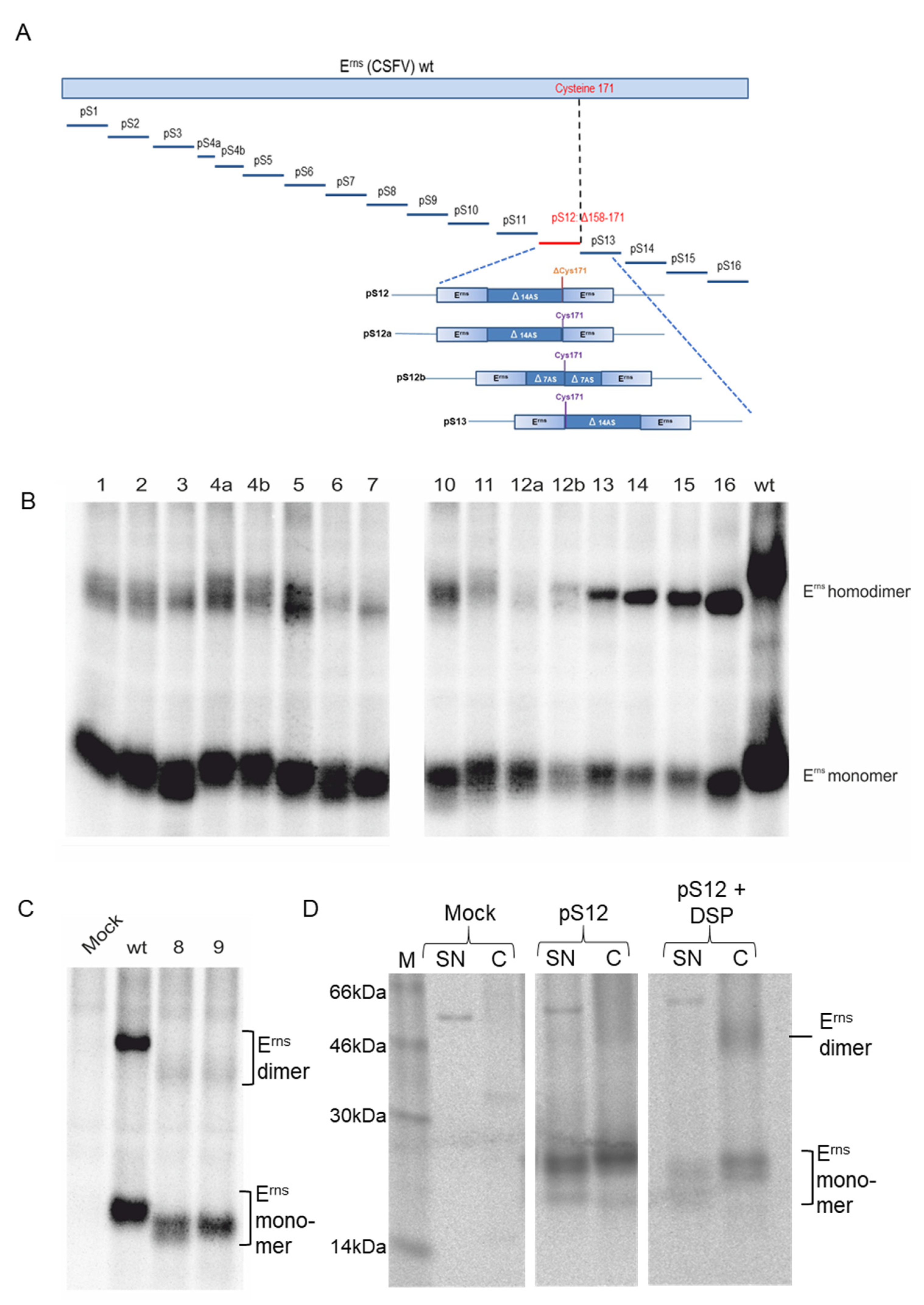
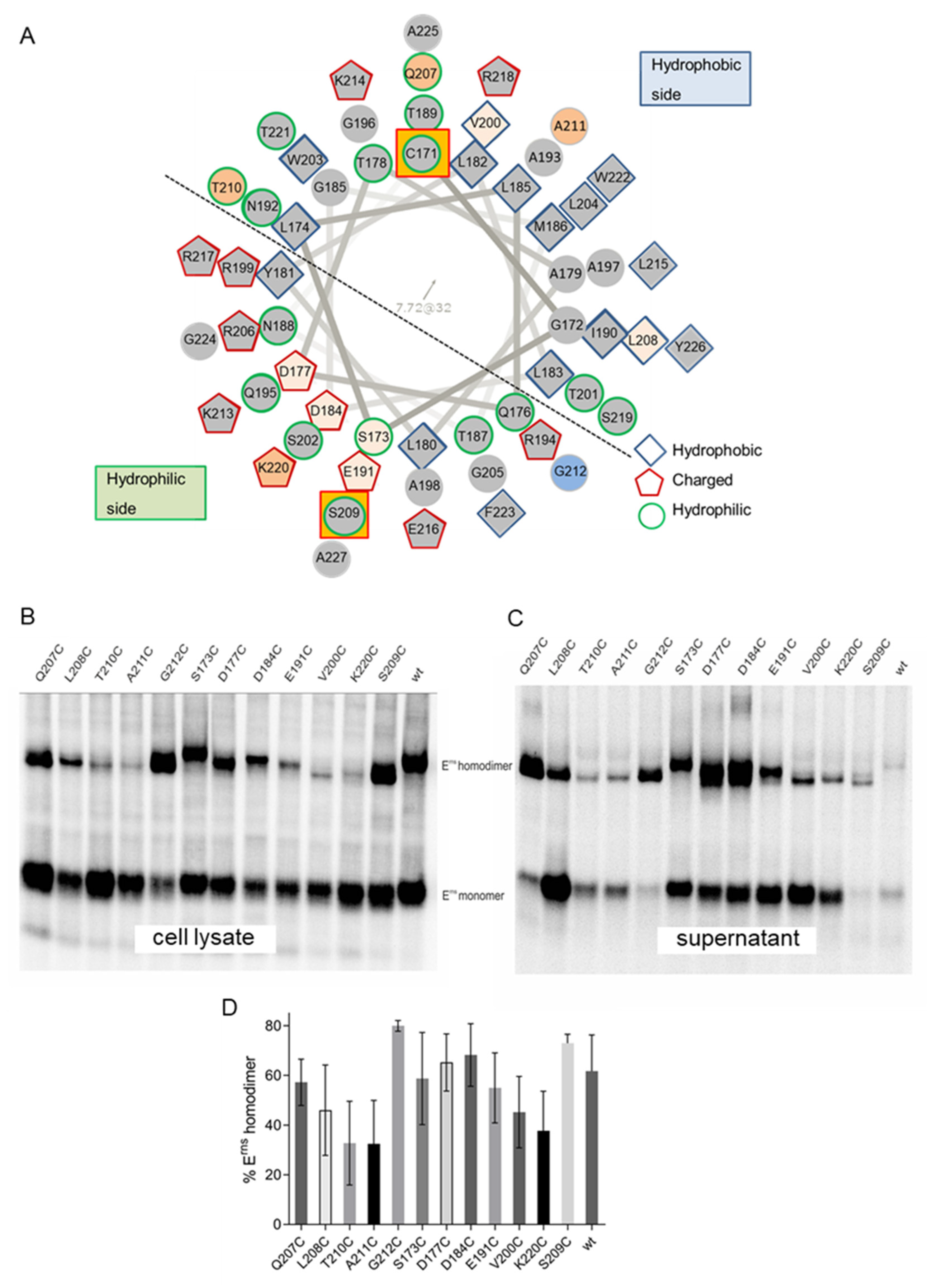
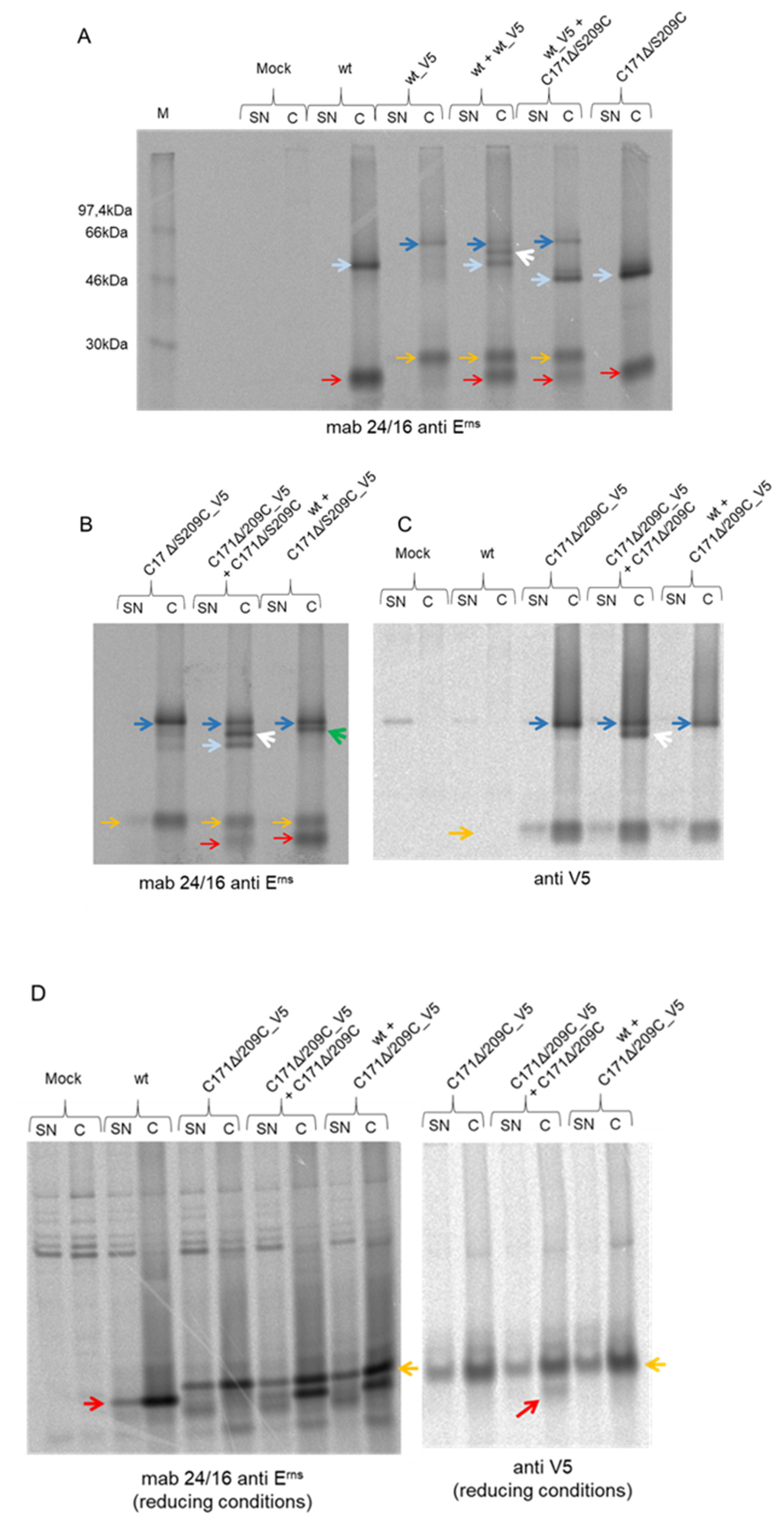
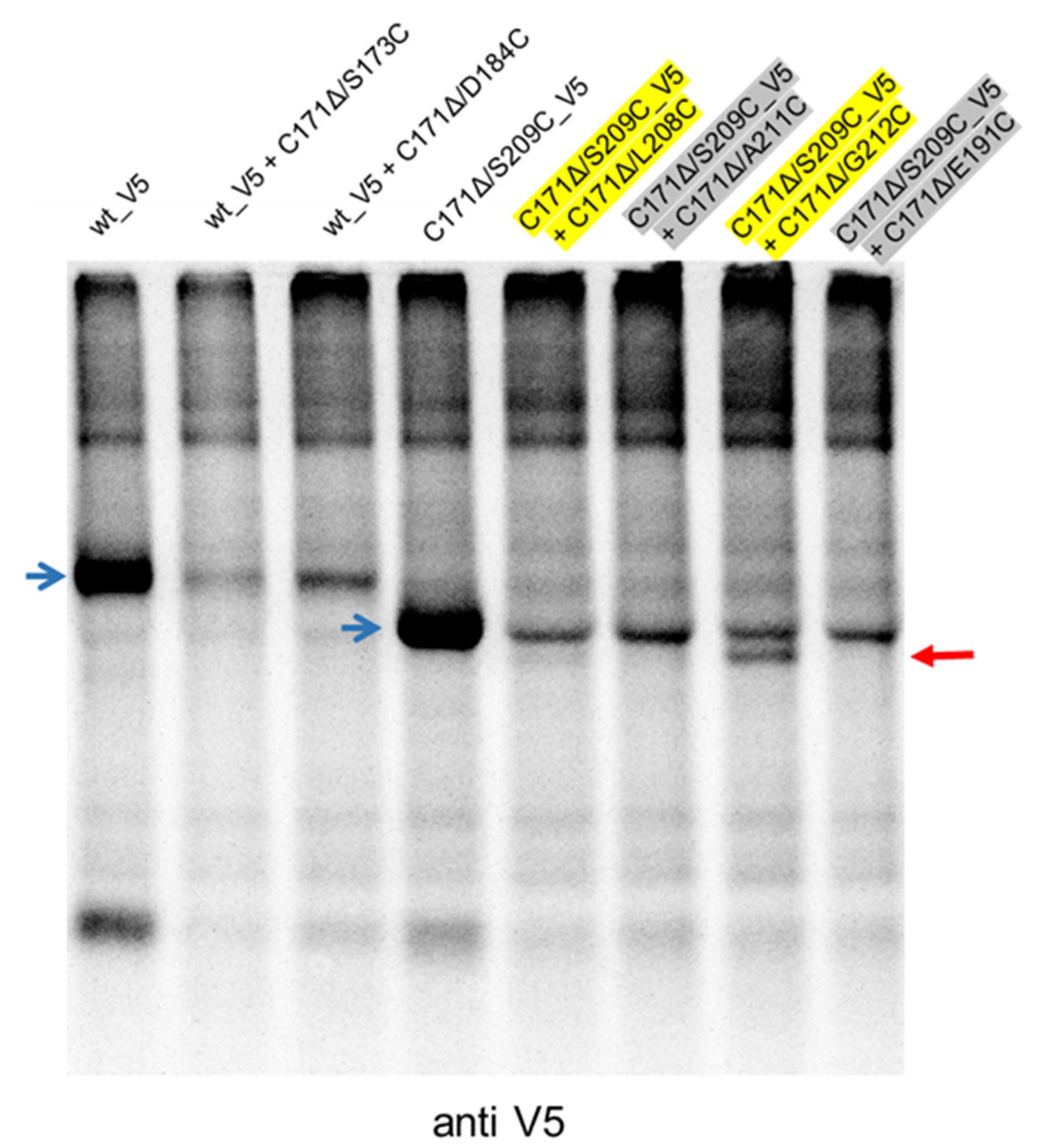
The pestivirus classical swine fever virus (CSFV) represents one of the most important pathogens of swine. Its virulence is dependent on the RNase activity of the essential structural glycoprotein Erns that uses an amphipathic helix as a membrane anchor and forms homodimers via disulfide bonds employing cysteine 171. Dimerization is not necessary for CSFV viability but for its virulence. Mutant Erns proteins lacking cysteine 171 are still able to interact transiently as shown in crosslink experiments. Deletion analysis did not reveal the presence of a primary sequence-defined contact surface essential for dimerization, but indicated a general importance of an intact ectodomain for efficient establishment of dimers. Pseudoreverted viruses reisolated in earlier experiments from pigs with mutations Cys171Ser/Ser209Cys exhibited partially restored virulence and restoration of the ability to form Erns homodimers. Dimer formation was also observed for experimentally mutated proteins, in which other amino acids at different positions of the membrane anchor region of Erns were replaced by cysteine. However, with one exception of two very closely located residues, the formation of disulfide-linked dimers was only observed for cysteine residues located at the same position of the helix.
Keywords: pestivirus; flavivirus; envelope protein; dimerization of glycoprotein; amphipathic helix; disulfide bond formation; virulence factor; RNA virus pestivirus; flavivirus; envelope protein; dimerization of glycoprotein; amphipathic helix; disulfide bond formation; virulence factor; RNA virus