Article

Two RSV Platforms for G, F, or G+F Proteins VLPs


1
Division of Pediatric Infectious Diseases, Emory University School of Medicine and Children’s Healthcare of Atlanta, Atlanta, GA 30322, USA
2
Department of Biochemistry, University of Wisconsin, Madison, WI 53706, USA
3
Cryo-Electron Microscopy Research Center, Department of Biochemistry, University of Wisconsin, Madison, WI 53706, USA
4
Morgridge Institute for Research, Madison, WI 53715, USA
*
Authors to whom correspondence should be addressed.
Viruses 2020, 12(9), 906; https://doi.org/10.3390/v12090906
Submission received: 22 June 2020 / Revised: 13 August 2020 / Accepted: 17 August 2020 / Published: 19 August 2020
(This article belongs to the Section Viral Immunology, Vaccines, and Antivirals)

Abstract

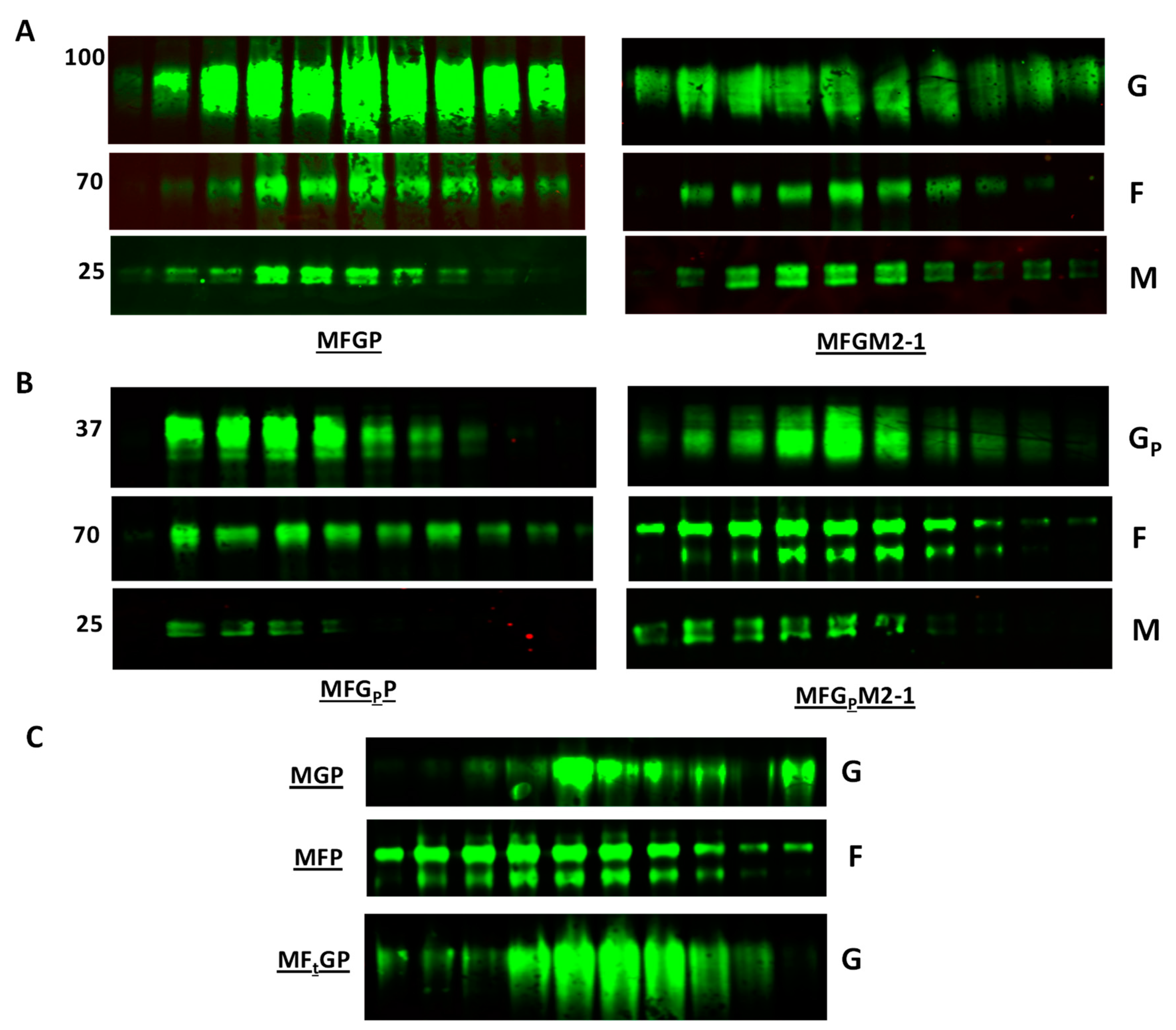
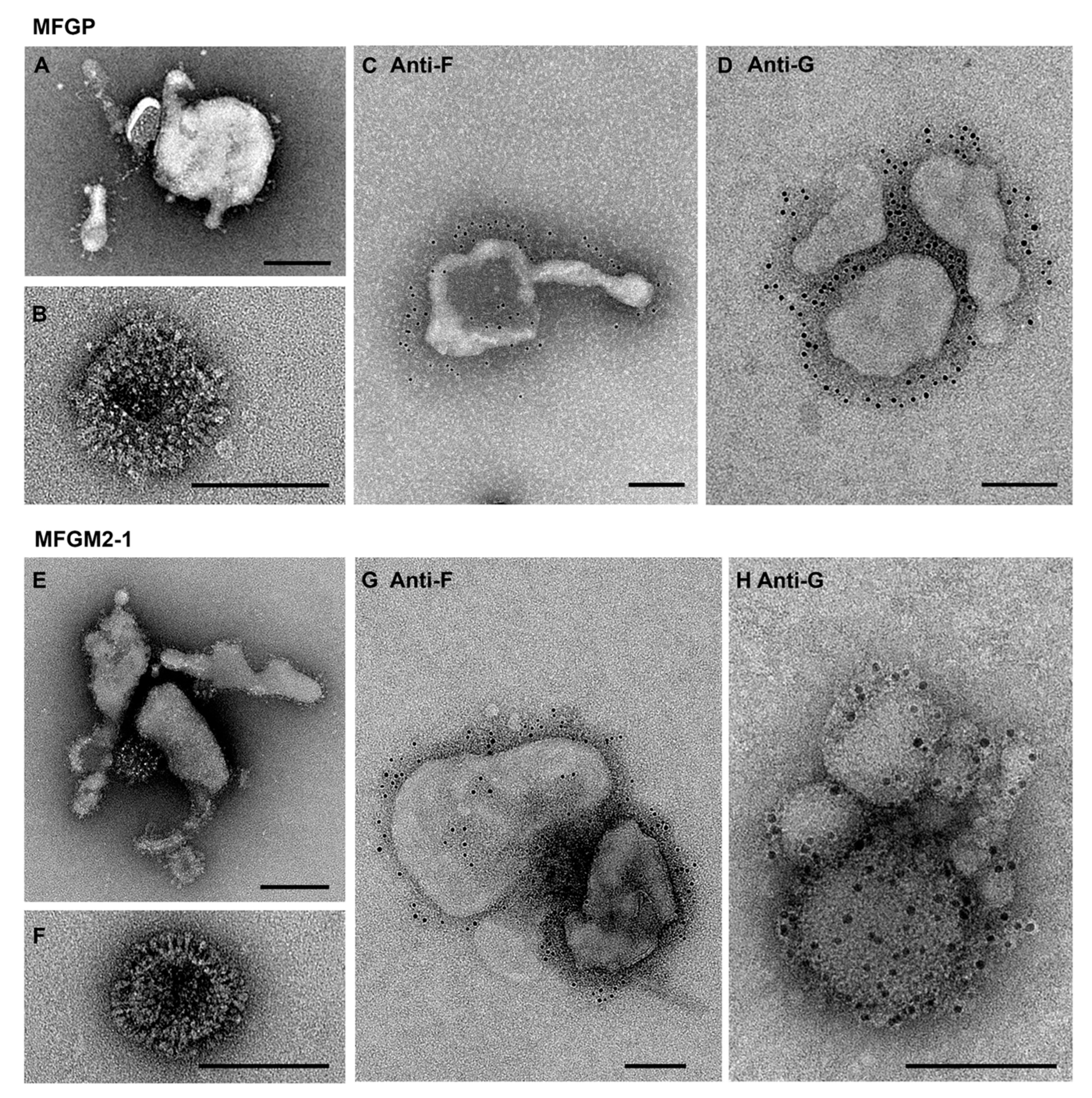
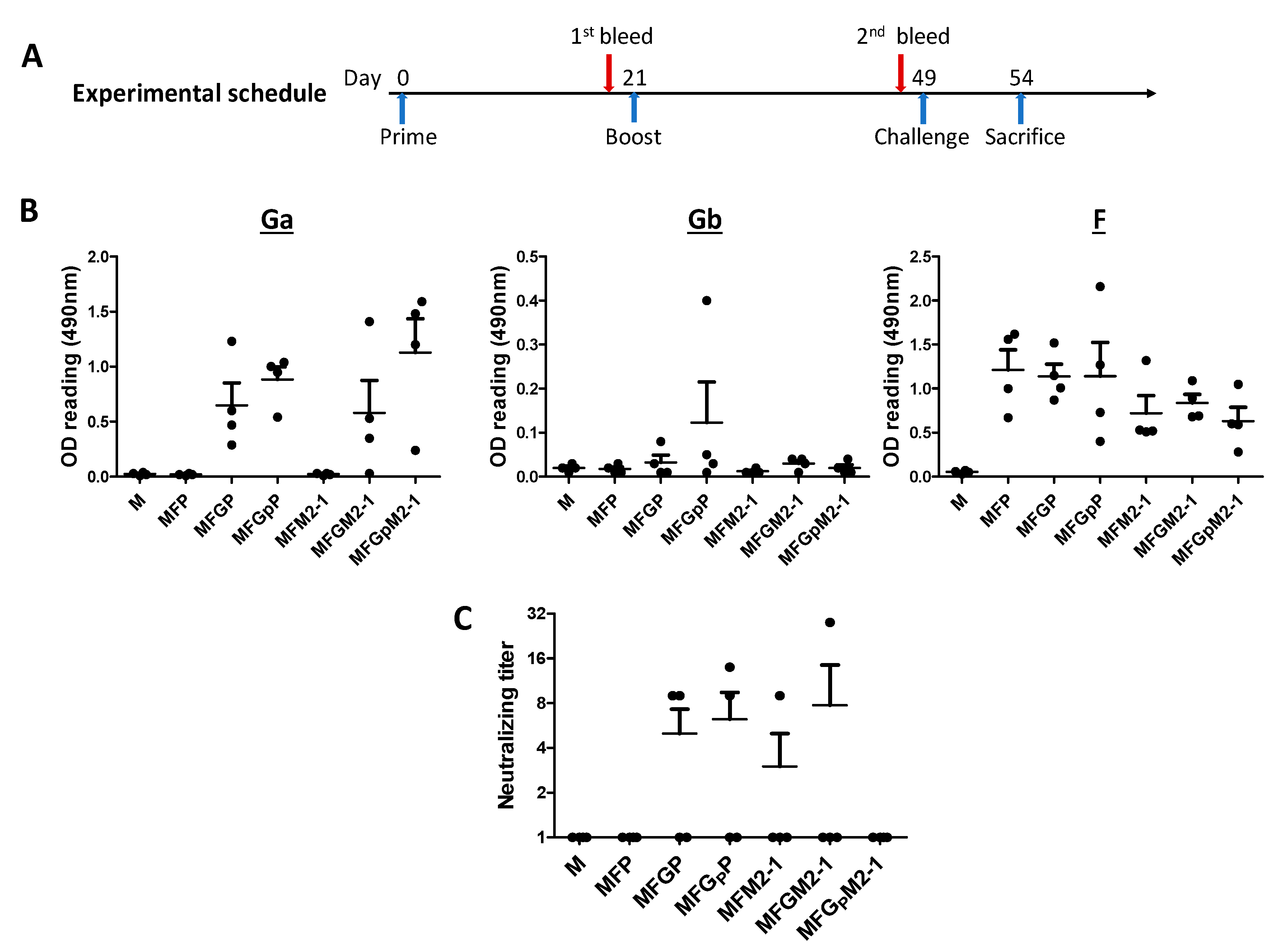
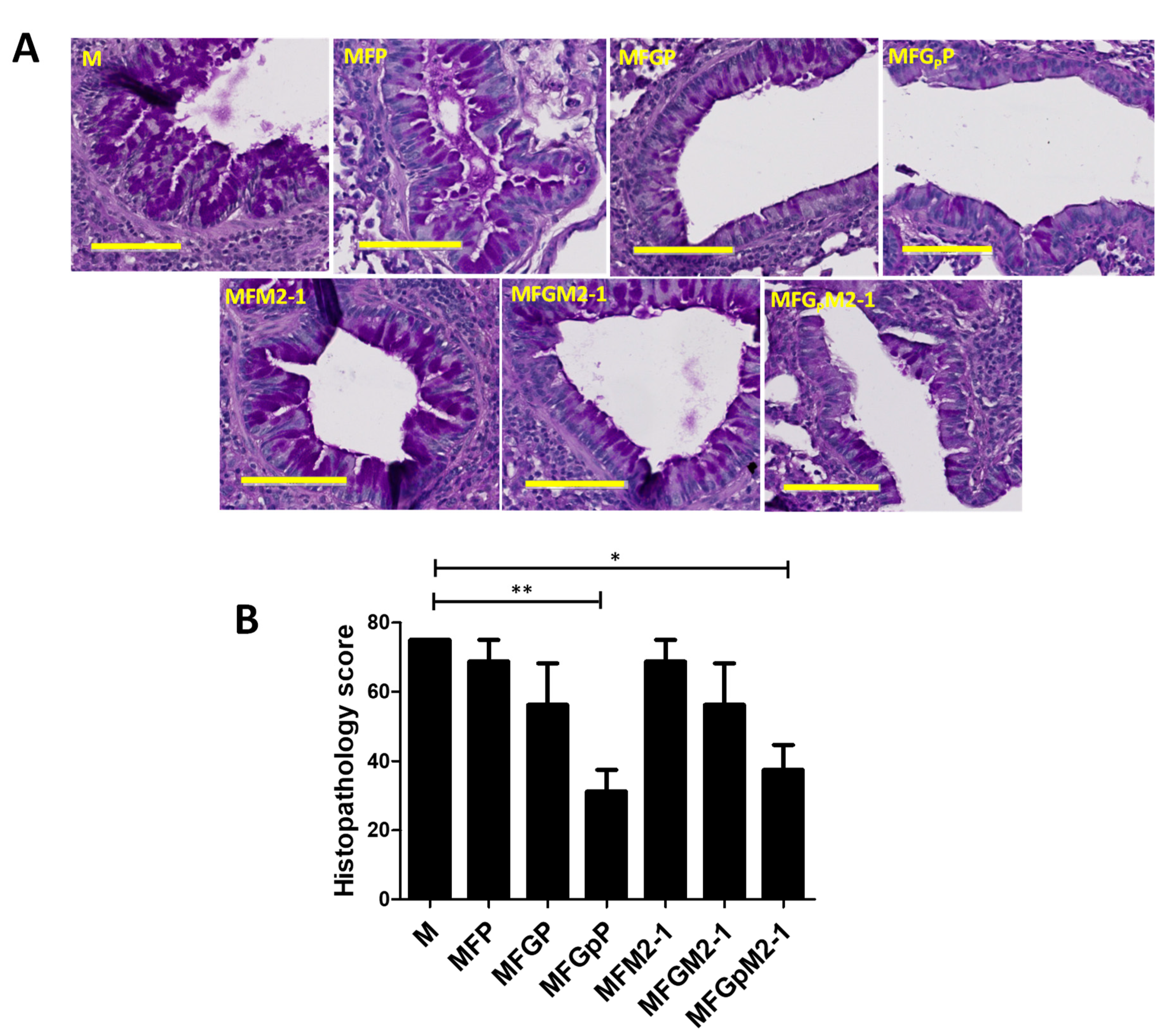
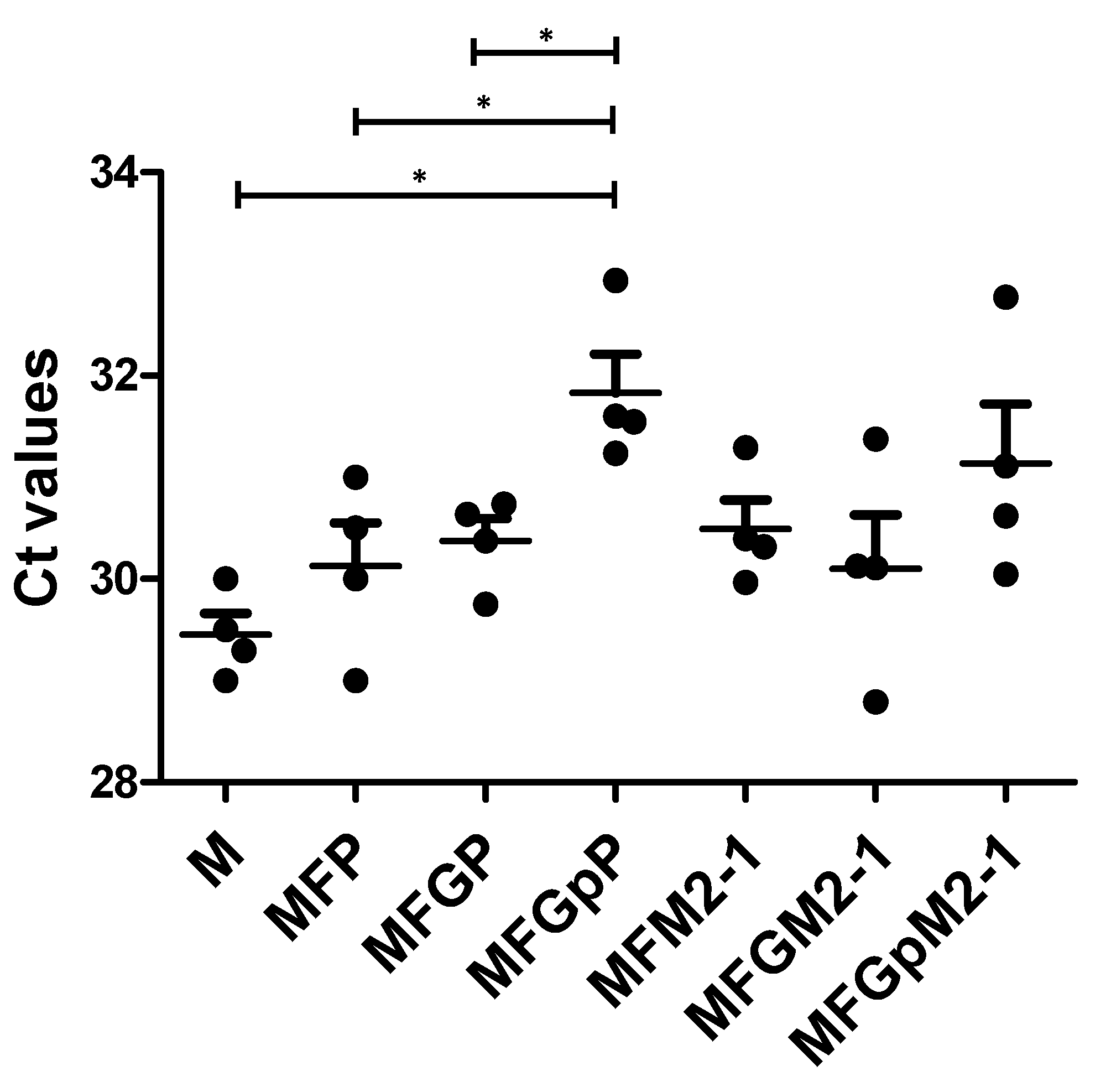
Respiratory syncytial virus (RSV) causes substantial lower respiratory tract disease in children and at-risk adults. Though there are no effective anti-viral drugs for acute disease or licensed vaccines for RSV, palivizumab prophylaxis is available for some high risk infants. To support anti-viral and vaccine development efforts, we developed an RSV virus-like particle (VLP) platform to explore the role RSV F and G protein interactions in disease pathogenesis. Since VLPs are immunogenic and a proven platform for licensed human vaccines, we also considered these VLPs as potential vaccine candidates. We developed two RSV VLP platforms, M+P and M+M2-1 that had F and G, F and a G peptide, or a truncated F and G on their surface. Immunoblots of sucrose gradient purified particles showed co-expression of M, G, and F with both VLP platforms. Electron microscopy imaging and immunogold labeling confirmed VLP-like structures with surface exposed projections consistent with F and G proteins. In mice, the VLPs induced both anti-F and -G protein antibodies and, on challenge, reduced lung viral titer and inflammation. These data show that these RSV VLP platforms provide a tool to study the structure of F and G and their interactions and flexible platforms to develop VLP vaccines in which all components contribute to RSV-specific immune responses.
Keywords: respiratory syncytial virus (RSV); virus-like particles (VLPs); vaccine; electron microscopy (EM); mouse model respiratory syncytial virus (RSV); virus-like particles (VLPs); vaccine; electron microscopy (EM); mouse model