


Abstract
Pinyon–juniper (PJ) woodlands, one of the most extensive mature and old-growth woodland types in the Western United States, provide critical ecological, cultural, and economic benefits but face increasing threats from climate change, altered disturbance regimes, invasive species, and pests. We developed the PJ Woodland Climate Adaptation Management Menu, a decision support tool designed to guide adaptive, climate-informed management of PJ ecosystems, particularly within the Colorado Plateau ecoregion. The menu was created through an iterative, collaborative process involving literature review, integration of strategies from existing adaptation frameworks, and extensive input from scientists, land managers, and community partners during workshops and focus groups. The menu links specific, evidence-based approaches to each of six broad strategies, including soliciting community input, mitigating disturbance, enhancing and maintaining biodiversity, conserving ecotones, timing actions for optimal outcomes, and accepting climate-driven changes when appropriate. It is intended for use with the Adaptation Workbook to help managers connect local goals and climate vulnerabilities to tailored management tactics. Hypothetical scenarios demonstrate the menu’s application to contrasting PJ woodland conditions, from die-off events to old-growth maintenance. Lessons learned during development underscore the value of early stakeholder engagement, cross-sector collaboration, and balancing diverse ecological objectives. This menu offers a flexible, transferable framework to strengthen climate resilience in PJ woodlands and serves as a model that could improve adaptation planning in other dryland forest ecosystems.
1. Introduction
Pinyon–juniper (PJ) woodlands are diverse landscapes that are widespread across the Western United States. They cover approximately 75 million acres from the Great Basin and the Colorado Plateau into the foothills of the Rocky Mountains and extend south to the Sierra Madre ranges [1], making them one of the most extensive mature and old growth woodland in the Western United States [2]. Though structurally heterogeneous across landscapes, with some areas dominated more by shrubs or grasses, PJ woodlands are characterized by at least one pinyon pine species (Pinus edulis Engelm. or P. monophylla Torr. & Frém.) mixed with at least one juniper species (Juniperus osteosperma (Torr.) Little, J. monosperma (Engelm.) Sarg., J. scopulorum Sarg. among others). These conifers, well adapted to the arid and semi-arid conditions of these regions, form canopies that range from open to nearly closed, with higher densities often driven by favorable conditions such as greater elevation, deeper soils, increased precipitation, and reduced disturbance [1].
The structural diversity of PJ woodlands contributes to their ecological and cultural significance. Across a range of structural conditions, including mature and old growth forest ecosystems, PJ woodlands provide varied habitats that sustain a wide array of highly adapted plant and animal species [2], including big game animals like elk (Cervus canadensis Erxleben), pronghorn (Antilocapra americana Ord), wild turkeys (Meleagris gallopavo Linnaeus), bighorn sheep (Ovis canadensis Shaw), and mule deer (Odocoileus hemionus Rafinesque). They also support threatened species like Mexican spotted owls (Strix occidentalis lucida Nelson) and Pinyon Jays (Gymnorhinus cyanocephalus Wied), which depend on pinyon trees for food and shelter. PJ woodlands provide a variety of benefits to humans, including water regulation [3], carbon capture and storage [4], soil conservation [5], and sources of food, medicine, and opportunities for recreation. Beyond their ecological roles, PJ woodlands are integral to cultural identity and heritage, providing aesthetic, spiritual, and recreational experiences [2,6].
The ecosystem services provided by PJ woodlands to both wildlife and people face substantial risks from the effects of climate change [7]. Rising temperatures and changing precipitation regimes are expected to increase stress on plant communities. These changes are predicted to heighten conifer mortality rates, particularly those of pinyons [7,8,9,10], and in turn escalate the intensity and frequency of fires in these ecosystems [11,12]. These vulnerabilities are further exacerbated by a convergence of interacting biotic threats. Among these include invasive plants, some of which hasten the recurrence of wildfires (e.g., Bromus tectorum L.) [13,14], and pests and pathogens (e.g., Ips confusus LeConte) that gain advantage over water-stressed hosts [11,15]. Contractions of PJ woodlands are already occurring at the southern and lower-elevation edges of their range, even as expansion continues at higher elevations and into more northerly semi-arid grasslands, ponderosa pine (Pinus ponderosa Douglas ex C. Lawson) forests, and sagebrush steppes [1,16]. Although this pattern could be interpreted as climate-driven range migration, recent evidence indicates that these gains may be precarious, with limited long-term persistence due to increasing climate variability, regeneration constraints, particularly where successful recruitment depends on infrequent sequences of favorable moisture conditions [17]. Given these mounting threats, early action can help safeguard these ecosystems.
To address these challenges, we developed a decision support tool to facilitate adaptive management of PJ woodlands in light of climate change. Climate-adaptive management involves developing and implementing actions to reduce the vulnerability of ecosystems to climate change [18]. It focuses on enhancing the resilience (ability to recover) of natural systems to the impacts of anticipated changes in climate, such as shifts in temperature and precipitation patterns. The decision support tool introduced here, the PJ Woodlands Climate Adaptation Management Menu, is a structured framework that categorizes adaptation actions specific to PJ Woodlands in the Colorado Plateau ecoregion, providing land managers and other community partners with a toolkit to address specific challenges. This effort aligns with the need for clear and scientifically supported planning, ensuring that the methods employed to manage PJ woodlands are supported by evidence and responsive to community concerns.
In developing the menu, we outlined a range of strategies, which are broad measures for responding to overarching challenges in addressing changing climate, and approaches, which are narrower measures tailored to specific site conditions and objectives [19,20,21,22,23]. This structuring ensures that each approach directly contributes to the advancement of its corresponding strategy, providing a concise framework for helping resource managers confront the complex challenge of adapting to changing climate conditions in PJ ecosystems. These strategies and approaches were developed through consultations with a reasonably large and diverse group of scientists and resource managers with extensive experience in PJ woodlands, ensuring that each is grounded in practical expertise.
The purpose of this manuscript is to present, and describe the development of, a climate adaptation strategy menu tailored for PJ woodlands and to demonstrate its application within the Adaptation Workbook framework. To guide this work, we identified several tasks: (1) synthesize current scientific understanding of climate vulnerabilities affecting PJ ecosystems; (2) document the collaborative multi-stakeholder process used to co-develop the PJ menu; (3) present the resulting strategies and approaches in a structured format; (4) illustrate their use through hypothetical management scenarios; and (5) discuss lessons learned and opportunities for future refinement. Because adaptation planning occurs across ecological, social, spatial, and temporal scales, we designed the PJ menu to integrate regional climate patterns, local management realities, and near-term, mid-term, and long-term planning windows. Climate change impacts and management priorities vary across PJ woodlands with elevation, moisture availability, disturbance history, and land-use legacy; these spatial and temporal dimensions informed menu development and provide important context for its application.
The menu is intended for use as part of the Adaptation Workbook, an established decision support framework developed by the Northern Institute of Applied Climate Science (NIACS), a multi-institutional partnership led by the USDA Forest Service [22,24]. The Adaptation Workbook guides users through defining site-specific management goals and objectives, identifying climate change impacts of concern, and selecting adaptation actions. Within this process, the PJ menu helps managers connect local goals and vulnerabilities to practical tactics (Figure 1). The menu does not prescribe tactics because effectiveness varies across sites, technical capacity, and resource availability; instead, Section SB provides example tactics to illustrate possible applications.
Figure 1.
To pilot the Pinyon–Juniper (PJ) Adaptation Management menu with natural resource managers, we utilized the Adaptation Workbook. While this five-step adaptive management process is consistent across ecosystems, the strategies and approaches from adaptation menus are modular, and are detailed within the PJ Adaptation Management Menu for this project. Solid arrows indicate the primary sequence of the adaptation-planning process. Small-dashed arrows indicate external supporting information or tools that inform specific steps. The large-dashed arrow indicates the iterative nature of the process, in which monitoring outcomes may lead practitioners to revisit earlier planning steps and refine subsequent actions, if necessary.
2. Menu Development for PJ Woodlands
The development of the PJ Woodlands Climate Adaptation Menu was led by an academic institution (University of Colorado Boulder) in close collaboration with the Northern Institute of Applied Climate Science, the Colorado Bureau of Land Management, and the U.S. Geological Survey. The process utilized the NIACS Adaptation Workbook as a pilot tool specifically for PJ ecosystems. Together, we gathered expert advice from resource managers and researchers routinely working in PJ Woodlands to identify top management priorities (Figure 2). Those identified priorities included wildfire fuels reduction, wildlife habitat, biodiversity, special status species, soil health and stability, grazing, recreation, human communities and assets, invasion control, carbon sequestration, water resources, and forest products. Substantial contributions also came through workshops and correspondence with the USDA Forest Service, the National Park Service, the Natural Resources Conservation Service, the U.S. Fish and Wildlife Service, the Intermountain West Joint Venture, the University of Arizona, Utah Valley University, Colorado State University, and the Ohio State University. This extensive collaboration ensured that a wide range of expertise and perspectives were integrated into the adaptation strategies and approaches.
Figure 2.
Pinyon–Juniper (PJ) Woodland Climate Adaptation Development Steps. Key steps during the development of the PJ Woodland Climate Adaptation Menu. Photos taken by Jesse Gray and with use permission during the second workshop, which took place in Flagstaff, Arizona on 12–13 May 2024.
2.1. Literature Review
Modeling our approach on earlier developments of similar menus for other ecosystems, we used the priorities identified from conversations with PJ woodlands experts to assemble a collection of search terms to be used for a literature review (e.g., “fuels reduction” AND “juniper” AND {pinyon OR pinon}, Section SA). These searches were conducted in a bibliographic literature database, and the subsequent review served to complement the combined experience of the collaborative group in generating a collection of evidence-based approaches to meet the broad spectrum of PJ woodland management goals under a variety of scenarios. This collection of literature was further supplemented by identifying potentially relevant strategies and approaches that have already been developed and described in existing climate adaptation management menus, including those from the Forest [22], Wildlife [19], Tribal [23], and Fire Adaptation Management Menus [20].
2.2. Categorization and Draft Preparation
After compiling the initial set of strategies and approaches from the literature review and existing climate adaptation menus, we organized them based on shared management objectives. The more general management considerations served as strategies. The categories of strategies for the PJ Woodland Adaptation menu include those intended to mitigate disturbances, enhance biodiversity, conserve landscape heterogeneity, optimize management action outcomes, and expand partner involvement, all within the context of changing climatic conditions. We nested approaches, defined as ‘more detailed responses with consideration of site conditions and management objectives’ [19,20,21,22,23], within strategies. Each approach can be implemented through a variety of tactics, defined as prescriptive actions designed for specific site conditions and management objectives [19,20,21,22,23]. Tactics are specific to a particular project area and set of localized management objectives, and therefore best developed by the local resource manager with on-site expertise and knowledge. Tactics can be appropriately selected only when considering the full context of the constraints imposed by the site and the availability of resources. We provide some example tactics for each strategy of the menu, but these are intended only to be illustrative (Section SB).
2.3. Workshops for Draft Evaluations
Once we assembled the initial draft menu, we iteratively edited and expanded it through a series of feedback cycles involving PJ woodland research, policy, and resource management professionals. We first presented the draft in a pilot test at a two-day workshop attended by 40 personnel from Federal, State, academic, and nonprofit organizations. We provided workshop participants with detailed landscape scenarios (refer to Boxes S1 and S2). We then asked them to select management priorities within the hypothetical sites and work through the Adaptation Workbook to define objectives. Using this process, participants identified climate-related challenges and opportunities associated with their selected priorities and selected strategies and approaches from the draft menu to meet those objectives under the identified climate conditions (Figure 1). Throughout the workshop, we solicited feedback on the relevance, feasibility, organization, and expected effectiveness of the selected approaches in addressing management priorities. Throughout the workshop, we solicited feedback on the relevance, feasibility, organization, and expected effectiveness of the draft approaches. Participants provided voluntary feedback through annotated copies of the draft menu, formal and informal group discussions, interactive workshop activities, and concluding feedback opportunities.
We revised the menu in response to participant feedback by placing greater emphasis on invasive species detection and control, framing each strategy more clearly as a response to climate change impacts, and adding language emphasizing post-implementation monitoring.
After revising the menu to incorporate workshop feedback, we convened a small focus group consisting of two participants actively working on federally managed PJ ecosystems. We selected these individuals from among the workshop participants based on their enthusiastic engagement, detailed expertise in PJ management practice, and familiarity with federal protocols and procedures on public lands. Rather than repeating the scenario-based exercises and Adaptation Workbook process, we asked focus group participants to review the revised menu and assess whether each approach was clear, feasible, and effective, and to identify any important strategies that might still be missing. We incorporated their suggestions into the menu by adopting more active phrasing and refining language to align with established guidelines and supporting evidence.
Following these revisions, we held a second two-day workshop to assess the third iteration of the menu and its congruity with the Adaptation Workbook. The workshop included 47 invitees involved in PJ woodland management, policy, and research across the Colorado Plateau, including representatives from the Bureau of Land Management, U.S. Forest Service, Natural Resources Conservation Service, and U.S. Geological Survey. Participants selected one of four scenarios: tree die-off from drought or pests, increasing pinyon–juniper density with declining groundcover and floral diversity, maintenance of desirable woodland conditions, or ecotonal landscapes composed of mixed woodland, shrub, and grassland patches (Figure 3). Groups then developed climate adaptation plans for their selected scenarios using their system knowledge and management experience (Box S1).
Figure 3.
Pinyon–Juniper (PJ) woodland sample scenarios used in the second workshop. The four scenarios (contraction, infill, maintenance, and ecotone) were chosen to represent diverse and realistic conditions in PJ woodlands under climate change. These scenarios provided workshop participants with varied contexts to apply the PJ Woodland Climate Adaptation Menu, ensuring the development of robust strategies and approaches that can be applied to a variety of frequently observed woodland conditions. Note that the photo used for the Maintenance Scenario represents one possible outcome for PJ woodlands management, characterized by trees at a desired density and a stable understory. However, maintenance scenarios can vary significantly depending on local context and the specific objectives that resource managers wish to maintain. Maintenance practices are adaptable, allowing communities to define what features they prioritize in sustaining the woodland landscape. All photos taken by Jesse Gray and are used with permission (2017–2022).
2.4. Adaptation Workbook Process
Within their groups, workshop participants followed the workflow outlined in the Adaptation Workbook, first outlining the characteristics of their focal site. This involved describing the composition, health, stand structure and density of the dominant tree community, the health and composition of the understory plant community, known major disturbance factors, and current management regimes. The objective of outlining these characteristics was to establish a comprehensive understanding of the current state and conditions of a site, which informed subsequent stages of the workbook process.
Next, the Adaptation Workbook directed users to select two or three goals, or general statements expressing desired conditions or processes to be achieved, along with specific objectives, or more measurable means of achieving each of the associated goals. For example, common goals for PJ woodlands include the protection of old growth forest areas. Objectives related to this goal could include reducing the likelihood of severe wildfires through prescribed burns or mechanical thinning and conducting wildlife surveys to identify and protect critical habitats within the old growth areas. These objectives are actionable and provide measurable means to achieve the broader goal of old growth protection.
Once the management goals and objectives were defined, the users were directed to identify aspects of climate change that were likely to affect their focal site. This step in the Adaptation Workbook process typically requires a deep understanding of the expected climate change-driven regional changes in temperature and precipitation patterns, as well as their potential influence on biological communities. Consulting or performing a formal climate change vulnerability assessment is necessary to rigorously gauge how climate change might affect a focal site. Many such assessments have already been conducted across the United States, and the results of these have been made available by the USDA [25]. For Colorado Plateau pinyon–juniper woodlands, climate change is expected to result in slightly increased average annual (but more variable) precipitation. However, the benefits of this potential increase will be more than negated by increased temperatures, resulting in overall longer and more extreme periods of dry conditions [26,27]. Pinyon–juniper woodlands are already considered one of the more vulnerable ecosystem types within the Colorado Plateau. This vulnerability is expected to intensify in the future as mortality of P. edulis increases, particularly at lower elevations and in the southern portions of its range, with negative consequences for dependent wildlife such as the Pinyon Jay [26].
The workbook then directed users to consider how climate change impacts could affect the likelihood of successfully meeting management goals and objectives. Climate change can introduce both challenges and new opportunities. For example, increased temperatures could negatively affect native seed germination and establishment rates [28]. However, climate change could also result in longer growing seasons [29,30], longer nesting seasons, e.g., [31], or the potential for new plants to grow where it has been too cold previously [32,33]. The Adaptation Workbook asked users to decide how feasible meeting their goals and objectives would be under current management practices while considering these potential challenges and opportunities stemming from climate change impacts. Next, the Adaptation Workbook directed participants to consult the menu to explore available strategies and approaches. These strategies were intended to help meet goals and objectives that participants had identified as less feasible under current “business-as-usual” management regimes, given projected climate change challenges at the focal site. Lastly, participants considered opportunities to monitor each identified adaptation action to ensure they continued to achieve local goals and objectives under changing climate conditions into the future.
3. Pinyon–Juniper Woodland Menu Overview
The menu is structured around six broad strategies, each encompassing a range of detailed approach options tailored to current and anticipated challenges in PJ woodlands across the Colorado Plateau and elsewhere (Figure 4). Rather than offering specific tactical recommendations, it is designed to allow open exploration of many of the diverse management choices available. Ultimately, it is up to resource managers and community partners to determine the most suitable strategies to achieve their goals and objectives.
Figure 4.
Summary of Pinyon–Juniper (PJ) Woodland Climate Adaptation Menu.
3.1. Strategy 1. Solicit Community Input: Engage with Local and Regional Communities for Input and Participation in Management Planning
Engage local and regional communities, including Indigenous knowledge holders and partner organizations, in PJ woodland planning. Early and inclusive engagement improves the relevance of management decisions, helps identify concerns before actions are implemented, and builds support for long-term stewardship [34,35,36].
3.1.1. Approach 1A: Seek Partners with Shared Areas of Interest for Resource Sharing and Funding Opportunities
Identify Agencies, Tribes, Non-governmental Organizations (NGO’s) and community groups with overlapping goals in PJ conservation or climate adaptation. Partnerships expand capacity, reduce duplicated effort, and create opportunities for shared funding and technical expertise. This approach is especially valuable where management needs exceed the capacity of a single organization [37].
3.1.2. Approach 1B: Co-Develop Knowledge with Indigenous Knowledge Holders, Local Communities, and External Partners
Collaborate with Indigenous ecological knowledge holders and other community experts to integrate long-standing observations and cultural perspectives into planning. Co-development ensures that strategies reflect both scientific information and place-based knowledge. Engagement with universities and nonprofits can supplement local expertise and assist with technical components of adaptation planning [38,39,40,41].
3.1.3. Approach 1C: Promote Social Awareness and Education About Climate Change and Disturbance Impacts
Increase public understanding of climate-related stressors affecting PJ woodlands through workshops, outreach programs, and volunteer opportunities. Clear communication helps communities anticipate management needs and supports acceptance of adaptation actions. This approach can be used where climate change impacts are already visible or where proposed actions may be unfamiliar to the public [42,43,44,45,46].
3.1.4. Approach 1D: Consider Social Environmental Values Alongside Management Objectives
Integrate local cultural, recreational, and economic values into PJ woodland planning to ensure that management actions align with community priorities. Understanding how people use and value these landscapes helps shape strategies that support both ecological function and social well-being. Engaging stakeholders early in the planning process improves support for proposed actions and increases the likelihood of long-term success [47,48].
3.1.5. Approach 1E: Monitor Recreational and Cultural Use and Incorporate These Patterns into Habitat Protection Strategies
Track where and how people engage with PJ woodlands to identify potential impacts such as soil disturbance, vegetation loss, or wildlife disruption. This data helps managers adjust access, signage, or infrastructure to reduce ecological impacts while maintaining opportunities for recreation and cultural use. This approach is especially valuable in high-use areas or places where visitor pressure is increasing [49,50].
3.1.6. Approach 1F: Facilitate Collaborative Research and Share Data Transparently Through a Centralized Repository
Create or contribute to a shared data platform to improve access to up-to-date information on PJ woodland conditions, treatments, and monitoring results. Centralized data sharing supports collaborative research, reduces duplication of effort, and helps managers base decisions on the best available science. Transparent access to information also strengthens communication among Agencies, Tribes, researchers, and community partners [51,52,53,54].
3.2. Strategy 2. Mitigate Disturbance: Reduce the Impact of Disturbance Events on PJ Woodlands
Reduce the impacts of disturbance events such as fire, flooding, drought, and severe weather–factors that are increasing with climate change. Effective mitigation limits opportunities for invasive species establishment, protects wildlife habitat, and reduces long-term ecological and social costs of recovery in dry PJ ecosystems [28,55,56,57,58,59,60,61,62].
3.2.1. Approach 2A. Minimize Treatment-Related Introduction or Spread of Invasive Species
Plan and implement management treatments in ways that avoid creating new opportunities for invasive species establishment. This may include cleaning equipment, timing treatments to reduce invasion risk, and prioritizing low-risk areas during periods of high propagule pressure. Limiting treatment-related disturbance helps maintain native plant communities and prevents long-term ecological degradation [63].
3.2.2. Approach 2B. Minimize Negative Impacts on Soils, Biological Crusts, and Old Growth Attributes
Use low-impact techniques to avoid soil compaction, erosion, and damage to biological soil crusts, which are critical for nutrient cycling and soil stability in dry PJ woodlands. Approaches such as selective thinning, contour felling, mulching, and avoiding work during wet conditions help protect soil structure. Maintaining healthy soils supports regeneration, water infiltration, and overall ecosystem resilience [64,65,66,67,68]. In stands with old growth attributes (e.g., legacy trees, complex canopy structure, dead wood), prioritize methods that avoid degrading those attributes. Minimize heavy equipment traffic and soil disturbance around legacy trees and avoid thinning prescriptions that could remove or damage old-growth structure unless explicitly justified as protecting those same values.
3.2.3. Approach 2C. Implement Safeguards Against Catastrophic Fire to Protect Communities, Infrastructure, and Ecological Resources
Use fire breaks and defensible spaces to lower the risk of large, high-intensity wildfires. This helps protect nearby communities, cultural sites, wildlife habitats, and restoration investments. Planning can be informed by local fire behavior patterns, the distribution of sensitive resources, and the location of high-risk fuel loads [69,70].
3.2.4. Approach 2D. Reduce Fuel Accumulation to Decrease Wildfire Intensity and Spread
Use tools such as mechanical thinning, prescribed fire, and targeted grazing to break up continuous fuels and reduce the likelihood of high-intensity wildfire. Fuel management is most effective when applied strategically across the landscape to create heterogeneity and reduce the potential for fire to spread unchecked, especially under hotter and drier future conditions [69,71,72,73,74].
Where old growth structure is present, fuel treatments can unintentionally degrade irreplaceable attributes (e.g., large old trees, canopy architecture, dead wood). If old-growth conservation is a primary objective, favor targeted protection (e.g., defensible space around values-at-risk, strategic breaks outside old-growth patches) over generalized thinning within old growth stands unless a clear mechanism links the action to protecting old growth persistence.
In addition, avoid stand configurations that abruptly convert sheltered interior trees into edge trees, which can increase exposure-related stress and, in some settings, susceptibility to wind damage [75].
3.3. Strategy 3. Enhance and Maintain Biodiversity to Support Ecosystem Function and Resilience
Biodiversity underpins the stability, adaptability, and ecological function of PJ woodlands. Diverse plant and animal communities use resources more efficiently and help buffer the ecosystem against disturbances and climate-driven change. Higher species redundancy increases the likelihood that essential ecological functions persist even if some species decline, and broader genetic and species diversity supports long-term adaptive capacity [76] (but see [77]) [78,79,80,81].
3.3.1. Approach 3A. Prioritize Conservation in Areas Projected to Remain Suitable for PJ Woodlands Under Future Climate Conditions
Direct conservation efforts toward landscapes are expected to sustain PJ woodlands in the coming decades. Focusing on projected refugia allows managers to invest in areas most likely to support long-term PJ persistence and natural or assisted species movements. Climate-suitability and ecological-resilience projections can guide identification of priority areas for protection and restoration [82,83,84,85].
3.3.2. Approach 3B. Maintain and Restore Soil and Microbial Community Health
Healthy soils and robust microbial communities are key components of PJ woodland resilience. Practices that preserve soil structure, organic matter, and nutrient cycling such as minimizing disturbance, adding organic amendments, or using biochar can improve moisture retention and support diverse vegetation. Strengthening soil systems enhances establishment success and promotes stable understory communities [79,86,87,88,89].
3.3.3. Approach 3C. Use Natural and Artificial Microsites to Improve Restoration Project Outcomes
Restoration in dryland PJ systems often faces challenges such as erosion, low moisture availability, and temperature extremes. Creating or utilizing microsites, whether naturally occurring (rocks, shade) or intentionally installed (mulch mats, seed shelters), can help moderate microclimate and improve seedling survival. Microsites reduce environmental stressors expected to intensify under climate change and enhance the likelihood of successful establishment [59,90,91,92].
3.3.4. Approach 3D. Use Pinyon, Juniper, and Native Understory Species and Climate-Adapted Genotypes for Assisted Colonization
Select species and genotypes expected to perform well under future climate regimes and shifting fire dynamics. Assisted colonization using future climate-adapted pinyon, juniper, and understory taxa can help maintain woodland structure and ecosystem services as conditions change. Diversifying genetic sources increases adaptive potential and reduces the risk of widespread declines under novel sets of stressors [93,94,95,96]. However, substantive issues warrant acknowledgment, including the risk of unforeseen ecological impacts and the challenge of predicting future climate conditions accurately. This approach could be used when a lack of action could likely result in long-term ecosystem failure due to mismatched species or genotypes and future climate conditions.
3.3.5. Approach 3E. Identify and Control Highly Competitive Non-Native Plants That Threaten Species Diversity and Habitat Heterogeneity
Invasive plants that aggressively outcompete native species reduce biodiversity and simplify habitat structure in PJ woodlands. Prioritize early detection and rapid response, along with targeted control methods, to prevent invasive species from becoming established or spreading. Effective management of competitive non-native plants helps maintain native species diversity, preserve habitat heterogeneity, and support long-term ecosystem resilience [97,98,99].
3.4. Strategy 4. Conserve Ecotones in and Around PJ Woodlands
Ecotones, transitional zones between PJ woodlands and adjacent ecosystems such as shrublands and grasslands, provide critical habitat for a wide range of wildlife with differing ecological requirements. Species such as Pinyon Jays and Greater Sage-grouse (Centrocercus urophasianus Bonaparte) rely on contrasting parts of these landscapes, making the conservation of diverse and well-functioning ecotonal areas essential for supporting biodiversity across broader spatial scales [22,100,101,102].
3.4.1. Approach 4A: Tailor PJ Management to Account for Diverse Wildlife Habitat Needs and Climate-Driven Shifts
Management actions could incorporate the distinct habitat requirements of multiple wildlife species and anticipate how climate change may alter these needs over time. Ecotones around PJ woodlands are particularly sensitive to shifting temperature and precipitation patterns, which can influence vegetation structure and species distributions. Integrating wildlife-specific habitat considerations into PJ treatments helps maintain functional ecotonal communities under changing conditions [103,104,105].
3.4.2. Approach 4B. Maintain and Enhance Connectivity Between Similar Habitat Types
Ensuring connectivity among patches of similar habitats supports wildlife movement, gene flow, and ecological resilience. Maintaining or restoring these habitat linkages allows species to access resources, disperse, and respond to environmental change across heterogenous landscapes. Connectivity strengthens both wildlife and plant population viability by facilitating movement and adaptation under shifting climate conditions [106,107,108,109].
3.4.3. Approach 4C. Establish and Enhance Wildlife Corridors to Facilitate Movement into Favorable Future Habitats
As climate change alters the spatial extent and suitability of PJ woodlands and associated ecotones, wildlife corridors can enable at-risk species to move into areas with more favorable conditions. Well-designed corridors help species navigate increasingly arid conditions, access essential resources, and maintain population stability as their historical habitats become less suitable. Enhancing corridor functionality supports long-term species persistence and ecosystem balance [110].
3.4.4. Approach 4D. Diversify Wildlife Habitats and Resources Within and Adjacent to Woodlands
Increasing habitat heterogeneity through varied vegetation structure, water sources, and food availability supports a broader collection of wildlife and enhances ecosystem resilience. Diverse habitat conditions attract species that may be vulnerable or beneficial to ecological function and help ecosystems better withstand diverse climate-related stressors and disturbances [64,79,111,112,113].
3.5. Strategy 5. Time Actions Carefully
Many management actions in PJ woodlands depend on precise timing to be effective. Aligning treatments with seasonal ecological patterns, such as precipitation timing, animal breeding periods, or granivore activity, can enhance restoration outcomes and reduce unintended consequences. As climate change shifts temperature, moisture availability, and growing-season timing, managers can also consider near-term, mid-term, and long-term planning windows when scheduling interventions [114,115,116,117].
3.5.1. Approach 5A. Adjust Timing of Grazing to Prevent Damage to Desirable Vegetation
Scheduling grazing to align with plant vulnerability windows can suppress invasive plants while protecting desired species. Grazing during periods when invasives are most susceptible and native vegetation is less sensitive can improve vegetation outcomes and act as a low-cost, or even revenue-generating management tool. Adjusting grazing timing can also help reduce competition during early plant establishment following disturbance [118,119,120].
3.5.2. Approach 5B. Time Vegetation Control, Including PJ Treatments and Invasive Species Management, to Maximize Effectiveness and Reduce Disturbance
Vegetation control is most effective when timed to coincide with stages in plant growth or environmental conditions that enhance treatment success. Scheduling PJ thinning, prescribed fire, or invasive plant treatments during optimal windows helps improve outcomes while minimizing unintended damage to soils, native vegetation, or wildlife habitat. Precise timing can reduce the need for repeat treatments and lower long-term management costs [121,122].
3.5.3. Approach 5C. Time Revegetation Projects to Maximize Seedling Establishment
Planting and seeding efforts can be scheduled to align with favorable moisture and temperature conditions, such as early in the rainy season or during cooler periods. Proper timing increases the chance of seed germination, reduces competition from invasive species, and improves long-term establishment success. Selecting windows when invasive activity is low can further protect new seedlings and reduce failure risk [123,124,125].
3.5.4. Approach 5D. Adjust Timing of Management Actions to Reduce Wildlife Habitat Use Interruptions
Many wildlife species rely on specific seasonal windows for breeding, nesting, and migration. Scheduling PJ treatments, prescribed fire, herbicide use, or heavy equipment operations outside of these sensitive periods reduces disturbance to wildlife populations. Appropriate timing protects vulnerable species and maintains ecosystem function while still allowing managers to achieve necessary vegetation or fuel management objectives [126,127,128,129].
3.5.5. Approach 5E. Design Flexible, Longer-Term Management Strategies That Remain Effective Under Future Climate Conditions
Long-term strategies can anticipate changing climate patterns, including shifting precipitation regimes, altered disturbance cycles, and evolving species responses. Building flexibility into management plans allows actions to be adjusted as conditions change, ensuring long-term effectiveness. Examples include using climate-resilient species for restoration, developing adaptable management plans, and continually refining strategies through monitoring and feedback [130,131,132,133,134].
3.6. Strategy 6. Accept Climate-Driven Changes in Some Circumstances
In certain contexts, resisting climate-driven ecological change may be impractical, ecologically inadvisable, or a poor use of limited resources. Allowing some areas to undergo natural transformation can provide reference conditions for understanding climate impacts and evaluating the effectiveness of active management elsewhere. Even where intervention is limited, ongoing monitoring remains essential to track invasive species, fuel buildup, and environmental stress [97].
3.6.1. Approach 6A: Accept and Monitor Climate-Driven Ecosystem Transformation
Some PJ woodlands will undergo important changes as climate stressors intensify, and resisting those transitions may not be feasible. This approach emphasizes allowing natural ecological reorganization while maintaining robust monitoring to track new species assemblages, shifts in ecosystem function, and emerging threats such as invasive species. Monitoring these sites provides insight into how PJ ecosystems naturally adapt to changing environmental conditions.
3.6.2. Approach 6B: Redirect Conservation and Restoration Investments Toward Areas Projected to Remain Suitable for PJ Under Future Climate Conditions
As climate change alters PJ habitat suitability, investing in areas likely to become unsupportive may produce undesired outcomes. Redirecting resources towards regions projected to retain or gain suitability increases the long-term effectiveness of conservation and restoration efforts. Using climate projections to identify resilient landscapes can help ensure that investments are strategically placed to support PJ persistence into the future [135,136,137].
3.6.3. Approach 6C: Establish and Monitor Control Areas to Compare Natural Adaptation with Active Management
Control areas, where interventions are intentionally withheld, provide essential benchmarks for understanding how PJ ecosystems change without management. Monitoring these controls alongside treated areas helps determine whether observed outcomes result from management actions or natural climate-driven change. This comparative evidence supports refinement of management practices and improves understanding of PJ ecosystem responses to climate stressors [138,139].
3.6.4. Approach 6D: Where Appropriate, Control Invasive Species Expansion Following PJ Mortality or Disturbance Events, Regardless of Intervention Intensity
Even in areas where managers choose to limit or forego active PJ management, disturbance- or mortality-driven openings may rapidly attract invasive species. Targeted invasive species control in these contexts protects ecosystem function and prevents degraded conditions from spreading to adjacent landscapes. This approach ensures that passive or low-intervention strategies do not inadvertently facilitate invasive dominance [97,122,140,141,142,143].
4. Limitations, Uncertainties, and Trade-Offs
Although the PJ Climate Adaptation Menu provides a structured and collaborative framework for climate-informed decision making, several limitations and uncertainties exist. First, projections of future climate conditions, vegetation shifts, and disturbance regimes carry inherent uncertainty, especially regarding the rate and magnitude of future aridification and drought-related mortality in PJ woodlands. These uncertainties affect how confidently managers can forecast long-term outcomes of adaptation actions. Second, ecological conditions, land-use histories, and management capacities vary widely across the Colorado Plateau and Great Basin, which may limit the transferability of some approaches beyond the contexts in which they were developed. Third, many adaptation actions involve trade-offs. For example, fuel-reduction treatments that benefit fire management may temporarily reduce habitat suitability for certain species, or resource investments in likely climate refugia may reduce capacity for actions in more vulnerable areas. Finally, while the menu integrates diverse practitioner and Indigenous knowledge, it cannot capture the full range of social values, local priorities, or place-based cultural relationships with PJ landscapes. Continued monitoring, collaboration, and iterative refinement can benefit the process as climate conditions evolve, and new information becomes available.
The framework may be less effective where management objectives are poorly defined, where climate vulnerability information is unavailable or too coarse to inform local decisions, or where implementation capacity is limited by staffing, funding, policy constraints, or land tenure complexity. Because the menu identifies adaptation directions rather than prescriptive treatments, it depends on local expertise to translate strategies and approaches into site-specific tactics. Its usefulness may therefore be greatest when applied by interdisciplinary teams that can combine ecological knowledge, climate information, cultural and community priorities, and operational experience. Conversely, the menu should not be interpreted as a substitute for site assessment, formal climate vulnerability assessment, compliance requirements, consultation with affected communities, or post-treatment monitoring.
5. Discussion
Pinyon–juniper (PJ) woodlands face numerous challenges, in large part driven by the accelerating impacts of climate change [1]. These ecosystems are increasingly vulnerable to higher temperatures, more variable precipitation patterns, and changes in disturbance regimes like wildfires and invasive species spread. Addressing these issues benefits from a strategic, defensible, and adaptive management approaches [144].
The PJ Woodlands Climate Adaptation Menu we present here can serve as a tool for resource managers, translating broad adaptation concepts into more actionable strategies and approaches tailored to the unique needs of PJ woodlands. This framework guides users from general strategies to detailed, site-specific actions, facilitating the identification of relevant management actions and clearly articulating their larger intent. The menu’s dynamic nature, integrated with the Adaptation Workbook, helps managers customize conservation objectives, consider local climate vulnerabilities, and select appropriate adaptation directions, all within an iterative process that includes robust monitoring and re-evaluation for effectiveness.
The contribution of this framework is not the creation of a new adaptation-planning process, but the translation of an established adaptation menu model into the ecological, social, and operational context of PJ woodlands. Existing adaptation menus provide broad guidance for forests, wildlife, fire, Tribal climate adaptation, and other contexts, but PJ woodlands present a distinctive combination of dryland constraints, heterogeneous stand structures, old-growth attributes, ecotonal dynamics, culturally important resources, invasive annual grasses, and climate-driven woodland contraction and expansion. By organizing these issues into PJ-specific strategies and approaches, the menu provides a more targeted bridge between general adaptation concepts and the management decisions faced by practitioners in these systems. This specificity is the primary way the menu extends existing frameworks: it retains compatibility with the Adaptation Workbook while reducing the interpretive burden on managers working in PJ landscapes.
This systematic approach is increasingly important because many PJ woodlands include mature and old-growth stands, where management decisions often depend on how actions affect old-growth attributes rather than tree density alone. In PJ systems, these attributes include legacy trees, dead wood, heterogeneous canopy structure, and microhabitats that support culturally important resources and wildlife such as Mexican spotted owls and Pinyon Jays. Climate-driven drought, insects, and high-severity fire can rapidly erode these slow-developing features. Accordingly, the menu emphasizes minimizing treatment-related impacts on soils and old-growth attributes (Approach 2B) and cautions against generalized thinning within old-growth patches unless a clear mechanism links the action to old-growth persistence (Approach 2D).
5.1. Lessons Learned from Menu Development
The development of the menu provided several valuable insights that can inform the development of further adaptive management tools for PJ woodlands and elsewhere.
5.2. Value of Early Engagement with Target Users
Engaging resource managers, researchers, agency leaders, and other partners early in the process improved the relevance and practicality of the menu. Early engagement helped identify user needs, avoid unhelpful directions, and incorporate diverse, sometimes conflicting perspectives. Initially, we conducted a literature review (Section SC), constructed early menu drafts, and consulted colleagues familiar with adaptation menu development before presenting the draft to target users. However, feedback from the first workshop showed that some early emphases were not sufficiently aligned with management needs and concerns. This led to a major restructuring of the menu around more focused, actionable language and demonstrated that earlier consultation with end users could have streamlined the process.
5.3. Importance of Broad Collaboration
Collaboration with multiple organizations with varied missions enriched the project. Workshops and correspondence allowed iterative refinement, making the final menu more user-friendly and relevant to diverse management audiences.
By listening to more diverse perspectives at our workshops, we became more aware of the high value that many resource managers place on a hands-off approach under some scenarios, and in letting natural processes function at their own pace, rather than rushing to act and impose a subjective vision of a healthy ecosystem on the landscape. This led directly to an expanded set of approaches within the final strategy of weighing options, emphasizing the value of allowing ecosystems to adapt naturally where feasible. This broad collaboration highlighted that incorporating diverse perspectives results in a more comprehensive and adaptable tool, capable of addressing a wider range of situations and meeting the needs of various users beyond what our working group could have achieved alone.
5.4. Addressing Gaps in Scientific Literature
Some effective conservation and restoration methods used in aridlands aren’t fully reflected in the literature [64]. Other methods are well documented in scientific studies only outside of PJ woodlands. Close collaboration with experienced resource managers, who provide practical insights, enables identification of valuable approaches not yet documented in scientific studies and creates a more comprehensive management tool.
One such method involves mechanical treatments for fuel reduction, which have been studied extensively in various ecosystems, including PJ woodlands, but with mixed results [64]. While these treatments can effectively increase understory plant abundance, production, and diversity by reducing competition from overstory trees, their outcomes are highly dependent on site-specific conditions. For instance, mechanical treatments can sometimes lead to higher survival and faster regeneration of junipers compared to pinyons, potentially altering species composition [145,146,147,148]. Additionally, in some cases, these treatments have been associated with an increase in non-native species [149,150,151], which could undermine long-term restoration goals.
Recognizing these mixed outcomes, we consulted with resource managers who provided practical insights into how mechanical treatments could be adapted for PJ woodlands. Their experiences, combined with evidence from other ecosystems, supported the inclusion of mechanical treatments as a viable option in the PJ woodlands management menu. This collaborative approach allowed us to address the complexity of applying mechanical treatments in PJ woodlands, emphasizing the importance of considering site-specific factors and implementing long-term monitoring to achieve desired ecological outcomes.
5.5. Gaining Practical Insights from Workshops and Focus Groups
Workshops and focus groups provided practical insights that improved clarity, reduced redundancy, and identified specific approaches and tactics in the final version of the menu. For instance, participants emphasized the need to monitor and treat invasive species even in areas where climate-driven transformations have been accepted. This feedback led to the inclusion of a specific approach focused on monitoring invasive species in these areas to prevent their spread and ensure that the natural adaptation processes are not undermined. By addressing the potential risks associated with accepting climate-driven changes, this approach offers resource managers a practical tool for maintaining ecosystem integrity even in the face of transformation. The input from these sessions was instrumental in refining the menu, ensuring it was both comprehensive and adaptable to the complex realities of managing PJ woodlands.
5.6. Benefits of an Iterative Development Process
The iterative process, from literature review through workshops and focus groups, improved the menu’s clarity, usability, and relevance. Multiple rounds of feedback allowed gradual refinement rather than relying on a single comprehensive revision. The most productive phase followed the first workshop, when a small focus group of agency and research partners reviewed each approach for clarity and feasibility. Each feedback cycle generated revisions that improved the menu’s structure, language, and applicability to a wider range of users.
5.7. Strategies for Overcoming Challenges in Achieving Consensus
Achieving consensus among our diverse partners required careful listening and synthesis. Flexibility and openness to diverse viewpoints helped achieve a comprehensive management tool.
Accommodating the conflicting resource needs of species like Pinyon Jays and Greater Sage-grouse poses significant challenges. Pinyon Jays rely on PJ woodlands for food and habitat, while Sage-grouse prefer open sagebrush habitats that can be encroached upon by expanding PJ woodlands [152]. Through extensive discussion and workshops with wildlife managers, we developed the strategy of conserving ecotones—the transitional areas between PJ woodlands and sagebrush shrublands. Using adequate buffers, this approach allows for the coexistence of both species by maintaining the necessary habitat conditions for each. This process demonstrated the importance of flexibility and the need to balance diverse ecological requirements and perspectives, resulting in a management tool that can support multiple species with differing needs.
6. Conclusions
Adapting resource management to the challenges posed by climate change is inherently difficult, complex, and laden with uncertainty. The strategies and approaches outlined in this menu aim to provide PJ resource managers with a foundational starting point for considering climate adaptation in their management practices. By identifying general strategies and specific approaches with demonstrated value, climate resilience in PJ woodlands could be enhanced.
While this menu is neither complete nor comprehensive, it serves as a practical tool to help clarify what climate adaptation might look like in PJ woodlands. It is intended to be able to evolve as new information becomes available and as managers gain more experience with these strategies in the field.
Flexibility in management strategies is beneficial as climate conditions continue to change. Managers may need to continually assess and adjust their actions based on ongoing monitoring and emerging research to ensure that PJ woodlands can thrive in a shifting climate.
Collaboration between researchers, resource managers, and local communities also plays an essential role. By sharing knowledge and experiences, these groups can work together to refine strategies, address gaps in the scientific literature, and develop more effective solutions for maintaining the ecological integrity of PJ woodlands in the face of climate change.
This work fulfills our outlined tasks by synthesizing current understanding of climate vulnerabilities in PJ woodlands, documenting a collaborative and multi-stakeholder co-development process, presenting a structured adaptation menu, and demonstrating its use through example scenarios. The resulting PJ Climate Adaptation Menu is, to our knowledge, the first tool of its kind developed specifically for pinyon–juniper ecosystems and their ecotones, and represents an initial, iterative step toward regionally grounded and practitioner-oriented climate adaptation guidance. By integrating considerations of spatial heterogeneity, local management realities, and near-, mid-, and long-term planning horizons, the menu provides a flexible framework that can evolve as new information emerges. Continued refinement and application of this tool across the Colorado Plateau and beyond can help improve its relevance, identify additional gaps, and strengthen the capacity of managers to make climate-informed decisions in these increasingly vulnerable dryland woodlands.
Ultimately, this menu represents a step toward a more informed, flexible, and collaborative approach to managing these valuable ecosystems under uncertain future conditions.
Supplementary Materials
The following supporting information can be downloaded at: https://www.mdpi.com/article/10.3390/f17050554/s1, Section SA: Search Terms; Section SB: Example Tactics; Section SC: Literature Search Results, Annotations, and Considerations for Pinyon–Juniper Management.
Author Contributions
Conceptualization, M.S., N.N.B. and J.E.G.; methodology, M.S., N.N.B., C.L.P. and J.E.G.; validation, J.B.B., A.R.N., M.C.D., T.B.B.B., I.P.B., C.T.D., J.T.H. and J.E.G.; investigation, M.S., A.S.E. and J.E.G.; resources, M.S., C.L.P. and N.N.B.; data curation, J.E.G.; writing—original draft preparation, J.E.G.; writing—review and editing, ALL AUTHORS; visualization, J.E.G.; supervision, M.S. and N.N.B.; project administration, M.S., C.L.P. and N.N.B.; funding acquisition, M.C.D., J.B.B. and N.N.B. All authors have read and agreed to the published version of the manuscript.
Funding
The project described in this publication was supported by Grant No. [G22AC00451-00 to the Regents of the University of Colorado from the U.S. Geological Survey Climate Adaptation Science Center. This manuscript is submitted for publication with the understanding that the United States Government is authorized to reproduce and distribute reprints for Governmental purposes. Any use of trade, firm, or product names is for descriptive purposes only and does not imply endorsement by the U.S. Government.
Informed Consent Statement
Not applicable. The workshop activities described in this manuscript were conducted to obtain voluntary feedback on the adaptation menu and workshop process, not to collect data about human participants. No identifiable participant data are reported in this manuscript. Photo releases were obtained for any identifiable workshop photographs used in the manuscript.
Data Availability Statement
No new data were collected or analyzed in this study. The references used to develop the adaptation menu are provided in Section SC, which includes annotations describing how each reference informed the categories used to organize the menu.
Acknowledgments
We are grateful to all the workshop participants for their contributions; without their help, the menu would not exist.
Conflicts of Interest
The authors declare no conflicts of interest.
References
- Romme, W.H.; Allen, C.D.; Bailey, J.D.; Baker, W.L.; Bestelmeyer, B.T.; Brown, P.M.; Eisenhart, K.S.; Floyd, M.L.; Huffman, D.W.; Jacobs, B.F.; et al. Historical and modern disturbance regimes, stand structures, and landscape dynamics in piñon–juniper vegetation of the western United States. Rangel. Ecol. Manag. 2009, 62, 203–222. [Google Scholar] [CrossRef] [Scilit]
- US Forest Service, Bureau of Land Management. Mature and Old-Growth Forests: Definition, Identification, and Initial Inventory on Lands Managed by the Forest Service and Bureau of Land Management; U.S. Department of Agriculture, Forest Service: Washington, DC, USA; US Department of the Interior Bureau of Land Management: Washington, DC, USA, 2024.
- Koch, M.; Missimer, T.M. Water Resources Assessment and Management in Drylands. Water 2016, 8, 239. [Google Scholar] [CrossRef] [Scilit]
- Hanan, N.P.; Milne, E.; Aynekulu, E.; Yu, Q.; Anchang, J. A Role for Drylands in a Carbon Neutral World? Front. Environ. Sci. 2021, 9, 786087. [Google Scholar] [CrossRef] [Scilit]
- Delgado-Baquerizo, M.; Maestre, F.T.; Gallardo, A.; Bowker, M.A.; Wallenstein, M.D.; Quero, J.L.; Ochoa, V.; Gozalo, B.; García-Gómez, M.; Soliveres, S.; et al. Decoupling of soil nutrient cycles as a function of aridity in global drylands. Nature 2013, 502, 672–676. [Google Scholar] [CrossRef] [Scilit]
- Redmond, M.D.; Urza, A.K.; Weisberg, P.J. Managing for ecological resilience of pinyon-juniper ecosystems during an era of woodland contraction. Ecosphere 2023, 14, 5. [Google Scholar] [CrossRef] [Scilit]
- Hudson, A.R.; Peters, D.P.C.; Blair, J.M.; Childers, D.L.; Doran, P.T.; Geil, K.; Gooseff, M.; Gross, K.L.; Haddad, N.M.; Pastore, M.A.; et al. Cross-Site Comparisons of Dryland Ecosystem Response to Climate Change in the US Long-Term Ecological Research Network. BioScience 2022, 72, 889–907. [Google Scholar] [CrossRef] [Scilit] [PubMed]
- Bradford, J.B.; Schlaepfer, D.R.; Lauenroth, W.K.; Palmquist, K.A.; Chambers, J.C.; Maestas, J.D.; Campbell, S.B. Climate-Driven Shifts in Soil Temperature and Moisture Regimes Suggest Opportunities to Enhance Assessments of Dryland Resilience and Resistance. Front. Ecol. Evol. 2019, 7, 358. [Google Scholar] [CrossRef] [Scilit]
- Cartwright, J.M.; Littlefield, C.E.; Michalak, J.L.; Lawler, J.J.; Dobrowski, S.Z. Topographic, soil, and climate drivers of drought sensitivity in forests and shrublands of the Pacific Northwest, USA. Sci. Rep. 2020, 10, 18486. [Google Scholar] [CrossRef] [Scilit]
- Hoover, D.L.; Pfennigwerth, A.A.; Duniway, M.C. Drought resistance and resilience: The role of soil moisture–plant interactions and legacies in a dryland ecosystem. J. Ecol. 2021, 109, 3280–3294. [Google Scholar] [CrossRef] [Scilit]
- Reed, C.C.; Hood, S.M.; Cluck, D.R.; Smith, S.L. Fuels change quickly after California drought and bark beetle outbreaks with implications for potential fire behavior and emissions. Fire Ecol. 2023, 19, 16. [Google Scholar] [CrossRef] [Scilit]
- Stephens, S.L.; Collins, B.M.; Fettig, C.J.; Finney, M.A.; Hoffman, C.M.; Knapp, E.E.; North, M.P.; Safford, H.; Wayman, R.B. Drought, Tree Mortality, and Wildfire in Forests Adapted to Frequent Fire. BioScience 2018, 68, 77–88. [Google Scholar] [CrossRef] [Scilit]
- Brooks, M.L.; D’Antonio, C.M.; Richardson, D.M.; Grace, J.B.; Keeley, J.E.; DiTomaso, J.M.; Hobbs, R.J.; Pellant, M.; Pyke, D. Effects of Invasive Alien Plants on Fire Regimes. BioScience 2004, 54, 677–688. [Google Scholar] [CrossRef] [Scilit]
- Fusco, E.J.; Finn, J.T.; Balch, J.K.; Nagy, R.C.; Bradley, B.A. Invasive grasses increase fire occurrence and frequency across US ecoregions. Proc. Natl. Acad. Sci. USA 2019, 116, 23594–23599. [Google Scholar] [CrossRef] [Scilit]
- McNichol, B.H.; Clarke, S.R.; Faccoli, M.; Montes, C.R.; Nowak, J.T.; Reeve, J.D.; Gandhi, K.J.K. Relationships between drought, coniferous tree physiology, and Ips bark beetles under climatic changes. In Bark Beetle Management, Ecology, and Climate Change; Academic Press: San Diego, CA, USA, 2022; pp. 153–194. [Google Scholar] [CrossRef] [Scilit]
- Morford, S.L.; Allred, B.W.; Twidwell, D.; Jones, M.O.; Maestas, J.D.; Roberts, C.P.; Naugle, D.E. Herbaceous production lost to tree encroachment in United States rangelands. J. Appl. Ecol. 2022, 59, 2971–2982. [Google Scholar] [CrossRef] [Scilit]
- Shriver, R.K.; Pletcher, E.; Biondi, F.; Urza, A.K.; Weisberg, P.J. Increasing woodland density in the western US over the last 200 years was driven by long-term plant demography rather than Euro-American settlement. bioRxiv 2024. bioRxiv:2024.04.07.588197. [Google Scholar] [CrossRef] [Scilit]
- Schipper, E.L.F.; Revi, A.; Preston, B.L.; Carr, E.R.; Eriksen, S.H.; Fernández-Carril, L.R.; Glavovic, B.; Hilmi, N.J.M.; Ley, D.; Mukerji, R.; et al. Climate resilient development pathways. In Climate Change 2022: Impacts, Adaptation and Vulnerability. Contribution of Working Group II to the Sixth Assessment Report of the Intergovernmental Panel on Climate Change; Pörtner, H.-O., Roberts, D.C., Tignor, M.M.B., Poloczanska, E.S., Mintenbeck, K., Alegría, A., Craig, M., Langsdorf, S., Löschke, S., Möller, V., et al., Eds.; Cambridge University Press: Cambridge, UK, 2022. [Google Scholar]
- Handler, S.; Ledee, O.E.; Hoving, C.L.; Zuckerberg, B.; Swanston, C.W. A menu of climate change adaptation actions for terrestrial wildlife management. Wildl. Soc. Bull. 2022, 46, e1331. [Google Scholar] [CrossRef] [Scilit]
- Sample, M.; Thode, A.E.; Peterson, C.; Gallagher, M.R.; Flatley, W.; Friggens, M.; Evans, A.; Loehman, R.; Hedwall, S.; Brandt, L.; et al. Adaptation Strategies and Approaches for Managing Fire in a Changing Climate. Climate 2022, 10, 58. [Google Scholar] [CrossRef] [Scilit]
- Shannon, P.D.; Swanston, C.W.; Janowiak, M.K.; Handler, S.D.; Schmitt, K.M.; Brandt, L.A.; Butler-Leopold, P.R.; Ontl, T. Adaptation strategies and approaches for forested watersheds. Clim. Serv. 2019, 13, 51–64. [Google Scholar] [CrossRef] [Scilit]
- Swanston, C.W.; Janowiak, M.K.; Brandt, L.A.; Butler, P.R.; Handler, S.D.; Shannon, P.D.; Lewis, A.D.; Hall, K.; Fahey, R.T.; Scott, L.; et al. Forest Adaptation Resources: Climate Change Tools and Approaches for Land Managers, 2nd ed.; U.S. Department of Agriculture, Forest Service, Northern Research Station: Newtown Square, PA, USA, 2016. [CrossRef] [Scilit]
- Tribal Adaptation Menu Team. Dibaginjigaadeg Anishinaabe Ezhitwaad: A Tribal Climate Adaptation Menu. 2019. Available online: https://forestadaptation.org/tribal-climate-adaptation-menu (accessed on 22 March 2026).
- NIACS. WWW Document. 2024. Available online: https://niacs.org/ (accessed on 18 June 2024).
- USDA Climate Hubs. WWW Document. 2024. Available online: https://www.climatehubs.usda.gov/actions-and-resources/vulnerability-assessment (accessed on 18 June 2024).
- Colorado Natural Heritage Program. Climate Change Vulnerability Assessments—Colorado Natural Heritage Program. 2018. Available online: https://cnhp.colostate.edu/projects/climate-change/ (accessed on 18 June 2024).
- Schwinning, S.; Belnap, J.; Bowling, D.R.; Ehleringer, J.R. Sensitivity of the Colorado Plateau to Change: Climate, Ecosystems, and Society. Ecol. Soc. 2008, 13, 28. [Google Scholar] [CrossRef] [Scilit]
- Barger, N.N.; Adams, H.D.; Woodhouse, C.; Neff, J.C.; Asner, G.P. Influence of Livestock Grazing and Climate on Pinyon Pine (Pinus edulis) Dynamics. Rangel. Ecol. Manag. 2009, 62, 531–539. [Google Scholar] [CrossRef] [Scilit]
- IPCC (International Panel on Climate Change). Climate Change 2022—Impacts, Adaptation and Vulnerability: Working Group II Contribution to the Sixth Assessment Report of the Intergovernmental panel on Climate Change; Cambridge University Press: Cambridge, UK, 2022. [Google Scholar] [CrossRef] [Scilit]
- Kunkel, K.E.; Easterling, D.R.; Hubbard, K.; Redmond, K. Temporal variations in frost-free season in the United States: 1895–2000. Geophys. Res. Lett. 2004, 31, L03201. [Google Scholar] [CrossRef] [Scilit]
- Bates, J.M.; Fidino, M.; Nowak-Boyd, L.; Stausberger, B.M.; Schmidt, K.A.; Whelan, C.J. Climate change affects bird nesting phenology: Comparing contemporary field and historical museum nesting records. J. Anim. Ecol. 2022, 92, 263–272. [Google Scholar] [CrossRef] [Scilit]
- McKone, M.J.; Hernandez, D.L. Community-level assisted migration for climate-appropriate priarie restoration. Restor. Ecol. 2021, 29, e13416. [Google Scholar] [CrossRef] [Scilit]
- Bower, A.D.; Frerker, K.L.; Pike, C.C.; Labonte, N.R.; Palik, B.J.; Royo, A.A.; Anderson, S.M.; Ferreira, A.R.; Brandt, L.A. A practical framework for applied forestry assisted migration. Front. For. Glob. Change 2024, 7, 1454329. [Google Scholar] [CrossRef] [Scilit]
- Ferreira, V.; Barreira, A.P.; Loures, L.; Antunes, M.D.C.; Panagopoulos, Τ. Stakeholders’ Engagement on Nature-Based Solutions: A Systematic Literature Review. Sustainability 2020, 12, 640. [Google Scholar] [CrossRef] [Scilit]
- Kantola, S.; Fagerholm, N.; Nikula, A. Utilization and implementation of PPGIS in land use planning and decision-making from the perspective of organizations. Land Use Policy 2023, 127, 106528. [Google Scholar] [CrossRef] [Scilit]
- Wells, E.C.; Lehigh, G.R.; Vidmar, A.M. Stakeholder Engagement for Sustainable Communities. In The Palgrave Handbook of Global Sustainability; Palgrave Macmillan: Cham, Switzerland, 2021. [Google Scholar] [CrossRef] [Scilit]
- Busch, J.; Ferretti-Gallon, K. What Drives and Stops Deforestation, Reforestation, and Forest Degradation? An Updated Meta-analysis. Rev. Environ. Econ. Policy 2023, 17, 217–250. [Google Scholar] [CrossRef] [Scilit]
- Ballard, H.L.; Fernández-Giménez, M.E.; Sturtevant, V. Integration of Local Ecological Knowledge and Conventional Science: A Study of Seven Community-Based Forestry Organizations in the USA. Ecol. Soc. 2008, 13, 37. [Google Scholar] [CrossRef] [Scilit]
- Cebrián-Piqueras, M.A.; Filyushkina, A.; Johnson, D.N.; Lo, V.; López-Rodríguez, M.D.; March, H.; Oteros-Rozas, E.; Peppler-Lisbach, C.; Quintas-Soriano, C.; Raymond, C.M.; et al. Scientific and Local Ecological Knowledge, Shaping Perceptions Towards Protected Areas and Related Ecosystem Services. Landsc. Ecol. 2020, 35, 2549–2567. [Google Scholar] [CrossRef] [Scilit]
- Gill, H.K.; Lantz, T.C. A Community-Based Approach to Mapping Gwich’in Observations of Environmental Changes in the Lower Peel River Watershed, NT. J. Ethnobiol. 2014, 34, 294. [Google Scholar] [CrossRef] [Scilit]
- Raymond, C.M.; Fazey, I.; Reed, M.; Stringer, L.C.; Robinson, G.M.; Evely, A. Integrating Local and Scientific Knowledge for Environmental Management. J. Environ. Manag. 2010, 91, 1766–1777. [Google Scholar] [CrossRef] [Scilit]
- Peters, C.B.; Zhan, Y.; Schwartz, M.W.; Godoy, L.A.; Ballard, H.L. Trusting Land to Volunteers: How and Why Land Trusts Involve Volunteers in Ecological Monitoring. Biol. Conserv. 2017, 208, 48–54. [Google Scholar] [CrossRef] [Scilit]
- Pressey, R.L.; Bottrill, M.C. Approaches to Landscape- and Seascape-Scale Conservation Planning: Convergence, Contrasts and Challenges. Oryx 2009, 43, 464–475. [Google Scholar] [CrossRef] [Scilit]
- Gosling, E.; Williams, K. Connectedness to Nature, Place Attachment and Conservation Behaviour: Testing Connectedness Theory Among Farmers. J. Environ. Psychol. 2010, 30, 298–304. [Google Scholar] [CrossRef] [Scilit]
- Mayer, F.S.; Frantz, C.M. The Connectedness to Nature Scale: A Measure of Individuals’ Feeling in Community with Nature. J. Environ. Psychol. 2004, 24, 503–515. [Google Scholar] [CrossRef] [Scilit]
- Schultz, P.W. Conservation Means Behavior. Conserv. Biol. 2011, 25, 1080–1083. [Google Scholar] [CrossRef] [Scilit] [PubMed]
- Bennett, N.; Franco, A.; Calò, A.; Nethery, E.; Niccolini, F.; Milazzo, M.; Guidetti, P. Local Support for Conservation Is Associated with Perceptions of Good Governance, Social Impacts, and Ecological Effectiveness. Conserv. Lett. 2019, 12, e12640. [Google Scholar] [CrossRef] [Scilit]
- Wortley, L.; Hero, J.; Howes, M. Evaluating Ecological Restoration Success: A Review of the Literature. Restor. Ecol. 2013, 21, 537–543. [Google Scholar] [CrossRef] [Scilit]
- Franceschinis, C.; Swait, J.; Vij, A.; Thiene, M. Determinants of Recreational Activities Choice in Protected Areas. Sustainability 2021, 14, 412. [Google Scholar] [CrossRef] [Scilit]
- Taylor, A.; Knight, R.L. Wildlife Responses to Recreation and Associated Visitor Perceptions. Ecol. Appl. 2003, 13, 951–963. [Google Scholar] [CrossRef] [Scilit]
- Cragin, M.H.; Palmer, C.L.; Carlson, J.; Witt, M. Data Sharing, Small Science and Institutional Repositories. Philos. Trans. R. Soc. A Math. Phys. Eng. Sci. 2010, 368, 4023–4038. [Google Scholar] [CrossRef] [Scilit]
- Armitage, D.; Plummer, R.; Berkes, F.; Arthur, R.; Charles, A.; Davidson-Hunt, I.J.; Diduck, A.P.; Doubleday, N.C.; Johnson, D.; Marschke, M.; et al. Adaptive Co-management for Social–ecological Complexity. Front. Ecol. Environ. 2008, 7, 95–102. [Google Scholar] [CrossRef] [Scilit]
- Bodin, Ö.; Sandström, A.; Crona, B. Collaborative Networks for Effective Ecosystem-Based Management: A Set of Working Hypotheses. Policy Stud. J. 2016, 45, 289–314. [Google Scholar] [CrossRef] [Scilit]
- Folke, C.; Hahn, T.P.; Olsson, P.; Norberg, J. Adaptive Governance of Social-Ecological Systems. Annu. Rev. Environ. Resour. 2005, 30, 441–473. [Google Scholar] [CrossRef] [Scilit]
- Jones, M.W.; Abatzoglou, J.T.; Veraverbeke, S.; Andela, N.; Lasslop, G.; Forkel, M.; Smith, A.J.P.; Burton, C.; Betts, R.A.; van der Werf, G.R.; et al. Global and Regional Trends and Drivers of Fire Under Climate Change. Rev. Geophys. 2022, 60, e2020RG000726. [Google Scholar] [CrossRef] [Scilit]
- Lozon, J.D.; MacIsaac, H. Biological invasions: Are they dependent on disturbance? Environ. Rev. 1997, 5, 131–144. [Google Scholar] [CrossRef]
- Ehrenfeld, J. Effect of Exotic Plant Invasion on Soil Nutrient Cycling Processes. Ecosystems 2003, 6, 503–523. [Google Scholar] [CrossRef] [Scilit]
- Jackson, S.T. Transformational ecology and climate change. Science 2021, 373, 1085–1086. [Google Scholar] [CrossRef] [Scilit] [PubMed]
- Phillips, M.L.; Lauria, C.; Spector, T.; Bradford, J.B.; Gehring, C.; Osborne, B.B.; Howell, A.; Grote, E.E.; Rondeau, R.J.; Trimber, G.M.; et al. Trajectories and tipping points of piñon–juniper woodlands after fire and thinning. Glob. Change Biol. 2024, 30, e17149. [Google Scholar] [CrossRef] [Scilit]
- Garcês, A.; Pires, I. The Hell of Wildfires: The Impact on Wildlife and Its Conservation and the Role of the Veterinarian. Conservation 2023, 3, 96–108. [Google Scholar] [CrossRef] [Scilit]
- Miguel, M.F.; Butterfield, H.S.; Lortie, C.J. A meta-analysis contrasting active versus passive restoration practices in dryland agricultural ecosystems. PeerJ 2020, 8, e10428. [Google Scholar] [CrossRef] [Scilit] [PubMed]
- Timpane-Padgham, B.L.; Beechie, T.; Klinger, T. A systematic review of ecological attributes that confer resilience to climate change in environmental restoration. PLoS ONE 2017, 12, e0173812. [Google Scholar] [CrossRef] [Scilit] [PubMed]
- Chambers, J.C.; Miller, R.F.; Board, D.I.; Pyke, D.A.; Roundy, B.A.; Grace, J.B.; Schupp, E.W.; Tausch, R.J. Resilience and Resistance of Sagebrush Ecosystems: Implications for State and Transition Models and Management Treatments. Rangel. Ecol. Manag. 2014, 67, 440–454. [Google Scholar] [CrossRef] [Scilit]
- Hartsell, J.A.; Copeland, S.M.; Munson, S.M.; Butterfield, B.J.; Bradford, J.B. Gaps and hotspots in the state of knowledge of pinyon-juniper communities. For. Ecol. Manag. 2020, 455, 117628. [Google Scholar] [CrossRef] [Scilit]
- Ding, Y.; Gao, X.; Shu, D.; Siddique, K.; Song, X.; Wu, P.; Li, C.; Zhao, X. Enhancing soil health and nutrient cycling through soil amendments: Improving the synergy of bacteria and fungi. Sci. Total Environ. 2024, 923, 171332. [Google Scholar] [CrossRef] [Scilit]
- Belnap, J.; Lange, O.L. Biological Soil Crusts: Structure, Function, and Management; Springer: Berlin/Heidelberg, Germany, 2001. [Google Scholar] [CrossRef] [Scilit]
- Cárceles Rodríguez, B.; Hugo Durán-Zuazo, V.; Soriano Rodríguez, M.; García-Tejero, I.F.; Gálvez Ruiz, B.; Cuadros Tavira, S. Conservation agriculture as a sustainable system for soil health: A review. Soil Syst. 2022, 6, 87. [Google Scholar] [CrossRef] [Scilit]
- Saljnikov, E.; Mirschel, W.; Prasuhn, V.; Keller, T.; Blum, W.E.H.; Chumbaev, A.S.; Zhang, J.; Abuduwaili, J.; Eulenstein, F.; Lavrishchev, A.; et al. Types of Physical Soil Degradation and Implications for Their Prevention and Monitoring. In Advances in Understanding Soil Degradation; Springer: Cham, Switzerland, 2021. [Google Scholar] [CrossRef] [Scilit]
- Ott, J.E.; Kilkenny, F.F.; Jain, T.B. Fuel treatment effectiveness at the landscape scale: A systematic review of simulation studies comparing treatment scenarios in North America. Fire Ecol. 2023, 19, 10. [Google Scholar] [CrossRef] [Scilit]
- Parkins, K.; Cawson, J.; Pickering, B.; Penman, T. Mitigation Strategies for Wildfires. In Handbook of Fire and the Environment; Springer: Cham, Switzerland, 2022. [Google Scholar] [CrossRef] [Scilit]
- McKinney, S.T.; Abrahamson, I.; Jain, T.; Anderson, N. A systematic review of empirical evidence for landscape-level fuel treatment effectiveness. Fire Ecol. 2022, 18, 21. [Google Scholar] [CrossRef] [Scilit]
- Bruegger, R.A.; Varelas, L.A.; Howery, L.D.; Torell, L.A.; Stephenson, M.B.; Bailey, D.W. Targeted grazing in southern Arizona: Using cattle to reduce fine fuel loads. Rangel. Ecol. Manag. 2016, 69, 43–51. [Google Scholar] [CrossRef] [Scilit]
- Laushman, K.M.; Munson, S.M.; Villarreal, M.L. Wildfire Risk and Hazardous Fuel Reduction Treatments Along the US-Mexico Border: A Review of the Science (1986–2019). Air Soil Water Res. 2020, 13, 7. [Google Scholar] [CrossRef] [Scilit]
- Chung, W. Optimizing Fuel Treatments to Reduce Wildland Fire Risk. Curr. For. Rep. 2015, 1, 44–51. [Google Scholar] [CrossRef] [Scilit]
- Moreau, G.; Chagnon, C.; Achim, A.; Caspersen, J.; D’Orangeville, L.; Sanchez-Pinillos, M.; Thiffault, N. Opportunities and limitations of thinning to increase resistance and resilience of trees and forests to global change. Forestry 2022, 95, 595–615. [Google Scholar] [CrossRef] [Scilit]
- Hooper, D.U.; Iii, F.S.C.; Ewel, J.J.; Hector, A.; Inchausti, P.; Lavorel, S.; Lawton, J.H.; Lodge, D.M.; Loreau, M.; Naeem, S.; et al. Effects of biodiversity on ecosystem functioning: A consensus of current knowledge. Ecol. Monogr. 2005, 75, 3–35. [Google Scholar] [CrossRef] [Scilit]
- Carrick, P.J.; Forsythe, K.J. The species composition—Ecosystem function relationship: A global meta-analysis using data from intact and recovering ecosystems. PLoS ONE 2020, 15, e0236550. [Google Scholar] [CrossRef] [Scilit] [PubMed]
- Feit, B.; Blüthgen, N.; Traugott, M.; Jonsson, M. Resilience of ecosystem processes: A new approach shows that functional redundancy of biological control services is reduced by landscape simplification. Ecol. Lett. 2019, 22, 1568–1577. [Google Scholar] [CrossRef] [Scilit] [PubMed]
- Aerts, R.; Honnay, O. Forest restoration, biodiversity and ecosystem functioning. BMC Ecol. 2011, 11, 29. [Google Scholar] [CrossRef] [Scilit]
- Turcotte, M.M.; Corrin, M.S.C.; Johnson, M.T.J. Adaptive Evolution in Ecological Communities. PLoS Biol. 2012, 10, e1001332. [Google Scholar] [CrossRef] [Scilit]
- Vellend, M. Conceptual Synthesis in Community Ecology. Q. Rev. Biol. 2010, 85, 183–206. [Google Scholar] [CrossRef] [Scilit]
- Copeland, S.M.; Bradford, J.B.; Duniway, M.C.; Butterfield, B.J. Life history characteristics may be as important as climate projections for defining range shifts: An example for common tree species in the intermountain western US. Divers. Distrib. 2018, 24, 1844–1859. [Google Scholar] [CrossRef] [Scilit]
- McLaughlin, B.C.; Skikne, S.A.; Beller, E.; Blakey, R.V.; Olliff-Yang, R.L.; Morueta-Holme, N.; Heller, N.E.; Brown, B.J.; Zavaleta, E.S. Conservation strategies for the climate crisis: An update on three decades of biodiversity management recommendations from science. Biol. Conserv. 2022, 268, 109497. [Google Scholar] [CrossRef] [Scilit]
- Noel, A.R.; Shriver, R.K.; Crausbay, S.D.; Bradford, J.B. Where can managers effectively resist climate-driven ecological transformations in pinyon-juniper woodlands of the US Southwest? Glob. Change Biol. 2023, 29, 4327–43341. [Google Scholar] [CrossRef] [Scilit]
- Mueller, R.C.; Scudder, C.M.; Whitham, T.G.; Gehring, C.A. Legacy effects of tree mortality mediated by ectomycorrhizal fungal communities. New Phytol. 2019, 224, 155–165. [Google Scholar] [CrossRef] [Scilit]
- Kareem, A.; Farooqi, Z.U.R.; Kalsom, A.; Mohy-Ud-Din, W.; Hussain, M.M.; Raza, M.; Khursheed, M.M. Organic Farming for Sustainable Soil Use, Management, Food Production and Climate Change Mitigation. In Sustainable Agriculture; Springer: Cham, Switzerland, 2021. [Google Scholar] [CrossRef] [Scilit]
- Razzaghi, F.; Obour, P.B.; Arthur, E. Does biochar improve soil water retention? A systematic review and meta-analysis. Geoderma 2020, 361, 114055. [Google Scholar] [CrossRef] [Scilit]
- Yan, T.; Xue, J.; Zhou, Z.; Wu, Y. Biochar-based fertilizer amendments improve the soil microbial community structure in a karst mountainous area. Sci. Total Environ. 2021, 794, 148757. [Google Scholar] [CrossRef] [Scilit] [PubMed]
- Davies, K.W.; Boyd, C.S.; Bates, J.D.; Gearhart, A. Legacy microsite effect on the survival of bitterbrush outplantings after prescribed fire: Capitalizing on spatial variability to improve restoration. Restor. Ecol. 2017, 25, 723–730. [Google Scholar] [CrossRef] [Scilit]
- Elmarsdóttir, Á.; Aradóttir, Á.; Trlica, M. Microsite availability and establishment of native species on degraded and reclaimed sites in Iceland. J. Appl. Ecol. 2003, 40, 815–823. [Google Scholar] [CrossRef] [Scilit]
- Roque Marca, N.; Pablo López, R.; Naoki, K. Effect of shade and precipitation on germination and seedling establishment of dominant plant species in an Andean arid region, the Bolivian Prepuna. PLoS ONE 2021, 16, e0248619. [Google Scholar] [CrossRef] [Scilit]
- Svejcar, L.; Kildisheva, O. The age of restoration: Challenges presented by dryland systems. Plant Ecol. 2017, 218, 1–6. [Google Scholar] [CrossRef] [Scilit]
- Palik, B.J.; Clark, P.W.; D’Amato, A.W.; Swanston, C.; Nagel, L. Operationalizing forest-assisted migration in the context of climate change adaptation: Examples from the eastern USA. Ecosphere 2022, 13, e4260. [Google Scholar] [CrossRef] [Scilit]
- Williams, M.I.; Kasten Dumroese, R. Preparing for Climate Change: Forestry and Assisted Migration. J. For. 2013, 111, 287–297. [Google Scholar] [CrossRef] [Scilit]
- Green, B.S.; Gardner, C.; Linnane, A.; Hawthorne, P.J. The Good, the Bad and the Recovery in an Assisted Migration. PLoS ONE 2010, 5, e14160. [Google Scholar] [CrossRef] [Scilit]
- Xu, W.; Prescott, C. Can assisted migration mitigate climate-change impacts on forests? For. Ecol. Manag. 2024, 556, 121738. [Google Scholar] [CrossRef] [Scilit]
- Reaser, J.K.; Burgiel, S.W.; Kirkey, J.; Brantley, K.A.; Veatch, S.D.; Burgos-Rodríguez, J. The early detection of and rapid response (EDRR) to invasive species: A conceptual framework and federal capacities assessment. Biol. Invasions 2019, 22, 1–19. [Google Scholar] [CrossRef] [Scilit]
- The U.S. Department of the Interior. Safeguarding America’s Lands and Waters from Invasive Species. 2016. Available online: https://sdcwma.org/docs/safeguarding_america.pdf (accessed on 21 April 2026).
- Dueñas, M.-A.; Ruffhead, H.J.; Wakefield, N.H.; Roberts, P.D.; Hemming, D.J.; Diaz-Soltero, H. The role played by invasive species in interactions with endangered and threatened species in the United States: A systematic review. Biodivers. Conserv. 2018, 27, 3171–3183. [Google Scholar] [CrossRef] [Scilit]
- Boone, J.D.; Witt, C.; Ammon, E.M. Behavior-specific occurrence patterns of Pinyon Jays (Gymnorhinus cyanocephalus) in three Great Basin study areas and significance for pinyon-juniper woodland management. PLoS ONE 2021, 16, e0237621. [Google Scholar] [CrossRef] [Scilit]
- Johnson, K.; Sadoti, G. A review of Pinyon Jay (Gymnorhinus cyanocephalus) habitat ecology. Wilson J. Ornithol. 2023, 135, 232–247. [Google Scholar] [CrossRef] [Scilit]
- Reinhardt, J.R.; Tack, J.D.; Maestas, J.D.; Naugle, D.E.; Falkowski, M.J.; Doherty, K.E. Optimizing Targeting of Pinyon-Juniper Management for Sagebrush Birds of Conservation Concern While Avoiding Imperiled Pinyon Jay. Rangel. Ecol. Manag. 2023, 88, 62–69. [Google Scholar] [CrossRef] [Scilit]
- Hufkens, K.; Scheunders, P.; Ceulemans, R. Ecotones in vegetation ecology: Methodologies and definitions revisited. Ecol. Res. 2009, 24, 977–986. [Google Scholar] [CrossRef] [Scilit]
- Urza, A.K.; Weisberg, P.J.; Dilts, T. Evidence of widespread topoclimatic limitation for lower treelines of the Intermountain West, United States. Ecol. Appl. 2020, 30, e02158. [Google Scholar] [CrossRef] [Scilit]
- McElwee, P.D.; Carter, S.L.; Hyde, K.J.W.; West, J.M.; Akamani, K.; Babson, A.L.; Bowser, G.; Bradford, J.B.; Costanza, J.K.; Crimmins, T.M.; et al. Ecosystems, ecosystem services, and biodiversity. In Fifth National Climate Assessment; Crimmins, A.R., Avery, C.W., Easterling, D.R., Kunkel, K.E., Stewart, B.C., Maycock, T.K., Eds.; U.S. Global Change Research Program: Washington, DC, USA, 2023. [Google Scholar] [CrossRef] [Scilit]
- Herrera, L.P.; Sabatino, M.C.; Jaimes, F.R.; Saura, S. Landscape connectivity and the role of small habitat patches as stepping stones: An assessment of the grassland biome in South America. Biodivers. Conserv. 2017, 26, 3465–3479. [Google Scholar] [CrossRef] [Scilit]
- Salviano, I.R.; Gardon, F.R.; dos Santos, R.F. Ecological corridors and landscape planning: A model to select priority areas for connectivity maintenance. Landsc. Ecol. 2021, 36, 3311–3328. [Google Scholar] [CrossRef] [Scilit]
- Christie, M.R.; Knowles, L.L. Habitat corridors facilitate genetic resilience irrespective of species dispersal abilities or population sizes. Evol. Appl. 2015, 8, 454–463. [Google Scholar] [CrossRef] [Scilit] [PubMed]
- Guan, B.; Gao, J.; Chen, W.; Gong, X.; Ge, G. The Effects of Climate Change on Landscape Connectivity and Genetic Clusters in a Small Subtropical and Warm-Temperate Tree. Front. Plant Sci. 2021, 12, 671336. [Google Scholar] [CrossRef] [Scilit] [PubMed]
- Gregory, A.; Spence, E.; Beier, P.; Garding, E. Toward Best Management Practices for Ecological Corridors. Land 2021, 10, 140. [Google Scholar] [CrossRef] [Scilit]
- Hu, G.; Wu, J.; Feeley, K.J.; Xu, G.; Yu, M. The Effects of Landscape Variables on the Species-Area Relationship during Late-Stage Habitat Fragmentation. PLoS ONE 2012, 7, e43894. [Google Scholar] [CrossRef] [Scilit]
- Liu, C.; Newell, G.; White, M.; Bennett, A.F. Identifying wildlife corridors for the restoration of regional habitat connectivity: A multispecies approach and comparison of resistance surfaces. PLoS ONE 2018, 13, e0206071. [Google Scholar] [CrossRef] [Scilit]
- Chambers, J.C.; Allen, C.R.; Cushman, S.A. Operationalizing Ecological Resilience Concepts for Managing Species and Ecosystems at Risk. Front. Ecol. Evol. 2019, 7, 241. [Google Scholar] [CrossRef] [Scilit]
- Abella, S.; Chiquoine, L.; Newton, A.; Vanier, C. Restoring a desert ecosystem using soil salvage, revegetation, and irrigation. J. Arid. Environ. 2015, 115, 44–52. [Google Scholar] [CrossRef] [Scilit]
- Abella, S.R. Disturbance and Plant Succession in the Mojave and Sonoran Deserts of the American Southwest. Int. J. Environ. Res. Public Health 2010, 7, 1248–1284. [Google Scholar] [CrossRef] [Scilit]
- Stevens-Rumann, C.S.; Morgan, P. Tree regeneration following wildfires in the western US: A review. Fire Ecol. 2019, 15, 15. [Google Scholar] [CrossRef] [Scilit]
- Sordello, R.; Ratel, O.; Flamerie De Lachapelle, F.; Leger, C.; Dambry, A.; Vanpeene, S. Evidence of the impact of noise pollution on biodiversity: A systematic map. Environ. Evid. 2020, 9, 20. [Google Scholar] [CrossRef] [Scilit]
- Davies, K.W.; Wollstein, K.; Dragt, B.; O’Connor, C. Grazing management to reduce wildfire risk in invasive annual grass prone sagebrush communities. Rangelands 2022, 44, 194–199. [Google Scholar] [CrossRef] [Scilit]
- Davis, S.C.; Burkle, L.A.; Cross, W.F.; Cutting, K.A. The Effects of Timing of Grazing on Plant and Arthropod Communities in High-Elevation Grasslands. PLoS ONE 2014, 9, e110460. [Google Scholar] [CrossRef] [Scilit] [PubMed]
- Porensky, L.M.; Baughman, O.; Williamson, M.A.; Perryman, B.L.; Madsen, M.D.; Leger, E.A. Using native grass seeding and targeted spring grazing to reduce low-level Bromus tectorum invasion on the Colorado Plateau. Biol. Invasions 2021, 23, 705–722. [Google Scholar] [CrossRef] [Scilit]
- Guo, Q.; Brockway, D.G.; Larson, D.L.; Wang, D.; Ren, H. Improving Ecological Restoration to Curb Biotic Invasion—A Practical Guide. Invasive Plant Sci. Manag. 2018, 11, 163–174. [Google Scholar] [CrossRef] [Scilit]
- Shinneman, D.J.; McIlroy, S.K.; Poessel, S.A.; Downing, R.L.; Johnson, T.N.; Young, A.C.; Katzner, T.E. Ecological Effects of Pinyon-juniper Removal in the Western United States—A Synthesis of Scientific Research, January 2014–March 2021; Report No. 2023–1041, Open-File Report; U.S. Geological Survey: Reston, VA, USA, 2023. [CrossRef] [Scilit]
- Hagger, V.; Dwyer, J.; Shoo, L.; Wilson, K. Use of seasonal forecasting to manage weather risk in ecological restoration. Ecol. Appl. 2018, 28, 1797–1807. [Google Scholar] [CrossRef] [Scilit]
- Hardegree, S.P.; Abatzoglou, J.T.; Brunson, M.W.; Germino, M.J.; Hegewisch, K.C.; Moffet, C.A.; Pilliod, D.S.; Roundy, B.A.; Boehm, A.R.; Meredith, G.R. Weather-centric rangeland revegetation planning. Rangel. Ecol. Manag. 2018, 71, 1–11. [Google Scholar] [CrossRef] [Scilit]
- Singh, K.; Byun, C. Ecological restoration after management of invasive alien plants. Ecol. Eng. 2023, 197, 107122. [Google Scholar] [CrossRef] [Scilit]
- Frid, A.; Dill, L.M. Human-Caused Disturbance Stimuli as a Form of Predation Risk. Conserv. Ecol. 2002, 6, 11. [Google Scholar] [CrossRef] [Scilit]
- Lewis, J.S.; Spaulding, S.E.; Swanson, H.M.; Keeley, W.H.; Gramza, A.; VandeWoude, S.; Crooks, K.R. Human Activity Influences Wildlife Populations and Activity Patterns: Implications for Spatial and Temporal Refuges. Ecosphere 2021, 12, e03487. [Google Scholar] [CrossRef] [Scilit]
- Li, H.; Crihfield, C.; Feng, Y.; Gaje, G.; Guzman, E.; Heckman, T.; Mellis, A.; Moore, L.J.; Bechara, N.R.; Sanchez, S.; et al. The Weekend Effect on Urban Bat Activity Suggests Fine Scale Human-Induced Bat Movements. Animals 2020, 10, 1636. [Google Scholar] [CrossRef] [Scilit] [PubMed]
- Minton, E.A.; Sisneros-Kidd, A.M.; Monz, C. “Minor Crimes” Against Wildlife: Small Offenses, Lasting Impact, and a Proposed Solution. Psychol. Mark. 2020, 37, 1708–1719. [Google Scholar] [CrossRef] [Scilit]
- Prober, S.M.; Byrne, M.; McLean, E.; Steane, D.A.; Potts, B.M.; Vaillancourt, R.E.; Stock, W.D. Climate-Adjusted Provenancing: A Strategy for Climate-Resilient Ecological Restoration. Front. Ecol. Evol. 2015, 3, 65. [Google Scholar] [CrossRef] [Scilit]
- Archie, K.M.; Dilling, L.; Milford, J.B.; Pampel, F.C. Climate Change and Western Public Lands: A Survey of U.S. Federal Land Managers on the Status of Adaptation Efforts. Ecol. Soc. 2012, 17, 20. [Google Scholar] [CrossRef] [Scilit]
- Bernazzani, P.; Bradley, B.A.; Opperman, J.J. Integrating Climate Change Into Habitat Conservation Plans Under the U.S. Endangered Species Act. Environ. Manag. 2012, 49, 1103–1114. [Google Scholar] [CrossRef] [Scilit]
- Block, W.M.; Franklin, A.B.; Ward, J.; Ganey, J.L.; White, G.C. Design and Implementation of Monitoring Studies to Evaluate the Success of Ecological Restoration on Wildlife. Restor. Ecol. 2001, 9, 293–303. [Google Scholar] [CrossRef] [Scilit]
- Farrell, H.L.; Fehmi, J.S.; Gornish, E.S. The Effects of Site Preparation Equal Those of Seeding at a Dryland Restoration Site: 6 years of Plant Community Development. Restor. Ecol. 2021, 29, e13482. [Google Scholar] [CrossRef] [Scilit]
- Magness, D.R.; Morton, J.M. Using climate envelope models to identify potential ecological trajectories on the Kenai Peninsula, Alaska. PLoS ONE 2018, 13, e0208883. [Google Scholar] [CrossRef] [Scilit]
- Simonson, W.D.; Miller, E.; Jones, A.; García-Rangel, S.; Thornton, H.; McOwen, C. Enhancing climate change resilience of ecological restoration—A framework for action. Perspect. Ecol. Conserv. 2021, 19, 300–310. [Google Scholar] [CrossRef] [Scilit]
- Wesselkamp, M.; Roberts, D.R.; Dormann, C.F. Identifying potential provenances for climate-change adaptation using spatially variable coefficient models. BMC Ecol. Evol. 2024, 24, 70. [Google Scholar] [CrossRef] [Scilit]
- Meli, P.; Benayas, J.M.R.; Balvanera, P.; Ramos, M.M. Restoration Enhances Wetland Biodiversity and Ecosystem Service Supply, but Results Are Context-Dependent: A Meta-Analysis. PLoS ONE 2014, 9, e93507. [Google Scholar] [CrossRef] [Scilit]
- Ruiz-Jaén, M.C.; Aide, T.M. Restoration Success: How Is It Being Measured? Restor. Ecol. 2005, 13, 569–577. [Google Scholar] [CrossRef] [Scilit]
- Bishop, T.B.B.; Munson, S.M.; Gill, R.; Belnap, J.; St Clair, S.B.; Petersen, S.L. Spatiotemporal patterns of cheatgrass invasion in Colorado Plateau National Parks. Landsc. Ecol. 2019, 34, 925–941. [Google Scholar] [CrossRef] [Scilit]
- Smith, M.D.; Knapp, A.K. Exotic Plant Species in a C 4 -Dominated Grassland: Invasibility, Disturbance, and Community Structure. Oecologia 1999, 120, 605–612. [Google Scholar] [CrossRef] [Scilit] [PubMed]
- With, K.A. The Landscape Ecology of Invasive Spread. Conserv. Biol. 2002, 16, 1192–1203. [Google Scholar] [CrossRef] [Scilit]
- Zanden, M.J.V.; Hansen, G.J.A.; Higgins, S.N.; Kornis, M.S. Invasive Species Early Detection and Eradication: A Response to Horns (2011). J. Great Lakes Res. 2011, 37, 595–596. [Google Scholar] [CrossRef] [Scilit]
- Millar, C.I.; Stephenson, N.L.; Stephens, S.L. Climate change and forests of the future: Managing in the face of uncertainty. Ecol. Appl. 2007, 17, 2145–2151. [Google Scholar] [CrossRef] [Scilit]
- Bristow, N.A.; Weisberg, P.J.; Tausch, R.J. A 40-Year Record of Tree Establishment Following Chaining and Prescribed Fire Treatments in Singleleaf Pinyon (Pinus monophylla) and Utah Juniper (Juniperus osteosperma) Woodlands. Rangel. Ecol. Manag. 2014, 67, 389–396. [Google Scholar] [CrossRef] [Scilit]
- Van Pelt, N.S.; Stevens, R.; West, N.E. Survival and Growth of Immature Juniperus osteosperma and Pinus edulis Following Woodland Chaining in Central Utah. Southwest. Nat. 1990, 35, 322–328. [Google Scholar] [CrossRef] [Scilit]
- Wood, M.K.; Scanlon, R.; Cram, D.S. Occurrence of Sprouts and Seedlings of Pinyon Pines, Alligator Junipers, and Gray Oaks Following Harvest of Fuelwood and Prescribed Burning. Southwest. Nat. 2012, 57, 51–57. [Google Scholar] [CrossRef] [Scilit]
- Havrilla, C.A.; Faist, A.M.; Barger, N.N. Understory plant community responses to fuel-reduction treatments and seeding in an upland pinon-juniper woodland. Rangel. Ecol. Manag. 2017, 70, 609–620. [Google Scholar] [CrossRef] [Scilit]
- Redmond, M.D.; Cobb, N.S.; Miller, M.E.; Barger, N.N. Long-term effects of chaining treatments on vegetation structure in pinon-juniper woodlands of the Colorado Plateau. For. Ecol. Manag. 2013, 305, 120–128. [Google Scholar] [CrossRef] [Scilit]
- Floyd, M.L.; Hanna, D.D.; Romme, W.H.; Crews, T.E. Predicting and Mitigating Weed Invasions to Restore Natural Post-Fire Succession in Mesa Verde National Park, Colorado, USA. Int. J. Wildland Fire 2006, 15, 247–259. [Google Scholar] [CrossRef] [Scilit]
- Williams, R.E.; Roundy, B.A.; Hulet, A.; Miller, R.F.; Tausch, R.J.; Chambers, J.C.; Matthews, J.; Schooley, R.; Eggett, D. Pretreatment Tree Dominance and Conifer Removal Treatments Affect Plant Succession in Sagebrush Communities. Rangel. Ecol. Manag. 2017, 70, 759–773. [Google Scholar] [CrossRef] [Scilit]
- Van Lanen, N.J.; Monroe, A.P.; Aldridge, C.L. A hidden cost of single species management: Habitat-relationships reveal potential negative effects of conifer removal on a non-target species. Biol. Conserv. 2023, 280, 109959. [Google Scholar] [CrossRef] [Scilit]
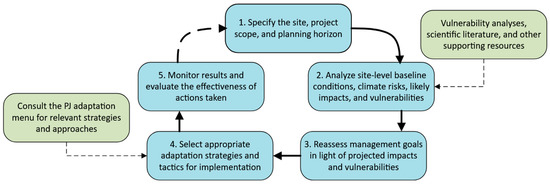
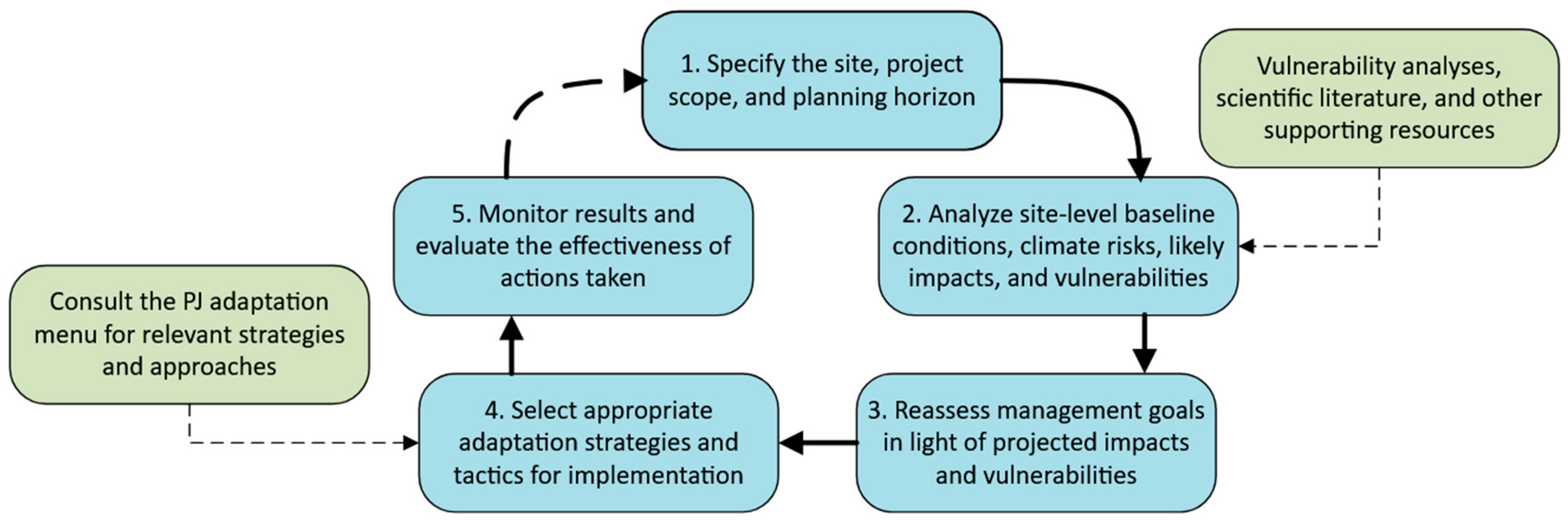
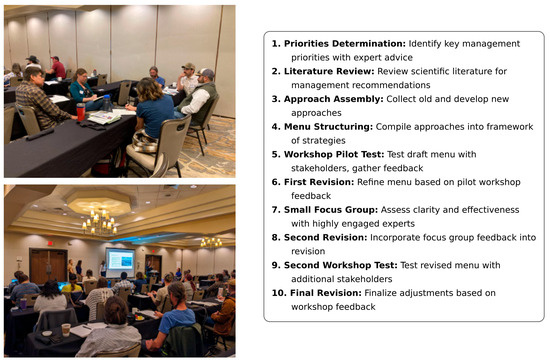
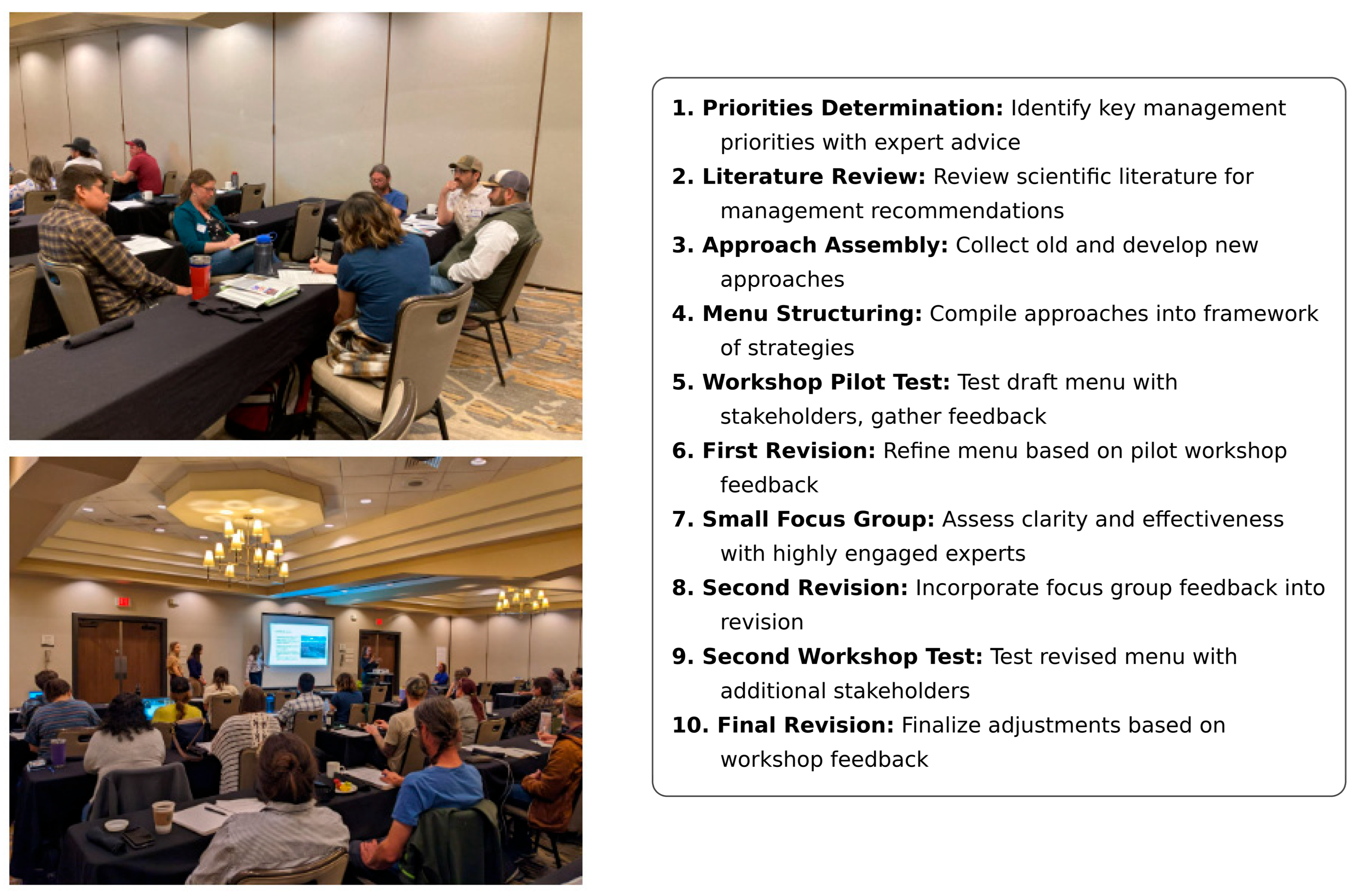
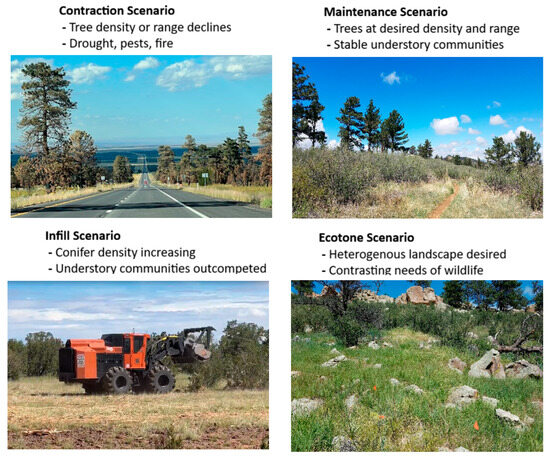
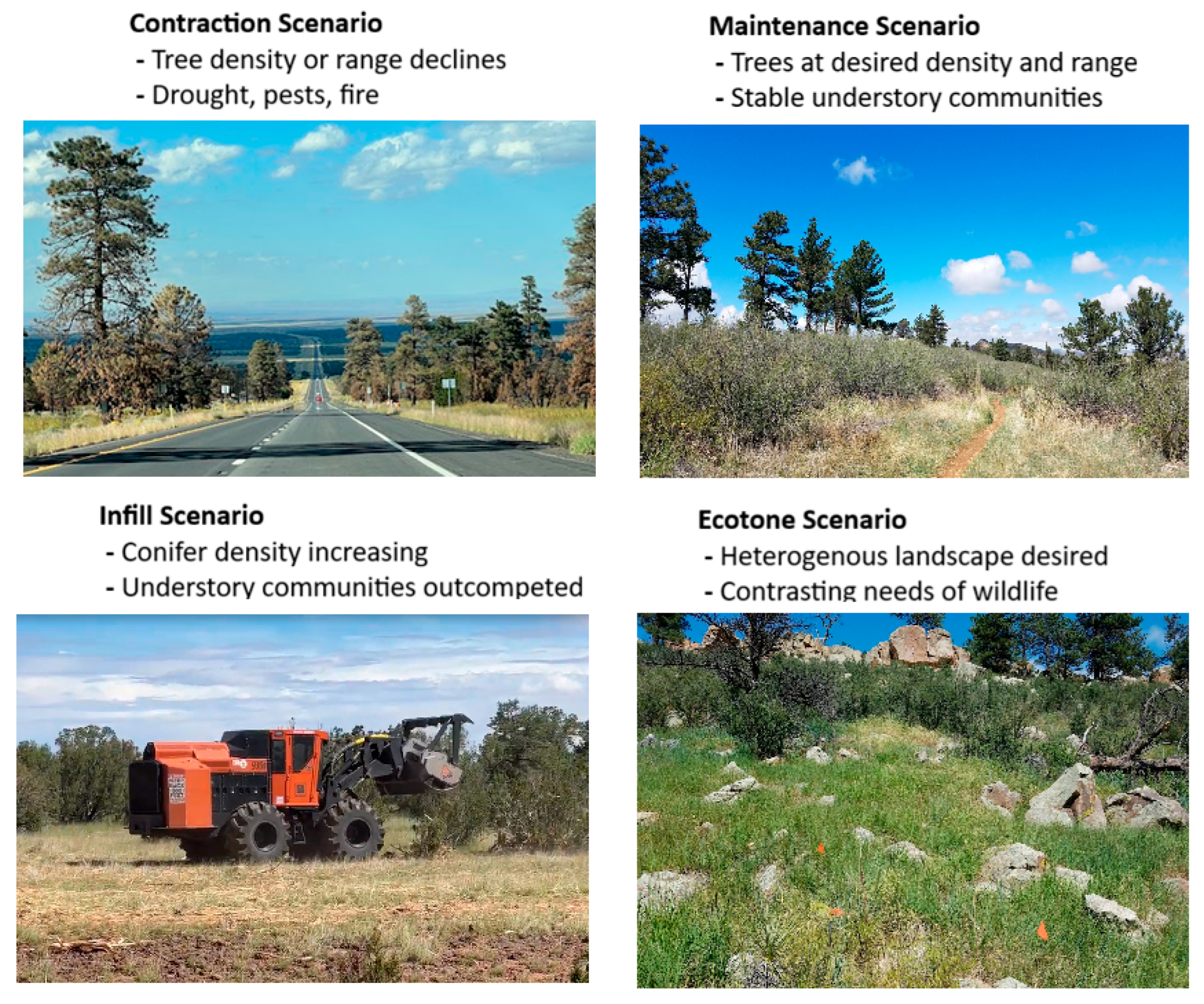
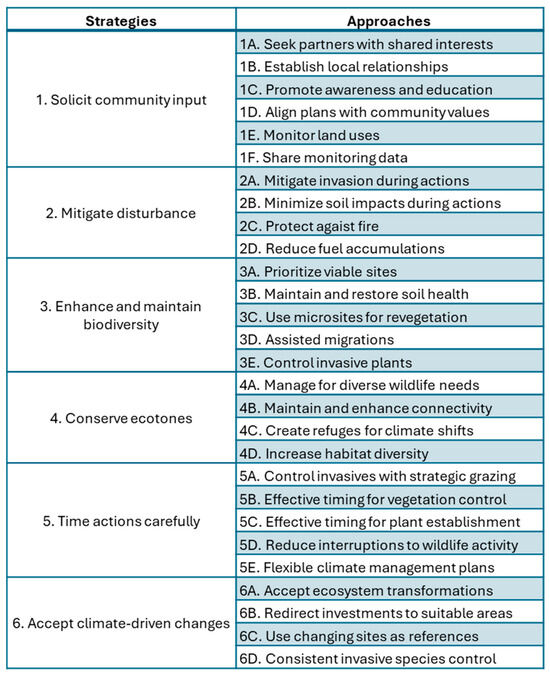
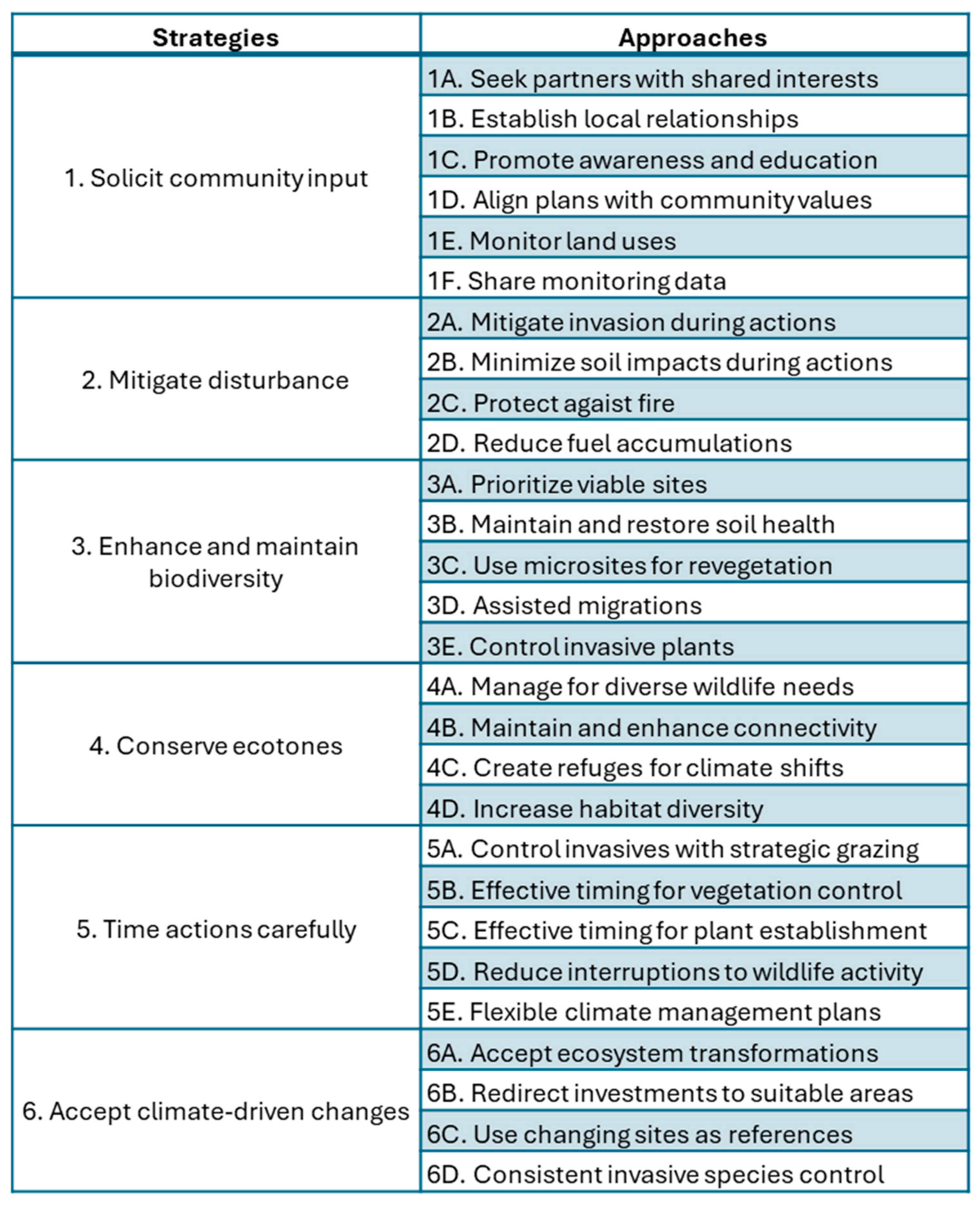
Disclaimer/Publisher’s Note: The statements, opinions and data contained in all publications are solely those of the individual author(s) and contributor(s) and not of MDPI and/or the editor(s). MDPI and/or the editor(s) disclaim responsibility for any injury to people or property resulting from any ideas, methods, instructions or products referred to in the content. |
© 2026 by the authors. Licensee MDPI, Basel, Switzerland. This article is an open access article distributed under the terms and conditions of the Creative Commons Attribution (CC BY) license.