


Abstract
Pine wilt disease (PWD), caused by Bursaphelenchus xylophilus, is driven by a tri-component system involving the pinewood nematode, Monochamus spp. beetle vectors, and susceptible pine hosts. Chemical control remains a scenario-dependent option for emergency suppression and high-value protection, but its deployment is constrained by strong regional regulatory and practical differences. In Europe (e.g., Portugal and Spain), field chemical control is generally not practiced; post-harvest phytosanitary treatments for wood and wood packaging rely mainly on heat treatment, and among ISPMs only sulfuryl fluoride is listed for wood treatment with limited use. This review focuses on recent progress in PWD chemical control, summarizing advances in nematicide discovery and modes of action, greener formulations and delivery technologies, and evidence-based, scenario-oriented applications (standing-tree protection, vector suppression, and infested-wood/inoculum management). Recent studies highlight accelerated development of target-oriented nematicides acting on key pathways such as neural transmission and mitochondrial energy metabolism, with structure–activity relationship (SAR) efforts enabling lead optimization. Formulation innovations (water-based and low-solvent products, microemulsions and suspensions) improve stability and operational safety, while controlled-release delivery systems (e.g., micro/nanocapsules) enhance penetration and persistence. Application technologies such as trunk injection, aerial/Unmanned aerial vehicle (UAV) operations, and fumigation/treatment approaches further strengthen scenario compatibility and operational efficiency. Future research should prioritize robust target–mechanism evidence, resistance risk management and rotation strategies, greener formulations with smart delivery, and scenario-based exposure and compliance evaluation to support precise, green, and sustainable integrated control together with biological and other sustainable approaches.
1. Introduction
Pine wilt disease (PWD), caused by the pine wood nematode Bursaphelenchus xylophilus (Nematoda, Aphelenchidae), is one of the most severe invasive threats to pine forest ecosystems worldwide [1]. Since the early twentieth century, when the B. xylophilus spread from North America to East Asia, the disease has continued to cause outbreaks in Japan, China, South Korea, and several European countries, leading to large-scale pine mortality [2].
Species of the genus Pinus are important timber resources and are widely used in construction, furniture manufacturing, papermaking, and woodworking industries [3]. They are also a crucial component of forest ecosystems. As a core pillar of carbon sinks in Northern Hemisphere forests, pine forests account for 17.7% of the total global forest carbon stock and play a key role in maintaining ecological balance and conserving soil and water resources [4]. Consequently, pine wilt disease poses a substantial threat to global forest ecosystems and the timber trade.
As a major forestry country in Europe, France first detected this disease in November 2025 in the Seignosse (Landes) in southwestern France. This event indicates that the emergence of pine wilt disease in new regions may impose increased pressure on monitoring and control efforts, requiring advance assessment and response in the allocation of resources for quarantine, surveillance, and management [5]. Taking China as an example, since the disease was recorded firstly in Nanjing in 1982, PWD has spread rapidly and persisted across multiple regions, resulting in large-scale pine mortality and significant ecological and economic losses [6]. Owing to its long transmission chain and high management costs, this disease has long been regarded as a major challenge in global forest health management [7].
To address the increasingly severe threat posed by pine wilt disease, a range of management strategies have been explored and implemented in different regions, including physical removal, ecological regulation, biological control, and quarantine measures. However, owing to the concealed colonization and reproduction of the pathogenic nematode within host trees, the complexity of forest environments, and the narrow window for effective intervention, the efficacy of single control measures is often limited. Consequently, disease management has gradually shifted toward integrated and regional governance approaches that combine multiple technologies. Notably, the role and acceptance of chemical control in pine wilt disease management vary markedly among regions, which is closely associated with differences in forest management systems, pesticide registration frameworks, ecological risk tolerance, and operational conditions. In East Asian countries, where pine forests are intensively managed, disease outbreaks occur frequently, and rapid suppression is required, chemical control has traditionally played an important role in emergency response and the protection of standing trees [8]. In contrast, forest management in Europe follows a precautionary regulatory principle, with strict pesticide approval procedures and a strong emphasis on biodiversity conservation; accordingly, the use of chemical interventions is more cautious and highly context dependent, and such measures are generally regarded as supplementary tools within integrated forest pest management rather than as primary or routine solutions [9].
For example, chemical control has not yet been implemented in forest stands in European outbreak regions such as Portugal and Spain. Under the current International Standards for Phytosanitary Measures (ISPMs), sulfuryl fluoride is permitted only for post-harvest wood treatment, with its application scope being strictly limited [10]. Following the gradual phase-out of methyl bromide, heat treatment has become the preferred option for wood packaging and quarantine facilities [11]. To date, routine in-forest chemical control has been mainly practiced in China, while limited applications have been reported in some regions of South Korea; however, the safety of chemical agents remains a major public concern [12]. This reality highlights the strong regional specificity of chemical control strategies and underscores the importance of evaluating chemical interventions within differentiated governance and management contexts.
Within the above integrated management framework, chemical control remains an important technical component, particularly in high-risk areas and during the early stages of disease outbreaks, where its rapid onset of action, operational feasibility, and ability to directly protect living trees confer significant practical value. Accordingly, chemical measures should be selected and applied in a scenario-specific manner as part of integrated control programs. From a developmental perspective, chemical control of pine wilt disease has undergone several stages: early reliance on organophosphates and fumigants [13,14,15], followed by the widespread use of macrocyclic lactones and neonicotinoid insecticides, and more recently the emergence of modern nematicides with well-defined molecular targets and improved environmental profiles [16,17,18]. Bibliometric analyses indicate that, since the early twenty-first century, research output related to the chemical control of pine wilt disease has increased steadily, with research directions shifting markedly from empirical applications toward mechanism-driven, targeted, and sustainability-oriented strategies [19,20].
It should be emphasized that the applicability of chemical measures is constrained by registration approvals, application scenarios, and ecological exposure risks, and such measures should therefore be employed as stage-specific or conditional tools under a framework of risk–benefit assessment and regulatory compliance. Accordingly, this review does not regard chemical control as the sole or long-term dominant solution for pine wilt disease management; rather, it evaluates chemical interventions as stage-specific and conditional tools within integrated management systems under defined ecological and regulatory contexts. Against this background, the present review systematically summarizes recent advances in the chemical control of pine wilt disease, with a particular focus on four interrelated core areas: mechanism-driven discovery of novel nematicides, structure–activity relationship-guided molecular optimization, formulation innovation and nanodelivery technologies, and the optimization of precision application methods such as trunk injection and unmanned aerial vehicle spraying. Compared with existing reviews that primarily emphasize empirical applications or single technological aspects, this review offers three key innovations: (1) integration of molecular target discovery based on omics and structural biology with practical application technologies, thereby constructing a systematic “target–compound–formulation–application” framework; (2) incorporation of regional differences in governance systems between East Asia and Europe into evaluations of the efficacy and safety of chemical control, providing scenario-adapted technical references; and (3) critical examination of the ecological risks and governance dependency associated with chemical control, rather than a sole focus on its advantages, thereby laying a foundation for the development of balanced and sustainable integrated management strategies. By integrating historical development with contemporary ecological and regulatory considerations, this review provides an in-depth analysis of the scientific bottlenecks and future directions of chemical control within integrated management frameworks, aiming to offer comprehensive guidance for the development of more precise, efficient, and environmentally friendly control strategies. Looking ahead, effective management of pine wilt disease will require strengthened integration of chemical control with biological control and green prevention technologies, promoting the establishment of a diversified integrated management system centered on ecological safety to achieve long-term disease control and the sustainable development of forest ecosystems.
This review is structured around the transmission chain of the pinewood nematode, the vector beetle, and the host pine trees, and, in combination with typical scenarios such as standing tree protection, vector interruption, and infection source management, systematically examines the targets and mechanisms of chemical control, pesticide agents and formulation delivery, application technologies, and region-specific evidence, thereby providing a reference for precision chemical use and risk assessment within integrated management programs.
2. Development History of Chemical Control of PWD
From a broader perspective of nematode management research, the application of nematicides and their chemical lineages has evolved from early reliance on fumigants and broad-spectrum compounds toward approaches that emphasize target selectivity, environmental safety, and adaptation to specific application scenarios [21,22]. With the increasing rigor of ecological risk assessments and regulatory requirements, many systems have reduced dependence on high-risk compounds and placed greater emphasis on integrated management with non-chemical measures.
Within this context, chemical control of pine wilt disease exhibits distinct characteristics associated with the “pathogen–vector–host” triad. The pathogenic B. xylophilus colonizes and reproduces within the host tree and is transmitted by the vector beetle, making chemical interventions applicable both to the nematode itself (e.g., systemic treatment of standing trees) and to the suppression of vector populations or the narrowing of transmission windows. Additionally, chemical measures can be applied to infected trees or wood during quarantine and post-harvest treatments to reduce sources of infection [23].
Regarding vector control, some regions conduct forest or canopy applications during adult beetle emergence and supplementary feeding periods; however, types of chemical agents, registration approvals, and application scales vary considerably. These interventions are typically coupled with trapping, monitoring, and removal of infected trees, and non-target exposure risks must be carefully evaluated. For high-value individual trees, trunk injection is sometimes used to enhance persistence of the treatment [24,25,26]. The differences in chemical classes, registration status, and application scales among regions, along with the need to coordinate with infected tree removal and monitoring measures, underscore the importance of reducing reliance on a single chemical strategy while controlling potential ecological risks.
Within the research framework for pine wilt disease management, both the volume of chemical control-related literature and the focus of research have evolved significantly over time. To ensure the scientific rigor and reproducibility of the literature survey in this study, a standardized literature search and screening procedure was employed. Specifically, the Web of Science (WOS) Core Collection and the China National Knowledge Infrastructure (CNKI) databases were used as data sources, with keywords including “Bursaphelenchus xylophilus” and “chemical control” applied in the topic fields. All searches were conducted on 4 January 2026.
The inclusion criteria were studies explicitly involving chemical control of PWD (e.g., pesticide screening, modes of action, formulations/delivery, application methods, and efficacy evaluation) in either Chinese or English-language publications. Excluded were conference abstracts, news reports, patents, and publications with insufficient topical relevance. The process and key data are shown in Table 1.
Table 1.
Summary of literature retrieval and screening strategy and key data for studies on chemical control of PWD.
To provide a more intuitive presentation of the literature search and screening logic, the above procedure is summarized in a flowchart (Figure 1).
Figure 1.
Flow diagram of the literature search and screening process.
Following this process, a total of 390 relevant Chinese- and English-language publications published between 1988 and 2025 were obtained, spanning from the late 1980s to the present. Bibliometric analysis indicates that, although the number of publications fluctuated slightly in certain years, the overall trend has shown a continuous increase (Figure 2). This trend requires interpretation in conjunction with the evolution of research topics.
Figure 2.
Temporal distribution of published studies on chemical control of PWD (1988–2025).
The period from 1988 to 2000 represents the early exploratory stage, characterized by a relatively low publication volume. Research topics were primarily focused on traditional nematicides (e.g., fumigants, organophosphates), including laboratory toxicity testing and preliminary field applications, with the core objective of emergency response during the initial outbreaks of pine wilt disease. From 2001 to 2015, the field entered a rapid development stage, with steadily increasing publication output. The research focus shifted toward optimization of application techniques (e.g., trunk injection, unmanned aerial vehicle spraying) and the development of pesticide combinations, while also beginning to consider impacts on non-target organisms. This shift was closely associated with the expansion of outbreak areas during this period, the rising demand for refined control strategies, and innovations in application equipment. The period from 2016 to 2025 is defined as the high-quality development stage, characterized by a significant increase in publication volume. Research topics during this stage have become more diversified and environmentally oriented, with particular emphasis on the development of eco-friendly nematicides (e.g., bio-based nematicides, nano-formulated delivery systems), integration of chemical and biological control technologies, and assessment of pesticide residue risks. This trend reflects a shift in disease management concepts from “rapid emergency control” toward “green and sustainable management” (Table 2). The stage divisions are based on comprehensive summarization of changes in publication volume and keyword co-occurrence characteristics, representing descriptive categorizations rather than formal policy-based periods.
Table 2.
Thematic evolution of chemical control research on PWD across different developmental stages.
In summary, the continuous increase in publication volume not only reflects the growing importance of chemical control in pine wilt disease management, but also reveals the evolution of research topics in response to changing control needs, technological innovations, and environmental protection concepts. This provides clear literature support and directional guidance for the precise development and efficient application of chemical control technologies. From a historical perspective on pine wilt disease management, the rise and development of chemical control have undergone distinct transitional stages, which closely correspond with the observed trends in the literature.
In the early to mid-20th century, when the outbreak and transmission mechanisms of pine wilt disease were not yet well understood, control relied primarily on physical and silvicultural measures, such as felling and burning infected trees, and removing bark and roots to interrupt pathogen transmission pathways [13,27]. Such measures could be effective on a small scale or in areas with low incidence, but they were highly labor- and resource-intensive and insufficient for sustained control across large pine forests. As outbreaks expanded over broader geographical areas, the limitations of purely physical and silvicultural measures became increasingly apparent—they lacked curative effects against the nematode, and biological or ecological control approaches could not respond rapidly in large-scale epidemics. During urgent outbreak stages, efficient intervention measures were urgently needed to contain disease spread. Under this context, chemical control was systematically introduced into the pine wilt disease management system and quickly became a key component, laying the practical foundation for the subsequent emergence of related publications after 1988.
In the late 20th century (corresponding to the early exploratory stage of the literature, 1988–2000), chemical control entered the stage of basic management system construction, with research gradually focusing on the control of the vector pine sawyer beetle (Coleoptera: Cerambycidae) and forming multi-step pesticide application strategies targeting the “beetle–infected wood–diseased tree” pathway. On one hand, in standing tree control, trunk injection of agents such as fenitrothion or fenthion was applied to enable translocation through the tree’s conductive tissues, simultaneously killing nematodes and beetle larvae inside the tree. On the other hand, foliar spraying with fenitrothion or carbaryl was used to suppress adult beetle feeding and oviposition. For infected or dead trees, fumigants such as methyl bromide and aluminum phosphide were applied to efficiently eliminate nematodes and larvae in the wood, thereby blocking secondary transmission [28,29,30]. During the same period, chemical treatments targeting the B. xylophilus itself included inorganic or conventional nematicides such as fenamiphos, aldicarb, levamisole hydrochloride, and some pyrethroid formulations, which achieved temporary mitigation of outbreaks under certain conditions [14,15,31]. These practices correspond to the literature characteristic of this stage, which concentrated on laboratory toxicity testing and preliminary field applications of traditional nematicides.
From the early 21st century to 2015 (corresponding to the rapid development stage of the literature), chemical control entered a period of rapid expansion, with a continuous diversification of chemical agents and a shift in control targets from primarily the vector insect toward both the pathogenic nematode and the vector. Agents including fensulfothion, avermectin, beta-cypermethrin, emamectin benzoate (EB), thiacloprid, and fluopyram, were successively introduced or evaluated, showing enhanced direct toxicity against B. xylophilus and related nematodes and demonstrating promising prospects for both laboratory and field applications [25,32,33]. At the same time, trunk injection techniques were increasingly refined, and aerial application began to be used for medium- to large-scale forest management. These developments align closely with the bibliometric finding that research focus shifted toward application technique optimization and pesticide combination development, reflecting both the expansion of outbreak areas and the increasing need for precise control measures during this period.
From 2016 to the present (corresponding to the high-quality development stage of the literature), research on chemical control of pine wilt disease has further advanced toward greener and more precise strategies. The development of nano-formulations and novel dosage forms has improved active ingredient stability and targeted delivery efficiency, significantly enhancing control precision and pesticide utilization [26,34,35]. Concurrently, research has focused on eco-friendly agents (e.g., bio-based nematicides), integration of chemical and biological control technologies, and pesticide residue risk assessment [36]. These trends confirm the diversification and greening of research topics and reflect a paradigm shift in disease management from “rapid emergency control” toward “green and sustainable management”.
In summary, since the late 1980s, chemical control of pine wilt disease has evolved from an exploratory phase dominated by physical and silvicultural measures with chemical interventions as a supplement, through the establishment of a basic system supported by organophosphate and inorganic nematicides, to a comprehensive chemical control stage centered on high-efficiency specialized agents, combination formulations, and refined application techniques. This historical trajectory is highly consistent with the thematic evolution revealed by bibliometric analysis, reflecting the long-term core role of chemical control in integrated management of pine wilt disease and providing an important foundation of technical knowledge and practical experience for subsequent innovations based on molecular targets and novel formulations.
3. Classification of Nematicide Action Mechanism and Registration Status of Nematicides for B. xylophilus Control
3.1. Classification of Modes of Action of Existing Nematicides
According to the classification of nematicide modes of action by the Insecticide Resistance Action Committee [37], chemical agents used for pine wilt disease control can be categorized into multiple functional groups with distinct molecular targets or modes of action. Existing research has mainly focused on acetylcholinesterase (AChE) inhibitors (N-1A; N-1B), glutamate-gated chloride channel (GluCl) modulators (N-2), succinate dehydrogenase inhibitors (SDHIs, N-3), acetyl-CoA carboxylase (ACC) inhibitors (N-4), as well as several candidate agents with mechanisms not yet clearly defined (N-UN, N-UNX, N-UNE, N-UNF). The toxicological performance of these different target types against B. xylophilus and other plant-parasitic nematodes (e.g., Meloidogyne incognita and Ditylenchus destructor) provides diverse technical pathways for chemical control of pine wilt disease (Table 3). Table 3 also includes some low-risk or naturally derived formulations (e.g., fungal- or plant-based agents) to illustrate the comparison across different risk spectra, although the application evidence for these should be discussed separately from that of synthetic chemical agents.
Table 3.
Classification of modes of action of nematicides published by the Nematode Working Group of the Action Committee on Pesticide Resistance (January 2026).
3.1.1. AChE Inhibitors (N-1A; N-1B)
AChE inhibitors act by competitively or non-competitively inhibiting acetylcholinesterase activity in nematodes, leading to the accumulation of acetylcholine at synaptic junctions, continuous neuronal excitation, and ultimately paralysis and death [38]. Representative compounds include fenamiphos, aldicarb, and ethoprophos, which were widely used in the early stages for trunk injection treatments against B. xylophilus. These compounds also exhibit pronounced nematicidal activity against M. incognita and D. destructor [39,40]. However, their use has been progressively restricted due to environmental risks, limited persistence, and adverse effects on non-target organisms. Nevertheless, the well-defined neurotoxic mode of action and rapid efficacy of AChE inhibitors continue to provide reliable tools for emergency control and trunk injection applications. Through formulation optimization or low-dose combination strategies, it may be possible to extend their application lifespan and provide valuable reference frameworks for the design of novel neuro-targeting compounds.
3.1.2. GluCl Modulators (N-2)
This class of compounds primarily targets γ-aminobutyric acid (GABA)- and glutamate-gated chloride ion channels, inducing neuronal membrane hyperpolarization and consequently reducing nematode motility. Representative agents include avermectin and EB, which exhibit high toxicity against both B. xylophilus and M. incognita [25,41,42]. These compounds constitute one of the most widely applied categories of neurotoxic nematicides. Owing to their high target selectivity and broad-spectrum activity, GluCl modulators may further enhance application efficiency and targeting precision through improved trunk-injection formulations or integration with controlled-release delivery systems, thereby providing a stable and reliable technical basis for pine wood nematode management.
3.1.3. SDHIs (N-3)
SDHI nematicides exert their effects by inhibiting mitochondrial complex II (succinate dehydrogenase, SDH) in nematodes, thereby disrupting the tricarboxylic acid cycle and electron transport chain, leading to impaired energy metabolism and rapid mortality. The representative compound fluopyram exhibits markedly higher nematicidal activity than traditional agents (e.g., avermectin and EB), and can induce high mortality of B. xylophilus within a short period [43,44,45]. A new-generation SDHI compound, cyclobutrifluram, significantly suppresses egg production and hatching in B. xylophilus; when applied via trunk injection, it shows stable and reliable control efficacy and has progressed from laboratory studies to pilot-scale validation [34,46]. Owing to their well-defined target site, high potency, and relatively favorable safety profile toward non-target organisms, SDHI nematicides represent a core direction in chemical control research and development. With the advancement and deployment of novel high-activity molecules, SDHIs have the potential to become an integral component of standardized control technologies, providing a foundation for multi-target, high-efficiency management strategies.
3.1.4. ACC Inhibitors (N-4)
ACC is a key rate-limiting enzyme in fatty acid biosynthesis, and its inhibition disrupts lipid metabolism of nematode cell membranes. Spirotetramat is metabolized in plants to spirotetramat-enol, which exhibits pronounced inhibitory activity against Caenorhabditis elegans and plant-parasitic nematodes [47]. Studies on its efficacy against B. xylophilus remain at an early stage. As a non-neurotoxic class of compounds targeting a novel biochemical pathway, ACC inhibitors expand the range of available chemical control options. With further investigation into their modes of action and environmental adaptability, these compounds have the potential to support the development of low-toxicity, high-efficacy nematicides with differentiated mechanisms of action.
3.1.5. Agents with Unknown or Multiple Potential Modes of Action (N-UN/N-UNX/N-UNE/N-UNF)
Some nematicides and candidate molecules cannot yet be clearly classified within existing mode-of-action categories. Their biological effects may involve interference with neural signaling, metabolic inhibition, or cellular structure disruption. For example, certain sulfone-containing nematicides and plant-derived compounds exhibit significant nematicidal activity, but their specific molecular targets have not been systematically elucidated [48,49,50].
The unclear characterization of these agents’ modes of action arises from three main factors: (1) formulation complexity, particularly for natural product-based agents containing multiple active constituents, making it difficult to distinguish the contribution of individual components; (2) the widespread presence of true multi-target effects, which single-target validation methods fail to fully capture; and (3) research emphasis historically biased toward activity screening rather than systematic mechanistic studies, resulting in insufficient molecular biological and biochemical evidence. Consequently, the modes of action of such nematicides often remain at a speculative or inferred level.
Although their modes of action remain unclear, these multi-target or mechanism-unknown compounds exhibit substantial potential activity and broad-spectrum effects. Through systematic investigations into their molecular mechanisms and subsequent structural optimization, novel targets may be identified, providing innovative avenues for PWD management while also expanding the application potential of natural products and multifunctional compounds.
3.2. Current Registration Systems and Formulation Status for PWD
Different countries and regions have established significantly distinct registration systems, formulation compositions, and application practices for chemical control of PWD. These differences are not solely determined by pesticide development capacity or market supply but are shaped by the interplay of regulatory frameworks, risk perception and management objectives, and practical forestry conditions. At the regulatory level, pesticide registration generally emphasizes human health and ecological risk assessments, imposing varying restrictions on application scenarios, methods, and sensitive areas. From a management perspective, regional priorities differ: some focus on rapid suppression during outbreak periods, while others emphasize preventive quarantine and long-term ecological risk management. At the operational level, forest structure, accessibility, labor and mechanization capacity, and the maturity of infected-wood handling systems directly influence the feasibility and cost-effectiveness of chemical control measures. The combined effect of these factors determines country-specific differences in the number of registered nematicides, selection of active ingredients, and formulation structures.
In Europe, the number of registered chemical agents for controlling Monochamus spp. is limited, with EB being among the few approved active ingredients. Where permitted, EB is applied only in highly restricted contexts, such as trunk injection of selected high-value individual trees or trees located within narrowly defined risk buffer zones, reflecting a precautionary regulatory approach rather than a reliance on stand-scale chemical intervention in forest ecosystems [51]. These interventions are not implemented as routine field-level control measures but are instead regarded as auxiliary, situational tools, used in combination with sanitation felling, removal of infected wood, and quarantine treatment of timber and packaging materials [52].
In North America, pine wilt disease management emphasizes quarantine and the individual protection of high-value or landscape trees. Accordingly, systemic nematicides or insecticides (e.g., avamectin and EB) are primarily applied via trunk injection to target trees, reducing the risk of B. xylophilus infection or infestation by Monochamus spp. vectors [53,54].
Japan, as one of the earliest countries affected by pine wilt disease, has developed a relatively systematic registration system for dedicated products, covering multiple application scenarios, including trunk injection, aqueous applications, and fumigation. Registered products are mainly formulated as emulsifiable concentrates (EC), microemulsions (ME), and emulsions in water (EW), emphasizing the synergistic control of both B. xylophilus and adult Monochamus spp. vectors, reflecting an integrated chemical management strategy shaped by long-term practice [55].
South Korea’s registration system is generally similar to that of Japan but places greater emphasis on graded measures corresponding to different outbreak stages. The registered products include relatively more trunk injection and forest spray agents, with commonly used formulations including EC, suspension concentrates (SC), and wettable powders (WP), supporting multi-dimensional control of both vector insects and B. xylophilus [56].
In China, with the continuous intensification of national-level efforts to control pine wilt disease, the registration system for chemical control products has been rapidly expanded and refined [57]. According to the registration information summarized in the original sources, a total of 73 formulations are currently registered for pine wood nematode control in China (Table 4), covering a range of active ingredients, including avermectin, EB, and imidacloprid.
Table 4.
Summary of registered nematicides for B. xylophilus control in China (Data retrieved as of January 2026).
The formulation spectrum is relatively diverse, encompassing EC, ME, EW, soluble concentrates (SL), capsule suspensions (CS), SC, and aqueous solutions (AS). This multi-formulation registration structure supports different application scenarios, including trunk injection, spraying, and mechanized pesticide application (Table 4) [58,59].
Differences in formulation types and active ingredient selection among countries reflect variations in technological adaptability and management objectives. In the future, further improvements in control efficiency while maintaining ecological safety may be achieved through formulation innovation, dose optimization, and combined application strategies.
4. Innovative Development of B. xylophilus Control Agents and Formulation Application Technologies
4.1. Development of Novel Control Agents
Since 2015, methyl bromide has been banned due to its ozone-depleting effects [60]. Although alternative fumigants such as sulfuryl fluoride have partially alleviated B. xylophilus damage, issues remain, including the rapid development of resistance as well as environmental and human health risks [61,62]. Currently, under specific application scenarios, non-fumigant nematicides such as avermectin and its derivative EB have become core components of integrated control strategies; however, challenges related to resistance management and ecological safety persist [63,64]. Accordingly, building on the application basis of SDHI compounds, macrocyclic lactones, and other well-defined agents discussed in Section 2, recent research has increasingly shifted toward novel molecule design, structural optimization, and innovation in formulations and application technologies. These efforts aim to enhance nematicidal activity, extend residual efficacy, reduce non-target risks, and improve overall ecological safety.
Against the backdrop of rising demands for high efficacy, safety, and resistance management, chemical control research has gradually converged on a systematic development pathway encompassing “novel target identification–structure optimization–new molecule design–application validation.” Current studies primarily focus on activity optimization within SDHI compounds, as well as the development of new small-molecule nematicides based on active scaffolds such as oxadiazoles, isoxazoles, amides, and quinazolines. Oxadiazole and isoxazole derivatives are widely explored as new nematicide scaffolds, designed based on structural hypotheses potentially interfering with metabolism or key enzymatic processes, although specific molecular targets remain unclear. Quinazoline compounds are also considered to possess nematicidal potential, possibly acting through signaling pathway regulation; the incorporation of amide moieties is commonly used to enhance selectivity, physicochemical properties, and overall activity.
4.1.1. Existing Molecule Optimization and New Molecule Design
Structural optimization of existing nematicides and design of novel small molecules represent a key research direction in B. xylophilus chemical control, featuring a clear progression from “structural modification” toward “innovative design”.
Structural Optimization
With respect to optimization of existing compounds, abamectin—derived from structural modification at the C22 position of avermectin—exhibits markedly enhanced nematicidal activity. Improvements in molecular polarity and membrane permeability are considered the primary factors underlying its increased toxicity. Although this compound remains at the laboratory evaluation stage, its structural optimization strategy provides a valuable reference for the further development of other macrocyclic lactone nematicides [65].
Exploration of Novel Scaffolds
Oxadiazole/Isoxazole Compounds: Oxadiazole and isoxazole compounds containing N–O five-membered heterocycles have attracted considerable attention due to their favorable biological activities. At a concentration of 200 mg/L, compounds 4i and 4p exhibited corrected mortalities of 57.1% and 60.1%, respectively, after a defined exposure period, substantially higher than that of the commercial nematicide tioxazafen (13.5%) [66], indicating strong development potential for this scaffold. In addition, among 34 chalcone derivatives containing a 1,2,4-oxadiazole moiety designed by Luo Ling et al. [67], compounds A13 and A14 showed LC50 values of 35.5 mg/L and 31.8 mg/L against B. xylophilus, respectively. These activities were markedly superior to those of fosthiazate, avermectin and tioxazafen (all reference LC50 values > 100 mg/L).
Novel Amide-Based Nematicides: New amide-based derivatives incorporating oxazole moieties as core structural elements have demonstrated pronounced inhibitory effects on B. xylophilus egg hatching and larval feeding. Compound B21 exhibited an LC50 value of 3.2 mg/L. Although this activity was slightly lower than that of fluopyram (0.4 mg/L), it was substantially superior to that of the commercial nematicide tioxazafen (102.2 mg/L), highlighting its promising development potential [68]. These findings suggest that the amide functional group is a key structural motif for enhancing nematicidal activity, and that further modification may improve selectivity, physicochemical properties, and overall efficacy.
Quinazoline Derivatives: The mode of action of quinazoline compounds has not yet been fully elucidated, but they are hypothesized to exert toxicity through modulation of signaling pathways. In novel nematicide development, the introduction of electron-withdrawing substituents—such as chlorine, fluorine, or trifluoromethyl groups—at strategic positions can enhance binding affinity to potential targets and thereby increase biological activity. Laboratory studies have demonstrated relatively high activity for these derivatives; however, they remain largely at the preliminary screening or pot experiment stages. Further advancement will require integrated evaluation of toxicity, environmental behavior, and chemical stability to facilitate their translation into practical control agents [69,70,71].
Overall, this research direction has yielded multiple high-activity candidate molecules, but most remain at the laboratory stage. Future development must consider toxicity, environmental fate, and stability to achieve translation into practical nematicides.
4.2. Formulation Innovation and Delivery Technologies
In Section 2, we systematically reviewed the current formulation profiles of pesticides registered for PWD control across different countries, including EC, ME, EW, SC, SL, and CS, and clarified the applicability of different application methods in forestry practice. Building on this foundation, the present section focuses on recent advances in formulation improvement and delivery technologies, with the aim of exploring their innovative roles in enhancing pesticide bioavailability, improving uptake and translocation within host trees, reducing non-target exposure, and optimizing ecological safety. A systematic analysis of these technologies not only provides theoretical support for the efficient application of pine wood nematode control agents but also lays a solid foundation for the development of greener and more intelligent disease management strategies in the future.
4.2.1. ME and Other Water-Based Green Formulations
With the increasing emphasis on environmental friendliness and ecological safety in chemical control practices in forestry, the limitations of traditional emulsifiable concentrate (EC) formulations have become increasingly apparent. The high content of organic solvents in ECs is associated with environmental pollution and safety risks, leading to growing restrictions on their use [72]. In contrast, water-based green formulations such as ME, EW, and SC offer advantages including good dispersibility, high permeability, and strong environmental compatibility [73].
Studies have shown that abamectin microemulsions outperform EC formulations in terms of surface tension reduction, permeability, and wettability, resulting in lower losses of the active ingredient during application [74]. Moreover, both LC50 and LC90 values of the microemulsion are significantly lower than those of the EC formulation, indicating stronger nematicidal activity and higher utilization efficiency [41]. Similarly, comparative studies of different formulations of EB demonstrated that microemulsions and suspension concentrates exhibit significantly lower toxicity to non-target organisms than ECs and water-dispersible granules, suggesting that formulation optimization can enhance efficacy while simultaneously improving ecological safety [75].
Due to their small particle size and strong dispersibility, microemulsions facilitate improved uptake and translocation within host trees, thereby reducing active ingredient loss and increasing application efficiency [76]. In addition, water-based green formulations are readily compatible with nanocarriers, controlled-release technologies, and intelligent delivery systems, providing a technological foundation for the precise application and long-term control of pine wood nematode agents.
Overall, microemulsions and related water-based green formulations enhance bioavailability while reducing environmental risks and non-target exposure, offering a sustainable formulation pathway for pine wood nematode management and supporting the future development of green and intelligent control strategies.
4.2.2. Nanocarriers and Smart Release Systems
Nanotechnology, owing to its submicron size effects, high specific surface area, and excellent drug-loading capacity, has gradually become an important direction in formulation innovation for pine wood nematode control agents [77]. Nanocarriers—including nanospheres, microcapsules, and mesoporous materials—can effectively protect active ingredients, improve aqueous dispersibility and stability, and enable controlled release and prolonged efficacy [78]. For example, mesoporous silica-loaded avermectin has been shown to extend cumulative release time to 12 days, effectively preventing photodegradation [34]. Avermectin encapsulated in bovine serum albumin nanocapsules significantly improved photostability and exhibited enhanced toxicity against B. xylophilus and M. alternatus [79]. Inorganic nanocarriers such as dendritic mesoporous silica improve absorption efficiency in pine trees and allow more uniform tissue distribution [80], while biobased nanomaterials such as castor oil–derived waterborne polyurethane nanoemulsions enhance rainfastness and retention of clothianidin and are renewable, aligning with green development goals [81].
However, the application of nanotechnology in forest ecosystems still faces challenges, as its potential long-term ecological impacts have not been fully evaluated. Studies indicate that once nanomaterials enter soil, they may affect microbial community structure and function through direct contact or ion release. For instance, copper oxide nanoparticles can reduce peroxidase and polyphenol oxidase activities and alter microbial community composition [82]. A global meta-analysis further revealed that nanomaterials generally exert negative effects on soil microbial diversity and biomass, with stronger inhibitory effects on fungi than on bacteria, and such impacts may persist for months to years [83]. Nano-TiO2 can influence aquatic ecosystems by altering energy transfer within planktonic food webs [84], while the neurotoxicity of silver nanoparticles depends on coating materials and may induce neurodegenerative effects [85]. In addition, the adhesion properties of nanomaterials, ion release, and environmental pH changes can affect their stability and release behavior [86].
To address these ecological risks, recent studies have explored mitigation strategies at three levels: material selection, structural design, and risk assessment. Biodegradable or biobased nanomaterials can reduce long-term accumulation risks in the environment [87]. Surface modification and coating strategies can regulate nanomaterial interactions with biological systems to reduce non-target exposure [88]. Multi-scale ecotoxicology-based risk assessment frameworks are gradually being established to systematically evaluate environmental fate and ecological impacts of nanomaterials in soil and water [89].
In summary, future research should pursue a balanced strategy integrating “efficacy enhancement and risk control.” This includes continued focus on the screening of green, low-toxicity nanomaterials and the development of intelligent, stimulus-responsive delivery systems [90,91], particularly enzyme-responsive nanopesticides capable of pathogen-specific recognition and precise release to further reduce non-target exposure [92,93]. At the same time, long-term monitoring of forest soil microbial community structure, enzyme activities, and carbon–nitrogen cycling should be strengthened to define safe application thresholds and environmental fate patterns, thereby providing a scientific basis for the sustainable application of nanoformulations in B. xylophilus management.
5. Application Technologies and Control Scenarios
Chemical control of PWD primarily involves trunk injection, ground and aerial spraying (including Unmanned aerial vehicle (UAV)-based applications), and fumigation of infected or cut timber. This section is organized around three application scenarios: standing tree protection, vector interruption, and infection source management, corresponding, respectively, to pathogen suppression, vector population reduction, and inoculum disposal. Each subsection summarizes the application background, key active ingredients and mechanisms, delivery methods and equipment, quantitative evidence, risk limitations, and technological innovations. Different application technologies differ significantly in delivery pathways, target specificity, operational conditions, and ecological risks. Their control efficacy depends not only on chemical properties but also on forest structure, topography, and vector activity rhythms. Therefore, comparing techniques in terms of efficacy duration, spatial coverage, and cost-effectiveness, and combining them appropriately according to control scenarios, is critical for constructing an integrated PWD management system.
5.1. Standing Tree Protection
Trunk injection is an important application scenario for in situ tree protection. It involves drilling near the cambium and delivering systemic pesticides into the xylem, where the active ingredients are translocated via transpiration, forming an internal distribution. The main advantage of this approach is the direct delivery of the pesticide to the pathogen’s niche within the host, providing a relatively long-lasting and stable protective effect [24,94].
Studies have shown that EB, avermectin, and similar systemic nematicides can maintain effective concentrations in the tree for approximately 6–12 months, continuously suppressing feeding, reproduction, and spread of B. xylophilus. At the same time, exposure of the tree’s internal tissues to insecticides may alter the habitat conditions for the vector, thereby indirectly affecting the survival of larvae of Monochamus spp. [95,96]. Compared with external applications such as spraying, trunk injection offers higher targeting, reducing drift and off-target losses, and thus lowering environmental exposure. However, reduced exposure does not equate to elimination of ecological risk; pesticide migration within and outside the tree can still impact non-target organisms. Combining formulation optimization, dose control, and leak management is necessary to reduce unintended exposure, along with scenario-specific risk assessment and monitoring. For example, field studies in Pinus massoniana forests evaluated the effect of EB trunk injection on soil arthropods and Hymenoptera communities. While overall community diversity remained stable, some functional groups, such as detritivores, showed detectable changes in diversity and composition, indicating that trunk injection requires component- and scenario-specific ecological monitoring and risk management [97].
Trunk injection is labor-intensive and low-throughput, making it unsuitable for rapid, large-scale control. Complex terrain and dense canopy cover can further limit its application. High or repeated doses may also induce phytotoxicity and cumulative mechanical damage, affecting long-term tree health [98,99]. Accumulated injection sites can have additional long-term effects on tree vitality.
Therefore, trunk injection is best applied as a scenario-dependent, targeted auxiliary measure, mainly for high-value individual trees, urban forests, and buffer zones in epidemic areas, rather than as a routine landscape-scale control method.
5.2. Vector Interruption
Ground and aerial applications mainly target adult and larval Monochamus spp. to indirectly suppress the spread of pine wood nematode. Because the insecticides cannot penetrate into the tree, their efficacy is mainly confined to the canopy and is affected by wind, canopy structure, and application parameters, resulting in uneven deposition and variable effectiveness.
UAV-based spraying has attracted attention in precision forestry due to its high maneuverability, low flight altitude, and adjustable spray swath and dosage, making it suitable for rapid operations in complex terrain. Studies show that UAV spraying during peak Monochamus spp. emergence significantly reduces adult density, thereby weakening nematode transmission chains [35].
However, UAV spraying provides only short-term protection, highly dependent on weather conditions, as rain and drift accelerate chemical loss. The effective duration of conventional aerial applications is typically 20–45 days, substantially shorter than that of trunk injection [100]. Additionally, UAV spraying covers large areas, posing environmental exposure and non-target risks, and cannot deliver chemicals into tree tissues to directly target B. xylophilus. Dense canopy cover may further limit deposition to lower layers, reducing efficacy in the understory [101,102].
Thus, UAV spraying is most suitable for rapid vector suppression during outbreak peaks and should be used in combination with other technologies rather than as a standalone long-term control strategy.
5.3. Infection Source Management
During epidemic outbreaks, dead, infected, and cut trees serve as major sources of B. xylophilus and Monochamus spp. vectors. Fumigation in closed environments with phosphine or sulfuryl fluoride effectively kills nematodes and insects inside timber, widely applied for centralized disposal of infected wood and quarantine purposes, making it a critical emergency control method [103].
Phosphine released from aluminum phosphide under warm and humid conditions penetrates wood efficiently; under 20 °C and 48 h in sealed containers, it achieves 99.99% mortality of B. xylophilus in shipping pine timber, with corrected mortality of Monochamus spp. larvae exceeding 98% [104]. However, phosphine is highly toxic by inhalation, and acute exposure can lead to respiratory irritation, pulmonary edema, cardiovascular dysfunction (e.g., hypotension, arrhythmias), neurological symptoms (e.g., headache, dizziness), gastrointestinal distress, and in severe cases collapse and death. These health effects have been documented in occupational and accidental exposure reports and toxicological assessments [105,106]. Fumigants can also disturb soil ecosystems, affecting non-target organisms and transiently altering soil biological community structure and function [107].
Sulfuryl fluoride, as a methyl bromide alternative, similarly demonstrates high nematicidal activity under ≥20 °C and CT ≥ 3000 g·h·m−3, achieving near-complete B. xylophilus mortality [10]. Yet, sulfuryl fluoride also poses health risks, with low occupational exposure limits (8 h TWA 5 ppm) and reported respiratory and neurological effects under inadequate ventilation or high-dose conditions [108,109].
Due to the dependence of fumigant efficacy on sealed conditions, its effective period is constrained by gas diffusion and safety requirements, making it unsuitable for open forest landscapes. High facility and safety management costs further limit large-scale deployment [110]. Overall, fumigation is most appropriate for sanitary disposal and quarantine of infected timber, not as a routine in-forest control measure.
In summary, trunk injection, UAV spraying, and fumigation each have distinct characteristics regarding efficacy duration, spatial coverage, and cost structure: trunk injection provides long-lasting protection but limited coverage; UAV spraying covers large areas but offers short-term efficacy; fumigation achieves high mortality in closed environments but has high costs and application constraints. To facilitate comparison, Table 5 provides a semi-quantitative assessment of these three techniques across efficacy duration, spatial coverage, and cost input.
Table 5.
Comparison of major chemical application technologies for pine wilt disease management.
5.4. Multi-Stage Differentiated Application Strategy
The occurrence and spread of PWD exhibit distinct stage-dependent dynamics, with varying control objectives and pesticide application requirements at different epidemic phases. Based on the goals of tree protection, vector suppression, inoculum removal, and ecological restoration, a full-cycle integrated application framework can be constructed [111].
Prevention Stage (Uninfected Areas): The primary goal is to reduce the risk of infection in susceptible stands. Trunk injection can establish a long-lasting internal chemical barrier within trees, enhancing host resistance to nematode invasion. Simultaneously, vector monitoring and trapping can provide early warning and risk mitigation, enabling proactive management of potential outbreaks [112].
Spread Stage: As Monochamus spp. activity intensifies, the focus shifts to interrupting the transmission chain. UAV applications during the peak emergence period of Monochamus spp. adults can effectively reduce adult densities, thereby weakening nematode dispersal pressure; however, their effect is mainly short-term and needs to be coordinated with trapping and other measures [101].
Outbreak Stage: When dead and infected trees accumulate rapidly, rapid removal of secondary inoculum sources becomes critical. At this stage, infected tree removal and fumigation are central. Using sulfuryl fluoride or aluminium phosphide under controlled conditions can efficiently eliminate both nematodes and vector insects within infected trees and stumps. When necessary, small-scale clear-cutting may be applied to quickly sever transmission pathways [28,61].
Recovery Stage: Following immediate control interventions, the focus shifts toward long-term forest stability and ecosystem recovery. Strategies include planting disease-resistant tree species, promoting mixed-species stands, and implementing silvicultural management practices to enhance structural stability and resilience, thereby providing a foundation for sustained control of PWD.
This multi-stage, differentiated application strategy integrates preventive, suppressive, and restorative measures to optimize chemical use, reduce environmental impact, and enhance the long-term effectiveness of pine wilt disease management.
6. Challenges and Scientific Bottlenecks
Although chemical control remains a core strategy for suppressing the spread of PWD due to its rapid action, controllable cost, and short-term irreplaceability by other approaches, long-term reliance on chemical agents has revealed structural bottlenecks across ecological, mechanistic, material, silvicultural, and system-level dimensions. Building on the framework outlined in previous sections, and integrating recent advances in new pesticide development, resistance evolution, green formulation design, and application technologies, this section systematically summarizes the key unresolved scientific challenges in chemical control of PWD.
6.1. RNAi-Based Strategies in Resistance Management and Integrated Chemical Control
The core mechanistic bottlenecks in chemical control of PWD include the potential accumulation of resistance and the slow pace of target innovation. The high virulence and rapid dispersal of B. xylophilus necessitate intensive chemical applications, which in turn exert continuous selection pressure on nematode populations, accelerating resistance evolution. Historically, the use of highly toxic pesticides not only caused ecological side effects but also amplified selective responses in both target and non-target organisms, exacerbating resistance issues. Resistance development is closely linked to target gene expression regulation, yet in B. xylophilus systems, cross-year and cross-region sensitivity monitoring frameworks are still lacking, and databases on target mutations, detoxification enzyme profiles, and resistance evolution dynamics remain incomplete.
Recent advances in computational chemistry, molecular docking, and virtual screening have facilitated the discovery of novel molecular scaffolds, such as SDHI lead compounds targeting succinate dehydrogenase [113,114] and novel natural product inhibitors targeting trehalose-phosphate synthase [115]. However, current targets remain concentrated on a limited set of key metabolic or neural proteins, resulting in concentrated resistance risk. Although structure–activity relationship (SAR) studies have revealed nematicidal mechanisms of coumarin-type natural products [116], a systematic strategy for target innovation has not yet been established.
Meanwhile, the development of RNA interference (RNAi) technology offers new avenues to enhance nematode sensitivity to chemical agents. Silencing neuroreceptor-related genes such as BxSnf7 or PxRdl2 can significantly increase the toxicity of corresponding pesticides against B. xylophilus [117,118]. Targeting key detoxification pathway genes—including UDP-glucosyltransferases (UGTs) [119,120], glutathione S-transferases (GSTs) [121], and aldehyde dehydrogenases (ALDHs) [122]—can effectively reduce the nematode’s detoxification capacity, thereby substantially enhancing pesticide lethality. In insect pest studies, upstream transcriptional regulators such as Nrf2 and AhR have been silenced to achieve coordinated downregulation of multiple detoxification genes, demonstrating potential for resistance reduction under experimental conditions [123,124].
However, in B. xylophilus the theoretical framework for integrating RNAi with chemical pesticides remains undeveloped, leaving resistance management strategies and pesticide optimization largely isolated and preventing the establishment of a synergistic control system.
Thus, a critical mechanistic bottleneck is how to integrate “target innovation—resistance evolution—RNAi-mediated gene regulation” into a unified conceptual framework (Figure 3). Within such a framework, target innovation provides novel sites of action, RNAi enhances nematode sensitivity via key gene regulation, and resistance monitoring and evolutionary dynamics analyses inform strategy optimization, collectively enabling a sustainable and precision-guided control system.
Figure 3.
Conceptual framework for integrated resistance management and RNAi-chemical control in PWD.
Future chemical control strategies for PWD should therefore rely on target innovation, computational chemistry-driven drug design, RNAi-enhanced sensitivity modulation, green and intelligent delivery systems, and multi-technology integrated management. Methods such as SAR analysis, molecular dynamics simulations, active pocket identification, and large-scale virtual screening can provide computable guidance for early-stage molecule optimization and selective modification. Concurrently, synergistic RNAi-chemical application models, intelligent delivery systems, and integrated governance measures can provide a comprehensive scientific foundation for precise, efficient, and eco-friendly B. xylophilus management.
6.2. Materials and Formulations
Although formulation innovation has advanced continuously, uncertainties remain regarding the ecological risks of materials and the real-world performance of formulations. Conventional EC face sustainability challenges due to solvent pollution, environmental residues, and toxicity, and are gradually being replaced by ME, SC, and other green formulations. However, whether these new formulations can maintain long-term stability, efficacy, and degradability within forest ecosystems remains poorly validated.
Nanocarriers, due to their high surface area, controlled release capacity, and enhanced bioavailability, are considered a key avenue for future nematicide delivery [125]. Nevertheless, the fate, accumulation, and transformation pathways of nanomaterials in forest ecosystems remain unclear, and a comprehensive ecological safety assessment framework addressing impacts on soil microbial communities, decomposer guilds, and root–soil interface processes is lacking. Key unknowns include whether nanomaterials may accumulate in soil, alter rhizosphere enzyme activity, or disrupt microbial networks.
Combined formulations, designed to enhance multi-target efficacy and cover multiple transmission nodes (e.g., nematodes and vector beetles), show potential [126]. However, quantitative data on synergistic interactions, efficacy strength, environmental residue behavior, and ecological risk are still limited. In other words, the pace of formulation innovation has outstripped ecological safety research, hindering the large-scale adoption of new formulations in forest management.
6.3. Persistence and Phytotoxicity
Forest environments are highly variable systems, leading to significant uncertainty in pesticide persistence, translocation, and mechanism of action. Although trunk injection can establish effective internal chemical barriers [33], long-term monitoring of persistence under different tree ages, site conditions, and seasonal variations is lacking. Current application cycles are often based on experience rather than predictive models, limiting precision application.
Pesticide translocation in trees is influenced by multiple factors—including transpiration rates, xylem structure, temperature, humidity, and tree health status—yet integrated models are lacking. This makes it difficult to determine the optimal application window, dosage thresholds, and injection frequency.
Phytotoxicity from trunk injection represents another critical bottleneck. Studies indicate that injection may cause cambial browning, vessel blockage, and tissue damage [98,99], but the underlying physiological mechanisms, dose–response relationships, pressure control principles, and species-specific sensitivities remain uncharacterized. The cumulative damage from repeated injections is particularly under-studied, hindering the standardization and refinement of trunk injection technology.
These uncertainties imply that current chemical control lacks predictable “in-forest behavior”, limiting the capacity for precision and efficient application.
6.4. System Integration and Synergy
The PWD transmission chain is complex, involving pinewood nematodes, vector beetles, weakened hosts, and deadwood. Current chemical control measures are unevenly effective across different nodes: trunk injection primarily targets the internal tree tissues; UAV spraying primarily targets adult beetles; fumigation targets infected logs and stumps. These techniques lack quantitative integration, preventing the establishment of a continuous, chain-wide defense.
Although combined formulations can partially cover multiple nodes, models to evaluate control strength at each node are missing, as is a theoretical framework to define minimum intervention thresholds for transmission chain disruption. Remote sensing, smart sensor networks, vector behavior regulation, and infected log management have been applied for PWD management, but deep integration with chemical control remains limited [112,127].
Essentially, current chemical control systems remain at a “multi-method parallel” stage rather than a truly cross-technology integrated stage. Lack of systematic linkage means chemical measures can only provide localized suppression rather than regional epidemic control.
7. Conclusions
Chemical control of PWD should be evaluated in the context of the “nematode–vector–host pine” transmission chain. Its use is most appropriate when linked to the three application scenarios—tree protection, vector suppression, and infection source management (Section 4), rather than as a standalone long-term dominant measure. Evidence also indicates that different techniques vary in delivery pathway, persistence, and non-target exposure risk, requiring synchronized trade-offs among efficacy, ecological and human health risk, operational feasibility, and regulatory compliance.
Importantly, chemical control in standing forests is generally not practiced in European PWD-affected countries such as Portugal and Spain, where management strategies primarily emphasize quarantine, sanitation felling, and vector regulation. In contrast, field-level chemical control is mainly applied in China, and to a lesser extent in the Republic of Korea, where large-scale forest stands, epidemic pressure, and regulatory frameworks have supported the development of scenario-specific chemical intervention strategies. Accordingly, chemical interventions should function as conditional, scenario-dependent tools integrated with quarantine, infected log management, and vector control to achieve stable suppression under controllable risk.
8. Future Outlook
Future chemical control strategies should be positioned as rapid suppression and targeted protection measures under specific scenarios, integrated with quarantine, infected log management, vector control, silvicultural practices, and biological control. Research should establish a verifiable evidence chain covering “targets–mechanisms–formulation/delivery–application scenario–ecological exposure and compliance evaluation”, supporting precise application and risk–benefit optimization.
Computational and target-oriented strategies have become central to the discovery and optimization of novel nematicides against B. xylophilus. By leveraging virtual screening, molecular docking, and homology modeling, researchers have identified promising lead compounds targeting critical enzymes such as AChE and cytochrome c oxidase subunit II (COX-2) [128]. Integrating comprehensive target databases with artificial intelligence–driven molecular design and structure optimization enables a closed-loop workflow—computational prediction, synthesis validation, and iterative refinement—that enhances screening efficiency and guides rational modification for improved potency and selectivity. Such approaches provide a systematic, mechanism-informed framework to accelerate early-stage nematicide development and support the transition from empirical screening to precision-guided chemical design.
Resistance management: RNAi and other molecular modulation strategies can complement chemical control to enhance efficacy and delay resistance, but target selection, delivery methods, field feasibility, and ecological safety require further evidence. A prudent approach is to evaluate synergistic boundaries with chemical agents across scenarios based on confirmed targets and resistance mechanisms.
Formulation and delivery: Water-based, low-solvent, and controlled-release formulations remain priorities. ME, SC, and biodegradable nanocarriers can improve stability and bioavailability [125], supporting reduced dosage and enhanced persistence. Simultaneously, studies on migration, accumulation, transformation, and degradation in forest ecosystems, as well as long-term impacts on soil microbial communities, enzyme activity, and rhizosphere processes, are necessary to establish scenario-specific ecological safety frameworks. For precision delivery, focus should include responsive release systems in specific phloem/xylem microenvironments, enhanced vascular bundle adhesion/penetration, and metabolically targeted release mechanisms.
Application and governance: Chemical measures should be deeply integrated with monitoring and multi-technology interventions. Remote sensing, UAV patrols, and intelligent sensor networks enable epidemic detection, transmission chain tracking, and risk zoning, supporting dynamic optimization of dosage, timing, and coverage [112,127]. Integrated interventions could combine tree protection via trunk injection, vector suppression during adult peaks, and infected log management, enhancing control stability and sustainability under regulatory and ecological constraints.
Long-term management: Chemical measures should complement biological control and other green technologies. Biological agents can act at both ends of the transmission chain: (i) directly suppressing nematodes via endoparasitic fungi [129,130] and (ii) suppressing vector beetle populations via parasitic wasps, parasitic beetles, or entomopathogenic fungi [131,132]. When combined with trapping, infected log management, and silvicultural adjustments, this can reduce chemical inputs while maintaining long-term stability [133].
Author Contributions
Conceptualization, D.G., T.L., Z.C. and Y.Y.; Validation, D.G., T.L., Z.C. and Y.Y.; Formal analysis, D.G., Y.L. (Yonghong Li) and S.H.; Data curation, D.G., T.L., X.C. and Y.L. (Yu Liang); Writing—original draft preparation, D.G.; Writing—review and editing, L.Y., L.W. and X.W.; Funding acquisition, L.Y. and X.W.; Supervision, X.W. All authors have read and agreed to the published version of the manuscript.
Funding
This research was funded by the Central Public Interest Scientific Institution Basal Research Fund (CAFYBB2024QF033).
Institutional Review Board Statement
Not applicable.
Informed Consent Statement
Not applicable.
Data Availability Statement
No new data were created or analyzed in this study. Data sharing is not applicable to this article.
Conflicts of Interest
The authors declare no conflicts of interest.
Abbreviations
The following abbreviations are used in this manuscript:
| PWD | Pine wilt disease |
| SAR | Structure–activity relationship |
| UAV | Unmanned aerial vehicle |
| EB | Emamectin benzoate |
| AChE | Acetylcholinesterase |
| GluCl | Glutamate—Gated Chloride Channel |
| SDHI | Succinate dehydrogenase inhibitor |
| ACC | Acetyl-CoA carboxylase |
| SDH | Succinate dehydrogenase |
| AS | Aqueous solution |
| CS | Capsule suspensions |
| EC | Emulsifiable concentrate |
| EW | Emulsion in water |
| ME | Microemulsion |
| SC | Suspension concentrate |
| SL | Soluble concentrates |
| WG | Water-dispersible granules |
| RNAi | RNA interference |
References
- Zhao, B.G.; Futai, K.; Sutherland, J.R.; Takeuchi, Y. Pine wilt in Japan: From first incidence to the present. In Pine Wilt Disease; Springer: Tokyo, Japan, 2008. [Google Scholar]
- Fonseca, L.; Silva, H.; Cardoso, J.M.S.; Esteves, I.; Maleita, C.; Lopes, S.; Abrantes, I. Bursaphelenchus xylophilus in Pinus sylvestris—The first report in Europe. Forests 2024, 15, 1556. [Google Scholar] [CrossRef] [Scilit]
- Zhang, Q.; Si, G.; Chen, L.; Hu, L.; Cui, G.; Wang, M.; Zhao, D. Current status and prospects of pine wilt disease management with phytochemicals—A review. Plants 2024, 13, 2129. [Google Scholar] [CrossRef] [Scilit] [PubMed]
- Zhou, J.; Du, J.; Bonifácio, L.; Yin, W.; Huang, L.; Ning, J.; Han, D.; Hu, J.; Song, W.; Zhao, L. Vulnerability of global pine forestry’s carbon sink to an invasive pathogen–vector system. Glob. Change Biol. 2024, 30, e17614. [Google Scholar] [CrossRef] [Scilit] [PubMed]
- Préfecture de la Région Nouvelle-Aquitaine. Nématode du pin. 2025. Available online: https://www.prefectures-regions.gouv.fr/nouvelle-aquitaine/Grands-dossiers/Nematode-du-pin (accessed on 16 November 2025).
- Yan, J.Y.; Sun, H.; Wang, Y.; Chen, Y.; Ma, H.; Yu, Z. Occurrence of main forest pests in China in 2024 and trend forecast in 2025. For. Pest Dis. 2025, 44, 52–56. [Google Scholar] [CrossRef]
- Ren, B.Z.; Tang, L.H. Progress in quarantine pests of Bursaphelenchus xylophilus. J. Jilin Agric. Univ. 2020, 42, 8–13. [Google Scholar] [CrossRef]
- Ye, J.R.; Wu, X.Q.; Sun, H. Chapter 7—Pine wilt disease. In Forest Microbiology; Asiegbu, F.O., Kovalchuk, A., Eds.; Academic Press: New York, NY, USA, 2023; Volume 3, pp. 169–181. [Google Scholar] [CrossRef] [Scilit]
- European Commission. Pesticides and Plant Protection; European Commission. Available online: https://agriculture.ec.europa.eu/cap-my-country/sustainability/environmental-sustainability/low-input-farming/pesticides_en (accessed on 1 January 2026).
- Bonifácio, L.F.; Sousa, E.; Naves, P.; Inácio, M.L.; Henriques, J.; Mota, M.; Barbosa, P.; Drinkall, M.J.; Buckley, S. Efficacy of sulfuryl fluoride against the pinewood nematode, Bursaphelenchus xylophilus (Nematoda: Aphelenchidae), in Pinus pinaster boards. Pest Manag. Sci. 2014, 70, 6–13. [Google Scholar] [CrossRef] [Scilit]
- Tóth, A. Bursaphelenchus xylophilus, the pine wood nematode: Its significance and a historical review. Acta Biol. Szeged. 2011, 55, 213–217. Available online: https://api.semanticscholar.org/CorpusID:220865797. [CrossRef] [Scilit]
- Zheng, Y.X. Annual recurring controversy over the safety of pine wilt disease tree injection. The Asia Business Daily. 26 April 2024. Available online: https://cm.asiae.co.kr/en/article/2024042609032446382 (accessed on 1 January 2026).
- Su, Y.S.; Wang, S.Y. Japan’s prevention and treatment of Bursaphelenchus xylophilus. For. Pest Dis. Commun. 1983, 1, 31–33. [Google Scholar]
- Zhu, K.G.; Shen, B.K. Preliminary report on control of pinewood nematode disease with kexianlin. J. For. Eng. 1990, 1, 45–47. [Google Scholar] [CrossRef]
- Zeng, D.P. Current situation of pinewood nematode control in Japan. World For. Res. 1991, 2, 93–94. [Google Scholar] [CrossRef]
- Lee, J.W.; Mwamula, A.O.; Choi, J.H.; Lee, H.W.; Lee, Y.S.; Kim, J.H.; Lee, D.W. The potency of abamectin formulations against the pine wood nematode, Bursaphelenchus xylophilus. Plant Pathol. J. 2023, 39, 290–302. [Google Scholar] [CrossRef] [Scilit]
- Xiang, F.; Liu, Y.; Ye, J.R.; Zhang, W.J. Study on the control of Bursaphelenchus xylophilus by trunk injection with three kinds of agents. J. Nanjing For. Univ. (Nat. Sci. Ed.) 2025, 49, 95–101. Available online: https://link.cnki.net/urlid/32.1161.S.20240223.1939.006 (accessed on 11 June 2025).
- Gan, W.; Kong, X.B.; Fang, J.X.; Shi, X.; Zhang, S.F.; Li, Y.X.; Qu, L.J.; Liu, F.; Zhang, Z.; Zhang, F.B.; et al. A pH-responsive fluorescent nanopesticide for selective delivery and visualization in pine wood nematode control. Chem. Eng. J. 2023, 463, 142353. [Google Scholar] [CrossRef] [Scilit]
- Shanmugam, G.; Lee, S.K.; Jeon, J. Identification of potential nematicidal compounds against the pine wood nematode, Bursaphelenchus xylophilus through an in silico approach. Molecules 2018, 23, 1828. [Google Scholar] [CrossRef] [Scilit] [PubMed]
- Li, Y.; Wu, B.; Hao, X.; Diao, J.; Cao, J.X.; Tan, R.N.; Ma, W.; Ma, L. Functional analysis of 3 genes in xenobiotic detoxification pathway of Bursaphelenchus xylophilus against matrine. Pestic. Biochem. Physiol. 2023, 190, 105334. [Google Scholar] [CrossRef] [Scilit] [PubMed]
- Desaeger, J.; Wram, C.; Zasada, I. New reduced-risk agricultural nematicides—Rationale and review. J. Nematol. 2020, 52, E2020-91. [Google Scholar] [CrossRef] [Scilit]
- Oka, Y. From old-generation to next-generation Nematicides. Agronomy 2020, 10, 1387. [Google Scholar] [CrossRef] [Scilit]
- Jung, J.-K.; Lee, U.G.; Cha, D.; Kim, D.S.; Jung, C. Can insecticide applications used to kill vector insects prevent pine wilt disease? Pest Manag. Sci. 2021, 77, 4923–4929. [Google Scholar] [CrossRef] [Scilit]
- Ye, J.R. Epidemic status of pine wilt disease in China and its prevention and control techniques and counter measures. Sci. Silvae Sin. 2019, 55, 1–10. [Google Scholar]
- Sousa, E.; Naves, P.; Vieira, M. Prevention of pine wilt disease induced by Bursaphelenchus xylophilus and Monochamus galloprovincialis by trunk injection of emamectin benzoate. Phytoparasitica 2013, 41, 143–148. [Google Scholar] [CrossRef] [Scilit]
- Wang, G.H.; Xu, X.Y.; Cheng, Q.Q.; Hu, J.M.; Xu, X.Y.; Zhang, Y.W.; Guo, S.; Ji, Y.C.; Zhou, C.G.; Gao, F.; et al. Preparation of sustainable release mesoporous silica nano-pesticide for control of Monochamus alternatus. Sustain. Mater. Technol. 2023, 35, E00538. [Google Scholar] [CrossRef] [Scilit]
- Qiu, Y.H.; Yang, D.S. Revision of the “special measures law for the control of Bursaphelenchus xylophilus” and new strategies for combating the harm of Bursaphelenchus xylophilus. Hubei For. Sci. Technol. 1984, 4, 38–41. [Google Scholar]
- Leesch, J.G.; Dauis, R.; Simonaitis, R.A.; Dwinell, L.D.; Fang, Y.W. Fumigation of pine boards on shipping vessels for the control of pine wood nematode. Plant Quar. 1991, 5, 360–361. [Google Scholar] [CrossRef]
- Ge, M.H. Preliminary report on control experiment of pine wood nematode disease. For. Pest Dis. 1993, 1, 11–14. [Google Scholar]
- Dai, J.C.; Zhao, J.N.; Zhang, G.X.; Chen, X.Z.; Wu, Z.L.; Bao, L.F. Study on the chemical control of Monochamus alternatus. For. Res. 1998, 4, 73–77. [Google Scholar] [CrossRef]
- Sun, Y.C. Advances in research on the prevention and control of pinewood nematode disease. Jiangsu For. Sci. Technol. 1991, 3, 43–46. [Google Scholar]
- Wang, M.M.; Ye, J.R.; Pan, H.Y. Research advances of pathogenic mechanism and controlling technology for pine wood nematode disease. J. Nanjing For. Univ. (Nat. Sci. Ed.) 2016, 30, 103–107. [Google Scholar]
- Li, Q.; Zhang, S.Y.; Qiu, H.K.; Chen, M.; Ye, Y.Z.; Yuan, Y. Field efficacy of six trunk-injected pesticides on Bursaphelenchus xylophilus. J. Zhejiang AF Univ. 2016, 33, 718–723. [Google Scholar] [CrossRef]
- Liu, Y.; Zhang, Y.; Xin, X.; Xu, X.; Wang, G.; Gao, S.; Qiao, L.; Yin, S.; Liu, H.; Jia, C.; et al. Design and preparation of avermectin nanopesticide for control and prevention of pine wilt disease. Nanomaterials 2022, 12, 1863. [Google Scholar] [CrossRef] [Scilit]
- Fan, W. The Research on the Effectiveness of Drone Spraying to Control Pine Wilt Disease. Master’s Thesis, University of Science and Technology, Changsha, China, 2023. [Google Scholar] [CrossRef]
- Guo, Y.; Ma, J.; You, Z.; Weng, M.; Carballar-Lejarazú, R.; Jiao, W.; Wu, J.; Hu, X.; Wang, R.; Zhang, F.; et al. Field efficacy of fluopyram suspension concentrate against pine wilt disease and its distribution and persistence in pine tree tissues. Forests 2023, 14, 338. [Google Scholar] [CrossRef] [Scilit]
- Nematodes Archives IRAC. Available online: https://irac-online.org/mode-of-action/nematicides-classification-online/ (accessed on 4 January 2026).
- Selkirk, M.E.; Lazari, O.; Matthews, J.B. Functional genomics of nematode acetylcholinesterases. Parasitology 2005, 131, S3–S18. [Google Scholar] [CrossRef] [Scilit]
- Chen, L.J.; Duan, Y.X.; Liang, W.J.; Li, Y.F. Effects of aldicarb on community structure and bio-diversity of soil nematodes in soyhean field. Soybean Sci. 2006, 25, 164–169. [Google Scholar]
- Abdel-Rahman, A.A.; Kesba, H.H.; Mohamed, H.G.; Kamel, D.F.; Ahmed, F.S. Sublethal concentrations of conventional nematicides alter the physiological activities of Meloidogyne incognita and suppress parasitism. Sci. Rep. 2023, 13, 229. [Google Scholar] [CrossRef] [Scilit]
- Li, C.Q.; Ye, J.R. Toxicity of different formulations of avermectin on Bursaphelenchus xylophilus and preliminary study on application residue. Plant Quar. 2020, 34, 14–18. [Google Scholar] [CrossRef]
- Cheng, X.K.; Liu, X.M.; Wang, H.Y.; Ji, X.X.; Wang, K.Y.; Wei, M.; Qiao, K. Effect of emamectin benzoate on root-knot nematodes and tomato yield. PLoS ONE 2015, 10, e0141235. [Google Scholar] [CrossRef] [Scilit]
- Zhang, J.; Zhang, W.J.; Ye, J.R. Screening of synergistic ratio of a novel compound injection dry agent for controlling Bursaphelenchus xylophilus disease. J. Northeast For. Univ. 2024, 52, 126–129. [Google Scholar] [CrossRef]
- Ni, A.S.; Wang, Y.C.; Yang, D.; Sun, X.S.; Ye, J.R. Toxicity of a new compound medicament 2% avermectin·6% fluopyram on Bursaphelenchus xylophilus. Sci. Silvae Sin. 2022, 58, 18–25. [Google Scholar]
- Yang, S.J. Effect of Fluopyram on Bursaphelenchus xylophilus. Master’s Thesis, Shandong Agricultural University, Taian, China, 2023. [Google Scholar] [CrossRef]
- Wang, Y.Y. Overview of the patent layout of cyclobutrifluram. World Pestic. 2024, 46, 20–25+46. [Google Scholar] [CrossRef]
- Gutbrod, P.; Gutbrod, K.; Nauen, R.; Elashry, A.; Siddique, S.; Benting, J.; Dörmann, P.; Grundler, F.M.W. Inhibition of acetyl-CoA carboxylase by spirotetramat causes growth arrest and lipid depletion in nematodes. Sci. Rep. 2020, 10, 12710. [Google Scholar] [CrossRef] [Scilit]
- Feist, E.; Kearn, J.; Gaihre, Y.; O’connor, V.; Holden-Dye, L. The distinct profiles of the inhibitory effects of fluensulfone, abamectin, aldicarb and fluopyram on Globodera pallida hatching. Pestic. Biochem. Physiol. 2020, 165, 104541. [Google Scholar] [CrossRef] [Scilit]
- Rajasekharan, S.K.; Raorane, C.J.; Lee, J. Nematicidal effects of piperine on the pinewood nematode Bursaphelenchus xylophilus. J. Asia-Pac. Entomol. 2020, 23, 863–868. [Google Scholar] [CrossRef] [Scilit]
- Hou, X.L.; Huang, S.H.; Hong, B.; Yang, M.F.; Luo, C.Q. Toxicity of 9 biopesticides to Triplax ainonia and their effects on mycelia growth of Pleurotus ostreatus. J. Northwest AF Univ. (Nat. Sci. Ed.) 2025, 53, 80–90. [Google Scholar] [CrossRef]
- European and Mediterranean Plant Protection Organization (EPPO). PM 9/1 (6): Bursaphelenchus xylophilus and its vectors: Procedures for official control. EPPO Bull. 2018, 48, 503–515. [Google Scholar] [CrossRef] [Scilit]
- European Parliament; Council of the European Union. Regulation (EC) No 1107/2009 of the European Parliament and of the Council of 21 October 2009 concerning the placing of plant protection products on the market and repealing Council Directives 79/117/EEC and 91/414/EEC. Off. J. Eur. Union 2009, L309, 1–50. Available online: https://eur-lex.europa.eu/legal-content/EN/TXT/?uri=CELEX:32009R1107 (accessed on 1 January 2026).
- James, R.; Tisserat, N.; Todd, T. Prevention of pine wilt of scots pine (Pinus sylvestris) with systemic abamectin injections. Arboric. Urban For. 2006, 32, 195–201. [Google Scholar] [CrossRef] [Scilit]
- Ziems, A.D.; Harrell, M.O. Pine Wilt Disease (Caused by Bursaphelenchus xylophilus); University of Nebraska–Lincoln Extension Publications, 17 October 2008; Available online: https://extensionpubs.unl.edu/publication/g1899/2008/html/view (accessed on 1 January 2026).
- Ministry of Agriculture, Forestry and Fisheries. Available online: https://www.maff.go.jp/j/forestry/ (accessed on 2 December 2025).
- Korea Forest Service. Available online: https://english.forest.go.kr/ (accessed on 2 December 2025).
- China Pesticide Information Network. Pesticide Registration Data: Target—Bursaphelenchus xylophilus. 2025. Available online: http://www.chinapesticide.org.cn/zwb/dataCenter (accessed on 2 December 2025).
- Gong, G.H.; Song, H.M.; Zhou, J.H.; Shao, Y.; Shen, H.; Zheng, X.S. A Kind of Abamectin Emulsifiable Concentrate Formulation. Chinese Patent CN108651488A, 16 October 2018. [Google Scholar]
- Cao, X. Research on formulations for 3% emamectin benzoate me pine tree injection. Anhui Agric. Sci. Bull. 2022, 28, 111–113. [Google Scholar] [CrossRef]
- U.S. Environmental Protection Agency. Methyl Bromide. U.S. EPA. Available online: https://www.epa.gov/ods-phaseout/methyl-bromide (accessed on 14 January 2026).
- Xu, Y.A. Summary of application and development of sulfuryl fluoride fumigation technology. Sci. Technol. Cereals Oils Foods 2021, 29, 50–56. [Google Scholar] [CrossRef]
- Bell, M.L.; Dominici, F.; Samet, J.M. A meta-analysis of time series studies of ozone and mortality with comparison to the national morbidity, mortality, and air pollution study. Epidemiology 2005, 16, 436–445. [Google Scholar] [CrossRef] [Scilit]
- Wei, F.L.; Zhu, J.W.; Li, S.N.; Zhu, G.N. Acute toxicity of emamectin benzoate on environmental organism. Pestic. Sci. Adm. 2008, 3, 19–24. [Google Scholar]
- Yan, Y.T.; Wang, H.Y.; Qiao, X.F.; Yu, Y.X.; Wu, M.Y. Acute toxicity of emamectin benzoate to loach. Asian J. Ecotoxicol. 2013, 8, 993–997. [Google Scholar] [CrossRef]
- Xu, H.H.; Liang, M.L.; Hu, L. Progress status in research of avermectins. J. S. China Agric. Univ. 2005, 26, 1–6. [Google Scholar]
- Liu, D.; Wang, Z.; Zhou, J.J.; Gan, X. Design, synthesis and nematocidal activity of novel 1,2,4-oxadiazole derivatives with a 1,3,4-thiadiazole amide moiety. Phosphorus Sulfur Silicon Relat. Elem. 2022, 197, 934–942. [Google Scholar] [CrossRef] [Scilit]
- Luo, L.; Liu, D.; Lan, S.C.; Gan, X.H. Design, synthesis, and biological activity of novel chalcone derivatives containing an 1,2,4-oxadiazole moiety. Front. Chem. 2022, 10, 943062. [Google Scholar] [CrossRef] [Scilit] [PubMed]
- Tian, F.; Cai, Q.; Zhu, Z.; Lu, S.; Chen, J. Discovery of novel amide derivatives containing an oxazole/isoxazole moiety as potential sdh inhibitors: Design, synthesis, and nematicidal activity. J. Agric. Food Chem. 2025, 73, 5860–5871. [Google Scholar] [CrossRef] [Scilit]
- Lee, H.R.; Lee, S.C.; Lee, J.E.; Seo, S.M.; Jeong, Y.C.; Jung, C.S.; Moloney, M.G.; Park, I.K. Nematicidal activity of 3-acyltetramic acid analogues against pinewood nematode, Bursaphelenchus xylophilus. Molecules 2017, 22, 1568. [Google Scholar] [CrossRef] [Scilit]
- Yu, X.; Chen, Y.F.; Yan, J.; Qin, Y. Synthesis and nematicidal activity of hydrazone/acylhydrazone derivatives base on quinoline against Bursaphelenchus xylophilus. Agrochemicals 2019, 58, 407–411. [Google Scholar] [CrossRef]
- Wang, Y.; Song, H.; Wang, S.; Cai, Q.; Zhang, Y.; Zou, Y.; Liu, X.; Chen, J. Discovery of quinazoline compound as a novel nematicidal scaffold. Pestic. Biochem. Physiol. 2023, 189, 105310. [Google Scholar] [CrossRef] [Scilit] [PubMed]
- Zhao, J. Research on the Technology of Cheap and Environmentally Friendly Pesticide Microemulsions. Master’s Thesis, Shandong University, Jinan, China, 2007. [Google Scholar]
- Villaverde, J.J.; Sevilla-Morán, B.; López-Goti, C.; Sandín-España, P.; Alonso-Prados, J.L. An overview of nanopesticides in the framework of European legislation. New Pestic. Soil Sens. 2017, 227–271. [Google Scholar] [CrossRef] [Scilit]
- Chen, H.Y.; Feng, X.; Lu, L.H.; Li, S.Q.; Chen, W.H. Study on physical and chemical properties of avermectin preparations and their bioactivity to Plutella xylostella. J. South China Agric. Univ. 2006, 3, 44–47. [Google Scholar]
- Yang, J.; Guo, S.; Liu, X.G.; Zhang, L.; Mao, L.G.; Zhu, L.Z.; Jiang, H.Y.; Zhang, Y.N. Acute toxic effects of four different formulations of emamectin benzoate on six non-target organisms. Mod. Agrochem. 2022, 21, 40–44. [Google Scholar]
- Sun, C.J.; Wang, Y.; Zhao, X.; Cui, B.; Zhang, L.; Zeng, Z.H.; Cui, H.X. Progress on categories and synergistic mechanism of nanopesticides. Chin. J. Pestic. Sci. 2020, 22, 205–213. [Google Scholar] [CrossRef]
- Nel, A.; Xia, T.; Madler, L.; Li, N. Toxic potential of materials at the nanolevel. Science 2006, 311, 622–627. [Google Scholar] [CrossRef] [Scilit]
- Rahikkala, A.; Pereira, S.A.; Figueiredo, P.; Passos, M.L.; Araújo, A.R.; Saraiva, M.L.M.; Santos, H.A. Mesoporous silica nanoparticles for targeted and stimuli-responsive delivery of chemotherapeutics: A review. Adv. Biosyst. 2018, 2, 1800020. [Google Scholar] [CrossRef] [Scilit]
- Su, C.; Ji, Y.; Liu, S.; Gao, S.; Cao, S.; Xu, X.; Zhou, C.; Liu, Y. Fluorescence-labeled abamectin nanopesticide for comprehensive control of pinewood nematode and Monochamus alternatus Hope. ACS Sustain. Chem. Eng. 2020, 8, 16555–16564. [Google Scholar] [CrossRef] [Scilit]
- Ding, Z.; Wei, K.; Zhang, Y.; Ma, X.; Yang, L.; Zhang, W.; Liu, H.; Jia, C.; Shen, W.; Ma, S.; et al. “One-Pot” method preparation of dendritic mesoporous silica-loaded matrine nanopesticide for noninvasive administration control of Monochamus alternatus: The vector insect of Bursapherenchus xylophilus. ACS Biomater. Sci. Eng. 2024, 10, 1507–1516. [Google Scholar] [CrossRef] [Scilit]
- Zhao, R.; Zhang, Z.; Yu, M.; Gao, R.; Sun, Z.; Pan, S.H.; Ma, Y.J.; Xu, Y.; Wu, X.M. New strategy for improving the rainfastness and control effect on Monochamus alternatus of clothianidin via a castor oil-based polyurethane nanoemulsion. Environ. Technol. Innov. 2024, 34, 103564. [Google Scholar] [CrossRef] [Scilit]
- Qu, H.J.; Ma, C.X.; Xing, W.L.; Xue, L.; Liu, H.; White, J.C.; Chen, G.C.; Xing, B.S. Effects of copper oxide nanoparticles on Salix growth, soil enzyme activity and microbial community composition in a wetland mesocosm. J. Hazard. Mater. 2022, 424, 127676. [Google Scholar] [CrossRef] [Scilit] [PubMed]
- Chen, S.S.; Teng, Y.; Luo, Y.M.; Kuramae, E.; Ren, W.J. Threats to the soil microbiome from nanomaterials: A global meta and machine-learning analysis. Soil Biol. Biochem. 2024, 188, 109248. [Google Scholar] [CrossRef] [Scilit]
- Campos, B.; Rivetti, C.; Rosenkranz, P.; Navas, J.M.; Barata, C. Effects of nanoparticles of TiO2 on food depletion and life-history responses of Daphnia magna. Aquat. Toxicol. 2013, 130–131, 174–183. [Google Scholar] [CrossRef] [Scilit] [PubMed]
- Dziendzikowska, K.; Wilczak, J.; Grodzicki, W.; Gromadzka-Ostrowska, J.; Węsierska, M.; Kruszewski, M. Coating-dependent neurotoxicity of silver nanoparticles—An in vivo study on hippocampal oxidative stress and neurosteroids. Int. J. Mol. Sci. 2022, 23, 1365. [Google Scholar] [CrossRef] [Scilit]
- Kah, M.; Beulke, S.; Tiede, K.; Hofmann, T. Nanopesticides: State of knowledge, environmental fate, and exposure modeling. Crit. Rev. Environ. Sci. Technol. 2013, 43, 1823–1867. [Google Scholar] [CrossRef] [Scilit]
- Bao, H.; Wang, N.; Guo, J.; Han, X.J. Applications of Biodegradable Polymeric Nanomaterials as Drug Delivery Systems. Curr. Drug Deliv. 2025, 22, E15672018392176. [Google Scholar] [CrossRef] [Scilit] [PubMed]
- Nallanthighal, S.; Tierney, L.; Cady, N.C.; Murray, T.M.; Chittur, S.V.; Reliene, R. Surface coatings alter transcriptional responses to silver nanoparticles following oral exposure. NanoImpact 2020, 17, 100205. [Google Scholar] [CrossRef] [Scilit] [PubMed]
- Ale, A.; Andrade, V.S.; Gutierrez, M.F.; Bacchetta, C.; Rossi, A.S.; Orihuela, P.S.; Desimone, M.F.; Cazenave, J. Nanotechnology-based pesticides: Environmental fate and ecotoxicity. Toxicol. Appl. Pharmacol. 2023, 471, 116560. [Google Scholar] [CrossRef] [Scilit]
- Chen, H.P.; Cao, L.D.; Zhao, P.Y.; Cao, C.; Li, F.M.; Xu, B.; Huang, Q.L. Research progress of construction and application of sustained and controlled release systems. Chin. J. Pestic. Sci. 2021, 23, 42–59. [Google Scholar] [CrossRef]
- Wang, Y.Z.; Cao, G.F.; Xu, Y.; Huan, F.; Wang, Y.B.; Zhang, J.S. Research advances on toxic mechanisms and environmental behavior of nano-pesticides. China Plant Prot. 2021, 41, 14–18. [Google Scholar]
- Ma, Y.J.; Yu, M.; Sun, Z.; Pan, S.H.; Wang, Y.M.; Li, F.Y.; Guo, X.Y.; Zhao, R.; Xu, Y.; Wu, X.M. Biomass-based, dual enzyme-responsive nanopesticides: Eco-friendly and efficient control of pine wood nematode disease. ACS Nano 2024, 18, 13781–13793. [Google Scholar] [CrossRef] [Scilit] [PubMed]
- Du, P.R.; Shao, X.H.; Wu, H.; Hou, R.Q.; Liu, J.; Chang, J.Z.; Miao, X.R.; Wang, X.; Liu, P.P.; Zhu, S.Q.; et al. pH/Enzyme-responsive nanocarrier pesticide delivery system: Realizing targeted release in pest gut for enhanced Apis cerana safety. Chem. Eng. J. 2025, 503, 158419. [Google Scholar] [CrossRef] [Scilit]
- Pan, W.H.; Wu, J.L.; Jia, J.W.; Zhang, S.Y.; Ma, L.J.; Chen, A.L. Control effect of trunk injection of emamectin benzoate against pine wilt disease. For. Pest Dis. 2014, 6, 41–44. [Google Scholar]
- Zhang, W.J.; Wu, X.Q.; Ye, J.R.; Li, C.Q.; Hu, L.J.; Rui, L.; Zhang, Y.; Shi, X.F.; Wang, L. Toxicity of an emamectin benzoate microemulsion against Bursaphelenchus xylophilus and its effect on the prevention of pine wilt disease. Forests 2023, 14, 1476. [Google Scholar] [CrossRef] [Scilit]
- Kim, M.J.; Kim, J.; Yoo, N.S.; Jung, J.K. Spatiotemporal dynamics of trunk-injected pesticide residue for management of pine wilt disease in Pinus koraiensis. Forests 2024, 15, 1996. [Google Scholar] [CrossRef] [Scilit]
- Ouyang, X.; Fan, Q.B.; Chen, A.L.; Huang, J.H. Effects of trunk injection with emamectin benzoate on arthropod diversity. Pest Manag. Sci. 2023, 79, 935–946. [Google Scholar] [CrossRef] [Scilit]
- Aćimović, S.G.; Cregg, B.M.; Sundin, G.W.; Wise, J.C. Comparison of drill- and needle-based tree injection technologies in healing of trunk injection ports on apple trees. Urban For. Urban Green. 2016, 19, 151–157. [Google Scholar] [CrossRef] [Scilit]
- Lee, S.C.; Lee, H.R.; Kim, D.S.; Kwon, J.H.; Huh, M.J.; Park, I.K. Emamectin benzoate 9.7% SL as a new formulation for a trunk-injections against pine wood nematode, Bursaphelenchus xylophilus. J. For. Res. 2020, 31, 1399–1403. [Google Scholar] [CrossRef] [Scilit]
- Liu, G.; Meng, X.M.; Wu, Z.L.; Xu, Z.H.; Hu, Z.C.; Li, C.Y. Test on the control of Monochamus alternatus with thiacloprid insecticides. For. Pest Dis. 2019, 38, 36–38+42. [Google Scholar]
- Wang, H.; Qiu, H.J.; Xu, J.; Xiao, B.; Zhang, Y.; Zeng, J.P. State and application of aerial thiacloprid spraying to the control of Monochamus alternatus. World For. Res. 2019, 32, 34–40. [Google Scholar] [CrossRef]
- Hu, P.; Zhang, R.R.; Yang, J.X.; Chen, L.P. Development status and key technologies of plant protection UAVs in China: A review. Drones 2022, 6, 354. [Google Scholar] [CrossRef] [Scilit]
- GB/T 23477-2009: Technical Treatment Standard for Wood Infected by Pine Wood Nematode. China Standard. 2009. Available online: https://openstd.samr.gov.cn/bzgk/std/newGbInfo?hcno=4C1056D05A32C4C9B568C2FFEE6F1146 (accessed on 1 January 2026).
- Yang, W.X.; Chen, C.L. Safety Evaluation of aluminum phosphide for pest control and the development trend of nitrogen-filled green grain storage. Food Sci. Technol. Econ. 2014, 39, 41–43. [Google Scholar] [CrossRef]
- UK Health Security Agency. Phosphine: Health Effects, Incident Management and Toxicology. GOV.UK. Published 1 July 2014; Last Updated 6 August 2024. Available online: https://www.gov.uk/government/publications/phosphine-properties-incident-management-and-toxicology/phosphine-toxicological-overview (accessed on 1 January 2026).
- Agency for Toxic Substances and Disease Registry (ATSDR). Toxicological Profile for Phosphine; U.S. Department of Health and Human Services: Atlanta, GA, USA, 2017; Available online: https://www.atsdr.cdc.gov/toxprofiles/tp114.pdf (accessed on 6 January 2016).
- Castellano-Hinojosa, A.; Karlsen-Ayala, E.; Boyd, N.S.; Strauss, S.L. Impact of repeated fumigant applications on soil properties, crop yield, and microbial communities in a plastic-mulched tomato production system. Sci. Total Environ. 2024, 919, 170659. [Google Scholar] [CrossRef] [Scilit] [PubMed]
- U.S. Department of Labor; Occupational Safety and Health Administration (OSHA). Sulfuryl fluoride [OSHA Occupational Chemical Database Page]; U.S. Department of Labor: Washington, DC, USA, 2024; Available online: https://www.osha.gov/chemicaldata/334?utm_source (accessed on 1 January 2026).
- Barreau, T.; Hoshiko, S.; Kreutzer, R.; Smorodinsky, S.; Talarico, J. Sulfuryl fluoride poisonings in structural fumigation, a highly regulated industry—Potential causes and solutions. Int. J. Environ. Res. Public Health 2019, 16, 2026. [Google Scholar] [CrossRef] [Scilit]
- Australian Government Department of Agriculture; Fisheries and Forestry. Treatments for Timber and Timber Products. Available online: https://www.agriculture.gov.au/biosecurity-trade/import/goods/timber/approved-treatments-timber (accessed on 1 January 2026).
- Wang, X.Z.; Cao, Y.F.; Piao, C.G.; Wang, L.F. Effectiveness of pine wilt disease prevention and control in republic of Korea and its inspirations. World For. Res. 2022, 35, 94–100. [Google Scholar] [CrossRef]
- Ye, J.R.; Wu, X.Q. Research progress of pine wilt disease. For. Pest Dis. 2022, 41, 1–10. [Google Scholar] [CrossRef]
- Luo, Y.C. Design and Virtual Screening Succinate Dehydrogenase Inhibitors via Machine Learning Models. Master’s Thesis, Central China Normal University, Wuhan, China, 2022. [Google Scholar]
- Xu, Q.B.; Zhao, Z.X.; Liang, P.B.; Wang, S.M.; Li, F.; Jin, S.H.; Zhang, J.J. Identification of novel nematode succinate dehydrogenase inhibitors: Virtual screening based on ligand-pocket interactions. Chem. Biol. Drug Des. 2022, 101, 9–23. [Google Scholar] [CrossRef] [Scilit]
- Yang, X.; Chen, S.K.; Huang, X.; Chen, Q.Y.; Zhu, W.H.; Wang, Y.; Chen, J.J. Discovery of trehalose phosphatase inhibitors in pine wood nematodes based on homology modeling and molecular docking virtual screening. J. West China For. Sci. 2025, 54, 73–84. [Google Scholar] [CrossRef]
- Feng, J.L. Physiological Effects of Plant-Derived Nematicidal Coumarins on Pine Wood Nematode, Bursaphelenchus xylophilus and Their Action Mechanism. Master’s Thesis, Qingdao University, Qingdao, China, 2023. [Google Scholar]
- Li, B.J.; Wang, K.K.; Yu, Y.; Wei, J.Q.; Zhu, J.; Wang, J.L.; Lin, F.; Xu, H.H. PxRdl2 dsRNA increased the insecticidal activities of GABAR-targeting compounds against Plutella xylostella. Pestic. Biochem. Physiol. 2023, 195, 105548. [Google Scholar] [CrossRef] [Scilit] [PubMed]
- Guo, Y.J.; Huang, L.L.; Zhang, H.; Li, J.; Zhou, Y.Y.; Sun, Y.Z.; Weng, M.Q.; Wu, S.Q.; Lian, C.L. Identification of a Snf7-domain-containing protein that exhibits high affinity and synergistic activity for Cry13Aa1 toxin in Bursaphelenchus xylophilus. J. Invertebr. Pathol. 2025, 210, 108279. [Google Scholar] [CrossRef] [Scilit] [PubMed]
- Cao, J.X.; Hao, X.; Yang, L.; Tan, R.N.; Cui, Z.X.; Li, L.; Zhang, Y.; Cao, J.Y.; Min, M.R.; Liang, L.W.; et al. Exploring the role of detoxification genes in the resistance of Bursaphelenchus xylophilus to different exogenous nematicidal substances using transcriptomic analyses. Pestic. Biochem. Physiol. 2023, 194, 105527. [Google Scholar] [CrossRef] [Scilit]
- Wang, M.; Du, G.; Fang, J.; Wang, L.; Guo, Q.; Zhang, T.; Li, R. UGT440A1 is associated with motility, reproduction, and pathogenicity of the plant-parasitic nematode Bursaphelenchus xylophilus. Front. Plant Sci. 2022, 13, 862594. [Google Scholar] [CrossRef] [Scilit] [PubMed]
- Hao, X.; Chen, J.; Tan, R.N.; Ma, L.; Pan, J.L. Molecular characterization and functional analysis of glutathione S-transferase genes of pine wood nematode (Bursaphelenchus xylophilus) for avermectin. Comp. Biochem. Physiol. C Toxicol. Pharmacol. 2023, 271, 109687. [Google Scholar] [CrossRef] [Scilit]
- Chen, J.; Hao, X.; Wang, B.Y.; Ma, L. Transcriptomics and coexpression network profiling of the effects of levamisole hydrochloride on Bursaphelenchus xylophilus. Pestic. Biochem. Physiol. 2022, 181, 105019. [Google Scholar] [CrossRef] [Scilit]
- Shi, L.; Shi, Y.; Liu, M.F.; Zhang, Y.; Liao, X.L. Transcription factor CncC potentially regulates the expression of multiple detoxification genes that mediate indoxacarb resistance in Spodoptera litura. Insect Sci. 2020, 28, 1426–1438. [Google Scholar] [CrossRef] [Scilit]
- Yan, S.; Li, M.; Jiang, Q.; Li, M.; Hu, M.; Shi, X.; Liang, P.; Yin, M.; Gao, X.; Shen, J.; et al. Self-assembled co-delivery nanoplatform for increasing the broad-spectrum susceptibility of fall armyworm toward insecticides. J. Adv. Res. 2025, 67, 93–104. [Google Scholar] [CrossRef] [Scilit]
- Wang, Z.G.; Xu, P.; Cao, R.; Hao, D.J. Preparation of emamectin benzoate-loaded mesoporous silica nanospheres and their toxicity to Bursaphelenchus xylophilus. J. For. Eng. 2023, 8, 131–136. [Google Scholar] [CrossRef] [Scilit]
- Qin, G.Y.; Xu, Y.; Liu, L. Control effect of trunk injection of emamectin benzoate against pine wilt disease Effects of Different Pesticide Combinations on Bursaphelenchus xylophilus. J. Agric. Catastrophol. 2018, 8, 1–3+56. [Google Scholar] [CrossRef]
- Tong, T.; Lin, S.M.; Li, L.Y.; Luo, T.; Huang, H.G. Remote sensing recognition of pine wilt disease in Pinus massoniana forest combined with microwave and optical time-series images. J. Beijing For. Univ. 2024, 46, 40–52. [Google Scholar] [CrossRef]
- Chen, S.; Yang, X.; Huang, X.; Chen, Q.; Wang, Y.; Zhu, W.; Chen, J. Discovery of environmentally friendly pine wood nematode inhibitors from natural product insecticide databases based on homology modeling and molecular docking. J. Mol. Struct. 2025, 1349, 143594. [Google Scholar] [CrossRef] [Scilit]
- Wang, C.Y.; Fang, Z.M.; Wang, Z.; Zhang, D.L.; Gu, L.J.; Lee, M.R.; Liu, L.; Sung, C.K. Biological control of the pine wood nematode Bursaphelenchus xylophilus by application of the endoparasitic fungus Esteya vermicola. BioControl 2011, 56, 91–100. [Google Scholar] [CrossRef] [Scilit]
- Mannaa, M.; Park, A.R.; Park, J.; Jeon, H.W.; Jung, H.; Jeon, H.S.; Han, G.; Kim, J.C.; Seo, Y.S. Eco-friendly biocontrol of pine wilt disease: Enhancing tree defense with Bacillus subtilis JCK-1398 for sustainable forest management. Sci. Total Environ. 2024, 955, 177233. [Google Scholar] [CrossRef] [Scilit]
- Kim, J.C.; Lee, M.R.; Yu, J.S.; Park, S.E.; Ha, P.; Kim, J.S. Management of overwintering pine sawyer beetle, Monochamus alternatus with colonized Beauveria bassiana ERL836. PLoS ONE 2022, 17, e0274086. [Google Scholar] [CrossRef] [Scilit] [PubMed]
- Yang, Z.Q.; Wang, X.Y.; Zhang, Y.N. Recent advances in biological control of important native and invasive forest pests in China. Biol. Control 2014, 68, 117–128. [Google Scholar] [CrossRef] [Scilit]
- Back, M.A.; Bonifácio, L.; Inácio, M.L.; Mota, M.; Boa, E. Pine wilt disease: A global threat to forestry. Plant Pathol. 2024, 73, 1026–1041. [Google Scholar] [CrossRef] [Scilit]
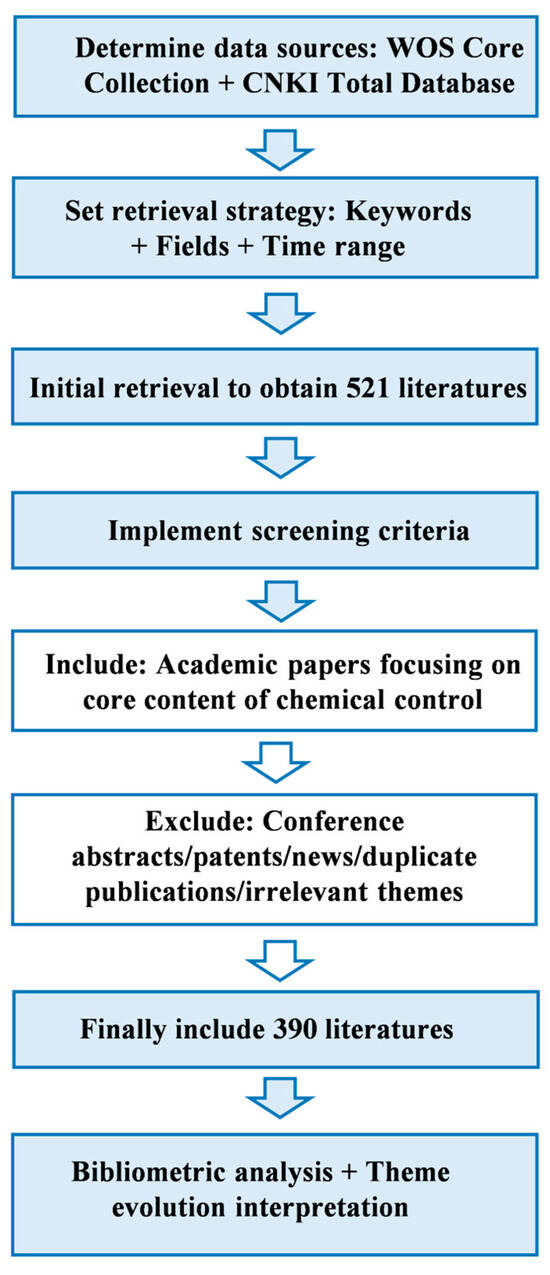
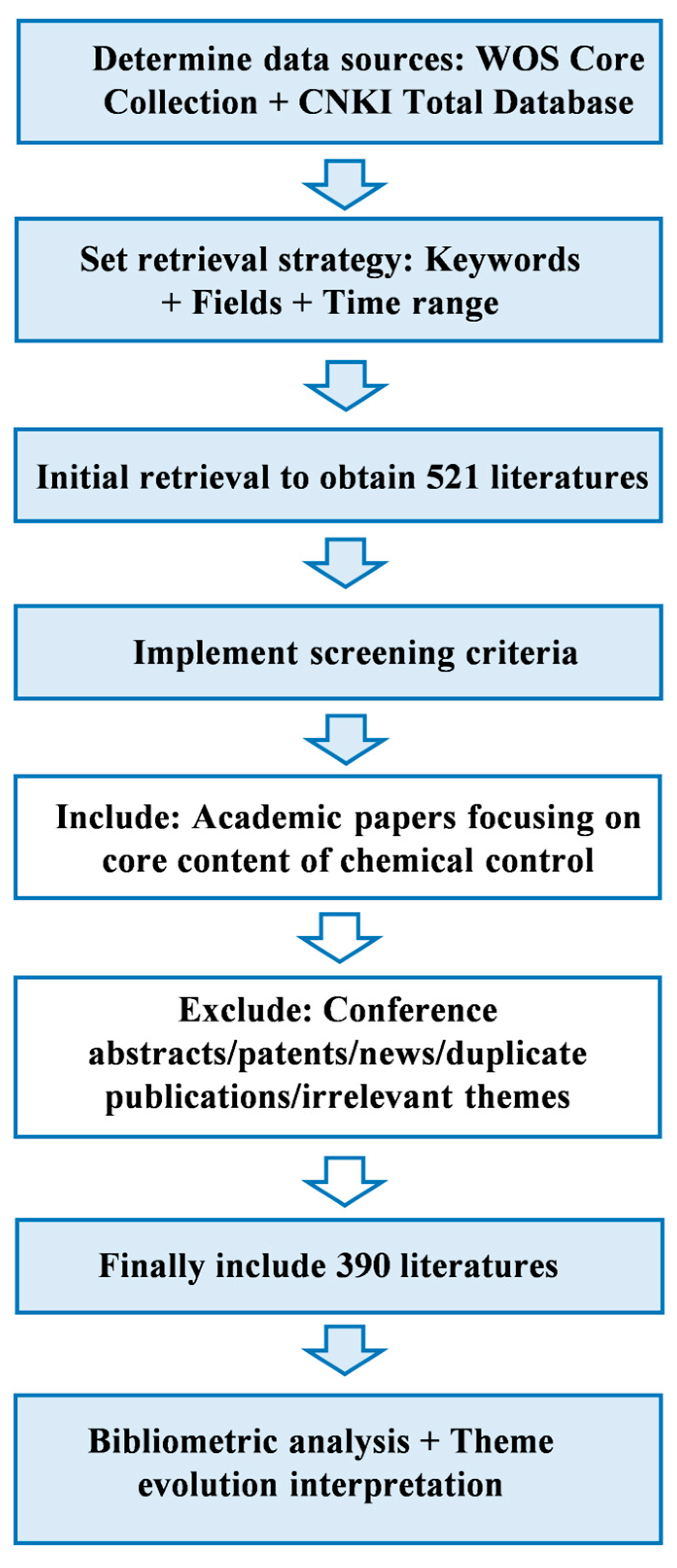
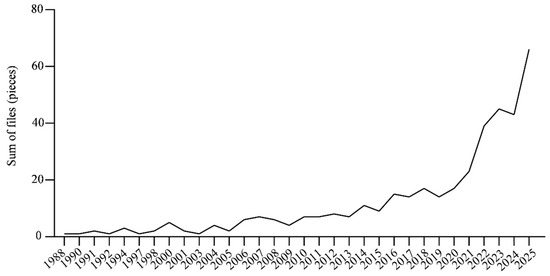
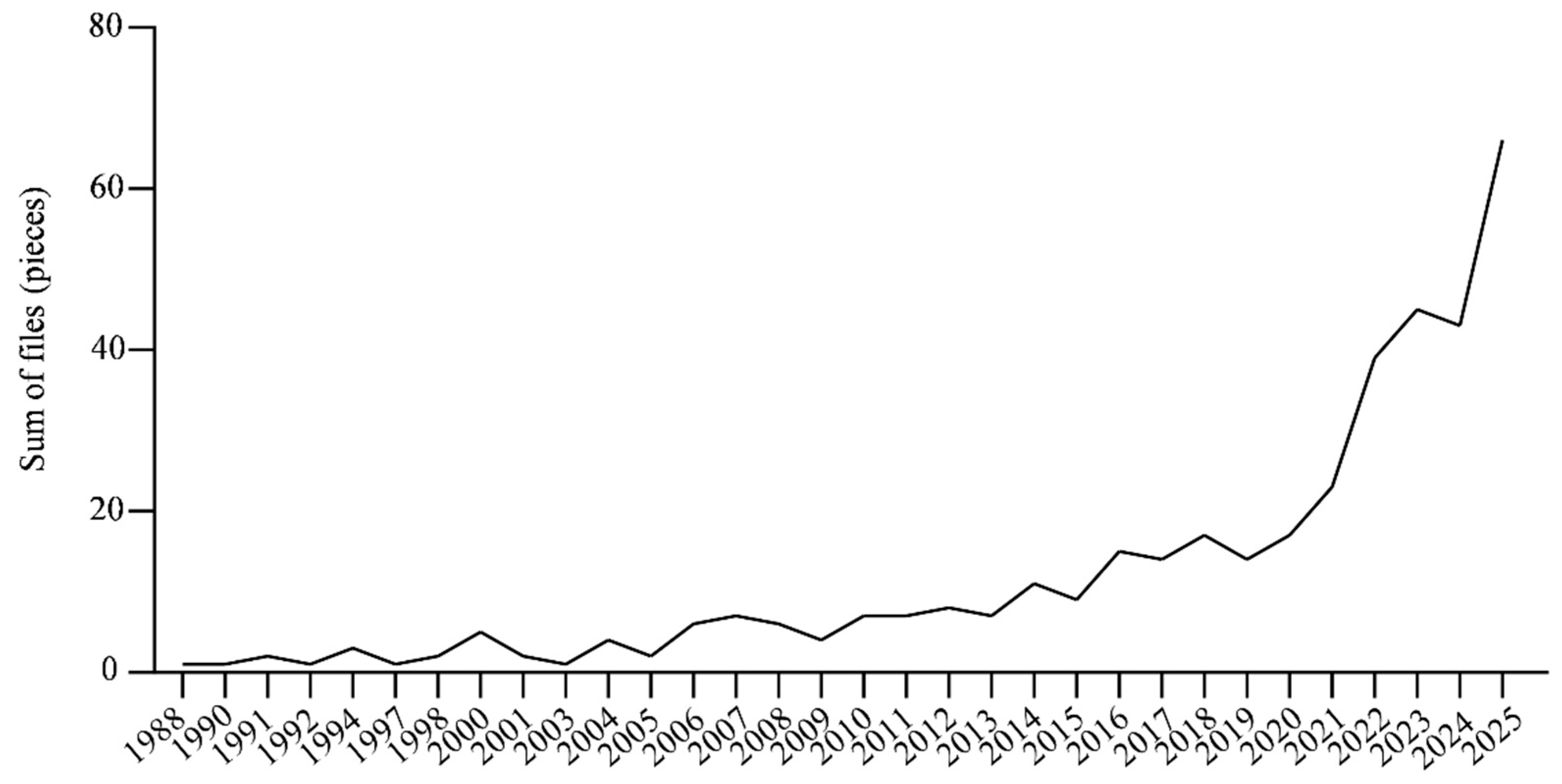
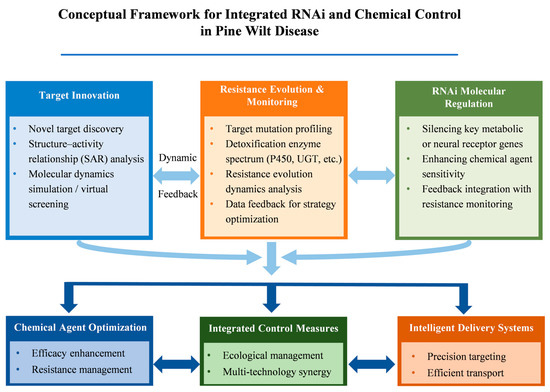
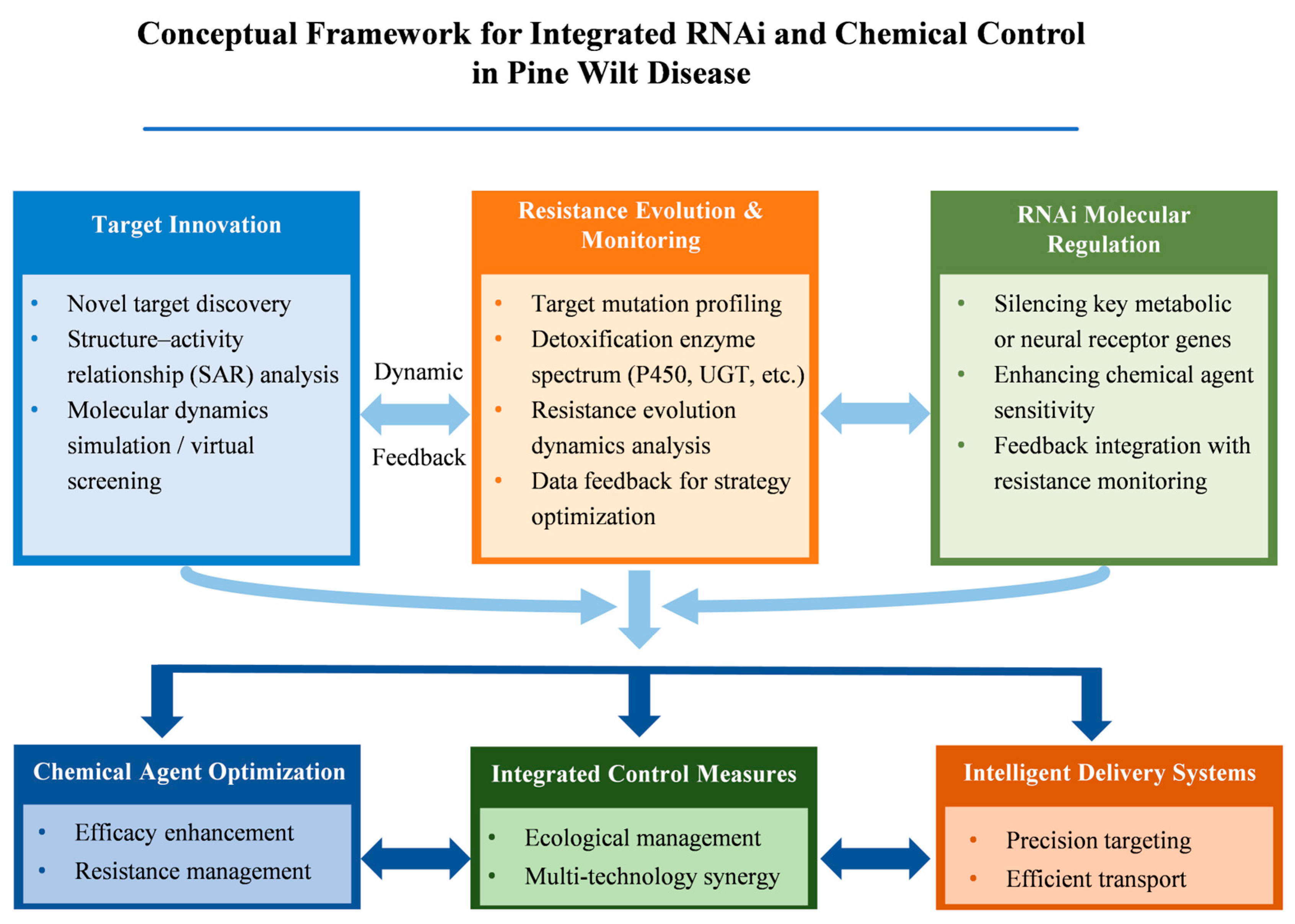

Disclaimer/Publisher’s Note: The statements, opinions and data contained in all publications are solely those of the individual author(s) and contributor(s) and not of MDPI and/or the editor(s). MDPI and/or the editor(s) disclaim responsibility for any injury to people or property resulting from any ideas, methods, instructions or products referred to in the content. |
© 2026 by the authors. Licensee MDPI, Basel, Switzerland. This article is an open access article distributed under the terms and conditions of the Creative Commons Attribution (CC BY) license.