Article

Decoding China’s Smart Forestry Policies: A Multi-Level Evaluation via LDA and PMC-TE Index

1
Department of Forestry Economics & Management, Northeast Forestry University, Harbin 150040, China
2
School of Business, Anyang Institute of Technology, Anyang 455000, China
*
Author to whom correspondence should be addressed.
Forests 2025, 16(8), 1297; https://doi.org/10.3390/f16081297
Submission received: 11 July 2025 / Revised: 5 August 2025 / Accepted: 6 August 2025 / Published: 8 August 2025

Abstract

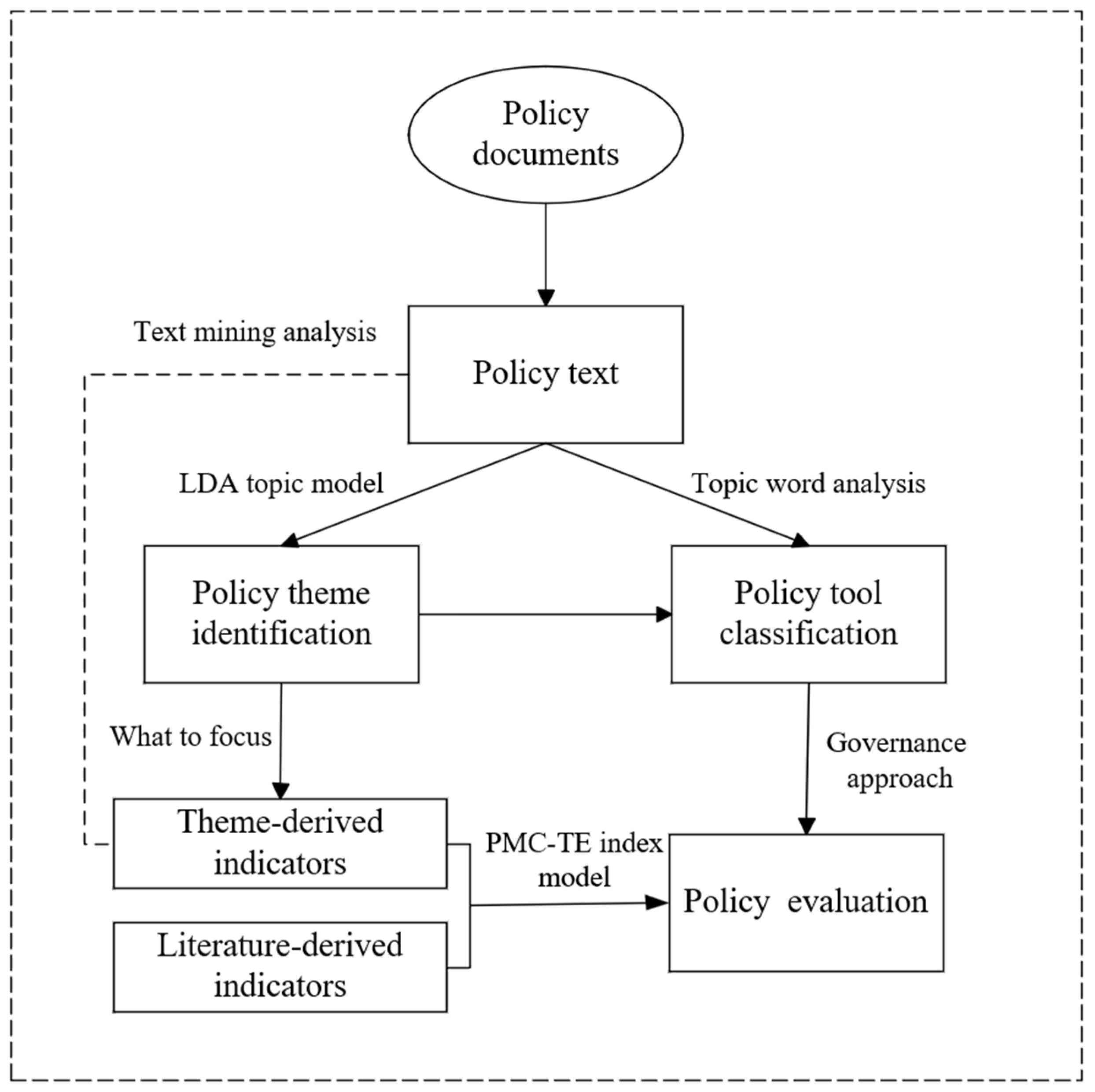
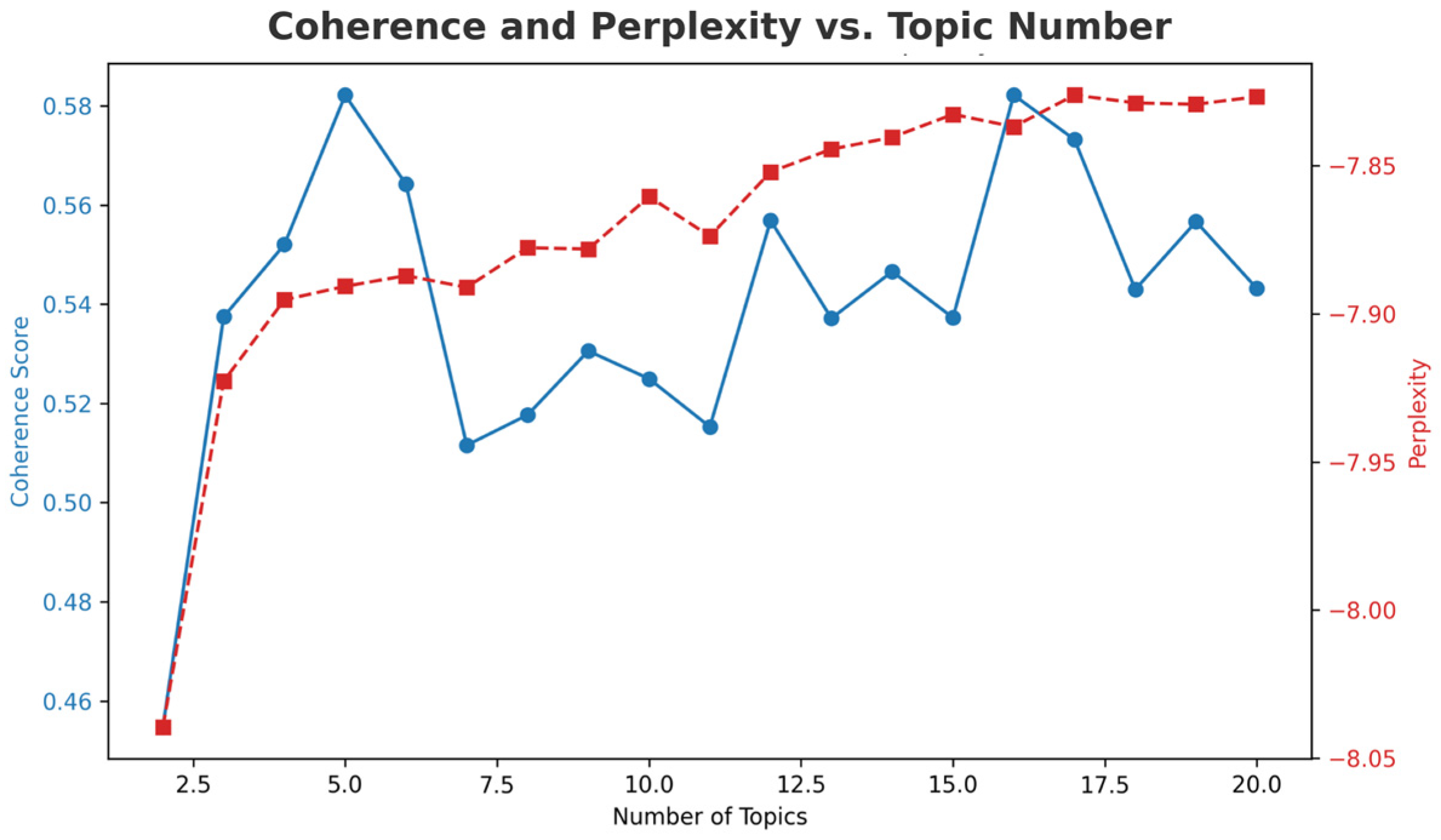
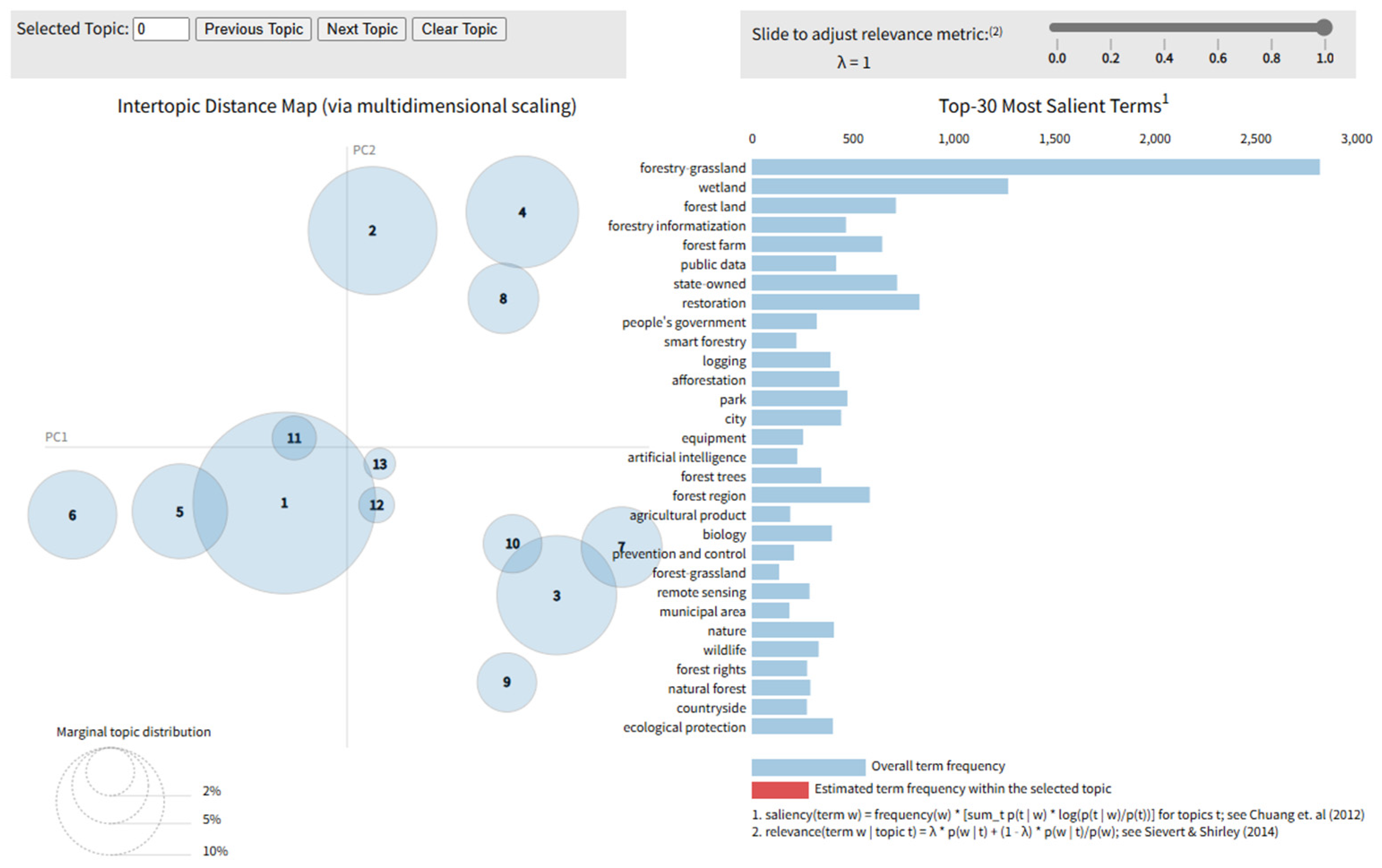
Smart forestry is gaining global prominence as countries seek to modernize forest governance through digital technologies and data-driven approaches. In China, smart forestry serves as a central pillar of ecological modernization, with policy playing a pivotal role in shaping its development. This study addresses these gaps by proposing an integrated evaluation framework combining thematic modeling via Latent Dirichlet Allocation (LDA) and structural assessment using the Policy Modeling Consistency–Text Encoder (PMC-TE) index. A total of 82 national and provincial policy documents (2009–2025) were analyzed to identify 13 core topics and categorize instruments into supply-side, demand-side, and environmental types. To assess structural coherence, a PMC-TE index was constructed based on a nine-variable, 32-indicator framework, with results visualized through three-dimensional PMC surfaces. Structural evaluation based on the PMC-TE index indicates that while most policies fall within the “good” or “excellent” range, notable gaps remain between policy objectives and the instruments employed to achieve them. Beyond China, the proposed framework provides a replicable tool for evaluating smart forestry governance in other countries undergoing digital transitions. The findings further highlight the need to enhance demand-side participation, strengthen closed-loop governance mechanisms, and promote cross-sectoral coordination to achieve greater policy coherence.
Keywords: smart forestry; policy evaluation; policy coherence; topic modeling; policy instruments; PMC-TE index; digital environmental governance smart forestry; policy evaluation; policy coherence; topic modeling; policy instruments; PMC-TE index; digital environmental governance