


Abstract
Amidst the escalating global challenges of deforestation and climate change, effective forest governance has become a critical global imperative. As a key actor in this arena, China presents a crucial case for understanding state-led environmental governance. This study addresses the thematic evolution and governance structure of China’s forest policy planning from 1980 to 2024. Grounded in multi-level governance (MLG) theory, we apply the Non-negative Matrix Factorization (NMF) topic model to a corpus of 1265 policy documents sourced from the PKULaw database, spanning four administrative levels from central to county. An analysis of 13 core policy themes reveals a significant transition, shifting from early regulatory development and resource utilization to a modern emphasis on ecological protection, scientific monitoring, financial support, and governance innovation. The findings delineate a complex governance architecture: a vertical division of labor (central guidance, local implementation), a horizontal model of inter-departmental interaction where specialized management coexists with comprehensive coordination, and adaptive governance reflecting regional heterogeneity. These results illuminate the dynamic evolution of power allocation, central–local relations, and synergy within China’s forest sector. This study not only provides new empirical evidence and an analytical framework for understanding China’s natural resource policy transition but also offers scientific insights for optimizing multi-level forest governance systems and enhancing policy synergy and efficacy.
1. Introduction and Literature Review
1.1. Forest Governance in a Global Context: Challenges and China’s Position
Forests are a cornerstone of the global ecological system and a critical asset for human well-being, yet they face unprecedented threats. Globally, forests cover 31% of the Earth’s land area, but their distribution is highly concentrated, with over half located in just five countries, including China, highlighting its pivotal role in the global forest landscape [1]. While the net rate of global forest loss has slowed in recent decades, this masks a more alarming reality: an ongoing high rate of gross deforestation, particularly in tropical regions, which are hotspots of biodiversity [1]. This paradox, where the loss of irreplaceable primary ecosystems is offset statistically by the rise of plantation forests of differing ecological quality, frames a central challenge for global governance [1]. Compounding this issue, forests are inextricably linked to climate change. They function as vital carbon sinks, yet deforestation contributes significantly to global greenhouse gas emissions [2]. Furthermore, climate change itself creates a perilous feedback loop, where rising temperatures and extreme weather events degrade forest health, potentially turning these sinks into carbon sources and accelerating global warming [3]. Beyond climate regulation, forests provide a vast array of indispensable ecosystem services (FES), including water conservation, soil protection, and biodiversity preservation, whose economic values are estimated to be in the trillions of dollars annually [4,5]. The imperative to govern these vital and vulnerable resources effectively is therefore not merely a national concern but a profound global challenge.
Within this global context, China’s efforts in forest resource management present a compelling and significant case. Over the past several decades, China has made globally recognized achievements in forest conservation and development. Most notably, its forest resources have undergone a historic transition from long-term depletion to restorative growth, with the national forest coverage rate exceeding 25% by the end of 2023 [6]. The forest stock volume has also steadily increased, making China the country with the largest growth in forest resources and the greatest area of planted forests globally over this period [6]. These accomplishments, largely attributed to large-scale greening campaigns and the implementation of major conservation policies [7], stand as a significant contribution to mitigating the global trend of forest loss.
However, despite these quantitative achievements, China’s forest resource management continues to face complex and severe challenges that mirror global concerns. First, the overall quality of forest ecosystems requires substantial improvement. Large areas of planted forests are characterized by monocultures and simple structures, leading to relatively low ecosystem stability and biodiversity [8], a challenge that resonates with the global debate on the quality of afforestation [1]. Furthermore, a considerable proportion of natural forests consists of secondary forests, whose ecological functions still fall short of those of primary climax communities [9]. The 9th National Forest Inventory, for instance, revealed a low proportion of “good” quality arbor forests. Second, unbalanced regional development is a prominent issue. Economically developed eastern regions face significant pressure on their forest land resources, while western regions, despite their resource potential, are constrained by fragile ecosystems and limitations in funding and technology [10]. Third, in the context of climate change, forestry disasters such as fires and pests are intensifying, posing a continuous threat to resource security [11]. Finally, the effective implementation of policies is often hampered by “last-mile” challenges at the local level, including information asymmetry, insufficient capacity, and competing stakeholder interests.
The evolution of China’s forest resource policy is closely intertwined with its national development stages [7], legislative milestones such as the recurrent revisions of the Forest Law [12,13], and the rollout of major ecological programs like the Natural Forest Protection Program and the Grain for Green Program [14,15]. Academic research has produced substantial results on these topics, covering policy history [16], tenure reform [17], and ecological compensation [18], employing a diversity of methods [19]. However, a review of the existing literature reveals that most studies still concentrate on qualitative descriptions or single-dimension evaluations. Research that employs emerging techniques like text mining to conduct a systematic, quantitative analysis of thematic structures and evolutionary trends across a large-scale policy corpus—spanning a long timeframe and multiple governance dimensions—and links these findings to the underlying governance structure, remains notably scarce. This research gap provides a clear entry point and a well-defined direction for the present study.
1.2. Theoretical and Methodological Foundations
1.2.1. The Potential of Text Mining for Overcoming Traditional Analytical Limits
The ever-growing volume of policy texts presents a significant challenge to traditional policy analysis. Conventional qualitative methods, while valuable for in-depth case studies, encounter critical limitations when faced with large-scale document corpora. These methods are often constrained by subjectivity and bias, as interpretations rely heavily on researchers’ perspectives, potentially affecting reliability and validity [20]. They also suffer from inefficiency and poor scalability, making the manual analysis of thousands of documents across decades a nearly impossible task [21]. Consequently, their findings may have limited generalizability, as they are typically based on small, selective samples rather than the entire policy ecosystem [20].
Against this backdrop, the rise of computational social science (CSS) has introduced powerful new analytical tools, with text mining at the forefront [22]. As a solution to the aforementioned limitations, text mining enables the systematic, objective, and scalable analysis of vast textual data, revealing macroscopic patterns that are otherwise invisible [23,24]. Among its techniques, topic modeling is an advanced statistical method that automatically identifies latent abstract “topic” structures from large document collections. In this framework, each topic is represented as a distribution of intrinsically related words, and each policy document is understood as a mixture of these topics in varying proportions [25]. This study employs Non-negative Matrix Factorization (NMF), a topic model renowned for its unique advantages. Grounded in linear algebra, NMF discovers topic structures by decomposing the document-term matrix into two non-negative, low-rank matrices [26]. Its non-negativity constraint ensures that the results are highly interpretable, as topics are formed through an additive combination of positive components, avoiding the complexity of negative cancellations [26].
The analytical power of text mining, particularly NMF, has been demonstrated across numerous fields. NMF typically produces topics that are clear and distinct, making it suitable for scenarios requiring straightforward explanations [27]. Internationally, these techniques have been successfully applied to analyze diverse policy domains, from dissecting climate change strategies in Paris [28] to examining the corporate social responsibility reports of Fortune 500 companies [29] and gauging the public perception of climate change in South Korea [24]. In public policy research, text mining is used to systematically identify core policy issues, track their evolution, deconstruct policy instrument patterns, and understand the stances of different actors [30]. Similarly, in environmental governance, topic models have effectively revealed the dynamic evolution of policy focuses in areas like climate change [31], water resource management [32], and forestry [33]. Thus, employing text mining in this study is not merely a matter of technical convenience; it is a methodologically driven choice essential for systematically mapping the entire architecture of China’s forest policy system and capturing the deep structural logic of its evolution.
1.2.2. Multi-Level Governance (MLG) as a Global Lens for Environmental Policy
Since being systematically proposed in the early 1990s based on the research of European integration [34], multi-level governance (MLG) theory has matured into a vital framework for understanding complex decision-making worldwide. Its core tenet—that authoritative power is dispersed vertically across governmental tiers and horizontally among public and private actors [35]—has proven to be a powerful analytical tool far beyond its European origins [36]. The theory’s emphasis on complex interactions within interdependent policy networks [37] makes it particularly suited for analyzing environmental problems, whose transboundary nature and scientific complexity demand collaborative, multi-actor solutions [38].
The global applicability of the MLG framework is well-documented in natural resource management. In the United States, it has been used to analyze watershed management, revealing that success hinges on both top-down federal leverage (e.g., sanctions and funding) and bottom-up local knowledge co-production [39]. In Australia, MLG in natural resource management operates through both formal legislation and informal networks, where trust and knowledge brokering are key to bridging administrative and departmental boundaries [40]. The framework has also been effectively applied in Asia; studies on water governance in China and climate adaptation in Indonesia and Thailand show how MLG structures both enable and constrain policy innovation by mediating vertical pressures and horizontal coordination [41,42]. Comparative research on climate policy in Brazil and Indonesia further highlights how power imbalances between national and sub-national levels can create significant barriers to effective policy integration [43]. These international cases demonstrate that MLG is a flexible analytical lens capable of revealing diverse governance configurations, from the “cooperative federalism” model in the US to the “networked governance” model in Australia.
Introducing this well-established global framework to the study of China’s forest resource policy is thus particularly relevant. While China’s governance system is characterized by strong central authority [44], its environmental policy process exhibits complex MLG features. The central government formulates macro-strategies, while local governments bear the primary responsibility for implementation, adapting policies to local conditions [45]. The outcomes of this process are profoundly influenced by the interplay of incentives, accountability systems, and fiscal arrangements that shape central–local and inter-departmental relations [41,46]. Applying the MLG perspective, therefore, allows for a systematic deconstruction of these dynamics. It helps illuminate the power allocation, coordination mechanisms, and interest bargaining among different administrative levels and government departments. Ultimately, this approach enables an examination of how these complex interactions have shaped the evolution of policy themes, providing a basis for a nuanced understanding of a state-led MLG model with Chinese characteristics and contributing to a broader comparative dialogue on global environmental governance.
1.3. Research Gaps and Positioning of the Study
The preceding review demonstrates that while research on China’s forest policy is extensive, significant gaps remain, particularly when viewed from a systematic and comparative governance perspective. First, on a methodological level, existing studies are predominantly qualitative case analyses of specific policies or programs [16,17]. While rich in detail, this approach cannot capture the panoramic architecture and dynamic evolution of the entire national policy ecosystem. A systematic, multi-dimensional, and longitudinal analysis of China’s complete forest policy corpus, leveraging large-scale quantitative methods, is conspicuously absent.
Second, on a theoretical and comparative level, a disconnect persists. While multi-level governance (MLG) has been established as a powerful global framework for analyzing environmental policy in diverse political systems [39,40,41], its application to China has not been sufficiently integrated with rigorous, large-scale empirical evidence. The literature offers compelling comparative frameworks for different national forest governance models [47,48], yet lacks a data-driven approach to systematically deconstruct the operational logic of China’s unique state-led MLG model. The intrinsic link between the evolution of policy themes and the mechanisms of a top-down, multi-level governance system remains under-explored.
Finally, the global context reveals a critical need for this research. In an era marked by a fragmented and often ineffective global forest governance regime [49,50], understanding the internal logic, drivers, and evolution of a powerful, state-led domestic system like China’s—the world’s single largest contributor to afforestation [1]—becomes paramount.
Building on these gaps, this study integrates policy text mining with the MLG theoretical framework to conduct an in-depth investigation of the thematic evolution of China’s forest policy planning and the complexity of its governance structure. Specifically, this research seeks to answer the following core questions:
- (1)
- What have been the core themes of China’s forest resource policy planning since 1980, and how have their prominence and substance evolved over time?
- (2)
- How do these policy themes and priorities differ across key governance dimensions—the vertical administrative hierarchy (central to county), the horizontal array of departmental types, and the geospatial regions—revealing the division of labor and potential tensions within the system?
- (3)
- How do these empirical patterns reflect the distinctive characteristics of China’s state-led multi-level governance model, and what are the implications for understanding its operational logic in a comparative global context?
This study is positioned to make a multi-faceted contribution. Methodologically, it pioneers a large-scale, data-driven approach to map the panoramic evolution of a national policy system, moving beyond anecdotal evidence. Theoretically, by applying the MLG framework to a massive corpus of Chinese policy texts, it operationalizes the analysis of a state-dominated governance model, offering a crucial comparative case to the federal or networked models studied elsewhere and enriching the global understanding of MLG in non-Western contexts. Empirically, it provides unprecedented, systematic evidence on the governance logic of the world’s most significant actor in forest restoration. By deconstructing the underlying power allocation, central–local relations, and departmental coordination within China’s forest policy system, this research aims to contribute new perspectives and robust evidence to deepen the understanding of the complexities of China’s forest governance and its global implications.
2. Research Design and Methodology
This study aims to reveal the evolutionary trajectory of themes and the characteristics of the multi-level governance structure within China’s forest resource policy planning through a systematic analysis of policy texts. To achieve this objective, the research design follows a standardized procedure for text data collection, processing, and analysis.
2.1. Data Source and Description
The data for this study were primarily sourced from the “PKULaw” legal and regulatory database, which is widely recognized as one of China’s most authoritative and comprehensive sources for official documents. It contains a full spectrum of legal instruments, including laws, administrative regulations, departmental rules, and local government rules. To ensure the relevance of the policy texts, a comprehensive search of the database was conducted using “forest resources” as the core keyword. The initially retrieved policy texts then underwent a meticulous manual screening process to exclude documents clearly unrelated to the theme of forest resource management, such as general notices, official replies, or personnel announcements. Following this procedure, the final corpus of 1265 policy documents was established. This corpus constitutes the research population for this study, rather than a statistical sample, as it represents the entire set of relevant documents available within our defined search parameters and data source.
This dataset of 1265 documents provides a deep historical perspective, spanning from 19 August 1980, to 23 December 2024. The starting point of 1980 was deliberately chosen for two reasons: (1) its historical significance, marking the onset of China’s “Reform and Opening-up” period, a critical juncture for the modernization of its policy and legal systems; and (2) data availability, as it corresponds to the earliest relevant documents retrieved from the database. This 44-year timeframe allows for a comprehensive analysis of the policy’s evolutionary trajectory. The number of policies issued annually peaked in 2018, with an average of approximately 32 releases per year over the entire period. Crucially for our analysis, the dataset encompasses policy texts issued across multiple administrative levels: central (6.1%), provincial (40.5%), municipal (32.2%), and county (21.3%). This multi-level composition provides a solid empirical foundation for examining China’s forest governance from an MLG perspective.
2.2. Analytical Framework and Methodology
To systematically analyze the thematic evolution and governance structure of China’s forest policy planning, this study adopts a multi-stage analytical framework that integrates text mining with multi-level governance (MLG) theory. The framework proceeds in three steps: (1) Data Preprocessing, where the raw policy texts are cleaned and prepared for analysis. (2) Thematic Content Analysis, where the Non-negative Matrix Factorization (NMF) topic model is applied to the corpus to identify latent policy themes. (3) Multi-dimensional Governance Analysis, where the distribution and evolution of these themes are examined across various dimensions (time, administrative level, department, and region) to elucidate the underlying governance logic.
A core component of this framework is the application of the NMF topic model. NMF was selected as the most appropriate tool for this study due to its documented ability to generate clear, distinct, and highly interpretable topics, which helps minimize thematic overlap—a common challenge in topic modeling [26]. Its robust performance in handling texts of varying lengths and its foundation in linear algebra, which ensures easily interpretable, additive topic compositions, make it particularly well suited for policy analysis [26,27].
To ensure the effectiveness of the NMF modeling, the 1265 policy texts were subjected to a rigorous data preprocessing pipeline. This process involved three key stages: first, text cleaning to remove noise such as irrelevant metadata, HTML tags, and special characters. Second, Chinese word segmentation was performed using the mature Jieba library. To enhance accuracy, this process was augmented with a pre-constructed domain-specific dictionary for forestry and policy terminology, as well as a custom dictionary [51]. Third, stop-word removal was conducted using both a general Chinese stop-word list and a custom, domain-specific list to filter out high-frequency but low-information words (e.g., “notice”, “measures”), thereby highlighting core semantic content.
To facilitate the multi-dimensional analysis, the policy texts were systematically coded based on their issuing bodies and spatial–regional attributes. This classification is crucial for operationalizing the MLG framework for empirical analysis, allowing us to map the vertical and horizontal dimensions of governance. The classification of issuing bodies drew upon the formal structure of the Chinese government, with special consideration for the profound institutional reforms of 2018 [52]. As detailed in Table 1, policymaking bodies were classified into six main categories. This scheme is designed to capture the distinct roles and thematic preferences of different government departments. For policies jointly issued by multiple departments, all participating bodies were identified and classified based on the primary lead department to explore the dynamics of inter-departmental collaboration.
Table 1.
The six main categories of policymaking bodies.
For the spatial–regional classification, this study adopts the widely used “Six Major Geographical Regions” scheme to analyze how governance adapts to regional heterogeneity—a key theme in MLG studies. This scheme (North China, Northeast China, East China, South Central China, Southwest China, and Northwest China) integrates natural and human geographical factors, providing a robust framework for understanding regional differences in forest management priorities and policy implementation. The specific scope of these regions is detailed in Table 2.
Table 2.
Scope and provincial-level administrative units of the six major geographical regions.
3. Results and Analysis
This chapter systematically presents the results of the text-mining-based analysis of China’s forest resource policy. It begins by describing the overall temporal, spatial, and hierarchical characteristics of the policy publications at a macro level. Next, it details the policy themes identified through the NMF topic model and their respective connotations. Finally, it provides an in-depth analysis of the distribution patterns and features of these policy themes across multiple dimensions, including administrative level, temporal evolution, issuing department, and geographical region.
3.1. Overall Characteristics of China’s Forest Resource Policy Publications
This section describes the overall quantity and distribution of the collected forest resource policies from the perspectives of time and administrative level.
An analysis of the temporal and hierarchical distribution of the 1265 Chinese forest resource policy documents collected from 1980 to 2024 (Figure 1) reveals a dynamic evolutionary process in policymaking. From a temporal perspective, the annual number of forest resource policy publications exhibits distinct phase-based characteristics over the study period. From the 1980s to the late 1990s, the total number of policy publications was relatively stable and low. Entering the 21st century, the intensity of policymaking gradually increased. Particularly after 2004, the annual number of policy publications began to accelerate, reaching a peak of 164 documents in 2018. Although the number of publications has declined somewhat since then, it has remained at a high level compared to the earlier period, reflecting the state’s sustained and high-level attention to forest resource management and ecological conservation.
Figure 1.
Annual number and hierarchical composition of China’s forest resource policies (1980–2024).
In terms of hierarchical composition, the data reveal a distinct division of labor. Provincial-level governments emerge as the primary force in forest resource policymaking, issuing the highest proportion of policies (40.55%) and acting as a pivotal link for translating national strategies into regional action. Policies from prefecture-level (32.25%) and county-level (21.11%) governments are also substantial, with their publication volume showing a marked increase after 2000. This trend signifies the growing role of local governments in the concrete management and on-the-ground implementation of forest policy. In contrast, central-level policies, though smallest in volume (6.09%), serve a crucial programmatic and guiding function. The surge in county-level policies in 2018, for instance, is likely a direct response to major national institutional reforms promulgated that year. Taken together, these patterns reveal a key characteristic of a maturing multi-level governance system: while strategic direction remains centralized, the locus of active policymaking and implementation has progressively deepened and expanded from the central and provincial levels to the municipal and county tiers over time.
3.2. Identification and Interpretation of China’s Forest Resource Policy Themes
This study employs the Non-negative Matrix Factorization (NMF) topic model to analyze the 1265 Chinese forest resource policy texts and identify the latent core themes within the corpus. To determine the optimal number of topics (K), we adopted a mixed-method approach. First, we computed quantitative coherence metrics (e.g., C_V, NPMI) across a range of K values. Second, we combined this quantitative evaluation with qualitative human judgment, assessing the semantic coherence and analytical distinctiveness of the topics generated at each K value. This rigorous process led to the selection of K = 13 as the optimal solution, which best balanced thematic granularity with interpretive clarity.
Table 3 provides a detailed list of the 13 policy themes identified by the NMF model, along with their associated keywords, the number of documents in which each theme is dominant, their assigned English labels, and their specific interpretations.
Table 3.
Forest resource policy themes identified by the NMF topic model, with keywords, names, and interpretations (K = 13).
The 13 themes identified by the NMF model clearly delineate the multifaceted nature of China’s forest resource policy focus. These themes not only cover foundational aspects of forest resource management, such as resource surveys, planning, and data management (Topic_2: Forest Resource Survey, Planning, and Data Management; Topic_6: National/Regional Forest Resource Inventory and Sample Plot Monitoring; Topic_10: Dynamic Monitoring of Forest Resources and “One Map” Management), but also reflect policy efforts in building organizational leadership and coordination mechanisms (Topic_3: Organizational Structure and Leadership Coordination in Forestry Management) and in driving policy implementation through target responsibility and assessment (Topic_1: Target Responsibility and Assessment for Forest Resource Protection and Development).
At the same time, a series of themes focus on specific management systems and actions. These include law enforcement and crackdowns on illegal activities (Topic_0: Forest Resource Law Enforcement and Crackdown on Illegal Activities), local-level administrative regulations and felling permit management, particularly in autonomous counties (Topic_4: Local Forestry Administrative Regulations and Felling Permit Management), and critical institutional reforms, such as the reform of state-owned forest farms and the paid use of assets (Topic_8: Reform of State-Owned Forest Farms and Paid Use of Assets) and forest tenure circulation and contract management (Topic_9: Forest Tenure Circulation and Contract Management). Furthermore, policies concerning fiscal investment and the performance management of funds for forestry development (Topic_7: Forestry Fiscal Funding Input and Performance Management), as well as those exploring the assetization and mortgage financing of forest resources (Topic_5: Forest Resource Asset Valuation and Mortgage Financing), also emerged as distinct themes.
Finally, the themes include routine administrative directives (Topic_11) and a comprehensive, overarching theme on the protection and sustainable utilization of forest resources (Topic_12). It is important to note that while the NMF model effectively clusters keywords into distinct topics, some conceptual overlap is inevitable and, indeed, informative. For instance, the macro-level theme of Comprehensive Protection (Topic_12) naturally intersects with more specific themes like Law Enforcement (Topic_0) and Felling Permit Management (Topic_4), reflecting the interconnected nature of policy domains. Recognizing these relationships is key to a nuanced interpretation. Overall, the identification of these 13 themes provides a solid foundation for the subsequent multi-dimensional analysis of China’s forest policy evolution and its underlying governance logic.
3.3. Multi-Dimensional Distribution Characteristics of China’s Forest Resource Policy Themes
Building on the identification of the 13 core policy themes, this section further analyzes their distribution patterns and dynamic changes across two primary dimensions: administrative level and temporal evolution. The aim is to reveal the differing policy focuses at various governance levels and in different historical periods.
3.3.1. Distribution Characteristics of Themes by Administrative Level
Governments at different administrative levels play distinct roles and have varying focuses in forest resource management, a fact that is directly reflected in the thematic distribution of the policies they issue. Figure 2 illustrates the distribution of policies, categorized by their dominant theme, across the four administrative levels: central, provincial, prefecture-level city, and county/district.
Figure 2.
Distribution of policies by dominant theme across administrative levels. Note: Topic IDs (T0–T12) correspond to: T0: Law Enforcement; T1: Resp. & Assess.; T2: Survey & Plan.; T3: Org. & Lead.; T4: Local Reg.; T5: Asset Value; T6: Inventory; T7: Fiscal Fund.; T8: State Farm Ref.; T9: Tenure Circ.; T10: Dyn. Monitor.; T11: Admin. Direct.; T12: Sust. Utilize. For full theme descriptions, see Table 3.
As can be seen in Figure 2, the distribution of policy themes exhibits significant heterogeneity across different administrative levels. Policymaking for certain themes is more concentrated at higher levels of government, while other themes are more prominent at the local level. For instance, for two themes—National/Regional Forest Resource Inventory and Sample Plot Monitoring (Topic_6) and Forest Resource Asset Valuation and Mortgage Financing (Topic_5)—central- and provincial-level policies hold a dominant position. This indicates a focus at the national level on strategic and forward-looking issues, such as gaining a macro-level understanding of the state of forest resources, establishing unified monitoring standards, and promoting the capitalization of forest resources. This is particularly evident for Topic_6, where the number of central-level policies is the most prominent, reflecting the central government’s core role in organizing national forest resource inventories.
In contrast, the theme of Target Responsibility and Assessment for Forest Resource Protection and Development (Topic_1) has the highest number of policies at the county and district level, followed by the prefecture-level city level. This reflects that the implementation of the target responsibility system and specific assessment work are primarily undertaken and detailed by grassroots governments. Similarly, Local Forestry Administrative Regulations and Felling Permit Management (Topic_4) and Organizational Structure and Leadership Coordination in Forestry Management (Topic_3) are also well-represented at the prefecture-level city and county/district levels, indicating that local governments issue a large number of policies related to concrete administrative management, institutional operations, and transactional tasks like felling permits.
Policies on the theme of Forest Resource Law Enforcement and Crackdown on Illegal Activities (Topic_0) are mainly concentrated at the prefecture-level city level, followed by the provincial level, suggesting that municipal governments play a key role in organizing and executing regional forestry law enforcement actions. Meanwhile, the themes of Forestry Fiscal Funding Input and Performance Management (Topic_7) and Administrative Directives and Work Deployment by Forestry Authorities (Topic_11) have the highest number of policies issued at the provincial level. This highlights the importance of provincial governments in channeling central fiscal funds, formulating local matching fund policies, and deploying specific work to municipal and county levels.
The two broader themes, Forest Resource Survey, Planning, and Data Management (Topic_2) and Comprehensive Protection and Sustainable Utilization of Forest Resources (Topic_12), are widely distributed across provincial and prefecture-level city policies, with a certain number at the county/district level but relatively few at the central level. This may imply that after the central government sets the macro-level framework for these two major areas, the specific plans, implementation details, and management regulations are more often formulated by local governments according to their actual conditions.
Overall, this hierarchical distribution of policy themes empirically maps the de facto vertical governance structure in China’s forest resource management. It reveals a clear division of labor consistent with MLG theory: the central level acts as the strategic guide, focusing on national-scale inventories (T6), pioneering institutional reforms (T5), and issuing macro-level directives. The provincial level functions as a pivotal intermediary, responsible for fiscal allocation (T7) and policy deployment (T11). In contrast, municipal and county governments serve as the primary implementation frontline, bearing the responsibility for executing performance targets (T1), detailed administrative management (T4), and local law enforcement (T0).
3.3.2. Overall and Level-Specific Temporal Evolution of Themes
To gain a deeper understanding of the dynamic shifts in China’s forest resource policy focus, this section examines the overall evolutionary trends of the 13 policy themes from 1980 to 2024, as well as their respective temporal evolution characteristics within each of the four administrative levels: central, provincial, municipal, and county. The intensity of a theme is measured by its average proportion within the annual collection of policy texts.
Figure 3 presents the annual evolutionary trends of the average intensity proportion of each theme across all policy texts. From an overall perspective, the thematic focus of China’s forest resource policy is not static but shows clear dynamic adjustments in response to developmental eras and changing policy environments. In the early period (e.g., from the 1980s to the early 1990s), policy themes were relatively concentrated. Local Forestry Administrative Regulations and Felling Permit Management (Topic_4) and Comprehensive Protection and Sustainable Utilization of Forest Resources (Topic_12) accounted for a large proportion, which aligns with the context of the initial establishment of the Forest Law and the gradual standardization of forestry management order at that time [11]. Concurrently, Forest Resource Asset Valuation and Mortgage Financing (Topic_5) and Reform of State-Owned Forest Farms and Paid Use of Assets (Topic_8) also showed a certain intensity in specific years (e.g., the early 1990s), potentially reflecting early attempts to explore the economic value of forestry and the operational mechanisms of state-owned forest farms.
Figure 3.
Annual evolutionary trends of the average intensity proportion of forest resource policy themes (all administrative levels). Note: Topic IDs (T0–T12) correspond to: T0: Law Enforcement; T1: Resp. & Assess.; T2: Survey & Plan.; T3: Org. & Lead.; T4: Local Reg.; T5: Asset Value; T6: Inventory; T7: Fiscal Fund.; T8: State Farm Ref.; T9: Tenure Circ.; T10: Dyn. Monitor.; T11: Admin. Direct.; T12: Sust. Utilize. For full theme descriptions, see Table 3.
Entering the 21st century, especially since the mid-to-late 2000s, policy themes have exhibited more diversified and dynamic evolutionary characteristics. The intensity of Target Responsibility and Assessment for Forest Resource Protection and Development (Topic_1) rose significantly, becoming one of the most prominent themes after 2010. This is closely related to the national-level policy orientation that increasingly emphasizes the implementation of ecological protection responsibilities and performance assessment. The intensities of Forest Resource Survey, Planning, and Data Management (Topic_2) and National/Regional Forest Resource Inventory and Sample Plot Monitoring (Topic_6) also show a fluctuating upward trend. This was particularly evident at key junctures, such as the launch of major national ecological forestry programs (e.g., the Natural Forest Protection Program and the Grain for Green Program [14,15]) and the revision of the Forest Law, when the need for an accurate grasp of forest resources and scientific planning became more urgent.
After 2000, the intensities of Forestry Fiscal Funding Input and Performance Management (Topic_7) and Administrative Directives and Work Deployment by Forestry Authorities (Topic_11) also demonstrated an overall strengthening trend, reflecting increased forestry investment and enhanced administrative control by all levels of government. Notably, the intensity of the Dynamic Monitoring of Forest Resources and “One Map” Management (Topic_10) theme has increased significantly after 2010, especially in recent years. This indicates a growing emphasis on the application of modern information technology in the fine-grained, dynamic management of forest resources. In contrast, the relative intensity of the traditionally high-focus theme of Local Forestry Administrative Regulations and Felling Permit Management (Topic_4) has declined in the later period. This may be related to reforms in the timber felling management system, where some approval authorities have been delegated or adjusted.
To reveal in greater detail the similarities and differences in the evolution of policy focuses across administrative levels, Figure 4 presents the annual evolutionary trends of the average intensity proportion of policy themes within each of the four levels—central, provincial, prefecture-level city, and county/district—in a 2 × 2 matrix format.
Figure 4.
Annual evolutionary trends of the average intensity proportion of policy themes within the four administrative levels: Central, Provincial, Prefecture-level City, and County_District. Note: Topic IDs (T0–T12) correspond to: T0: Law Enforcement; T1: Resp. & Assess.; T2: Survey & Plan.; T3: Org. & Lead.; T4: Local Reg.; T5: Asset Value; T6: Inventory; T7: Fiscal Fund.; T8: State Farm Ref.; T9: Tenure Circ.; T10: Dyn. Monitor.; T11: Admin. Direct.; T12: Sust. Utilize. For full theme descriptions, see Table 3.
A comparative analysis of Figure 4 reveals that the evolution of policy themes at different administrative levels exhibits both certain commonalities and distinct hierarchical characteristics.
The evolution of policy themes at the central level demonstrates strong strategic and guiding characteristics. In the early period (around 1990), Forest Resource Asset Valuation and Mortgage Financing (Topic_5) and Reform of State-Owned Forest Farms and Paid Use of Assets (Topic_8) were focal points, reflecting the central government’s early efforts in exploring reforms of the forestry economic system. After the turn of the 21st century, the importance of National/Regional Forest Resource Inventory and Sample Plot Monitoring (Topic_6) and Administrative Directives and Work Deployment by Forestry Authorities (Topic_11) has remained prominent. This is especially true during periods of major policy rollouts or five-year plans (e.g., the 13th and 14th Five-Year Plans), when the central level concentrates on issuing related guidance documents. In recent years, the intensity of Dynamic Monitoring of Forest Resources and “One Map” Management (Topic_10) has significantly increased, reflecting the central government’s emphasis on leveraging technology to enhance governance capacity.
The evolution of policy themes at the provincial level, in turn, more clearly reflects its pivotal role in linking higher and lower levels of government. Forestry Fiscal Funding Input and Performance Management (Topic_7) and Administrative Directives and Work Deployment by Forestry Authorities (Topic_11) have long maintained a high intensity, highlighting the central position of provincial governments in fund allocation, policy dissemination, and work deployment. Concurrently, Forest Resource Survey, Planning, and Data Management (Topic_2) and Comprehensive Protection and Sustainable Utilization of Forest Resources (Topic_12) are also persistent points of focus in provincial policy. Notably, the intensity of Target Responsibility and Assessment for Forest Resource Protection and Development (Topic_1) also shows a continuously strengthening trend at the provincial level, maintaining alignment with the central government’s policy direction.
The evolution of policy themes at the prefecture-level city level demonstrates stronger implementational and locally adaptive characteristics. The intensity of Target Responsibility and Assessment for Forest Resource Protection and Development (Topic_1) becomes extremely prominent at the municipal level in the later period, indicating that municipal governments are a key link in the implementation of the target responsibility system. Forest Resource Survey, Planning, and Data Management (Topic_2), Organizational Structure and Leadership Coordination in Forestry Management (Topic_3), and Forest Resource Law Enforcement and Crackdown on Illegal Activities (Topic_0) are also important components of municipal-level policy, reflecting their responsibilities in regional planning, organizational coordination, and law enforcement.
The evolution of policy themes at the county and district level is the most focused on specific operations and grassroots implementation. In the later period, Target Responsibility and Assessment for Forest Resource Protection and Development (Topic_1) assumes an absolutely dominant position at the county/district level, clearly indicating that the ultimate implementation of the target responsibility system rests at the grassroots. Organizational Structure and Leadership Coordination in Forestry Management (Topic_3) and Local Forestry Administrative Regulations and Felling Permit Management (Topic_4) also held a certain proportion in the early period, but their relative intensity has declined in later years, which may be related to the upward transfer of some management authorities or shifts in management methods. In recent years, Dynamic Monitoring of Forest Resources and “One Map” Management (Topic_10) has also begun to appear at the county/district level, signaling the modernization of grassroots governance tools.
In summary, the temporal analysis reveals a distinct governance paradigm shift in China’s forest policy. The focus has moved from an early emphasis on foundational regulatory construction (e.g., T4) and resource utilization exploration toward a modern paradigm characterized by performance-based accountability (the rise of T1), data-driven scientific management (the growing importance of T2, T6, and especially T10), and robust fiscal support (T7). This evolution is not monolithic; it unfolds differently across the administrative hierarchy, with each level performing its distinct role in the MLG framework. The central level leads this shift by setting the strategic agenda, while provincial, municipal, and county governments adapt and implement these new priorities in accordance with their respective functions, creating a dynamic and differentiated process of policy change.
3.4. Distribution and Focus of Policy Themes Among Different Issuing Departments
This section examines the roles and thematic preferences of different types of policymaking departments in the formulation of forest resource policy, aiming to reveal the characteristics of policy division of labor and synergy among these departments. Based on the classification criteria established in Section 2.2, this study divides the policymaking bodies into six main categories: Comprehensive Administrative Departments (CA), Forestry and Natural Resource Management Departments (FNRM), Economic Planning and Fiscal-Financial Support Departments (EFS), Legislative and Judicial Support Departments (LJ), Party Leadership Organs (PLO), and Other Specialized Collaborative Departments (OSD).
3.4.1. Characteristics of Policy Publications by Department Type
Figure 5 shows the number of forest resource policies issued by each main department category and their composition across different administrative levels.
Figure 5.
Number and hierarchical composition of forest resource policies issued by main department categories (excluding “Unclassified Departments”). Note: Department category abbreviations on the X-axis correspond to: CA (Comprehensive Administrative), FNRM (Forestry & Natural Resource Management), EFS (Economic & Fiscal Support), LJ (Legislative & Judicial), PLO (Party Leadership Organs), and OSD (Other Specialized Departments). For detailed explanations, see Table 1.
In terms of total publication volume, Comprehensive Administrative Departments (CA) represent the category that issues the most forest resource policies. Their policies are widely distributed at the provincial, prefecture-level city, and county/district levels, reflecting the dominant status and comprehensive coordinating role of people’s governments at all levels as the leaders and organizers of all work within their respective jurisdictions. This is followed by Forestry and Natural Resource Management Departments (FNRM), whose policy publications are primarily concentrated at the central and provincial levels. This aligns with their functional positioning as the competent sectoral authorities responsible for formulating specialized plans, technical standards, and macro-level management strategies.
Economic Planning and Fiscal-Financial Support Departments (EFS) issue a relatively small number of policies, mainly concentrated at the central and provincial levels, reflecting their role in macroeconomic regulation, major project planning, and fiscal support. The policy output from Legislative and Judicial Support Departments (LJ) is also limited, with the provincial and prefecture-level city tiers being their primary issuing levels. This corresponds to their functions of enacting local regulations, providing judicial interpretations, and ensuring legal implementation. Party Leadership Organs (PLO) and Other Specialized Collaborative Departments (OSD) issue the fewest specific policies on forest resources. However, they can play a critical guiding or synergistic role during specific periods or on particular issues. For example, while few in number, policies issued by Party Leadership Organs often possess a high degree of authority and directional significance.
3.4.2. Cross-Analysis Heatmap of Issuing Departments and Policy Themes by Administrative Level
To reveal in greater detail the division of labor and focus of departments on specific policy themes at different administrative levels, Figure 6 uses a 2 × 2 matrix of heatmaps. These heatmaps illustrate the cross-distribution (measured by the number of policies) between different department categories and the 13 dominant policy themes within each of the four administrative levels: central, provincial, prefecture-level city, and county/district. A darker color indicates a higher number of policies on a specific theme issued by a particular department category at that level.
Figure 6.
Heatmaps of the cross-distribution of policies by department category and dominant theme (T0–T12) within the four administrative levels: Central, Provincial, Prefecture-level City, and County_District (excluding “Unclassified Departments”). Note: Department abbreviations (X-axis): CA (Comprehensive Admin.), FNRM (Forestry & Natural Res.), EFS (Econ. & Fiscal Support), LJ (Legislative & Judicial), PLO (Party Leadership), OSD (Other Specialized Depts.). Topic IDs (Y-axis) correspond to: T0: Law Enforcement; T1: Resp. & Assess.; T2: Survey & Plan.; T3: Org. & Lead.; T4: Local Reg.; T5: Asset Value; T6: Inventory; T7: Fiscal Fund.; T8: State Farm Ref.; T9: Tenure Circ.; T10: Dyn. Monitor.; T11: Admin. Direct.; T12: Sust. Utilize. For full details, see Table 1 and Table 3.
At the central level, Forestry and Natural Resource Management Departments (FNRM) are the most active in policymaking. Their primary thematic focuses include National/Regional Forest Resource Inventory and Sample Plot Monitoring (Topic_6), Administrative Directives and Work Deployment by Forestry Authorities (Topic_11), Dynamic Monitoring of Forest Resources and “One Map” Management (Topic_10), and Forest Resource Asset Valuation and Mortgage Financing (Topic_5). This clearly reflects the core responsibilities of the central sectoral authorities in understanding the national resource status, conducting top-level design and work deployment, promoting technological innovation, and exploring the realization of resource value. At the central level, Economic Planning and Fiscal-Financial Support Departments (EFS) mainly focus on Forest Resource Asset Valuation and Mortgage Financing (Topic_5) and Reform of State-Owned Forest Farms and Paid Use of Assets (Topic_8), reflecting their role in advancing reforms of the forestry economic system and resource capitalization. Comprehensive Administrative Departments (CA) (i.e., the State Council and its General Office) issue relatively few specific forest resource policies at the central level. However, their policies, such as those related to Comprehensive Protection and Sustainable Utilization of Forest Resources (Topic_12), are typically highly comprehensive and authoritative.
At the provincial level, FNRM departments remain the main force in policymaking, with a very broad range of thematic focuses. The number of policies is particularly high for themes such as Administrative Directives and Work Deployment by Forestry Authorities (Topic_11), Dynamic Monitoring of Forest Resources and “One Map” Management (Topic_10), National/Regional Forest Resource Inventory and Sample Plot Monitoring (Topic_6), Forestry Fiscal Funding Input and Performance Management (Topic_7), and Forest Resource Survey, Planning, and Data Management (Topic_2). This indicates the key role of provincial forestry authorities in undertaking central deployments, formulating local plans, managing fiscal funds, and promoting monitoring technologies. Comprehensive Administrative Departments (CA) (i.e., provincial governments and their general offices) also issue numerous policies at the provincial level. Their focus is mainly concentrated on Comprehensive Protection and Sustainable Utilization of Forest Resources (Topic_12) and Target Responsibility and Assessment for Forest Resource Protection and Development (Topic_1), demonstrating the leading role of provincial governments in promoting regional ecological protection and implementing the target responsibility system. At the provincial level, EFS departments focus on Forestry Fiscal Funding Input and Performance Management (Topic_7) and Forest Resource Asset Valuation and Mortgage Financing (Topic_5). Legislative and Judicial Support Departments (LJ) primarily focus on Local Forestry Administrative Regulations and Felling Permit Management (Topic_4).
At the prefecture-level city level, Comprehensive Administrative Departments (CA) (i.e., municipal governments and their general offices) become the most prolific issuers of policy. Their policy focus is highly concentrated on Comprehensive Protection and Sustainable Utilization of Forest Resources (Topic_12) and Target Responsibility and Assessment for Forest Resource Protection and Development (Topic_1), reflecting the primary responsibility of municipal governments in regional ecological protection and target responsibility implementation. The number of policies issued by FNRM departments at the municipal level is lower than at the provincial level, but they still play an important role in areas such as Forest Resource Survey, Planning, and Data Management (Topic_2), Forest Resource Law Enforcement and Crackdown on Illegal Activities (Topic_0), and Dynamic Monitoring of Forest Resources and “One Map” Management (Topic_10). At the municipal level, EFS departments mainly focus on Forestry Fiscal Funding Input and Performance Management (Topic_7).
At the county and district level, policy issuance is absolutely dominated by Comprehensive Administrative Departments (CA) (i.e., county/district governments and their general offices), with their focus highly concentrated on Target Responsibility and Assessment for Forest Resource Protection and Development (Topic_1). Additionally, a significant number of policies are also issued on themes such as Organizational Structure and Leadership Coordination in Forestry Management (Topic_3), Local Forestry Administrative Regulations and Felling Permit Management (Topic_4), and Forest Resource Survey, Planning, and Data Management (Topic_2). This clearly indicates that county/district governments are the key implementation level where various forest resource management policies and measures are ultimately put into practice and where target responsibilities are specifically devolved and executed. Other types of departments issue relatively few specific forest resource policies at the county/district level.
In synthesis, these findings empirically map the horizontal dimension of China’s multi-level forest governance. The heatmaps move beyond a preliminary sketch to reveal a consistent pattern of coexisting specialization and comprehensive coordination. Specialized or functional departments, particularly Forestry and Natural Resource Management (FNRM), dominate technical and sectoral policy domains (e.g., T6: Inventory, T10: Dyn. Monitor.). In parallel, Comprehensive Administrative departments (CA)—that is, governments themselves—play an indispensable coordinating role, leading on overarching themes (T12: Sust. Utilize.) and driving the implementation of cross-cutting performance targets (T1), especially at the local levels. This division of labor forms the core of the inter-departmental synergy and tension within China’s governance system.
3.5. Distribution and Focus of Policy Themes Across Different Geographical Regions
From a geospatial dimension, this section explores the manifestation and differentiation of China’s forest resource policy themes across various regions. In accordance with the spatial classification criteria established in Section 2.2, this study adopts the “Six Major Geographical Regions” scheme (North China, Northeast China, East China, South Central China, Southwest China, and Northwest China) to analyze policies issued by provincial and sub-provincial local governments (central-level policies are excluded from this regional comparison).
3.5.1. Characteristics of Policy Publications by Geographical Region (Excluding Central Level)
Figure 7 illustrates the number of forest resource policies and their hierarchical composition across three administrative levels (provincial, prefecture-level city, and county/district) for China’s six major geographical regions, as well as an “Other Region” category (OTH). The OTH category primarily includes a small number of policies from specific areas that are difficult to classify into the main six regions, such as those from certain cross-regional watershed management authorities or specific experimental zones.
Figure 7.
Number and hierarchical composition of forest resource policies issued by different geographical regions in China (provincial and sub-provincial levels). Note: The region abbreviations on the X-axis correspond to: NC (North China), NEC (Northeast China), EC (East China), SCC (South Central China), SWC (Southwest China), NWC (Northwest China), and OTH (Other Region). The legend for administrative levels (Provincial, Prefecture-level City, County_District) is the same as in Figure 1.
In terms of total publication volume, the East China (EC) and South Central China (SCC) regions are the two most active in issuing provincial and sub-provincial forest resource policies, with their total volume far exceeding that of other regions. This may be related to factors such as these two regions having relatively developed economies, dense populations, heavy forestry management tasks, and strong local governance capacities. Within these, policy issuance in the East China region is dominated by the provincial and prefecture-level city levels, with relatively fewer at the county/district level. In contrast, the volume of county/district-level policies in the South Central China region is exceptionally high, even surpassing its provincial and prefecture-level city totals, indicating active participation by grassroots governments in forest resource management in this region.
The total policy publication volumes for the North China (NC), Northeast China (NEC), Southwest China (SWC), and Northwest China (NWC) regions are relatively low. The North China and Northeast China regions have a certain number of policy publications at the provincial and prefecture-level city levels. The Southwest China region exhibits a pattern where municipal-level policies slightly outnumber provincial-level ones. Policy issuance in the Northwest China region is predominantly led by the provincial level. These differences likely reflect the distinct characteristics of each region’s forest resource endowments, ecological pressures, economic development levels, and local governance structures. For example, the more fragile ecological environment in the Northwest China region may lead to provincial governments playing a stronger leading role in coordinating regional ecological protection and resource management.
3.5.2. Cross-Analysis Heatmap of Geographical Regions and Policy Themes by Administrative Level (Excluding Central Level)
To further reveal the differing focuses on the 13 policy themes across geographical regions at the provincial, prefecture-level city, and county/district levels, Figure 8 uses a 1 × 3 series of heatmaps. These heatmaps respectively display the cross-distribution of policies by geographical region and dominant policy theme within each of these three administrative levels.
Figure 8.
Heatmaps of the cross-distribution of policies by geographical region and dominant theme (T0–T12) within the three administrative levels: Provincial, Prefecture-level City, and County_District. Note: Region abbreviations (X-axis): NC (North China), NEC (Northeast), EC (East China), SCC (South Central), SWC (Southwest), NWC (Northwest), OTH (Other). Topic IDs (Y-axis) correspond to: T0: Law Enforcement; T1: Resp. & Assess.; T2: Survey & Plan.; T3: Org. & Lead.; T4: Local Reg.; T5: Asset Value; T6: Inventory; T7: Fiscal Fund.; T8: State Farm Ref.; T9: Tenure Circ.; T10: Dyn. Monitor.; T11: Admin. Direct.; T12: Sust. Utilize. For full details, see Table 1 and Table 3.
At the provincial level, the regional distribution of policy themes shows a degree of differentiation. The East China (EC) region has a high number of policy publications across multiple themes, performing prominently on topics such as Administrative Directives and Work Deployment by Forestry Authorities (Topic_11), Dynamic Monitoring of Forest Resources and “One Map” Management (Topic_10), National/Regional Forest Resource Inventory and Sample Plot Monitoring (Topic_6), and Forestry Fiscal Funding Input and Performance Management (Topic_7). This reflects the leading position of this region’s provincial governments in forestry management system construction, technology application, and financial guarantees. The provincial policies of the South Central China (SCC) region show greater focus on Forestry Fiscal Funding Input and Performance Management (Topic_7) and Forest Resource Asset Valuation and Mortgage Financing (Topic_5). The provincial policies of the Northwest China (NWC) region also demonstrate a high degree of focus on Administrative Directives and Work Deployment by Forestry Authorities (Topic_11) and Dynamic Monitoring of Forest Resources and “One Map” Management (Topic_10), which may be related to its vast territory and strategic position in ecological protection. The Northeast China (NEC) region places a certain emphasis on Comprehensive Protection and Sustainable Utilization of Forest Resources (Topic_12) and Forest Resource Law Enforcement and Crackdown on Illegal Activities (Topic_0).
At the prefecture-level city level, the thematic preferences among regions become more pronounced. Municipal policies in the East China (EC) region are most numerous for themes of Comprehensive Protection and Sustainable Utilization of Forest Resources (Topic_12) and Forest Resource Survey, Planning, and Data Management (Topic_2), showing its investment in overall regional protection and foundational work. Municipal policies in the South Central China (SCC) region are prominent in Target Responsibility and Assessment for Forest Resource Protection and Development (Topic_1) and Organizational Structure and Leadership Coordination in Forestry Management (Topic_3), reflecting the efforts of this region’s municipal governments in promoting target implementation and strengthening organizational structures. Municipal policies in the Northeast China (NEC) region show considerable focus on Local Forestry Administrative Regulations and Felling Permit Management (Topic_4) and Forest Resource Law Enforcement and Crackdown on Illegal Activities (Topic_0), which may be linked to its rich forest resources and historical demand for strong felling management. Municipal policies in the Southwest China (SWC) region also show a high degree of focus on Comprehensive Protection and Sustainable Utilization of Forest Resources (Topic_12), which corresponds to the importance of its regional ecological status.
At the county and district level, regional differences in policy themes are further accentuated and are closely linked to specific local management needs. County/district-level policies in the South Central China (SCC) region are far ahead in number for the theme of Target Responsibility and Assessment for Forest Resource Protection and Development (Topic_1). They are also frequently issued for Local Forestry Administrative Regulations and Felling Permit Management (Topic_4) and Forest Resource Survey, Planning, and Data Management (Topic_2), indicating that county-level governments in this region undertake a substantial amount of work in target implementation, specific regulatory enforcement, and resource surveying. County/district-level policies in the East China (EC) region are also represented in Target Responsibility and Assessment for Forest Resource Protection and Development (Topic_1) and Forest Resource Survey, Planning, and Data Management (Topic_2). The distribution of county/district-level policies in other regions is relatively scattered across themes. However, the “Other Region” (OTH) category shows a small concentration of publications on Target Responsibility and Assessment for Forest Resource Protection and Development (Topic_1) and Organizational Structure and Leadership Coordination in Forestry Management (Topic_3), possibly reflecting the policy characteristics of specific pilot areas or special management units.
In synthesis, these geospatial patterns provide compelling evidence of adaptive governance in action within China’s MLG framework. The analysis demonstrates that forest policy planning is not a monolithic, one-size-fits-all process. Instead, it reveals a system where national-level strategic goals are contextualized and tailored by sub-national governments to fit distinct regional realities. The thematic priorities diverge systematically based on regional differences in resource endowments (e.g., Northeast China’s focus on felling regulations), ecological function (e.g., Southwest China’s emphasis on comprehensive protection), and economic development levels (e.g., East China’s investment in monitoring technology). This spatial differentiation underscores a key operational mechanism of China’s forest governance: the capacity for local adaptation within a centrally guided system.
4. Discussion
Based on the systematic topic mining of 1265 Chinese forest resource policy texts from 1980 to 2024, this study has revealed the thematic architecture and evolutionary dynamics of China’s forest policy planning. Chapter 3 presented the objective results from the NMF model. This chapter now embarks on its core task: to conduct an in-depth theoretical dialogue with these empirical findings. Drawing upon the framework of multi-level governance (MLG) and associated policy process theories, we aim to deconstruct the complex governance structures, operational mechanisms, and critical implications underlying the evolution of China’s forest policy.
4.1. Synthesis and Theoretical Dialogue on Key Research Findings
The 13 policy themes and their dynamic evolution across multiple dimensions provide a unique empirical window into the Chinese state’s approach to complex environmental challenges. We interpret these findings through the lens of MLG, focusing on how policy agendas are set and implemented within a state-led governance model.
4.1.1. The Dynamic Evolution of Policy Themes: State-Led Agenda-Setting and Policy Learning
Our findings show that the thematic focus of China’s forest policy is not static but evolves in distinct phases, a process best understood through the theories of agenda-setting and policy learning. In the early period (1980s–1990s), the concentration on Local Forestry Administrative Regulations (T4) and Comprehensive Protection (T12) reflects the initial state-building phase of establishing a basic legal and regulatory order [12]. This aligns with a foundational step in governance where the state first defines the rules of the game [38].
The significant diversification of themes since the 2000s, however, signals a fundamental shift in the national policy agenda. This shift can be interpreted through the lens of agenda-setting theory, particularly a state-led variant of Kingdon’s “policy window” model [53]. The elevation of “Ecological Civilization” to a top-level national strategy [54] was not an accidental convergence of streams, but a deliberate opening of a policy window by the central leadership to address mounting environmental pressures and bolster political legitimacy [55]. This top-down agenda-setting catalyzed a cascade of policy innovations. The rapid rise of Target Responsibility and Assessment (T1) and the intensification of technical themes like Resource Survey (T2), National Inventory (T6), and Dynamic Monitoring (T10) are direct consequences. This demonstrates a process of state-led policy learning, where the central government, having set the strategic goal, continuously develops and deploys more sophisticated tools of performance management [56] and technological surveillance [57] to ensure its strategic intentions are translated into local government action. It represents a conscious effort to enhance the state’s governance capacity.
While policies invariably contain a signaling function, the observed shifts reflect a tangible modernization of China’s governance techniques. The move away from simple regulatory commands towards a system reliant on performance metrics (T1) and digital surveillance (T10) suggests this new model attempts to overcome the implementation gaps of traditional top-down control by embedding pressure into the routine, data-driven, and standardized assessment of local officials. Therefore, the thematic changes are not merely rhetorical; they signify a substantive evolution in the state’s apparatus of control and implementation.
4.1.2. Hierarchical Differentiation: Vertical Policy Diffusion in a State-Led MLG Model
The clear differentiation of policy themes across administrative levels empirically maps the vertical structure of China’s MLG system. This structure functions as a powerful mechanism for top-down policy diffusion, a process distinct from the more voluntary or competitive diffusion patterns seen in federal systems [58].
The central level acts as the strategic agenda-setter and innovator. Its focus on national-scale Inventories (T6), pioneering Asset Valuation models (T5), and promoting new Dynamic Monitoring technologies (T10) reflects the central government’s core role in setting national standards and driving institutional innovation [44]. This is consistent with MLG theory’s argument that higher-level governments set overall frameworks [35] and is a hallmark of China’s state-led governance model, contrasting sharply with the provincially-led system in Canada [48] or the more conflicted federalism in Brazil [47].
The provincial level functions as a pivotal policy intermediary or “transmission belt”. Its thematic portfolio is broad, tasked with both detailing and implementing central policies (e.g., Administrative Directives, T11; Fiscal Funds, T7) and managing its own region’s resources (e.g., Survey & Planning, T2). This aligns with the function of intermediate governments as hubs for policy transmission and regional coordination in MLG theory [37].
Municipal and county governments are the frontline of implementation, where national policies make contact with reality. Their overwhelming focus on Target Responsibility and Assessment (T1) demonstrates where the pressure of the performance-based accountability system ultimately lands. The prevalence of themes related to routine administration (T4) and law enforcement (T0) further confirms their role in the day-to-day execution of policy, corroborating the MLG tenet that the success of any policy is highly dependent on the practice and adaptation at local levels [45].
The temporal analysis within each level reinforces this view of top-down diffusion. The central government’s recent emphasis on Dynamic Monitoring (T10) was swiftly echoed in provincial and local policy documents, showcasing the powerful agenda-shaping influence of the center. This dynamic—centralized agenda-setting followed by rapid, hierarchical diffusion and localized implementation—defines the operational logic of vertical governance in China’s forest sector [44,45].
4.1.3. Departmental Division of Policy Themes: The Horizontal Dimension of MLG
The roles and thematic preferences of different government departments provide a clear lens for examining the horizontal dimension of multi-level governance—the interplay of inter-departmental division of labor, synergy, and potential conflict. Our findings reveal a persistent governance structure defined by the coexistence of functional specialization and comprehensive coordination.
Functional Specialization: As the core operational bodies, Forestry and Natural Resource Management Departments (FNRM) exhibit the greatest policy depth in their mandated domains. Their dominance in highly specialized themes like National Inventory (T6), Administrative Directives (T11), and Dynamic Monitoring (T10) reflects their primary role as the state’s technical and managerial authority on forestry. This aligns with the expectation in MLG theory that functional departments lead in their specific policy sectors.
Comprehensive Coordination: In contrast, Comprehensive Administrative Departments (CA)—that is, governments and their general offices—serve as the crucial macro-level coordinators. Their quantitative dominance in policy issuance, especially at local levels, and their focus on overarching themes like Comprehensive Protection (T12) and Target Responsibility and Assessment (T1), highlight their role in promoting holistic, cross-departmental goals and ensuring the implementation of key political priorities. They are the key integrating force in the horizontal governance landscape.
Specialized Support: Other departments, like Economic Planning and Fiscal-Financial Support (EFS), play a more focused, supportive role. Their concentration on themes of Fiscal Funding (T7) and Asset Valuation (T5) is consistent with their functional positioning in resource allocation and market-oriented reforms [59]. Their participation is vital for achieving policy goals but also underscores the need for careful coordination to balance economic incentives with ecological protection mandates.
The 2018 institutional reform of China’s State Council, which aimed to reduce functional overlap and fragmented governance [52], provides important context. The creation of the Ministry of Natural Resources was intended to consolidate ownership and spatial planning, with the National Forestry and Grassland Administration handling sectoral management [60]. While our departmental classification reflects this post-reform landscape, our findings show that multiple departments continue to issue policies on overlapping themes (e.g., resource surveys, asset valuation). This does not necessarily signal reform failure, but rather demonstrates the inherent complexity of forest governance, which intrinsically requires collaborative action. It underscores that effective MLG necessitates not only a clear division of labor but also robust inter-departmental coordination mechanisms to manage the persistent potential for policy friction and synergy.
4.1.4. The Spatial Patterns of Policy Themes: Adaptive Governance in Practice
The significant regional variation in policy themes provides compelling evidence for adaptive governance as a key operational feature of China’s MLG system. The analysis shows that national policy frameworks are not implemented uniformly but are systematically adapted by sub-national governments to align with diverse regional contexts.
The intensity of policymaking itself reflects regional disparities. The East China (EC) and South Central China (SCC) regions, with their developed economies and strong governance capacities, are the most active policy issuers. The thematic focuses within these active regions further reveal sophisticated governance approaches, such as East China’s emphasis on monitoring technology and South Central’s focus on performance assessment systems.
More importantly, thematic preferences across all regions demonstrate clear patterns of local adaptation based on unique natural endowments and developmental pressures. For example, the policy landscape reflects the following: a focus on regulatory tools like Felling Permit Management (T4) and Law Enforcement (T0) in the resource-rich Northeast China (NEC), likely linked to its history of intensive timber harvesting; a concentration on top-down Administrative Directives (T11) and technology-driven Dynamic Monitoring (T10) at the provincial level in the ecologically fragile Northwest China (NWC), suggesting a need for strong, centralized coordination; and an emphasis on Comprehensive Protection (T12) in the biodiverse Southwest China (SWC), corresponding to its critical ecological status.
This spatial differentiation is a direct manifestation of the local autonomy and adaptability that MLG theory highlights as crucial for effective governance [45]. However, these regional differences may also signal challenges of unbalanced development. For instance, the relative lack of policy intensity in areas like fiscal investment or technology application in some economically lagging regions points to potential gaps in governance capacity. This suggests that while local adaptation is a strength of the system, it necessitates continued central and provincial support through fiscal transfers and technical assistance to ensure equitable and effective forest governance nationwide.
4.2. Contributions, Implications, and Innovations
4.2.1. Theoretical and Methodological Contributions
By systematically deconstructing China’s forest policy planning over four decades, this study makes several contributions to the literature on environmental governance, policy analysis, and multi-level governance theory.
First, methodologically, this study demonstrates a novel and replicable pathway for analyzing the architecture of a national policy system. By combining the NMF topic model with a multi-dimensional analysis of a large-scale, longitudinal policy corpus, we move beyond anecdotal case studies to provide a panoramic, data-driven map of policy evolution. This approach enhances the objectivity of policy analysis and offers a robust methodological reference for future research employing computational social science to study complex governance systems.
Second, this study enriches multi-level governance (MLG) theory by identifying and empirically detailing a state-led, performance-driven variant. While MLG theory originated from and has been extensively applied to negotiated, networked governance in Western contexts [40], its application in Eastern countries has been less explored. Our findings do not simply validate MLG’s applicability in China; they reveal a distinct model characterized by top-down agenda-setting, coercive policy diffusion, and a heavy reliance on performance-based accountability to manage central–local relations. This “state-led MLG” model provides a crucial comparative case to the federal or networked models, deepening the global understanding of how MLG operates under different political-institutional arrangements.
4.2.2. Policy Implications
The findings of this study offer important practical implications for optimizing China’s forest governance system and, by extension, provide insights for other nations undertaking large-scale ecological programs.
First, strengthen vertical and horizontal synergy. The findings highlight a clear division of labor but also potential friction between government levels and departments. Future policy should focus on clarifying administrative powers and expenditure responsibilities between central and local governments, while improving cross-departmental coordination mechanisms to foster genuine synergy rather than fragmented implementation.
Second, enhance scientific and adaptive policymaking. The rise of data-driven themes (T2, T6, T10) is a positive trend. This should be further strengthened by investing in monitoring technologies and integrating adaptive management principles into the entire policy cycle, allowing for more flexible responses to changing conditions, particularly in the context of climate change.
Third, optimize fiscal input structure and performance. While fiscal support (T7) has increased, its structure should be optimized. Greater investment is needed in weaker links, such as improving the ecological quality of forests (not just quantity), realizing the value of ecosystem services, and building grassroots governance capacity. A results-oriented performance evaluation system for fiscal funds is crucial.
Fourth, promote and disseminate local innovation. The study reveals significant adaptive governance at the regional level. Successful local institutional innovations, particularly in market-based mechanisms like Asset Valuation (T5) and Tenure Circulation (T9), should be systematically evaluated, summarized, and disseminated to enhance the overall governance level nationwide.
Fifth, focus on the “last mile” of implementation. Effective policy hinges on grassroots execution. For themes like Law Enforcement (T0), it is essential to ensure that enforcement powers are properly devolved, responsibilities are clear, and channels for public participation and supervision are strengthened to ensure policies are implemented effectively on the ground.
In a broader sense, China’s experience underscores for other developing nations that successful large-scale environmental governance requires a dynamic framework that balances strong central strategic guidance with empowered local adaptation, underpinned by robust fiscal support and a data-driven accountability culture.
5. Conclusions and Outlook
This study has systematically deconstructed the evolution of China’s forest policy planning from 1980 to 2024. By applying text mining methods to a multi-level corpus of 1265 policy documents and interpreting the results through the lens of multi-level governance (MLG) theory, we have mapped a significant governance paradigm shift. The policy focus has transitioned from an early emphasis on foundational regulation and resource utilization to a modern approach centered on performance-based accountability, data-driven scientific monitoring, and robust fiscal support. Our findings reveal a distinct state-led MLG model characterized by top-down policy diffusion along the vertical axis, a dynamic of specialization and coordination along the horizontal axis, and adaptive governance in response to regional heterogeneity.
The main contribution of this study is threefold. Theoretically, it enriches MLG theory by providing a detailed empirical case of a “state-led, performance-driven” variant, offering a crucial comparative counterpoint to the networked models often studied in Western contexts. Methodologically, it pioneers a large-scale, quantitative approach to map the panoramic evolution of a national policy system. Empirically, it offers unprecedented evidence on the operational logic of the world’s most significant actor in forest restoration.
On a practical level, our findings suggest several key policy implications for China: (1) strengthening vertical and horizontal synergy to overcome implementation gaps; (2) enhancing the scientific rigor of policymaking through data and adaptive management; (3) optimizing the structure and performance of fiscal inputs to focus on quality and ecosystem services; (4) promoting and disseminating successful local innovations; and (5) focusing on the “last mile” of policy implementation. For other nations, China’s experience highlights the importance of balancing central strategic guidance with local adaptive capacity, underpinned by a strong accountability culture.
Despite its valuable findings, this study has several limitations. First, the analysis of policy texts reflects policy intent, which may deviate from on-the-ground implementation effects. Future research should integrate field investigations to bridge this gap. Second, while our NMF modeling was rigorous, the selection of parameters and the interpretation of themes inevitably involve a degree of subjectivity. Quantitative tools are powerful for processing and revealing patterns, but the interpretation of these patterns into meaningful concepts remains a human, subjective task. Third, our classification of departments and regions, while systematic, is a simplification of a complex reality. Finally, the role of non-governmental actors, such as the public and market players, was not a central focus and warrants further exploration.
Looking ahead, future research can be further deepened in several areas: (1) strengthening the quantitative evaluation of policy implementation effects; (2) promoting fused analysis of multi-source data, combining policy texts with remote sensing and socio-economic data; (3) deepening comparative research, not only between China’s regions but also against international governance models; (4) continuously tracking the impact of global issues like climate change on China’s domestic policy agenda; and (5) evaluating emerging governance tools (like smart forestry) and their potential transferability to other contexts. Through these efforts, it is hoped that a more solid scientific foundation can be contributed to the sustainable management of China’s forest resources and the construction of its Ecological Civilization.
Author Contributions
Conceptualization, H.H. and Y.Y.; methodology, Y.X.; software, C.W.; validation, C.W. and J.C.; formal analysis, C.W. and Y.X.; data curation, Y.X.; writing—original draft preparation, H.H., Y.X. and C.W.; writing—review and editing, H.H., Y.Y. and J.C.; visualization, C.W.; supervision, Y.Y.; project administration, H.H. All authors have read and agreed to the published version of the manuscript.
Funding
This research received no external funding.
Data Availability Statement
The original data presented in the study are openly available in FigShare at http://doi.org/10.6084/m9.figshare.29313875.
Conflicts of Interest
Author Yingchong Xie was employed by the company Xiamen Xiangyu Commodities Co., Ltd. The remaining authors declare that the research was conducted in the absence of any commercial or financial relationships that could be construed as a potential conflict of interest.
References
- Food and Agriculture Organization of the United Nations. Global Forest Resources Assessment 2020: Key Findings; FAO: Rome, Italy, 2020. [Google Scholar] [CrossRef] [Scilit]
- Intergovernmental Panel on Climate Change. Special Report on Climate Change and Land. Available online: https://www.ipcc.ch/srccl/ (accessed on 6 July 2025).
- Ometto, J.P.; Kalaba, F.K.; Anshari, G.Z.; Chacón, N.; Farrell, A.; Halim, S.A.; Neufeldt, H.; Sukumar, R. Cross-Chapter Paper 7: Tropical Forests. In Climate Change 2022: Impacts, Adaptation and Vulnerability. Contribution of Working Group II to the Sixth Assessment Report of the Intergovernmental Panel on Climate Change; Pörtner, H.-O., Roberts, D.C., Tignor, M., Poloczanska, E.S., Mintenbeck, K., Alegría, A., Craig, M., Langsdorf, S., Löschke, S., Möller, V., et al., Eds.; Cambridge University Press: Cambridge, UK, 2022; pp. 2369–2410. [Google Scholar] [CrossRef] [Scilit]
- Ninan, K.N.; Inoue, M. Valuing forest ecosystem services: What we know and what we don’t. Ecol. Econ. 2013, 93, 137–149. [Google Scholar] [CrossRef] [Scilit]
- Krieger, D.J. Economic Value of Forest Ecosystem Services: A Review; The Wilderness Society: Washington, DC, USA, 2001; Available online: https://www.sierraforestlegacy.org/Resources/Conservation/FireForestEcology/ForestEconomics/EcosystemServices.pdf (accessed on 6 July 2025).
- Ministry of Ecology and Environment of the People’s Republic of China. Focusing on Building a Beautiful China and Deepening the Reform of the Ecological Civilization System. Central People’s Government of the People’s Republic of China. Available online: https://www.gov.cn/lianbo/bumen/202411/content_6989076.htm (accessed on 5 May 2025).
- Dai, L.; Zhao, W.; Shao, G.; Lewis, B.J.; Yu, D.; Zhou, L.; Zhou, W. The Progress and Challenges in Sustainable Forestry Development in China. Int. J. Sustain. Dev. World Ecol. 2013, 20, 394–403. [Google Scholar] [CrossRef] [Scilit]
- Robbins, A.S.T.; Harrell, S. Paradoxes and Challenges for China’s Forests in the Reform Era. China Q. 2014, 218, 381–403. [Google Scholar] [CrossRef] [Scilit]
- Yu, D.; Zhou, L.; Zhou, W.; Ding, H.; Wang, Q.; Wang, Y.; Wu, X.; Dai, L. Forest Management in Northeast China: History, Problems, and Challenges. Environ. Manag. 2011, 48, 1122–1135. [Google Scholar] [CrossRef] [Scilit] [PubMed]
- Si, C.; Xiaomei, Z. Optimization of Regional Forestry Industrial Structure and Economic Benefit Based on Deviation Share and Multi-Level Fuzzy Comprehensive Evaluation. J. Intell. Fuzzy Syst. 2019, 37, 145–157. [Google Scholar] [CrossRef] [Scilit]
- Jactel, H.; Koricheva, J.; Castagneyrol, B. Responses of Forest Insect Pests to Climate Change: Not So Simple. Curr. Opin. Insect Sci. 2019, 35, 103–108. [Google Scholar] [CrossRef] [Scilit] [PubMed]
- Standing Committee of the National People’s Congress of the People’s Republic of China. Forest Law of the People’s Republic of China. Available online: https://npcobserver.com/wp-content/uploads/2024/02/2019-Forest-Law-Revision_Gazette.pdf (accessed on 5 May 2025).
- General Office of the State Council of the People’s Republic of China. Guiding Opinions of the General Office of the State Council on Improving the Long-Term Mechanism for the Reform and Development of State-Owned Forest Farms and Forest Areas. Central People’s Government of the People’s Republic of China. Available online: https://www.gov.cn/zhengce/2020-01/08/content_5467462.htm (accessed on 5 May 2025).
- Yang, H. China’s Natural Forest Protection Program: Progress and Impacts. For. Chron. 2017, 93, 113–117. [Google Scholar] [CrossRef] [Scilit]
- Xian, J.; Xia, C.; Cao, S. Cost–Benefit Analysis for China’s Grain for Green Program. Ecol. Eng. 2020, 151, 105850. [Google Scholar] [CrossRef] [Scilit]
- Dai, L.; Wang, Y.; Su, D.; Zhou, L.; Yu, D.; Lewis, B.J.; Qi, L. Major Forest Types and the Evolution of Sustainable Forestry in China. Environ. Manag. 2011, 48, 1066–1078. [Google Scholar] [CrossRef] [Scilit] [PubMed]
- Liang, C.; Wan, S.; Zhou, Y.; Ke, S.; He, Y. Ecological Effects of Forest Tenure Reform in Southern China: An Institutional Change Perspective. Sustain. Dev. 2025. [CrossRef] [Scilit]
- Chang, I.S.; Yang, Y.X.; Wu, J.; Shi, M.M. Ecological Compensation in China- Progress, Problems and Prospects. Adv. Mat. Res. 2013, 726–731, 988–991. [Google Scholar] [CrossRef] [Scilit]
- Zheng, X.; Peng, R.; Liao, W. Does Collective Forest Tenure Reform Improve Forest Carbon Sequestration Efficiency and Rural Household Income in China? Forests 2025, 16, 551. [Google Scholar] [CrossRef] [Scilit]
- Williams, B. Challenges in Traditional Qualitative Analysis Approach Methods. Insight7. Available online: https://insight7.io/challenges-in-traditional-qualitative-analysis-approach-methods/ (accessed on 6 July 2025).
- Ahmed, S.A.J.A.; Bapatdhar, N.; Kumar, B.P.; Ghosh, S.; Yachie, A.; Palaniappan, S.K. Large scale text mining for deriving useful insights: A case study focused on microbiome. Front. Physiol. 2022, 13, 933069. [Google Scholar] [CrossRef] [Scilit] [PubMed]
- Margetts, H.; Dorobantu, C. Computational Social Science for Public Policy. In Handbook of Computational Social Science for Policy; Bertoni, E., Fontana, M., Gabrielli, L., Signorelli, S., Vespe, M., Eds.; Springer: Cham, Switzerland, 2023; pp. 3–18. [Google Scholar] [CrossRef] [Scilit]
- Bertoni, E.; Fontana, M.; Gabrielli, L.; Signorelli, S.; Vespe, M. (Eds.) Handbook of Computational Social Science for Policy; Springer International Publishing: Cham, Switzerland, 2023. [Google Scholar] [CrossRef] [Scilit]
- Choi, C.; Lee, J.; Machado, J.; Kim, G. Big-Data-Based Text Mining and Social Network Analysis of Landscape Response to Future Environmental Change. Land 2022, 11, 2183. [Google Scholar] [CrossRef] [Scilit]
- Mohan, G.B.; Kumar, R.P. A Comprehensive Survey on Topic Modeling in Text Summarization. In Proceedings of the Third International Conference on Communication, Computing and Electronics Systems; Sambath, R., Latha, R.L.R., Sangeetha, S.K.B., Hock, P.A.R., Eds.; Springer: Singapore, 2022; Volume 373, pp. 231–240. [Google Scholar] [CrossRef] [Scilit]
- Gan, J.; Liu, T.; Li, L.; Zhang, J. Non-Negative Matrix Factorization: A Survey. Comput. J. 2021, 64, 1080–1092. [Google Scholar] [CrossRef] [Scilit]
- Suh, S.; Choo, J.; Lee, J.; Reddy, C.K. Local Topic Discovery via Boosted Ensemble of Nonnegative Matrix Factorization. In Proceedings of the International Joint Conference on Artificial Intelligence, Melbourne, Australia, 19–25 August 2017; pp. 4944–4948. [Google Scholar] [CrossRef] [Scilit]
- Castellanos, L.A.; Versini, P.-A.; Bonin, O.; Tchiguirinskaia, I. A Text-Mining Approach to Compare Impacts and Benefits of Nature-Based Solutions in Europe. Sustainability 2020, 12, 7799. [Google Scholar] [CrossRef] [Scilit]
- Sharma, A.; Kaushik, K.; Awasthy, P.; Gawande, A. Leveraging Text Mining for Trend Analysis and Comparison of Sustainability Reports: Evidence from Fortune 500 Companies. Am. Bus. Rev. 2022, 25, 416–438. [Google Scholar] [CrossRef] [Scilit]
- Jin, J.; Du, H. Research on the Identification and Evolution of Health Industry Policy Instruments in China. Front. Public Health 2024, 12, 1264827. [Google Scholar] [CrossRef] [Scilit] [PubMed]
- Rahimi, I.; Duarte, L.; Teodoro, A.C. Non-Negative Matrix Factorization (NMF) in Fire Susceptibility. Proc. SPIE 2024, 13197, 1319719. [Google Scholar] [CrossRef] [Scilit]
- Zhang, H.; Ren, X.; Chen, S.; Xie, G.; Hu, Y.; Gao, D.; Tian, X.; Xiao, J.; Wang, H. Deep Optimization of Water Quality Index and Positive Matrix Factorization Models for Water Quality Evaluation and Pollution Source Apportionment Using a Random Forest Model. Environ. Pollut. 2024, 347, 123771. [Google Scholar] [CrossRef] [Scilit] [PubMed]
- Wu, G.; Fu, D.; Xing, Y.; Duan, H.; Wang, Y.; Hu, J.; Wang, Y.; Zhang, F. A Scale for Evaluating the Willingness of National Forest Farm to Participate in Forest Carbon Sink Project. J. Environ. Manag. 2025, 374, 124087. [Google Scholar] [CrossRef] [Scilit] [PubMed]
- Hooghe, L.; Marks, G. A Postfunctionalist Theory of Multilevel Governance. Br. J. Polit. Int. Relat. 2020, 22, 820–826. [Google Scholar] [CrossRef] [Scilit]
- Hirschhorn, F. A Multi-Level Governance Response to the Covid-19 Crisis in Public Transport. Transp. Policy 2021, 112, 13–21. [Google Scholar] [CrossRef] [Scilit] [PubMed]
- Schreurs, M.A. Multi-level Governance and Global Climate Change in East Asia. Asian Econ. Policy Rev. 2010, 5, 88–105. [Google Scholar] [CrossRef] [Scilit]
- Piattoni, S. The Theory of Multi-Level Governance: Conceptual, Empirical, and Normative Challenges; Oxford University Press: Oxford, UK, 2010. [Google Scholar] [CrossRef] [Scilit]
- Papadopoulos, Y.; Tortola, P.D.; Geyer, N. Taking Stock of the Multilevel Governance Research Programme: A Systematic Literature Review. Reg. Fed. Stud. 2024, 1–33. [Google Scholar] [CrossRef] [Scilit]
- Homsy, G.C.; Liu, Z.; Warner, M.E. Multilevel Governance: Framing the Integration of Top-Down and Bottom-Up Policymaking. Int. J. Public Adm. 2018, 42, 572–582. [Google Scholar] [CrossRef] [Scilit]
- Daniell, K.A.; Kay, A. (Eds.) Multi-Level Governance: Conceptual Challenges and Case Studies from Australia; ANU Press: Canberra, Australia, 2017. [Google Scholar] [CrossRef] [Scilit]
- Yi, H.; Huang, C.; Chen, T.; Xu, X.; Liu, W. Multilevel Environmental Governance: Vertical and Horizontal Influences in Local Policy Networks. Sustainability 2019, 11, 2390. [Google Scholar] [CrossRef] [Scilit]
- Prianto, A.L.; Abdillah; Yama, A. Multi-Level Governance as a Climate Change Adaptation Strategy in the Coastal Cities in Indonesia and Thailand. J. Gov. Polit. 2024, 6, 12–26. Available online: https://journal.ummat.ac.id/index.php/JSIP/index (accessed on 6 July 2025).
- Di Gregorio, M.; Fatorelli, L.; Paavola, J.; Locatelli, B.; Pramova, E.; Nurrochmat, D.R.; May, P.H.; Brockhaus, M.; Sari, I.M.; Kusumadewi, S.D. Multi-level governance and power in climate change policy networks. Global Environ. Change 2019, 54, 64–77. [Google Scholar] [CrossRef] [Scilit]
- Jiang, T.; Gao, H.; Chen, G.; Dai, X.; Xu, W.; Wang, Z. The Complexity of Environmental Policy Implementation in China: A Set-Theoretic Approach to Environmental Monitoring Policy Dynamics. Front. Environ. Sci. 2024, 11, 1335569. [Google Scholar] [CrossRef] [Scilit]
- Guo, Y.; Li, S. Multi-Level Governance of Low-Carbon Tourism in Rural China: Policy Evolution, Implementation Pathways, and Socio-Ecological Impacts. Front. Environ. Sci. 2025, 12, 1482713. [Google Scholar] [CrossRef] [Scilit]
- Wang, Q.; He, A.J. Central–Local Relations, Accountability, and Defensive Administration: Unraveling the Puzzling Shrinkage of China’s Urban Social Safety Net. J. Soc. Policy 2025, 1–25. [Google Scholar] [CrossRef] [Scilit]
- Gandour, C.; Mourão, J. Fighting Deforestation in the Amazon: Strategic Coordination and Priorities for Federal and State Governments. Climate Policy Initiative. Available online: https://www.climatepolicyinitiative.org/publication/fighting-deforestation-in-the-amazon-strategic-coordination-and-priorities-for-federal-and-state-governments/ (accessed on 6 July 2025).
- Natural Resources Canada. Legality and Sustainability. Available online: https://natural-resources.canada.ca/forest-forestry/sustainable-forest-management/legality-sustainability (accessed on 6 July 2025).
- Rooth, A. Fragmentation of Global Forest Governance and Its Consequences: The Case of the Collaborative Partnership on Forests. Master’s Thesis, Wageningen University, Wageningen, The Netherlands, 2016. Available online: https://edepot.wur.nl/384219 (accessed on 6 July 2025).
- Sotirov, M.; Pokorny, B.; Kleinschmit, D.; Kanowski, P. International Forest Governance and Policy: Institutional Architecture and Pathways of Influence in Global Sustainability. Sustainability 2020, 12, 7010. [Google Scholar] [CrossRef] [Scilit]
- Li, T.; Ke, X.; Shi, H. Topic Modeling and Evolutionary Trends of China’s Language Policy: A LDA-ARIMA Approach. PLoS ONE 2025, 20, e0324644. [Google Scholar] [CrossRef] [Scilit] [PubMed]
- State Council of the People’s Republic of China. Explanation on the Institutional Reform Plan of the State Council. Chinese Government Website. Available online: https://www.gov.cn/xinwen/2018-03/14/content_5273856.htm (accessed on 7 May 2025).
- Rawat, P.; Morris, J.C.; Knutsen, W.L.; Weiner, T.; David, C.-P.; Kingdon, J.W.; Dow, K. Kingdon’s “streams” model at thirty: Still relevant in the 21st century? Polit. Policy 2016, 44, 608–638. [Google Scholar] [CrossRef] [Scilit]
- Rovinskaya, T.L. Concept of “Ecological Civilization” as a Foundation of China’s “Green” Strategy. World Econ. Int. Relat. 2024, 68, 89–100. [Google Scholar] [CrossRef] [Scilit]
- Wu, M.; Liu, Y.; Xu, Z.; Yan, G.; Ma, M.; Zhou, S.; Qian, Y. Spatio-temporal dynamics of China’s ecological civilization progress after implementing national conservation strategy. J. Clean. Prod. 2021, 285, 124886. [Google Scholar] [CrossRef] [Scilit]
- Schoeman, I.; Chakwizira, J. Advancing a performance management tool for service delivery in local government. Adm. Sci. 2023, 13, 31. [Google Scholar] [CrossRef] [Scilit]
- Adham, K.A.; Sarkam, S.F.; Said, M.F.; Nasir, N.M.; Kasimin, H. Monitoring of policy implementation: Convergent mobile and fixed technologies as emergent enablers. Syst. Pract. Action Res. 2017, 30, 535–551. [Google Scholar] [CrossRef] [Scilit]
- Li, M.; Wang, J. The impact of vertical and horizontal pressures on policy diffusion: Evidence from APLS adoption in China. J. Chin. Gov. 2024, 1–25. [Google Scholar] [CrossRef] [Scilit]
- Ministry of Finance of the People’s Republic of China. Duties and Functions of the Ministry of Finance. Available online: http://www.mof.gov.cn/en/abus/mf/ (accessed on 7 May 2025).
- National Forestry and Grassland Administration. Provisions on the Functions, Internal Institutions and Staffing of the National Forestry and Grassland Administration. Chinese Government Website. Available online: https://www.gov.cn/zhengce/2018-09/11/content_5320993.htm (accessed on 7 May 2025).
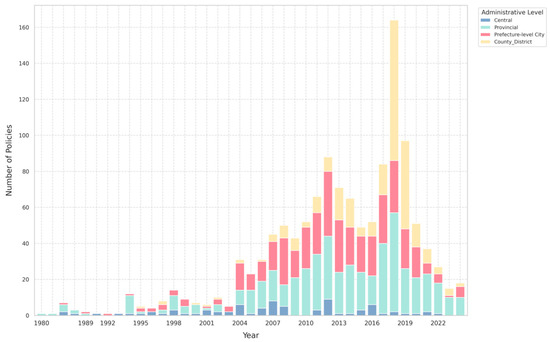
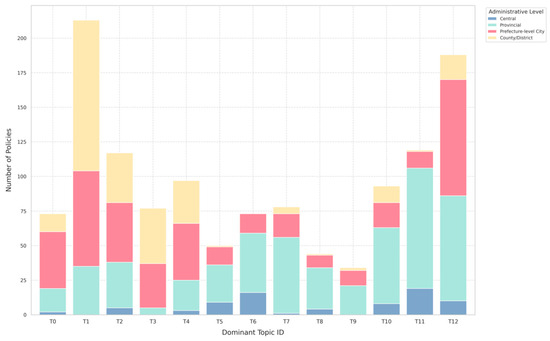
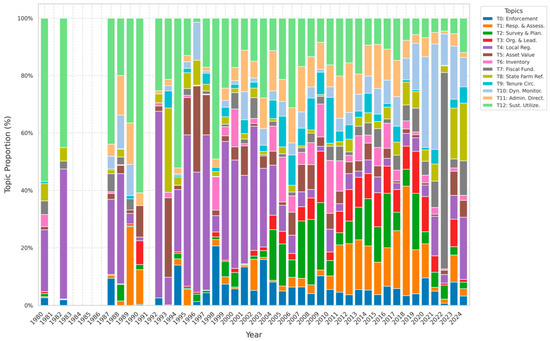
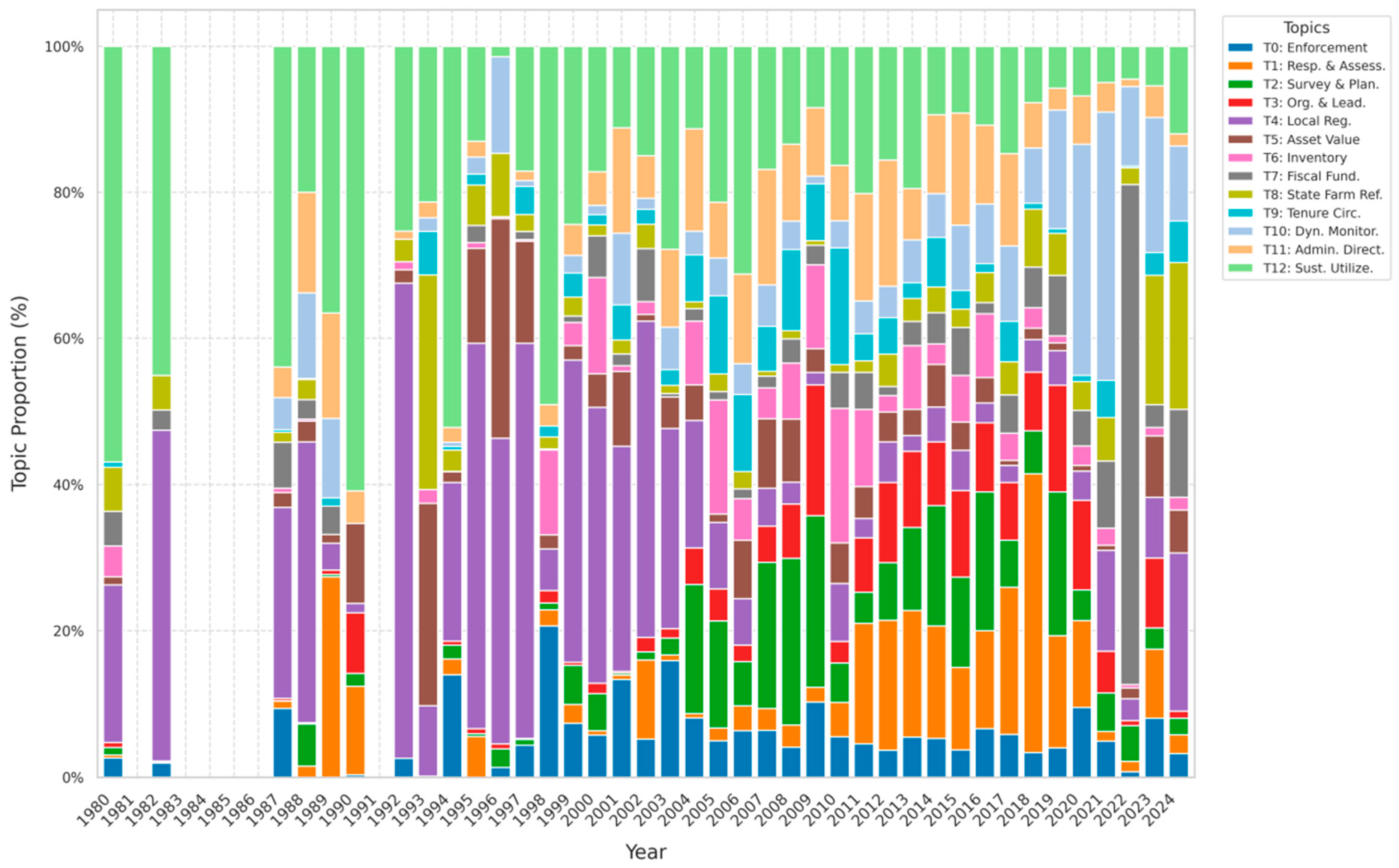
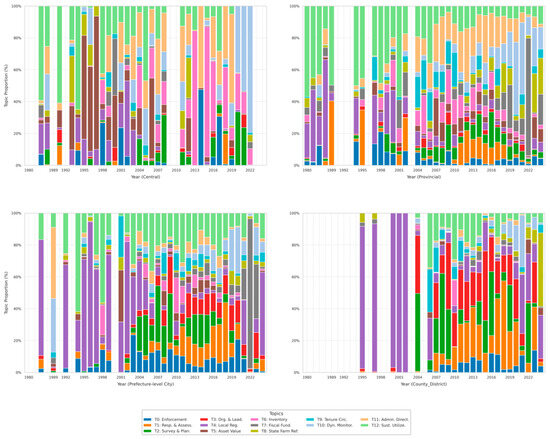
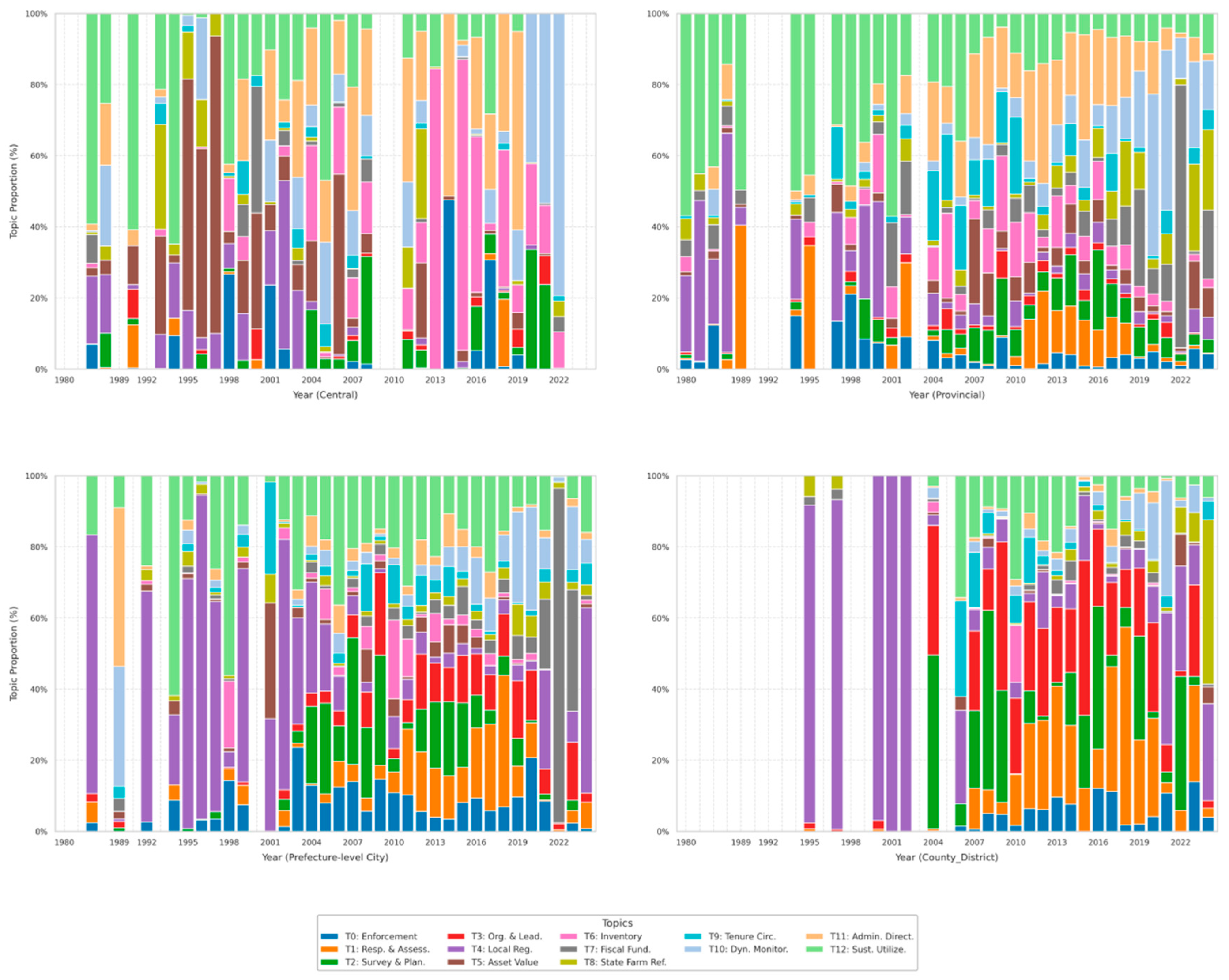
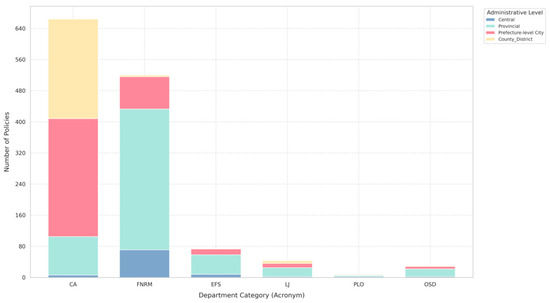
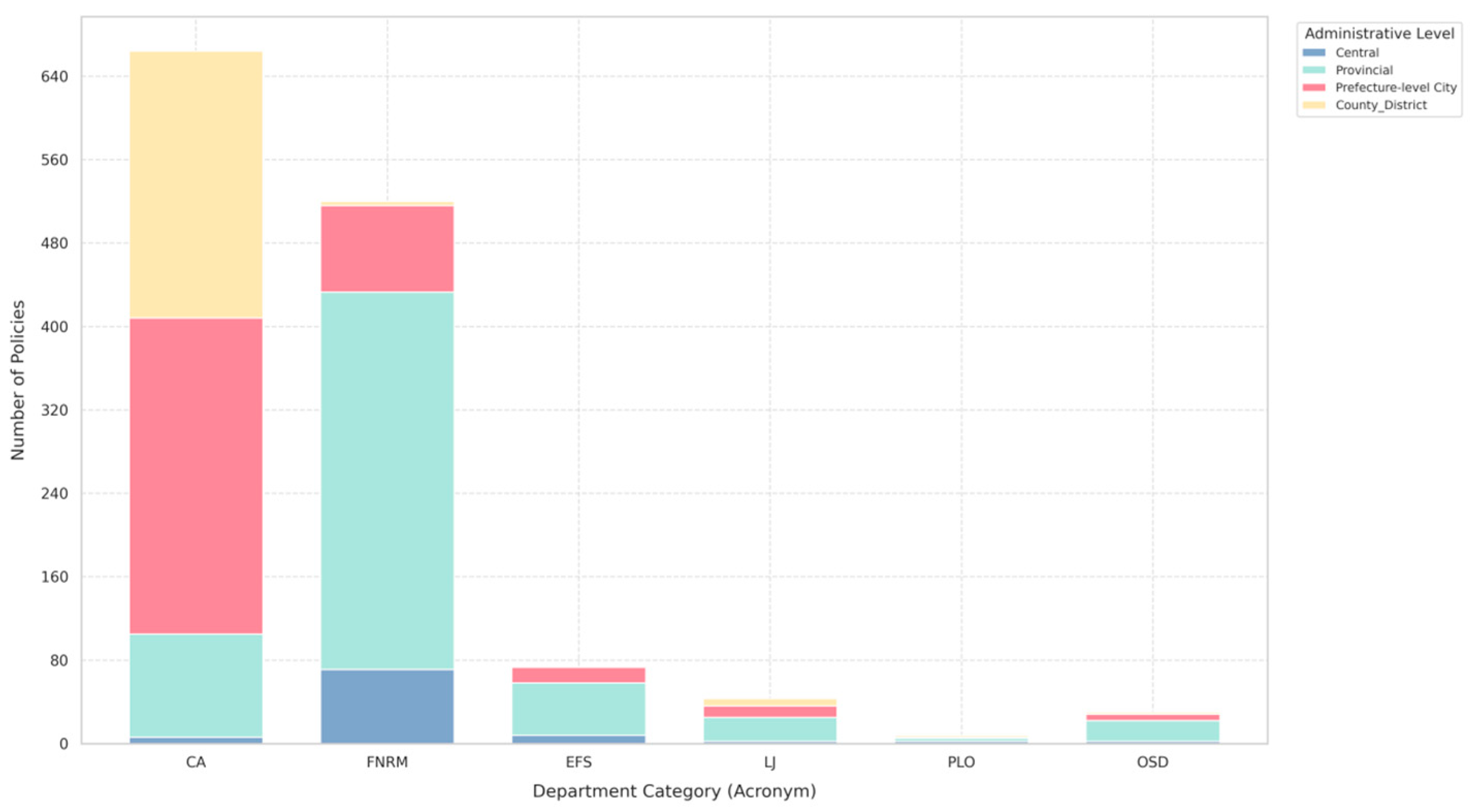
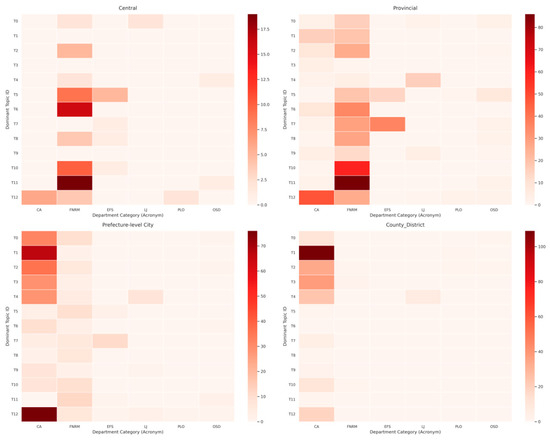
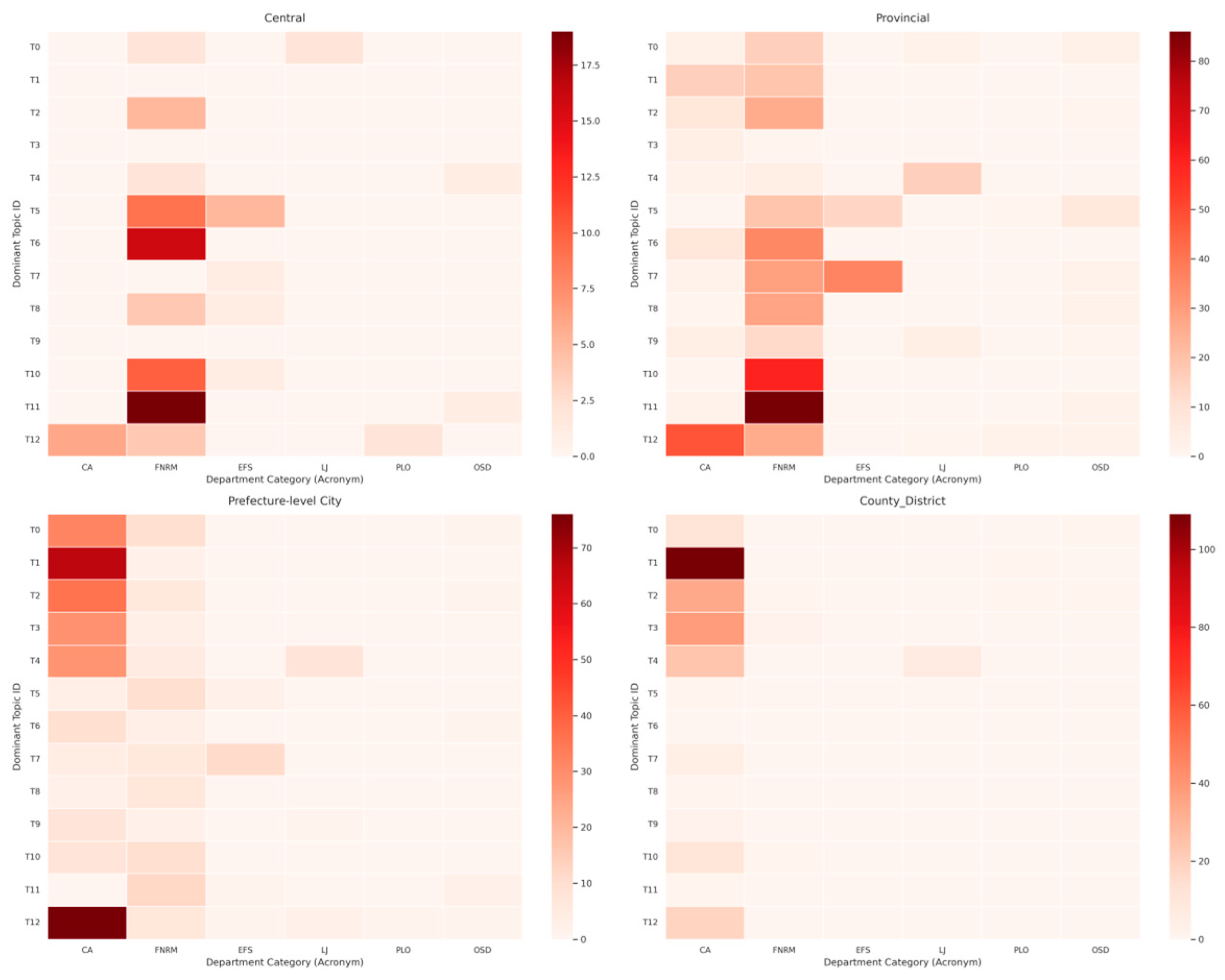
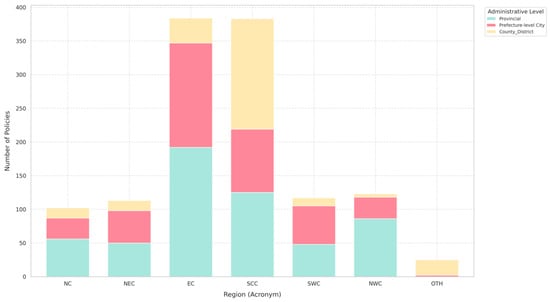
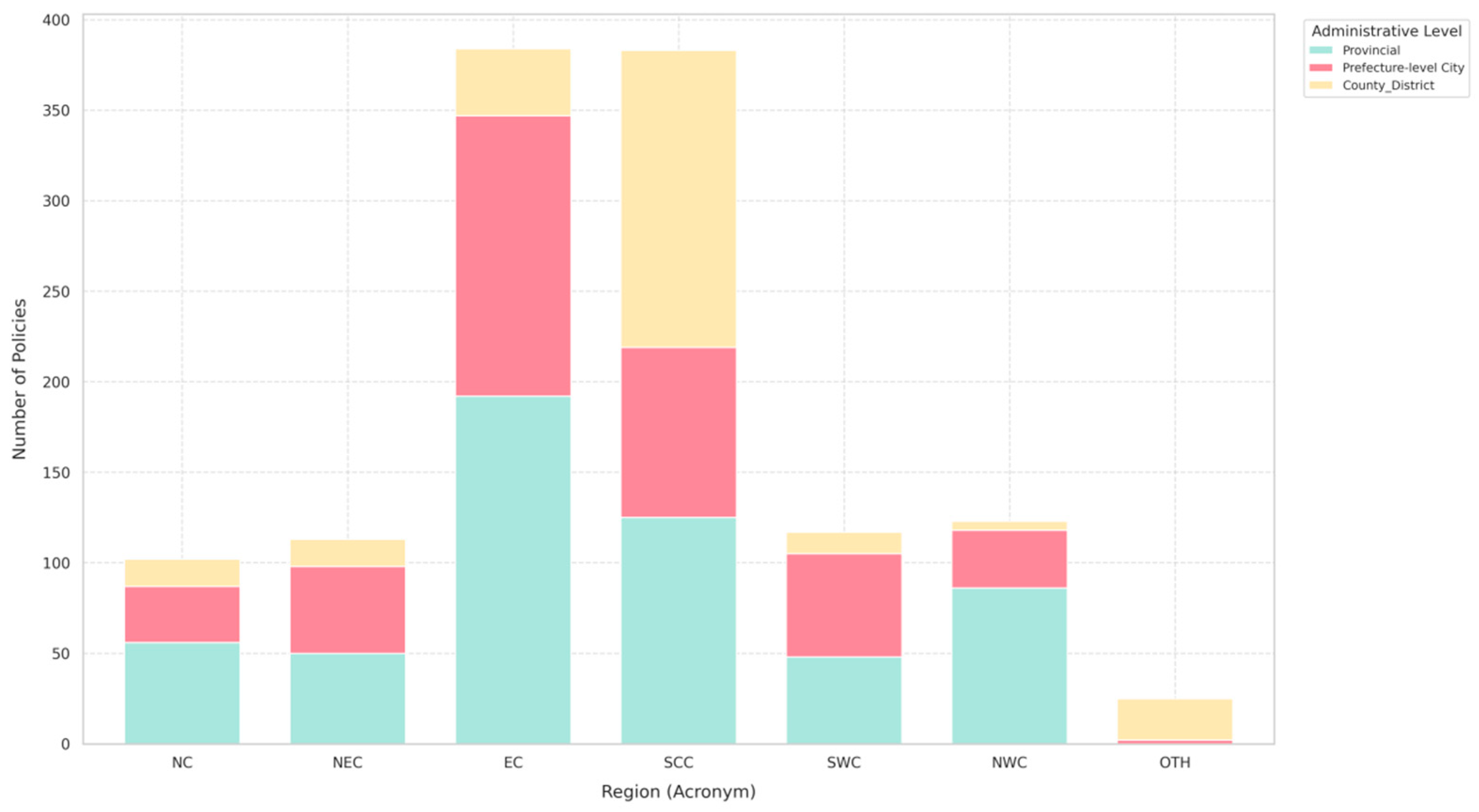
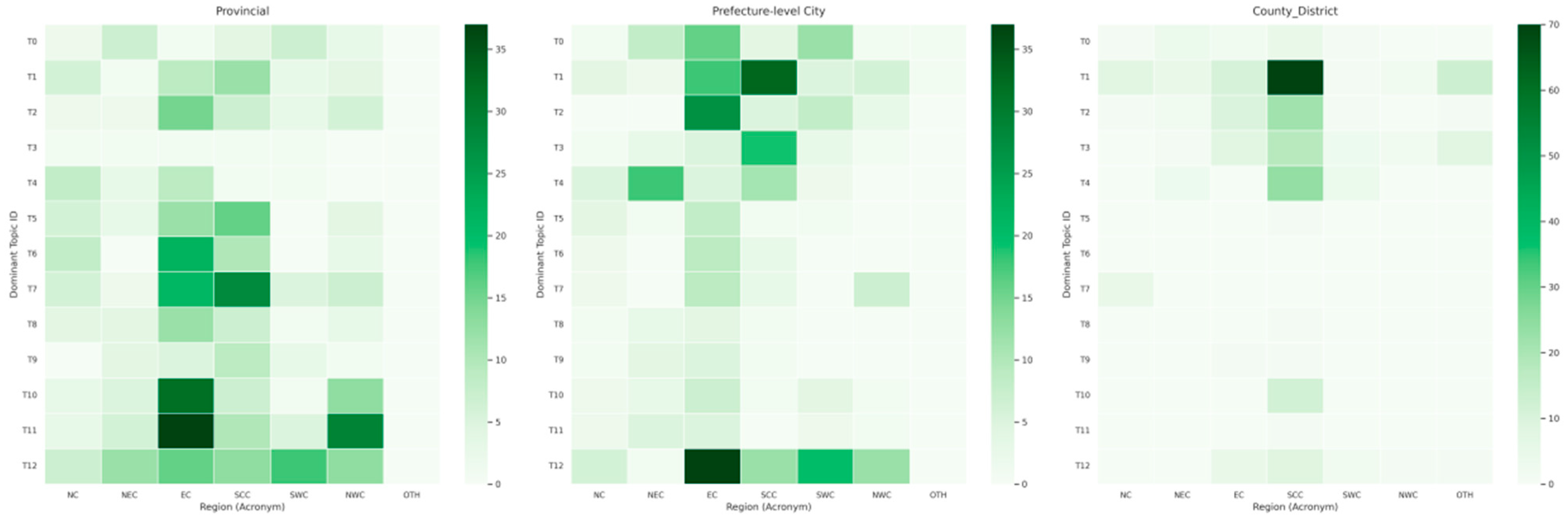

Disclaimer/Publisher’s Note: The statements, opinions and data contained in all publications are solely those of the individual author(s) and contributor(s) and not of MDPI and/or the editor(s). MDPI and/or the editor(s) disclaim responsibility for any injury to people or property resulting from any ideas, methods, instructions or products referred to in the content. |
© 2025 by the authors. Licensee MDPI, Basel, Switzerland. This article is an open access article distributed under the terms and conditions of the Creative Commons Attribution (CC BY) license (https://creativecommons.org/licenses/by/4.0/).