Article

Prioritizing Management Strategies for Laurel Harvesting to Enhance Forest-Based Bioeconomy: A Hybrid Framework

Faculty of Forestry, Bartın University, 74100 Bartın, Turkey
Forests 2024, 15(7), 1165; https://doi.org/10.3390/f15071165
Submission received: 24 May 2024 / Revised: 30 June 2024 / Accepted: 2 July 2024 / Published: 4 July 2024
(This article belongs to the Special Issue Non-timber Forest Products: Beyond the Wood)

Abstract

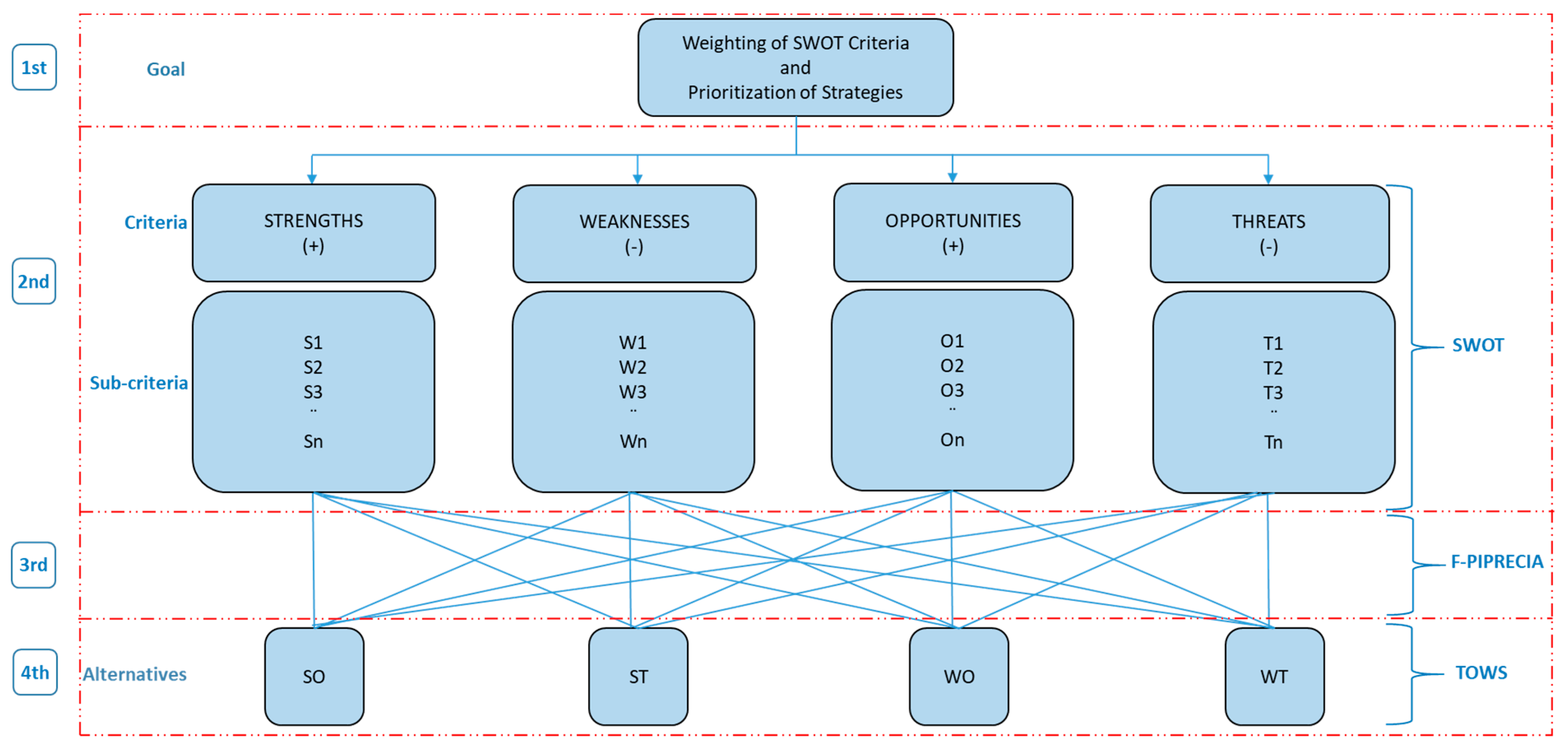
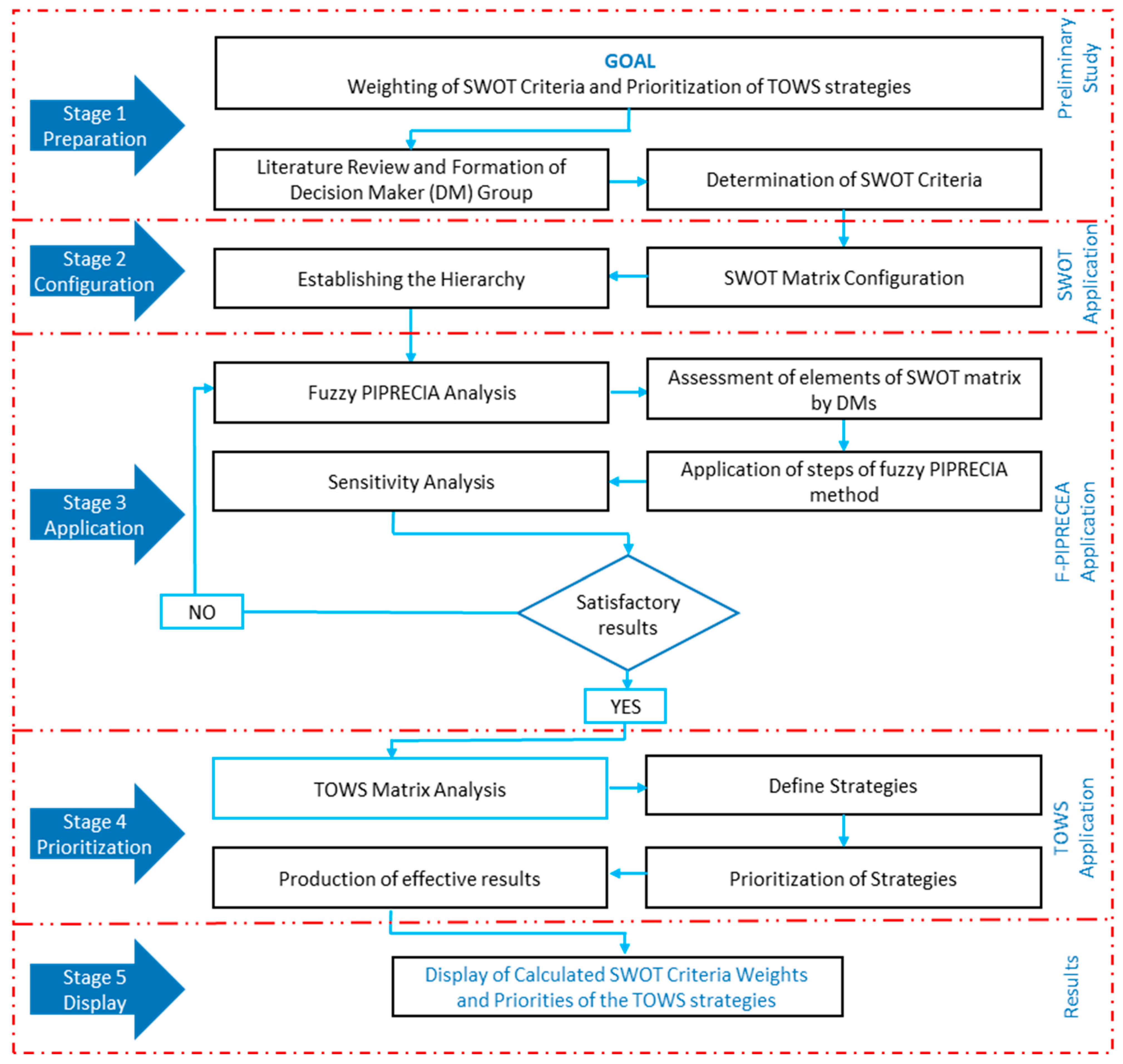
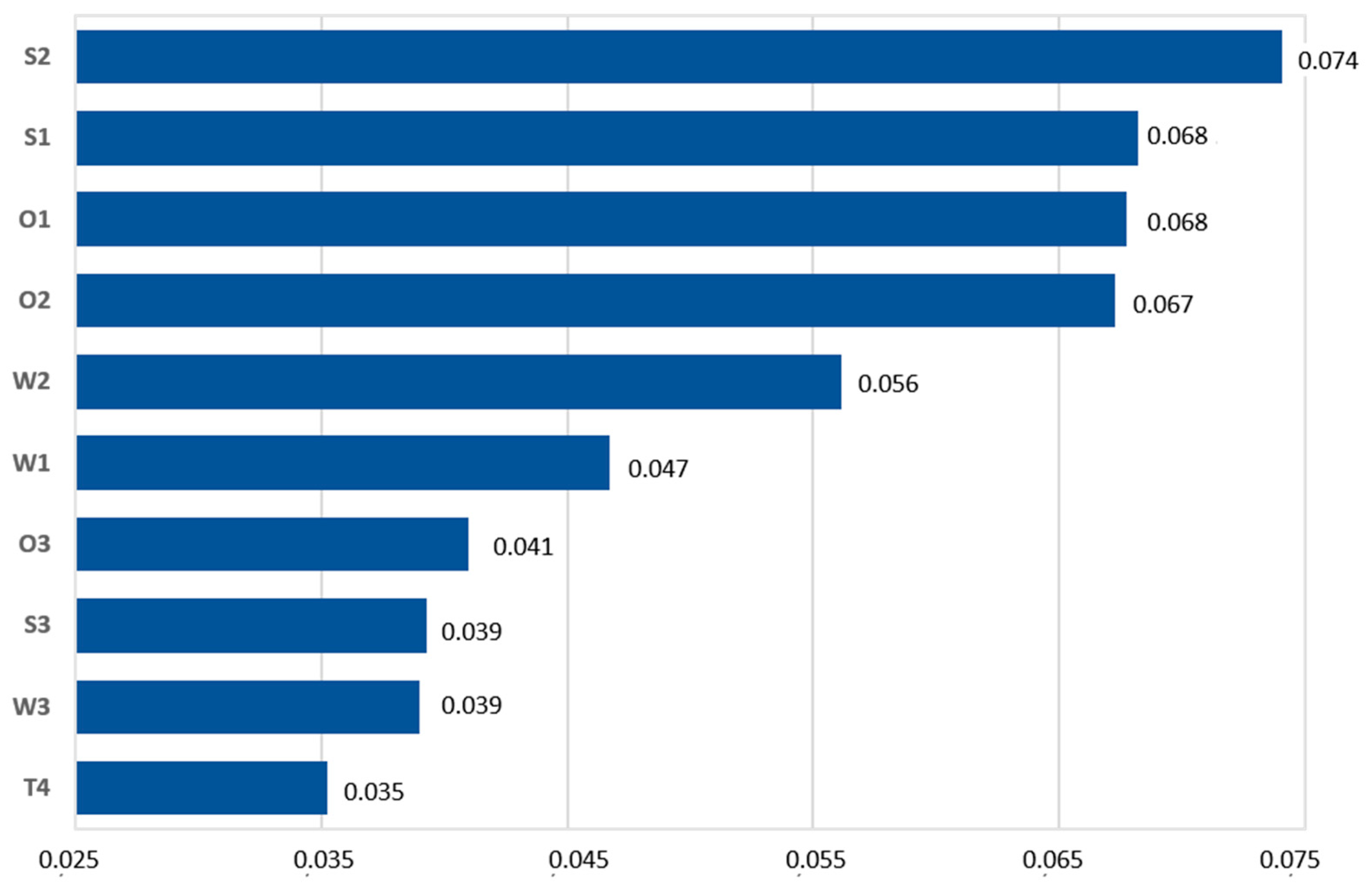
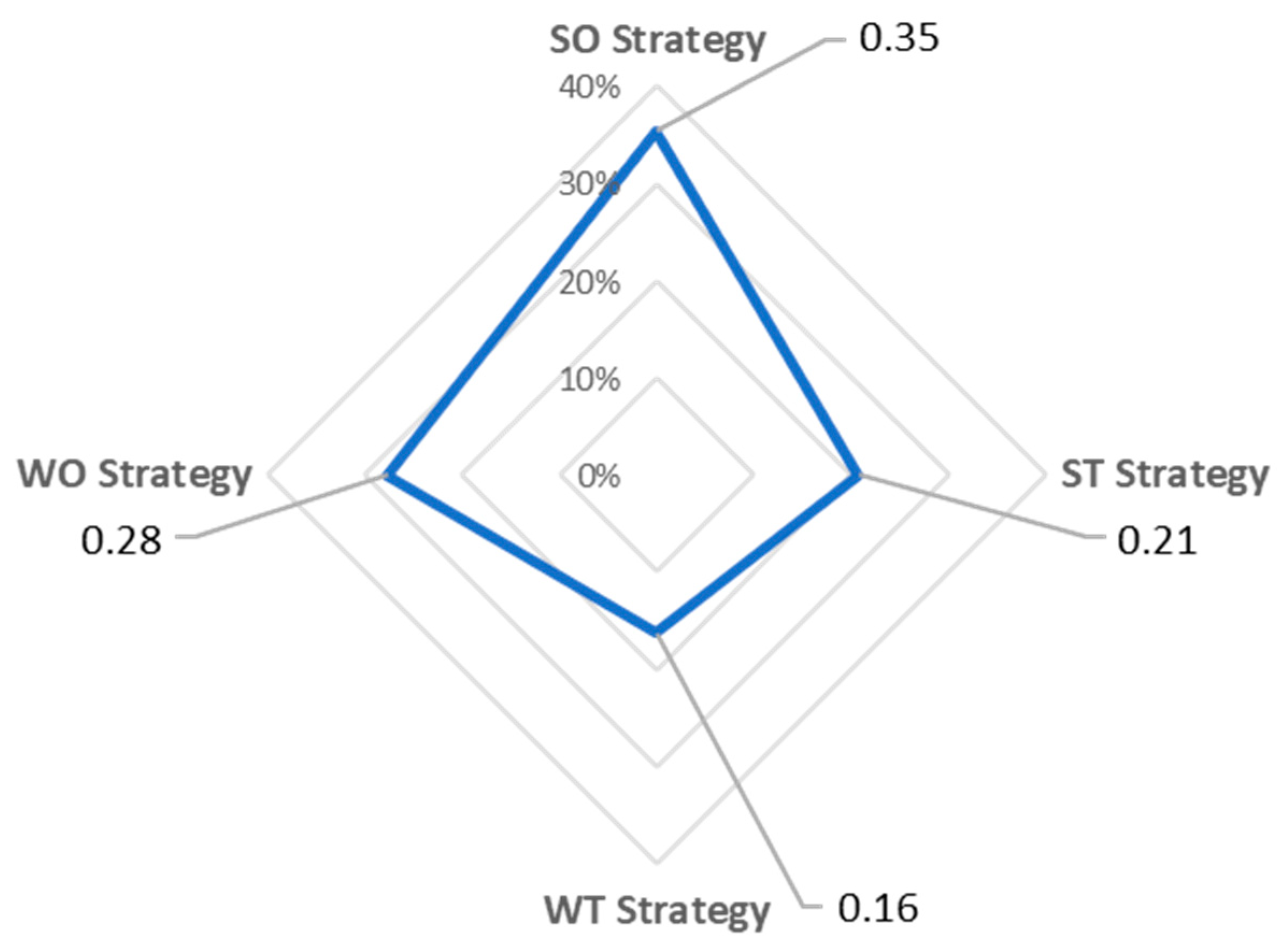
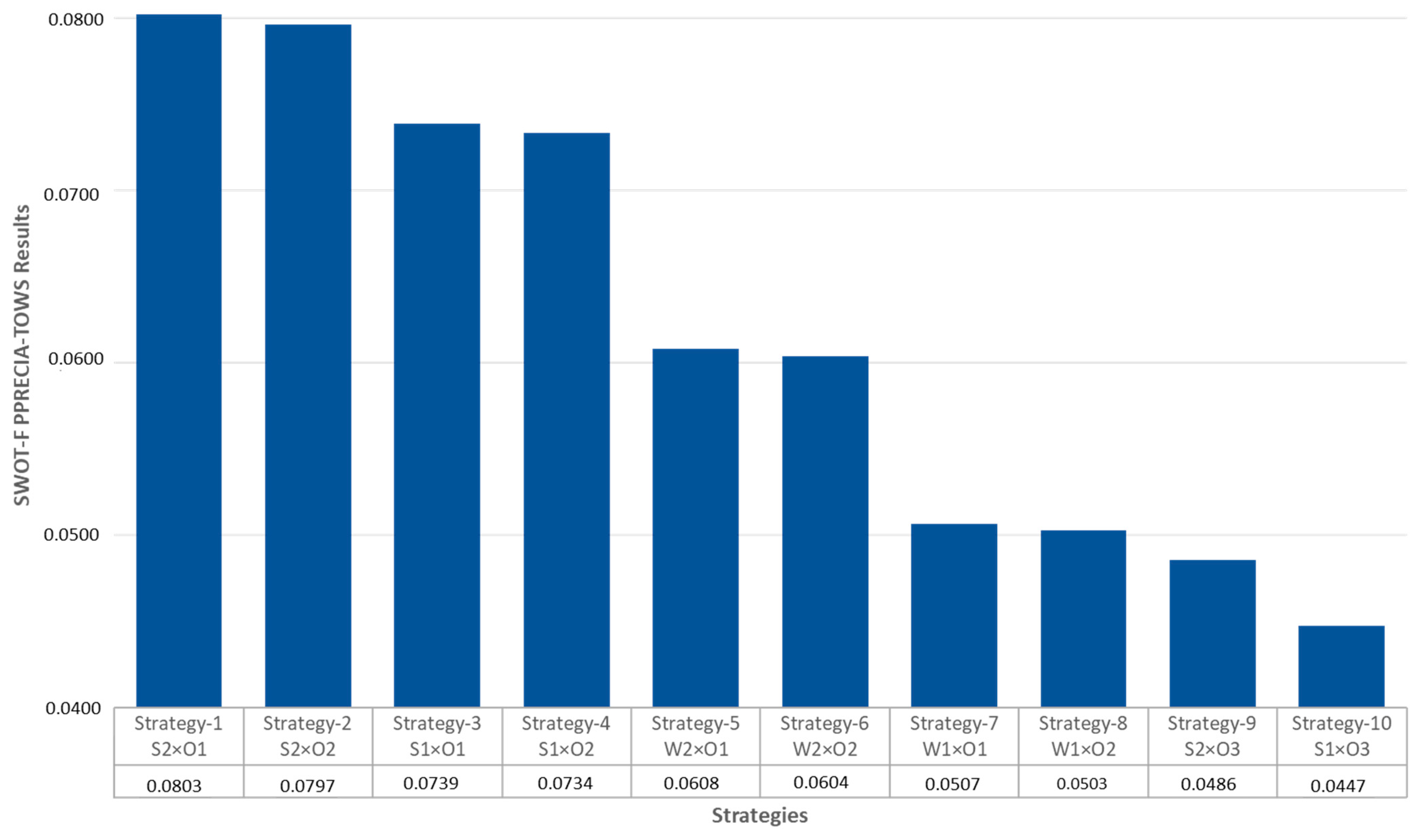
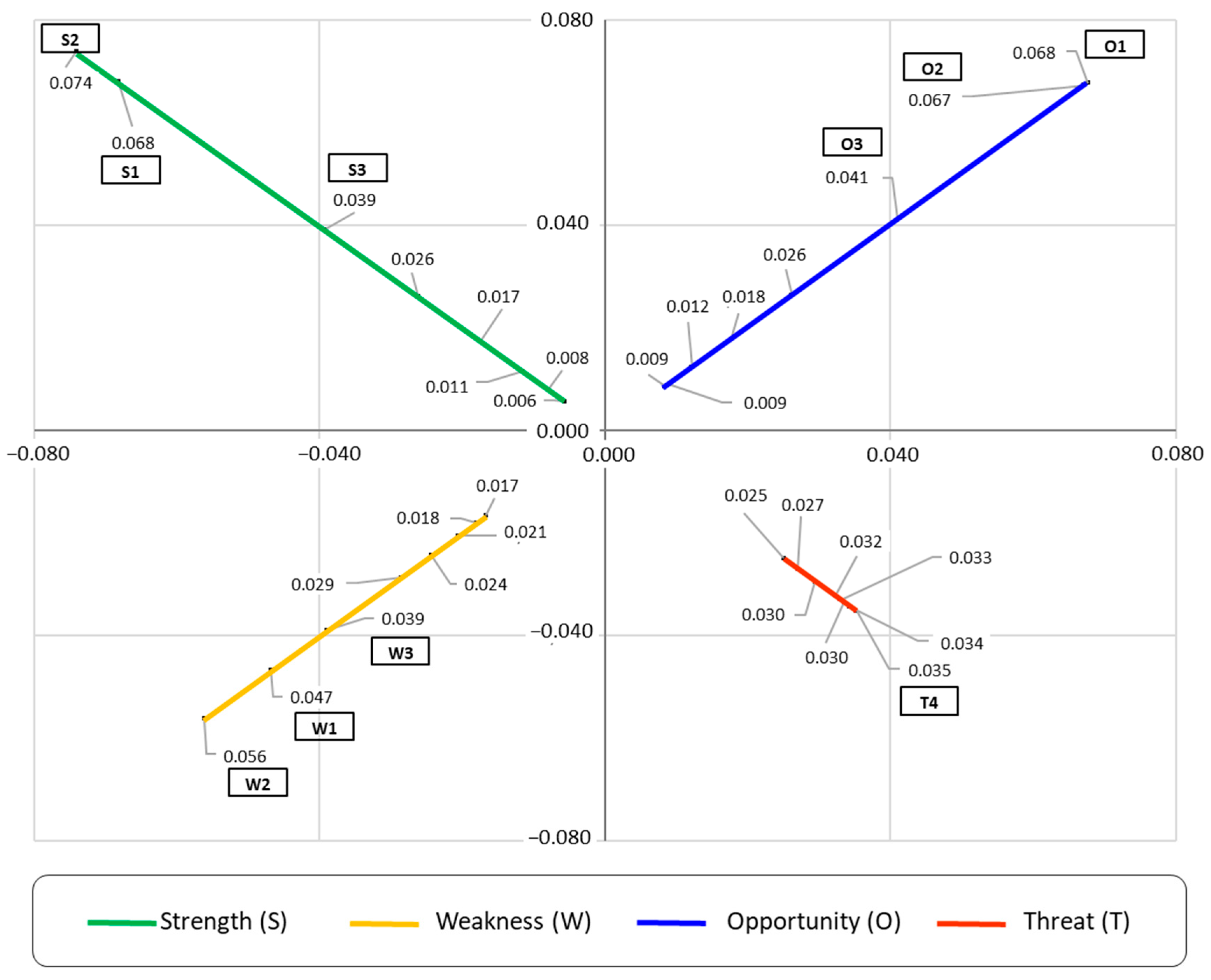
Laurel (Laurus nobilis L.) is a valuable non-wood forest product (NWFP) in the global export market, with Turkey being the largest supplier. Laurel harvesting is crucial for achieving long-term goals in the NWFP industry. This study assessed the effectiveness of a hybrid framework for prioritizing management strategies for laurel harvesting to boost the forest-based bioeconomy in Turkey. The existing literature highlights the use of multi-criteria decision-making methods when dealing with multiple conflicting criteria. This study proposes a systematic and comprehensive framework to analyze the current situation and develop effective laurel harvesting strategies. An integrated SWOT-fuzzy Pivot Pairwise Relative Criteria Importance Assessment (F-PIPRECIA) and TOWS Matrix approach was used. Data from ten decision makers evaluated four separate SWOT criteria against thirty-two sub-criteria. The most critical strategy identified was Maxi S2 × Maxi O1 (0.0803). Sensitivity analyses validated the results. This study found that the most effective strategies in Turkey include improving environmental and forest planning tools through circular management methods, promoting investment in forest infrastructure, supporting training and entrepreneurship programs in laurel harvesting, and strengthening innovative forest-based value chains. The hybrid framework aims for sustainable laurel resource management while maximizing economic returns. Implementing this methodology will help conserve biodiversity and enhance local communities’ well-being.
Keywords: non-wood forest products (NWFPs); bioeconomy; laurel harvesting; optimization and decision making; SWOT- Fuzzy PIPRECIA -TOWS hybrid approach non-wood forest products (NWFPs); bioeconomy; laurel harvesting; optimization and decision making; SWOT- Fuzzy PIPRECIA -TOWS hybrid approach