Article

Exploring a New Physical Scenario of Virtual Water Molecules in the Application of Measuring Virtual Trees Using Computational Virtual Measurement

1
Precision Forestry Key Laboratory of Beijing, Beijing Forestry University, Beijing 100083, China
2
Department for Earth Observation, Friedrich Schiller University Jena, Loebdergraben 32, 07743 Jena, Germany
3
Faculty of Electrical Engineering and Information Technology, Ruhr University Bochum, Universitaetsstr. 150, D-44801 Bochum, Germany
4
State Key Laboratory of Chemical Resource Engineering, Beijing Key Laboratory of Advanced Functional Polymer Composites, Beijing University of Chemical Technology, Beijing 100029, China
5
Instiute of Eco-Environmental Research, Guangxi Academy of Sciences, Nanning 530007, China
6
Surveying and 3S Engineering Research Center, Beijing Forestry University, Beijing 100083, China
*
Authors to whom correspondence should be addressed.
Those authors contribute equally to this work.
Forests 2024, 15(5), 880; https://doi.org/10.3390/f15050880
Submission received: 18 April 2024 / Revised: 15 May 2024 / Accepted: 17 May 2024 / Published: 18 May 2024
(This article belongs to the Special Issue Integrated Measurements for Precision Forestry)

Abstract

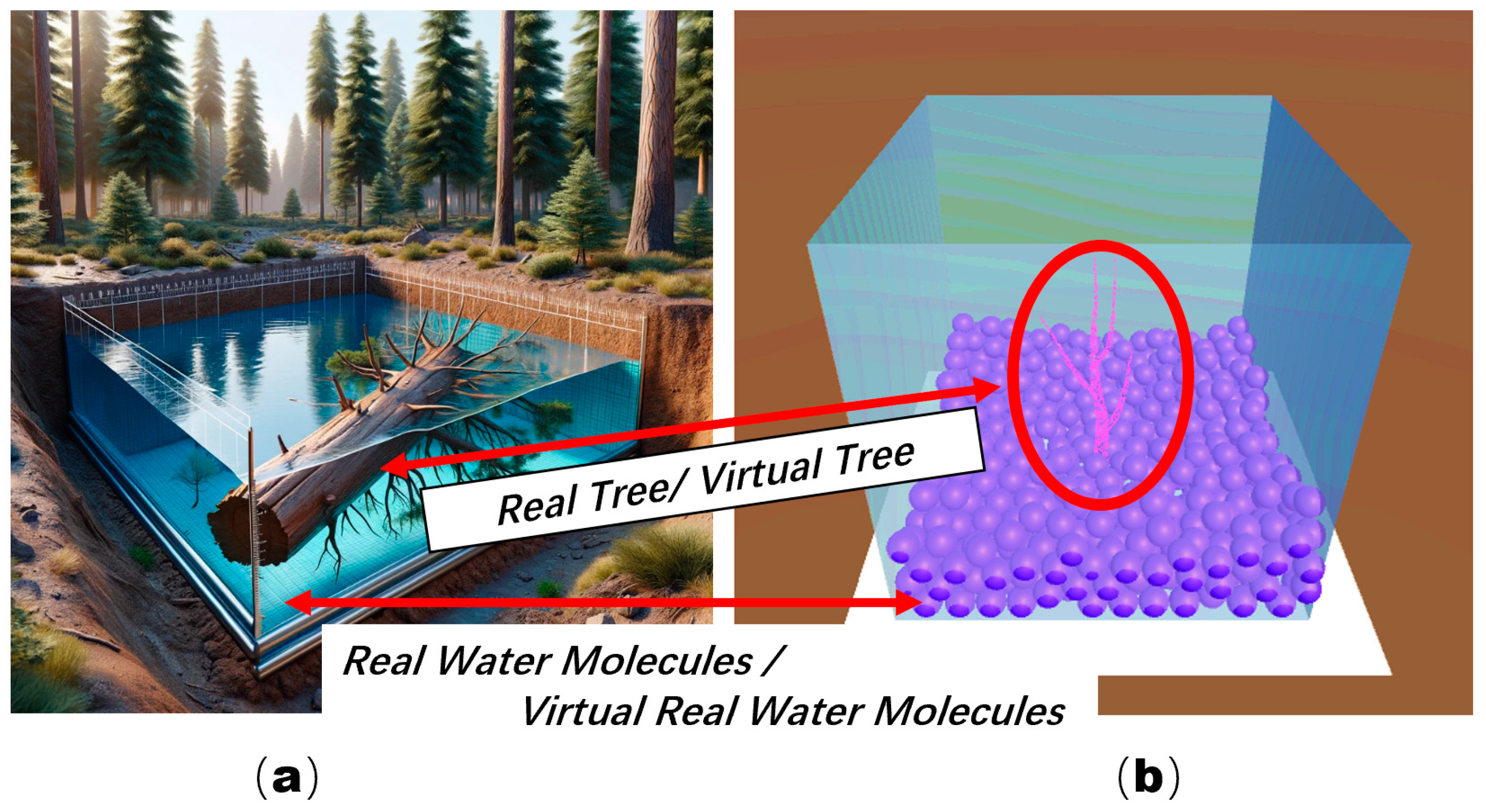
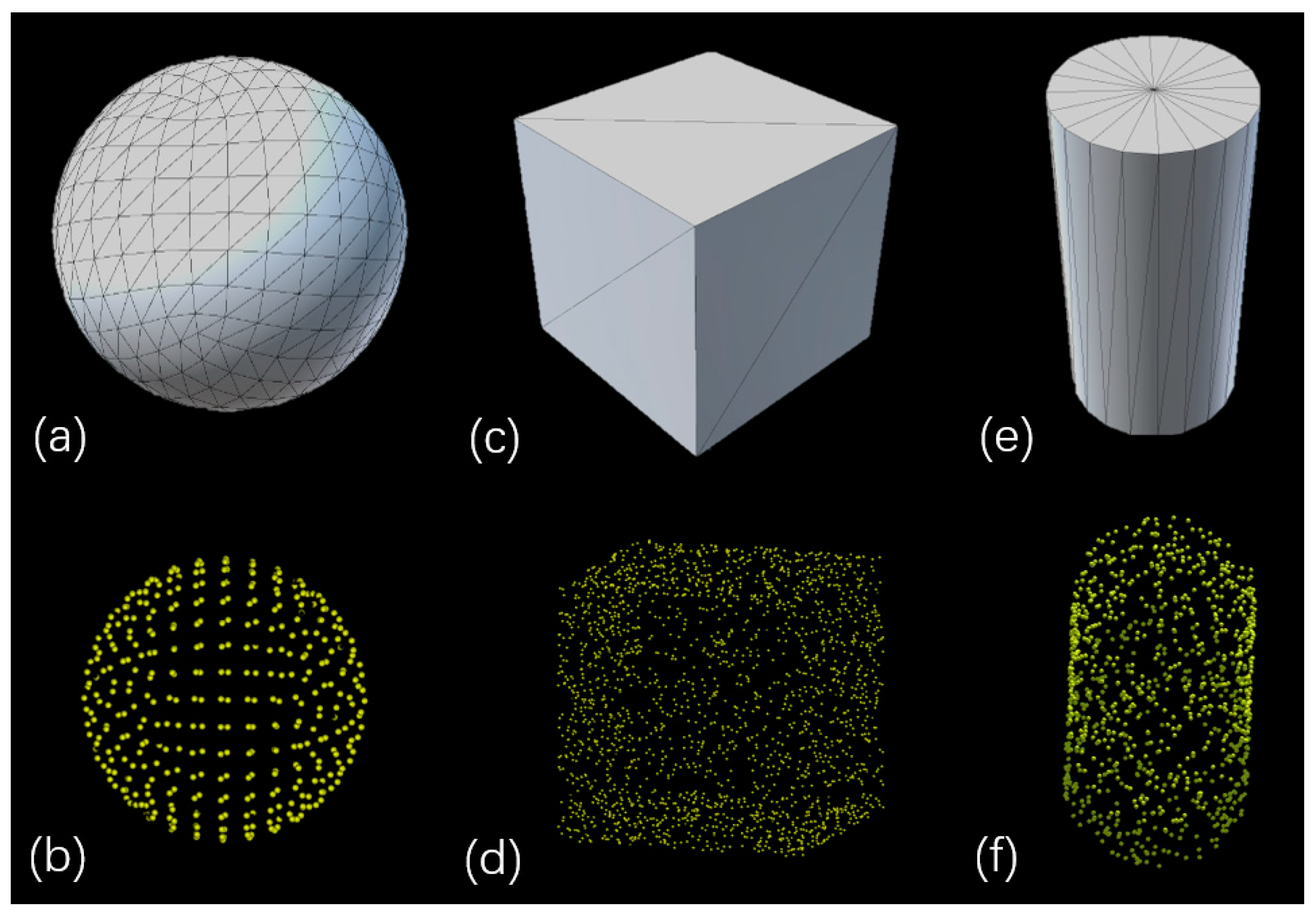
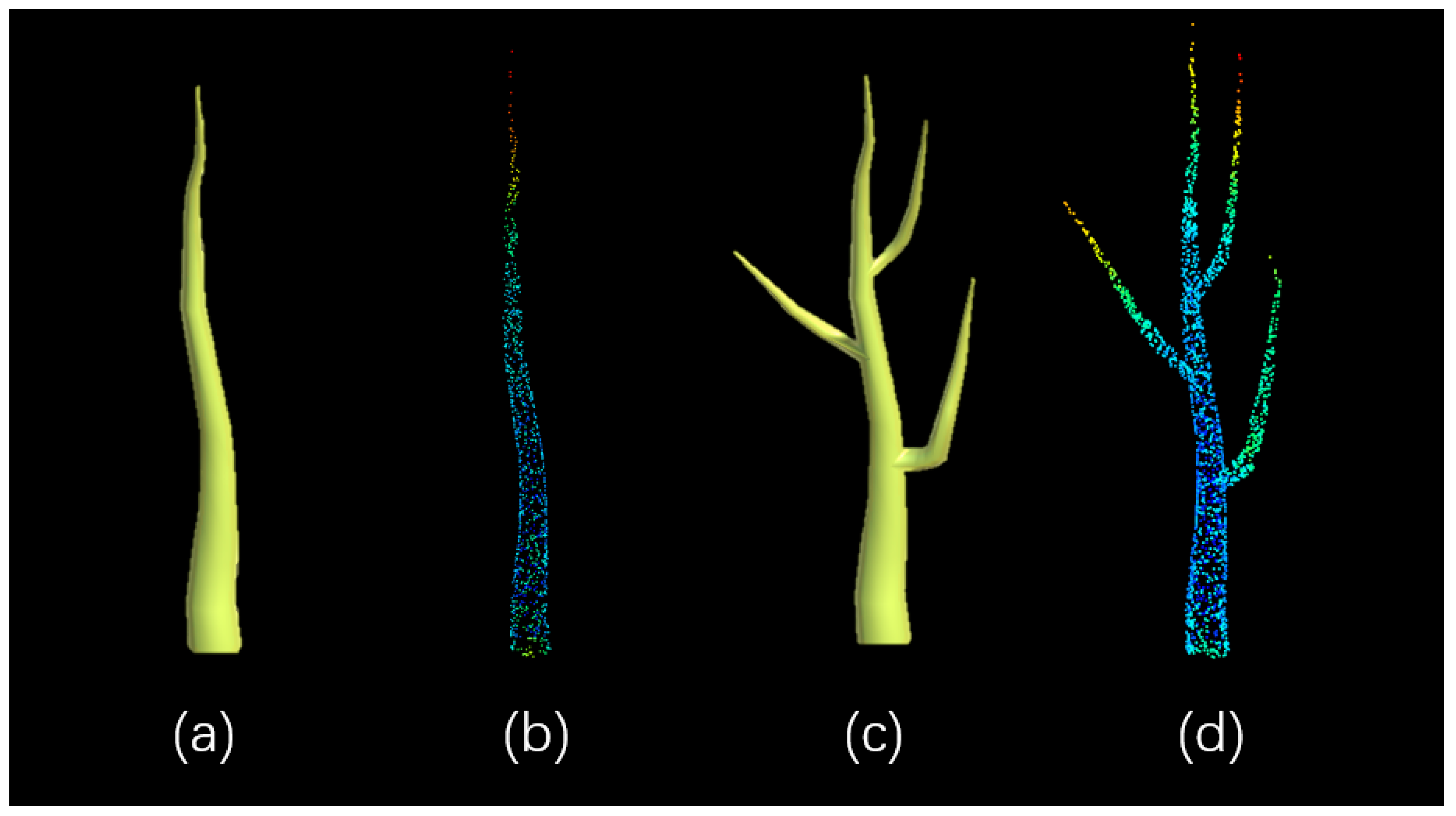
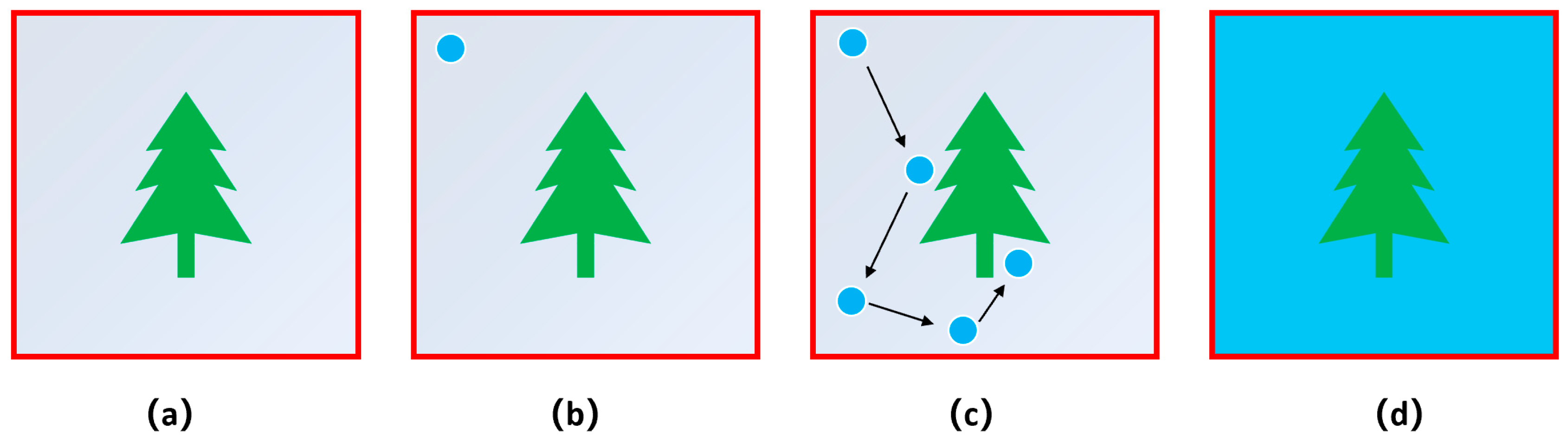
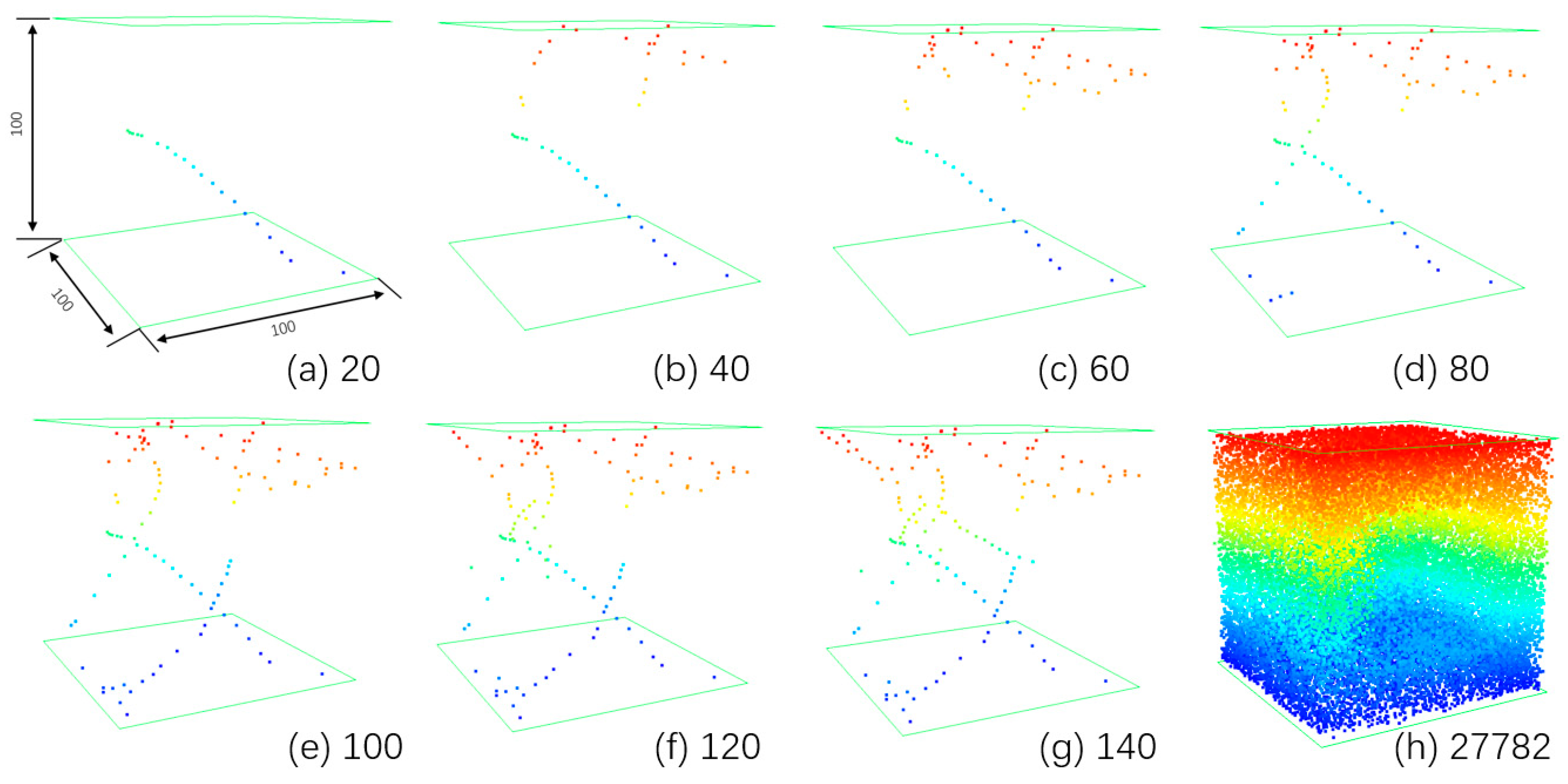
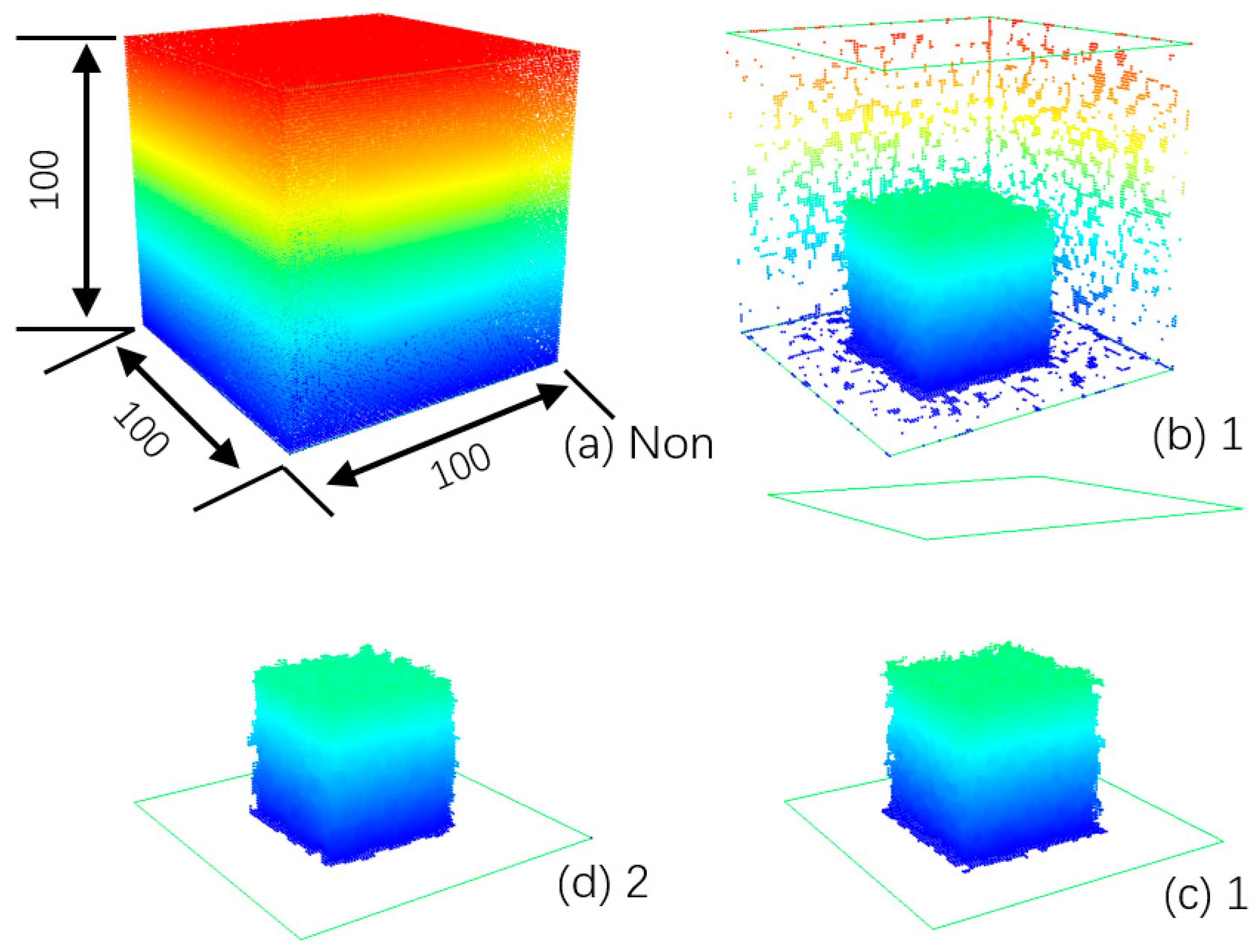
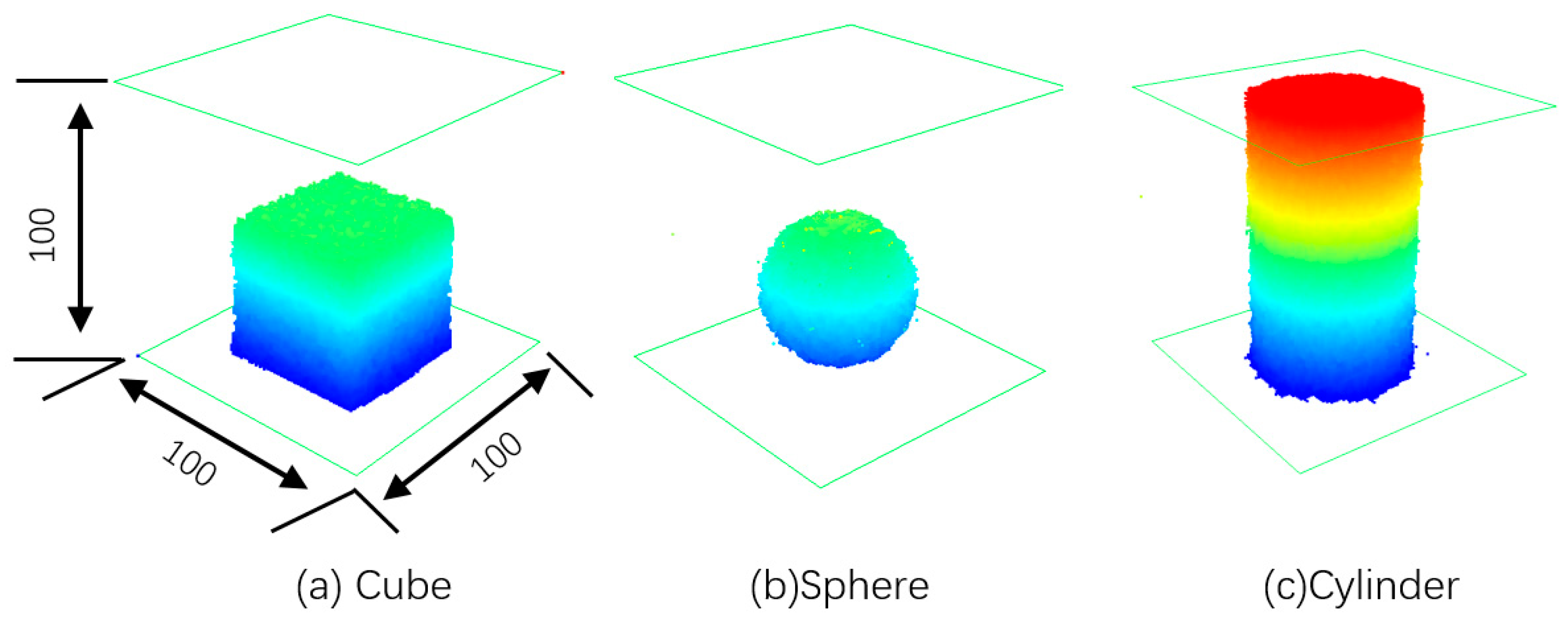
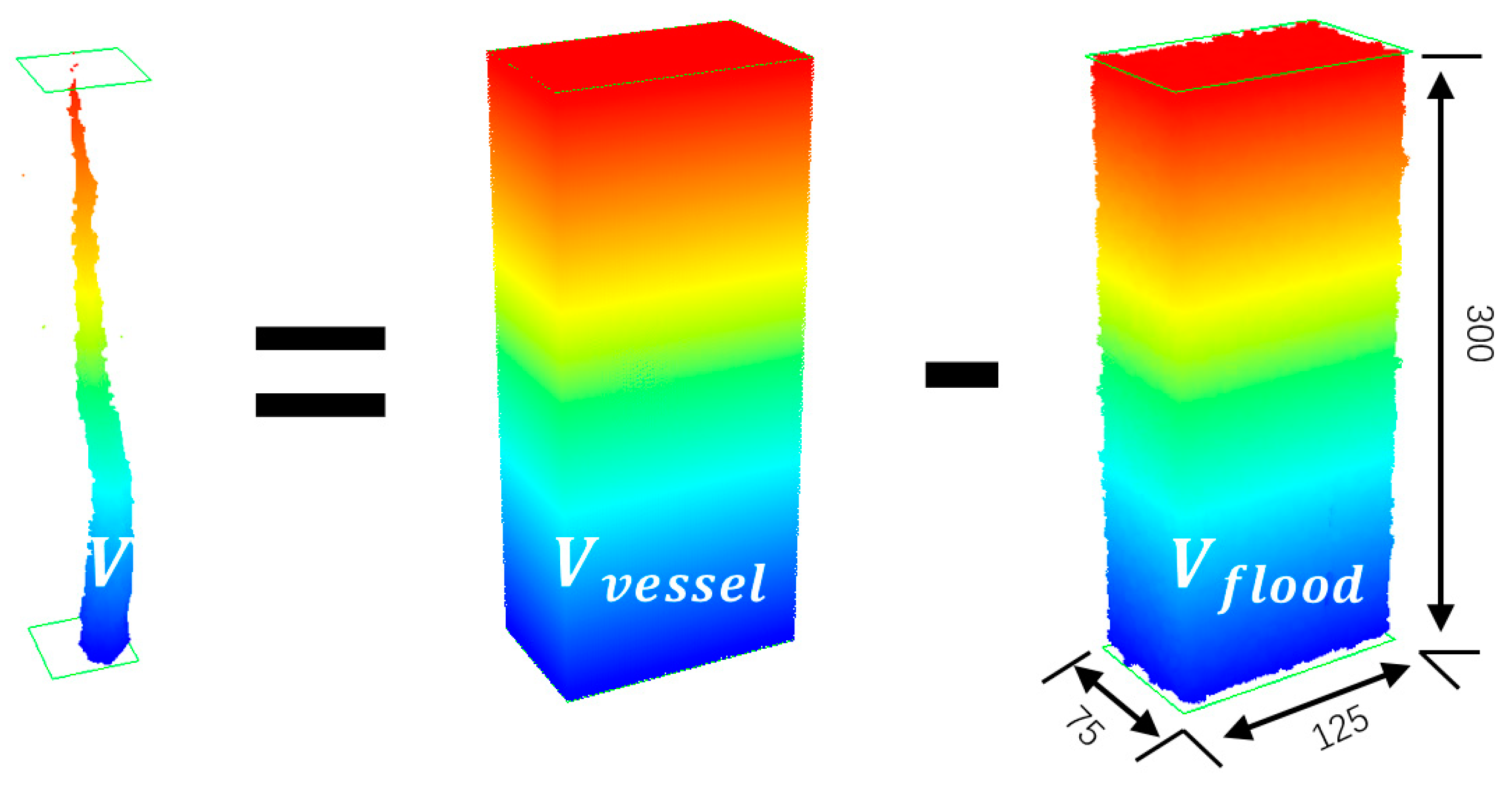
Our previous studies discussed the potential of measuring virtual trees using computational virtual measurement (CVM). CVM is a general methodology that employs observational techniques in lieu of mathematical processing. The advantage of CVM lies in its ability to circumvent mathematical assumptions of tree shapes at the algorithmic level. However, due to the current computational limitations of desktop computers, the previously developed CVM application, namely, virtual water displacement (VWD), could only act as a primary theoretical testimonial using an idealized point cloud of a tree. The key problem was that simulating a massive number of virtual water molecules (VMMs) consumed most of the computational resources. As a consequence, an unexpected empirical formula for volume calibration had to be applied to the output measurement results. Aiming to create a more realistic simulation of what occurs when water displacement is used to measure tree volume in the real world, in this study, we developed a new physical scenario for VWMs. This new scenario, namely, a flood area mechanism (FAM), employed footprints of VWMs instead of quantifying VWM counts. Under a FAM, the number of VMMs was reduced to a few from several thousands, making the empirical mathematical process (of the previously developed physical scenario of VWMs) unnecessary. For the same ideal point clouds as those used in our previous studies, the average volume overestimations were found to be 6.29% and 2.26% for three regular objects and two artificial stems, respectively. Consequently, we contend that FAM represents a closer approximation to actual water displacement methods for measuring tree volume in nature. Therefore, we anticipate that the VWD method will eventually utilize the complete tree point cloud with future advancements in computing power. It is necessary to develop methods such as VWD and more CVM applications for future applications starting now.
Keywords: computational virtual measurement; virtual water displacement; PhysX; unity; future methods; tree volume computational virtual measurement; virtual water displacement; PhysX; unity; future methods; tree volume