Article

Impacts and Predictions of Urban Expansion on Habitat Connectivity Networks: A Multi-Scenario Simulation Approach


1
Guangxi Colleges and Universities Key Laboratory for Cultivation and Utilization of Subtropical Forest Plantation, College of Forestry, Guangxi University, Nanning 530004, China
2
State Key Laboratory of Urban and Regional Ecology, Research Center for Eco-Environmental Sciences, Chinese Academy of Sciences, Beijing 100085, China
3
College of Mechanical Engineering, Guangxi University, Nanning 530004, China
4
International Center for Climate and Global Change Research, College of Forestry, Wildlife and Environment, Auburn University, Auburn, AL 36849, USA
5
Department of Earth and Environmental Sciences, Schiller Institute for Integrated Science and Society, Boston College, Chestnut Hill, MA 02467, USA
*
Author to whom correspondence should be addressed.
Forests 2023, 14(11), 2187; https://doi.org/10.3390/f14112187
Submission received: 9 October 2023 / Revised: 26 October 2023 / Accepted: 30 October 2023 / Published: 3 November 2023
(This article belongs to the Special Issue Urban Forest Landscape Planning, Management and Evaluation)

Abstract

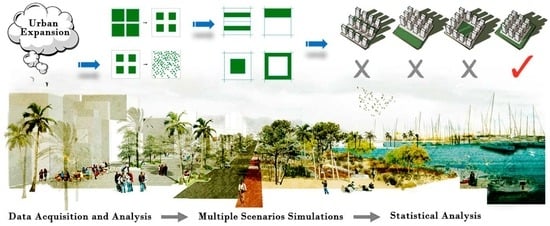
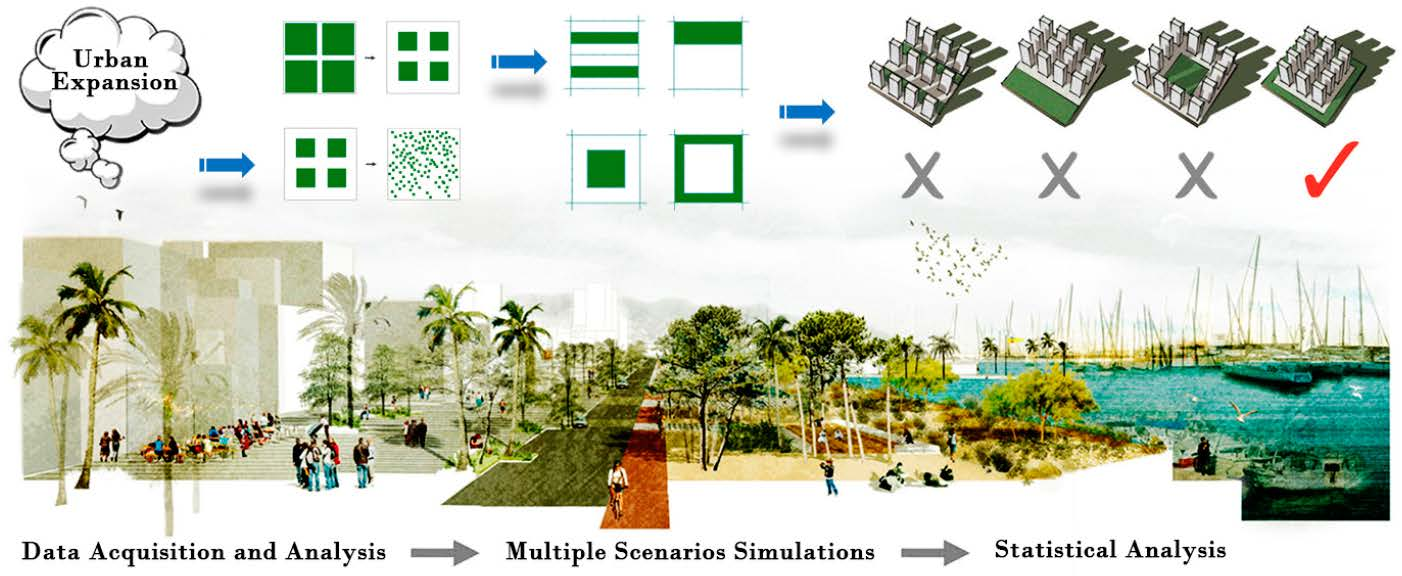
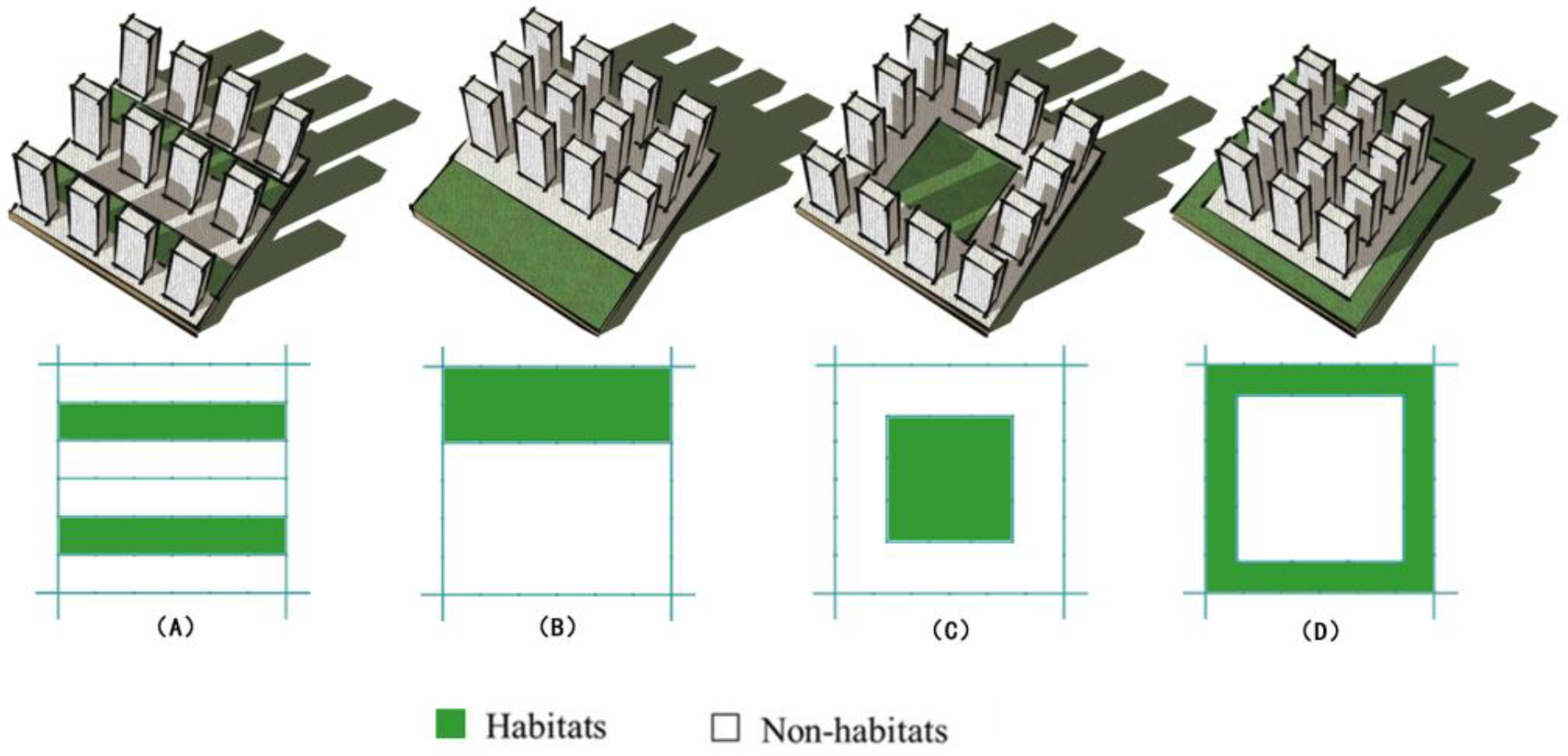
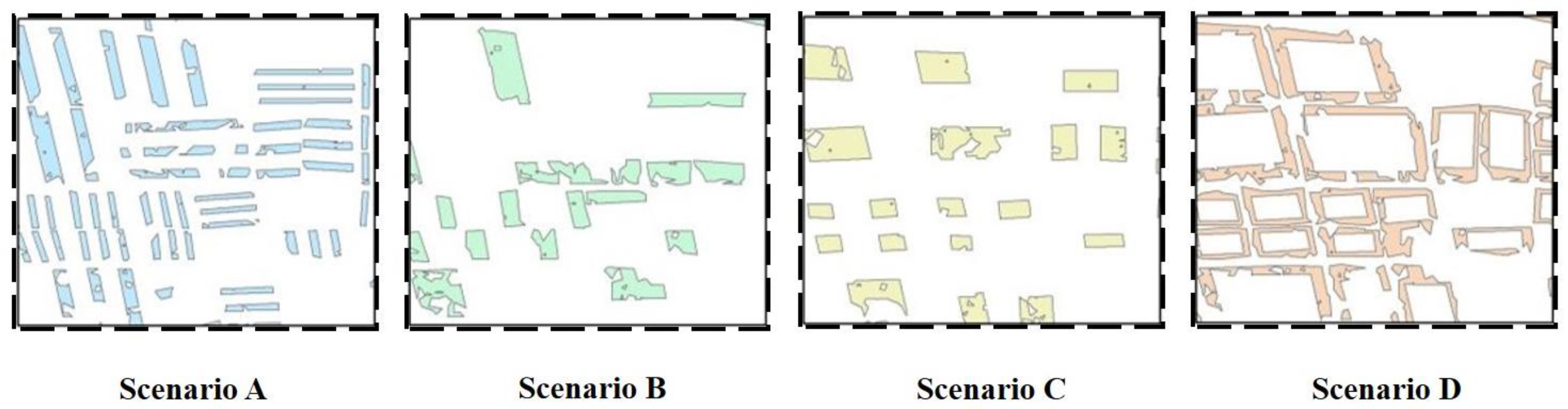
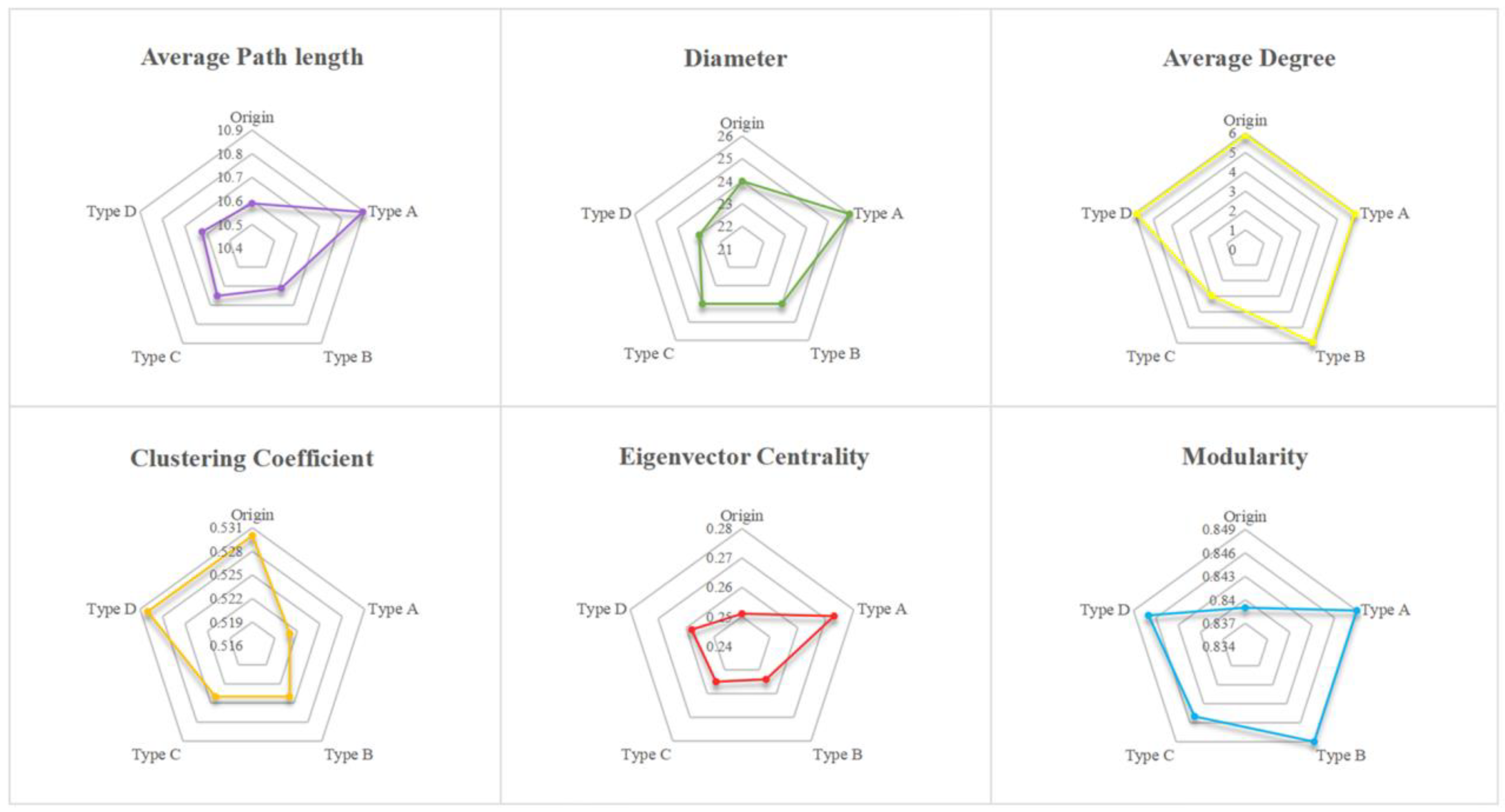
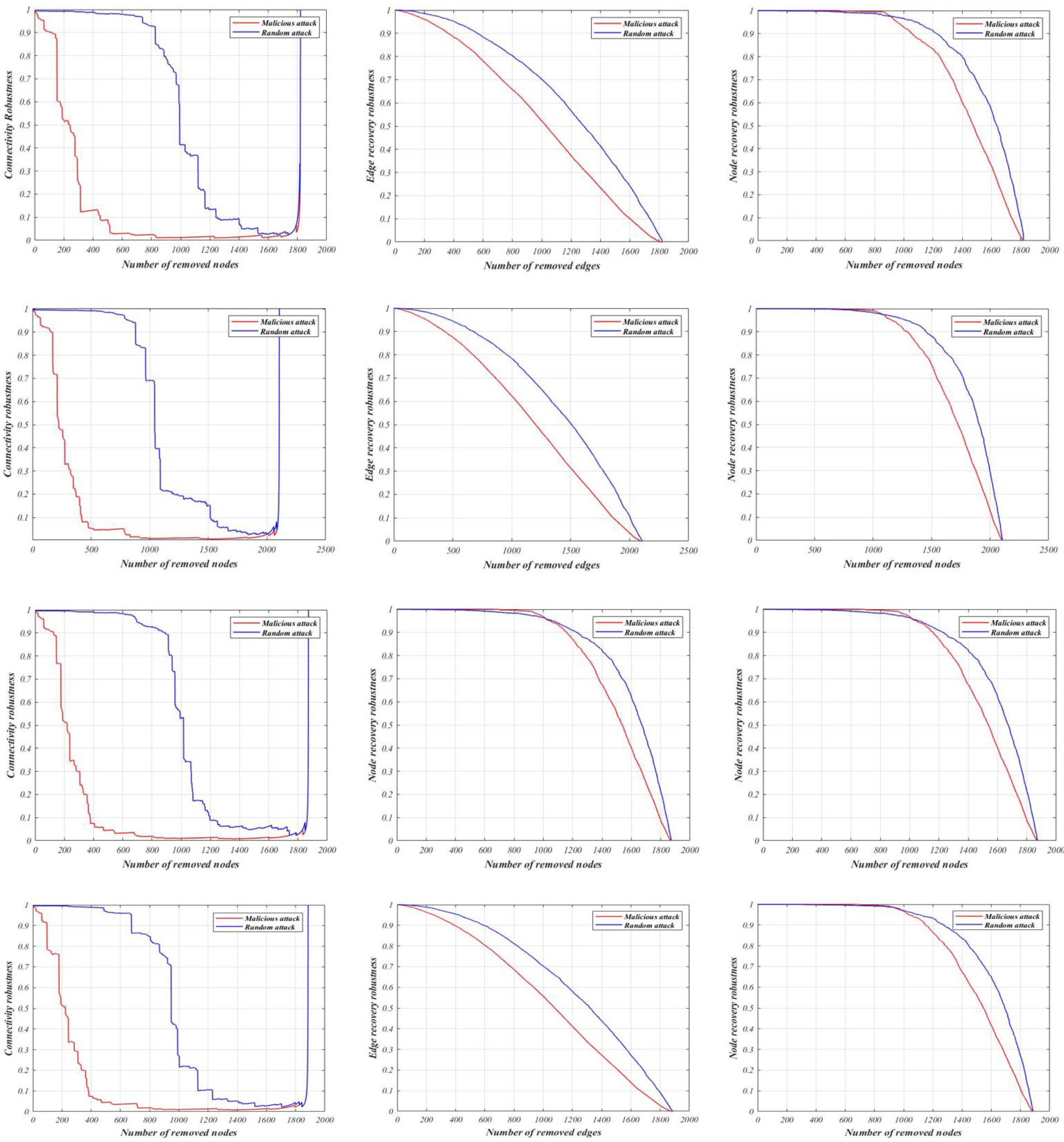
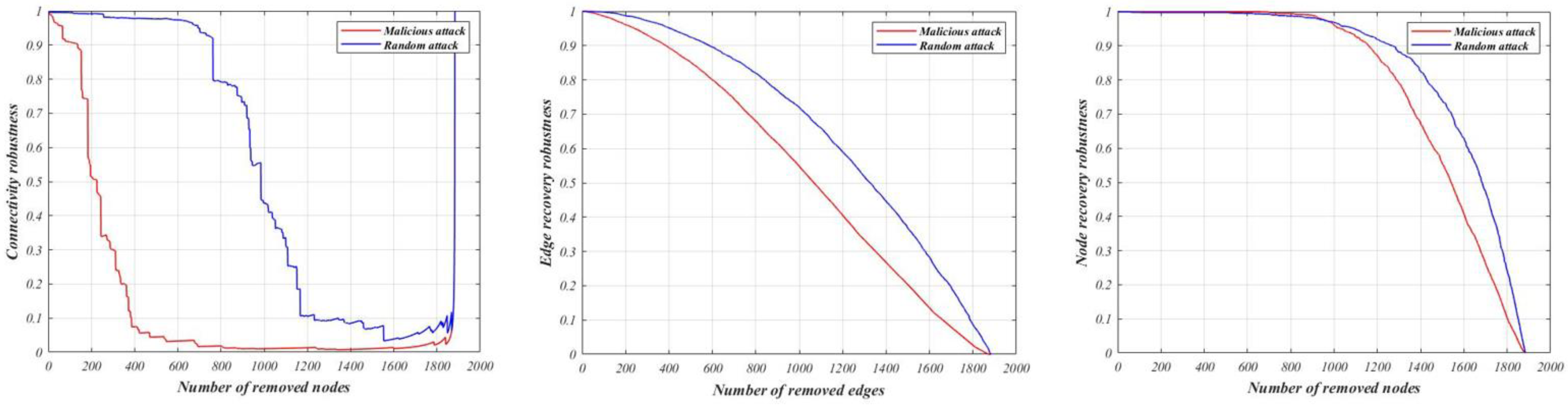
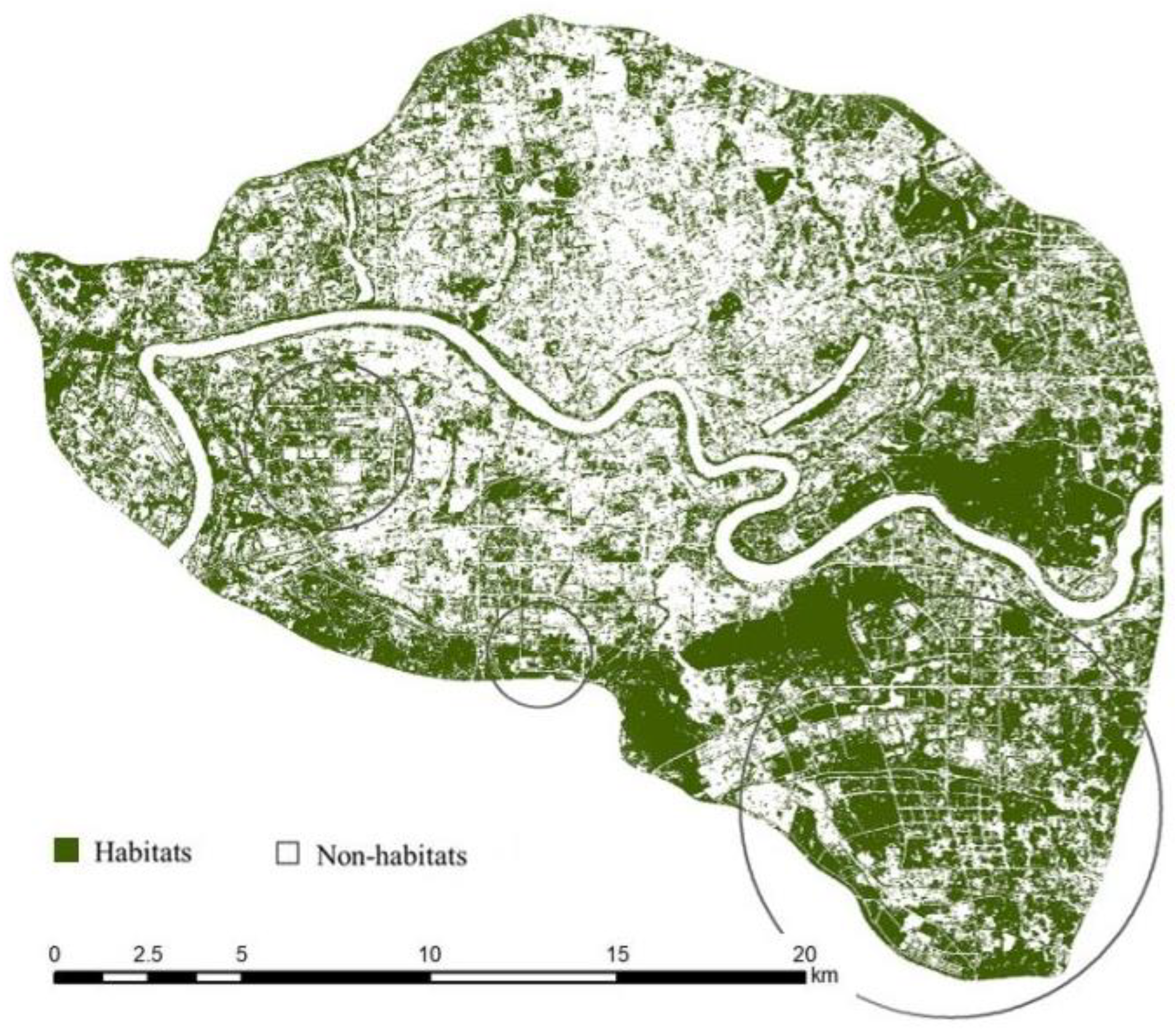
Urban expansion is leading to the loss and fragmentation of habitats, which poses a threat to wildlife. People are hopeful that, through scientific urban planning and the adoption of innovative models for human communities, such a situation can be improved. Thus, a case study was carried out in Nanning City, China, to extract habitats, build an ecological resistance surface, and construct a habitat connectivity network (HCN). To simulate changes to unused land in the future, we put forth the A (the parcel is divided into strips), B (the parcel is divided into two strips), C (the central area of the parcel is planned as a quadrangle), and D (opposite to Scenario C, the peripheral area is green space) scenarios of human communities that guarantee a 30% ratio of green space, and established the corresponding HCNs. The results indicate that: (1) Currently, the habitats cover approximately 153.24 km2 (34.08%) of the entire study area. The ecological corridors in this region amount to a total of 5337, and the topological indicators and robustness indicate a strong stability of the current HCN. (2) With urban expansion, once continuous habitats are being fragmented into smaller green spaces, it is estimated that the habitats will shrink by 64.60 km2. The topological indicators and robustness reveal that the stability of the HCNs becomes lower as well. Multiple scenario simulations demonstrated that Scenario D is better than Scenarios B and C, while Scenario A performed the worst. (3) Furthermore, we observed a stronger negative impact of urban expansion on local connectivity. This indicates that the influence of urban expansion on the local HCNs is often more pronounced and may even be destructive. Our findings can advise urban planners on decisions to minimize the impact of urban expansion on wildlife.
Keywords: urban expansion; multi-scenario simulation; habitat connectivity network; topological indicators; robustness urban expansion; multi-scenario simulation; habitat connectivity network; topological indicators; robustness
Graphical Abstract