Article

Exhaust Gases from Skidder ECOTRAC 140 V Diesel Engine
Faculty of Forestry and Wood Technology, University of Zagreb, Svetošimunska Cesta 25, 10000 Zagreb, Croatia
*
Author to whom correspondence should be addressed.
Forests 2022, 13(2), 272; https://doi.org/10.3390/f13020272
Submission received: 24 November 2021 / Revised: 1 February 2022 / Accepted: 1 February 2022 / Published: 8 February 2022
(This article belongs to the Section Forest Operations and Engineering)

Abstract

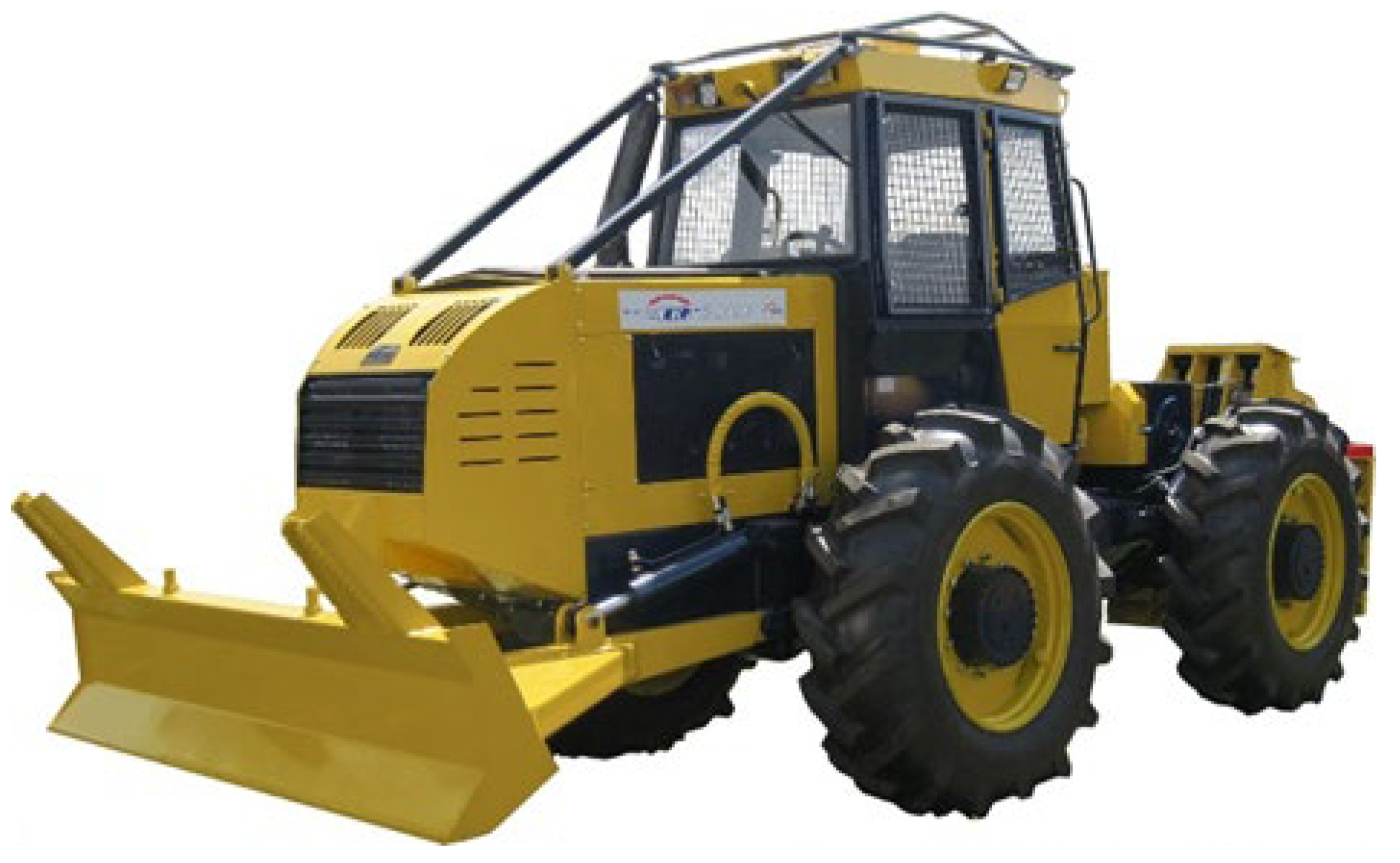
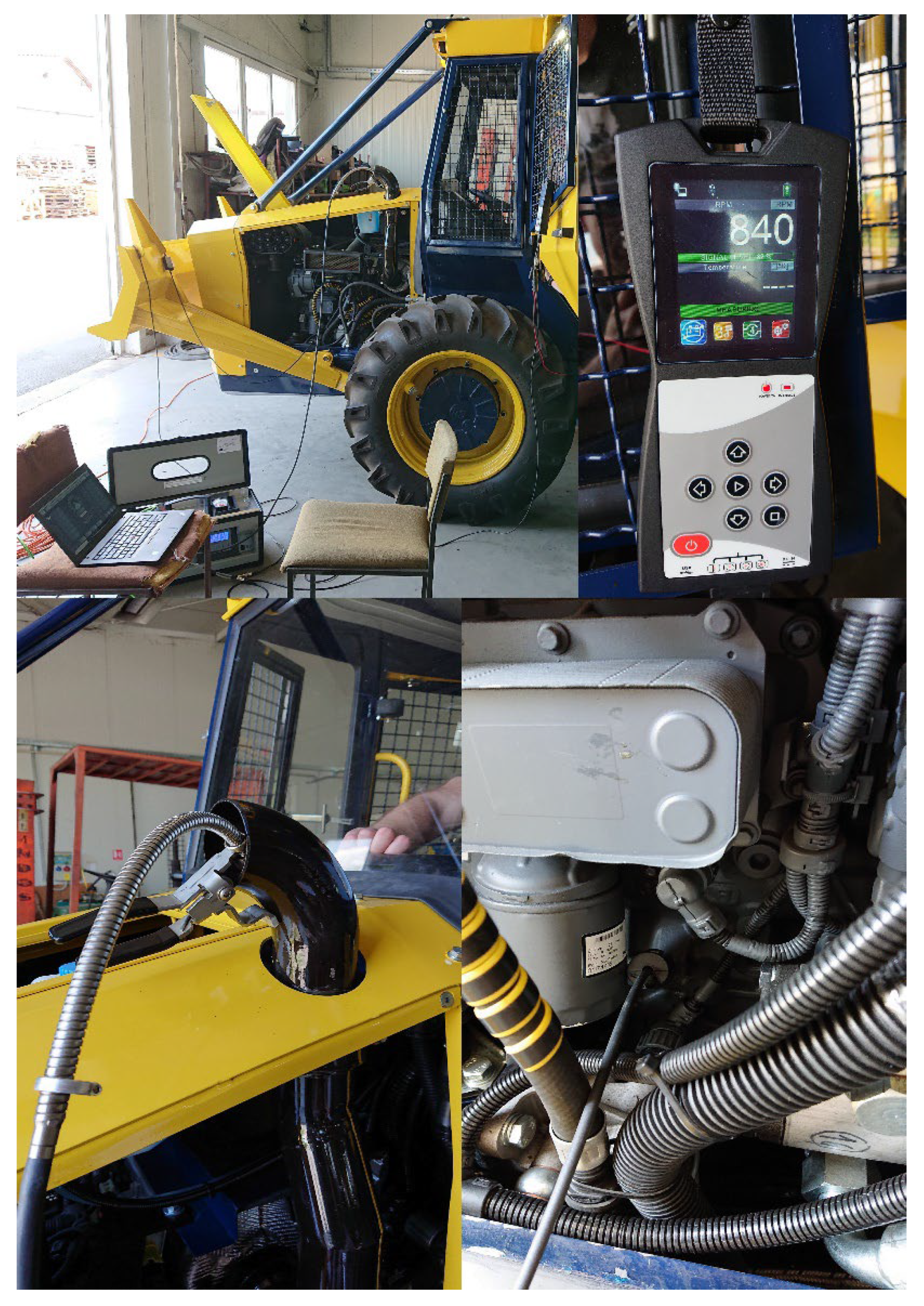
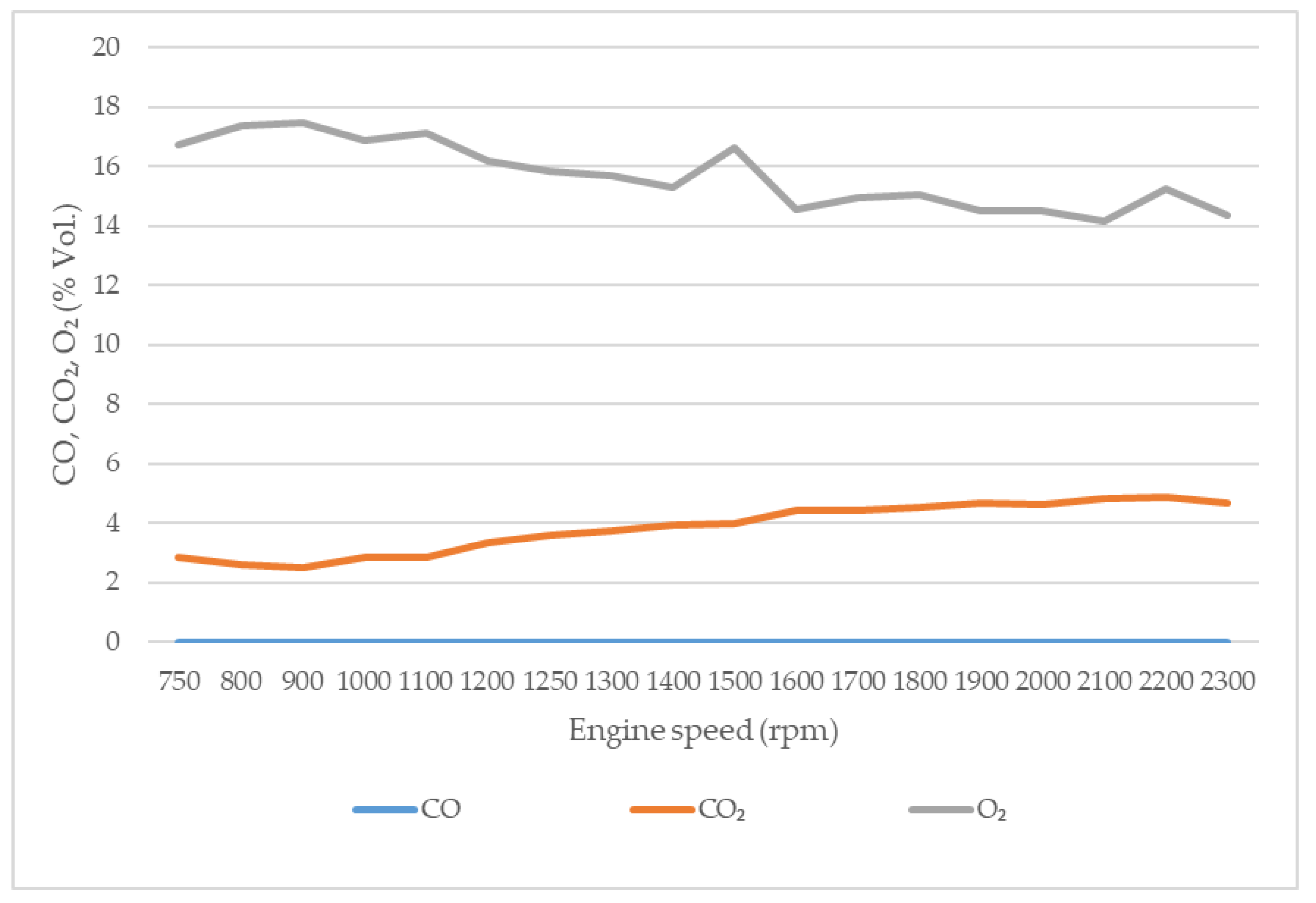
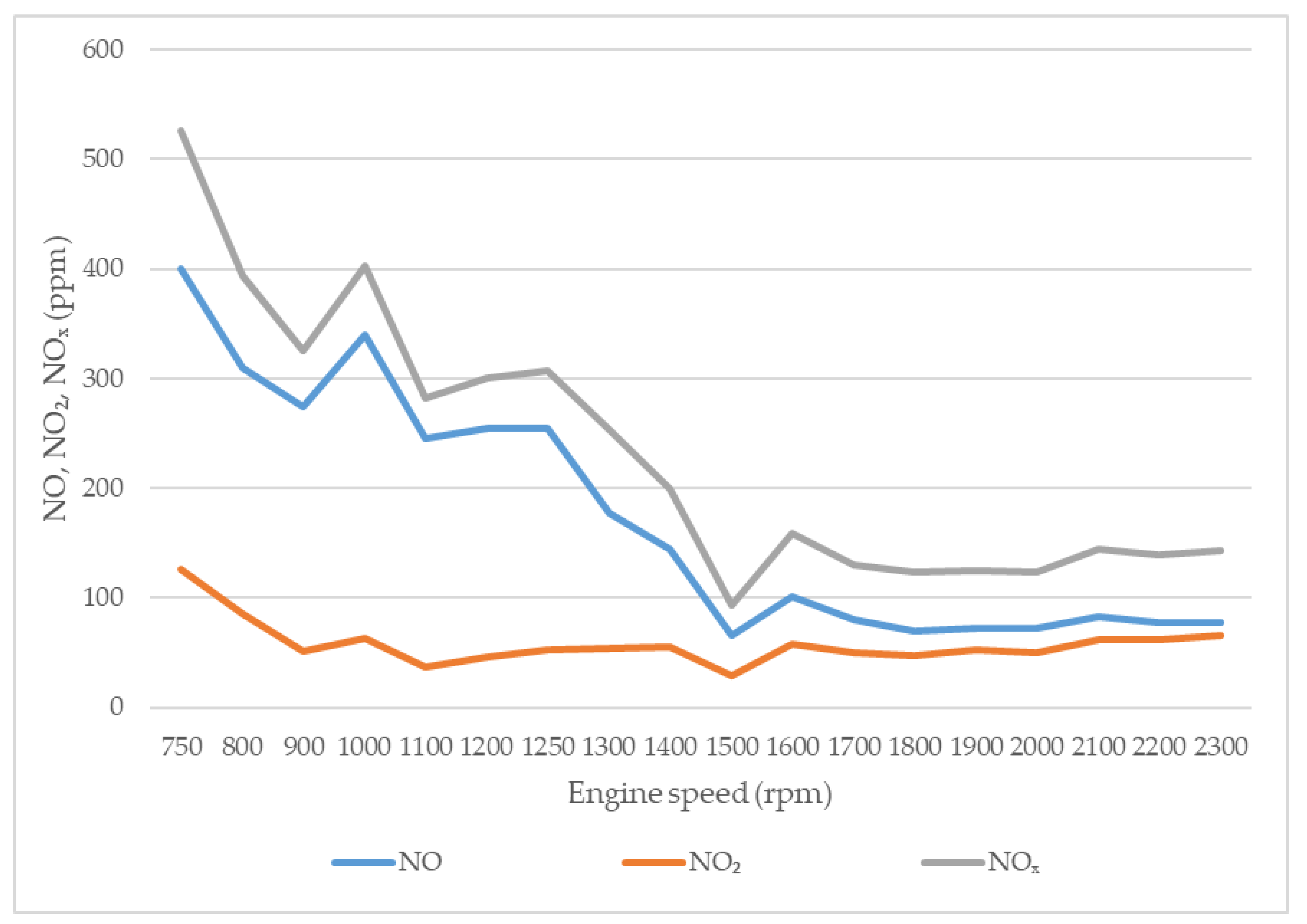
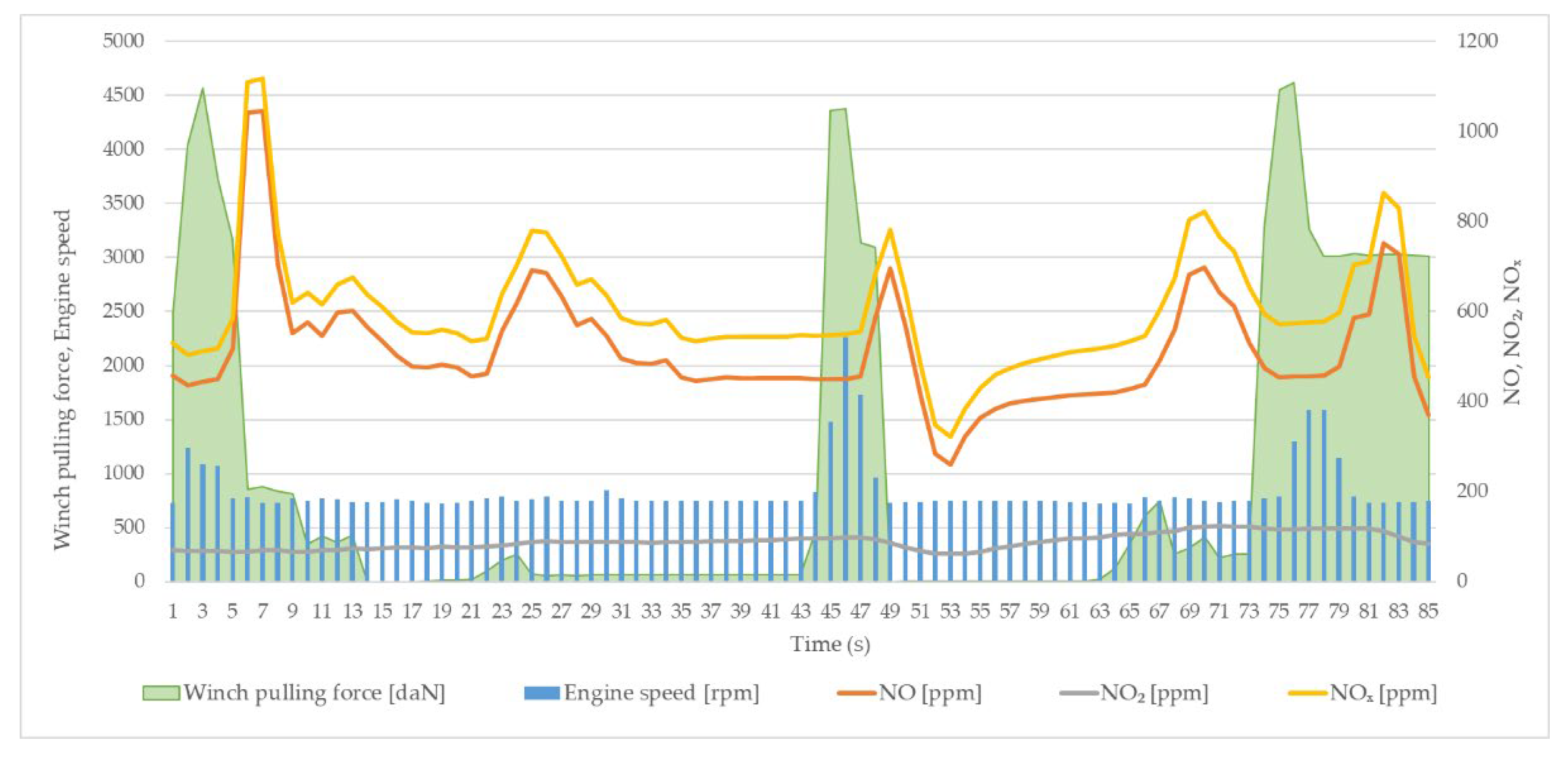
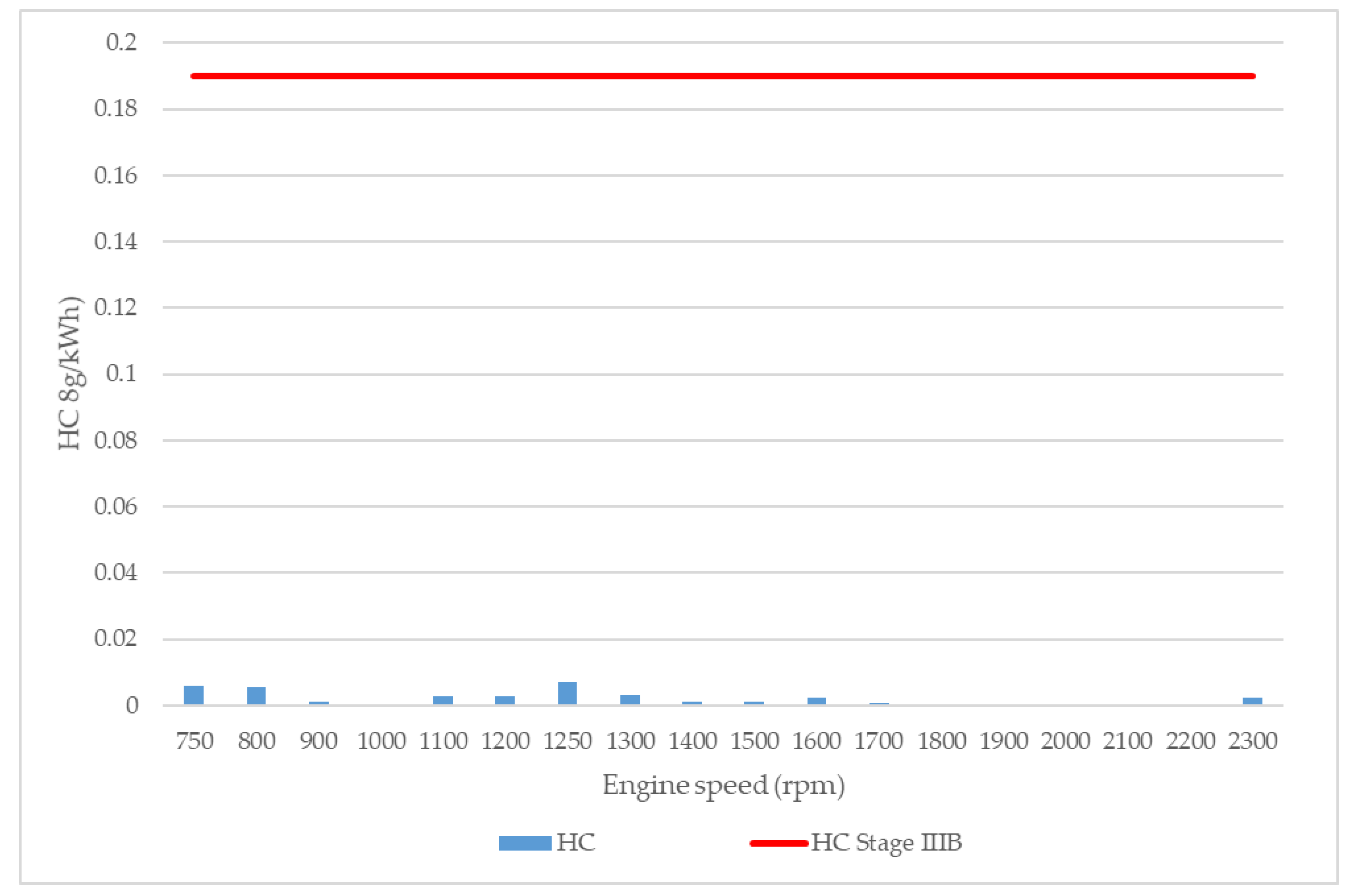
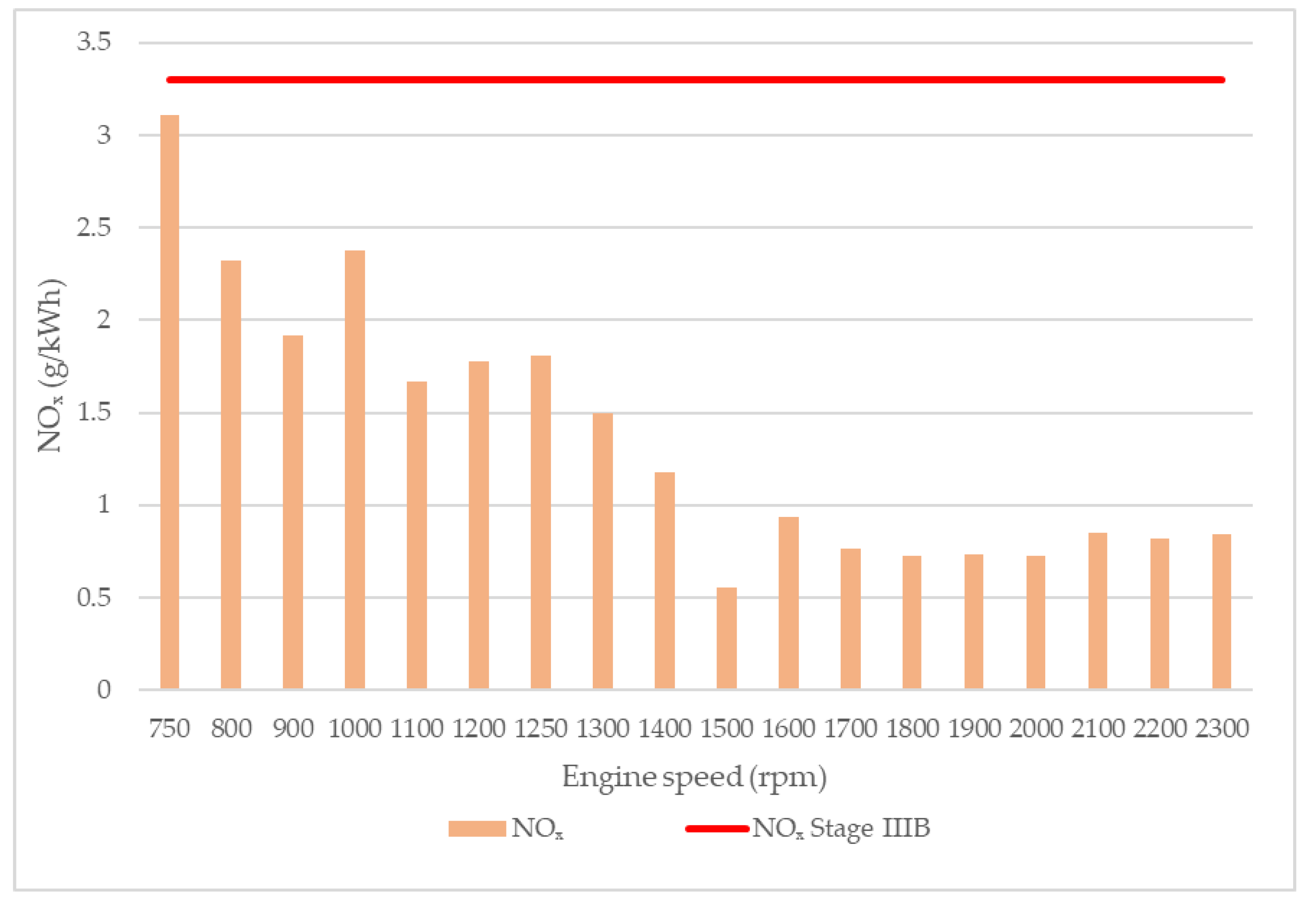
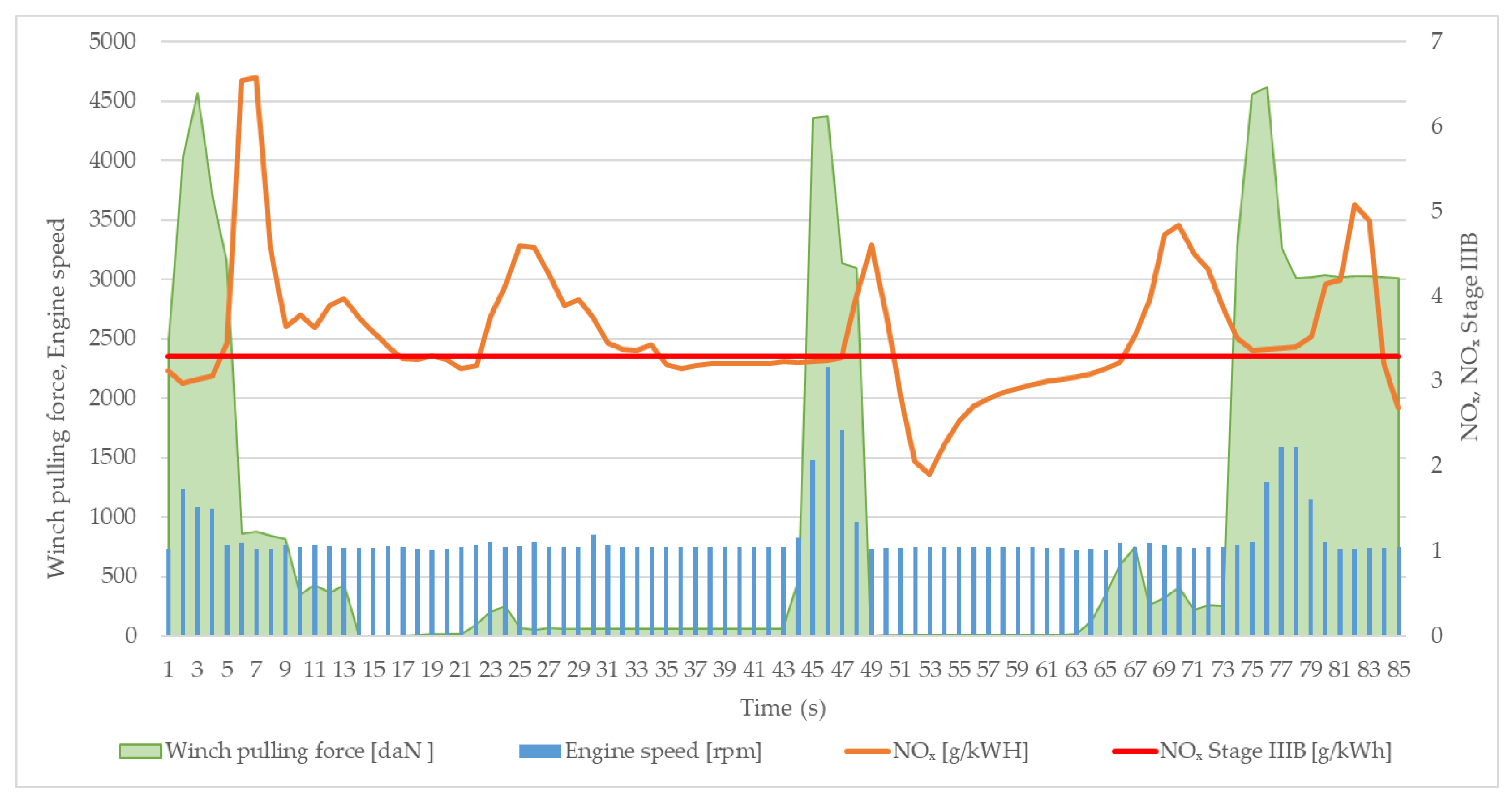
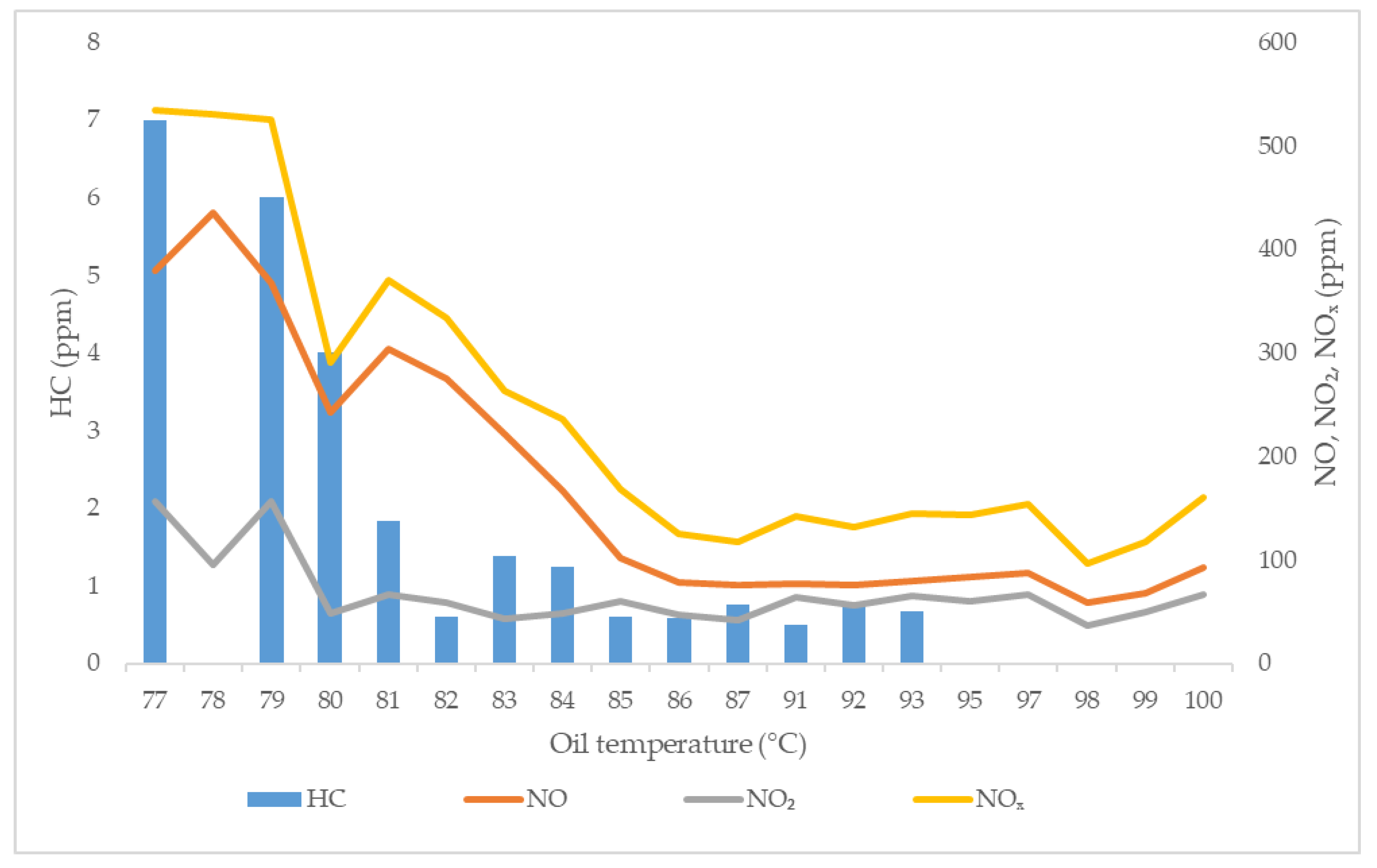
During forest harvesting operations, exhaust emissions from forest vehicles are released at different levels depending on several variables. This pollution released into the atmosphere is considered one of the main anthropogenic factors that negatively affect forest ecosystems. In this study, we analyzed exhaust emissions from a skidder diesel engine during various engine loads. Measurements were done on an ECOTRAC 140 V skidder with the water-cooling diesel engine and a built-in catalyst with an SCR system. The composition and amount of exhaust gases (CO, CO2, O2, NOx,) at different loads of the diesel engine of the skidder and engine temperature were measured using a MAHA MET 6.3 measuring device. The amount of exhaust gases was analyzed in relation to the engine speeds, engine temperatures, and the European emission standards for engines used in nonroad mobile machinery (NRMM). Influences of catalyst systems and recommendations for more environmentally friendly forest harvesting practices are addressed. With the engine unloaded, the amount of CO2 increased when engine speed was increased, while other amounts of exhaust gas decreased. During the cold start, the concentrations of hydrocarbons and nitrogen compounds were high. The composition of the exhaust gas was affected by the exhaust reduction system installed in the tractor and the amount of the exhaust gas was dependent on the engine load. The skidder engine met the requirements of the exhaust gas standards EPA/COM IIIB Tier 4 (I) under which it is declared. With a load engine during winch operation (2300 rpm), NOx amounts mostly exceed the limit values of the standard. Exhaust emissions can be reduced at various operating levels by utilizing the most environmentally friendly technologies and following the correct procedures, such as warming the engine up to operating temperature prior to operation and operating in the most favorable mode with optimal speed. The regular reduction of exhaust limit values to newer stages of the standard therefore leads to the continuous development of engines and forest vehicles in general.
Keywords: skidder; winch; emissions; engine loads; European standards NRMM skidder; winch; emissions; engine loads; European standards NRMM