Article

Correlation of Studies between Colour, Structure and Mechanical Properties of Commercially Produced ThermoWood® Treated Norway Spruce and Scots Pine
by
Petteri Torniainen
1,2,
Carmen-Mihaela Popescu
3,4,
Dennis Jones
2,5,*,
Alexander Scharf
2 and
Dick Sandberg
2,5
1
Finotrol Oy, Teollisuuskatu 3-5, FI-50130 Mikkeli, Finland
2
Department of Engineering Sciences and Mathematics, Wood Science and Engineering Division, Luleå University of Technology, Forskargatan 1, SE-93187 Skellefteå, Sweden
3
Petru Poni Insitute of Macromolecular Chemistry, 41A Grigore Ghica Voda Alley, 700487 Iasi, Romania
4
Centre for Wood Science and Technology, Edinburgh Napier University, 7 Hills Business Park, 37 Bankhead Crossway South Sighthill, Edinburgh EH11 4EP, UK
5
Department of Forestry and Biomaterials, Czech University of Life Sciences Prague, Suchdol, 16500 Prague, Czech Republic
*
Author to whom correspondence should be addressed.
Forests 2021, 12(9), 1165; https://doi.org/10.3390/f12091165
Submission received: 16 July 2021 / Revised: 18 August 2021 / Accepted: 25 August 2021 / Published: 28 August 2021
(This article belongs to the Special Issue Thermal Modification of Wood: Process and Properties)

Abstract

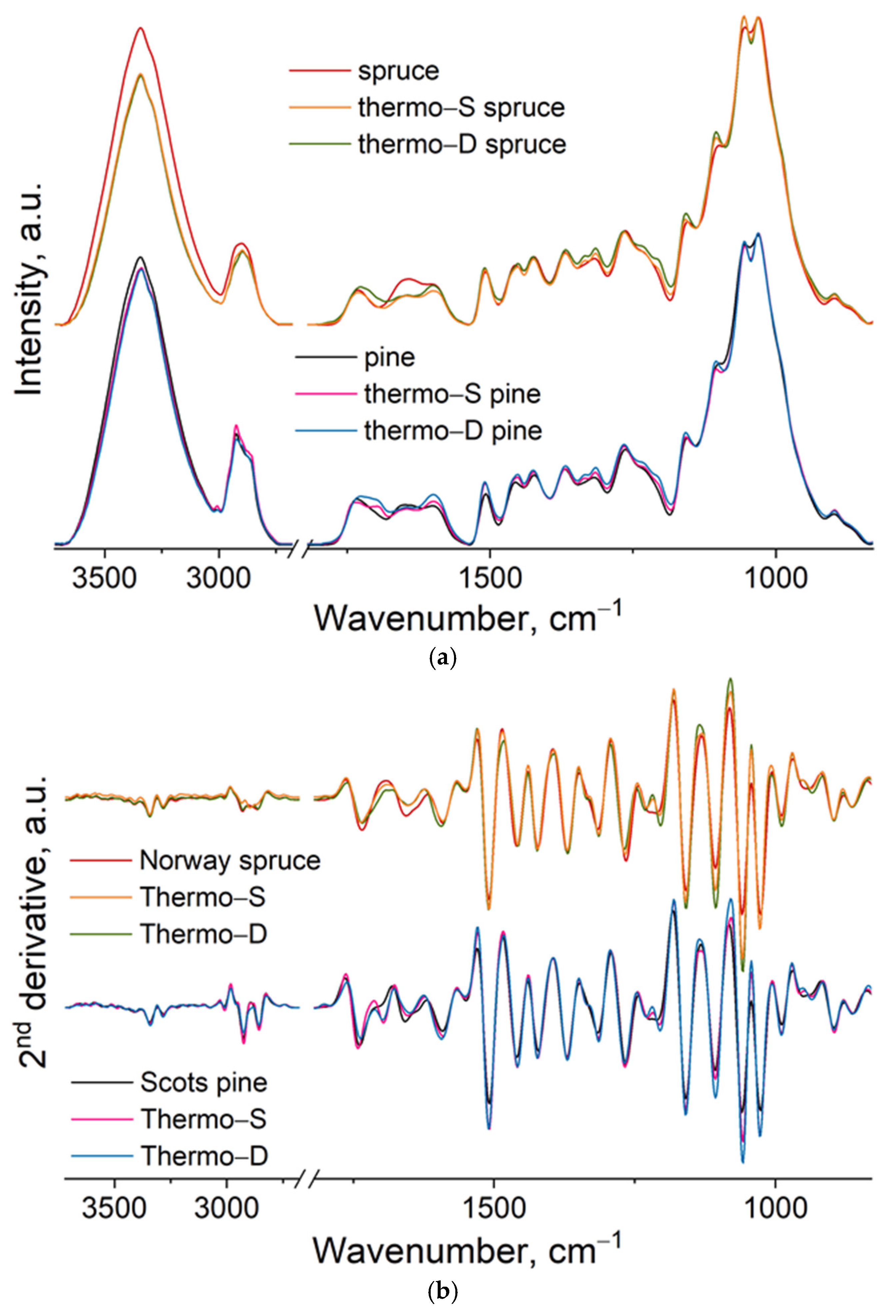
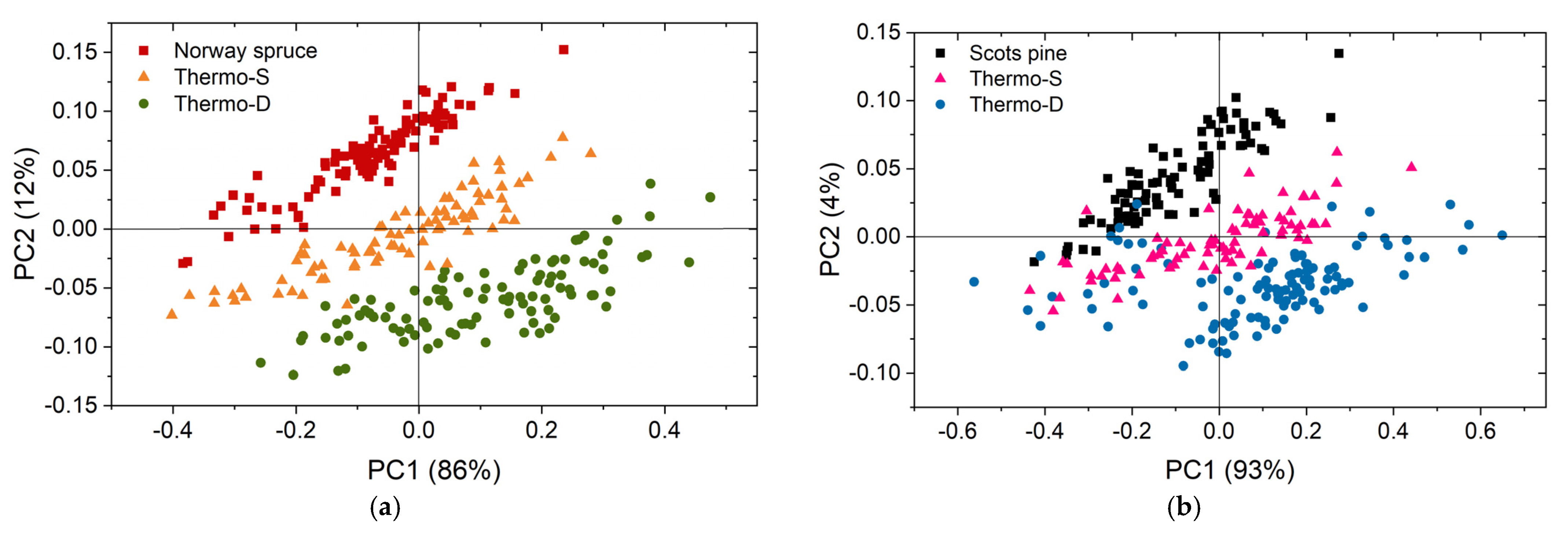
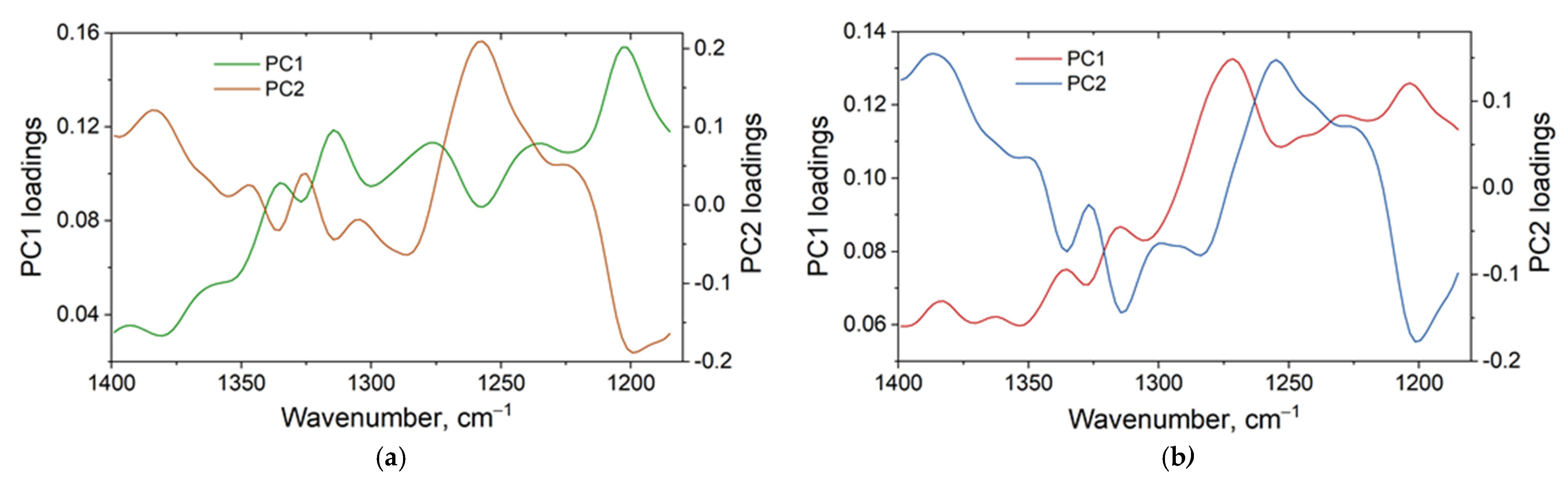
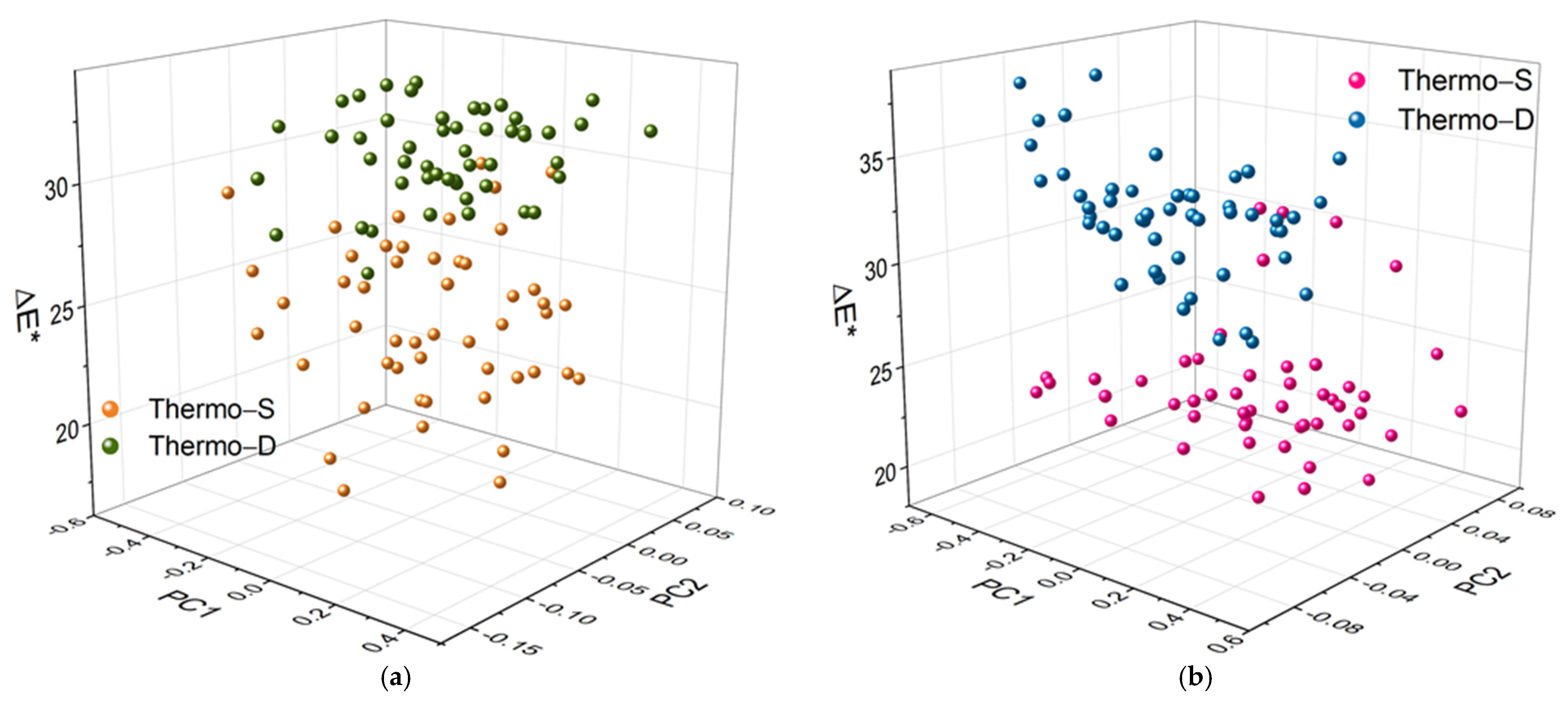
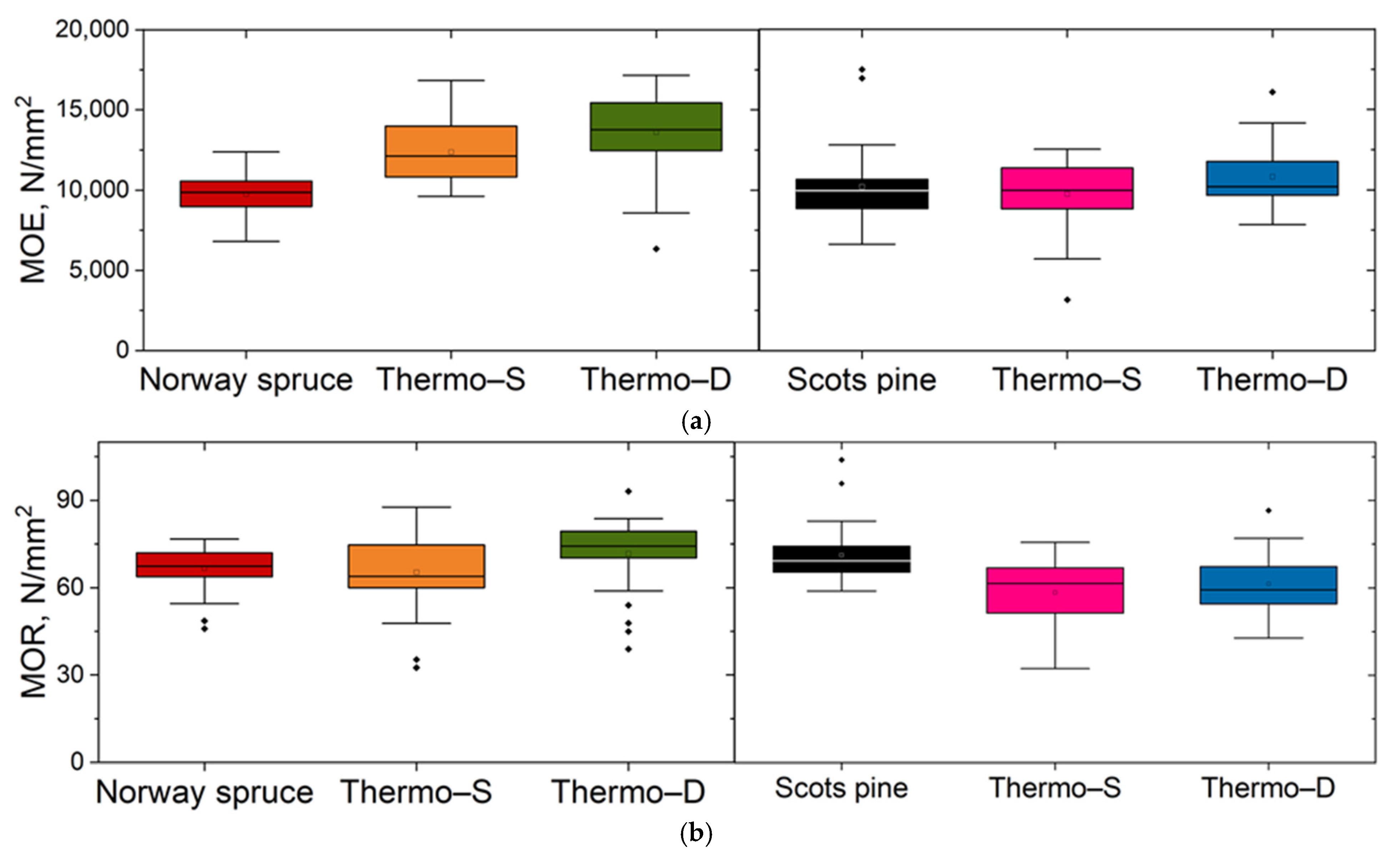
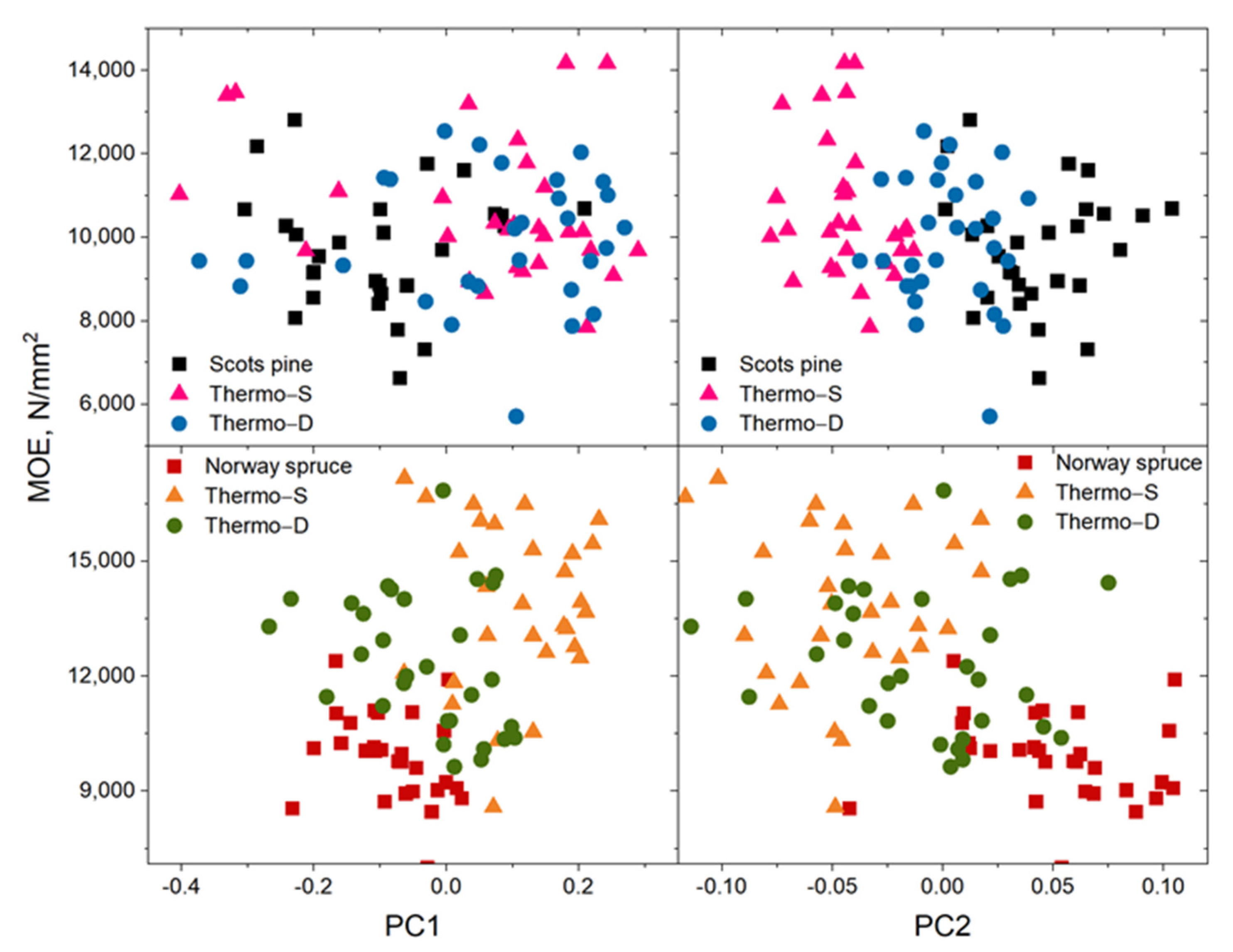
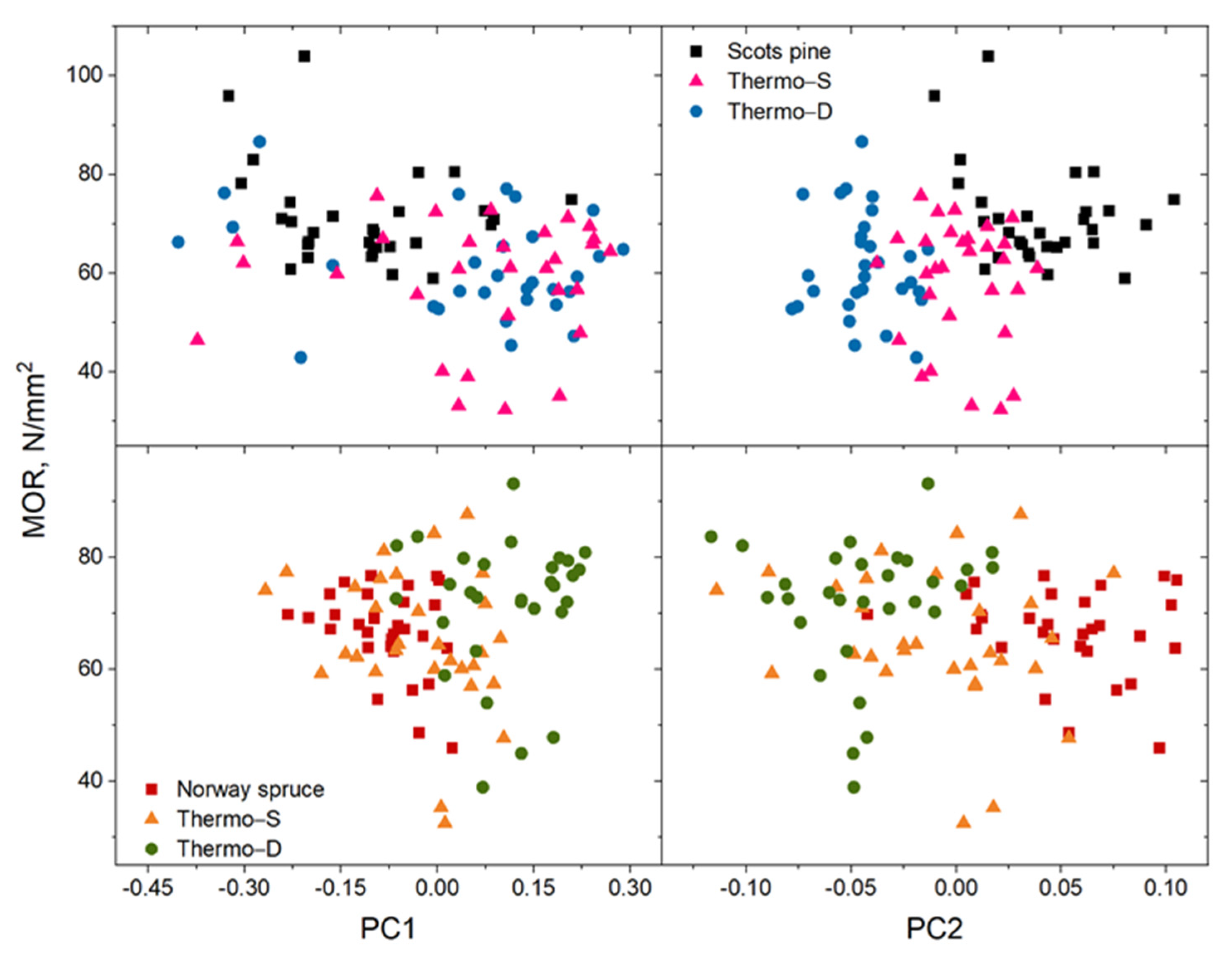
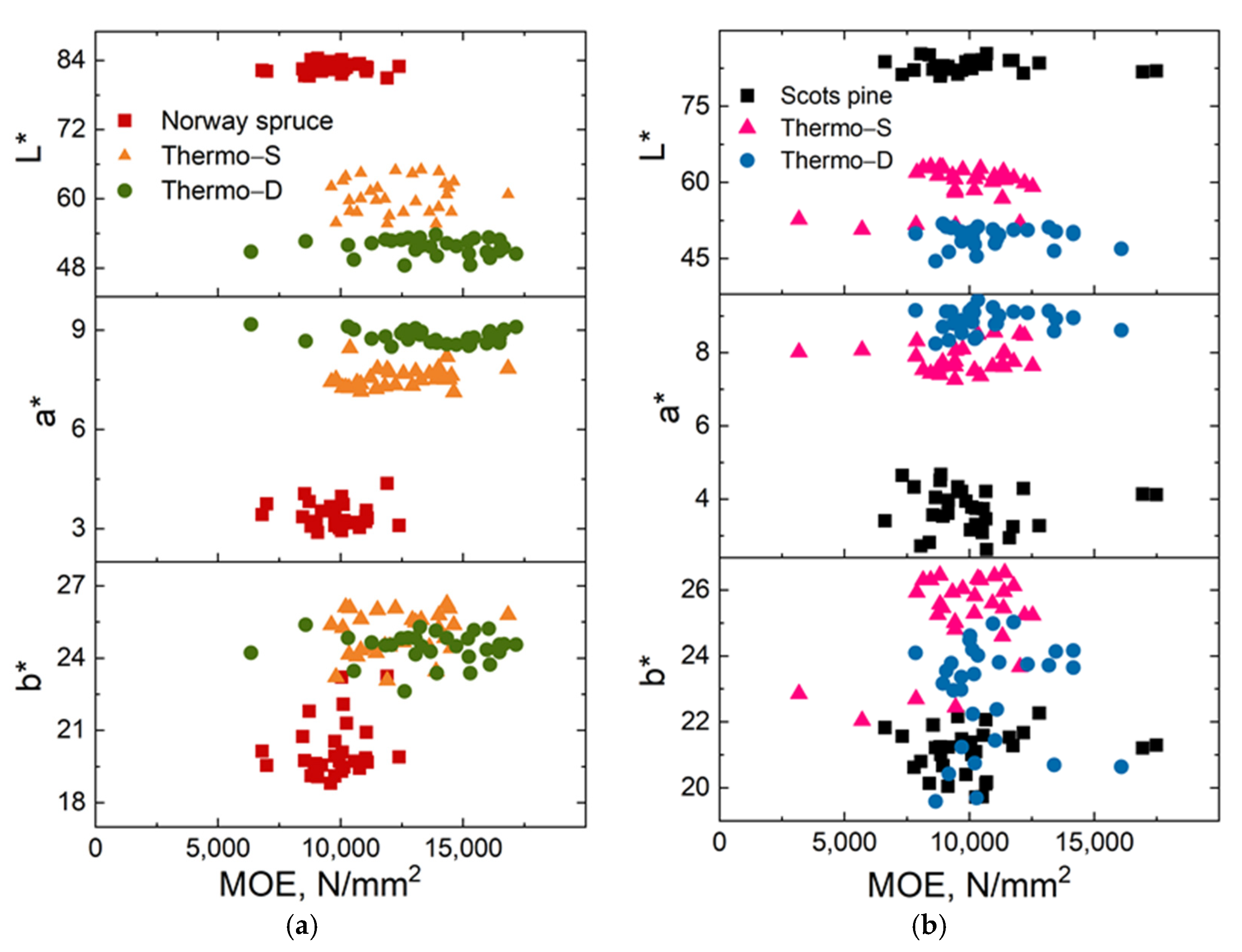
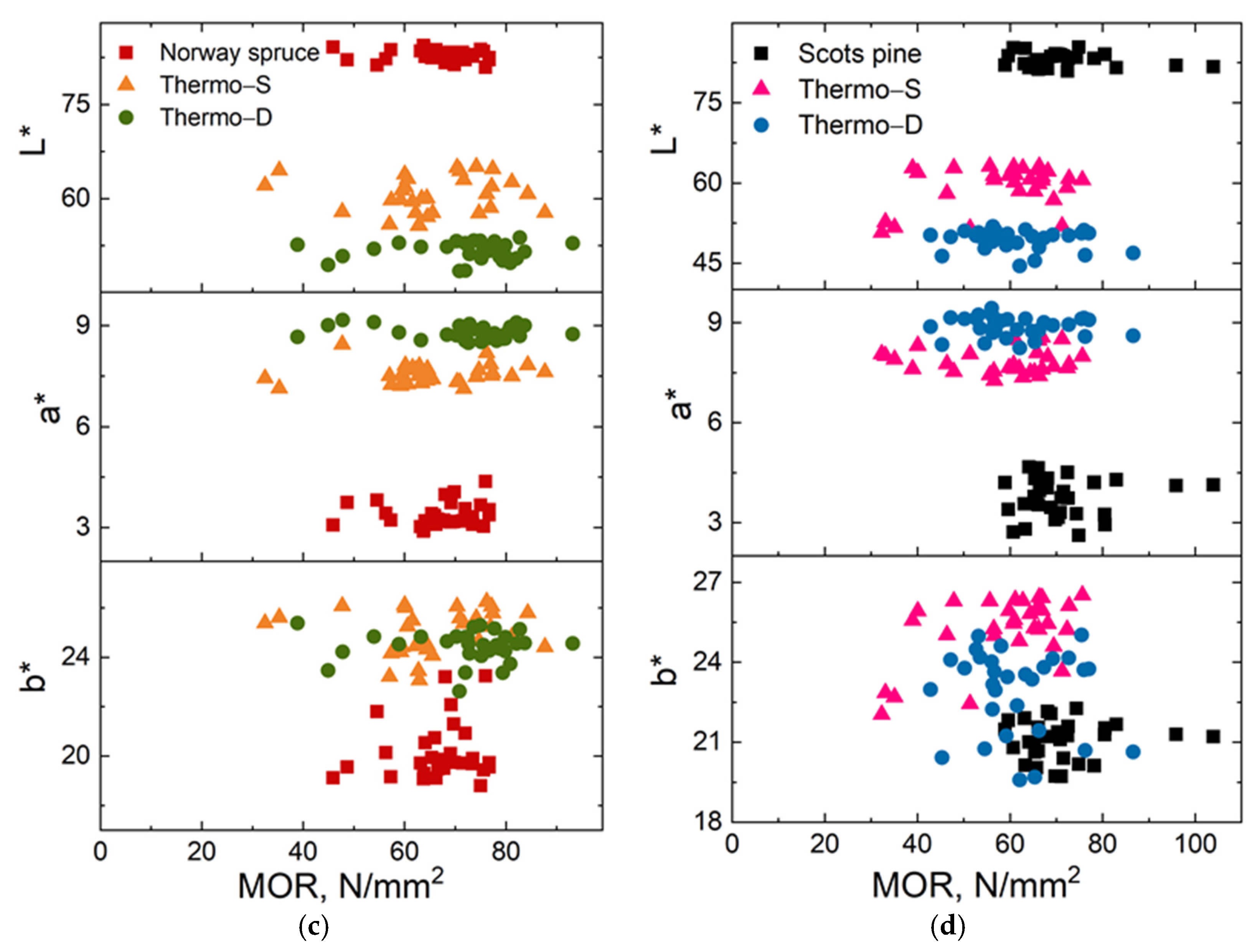
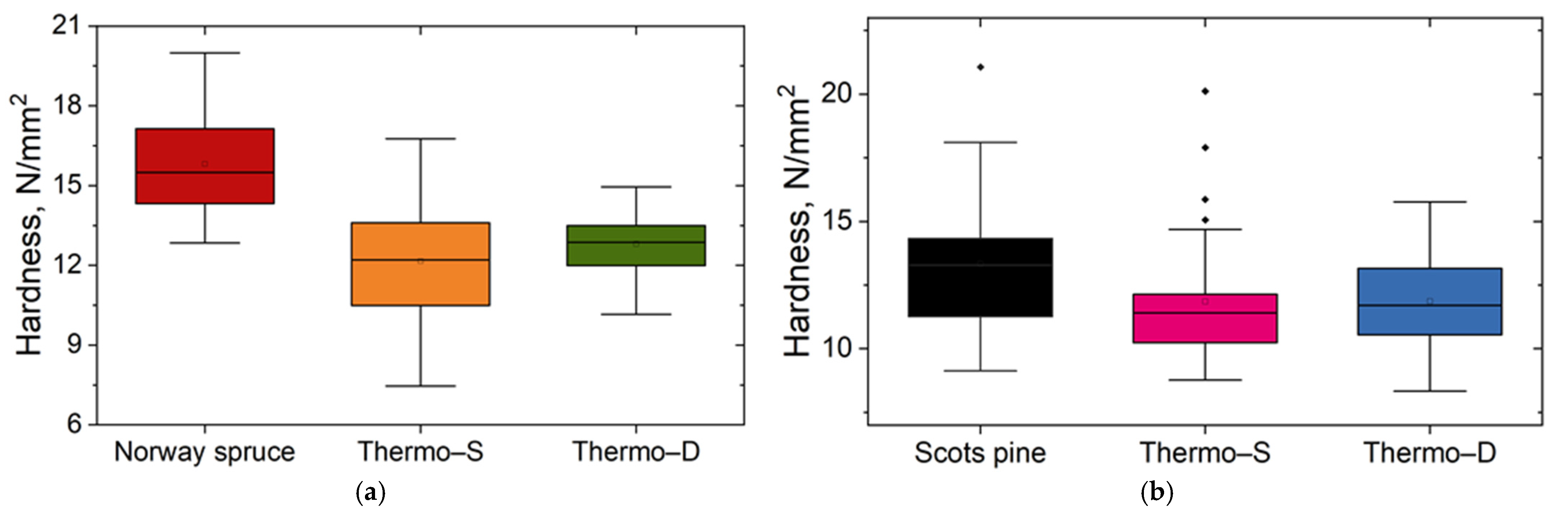
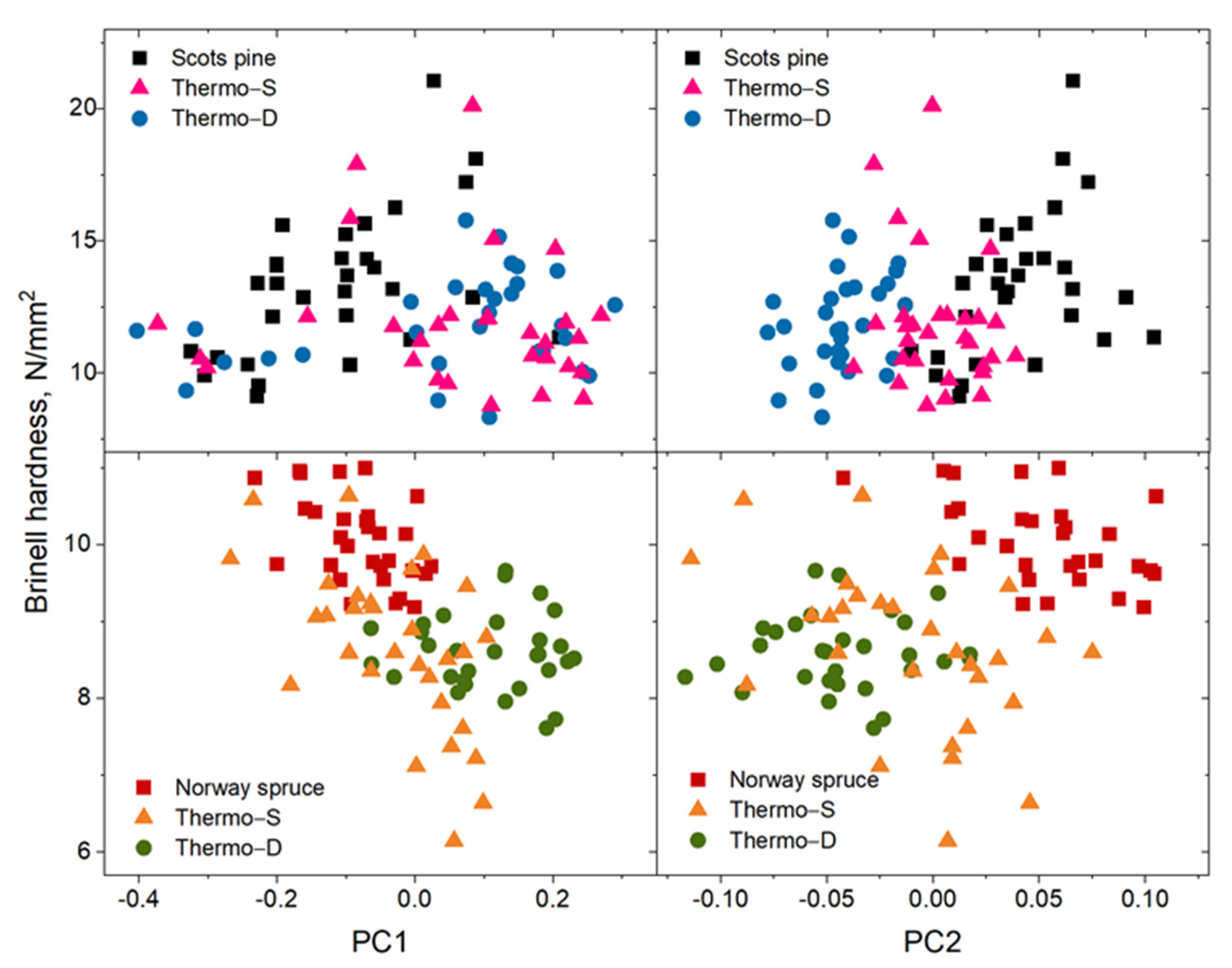
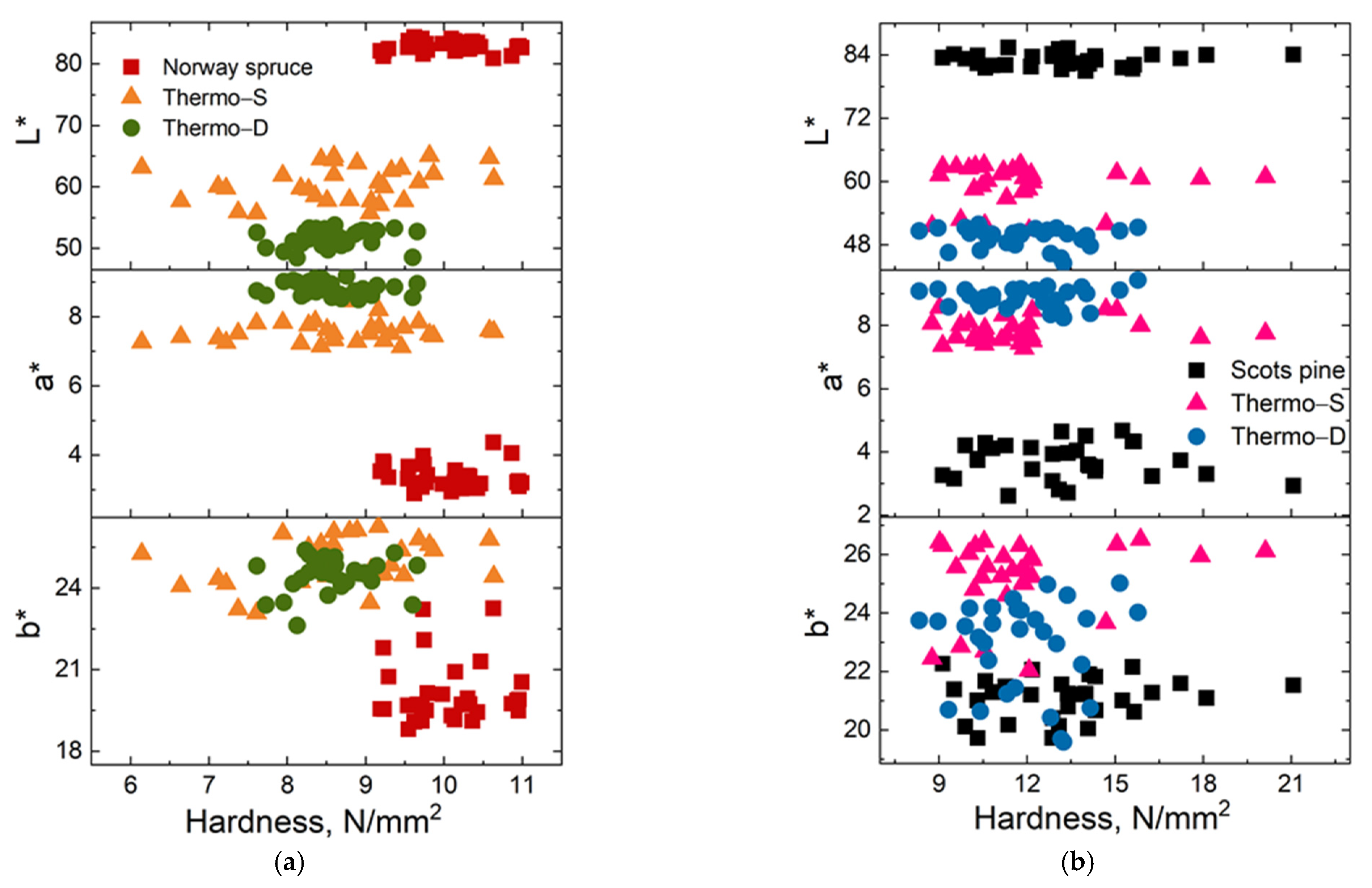
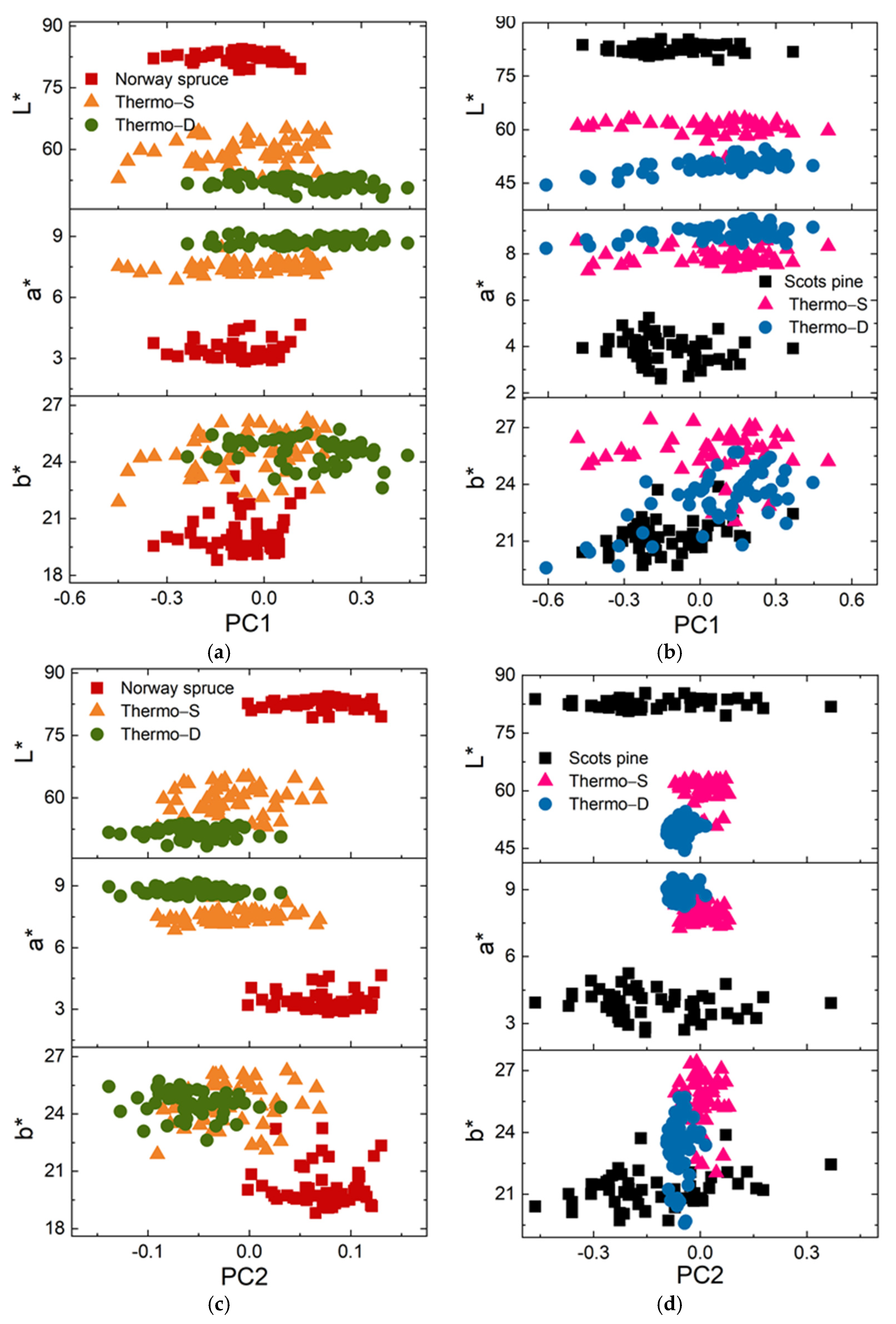
The thermal modification of wood has become the most-commonly commercialised wood modification process globally, with the ThermoWood® process currently being the most dominant. As with all commercial processes, there is a need to have a robust quality control system, with several small–scale studies undertaken to date investigating quality control using a range of analytical methods, culminating in a multi-year assessment of colour as a means of quality control. This study, as an extension to this multi-year assessment, further explores the colour of Norway spruce and Scots pine commercially modified by the ThermoWood® S and D processes, respectively, along with the mechanical properties and structural characterisation by Fourier transform infrared (FT–IR) spectroscopy and principal component analysis (PCA) to ascertain further correlations between colour and other measurable properties. Infrared spectroscopy indicated modifications in the amorphous carbohydrates and lignin, whereas the use of PCA allowed for the differentiation between untreated and modified wood. Colour measurements indicated reduced brightness, and shifting toward red and yellow colours after thermal modification, hardness values decreased, whereas MOE and MOR values were similar for modified wood compared to unmodified ones. However, by combining the colour measurements and PC scores, it was possible to differentiate between the two modification processes (Thermo–S and Thermo–D). By combining the mechanical properties and PC scores, it was possible to differentiate the untreated wood from the modified ones, whereas by combining the mechanical properties and colour parameters, it was possible to differentiate between the three groups of studied samples. This demonstrates there is a degree of correlation between the test methods, adding further confidence to the postulation of using colour to ensure quality control of ThermoWood®.
Keywords: wood; thermal modification; infrared spectroscopy; quality control wood; thermal modification; infrared spectroscopy; quality control