Article

Identification, Expression and Co-Expression Analysis of R2R3-MYB Family Genes Involved in Graft Union Formation in Pecan (Carya illinoinensis)


1
Co-Innovation Center for Sustainable Forestry in Southern China, Nanjing Forestry University, Nanjing 210037, China
2
College of Forestry, Nanjing Forestry University, Nanjing 210037, China
3
Institute of Botany, Jiangsu Province and Chinese Academy of Sciences, Nanjing 210014, China
*
Author to whom correspondence should be addressed.
Forests 2020, 11(9), 917; https://doi.org/10.3390/f11090917
Submission received: 14 July 2020 / Revised: 10 August 2020 / Accepted: 19 August 2020 / Published: 21 August 2020
(This article belongs to the Section Forest Ecophysiology and Biology)

Abstract

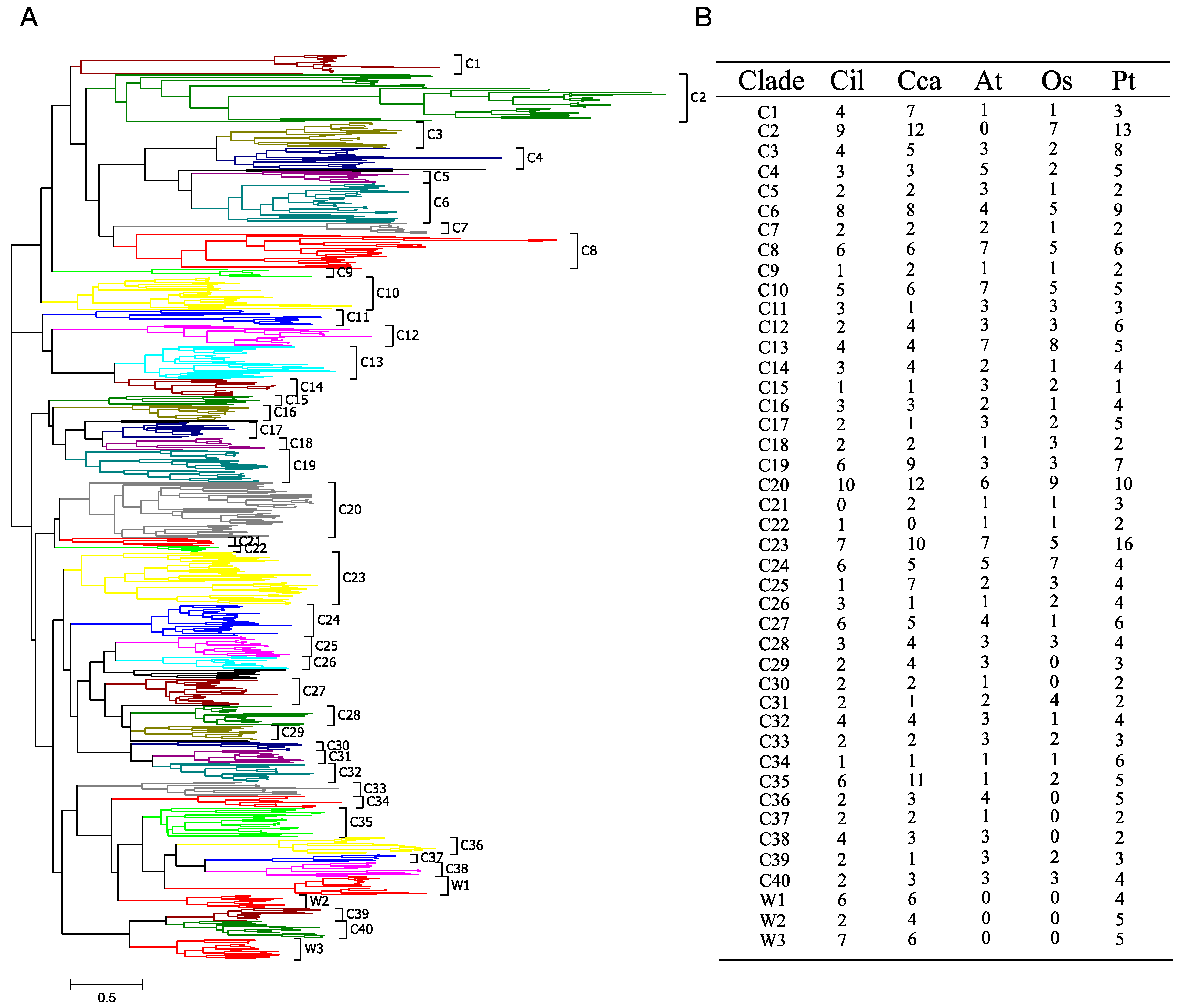
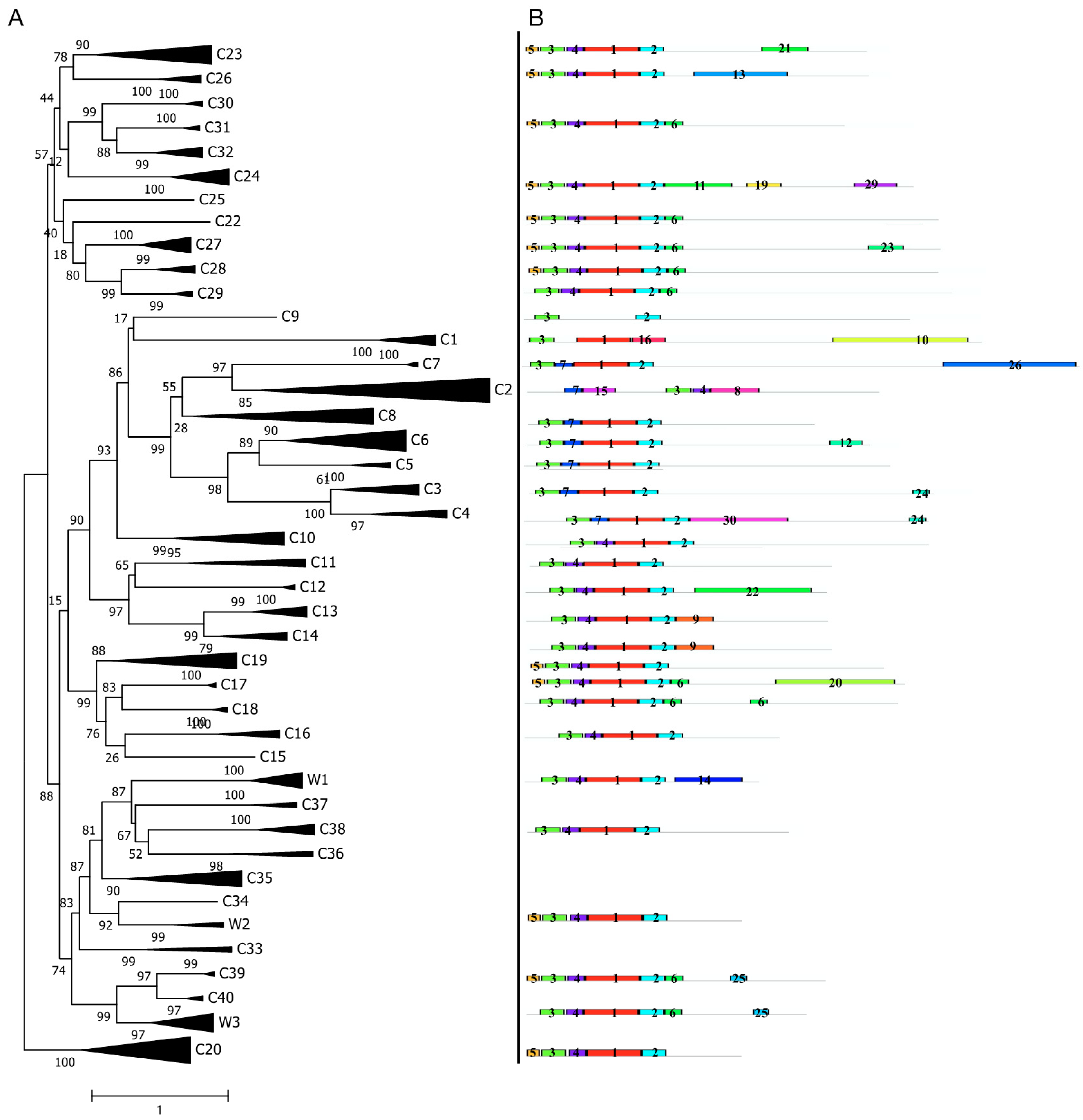
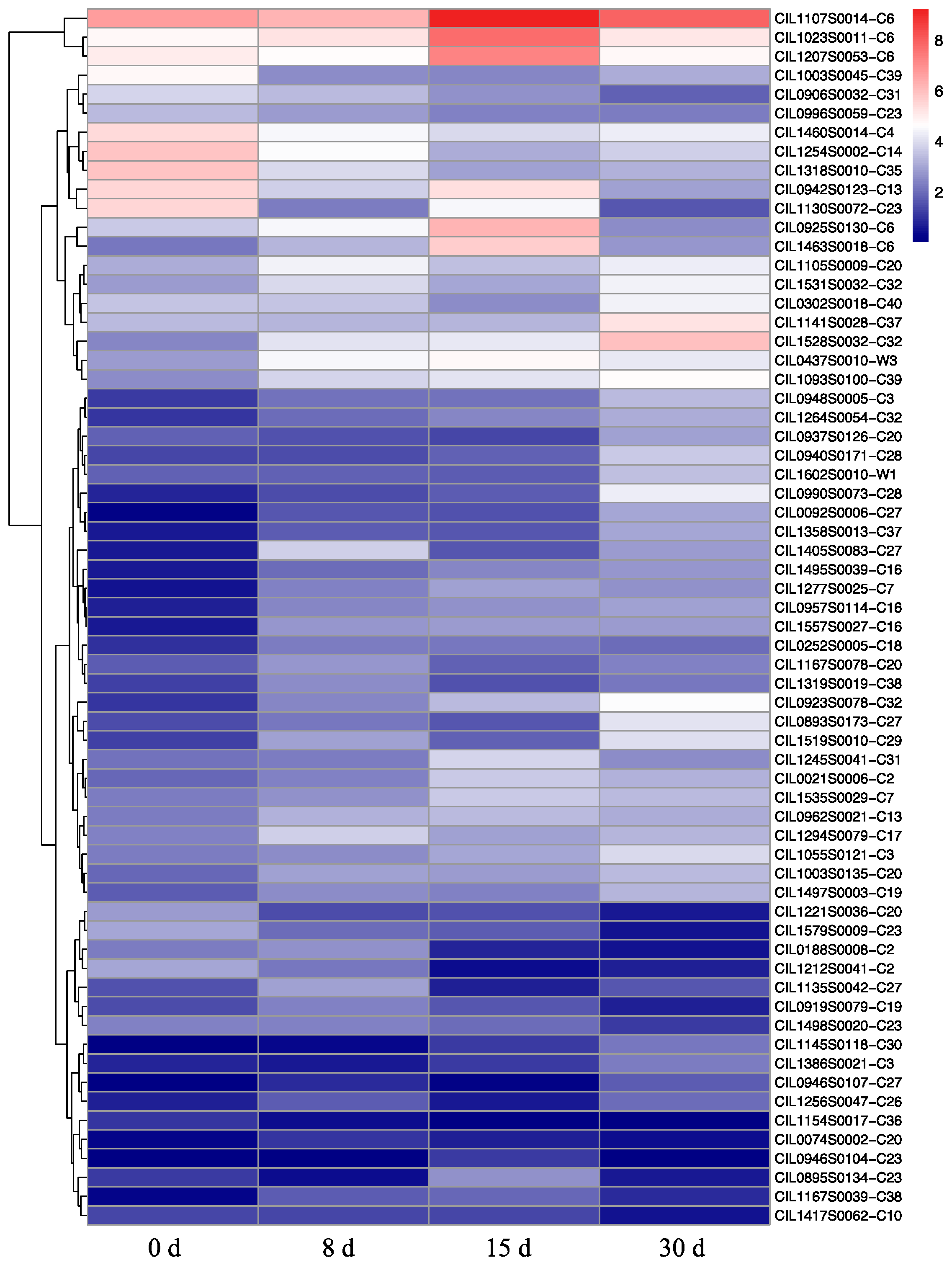
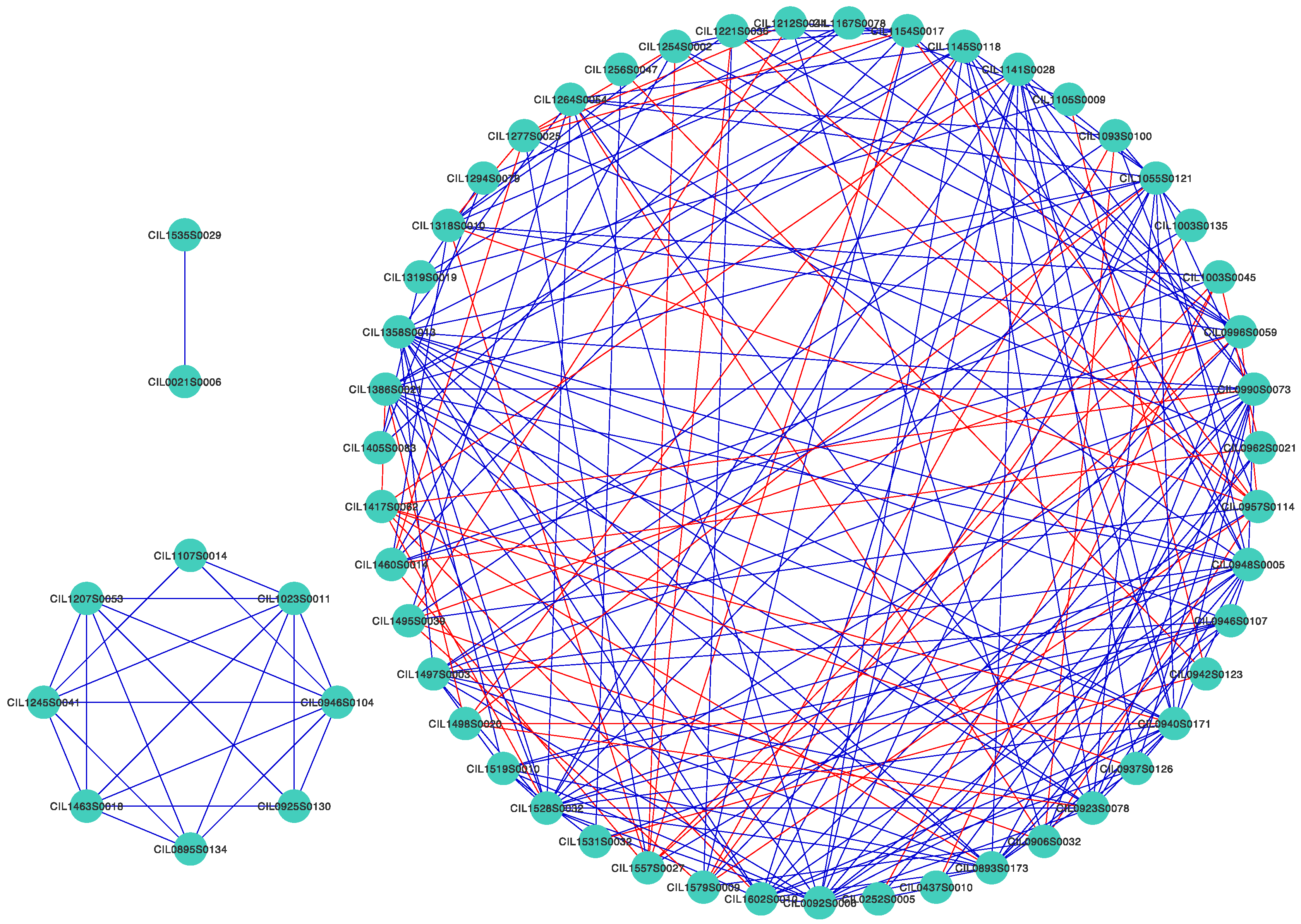
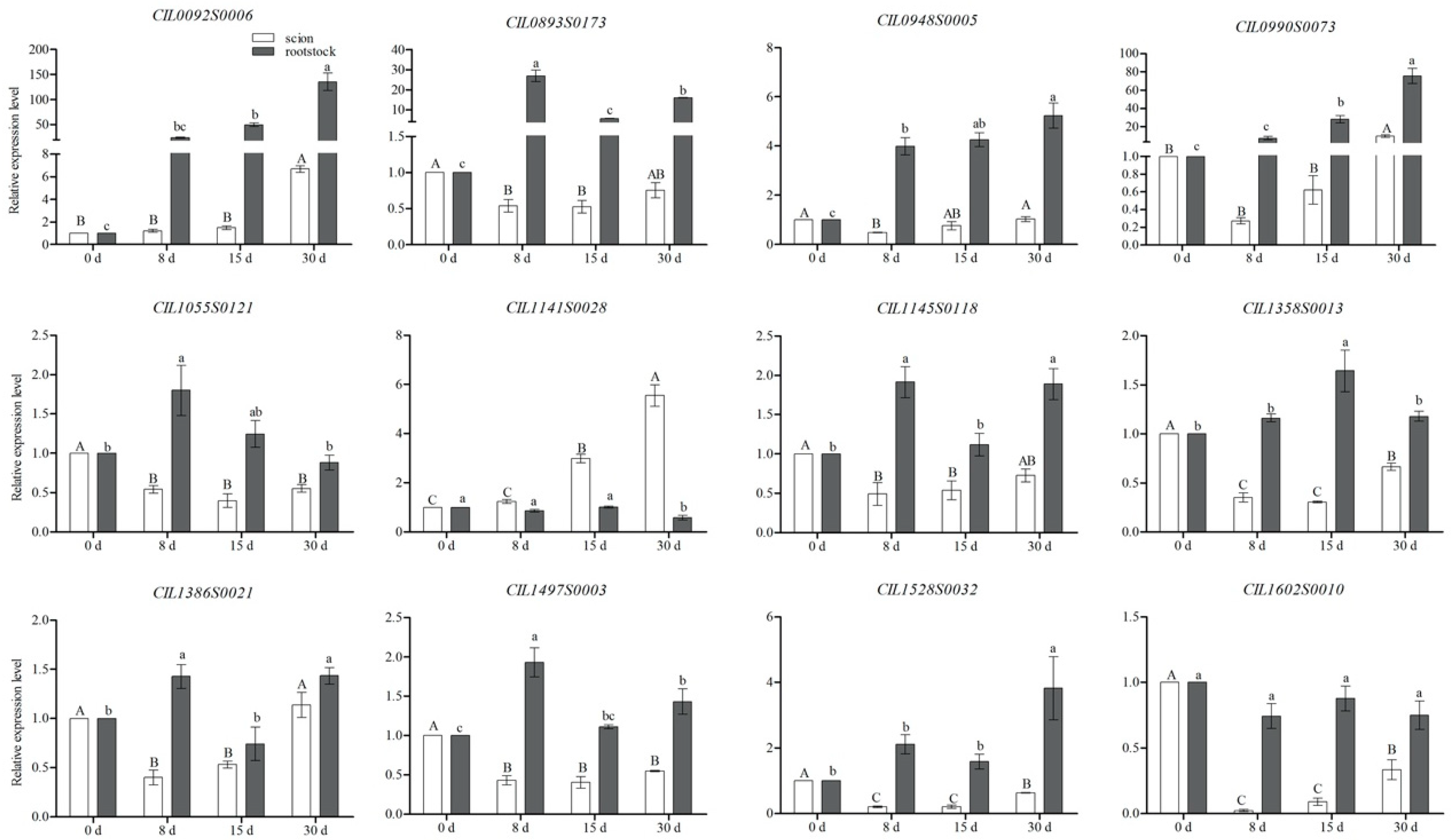
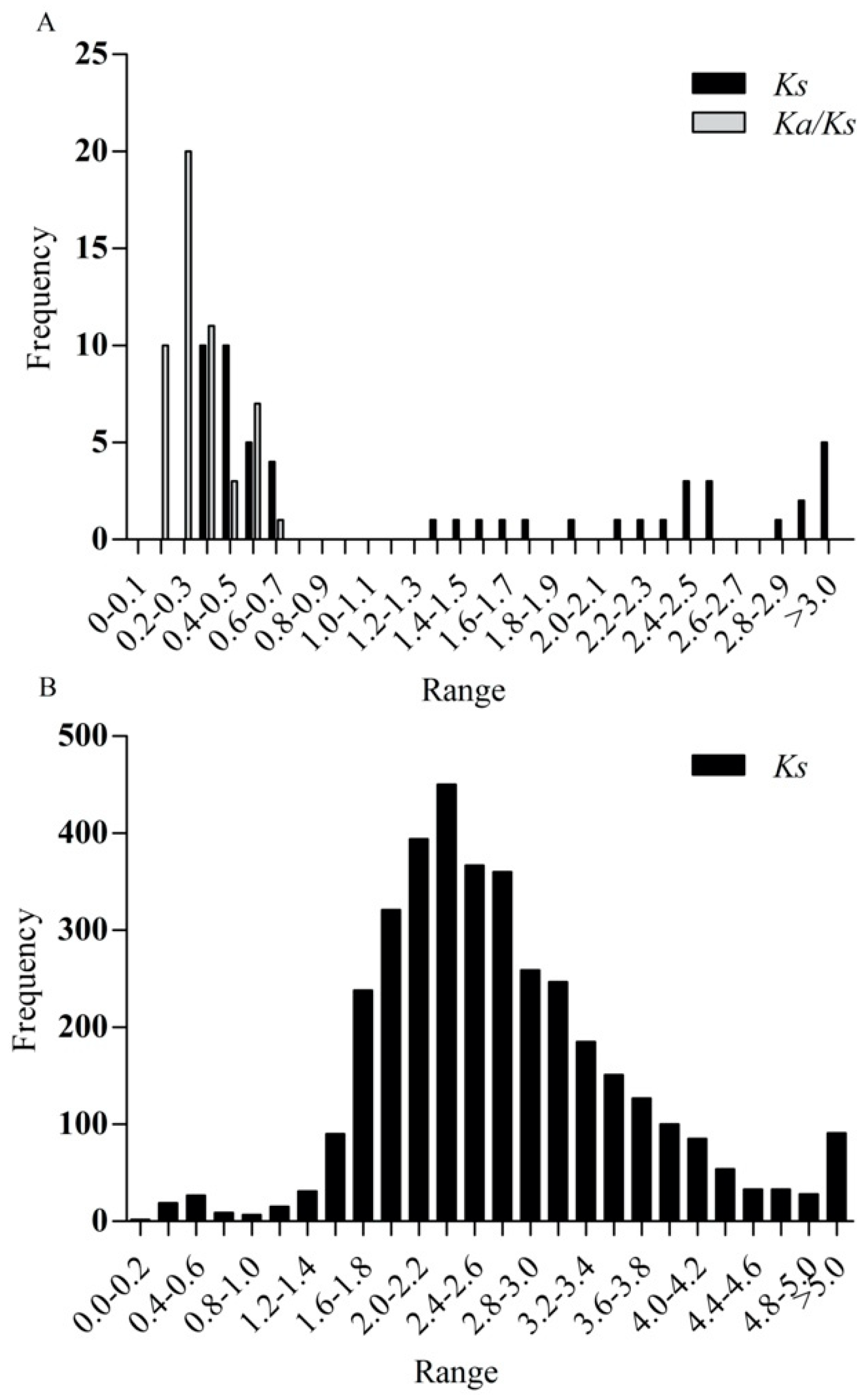
Plant R2R3-MYBs comprise one of the largest transcription factor families; however, few R2R3-MYB genes in pecan have been functionally analyzed due to the limited genome information and potential functional redundancy caused by gene duplication. In this study, 153 R2R3-MYB genes were identified and subjected to comparative phylogenetic analysis with four other plant species. Then, the pecan R2R3-MYB gene family was divided into different clades, which were also supported by gene structure and motif composition results. Fifty-two duplication events including 77 R2R3-MYB genes were identified in this gene family, and Ka/Ks values showed that all of the duplication events were under the influence of negative selection. Expression levels of pecan R2R3-MYB genes during the graft union formation process were further investigated using RNA-seq with four different timepoints after grafting, namely, 0, 8, 15 and 30 d. Sixty-four differentially expressed R2R3-MYB genes were identified and showed different expression patterns after grafting. Co-expression networks were further constructed to discover the relationships between these genes. The co-expression networks contained 57 nodes (R2R3-MYB genes) and 219 edges (co-expression gene pairs) and CIL1528S0032 contained the maximum number of edges. Fifteen genes contained more than 10 edges; the majority of these were up-regulated during graft union formation and verified by qRT-PCR. This study provides a foundation for functional analysis to investigate the roles that R2R3-MYBs play in graft union formation in pecan and identify the key candidate genes.
Keywords: Carya illinoinensis (Wangenh.) K. Koch; gene expression; grafting; phylogenetic relationship; R2R3-MYB transcription factors Carya illinoinensis (Wangenh.) K. Koch; gene expression; grafting; phylogenetic relationship; R2R3-MYB transcription factors