Given that multipath errors are strongly influenced by the surrounding environment of the observation station, it is essential to consider the satellite’s ground track repeat period in the analysis. To better understand the ground track repeat period of a satellite, the operational period of a satellite should be introduced first. The operation period of a satellite refers to the time it takes for the satellite to complete one full orbit around Earth. If Earth stays stationary, the ground track of the satellite remains the same as before, and the operational period is the same as the ground track repeat period. However, since the Earth is continuously rotating and revolving rather than remaining stationary, the satellite’s orbital period typically differs from its ground track repeat period in most situations.
By using the third Kepler’s law and broadcast ephemeris, the ground track repeat period of the GPS satellite can be calculated by [
24]
where
n is the mean motion; Δ
n denotes the correction to the mean motion of
n;
a refers to the semi-major axis of the orbit ellipse;
a and Δ
n can be obtained from the broadcast ephemeris;
means Earth’s universal gravitational constant, which is 1.996498 × 10
7 in SI units; and
T denotes the ground track repeat period of the satellite.
2.3.2. Difference in CNR Between Different Frequencies and Different Satellites
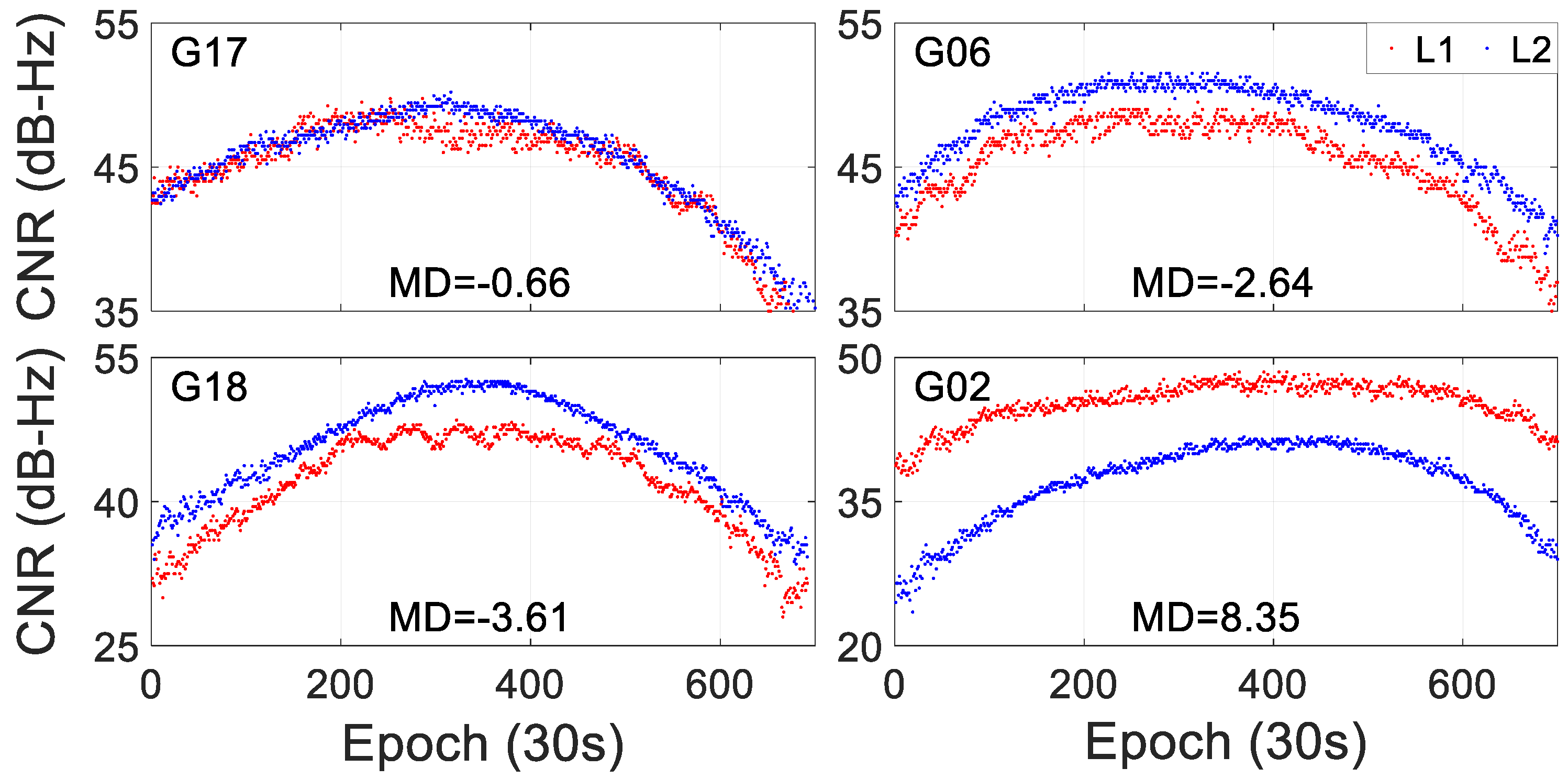
The datasets used were collected on day of year (DOY) 201, 2021, at the Zhengzhou station. Observations included both L1 and L2 frequency signals. The data had a sampling interval of 30 s, with a satellite elevation mask angle set to 10 deg. Based on the satellite types, four satellites were used to demonstrate the variation in the CNR across different signal frequencies and individual satellites, which were G17 (Block IIF-M), G06 (Block IIF), G18 (Block III), and G02 (Block IIR). All of these four satellites can transmit L1 and L2 frequencies, and the results are presented in
Figure 2. The red and blue dots denote the L1 and L2 frequencies, respectively. MD denotes the average difference between the CNRs of the L1 frequency and the L2 frequency.
As shown in
Figure 2, the CNR is different for each satellite and each frequency. For example, the CNR at the L1 frequency is nearly the same as that at the L2 frequency for the G17 satellite. However, for the G02 satellite, the CNR at the L1 frequency is significantly higher than that at the L2 frequency, with an average difference of approximately 8.35 dB-Hz. In terms of the G06 and G18 satellites, the CNR at the L1 frequency is lower than that at the L2 frequency. The average differences are approximately 2.64 dB-Hz for the G06 satellite and 3.61 dB-Hz for the G18 satellite, respectively. This phenomenon can also be found in other GNSS systems, such as BDS [
15]. This phenomenon is primarily attributed to differences in satellite types. However, whether this difference can be reflected in the impact of flood on CNR, and whether it can be used to improve the accuracy of flood monitoring, should be further analyzed.
2.3.3. Influence of Flood on CNR
To investigate the impact of flooding on the CNR, datasets collected at the Zhengzhou station from day of year (DOY) 199 to 201 in 2021 were used. The flood first appeared on the afternoon of DOY 200 and was totally flooded on DOY 201. Considering that DOY 199 was without a flood, it can be used to compare and analyze the influence of a flood on the CNR. In addition, in order to ensure the accuracy of the comparative analysis, the elevation and azimuth angles of these two CNR series should be kept identical to each other.
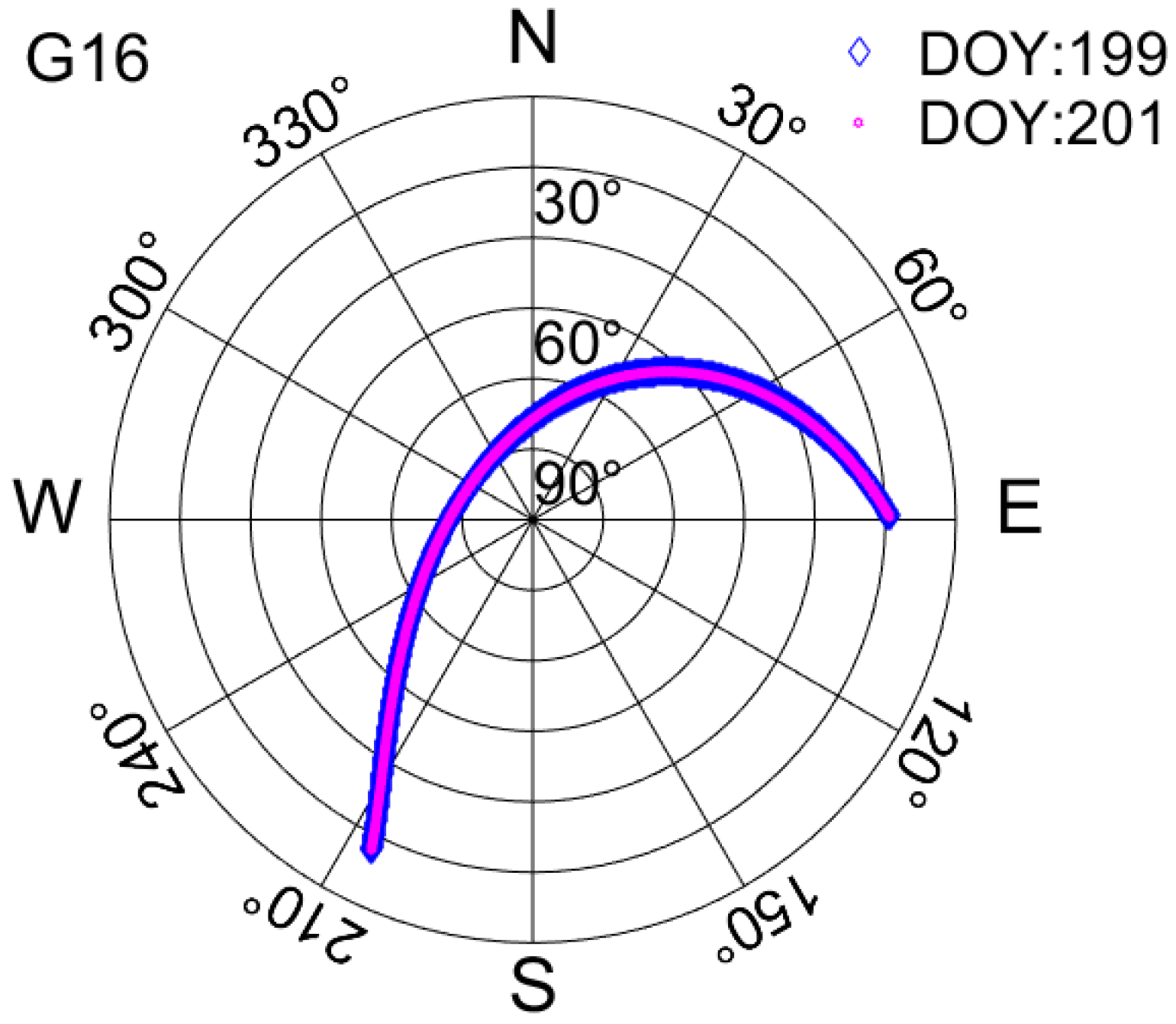
Figure 3 demonstrates that the ground track of the G16 satellite on DOY 199 remains the same as that on DOY 201. Thus, if the surrounding environment of the observation station does not change during the flood, the CNR values on these two days would be expected to be nearly the same.
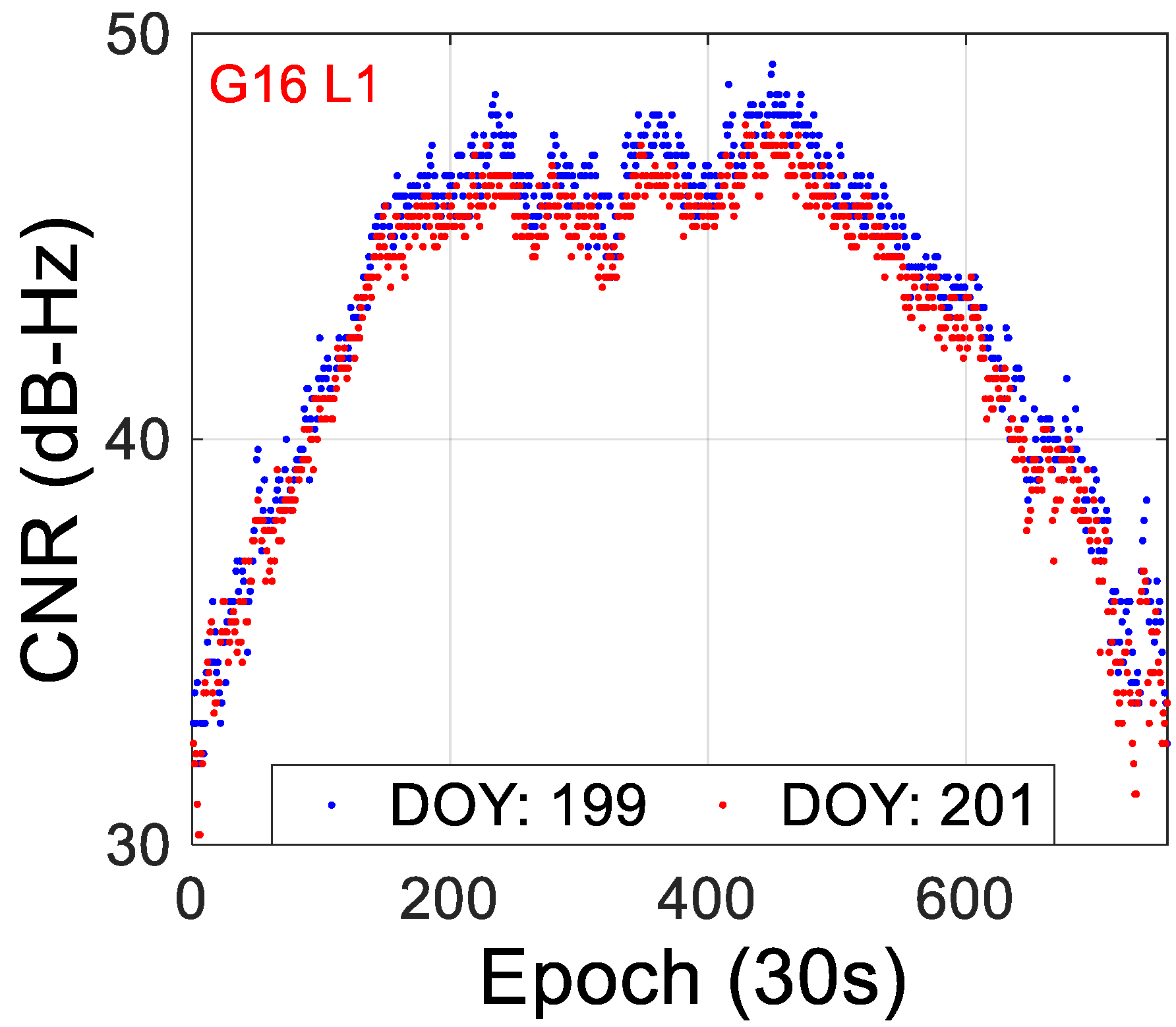
The comparison of CNR at the L1 frequency for the GPS G16 satellite is illustrated in
Figure 4. Blue and red dots represent the CNR values on DOY 199 (no flood) and DOY 201 (with flood), 2021, respectively. It is evident that the CNR values on DOY 199 are generally higher than those on DOY 201, particularly when the CNR exceeds 45 dB-Hz. The average difference between these two days is approximately 0.75 dB-Hz across the entire CNR series. This discrepancy is mainly attributed to multipath effects, which are typically more pronounced at low elevation angles under normal conditions. As a result, the CNR at lower elevations is less affected by flooding compared with higher elevations. Furthermore, the maximum difference is approximately 3.75 dB-Hz. Thus, it can be concluded that the CNR is influenced by floods, and the CNR will experience an obvious decrease in the environment of a flood. More information can be found in Su et al.’s study [
14,
15].
To investigate whether the difference in the CNR between different frequencies and different satellites can be reflected in the influence of a flood on the CNR, the four satellites used in
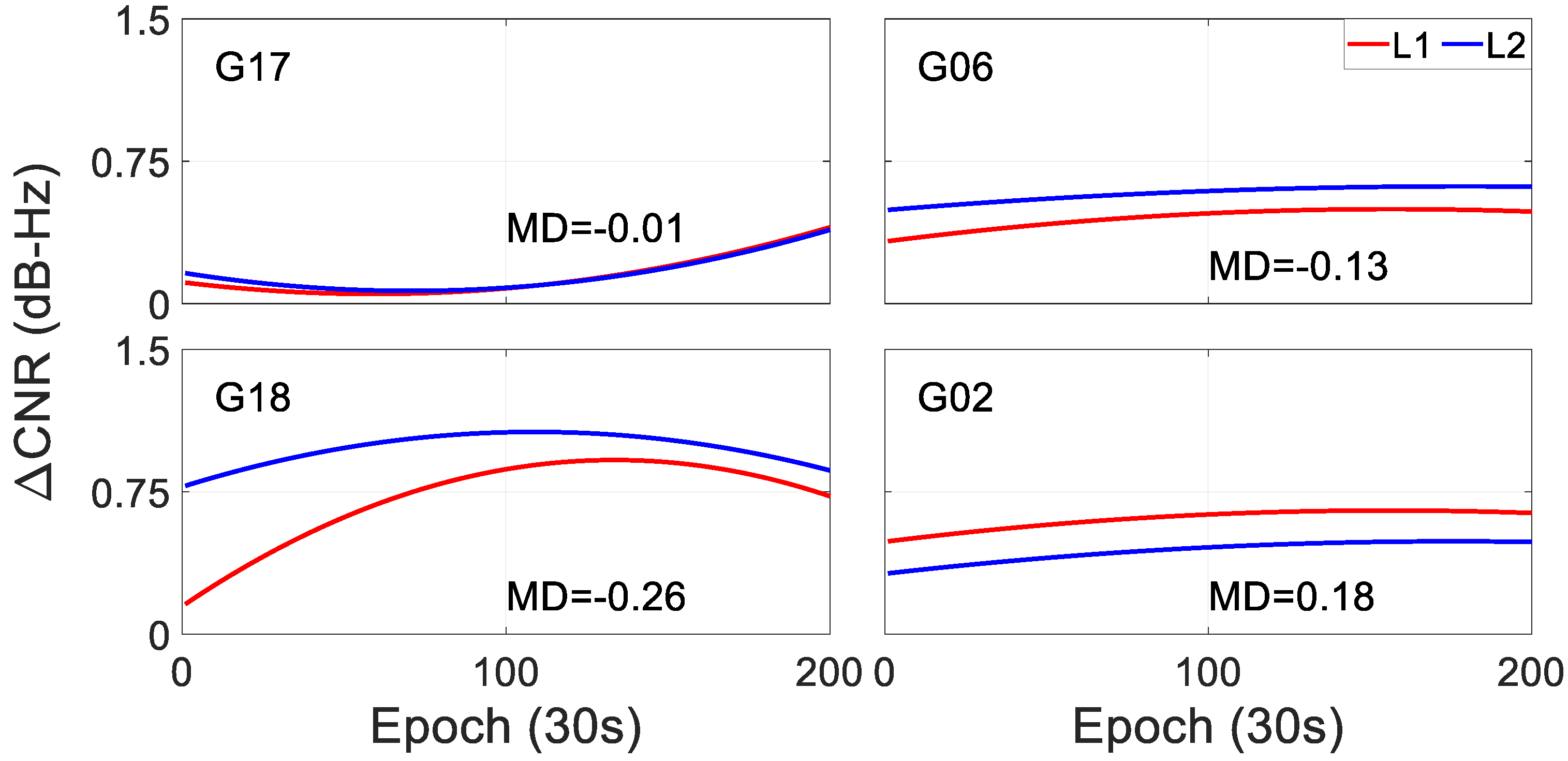
Figure 2 were still used in this experiment. CNR values larger than 45 dB-Hz are affected by floods more seriously than other CNR values; thus, only CNR values larger than 45 dB-Hz were adopted to analyze the difference in the influence of a flood on different frequencies. The experimental results are shown in
Figure 5. The red and blue lines represent the differences in the L1 and L2 CNR values between DOY 199 and DOY 201, 2021, respectively, highlighting the impact of flooding on each frequency.
The results presented in
Figure 5 should be interpreted in conjunction with
Figure 2. For the G17 satellite, the impact of flooding on the L1 and L2 frequencies is highly consistent, as indicated by the similar trends of the red and blue lines. The magnitude of MD is merely 0.01 dB-Hz. In contrast, for the G06 and G18 satellites, the L2 frequency exhibits a greater change compared with L1, with MD values of 0.13 dB-Hz and 0.26 dB-Hz, respectively. This suggests that the flood has a more pronounced effect on the L2 frequency for these satellites. Conversely, for the G02 satellite, the L1 frequency is more affected than L2, with an MD of approximately 0.18 dB-Hz. Furthermore, the comparison between these four satellites also reveals variations in CNR responses, indicating satellite-specific differences. Therefore, the above analysis demonstrates that the impact of flooding on the CNR not only varies with signal frequency but also differs among individual satellites.
It should be pointed out that although the difference between L1 and L2 on the G02 satellite is larger than that on the G06 and G18 satellites for the original CNR, which can be observed in
Figure 2, the MD of G02 is lower than that of G06 and G08 satellites. The main reason for this phenomenon is that the strength of the original CNR on the G02 satellite is lower than that of the G06 and G18 satellites, and the impact of the flood on the CNR increases with the strength of the CNR. Thus, to accurately monitor the entire process of a flood based on the GPS dual-frequency CNR, the difference between different frequencies and different satellites should be taken into account.
2.3.4. Establish the Threshold Model of CNR
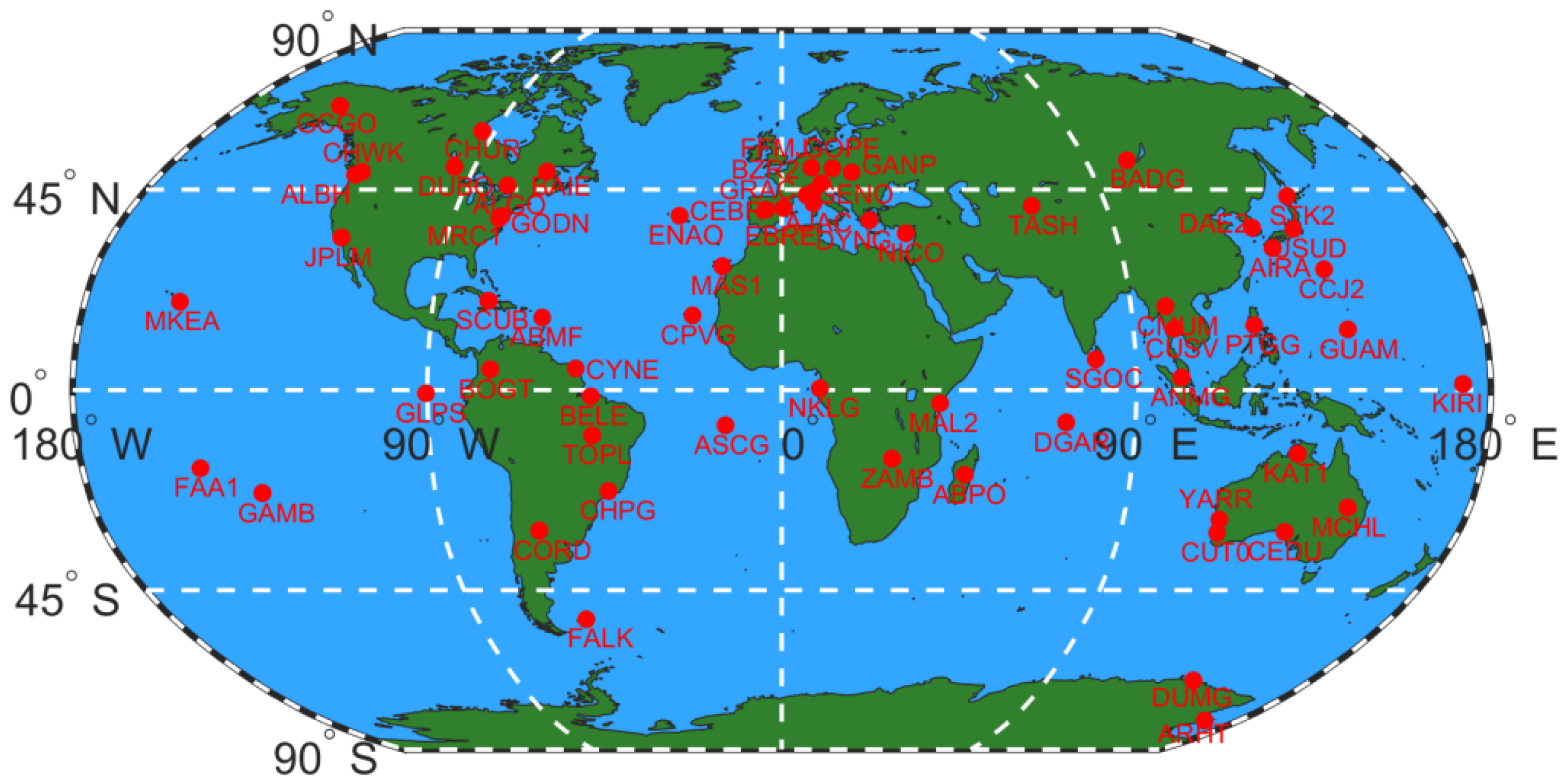
To establish the threshold model of the CNR, real datasets collected on DOY 200 and DOY 201, 2021, from 64 MGEX stations were used. These stations were randomly selected to provide broad coverage across various latitudes and longitudes. The locations of the selected MGEX stations are illustrated in
Figure 6. The datasets had a sampling interval of 30 s, with the satellite elevation mask angle set at 10 deg.
Based on the above collected datasets, the difference between all original CNRs between DOY 200 and DOY 2021, 2021, at the L1 frequency was calculated. The result is presented in
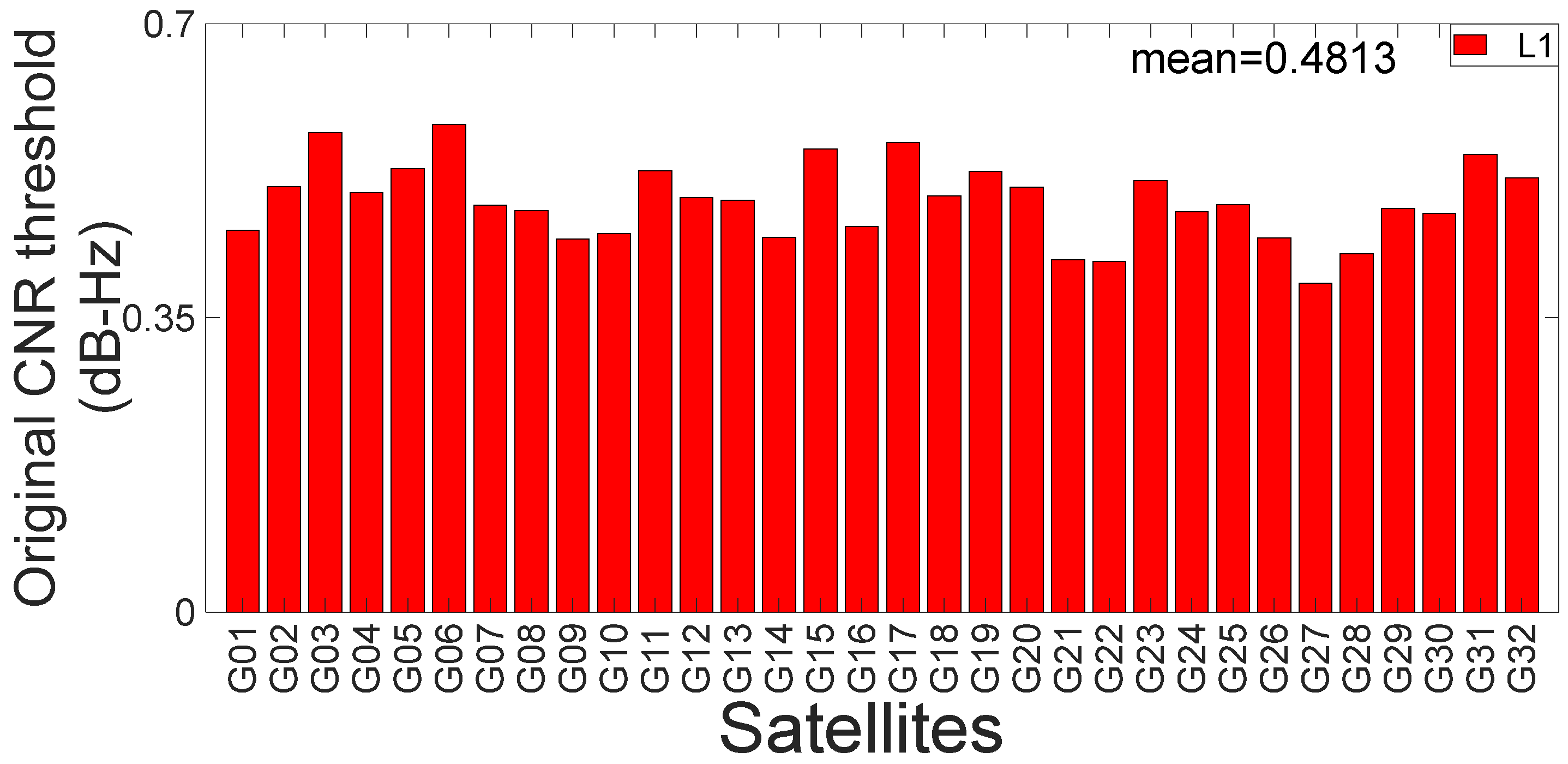
Figure 7, where the horizontal axis denotes different GPS satellites, and the vertical axis represents the CNR difference in dB-Hz. It can be seen that the difference in the CNR between adjacent days varies for each satellite. The maximum of the difference is the G06 satellite, which is approximately 0.58 dB-Hz. Even for the minimum of the difference, it can also reach approximately 0.39 dB-Hz. Thus, the difference in the CNR between satellites should be considered. In addition, the average difference across all GPS satellites is approximately 0.48 dB-Hz. However, this threshold is largely affected by indirect signal components and random noise, which tend to amplify inter-satellite variability and obscure the true flood-induced signal variations. Consequently, such a threshold derived from original CNR observations cannot meet the accuracy requirement of reliable flood monitoring, further motivating the use of direct-signal selection and strength-constrained processing in the proposed method.
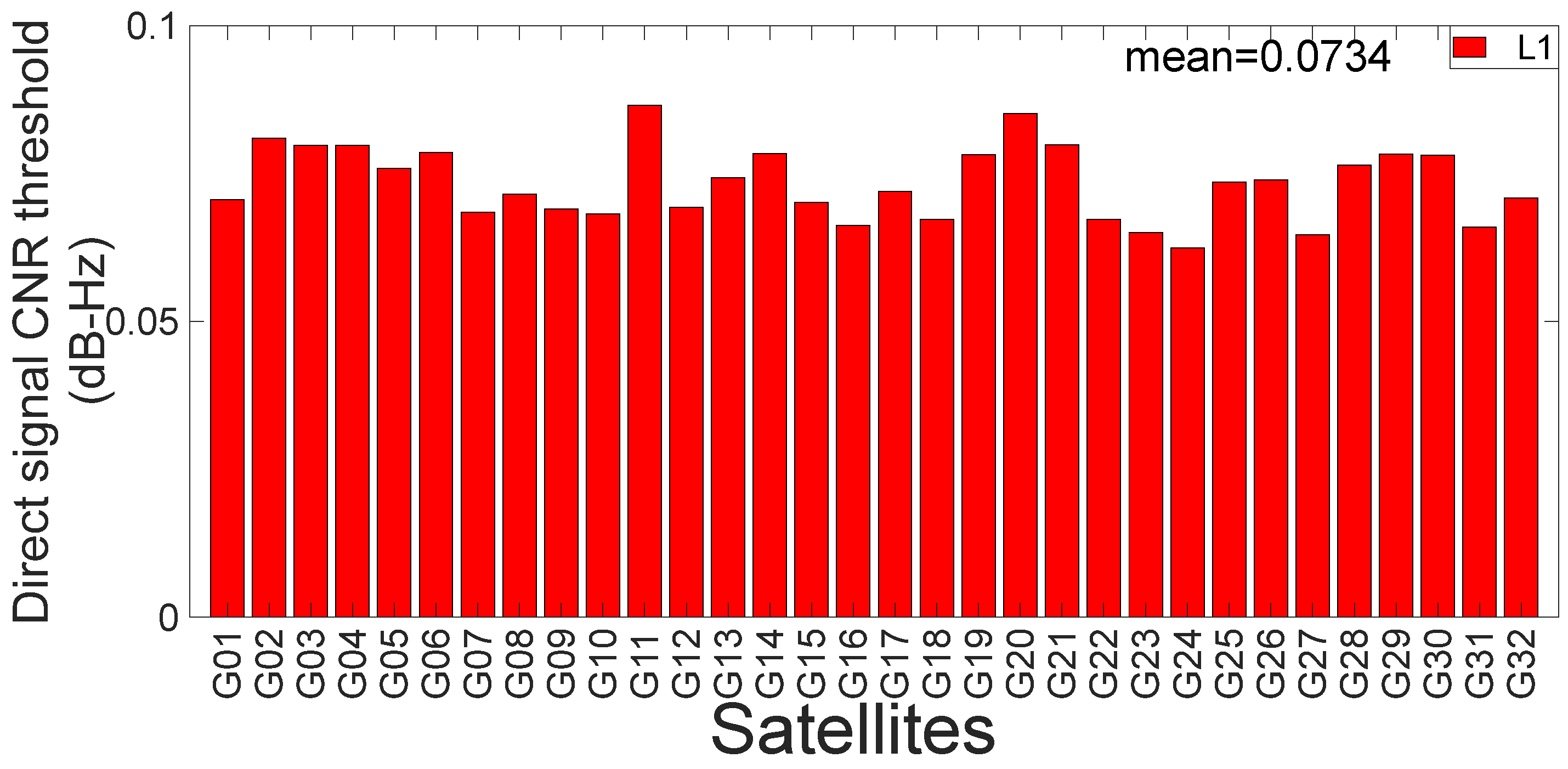
To mitigate the impact of the indirect signal CNR, the threshold model of the direct-signal CNR was established based on the same datasets. The direct-signal CNR was extracted by using a third-order polynomial fitting model. The threshold values for all GPS satellites at the L1 frequency are shown in
Figure 8, where the horizontal axis denotes different GPS satellites, and the vertical axis represents the threshold value in dB-Hz. It is evident that the threshold of the direct-signal CNR is significantly lower than that of the original CNR. The average threshold for the direct signal is approximately 0.07 dB-Hz, demonstrating improved accuracy compared with the 0.48 dB-Hz observed for the original CNR. Therefore, the above results indicate that mitigating the influence of non-direct signal components substantially enhances the accuracy of the threshold estimation. However, the threshold of the direct-signal CNR is still affected by random noise. In addition, it should be noted that the original CNR threshold model and direct signal threshold model, which are presented in
Figure 7 and
Figure 8, were mainly used to demonstrate that the influence of the indirect-signal CNR and random noise should be considered; thus, only the L1 frequency is presented.
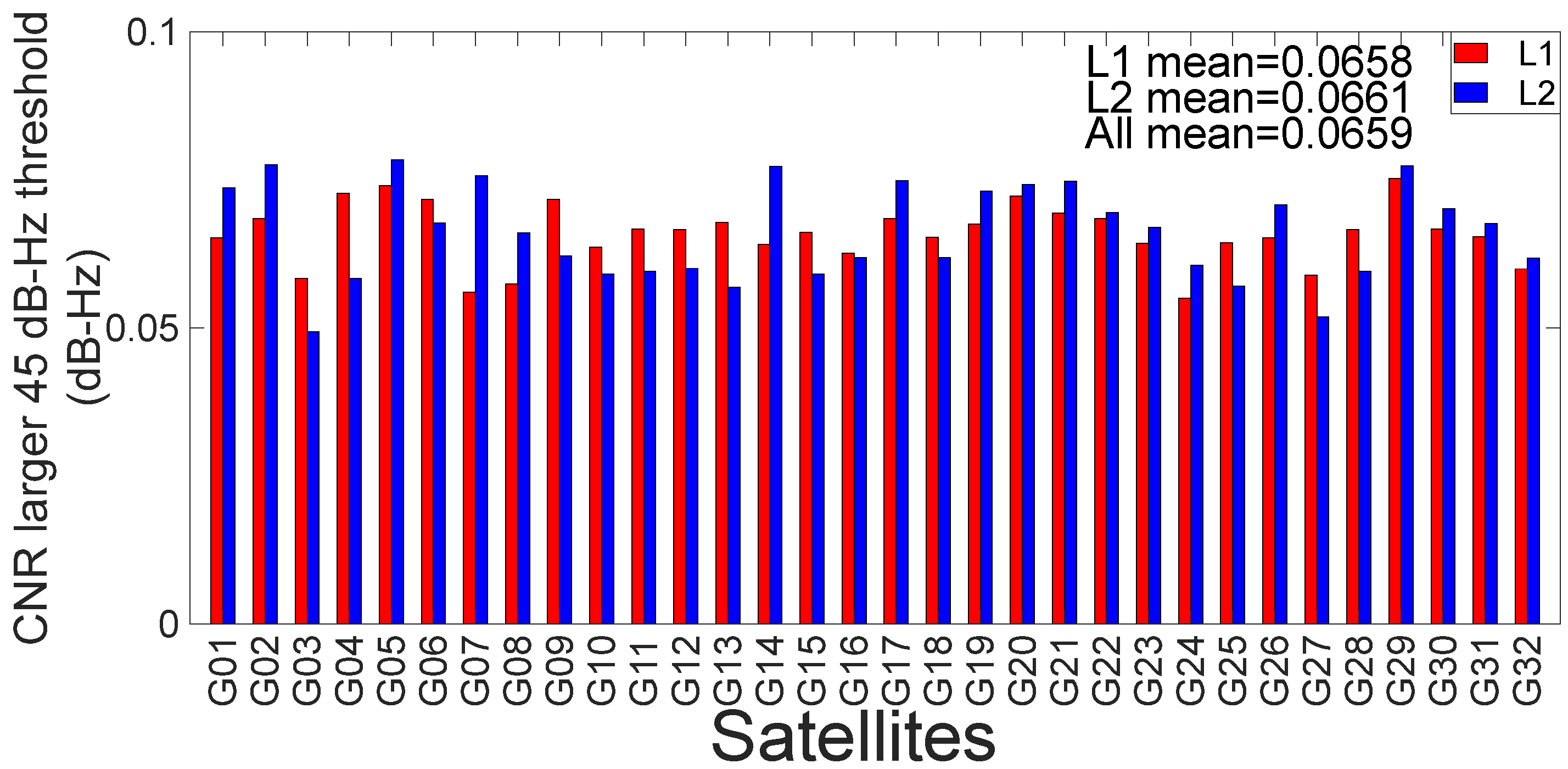
To further improve the accuracy of the direct signal threshold, random noise should be taken into account. Considering that random noise predominantly affects CNR values below 45 dB-Hz, a strength-constrained threshold strategy was employed to reduce the impact of such noise. Therefore, only direct-signal CNR values exceeding 45 dB-Hz were utilized to develop the threshold model. The established threshold model for the L1 and L2 frequencies is demonstrated in
Figure 9, where the horizontal axis denotes different GPS satellites, and the vertical axis represents the threshold value in dB-Hz. It can be observed that the threshold at the L1 frequency demonstrates higher accuracy compared with that derived from the overall direct-signal CNR, indicating that excluding low-strength observations effectively suppresses noise-dominated variations. The average thresholds of the L1 and L2 frequencies are approximately 0.0658 dB-Hz and 0.0661 dB-Hz, respectively. Although the average thresholds at L1 and L2 are close to each other, differences between different satellites and between the two frequencies can still be observed, reflecting satellite-dependent signal geometry and frequency-dependent surface interaction effects. Thus, this difference should be considered in flood-monitoring applications. In addition, considering that both L1 and L2 frequencies were used to monitor the flood, the average threshold of all satellites at the L1 and L2 frequencies was adopted as the reference in the proposed method.
2.3.5. Summary of the Proposed Method
In this study, we propose a GPS dual-frequency CNR-based flood dynamics monitoring method that exploits flood-induced multipath effects to detect and track the entire flood process. Based on the above analysis, it is evident that flooding has a significant impact on the CNR, and this effect is strongly dependent on both the satellite and signal frequency. Thus, the difference in the CNR between the flood environment and without flood can be used to monitor the entire process of the flood. Both the L1 and L2 frequencies were used to improve the accuracy of the developed method. Moreover, to mitigate the influence of the indirect-signal CNR and random noise, only the direct-signal CNR, which was larger than 45 dB-Hz, was used.
The proposed flood dynamics monitoring method involves several data models that are tested and validated using real GPS observations. First, a polynomial fitting model is applied to the raw dual-frequency CNR observations to model the direct signal component. By removing the slowly varying trend of the direct signal, the multipath-related variations induced by floodwater are effectively isolated. Second, a statistical flood threshold model is established using long-term non-flood CNR observations from multiple MGEX stations. This model characterizes the normal fluctuation range of CNR differences and serves as a criterion for identifying flood-induced anomalies. Finally, a multi-satellite statistical averaging model is employed to integrate detection results from multiple satellites. This model reduces satellite-specific noise and enhances the robustness and reliability of the flood detection results. These data models are jointly tested within the proposed workflow to validate their effectiveness in monitoring flood occurrence and temporal dynamics.
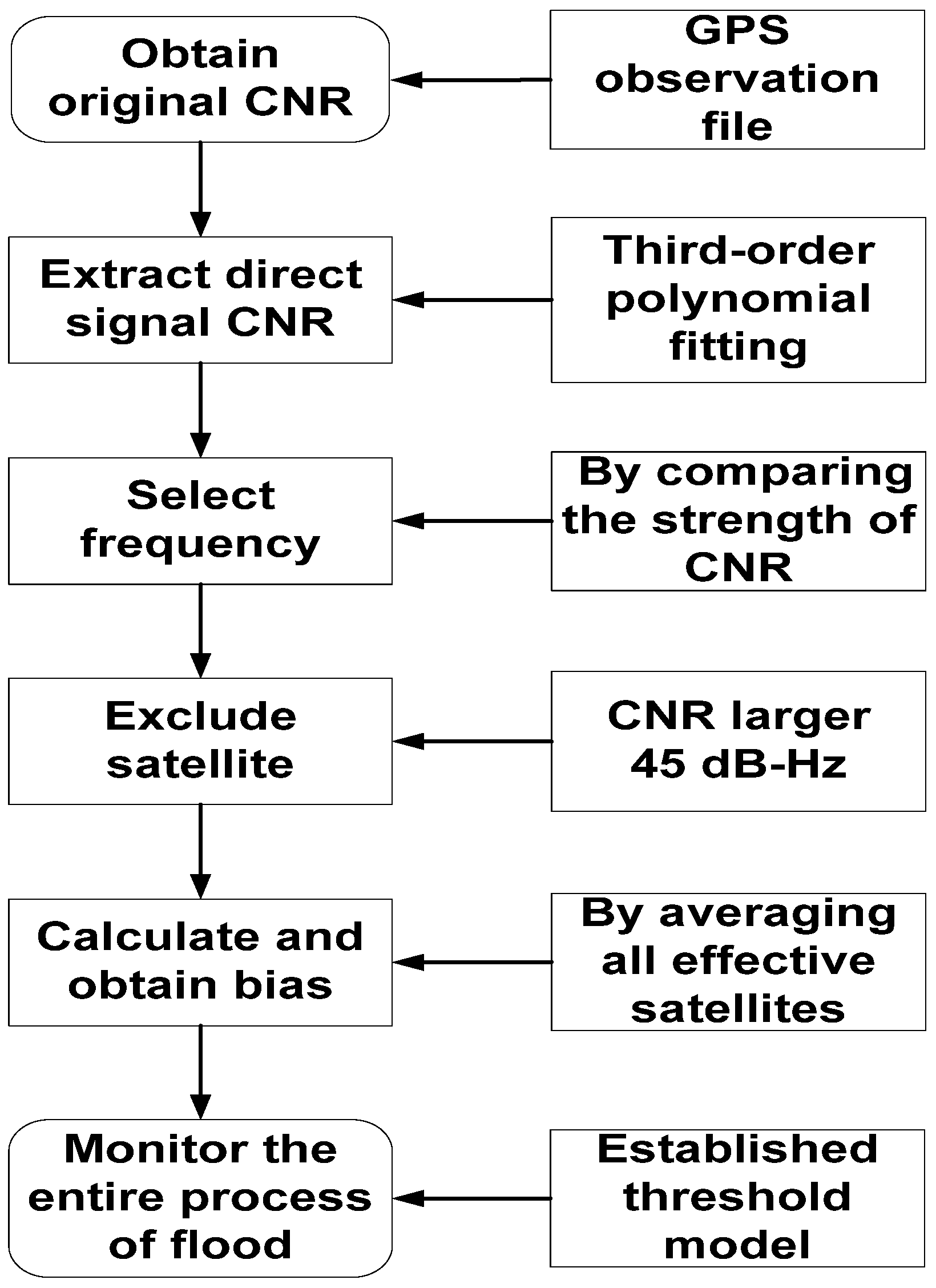
The proposed method can be summarized in the following steps: (1) Establish the threshold model by using data from globally distributed MGEX stations. (2) Obtain the original CNR from the observation file in RINEX format. (3) Extract the direct-signal CNR by using a third-order polynomial fitting model. (4) Select the frequency based on a comparison of the CNR strength between the L1 and L2 signals. (5) Exclude the satellite by comparing the strength of the CNR; only a CNR larger than 45 dB-Hz is used. (6) Calculate the difference in the CNR between the flood environment and without flood for all effective satellites, and then compare the difference to the established threshold model. Only the satellite whose bias is larger than the threshold is selected. (7) Obtain the final difference by averaging all effective satellites for each epoch. (8) Monitor the entire process of the flood by using the results of the final difference and the established threshold model.
Figure 10 illustrates the flood-monitoring workflow of the proposed method.
2.3.6. Experiments and Analysis
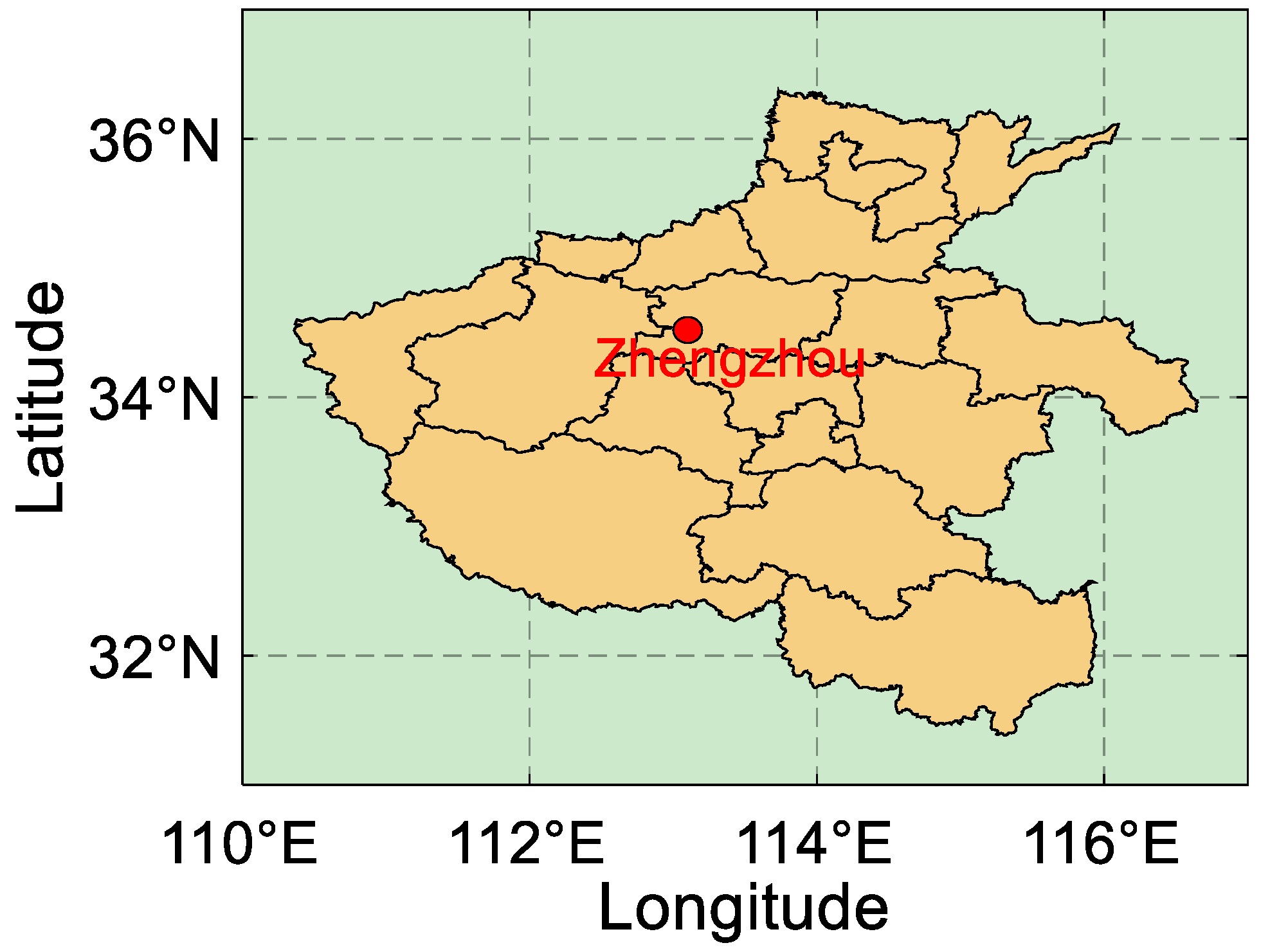
To evaluate the performance of the proposed method, datasets collected at Zhengzhou Station in China from DOY 198 to DOY 203, 2021, were used. The location of Zhengzhou Station is demonstrated in
Figure 11. The datasets can be obtained from the following website:
http://data.earthquake.cn. The flood appeared from DOY 200 to DOY 202, 2021. The datasets have a sampling interval of 30 s and include observations at both the L1 and L2 frequencies. The receiver and antenna are set on the top of an observation pier, which is about 3 m above the ground. Relevant flood information can be accessed on the following websites:
https://gis.ncdc.noaa.gov/ (accessed on 25 November 2024) and
www.cma.gov.cn.
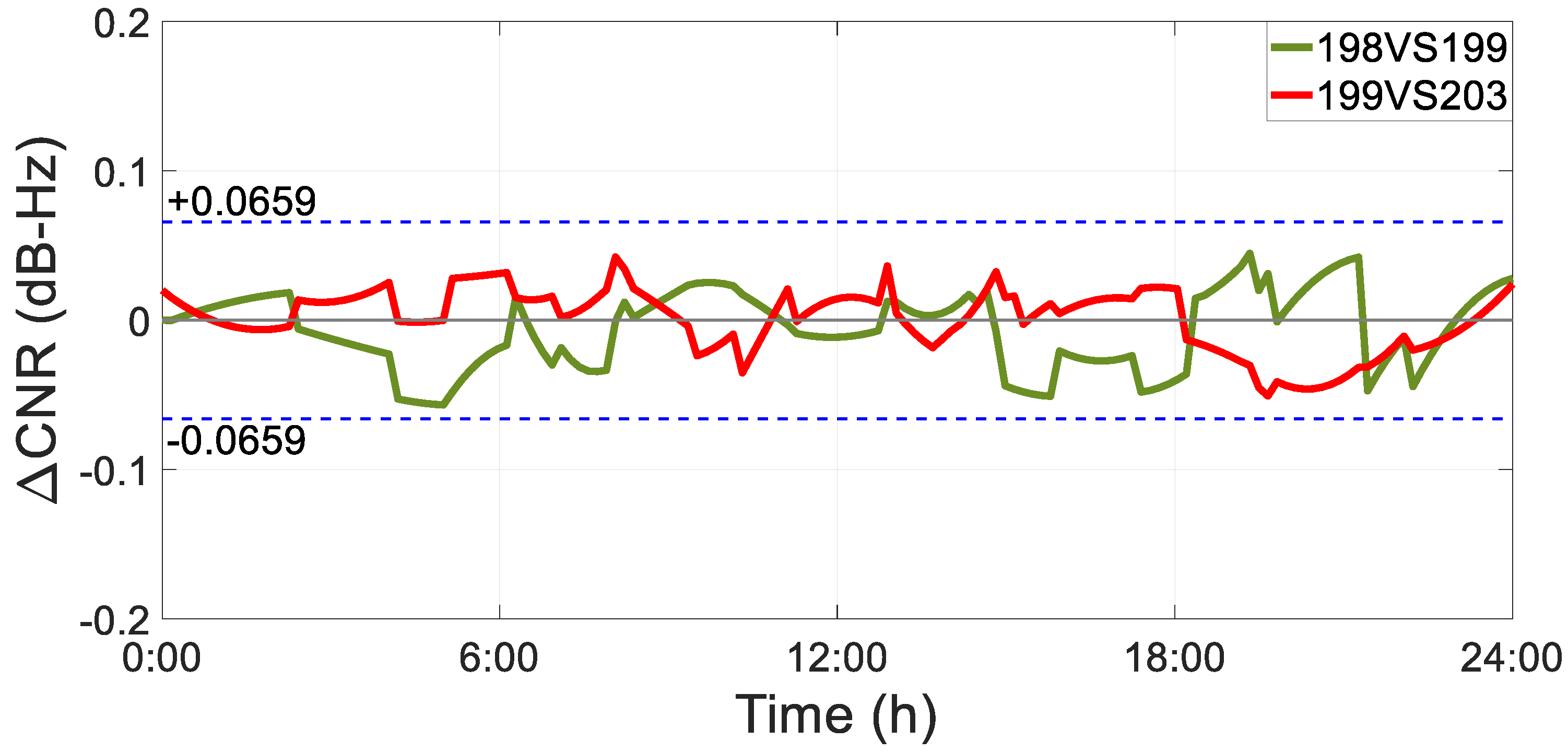
The CNR bias under non-flood conditions was first analyzed using datasets collected on DOY 198, DOY 199, and DOY 203, 2021. The results are shown in
Figure 12. The dark green line represents the CNR bias between DOY 198 and DOY 199, while the red line indicates the bias between DOY 199 and DOY 203. In this analysis, the bias is computed by subtracting the CNR values of the second day from those of the first, and this convention is consistently applied throughout all figures. The blue dashed line indicates the mean threshold for all satellites across both the L1 and L2 frequencies, as determined by the threshold model. The CNR bias between DOY 198 and DOY 199 remains below this threshold, suggesting that no flood occurred on DOY 199. Similarly, the comparison between DOY 199 and DOY 203 shows minimal difference, indicating that DOY 203 was also unaffected by flooding. Therefore, both DOY 199 and DOY 203 can be considered reliable reference days for monitoring the flood event.
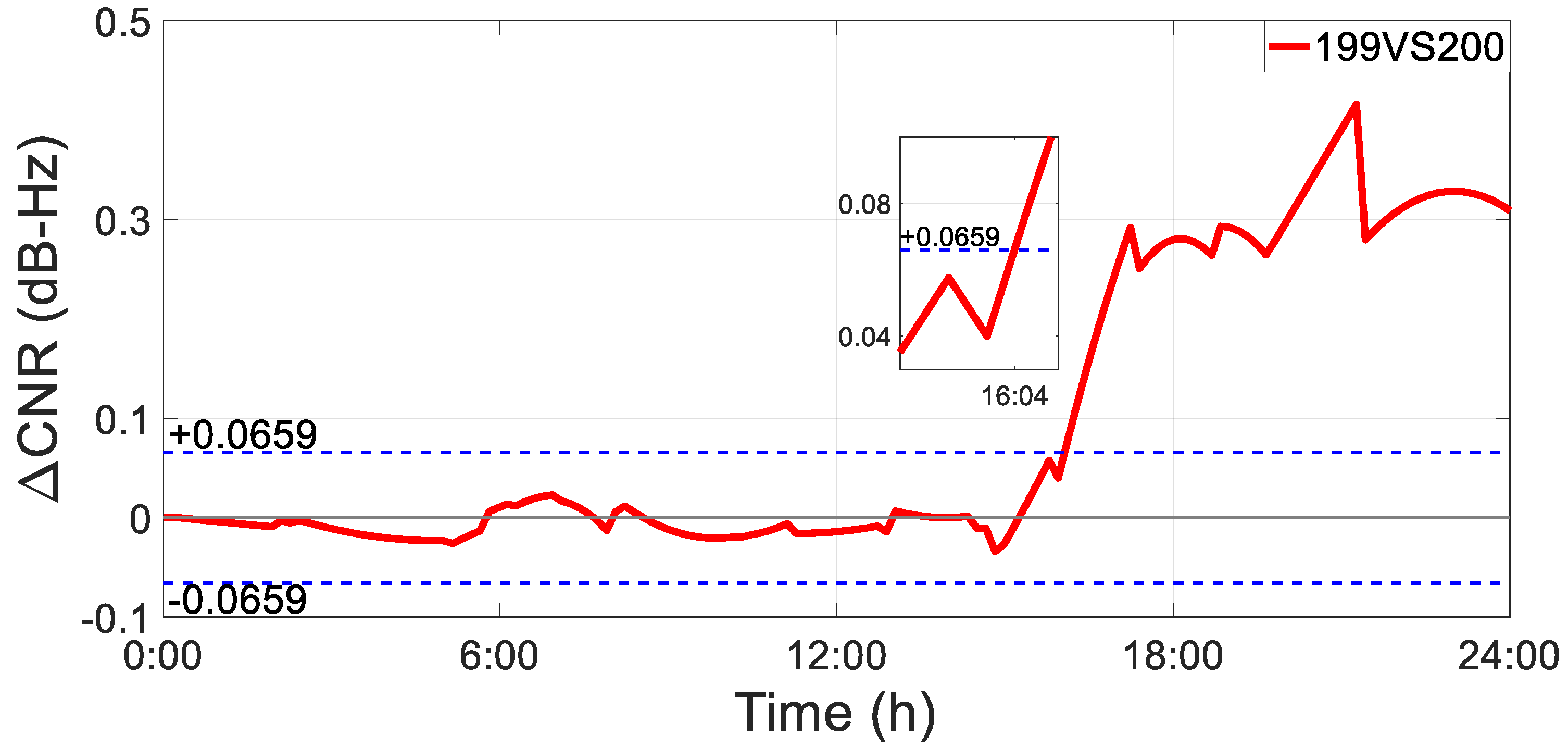
The CNR bias between DOY 199 and DOY 200, 2021, is illustrated in
Figure 13. The blue dashed line represents the threshold, and this convention is maintained in all subsequent figures. As shown, the CNR bias remains below the threshold prior to 16:04 PM, consistent with the observations in
Figure 12, indicating no flooding during this period. However, after 16:04 PM on DOY 200, the CNR bias begins to increase and eventually surpasses the threshold. Detailed changes can be seen in the magnified inset in
Figure 13. Based on the established threshold model and the observed impact of flooding on the CNR, it can be concluded that the flood event likely began at this time.
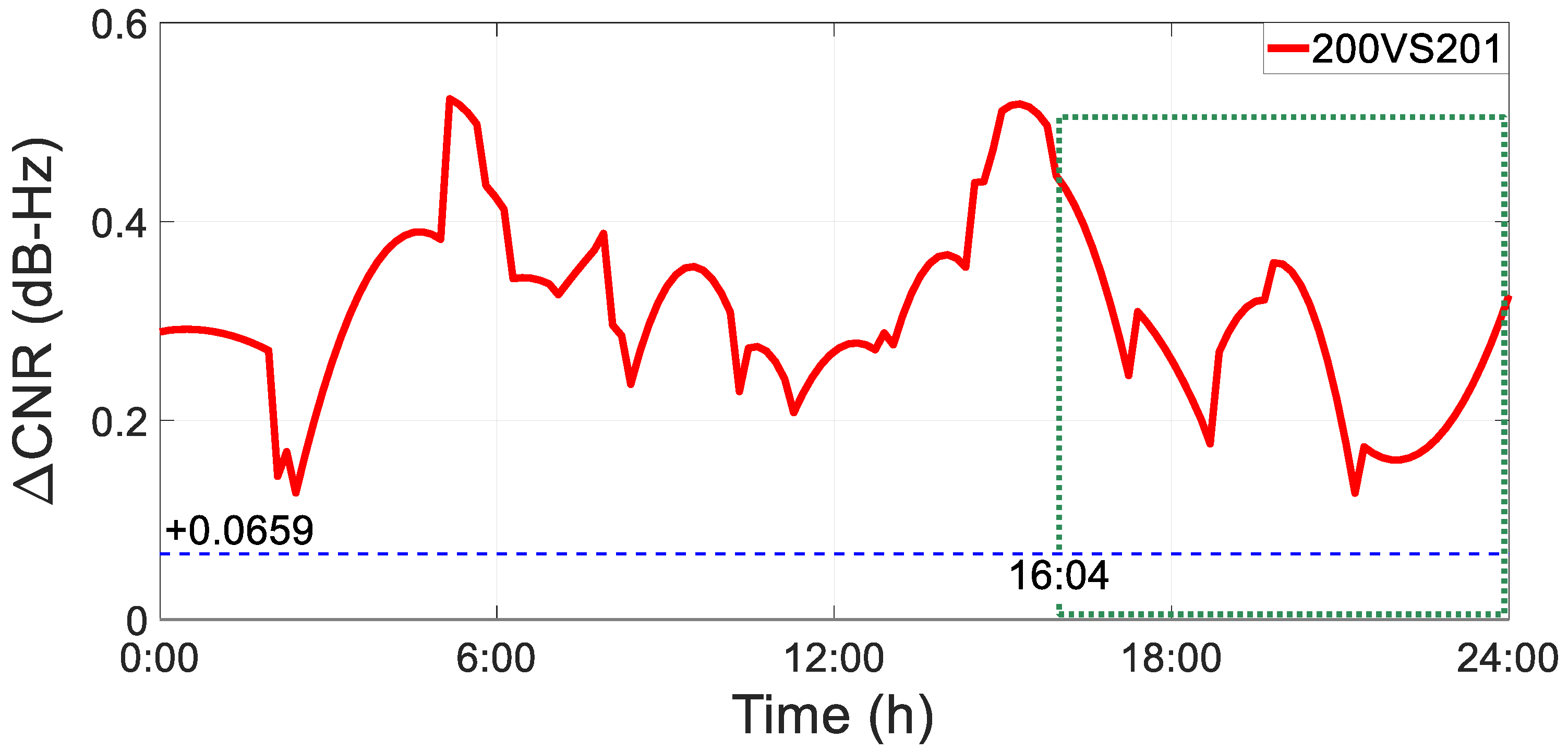
To further investigate the flood progression, the CNR bias between DOY 200 and DOY 201, 2021, is presented in
Figure 14. It is evident that the CNR bias remains above the threshold throughout the entire day on DOY 201, indicating the presence of flooding for the full duration of that day. Moreover, by combining the analyses from
Figure 13 and
Figure 14, it is clear that although the flood event began at approximately 16:04 PM on DOY 200, the CNR bias between DOY 200 and DOY 201 after this time remains significantly above the threshold. This is highlighted in the region enclosed by the dashed rectangle. These results suggest that the flooding conditions on DOY 201 were more severe than those on DOY 200.
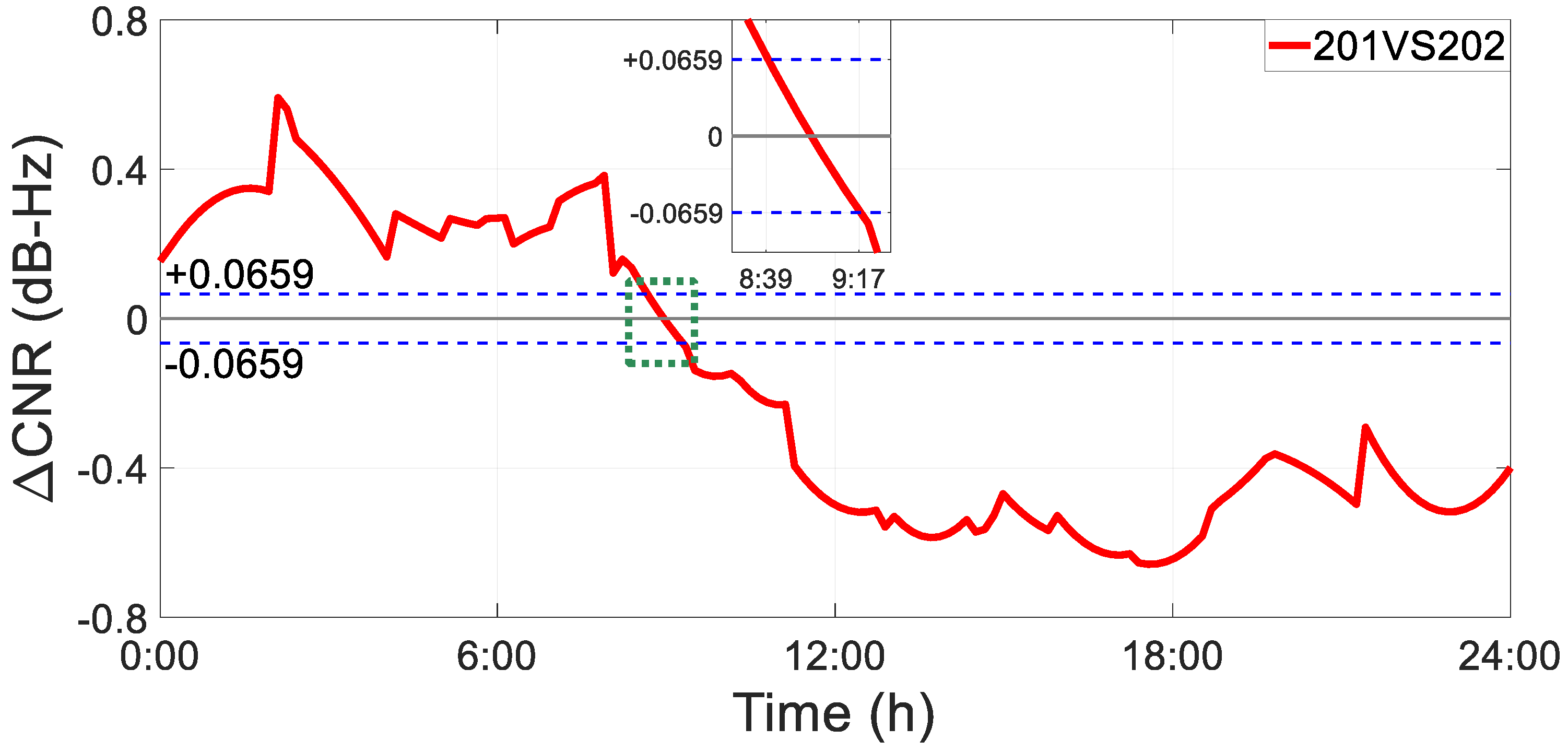
The CNR bias between DOY 201 and DOY 202, 2021, is demonstrated in
Figure 15. By analyzing the entire trend of the results, it can be seen that there is a reversal at 8:39 AM on DOY 202. Before 8:39 am, the bias of the CNR between them is larger than zero and even larger than the threshold. The results indicate that the impact of flooding on the CNR for DOY 202 is greater than that observed on DOY 201, and also suggest that the flood conditions intensified on DOY 202 during this stage. Subsequently, the CNR bias drops below zero, implying that the floodwaters began to recede relative to DOY 201. This transition is highlighted within the green dashed box. However, whether this denotes that the flood waters had receded after 9:17 AM should be further analyzed by comparing the bias between DOY 202 and DOY 203, 2021.
From
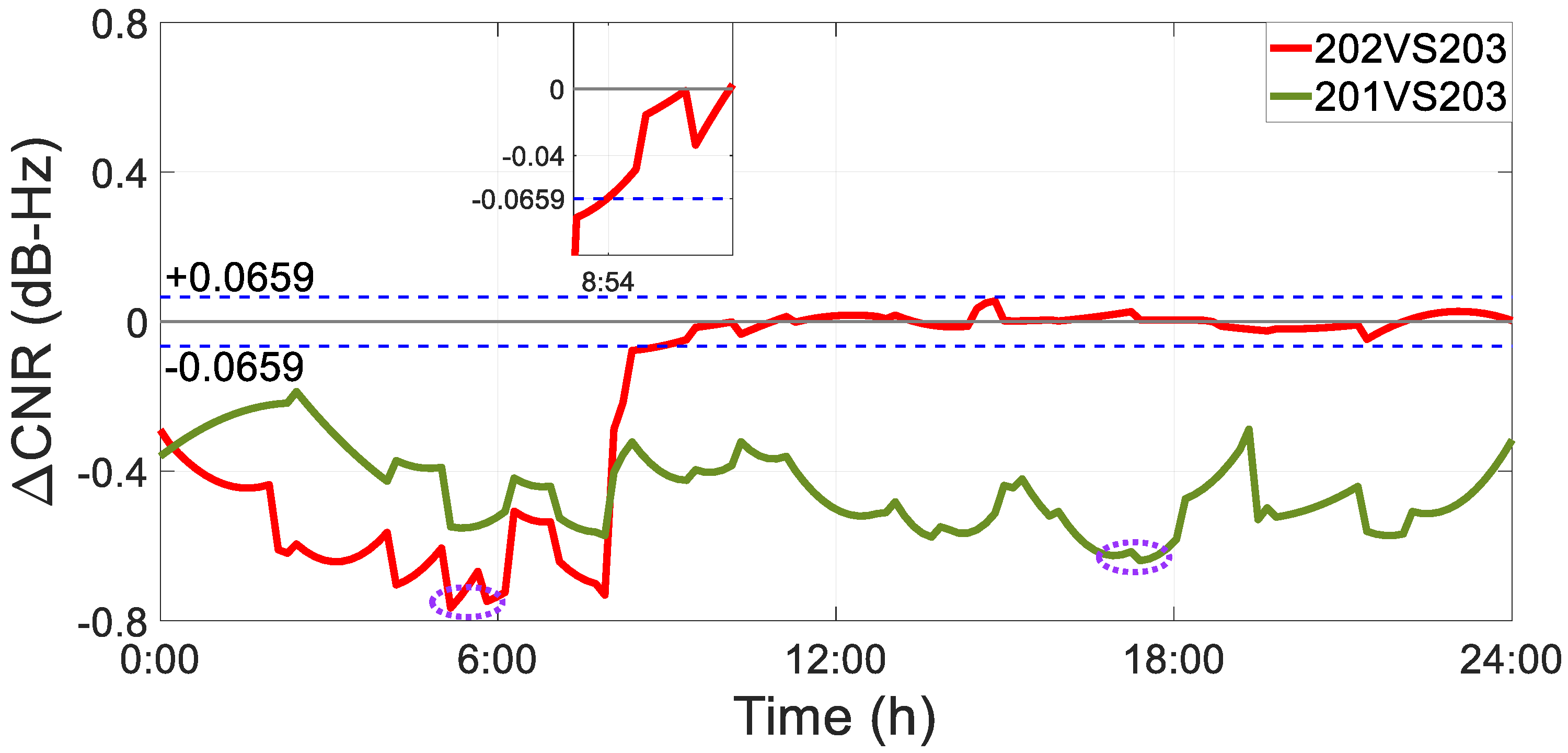
Figure 15, it can be observed that the flood is weaker than on DOY 201 after 8:39 on DOY 202. Moreover, to determine the exact time when the flood began to recede, the CNR bias between DOY 202 and DOY 203, 2021, is analyzed and shown as the red line in
Figure 16. Additionally, to identify the peak of the flood event, the CNR bias between DOY 201 and DOY 203 is also included in
Figure 16, represented by the green line. From the red line, it can be observed that the bias falls below the threshold at 8:54 AM on DOY 202, indicating that the flood had subsided by that time. After that, the bias performs under the threshold. Moreover, to determine the peak of the flood, the wave crests of both red and green lines are displayed in the dashed ellipse. By comparing the results, it can be concluded that the peak of the flood appears at 5:05 AM on DOY 202, since the bias of CNR can reach approximately −0.77, which is larger than the maximum of DOY 201. Therefore, the proposed method demonstrates high accuracy in capturing both the peak and recession phases of flood events.
The above analysis confirms that the proposed method is capable of reliably capturing the entire process of flood from occurrence to recession. In addition, the fluctuation of the flood can also be accurately reflected by using the proposed method. However, it is important to note that the identified flood recession time, as defined by this method, indicates the point beyond which surface water ceases to affect the CNR monitoring, rather than implying a complete absence of surface water.