Magnetic Biocomposite Based on Aspen Biochar, Sodium Alginate, and Phaffia rhodozyma Yeast for Efficient Removal of Methylene Blue from Aqueous Solutions



Abstract
1. Introduction
2. Materials and Methods
2.1. Materials
2.2. Obtaining a Magnetic Biocomposite
2.2.1. Biomass Pyrolysis
2.2.2. Obtaining Magnetic Biochar
2.2.3. Selection and Preparation of Microbiological Biomass
2.2.4. Assessment of Cytotoxicity and Biomass Viability
2.2.5. Synthesis of a Magnetic Biocomposite by Matrix Immobilization Method
2.3. Biosorption Studies
2.3.1. Determination of the Point of Zero Charge (pHPZC)
2.3.2. Effect of Biocomposite Dose
2.3.3. Adsorption Kinetics Studies
2.3.4. Adsorption Isotherm Studies
2.3.5. Effect of Temperature
2.3.6. Regeneration Research
2.4. Material Characterization
3. Results and Discussion
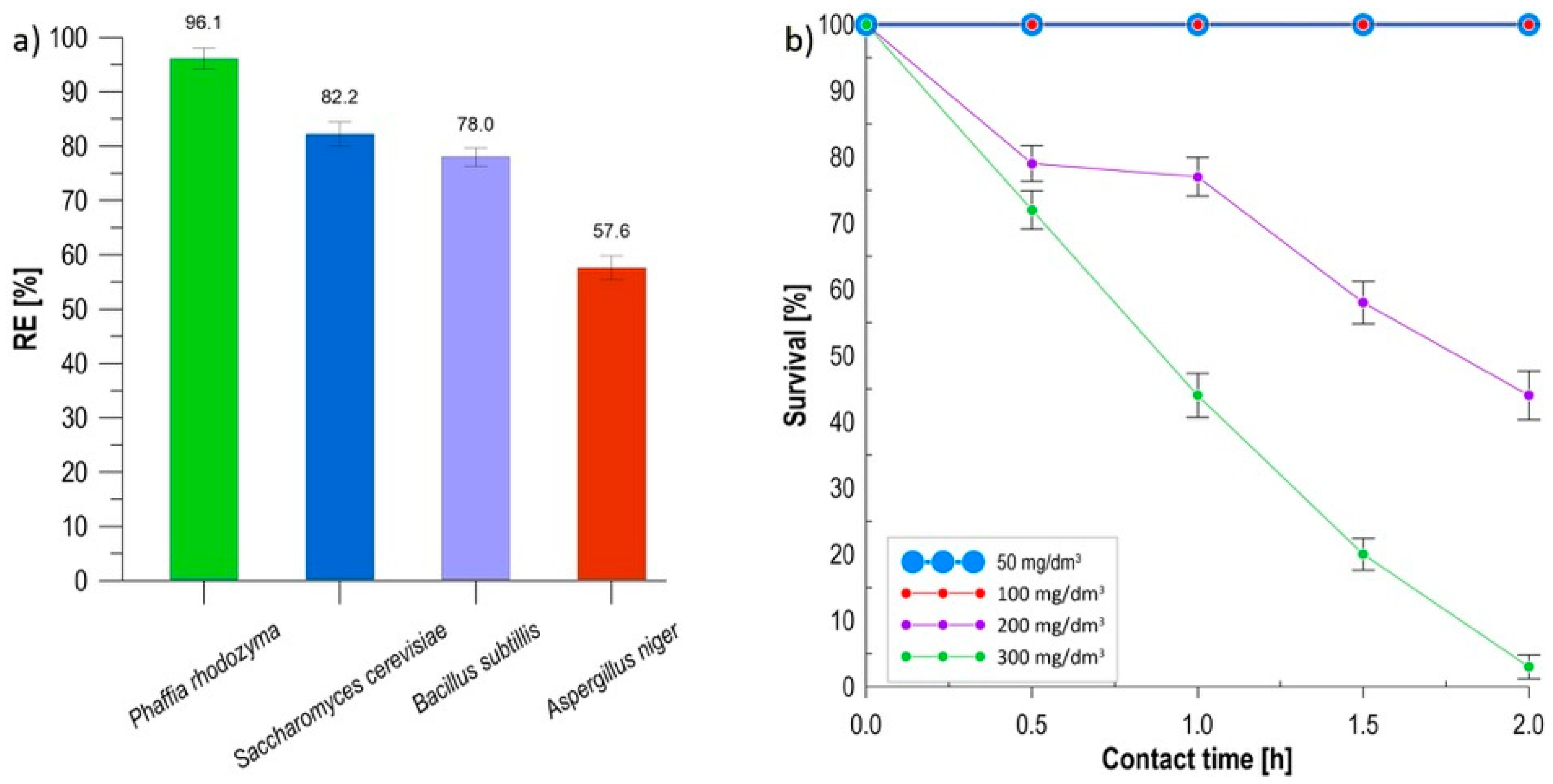
3.1. Selection and Survival of Microorganisms in the Biocomposite
3.2. Selection of Component Parameters and Functional Evaluation of the Biocomposite
3.2.1. Influence of Biochar Mass Fraction on Matrix Properties
3.2.2. The Role of Phaffia rhodozyma Biomass and Inoculum Optimization
3.2.3. The Importance of Cell Density and Verification of Biological Contribution
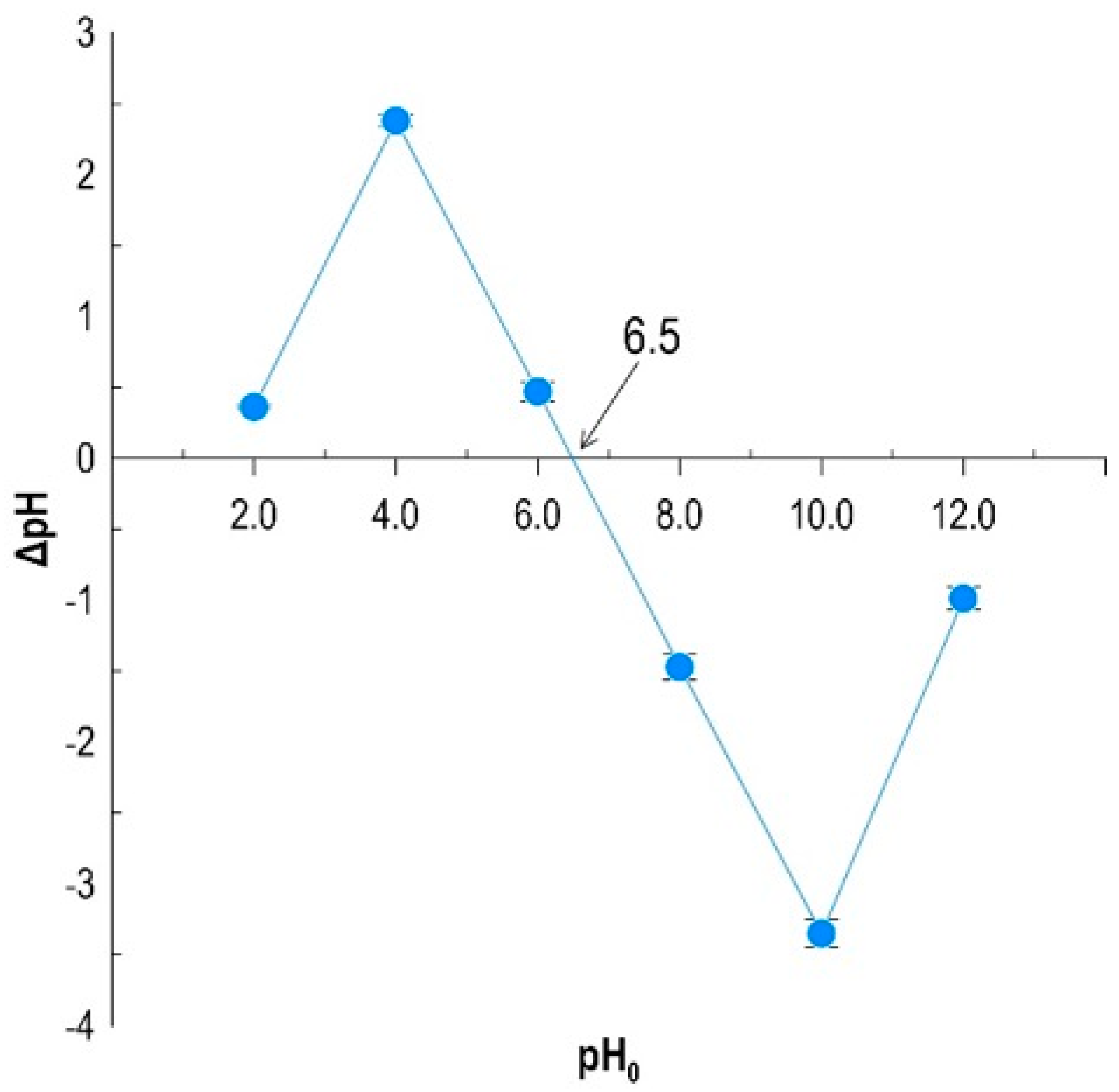
3.3. Analysis of the pHPZC Point
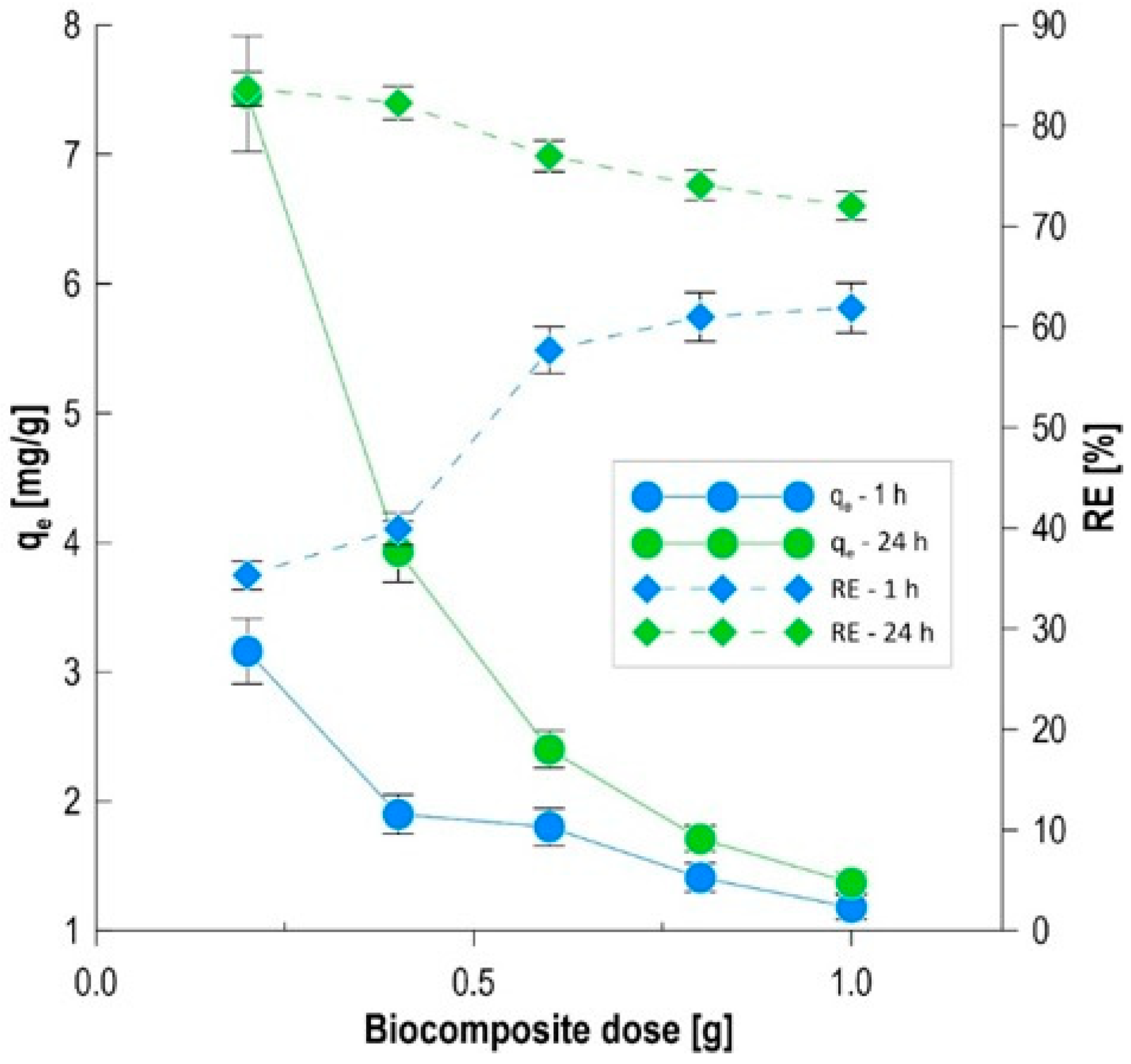
3.4. The Influence of the Biocomposite Dose on the Dye Removal Efficiency
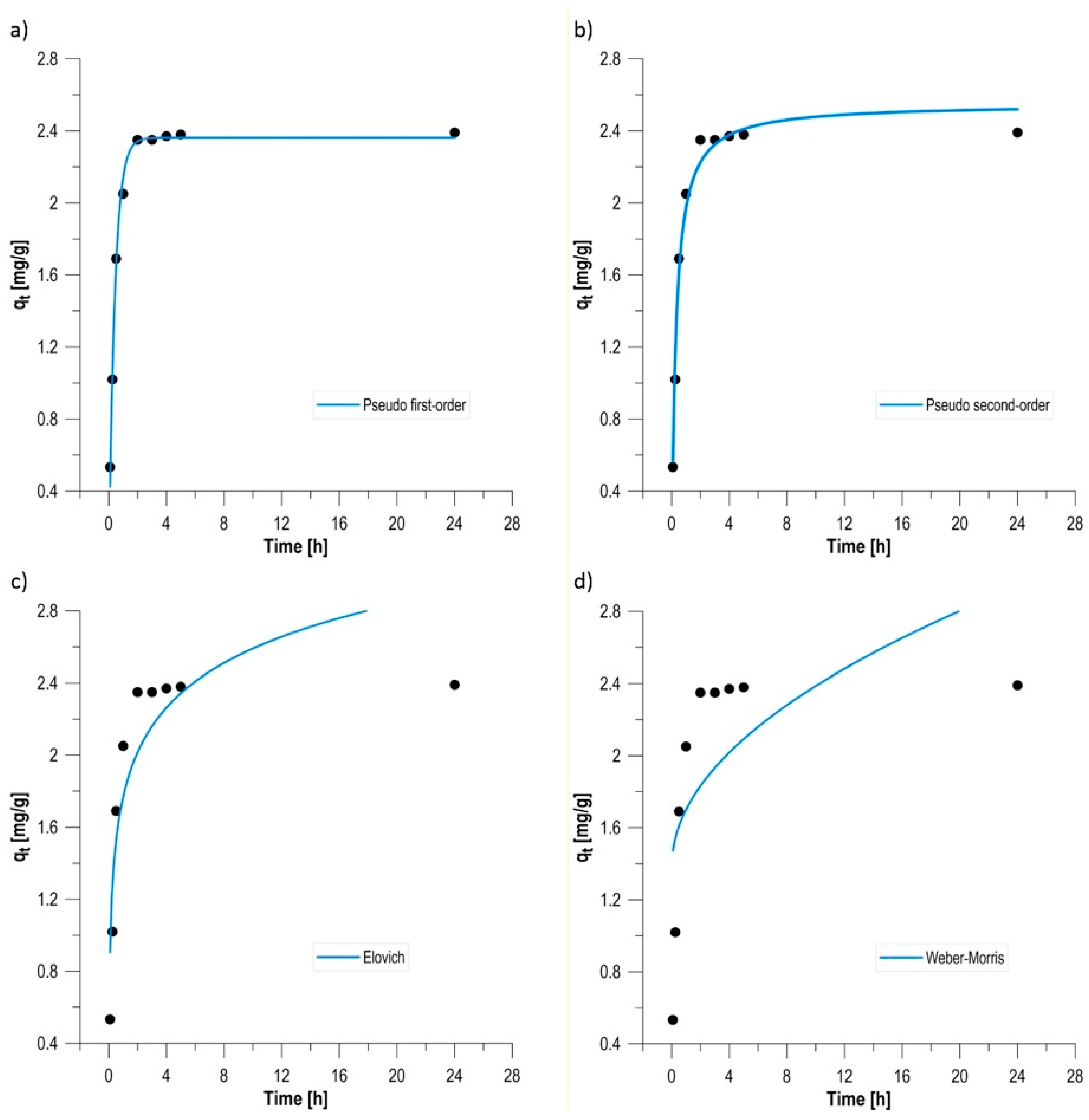
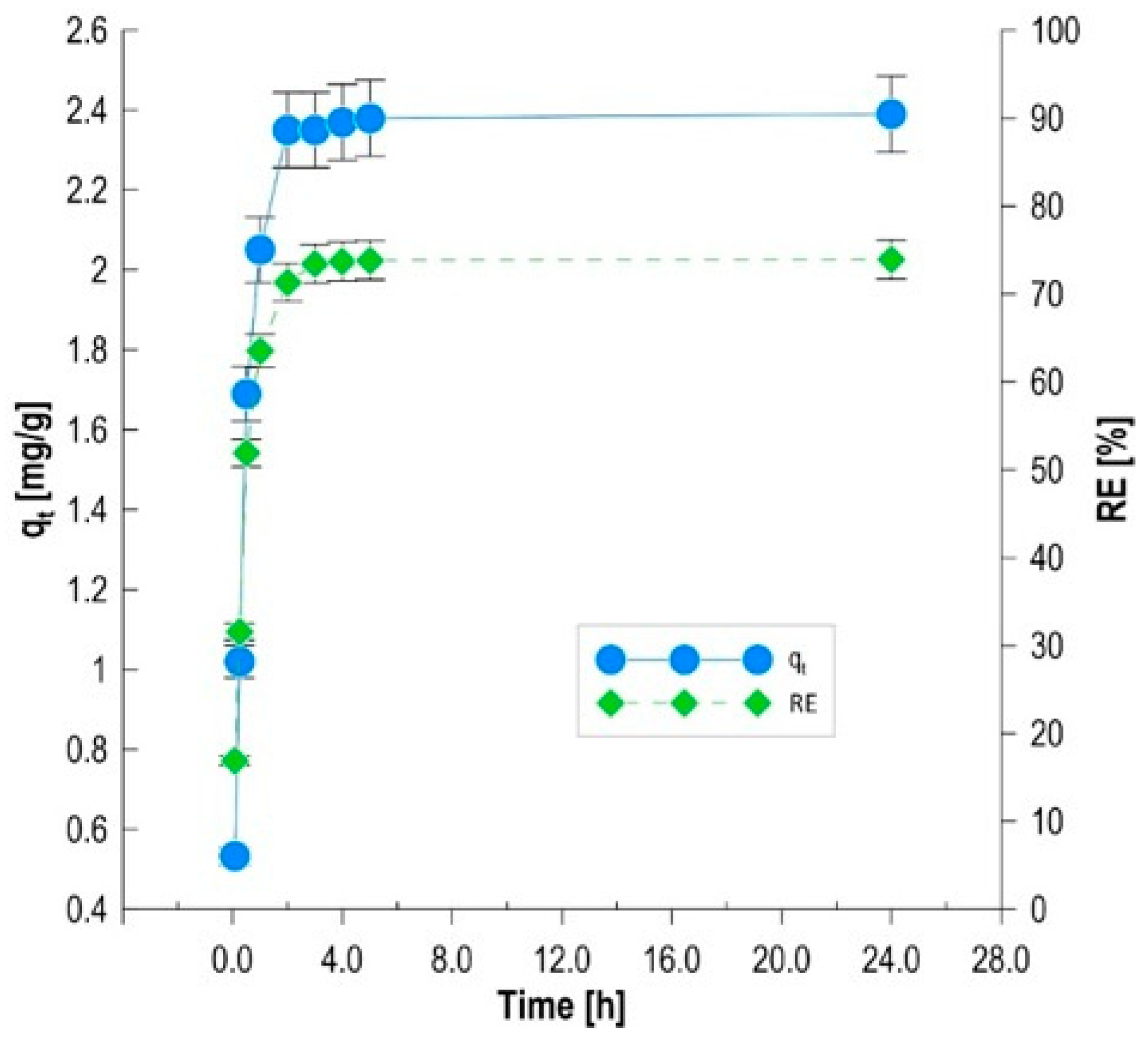
3.5. Kinetic Studies of the Biosorption Process
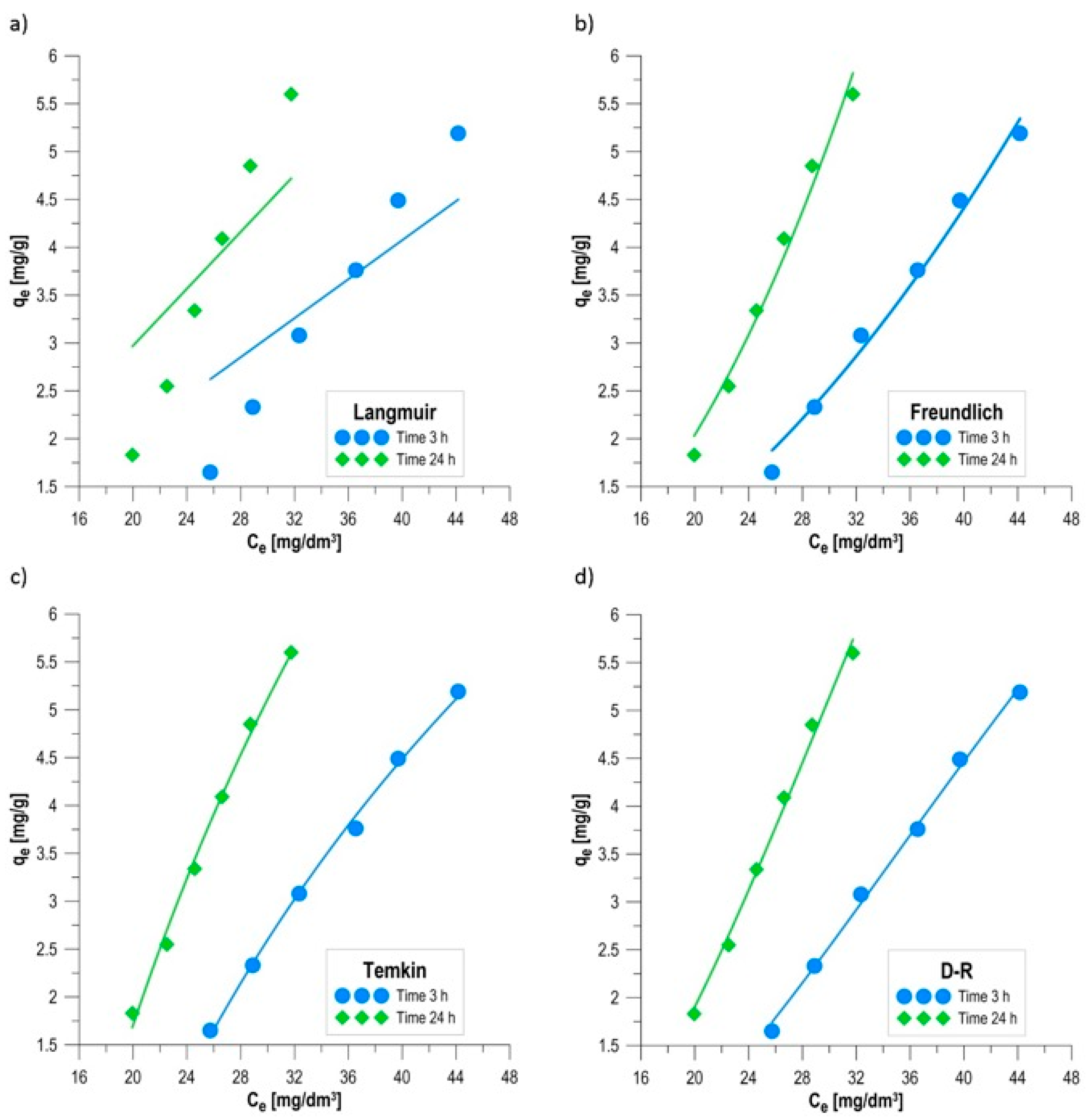
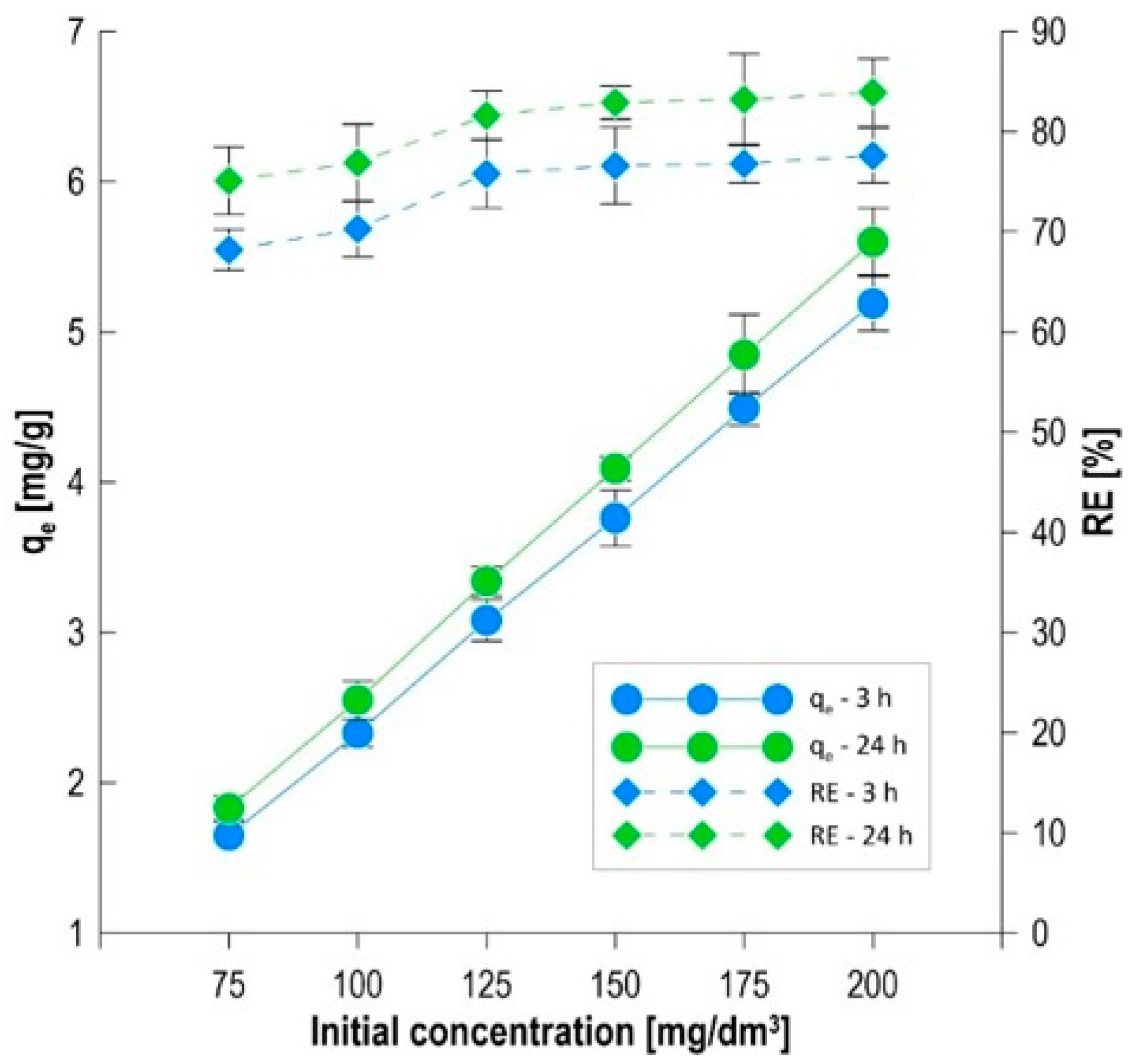
3.6. Equilibrium Studies of the Sorption Process
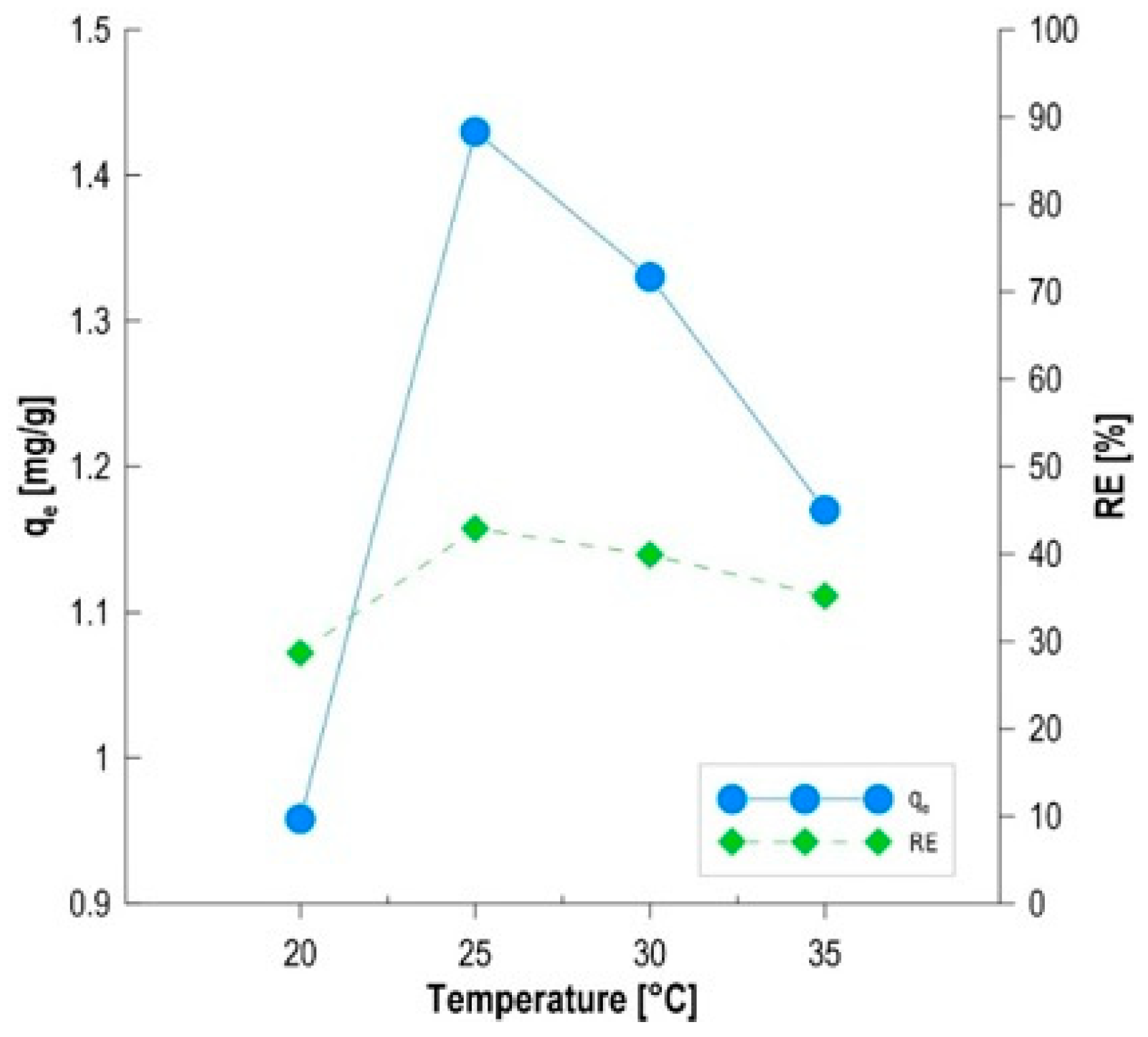
3.7. Effect of Temperature on MB Removal
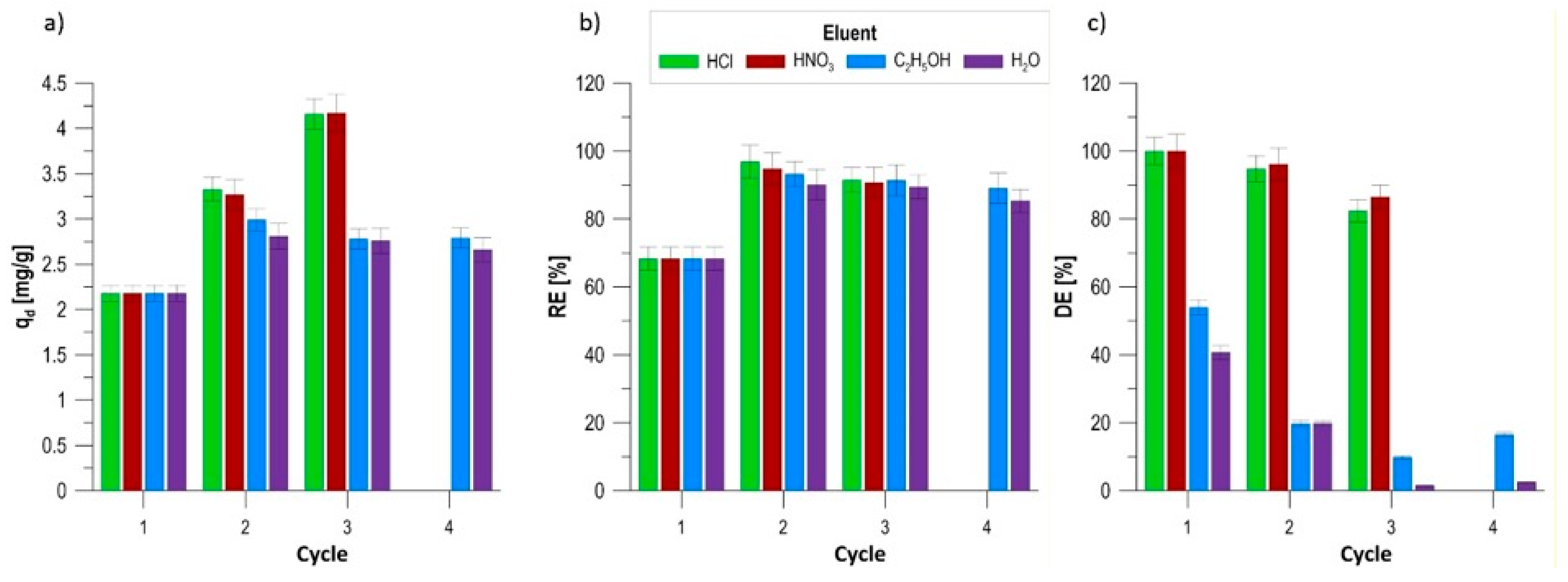
3.8. Research on the Regenerative Capacity and Desorption Efficiency of the Biocomposite
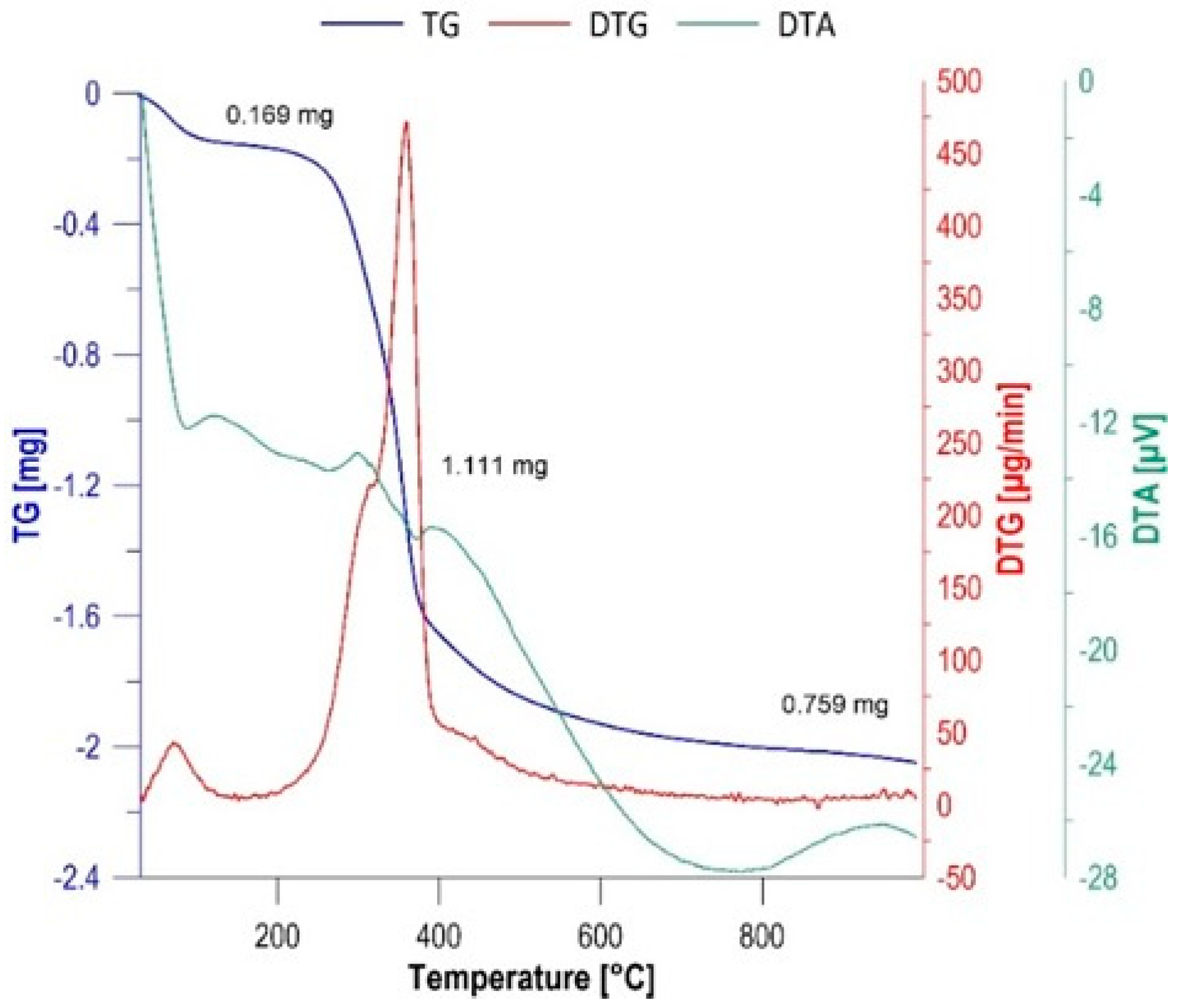
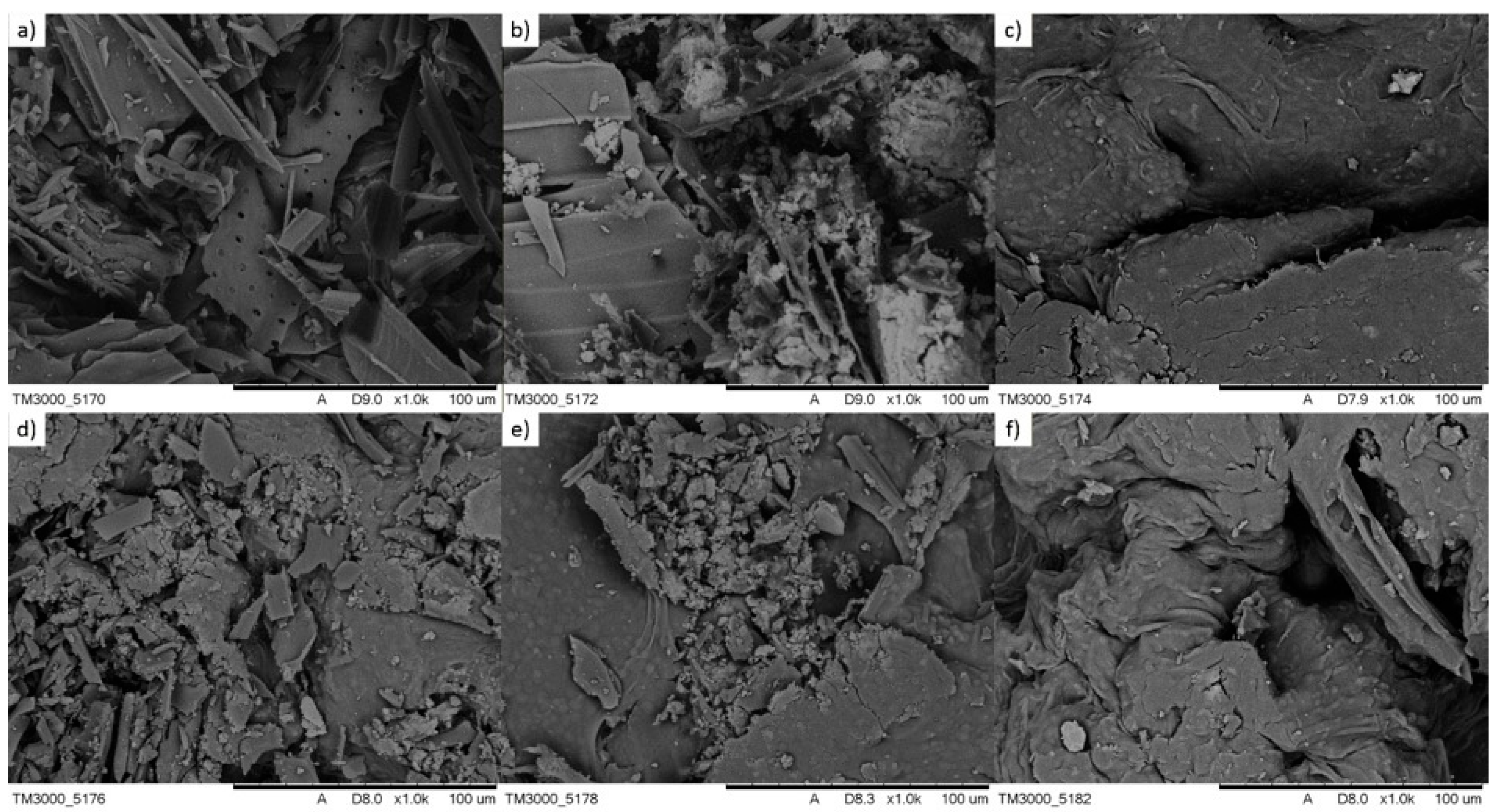
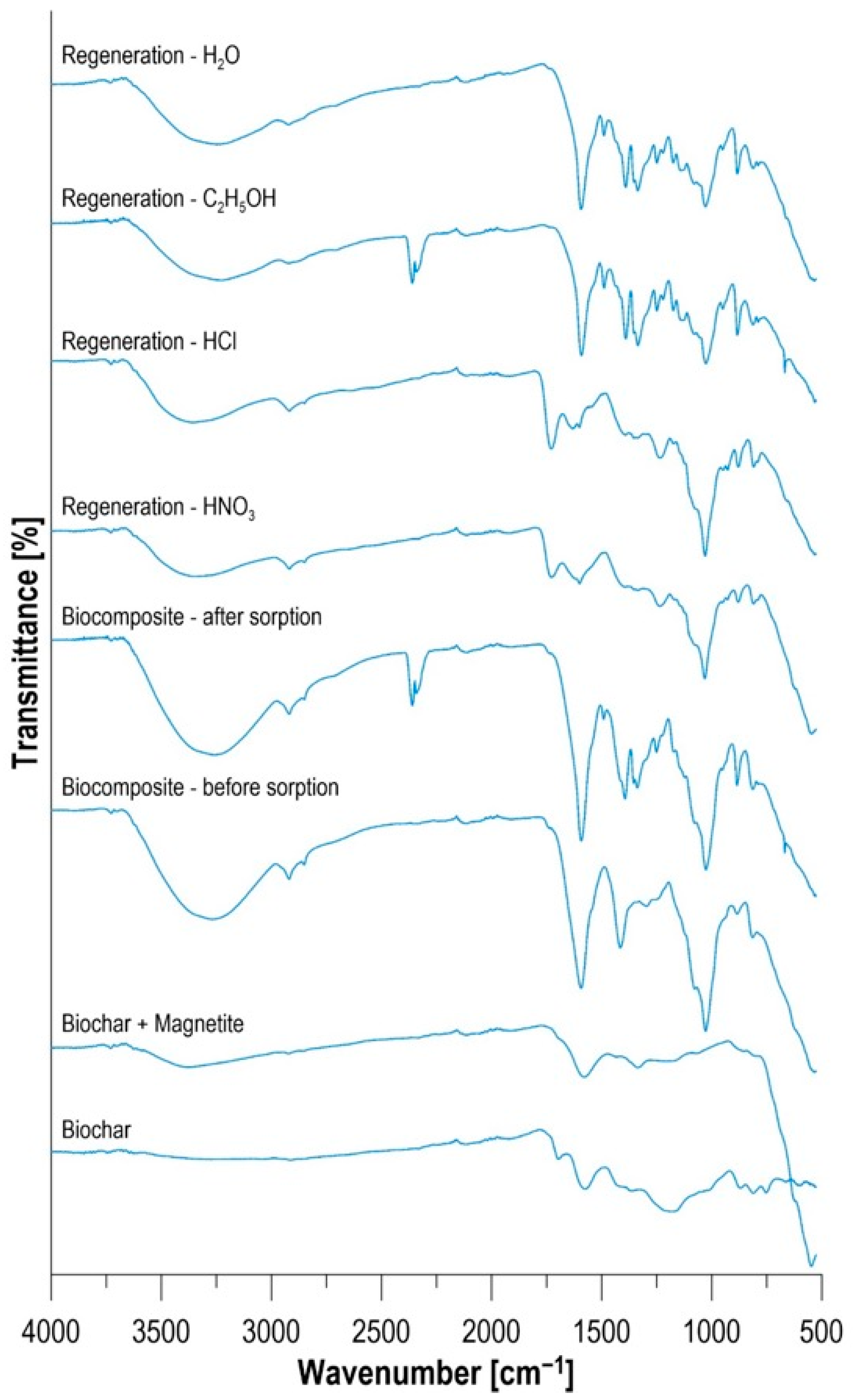
3.9. Biocomposite Characteristics
4. Conclusions
Supplementary Materials
Author Contributions
Funding
Institutional Review Board Statement
Informed Consent Statement
Data Availability Statement
Conflicts of Interest
References
- Al-Tohamy, R.; Ali, S.S.; Li, F.; Okasha, K.M.; Mahmoud, Y.A.G.; Elsamahy, T.; Jiao, H.; Fu, Y.; Sun, J. A critical review on the treatment of dye-containing wastewater: Ecotoxicological and health concerns of textile dyes and possible remediation approaches for environmental safety. Ecotoxicol. Environ. Saf. 2022, 231, 113160. [Google Scholar] [CrossRef]
- Modi, S.; Yadav, V.K.; Gacem, A.; Ali, I.H.; Dave, D.; Khan, S.H.; Yadav, K.K.; Rather, S.U.; Ahn, Y.; Son, C.T.; et al. Recent and Emerging Trends in Remediation of Methylene Blue Dye from Wastewater by Using Zinc Oxide Nanoparticles. Water 2022, 14, 1749. [Google Scholar] [CrossRef]
- Lotha, T.N.; Sorhie, V.; Bharali, P.; Jamir, L. Advancement in Sustainable Wastewater Treatment: A Multifaceted Approach to Textile Dye Removal through Physical, Biological and Chemical Techniques. ChemistrySelect 2024, 9, e202304093. [Google Scholar] [CrossRef]
- Satyam, S.; Patra, S. Innovations and challenges in adsorption-based wastewater remediation: A comprehensive review. Heliyon 2024, 10, e29573. [Google Scholar] [CrossRef] [PubMed]
- El Ouahabi, H.; Bayessi, O.; Mouaky, A.; Hirt, A.; Rachidi, S. Biochar revolution: Harnessing pyrolysis for climate resilience and circular environmental solutions. Carbon Trends 2026, 23, 100628. [Google Scholar] [CrossRef]
- Mukherjee, A.; Patra, B.R.; Podder, J.; Dalai, A.K. Synthesis of Biochar From Lignocellulosic Biomass for Diverse Industrial Applications and Energy Harvesting: Effects of Pyrolysis Conditions on the Physicochemical Properties of Biochar. Front. Mater. 2022, 9, 870184. [Google Scholar] [CrossRef]
- Lohan, D.; Jain, R.; Srivastava, A.; Dutta, S.; Mohan, D.; Sharma, R.K. Surface engineering approaches for the design of magnetic biochar-composites for removal of heavy metals: A comprehensive review. J. Environ. Chem. Eng. 2023, 11, 111448. [Google Scholar] [CrossRef]
- Chauhan, P.; Kumar, D.; Sharma, R. Biogenic magnetic iron oxide nanoparticles for multifunctional applications in environmental remediation and biomedical field. J. Environ. Chem. Eng. 2025, 13, 115646. [Google Scholar] [CrossRef]
- Lu, N.; Sun, Y.; Li, Y.; Liu, Z.; Wang, N.; Meng, T.; Luo, Y. A Review on the Application of Magnetic Nanomaterials for Environmental and Ecological Remediation. Toxics 2025, 13, 814. [Google Scholar] [CrossRef]
- Hamda, A.S.; Areti, H.A.; Gudeta, R.L.; Abo, L.D.; Jayakumar, M. Carbon-based nanomaterials for water treatment: A comprehensive review of recent advances and mechanisms. Chem. Eng. J. Adv. 2025, 23, 100834. [Google Scholar] [CrossRef]
- Shao, Q.; Yan, S.; Sun, X.; Chen, H.; Lu, Y.; Li, S.; Huang, Y.; Wang, S.; Zhang, M.; Li, Z. Applications of Yeasts in Heavy Metal Remediation. Fermentation 2025, 11, 236. [Google Scholar] [CrossRef]
- Sharma, M.; Agarwal, S.; Agarwal Malik, R.; Kumar, G.; Pal, D.B.; Mandal, M.; Sarkar, A.; Bantun, F.; Haque, S.; Singh, P.; et al. Recent advances in microbial engineering approaches for wastewater treatment: A review. Bioengineered 2023, 14, 2184518. [Google Scholar] [CrossRef]
- Flores-Cotera, L.B.; Chávez-Cabrera, C.; Martínez-Cárdenas, A.; Sánchez, S.; García-Flores, O.U. Deciphering the mechanism by which the yeast Phaffia rhodozyma responds adaptively to environmental, nutritional, and genetic cues. J. Ind. Microbiol. Biotechnol. 2021, 48, kuab048. [Google Scholar] [CrossRef]
- Aslam, A.; Kanwal, F.; Javied, S.; Nisar, N.; Torriero, A.A.J. Microbial biosorption: A sustainable approach for metal removal and environmental remediation. Int. J. Environ. Sci. Technol. 2025, 22, 13245–13276. [Google Scholar] [CrossRef]
- Li, W.; Luna-Flores, C.H.; Anangi, R.; Zhou, R.; Tan, X.; Jessen, M.; Liu, L.; Zhou, R.; Zhang, T.; Gissibl, A.; et al. Oxidative stress induced by plasma-activated water stimulates astaxanthin production in Phaffia rhodozyma. Bioresour. Technol. 2023, 369, 128370. [Google Scholar] [CrossRef]
- Adamu, U.A.; Abu Bakar, N.H.H.; Zango, Z.U.; Sambudi, N.S.; Iqbal, A.; Hussin, M.H.; Hamidon, T.S. Low-temperature synthesis and characterization of porous chromium terephthalate MIL-101(Cr) and its photocatalytic degradation of phenanthrene. Korean J. Chem. Eng. 2023, 40, 2239–2252. [Google Scholar] [CrossRef]
- Najim, A.A.; Radeef, A.Y.; al-Doori, I.; Jabbar, Z.H. Immobilization: The promising technique to protect and increase the efficiency of microorganisms to remove contaminants. J. Chem. Technol. Biotechnol. 2024, 99, 1707–1733. [Google Scholar] [CrossRef]
- Frengova, G.I.; Beshkova, D.M. Carotenoids from Rhodotorula and Phaffia: Yeasts of biotechnological importance. J. Ind. Microbiol. Biotechnol. 2009, 36, 163. [Google Scholar] [CrossRef] [PubMed]
- Matsumoto, A.; Terashima, I.; Uesono, Y. A rapid and simple spectroscopic method for the determination of yeast cell viability using methylene blue. Yeast 2022, 39, 607–616. [Google Scholar] [CrossRef] [PubMed]
- Kordialik-Bogacka, E. Surface properties of yeast cells during heavy metal biosorption. Cent. Eur. J. Chem. 2011, 9, 348–351. [Google Scholar] [CrossRef]
- Crini, G.; Badot, P.M. Application of chitosan, a natural aminopolysaccharide, for dye removal from aqueous solutions by adsorption processes using batch studies: A review of recent literature. Prog. Polym. Sci. 2008, 33, 399–447. [Google Scholar] [CrossRef]
- Russo, E.; Sgarbossa, P.; Gelosa, S.; Copelli, S.; Sieni, E.; Barozzi, M. Adsorption of Heavy Metal Ions on Alginate-Based Magnetic Nanocomposite Adsorbent Beads. Materials 2024, 17, 1942. [Google Scholar] [CrossRef]
- Volesky, B. Biosorption and me. Water Res. 2007, 41, 4017–4029. [Google Scholar] [CrossRef]
- Wang, J.; Chen, C. Biosorption of heavy metals by Saccharomyces cerevisiae: A review. Biotechnol. Adv. 2006, 24, 427–451. [Google Scholar] [CrossRef]
- Ling Felicia, W.X.; Rovina, K.; Supri, S.; Matanjun, P.; Mohd Amin, S.F.; Abdul Rahman, M.N. Next-generation sodium alginate hydrogels for heavy metal ion removal: Properties, dynamic adsorption–desorption mechanisms, and sustainable application potential. Polym. Bull. 2025, 82, 10587–10637. [Google Scholar] [CrossRef]
- Ren, J.; Zhang, S.; Wang, Y.; Yang, H. Adsorption Properties and Mechanisms of Methylene Blue by Modified Sphagnum Moss Bio-Based Adsorbents. Materials 2024, 17, 4329. [Google Scholar] [CrossRef]
- Sui, K.; Li, Y.; Liu, R.; Zhang, Y.; Zhao, X.; Liang, H.; Xia, Y. Biocomposite fiber of calcium alginate/multi-walled carbon nanotubes with enhanced adsorption properties for ionic dyes. Carbohydr. Polym. 2012, 90, 399–406. [Google Scholar] [CrossRef]
- Deng, H.; Lu, J.; Li, G.; Zhang, G.; Wang, X. Adsorption of methylene blue on adsorbent materials produced from cotton stalk. Chem. Eng. J. 2011, 172, 326–334. [Google Scholar] [CrossRef]
- Kara, S.; Aydiner, C.; Demirbas, E.; Kobya, M.; Dizge, N. Modeling the effects of adsorbent dose and particle size on the adsorption of reactive textile dyes by fly ash. Desalination 2007, 212, 282–293. [Google Scholar] [CrossRef]
- Arief, V.O.; Trilestari, K.; Sunarso, J.; Indraswati, N.; Ismadji, S. Recent Progress on Biosorption of Heavy Metals from Liquids Using Low Cost Biosorbents: Characterization, Biosorption Parameters and Mechanism Studies. CLEAN—Soil Air Water 2008, 36, 937–962. [Google Scholar] [CrossRef]
- Wasilewska, M.; Deryło-Marczewska, A. Adsorption of Non-Steroidal Anti-Inflammatory Drugs on Alginate-Carbon Composites—Equilibrium and Kinetics. Materials 2022, 15, 6049. [Google Scholar] [CrossRef]
- Ho, Y.-S. Review of second-order models for adsorption systems. J. Hazard. Mater. 2006, 136, 681–689. [Google Scholar] [CrossRef]
- Revellame, E.D.; Fortela, D.L.; Sharp, W.; Hernandez, R.; Zappi, M.E. Adsorption kinetic modeling using pseudo-first order and pseudo-second order rate laws: A review. Clean. Eng. Technol. 2020, 1, 100032. [Google Scholar] [CrossRef]
- Ashiq, A.; Adassooriya, N.M.; Sarkar, B.; Rajapaksha, A.U.; Ok, Y.S.; Vithanage, M. Municipal solid waste biochar-bentonite composite for the removal of antibiotic ciprofloxacin from aqueous media. J. Environ. Manag. 2019, 236, 428–435. [Google Scholar] [CrossRef]
- Banu, H.T.; Karthikeyan, P.; Meenakshi, S. Zr4+ ions embedded chitosan-soya bean husk activated bio-char composite beads for the recovery of nitrate and phosphate ions from aqueous solution. Int. J. Biol. Macromol. 2019, 130, 573–583. [Google Scholar] [CrossRef]
- Elgarahy, A.M.; Elwakeel, K.Z.; Mohammad, S.H.; Elshoubaky, G.A. A critical review of biosorption of dyes, heavy metals and metalloids from wastewater as an efficient and green process. Clean. Eng. Technol. 2021, 4, 100209. [Google Scholar] [CrossRef]
- Crini, G. Non-conventional low-cost adsorbents for dye removal: A review. Bioresour. Technol. 2006, 97, 1061–1085. [Google Scholar] [CrossRef] [PubMed]
- Wang, S.; Huang, L.; Zhang, Y.; Li, L.; Lu, X. A mini-review on the modeling of volatile organic compound adsorption in activated carbons: Equilibrium, dynamics, and heat effects. Chin. J. Chem. Eng. 2021, 31, 153–163. [Google Scholar] [CrossRef]
- Aharoni, C.; Ungarish, M. Kinetics of activated chemisorption. Part 1.—The non-elovichian part of the isotherm. J. Chem. Soc. Faraday Trans. 1 Phys. Chem. Condens. Phases 1976, 72, 400–408. [Google Scholar] [CrossRef]
- Pires, J.; Pinto, M.L.; Carvalho, A.; De Carvalho, M.B. Adsorption of volatile organic compounds in pillared clays: Estimation of the separation factor by a method derived from the Dubinin-Radushkevich equation. Langmuir 2003, 19, 7941–7943. [Google Scholar] [CrossRef]
- Tseng, R.L.; Wu, F.C. Inferring the favorable adsorption level and the concurrent multi-stage process with the Freundlich constant. J. Hazard. Mater. 2008, 155, 277–287. [Google Scholar] [CrossRef]
- Al-Gethami, W.; Qamar, M.A.; Shariq, M.; Alaghaz, A.N.M.A.; Farhan, A.; Areshi, A.A.; Alnasir, M.H. Emerging environmentally friendly bio-based nanocomposites for the efficient removal of dyes and micropollutants from wastewater by adsorption: A comprehensive review. RSC Adv. 2024, 14, 2804–2834. [Google Scholar] [CrossRef] [PubMed]
- Liu, B.; Wu, Y.; Xing, Z.; Zhang, J.; Xue, Y. Optimization of Magnetic Biochar Preparation Process, Based on Methylene Blue Adsorption. Molecules 2024, 29, 5213. [Google Scholar] [CrossRef] [PubMed]
- Rabhi, N.L.; Sekirifa, M.L.; Touil, Y.; Belkhalfa, H.; Abdelouahed, L.; Al-Dujaili, A.H. Activated carbon derived from date pit and sodium alginate, application to the adsorption of methylene blue from aqueous solution: Equilibrium isotherms, kinetic study, and regeneration. Adsorpt. Sci. Technol. 2026, 44, 1–20. [Google Scholar] [CrossRef]
- Albadarin, A.B.; Collins, M.N.; Naushad, M.; Shirazian, S.; Walker, G.; Mangwandi, C. Activated lignin-chitosan extruded blends for efficient adsorption of methylene blue. Chem. Eng. J. 2017, 307, 264–272. [Google Scholar] [CrossRef]
- Murtaza, G.; Ahmed, Z.; Dai, D.Q.; Iqbal, R.; Bawazeer, S.; Usman, M.; Rizwan, M.; Iqbal, J.; Akram, M.I.; Althubiani, A.S.; et al. A review of mechanism and adsorption capacities of biochar-based engineered composites for removing aquatic pollutants from contaminated water. Front. Environ. Sci. 2022, 10, 1035865. [Google Scholar] [CrossRef]
- Sari, A.; Tuzen, M. Kinetic and equilibrium studies of biosorption of Pb(II) and Cd(II) from aqueous solution by macrofungus (Amanita rubescens) biomass. J. Hazard. Mater. 2009, 164, 1004–1011. [Google Scholar] [CrossRef]
- Baek, K.R.; Rani Ramakrishnan, S.; Kim, S.J.; Seo, S.O. Yeast cell wall mannan structural features, biological activities, and production strategies. Heliyon 2024, 10, e27896. [Google Scholar] [CrossRef]
- Subbaiah Munagapati, V.; Wen, H.Y.; Gollakota, A.R.K.; Wen, J.C.; Andrew Lin, K.Y.; Shu, C.M.; Mallikarjuna Reddy, G.; Zyryanov, G.V.; Wen, J.H.; Tian, Z. Removal of sulfonated azo Reactive Red 195 textile dye from liquid phase using surface-modified lychee (Litchi chinensis) peels with quaternary ammonium groups: Adsorption performance, regeneration, and mechanism. J. Mol. Liq. 2022, 368, 120657. [Google Scholar] [CrossRef]
- Kieliszek, M. The phenomenon of anhydrobiosis—Structural and functional changes in yeast cells. Appl. Microbiol. Biotechnol. 2025, 109, 152. [Google Scholar] [CrossRef]
- Patel, H. Review on solvent desorption study from exhausted adsorbent. J. Saudi Chem. Soc. 2021, 25, 101302. [Google Scholar] [CrossRef]
- Da’Na, E.; Awad, A. Regeneration of spent activated carbon obtained from home filtration system and applying it for heavy metals adsorption. J. Environ. Chem. Eng. 2017, 5, 3091–3099. [Google Scholar] [CrossRef]
- Alam, M.M.; Hossain, M.A.; Hossain, M.D.; Johir, M.A.H.; Hossen, J.; Rahman, M.S.; Zhou, J.L.; Hasan, A.T.M.K.; Karmakar, A.K.; Ahmed, M.B. The Potentiality of Rice Husk-Derived Activated Carbon: From Synthesis to Application. Processes 2020, 8, 203. [Google Scholar] [CrossRef]
- Tomczyk, A.; Sokołowska, Z.; Boguta, P. Biochar physicochemical properties: Pyrolysis temperature and feedstock kind effects. Rev. Environ. Sci. Biotechnol. 2020, 19, 191–215. [Google Scholar] [CrossRef]
- Varkolu, M.; Gundekari, S.; Omvesh; Palla, V.C.S.; Kumar, P.; Bhattacharjee, S.; Vinodkumar, T. Recent Advances in Biochar Production, Characterization, and Environmental Applications. Catalysts 2025, 15, 243. [Google Scholar] [CrossRef]
- Huang, Q.; Song, S.; Chen, Z.; Hu, B.; Chen, J.; Wang, X. Biochar-based materials and their applications in removal of organic contaminants from wastewater: State-of-the-art review. Biochar 2019, 1, 45–73. [Google Scholar] [CrossRef]
- Pajic-Lijakovic, I.; Levic, S.; Hadnadev, M.; Stevanovic-Dajic, Z.; Radosevic, R.; Nedovic, V.; Bugarski, B. Structural changes of Ca-alginate beads caused by immobilized yeast cell growth. Biochem. Eng. J. 2015, 103, 32–38. [Google Scholar] [CrossRef]
- Moreno-Rivas, C.; García-Hernández, J.; Sarabia-Sainz, J.A.-I.; Islas-Rubio, A.R.; Vázquez-Moreno, L.; Madera-Santana, T.J.; Quintana-Owen, P.; Ramos Clamont Montfort, G. An innovative yeast-alginate-based system designed for the effective biosorption of cadmium, lead, and arsenate. Process Biochem. 2026, 160, 229–243. [Google Scholar] [CrossRef]
- Maity, D.; Agrawal, D.C. Synthesis of iron oxide nanoparticles under oxidizing environment and their stabilization in aqueous and non-aqueous media. J. Magn. Magn. Mater. 2007, 308, 46–55. [Google Scholar] [CrossRef]
- Rocher, V.; Siaugue, J.M.; Cabuil, V.; Bee, A. Removal of organic dyes by magnetic alginate beads. Water Res. 2008, 42, 1290–1298. [Google Scholar] [CrossRef]
- Valentin, R.; Horga, R.; Bonelli, B.; Garrone, E.; Di Renzo, F.; Quignard, F. FTIR spectroscopy of NH3 on acidic and ionotropic alginate aerogels. Biomacromolecules 2006, 7, 877–882. [Google Scholar] [CrossRef] [PubMed]
- Ahmadzadeh, M.; Romero, C.; McCloy, J. Magnetic analysis of commercial hematite, magnetite, and their mixtures. AIP Adv. 2018, 8, 56807. [Google Scholar] [CrossRef]
- Das, A.; Sengupta, P.; Chatterjee, S.; Khanam, J.; Mondal, P.K.; Romero, E.L.; Manakhov, A.M.; Thomas, S.; Mahmood, S.; Ghosal, K. Development and Evaluation of Magnetite Loaded Alginate Beads Based Nanocomposite for Enhanced Targeted Analgesic Drug Delivery. Magnetochemistry 2025, 11, 14. [Google Scholar] [CrossRef]
- Lu, A.H.; Salabas, E.L.; Schüth, F. Magnetic Nanoparticles: Synthesis, Protection, Functionalization, and Application. Angew. Chem. Int. Ed. 2007, 46, 1222–1244. [Google Scholar] [CrossRef] [PubMed]






| Kinetic Model | Parameters | |||
|---|---|---|---|---|
| Pseudo-first order rate | ARE [%] | R2 | q1 [mg/g] | k1 [1/min] |
| 3.86 | 0.9966 | 2.3617355 | 2.3855003 | |
| Pseudo-second order rate | ARE [%] | R2 | q2 [mg/g] | k2 [g/(mg·min)] |
| 4.78 | 0.9906 | 2.550 | 1.343 | |
| Elovich | ARE [%] | R2 | α [mg/(g·min)] | β [g/mg] |
| 18.75 | 0.8979 | 49.723 | 2.793 | |
| Weber–Morris | ARE [%] | R2 | I | Kid |
| 37.71 | 0.6421 | 1.3825 | 0.3174 | |
| Isotherm Model | Parameters | ||||
|---|---|---|---|---|---|
| Langmuir | ARE [%] | R2 | qm [mg/g] | KL [dm3/mg] | |
| 3 h | 17.14 | 0.8766 | n.d. | n.d. | |
| 24 h | 25.31 | 0.8281 | n.d. | n.d. | |
| Freundlich | ARE [%] | R2 | KF (mg1 − (1/n)(dm3)1/ng−1) | 1/n | |
| 3 h | 4.10 | 0.9929 | 0.00348 | 1.937 | |
| 24 h | 8.39 | 0.9904 | 0.00229 | 2.267 | |
| Temkin | ARE [%] | R2 | KT [dm3/g] | B [kJ/mol] | |
| 3 h | 1.59 | 0.9984 | 0.04950 | 6.567 | |
| 24 h | 7.45 | 0.9967 | 0.06123 | 8.406 | |
| D–R | ARE [%] | R2 | Kad [mol2/kJ2] | qd [mg/g] | |
| 3 h | 2.02 | 0.9983 | 0.02876 | 25.216 | |
| 24 h | 7.96 | 0.9966 | 0.02546 | 39.308 | |
Disclaimer/Publisher’s Note: The statements, opinions and data contained in all publications are solely those of the individual author(s) and contributor(s) and not of MDPI and/or the editor(s). MDPI and/or the editor(s) disclaim responsibility for any injury to people or property resulting from any ideas, methods, instructions or products referred to in the content. |
© 2026 by the authors. Licensee MDPI, Basel, Switzerland. This article is an open access article distributed under the terms and conditions of the Creative Commons Attribution (CC BY) license.
Share and Cite
Staroń, P.; Gaik, G.; Chwastowski, J. Magnetic Biocomposite Based on Aspen Biochar, Sodium Alginate, and Phaffia rhodozyma Yeast for Efficient Removal of Methylene Blue from Aqueous Solutions. Materials 2026, 19, 1894. https://doi.org/10.3390/ma19091894
Staroń P, Gaik G, Chwastowski J. Magnetic Biocomposite Based on Aspen Biochar, Sodium Alginate, and Phaffia rhodozyma Yeast for Efficient Removal of Methylene Blue from Aqueous Solutions. Materials. 2026; 19(9):1894. https://doi.org/10.3390/ma19091894
Chicago/Turabian StyleStaroń, Paweł, Gabriela Gaik, and Jarosław Chwastowski. 2026. "Magnetic Biocomposite Based on Aspen Biochar, Sodium Alginate, and Phaffia rhodozyma Yeast for Efficient Removal of Methylene Blue from Aqueous Solutions" Materials 19, no. 9: 1894. https://doi.org/10.3390/ma19091894
APA StyleStaroń, P., Gaik, G., & Chwastowski, J. (2026). Magnetic Biocomposite Based on Aspen Biochar, Sodium Alginate, and Phaffia rhodozyma Yeast for Efficient Removal of Methylene Blue from Aqueous Solutions. Materials, 19(9), 1894. https://doi.org/10.3390/ma19091894