1. Introduction
Fused silica glass is widely employed in high-power laser optical systems owing to its exceptional optical performance, low thermal expansion coefficient, and excellent stability under ultraviolet (UV) irradiation. However, during precision machining processes, the surface and subsurface layers of fused silica components are prone to introducing structural and chemical defects such as microcracks, residual stresses, amorphized regions, and organic/inorganic impurities. Under intense UV laser irradiation, these defects can act as optical absorption centers or damage initiation sites, significantly reducing the components’ practical laser-induced damage threshold (LIDT). This leads to irreversible damage at fluences far below the theoretical intrinsic damage threshold, which not only restricts the long-term operational reliability of optical systems but also substantially drives up the costs of system maintenance and component replacement.
Numerous researchers have conducted extensive investigations into the laser-induced damage performance of fused silica. Weiyuan Luo et al. [
1] demonstrated that oxygen ion implantation, which generates an oxygen-rich environment, effectively mitigates oxygen-deficient centers (ODCs) and E’ center defects in fused silica, enhances surface compactness, and thereby improves the material’s resistance to laser-induced damage. Zhichao Liu et al. [
2] employed the artificial indentation method to examine cracks and brittle fractures in fused silica, revealing that such structural features contain a variety of point defects responsible for increased photoluminescence and photothermal absorption. Their study established a correlation between the intrinsic characteristics of indentations and the laser damage threshold, indicating that the high concentration of point defects within brittle cracks and fracture surfaces serves as a primary initiation site for laser damage. Shen Xiong et al. [
3] investigated the damage behavior of optical glass components under laser plasma exposure, providing further insight into the underlying damage mechanisms. For such components, laser-induced ionization breakdown constitutes the dominant failure mechanism; in particular, shock waves generated by laser plasma can induce large-scale fracture damage in fused silica. Research on this fracture process has shown that the plasma-induced shock wave exerts compressive stress, resulting in layered fracture morphology at damage sites. Furthermore, the interference between reflected and incident waves produces tensile stress, promoting radial crack propagation in the glass matrix.
The aforementioned studies have primarily focused on the intrinsic defects of fused silica and processing-induced structural damage, providing detailed insights into the mechanisms by which these native imperfections initiate and propagate laser-induced damage in fused silica glass. However, in recent years, extrinsic impurities introduced during manufacturing—recognized as a significant contributor to laser damage—have increasingly drawn attention within the scientific community. In 2012, Libin Wang et al. [
4] reported that under triple-frequency (355 nm) laser irradiation, metallic contaminants such as Al, Fe, and Cu induce damage in fused silica through extreme thermal and mechanical stresses resulting from rapid vaporization or micro-explosion. In 2017, Hongxiang Wang et al. [
5] demonstrated that surface-bound impurities significantly reduce the laser damage threshold, while subsurface defects act as scattering centers that modulate the incident optical field. This modulation leads to localized constructive interference, thereby enhancing the electric field intensity, promoting multiphoton ionization, and initiating high-energy plasma formation, ultimately culminating in material ablation. Jian Cheng et al. [
6] applied finite element analysis to model heat conduction and thermoelastic responses during laser energy deposition, identifying CeO
2 nanoparticles as the most detrimental impurity species degrading the laser damage resistance of fused silica. Experimental results showed that HF acid etching, used to remove the redeposited layer formed during polishing, reduced CeO
2 defect density by approximately 50%, leading to an improved damage threshold. Nevertheless, residual Ce-containing species were still detected after treatment, indicating incomplete removal of deeply embedded impurities. Although the ammonium bifluoride-based aqueous etching process (AMP), developed by Tayyab I. Suratwala et al. [
7], has been proven effective in increasing the surface laser damage threshold and is currently implemented at the U.S. National Ignition Facility, its limited penetration depth restricts efficacy in removing absorption-inducing defects located within narrow lateral cracks. Xiang Gao et al. [
8] developed a probabilistic model for surface damage initiation in fused silica optical components based on Mie scattering theory and transient heat conduction equations. Their simulations indicated that under 355 nm laser irradiation, CeO
2 particles contribute less to damage probability compared to Al and Cu inclusions, primarily due to differences in optical absorption cross-section and thermal response. Li et al. [
9,
10] employed argon ion beam sputtering coupled with depth-resolved profiling to perform controlled layer-by-layer removal of the fused silica surface, enabling precise characterization of the spatial distribution of impurity elements, subsurface defects, and their corresponding laser-induced damage thresholds (LIDTs). The study revealed that metallic impurities exhibit pronounced broadband optical absorption, which triggers intense localized temperature elevation and accumulation of thermomechanical stress. Furthermore, polishing residues were confirmed to induce the formation of point defects—including oxygen-deficient centers (ODCs) and non-bridging oxygen hole centers (NBOHCs)—accompanied by the incorporation of metallic impurities such as Ce, Fe, and Al. These defect-impurity composite structures are widely recognized as core precursors to laser-induced damage, with their spatial distribution extending to depths greater than 2 μm below the surface. In summary, processing-induced impurities retained within the subsurface region of fused silica—particularly cerium-containing species—have been identified as critical contributors to the significant reduction in its LIDT across the UV and deep UV spectral regimes. While existing studies have preliminarily established correlations between the spatial distribution of impurities and macroscopic laser damage responses, the atomic-scale interaction mechanisms between these impurities and high-energy photons remain poorly understood. Systematic investigations into the underlying microscopic mechanisms are therefore urgently warranted.
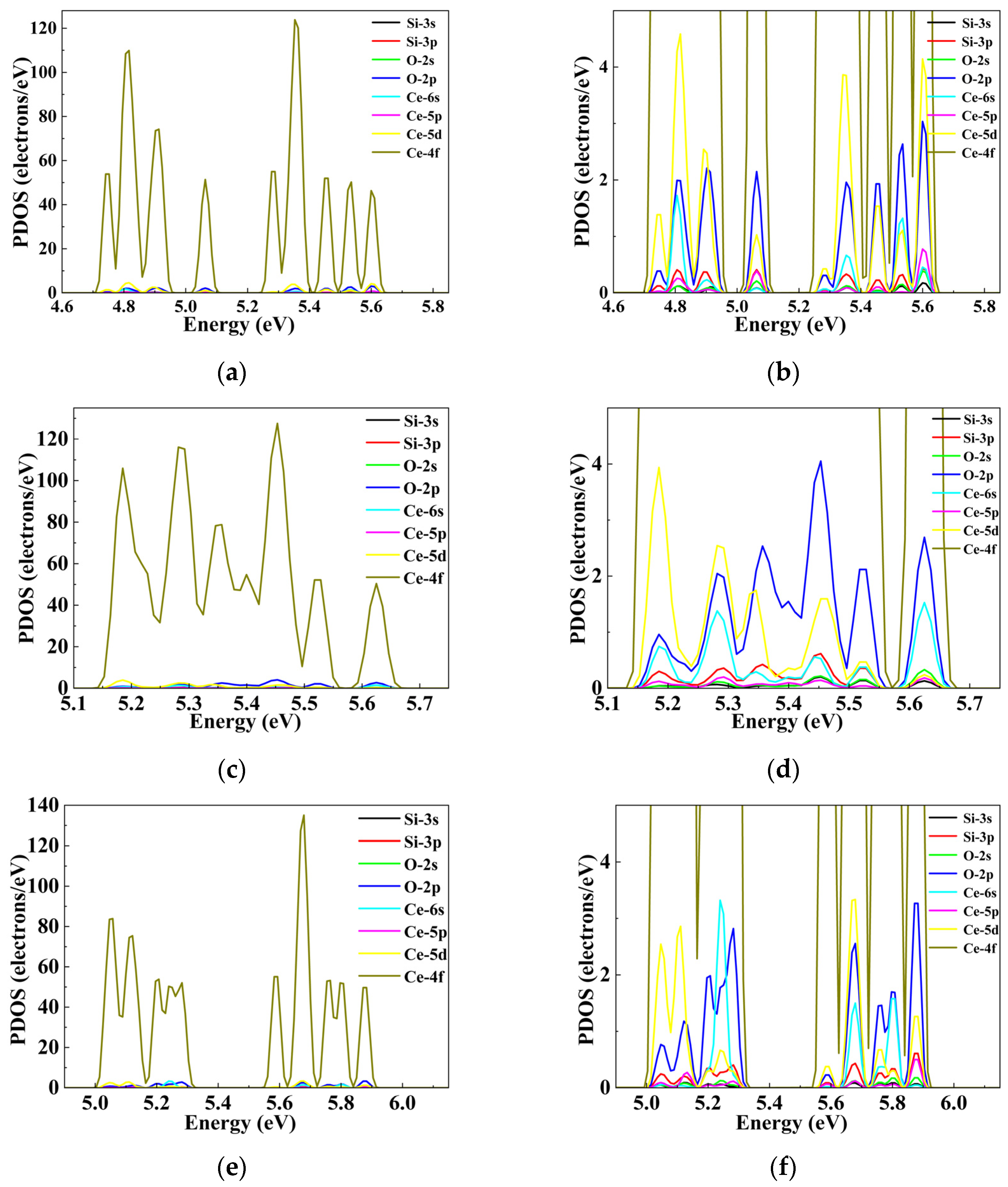
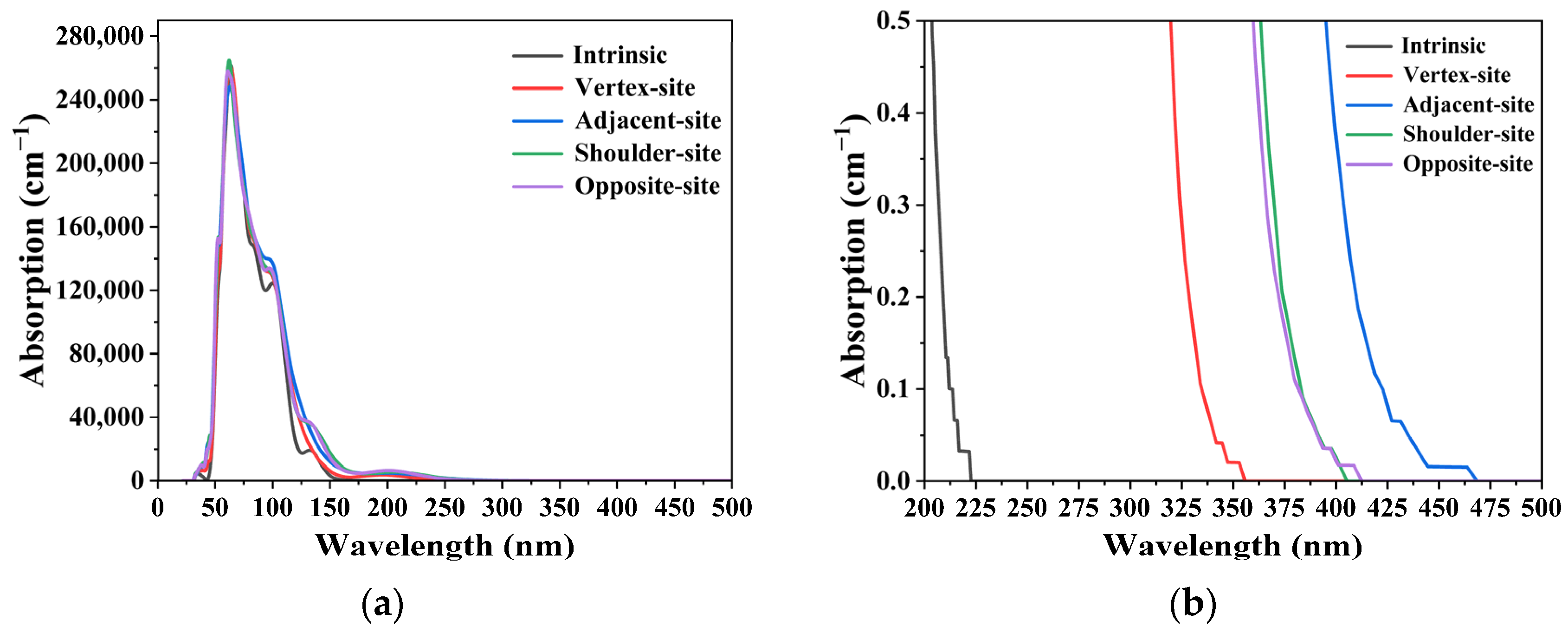
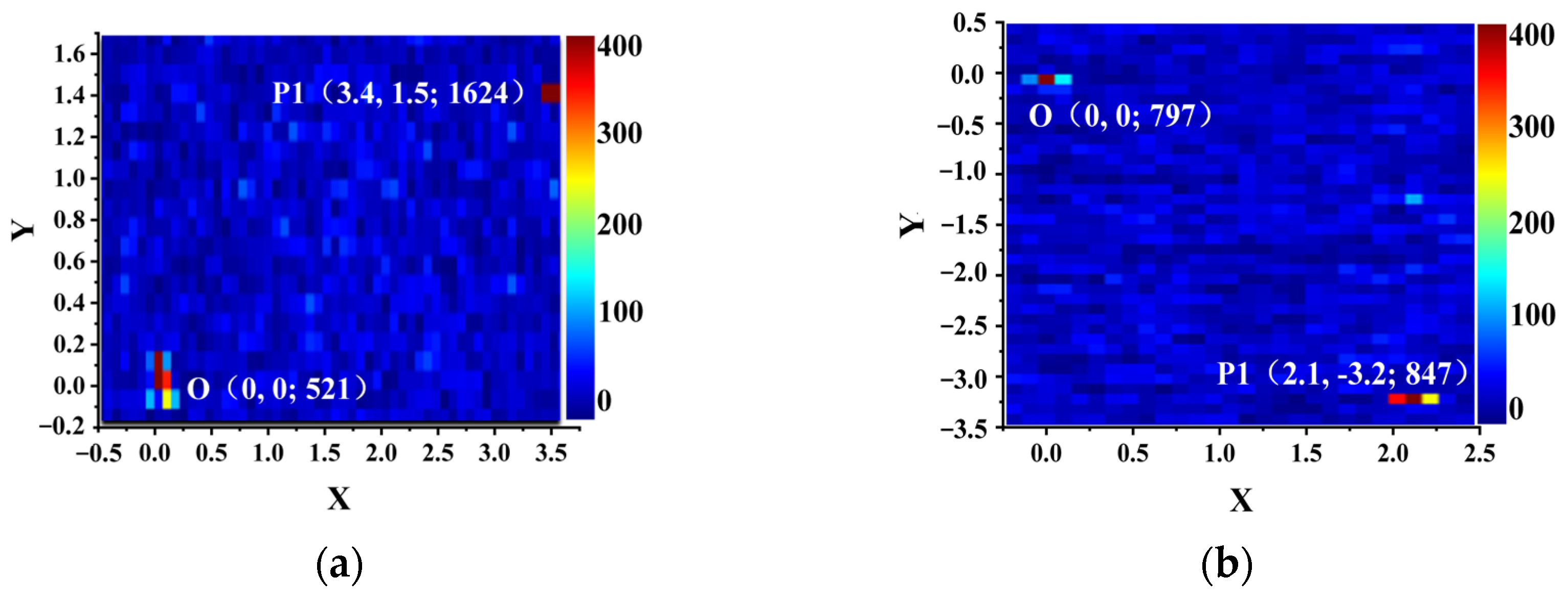
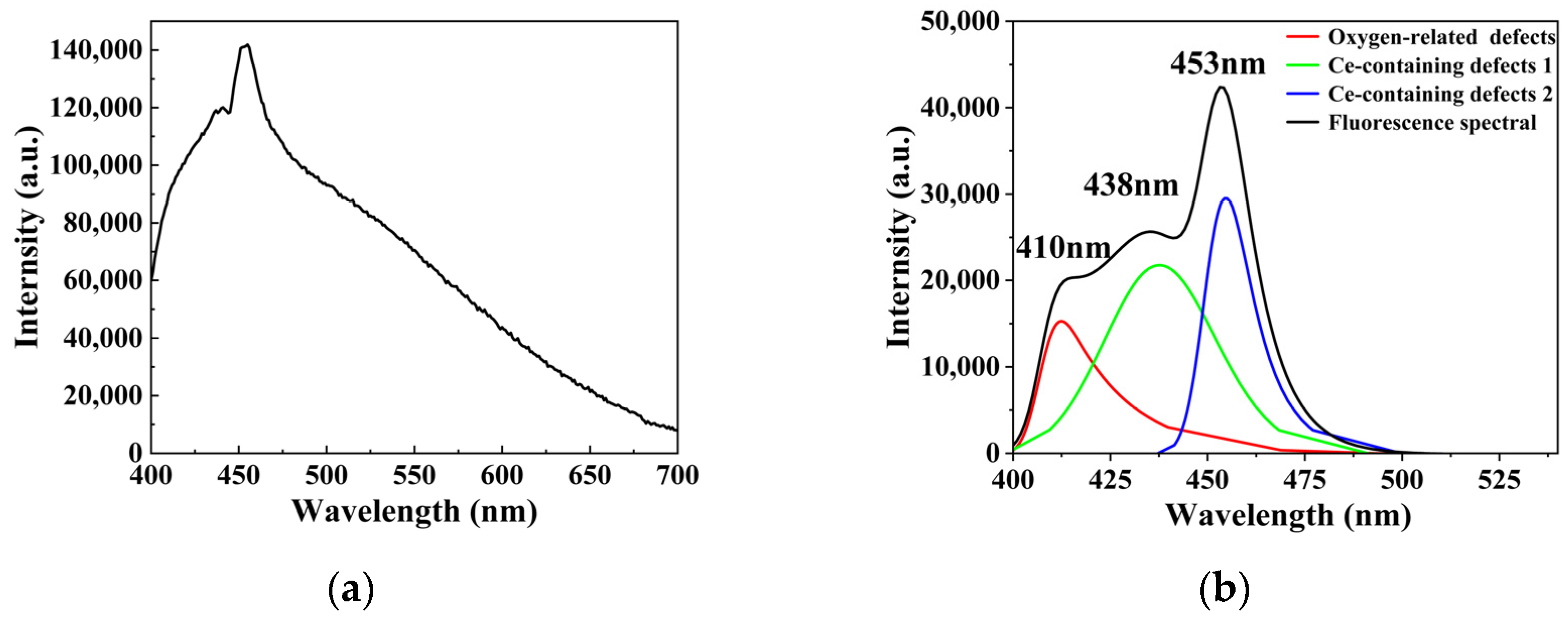
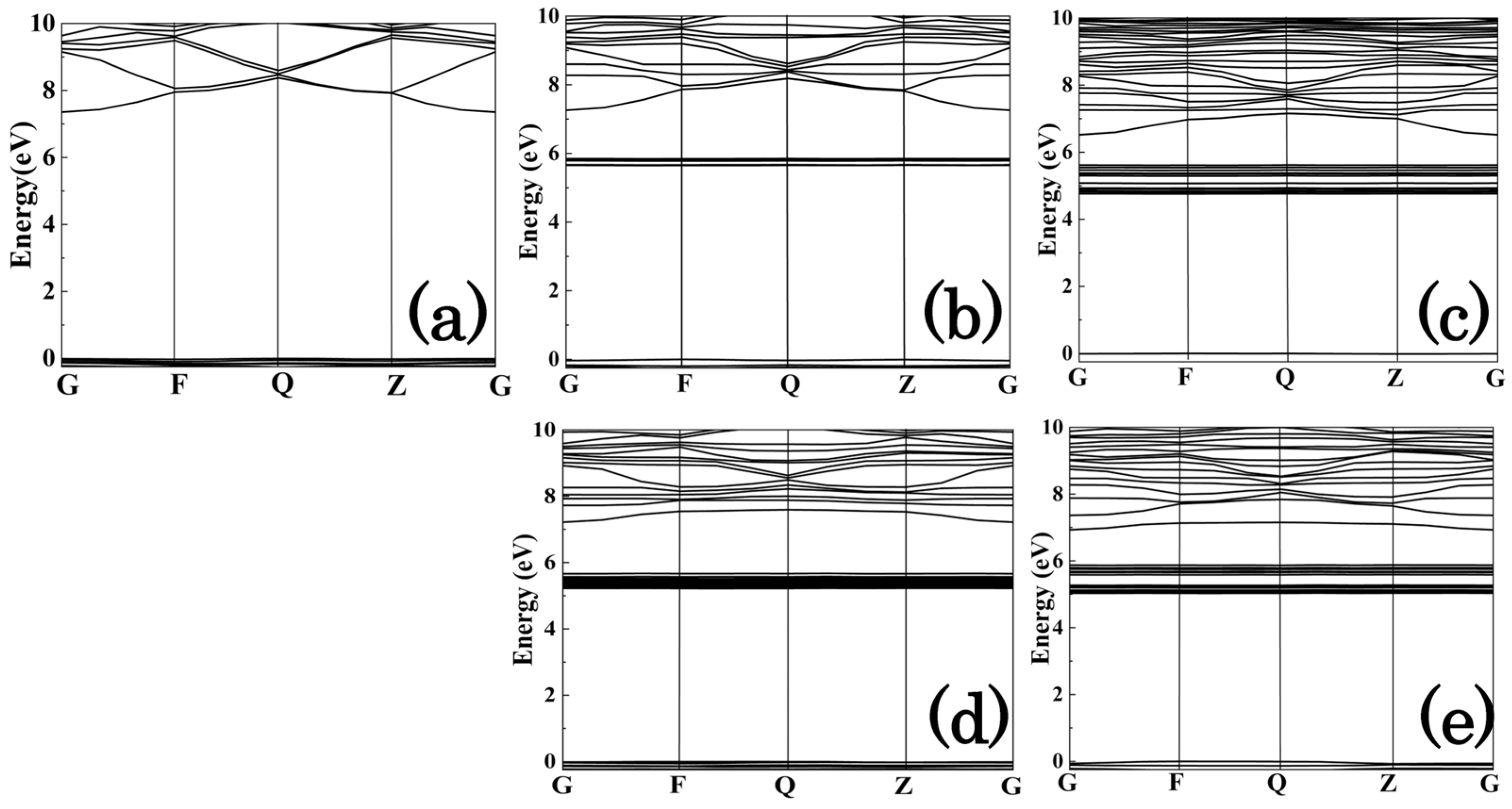
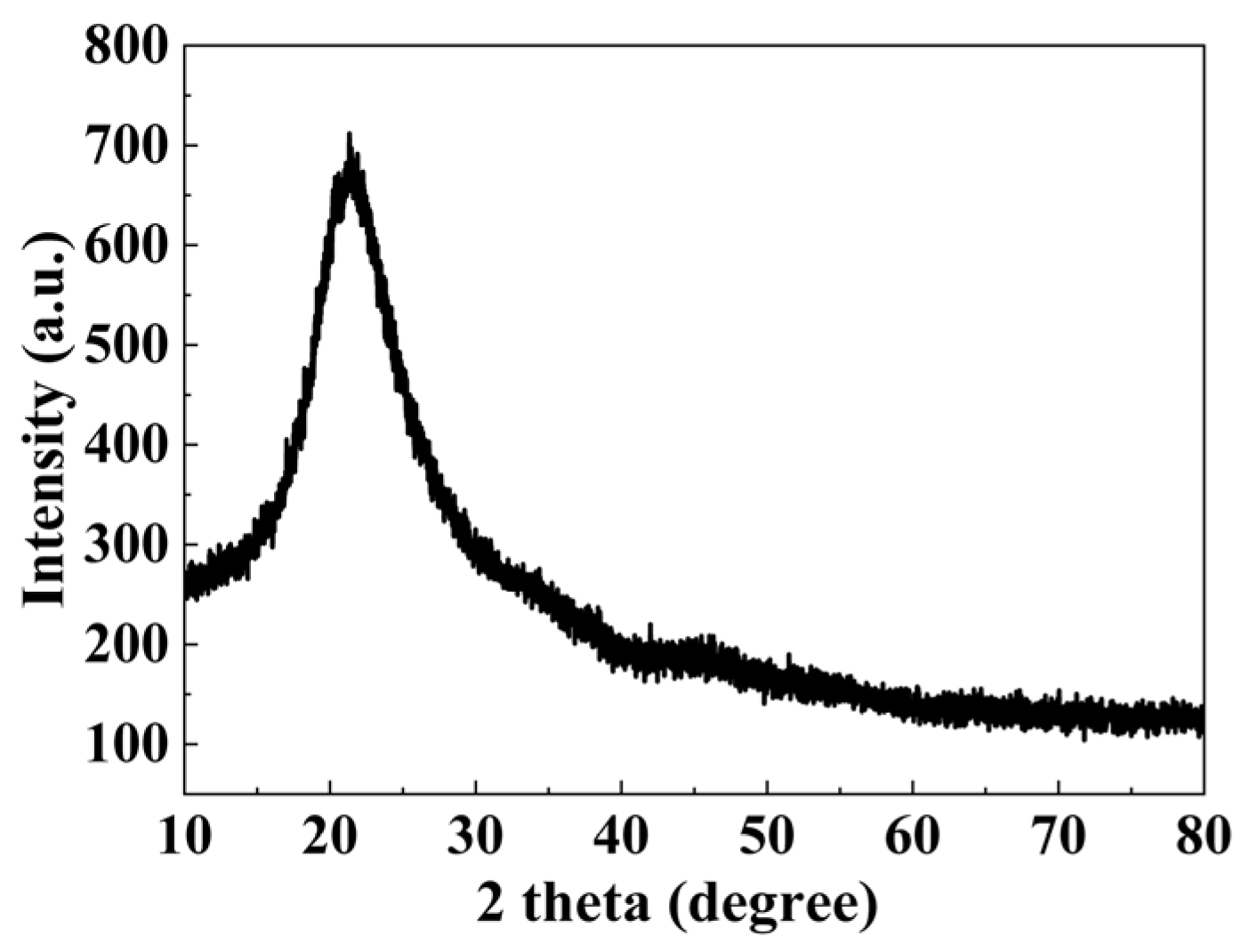
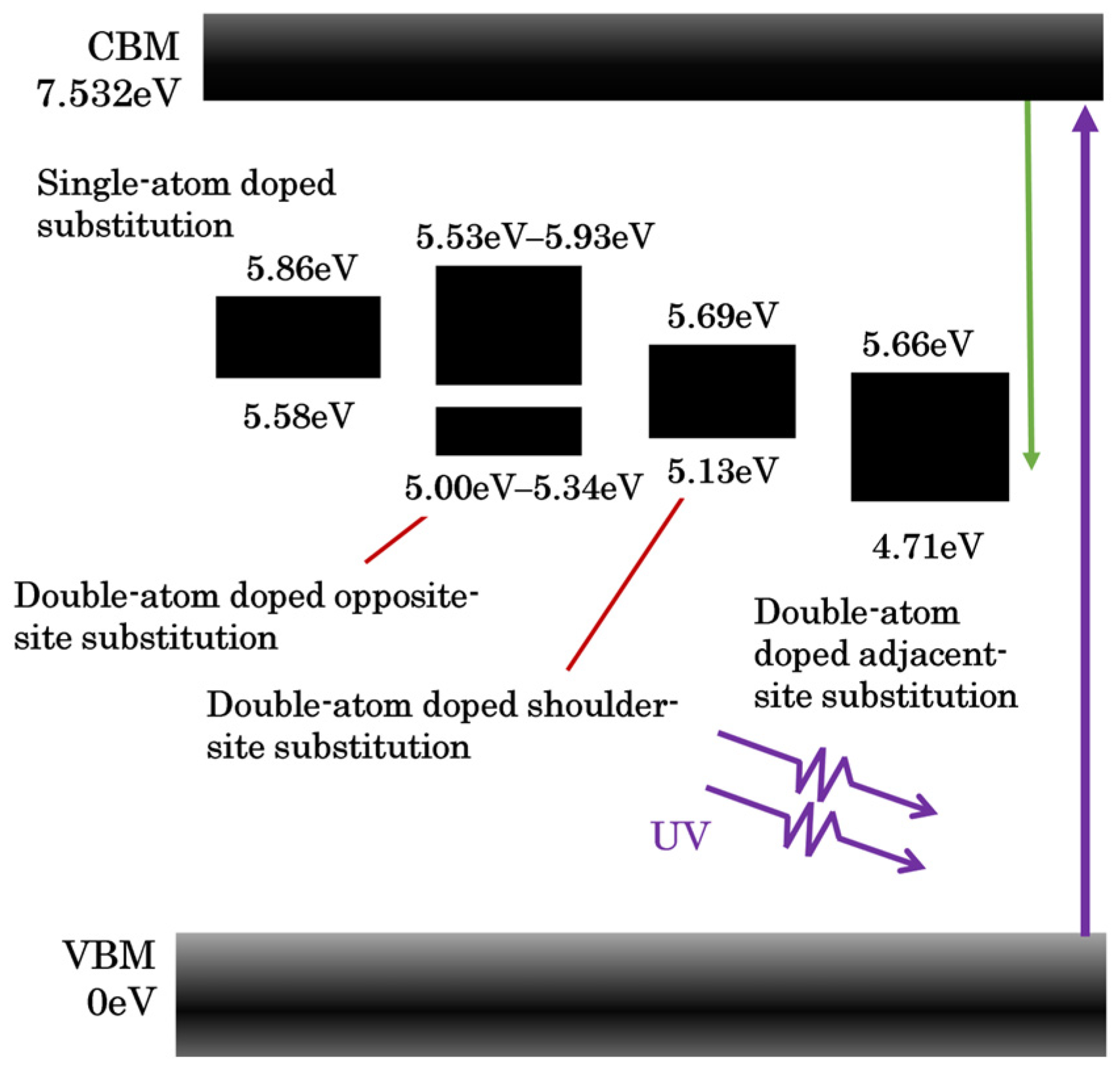
In this paper, the potential mechanism underlying the degradation of laser damage resistance in fused silica induced by residual Ce impurities following chemical mechanical polishing (CMP) is elucidated via a synergistic approach combining molecular dynamics (MD) simulations and first-principles calculations. By constructing fused silica models doped with single and dual Ce atoms, computational analyses of band structures, electronic density of states (DOS), and absorption spectra reveal that Ce impurities introduce localized defect states within the fused silica, resulting in bandgap narrowing and absorption edge redshift. This effect enhances the absorption of 355 nm laser radiation, which constitutes a key driver of laser-induced damage. Experimental characterizations, including photothermal weak absorption (PTWA), micro-ultraviolet photoluminescence (μ-UVPL), micro-X-ray diffraction (μ-XRD), and micro-X-ray fluorescence (μ-XRF), demonstrate that the ~450 nm fluorescence is associated with amorphous Ce-related defects, consistent with the luminescence peak of Ce-doped glass. LIDT measurements further confirm that regions containing Ce impurities exhibit a significantly reduced damage threshold, thus identifying them as primary damage initiation sites. This study bridges atomic-scale electronic structures, micrometer-scale defects, and macroscopic damage performance, and clarifies the relationship between residual Ce from CMP and the degradation of laser damage characteristics in ultraviolet high-power laser optical components.
2. Materials and Methods
2.1. Model Construction
This study investigates Ce atom doping in fused silica, which occurs during the ring polishing process. CeO
2, commonly used as an abrasive, undergoes interfacial chemical reactions with the fused silica surface, promoting the incorporation of Ce atoms into the surface and subsurface regions. The underlying reaction mechanism is described as follows:
As reported by Fukun Li et al. [
11], in an aqueous polishing environment, the surfaces of CeO
2 abrasive particles and fused silica glass undergo hydroxylation to form Ce–OH and Si–OH functional groups, respectively. During mechanical polishing, these hydroxylated species migrate into the near-surface region of fused silica. Under applied abrasive pressure or interfacial shear stress, they react through a condensation process to form stable Ce–O–Si bridging bonds, effectively anchoring Ce atoms within the silica network. This bonding process arises from the coordination of lone-pair electrons from deprotonated ≡Si–O
− sites into the empty 5d orbitals of Ce
3+, resulting in Ce–O–Si bonds with both coordination and partial covalent character. Despite local electron redistribution, the system maintains overall charge conservation and local electrical neutrality.
Notably, fused silica optical components for high-power laser applications undergo multiple post-treatment steps, including CMP and acid washing. During these processes, free Ce, Ce oxide clusters, and large Ce-containing impurities are preferentially removed due to their low chemical stability or weak physical adhesion. In contrast, Ce3+ embedded in the SiO2 network via Ce–O–Si covalent bonds exhibits higher thermodynamic and chemical stability, making it more resistant to removal by subsequent processes. Therefore, this study focuses on such structurally stable substitutional Ce defects, constructing atomic-scale models to systematically investigate the effects of residual Ce impurities on the intrinsic electronic structure and optical properties of fused silica. The specific modeling strategy involves substituting tetrahedrally coordinated Si4+ sites with Ce3+ in a disordered fused silica structure, followed by structural relaxation and energy minimization to obtain thermodynamically stable Ce–O–Si bonding configurations.
2.2. Construction of the Pristine Fused Silica Model
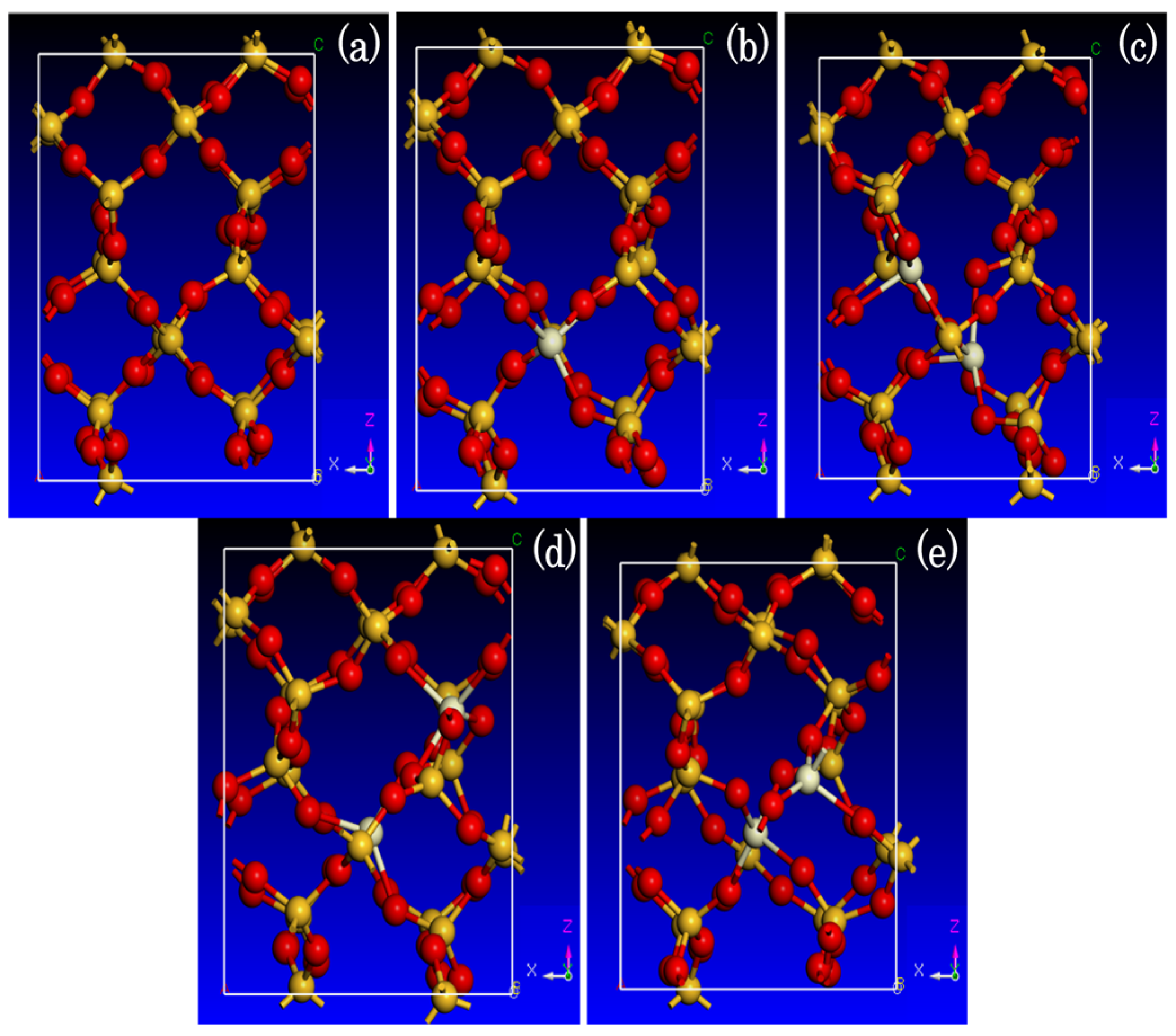
The amorphization of crystalline quartz into fused silica was achieved through MD simulations using the LAMMPS (stable_23Jun2022) software package and the classical Tersoff potential. A three-step thermal annealing protocol was implemented to simulate the melting-quenching process, resulting in a fully amorphous structure, as illustrated in Figure 2a. The initial configuration consisted of a β-quartz unit cell containing 75 atoms (25 Si and 50 O), with lattice constants (a = 8.677 Å, b = 5.010 Å, and c = 5.470 Å). Periodic boundary conditions were applied in all spatial directions to represent bulk behavior. Simulations were conducted under the NVT ensemble using the Nosé–Hoover thermostat. The protocol included the following stages: The system was heated from 300 K to 6000 K at a rate of 0.6 K/ps over 10 ps to ensure complete disruption of the crystalline lattice; The system was held at 6000 K for 50 ps to eliminate residual structural order; The molten sample was cooled to 300 K at a rapid rate of 570 K/ps over 10 ps to form an amorphous network, followed by a 50 ps equilibration at 300 K to achieve structural stability. All simulations employed a time step of 1 fs. The Tersoff potential parameters were taken from ref. [
12], with a cutoff distance of 2.0 Å for Si–O interactions to accurately capture short-range bonding characteristics. This potential has been extensively validated in previous MD studies of fused silica and is well established for modeling its structural and thermodynamic properties, thereby ensuring the robustness of the generated amorphous model. The intrinsic amorphous fused silica model constructed in this study was validated. The density of the simulated amorphous structure was determined to be 2.23 g/cm
3, which aligns well with the experimentally reported bulk density of fused silica [
13].
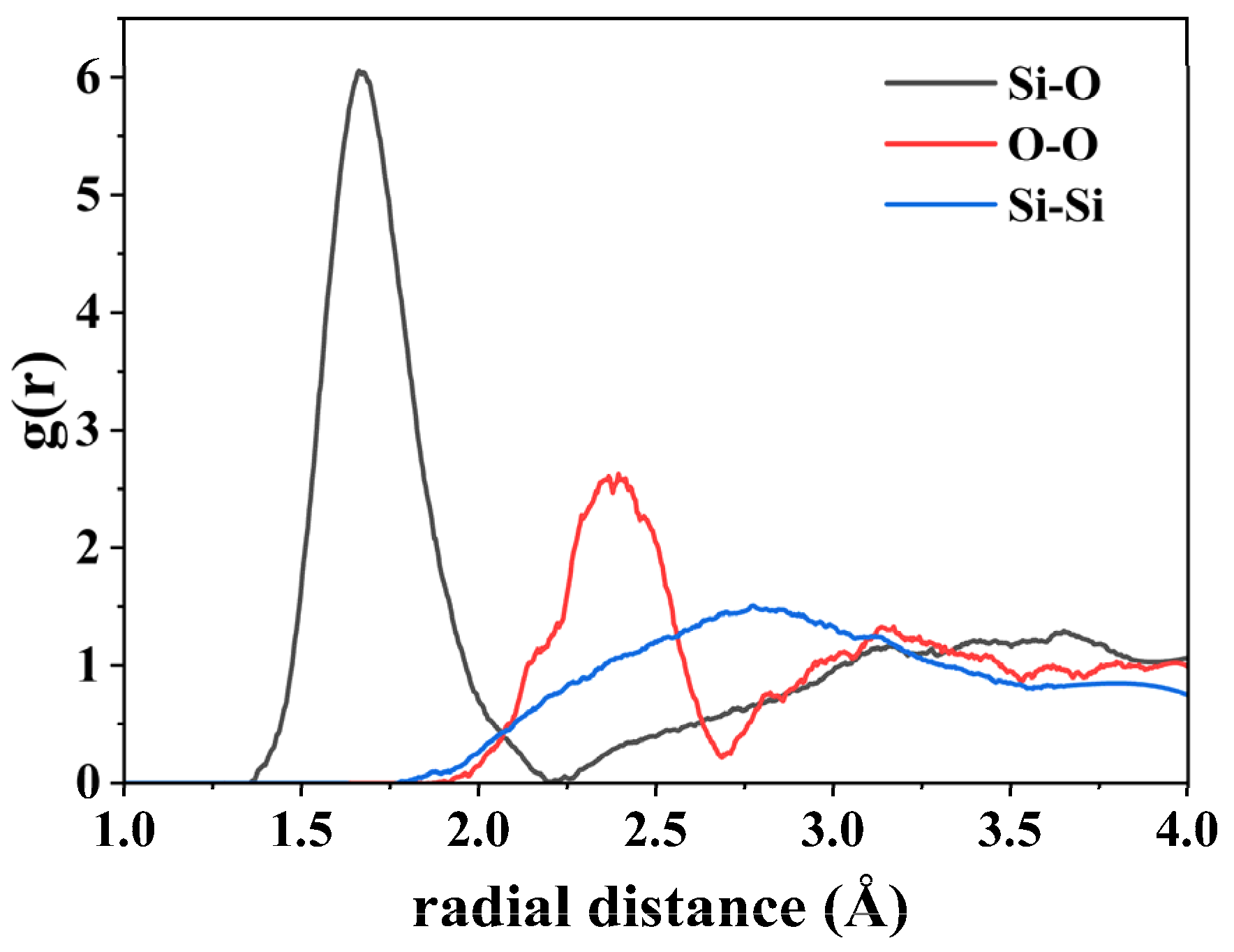
Figure 1 presents the radial distribution function (RDF) of the model, where the first Si–O coordination peak is centered at approximately 1.67 Å, corresponding to the characteristic covalent Si–O bond length. The O–O correlation peak is observed at around 2.30 Å, while the Si–Si correlation peak appears at approximately 2.75 Å—these characteristic peak positions are consistent with the experimental data from previously published MD models of fused silica [
14]. Integrating the density matching and RDF structural features, the results demonstrate that the amorphous model established in this work exhibits excellent physical rationality and structural fidelity at the atomic scale, making it a reliable initial configuration for subsequent first-principles investigations into electronic structures and optical properties.
2.3. Construction of Ce-Substitutional Doping Models with Distinct Configurations
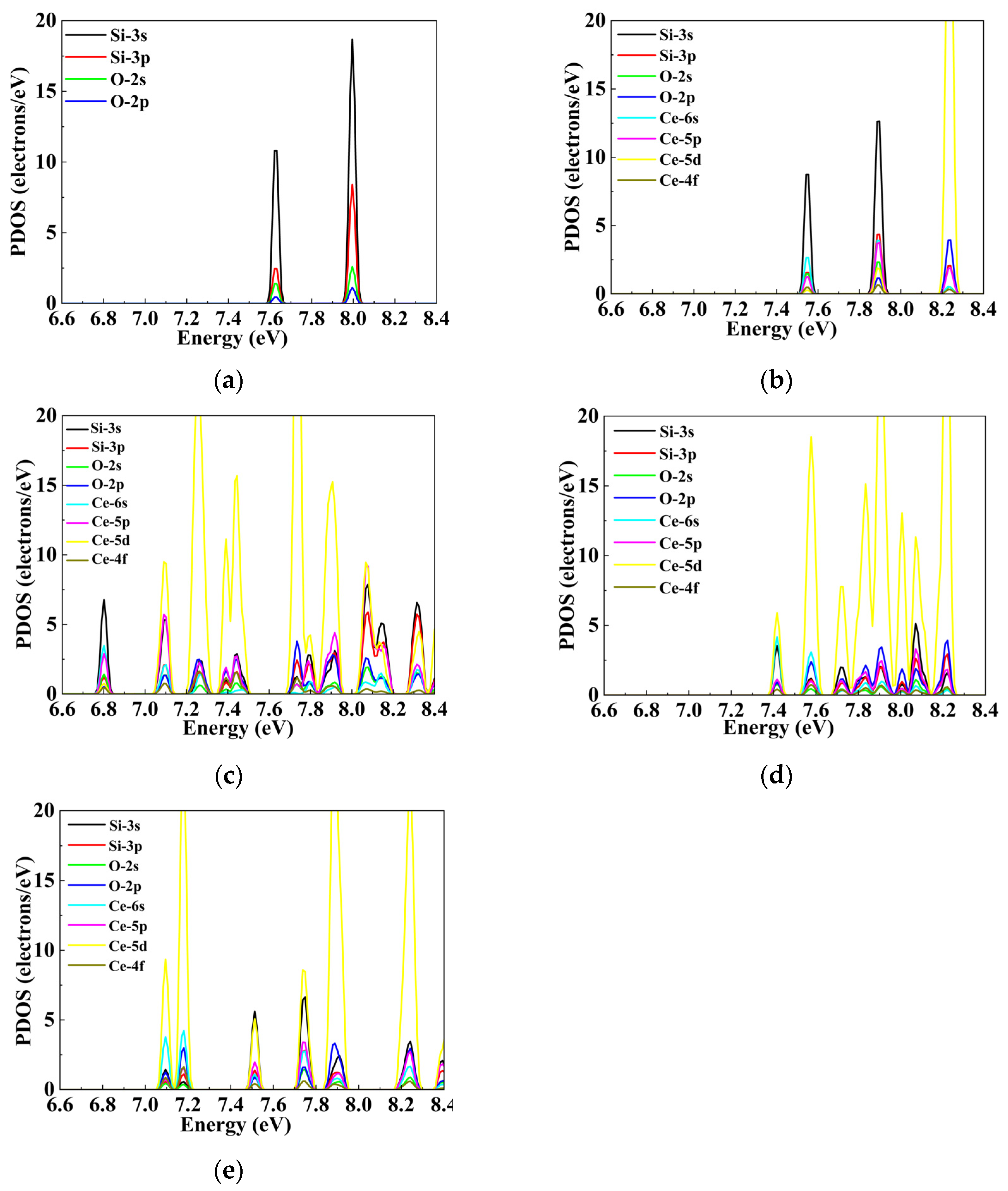
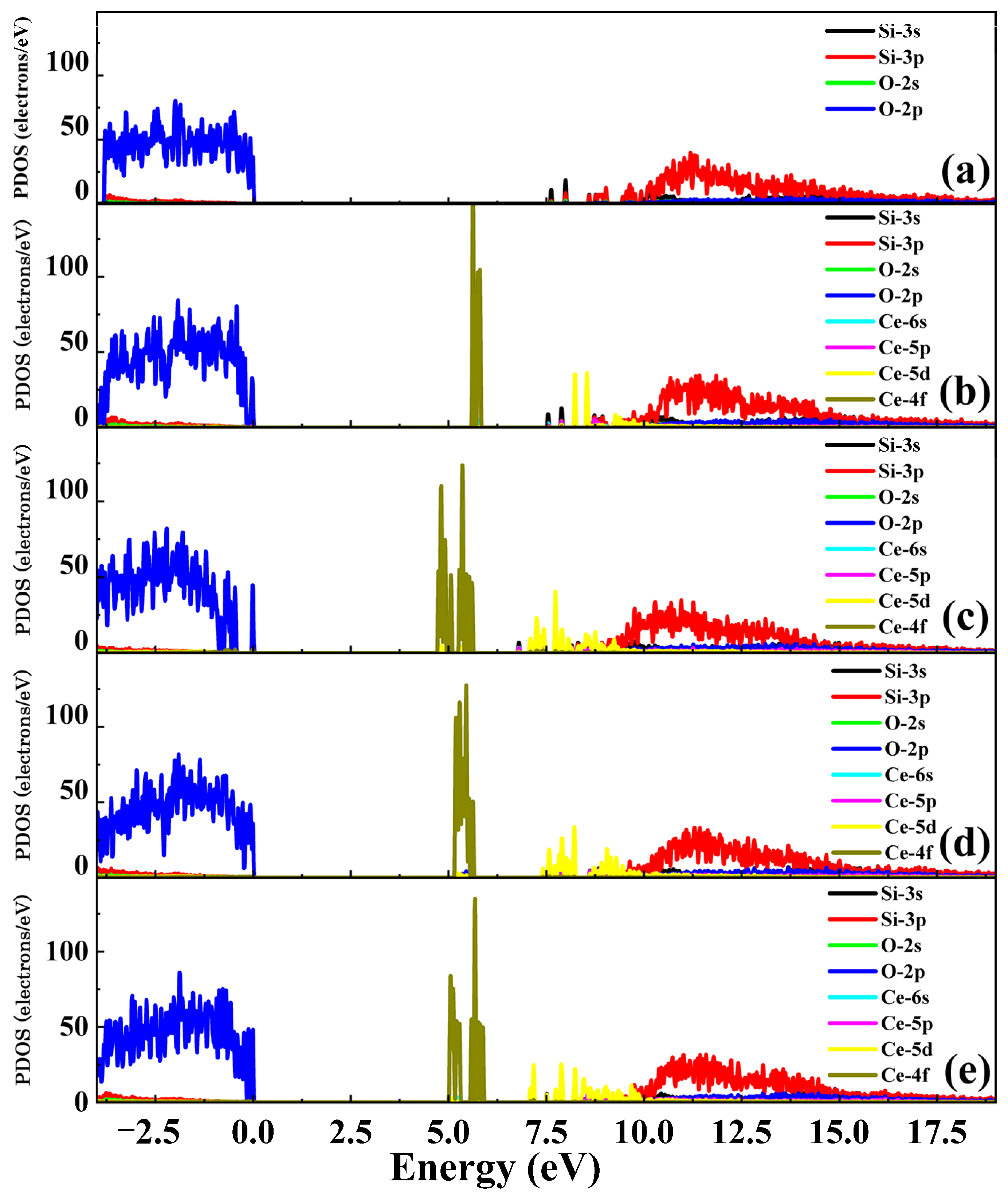
To investigate the influence of Ce atom positioning on the electronic structure, substitutional doping was implemented within the Si–O six-membered ring of fused silica by replacing one or two Si atoms with Ce atoms, while preserving the total number of atoms. Four distinct doping configurations were systematically examined based on the relative positions of the dopants:
- (1)
Vertex-site substitutional doping (
Figure 2b): A single Ce atom substitutes a Si atom at a vertex site of the six-membered ring;
- (2)
Adjacent-site substitutional doping (
Figure 2c): Two Ce atoms replace adjacent Si atoms in the ring;
- (3)
Shoulder-site substitutional doping (
Figure 2d): Two Ce atoms occupy sites separated by one intervening Si atom;
- (4)
Opposite-site substitutional doping (
Figure 2e): Two Ce atoms substitute Si atoms located at opposite (diagonal) positions within the ring.
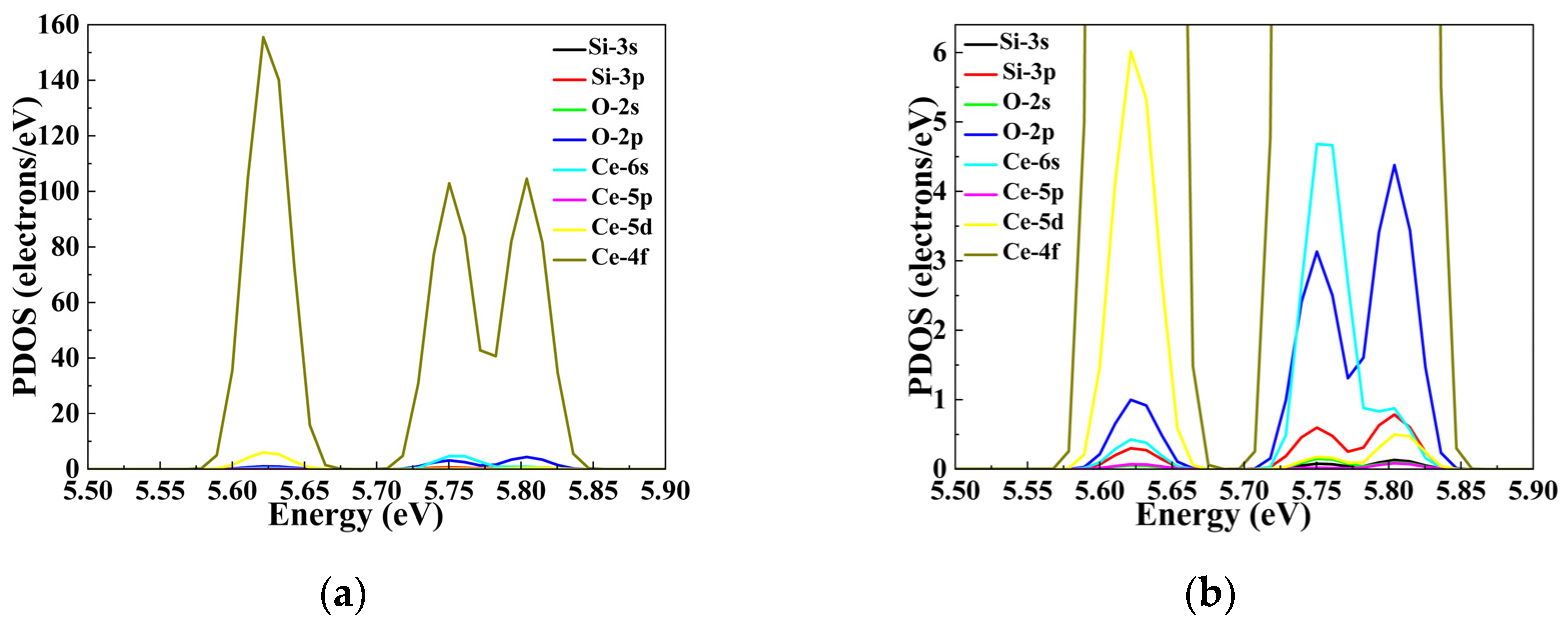
All doped structures underwent full structural relaxation until the maximum residual atomic force fell below 0.05 eV/Å, ensuring energetic convergence. In the computational model of this study, Ce atoms form Ce–O–Si bridge bonds with adjacent oxygen atoms, which exhibit both coordinative and covalent character. Despite the limited system size, spin polarization effects were incorporated. Given the strong correlation of Ce-4f electrons, to enhance the accuracy of electronic structure calculations, the HSE06 hybrid functional with spin–orbit coupling (SOC) was employed to more precisely describe electron localization. Furthermore, prior studies have demonstrated that the HSE06 hybrid functional yields predictions of lanthanide f-electron properties comparable to those from GW0 and LDA + U calculations [
15,
16]. Plane-wave ultrasoft pseudopotentials were utilized, with the plane-wave kinetic energy cutoff set to 700 eV, and Brillouin zone integration was performed using a Γ-centered 1 × 1 × 1 k-point grid. Self-consistent field (SCF) iterations were converged to a tolerance of 1 × 10
−6 eV per atom. The band gap of the pristine fused silica model, constructed from the LAMMPS-generated structure (
Section 2.2), was calculated to be 7.532 eV—slightly lower than the experimental value. This underestimation is consistent with known limitations of the HSE06 functional in accurately predicting absolute band gaps for wide-bandgap insulators. Nevertheless, as this study emphasizes the relative variation in band gap upon Ce doping rather than absolute band gap values, the qualitative trends and comparative analysis remain valid and unaffected.
2.4. Experimental Methods
To validate the influence of defect states—predicted by the fused silica impurity model—on the optical and structural properties of fused silica glass, a series of experimental characterizations were conducted following sample preparation. The procedures are summarized as follows. All fused silica samples employed in this study were supplied by Shanghai Hengyi Optical Precision Machinery Co., Ltd. (Shanghai, China), and subjected to multiple cycles of synergistic annular polishing and acid cleaning processes. Their nominal dimensions are 20 mm × 20 mm × 5 mm. Prior to measurement, the samples were subjected to ultrasonic cleaning in deionized water for 15 min.
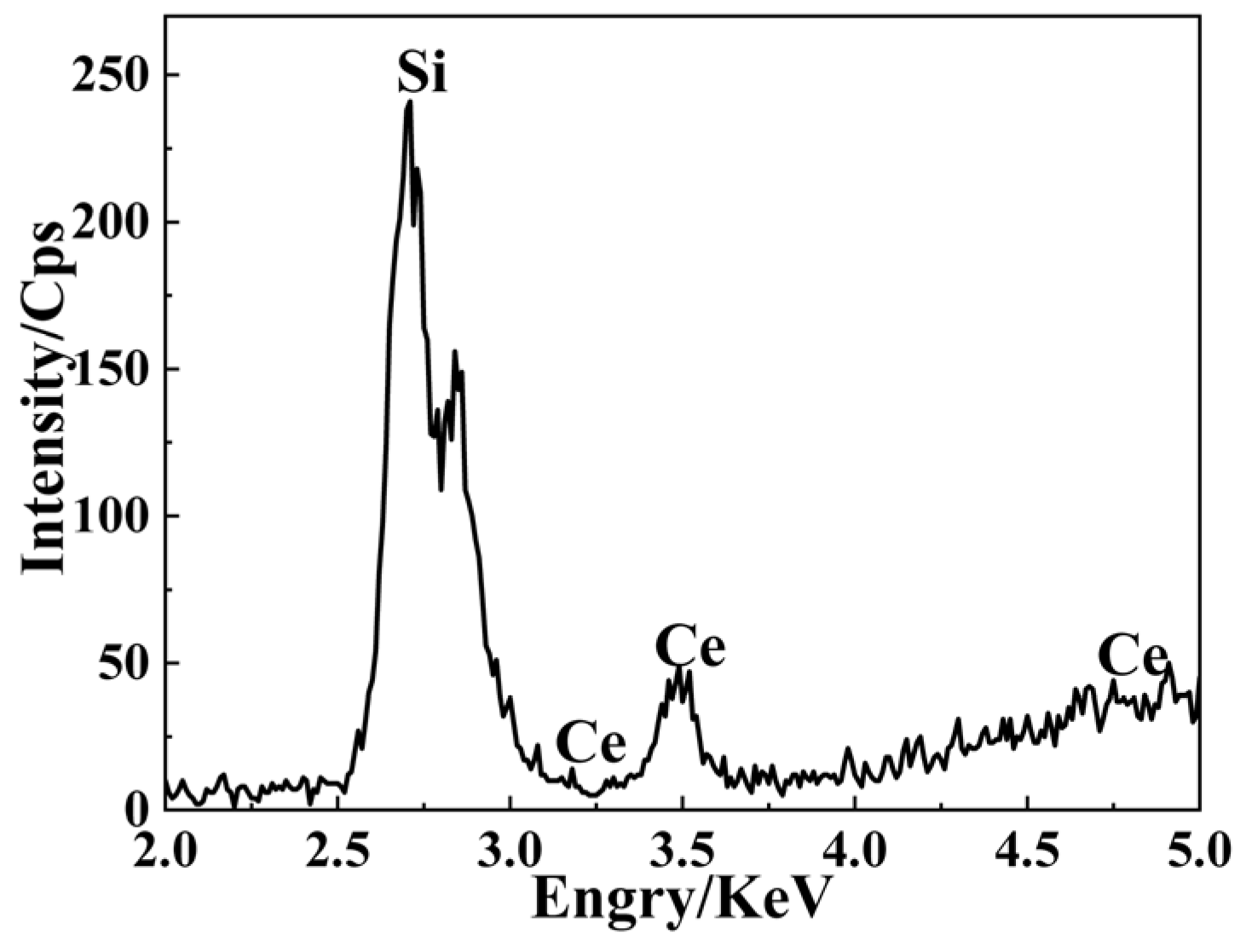
The PTWA values and positional coordinates of the defective regions were acquired using a small-aperture photothermal weak absorption tester. A 355 nm wavelength laser served as the pump beam, while a 632 nm wavelength laser was employed as the probe beam. With a single-point aperture of 20 μm × 20 μm, the fused silica glass sample was subjected to point-by-point scanning. UV fluorescence spectra of defects in fused silica glass samples were characterized using a micro-UV fluorescence spectrometer, with an excitation wavelength set at 355 nm. Distinct fluorescence phenomena and corresponding spectral features were observed. Subsequently, the elemental composition of surface fluorescent defects was analyzed via micro-XRF (Horiba XGT-9000 X, Kyoto, Japan, The instrument was calibrated against the manganese Kα characteristic X-ray line (Mn Kα = 5.899 keV). The accelerating voltage of the X-ray tube was set to 50 kV, and the tube current was 550 μA) and micro-XRD (Bruker D8 Discover, Billerica, MA, USA, The measurement was performed under the following conditions: Cu Kα radiation, 50 kV accelerating voltage, and 1000 μA tube current), where the diameters of the detection areas were 400 μm and 200 μm, respectively. Finally, the laser damage threshold (LDT) of the fluorescent defect regions in the samples was determined.