Stochastic Mechanical Response and Failure Mode Transition of Corroded Buried Pipelines Subjected to Reverse Faulting


Abstract
1. Introduction
2. Random Corrosion Field Modeling
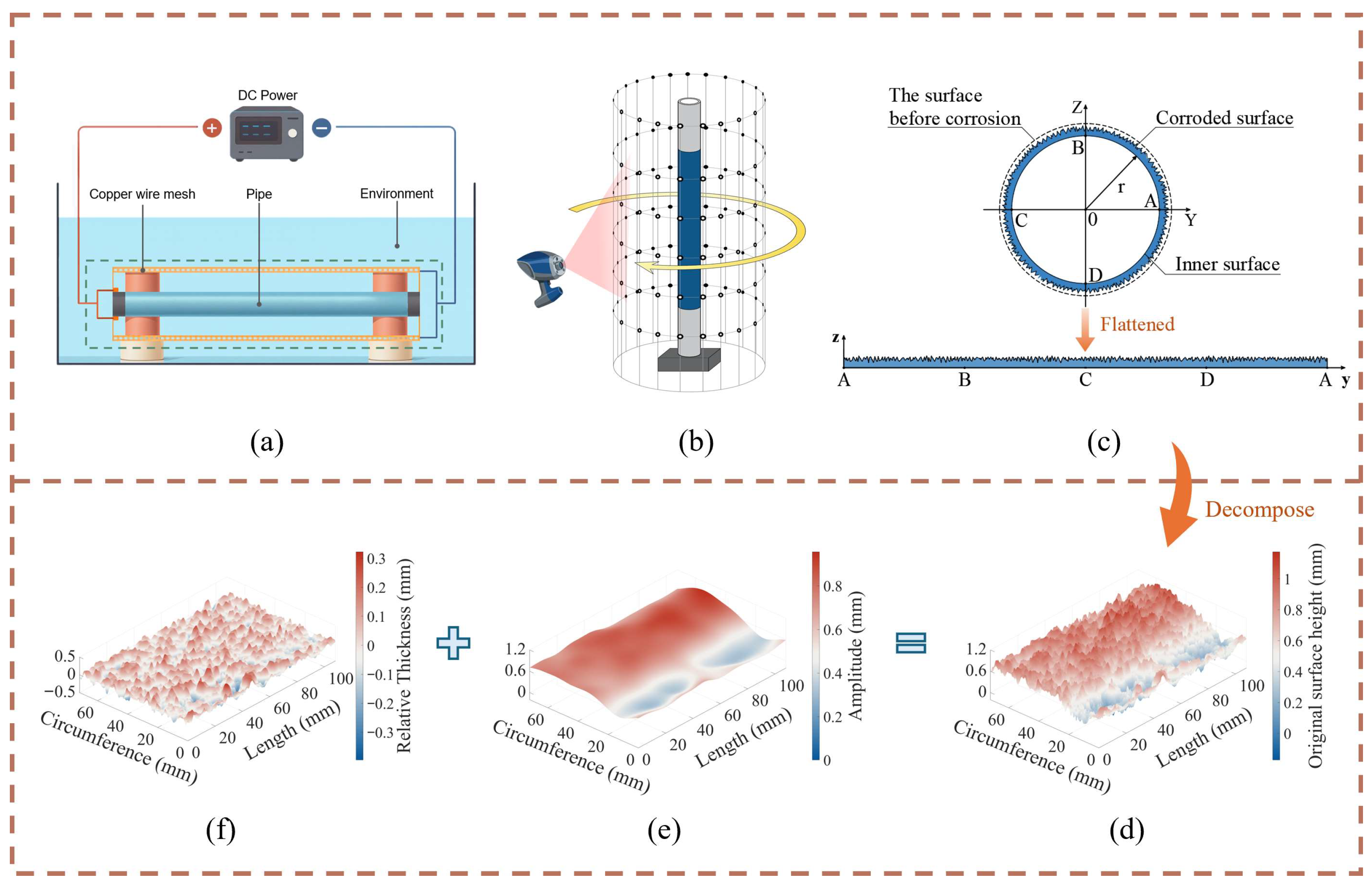
2.1. Corrosion Testing and Surface Characterization
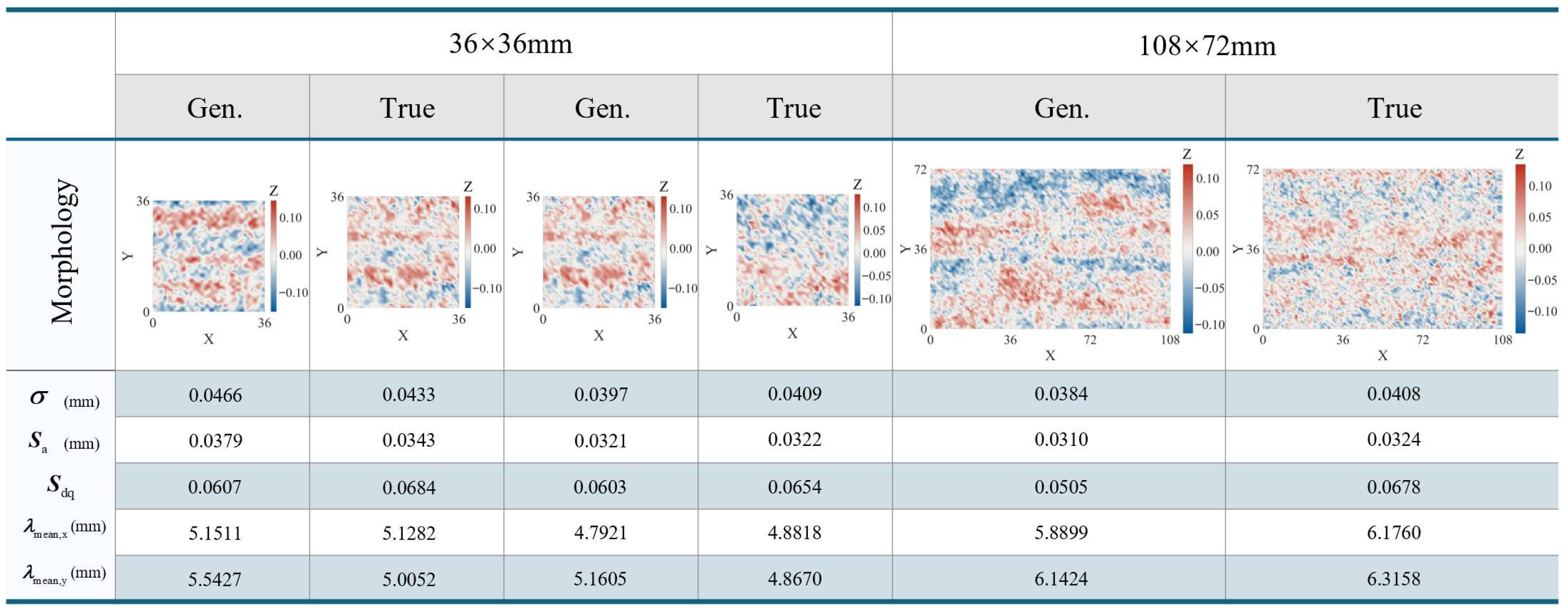
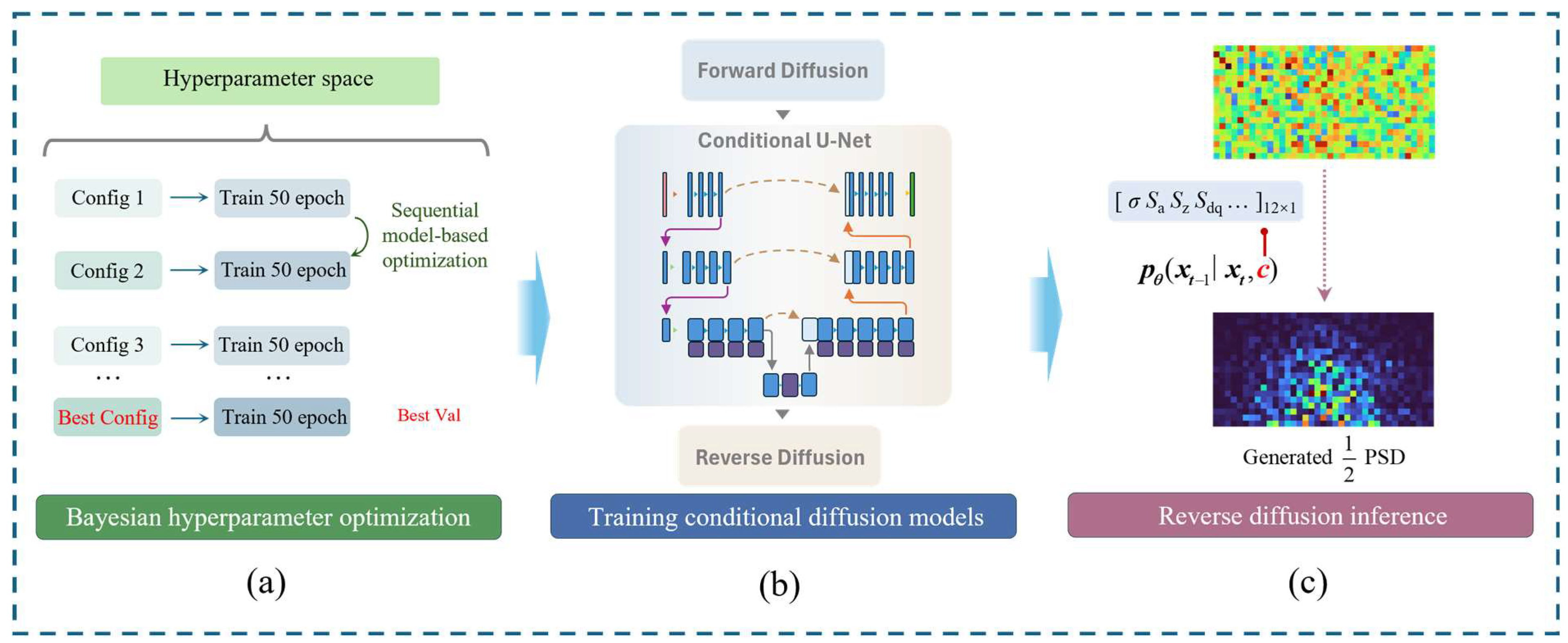
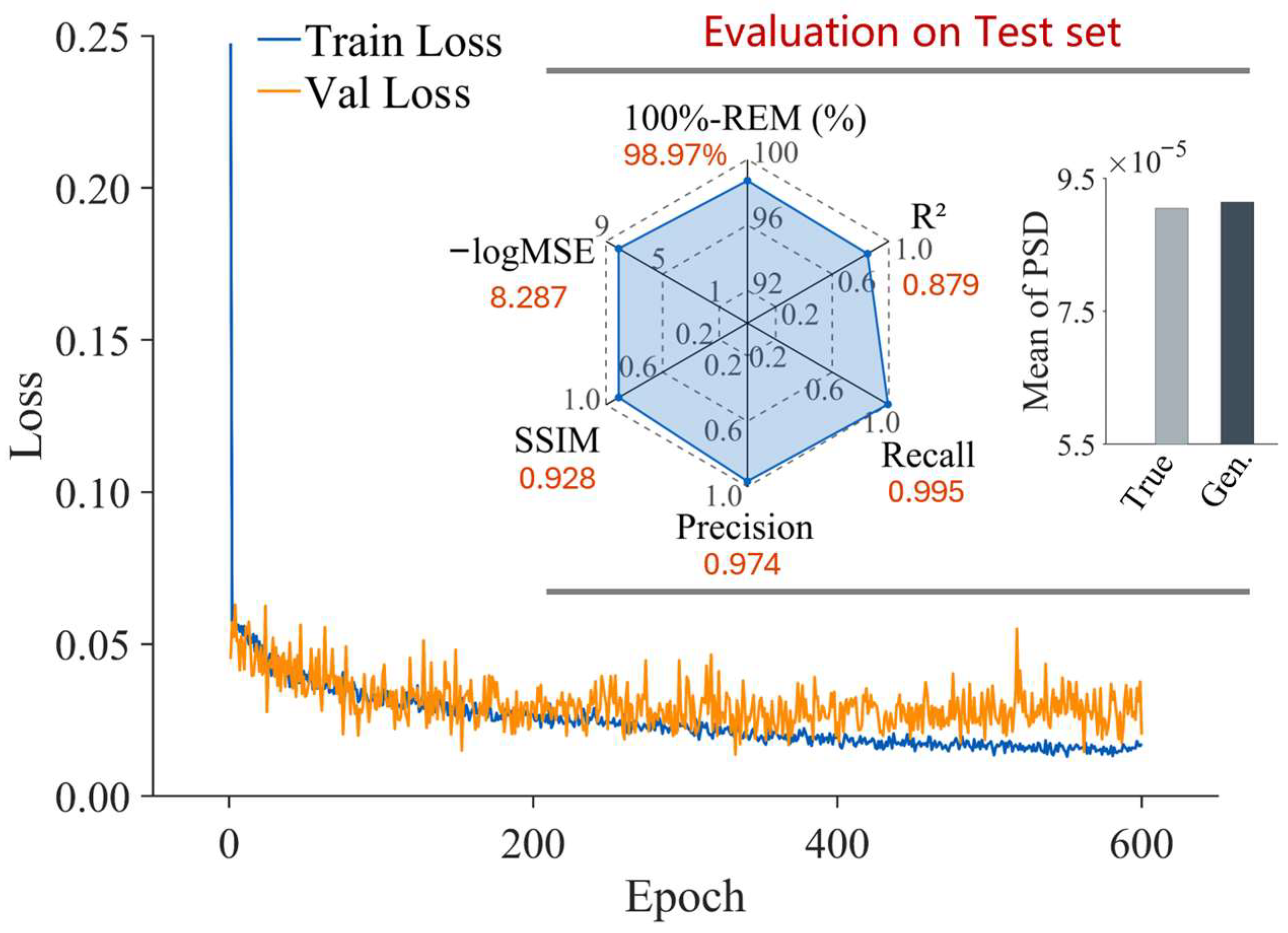
2.2. Two-Stage Generative Simulation Method
3. High-Fidelity Numerical Framework: Pipe–Soil–Fluid Interaction and Stochastic Mapping
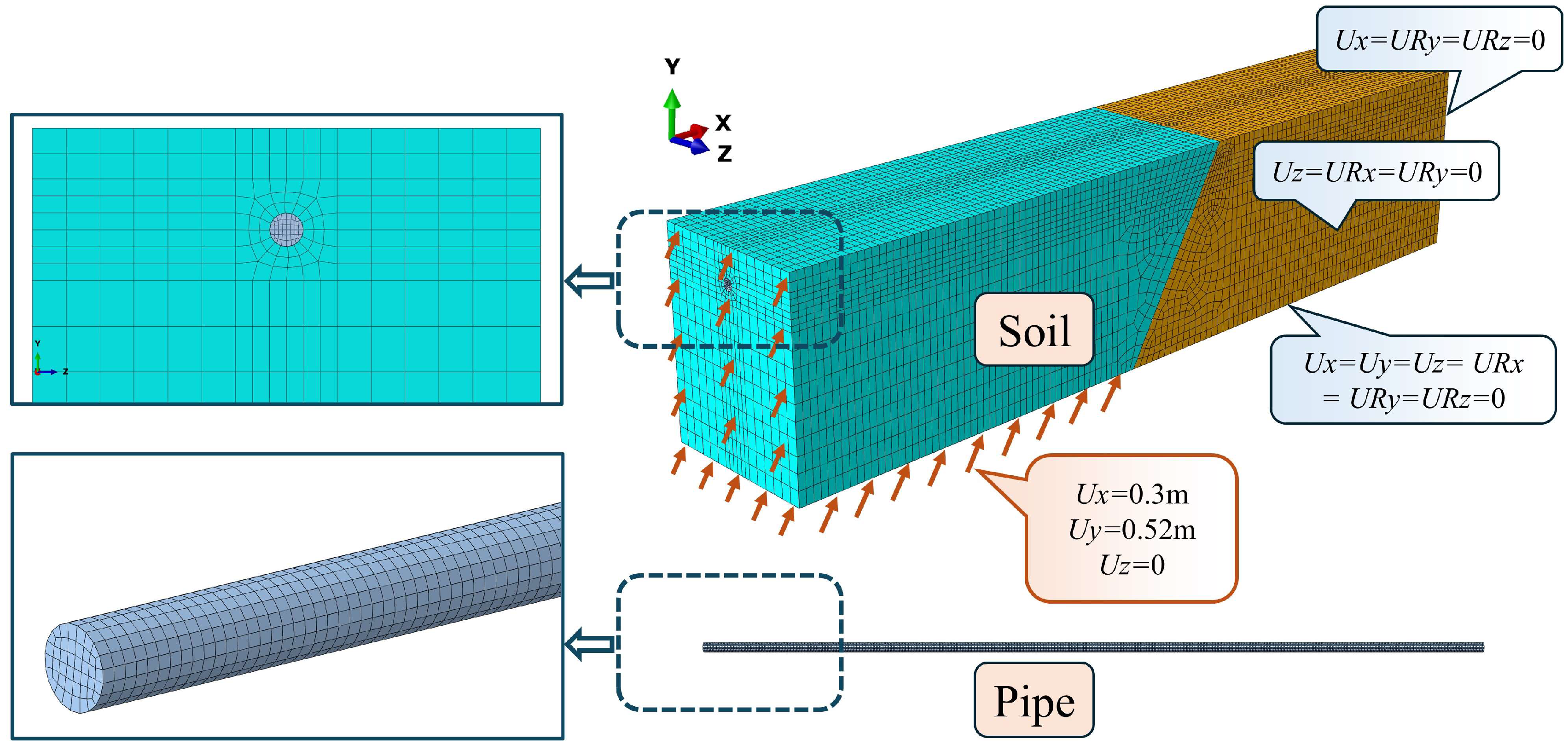
3.1. Finite Element Model
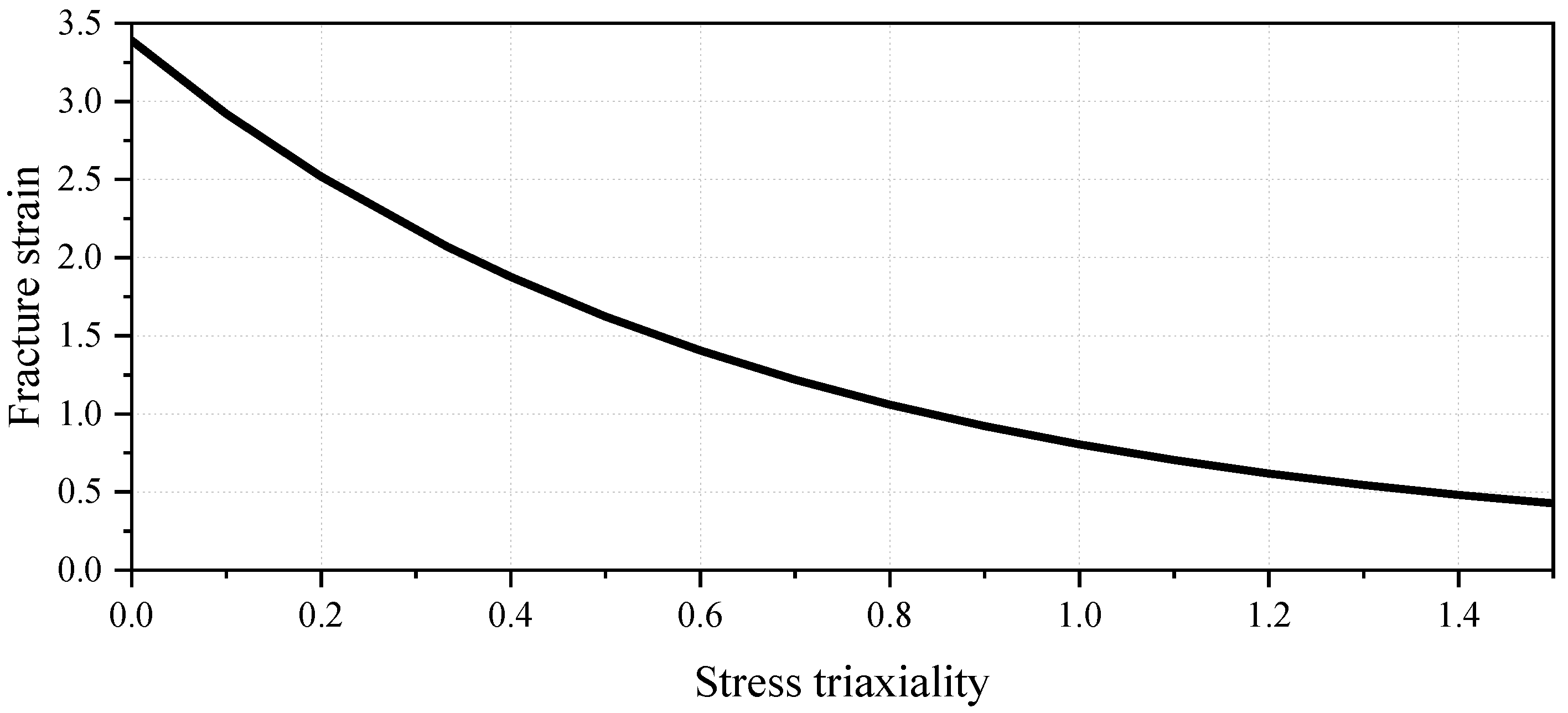
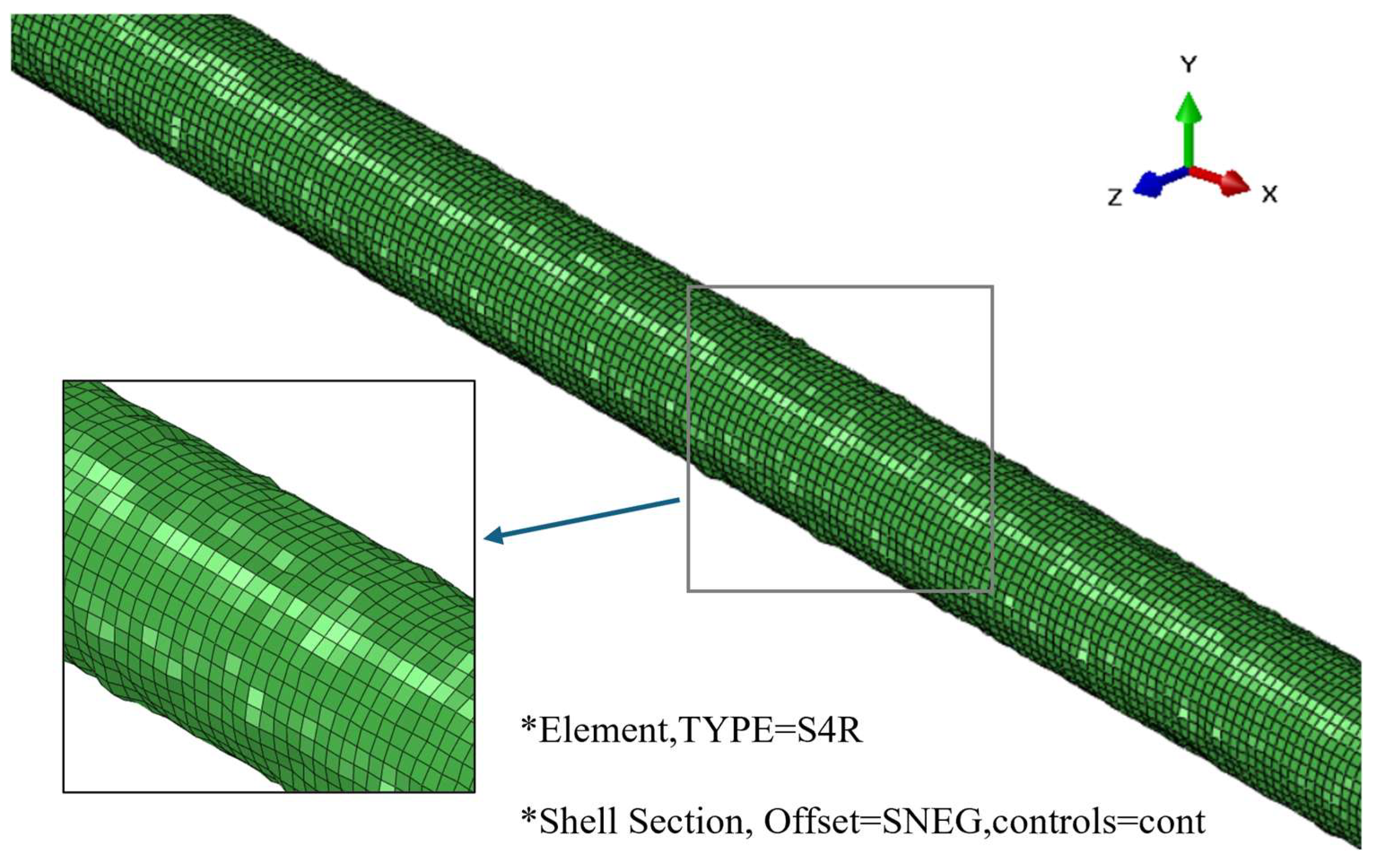
3.1.1. Pipe Modeling
3.1.2. Soil Modeling and Pipe–Soil Interaction
3.1.3. Boundary Conditions and Loads
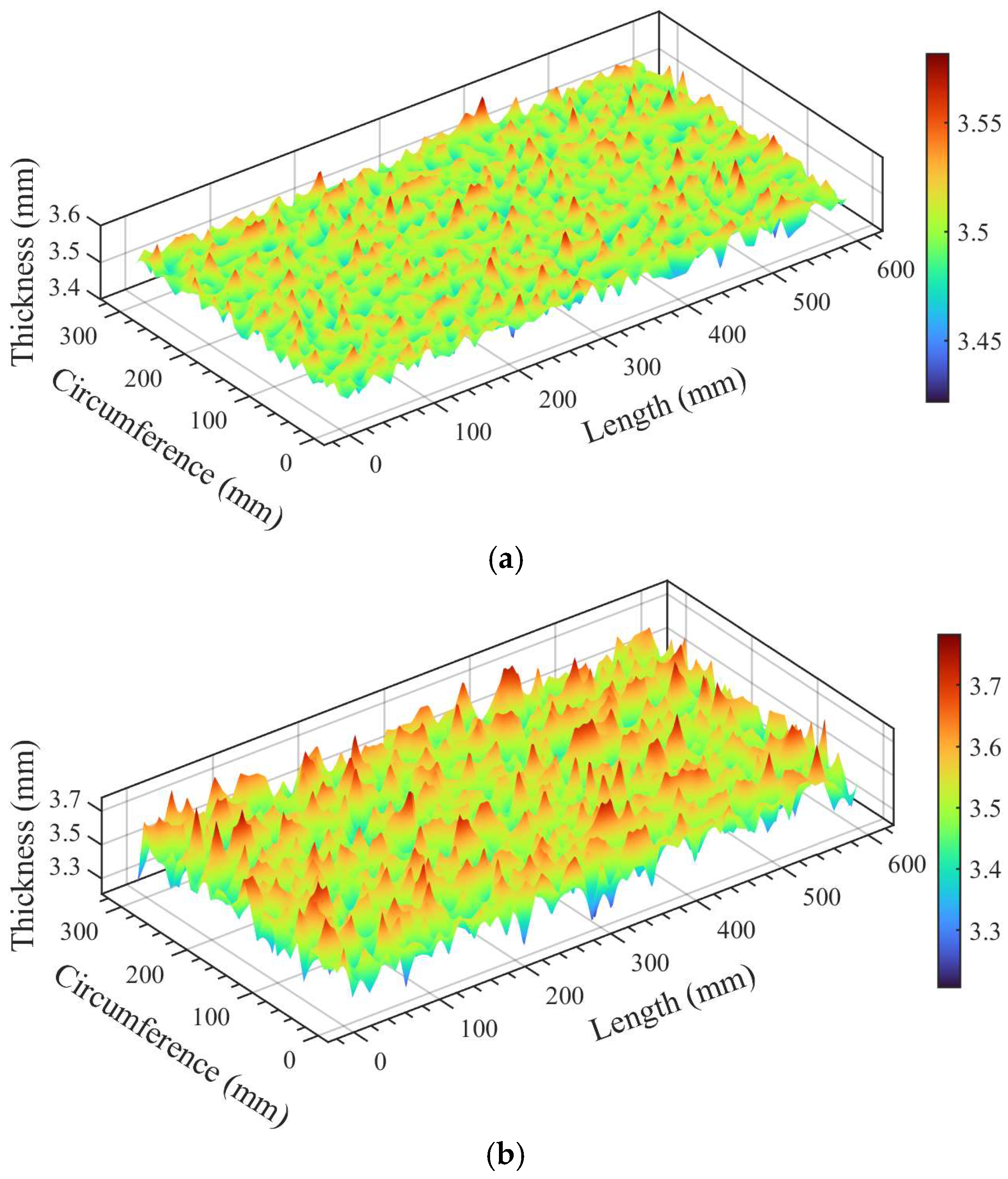
3.2. Mapping Random Corrosion Field to FE Model
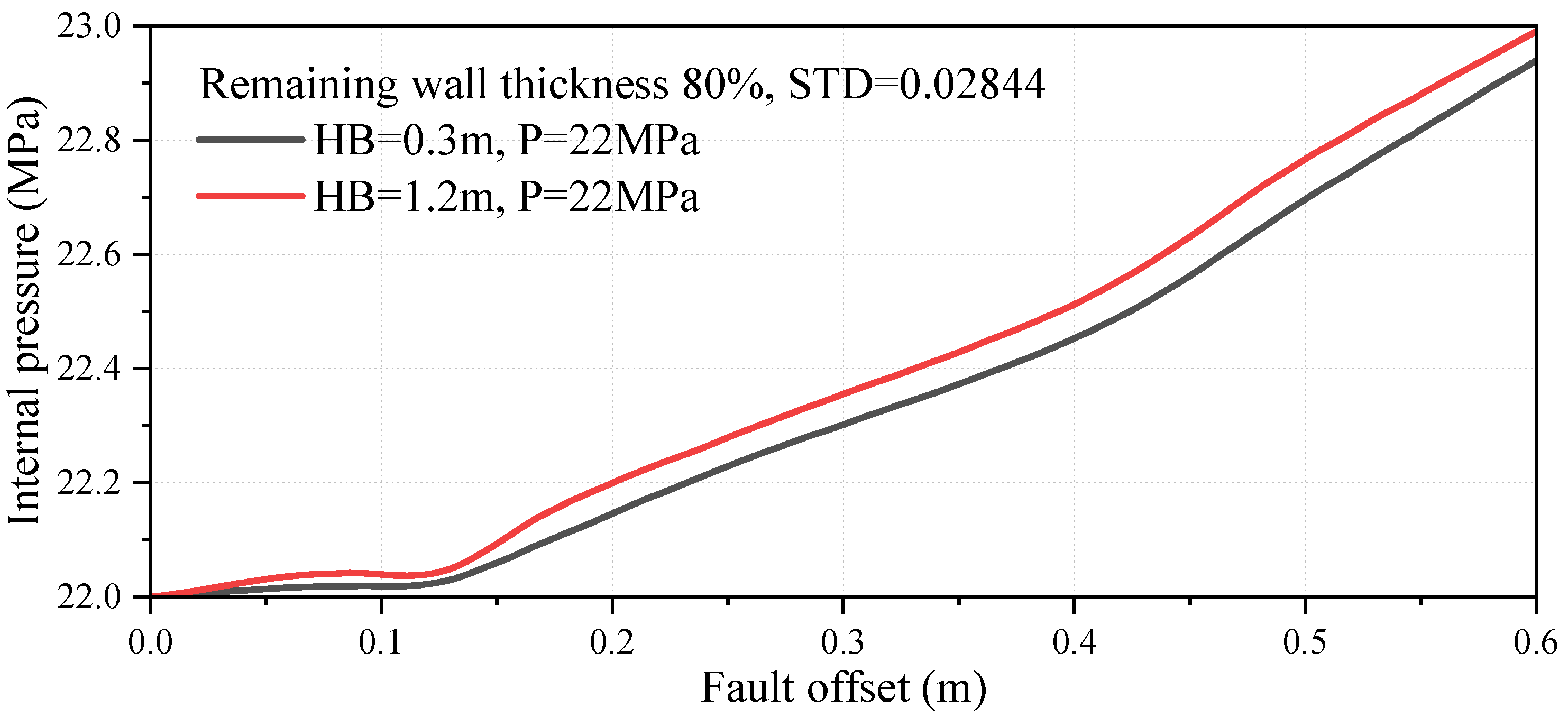
3.3. Modeling of Internal Pressure
3.4. Loading Protocol and Solution Strategy
3.5. Parameter Space and Design of Simulation
4. Validation of Simulation Method
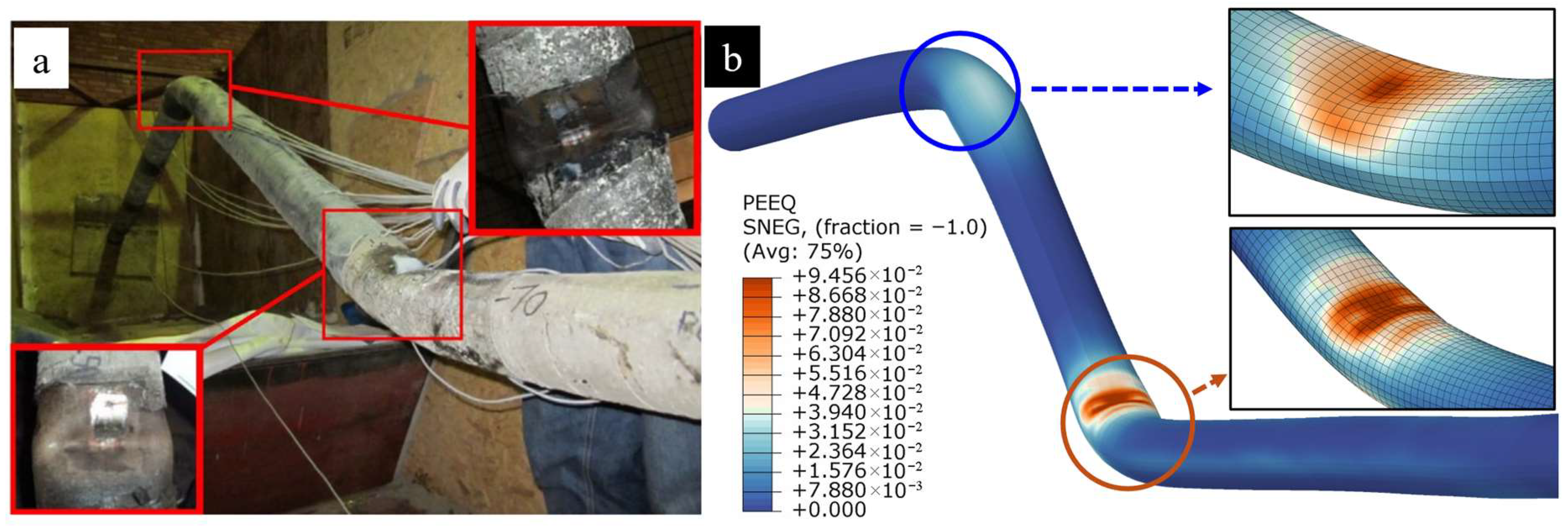
4.1. Reference Experiment Description
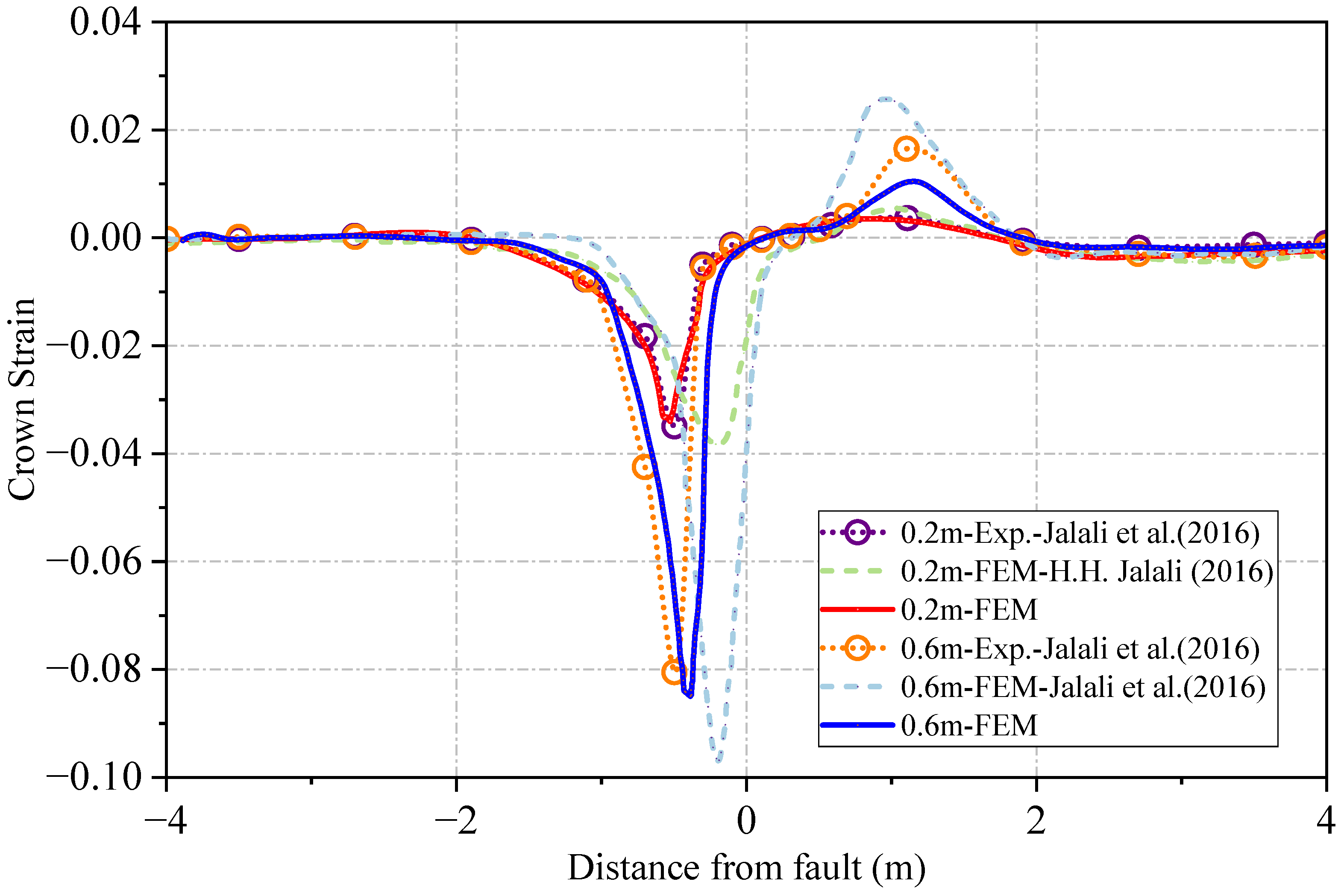
4.2. Comparative Analysis and Phenomenological Validation
5. Results and Discussion
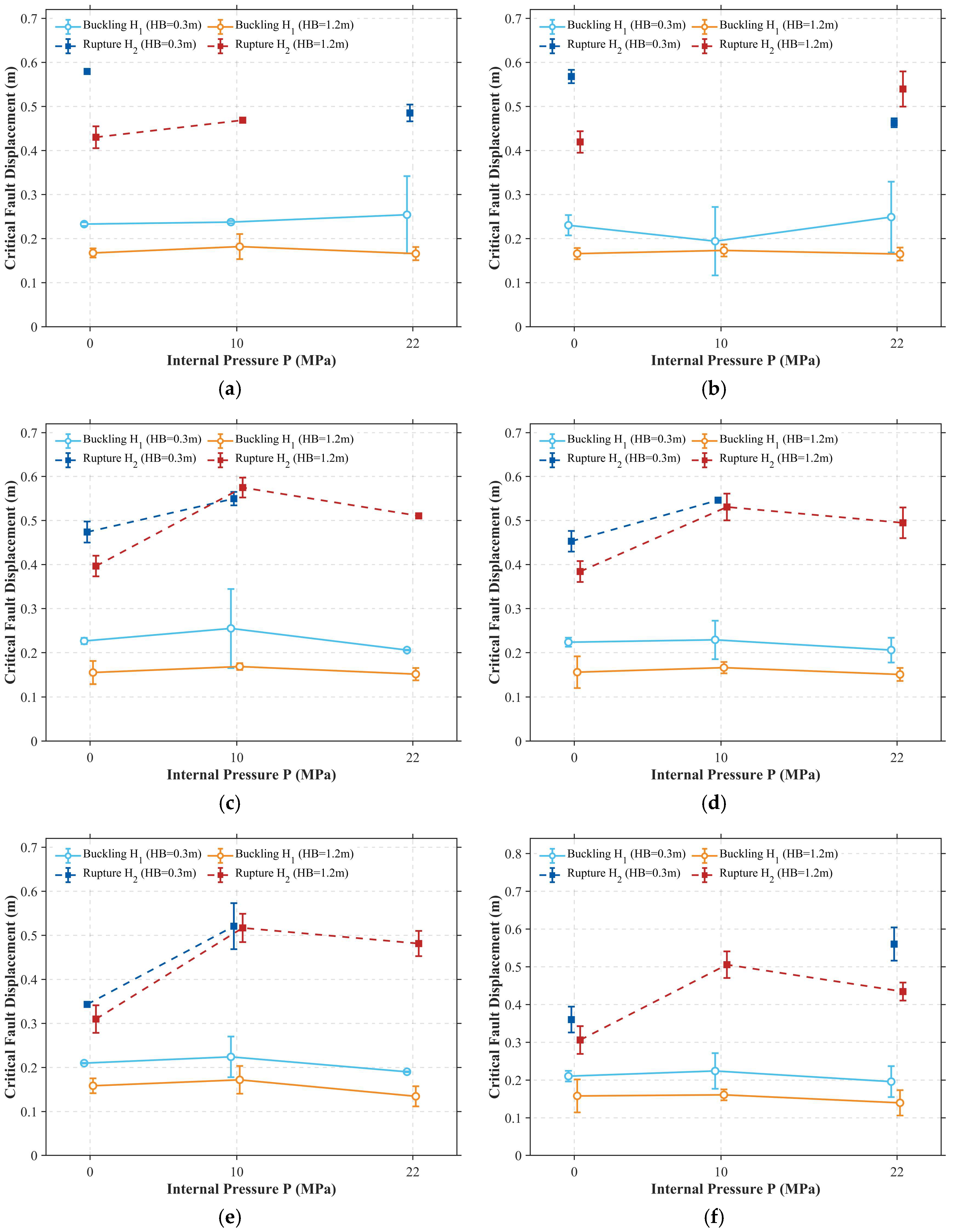
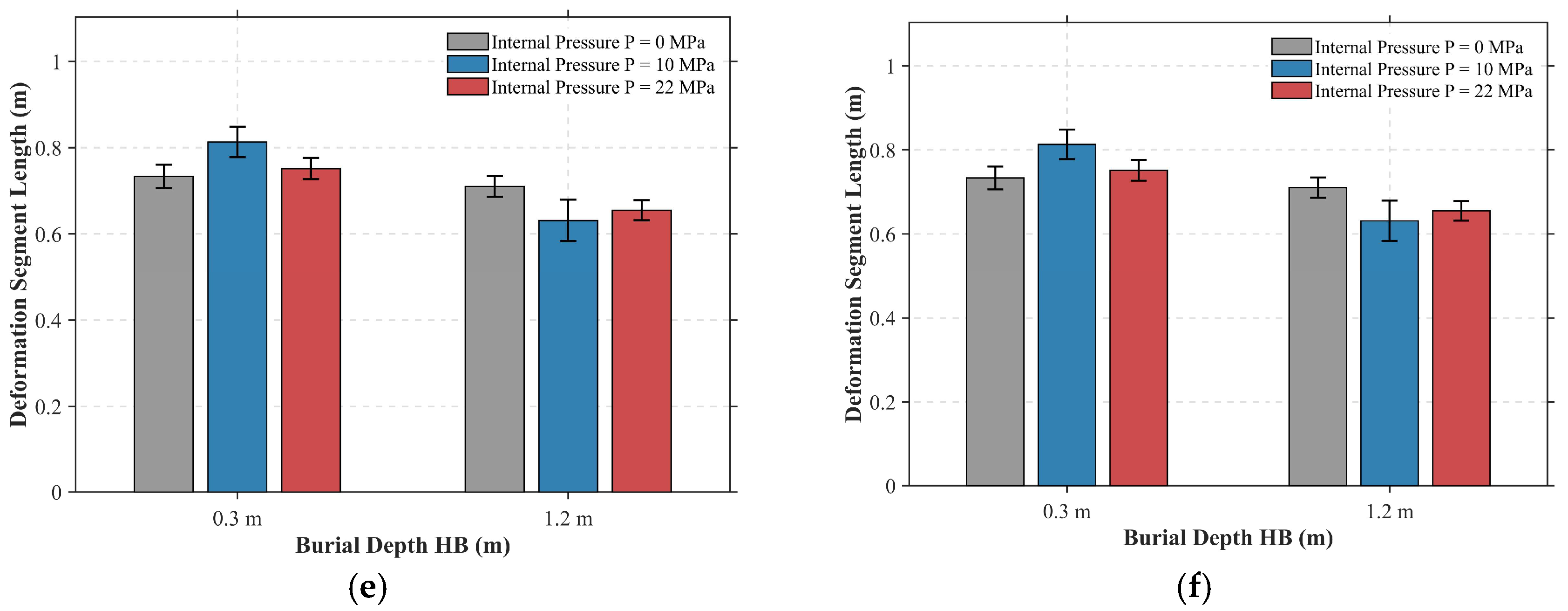
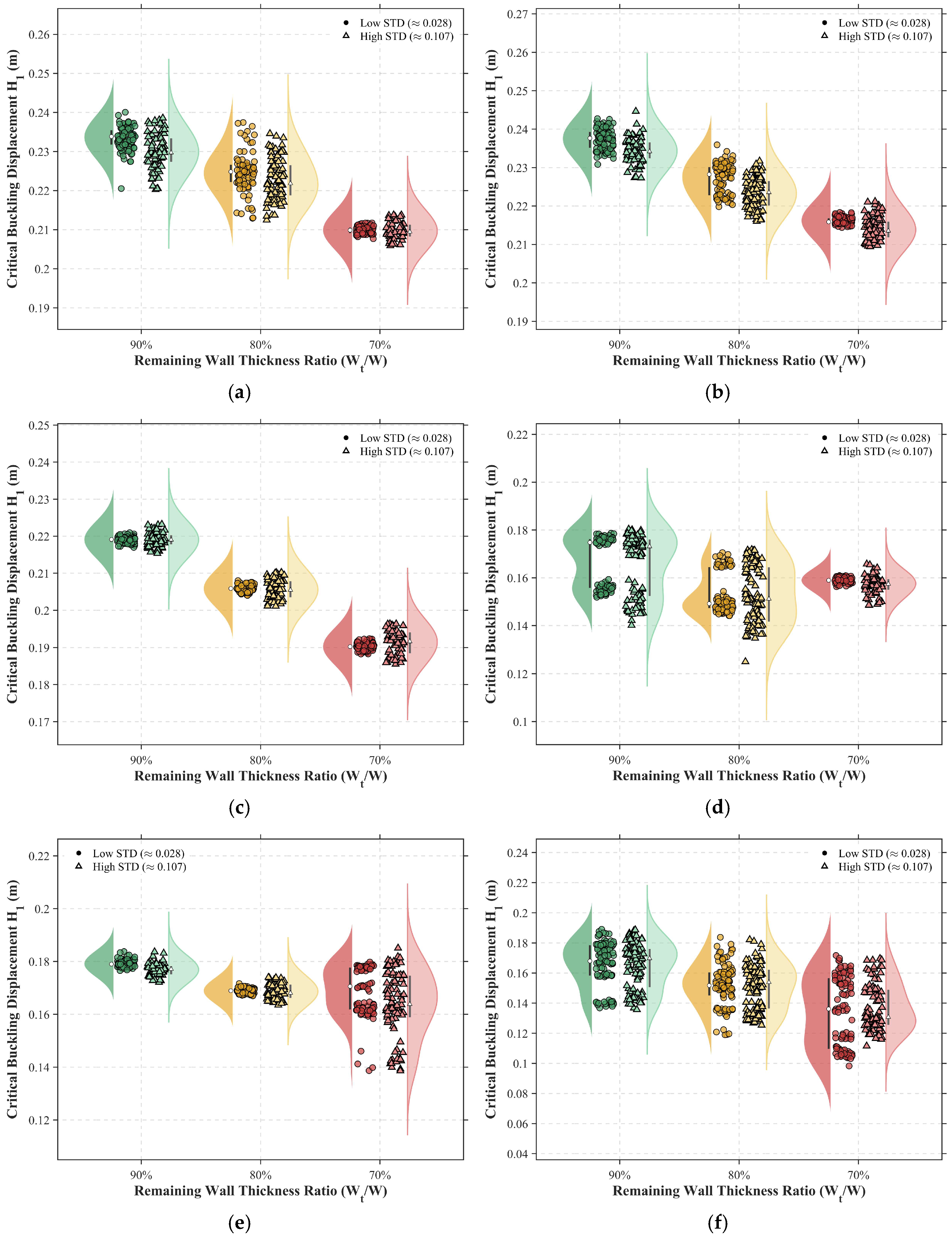
5.1. Statistical Distribution and Sensitivity of Critical Displacement
5.2. Failure Mechanism Analysis
5.2.1. Mechanistic Interpretation of Failure Mode Transition
- (1)
- Energy-based interpretation of geometric stiffening
- (2)
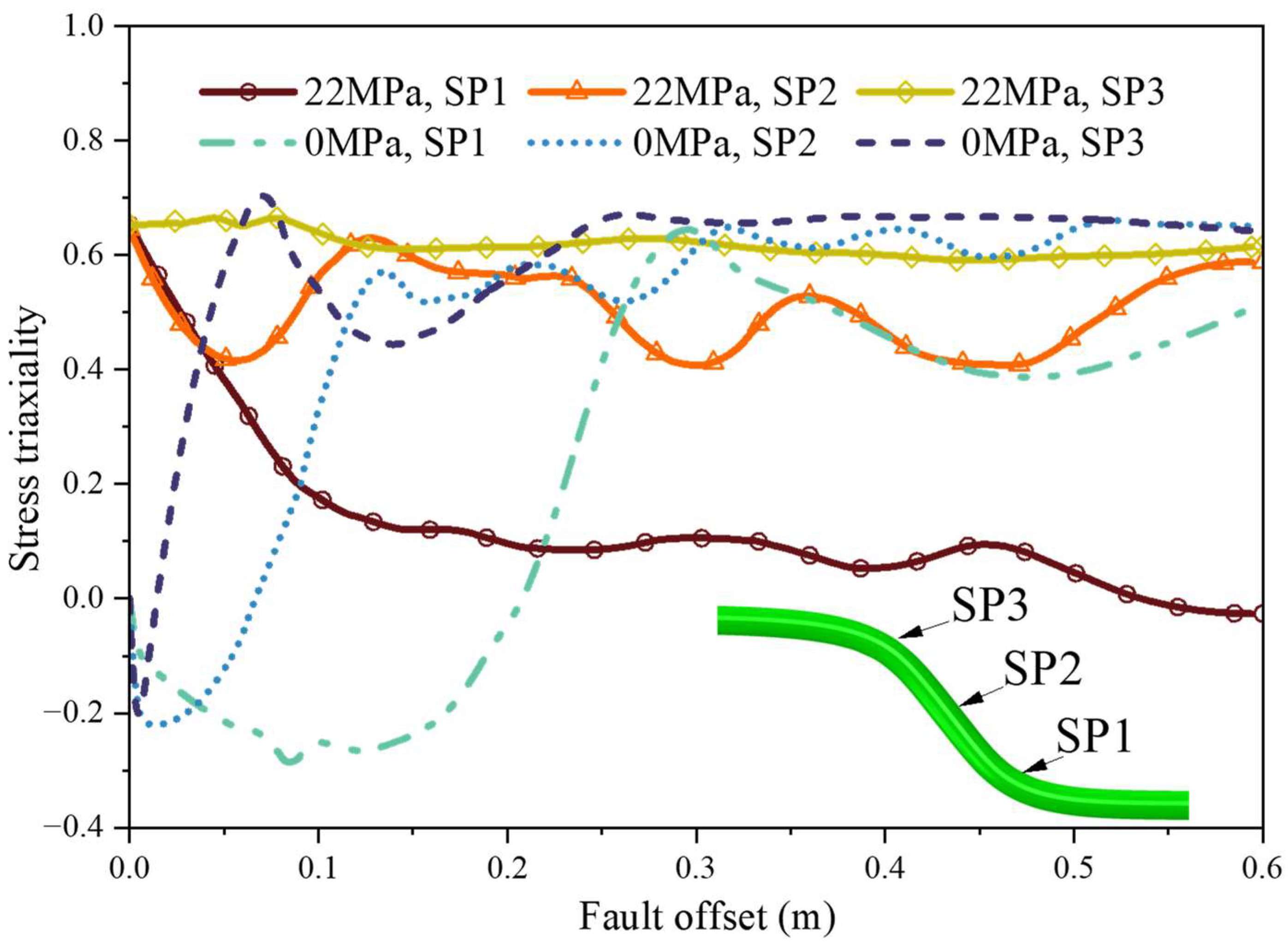
- Stress-path evolution and ductility exhaustion
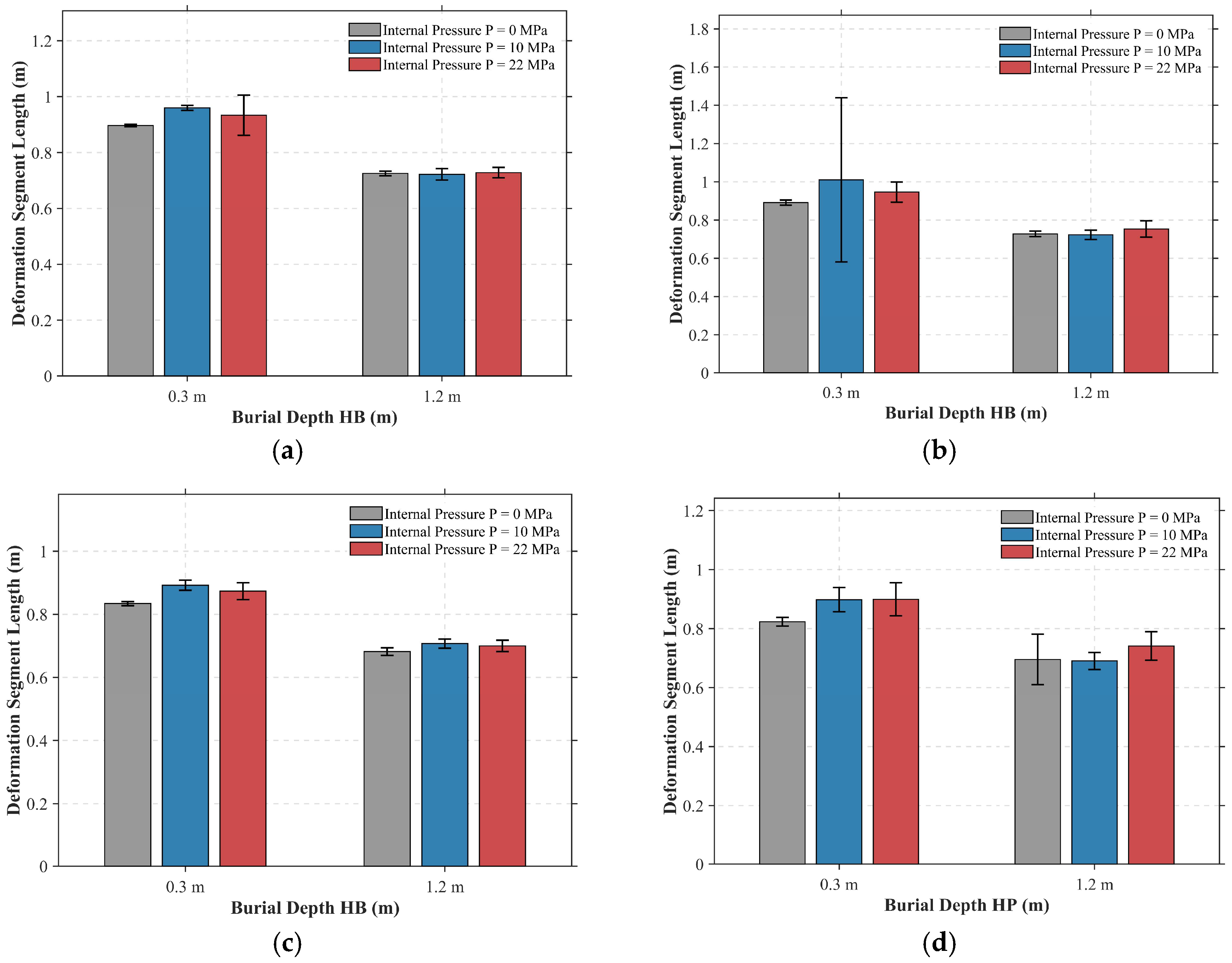
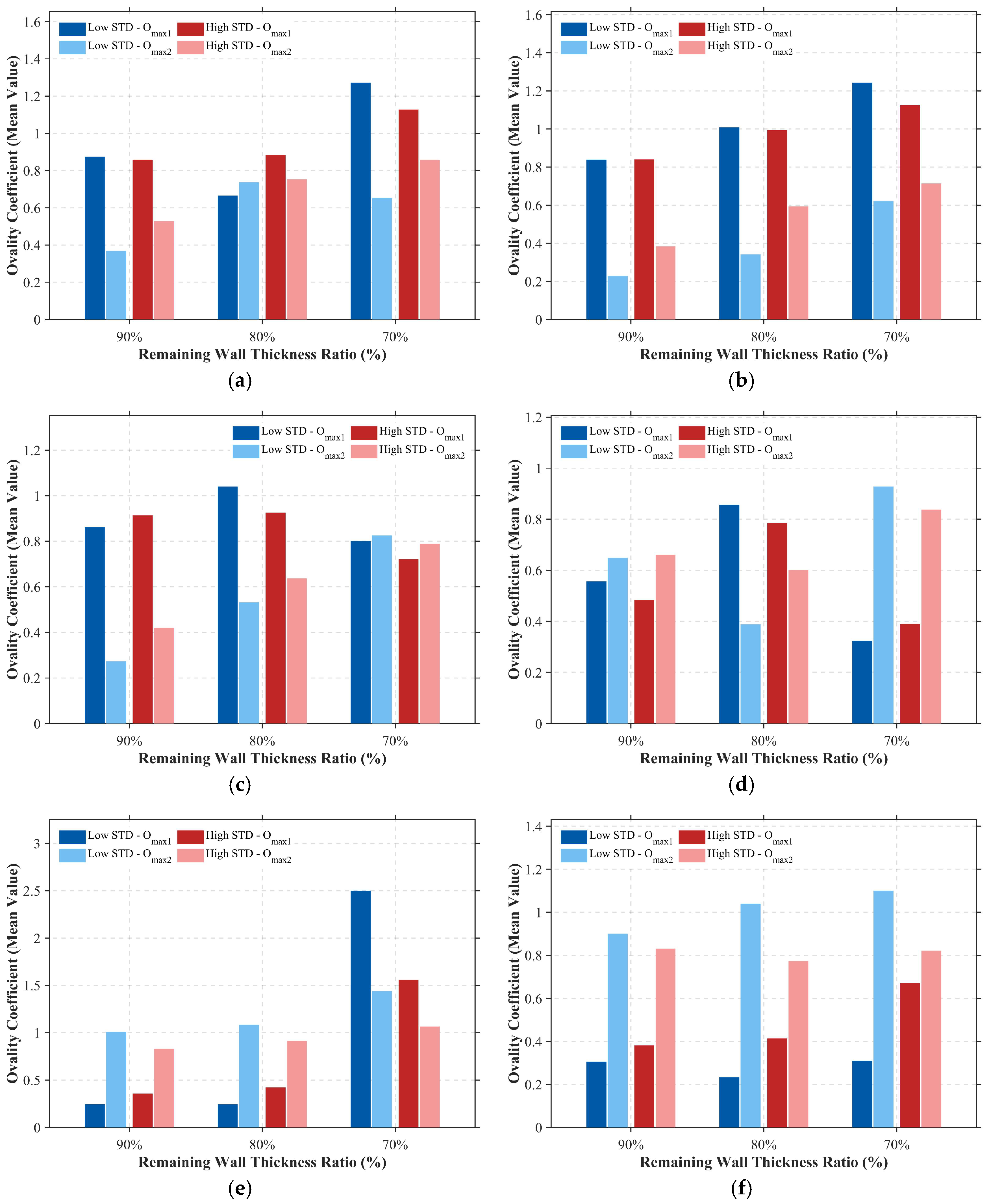
5.2.2. Strain Localization and Geometric Distortion
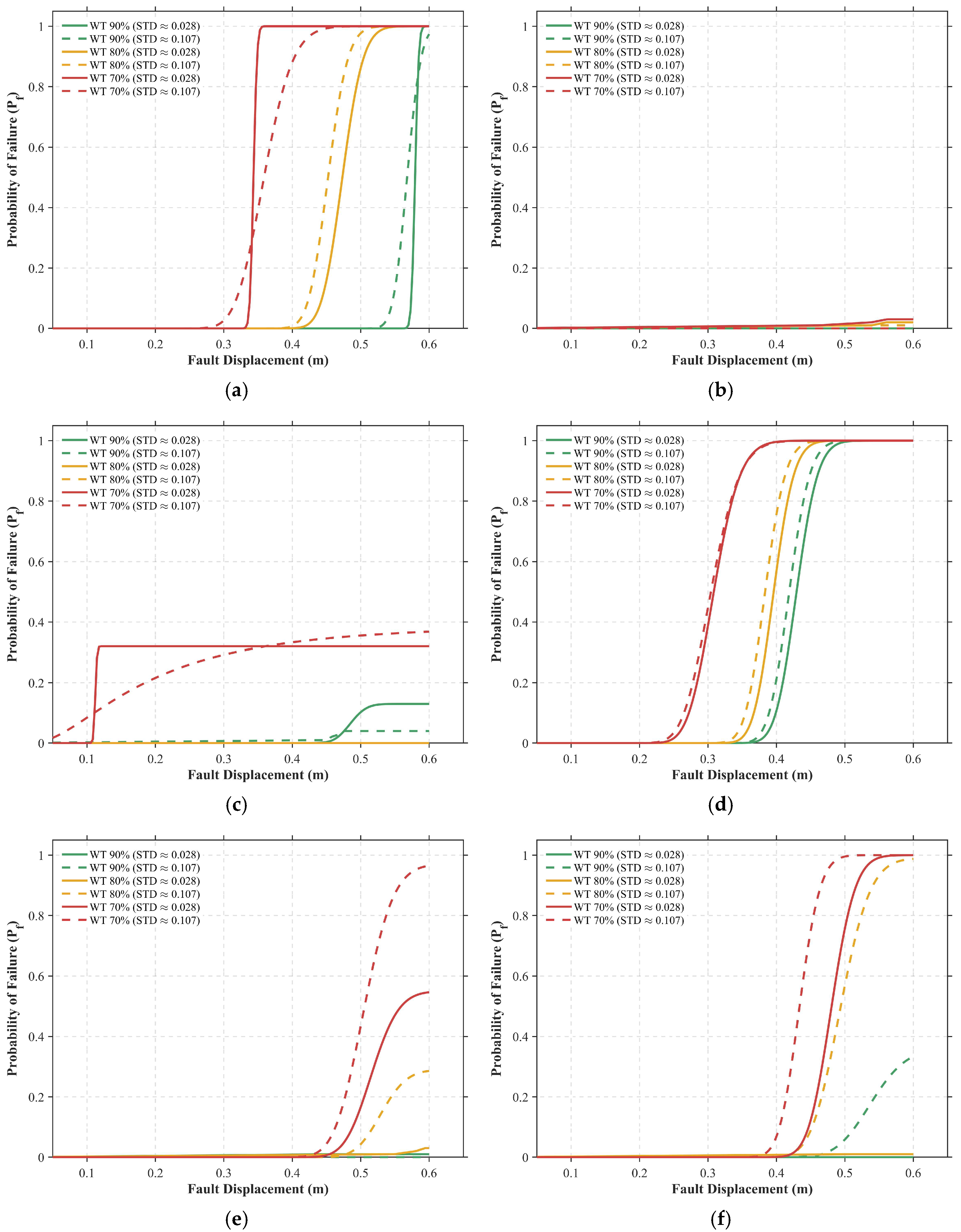
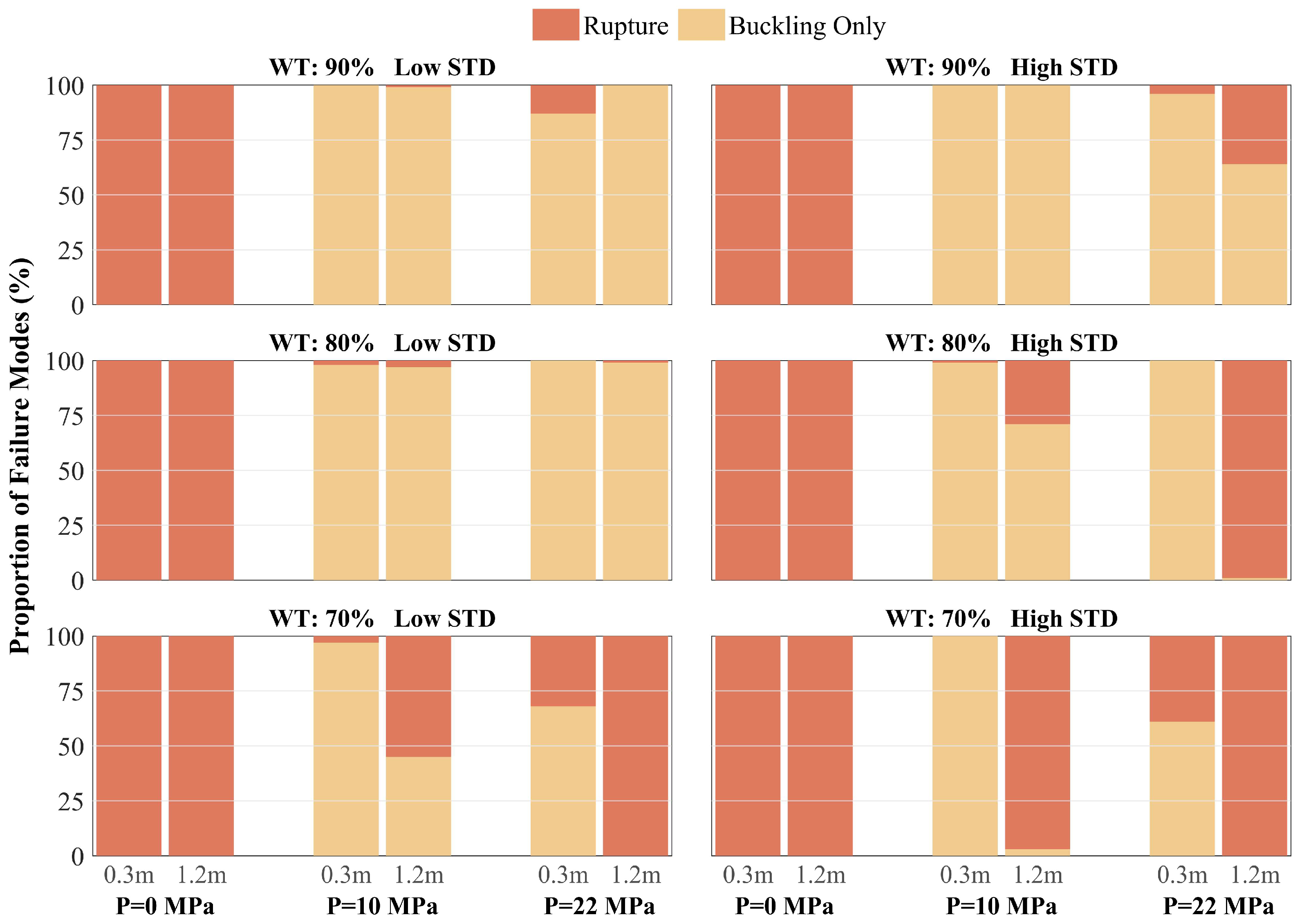
5.3. Fragility Assessment and Failure Mode Evolution
5.4. Limitations and Future Work
6. Conclusions
- (1)
- The dual role of internal pressure in modulating failure mechanisms. Internal pressure exerts a significant geometric stiffening effect during the large-deformation phase of reverse faulting, which effectively enhances the pipeline’s adaptive capacity. Mechanistically, moderate operating pressure generates hoop tensile stresses that counteract the Brazier effect, thereby suppressing cross-sectional distortion and facilitating a transition from severe localized wrinkling to a more uniform beam-mode bending. However, excessive pressurization shifts the failure regime from ductile buckling to premature tensile rupture, as the pre-tension stress accelerates the exhaustion of axial ductility at critical sections.
- (2)
- The decisive influence of soil confinement on strain localization. Burial depth significantly alters the deformation topology through soil–structure interaction. Compared to shallow burial, deep soil imposes strong circumferential constraints that hinder the development of global bending, forcing fault-induced displacement to concentrate within a highly localized pipe segment. Consequently, this “confinement-induced localization” triggers a rapid accumulation of axial strain, leading to structural instability at significantly smaller fault displacements—a risk that is further exacerbated under the coupled action of high pressure and severe corrosion.
- (3)
- The stochastic nature of corrosion as a driver of reliability dispersion. The spatial variability of corrosion morphology, which is captured in this study through a generative conditional diffusion model, represents a primary driver of wall strain localization. In contrast to traditional models based on average wall thinning, these results demonstrate that surface roughness significantly amplifies the dispersion of critical limit states rather than merely lowering their mean values. This finding suggests that the stochastic distribution of local pits acts as a set of high-sensitivity initiation sites for stress concentration, thereby governing the “long-tail” risk of premature rupture that is often overlooked in deterministic assessments.
- (4)
- The necessity of a probabilistic paradigm in safety assessment. Fragility analysis indicates that deterministic safety factors fail to capture the catastrophic risks associated with high-roughness corrosion. While moderate internal pressure offers a “buffer window” by maintaining circularity, the synergy between deep burial and high-pressure operation creates a high-vulnerability regime for aged pipelines. Collectively, these findings provide a quantitative scientific basis for the risk-informed design and life-extension decision-making of energy infrastructure facing complex geological threats.
Author Contributions
Funding
Data Availability Statement
Conflicts of Interest
References
- Li, J.; Ni, P. Fragility analysis of buried continuous pipelines under normal faulting through analytical solution combining with machine learning technique. Can. Geotech. J. 2025, 62, 1–18. [Google Scholar] [CrossRef]
- Xu, L.; Cheng, X.; Huang, R.; Chen, W.; Hu, W. Local buckling behavior of buried pipeline under seismic oblique-reverse fault displacement. Sci. Rep. 2022, 12, 20128. [Google Scholar] [CrossRef]
- Han, J.; Bi, Y.; Hou, B.; Zhao, W.; El Naggar, M.H. Response of Corroded Steel Pipeline Without and with CFRP Reinforcement to Reverse Fault Movement. Appl. Sci. 2024, 14, 10896. [Google Scholar] [CrossRef]
- Li, Y.; Han, J.; Miao, H.; El Naggar, M.H.; Li, L.; Du, X. Life-Cycle Seismic Reliability Assessment of Buried Corroded Steel Pipeline. J. Earthq. Eng. 2026, 1–20. [Google Scholar] [CrossRef]
- Qiu, C.; Tian, S.; Wang, Y. Structural Failure and Mechanical Response of Buried Pipelines Under Offshore Fault Dislocation. Appl. Sci. 2025, 15, 9450. [Google Scholar] [CrossRef]
- Zhang, S.; Wang, Y.; Liu, J. Numerical simulation study on the performance of buried pipelines under the action of faults. Appl. Sci. 2022, 13, 11266. [Google Scholar] [CrossRef]
- Han, J.; Bi, Y.; Hou, B.; El Naggar, M.H.; Xu, C.; Du, X. Response and failure mode of buried pipeline crossing different fault types. Urban Resil. Earthq. Eng. 2025, 1, 2480868. [Google Scholar] [CrossRef]
- Banushi, G.; Squeglia, N.; Thiele, K. Innovative analysis of a buried operating pipeline subjected to strike-slip fault movement. Soil Dyn. Earthq. Eng. 2018, 107, 234–249. [Google Scholar] [CrossRef]
- Bao, J.; Zhou, W. A random field model of external metal-loss corrosion on buried pipelines. Struct. Saf. 2021, 93, 102120. [Google Scholar] [CrossRef]
- Chen, Y.; Zhang, Y.; Li, Z. Reliability analysis of gas pipelines considering spatial and temporal corrosion variability. Reliab. Eng. Syst. Saf. 2025, 241, 109654. [Google Scholar]
- Wang, Y.; Zhu, S.; Qin, J.; Qin, G. Direct probabilistic envelope modeling of randomly corroding natural gas pipelines using large-scale ILI data. Process Saf. Environ. Prot. 2025, 201, 107630. [Google Scholar] [CrossRef]
- Lin, J.; Zhou, W.; Cui, X.Z.; Hong, H. Application of wavelet transforms to the simulation of corrosion fields on buried pipelines. Comput. Struct. 2023, 276, 106957. [Google Scholar] [CrossRef]
- Li, P.; Li, B.; Fang, H.; Du, X.; Wang, N.; Zang, Q.; Di, D. 3D fractal modeling of non-uniform corrosion in steel pipes: Failure behavior analysis and structural integrity assessment. Reliab. Eng. Syst. Saf. 2025, 261, 111111. [Google Scholar] [CrossRef]
- Wang, Y.; Yang, Y.; Qin, J.; Sun, Y.; Qin, G. A probabilistic-based numerical modeling of natural gas pipelines with random corrosion morphology. Int. J. Press. Vessel. Pip. 2025, 219, 105696. [Google Scholar] [CrossRef]
- Zhao, L.; Luo, Z.; Deng, G.; Shi, V. Prediction of corrosion failure probability of buried oil and gas pipeline based on an RBF neural network. Front. Earth Sci. 2023, 11, 1148407. [Google Scholar] [CrossRef]
- Khakzad, N. Probabilistic failure assessment of oil pipelines due to internal corrosion. Process Saf. Environ. Prot. 2022, 164, 45–54. [Google Scholar] [CrossRef]
- Yu, Y.; Li, Z.; Yu, J.; Xu, L.; Cheng, S.; Wu, J.; Wang, H.; Xu, W. Buckling failure analysis for buried subsea pipeline under reverse fault displacement. Thin-Walled Struct. 2021, 169, 108350. [Google Scholar] [CrossRef]
- Liu, Z.; Wang, X.; Chen, G. Probabilistic performance evaluation of buried onshore and offshore pipelines subjected to earthquakes: Perspectives on uncertainties. J. Pipeline Syst. Eng. Pract. 2025, 16, 04024055. [Google Scholar]
- Teng, Y.; Liu, A.; Feng, Q. Safety assessment of corroded pipelines crossing active faults based on strain criteria. Eng. Fail. Anal. 2023, 146, 107089. [Google Scholar]
- Yu, K.; Tan, W.; Yang, Y.; Wu, R.; Wu, Z.; Liu, F. Characteristics of surface roughness of corroded steel pipeline under different service environment. Constr. Build. Mater. 2025, 494, 143181. [Google Scholar] [CrossRef]
- ISO 25178-2:2021; Geometrical Product Specifications (GPS)—Surface Texture: Areal—Part 2: Terms, Definitions and Surface Texture Parameters. International Organization for Standardization: Geneva, Switzerland, 2021.
- OpenAI Guided Diffusion[EB/OL]. 2025. Available online: https://github.com/openai/guided-diffusion (accessed on 13 January 2026).
- Frazier, P.I. A tutorial on Bayesian optimization. arXiv 2018, arXiv:1807.02811. [Google Scholar] [CrossRef]
- Chen, J.; Kong, F.; Peng, Y. A stochastic harmonic function representation for non-stationary stochastic processes. Mech. Syst. Signal Process. 2017, 96, 31–44. [Google Scholar] [CrossRef]
- Liang, S.; Sun, W.; Li, J. Simulation of multi-dimensional random fields by stochastic harmonic functions. J. Tongji Univ. (Nat. Sci.) 2012, 40, 965–970. [Google Scholar]
- Melissianos, V.E.; Gantesa, C.J. Upheaval buckling of onshore buried steel pipelines with flexible joints. In Proceedings of IASS Annual Symposia; International Association for Shell and Spatial Structures (IASS): Madrid, Spain, 2014; Volume 2014, pp. 1–6. [Google Scholar]
- Oh, C.S.; Kim, N.H.; Kim, Y.J.; Baek, J.-H.; Kim, Y.-P.; Kim, W.-S. A finite element ductile failure simulation method using stress-modified fracture strain model. Eng. Fract. Mech. 2011, 78, 124–137. [Google Scholar] [CrossRef]
- Su, W.; Ren, J. Numerical simulation of local buckling of submarine pipelines under combined loading conditions. Materials 2022, 15, 6387. [Google Scholar] [CrossRef] [PubMed]
- Vazouras, P.; Karamanos, S.A.; Dakoulas, P. Finite element analysis of buried steel pipelines under strike-slip fault displacements. Soil Dyn. Earthq. Eng. 2010, 30, 1361–1376. [Google Scholar] [CrossRef]
- Joshi, S.; Prashant, A.; Deb, A.; Jain, S.K. Analysis of buried pipelines subjected to reverse fault motion. Soil Dyn. Earthq. Eng. 2011, 31, 930–940. [Google Scholar] [CrossRef]
- Vazouras, P.; Karamanos, S.A.; Dakoulas, P. Mechanical behavior of buried steel pipes crossing active strike-slip faults. Soil Dyn. Earthq. Eng. 2012, 41, 164–180. [Google Scholar] [CrossRef]
- Dassault Systèmes. Abaqus Analysis User’s Manual; Dassault Systèmes Simulia Corp.: Providence, RI, USA, 2019. [Google Scholar]
- Cui, B.; Wang, H. Analysis and prediction of pipeline corrosion defects based on data analytics of in-line inspection. J. Infrastruct. Preserv. Resil. 2023, 4, 14. [Google Scholar] [CrossRef]
- Heidary, R.; Gabriel, S.A.; Modarres, M.; Groth, K.M.; Vahdati, N. A review of data-driven oil and gas pipeline pitting corrosion growth models applicable for prognostic and health management. Int. J. Progn. Health Manag. 2018, 9. [Google Scholar] [CrossRef]
- Mokhtari, M.; Leira, B.J. Time-variant system reliability of pitting corroded steel pipelines. Civ. Eng. Environ. Syst. 2025, 42, 210–239. [Google Scholar] [CrossRef]
- Jalali, H.H.; Rofooei, F.R.; Attari, N.K.A.; Samadian, M. Experimental and finite element study of the reverse faulting effects on buried continuous steel gas pipelines. Soil Dyn. Earthq. Eng. 2016, 86, 1–14. [Google Scholar] [CrossRef]
- Brazier, L.G. On the flexure of thin cylindrical shells and other “thin” sections. Proc. R. Soc. London. Ser. A Contain. Pap. A Math. Phys. Character 1927, 116, 104–114. [Google Scholar] [CrossRef]
- Farhang, M.; Jalali, H.H. Performance assessment of corroded buried pipelines under strike-slip faulting using stochastic wall loss modeling. Soil Dyn. Earthq. Eng. 2025, 199, 109697. [Google Scholar] [CrossRef]






| Pipe Parameter | Value |
|---|---|
| Density, ρ (kg/m3) | 7850 |
| Young’s modulus, E (GPa) | 206 |
| Poisson’s ratio, υ | 0.3 |
| Yield strength, σy (MPa) | 406 |
| Ultimate strength, σu (MPa) | 485 |
| Soil Parameter | Value |
|---|---|
| Density, ρ (kg/m3) | 1790 |
| Young’s modulus, E (MPa) | 180 |
| Poisson’s ratio, υ | 0.33 |
| Friction angle, φ (degree) | 33.5 |
| Cohesion stress, c (kPa) | 250 |
| Coefficients | Value |
|---|---|
| Constant term C0 | 26.092 |
| Linear term C1 | 0.008218 |
| Quadratic term C2 | −1.976 × 10⁻⁶ |
| Cubic term C3 | 1.592 × 10⁻¹⁰ |
| Inverse quadratic term C4 | 44,400 |
| Parameter | Value | |
|---|---|---|
| Fault Parameters | Fault-Pipeline Crossing Angle β (°) | 60 |
| Fault Displacement δ (m) | 0.6 | |
| Soil Parameters | Soil Domain Dimensions (m × m × m) | 1.7 × 2.0 × 8.5 |
| Density ρ (kg/m3) | 1870 | |
| Poisson’s Ratio μ | 0.3 | |
| Friction Angle φ (°) | 33.5 | |
| Dilation Angle Ψ (°) | 3.5 | |
| Cohesion c (kPa) | 5 | |
| Pipeline Parameters | Material Grade | API/5L Grade B |
| Yield Stress σs (MPa) | 450 | |
| Elastic Modulus Est (GPa) | 200 | |
| Poisson’s Ratio μ | 0.3 | |
| Diameter D (mm) | 101.6 | |
| Wall Thickness t (mm) | 3.6 | |
| Burial Depth h (m) | 1.2 |
Disclaimer/Publisher’s Note: The statements, opinions and data contained in all publications are solely those of the individual author(s) and contributor(s) and not of MDPI and/or the editor(s). MDPI and/or the editor(s) disclaim responsibility for any injury to people or property resulting from any ideas, methods, instructions or products referred to in the content. |
© 2026 by the authors. Licensee MDPI, Basel, Switzerland. This article is an open access article distributed under the terms and conditions of the Creative Commons Attribution (CC BY) license.
Share and Cite
Li, T.; Yu, K.; Hu, Y.; Wu, R.; Yang, Y.; Liu, F. Stochastic Mechanical Response and Failure Mode Transition of Corroded Buried Pipelines Subjected to Reverse Faulting. Materials 2026, 19, 1033. https://doi.org/10.3390/ma19051033
Li T, Yu K, Hu Y, Wu R, Yang Y, Liu F. Stochastic Mechanical Response and Failure Mode Transition of Corroded Buried Pipelines Subjected to Reverse Faulting. Materials. 2026; 19(5):1033. https://doi.org/10.3390/ma19051033
Chicago/Turabian StyleLi, Tianchong, Kaihua Yu, Yachao Hu, Ruobing Wu, Yuchao Yang, and Feng Liu. 2026. "Stochastic Mechanical Response and Failure Mode Transition of Corroded Buried Pipelines Subjected to Reverse Faulting" Materials 19, no. 5: 1033. https://doi.org/10.3390/ma19051033
APA StyleLi, T., Yu, K., Hu, Y., Wu, R., Yang, Y., & Liu, F. (2026). Stochastic Mechanical Response and Failure Mode Transition of Corroded Buried Pipelines Subjected to Reverse Faulting. Materials, 19(5), 1033. https://doi.org/10.3390/ma19051033