1. Introduction
With the rapid expansion of the transportation sector, growing traffic volumes and increased axle loads from heavy vehicles have imposed more stringent demands on the performance of bituminous pavements [
1]. To satisfy the modern requirements of road engineering, particularly in terms of temperature stability, fatigue resistance, and long-term durability, polymer-modified bitumen has emerged as one of the preferred solutions. Commonly used modifiers include styrene-butadiene-styrene (SBS) block copolymers, waste tire rubber powder, and resin-based polymers, etc. [
2,
3,
4].
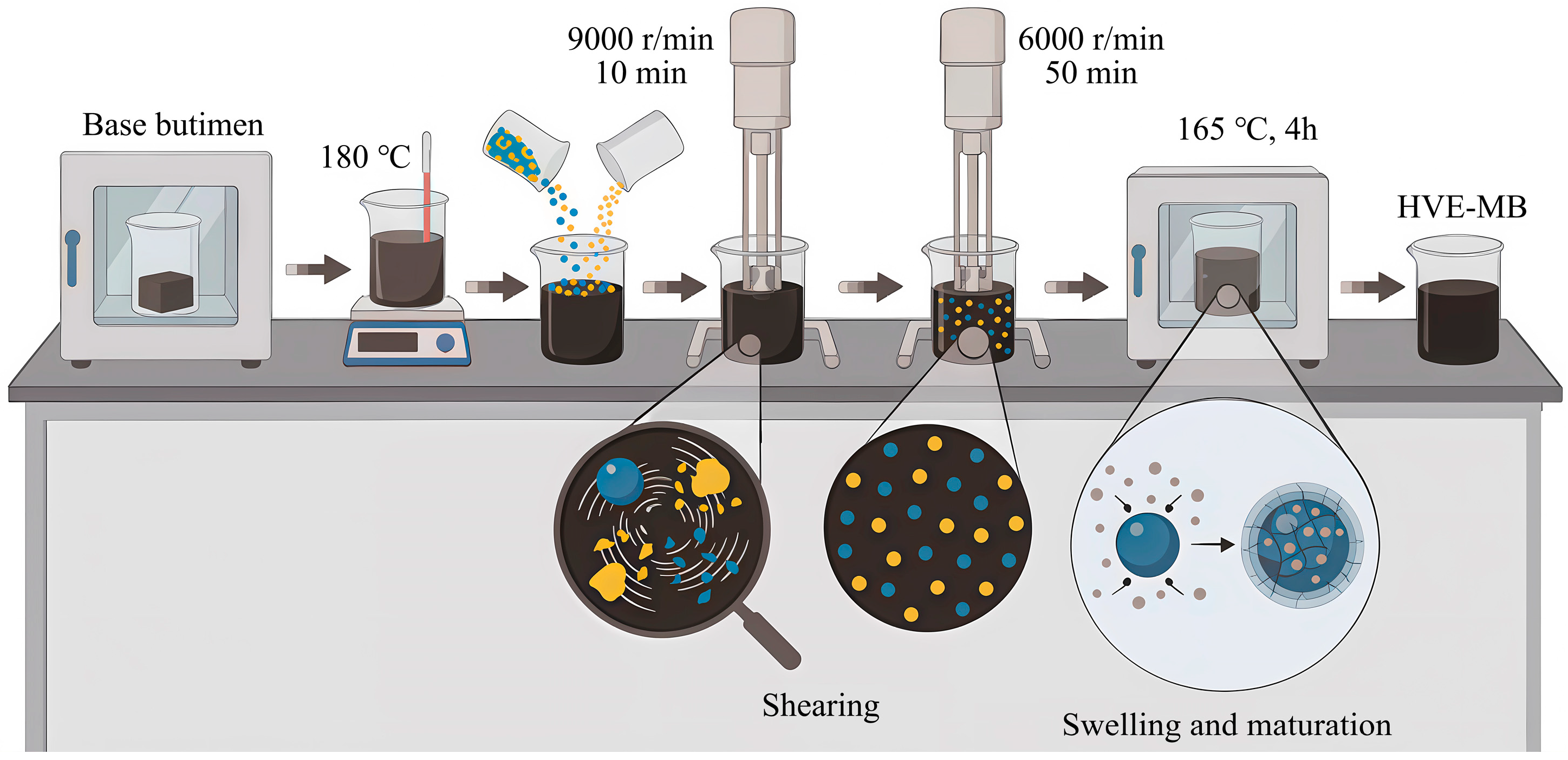
In the conventional wet-process modification (involving shearing and maturation), the interaction between polymer and bitumen is primarily achieved through mechanical shearing and extended high-temperature maturation [
5]. As the most widely employed bituminous modifier, SBS triblock copolymer consists of polystyrene (PS) hard segments at both termini and a polybutadiene (PB) soft segment in the central region [
6]. Based on molecular architecture, SBS is categorised into linear and star-shaped configurations. Linear SBS, characterised by a lower molecular weight, exhibits favourable solubility in bitumen, low viscosity, and enhanced processability and dispersion. In contrast, star-shaped SBS possesses a higher molecular weight, which confers greater modulus and improved high-temperature performance, albeit with more challenging dissolution in bitumen and stricter processing requirements [
7,
8]. These structural distinctions critically influence the rheological behaviour and storage stability of the resulting modified bitumen, which are key factors in the design and selection of polymer modifiers [
9]. The performance enhancement of SBS-modified bitumen is primarily attributed to the polymer’s microscale multiphase structure and its ability to form physical crosslinks within the bitumen. Due to the thermodynamic incompatibility between the PS hard segments and the PB soft segments, SBS spontaneously undergoes microphase separation [
10]. At ambient and elevated temperatures, the polystyrene segments aggregate into rigid, physically crosslinked domains dispersed within the polybutadiene matrix. These domains function as “anchors”, immobilising the elastomeric PB chains and thereby forming a three-dimensional network [
11]. This structure provides mechanical reinforcement analogous to that of vulcanized rubber, while preserving the capacity for reversible melt flow upon heating [
12]. As a result, this physical network endows SBS-modified bitumen with superior elastic recovery, enhanced fatigue resistance, and significantly improved resistance to high-temperature deformation [
13]. During modification, SBS interacts with the base bitumen predominantly through swelling and the formation of a polymer network. Upon incorporation, SBS absorbs light fractions (particularly saturates and aromatics), leading to significant volumetric expansion. As the swelling process advances, the SBS polymer chains fully extend and become entangled, thereby establishing a continuous three-dimensional network within the bitumen [
14]. This structural evolution alters the colloidal nature of the bitumen, effectively increasing the relative concentration of asphaltenes. Macroscopically, these changes manifest as reduced penetration, an elevated softening point, and a substantial increase in viscosity [
15]. The network structure induced by swelling restricts the mobility of bituminous molecules and enhances cohesive strength, thereby significantly improving both high-temperature stability and low-temperature crack resistance, as well as elastic recovery properties [
16].
The application of waste tire rubber powder as a modifier in road engineering provides dual advantages in environmental protection as well as resource recycling. It supports the current global trend towards green, low-carbon, and sustainable development, while simultaneously enhancing the critical performance of asphalt pavements, particularly high-temperature stability [
17]. The chemical composition of rubber powder governs its intrinsic properties, which significantly influence the macroscopic behaviour of modified bitumen. Carbon black primarily affects the electrical conductivity and ageing resistance of the rubber powder [
18]; meanwhile, rubber hydrocarbons facilitate vulcanisation, plasticisation, and anti-ageing processes during rubber production, and function as surfactants and softening agents within bituminous systems [
19]. In its original status, natural rubber exhibits viscous fluid-like behaviour with high thermal sensitivity and limited elasticity, rendering it unsuitable for vehicle loads. Therefore, tires must undergo crosslinking via vulcanization to convert linear polymer chains into a three-dimensional network structure, thereby substantially improving mechanical strength as well as chemical stability [
20]. When incorporated into bitumen, the components of rubber powder act synergistically: rubber hydrocarbon increases the softening point and enhances elastic recovery while reducing penetration; carbon black improves adhesion, durability, and resistance to abrasion; residual sulphur and anti-ageing agents contribute to enhanced high-temperature stability and oxidation resistance, respectively [
21,
22].
In the field of road engineering, resins are commonly classified into thermoplastic and thermosetting types according to their thermal behaviour [
23]. The former—primarily polyolefin polymers with linear crystalline structures, which exhibit plasticity at elevated temperatures and rigidity at lower temperatures. These materials enhance the viscosity at ambient temperatures and improve the high-temperature stability of bituminous mixtures. Typical examples include low-density polyethylene (LDPE), ethylene–vinyl acetate copolymer (EVA), polypropylene (PP), and amorphous polyalphaolefin (APAO) [
23,
24,
25]. In contrast, thermosetting resins such as phenolic, epoxy (EP), and unsaturated polyester (UP) resins develop high rigidity and excellent thermal stability upon curing, making them particularly suitable for enhancing pavement resistance to permanent deformation [
26,
27,
28]. Research indicates that under combined thermal and mechanical shearing conditions, resin modifiers can achieve uniform dispersion within the bitumen in the form of particles or filaments, thereby forming partially physically or chemically crosslinked elastic networks [
25,
29]. This structure not only restricts the flow of bitumen but also absorbs wax and light fractions through swelling, thereby reducing wax content and significantly increasing bituminous viscosity while decreasing its temperature susceptibility. With respect to specific materials, PE effectively elevates the softening point and enhances rutting resistance, although it exhibits relatively poor low-temperature ductility. In contrast, EVA contains polar acetate groups that improve elasticity, flexibility, and compatibility with bitumen, thus enhancing both high-temperature stability and low-temperature performance while maintaining good workability [
23,
25]. Furthermore, EP, the most extensively studied thermosetting modifier, possesses a high molecular weight and excellent chemical stability. When combined with cost-effective curing agents such as aromatic amines, it can penetrate bituminous molecules, overcome micellar barriers, and form a stable three-dimensional interpenetrating network via chemical crosslinking [
30].
Although conventional wet-process shear technology is mature, stable, and well-established, its dependence on specialised equipment, complex logistical requirements, and the risks of component segregation and performance degradation during thermal storage have emerged as critical bottlenecks hindering the industry’s transition toward green and low-carbon development [
31]. To address the limitations in bitumen production efficiency and energy consumption, a procedure named dry-process modification has been introduced. This approach involves directly incorporating modifiers into the mixing plant, where the thermal and mechanical energy generated during aggregate blending rapidly disperses the modifier, thereby significantly streamlining the process and enabling an efficient “mix-and-use” operation [
32]. The method leverages intense mechanical forces to pre-enhance the polymer’s rheological properties and dispersion capacity, allowing it to withstand the harsh and time-constrained mixing environment. Dry-process techniques can be classified into distinct pathways: instant modifiers are designed to quickly modify the bituminous binder to emulate the performance of conventionally modified bitumen, whereas broad-sense dry modifiers aim to improve both binder characteristics and overall bituminous mixture performance [
33]. As a key subset of dry-process technology, instant modifiers pursue a qualitative advancement in binder performance under ultra-short processing durations.
Although instant technology delivers notable improvements in production efficiency, it confronts substantial challenges—both in practical engineering implementation and in underlying theoretical foundations. In practice, the macroscopic performance of instant-modified bitumen is frequently markedly inferior to that of conventional wet-process-modified bitumen [
5]. This performance gap stems predominantly from the inability of current polymer formulations to achieve uniform and stable microstructures within the extremely limited processing time frame, thereby compromising key material properties. Theoretically, while the “shearing–swelling” mechanism governing conventional wet-process modification is well established, the microstructural phase evolution during instant technology—particularly at ultra-short time scales—remains poorly understood. To date, no systematic theoretical framework or mechanistic guidance has been developed to characterize or inform this process [
34].
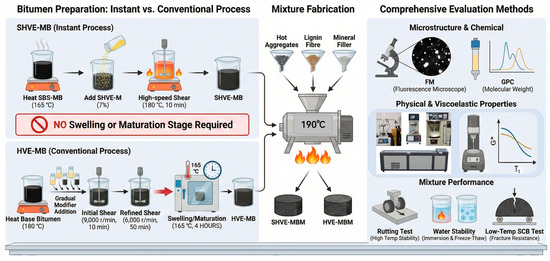
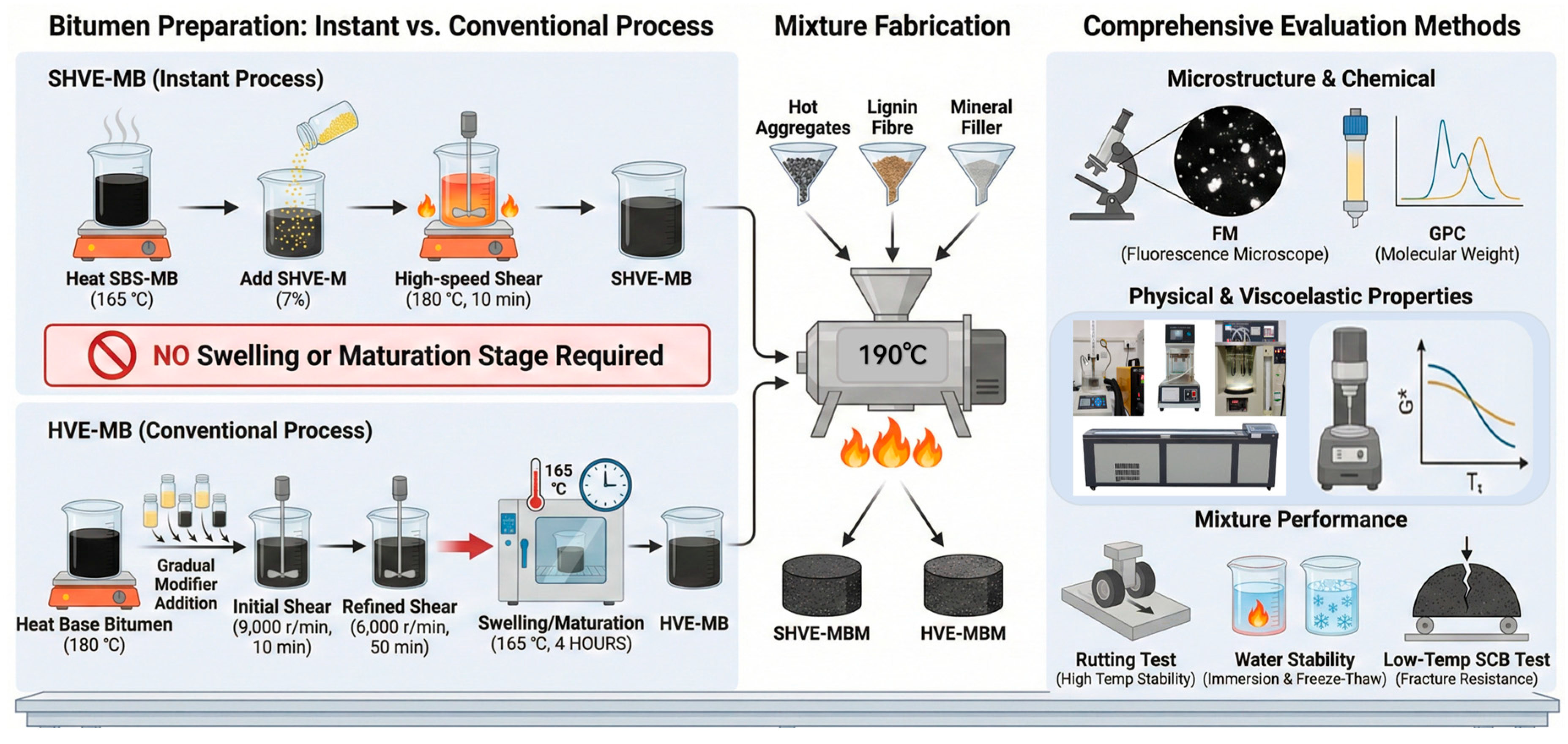
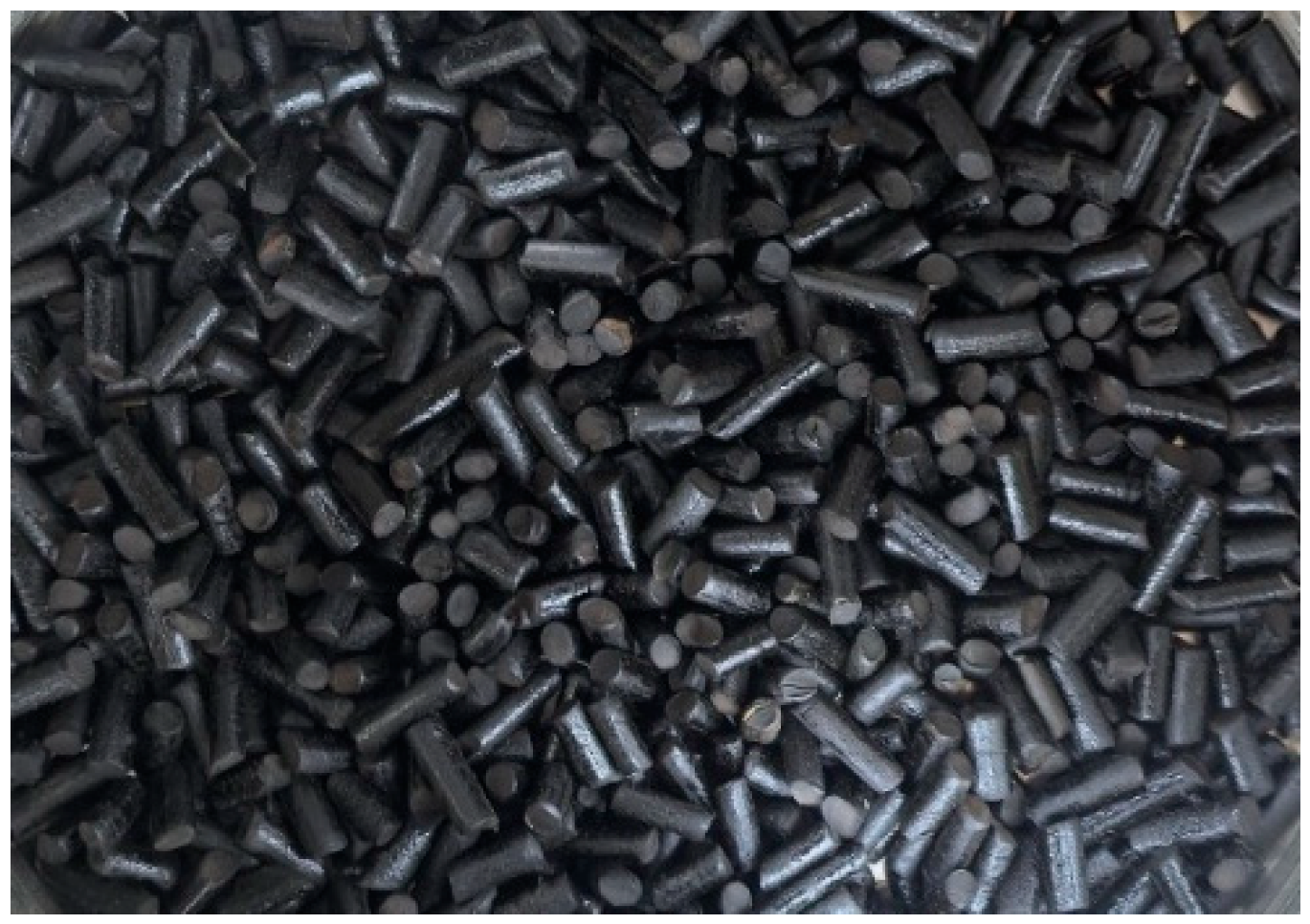
To address the aforementioned challenges, this study develops and focuses on an instant ultra-high-performance bituminous modifier (SHVE-M). In response to the current lack of fundamental theoretical guidance for dry-process modification, the pre-swelling mechanism of the instant modifier is systematically elucidated from the perspectives of micro-morphological phase evolution and molecular weight distribution, utilizing FM, Image J-based image processing, and GPC techniques. At the macroscopic level, the technical properties of the instant modified bitumen (SHVE-MB) are comprehensively evaluated through physical, viscoelastic, and rheological characterizations, while the pavement performance of the corresponding mixture (SHVE-MBM) is validated via rutting, moisture stability, and low-temperature semi-circular bending (SCB) tests. Crucially, a comparative analysis is conducted between the SHVE-M instant modification process and asphalt materials prepared using identical component ratios via the conventional wet-process, aiming to clarify the similarities and differences in modification efficacy between the two methods. This systematic approach, bridging micro-mechanisms and macro-responses, seeks to verify the feasibility of utilizing instant technology to achieve performance equivalent to or superior to conventional processes. The findings are intended to provide novel theoretical insights into the rapid dissolution and high-performance reconstruction of instant-modified bitumen, offering an advanced technical solution to the long-standing performance bottlenecks of dry-process modification.
4. Conclusions
This study systematically investigated the pre-swelling mechanism of SHVE-M through microscopic analyses, elucidating its behaviour in bitumen. By integrating macroscopic evaluations of physical properties, rheological performance, and pavement performance, a coupled verification framework was established, namely “micro-mechanism with macro-performance”. The main conclusions are shown as follows:
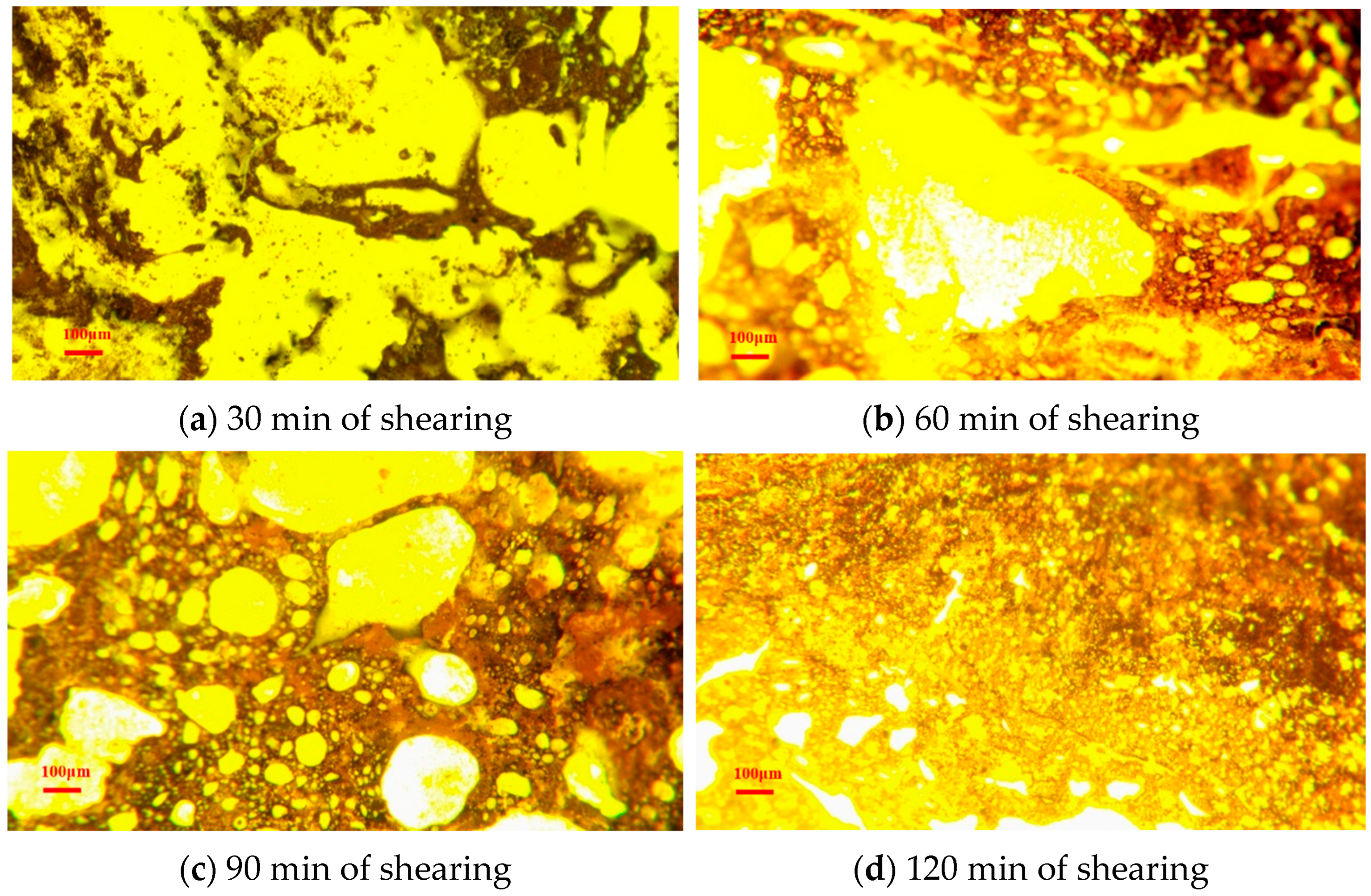
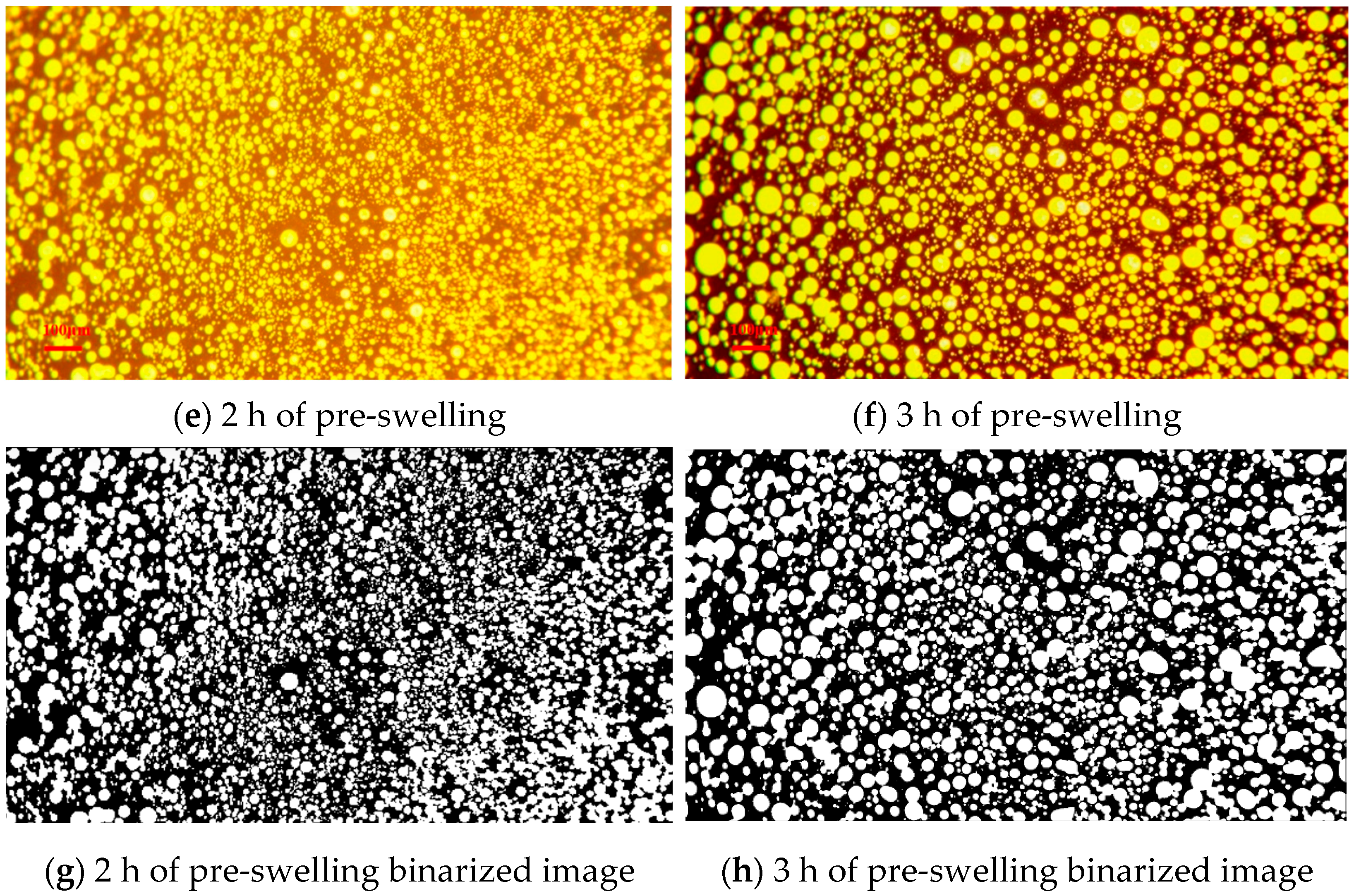
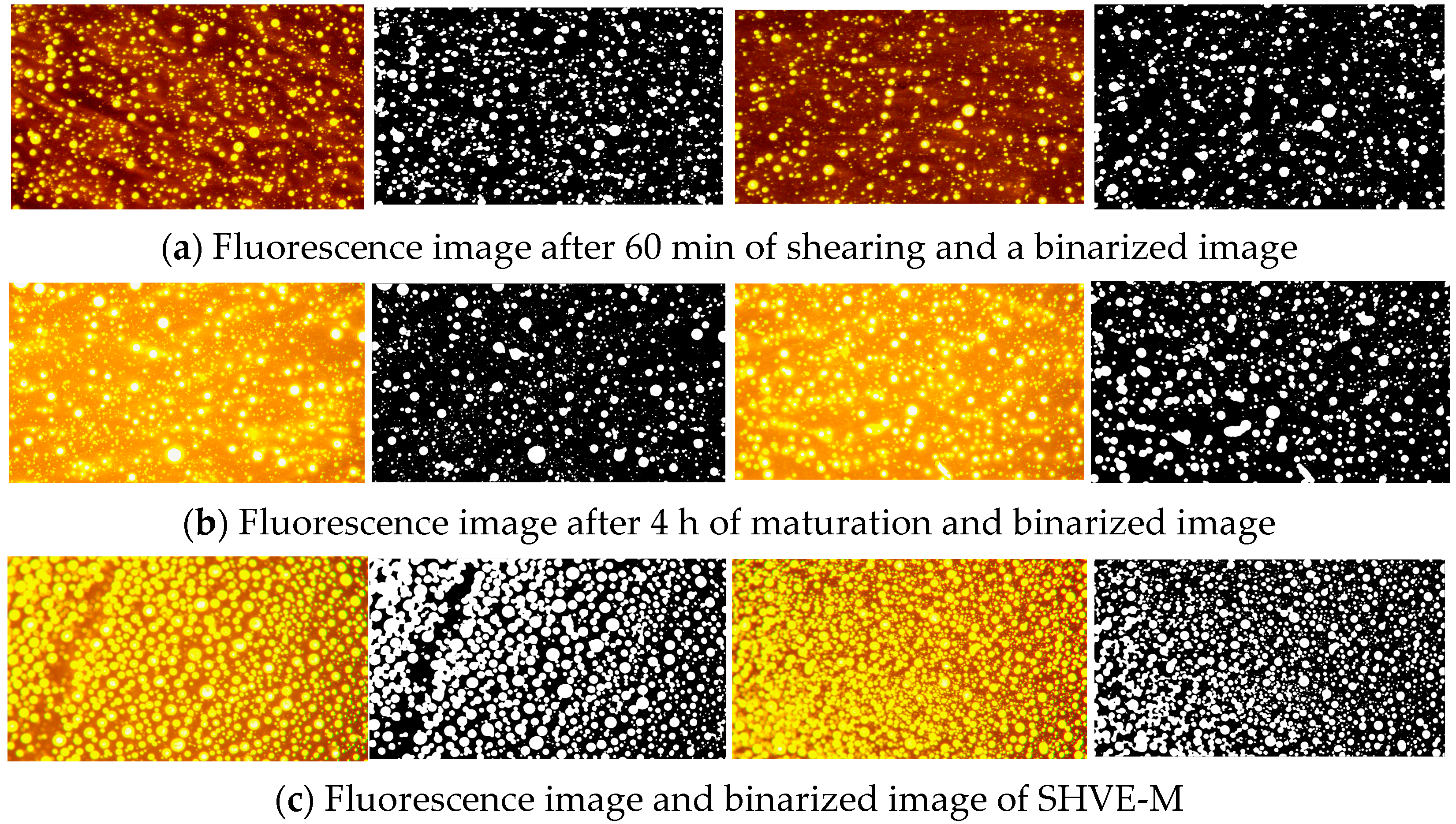
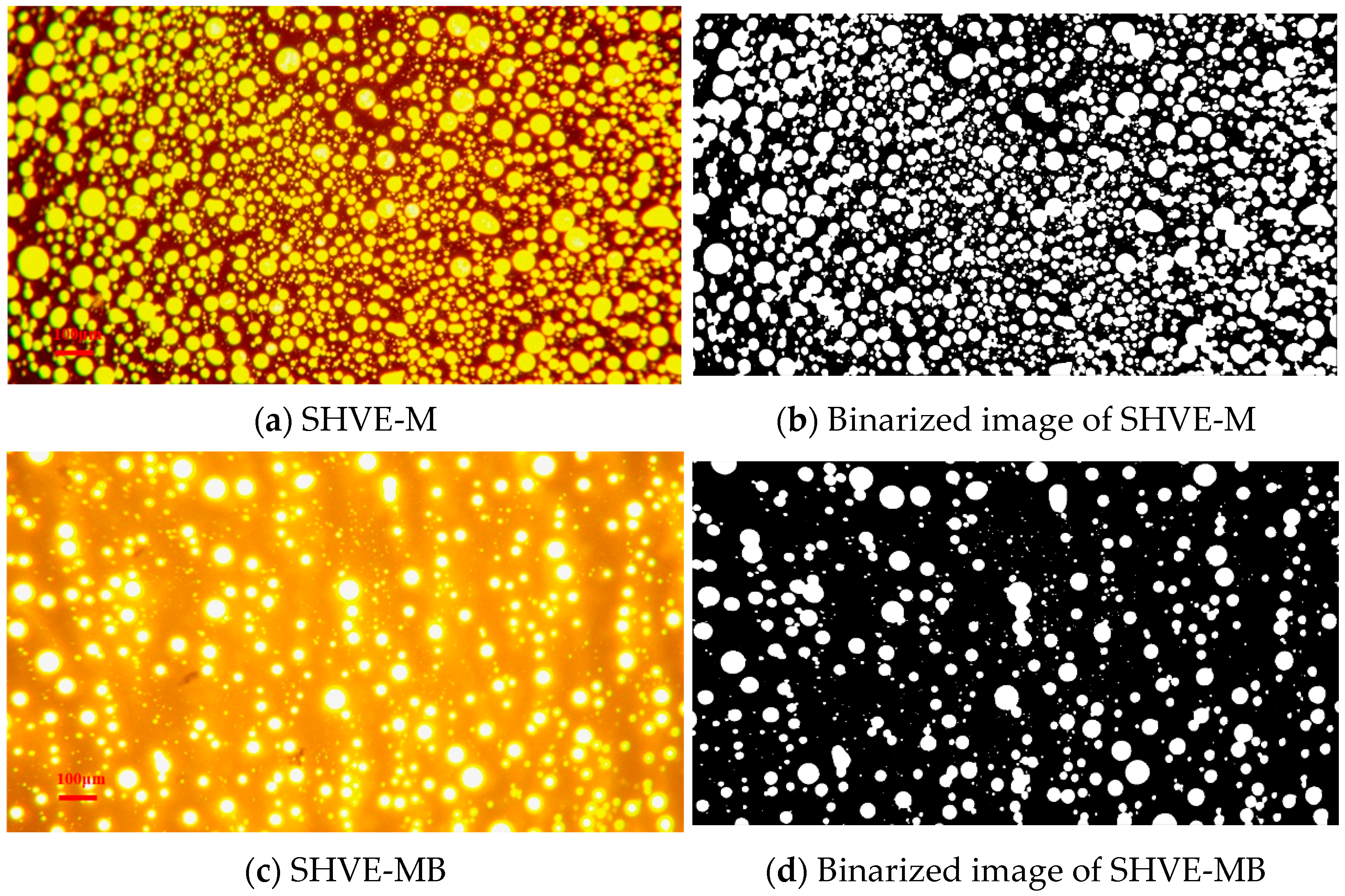
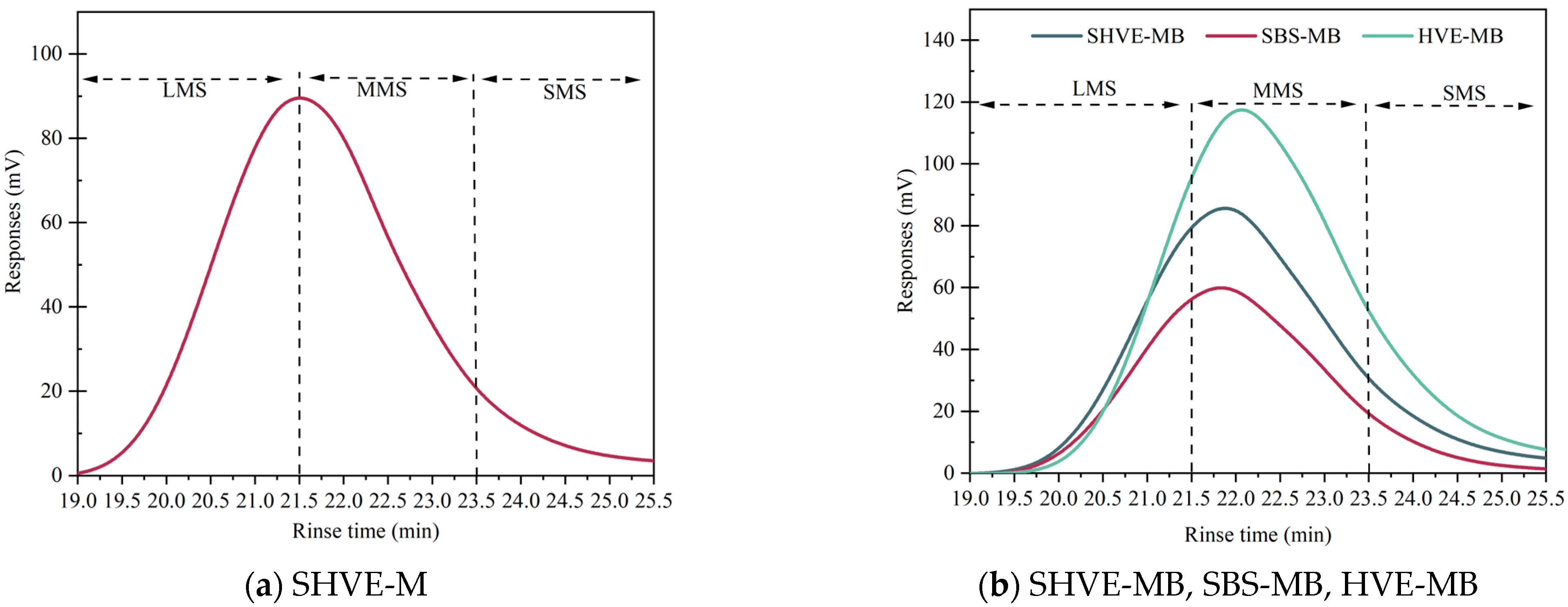
(1) FM observations revealed that after “120 min shearing + 3 h pre-swelling maturation”, SHVE-M forms a composite system characterised by a “bitumen phase–polymer spherical phase” morphology, with the polymer phase presenting as regular and plump spherical structures uniformly dispersed. GPC results indicated that its LMS accounts for 43% with a PDI of 2.065, indicating uniform molecular chain entanglement. The modification process is dominated by physical interactions, with SHVE-M exhibiting good compatibility with bitumen and each component synergistically forming a stable microstructure, laying a solid foundation for rapid swelling and dispersion.
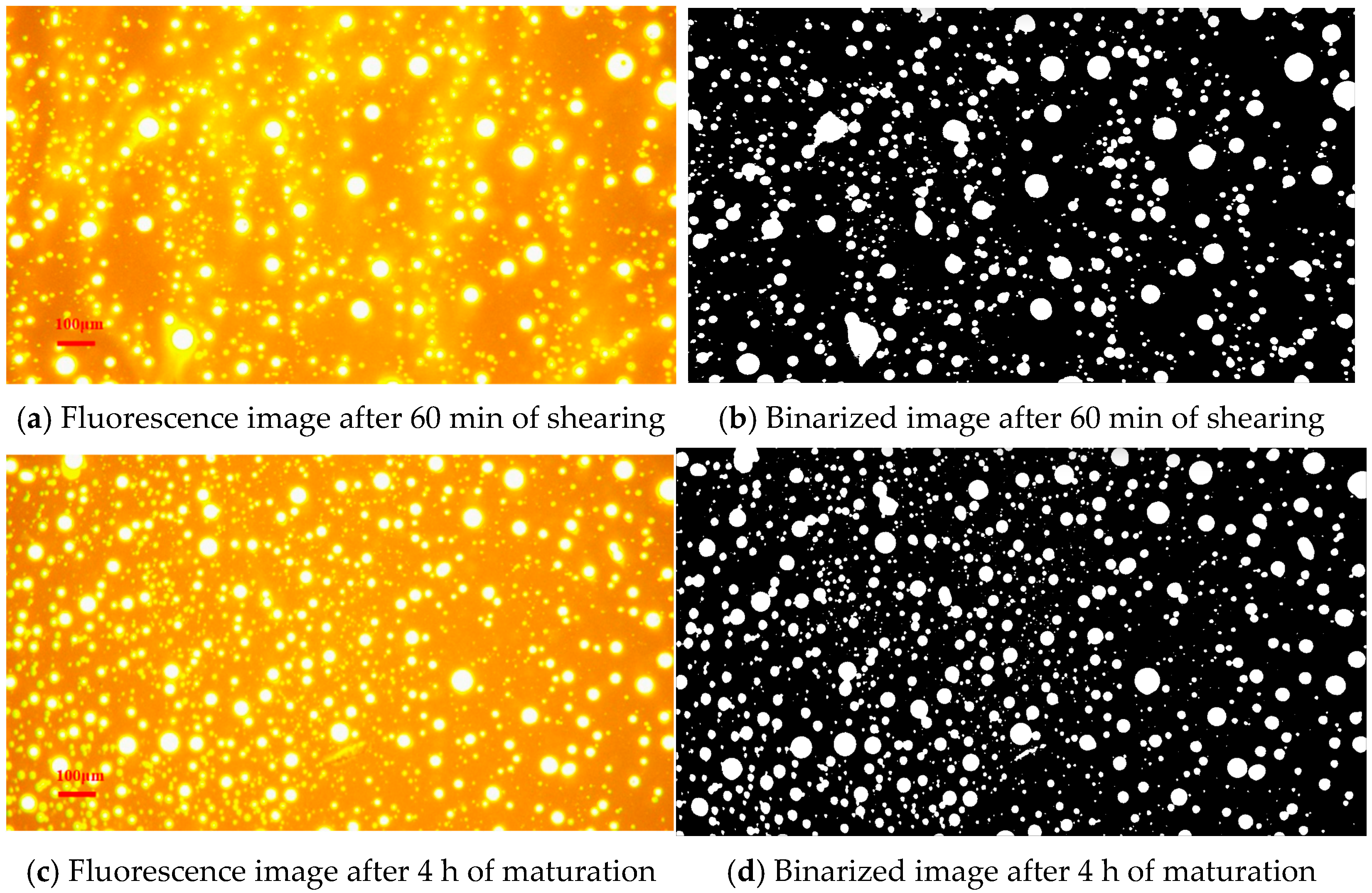
(2) Characterization via FM and Image J-based image analysis demonstrated that the preparation process of SHVE-M is simple and does not rely on complex production equipment, achieving uniform dispersion with only 10 min of shearing. Its modifier area fraction is 17.54% and average area fraction is 0.18‰, which is essentially consistent with the microscopic distribution of HVE-MB after “60 min shearing + 4 h maturation”.
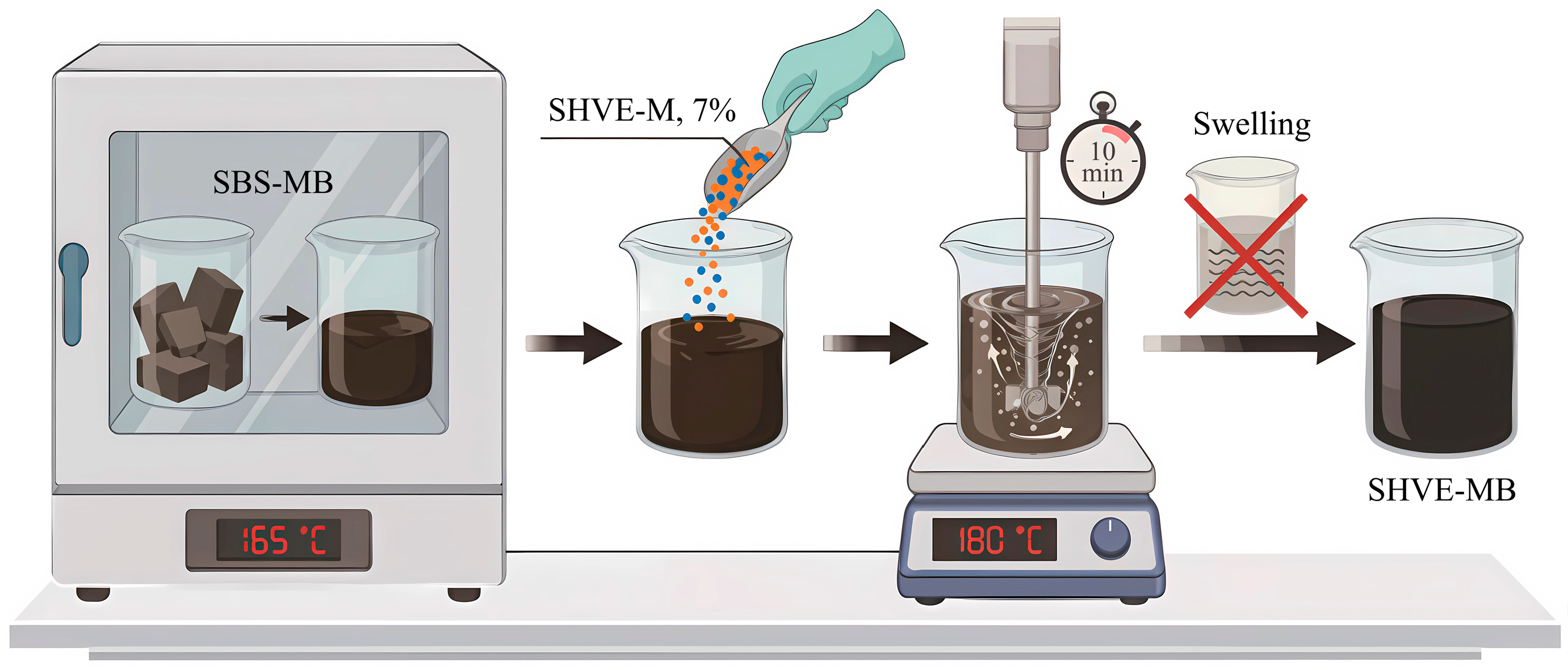
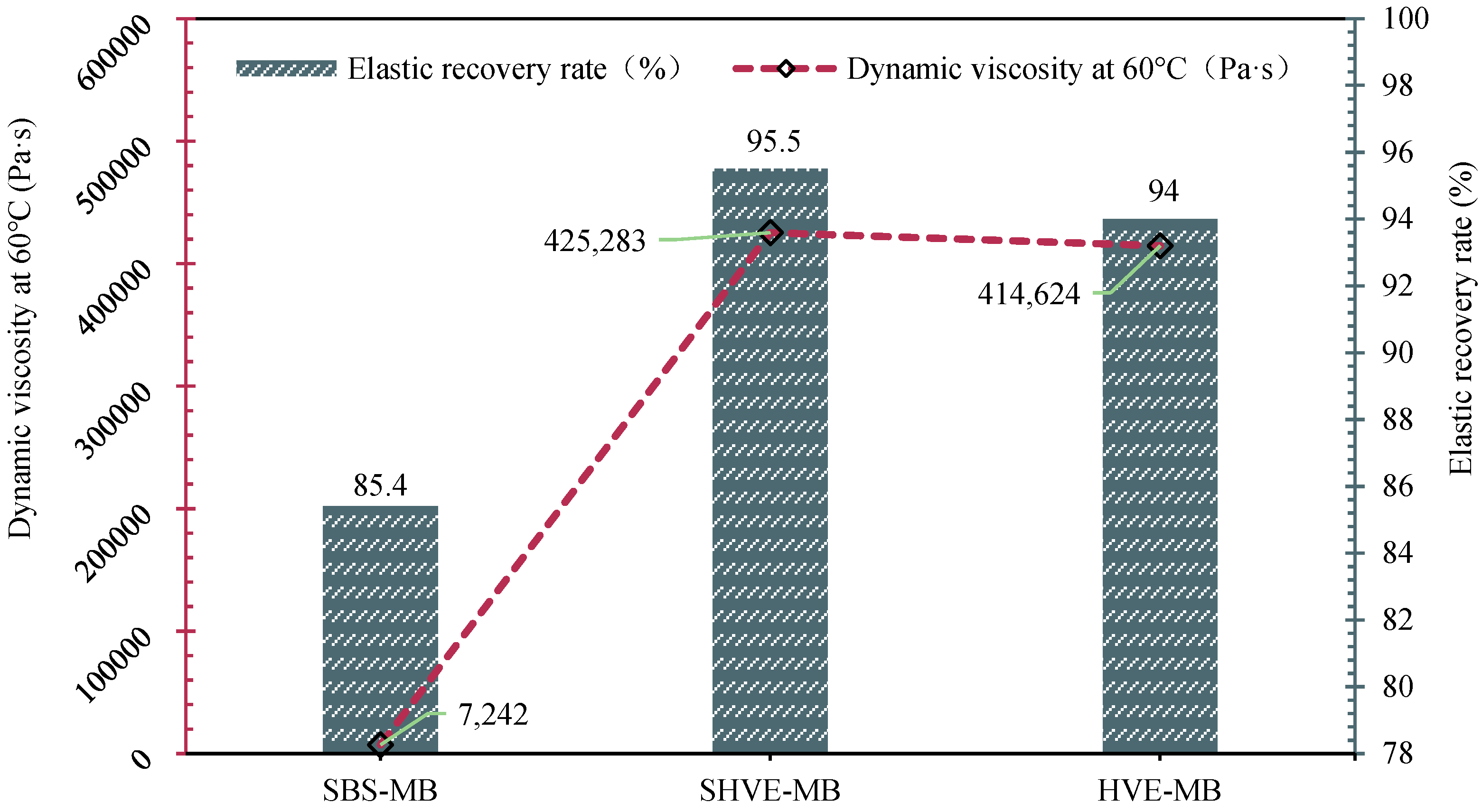
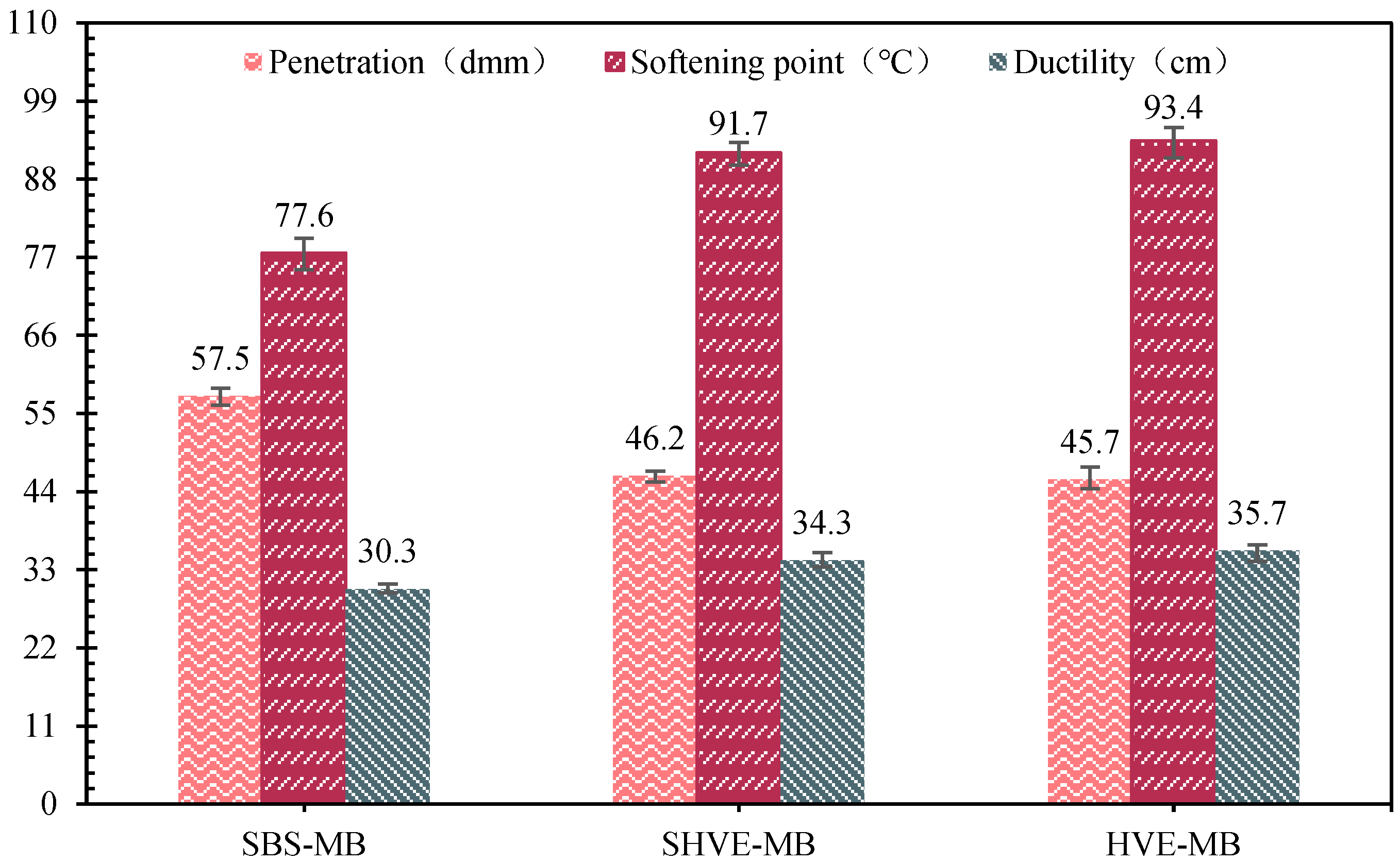
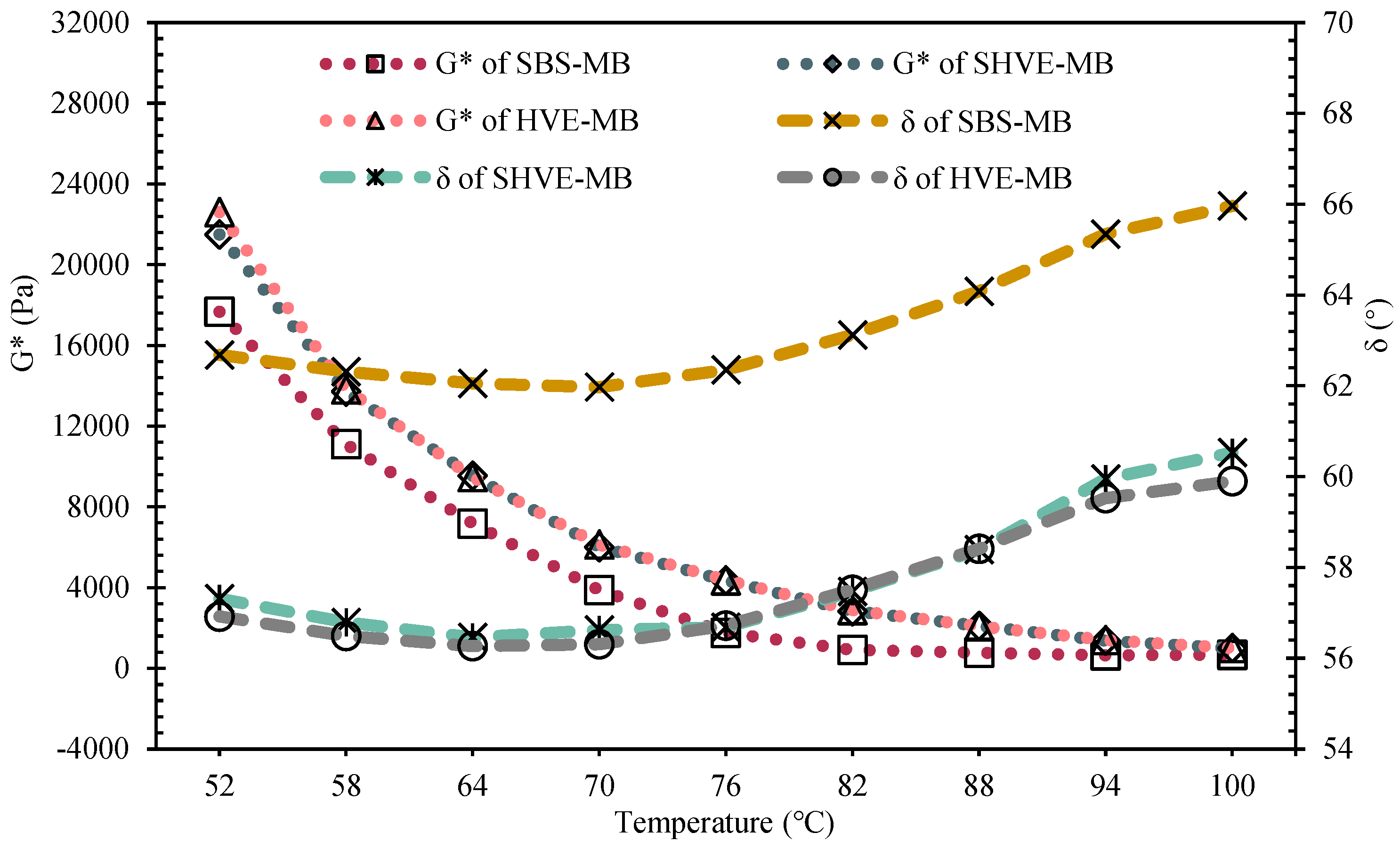
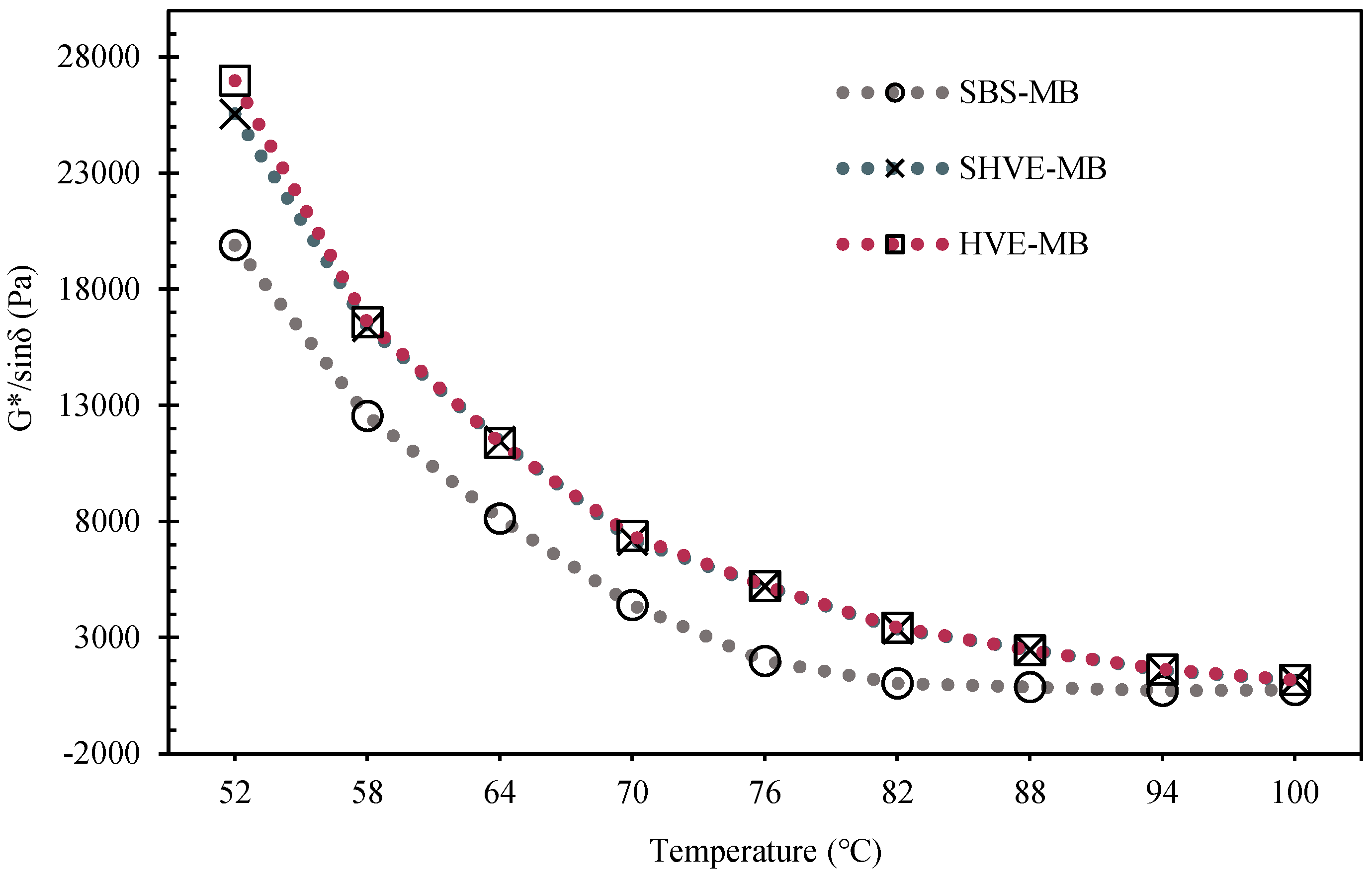
(3) SHVE-MB was prepared by adding 7% SHVE-M to SBS-MB, requiring no additional swelling or maturation stage and being formable via only 10 min of mechanical shearing. Its performance is as follows: penetration of 46.2 dmm, softening point of 91.7 °C, and ductility of 34.3 cm, which are highly comparable to those of HVE-MB prepared via the conventional process; dynamic viscosity at 60 °C reaches 425,283.4 Pa·s with an elastic recovery rate of 92.1%, showing viscoelastic properties superior to conventional high-viscosity and high-elasticity bitumen; rheological properties are significantly optimized that the δ is reduced by an average of 5.8° compared to SBS-MB, the G*/sinδ is increased by an average of 142.3%, the failure temperature is 101.8 °C, and high-temperature deformation resistance is substantially enhanced.
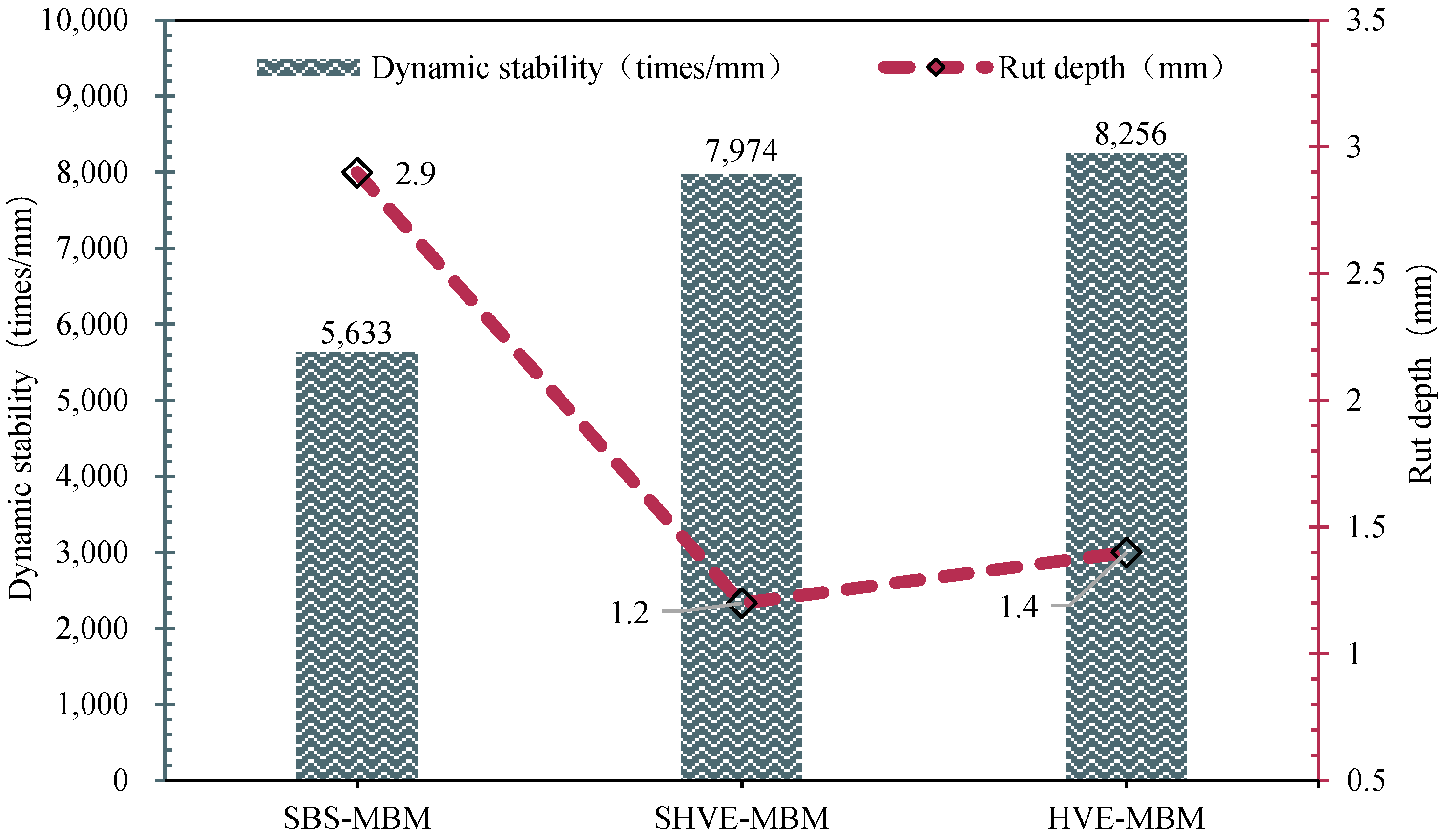
(4) Compared to SBS-MBM, the pavement performance of SHVE-MBM is significantly improved and comparable to that of conventional HVE-MBM: high-temperature DS reaches 7974 times/mm with a markedly reduced rut depth; it exhibits excellent water stability, with a MSR of 96.3% and a TSR of 97.4%, demonstrating outstanding resistance to water damage; in the low-temperature SCB test at −10 °C, its maximum load is 13,520 N, is 2.0 MPa, and KIC is 39.8 N/mm1.5, representing an increase of over 42% in low-temperature crack resistance compared to SBS-MBM.
(5) SHVE-MB meets or even slightly exceeds the performance of conventional wet-process modified bitumen, particularly in terms of viscoelastic properties. It effectively bridges the performance gap between instant modified bitumen and conventional wet-process modified bitumen, vigorously promoting the technological development of instant modifiers, achieving true rapid swelling and high-performance reconstruction, and providing a solid theoretical basis and feasible technical solutions.




 ,
,