Article

Research on Density Prediction of Laser Powder Bed Fusion Process Parameters for IN718 Nickel-Based Superalloy Based on Machine Learning

1
Wheel Rail Center, Tianjin Research Institute for Advanced Equipment, Tsinghua University, Tianjin 300300, China
2
School of Aeronautics and Astronautics, Sino-German University of Applied Sciences, Tianjin 300350, China
3
School of Mechanical Engineering, Sino-German University of Applied Sciences, Tianjin 300350, China
4
School of Materials Science and Engineering, Tianjin University, Tianjin 300350, China
*
Author to whom correspondence should be addressed.
Materials 2026, 19(12), 2455; https://doi.org/10.3390/ma19122455
Submission received: 21 April 2026 / Revised: 31 May 2026 / Accepted: 3 June 2026 / Published: 8 June 2026

Abstract

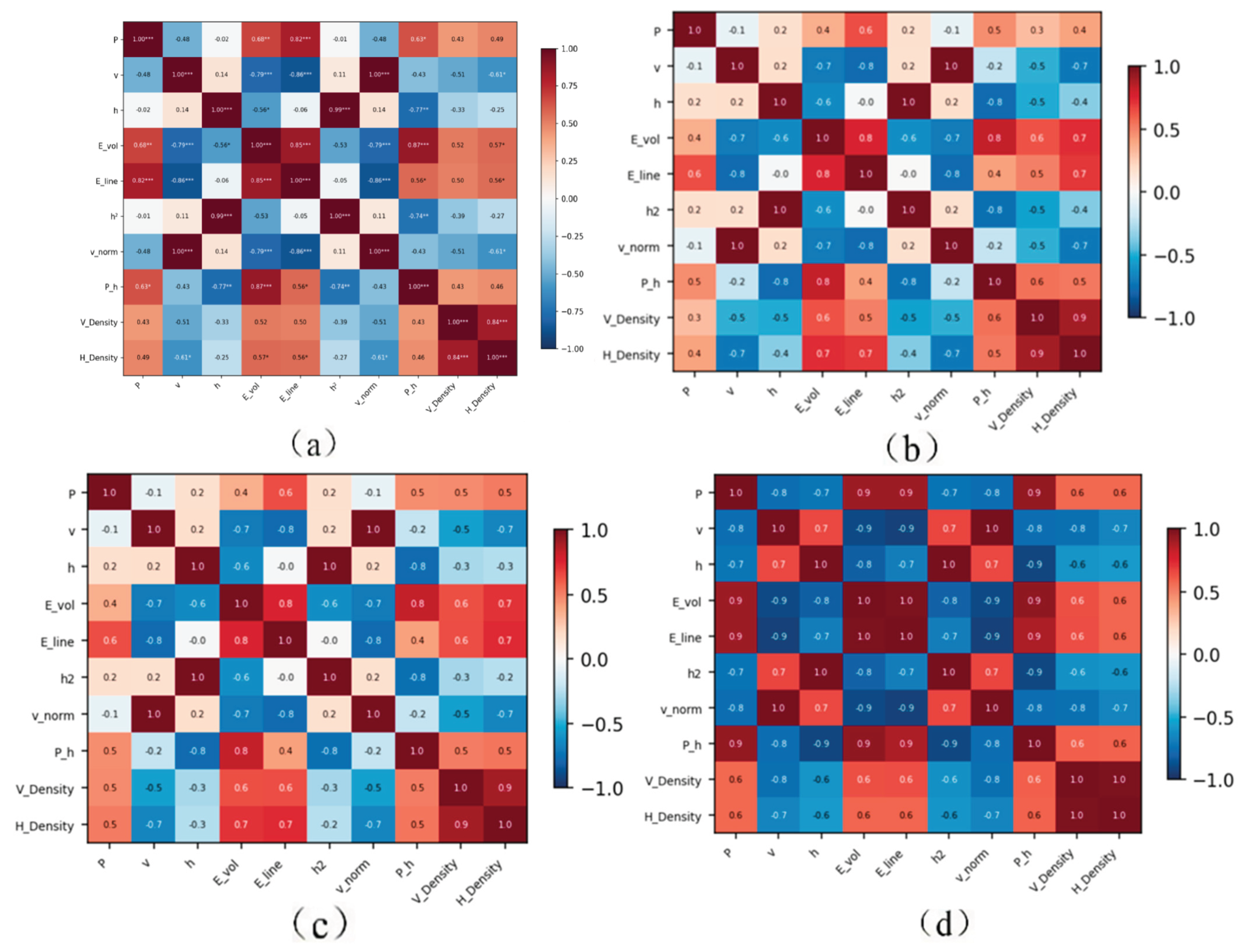
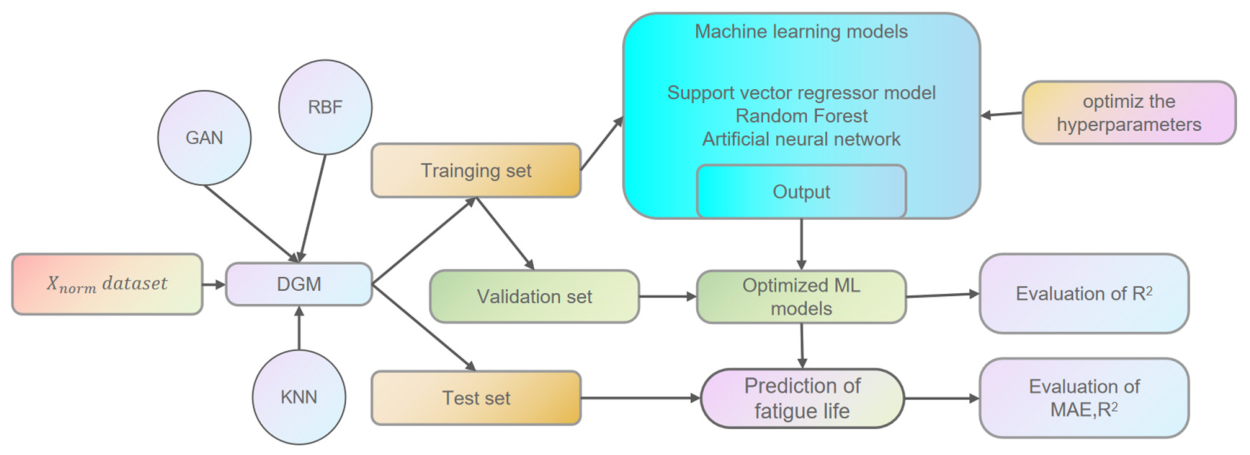
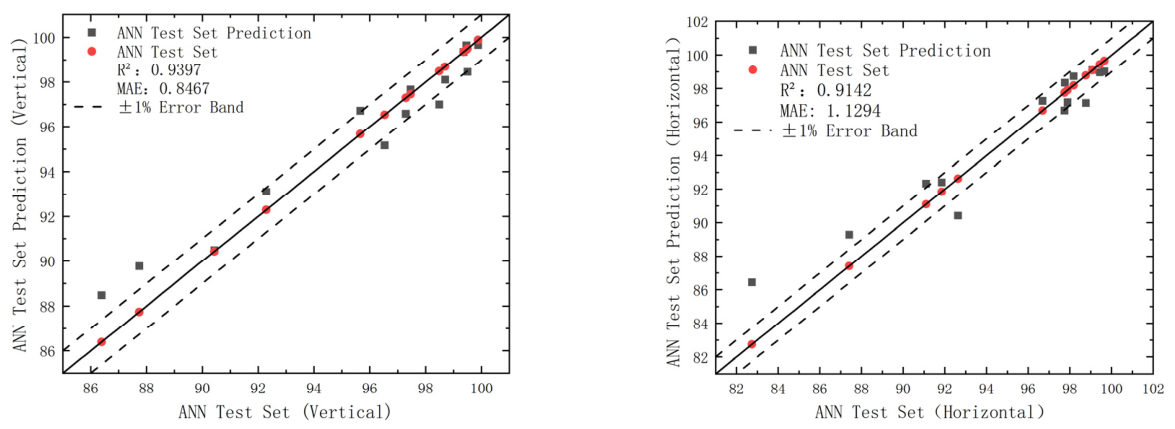
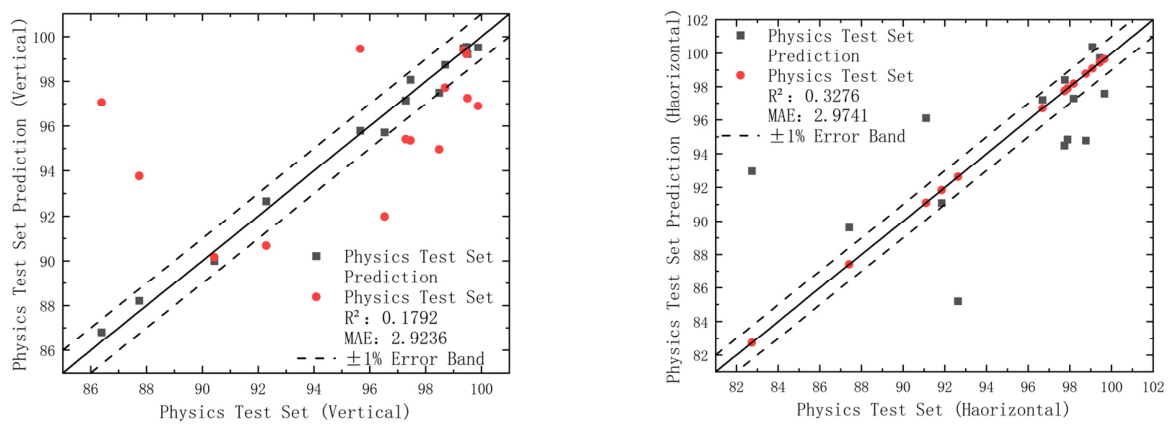
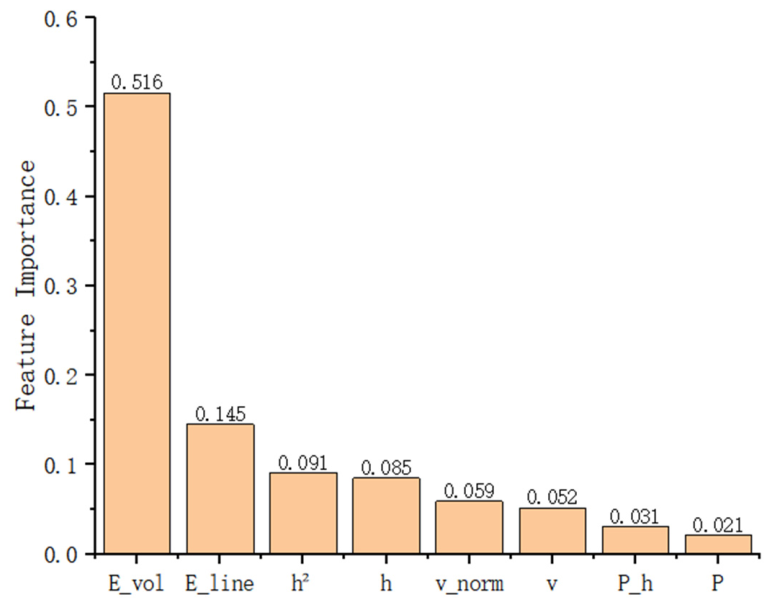
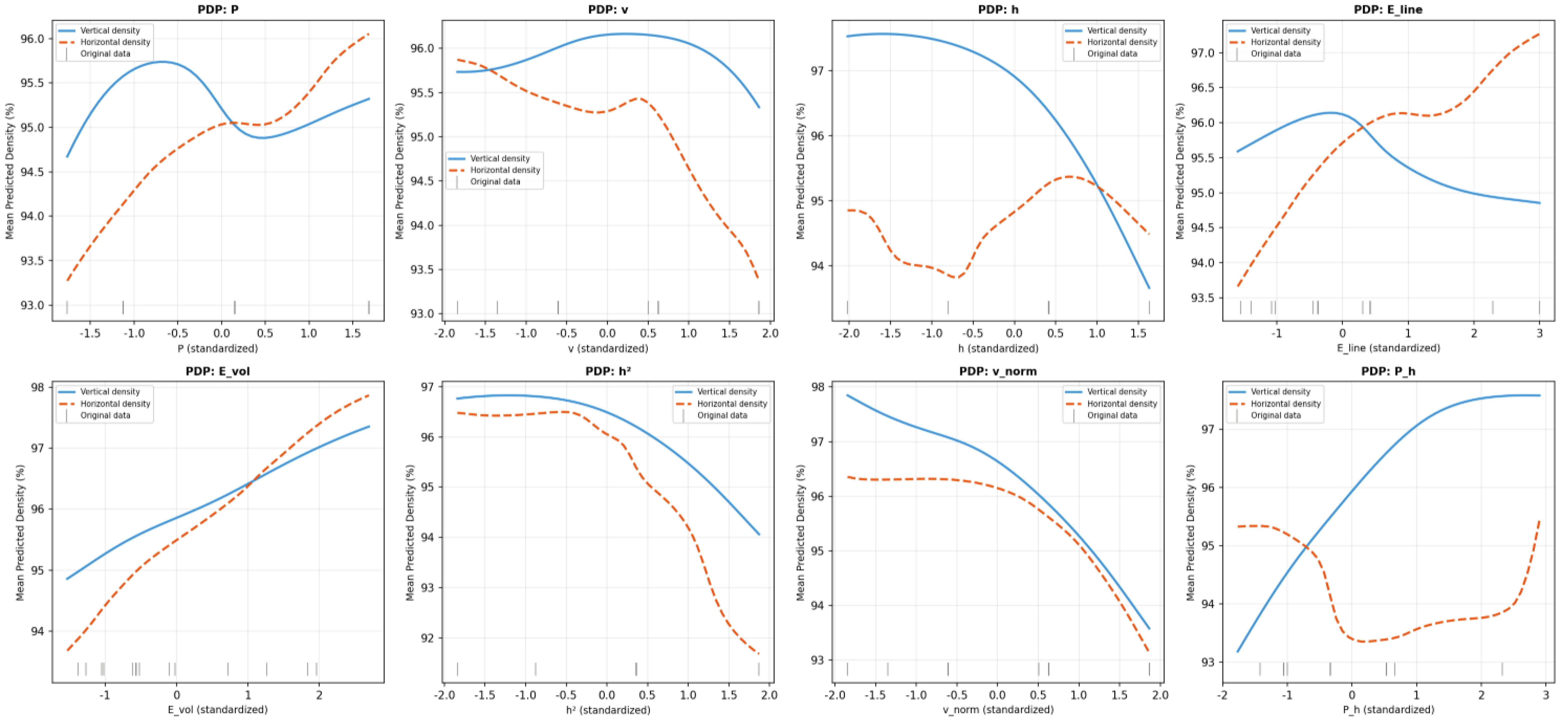
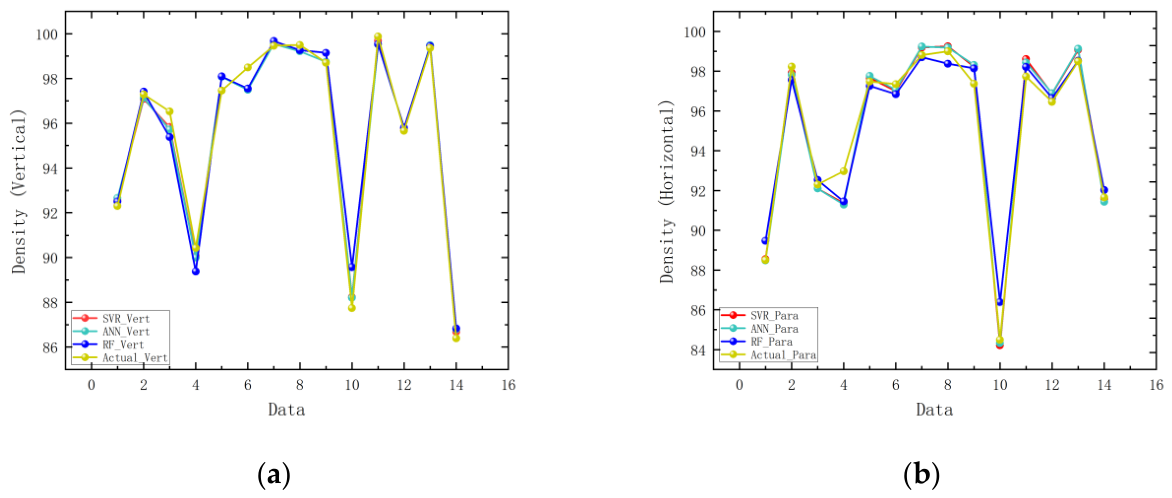
This study addresses the challenge of modeling the complex non-linear relationship between process parameters and relative density in selective laser melting (SLM) of IN718 nickel-based superalloy under small-sample conditions. A data-driven prediction framework integrating data augmentation, physics-informed feature engineering, machine learning, and model interpretability analysis was developed and systematically validated. Fourteen sets of experimental data covering both vertical and horizontal building directions were collected by varying laser power (P), scan speed (v), and hatch spacing (h). To overcome the small-sample limitation, three augmentation strategies—radial basis function (RBF) interpolation, generative adversarial network (GAN), and K-nearest neighbors (KNN)—were systematically compared under unified physical constraints combining local perturbation and volumetric energy density (E_vol) filtering, with Pearson correlation coefficient consistency used to select the optimal strategy. Eight physically meaningful input features were constructed, including E_vol and line energy density (E_line), explicitly embedding SLM process physics into the learning framework. Support vector regression (SVR), random forest (RF), and artificial neural network (ANN) models were trained and their hyperparameters were systematically optimized via exhaustive grid search combined with leave-one-out cross-validation (LOO-CV), ensuring robust model selection under small-sample constraints. A physics-based baseline model (E_vol quadratic fitting, LOO-CV average R2 = 0.2534) was established to quantify the gain of machine learning over empirical formulas. LOO-CV results show that ANN achieves the highest average R2 of 0.9269, followed by SVR (0.9148) and RF (0.8393), all of which substantially outperform the physical baseline. Feature importance analysis reveals that E_vol accounts for 51.58% of the predictive power, and ablation experiments confirm that introducing physics-derived features improves the average R2 by 0.0246 compared with raw process parameters alone. To further elucidate the predictive mechanism of the optimal ANN model, Partial Dependence Plot (PDP) analysis was conducted for all eight input features, visualizing their marginal effects on predicted density and confirming physical consistency with SLM mechanisms. This framework provides a reliable, interpretable, data-driven solution for intelligent SLM process optimization with limited experimental data.
Keywords: selective laser melting (SLM); IN718 nickel-based superalloy; machine learning; data augmentation; RBF interpolation; generative adversarial network (GAN); density prediction; support vector regression (SVR) selective laser melting (SLM); IN718 nickel-based superalloy; machine learning; data augmentation; RBF interpolation; generative adversarial network (GAN); density prediction; support vector regression (SVR)