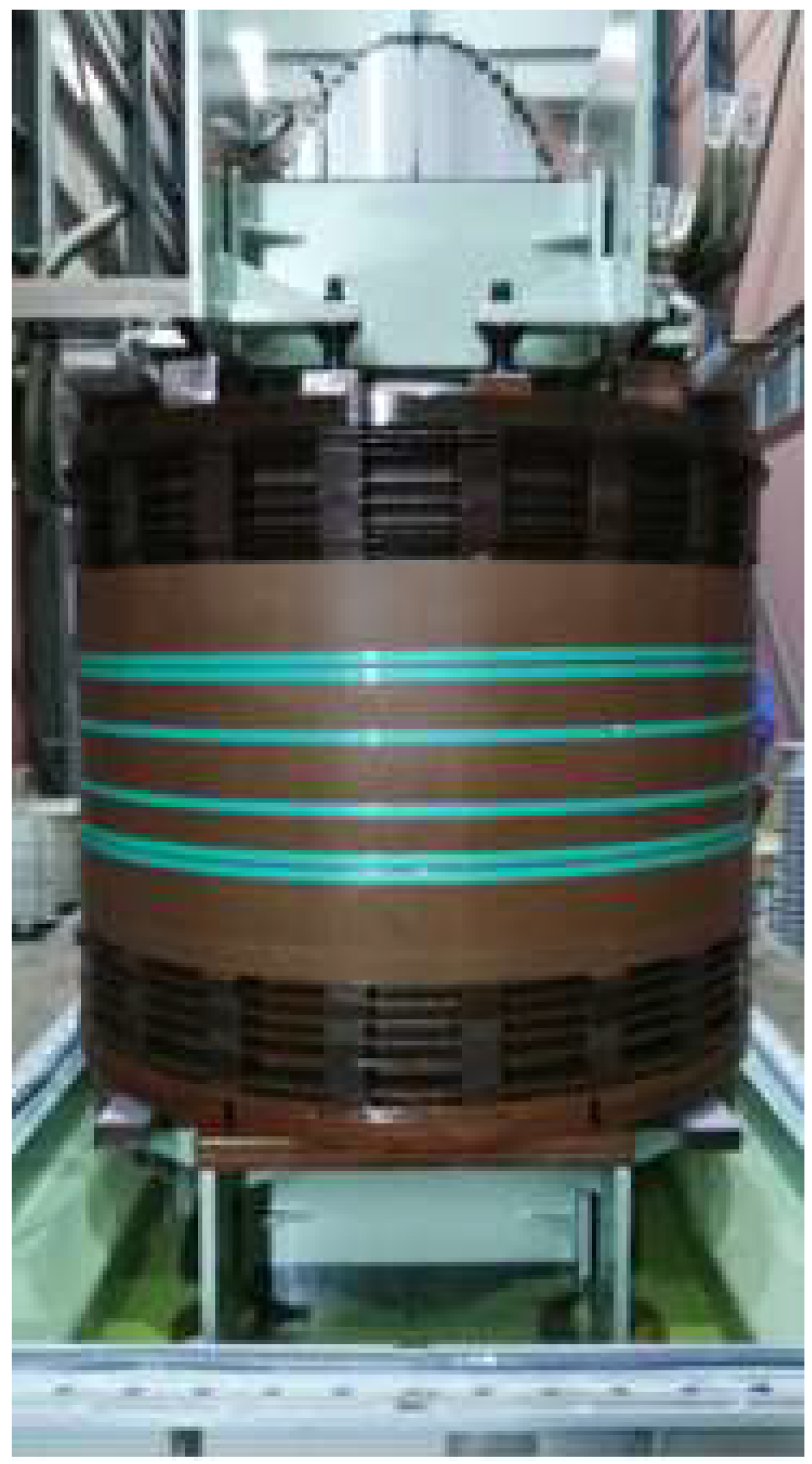
1. Introduction
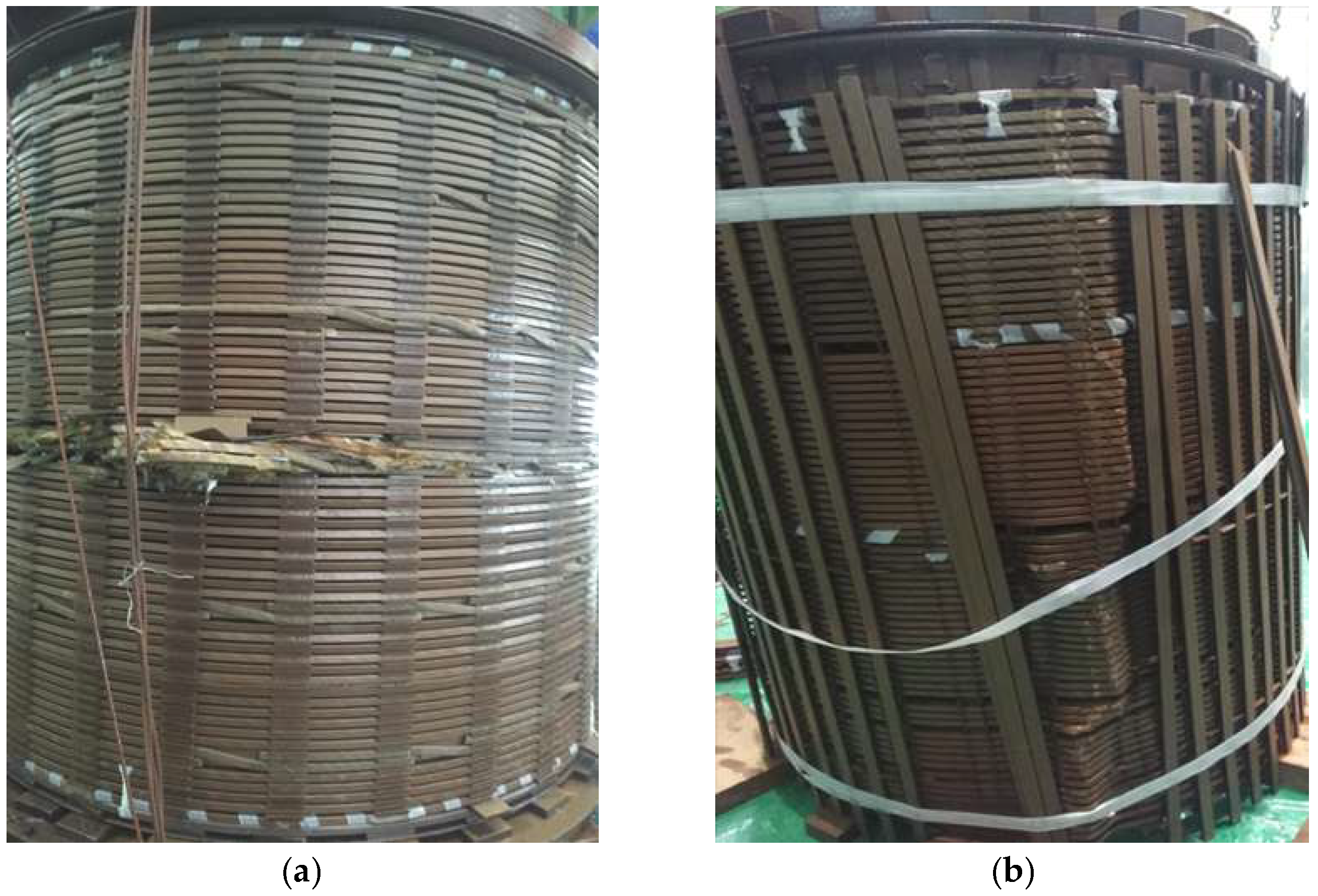
Power transformers, which are key equipment for power transmission and voltage conversion in power grids, have operational reliability that is directly related to the safety and stability of the entire power system. In recent years, with the continuous expansion of the power grid scale and the steady increase in short-circuit capacity, the risk of transformers suffering from short-circuit impacts during operation has increased accordingly. When a short-circuit fault occurs, the enormous short-circuit current generates extremely strong electrodynamic forces in the transformer windings, which act violently within an extremely short time (usually measured in milliseconds). This may cause permanent damage such as winding distortion, collapse, and insulation damage, leading to huge economic losses and power outage accidents. Therefore, the short-circuit withstand capability of transformer windings has always been a core concern for the design, manufacturing, and operation departments of power equipment.
For a long time, scholars and engineers at home and abroad have conducted extensive research on the short-circuit withstand capability of transformer windings, focusing primarily on aspects such as the accurate calculation of short-circuit electromagnetic forces, optimization of the mechanical strength of winding structures, analysis of dynamic response processes, and short-circuit test technologies. Most of these studies are based on the implicit assumption that the mechanical property parameters of the winding materials (such as elastic modulus and yield strength) are constant. However, during the actual operation of a transformer, its windings generate heat owing to load changes, and the operating temperature usually fluctuates between several tens of degrees and above 100 °C. Mechanics of materials has long shown that the mechanical properties of metallic materials (e.g., winding copper conductors) and polymer insulating materials (e.g., insulating blocks and paperboards) are highly temperature sensitive. Changes in temperature can significantly affect the stiffness, strength, and deformation behavior of materials. Therefore, neglecting the temperature effect may lead to deviations in the evaluation of the mechanical state of the windings, failing to truly reflect the short-circuit withstand capability of transformers, especially under thermal operating conditions.
The severe impact of short-circuit current mainly causes two types of hazards. First, a sudden large current causes the winding temperature to rise to quickly exceed the safety limit, resulting in thermal damage or even failure of insulating materials [
1,
2]; Li Changyun et al. conducted accelerated mechanical-thermal aging tests on insulating paper at 130 °C under four stress levels and three stress frequencies, to study the laws of the mechanical properties of insulating paper under the synergistic effect of mechanical and thermal factors [
3]. Fan et al. studied the changes in the mechanical properties of insulating paperboards during thermal aging through accelerated thermal aging tests at 120 °C, and obtained the law that the stress–strain curve of insulating paperboards shifts gradually with the deepening of the aging degree; that is, the strain of the paperboard increases gradually under the same stress, and thermal aging enhances the plastic deformation of the paperboard [
4]. BAKSHI reported that the cumulative effect of short-circuit forces has a non-negligible impact on the relevant mechanical characteristics of windings [
5]. Temperature changes can significantly alter the constitutive relation of conductor materials, leading to nonlinear differences in mechanical responses such as tensile strength and elongation, even for conductors with the same cross-sectional area when subjected to short-circuit electrodynamic forces of the same amplitude, which directly affect the dynamic stability of transformer windings during the short-circuit transient process [
6]. Sinha and Kaur calculated the leakage magnetic field distribution of each wire segment and the short-circuit electromagnetic forces acting on the wire segments when a 630 kVA distribution transformer experienced a three-phase symmetrical short-circuit fault using the finite element method (FEM) [
7]. Ahn H M, Lee J Y, and Kim J K established a three-dimensional simulation model of a transformer using the finite element method and conducted a simulation analysis on the magnetic field distribution laws and winding force conditions before and after the transformer’s short-circuit fault [
8]. Bakshi A, Kulkarni S V, and Bakshi A pointed out that the torsional deformation of helical windings is caused by the combined action of axial current components and radial leakage magnetic fields, which considered the influence of the transformer structure, material properties, and other factors on the torsional electromagnetic forces induced by axial currents and determined the circumferential displacement of helical windings [
9]. Liu Jiaji et al. established a two-dimensional equivalent model for a 110 kV three-phase double-winding transformer using COMSOL 6.3 version software, and presented the distribution of radial and axial leakage magnetic fields in the wire segments at the ends and middle of the high-voltage and low-voltage windings [
10]. Bakshi studied the influence of strain on the mechanical strength of transformer windings under short-circuit conditions. He investigated the distribution of residual strain in windings during the short-circuit process using an analytical method and calculated the strain generated in the windings under the action of radial short-circuit forces. Considering the existence of residual strain in conductors, he determined the mechanical strength of a transformer under short-circuit conditions [
5]. Yadav studied transformer electromagnetic forces and winding deformations caused by short-circuit currents. Axial and radial forces are generated in transformer windings, leading to their deformation [
11]. Luo Hanwu et al. used a 110 kV power transformer as an example, obtained the variation law of the elastic modulus of transformer insulating blocks with temperature using a dynamic thermomechanical analyzer, and conducted a theoretical analysis on the variation law of the elastic modulus of copper conductors with temperature [
12]. Muhamad et al. analyzed the temperature changes inside and outside the transformer tank by studying the influence of the hot-spot temperature on the overall temperature distribution of the transformer and the thermal distribution related to the hot-spot temperature [
13]. Bo calculated the temperature field of a power transformer using the finite element simulation software Fluent by establishing a three-dimensional model of the transformer, obtained the temperature distribution law of each winding of the transformer, and studied the short-circuit thermal stability of the windings [
14]. Aboura and Touhami studied winding materials and found that materials with good electrical conductivity, such as copper or aluminum, exhibit good performance under normal operating conditions but may be subjected to extremely high current impacts under short-circuit conditions [
15]. Brown et al. proposed a new winding design method and a thermal stability improvement scheme by optimizing the winding structure, improving the material thermal stability, and enhancing the winding cooling system [
16]. Yongteng et al. established an electromagnetic–temperature field simulation platform for a new type of transformer, conducted a temperature field simulation on it, and experimentally verified the correctness of the proposed scheme [
17]. Li Zhongxiang et al. conducted an inspection and analysis on a short-circuit fault accident of a 220 kV transformer; by rechecking the short-circuit strength of the transformer, they concluded that the failure of the self-adhesive effect of the transformer’s transposed conductors under the action of long-term thermal effects was the main cause of this short-circuit fault accident [
18]. Wang Junyang analyzed the temperature, oil flow characteristics, and short-circuit electromagnetic characteristics of power transformers [
19]. Jianbin et al. proposed a novel multi-fault diagnosis method based on a Random Forest algorithm. This approach extracts fault features via wavelet packet decomposition, selects features using the ReliefF algorithm, and constructs a Random Forest classifier for fault identification [
20]. Li et al. introduced a transformer fault detection technique utilizing an improved Random Forest algorithm [
21]. Wang Lei et al. developed a method for monitoring the operational status of equipment in smart substations based on the Random Forest algorithm [
22]. Luo Yong established an early warning method for abnormal states in 220 kV main transformers, building upon the Random Forest method, which plays a significant role in ensuring secure and stable operation of the power system [
23]. Long et al. presented a method for multi-source monitoring of transformer temperature and fault prediction by grating fog computing with the Random Forest algorithm [
24].
Despite the progress made in existing studies, three critical gaps remain unresolved, which limit the accuracy of transformer short-circuit withstand capability evaluation and real-time maintenance support: Luo et al. [
12] and Li et al. [
3]) have explored the temperature influence on single material parameters (e.g., elastic modulus of insulating blocks) but failed to establish a comprehensive mathematical model for the temperature dependence of key mechanical parameters (elastic modulus, tensile strength, yield strength, and fracture strain) of both winding conductors (copper) and insulating materials (polymer blocks). This lack of systematic parameter modeling makes it impossible to accurately input temperature-sensitive material data into electromagnetic–mechanical coupling simulations. Circuit force analysis (e.g., Ahn et al. [
8] and Sinha et al. [
7]) focuses on electromagnetic–structural field coupling but ignores the cumulative effect of long-term thermal operation on material properties and winding mechanical response. No existing method integrates thermal accumulation into short-circuit force calculation, leading to deviations in evaluating winding displacement and stress under actual long-term thermal operating conditions (e.g., 80–120 °C). Long et al. [
24] and Luo et al. [
23] use Random Forest or similar algorithms for transformer fault prediction, but rarely couple two key factors—operating temperature and number of short-circuit impacts—to predict winding short-circuit displacement. This results in low prediction accuracy for displacement under varying thermal accumulation and impact frequency, failing to support real-time health monitoring of transformers.
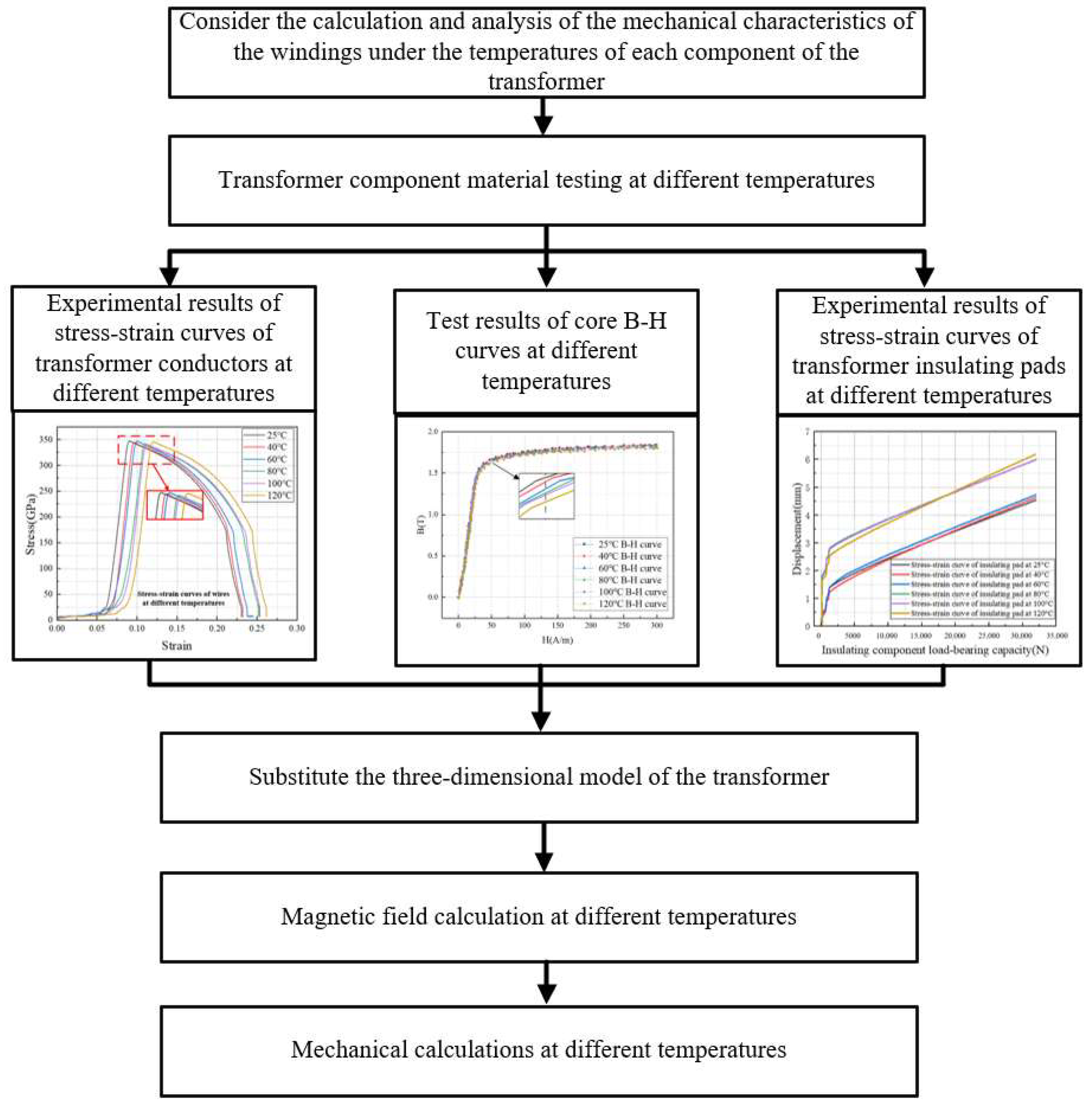
To address the above gaps, this study focuses on 110 kV power transformers and sets the following research objectives. (1) Static mechanical tests on transformer winding conductors (copper) and insulating blocks use an HSD-LX304B high–low temperature universal testing machine (20–120 °C). Quantify the variation laws of elastic modulus, tensile strength, yield strength, and displacement with temperature, and establish polynomial fitting models (for conductors and insulators) to provide accurate material input parameters for subsequent simulations. (2) Establish temperature-dependent material models in a 3D finite element model of a 110 kV transformer (50,000 kVA). Calculate and analyze the distribution characteristics of winding leakage magnetic field, axial/radial electromagnetic force, and displacement under different thermal accumulation conditions (25–120 °C) to analyze the refined coupling of thermal–magnetic–mechanical fields. (3) Use temperature and a number of short-circuit impacts as input features and winding displacement as the output. Verify the model’s accuracy using test and simulation data (target: coefficient of determination R2 ≥ 0.98, with a root mean squared error RMSE ≤ 0.04), to provide a practical tool for evaluating transformer short-circuit withstand capability and real-time maintenance.
Existing studies have conducted multi-dimensional research on transformer winding short-circuit withstand capacity, achieving results in aspects such as accurate calculation of short-circuit electromagnetic forces, optimization of the mechanical strength of winding structures, research on the thermal aging characteristics of insulating materials, and application of algorithms such as Random Forest in fault diagnosis, but there are still three key limitations: although some studies have focused on the temperature sensitivity of mechanical parameters of a single material, no systematic temperature-dependent mathematical models have been established for the full-dimensional key mechanical parameters of winding conductors and insulating materials, making it difficult to accurately input temperature-sensitive material parameters into electromagnetic–mechanical coupling simulations; most existing short-circuit force analyses focus on electromagnetic–structural field coupling, ignoring the cumulative effect of long-term thermal operation on material properties and winding mechanical responses, and lacking effective methods to incorporate thermal accumulation into short-circuit force calculations, resulting in deviations in the evaluation of winding displacement and stress under actual thermal operating conditions; and transformer fault prediction research based on Random Forest mostly focuses on temperature monitoring or fault type identification, and couples operating temperature and number of short-circuit impacts to predict winding short-circuit displacement, whose prediction accuracy is difficult to meet real-time operation and maintenance requirements. To address these research gaps, this study takes a 110 kV/50,000 kVA power transformer as the research object, aiming to establish high-precision polynomial fitting models for temperature-sensitive parameters through static mechanical tests of winding conductors and insulation blocks in the temperature range of 25–120 °C, achieve refined magnetic-force field coupling analysis by embedding temperature-dependent material models into three-dimensional finite element models, and construct high-precision Random Forest prediction models for winding short-circuit displacement with operating temperature and number of short-circuit impacts as inputs, thereby improving the evaluation system of transformer short-circuit withstand capacity.
2. Analysis of Mechanical Properties of Winding Conductors and Insulating Materials
The transformer windings are mainly composed of insulating paperboards, flat copper coils, and other fixing components. When a short circuit occurs, the current flowing through the transformer generates enormous short-circuit forces, causing conductor deformation. As an important component of the transformer body, insulating blocks play an important role in stabilizing the transformer structure, ensuring the insulation distance between the coils, and improving the operational stability of the transformer. This chapter uses a high–low temperature universal testing machine to simulate the compaction process of transformer windings, study the compression process of insulating blocks under static force and cyclic dynamic force loads at different temperatures, measure the material parameter characteristic values of insulating blocks, and provide reliable data for establishing the finite element model of transformer windings.
2.1. Test Instruments and Specimens
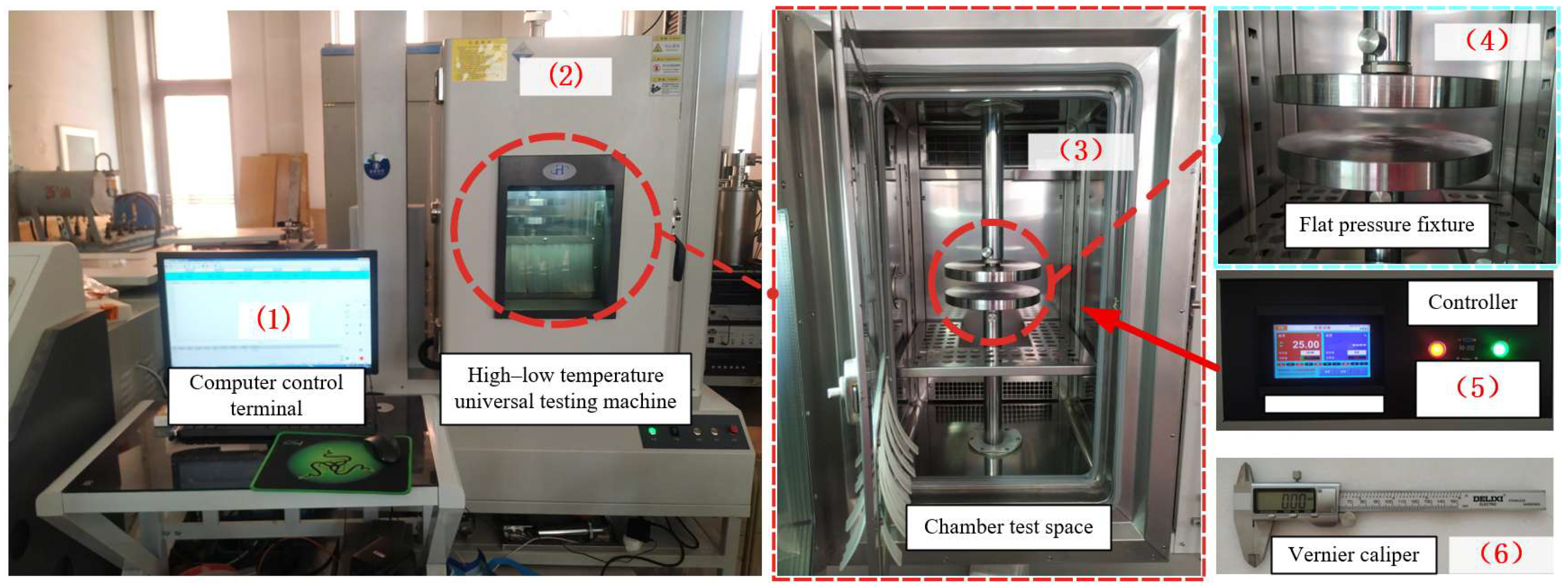
The test platform specifically constructed for conducting compression performance tests is schematically depicted in
Figure 1. This platform integrates multiple functional modules to ensure the accuracy, stability, and controllability of the compression test process. The following are among the core components of the platform: (1) represents the computer control terminal, which serves as the central command and data processing hub. It is responsible for issuing pre-set test control parameters (e.g., load rate, target temperature, holding time), real-time acquisition and visualization of test data (e.g., compressive load, displacement, environmental temperature), and automatic storage of test records for subsequent data analysis. (2) refers to the high–low temperature universal testing machine, the core load-applying and environmental control device of the platform. This machine is capable of providing a continuous and stable compressive load within a specified range (in line with test standards) and regulating the internal environmental temperature between −70 °C and 150 °C (or other customized ranges), thereby simulating the compression behavior of specimens under different thermal conditions. (3) denotes the chamber test space, an enclosed sub-module integrated within the high–low temperature universal testing machine. It is designed to maintain the target temperature field generated by the machine’s temperature control system, ensuring that the test specimen is in a uniform and stable thermal environment throughout the compression process, and avoiding temperature fluctuations that may affect test results. (4) stands for the flat pressure fixture, a specialized clamping and force-transmission component. Its upper and lower surfaces are precision-machined to ensure high flatness (≤0.01 mm/m) and parallelism, which enables the uniform transmission of the compressive load from the testing machine to the two end faces of the specimen, and effectively prevents eccentric loading (a key factor leading to test result deviations) during the compression process. (5) indicates the controller, an intermediate control unit that establishes communication between the computer control terminal and the high–low temperature universal testing machine. It converts the digital control commands from the terminal into analog signals recognizable by the testing machine (e.g., adjusting the load actuator’s movement speed, activating the temperature control system) and feeds back the real-time operating status of the testing machine (e.g., load output accuracy, temperature control deviation) to the terminal for dynamic adjustment. (6) refers to the vernier caliper (with a measurement accuracy of 0.02 mm), a pre-test and post-test dimensional measurement tool. It is used to measure the key geometric parameters of the specimen before the test (e.g., cross-sectional area and height) and the residual deformation (e.g., lateral expansion and axial shortening) of the specimen after the test, providing essential geometric data for calculating compression performance indices such as compressive strength (σ = F/A, where F is the maximum compressive load and A is the initial cross-sectional area) and compressive modulus.
The HSD-LX304B high–low temperature universal testing machine was used for the test. The testing machine features simple operation and ultra-high testing precision, with a force measurement accuracy better than grade 0.5, a force resolution of 1/200,000, a deformation measurement resolution up to 0.0001 mm, a maximum capacity of 5 tons, and a diameter of 100 mm for the upper and lower fixture disks, which can meet the test requirements. This test was conducted under different temperature conditions (20, 40, 60, 80, 100, and 120) to perform mechanical tests on transformer insulating pads and conductor blocks. To reduce the test errors, three groups of measurements were performed on the same-type pads and copper conductor rods. The specific test materials used were as follows.
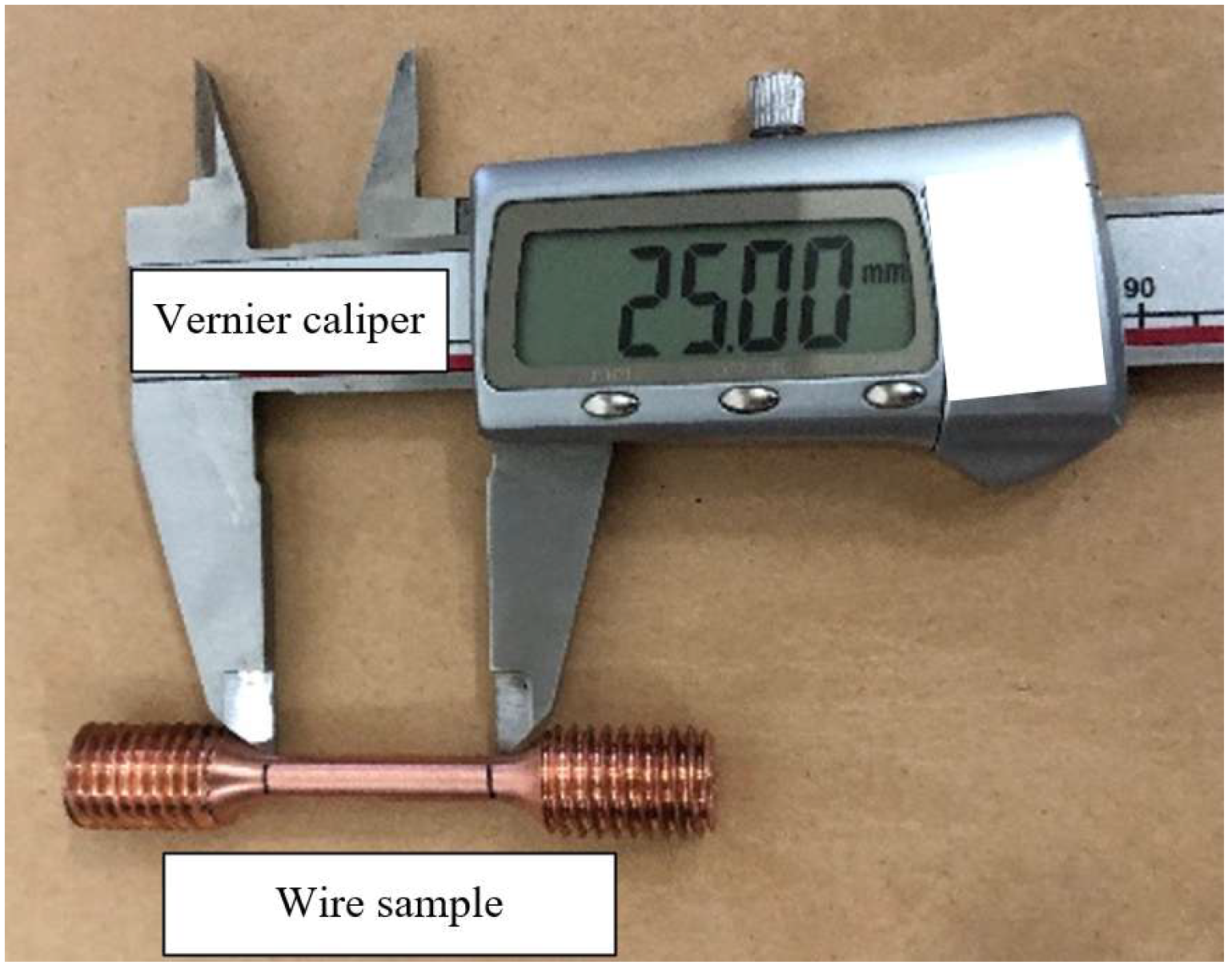
To test the key characteristic parameters of transformer conductors under different temperature conditions, as shown in
Figure 2, transformer conductor specimens were first prepared, and the test equipment was adjusted to the state conforming to national standard testing. Marked reference lines on the parallel middle part of the specimen to indicate the gauge length; these reference lines have no impact on the test results. The width and thickness of the parallel middle part of the specimen were accurate to 0.01 mm. Five points were measured for each specimen, and the average value was obtained using the median-mean filtering method.
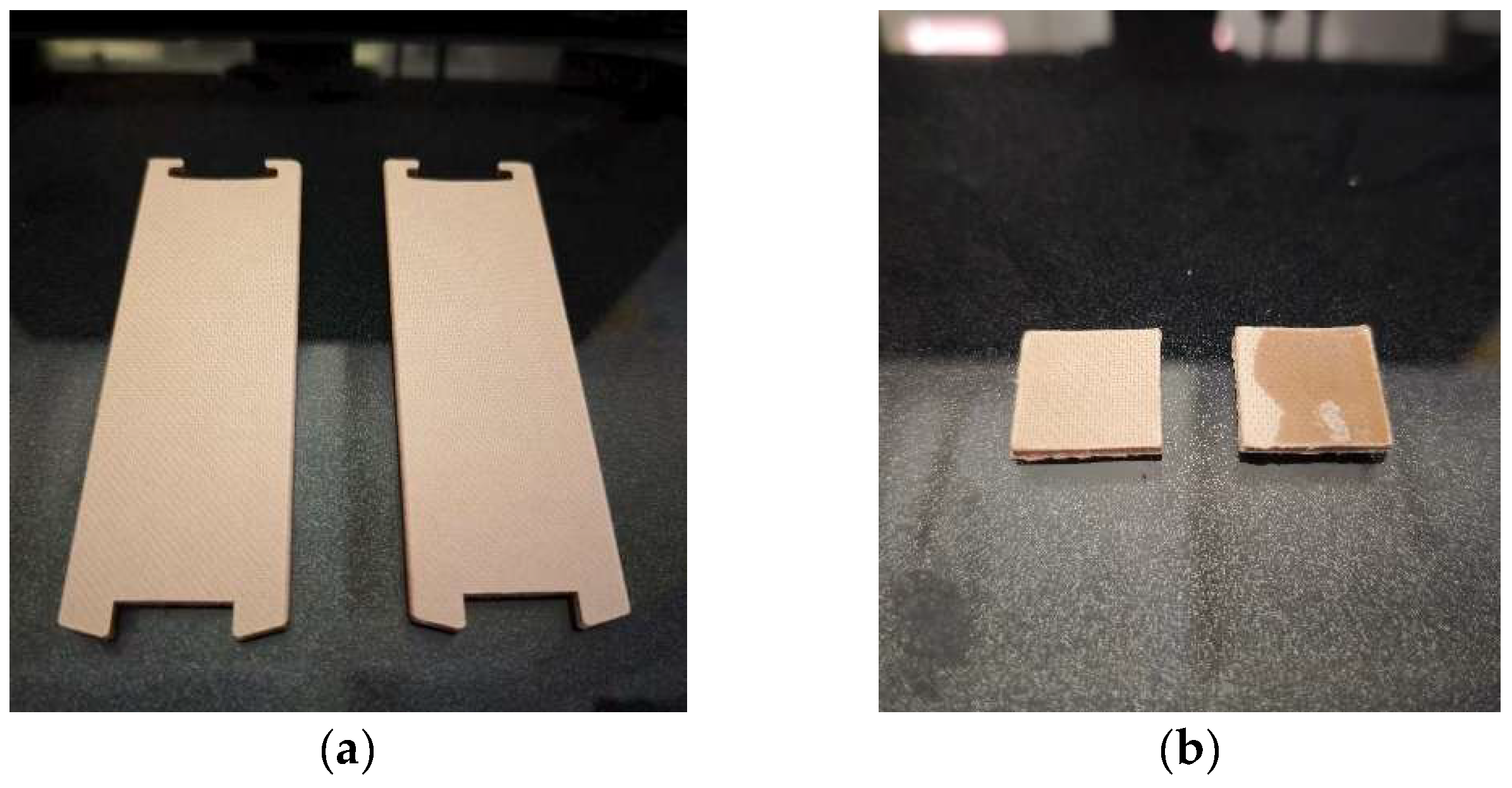
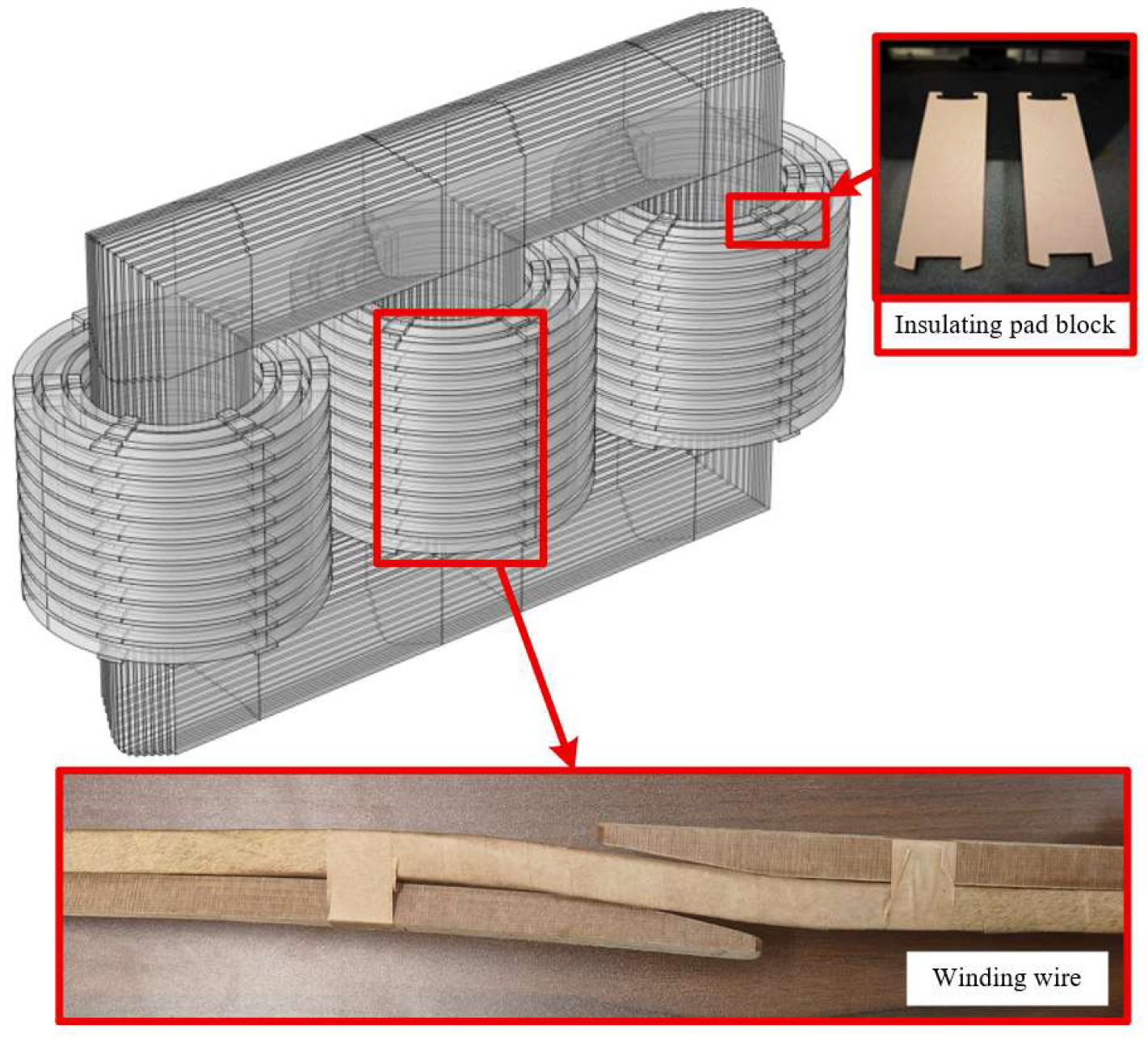
The transformer insulation blocks are shown in
Figure 3a. To ensure that the test equipment can exert sufficient pressure on the transformer insulating blocks, various blocks were reprocessed before the test to make square specimens with a standard width of 20 mm, and the thickness of the specimens was the same as that of the blocks. The reprocessed block specimens are shown in
Figure 3b.
2.2. Analysis of the Tensile Mechanical Properties of the Winding Conductors
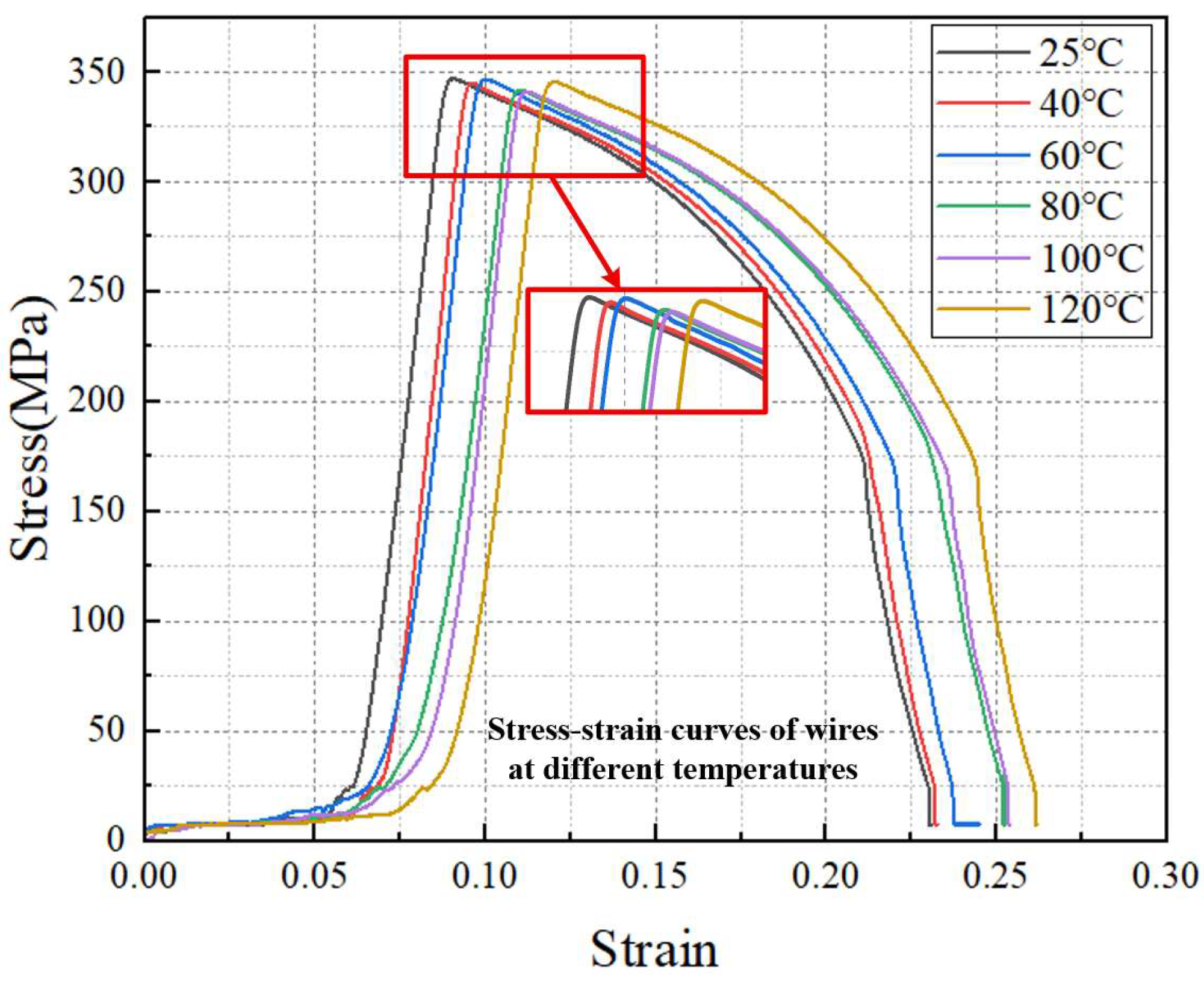
The mechanical property test results of transformer copper conductors under different temperatures are presented in
Figure 4. To ensure the comparability of test results, homogeneous specimens of the same type were selected for testing—all specimens were subject to strict pre-test screening. Dimensional deviation was controlled within ±0.05 mm, and surface defects were excluded to avoid interference with stress–strain response.
Prior to mechanical property measurement, the selected conductor specimens were placed in the chamber test space of the HSD-LX304B high–low temperature universal testing machine and subjected to a programmed temperature control process: heated at a rate of 5 °C/min until the target test temperatures are reached (20, 40, 60, 80, 100, 120 °C, consistent with
Section 2), then held at each temperature for 30 min to ensure the specimen interior reached thermal equilibrium.
Subsequently, mechanical compression tests were performed on the thermally equilibrated specimens at a constant load rate of 2 mm/min. During the test, the machine’s data acquisition system recorded compressive stress and axial strain at a 10 Hz sampling frequency. Based on these data, the stress–strain curves of transformer copper conductors at each target temperature were generated, which intuitively reflect the variation in the conductor’s elastic deformation, yield behavior, and plastic deformation stages with temperature.
It can be seen from the measurement results that the temperature has a significant impact on the mechanical properties of transformer conductors. In the elastic stage, the elastic modulus of the transformer conductor was 152 GPa at 25 °C and 120 GPa at 120 °C, and the elastic modulus decreased by 20% as the temperature increased, which directly reflects the weakening of the material’s elastic properties caused by elevated temperatures. In the yielding and strengthening stages, the stress peaks of the transformer conductor were 350, 341 GPa at 40 °C, 328 GPa at 60 °C, 309 GPa at 80 °C, 292 GPa at 100 °C, and 273 GPa at 25, 40, 60, 80, 100, and 120 °C, respectively. From the numerical changes, it can be observed that the tensile strength exhibits a relatively evident decrease with each increase in temperature, and the rate of decrease tends to accelerate as the temperature increases. For example, the tensile strength decreased by 5.7% from 25 °C to 60 °C, whereas it decreased by 12.9% from 80 °C to 120 °C, reflecting the adverse effect of high temperature on the yielding and strengthening properties of the material. In the necking and fracture stage, the fracture strain of the transformer conductor is 0.25 at 25 °C and 0.22 at 120 °C, with a 12% decrease in fracture strain, indicating a reduction in the material’s plastic deformation capacity and an increase in brittleness at high temperatures.
In the elastic deformation stage, as the temperature increases, the elastic modulus of the conductor exhibits a decreasing trend, meaning that the material’s ability to resist elastic deformation weakens; entering the yielding and strengthening stage, the higher the temperature, the more significantly the yield strength and tensile strength of the conductor decrease, indicating a substantial reduction in the load-bearing capacity of the material at high temperatures. At the necking and fracture stage, high temperature weakens the conductor’s plastic deformation capacity, making it more prone to brittle fracture and resulting in poorer plasticity.
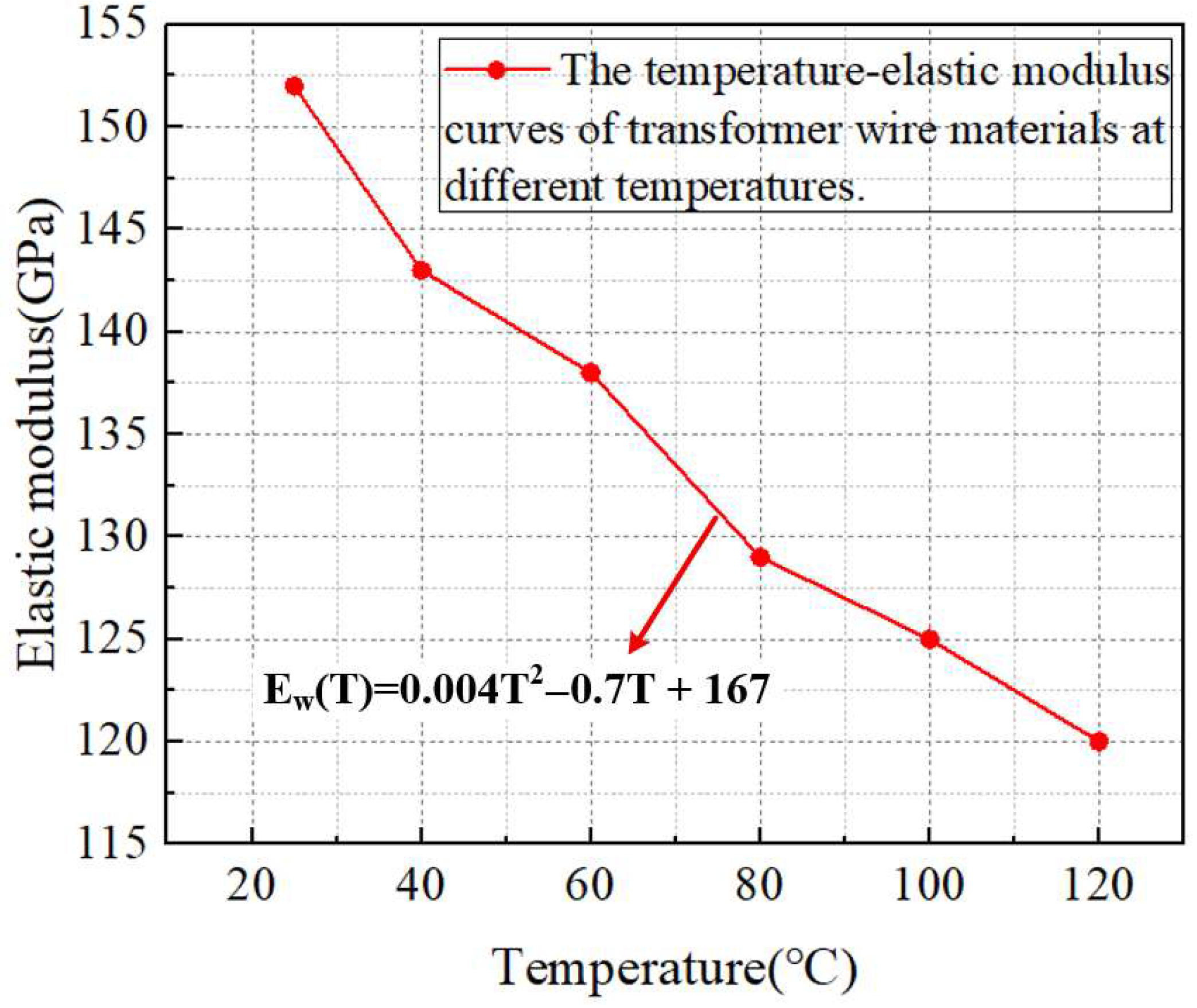
The temperature–elastic modulus test results of transformer wire materials are shown in
Figure 5.
Through polynomial fitting, curve fitting is conducted on the temperature–elastic modulus of transformer winding materials, and Formula (1) is obtained:
Herein, Ew represents the elastic modulus of the winding material at different temperatures (GPa), and T denotes the temperature endured by the winding material (°C). As can be seen from Formula (1), in terms of the variation relationship between temperature and elastic modulus, when the temperature is 25 °C, the elastic modulus of the transformer wire material is approximately 152 GPa; as the temperature rises to 40 °C, the elastic modulus decreases to about 143 GPa; when the temperature further increases to 60 °C, the elastic modulus drops to approximately 138 GPa; when the temperature reaches 80 °C, the elastic modulus is about 129 GPa; at 100 °C, the elastic modulus decreases to around 125 GPa; and when the temperature rises to 120 °C, the elastic modulus reduces to about 120 GPa. Within the temperature range of 25 °C to 120 °C, the elastic modulus of the transformer wire material exhibits a continuous and relatively significant decreasing trend with the increase in temperature. Furthermore, the decline range of the elastic modulus is relatively larger in the early stage, and although the decline rate slows down in the later stage, it still maintains a stable decreasing trend, clearly demonstrating the weakening effect of temperature rise on the elastic modulus of this material.
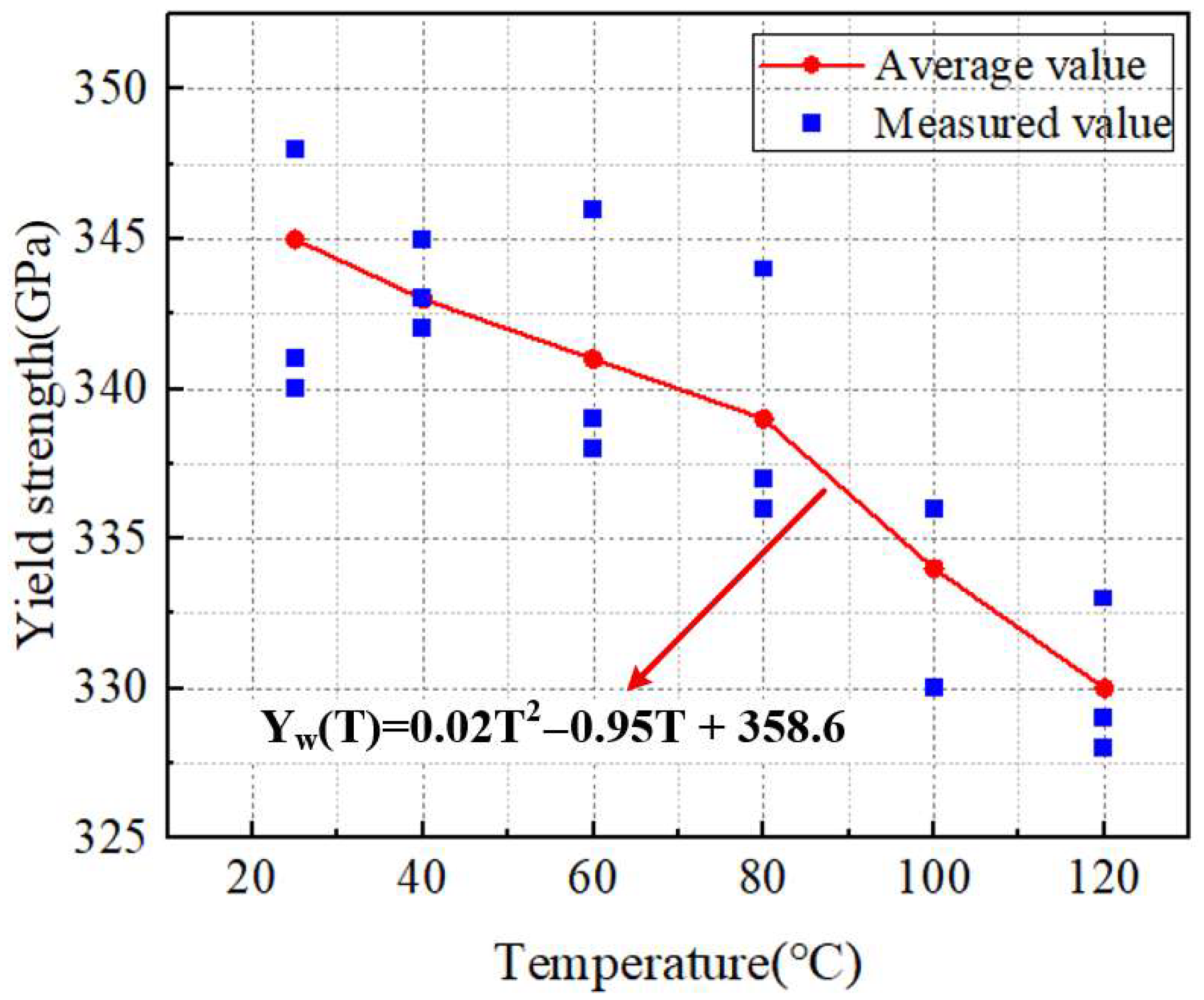
The test results of
Figure 6 were subjected to polynomial fitting, and a curve fitting was conducted on the relationship between the temperature of the transformer winding material and the yield strength, thereby obtaining Formula (2).
Herein, Yw denotes the yield strength of the winding material at different temperatures (GPa), and T represents the temperature applied to the winding material (°C). As can be seen from Formula (2), as the temperature of the transformer wire material increases, its yield strength decreases gradually. When the temperature is 25 °C, the yield strength of the transformer wire material is 345 GPa, with the measured values distributed in the range of 340 GPa to 348 GPa; as the temperature rises to 40 °C, the yield strength is 343 GPa, and the measured values are mostly in the range of 342 GPa to 345 GPa; when the temperature increases to 60 °C, the yield strength is 341 GPa, and the measured values are concentrated in the range of 338 GPa to 346 GPa; when the temperature reaches 80 °C, the yield strength is 339 GPa, with the measured values distributed in the range of 336 GPa to 344 GPa; at 100 °C, the yield strength is 344 GPa, and the measured values are approximately 330 GPa and 336 GPa; when the temperature rises to 120 °C, the yield strength is 330 GPa, and the measured values are concentrated in the range of 328 GPa to 333 GPa. This clearly demonstrates the weakening effect of increasing temperature on the yield strength of the transformer wire.
To verify the reliability of the fitting models, statistical analysis was performed on three sets of parallel test data of elastic modulus and yield strength at each temperature point: The standard deviation of elastic modulus is 1.2–2.5 GPa, with a relative standard deviation (RSD) ≤ 1.7%; The standard deviation of yield strength is 2.3–3.1 GPa, and RSD ≤ 0.9%, indicating good test repeatability. Meanwhile, residual analysis was conducted for the polynomial fitting. The maximum absolute residual of elastic modulus is 0.8 MPa, and that of yield strength is 0.5 MPa; the residuals follow a normal distribution without systematic deviation, demonstrating high accuracy of the fitting models.
2.3. Analysis of the Mechanical Compression Performance of Insulating Materials
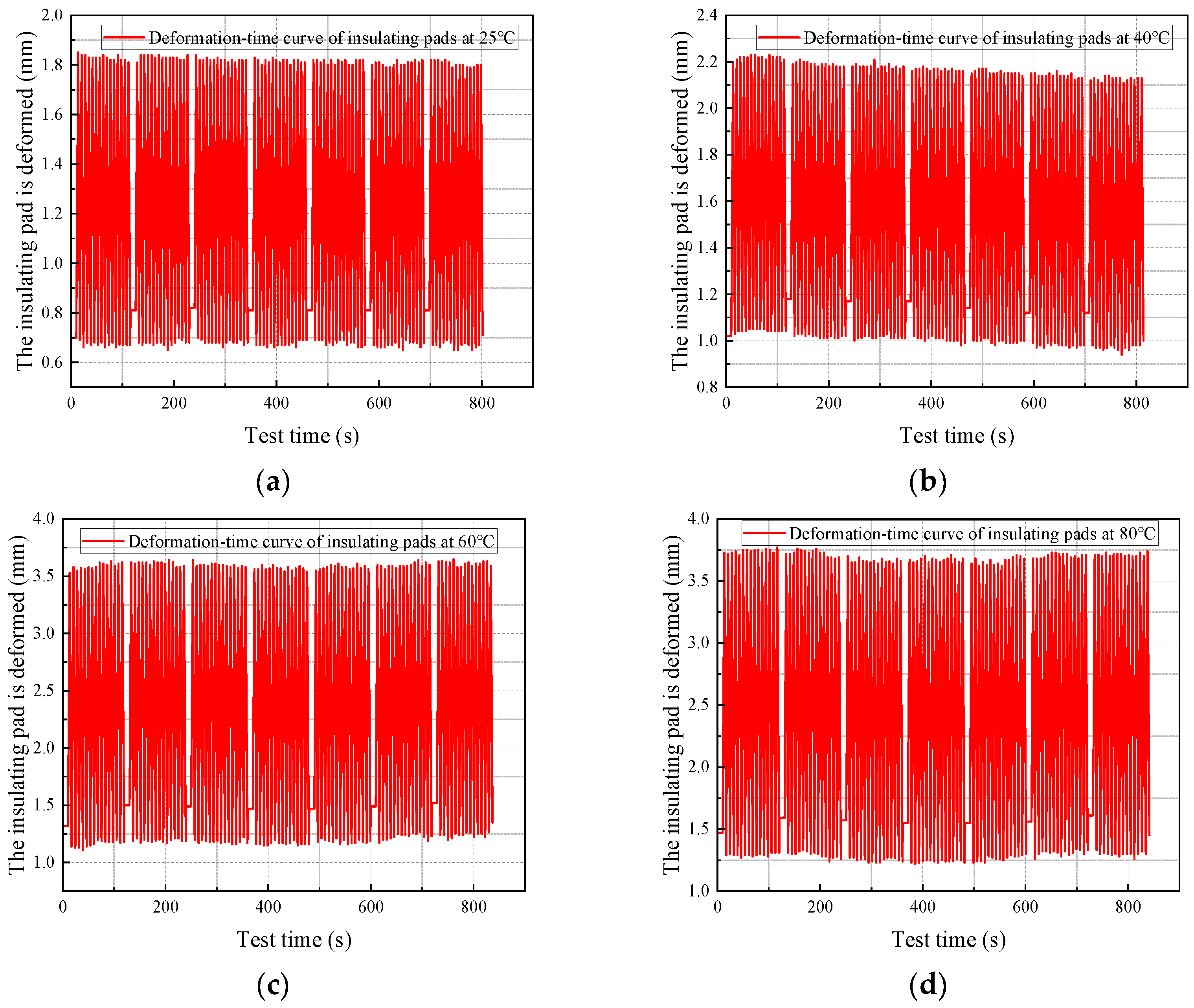
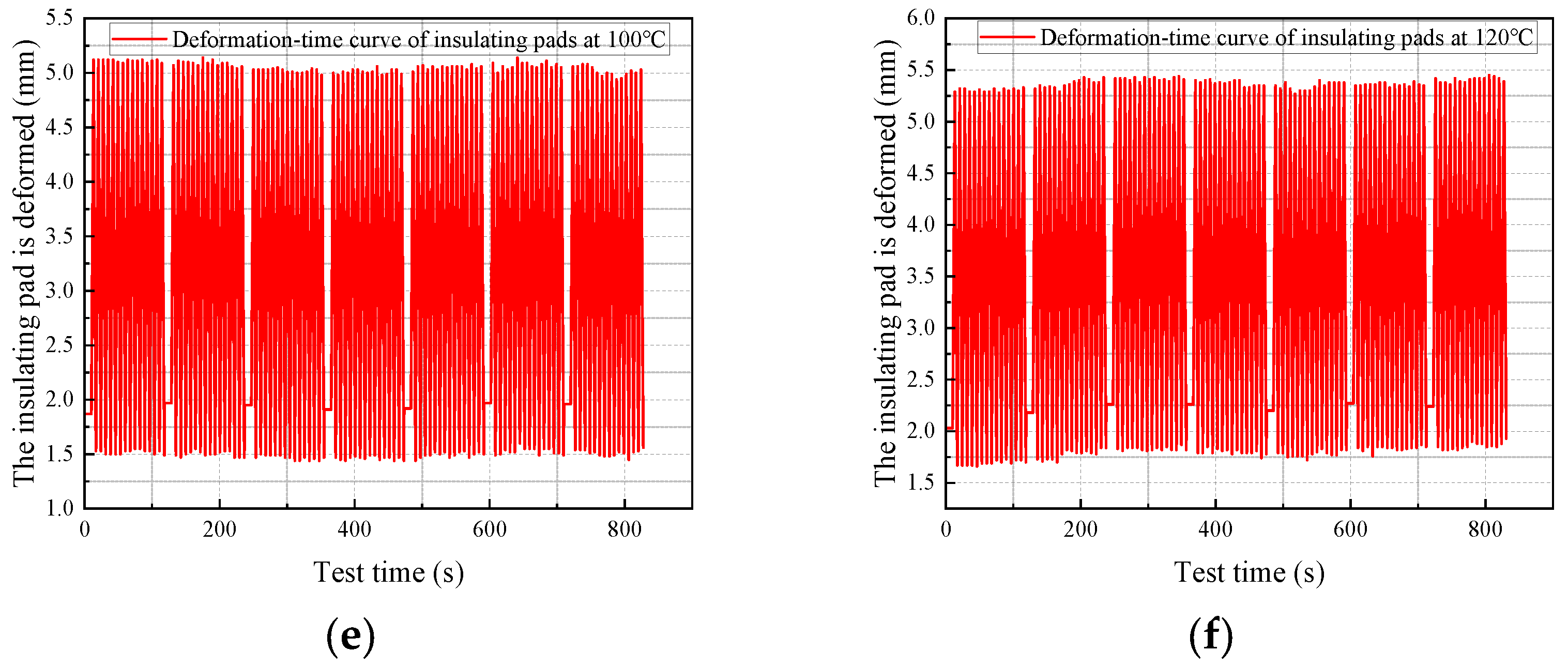
The test results for the mechanical properties of the transformer insulating blocks at different temperatures are shown in
Figure 7. The test selected same-type insulating blocks for measurement. The insulating block specimens were heated to the test-specified temperatures before measurement, and the time–displacement curves and temperature–elastic modulus curves of the transformer insulating blocks at different temperatures were obtained.
It can be seen from the measurement results that the displacement of the insulating blocks fluctuated within the range of 0.6–1.82 mm at 25 °C. When the temperature rises sequentially to 40 °C, 60 °C, 80 °C, 100 °C, and 120 °C, their displacement ranges expand to 1.25–2.23 mm, 1.27–3.55 mm, 1.5–3.75 mm, 1.5–5.1 mm, and 1.5–5.5 mm, respectively, showing a quantitative growth law of displacement with increasing temperature and revealing the strengthening effect of high temperature on the deformation capacity of the insulating blocks. As a key influencing factor, temperature governs the deformation and mechanical properties of insulating blocks. With an increase in temperature, the displacement of the insulating blocks shows a continuously increasing trend, and the fluctuation amplitude of displacement over time and the degree of dynamic response also increase synchronously, reflecting a decline in the deformation stability of the material at high temperatures.
As shown in
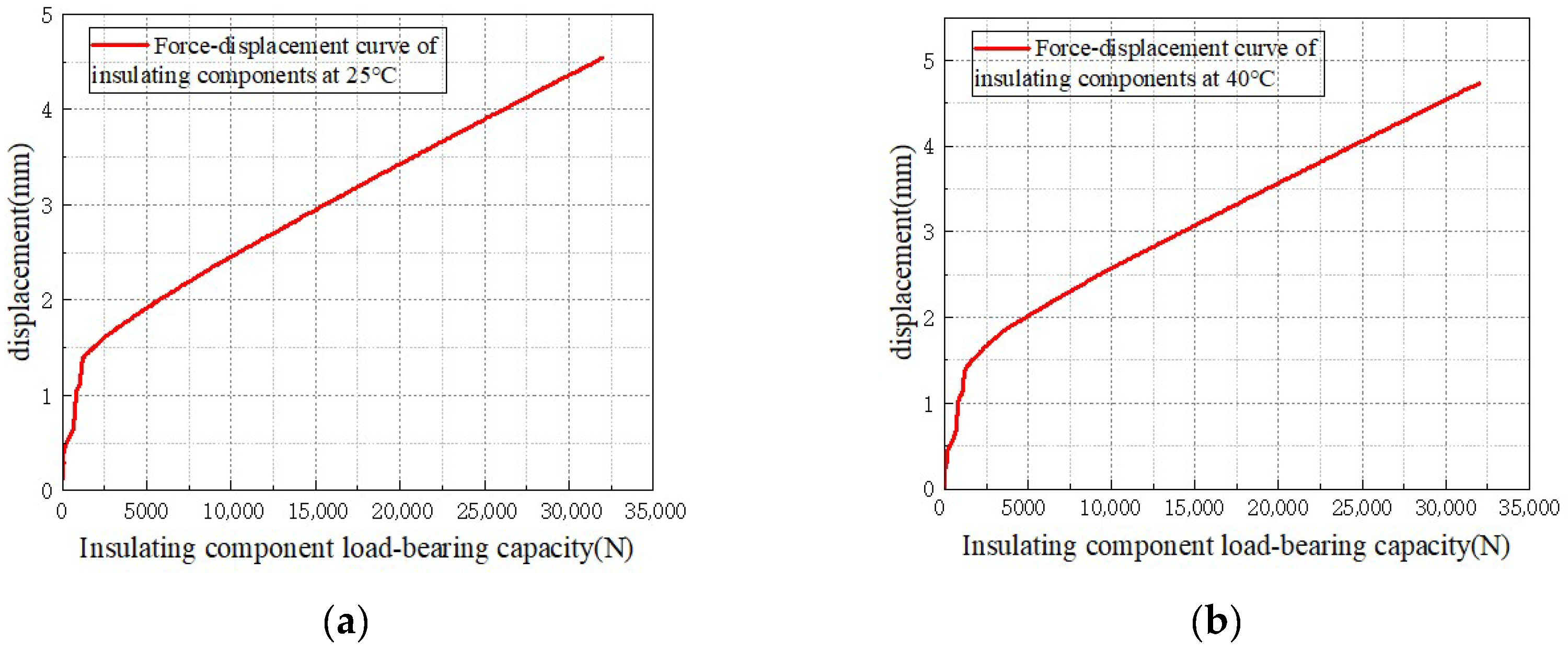
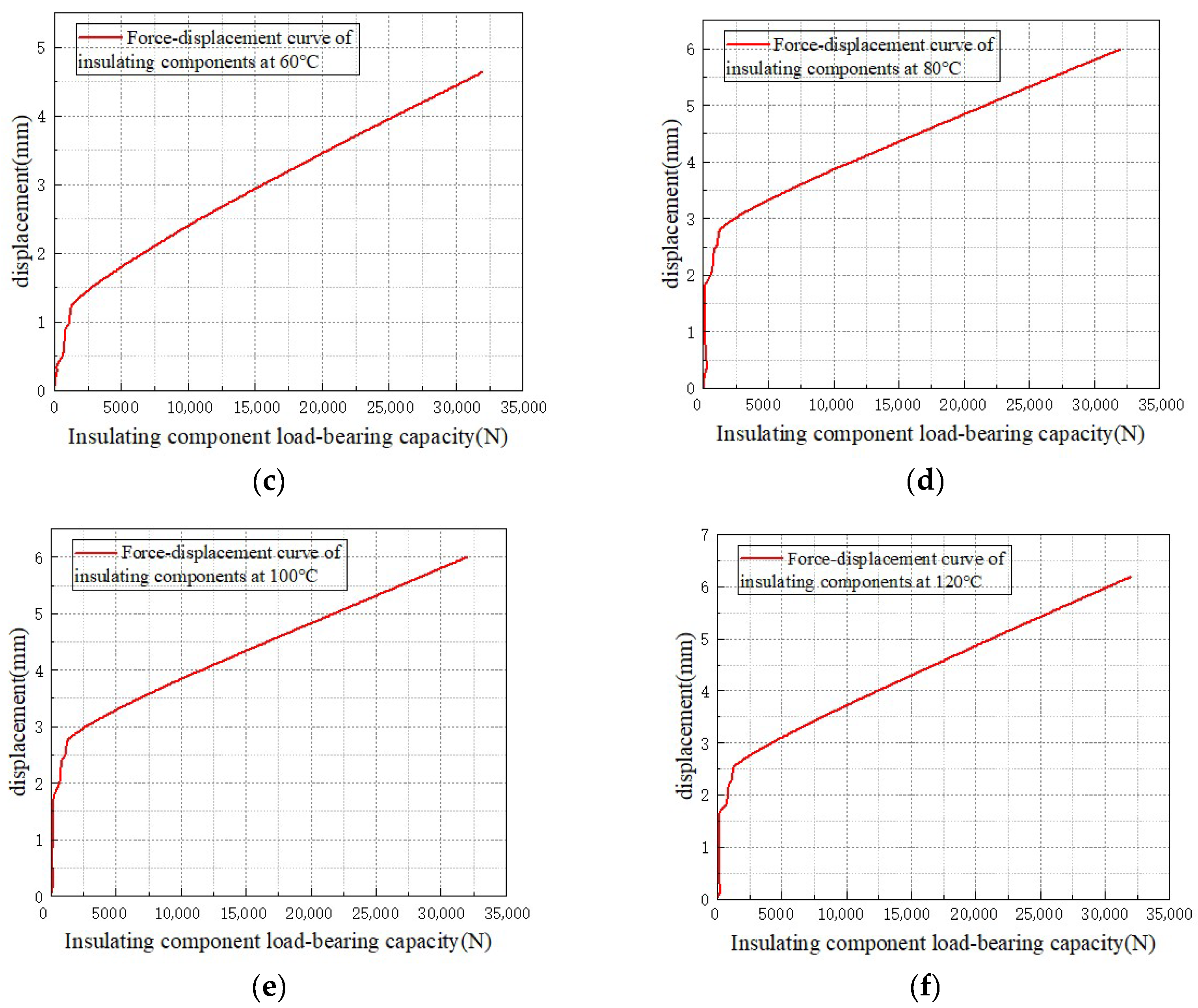
Figure 8, static mechanical experiments were conducted on transformer insulation blocks at different temperatures. Since the maximum allowable value of the cardboard used in the insulation blocks is 80 MPa, the insulation blocks were cut into square pieces of 20 × 20 mm to ensure that the insulation blocks meet the force-bearing standard. A force of 32,000 N was applied, and the force–displacement curves of the transformer insulation blocks at different temperatures were obtained.
Figure 8 shows the force–displacement curves of the transformer insulation pads at different temperatures. It can be observed that in each temperature condition, the curves exhibit the characteristic that the displacement initially increases rapidly with the load, and then enters a relatively stable growth stage. This indicates that the deformation of the insulation pads under load follows an evolutionary pattern of being initially nonlinear and then approximately linear. At the same time, temperature has a significant regulatory effect on its mechanical properties. When the same load is applied, the higher the temperature, the greater the corresponding displacement, suggesting that an increase in temperature will weaken the stiffness characteristics of the insulation pads.
As shown in
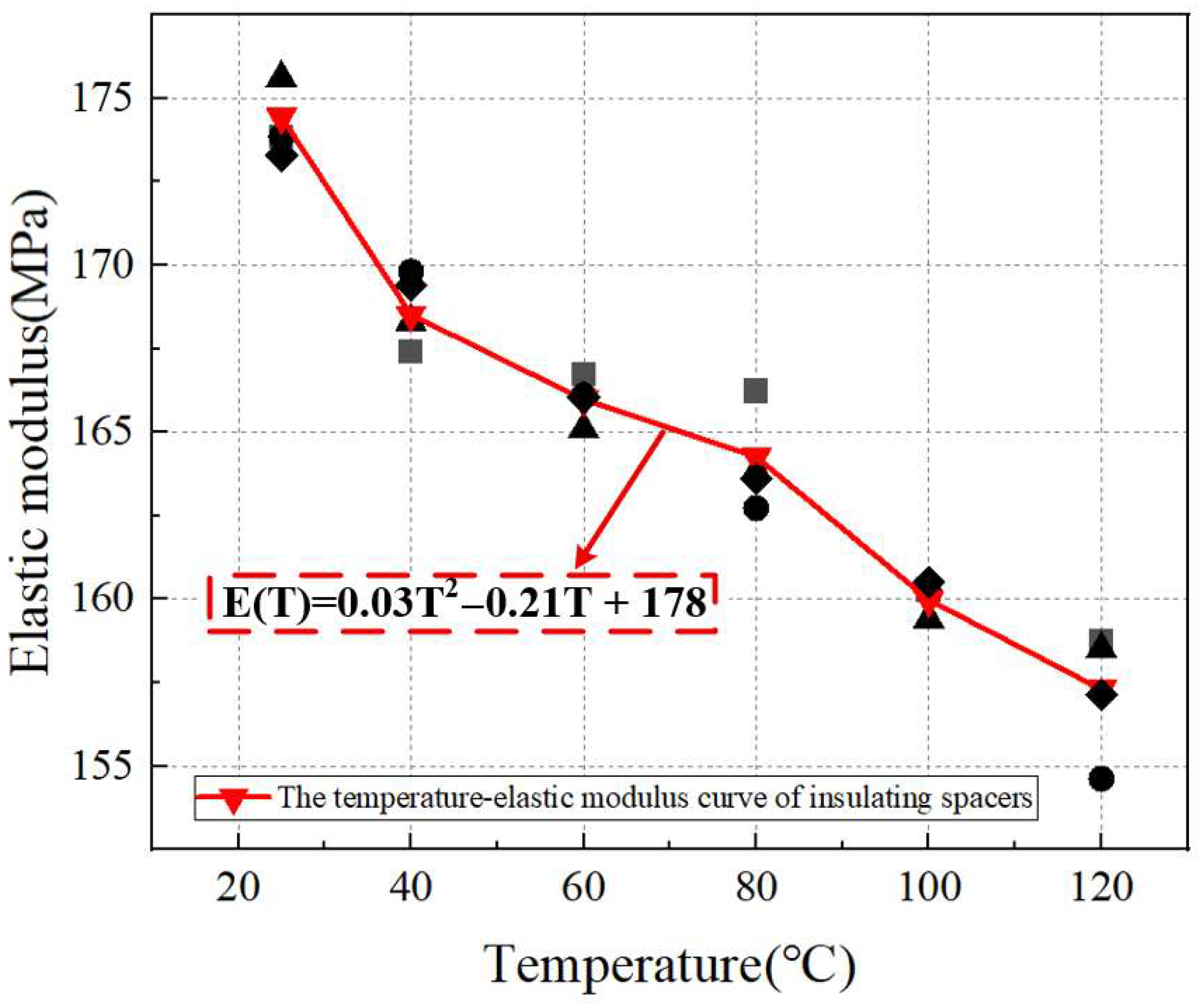
Figure 9, static mechanical tests were conducted on the insulating blocks at different temperatures, and the temperature–elastic modulus curve of the transformer insulating blocks was obtained.
By performing polynomial curve fitting on the temperature–elastic modulus curve of the transformer insulating blocks, Formula (3) can be obtained as follows:
where E is the elastic modulus of the transformer insulating blocks (MPa), and T is the temperature (°C). It can be seen from Equation (1) that the elastic modulus exhibits characteristics of accelerated attenuation as the temperature increases. The quadratic term coefficient is negative and significant, indicating that the higher the temperature, the faster the decline rate of the elastic modulus. When the temperature rises from 25 °C to 120 °C, the elastic modulus decreases from 173.29 MPa to 157.14 MPa, and the amplitude and rate of attenuation intensify as the temperature increases.
For the transformer insulating blocks, the elastic modulus values calculated from the linear elastic segment of stress–strain curves show a monotonic decreasing trend with increasing temperature in the range of 25–120 °C. Based on the average values of three parallel tests, the elastic modulus decreases from 173.29 MPa at 25 °C to 157.14 MPa at 120 °C, with a total reduction of approximately 9.3%.
This monotonic decline directly indicates that temperature is a critical factor weakening the deformation resistance of the insulating blocks. From a micro-mechanical perspective, the epoxy resin matrix in the composite insulating blocks has high glass transition temperature sensitivity: as temperature rises, the thermal motion of epoxy resin molecular chains is enhanced, leading to the weakening of intermolecular van der Waals forces and covalent bond constraints. This reduces the ability of the matrix to transfer stress between reinforcing phases, thereby decreasing the overall elastic modulus of the insulating block and making it more prone to elastic deformation under the same compressive stress.
As shown in
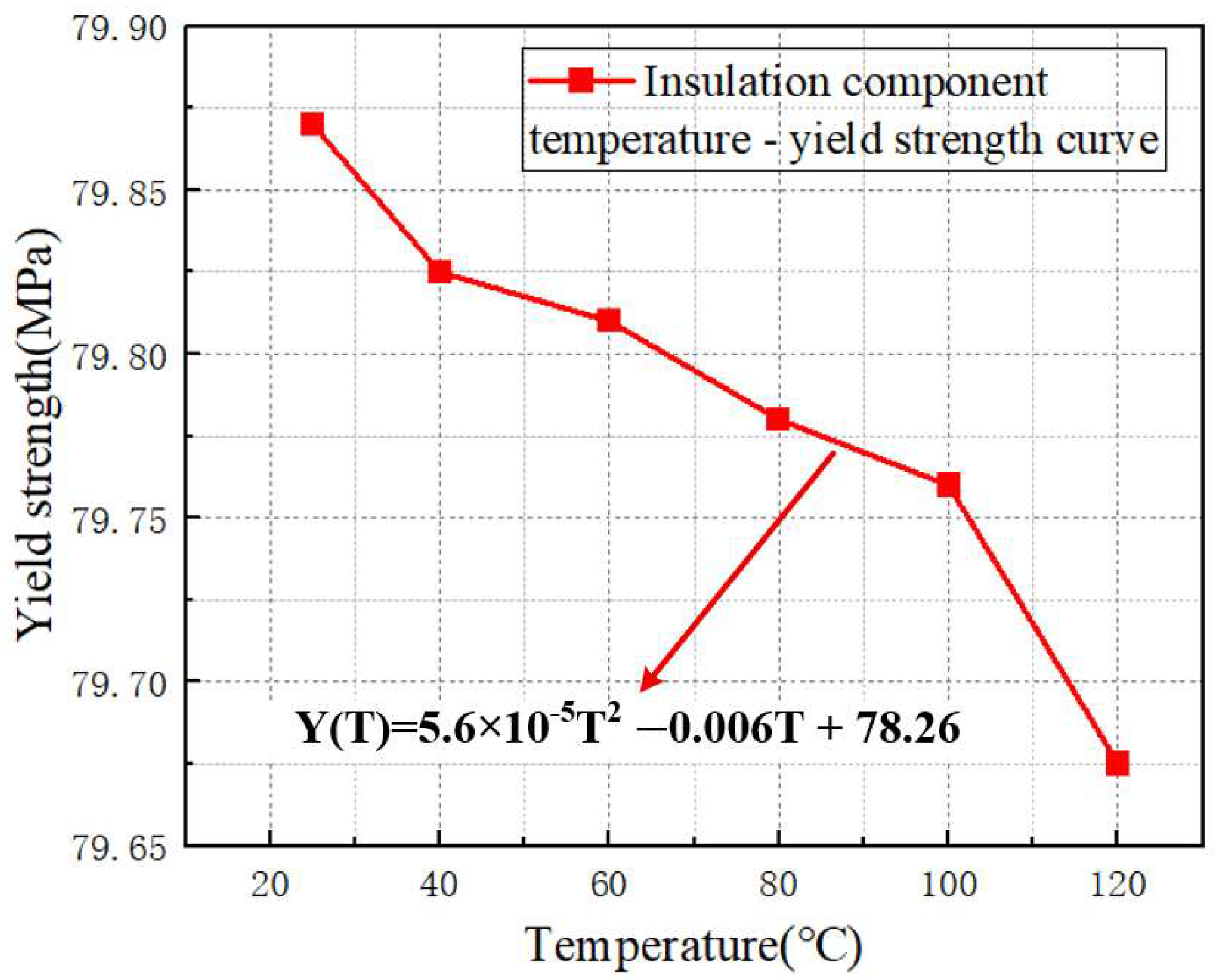
Figure 10, static mechanical tests were conducted on the insulating blocks at different temperatures, and the temperature–yield strength curve of the transformer insulating blocks was obtained.
By performing polynomial curve fitting on the temperature–elastic modulus curve of the transformer insulating blocks, Formula (4) can be obtained as follows:
where Y is the yield strength of the transformer insulation component (MPa), and T is the temperature (°C). It can be seen from the formula Y(T) = 5.6 × 10
−5T
2 − 0.006T + 78.26 that the yield strength exhibits characteristics of continuous attenuation as the temperature increases. The quadratic term coefficient is negative, indicating that the higher the temperature, the faster the decline rate of the yield strength. When the temperature rises from 25 °C to 120 °C, the yield strength decreases from approximately 79.87 MPa to 79.67 MPa, and the amplitude and rate of attenuation become more significant as the temperature increases.
For the transformer insulation component, the yield strength values show a monotonic decreasing trend with increasing temperature in the range of 25–120 °C. Based on the data points, the yield strength decreases from about 79.87 MPa at 25 °C to around 79.67 MPa at 120 °C, with a total reduction of approximately 0.25%.
This monotonic decline directly indicates that temperature is a critical factor weakening the yield resistance of the insulation component. From a micro-mechanical perspective, the insulating material has high temperature sensitivity: as temperature rises, the thermal motion of molecular chains in the insulation material is enhanced, leading to the weakening of intermolecular bonding forces. This reduces the material’s ability to resist plastic deformation initiation, thereby decreasing the overall yield strength of the insulation component and making it more prone to yielding under the same stress.
The statistical results of three sets of parallel test data for the elastic modulus and yield strength of insulation blocks are as follows: the standard deviation of elastic modulus is 0.9–1.8 MPa, with RSD ≤ 1.2%; the standard deviation of yield strength is 0.05–0.08 MPa and RSD ≤ 0.1%, indicating small test discreteness. Fitting residual analysis shows that the maximum residual of elastic modulus is 0.6 MPa, and the maximum residual of yield strength is 0.03 MPa; the residual distribution conforms to random characteristics, and fitting Formulas (3) and (4) can accurately describe the relationship between temperature and mechanical parameters.
2.4. Measurement of Magnetic Properties of Silicon Steel Sheets Under Varying Temperatures
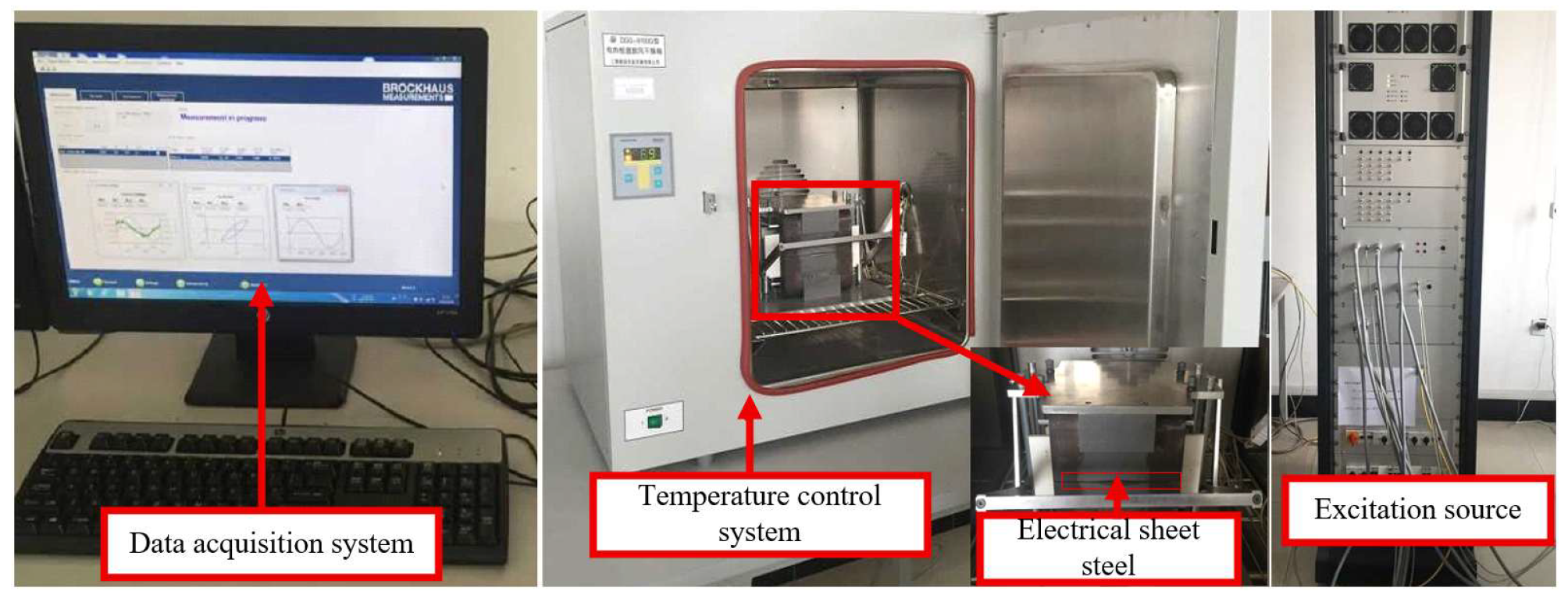
Figure 11 shows the test system for silicon steel sheets under varying temperatures. It mainly consists of a temperature control system, a data acquisition system, a silicon steel sheet test device, and an AC-DC hybrid excitation source. The temperature control system ensures the true reflection of the magnetic and mechanical properties of silicon steel sheets during the test by precise temperature control, operating condition simulation, and interference suppression: as the core component, the data acquisition system is responsible for the real-time collection, processing, and analysis of various physical quantities and electrical parameters generated during the test; the AC-DC hybrid excitation source functions to simulate the complex electromagnetic environment in actual operating conditions and comprehensively evaluate the magnetic properties and loss characteristics of silicon steel sheets under different excitation conditions.
Table 1 presents the main performance parameters of the test system.
Based on the test system shown in
Figure 11 and the performance parameters of the test system presented in
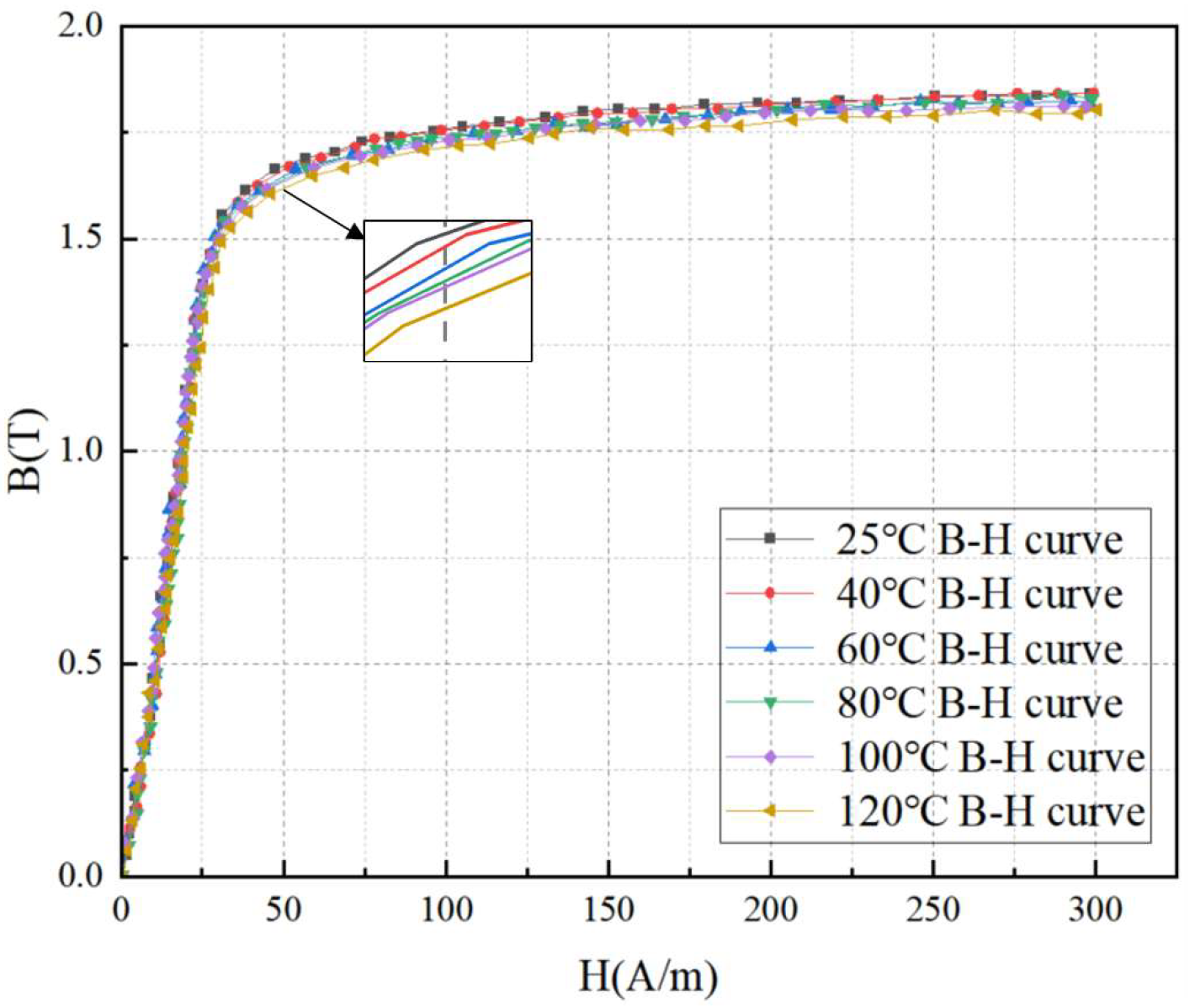
Table 1, research on the magnetic properties of silicon steel sheets under different conditions can be conducted. The magnetic properties of silicon steel sheets of a 110 kV main transformer were tested at different temperatures, and the B-H curves under varying temperatures were obtained, as shown in
Figure 12.
As shown in
Figure 12, with the increase in temperature, the linear regions of the core silicon steel sheets overlap and are almost unaffected by temperature, while the B value decreases to a certain extent. This indicates that as the test temperature rises, the magnetic flux density B of the silicon steel sheets gradually decreases, which affects the leakage magnetic flux of the 110 kV transformer and thereby influences its mechanical performance. Therefore, when calculating the mechanical performance parameters of the 110 kV main transformer, the temperature effect on the core silicon steel sheets of the power transformer should be taken into account.
2.5. Measurement of Dielectric Constant of Insulation Spacers Under Varying Temperatures
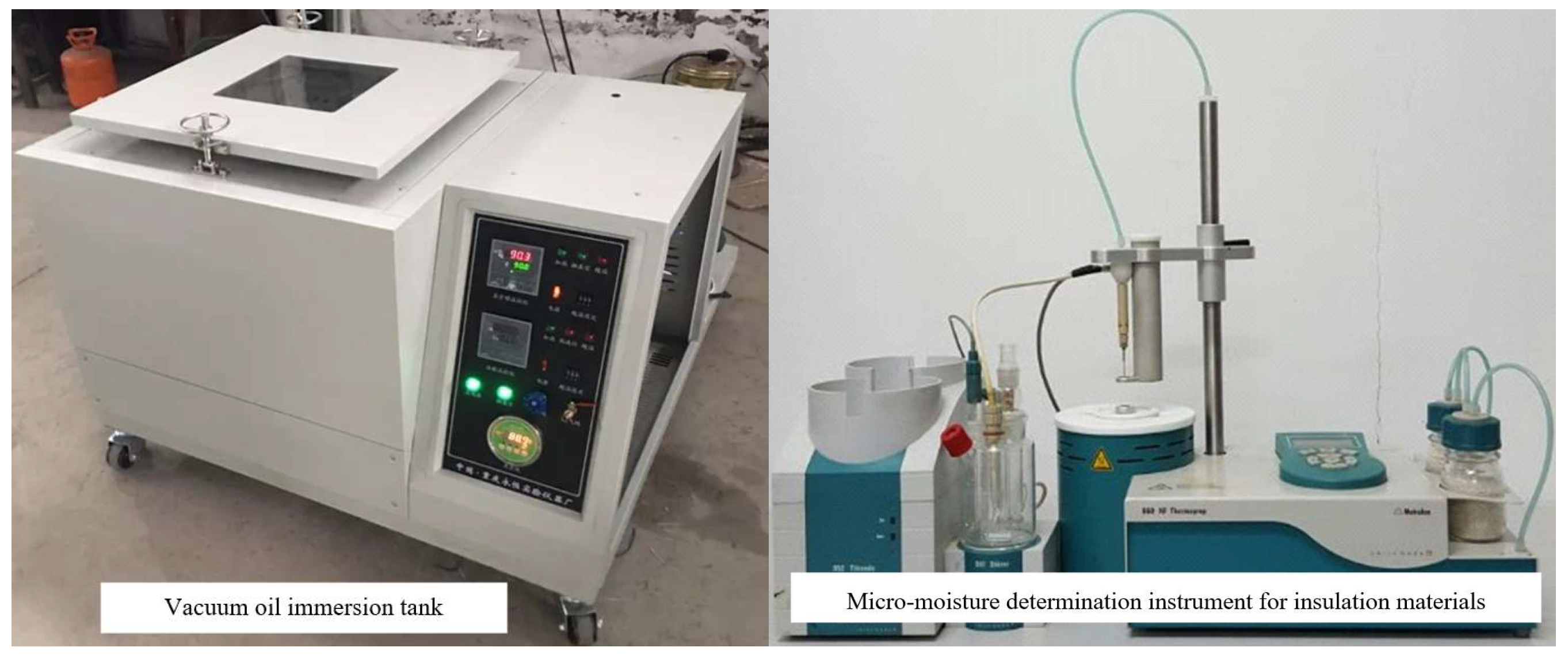
The insulation spacer material was cut into circular sheets with a diameter of 20 mm, as shown in
Figure 13, to facilitate the measurement of the frequency-domain dielectric spectrum of the insulation paper and the micro-moisture content in the paper. The cut samples were placed in a vacuum oil immersion tank for drying for 24 h, ensuring the initial moisture content was controlled below 0.5%. The vacuum oil immersion tank is shown in
Figure 13: Insulation material samples treated as above were taken for moisture content determination, using an 852 KF Moisture Meter produced by Metrohm (Switzerland). The coulometric Karl Fischer moisture meter is suitable for the measurement of micro-moisture content in solids, liquids, and gases, with rapid and accurate measurement performance. It has a detection limit of 1 ppm (especially for measuring moisture content in solvents and gases), with automatic background determination and subtraction, as well as functions of learning titration, online help, and statistical calculation. When determining the moisture content of insoluble or poorly soluble insulation material samples, it is necessary to connect the 860 Thermo Prep Headspace Karl Fischer Sample Heater for accurate measurement; the operating temperature of the drying oven ranges from 50 to 300 °C. The micro-moisture determination equipment for insulation materials is shown in
Figure 13.
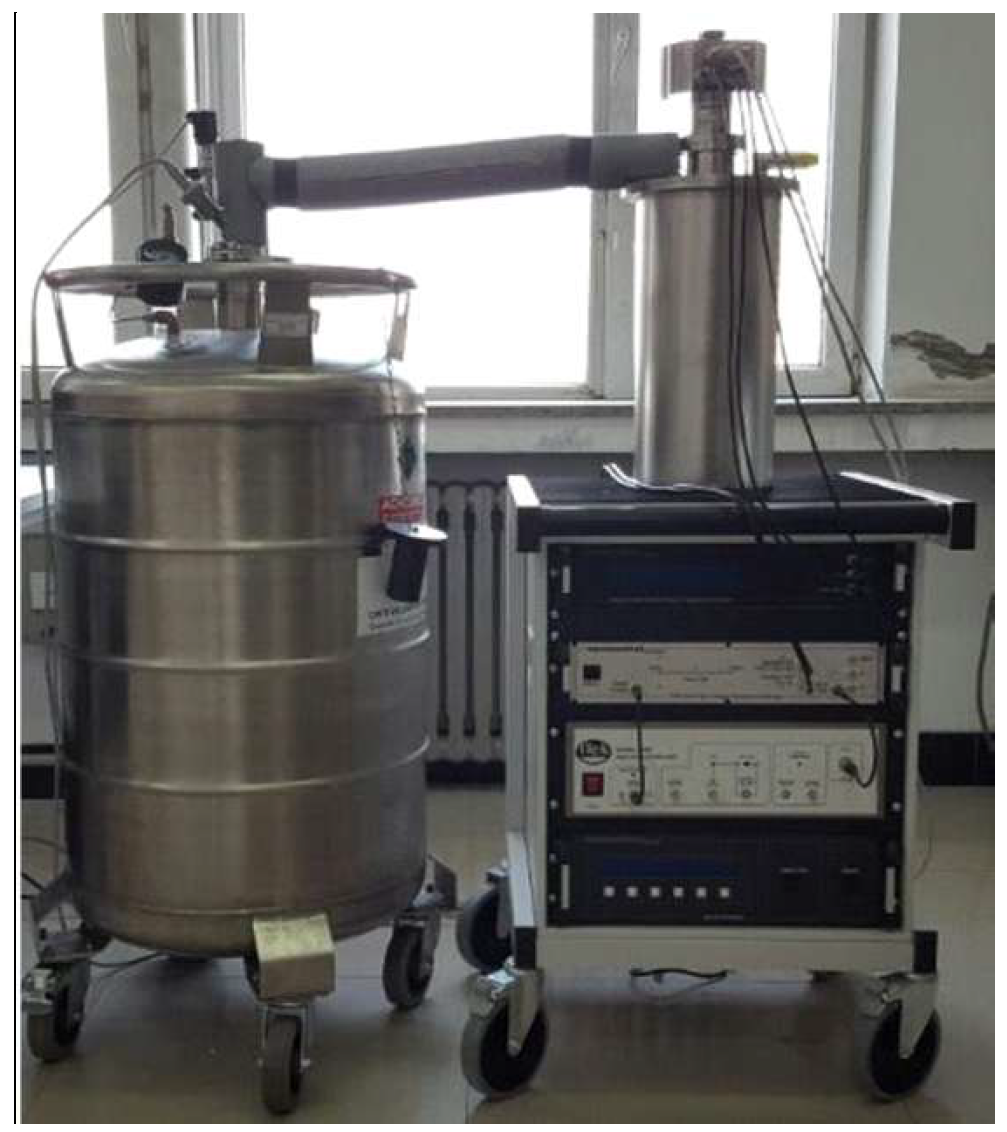
The dielectric constant of insulation spacers was measured to verify the influence of temperature on their relative dielectric constant. First, the insulation spacer was placed between two gold-plated copper electrodes with a diameter of 4 cm for measurement. The dielectric parameter testing instrument for insulation spacers was the Alpha-A broadband dielectric impedance spectrometer manufactured by Novocontrol GmbH (Germany). This instrument has a frequency range of 3 μHz to 40 MHz, an impedance range of 10 mΩ to 100 TΩ, and a capacitance range of 1 fF to 1 F. Its measurement modes include automatic correction, automatic reference, and manual reference, with a temperature range of −100 to 250 °C. The physical diagram of the Alpha-A broadband dielectric impedance spectrometer is shown in
Figure 13. The test measurement frequency range was 10
−2 to 10
7 Hz, and the temperature range was −50 to 180 °C. To ensure test repeatability, each test was performed three times. Moreover, to eliminate randomness, the repeated measurements were not conducted on the same sample; instead, three samples were taken from the same state for testing.
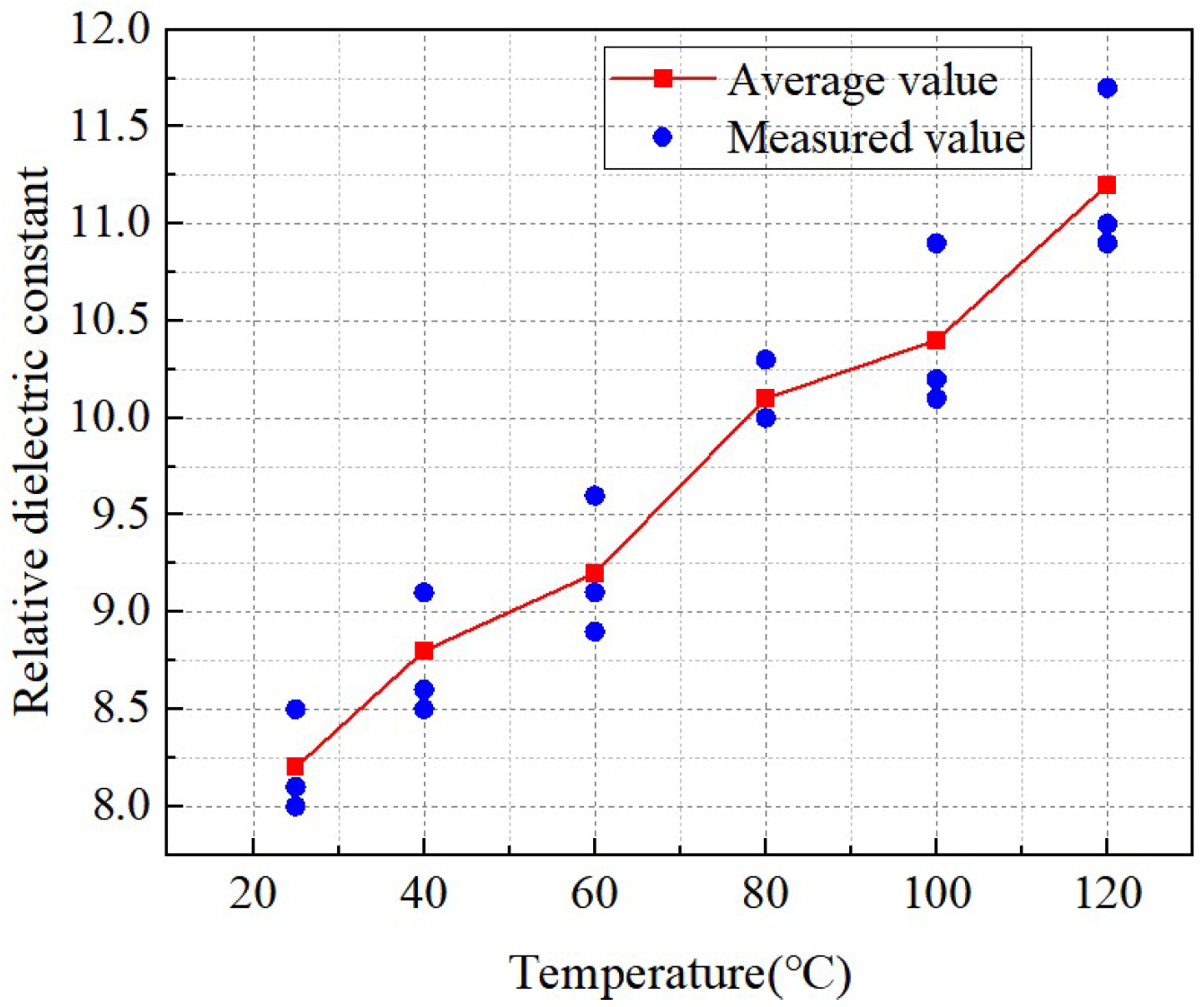
The measurement results of the relative dielectric constant of insulation spacers under varying temperatures are shown in
Figure 14. The measurement frequency of the insulation spacers was 50 Hz, and the moisture content was maintained at 2%, ensuring that the tested insulation spacer materials are consistent with the actual operating conditions of the transformer.
Figure 15 illustrates the temperature-dependent characteristics of the relative dielectric constant of the insulation material. The abscissa is temperature, the ordinate is the relative dielectric constant of the insulation spacer material, the red polyline represents the average value, and the blue scatter points are the measured values. The relative dielectric constant shows a continuous upward trend with increasing temperature, and the measured values distribute around the average value, indicating that the relative dielectric constant of the insulation material has a significant temperature dependence; when the temperature rises from 25 °C to 120 °C, the average relative dielectric constant gradually increases from approximately 8 to 11.2, with an increase of 0.9 in the temperature range of 60~80 °C, demonstrating that the relative dielectric constant is more sensitive to temperature changes in this range; additionally, the deviation between the measured values and the average value is small, indicating that the data has good repeatability and stability.




 and
and