Article

Compressive Fracture Behavior of Zirconia/Resin Composites Prepared by Fused Deposition Modeling Combined with Vacuum Infiltration


1
The State Key Laboratory of Refractories and Metallurgy, Wuhan University of Science & Technology, Wuhan 430080, China
2
College of Materials Science and Engineering, Changsha University of Science & Technology, Changsha 410014, China
3
National-Provincial Joint Engineering Research Center of High Temperature Materials and Lining Technology, Wuhan University of Science and Technology, Wuhan 430081, China
*
Authors to whom correspondence should be addressed.
Materials 2024, 17(9), 1989; https://doi.org/10.3390/ma17091989
Submission received: 29 March 2024 / Revised: 22 April 2024 / Accepted: 22 April 2024 / Published: 25 April 2024

Abstract

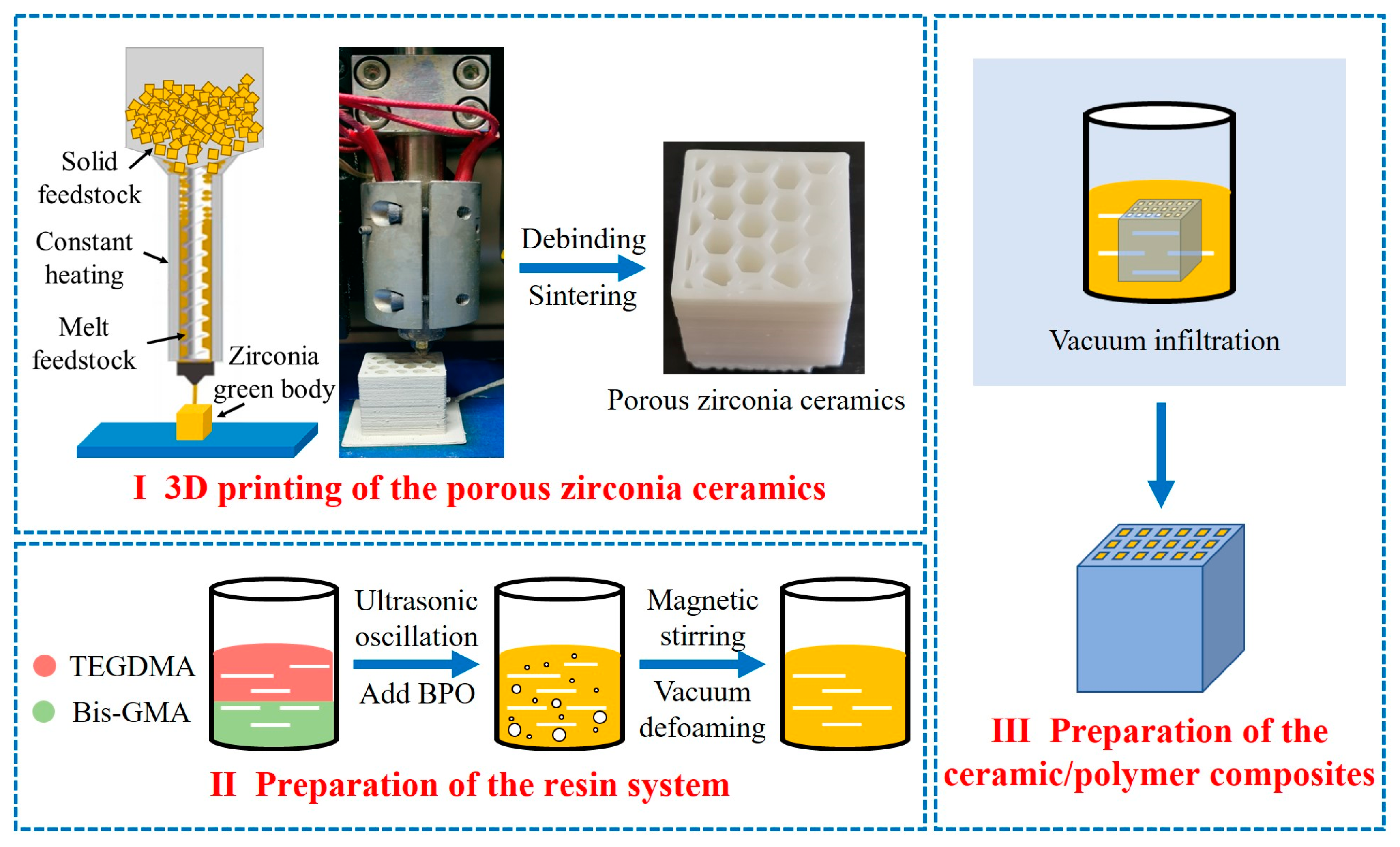
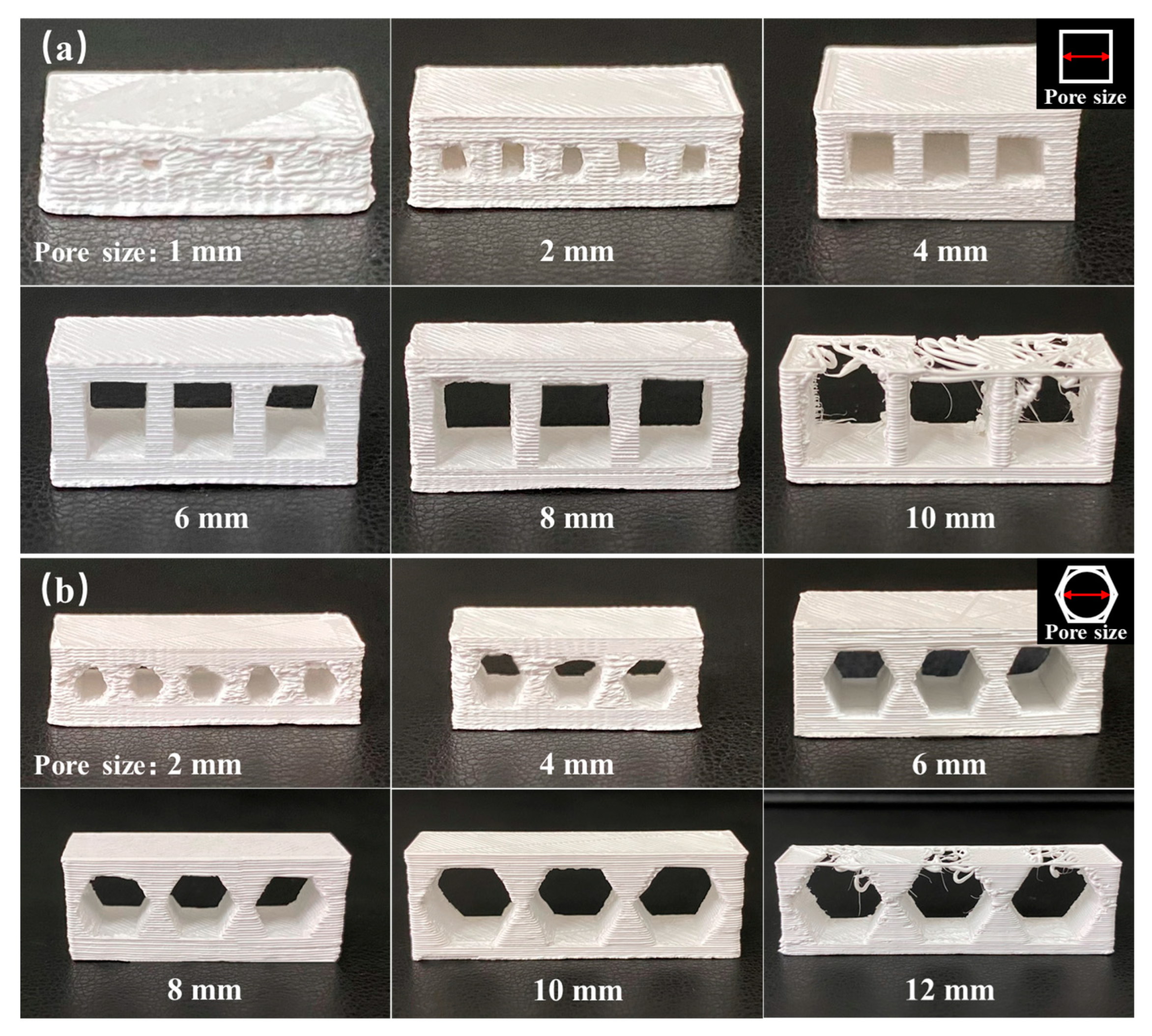
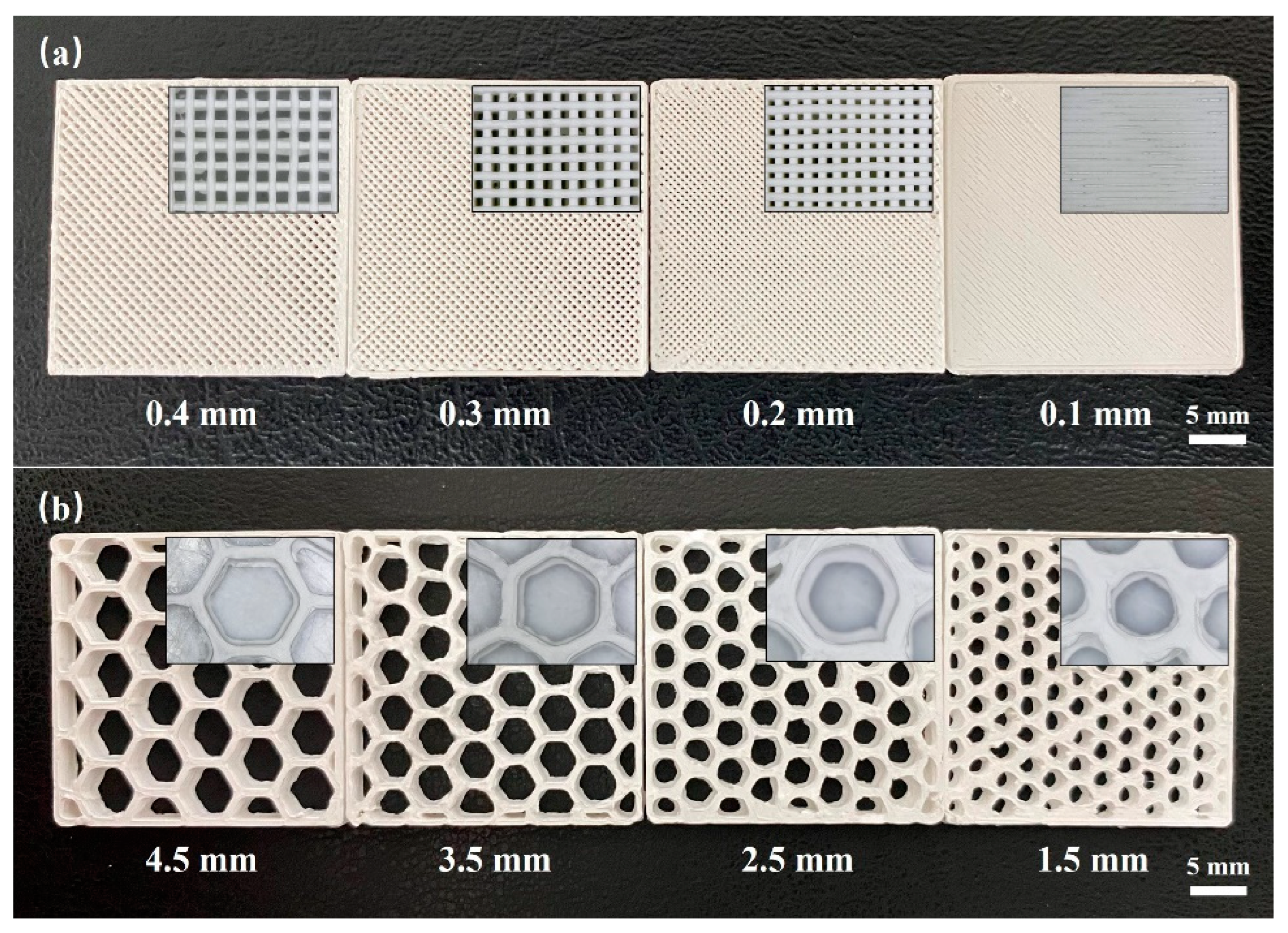
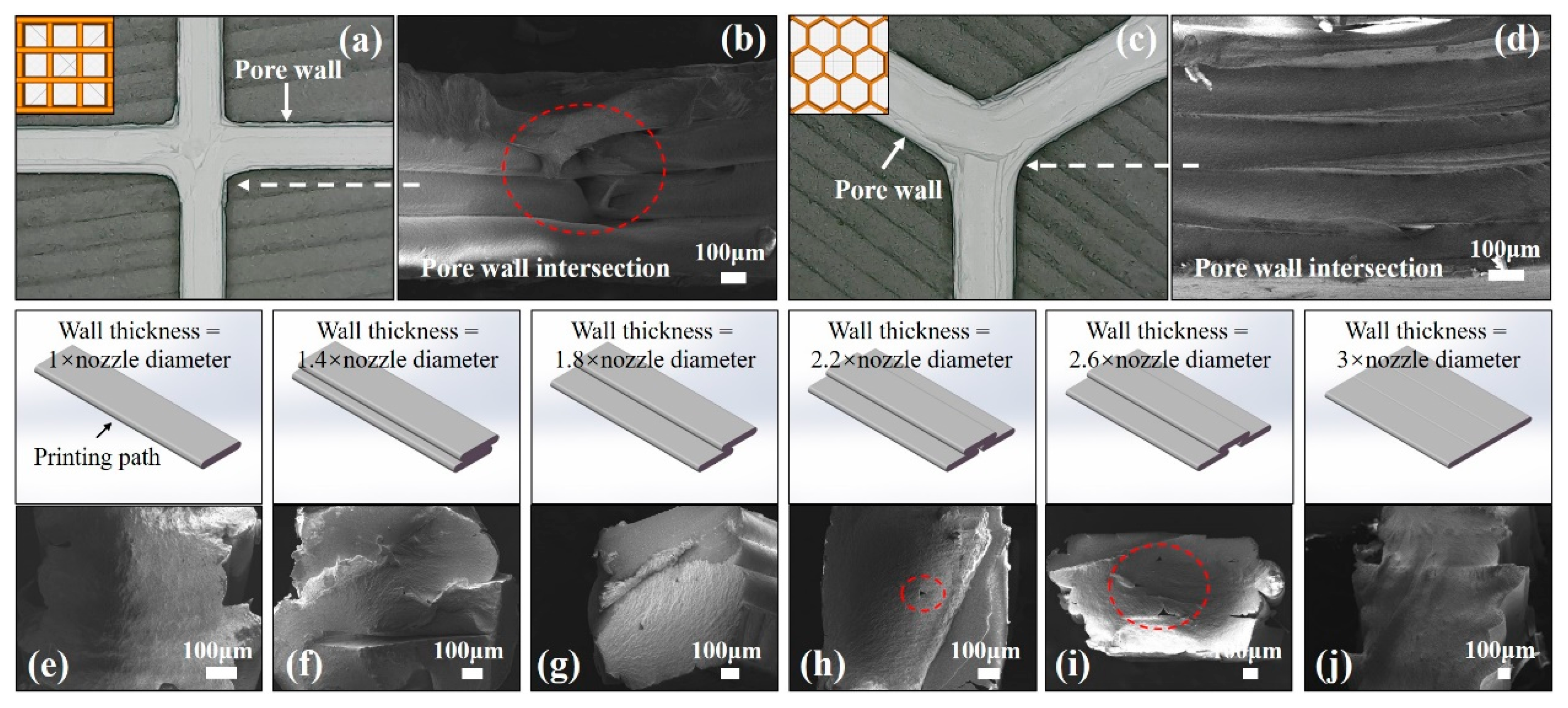
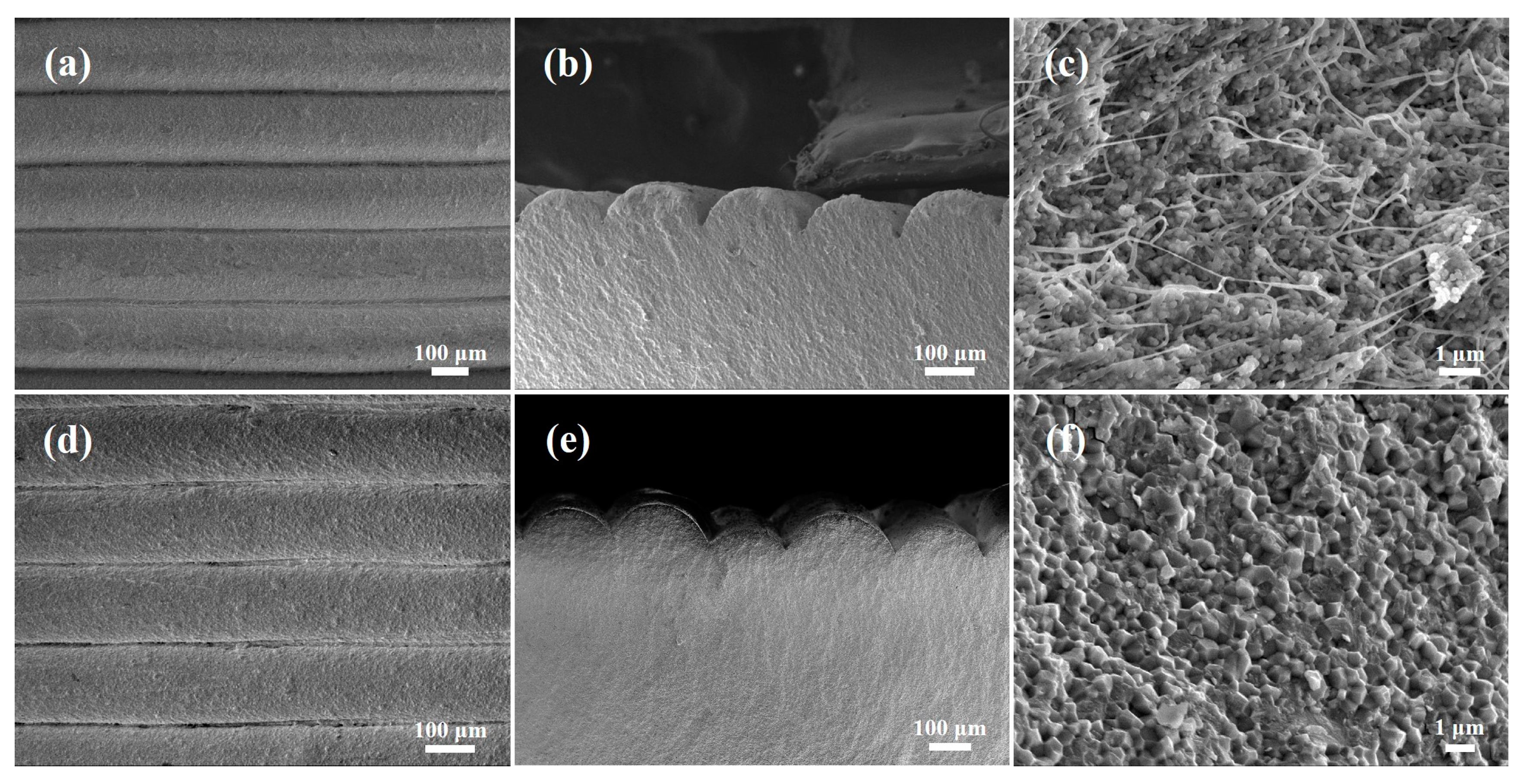
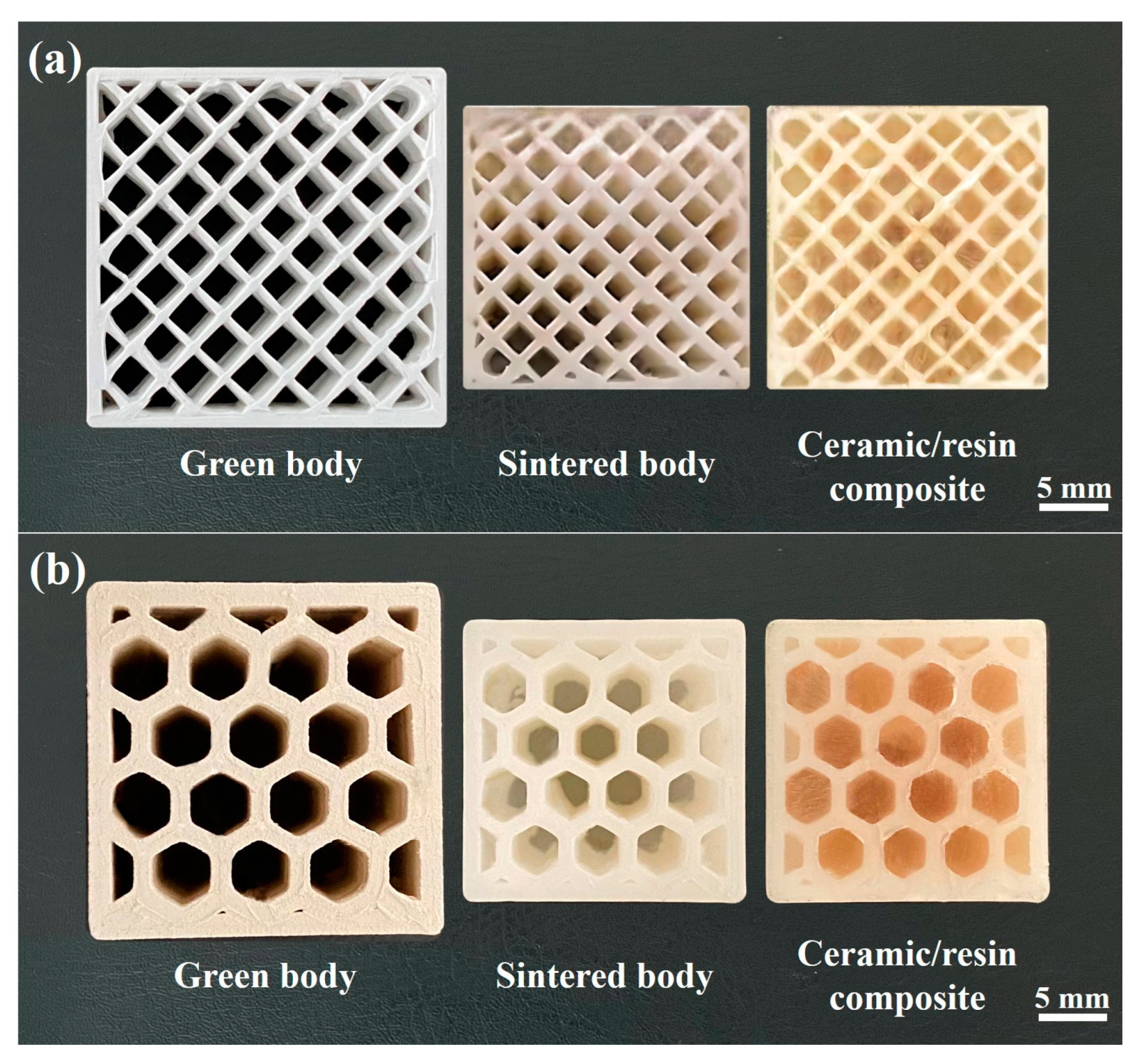
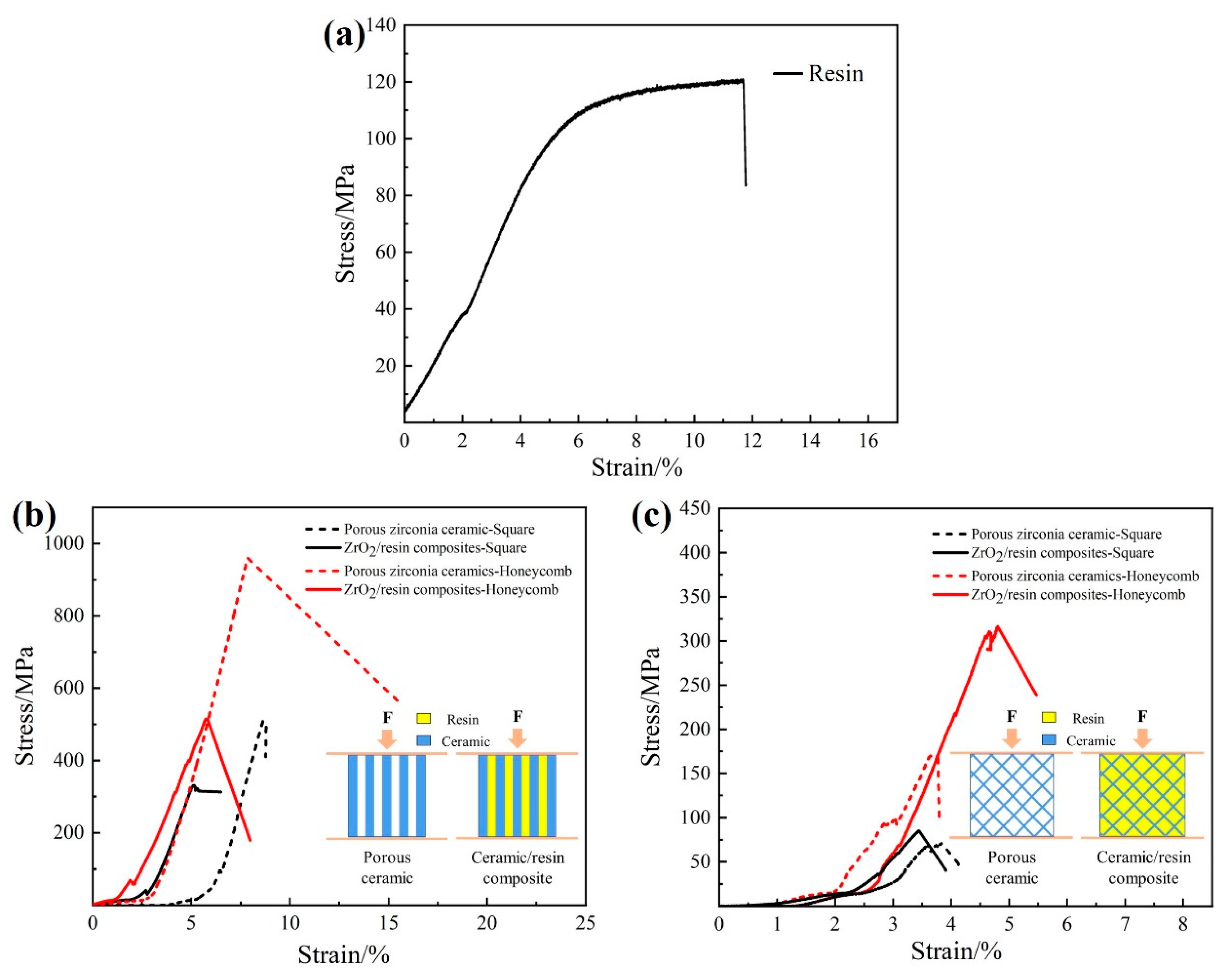
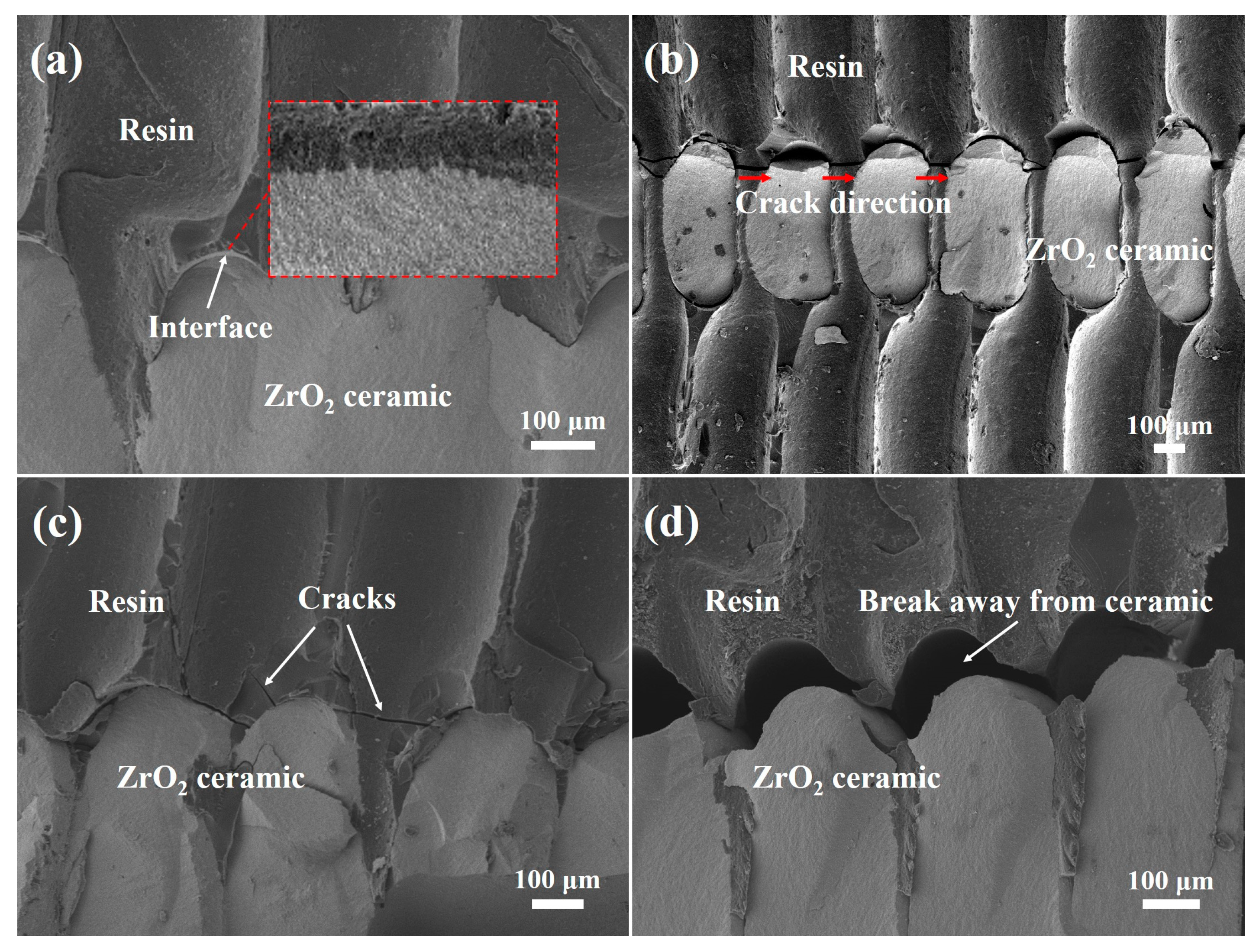
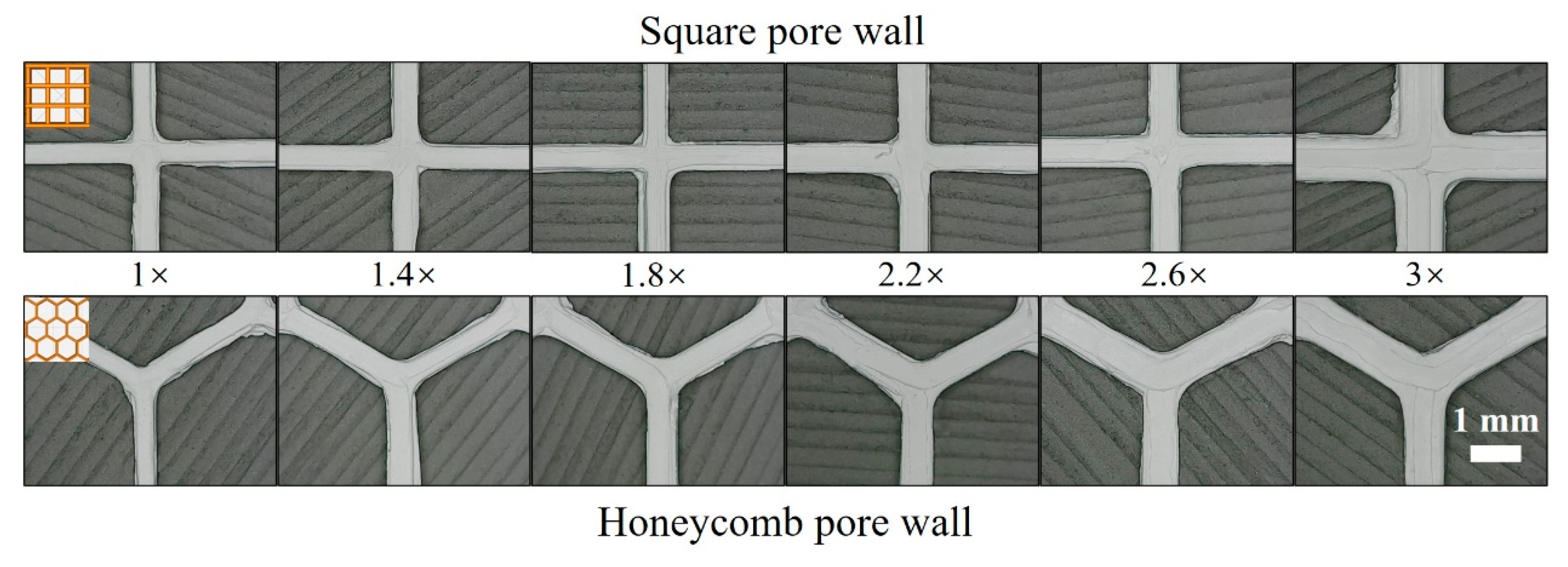
Although bioceramic materials exhibit good biocompatibilities and bone conductivities, their high brittleness and low toughness properties limit their applications. Zirconia (ZrO2)/resin composites with idealized structures and properties were prepared by fused deposition modeling (FDM) combined with a vacuum infiltration process. The porous structure was prepared using the FDM three-dimensional printing technology, with granular zirconia as the raw material, and the relationship between the pore shape, pore size, and deformation was discussed. The results showed that square pores were more suitable than honeycomb pores for printing small pore sizes, and the resolution was high. Scanning electron microscopy observations showed that the superposition of multiple printing paths promoted the emergence of hole defects. The effects of the resin and the pore shape on the compressive strengths of the composites were studied. It was found that the compressive strengths of the honeycomb pore ZrO2/resin composites and porous ceramics were superior to those of the square pore samples. The introduction of the resin had a significant effect on the compressive strengths of the composites. The compressive strength increased in the direction perpendicular to the pores, while it decreased in the direction parallel to the pores.
Keywords: fused deposition modeling; ZrO2/resin composite; porous structure; compressive strength fused deposition modeling; ZrO2/resin composite; porous structure; compressive strength