Review

The Application of Metal–Organic Frameworks in Water Treatment and Their Large-Scale Preparation: A Review

by
Yuhang Xie
1,2,
Teng Zhang
1,2,3,*,
Bo Wang
1,2 and
Wenju Wang
4,*
1
Frontiers Science Center for High Energy Material, Beijing Key Laboratory of Photoelectronic Ministry of Education, Advanced Research Institute of Multidisciplinary Science, School of Chemistry and Chemical Engineering, Beijing Institute of Technology, Beijing 100081, China
2
Conversion Materials, Key Laboratory of Cluster Science, Ministry of Education, Advanced Research Institute of Multidisciplinary Science, School of Chemistry and Chemical Engineering, Beijing Institute of Technology, Beijing 100081, China
3
Advanced Technology Research Institute (Jinan), Beijing Institute of Technology, Jinan 250300, China
4
School of Energy and Power Engineering, Nanjing University of Science and Technology, Nanjing 210094, China
*
Authors to whom correspondence should be addressed.
Materials 2024, 17(9), 1972; https://doi.org/10.3390/ma17091972
Submission received: 10 March 2024 / Revised: 5 April 2024 / Accepted: 11 April 2024 / Published: 24 April 2024

Abstract

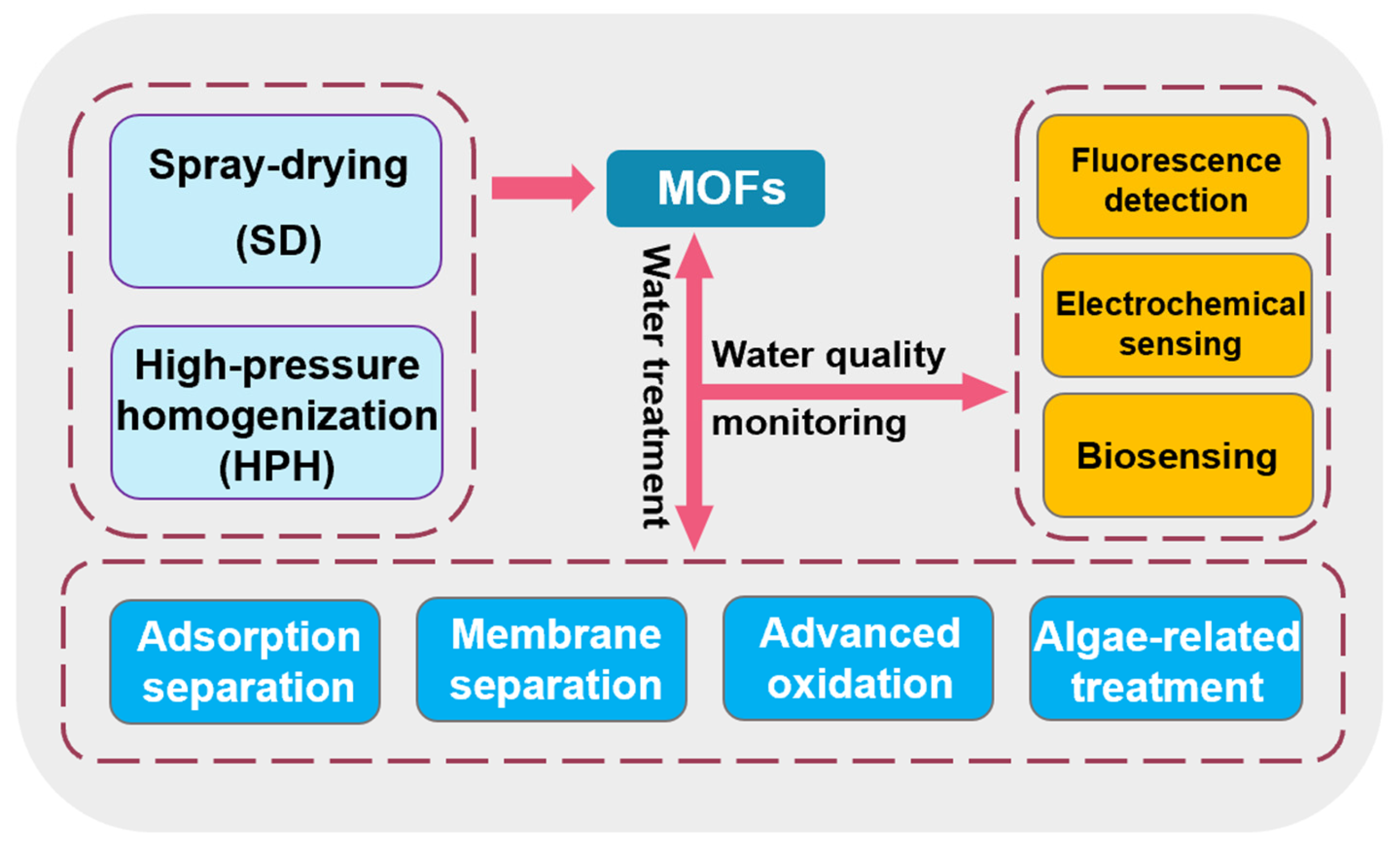
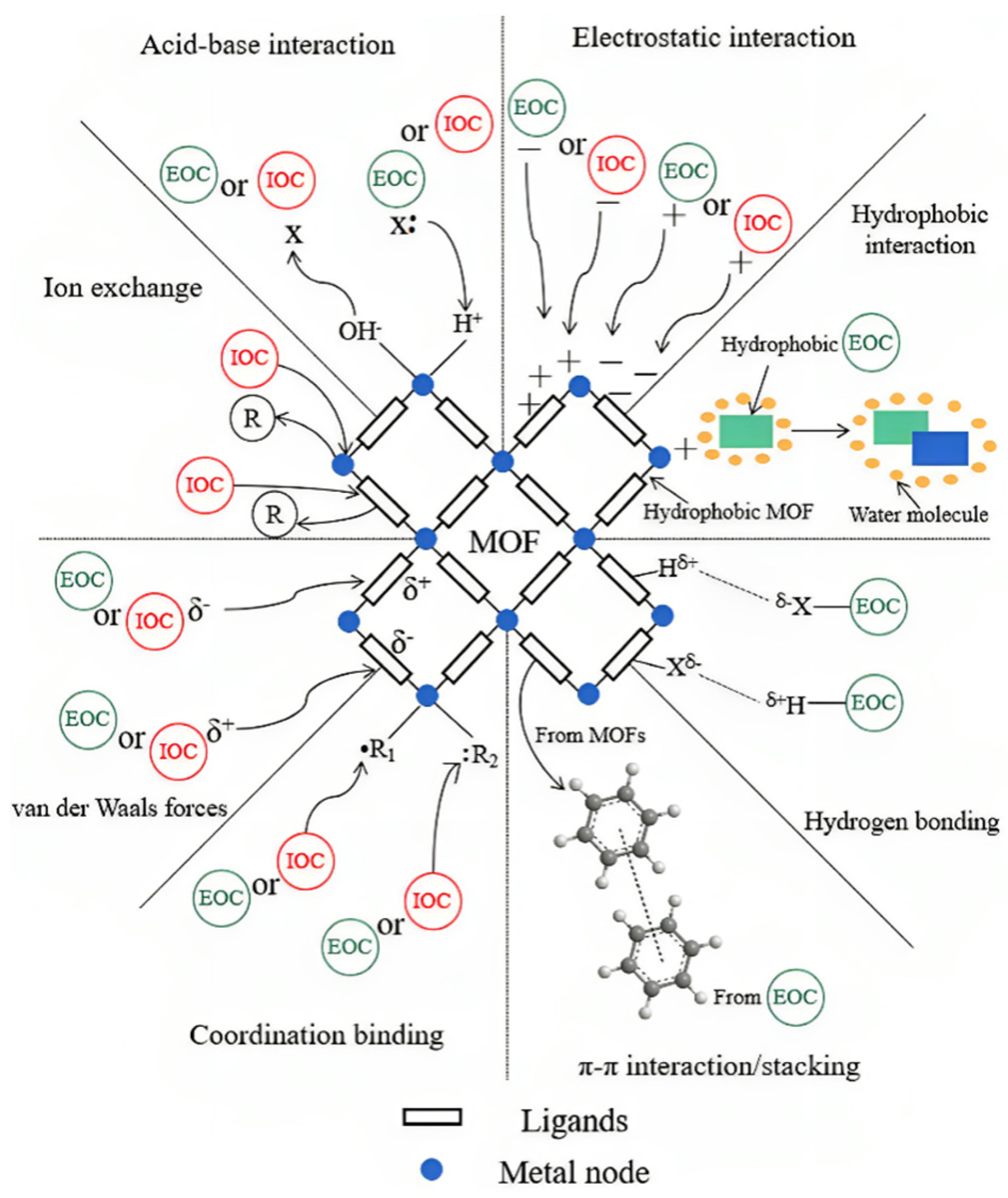
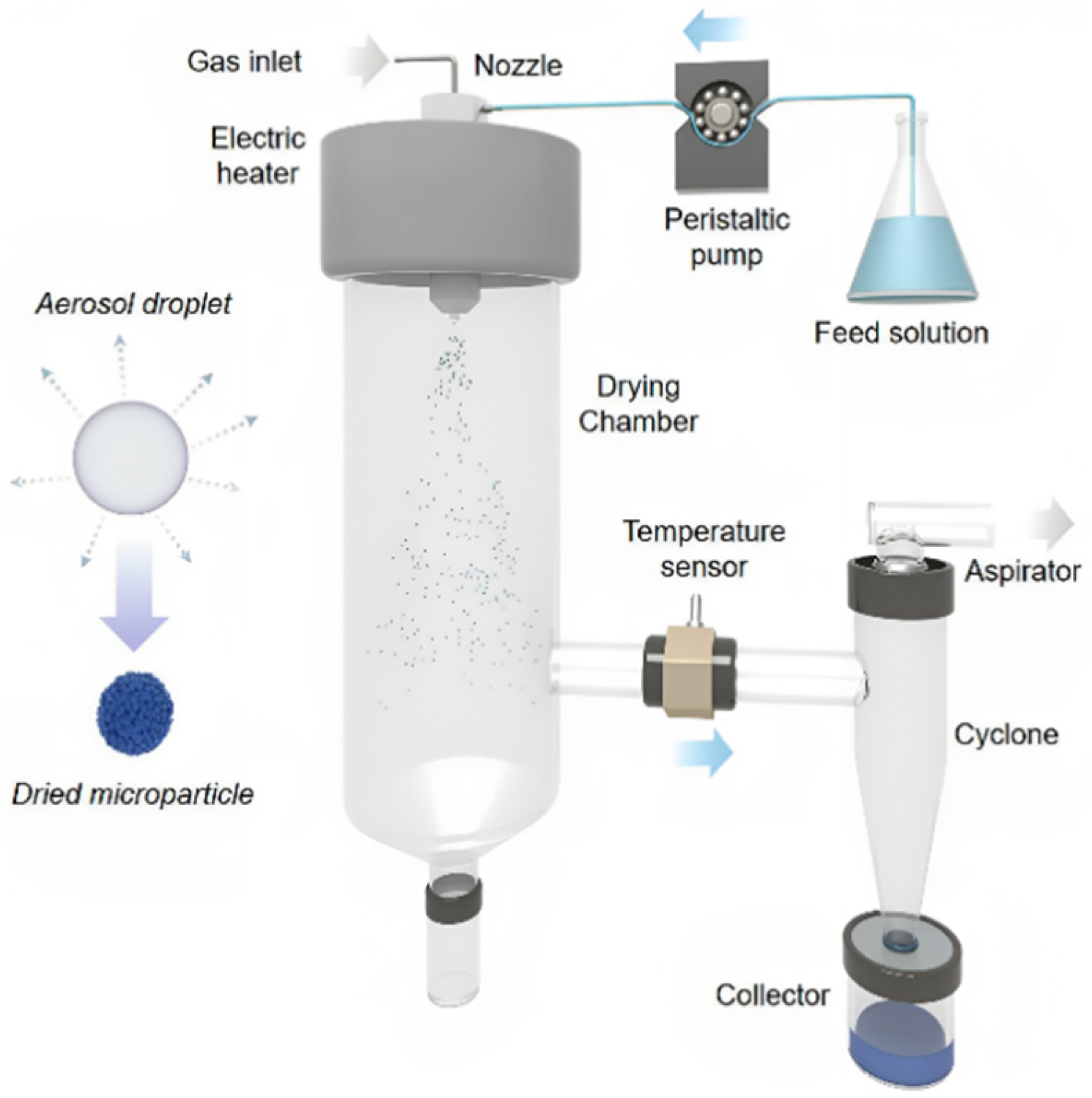
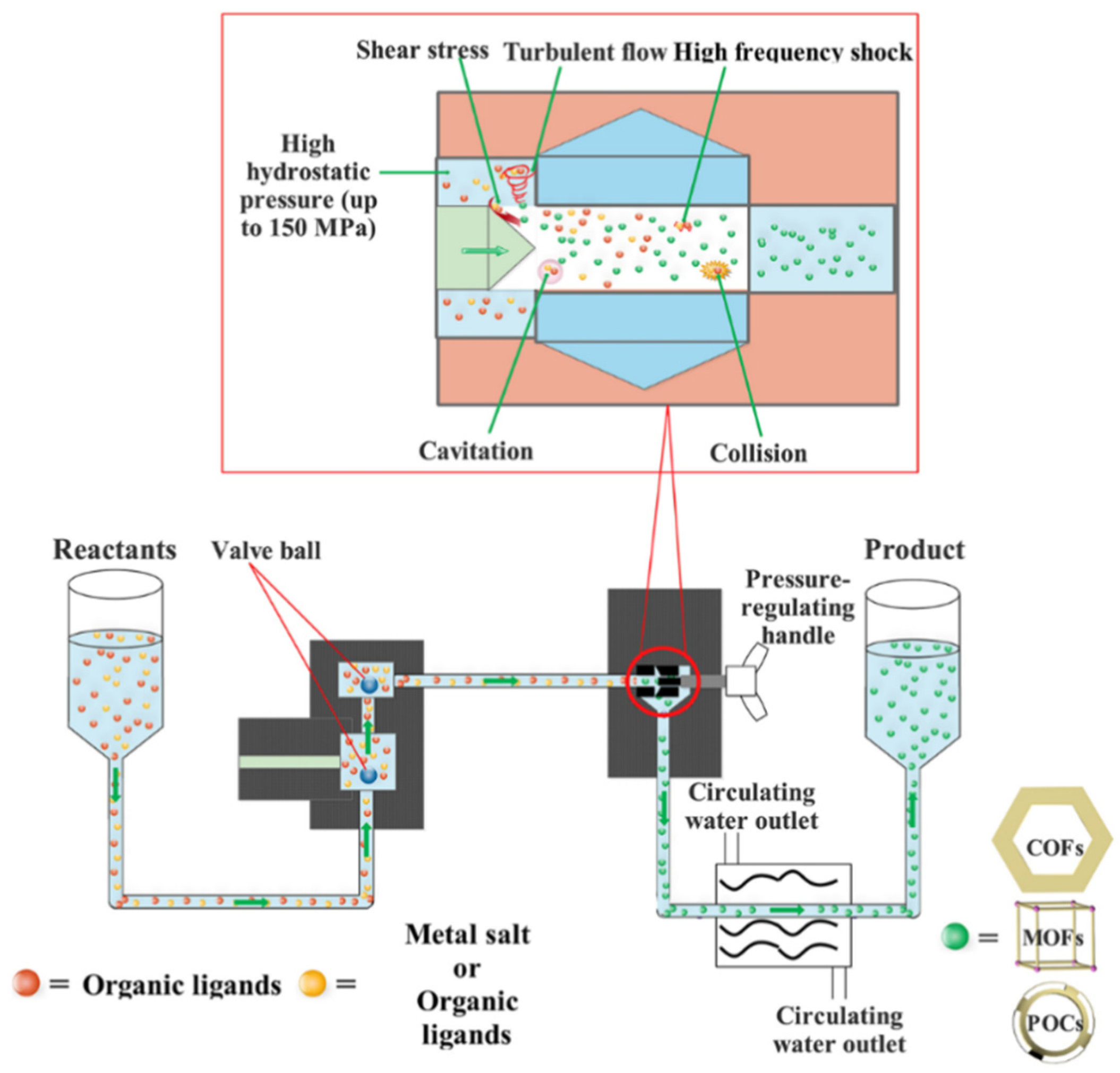
Over the last few decades, there has been a growing discourse surrounding environmental and health issues stemming from drinking water and the discharge of effluents into the environment. The rapid advancement of various sewage treatment methodologies has prompted a thorough exploration of promising materials to capitalize on their benefits. Metal–organic frameworks (MOFs), as porous materials, have garnered considerable attention from researchers in recent years. These materials boast exceptional properties: unparalleled porosity, expansive specific surface areas, unique electronic characteristics including semi-conductivity, and a versatile affinity for organic molecules. These attributes have fueled a spike in research activity. This paper reviews the current MOF-based wastewater removal technologies, including separation, catalysis, and related pollutant monitoring methods, and briefly introduces the basic mechanism of some methods. The scale production problems faced by MOF in water treatment applications are evaluated, and two pioneering methods for MOF mass production are highlighted. In closing, we propose targeted recommendations and future perspectives to navigate the challenges of MOF implementation in water purification, enhancing the efficiency of material synthesis for environmental stewardship.
Keywords: MOFs; wastewater treatment; large-scale preparation; spray drying; high pressure homogenization MOFs; wastewater treatment; large-scale preparation; spray drying; high pressure homogenization