Article

Strength–Ductility Mechanism of CoCrFeMnNi High-Entropy Alloys with Inverse Gradient-Grained Structures


1
School of Information Science and Technology, Northwest University, Xi’an 710127, China
2
Zhejiang Provincial Key Laboratory of Laser Processing Robotics, College of Mechanical & Electrical Engineering, Wenzhou University, Wenzhou 325035, China
3
China International Science & Technology Cooperation Base for Laser Processing Robotics, Wenzhou University, Wenzhou 325035, China
4
Zhejiang Wuma Reducer Co., Ltd., Wenzhou 325019, China
5
Sichuan University-Pittsburgh Institute, Sichuan University, Chengdu 610207, China
6
Haining Textile Machinery Co., Ltd., Haining 314400, China
*
Authors to whom correspondence should be addressed.
Materials 2024, 17(7), 1695; https://doi.org/10.3390/ma17071695
Submission received: 8 February 2024 / Revised: 1 March 2024 / Accepted: 4 April 2024 / Published: 7 April 2024

Abstract

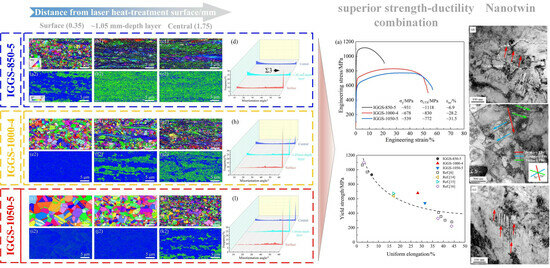
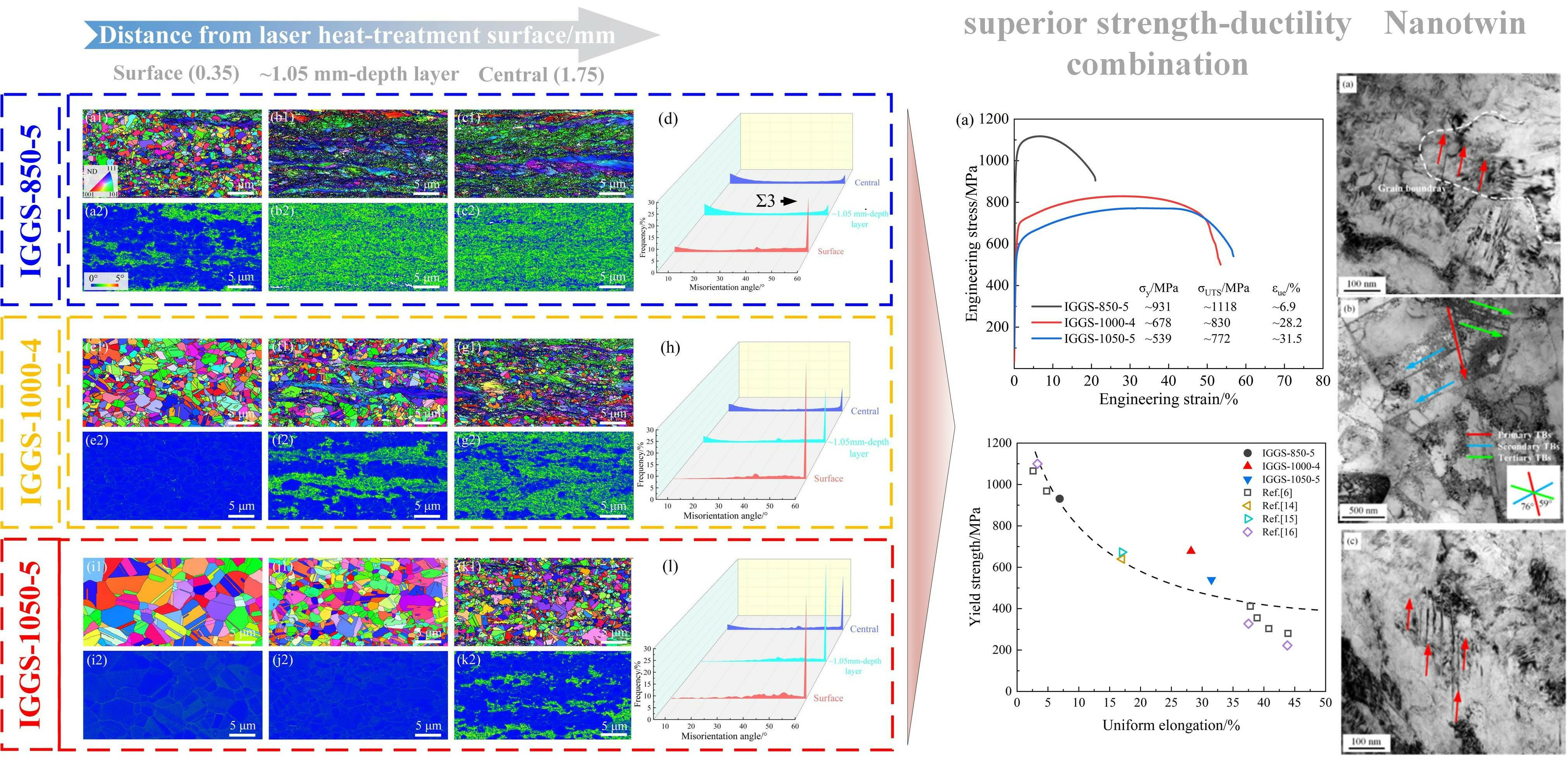
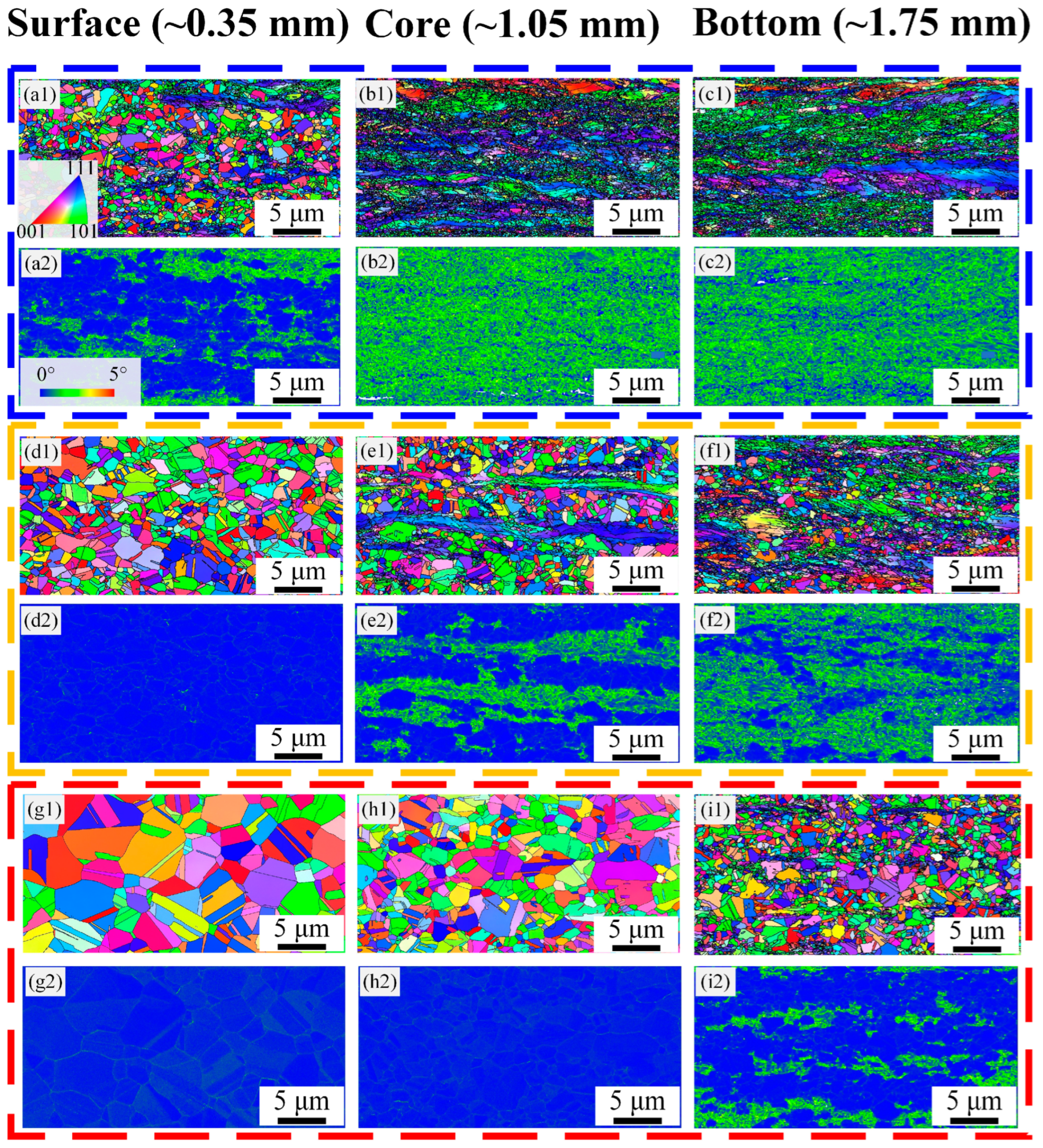
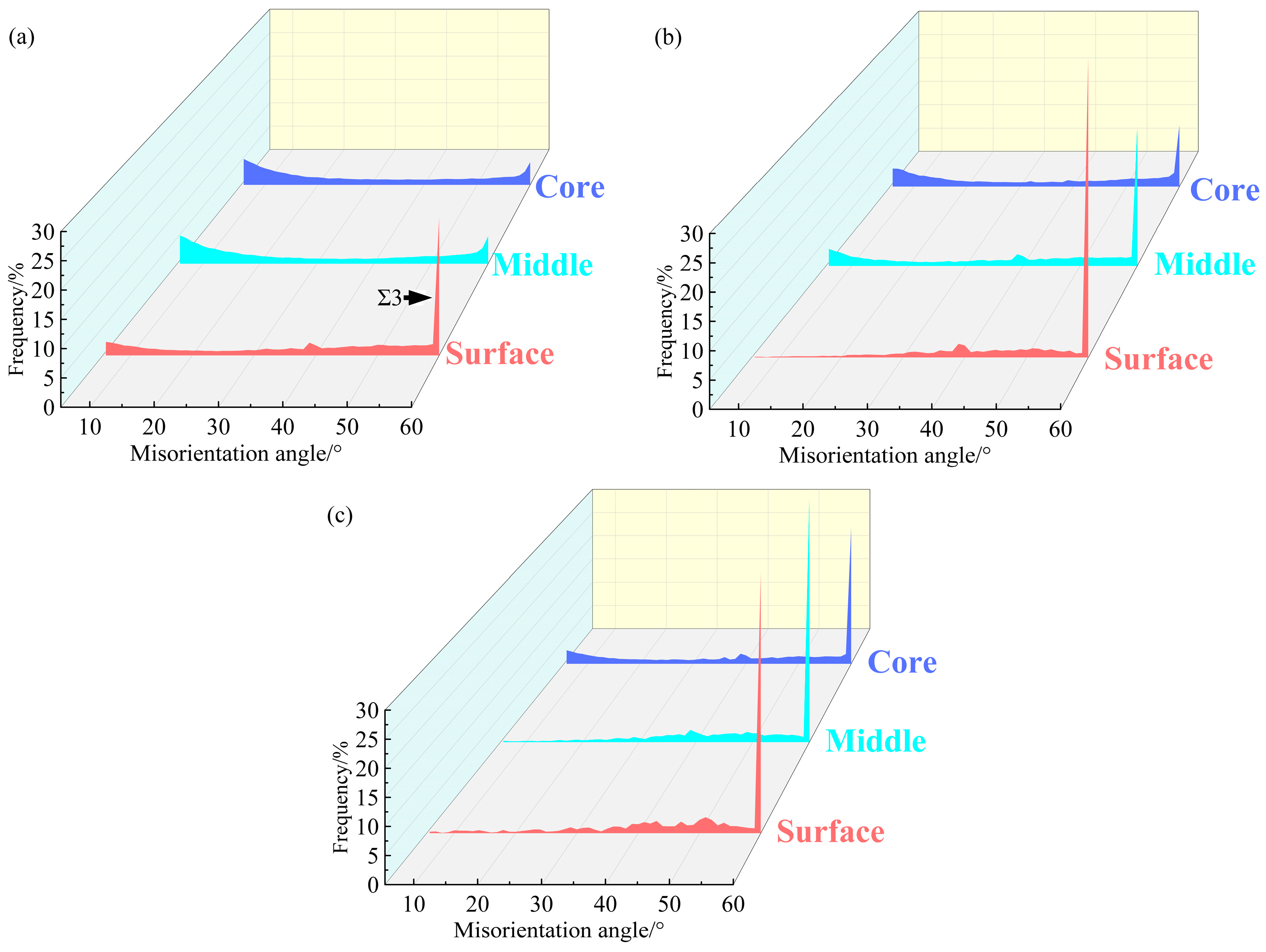
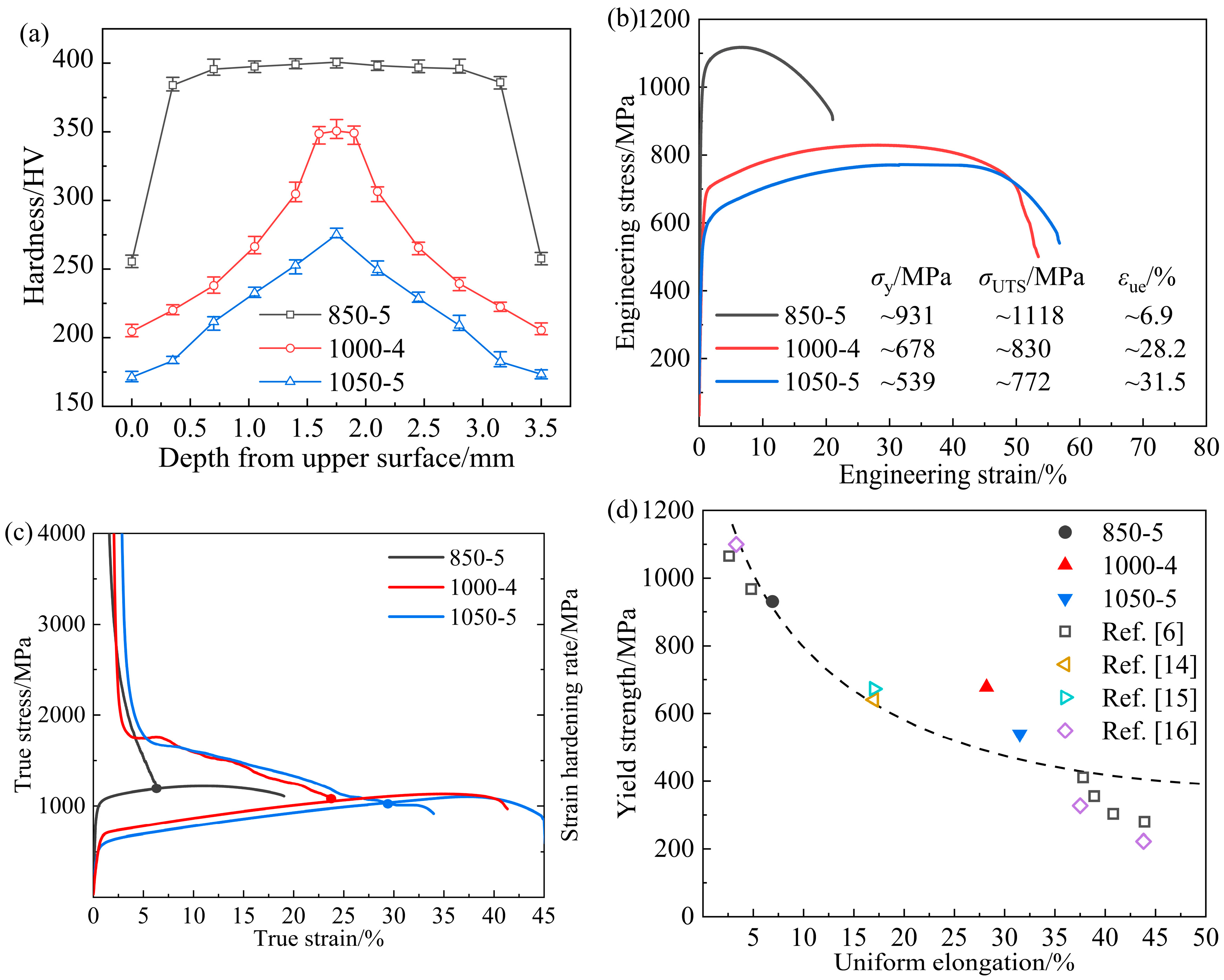
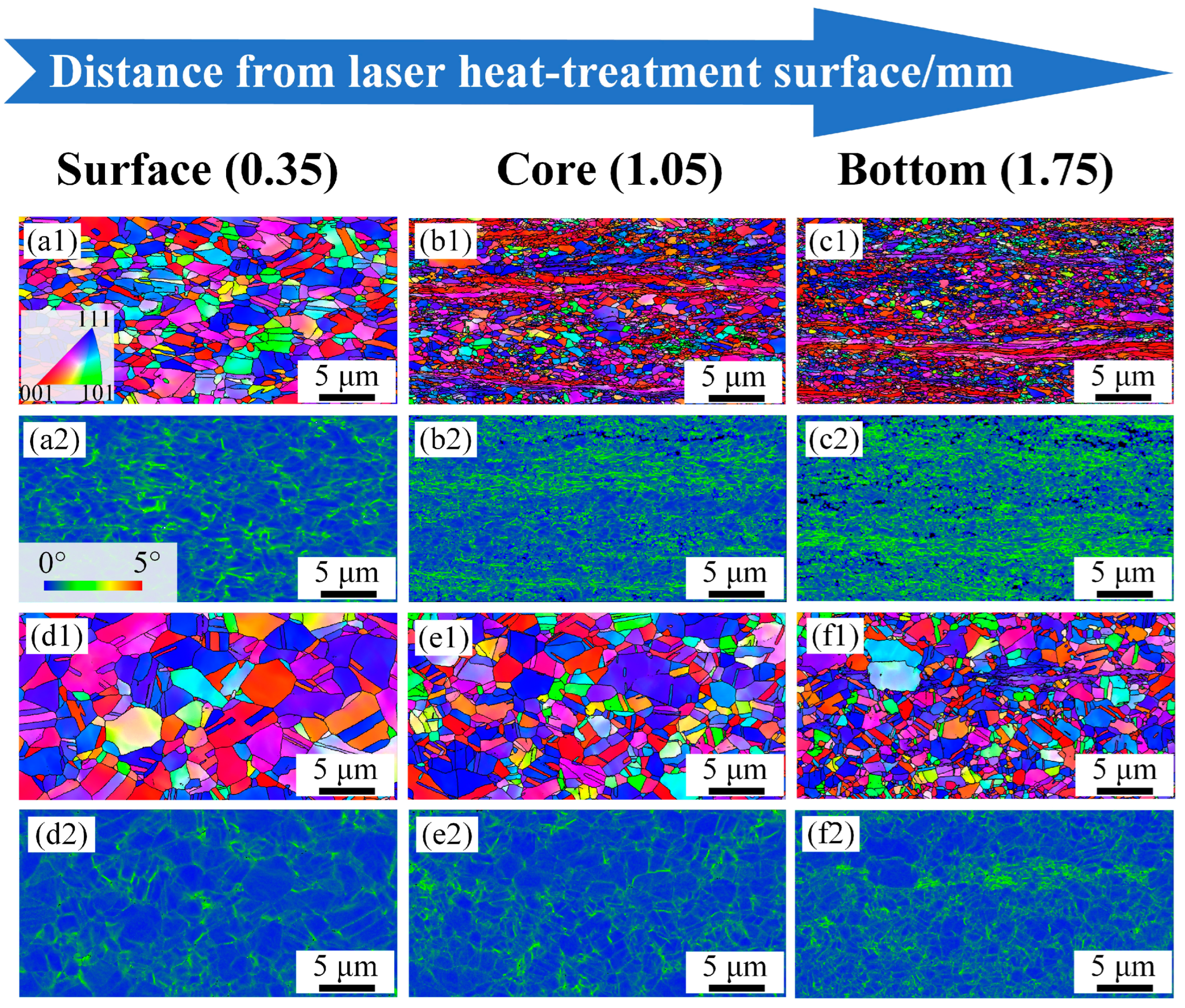
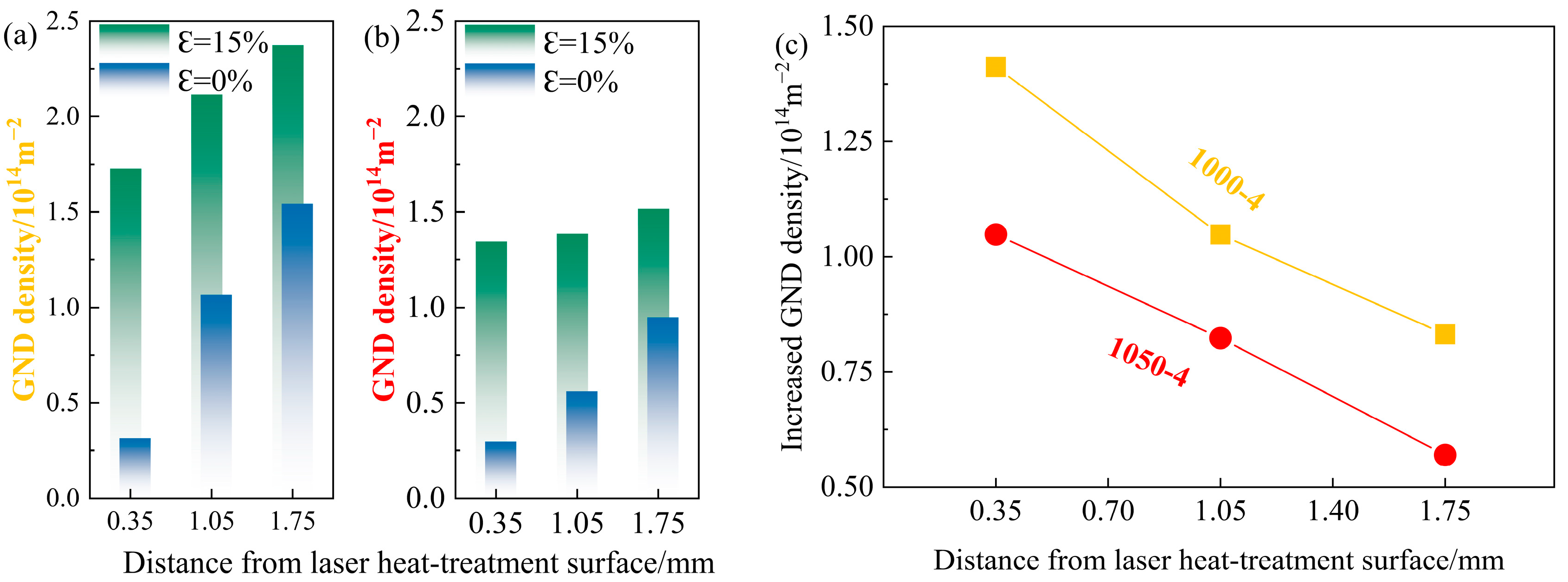
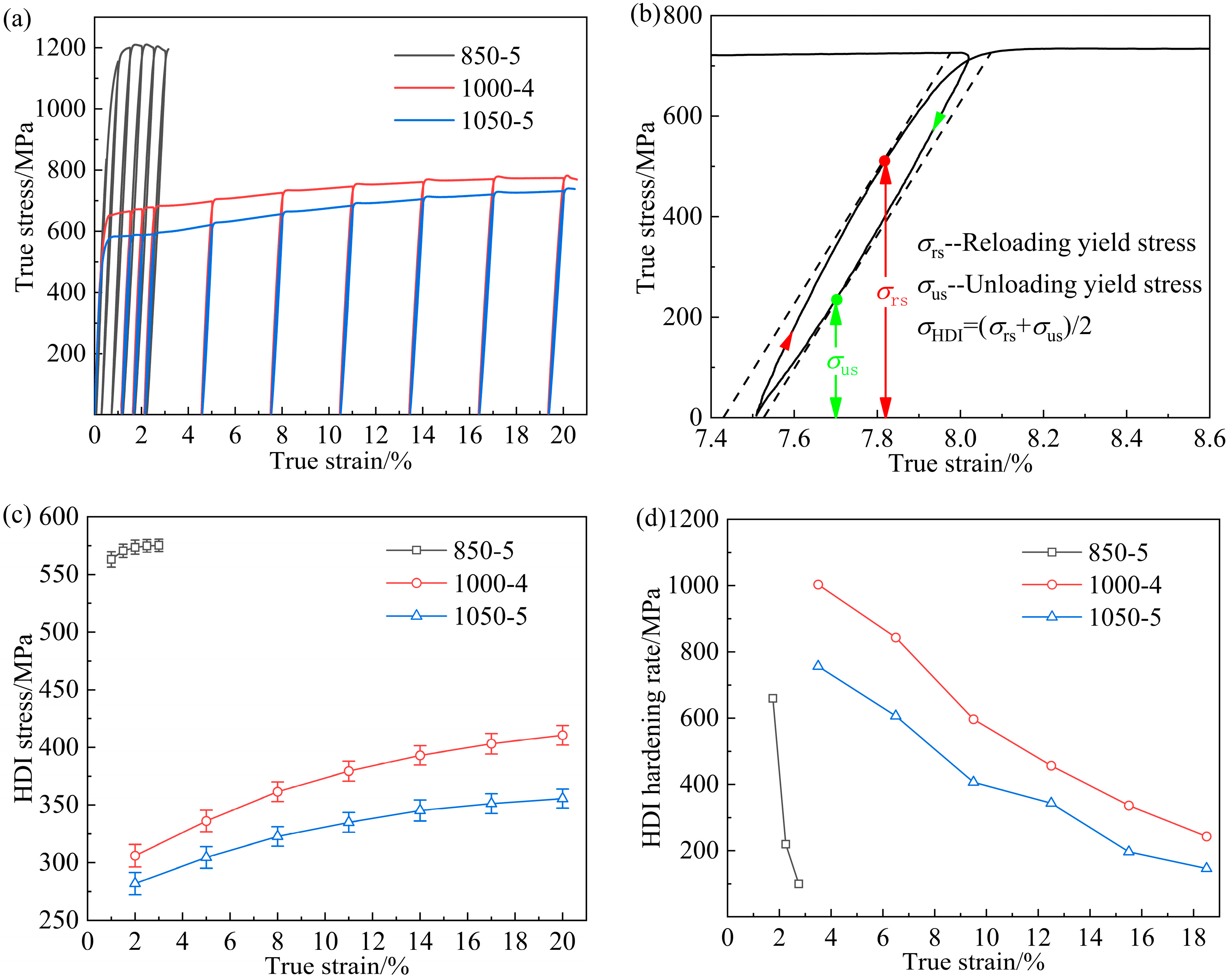
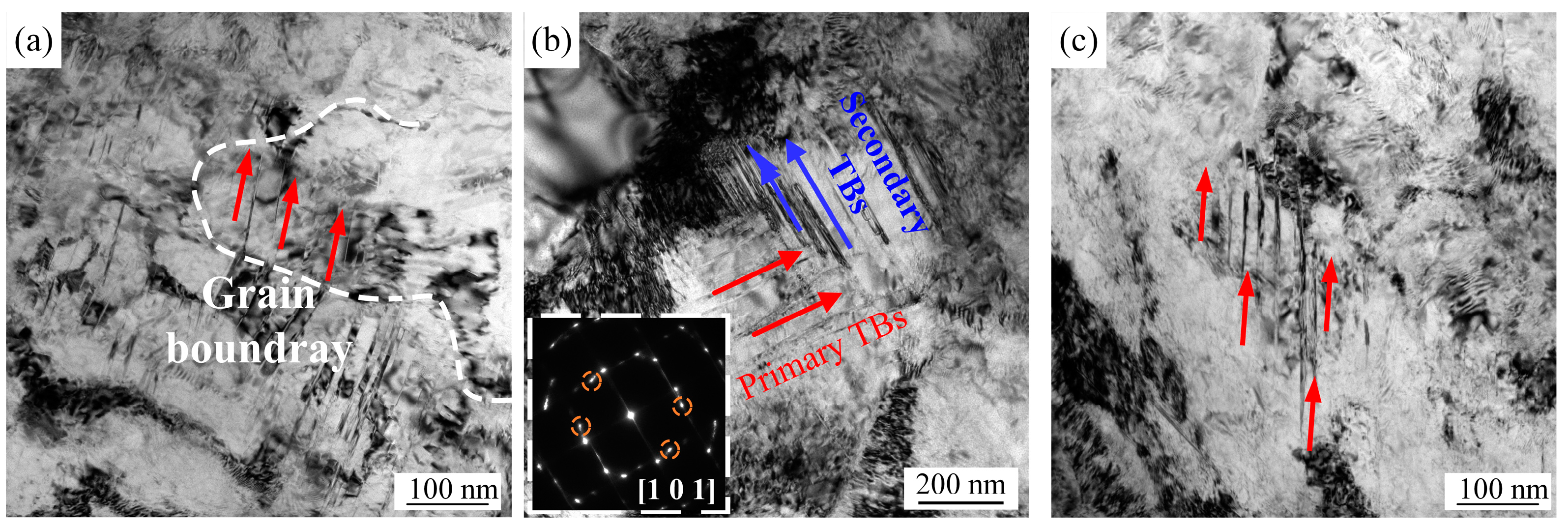
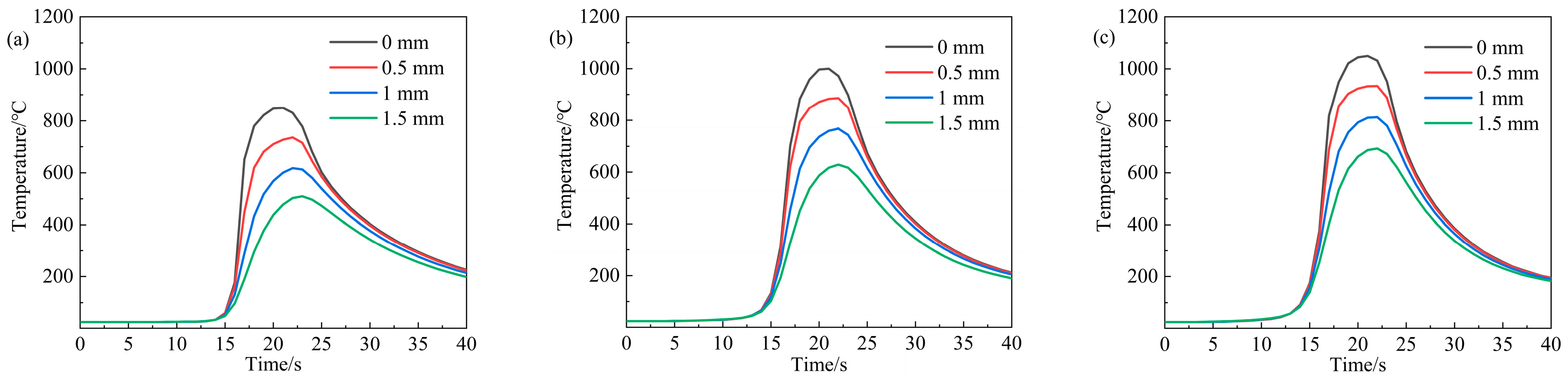
The microstructures and mechanical properties of equiatomic CoCrFeMnNi high-entropy alloys (HEAs) treated with various processing parameters of laser surface heat treatment are studied in this paper. The typical inverse gradient-grained structure, which is composed of a hard central layer and a soft surface layer, can be obtained by laser surface heat treatment. A much narrower gradient layer leads to the highest yield strength by sacrificing ductility when the surface temperature of the laser-irradiated region remains at ~850 °C, whereas the fully recrystallized microstructure, which exists from the top surface layer to the ~1.05 mm depth layer, increases the ductility but decreases the yield strength as the maximum heating temperature rises to ~1050 °C. Significantly, the superior strength–ductility combination can be acquired by controlling the surface temperature of a laser-irradiated surface at ~1000 °C with a scanning speed of ~4 mm/s due to the effect of hetero-deformation-induced strengthening and hardening, as well as the enhanced interaction between dislocation and nanotwins by the hierarchical nanotwins. Therefore, retaining the partial recrystallized microstructure with a relatively high microhardness in the central layer, promoting the generation of hierarchical nanotwins, and increasing the volume proportion of gradient layer can effectively facilitate the inverse gradient-grained CoCrFeMnNi HEAs to exhibit a desirable strength–ductility synergy.
Keywords: high-entropy alloy; laser surface heat treatment; inverse gradient-grained structure; strength–ductility synergy; hierarchical nanotwins high-entropy alloy; laser surface heat treatment; inverse gradient-grained structure; strength–ductility synergy; hierarchical nanotwins
Graphical Abstract