Viscoelastic Behavior of Cellular Biomaterials Based on Octet-Truss and Tetrahedron Topologies

 ,
,  , and
, and Highlights
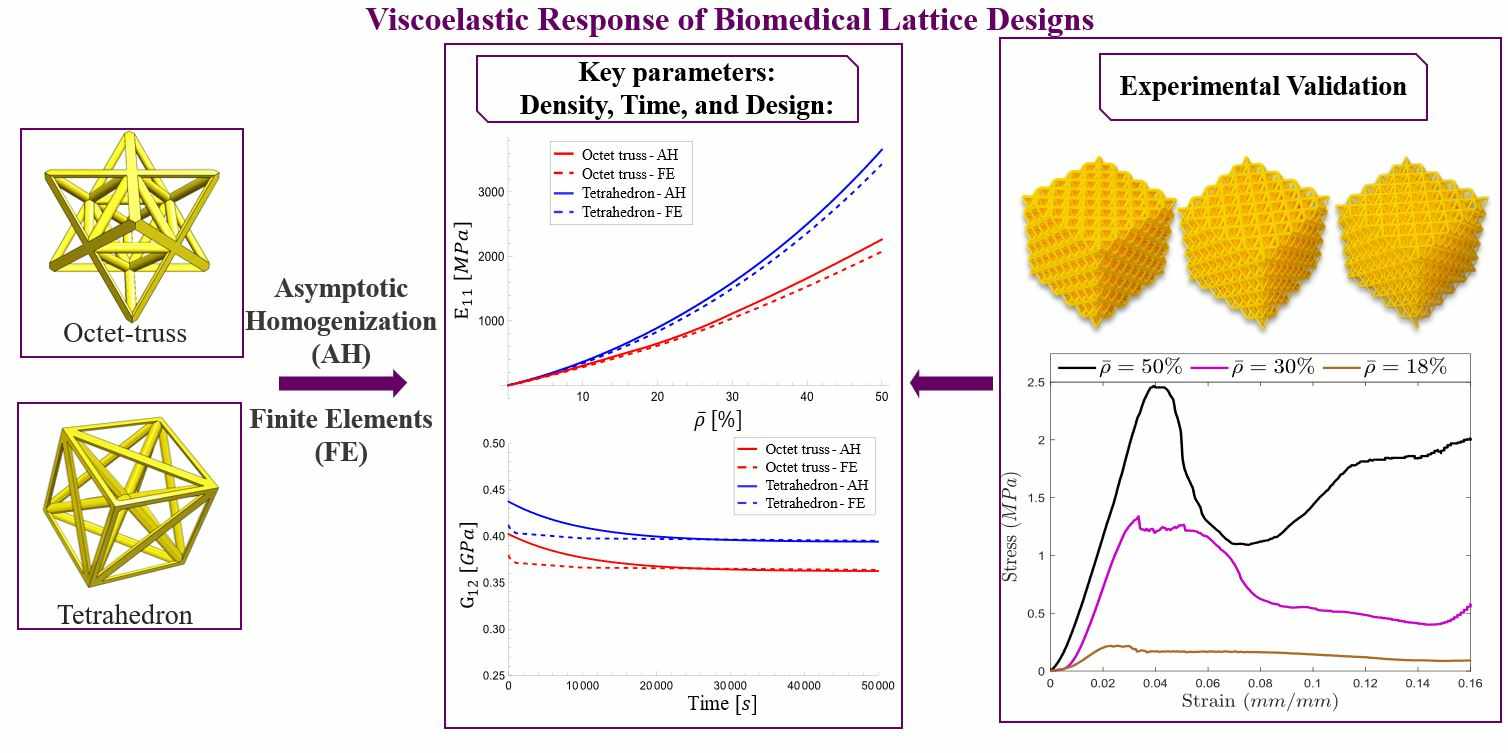
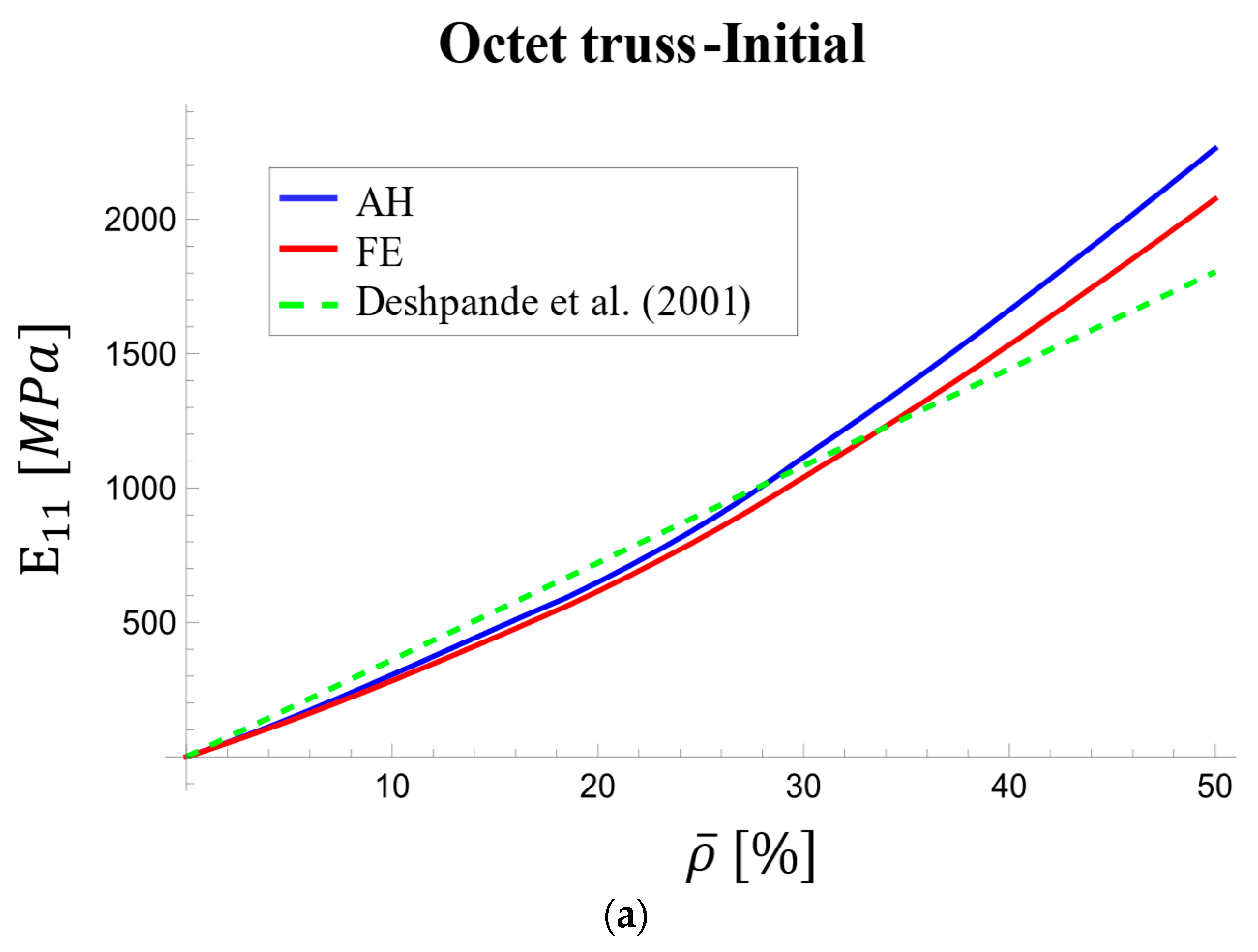
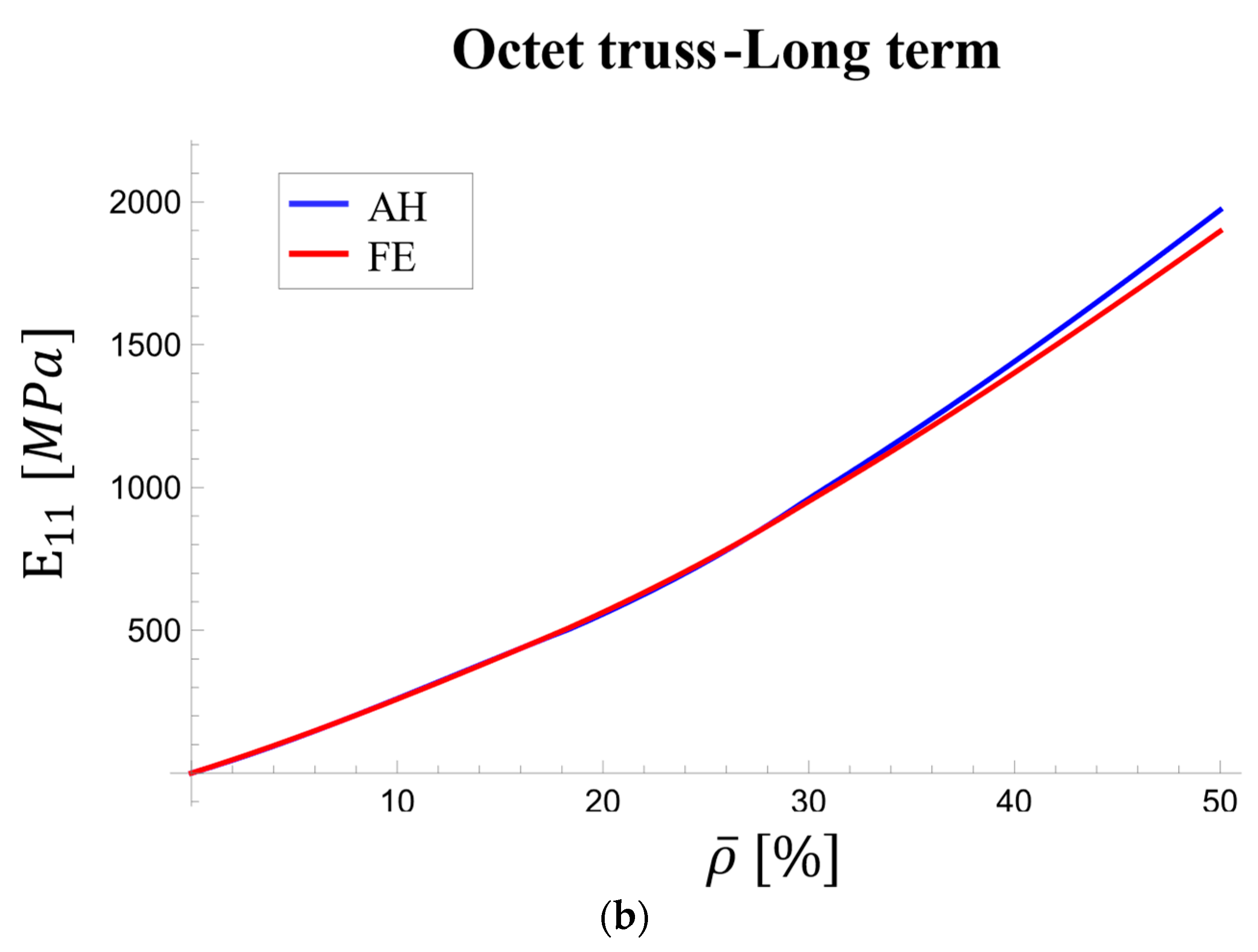
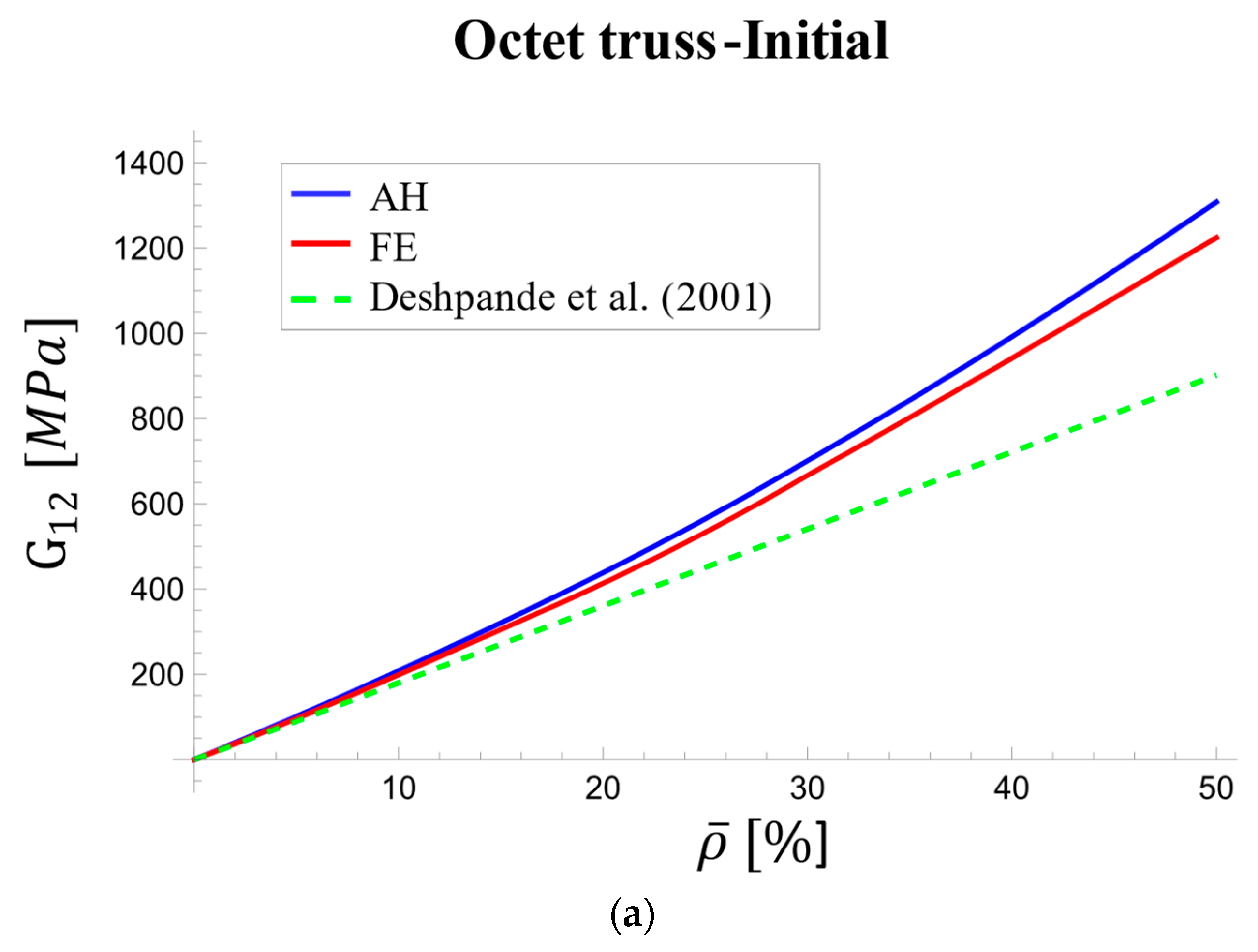
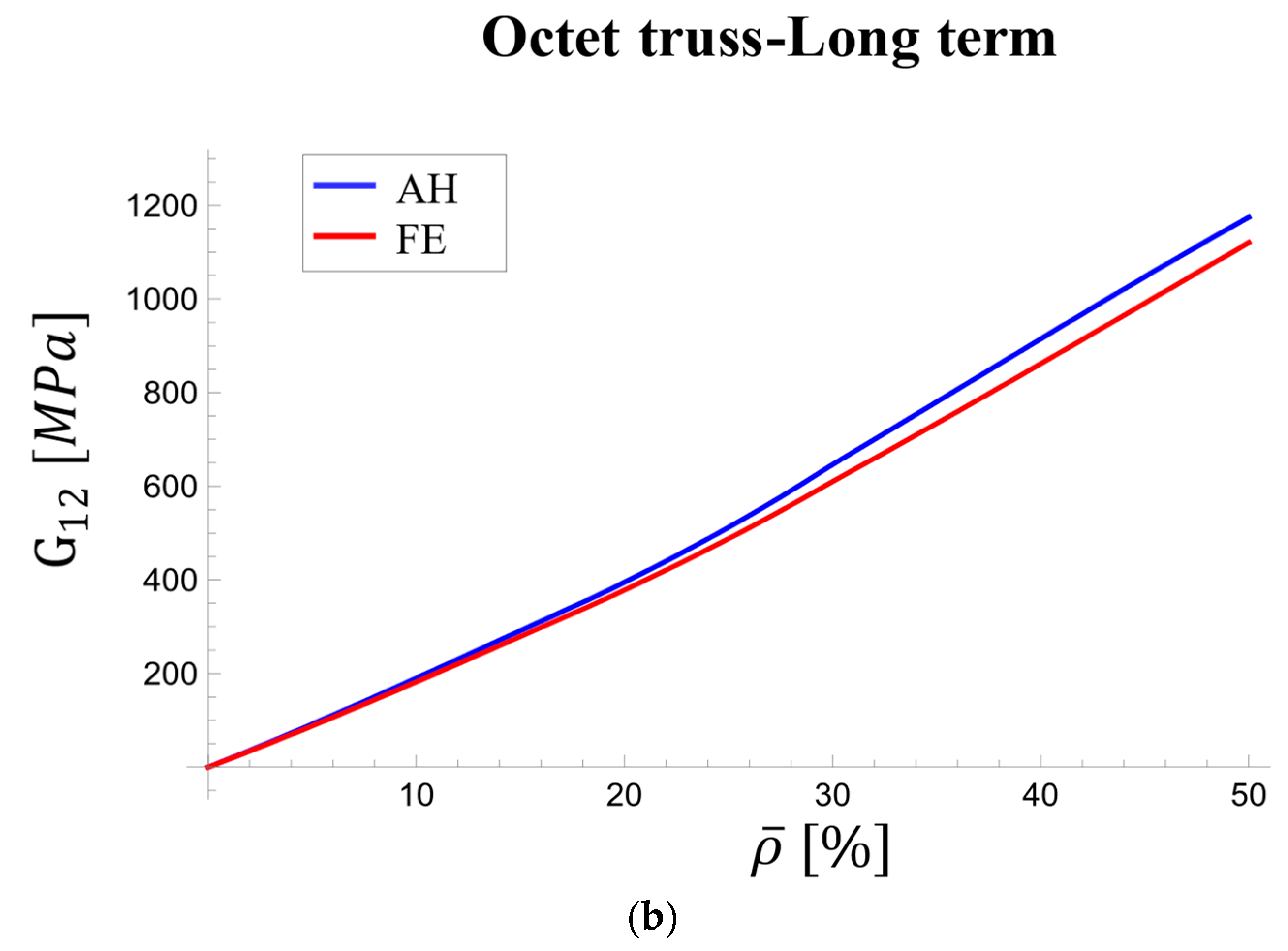
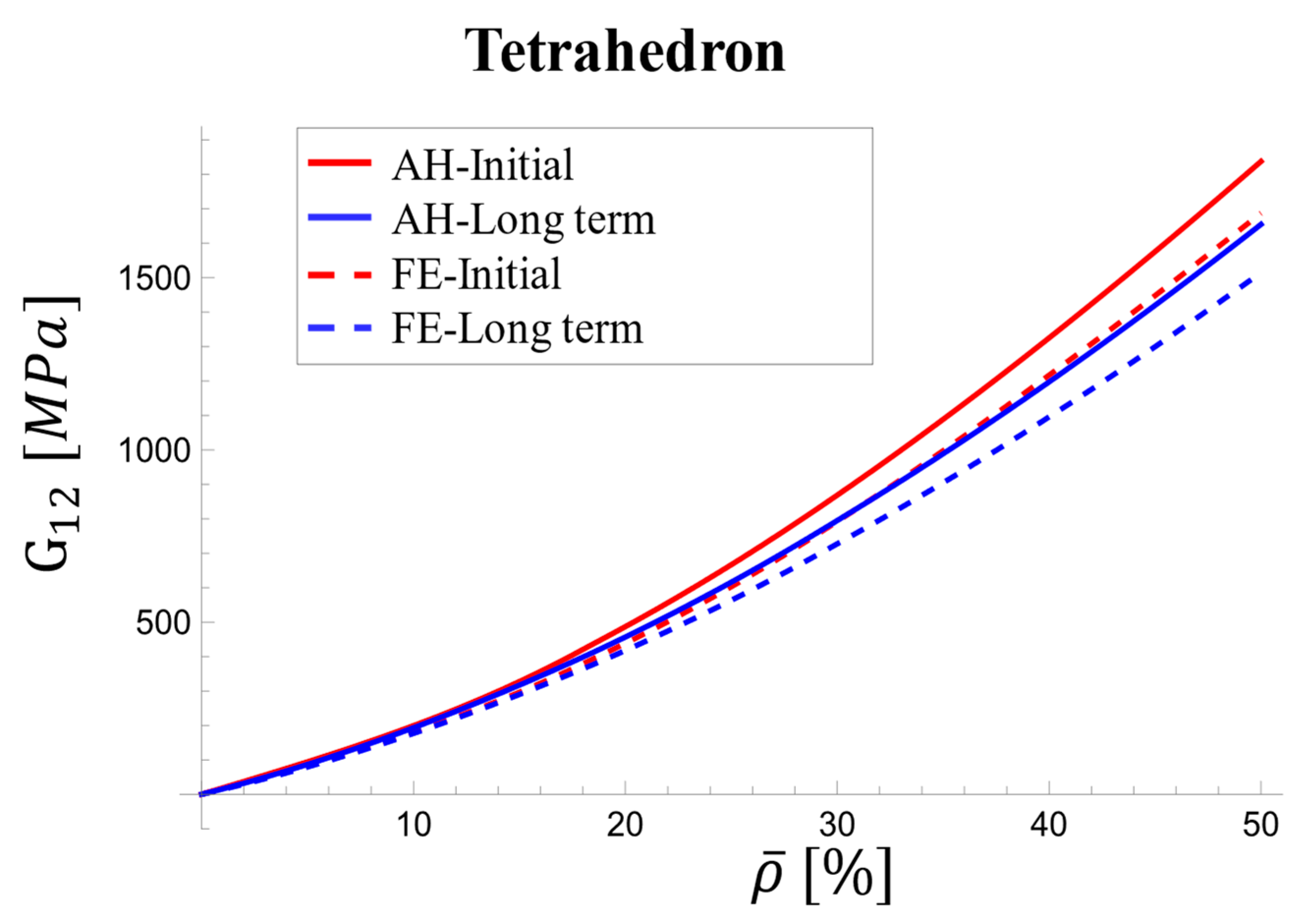
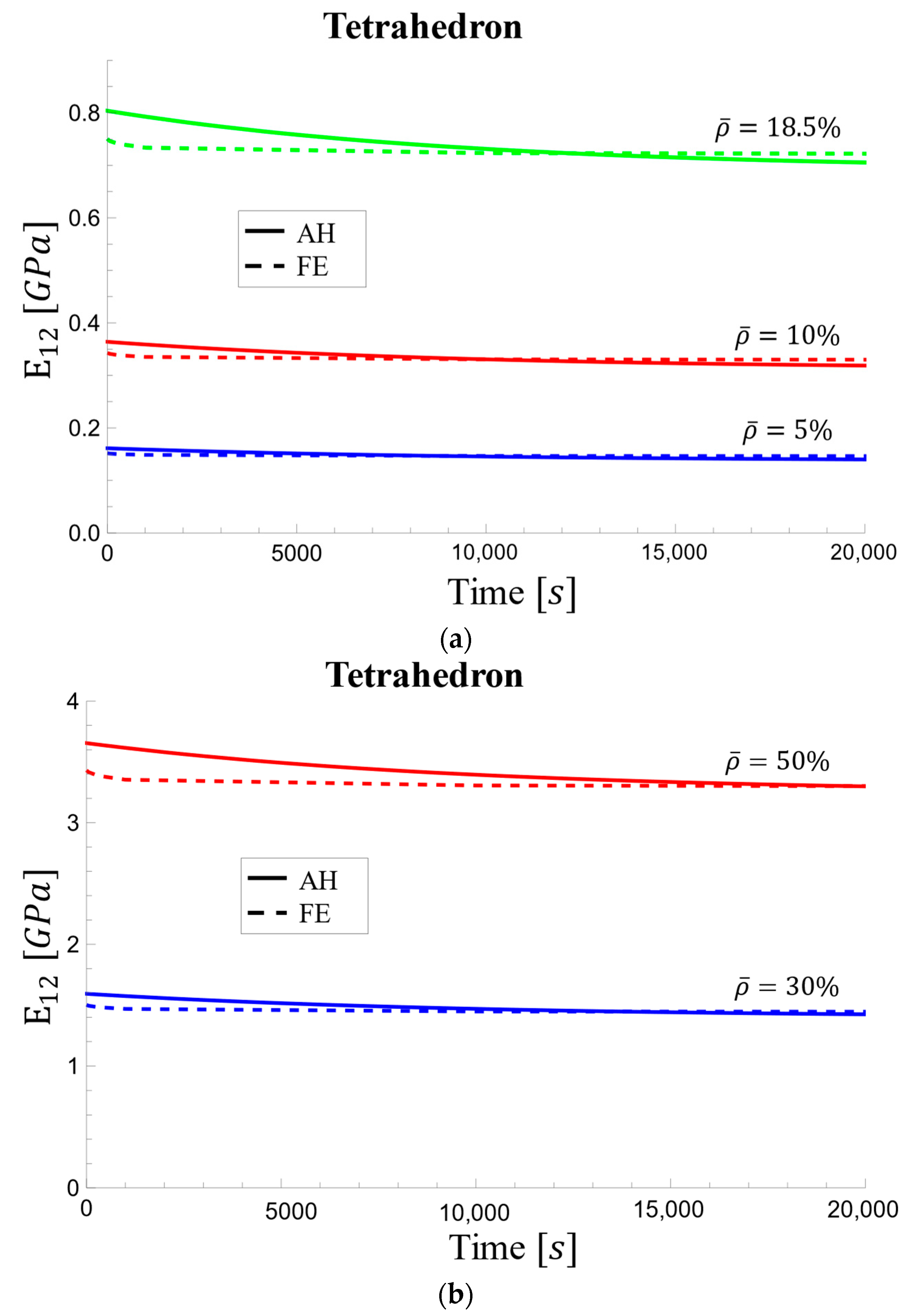
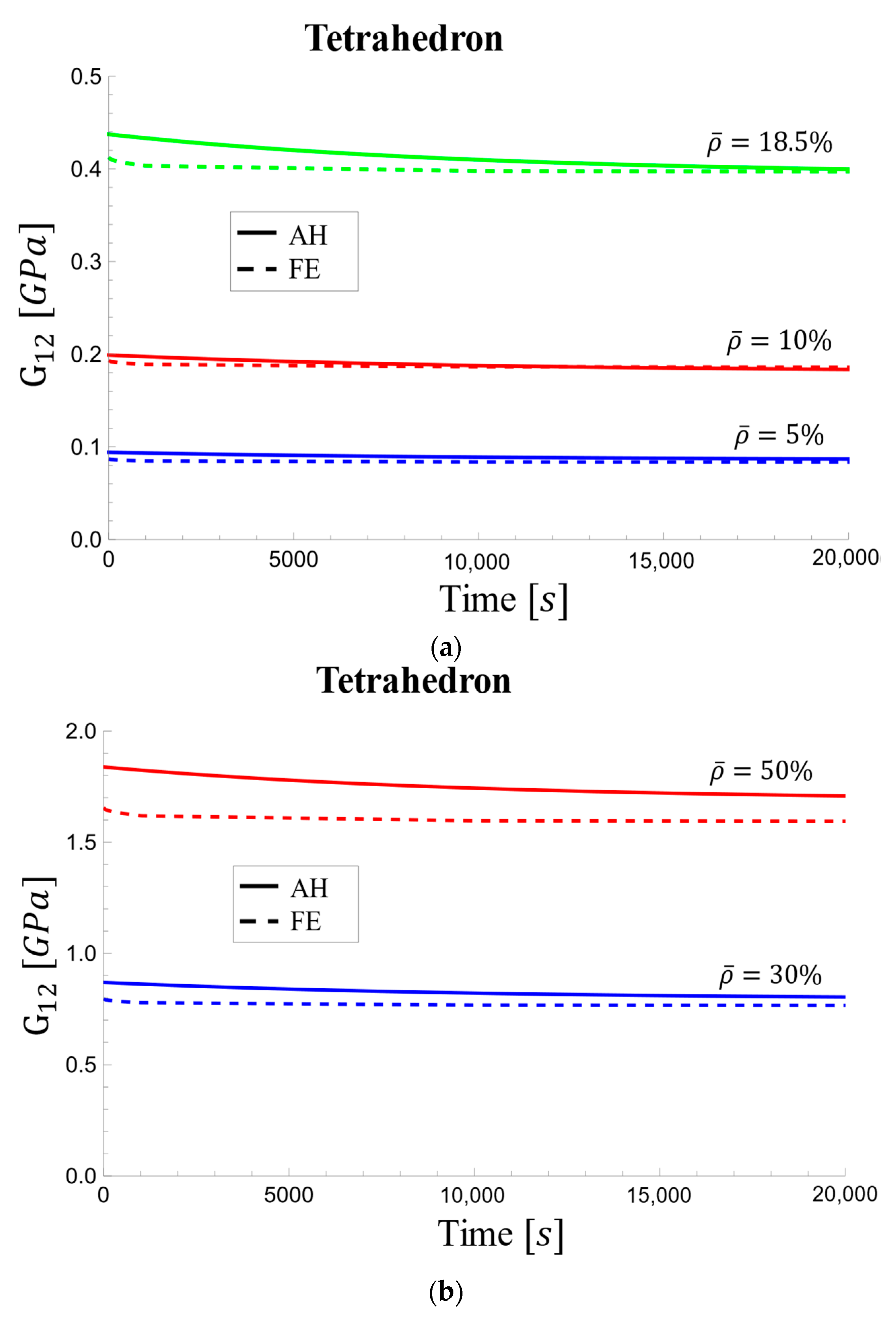
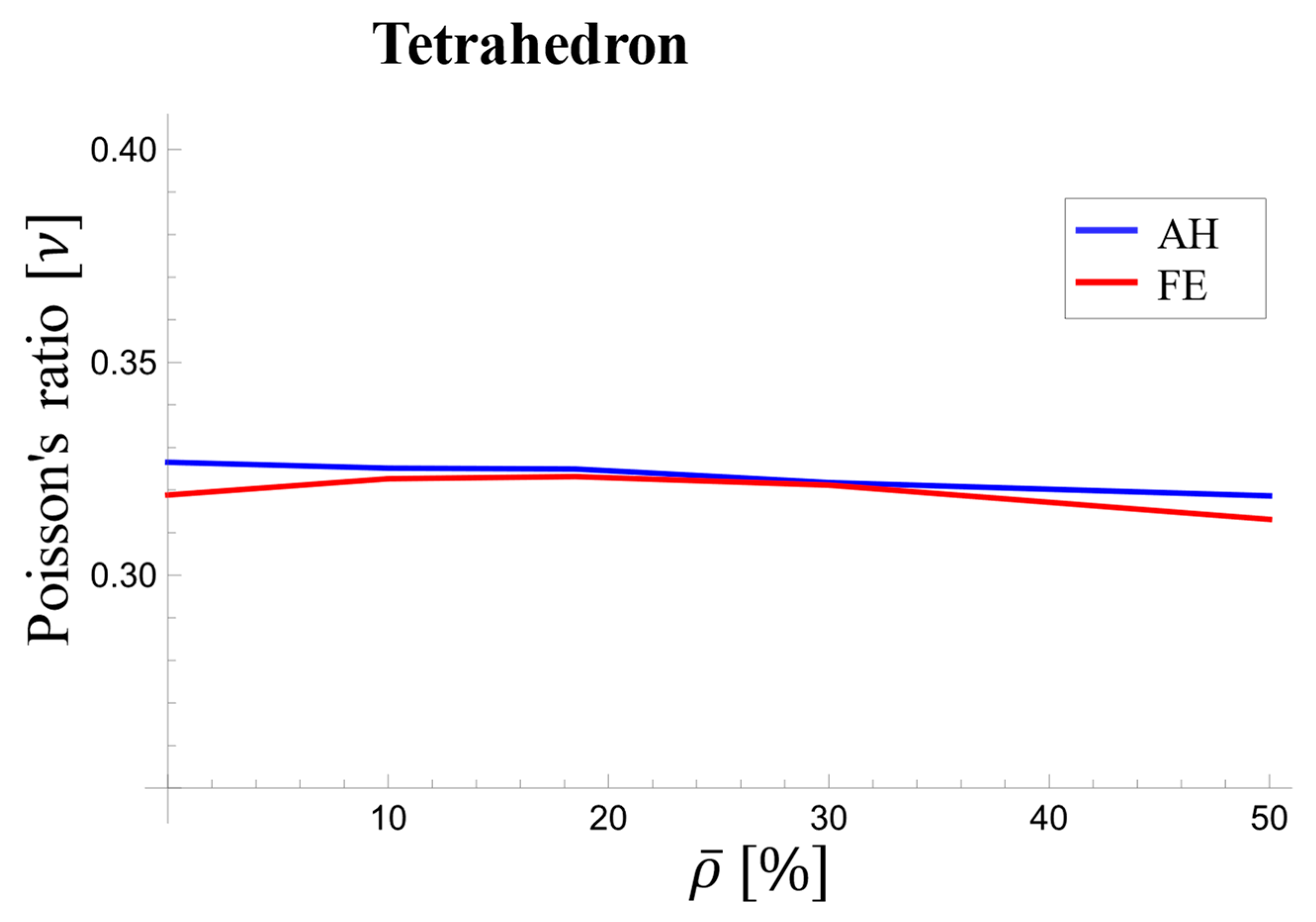
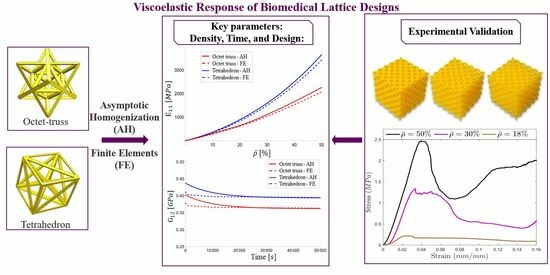
- Asymptotic homogenization method is used to study the viscoelastic behavior of lattice structures.
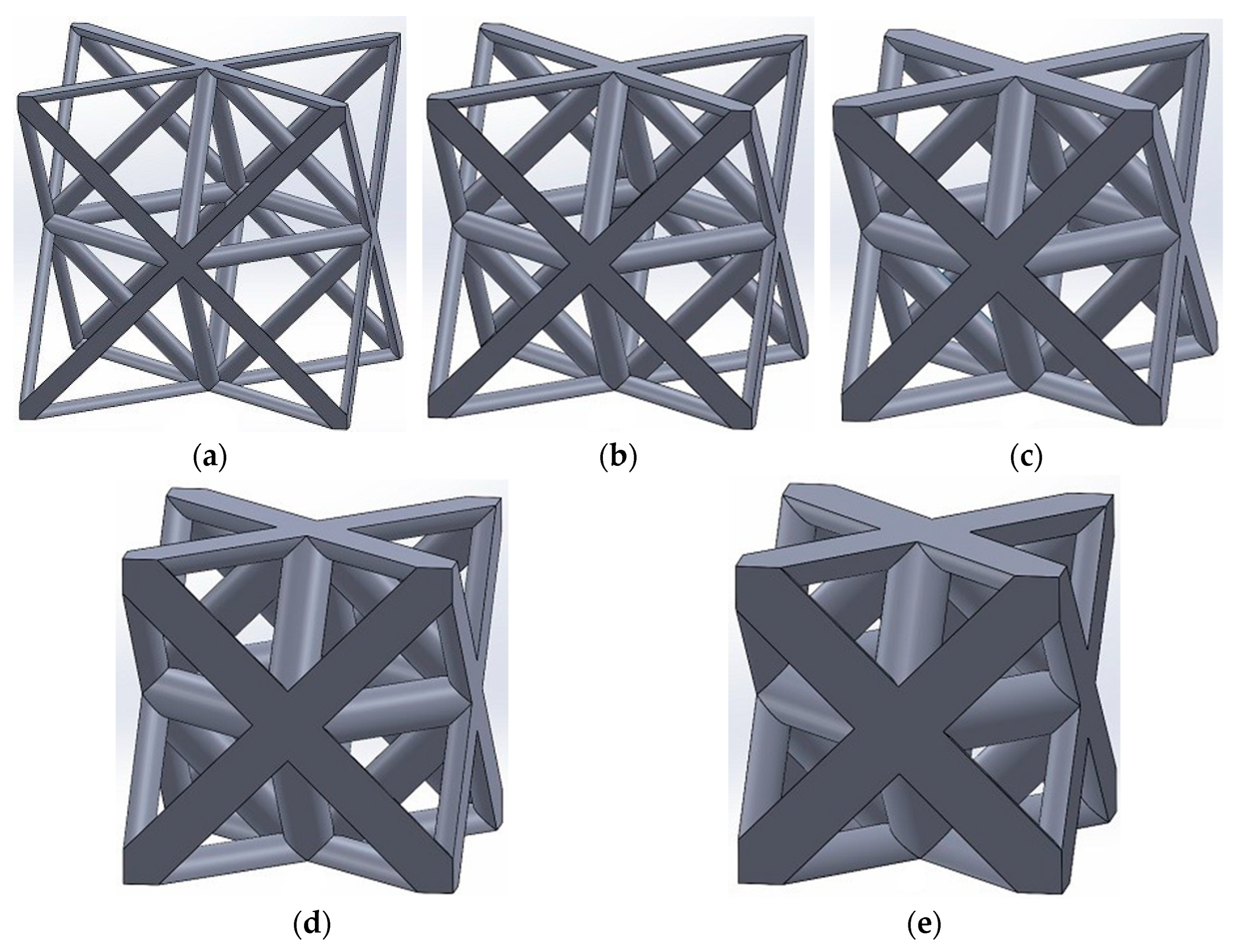
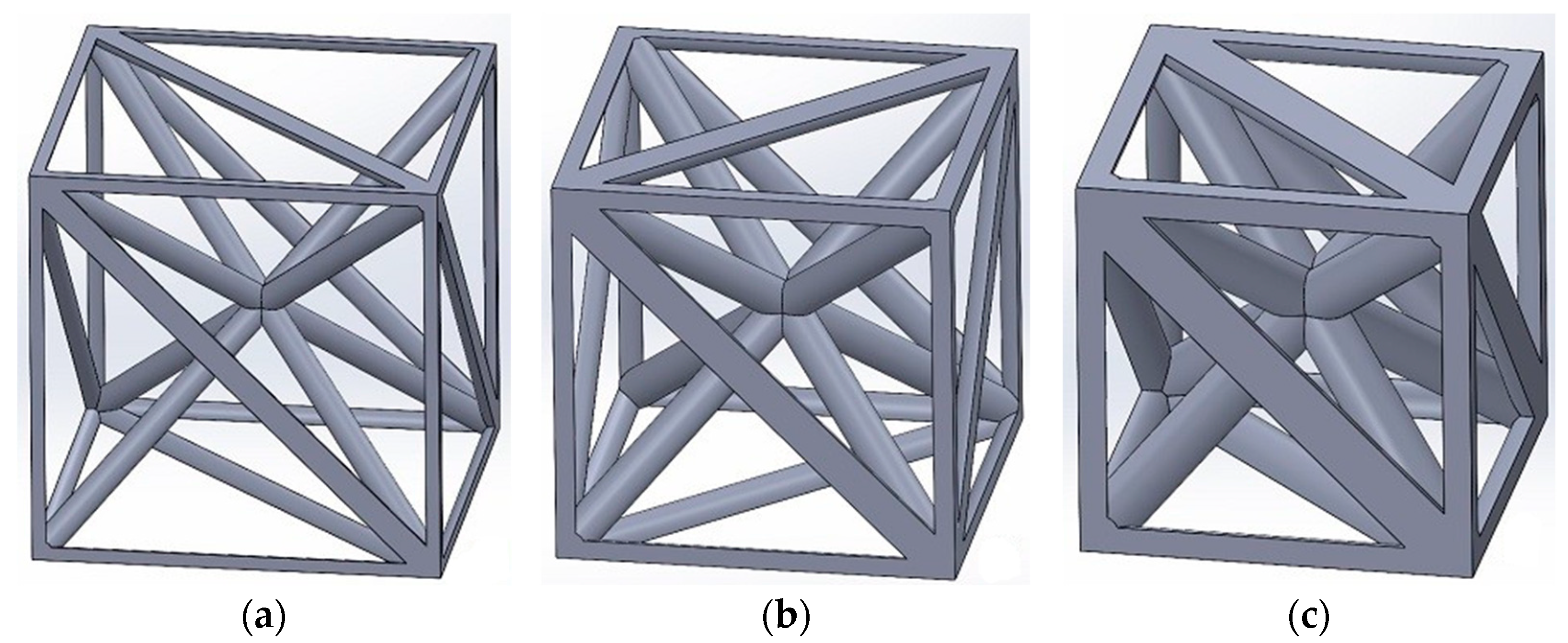
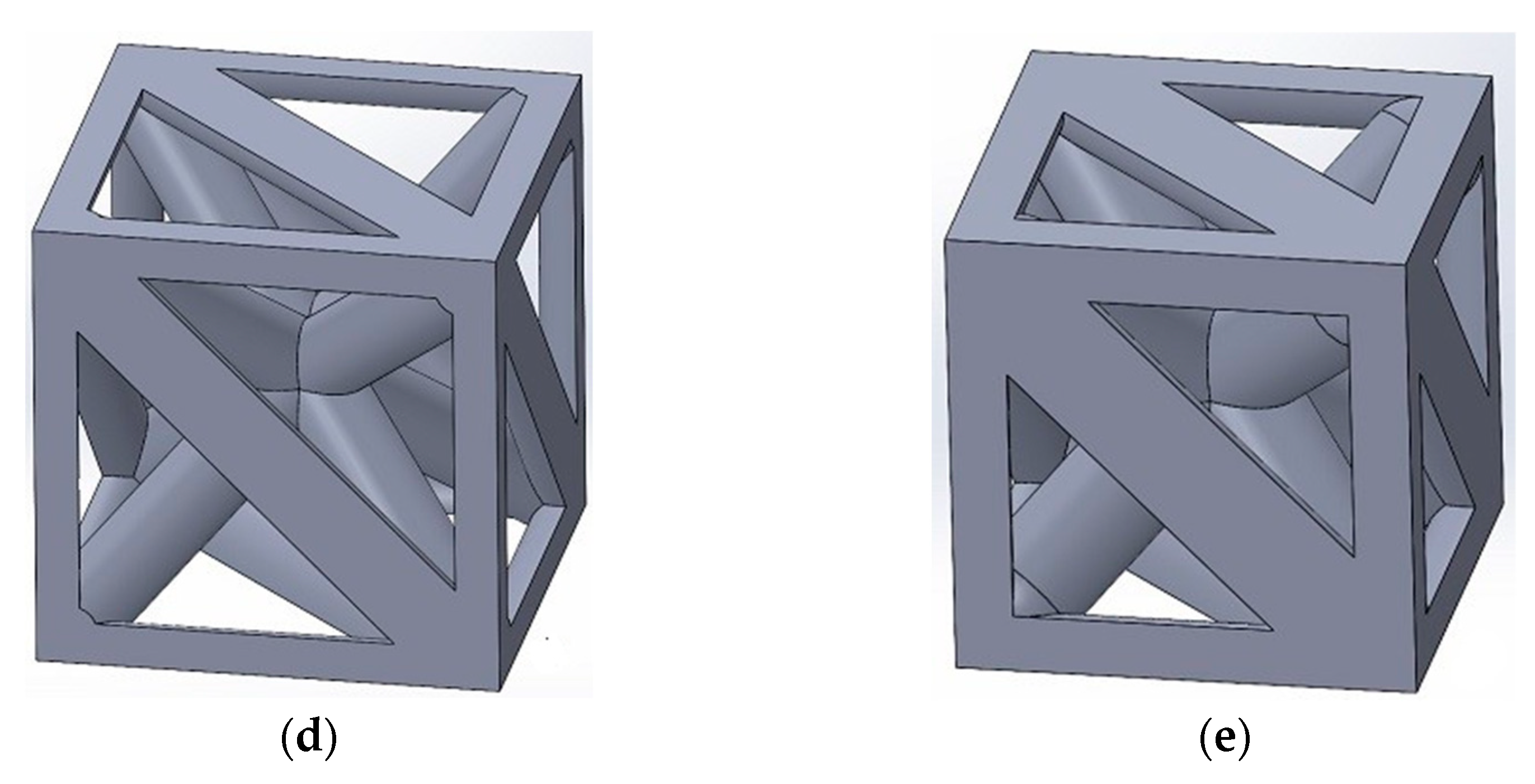
- Effective moduli of tetrahedron-based and octet-truss topologies are obtained.
- Finite element method and experimental tests are used for validation of AH method.
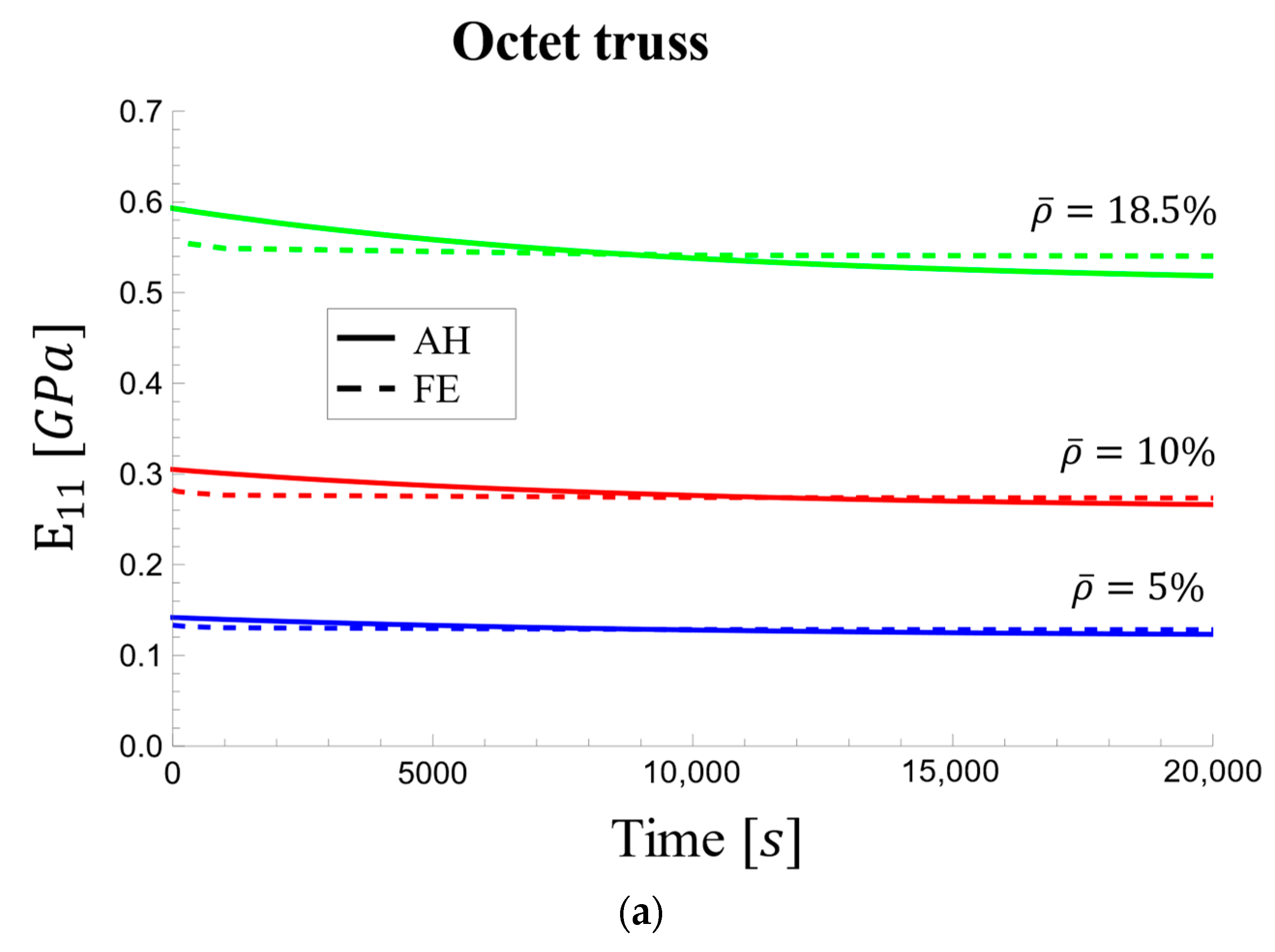
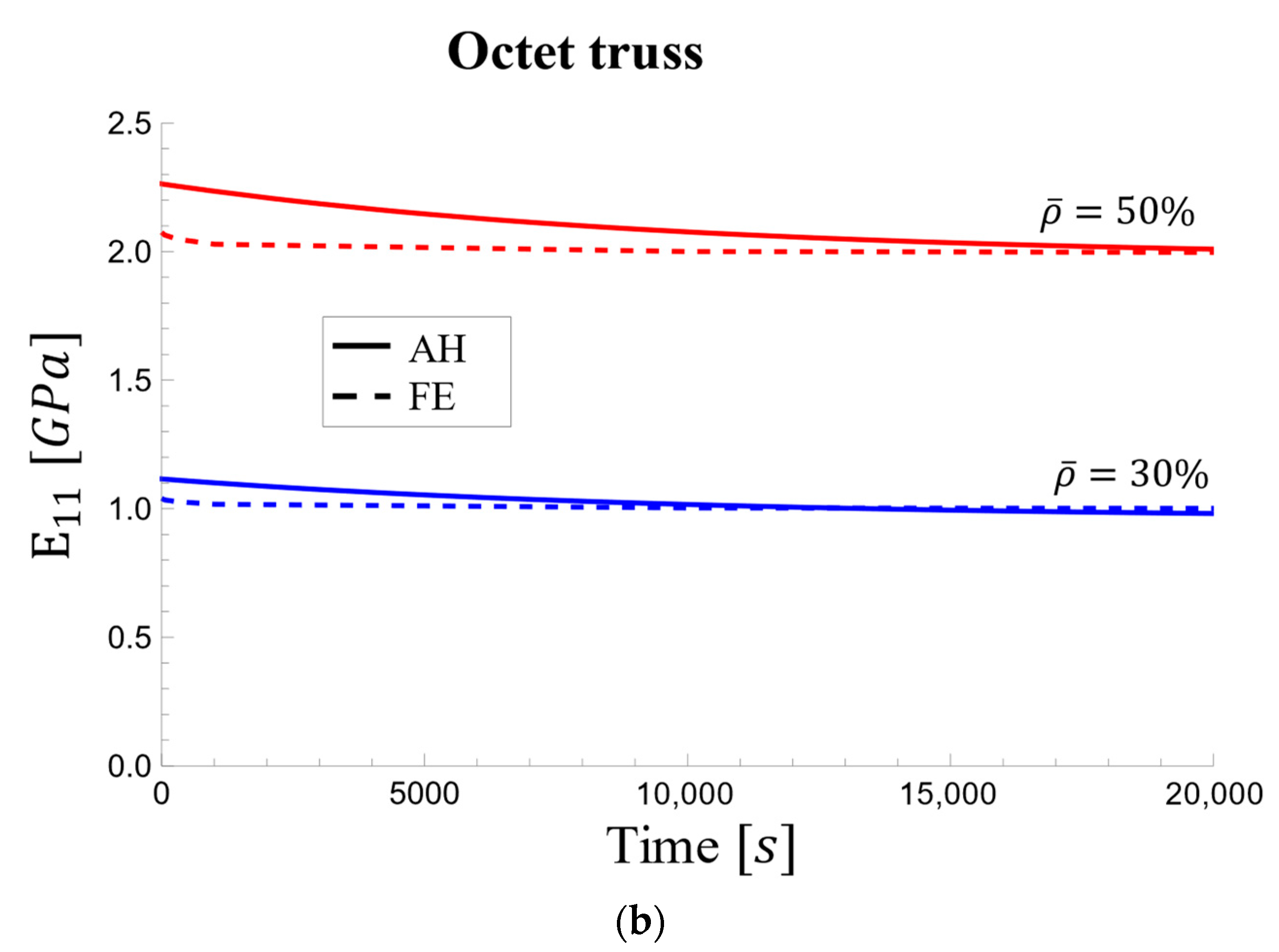
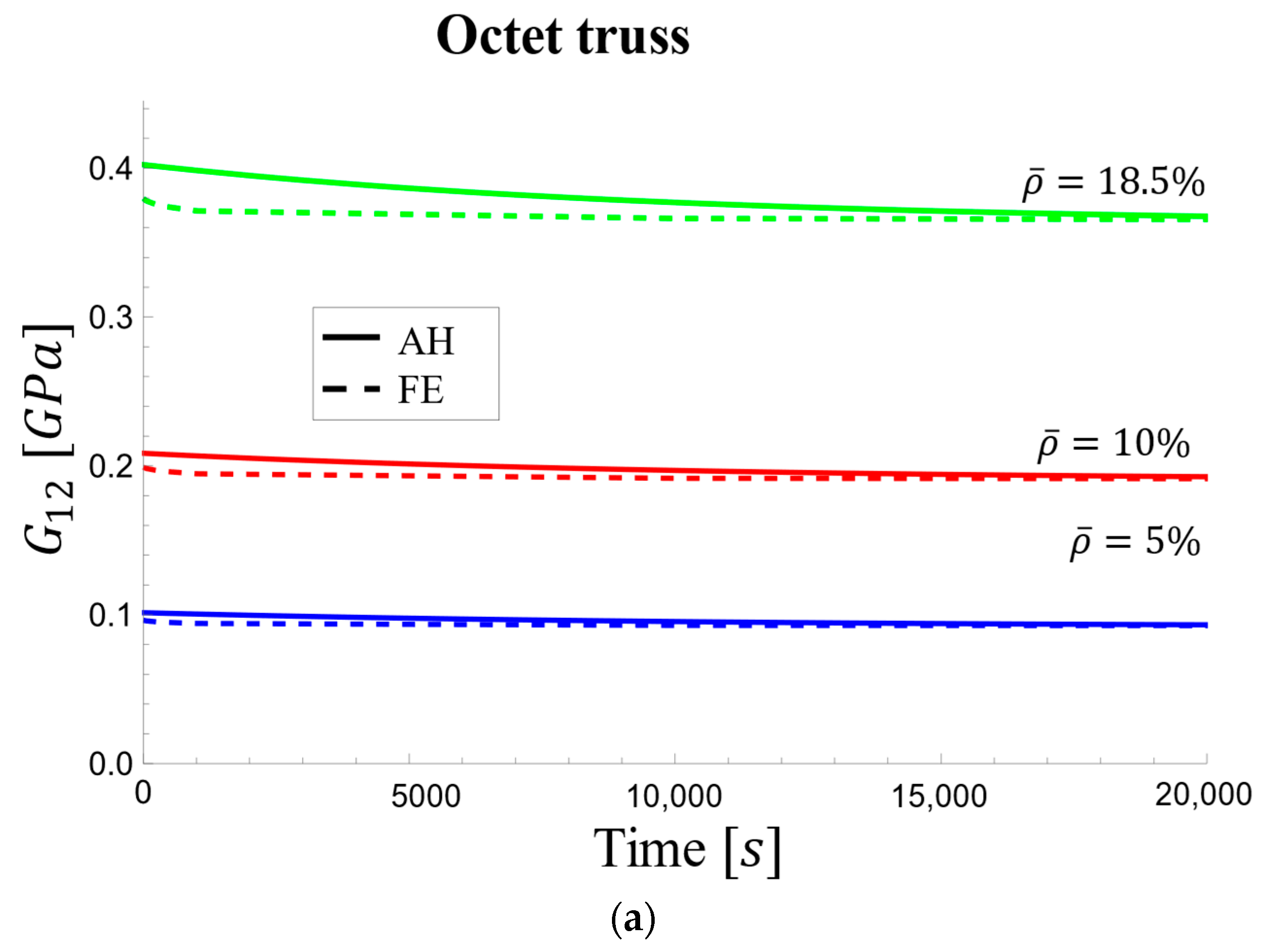
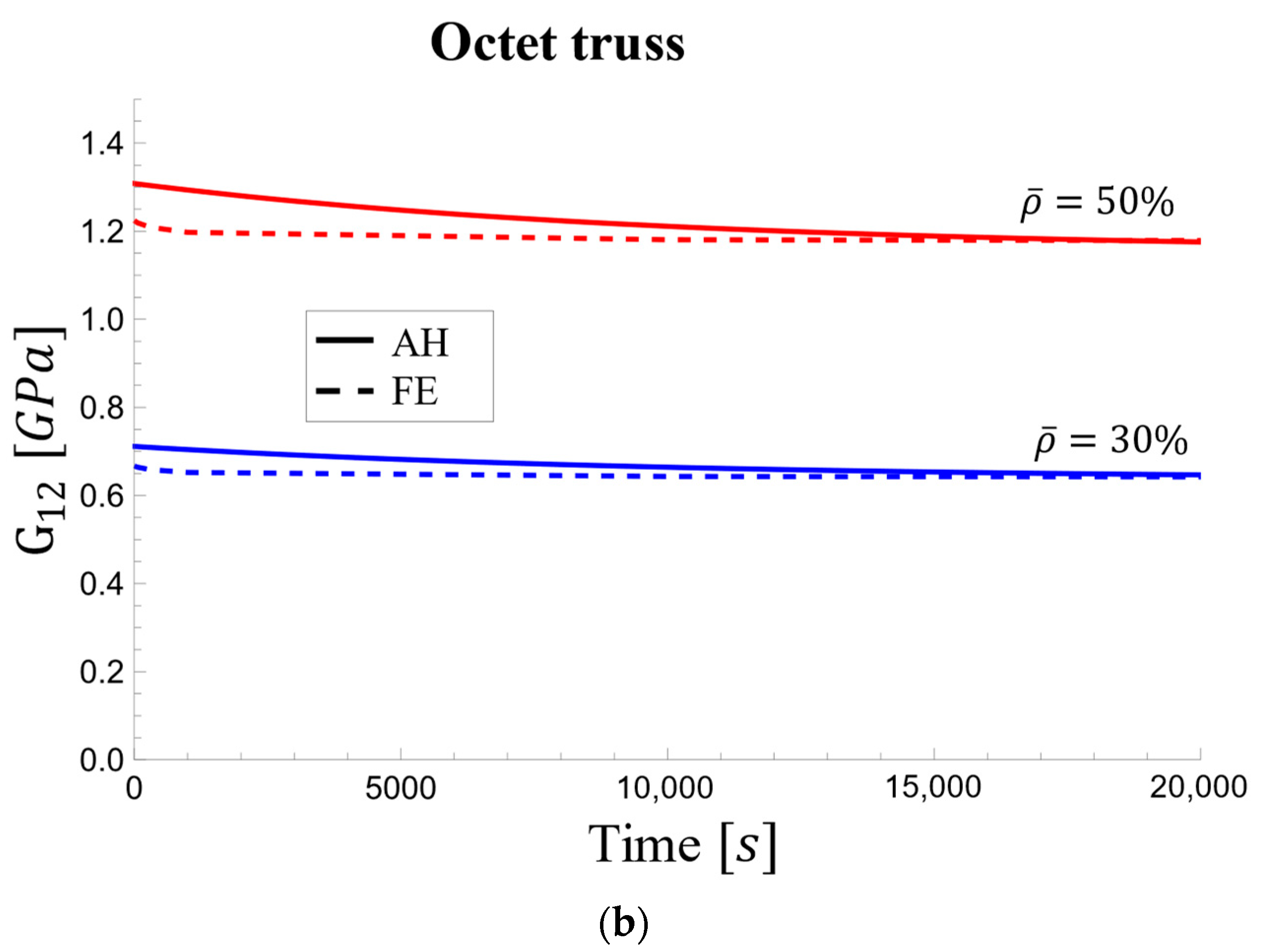
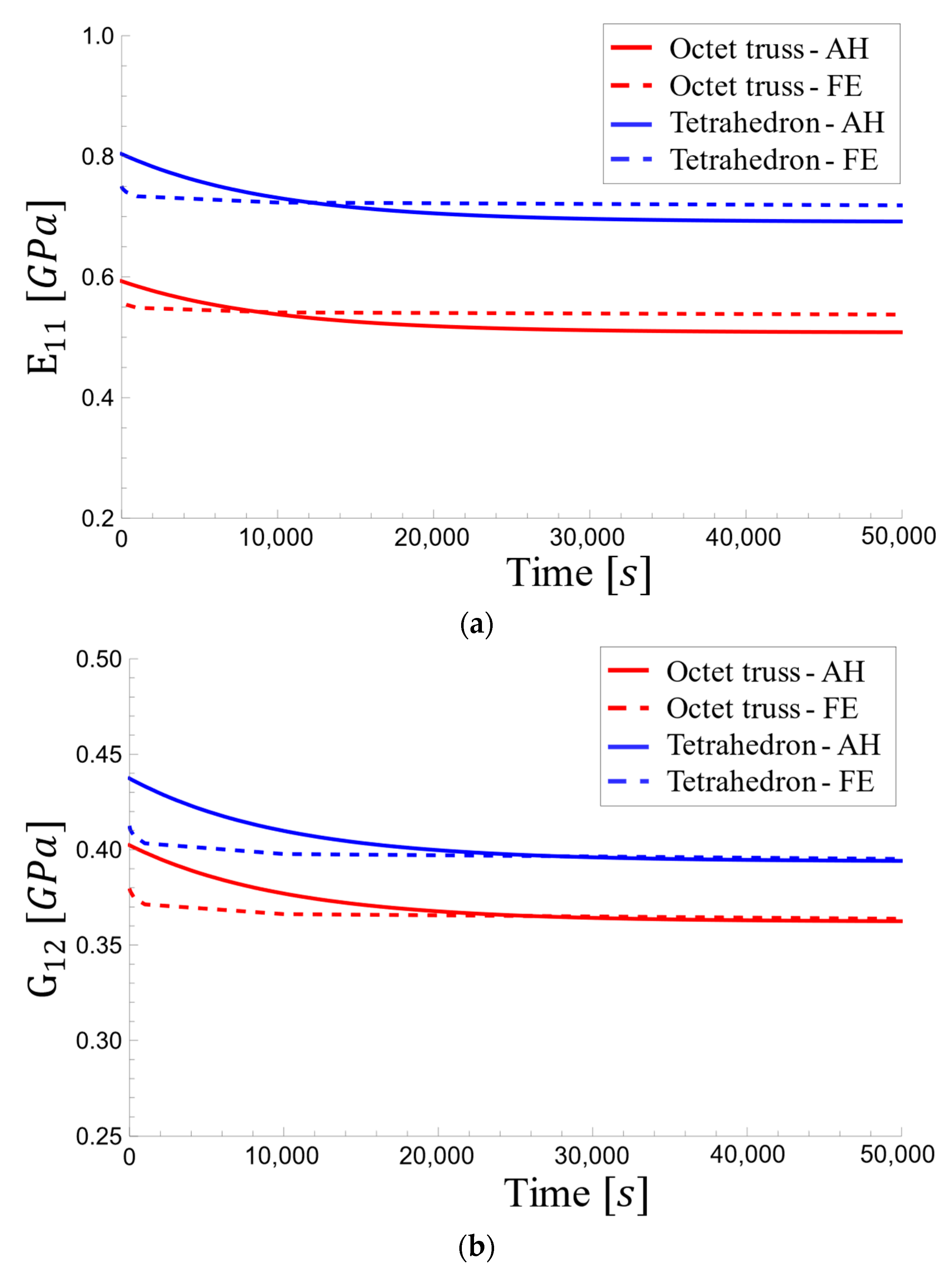
- Both cell types exhibit stress relaxation over time, indicating their viscoelastic nature.
Abstract
Share and Cite
Hedayati, R.; Shokrnia, M.; Alavi, M.; Sadighi, M.; Aghdam, M.M. Viscoelastic Behavior of Cellular Biomaterials Based on Octet-Truss and Tetrahedron Topologies. Materials 2024, 17, 5865. https://doi.org/10.3390/ma17235865
Hedayati R, Shokrnia M, Alavi M, Sadighi M, Aghdam MM. Viscoelastic Behavior of Cellular Biomaterials Based on Octet-Truss and Tetrahedron Topologies. Materials. 2024; 17(23):5865. https://doi.org/10.3390/ma17235865
Chicago/Turabian StyleHedayati, Reza, Mohammad Shokrnia, Melikasadat Alavi, Mojtaba Sadighi, and Mohammad Mohammadi Aghdam. 2024. "Viscoelastic Behavior of Cellular Biomaterials Based on Octet-Truss and Tetrahedron Topologies" Materials 17, no. 23: 5865. https://doi.org/10.3390/ma17235865
APA StyleHedayati, R., Shokrnia, M., Alavi, M., Sadighi, M., & Aghdam, M. M. (2024). Viscoelastic Behavior of Cellular Biomaterials Based on Octet-Truss and Tetrahedron Topologies. Materials, 17(23), 5865. https://doi.org/10.3390/ma17235865