Article

The Effect of Specimen Width on the Deformation Behavior and Formability of cp-Ti Grade 4 Sheets During Uniaxial and Cyclic Bending Under Tension Loading


1
Department of Mechanical Engineering, University of New Hampshire, Durham, NH 03824, USA
2
Department of Manufacturing Engineering, Brigham Young University, Provo, UT 84602, USA
3
Department of Mechanical Engineering, Brigham Young University, Provo, UT 84602, USA
*
Author to whom correspondence should be addressed.
Materials 2024, 17(23), 5756; https://doi.org/10.3390/ma17235756
Submission received: 30 October 2024 / Revised: 18 November 2024 / Accepted: 20 November 2024 / Published: 25 November 2024

Abstract

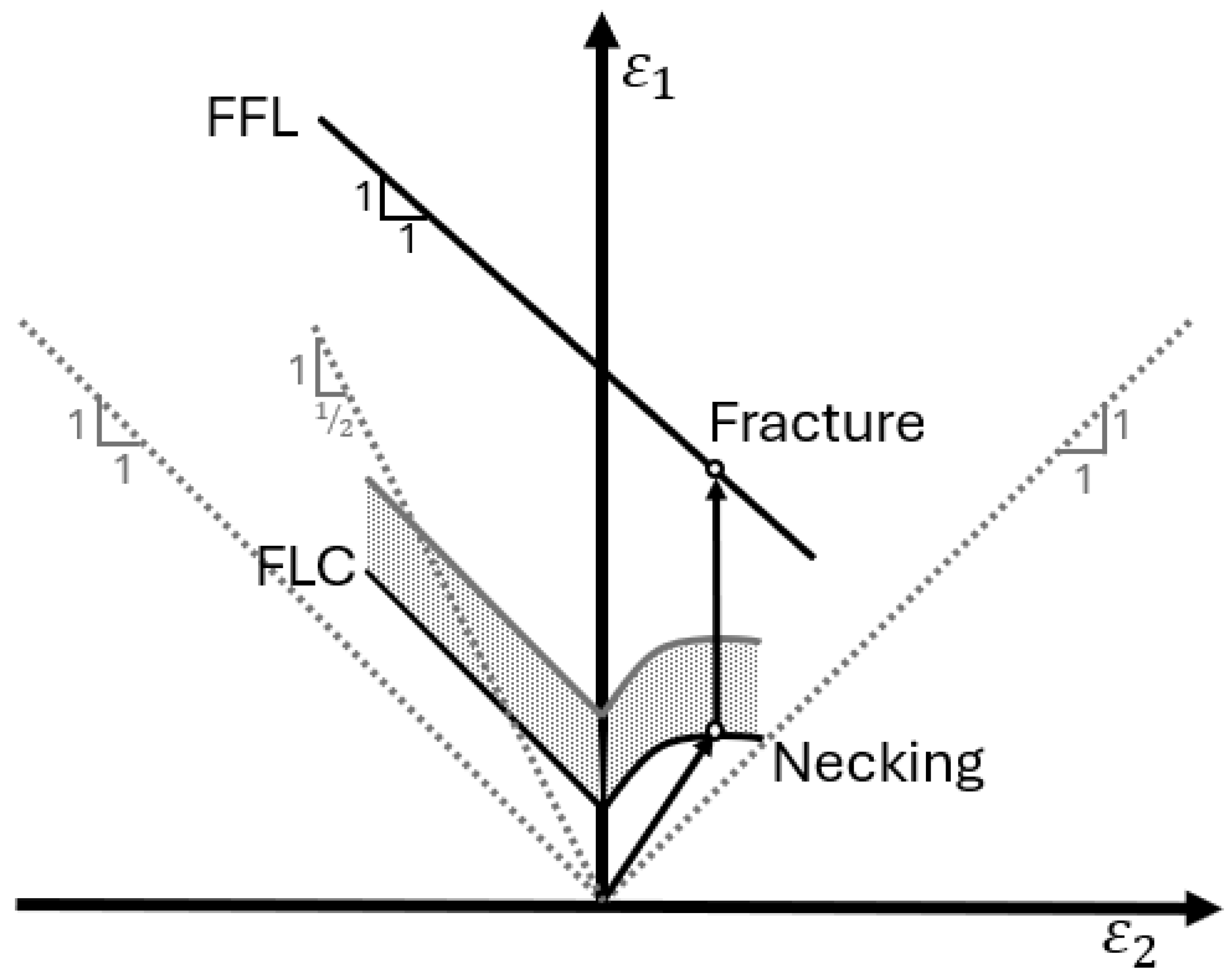
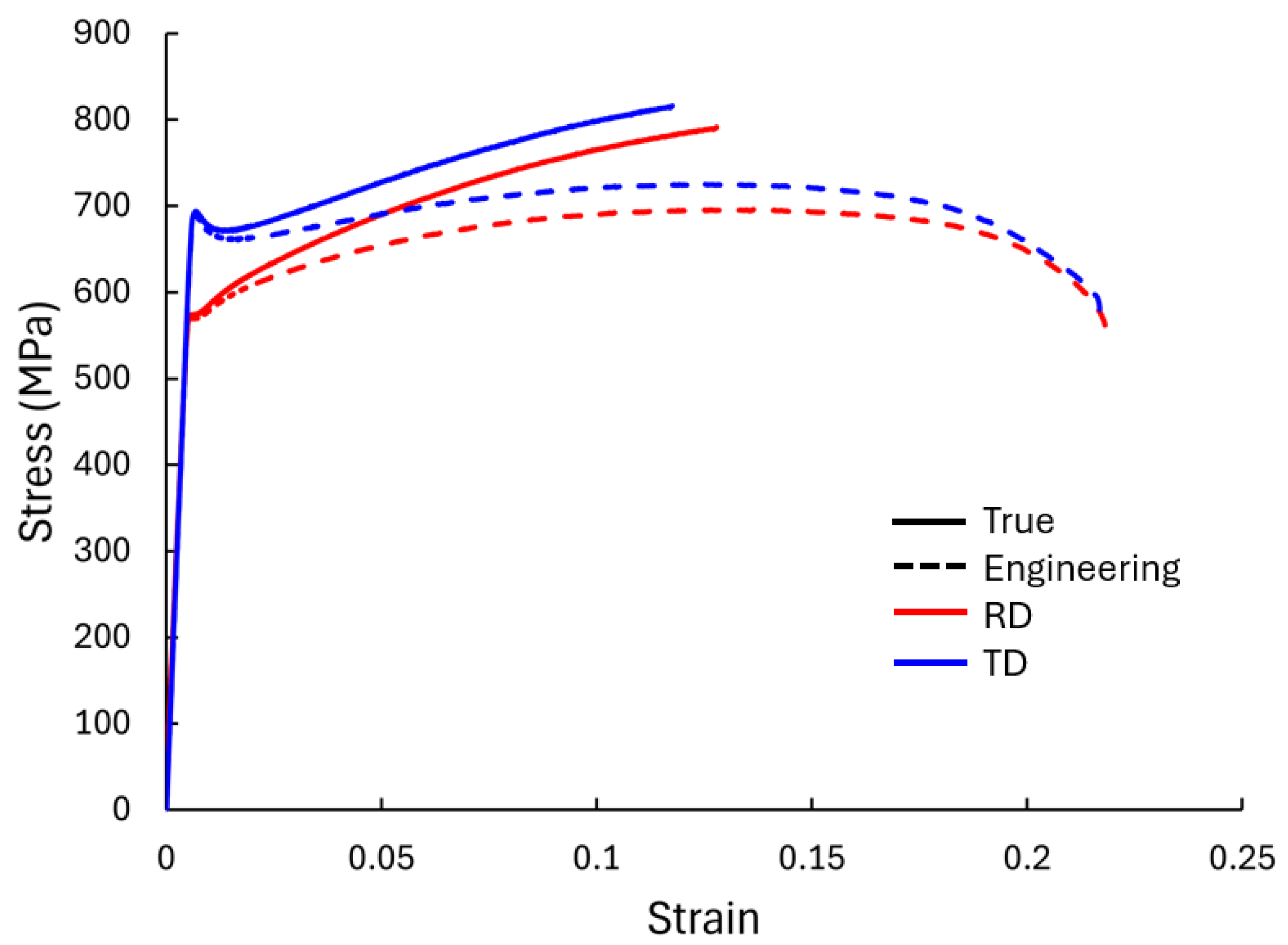
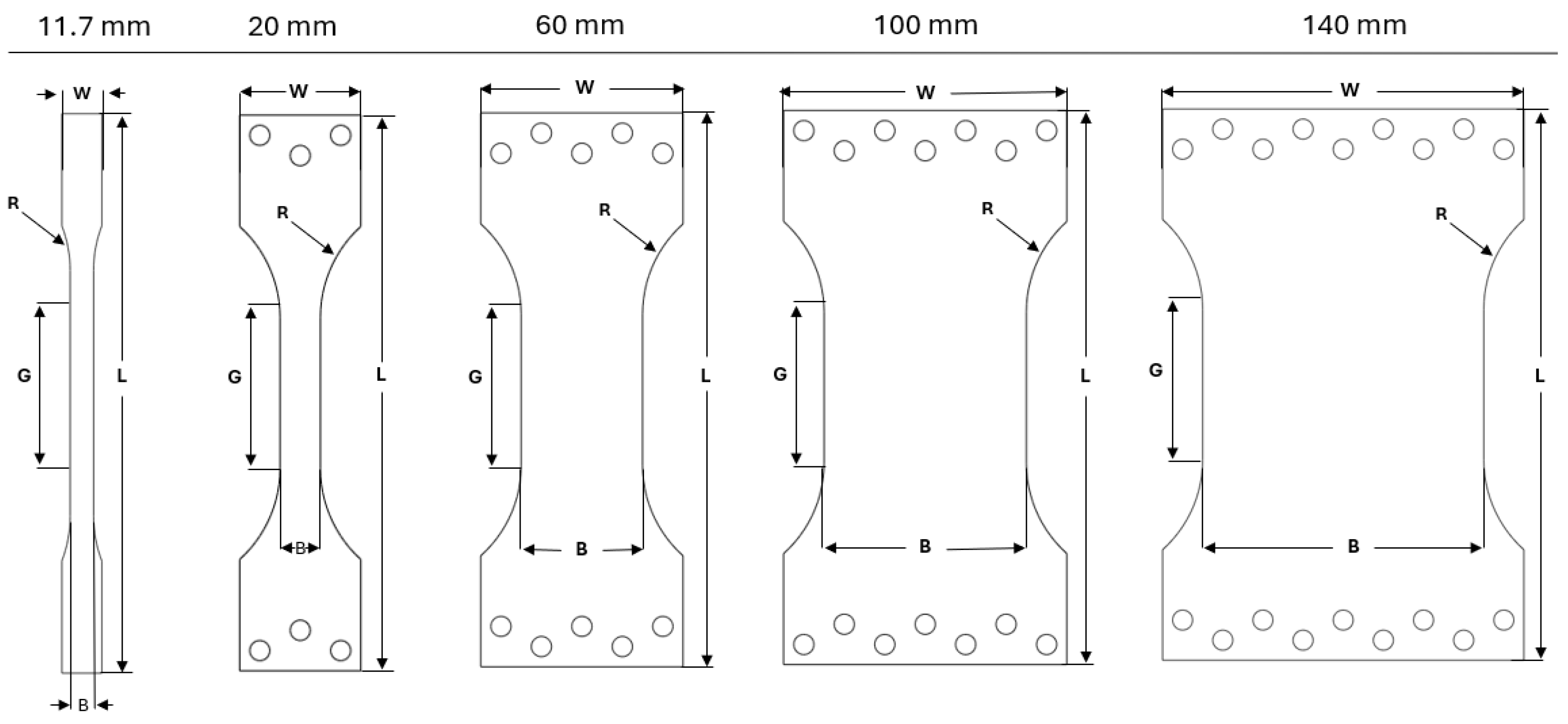
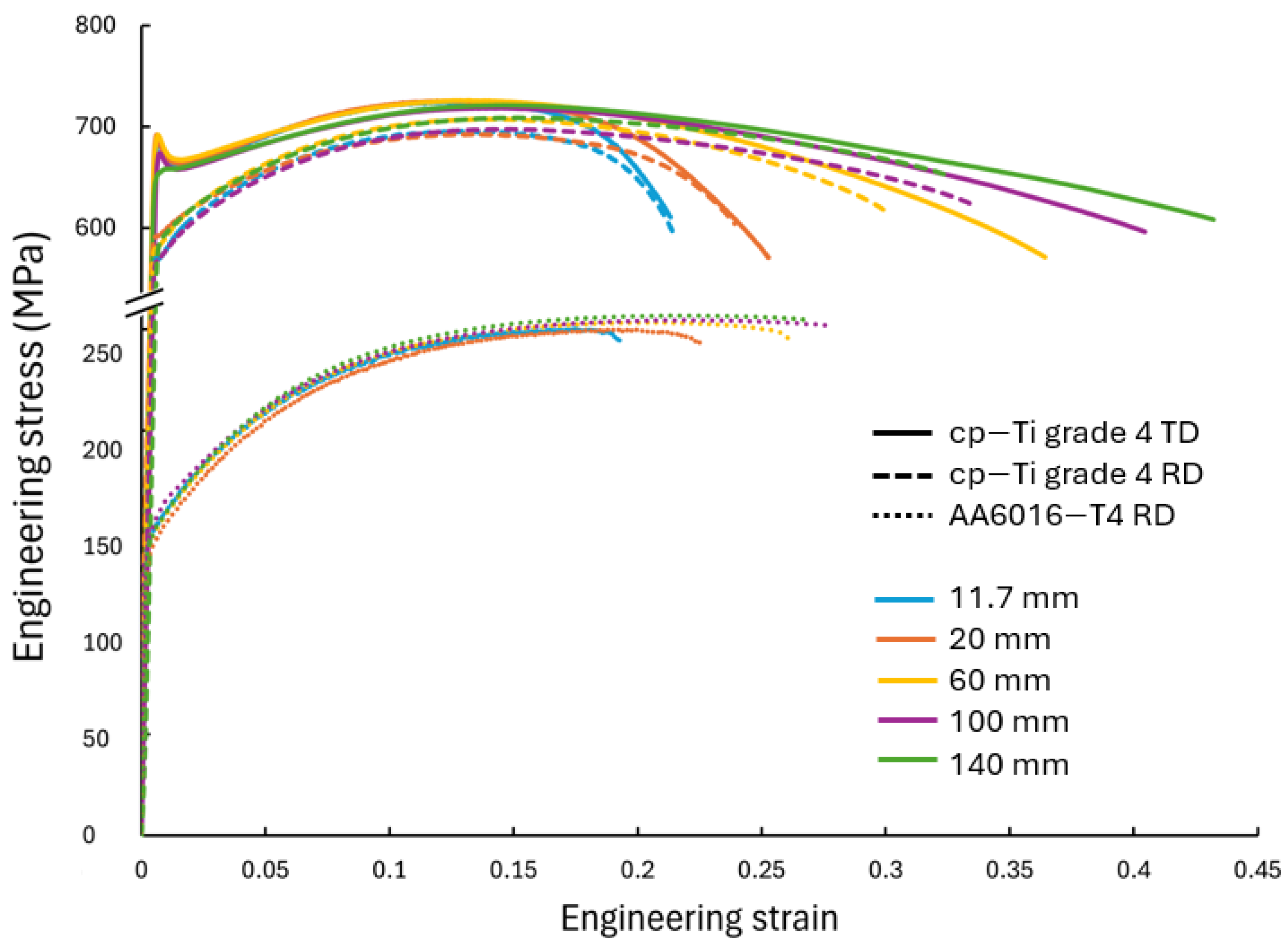
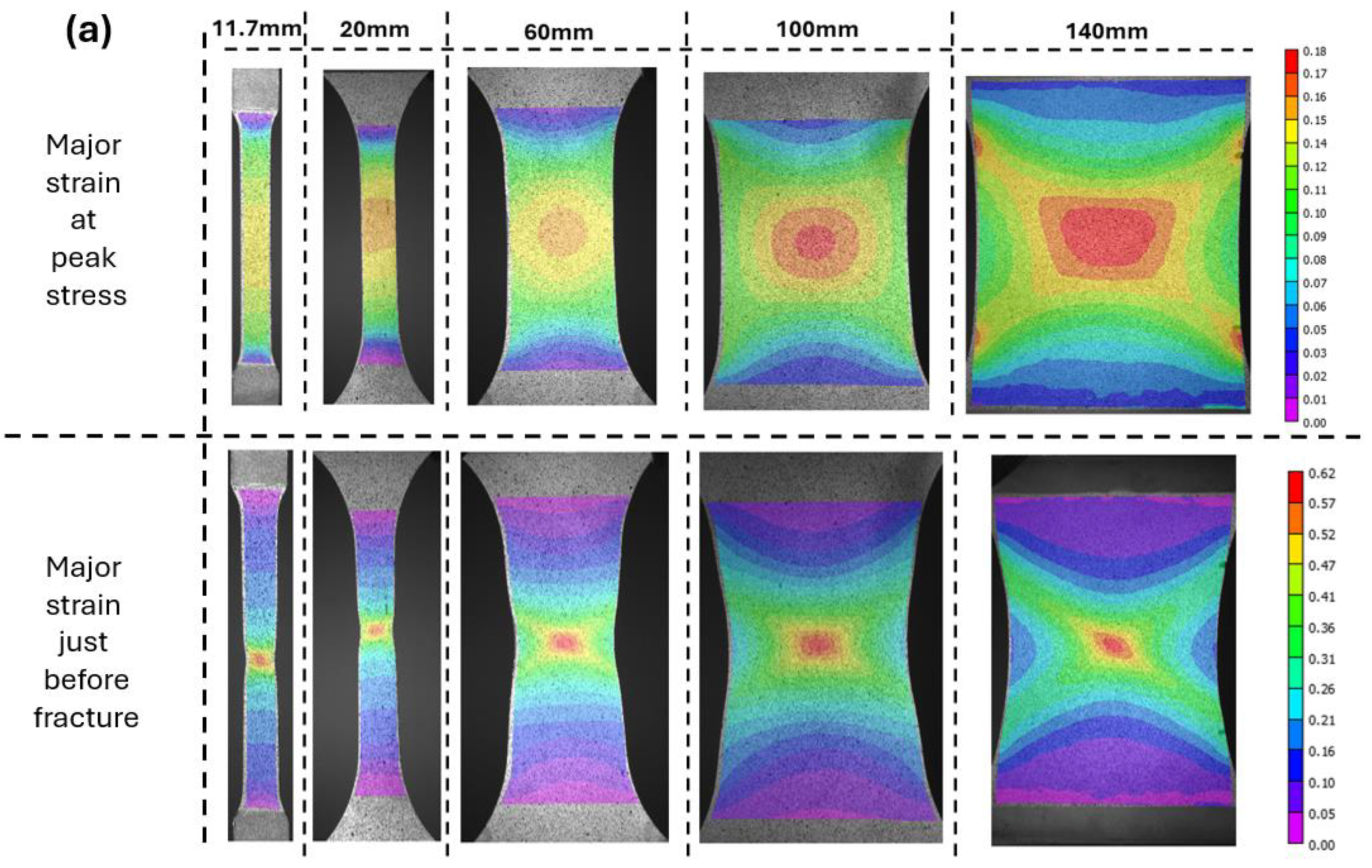
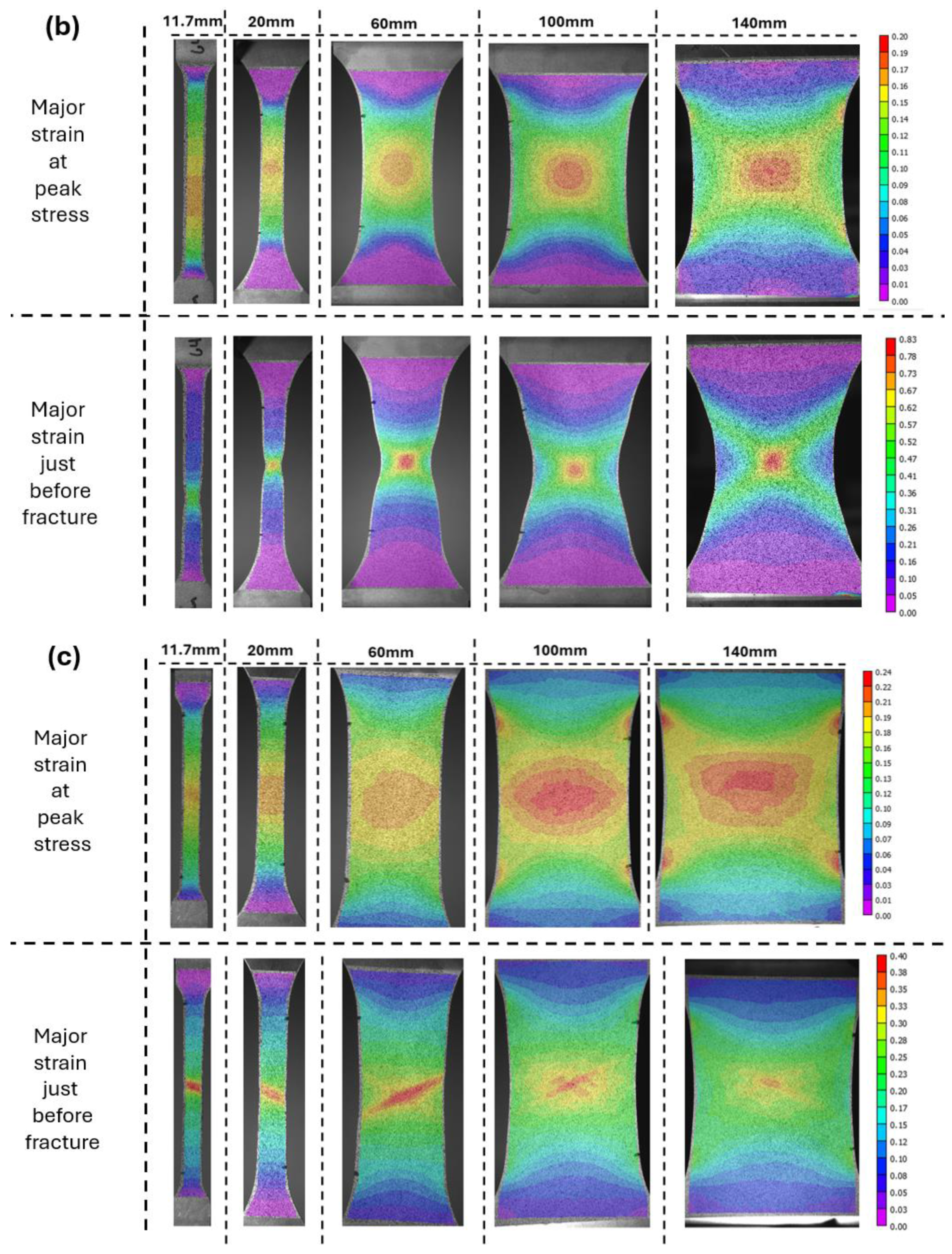
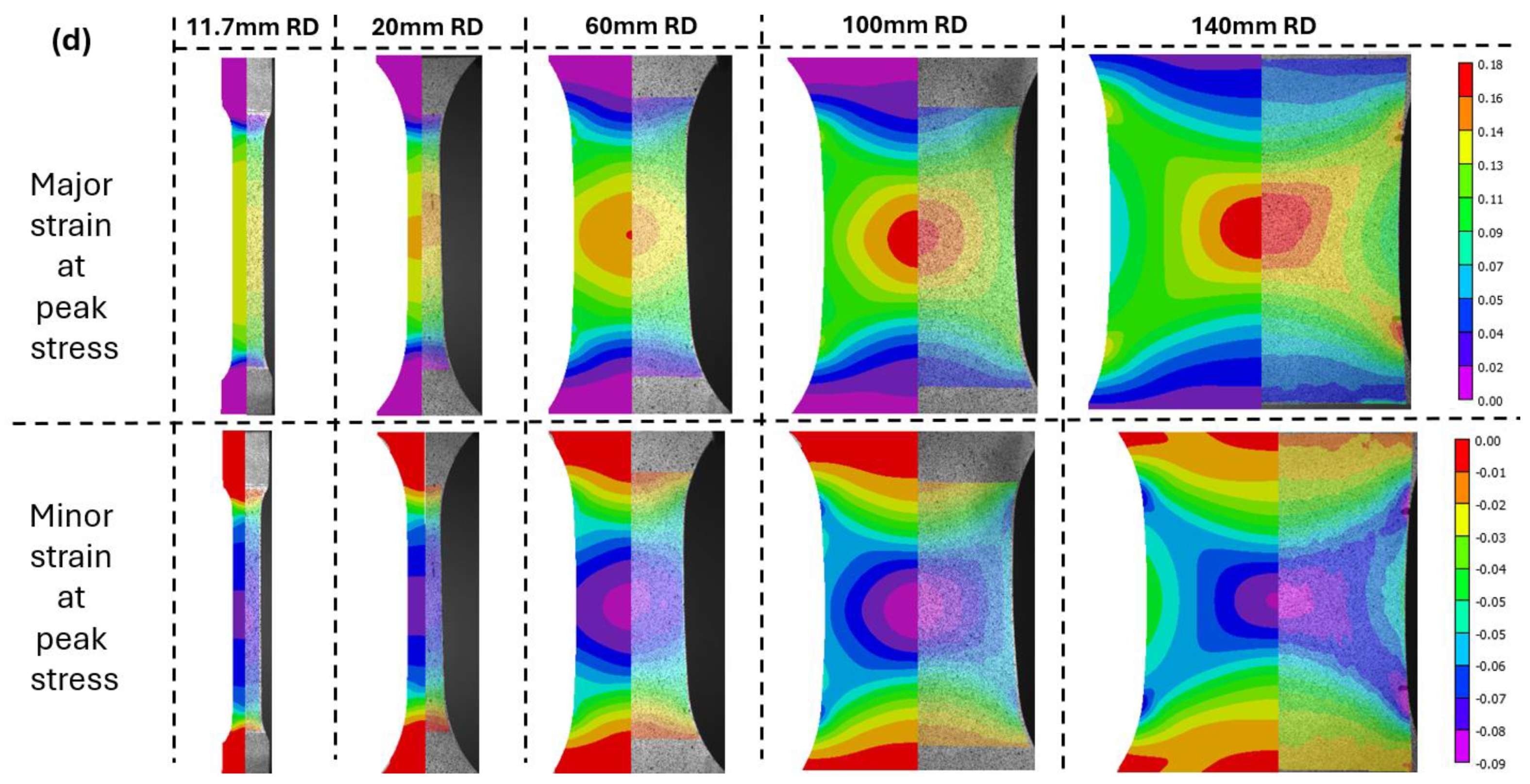
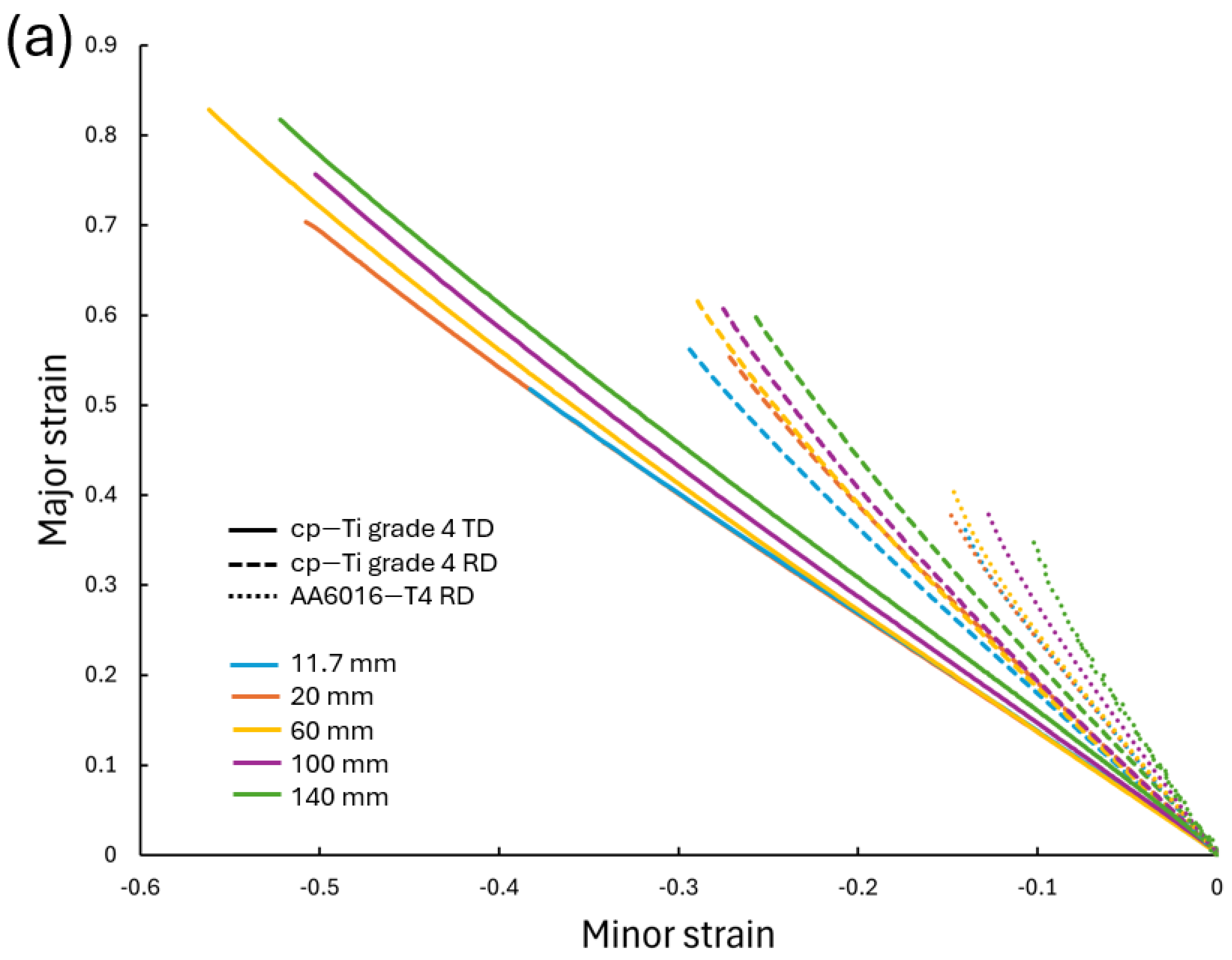
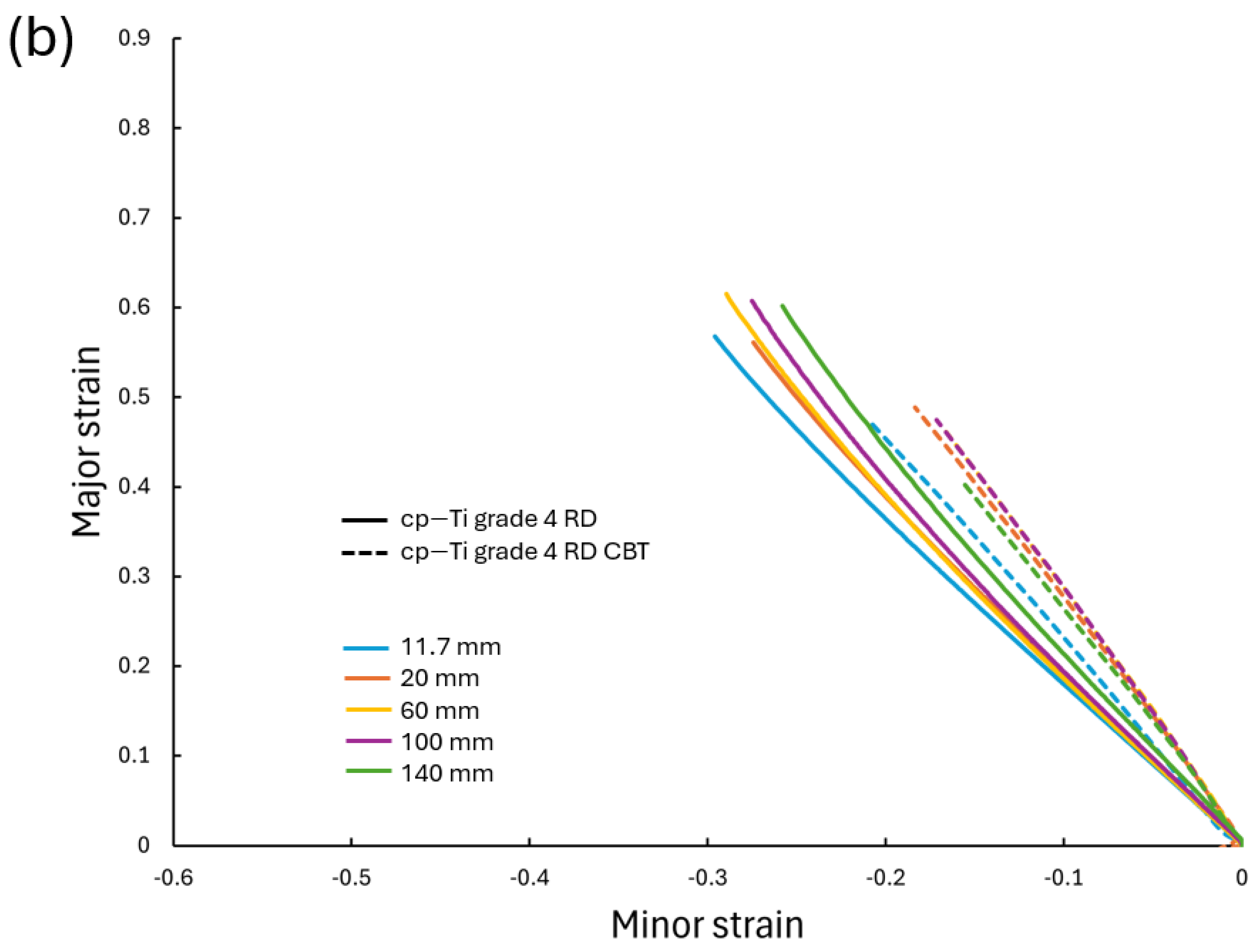
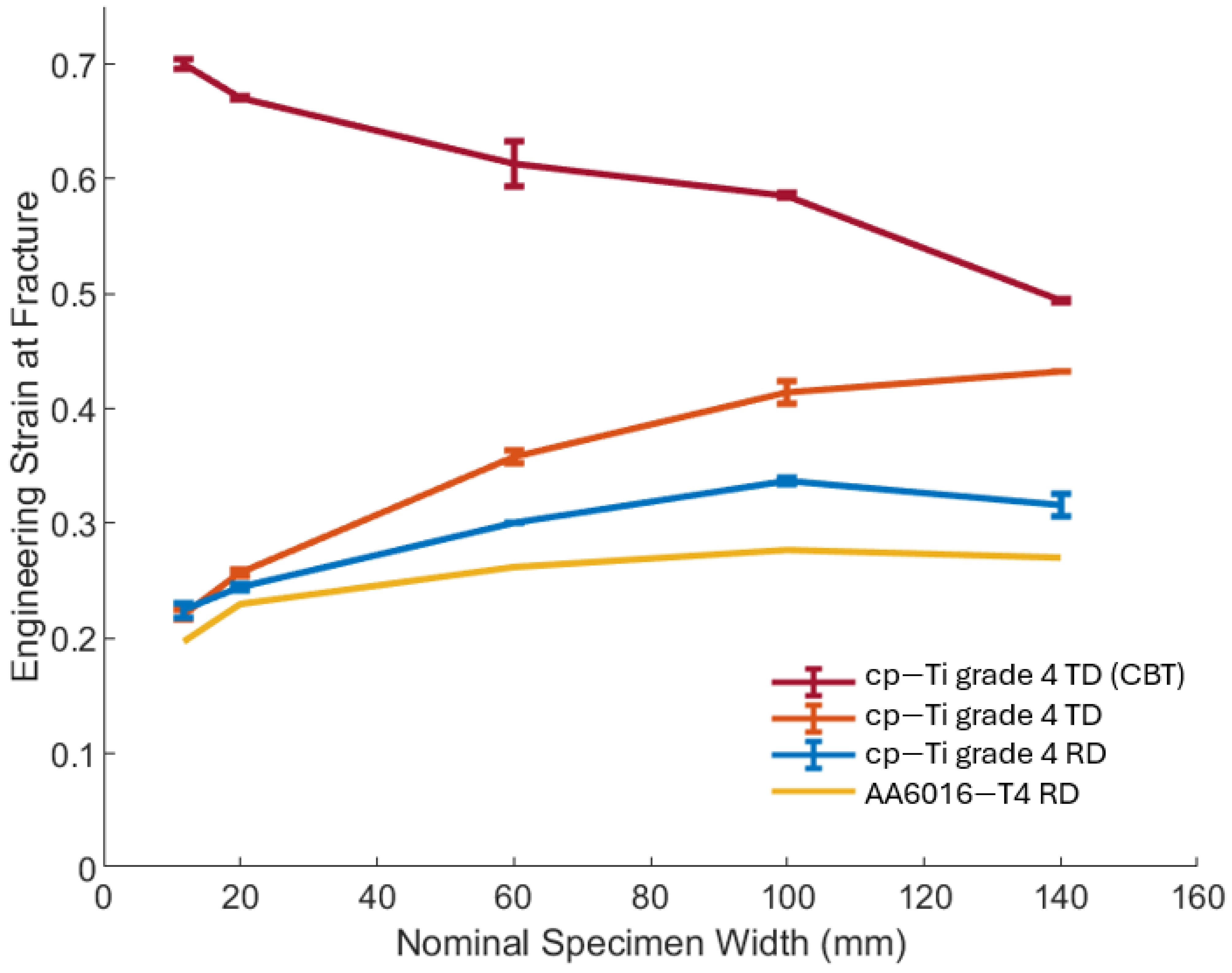
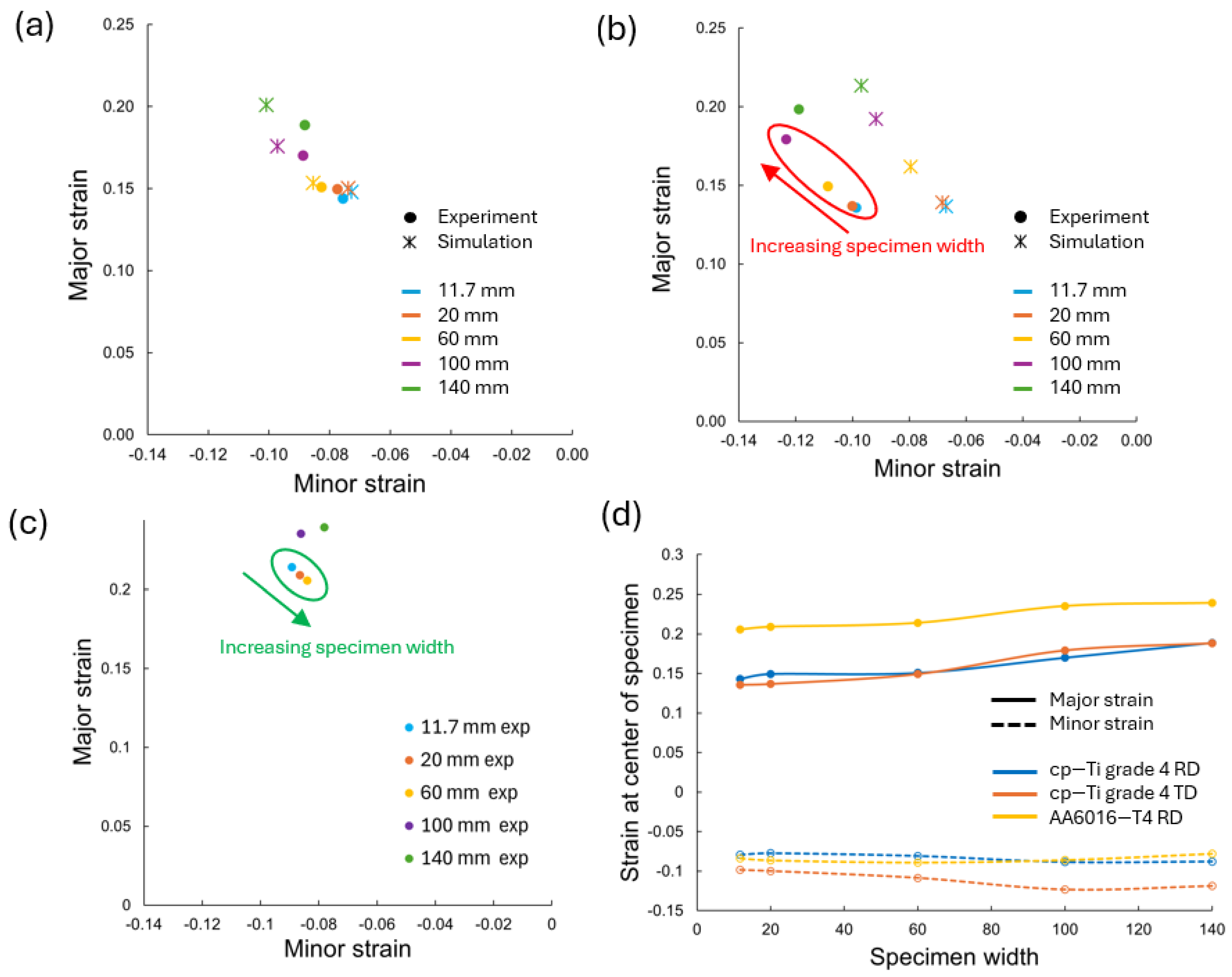
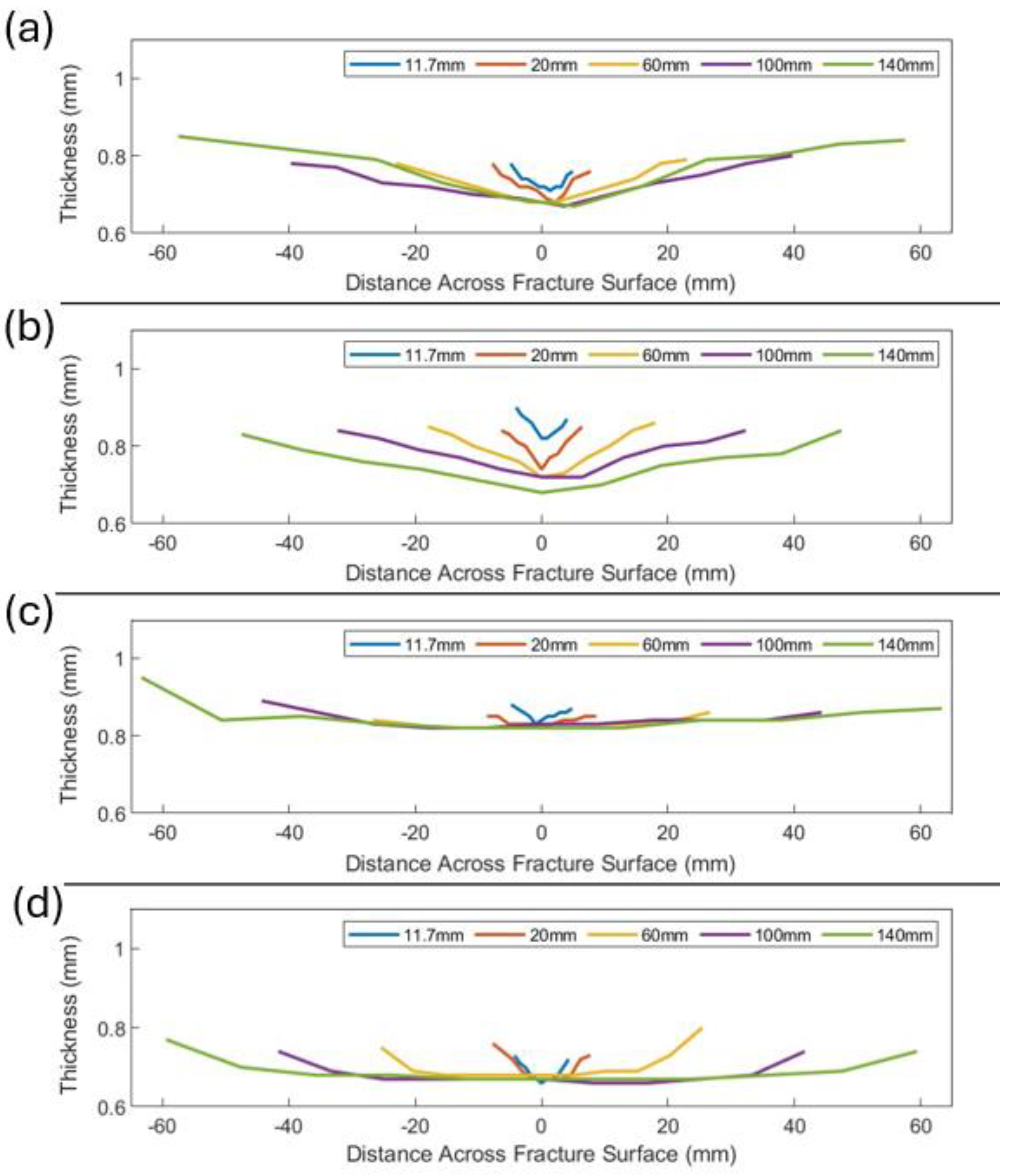
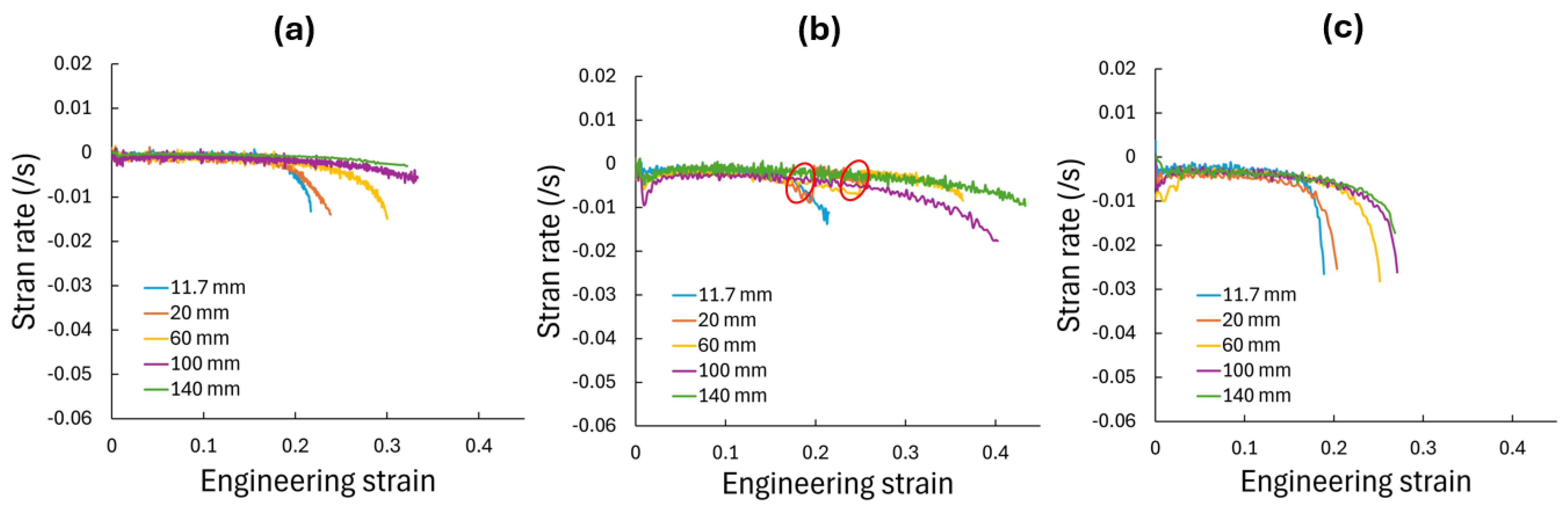
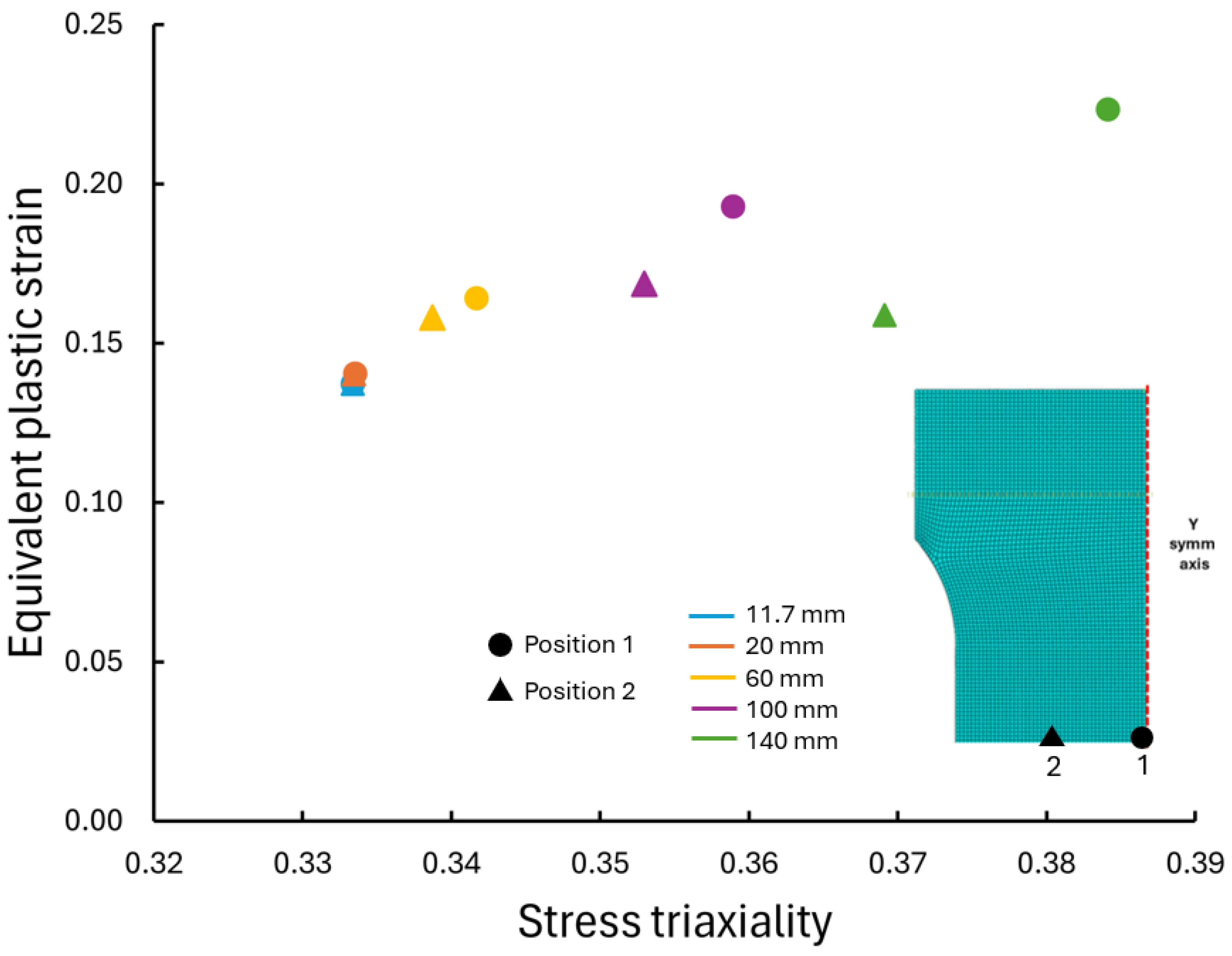
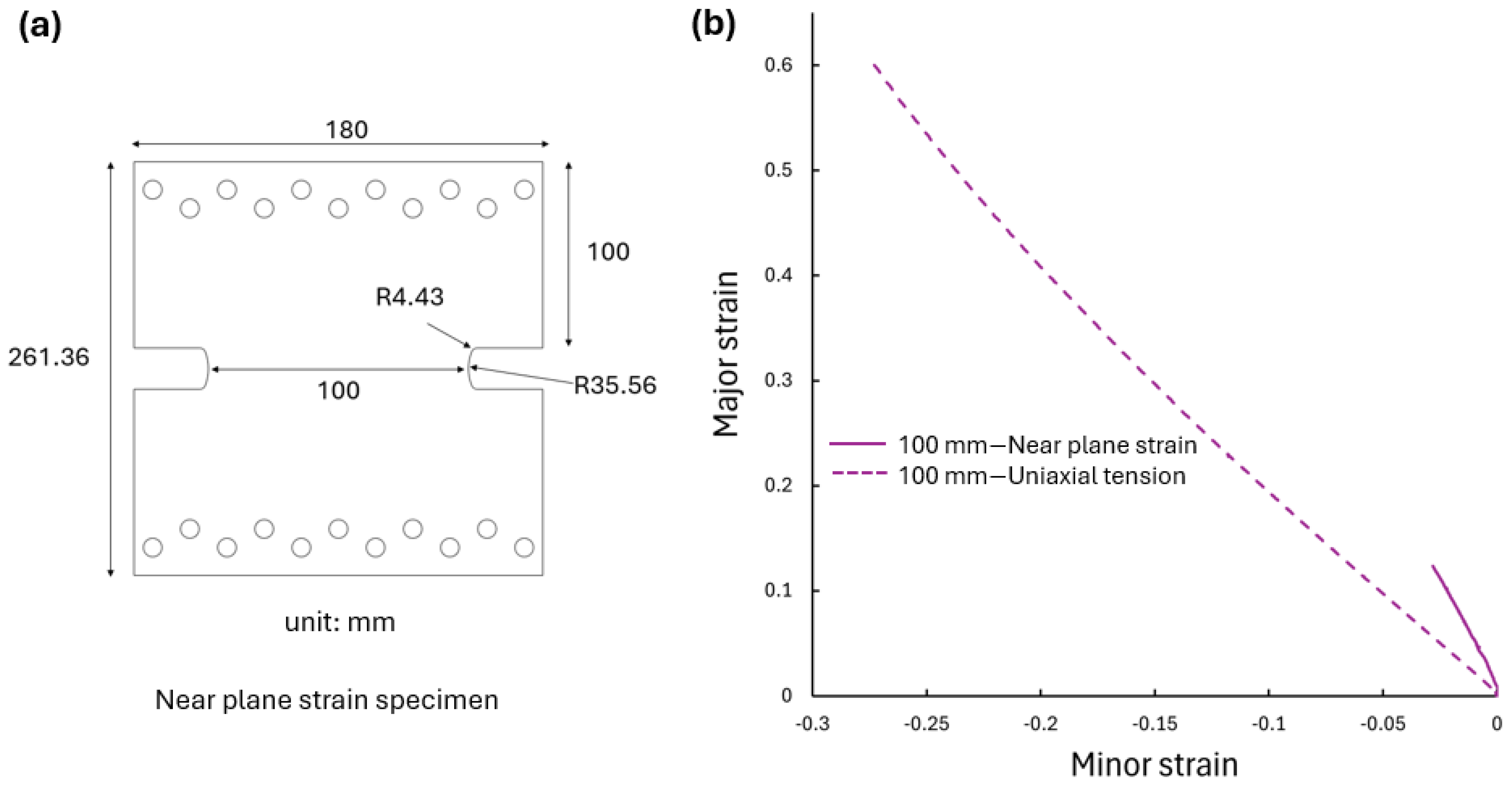
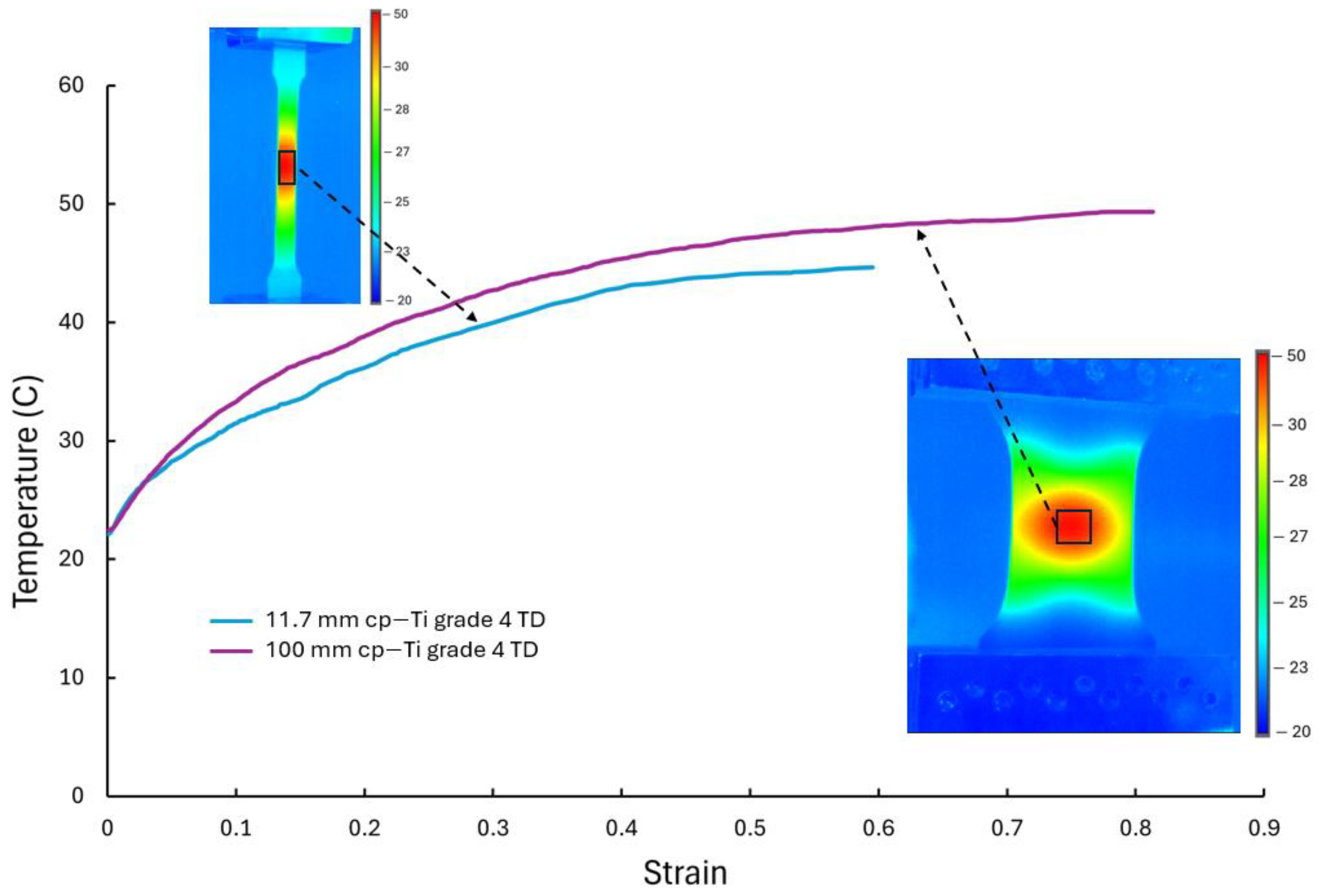
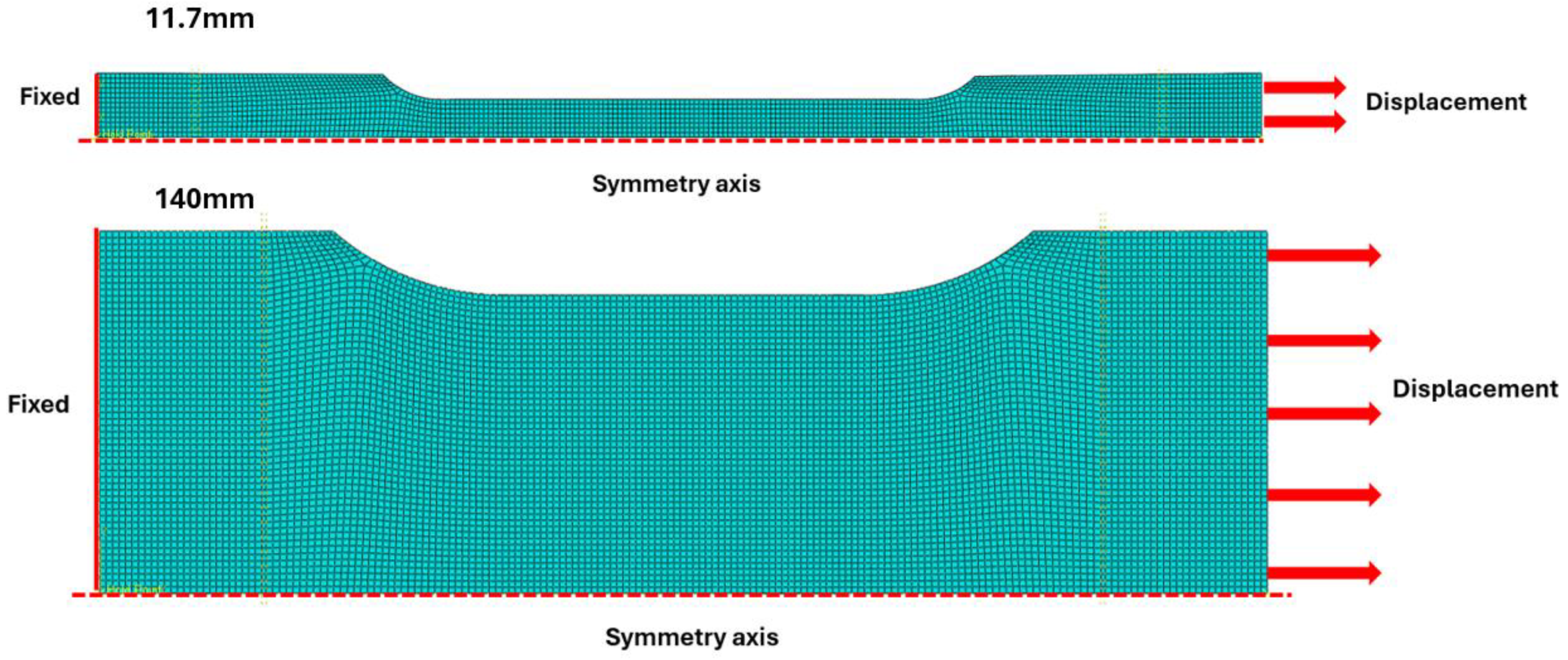
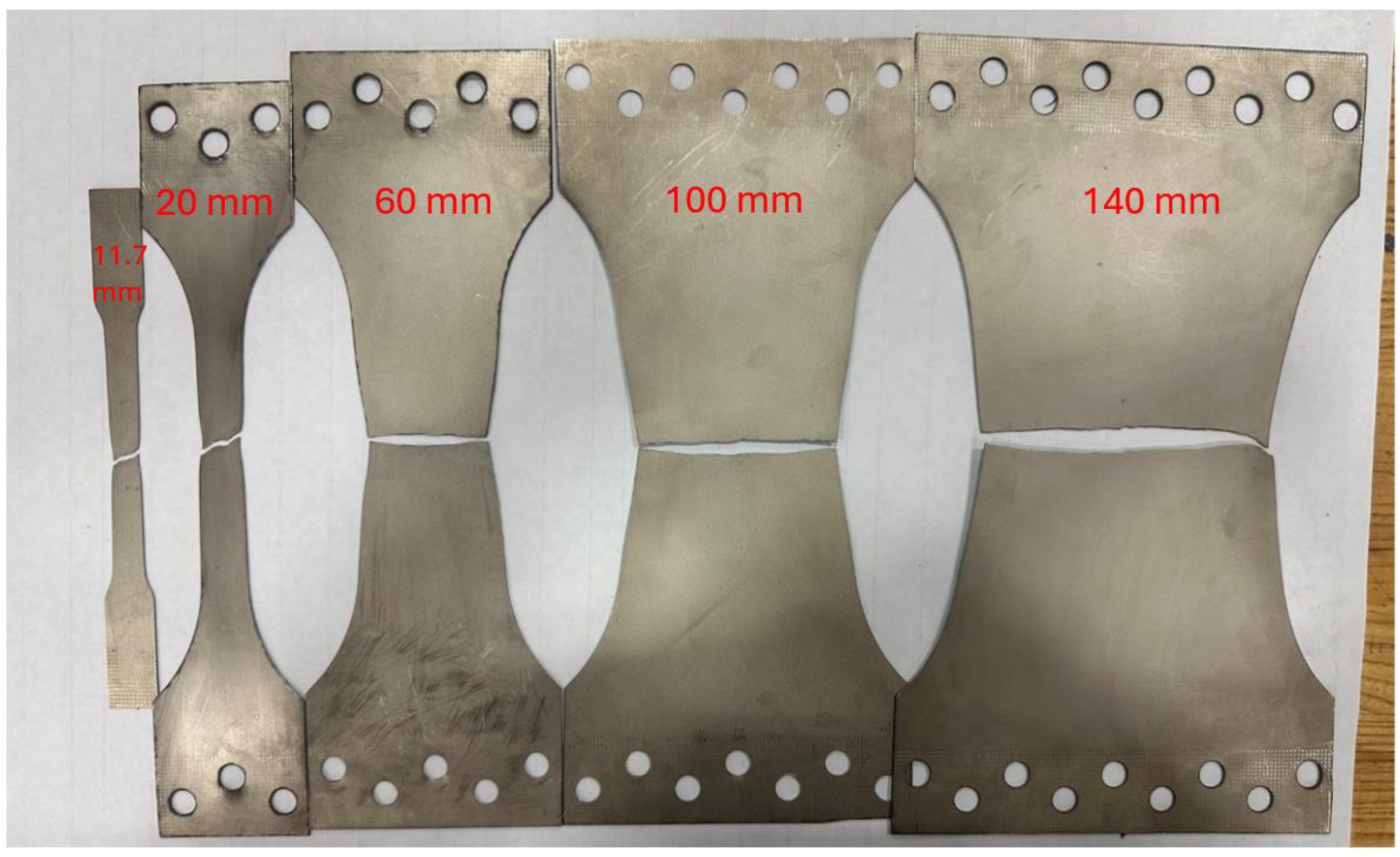
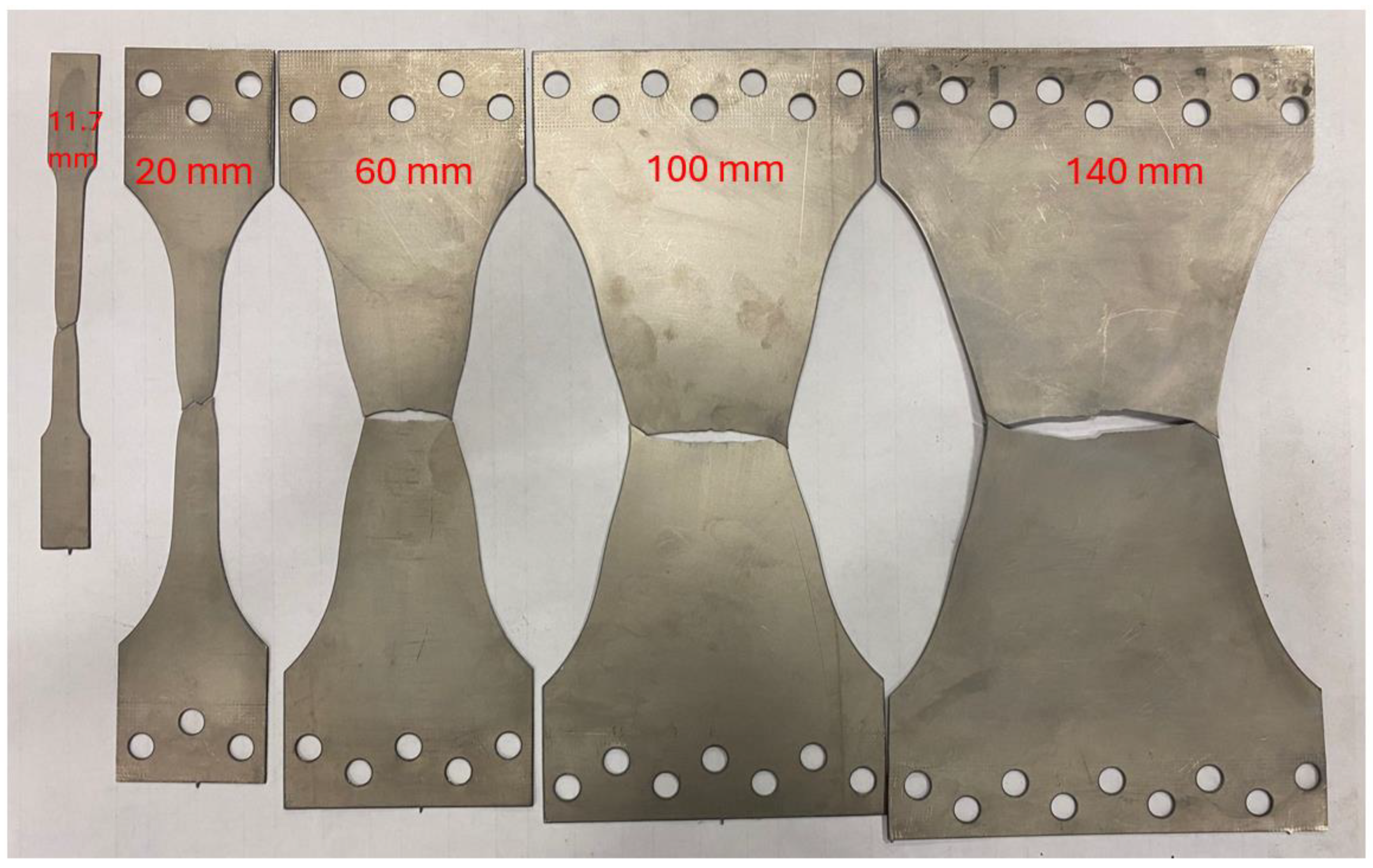
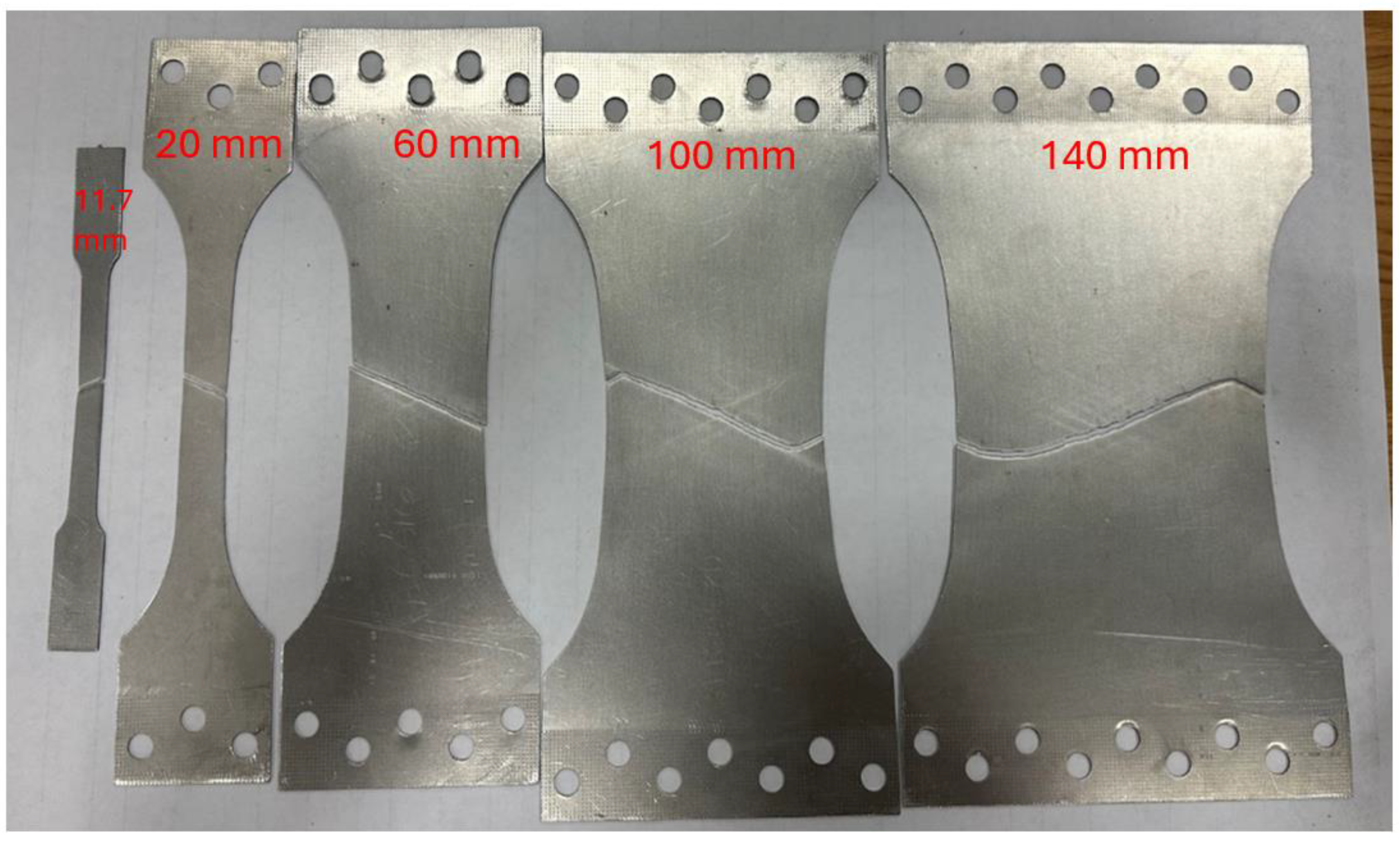
This study examines the specimen size-dependent deformation behavior of commercially pure titanium grade 4 (cp-Ti grade 4) sheets under tension, with strain paths between uniaxial tension (UT) and plane-strain tension and compares the results with cyclic bending under tension (CBT) data. Specimens of varying widths (11.7, 20, 60, 100, and 140 mm) were tested in both rolling (RD) and transverse (TD) directions. The research employed digital image correlation for full-field strain measurements, finite element simulations, and fracture surface thickness data. Contrary to traditional forming concepts, i.e., the forming limit diagram (FLD) has the lowest major strain at the plane-strain condition, and the fracture forming limit has decreased major strain with increasing (less negative) minor strain, wider specimens exhibited higher major strains at strain localization and fracture under UT. In contrast, CBT findings showed decreased formability with increasing width, i.e., closer to plane-strain deformation, as expected. Strain distribution analyses revealed a transition from nearly uniform deformation in narrow specimens to multiaxial strain states in wider specimens. Thickness measurements along the fracture surface revealed a steeper profile in UT compared to CBT, indicating more localized deformation and necking in UT. In comparison with AA6016-T4, the cp-Ti grade 4 showed greater thickness, suggesting lower susceptibility to localized thinning. Strong anisotropy was observed between the RD and TD, with TD specimens showing higher formability and steeper thickness gradients in UT. Strain fields, along with thickness reduction and adiabatic heating, are used to rationalize the observed width-sensitive deformation behavior of cp-Ti sheets. Notably, CBT improved overall formability compared to UT due to its ability to distribute strain more evenly and delay critical necking. The contrasting trends between simple UT and CBT emphasize the relationship between loading conditions, specimen geometry, and material behavior in determining formability. These findings highlight the ability of the CBT test to create known and desired deformation effects, i.e., lower major strain at failure with increasing specimen width, and more uniform deformation, i.e., consistent thinning across the specimen width, for cp-Ti. Given the observed effects of width in UT, the selection of the testing method is critical for cp-Ti to ensure that results reflect expected material behavior.
Keywords: uniaxial tension; cyclic bending under tension; digital image correlation; forming limit diagram uniaxial tension; cyclic bending under tension; digital image correlation; forming limit diagram