Article

Study on Magnetic and Plasmonic Properties of Fe3O4-PEI-Au and Fe3O4-PEI-Ag Nanoparticles

1
School of Electronic Information and Artificial Intelligence, Shaanxi University of Science and Technology, Xi’an 710021, China
2
Key Laboratory of Photonics Technology for Information, School of Electronic and Information Engineering, Xi’an Jiaotong University, Xi’an 710049, China
3
State Key Laboratory of Electrical Insulation and Power Equipment, School of Electrical Engineering, Xi’an Jiaotong University, Xi’an 710049, China
*
Author to whom correspondence should be addressed.
Materials 2024, 17(2), 509; https://doi.org/10.3390/ma17020509
Submission received: 10 December 2023 / Revised: 17 January 2024 / Accepted: 18 January 2024 / Published: 21 January 2024
(This article belongs to the Special Issue Preparation and Characterization of Functional Composite Materials)

Abstract

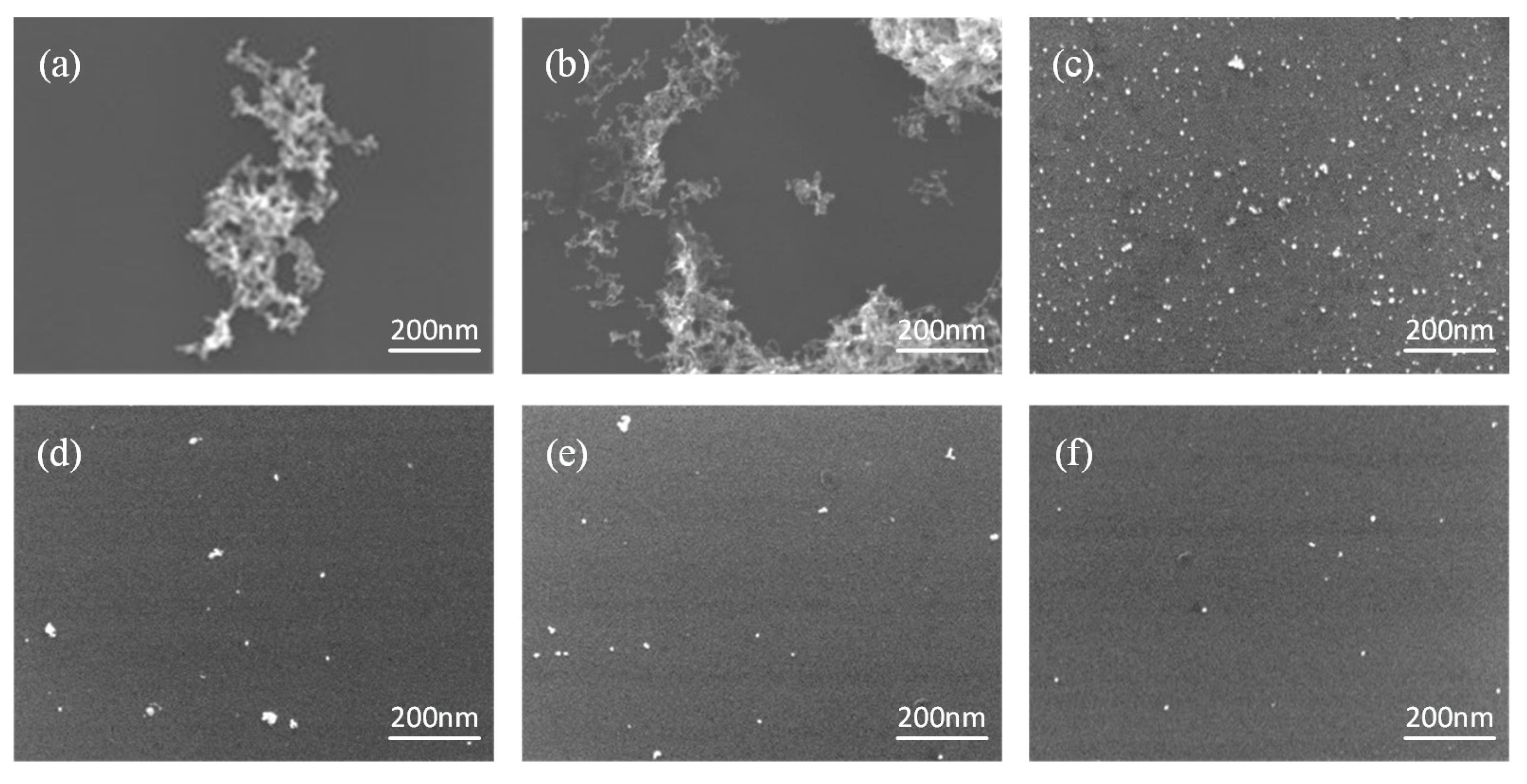
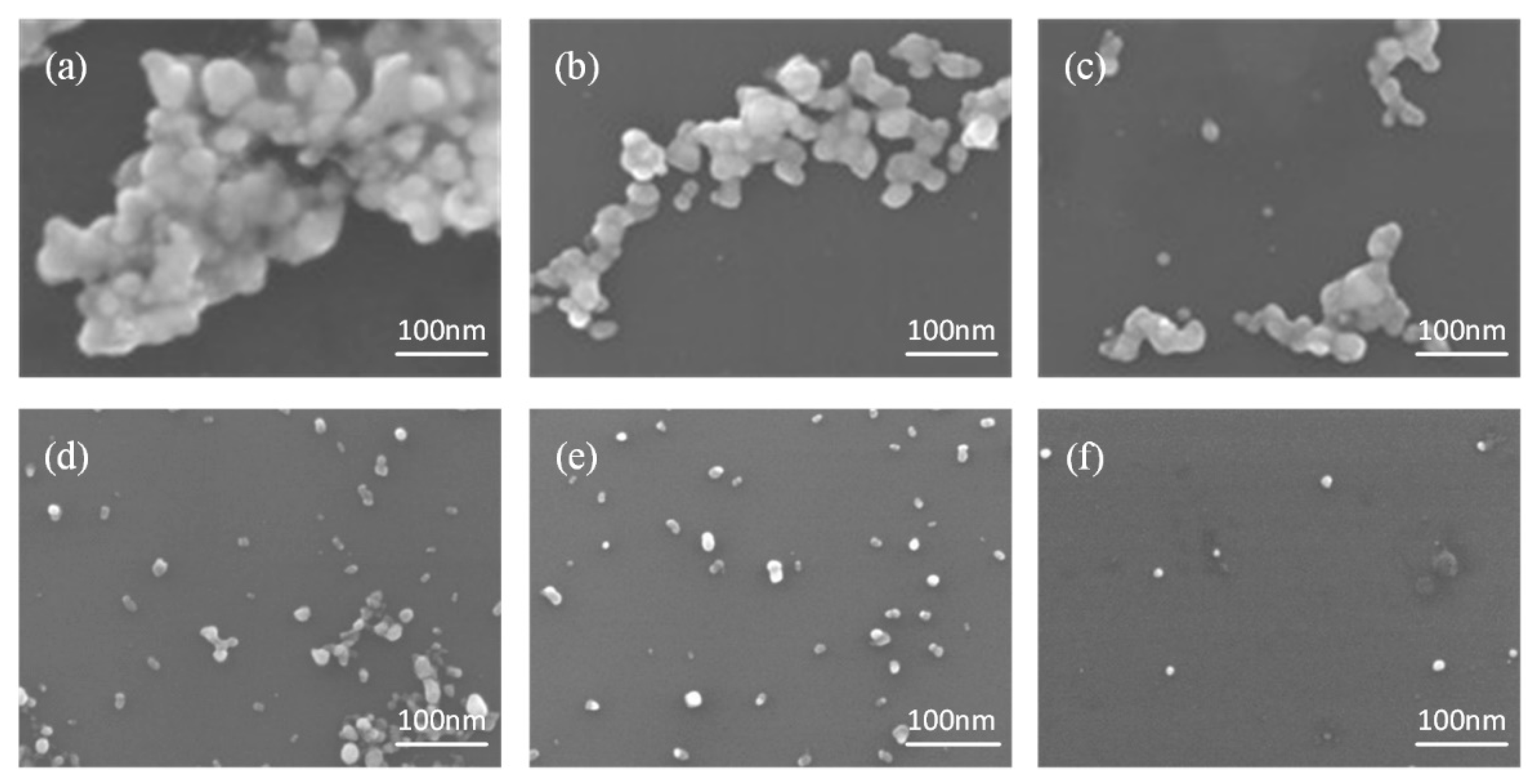
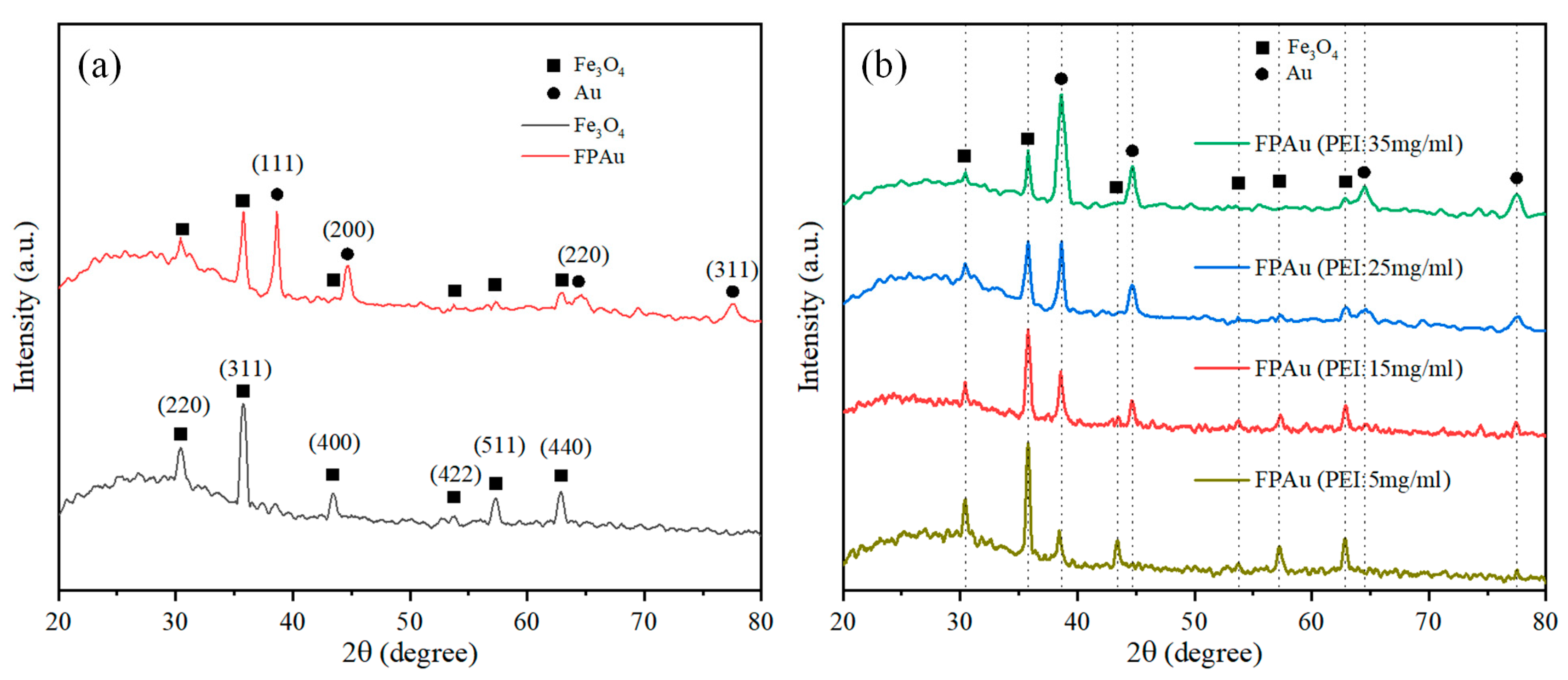
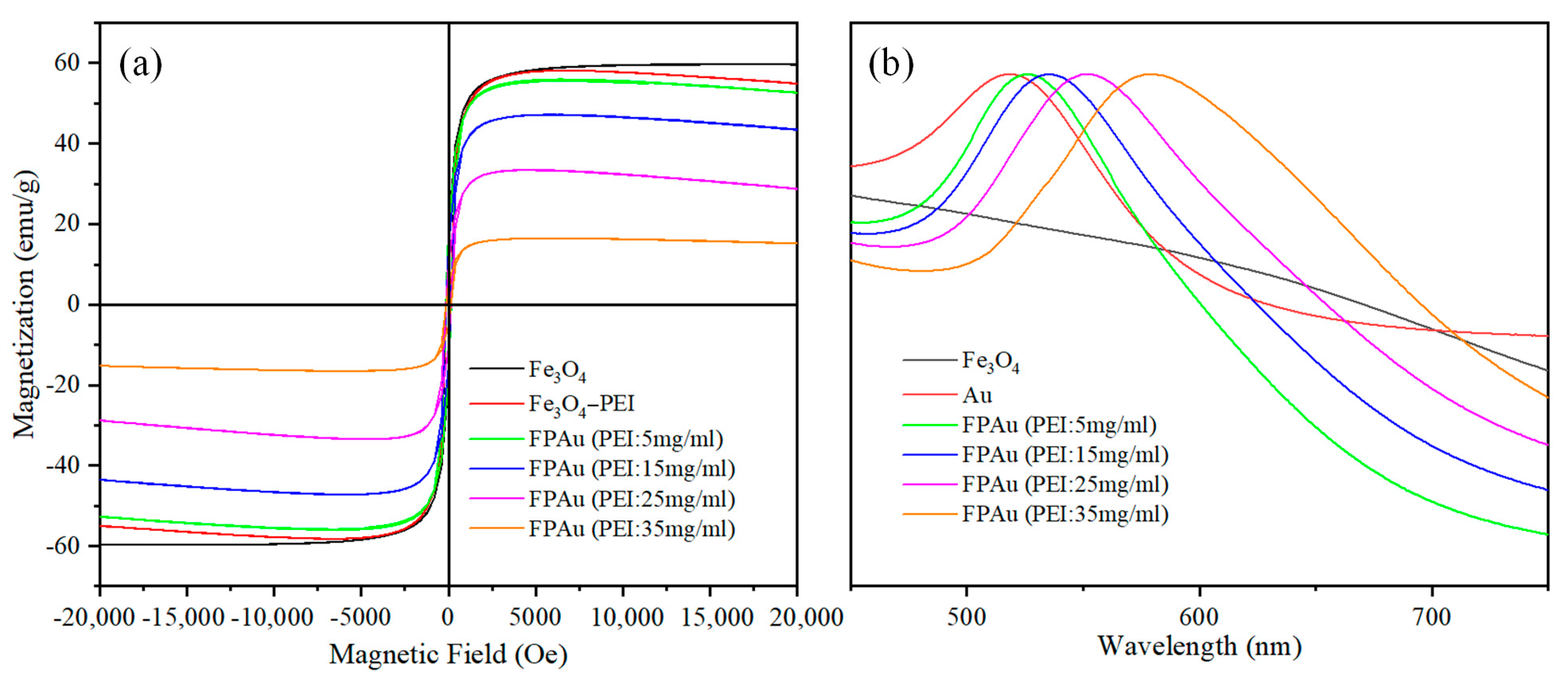
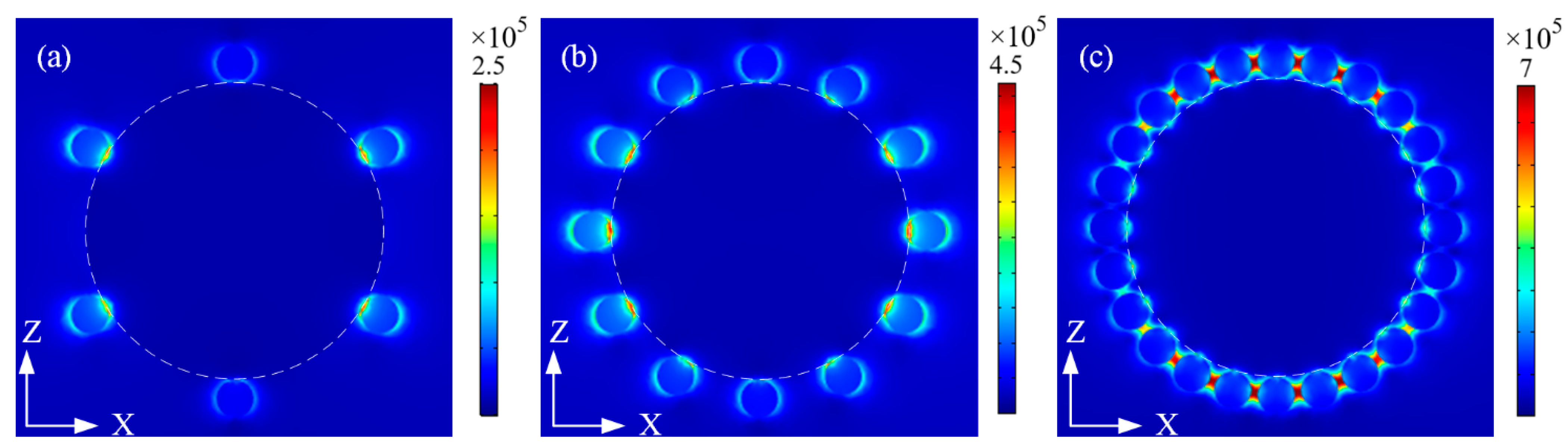
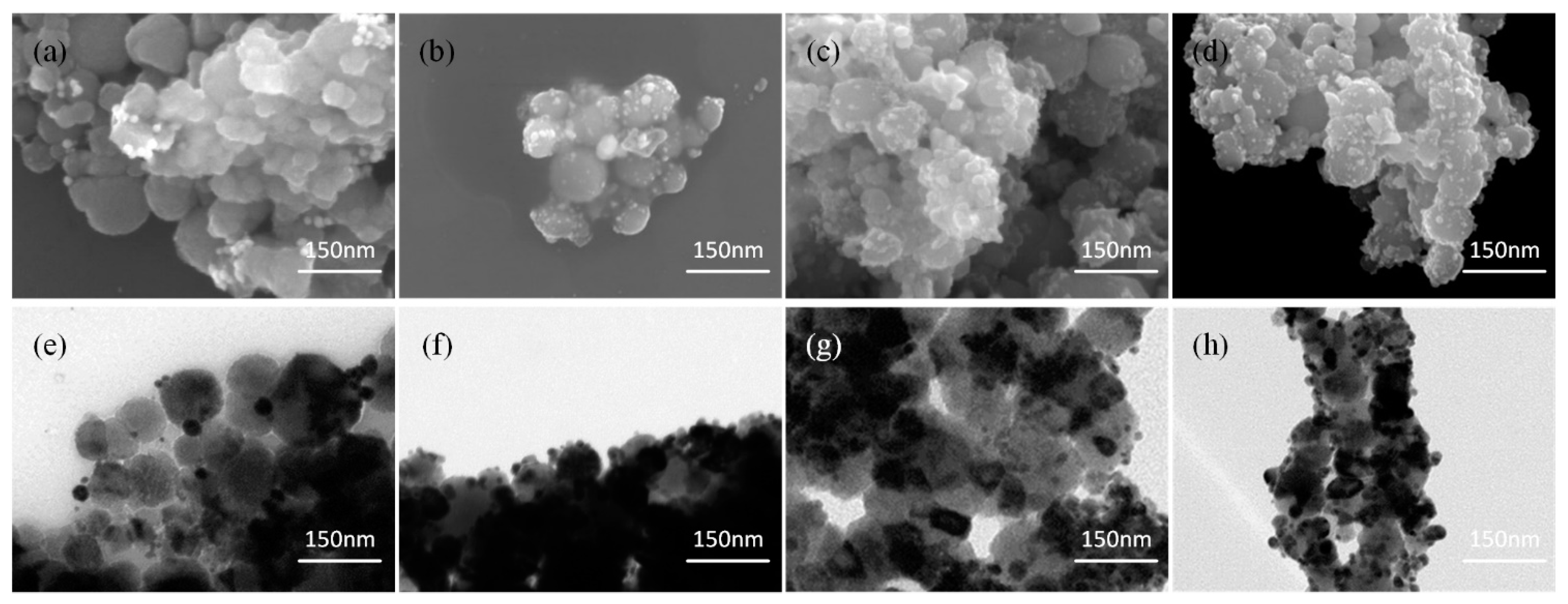
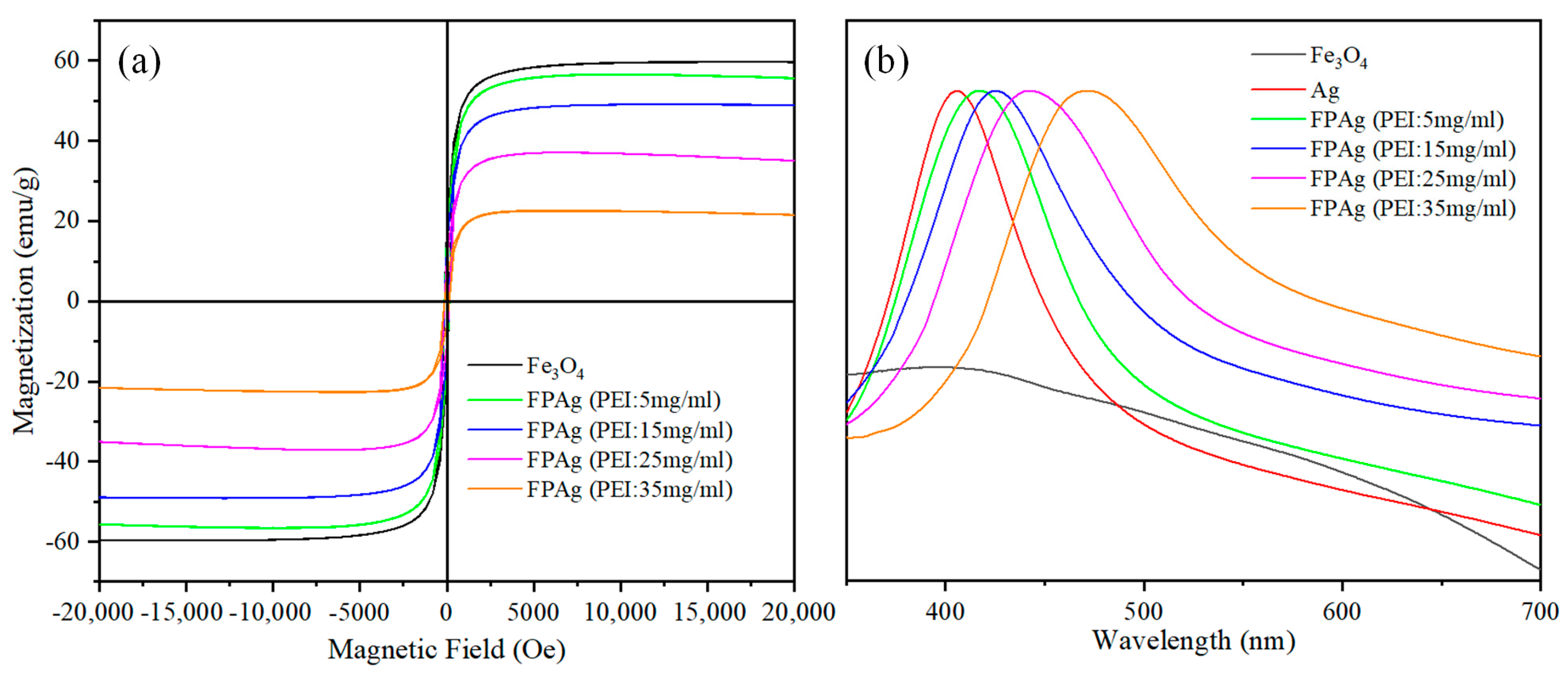
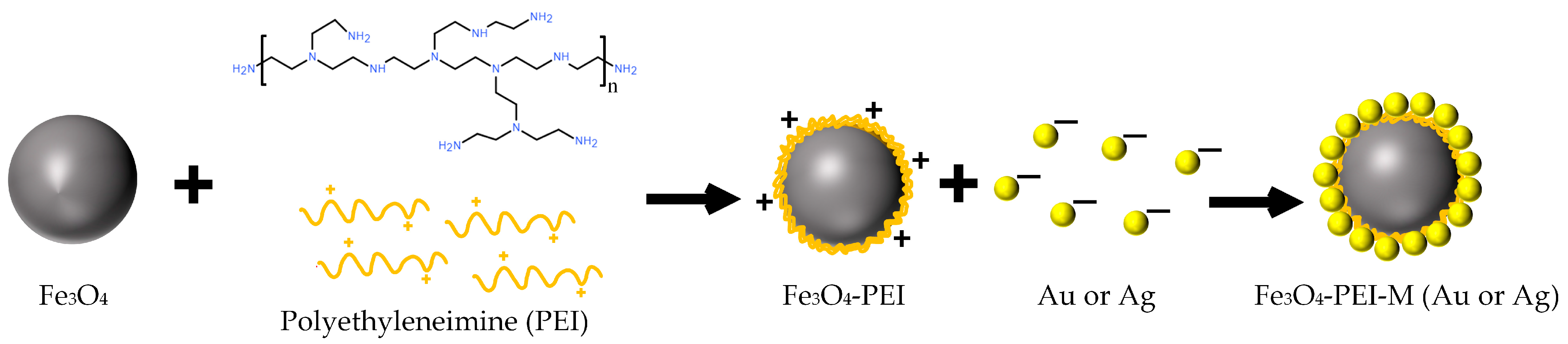
Magnetic–plasmonic nanoparticles (NPs) have attracted great interest in many fields because they can exhibit more physical and chemical properties than individual magnetic or plasmonic NPs. In this work, we synthesized Au- or Ag-decorated Fe3O4 nanoparticles coated with PEI (Fe3O4-PEI-M (M = Au or Ag) NPs) using a simple method. The influences of the plasmonic metal NPs’ (Au or Ag) coating density on the magnetic and plasmonic properties of the Fe3O4-PEI-M (M = Au or Ag) NPs were investigated, and the density of the plasmonic metal NPs coated on the Fe3O4 NPs surfaces could be adjusted by controlling the polyethyleneimine (PEI) concentration. It showed that the Fe3O4-PEI-M (M = Au or Ag) NPs exhibited both magnetic and plasmonic properties. When the PEI concentration increased from 5 to 35 mg/mL, the coating density of the Au or Ag NPs on the Fe3O4 NPs surfaces increased, the corresponding magnetic intensity became weaker, and the plasmonic intensity was stronger. At the same time, the plasmonic resonance peak of the Fe3O4-PEI-M (M = Au or Ag) NPs was red shifted. Therefore, there was an optimal coverage of the plasmonic metal NPs on the Fe3O4 NPs surfaces to balance the magnetic and plasmonic properties when the PEI concentration was between 15 and 25 mg/mL. This result can guide the application of the Fe3O4-M (M = Au or Ag) NPs in the biomedical field.
Keywords: Fe3O4-PEI-M (M = Au or Ag) nanoparticles; plasmonic; magnetic Fe3O4-PEI-M (M = Au or Ag) nanoparticles; plasmonic; magnetic