Article

Research the Dimensional Accuracy of C45 Steel Ring Forgings Produced by Radial Rolling

1
Faculty of Mechanical Engineering, Lublin University of Technology, 20-618 Lublin, Poland
2
Faculty of Production Engineering and Materials Technology, Czestochowa University of Technology, 42-201 Czestochowa, Poland
*
Author to whom correspondence should be addressed.
Materials 2024, 17(1), 3; https://doi.org/10.3390/ma17010003
Submission received: 14 November 2023 / Revised: 14 December 2023 / Accepted: 17 December 2023 / Published: 19 December 2023

Abstract

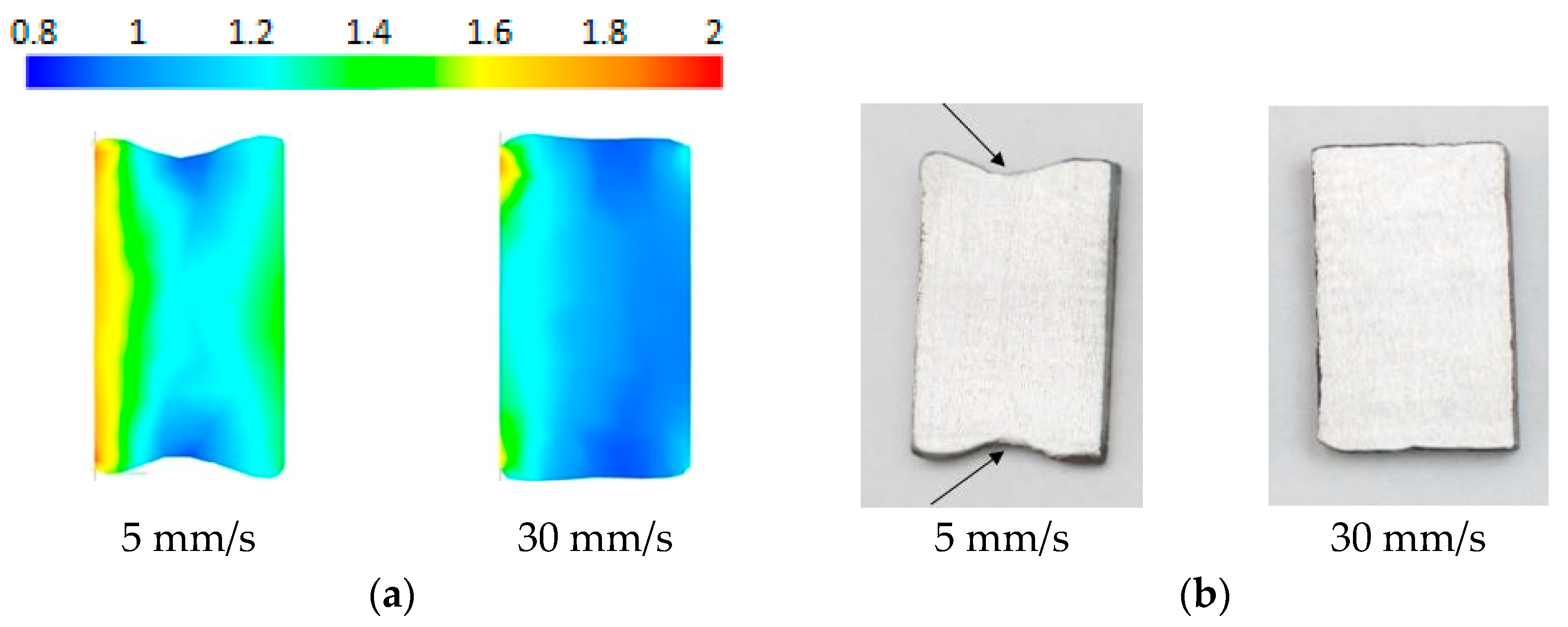
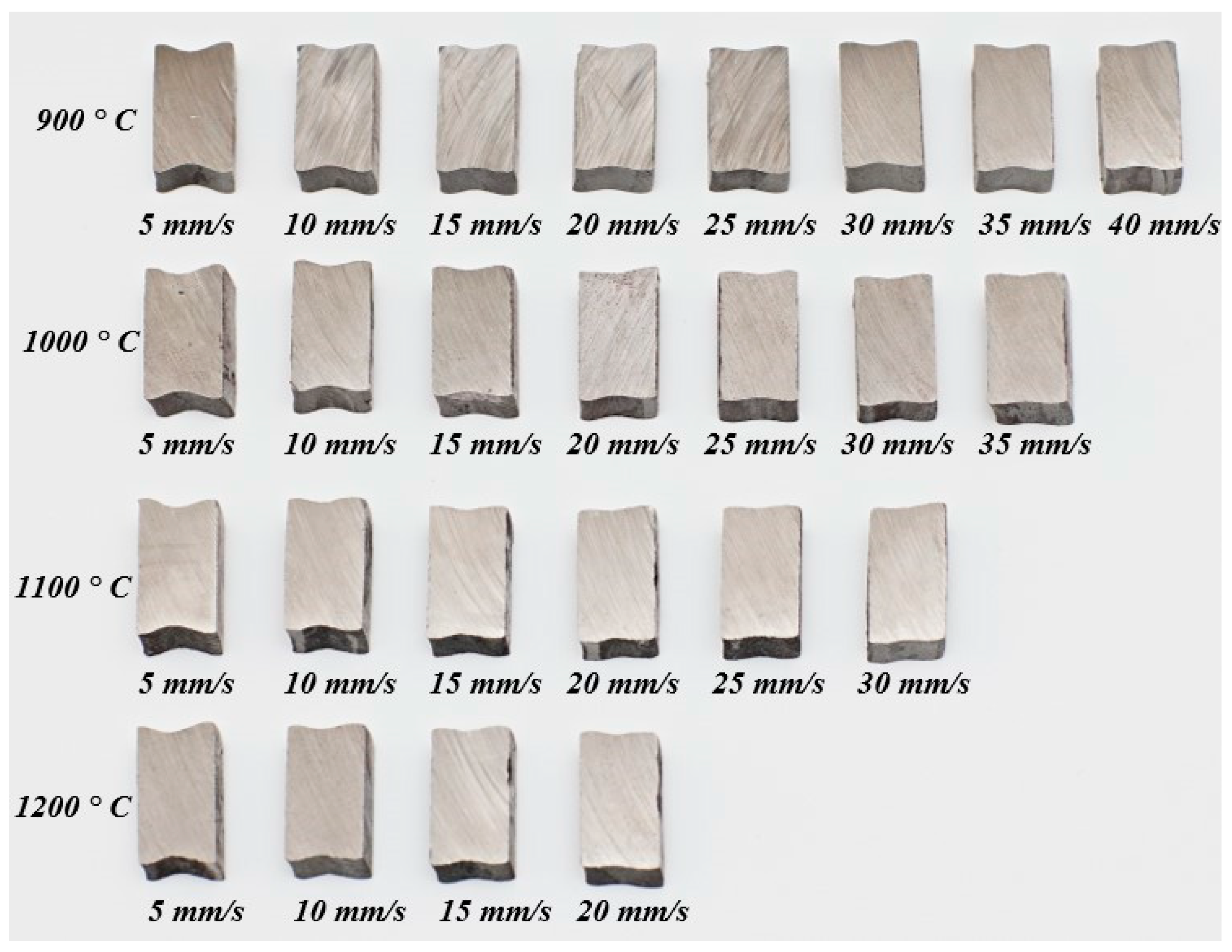
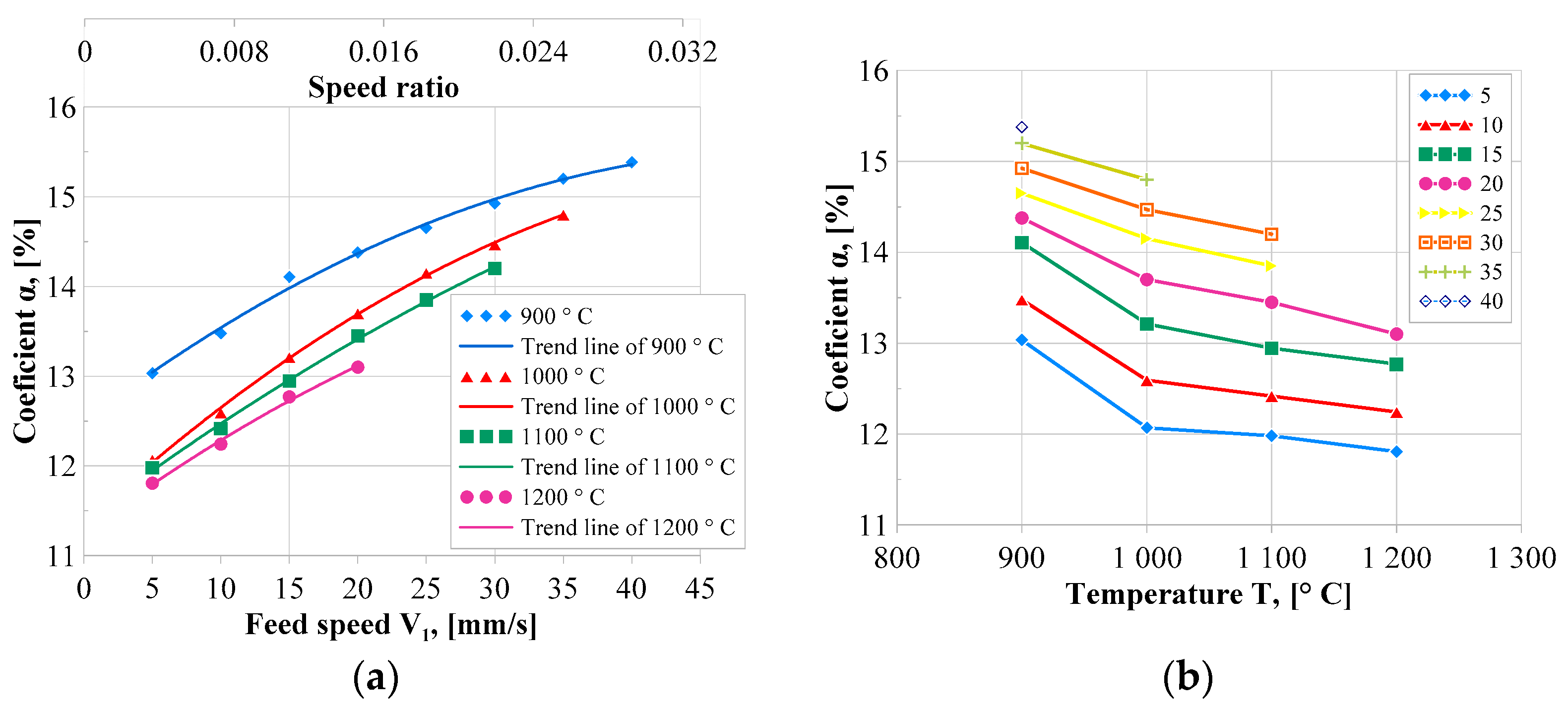
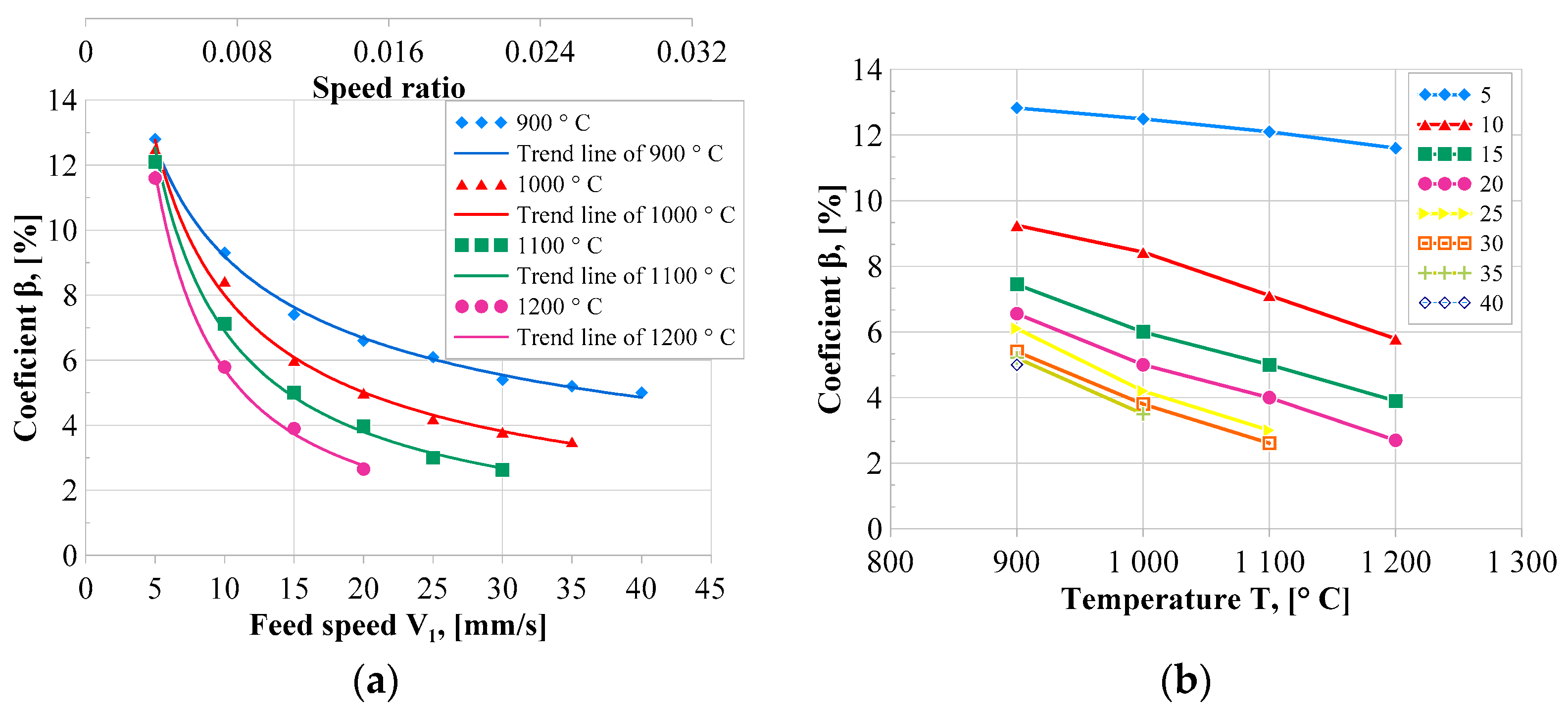
The rolling process of rings is a commonly used method for producing annular forgings. There are two primary types of this process: radial-axial rolling and radial rolling. This article presents the research results regarding the latter, in which obtaining a product with the assumed dimensions constitutes a major problem. In industrial practice, the process parameters are based on the experience of technologists and/or by trial and error. This is why the authors considered it justified to undertake the research aimed at determining the influence of the main process parameters, that is, preform temperature and tool speed, on the shape and dimensions of the cross-section, which determine the internal and external diameters of the rolled ring. The research was based on numerical simulations and experimental studies. The results obtained proved that the higher the feed speed of the main roll, the greater the change in the cross-sectional height during rolling, and the smaller the cross-sectional deformation (the so-called fishtail). Nevertheless, a higher preform temperature reduces the final height of the ring and reduces cross-section deformation. On the basis of the obtained test results, guidelines for the process design were postulated, considering the influence of temperature and speed parameters on the final dimensions of the forging and the dimensions of the preform.
Keywords: radial ring rolling; steel C45; technological parameters; dimensional accuracy radial ring rolling; steel C45; technological parameters; dimensional accuracy